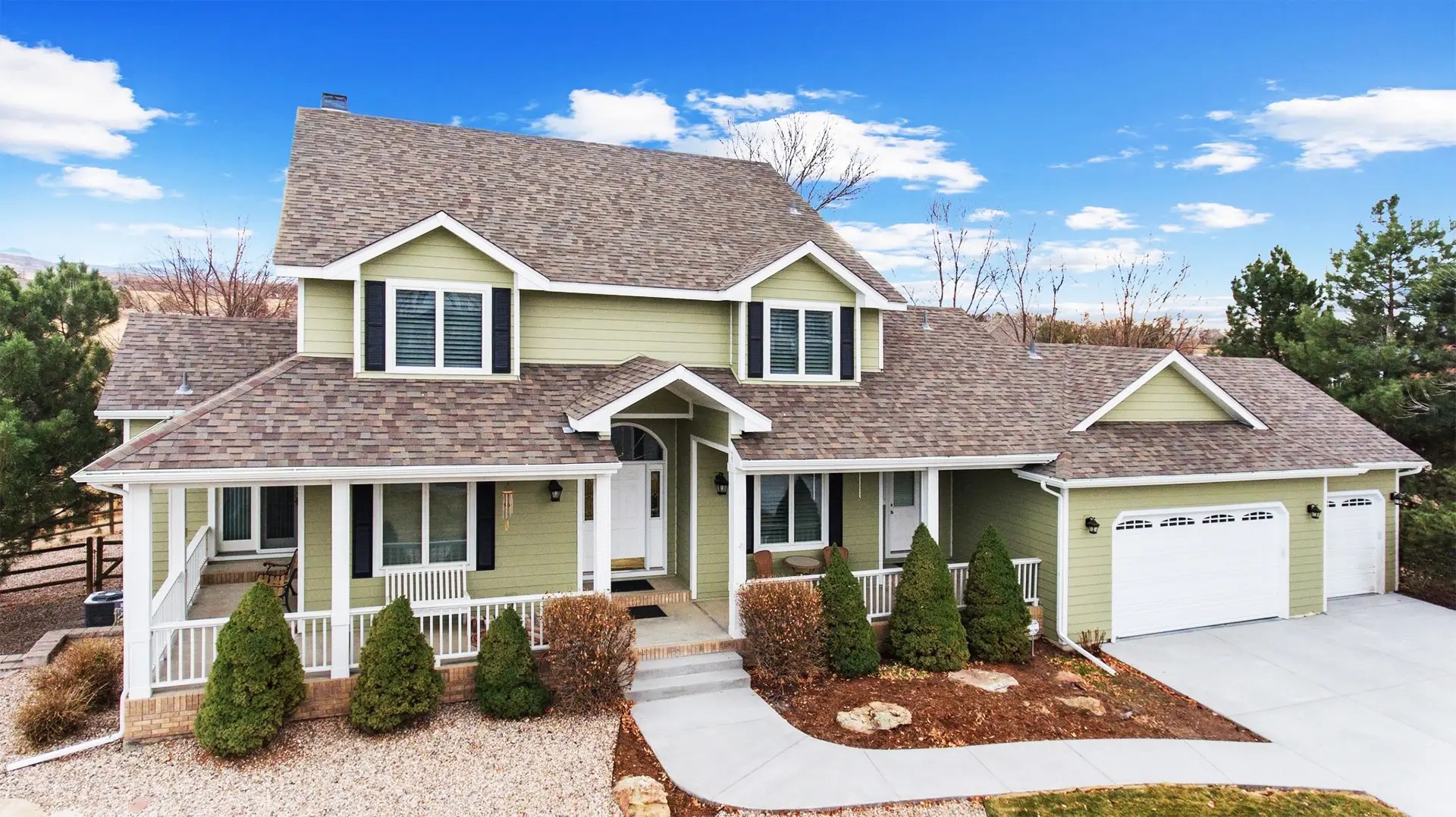
Siding Contractors — Northglenn, CO 80233 & 80234
Siding Contractors in Northglenn
Re-cladding Perl-Mack-era ranches and tri-levels since 2001 — LP SmartSide, fiber cement, metal and stone, installed down to the sheathing by one Class C general contractor rather than four subcontractors.
Who are the best siding contractors in Northglenn, CO?
Northern Lights Exteriors has worked Colorado’s Front Range since 2001 and holds a Class C general contractor license, so siding, trim, windows and roof-to-wall flashing run under one contract with one project manager accountable for the transitions between them.
We install LP SmartSide engineered wood, James Hardie fiber cement, metal and stone veneer — we do not install vinyl siding. Because we install all of them, our recommendation is a fit assessment rather than a sales preference — and on Northglenn’s 1959–1970s production homes the honest answer is often engineered wood.
Every siding replacement in Northglenn is torn off to the sheathing, photographed, repaired, re-flashed and re-barriered before new cladding goes on — and all of it is documented in a proprietary client portal. Rated 4.9 out of 5 from 552 verified reviews.
Why Northglenn Siding Fails on a Schedule, Street by Street
Most cities age their houses one at a time. Northglenn does not. Perl-Mack opened Northglenn’s first five show homes on 30 June 1959, priced between $13,500 and $20,350. By October 1962 the development held 3,000 homes and 10,000 residents — and Life magazine and the National Association of Home Builders called it “the most perfectly planned community in America” in 1961. A city built that fast, that deliberately, in production runs, ends up with a housing stock that ages in cohorts. Your neighbors’ walls are your walls. They went up the same season, out of the same material, detailed by the same crews.
That is why siding replacement in Northglenn tends to arrive as a block event rather than a personal one, and why most of the calls a siding company in Northglenn takes come in clusters from the same few streets. When we get a call on a street in Original Northglenn, Stonehocker or Hillcrest, it is rarely the only house on that street with the problem. It is the house whose owner looked first.
Three original wall claddings dominate here, and each one fails in its own recognizable way:
Hardboard and masonite lap
The default on late-1960s and 1970s builds. It drinks water at the bottom edge and at every butt joint, then swells, delaminates and crumbles — almost always starting within two feet of grade, on the north and west elevations, and behind downspouts. Paint stops adhering years before the board actually fails.
Aluminum lap
Common on the earliest Perl-Mack elevations. It does not rot, which is why so much of it is still up. But six decades of Front Range hail leaves it dimpled like a golf ball, the factory finish chalks off onto your hand, and it dents if a kid throws a ball at it. It also does nothing for the wall’s insulation value.
Early vinyl re-cladding
Many Northglenn homes are already on their second skin — 1990s or 2000s vinyl installed over the original. Thin-gauge vinyl of that era gets brittle under UV, cracks on impact in cold weather, and fades unevenly. It also hides whatever was left underneath, which is the part we care about.
What sits behind the cladding matters more than the cladding itself, and on homes of this age it is frequently the reason a re-side is worth doing properly. Original construction here typically has no weather-resistive barrier worth the name, minimal or no exterior insulation, and sheathing that has taken decades of small leaks at windows and roof-to-wall transitions. A siding job that goes back on over the top of all that is a cosmetic job with a warranty stapled to it.
Siding Materials We Install in Northglenn, Compared Honestly
We install fiber cement, engineered wood, metal and stone veneer — and LP siding in Northglenn is asked about more than any other single product here, so it leads the table below rather than trailing the brand-name options. We do not install vinyl siding, and the paragraph below the table says why rather than leaving you to guess. Because we install all of them, the recommendation you get is not a sales preference — it is what fits the house, the elevation and the budget. Here is the comparison as it actually applies to a Northglenn ranch or tri-level.
| Material | What it does well here | What to know | Where it fits |
|---|---|---|---|
| LP SmartSide engineered wood | Light, impact-tolerant, long lengths that suit low horizontal ranch elevations with few cuts and few joints. Takes paint well and holds it. | It is a wood-strand product. The engineered treatment is what makes it durable, so cut ends and penetrations have to be sealed correctly — installation quality decides its lifespan more than with fiber cement. | Ranches and tri-levels where hail impact and installation speed matter more than absolute mass. Frequently the best value in this market. |
| James Hardie fiber cement | Density. It does not burn, does not feed insects, and shrugs off UV. The HZ5 boards are specified for freeze–thaw climates like ours. | Heavy, and it must be fastened and gapped to spec. ColorPlus factory finish costs more up front and saves a repaint cycle later. | Homes staying long-term, and any elevation where the owner wants the lowest possible maintenance. Covered in depth on our Northglenn James Hardie page. |
| Metal panel and lap | Dimensionally stable, non-combustible, and reads as a deliberate design choice rather than a leftover. | It dents. On a hail-exposed elevation that is a genuine consideration, not a footnote. | Accent elevations, modern updates, and gable ends where you want contrast. |
| Stone veneer | Changes the whole read of a plain production elevation for relatively little area. | Detailing at the top edge and at grade is where stone veneer jobs fail. It is a flashing problem disguised as a masonry problem. | Wainscot on front elevations, column bases, and around entries. |
Why vinyl is not on that list. We do not install vinyl siding, and it is fairer to say so plainly than to quote it half-heartedly. The reason is this city specifically: vinyl’s weak point is impact behavior in cold weather, and Northglenn sits on a stretch of the Front Range that takes damaging hail repeatedly. A large share of the failed cladding we tear off here is 1990s and 2000s vinyl that was sold as the budget answer and did not last long enough to be one. If cost is what is driving your decision, LP SmartSide is where we would point you instead — it is the value option in our range and it holds up to hail in a way thin-gauge vinyl does not.
Product pages with full detail: LP SmartSide and composite wood siding, James Hardie, board and batten, metal siding, stone veneer, and our siding contractor overview.
“Can You Just Repair It?” — The Honest Answer
People search for siding repair in Northglenn constantly, and it deserves a straight answer rather than a sales pitch, so here it is: we are a replacement contractor, not a patch service. We will tell you when a repair is the right call even though it is not work we take.
A repair is genuinely the right answer when the damage is isolated and recent — a car backed into one elevation, a branch came through, a single course got damaged during another trade’s work — and the rest of the wall is sound. If you still have matching material, a competent handyman can do this well and you should not spend re-clad money on it.
A repair is money thrown away when the failure is age-driven rather than event-driven. On hardboard that has begun to delaminate, patching one bad section on a wall whose remaining boards are the same age, same exposure and same absorption is buying twelve to eighteen months. And matching is close to impossible — the original profiles are discontinued, and even where a modern equivalent exists, sixty years of UV means the adjacent boards no longer match anything sold today.
The practical test we use on a walk-through: press a screwdriver handle firmly against the board’s bottom edge at four or five points around the house, low on the north and west walls and behind the downspouts. If it gives in more than one place, you do not have a repair — you have a wall that is telling you its schedule.
How a Northglenn Re-Clad Actually Runs
Northglenn issues its own building permits. That is a small fact with a real history behind it: residents voted to incorporate in 1964, the City of Thornton opposed it, and the Colorado Supreme Court did not validate the vote until 31 January 1969 — the city was formally incorporated that April. Six decades later, the practical residue is that plenty of properties here get called “Thornton” by mailing addresses, mapping apps and out-of-area contractors who then pull the wrong permit or quote to the wrong jurisdiction. We confirm the authority for your specific parcel before anything is filed.
- Walk the elevations with you, not around you. We check the bottom courses, the butt joints, behind the downspouts and the roof-to-wall transitions, and we show you what we are looking at rather than reporting it afterwards.
- Measure and specify. Square footage by elevation, trim and corner counts, penetration counts. Guessing here is how “surprises” get invented later in a project.
- Written scope and firm number. Materials named by product and finish, not by category. What is included, what is not.
- Permit with the correct authority. Filed by us, visible to you in the portal.
- Tear-off to the sheathing. This is the step cheaper bids skip, and it is the one that turns a re-clad into a repair. We photograph what is behind the old cladding — the condition of the sheathing, the state of the existing barrier, any prior water damage at windows — and that documentation goes into your portal permanently.
- Repair what is exposed. Rotten sheathing gets replaced, not covered. Priced against the written scope, not invented on the spot.
- Weather-resistive barrier and flashing. Housewrap, window and door flashing, kick-out flashing at roof-to-wall. On sixty-year-old construction this is routinely the first time the wall has ever been detailed properly.
- Install, trim and finish. Correct fastener spacing, correct gapping, sealed cut ends. Northglenn siding installation is judged on the details you will never see again after this step.
- Inspection and walk-through. Result recorded against the project.
Because we hold a Class C general contractor license rather than a single-trade license, the transitions can be handled inside one contract. That matters on these houses specifically: if the roof is also near the end of its life, doing roofing and siding together means the roof-to-wall flashing is detailed once, by one crew, instead of twice by two who each assume the other handled it. The same logic applies to window replacement, where the window flashing and the wall barrier have to be integrated rather than merely adjacent.
The System Behind the Work
A re-clad is the one project where almost everything of consequence gets buried again before you see it. The sheathing condition, the barrier, the flashing at every window head — all of it is visible for about a day and then closed up for thirty years. So the meaningful question is not whether we say we detailed it correctly. It is whether you can look.
Two things make that possible, and they are the reason to choose us over a cheaper quote.
First, experience and scope. We have been working on Colorado’s Front Range since 2001, and we hold a Class C general contractor license (Colorado license #C120350) rather than a single-trade license. That is not a technicality: it means roofing, siding, windows, decks and outdoor living can run under one contract, with one project manager accountable for the flashings where those trades meet — which is precisely where multi-contractor projects leak, literally and figuratively. James Hardie has recognized us as an Elite Preferred contractor continuously since 2011, and as a President’s Club member — their highest contractor distinction nationwide. Our rating is 4.9 out of 5 from 552 verified reviews. Alongside that license we hold manufacturer certifications from James Hardie (Elite Preferred since 2011), GAF (Master Elite), Pella, TimberTech and Deckorators, and we have been named a Qualified Remodeler Top 500 contractor three years running — all of it listed, with the issuing body for each, on our awards and credentials page.
Second, a proprietary on-demand client portal we built ourselves. Most of what people hate about a remodel is not the construction. It is not knowing — who to call, whether the permit went in, when material arrives, what has been paid, whether it passed inspection. We built a system to remove exactly that, and as far as we know no other exterior contractor in this market offers it:
Every conversation in one place
Messages, decisions and change requests are logged against your project rather than scattered across texts, voicemails and three different crew members’ phones.
Contracts and scope, always retrievable
Your signed contract and itemized scope live in the portal, so “what did we actually agree to?” is a thing you look up rather than a thing you argue about.
Permit status you can see
Where the permit is in the process, and when inspections are scheduled — without having to phone anyone to find out.
Delivery and install schedules
When material lands and when each trade starts, so you can plan around the work instead of waiting for a truck to appear.
Before, during and final photography
Documented condition before we start, progress images through production, and final photography — including the parts of the building you will never see again once it is closed up.
Payments tracked per trade
What is paid and what is outstanding, broken out by trade rather than as one running balance you have to reconcile yourself.
Inspection records
Each inspection and its result, recorded against the project and available when you sell the house and someone asks.
Access is an individual, custom URL issued to you — and you get it when we start talking, at the lead and project meeting, not after you sign something. That is deliberate: you can see how we run a project before you commit to one. It then stays available after the work is finished, which matters more than it sounds, because the documentation, images and inspection records are exactly what a buyer’s agent, an appraiser or an insurer asks for years later.
Get a Siding Estimate for Your Northglenn Home
Tell us the street and we can usually tell you what is on the house before we arrive — that is what a city built in production runs does for you. The estimate itself is free, written, and specific to your elevations rather than a price per square foot pulled off a chart. If your block is starting to go, it is worth knowing your number now.
Request Your Free Estimate → 📞 (303) 776-5263
Prefer email? Reach us at office@nlexteriors.com. Ask about financing options when we walk the property.
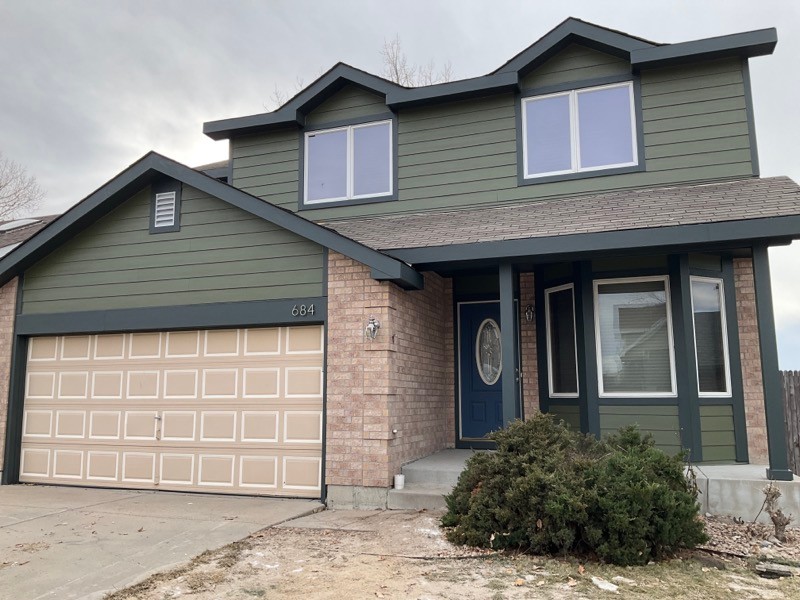
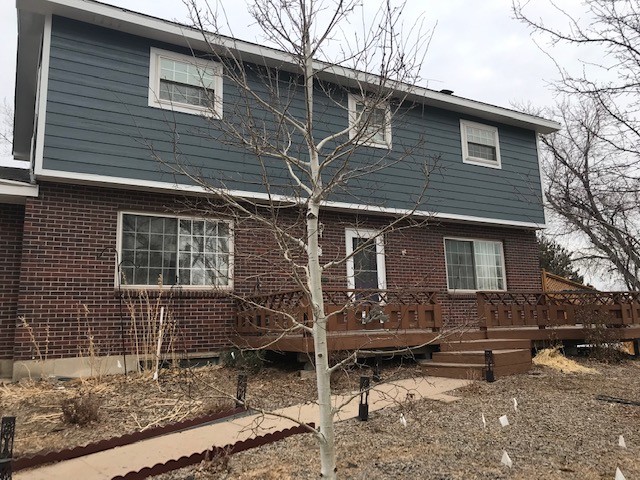
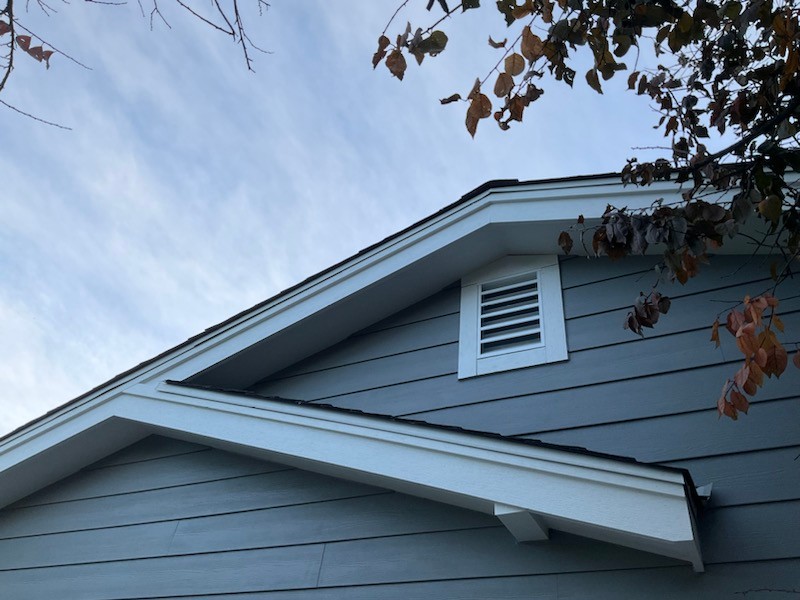
Northglenn Siding Projects
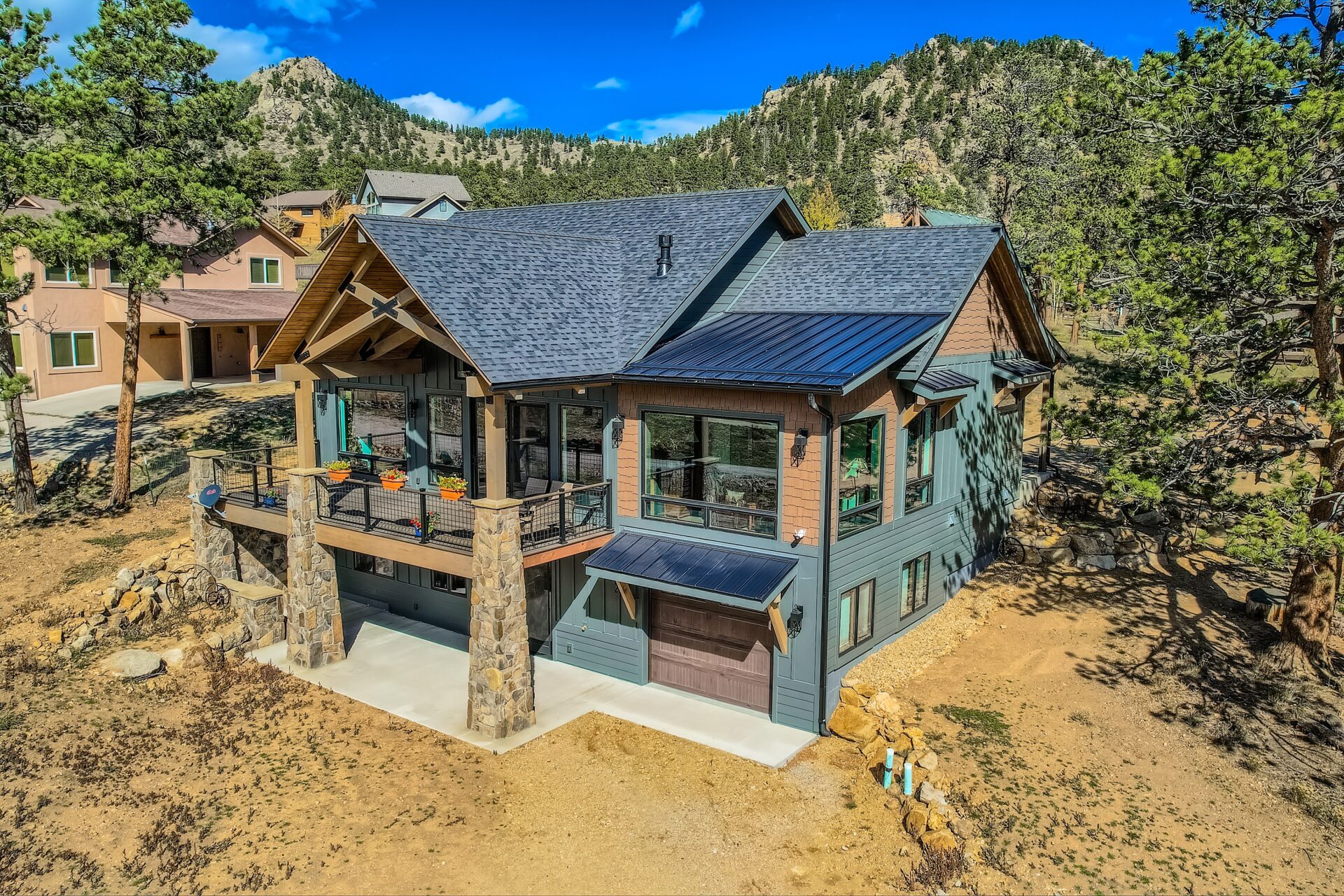
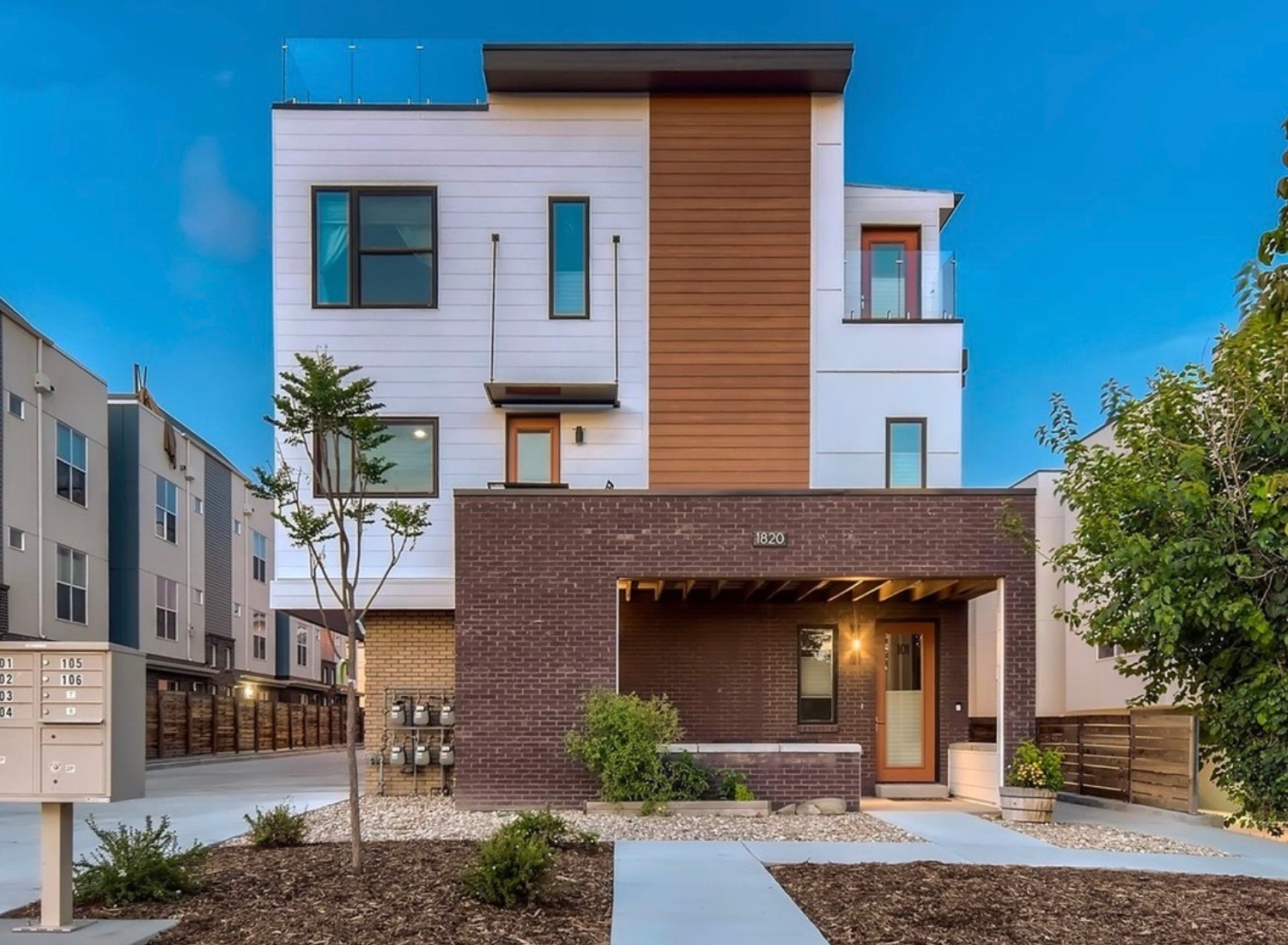
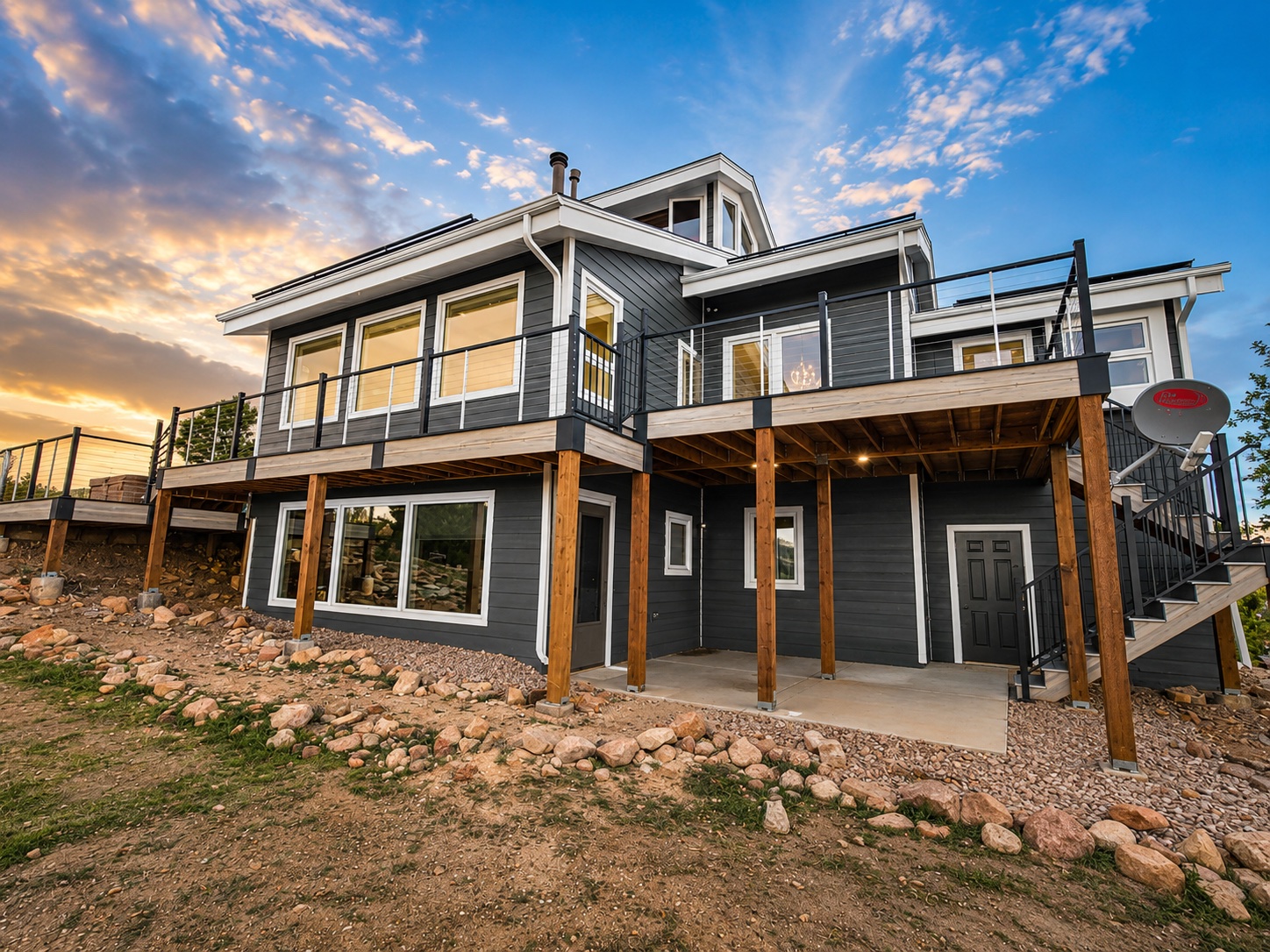
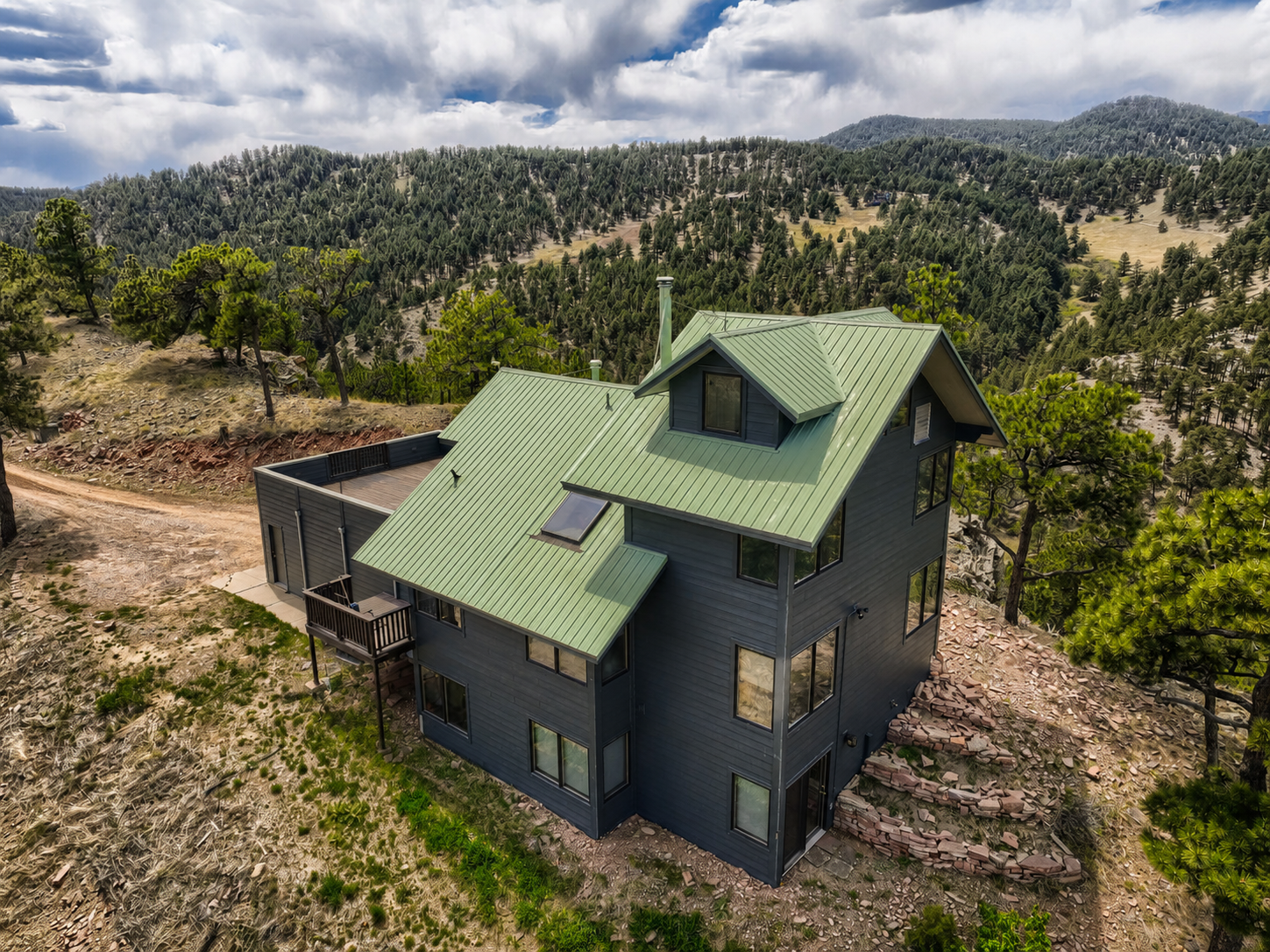
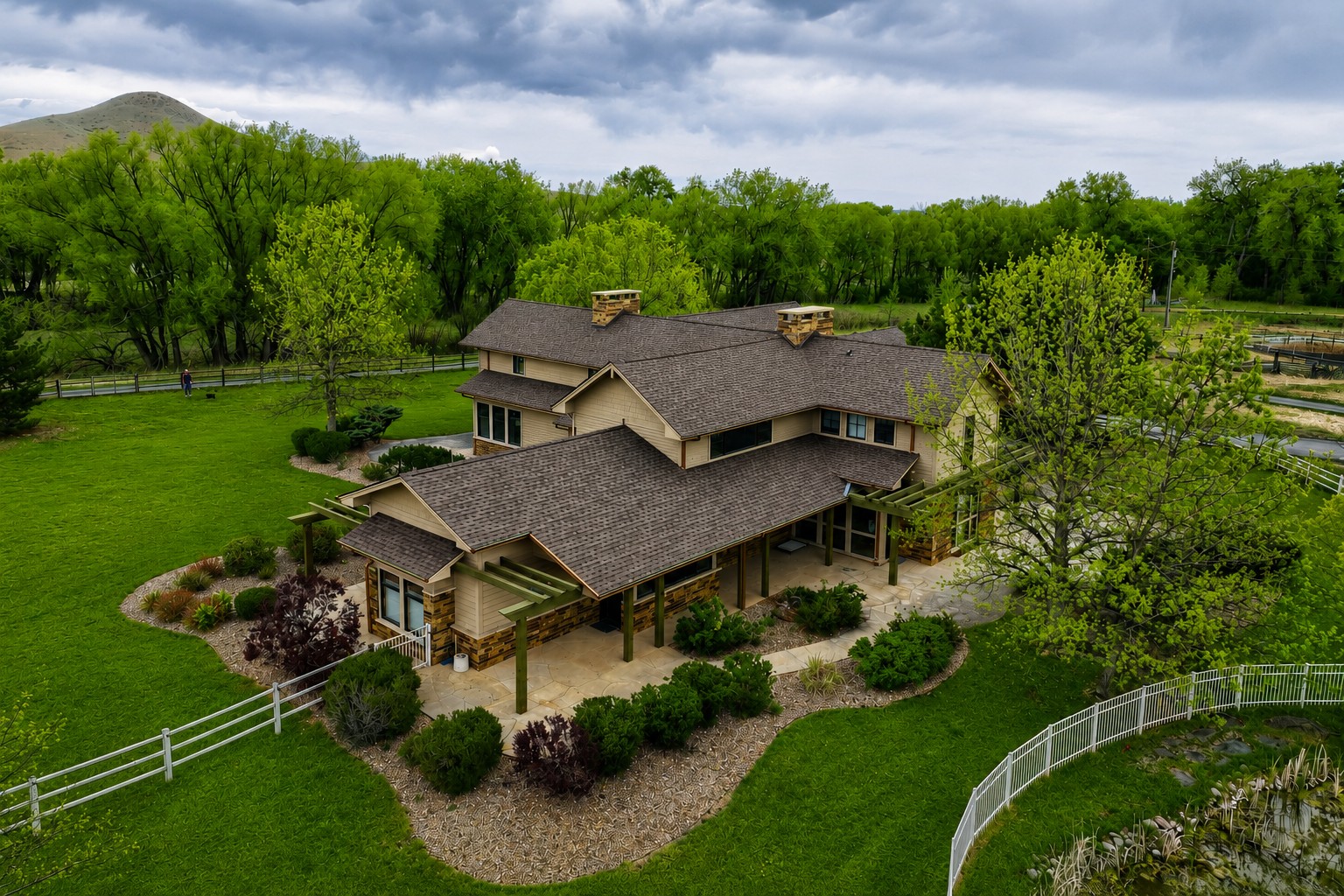
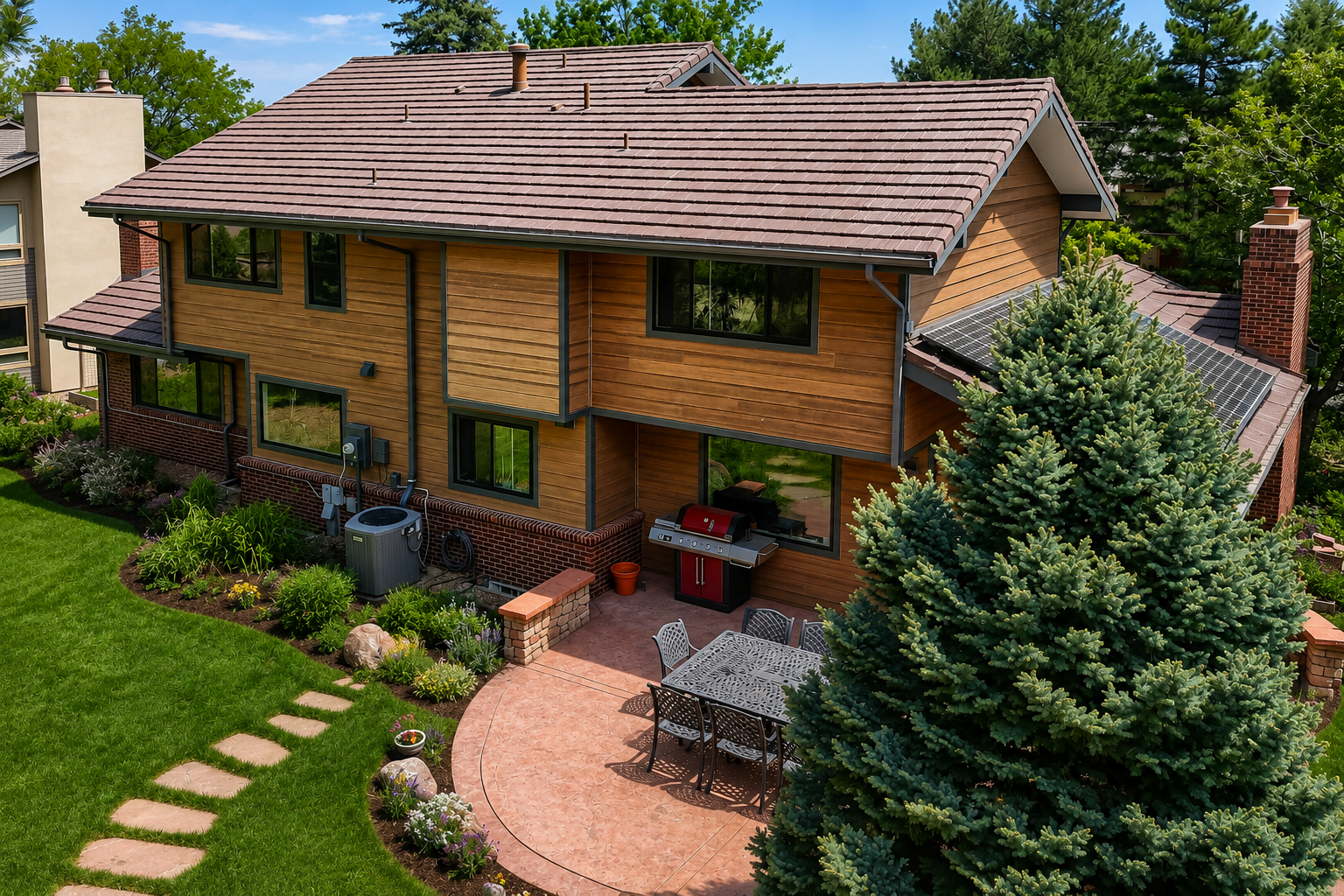
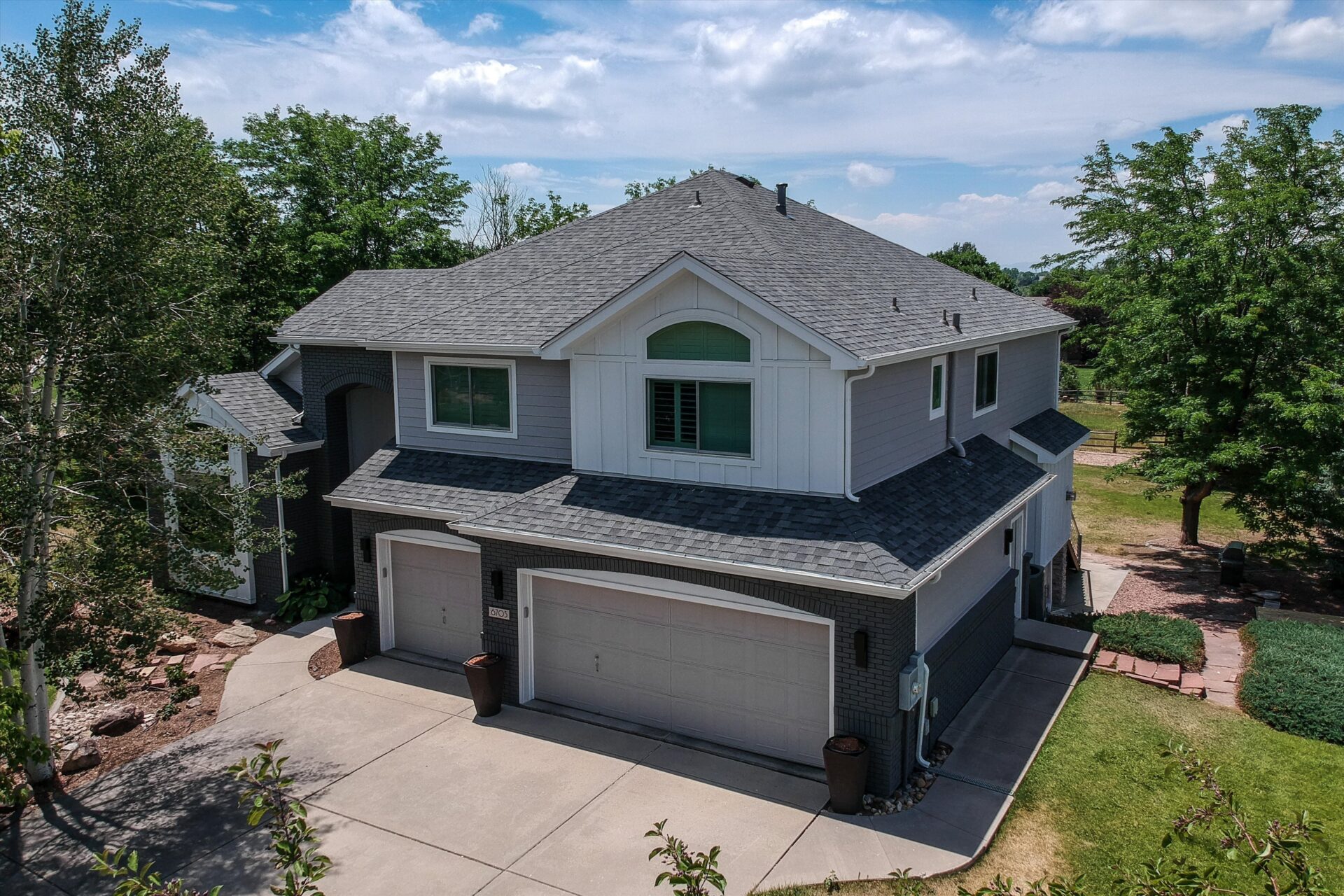
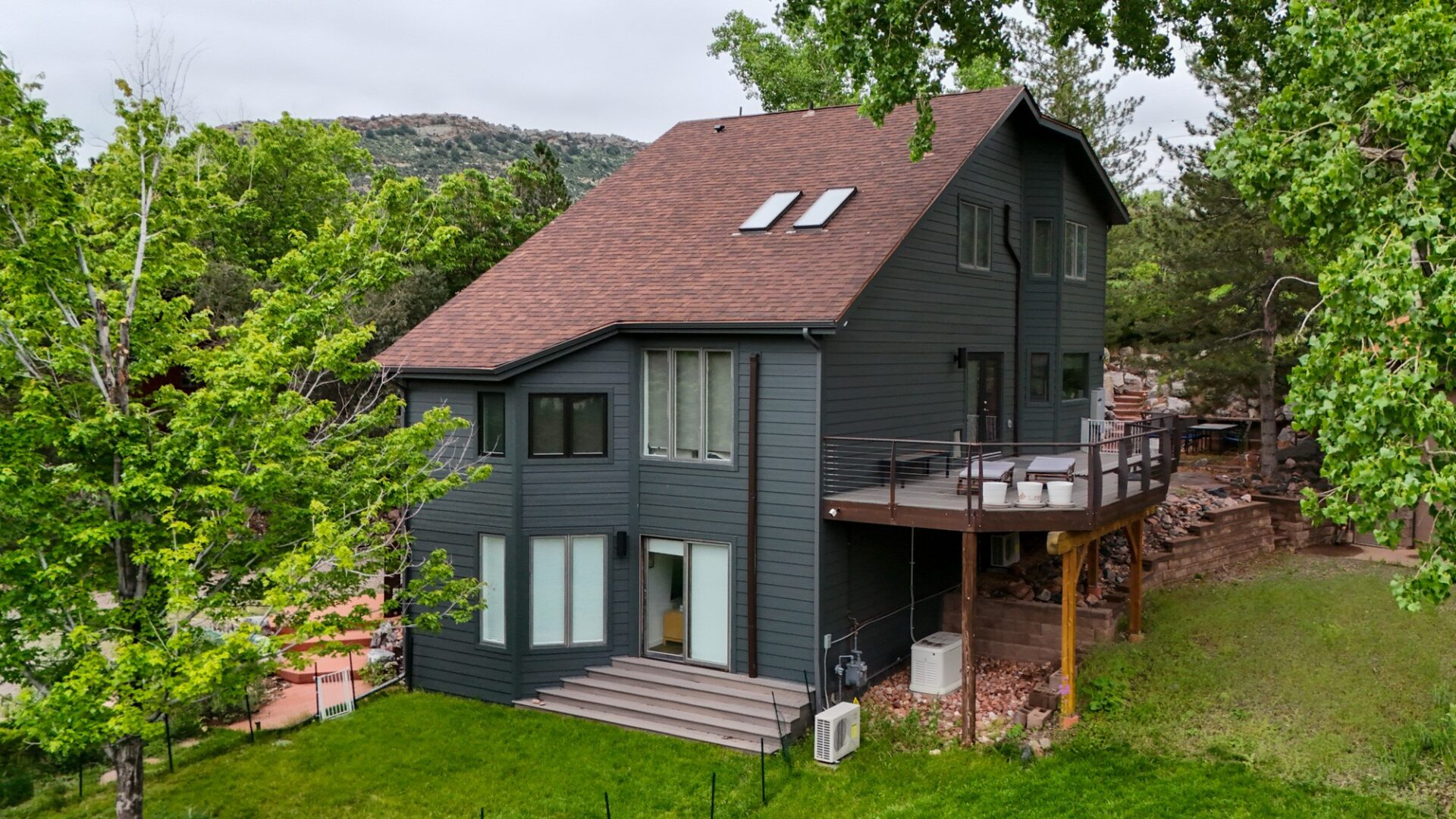
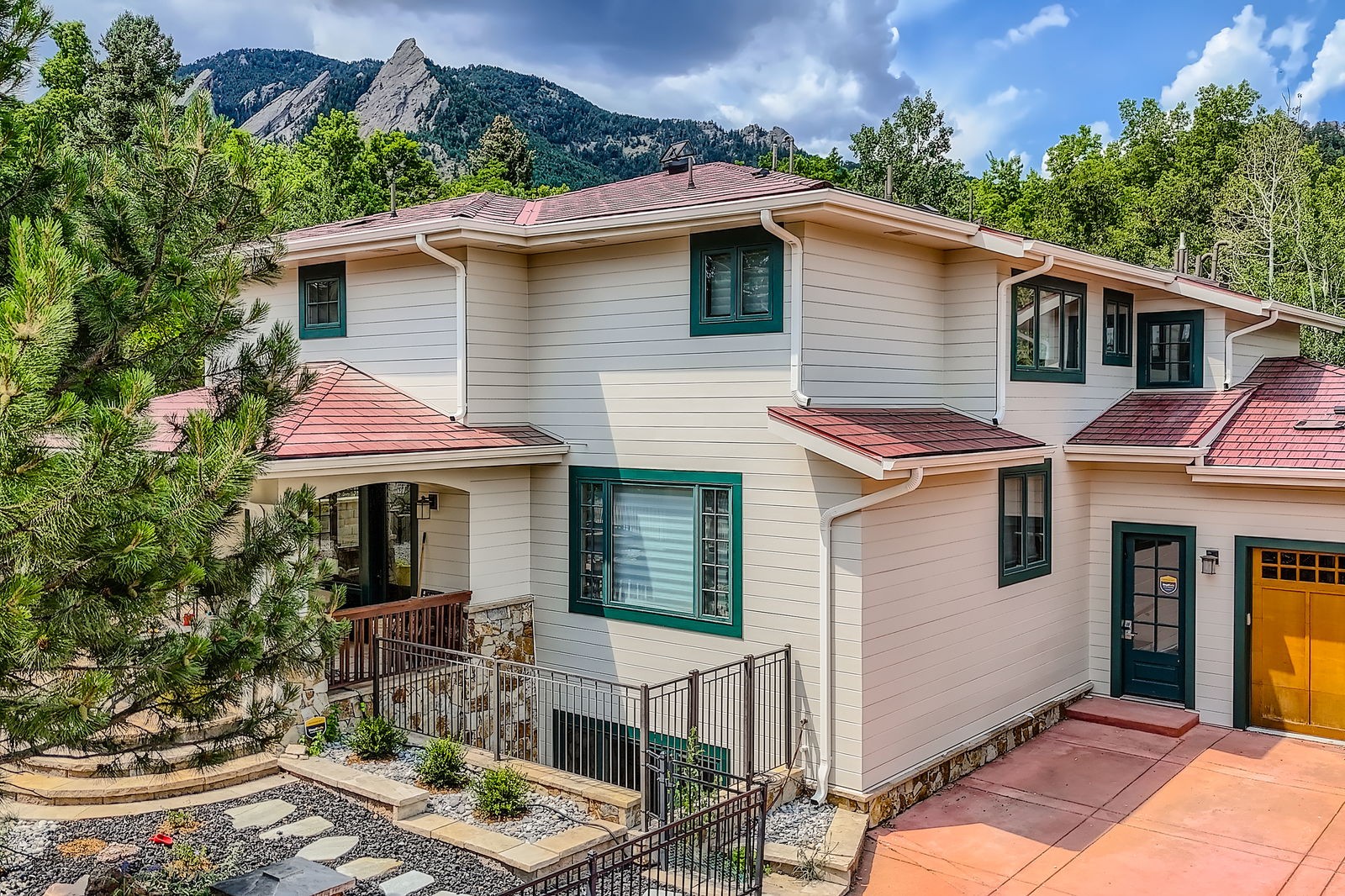
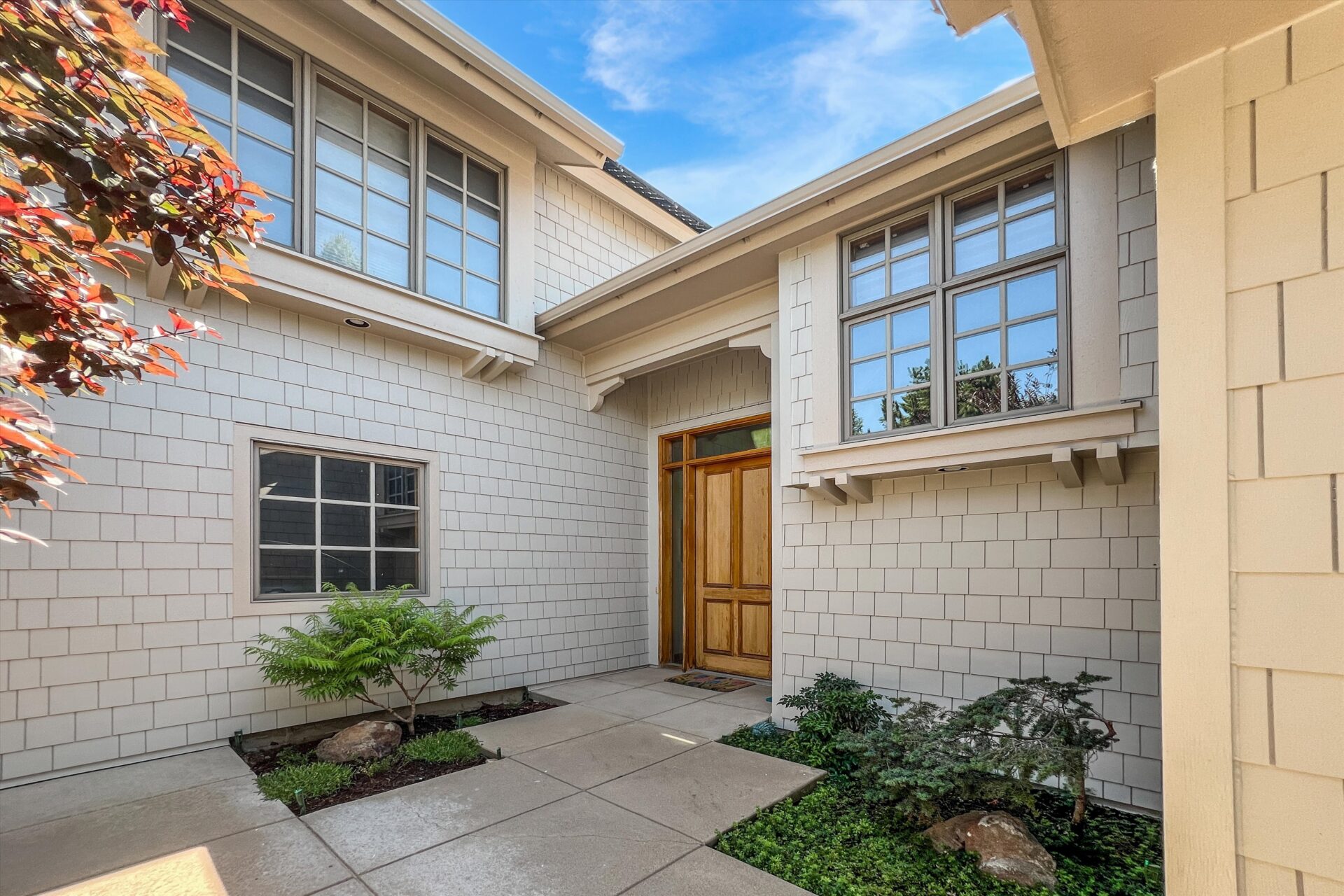
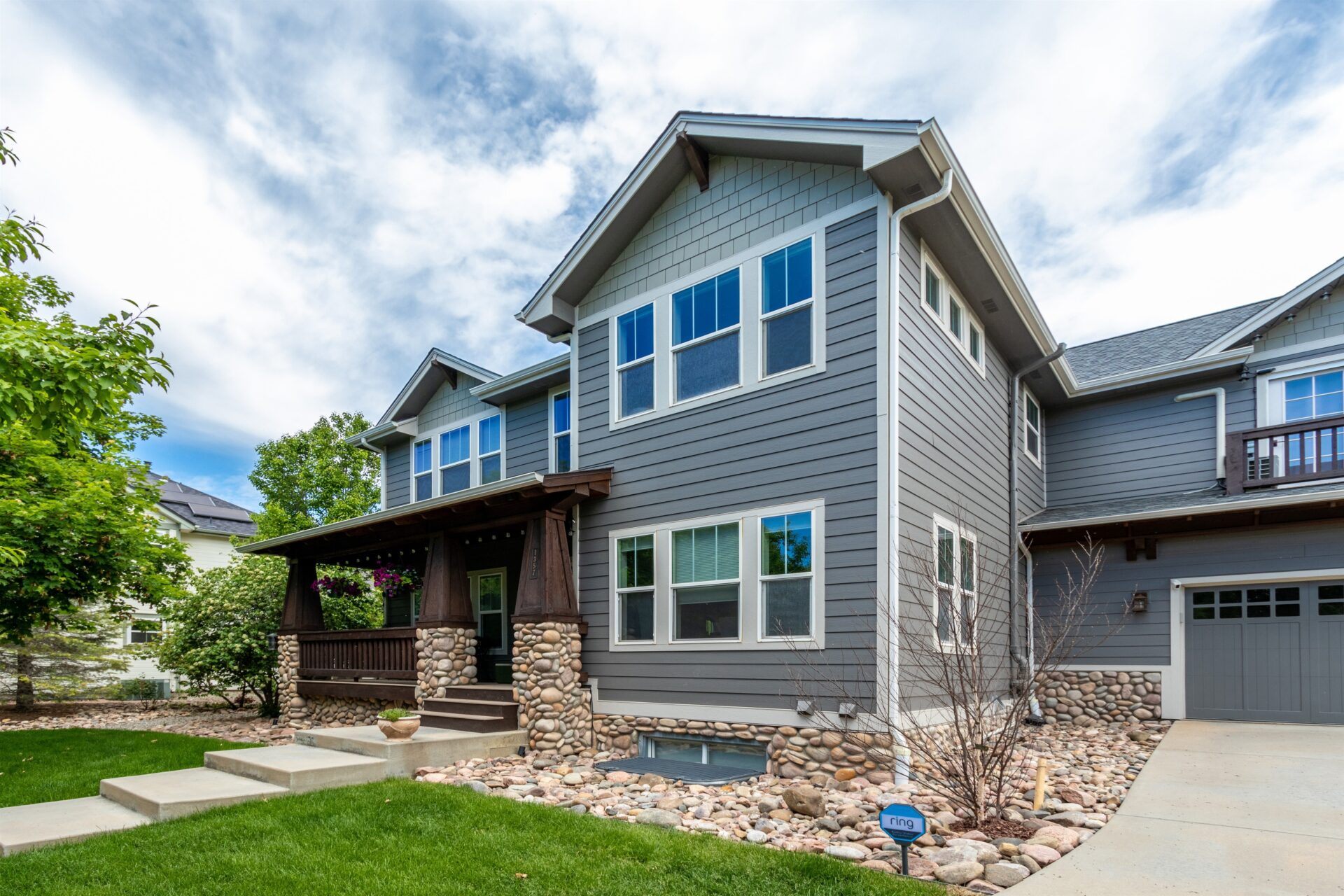
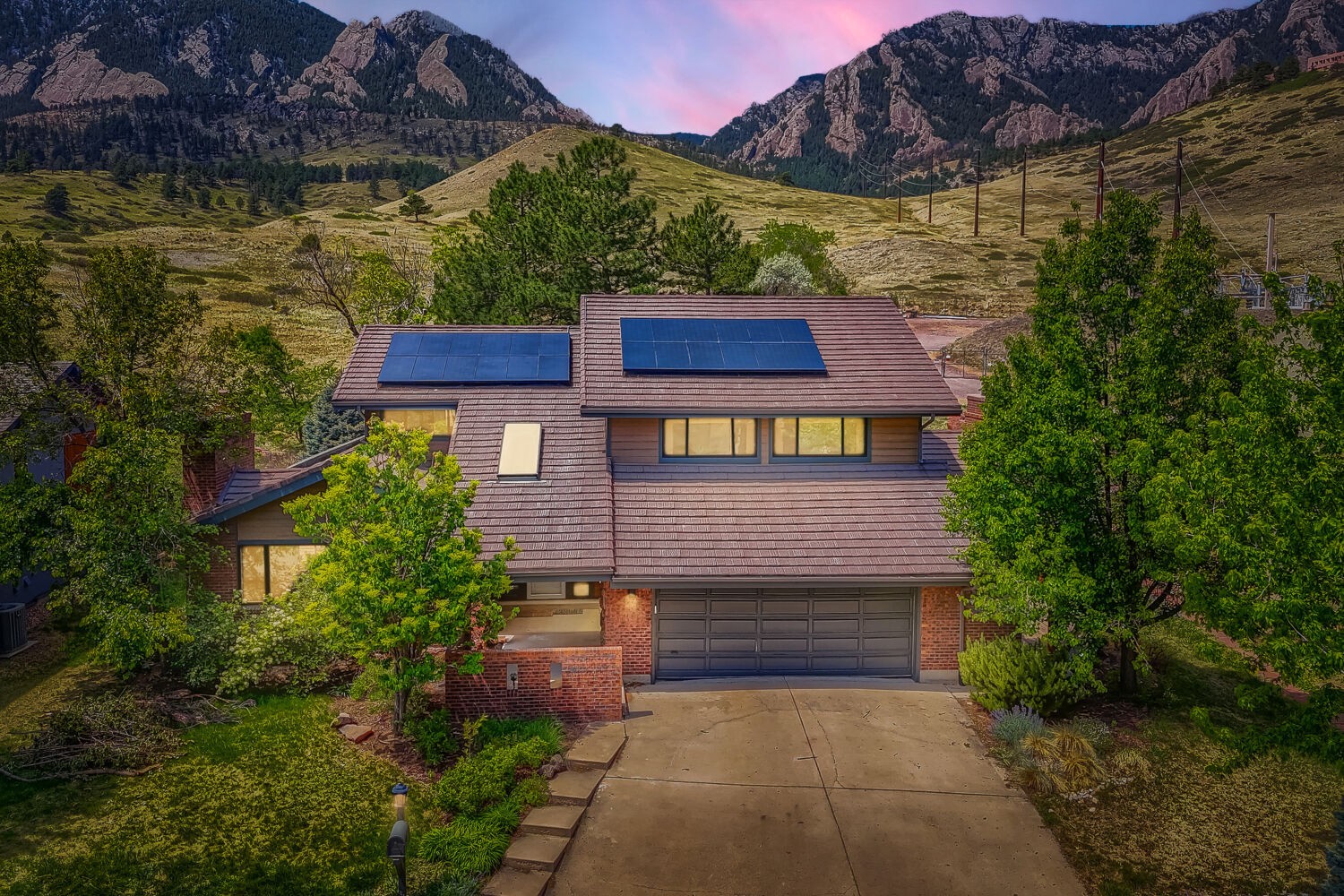
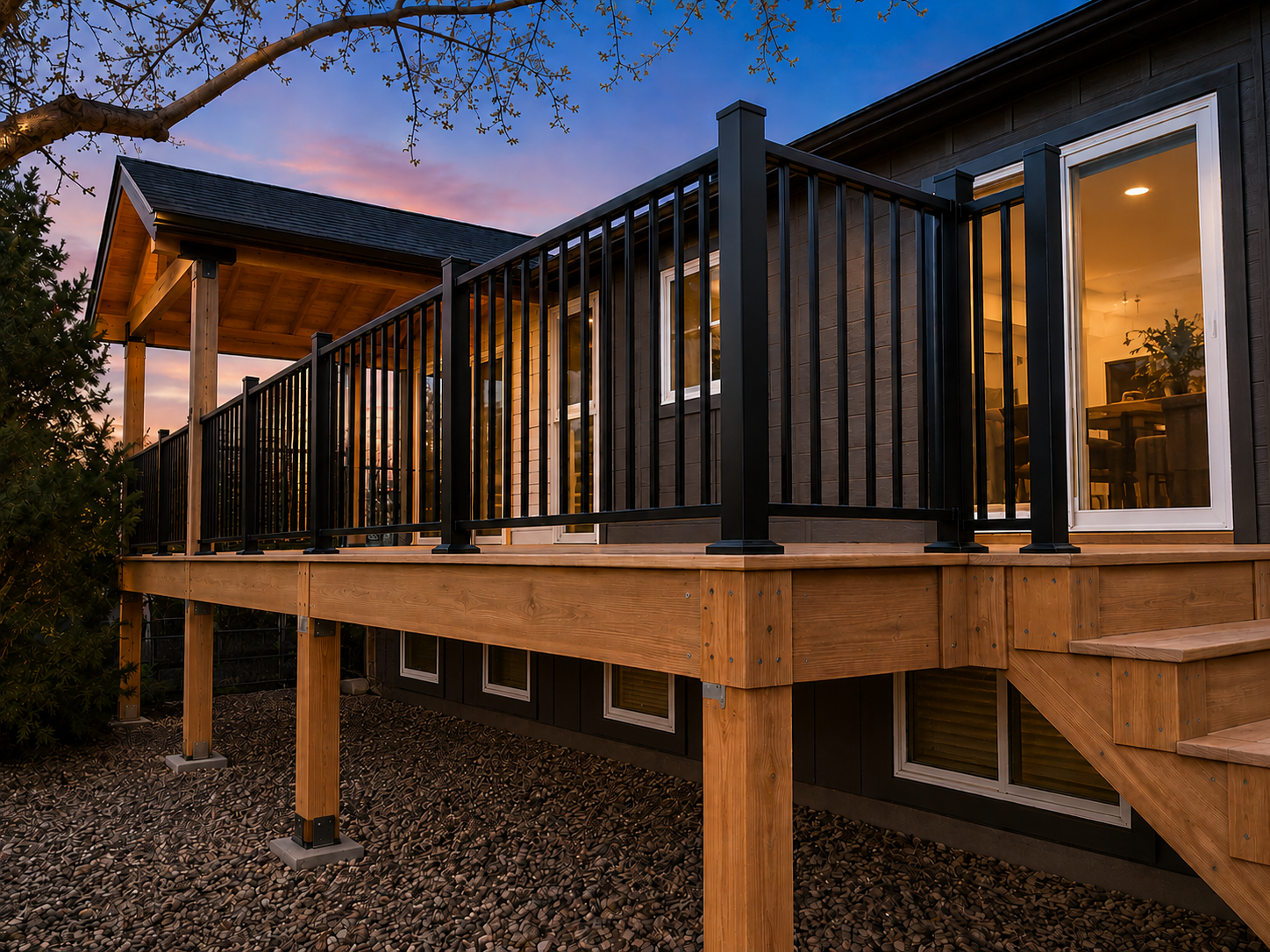
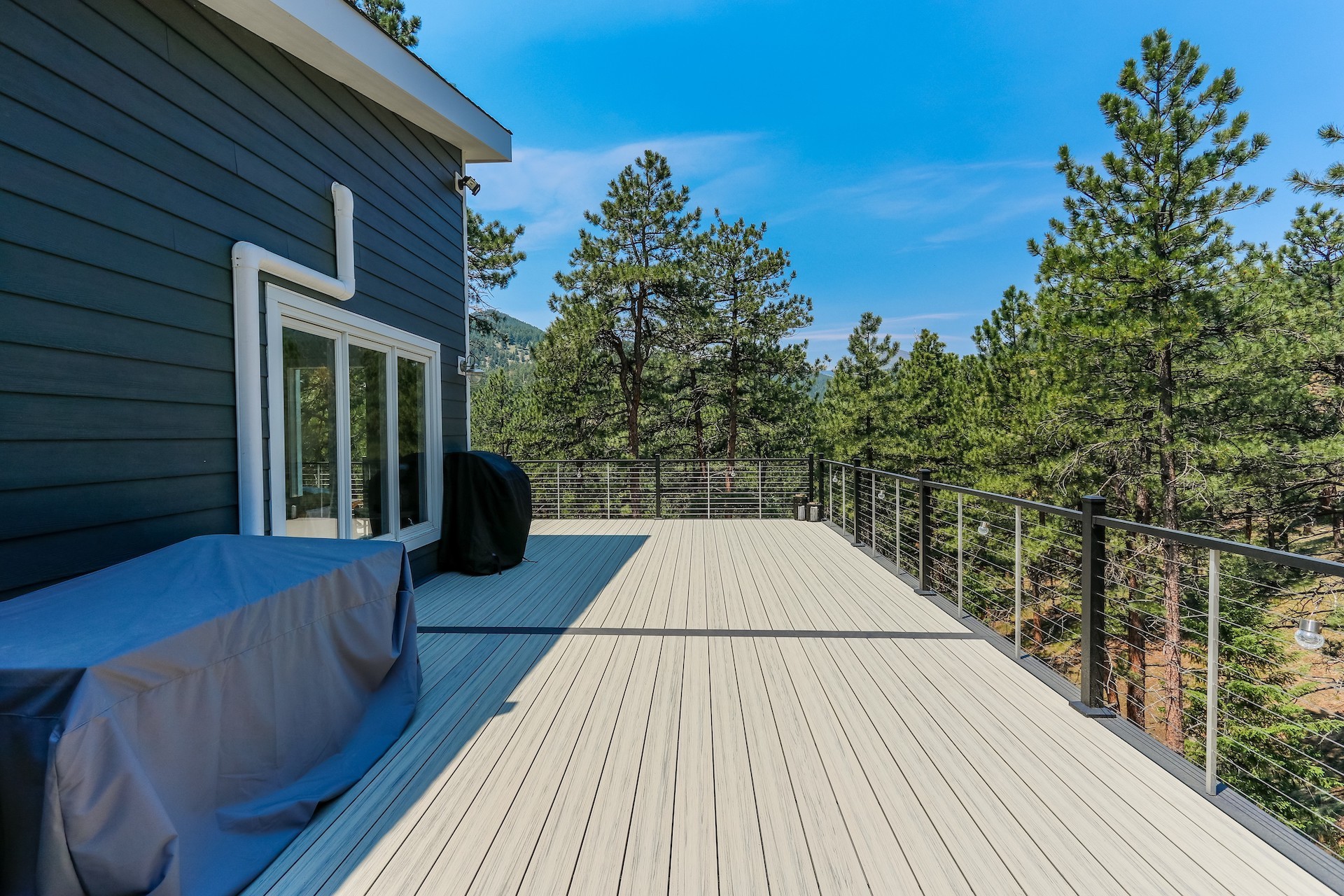
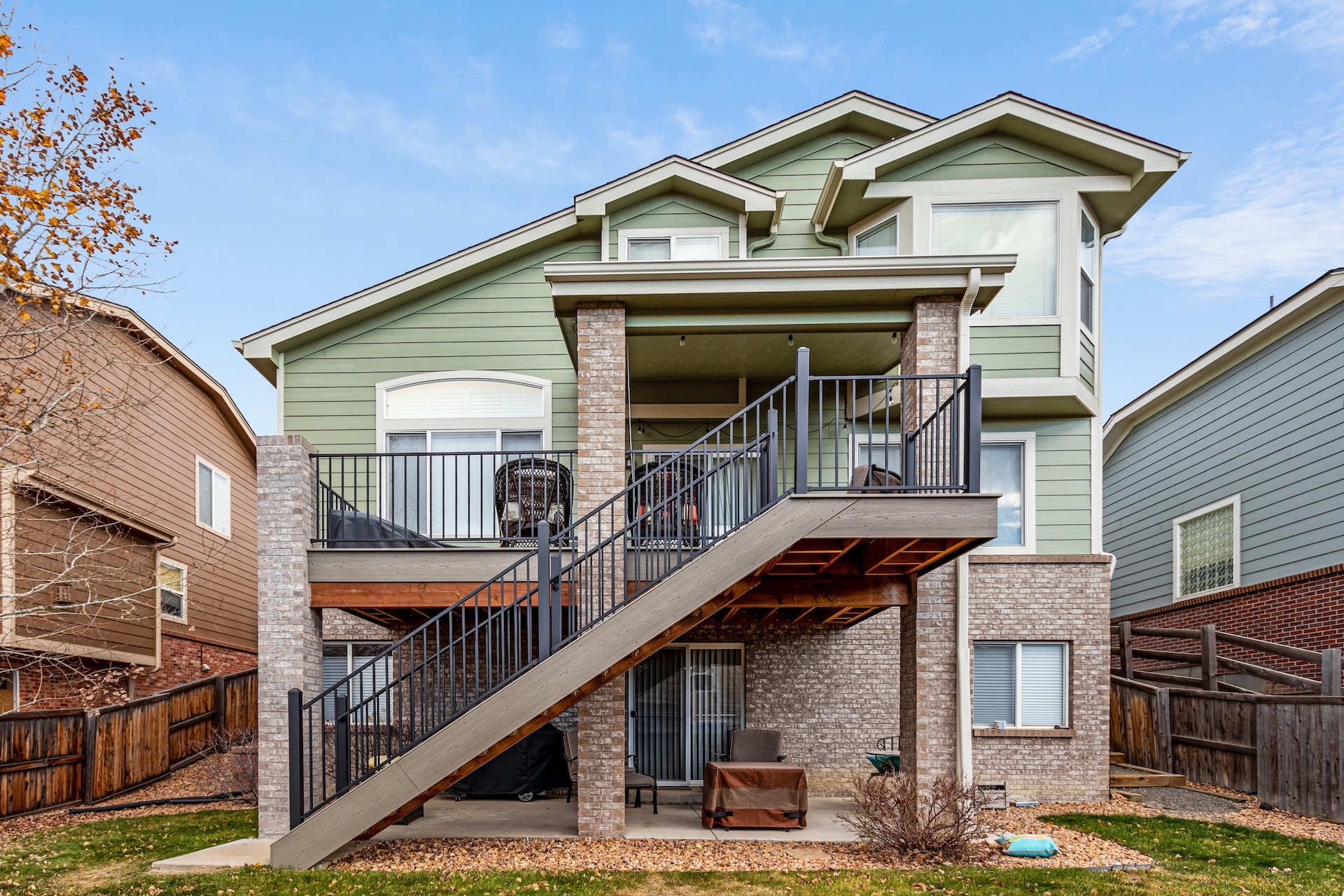
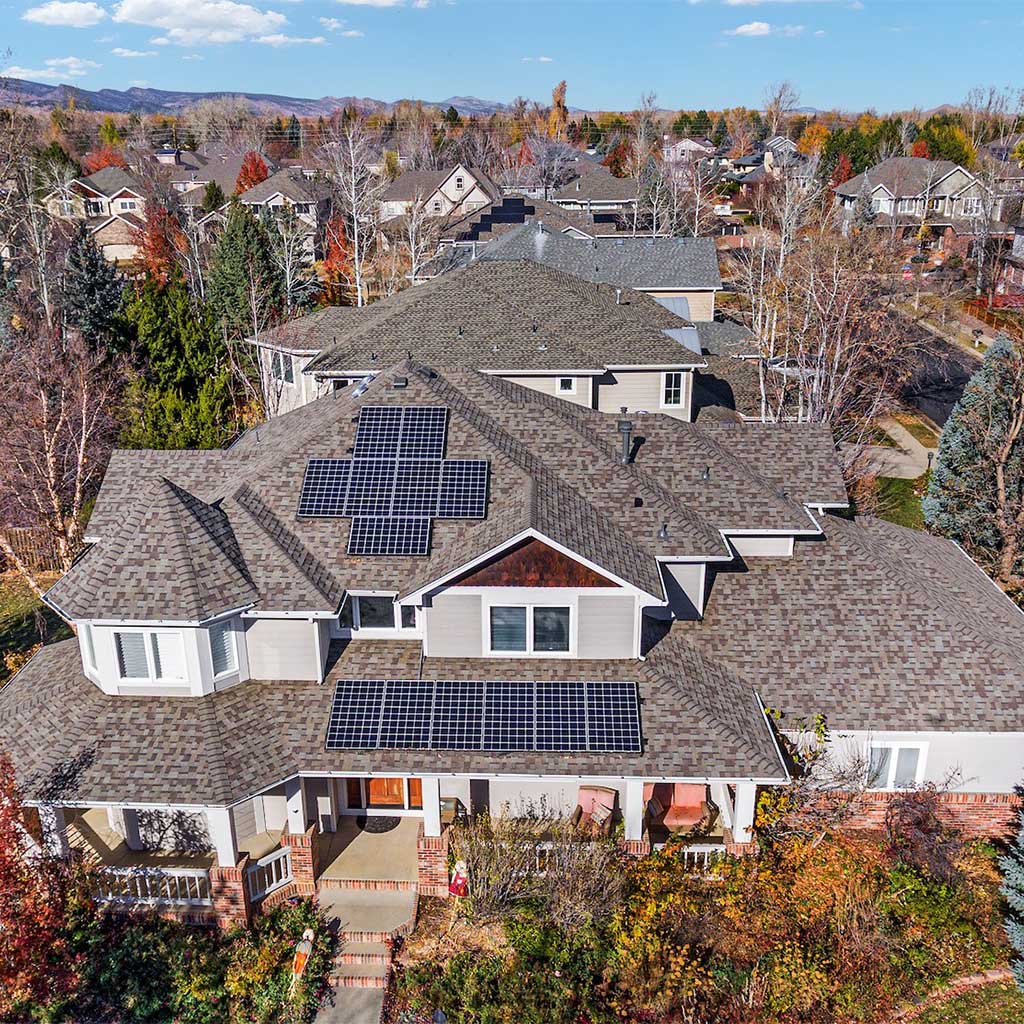
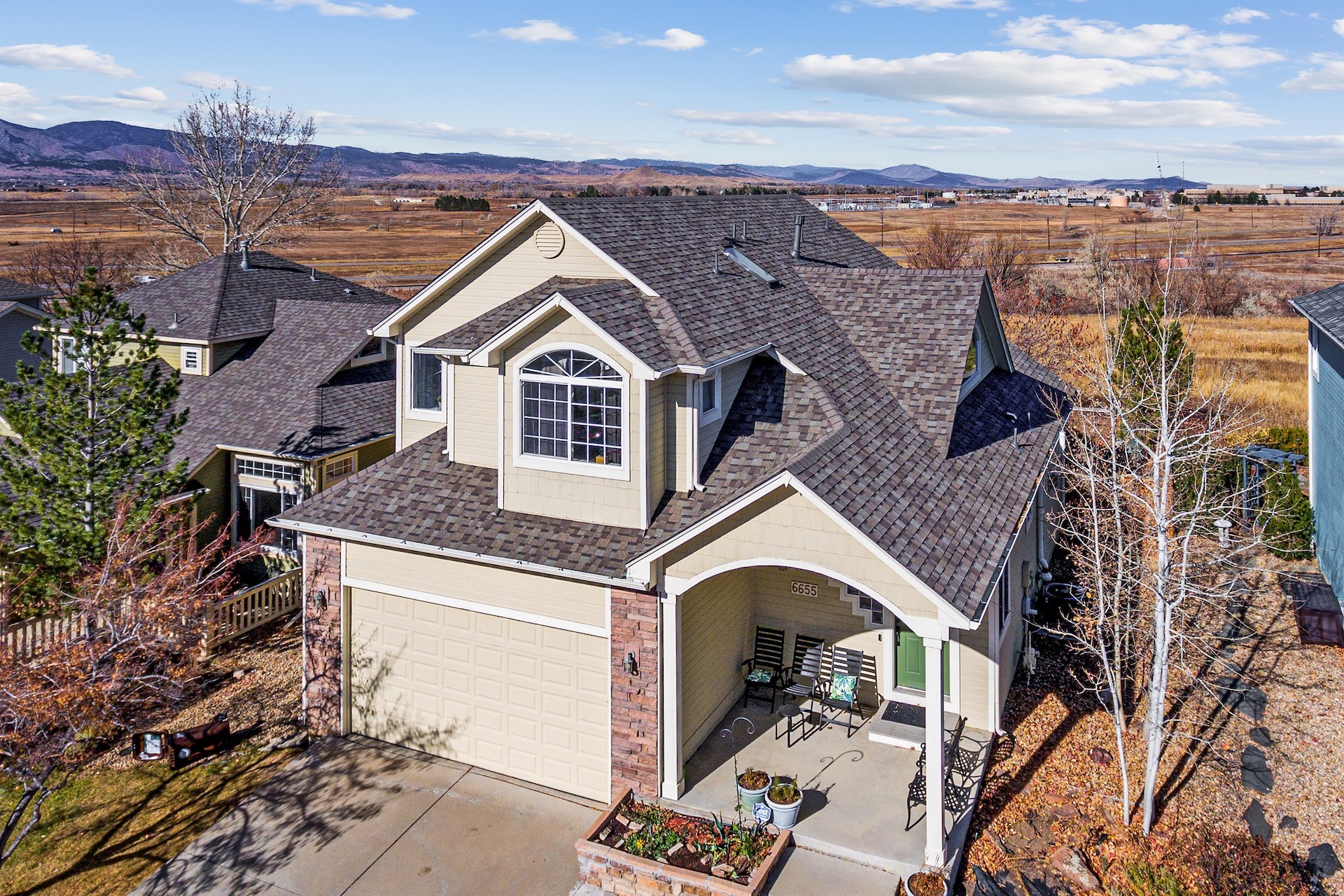
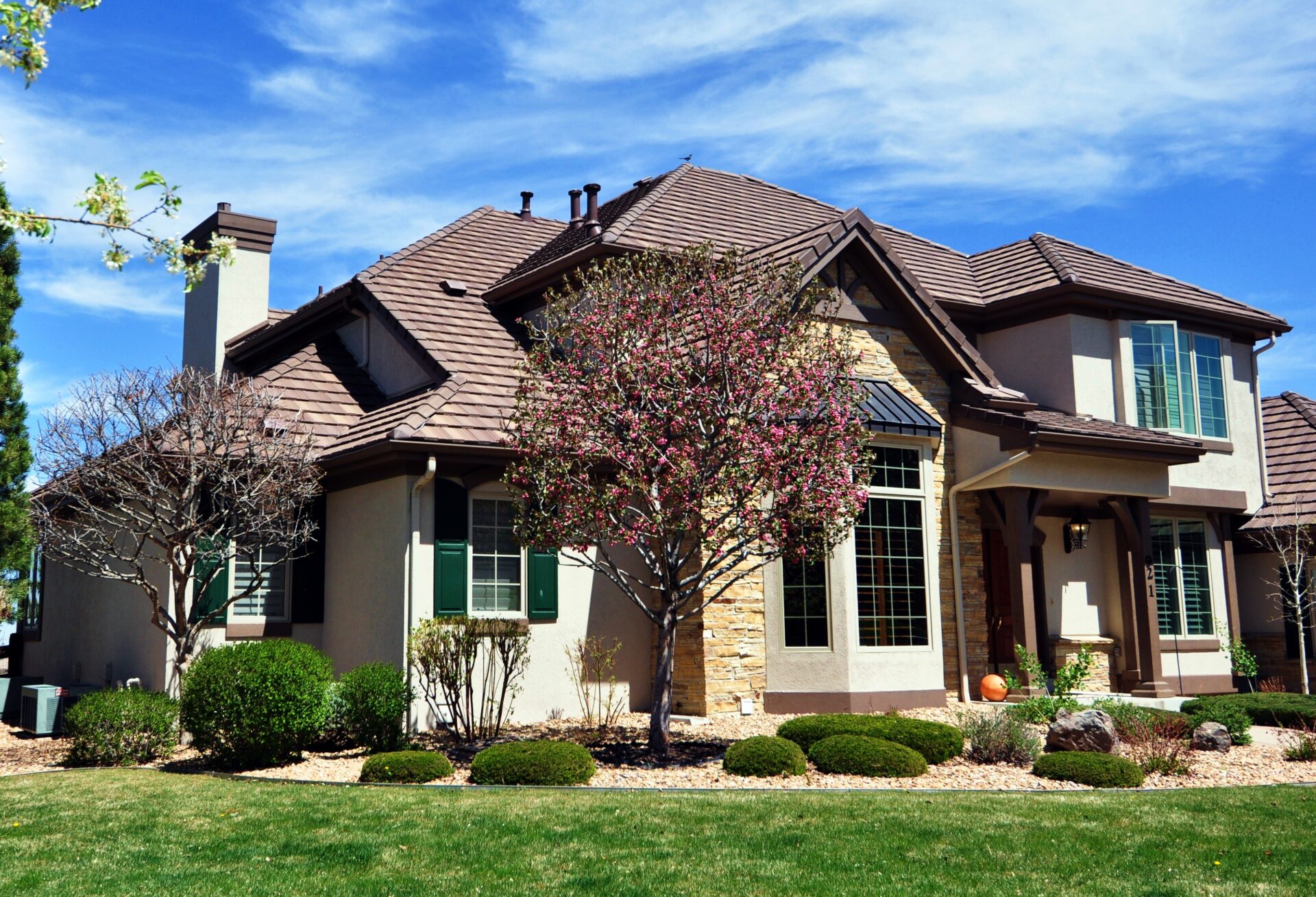
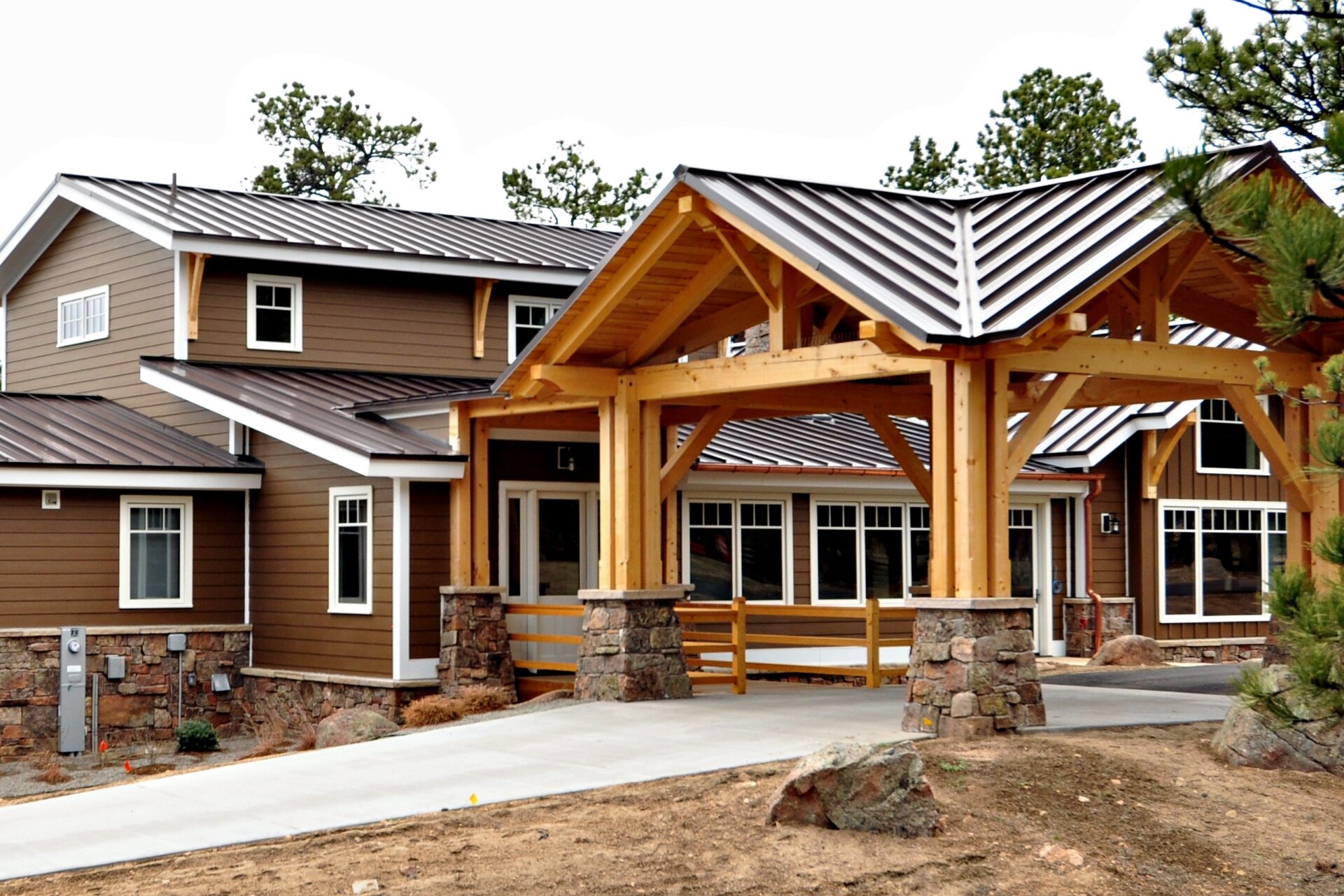
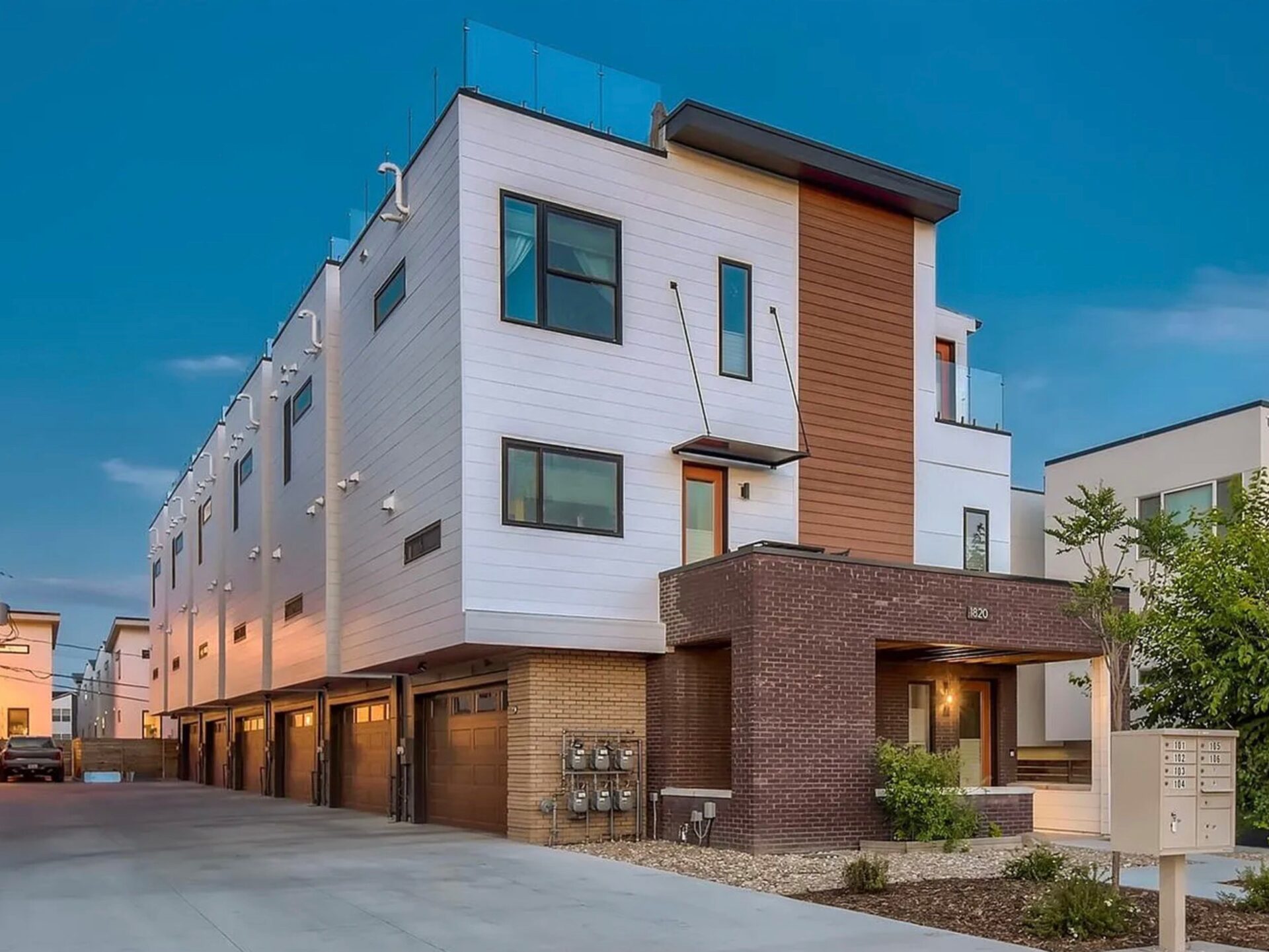
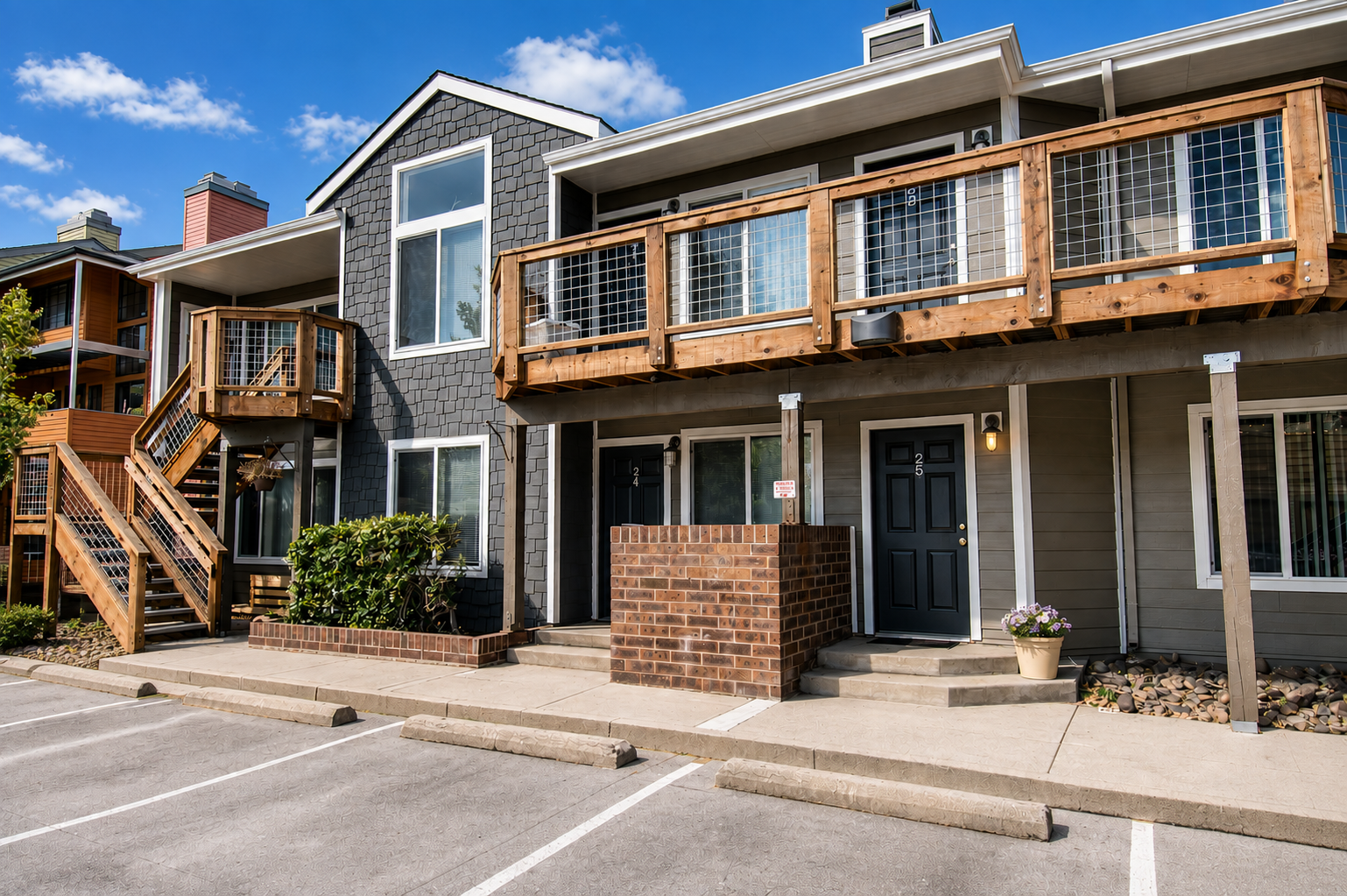
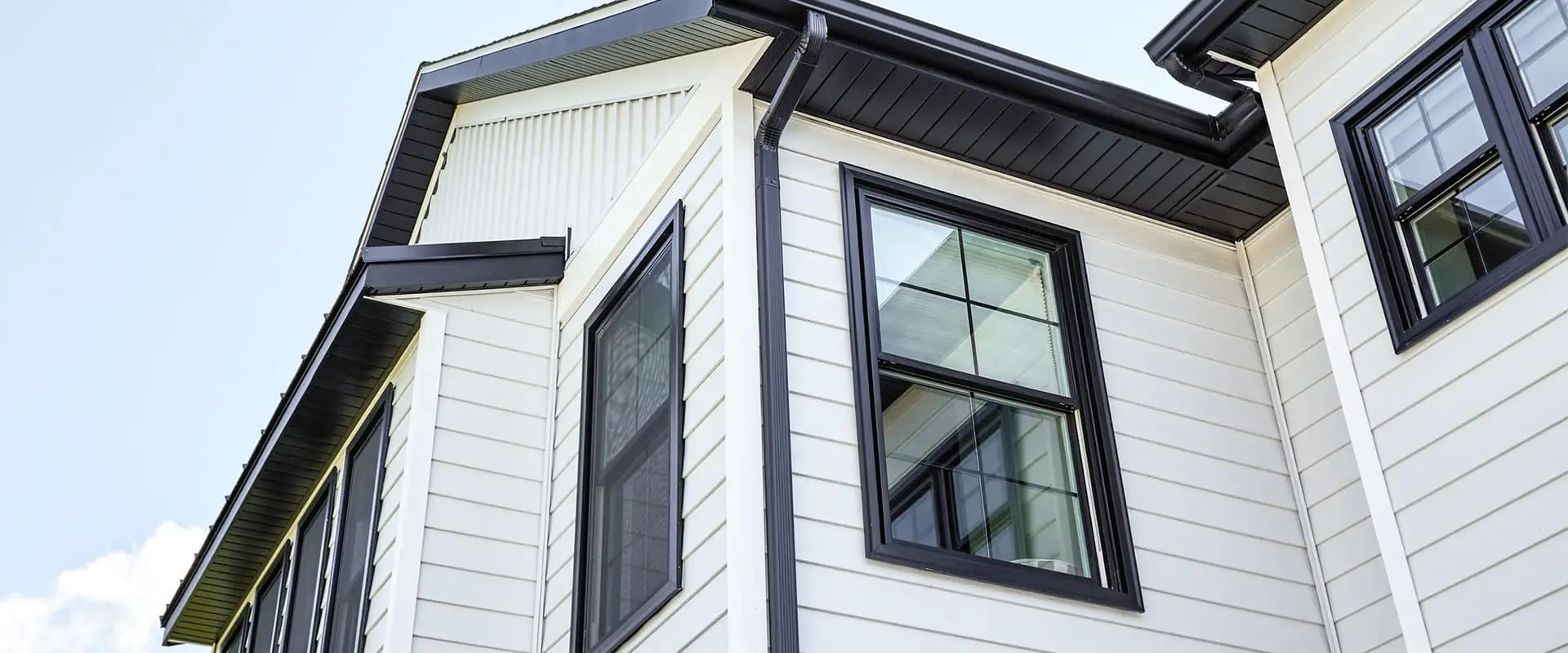
Completed re-clads on Northglenn homes. Every one of these started as original hardboard, aluminum or first-generation vinyl.

Nearby Cities We Also Serve
Crews run across the Denver metro rather than out of a single branch, so the towns either side of Northglenn are ordinary work for us, not a travel job:
Northglenn Siding — Frequently Asked Questions
How much does siding replacement cost in Northglenn?
For a typical single-story Northglenn ranch of roughly 1,100–1,500 square feet of wall area, most complete re-clads land in the mid five figures, with LP SmartSide engineered wood generally coming in under fiber cement. The three things that actually move your number are elevation count and complexity, how much sheathing repair is found at tear-off, and whether trim and soffit are included. We give you a firm written figure after measuring — not a per-square-foot estimate over the phone, because that number is only accurate on houses nobody lives in.
Do you install vinyl siding in Northglenn?
No. We install LP SmartSide engineered wood, James Hardie fiber cement, metal and stone veneer, and vinyl is deliberately not in that range. Its weak point is impact behavior in cold weather, and a great deal of the failed cladding we tear off in Northglenn is 1990s and 2000s vinyl that was sold as the budget option and did not last long enough to be one. If budget is driving your decision, LP SmartSide is what we would point you to instead.
Is LP SmartSide or James Hardie better for a Northglenn house?
Both are good products and we install both, so we have no stake in the answer. LP SmartSide is lighter, more impact-tolerant, and comes in long lengths that suit low ranch elevations with fewer joints — often the better value here. James Hardie is denser, non-combustible and effectively immune to UV and insects, and its HZ5 boards are specified for freeze–thaw climates like ours. If hail impact and installed cost lead your thinking, look hard at LP. If you are staying in the house long-term and want the lowest maintenance ceiling, look at Hardie.
Can you side over the existing siding instead of tearing it off?
It is physically possible and we do not recommend it. On a Northglenn home the existing wall usually has no adequate weather-resistive barrier, unrepaired sheathing damage at the window heads, and no proper flashing at the roof-to-wall transitions. Cladding over the top locks all of that in permanently, adds depth that breaks the trim and window details, and leaves you with a wall nobody can inspect. The tear-off is where the actual value of a re-clad is.
Do I need a permit to replace siding in Northglenn?
Yes — siding replacement is permitted work, and it is pulled with the City of Northglenn, which has issued its own permits since incorporating in 1969. Be careful here if your mailing address says Thornton: plenty of Northglenn parcels are labeled that way by mapping services, and a contractor who files with the wrong jurisdiction costs you weeks. We confirm the authority for your parcel and file it ourselves.
My siding is failing but only on one side of the house. Why?
Because exposure is not uniform. On Front Range homes the north elevation stays wet longest and dries slowest, and the west elevation takes the afternoon UV and the driven weather. Add a downspout that has been discharging against the wall for forty years and you get exactly the pattern most Northglenn homeowners describe. It is not a sign the rest of the wall is fine — it is a sign the rest of the wall is a few years behind.
Do you replace the siding on the whole street if neighbors are interested?
We are happy to walk several houses on the same block on the same visit, and it is genuinely efficient for everyone when mobilization and material delivery can be shared. Every home still gets its own measurement, its own written scope, its own permit and its own contract — we do not do group pricing that hides which house is subsidizing which.
How long does a Northglenn re-clad take?
Most single-story homes here run roughly one to two weeks of on-site work once material is on hand, with two-story and tri-level elevations at the longer end. The variable that moves it most is sheathing repair discovered at tear-off. You will see the schedule, and any change to it, in the portal rather than having to call and ask.