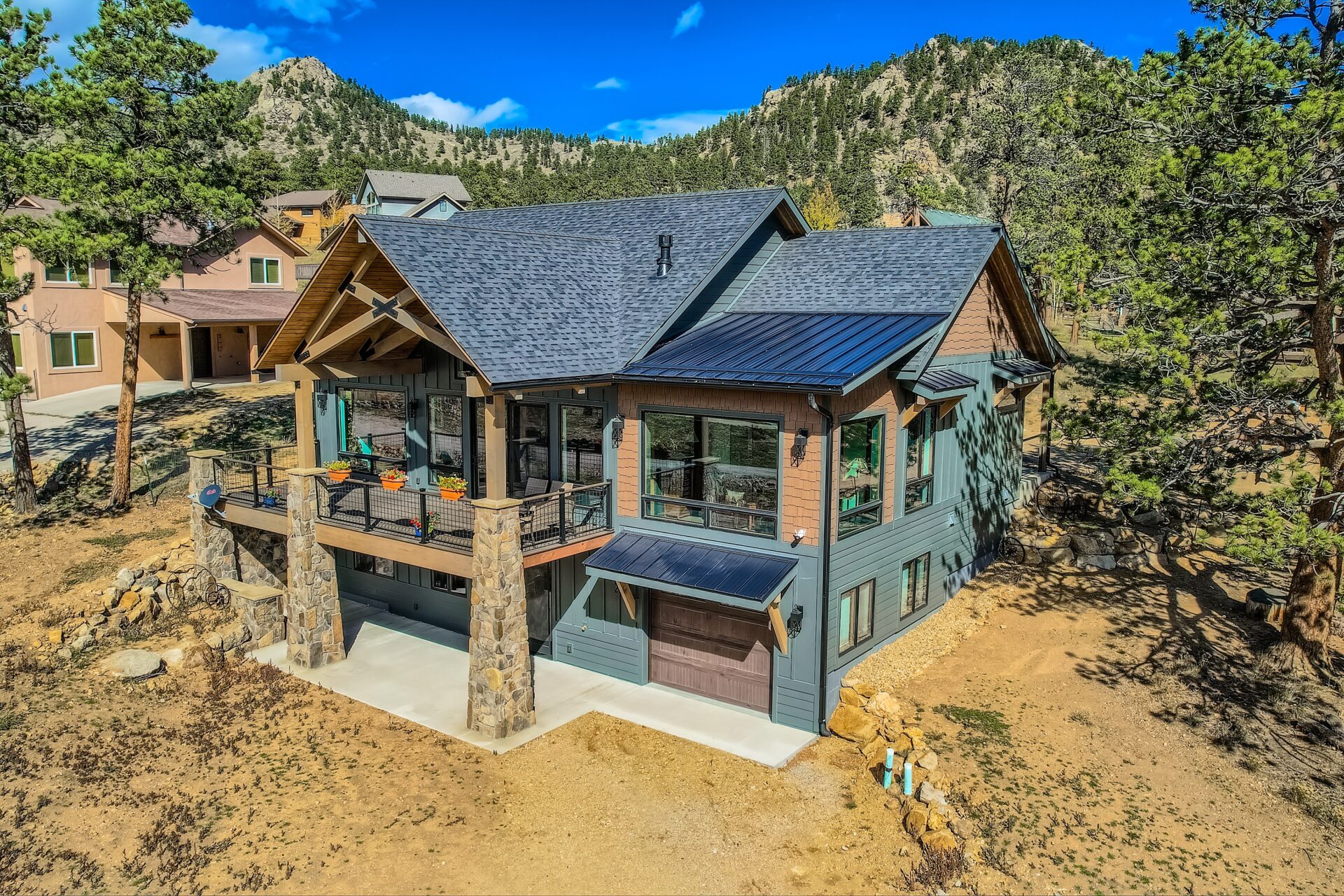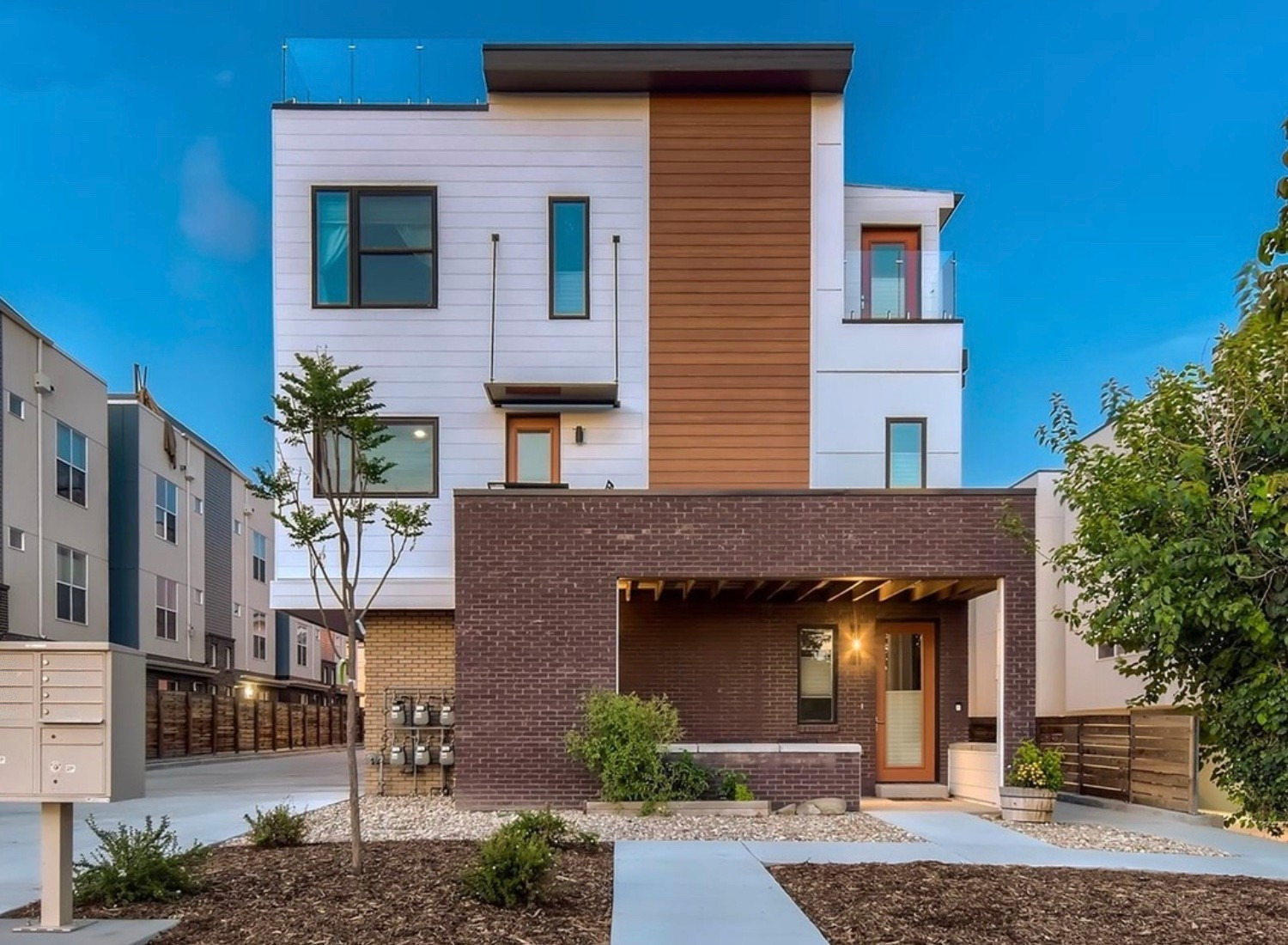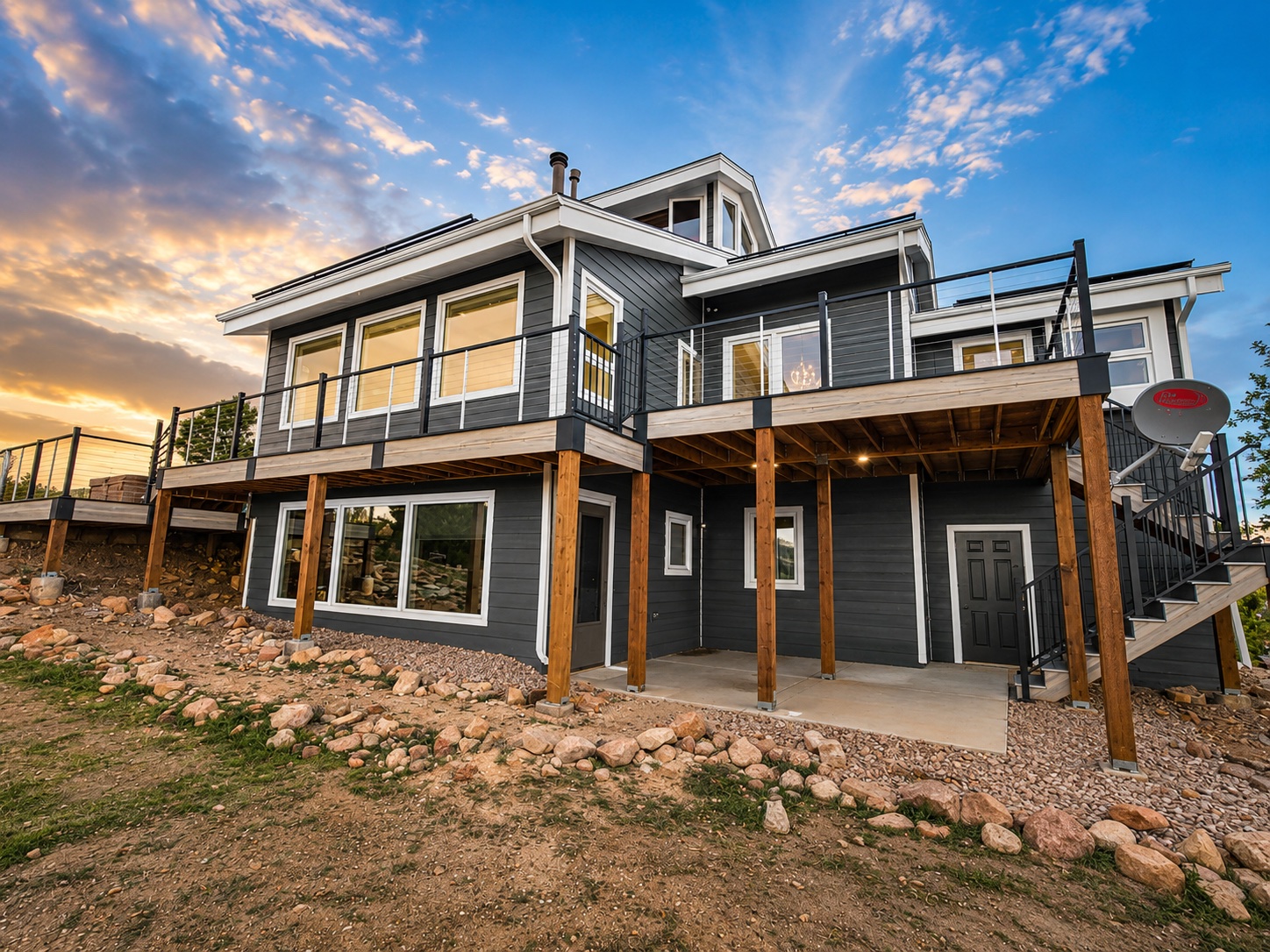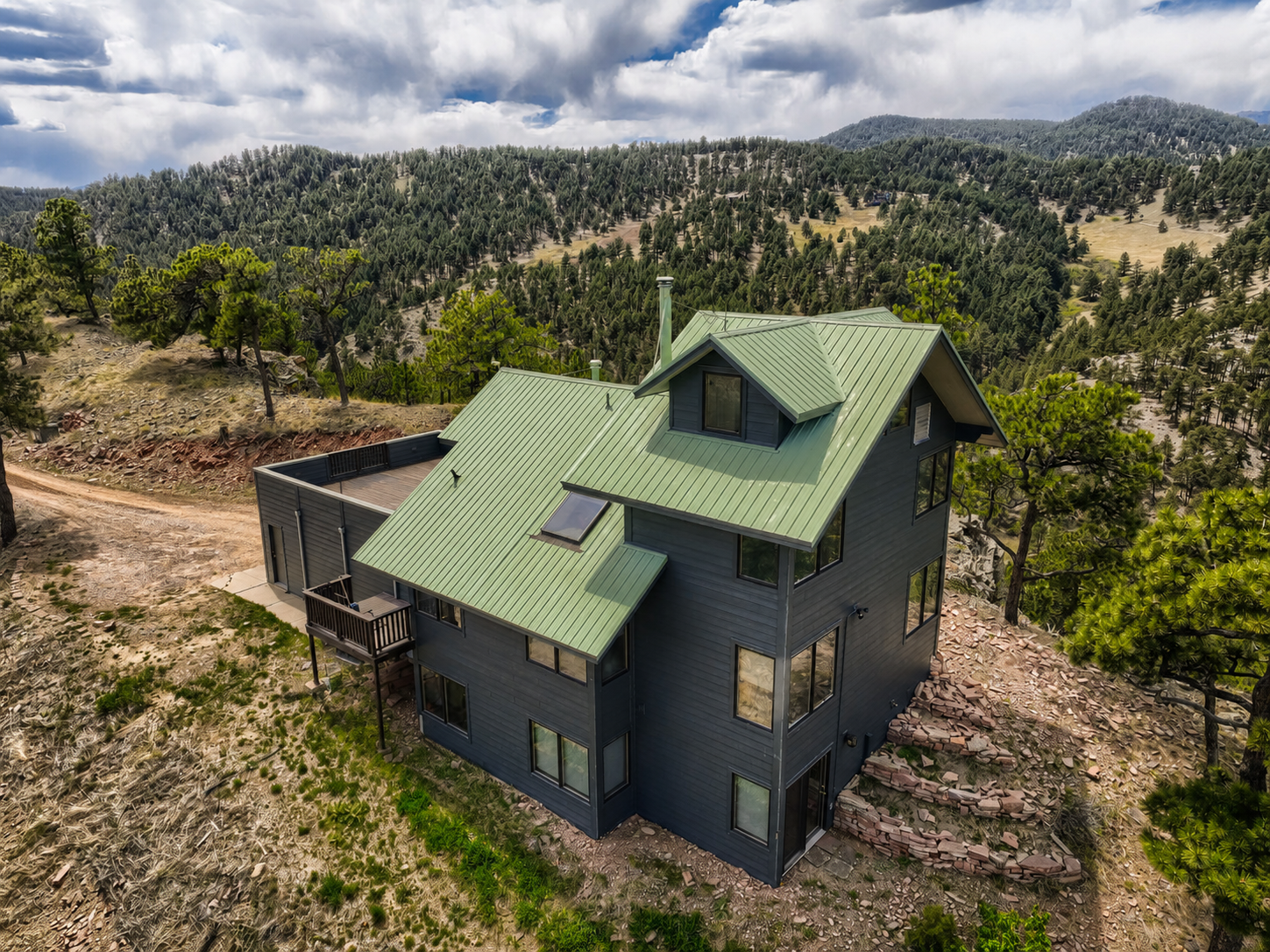
Make your home the one the fire passes by.
Colorado’s Wildfire Resiliency Code is now in effect — reshaping how Front Range and mountain homes are built and re-clad in WUI zones. Northern Lights Exteriors was installing ignition-resistant exterior systems here long before the code arrived, and we have a home still standing near Lyons to prove it.
Reviewed by the Northern Lights Exteriors team · Last updated October 20, 2026
What the Colorado Wildfire Resiliency Code actually means for your home
The Colorado Wildfire Resiliency Code (CWRC) is the state’s first statewide standard for building in wildfire country — and as of 2026 it’s being enforced. Here’s what every Front Range and mountain homeowner should know before starting an exterior project.
The code is being enforced
In adopting WUI jurisdictions, the CWRC is now what your permit is reviewed against — new builds, major exterior work and post-fire rebuilds alike, with enforcement underway since July 1, 2026.
The pushback didn’t change the dates
A 2026 effort to delay local adoption to 2027 was postponed indefinitely in committee. If you heard the code might be put off, it wasn’t — the requirements stand.
Adoption varies — we track it
Not every jurisdiction has adopted or finalized its map, and the state keeps no master list. We confirm what actually applies at your address — and we’re watching the 2028 code update as it develops.
This page is an educational overview, not a code determination or legal advice. Each local jurisdiction adopts its own version of the CWRC, and exact zone boundaries, project triggers and approved materials can vary. Always confirm requirements with your local building department — and let our team help you interpret them for your project.
Red, orange, yellow — and what each one means for your project
The State Fire Intensity Classification Map scores WUI land by fire intensity. The color your property lands on determines how far the hardening requirements go. The Red and Orange zones are where material rules get serious — and where our experience matters most.
The highest fire-intensity classification. Expect Class 1 and Class 2 structure hardening: Class A exterior walls, noncombustible or ignition-resistant siding, ember-resistant venting, protected eaves and soffits, and fire-rated details throughout the envelope.
Material restrictions apply
Moderate fire-intensity land carries substantial hardening requirements, including Class A wall assemblies and ember-resistant detailing. If you’re re-siding, re-roofing or building an addition here, material selection is no longer optional — it’s spec’d.
Material restrictions apply
Lower fire-intensity WUI land with baseline (Class 1) hardening measures. Requirements are lighter than Red or Orange — but building with resilient materials now is still the smart, future-proof choice.
Baseline measures
Not sure which zone you’re in?
Open the official State Fire Intensity Classification Map, search your address, and see your property’s classification.
Fire resistance isn’t one product. It’s every component working together.
A code-compliant material installed around an unprotected vent or a combustible deck is a weak link. An ignition-resistant home is a coordinated envelope — and coordinating that envelope, correctly, is exactly what we do.
Cladding
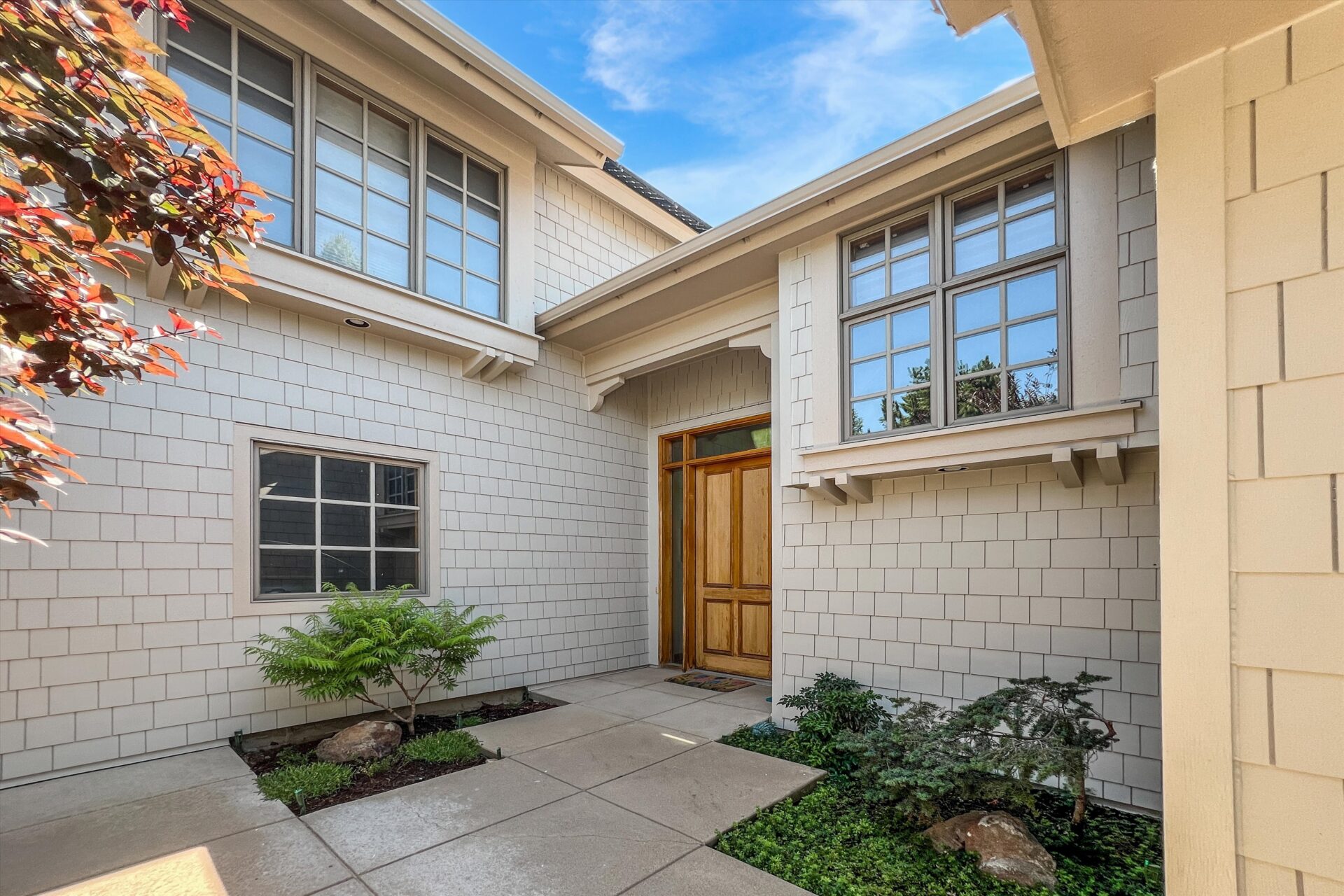
James Hardie fiber cement, metal, and stone — noncombustible, Class A cladding that won’t feed a fire, detailed correctly at joints and transitions.
Venting
Vulcan Vents (ASTM E2886, intumescent honeycomb + ember mesh) and FireStorm ember-mesh options — because embers enter through the openings most people overlook.
Decks
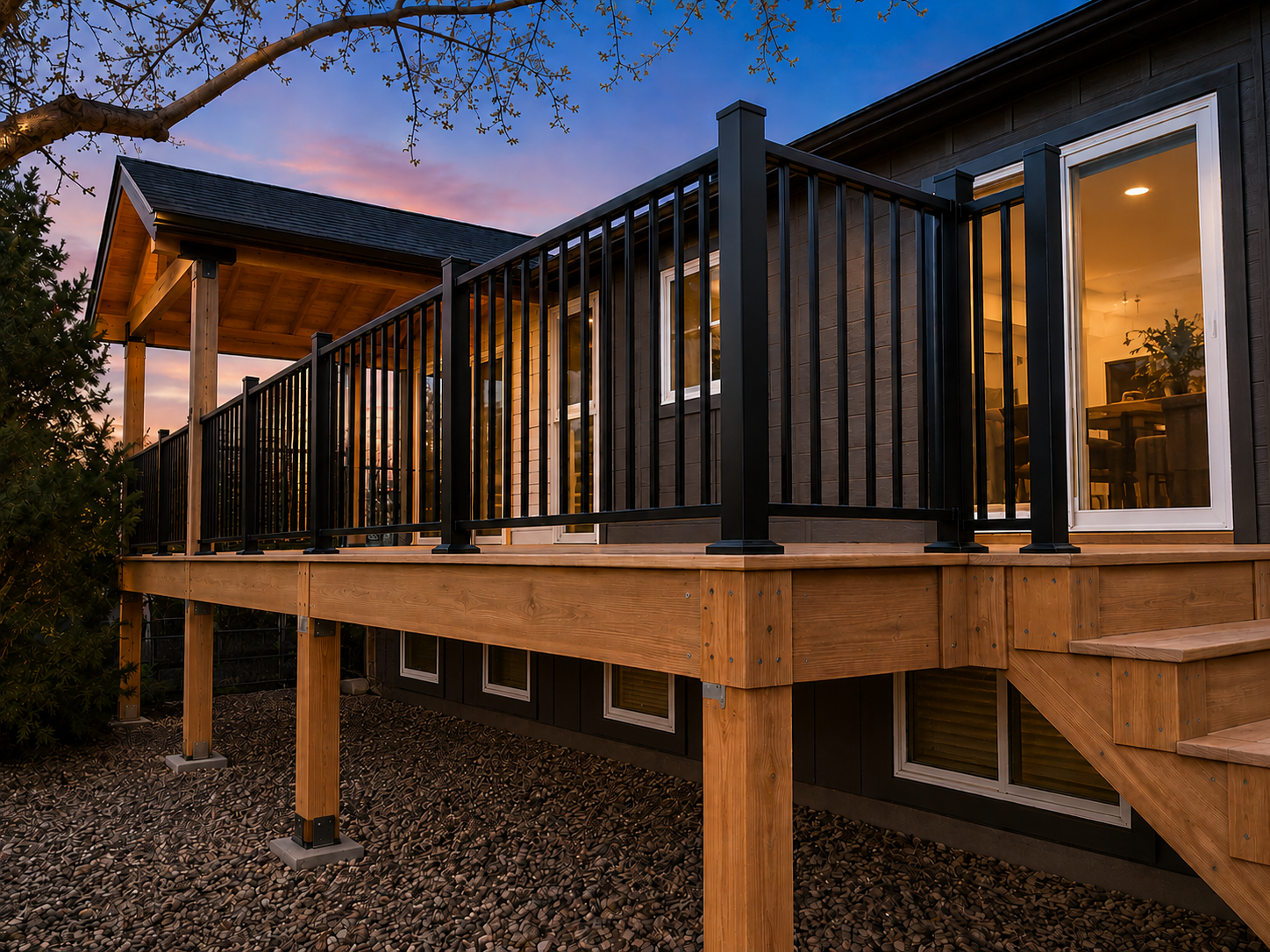
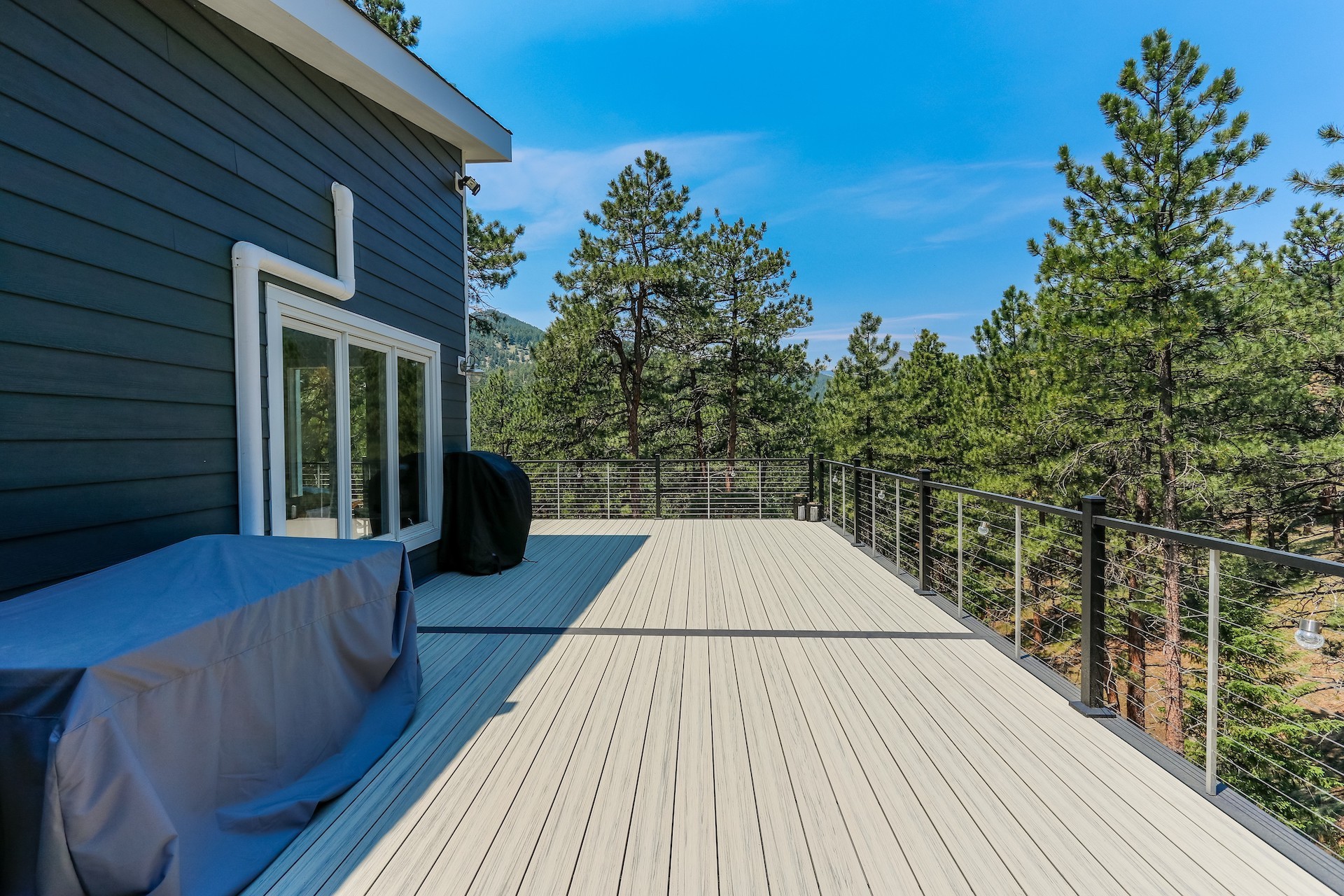
Composite and ignition-resistant decking that removes one of the most common ignition points right against the house.
Framing
Steel framing options where the design or code calls for a noncombustible structural approach.
Windows & glass
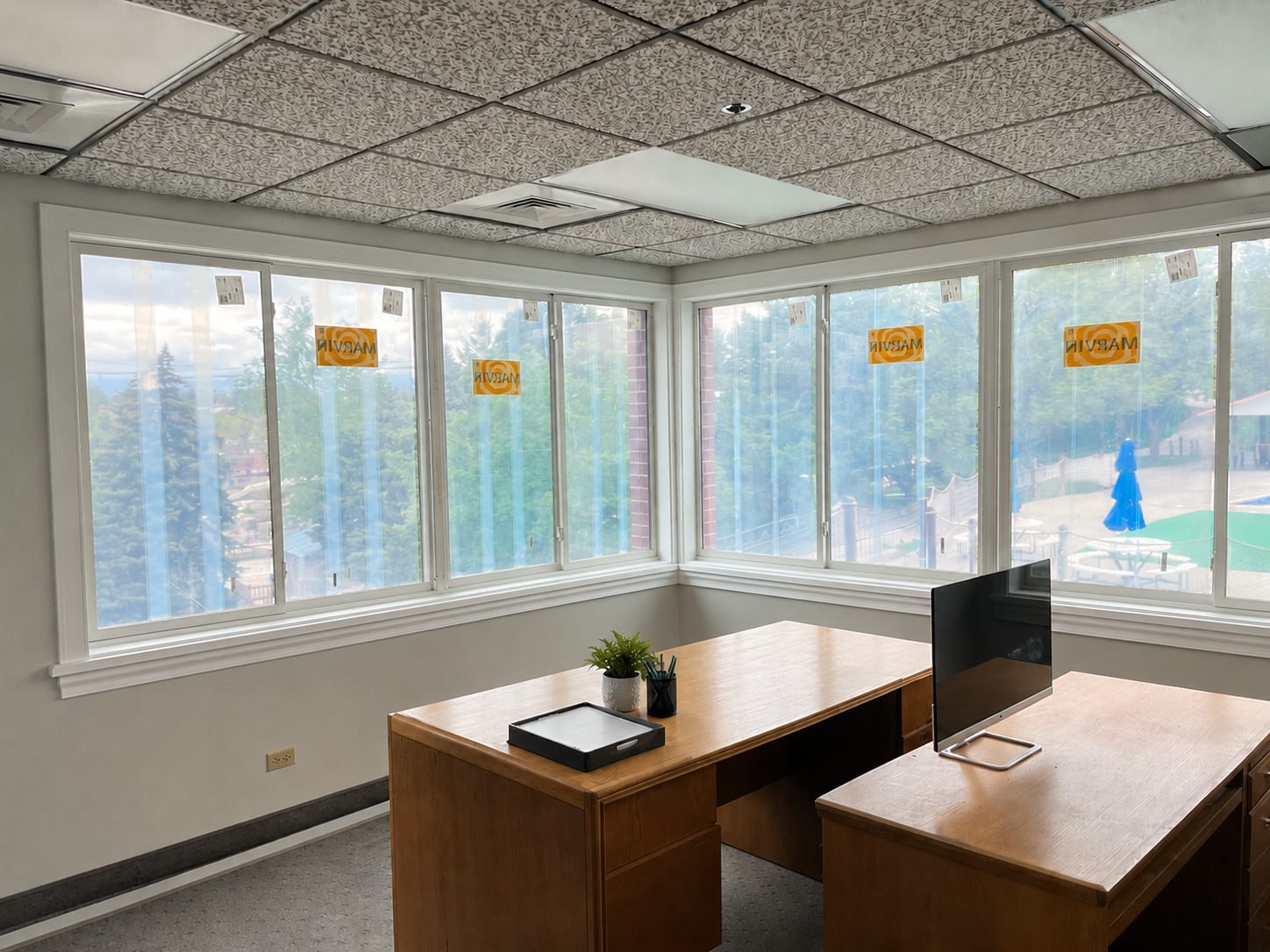
Tempered and fire-rated glass packages and fiberglass frames that hold up to radiant heat instead of failing and letting fire inside.
The details
Class A roofing, enclosed eaves and soffits, noncombustible gutters and trim — the transitions where hardened homes are won or lost.
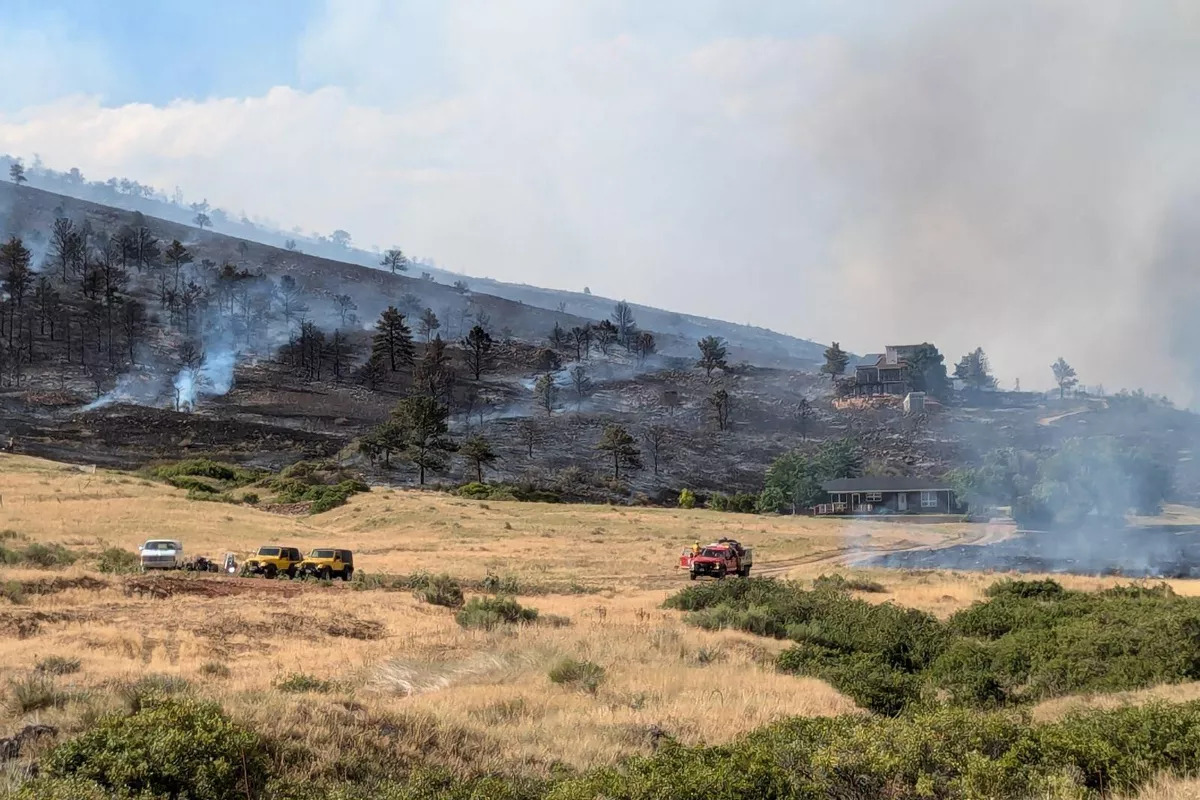 Lyons, CO · Stone Canyon Fire, 2024
The home that stayed standing near Lyons
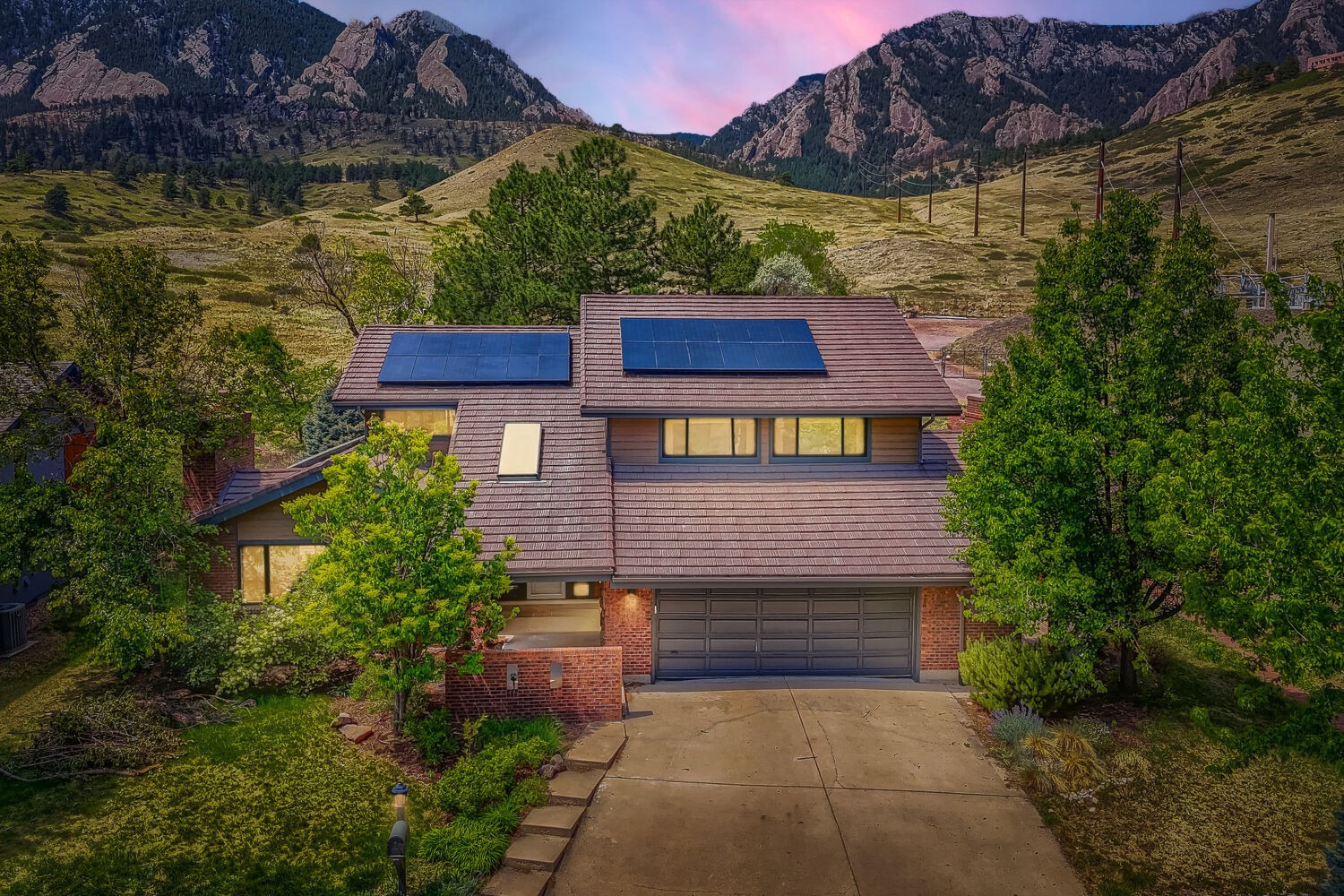
In July 2024, the Stone Canyon Fire burned roughly 1,557 acres near Lyons in Boulder County and destroyed several homes. One home we had re-clad with James Hardie fiber cement siding and fire-conscious exterior components was left standing while the surrounding landscape burned.
The products you choose matter. Who installs them — and how they detail the vulnerable transitions — matters more.
Noncombustible cladding paired with careful WUI detailing at the eaves, trim, vents and soffits is what makes a home genuinely more defensible. That’s the difference between materials on a shelf and a system installed correctly by an Elite Contractor team.
Two houses, one fire — and only the hardened one survived
On September 17, 2026, the Insurance Institute for Business & Home Safety (IBHS) and West Metro Fire Rescue ran a side-by-side live-fire demonstration: two structures, the same simulated wildfire and wind, on a cool, drizzly Colorado day near 65% humidity. One was built with common vulnerabilities; the other followed Wildfire Prepared Home principles — a five-foot noncombustible zone and ignition-resistant features. The conventional structure was quickly consumed. The hardened one came through essentially untouched.
It’s the controlled-conditions version of what we saw in Lyons: when embers and radiant heat can’t find a way in, the house has a real chance — even when conditions look survivable, and far more so when they don’t.
See the demonstration coverage → Covered by CBS News, The Colorado Sun, KUNC and KDVR/FOX31.
Fire-resilient work can matter to your coverage, too
As of July 1, 2026, Colorado’s wildfire insurance-transparency law (HB25-1182) requires insurers to be clearer about how they score wildfire risk — and the mitigation that can lower it. Hardening your exterior is increasingly part of staying insurable and affordable.
We can’t quote your policy — but we can make the conversation with your agent an easy one. We document the Class A materials and WUI-rated assemblies we install, so you have records of exactly what’s on your home and why it reduces ignition risk.
Insurers use their own maps and scoring models, so the specific impact on your premium is between you and your carrier. What we hear from clients is simple: being able to show real, verifiable mitigation changes that discussion. Ask your agent how documented hardening and defensible-space work affect your policy — and we’ll hand you the paperwork to bring.
Documentation we provide
- Itemized list of Class A / noncombustible materials installed
- Manufacturer specs and WUI / ASTM ratings (siding, vents, decking, glazing)
- Photos of hardened assemblies and detailing
- Notes on your property’s fire-intensity zone and scope of work
Local. Trusted. Experienced. Doing this before the code required it.
Fire-conscious exteriors aren’t a new line of business for us — they’re how we’ve built across the Front Range and the mountains for more than two decades.
Rooted in Colorado
Family-owned and operated since 2001, serving the Front Range foothills and the Summit County high country. We work where we live, so our reputation rides on every job — no storm-chasers, no out-of-state crews.
Vetted, not self-declared
A James Hardie Elite Contractor and President’s Club Member — Hardie’s highest distinctions — and a Mitigate Now contractor, independently vetted by top manufacturers who recommend trusted local pros in WUI zones. Fully licensed and insured, with every project overseen by your Project Manager.
Ahead of the code
We were specifying noncombustible cladding, ember-resistant venting and hardened detailing long before the CWRC made it law. We already understand what the code now asks for — because we’ve been doing it.
Serving wildfire country — from the Front Range foothills to the Summit County high country
Many of the communities we serve sit in or beside designated WUI zones, and the mountain towns sit squarely in the higher fire-intensity classifications. Wherever you are, we can help you build to the code — and beyond it.
Also serving Denver, Northglenn, Westminster and communities across Northern Colorado and the mountains. Don’t see your town? If you’re near the foothills, the high country, or any mapped WUI area, reach out — chances are we cover you.
Colorado Wildfire Resiliency Code FAQ
Is the Colorado Wildfire Resiliency Code in effect right now? +
Has my town actually adopted the code yet? +
Does the code force me to replace my existing siding? +
What’s the difference between a Red zone and an Orange zone? +
Is James Hardie siding compliant with the code? +
Does hardening my home lower my insurance? +
Where is my property on the WUI map? +
Do you handle permits and code submittals? +
Build the home the fire passes by.
Tell us about your property and your goals. We’ll help you read your WUI zone, understand what the code requires, and design an ignition-resistant exterior that’s built to last in Colorado.
Last reviewed October 20, 2026. This page is provided for general education and does not constitute legal advice or an official code determination. The Colorado Wildfire Resiliency Code is adopted and enforced by local jurisdictions, and zone boundaries, project triggers and approved materials may vary by location and change over time. The state code map is intended for building-code application only and is not an insurance tool. Always verify requirements with your local building department. © 2026 Northern Lights Exteriors. All rights reserved.