
Colorado Hail Damage Roof Insurance Claim Guide: How The Process Works
Quick answer: A hail damage roof insurance claim usually starts with documenting the extent of the damage, scheduling an inspection with a roofing contractor, and opening a claim with your insurance company. The challenge is that many first insurance estimates miss code items, pricing updates, or damage to siding, windows, gutters, trim, and other exterior components.
After a major hail storm, homeowners are often left trying to figure out what damage exists, what their insurance company should cover, and whether the first claim estimate is actually enough to restore the property correctly. This resource guide explains how a hail damage roof insurance claim works, where insurance estimates commonly fall short, and why a second opinion can matter.
Updated • New: four 2026 claims, line by line • Insurance claim resource guide by Northern Lights Exteriors
How A Hail Damage Roof Insurance Claim Usually Works
When a hail storm or wind storm damages a home, the insurance claim process often moves quickly. The problem is that homeowners are expected to make important decisions while also dealing with temporary repairs to prevent further damage, daily life, and time pressure.
In a typical hail damage roof insurance claim, the claims process looks like this:
- Document visible damage to the roof, siding, windows, gutters, trim, screens, and exterior components.
- Protect active leaks or exposed areas with temporary measures if needed.
- Have the property inspected for full exterior storm damage.
- Open a claim with the insurance company.
- Meet with the insurance adjuster during the site visit.
- Review the estimate carefully before assuming it includes everything needed.
- Complete repairs only after the full scope is understood.
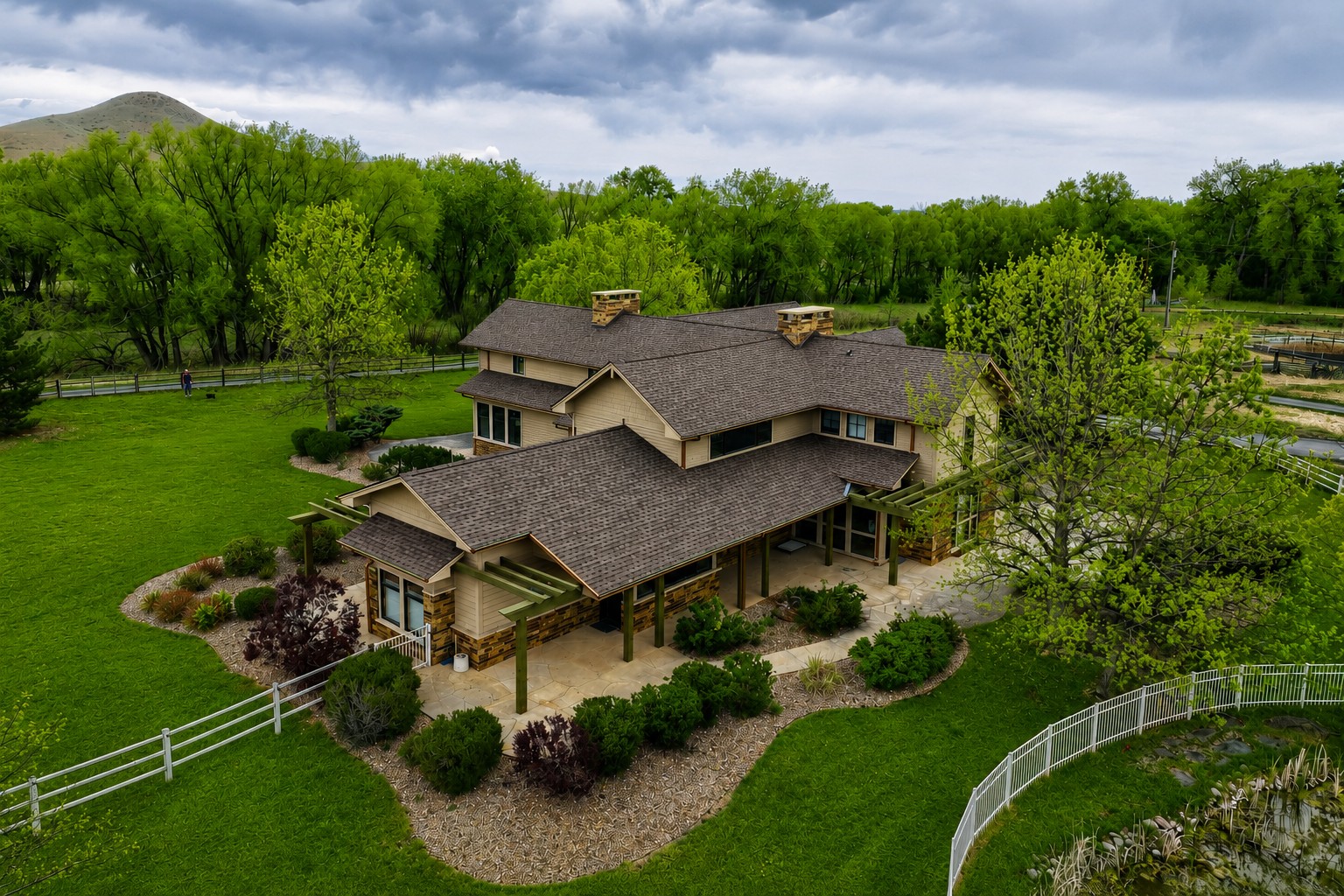
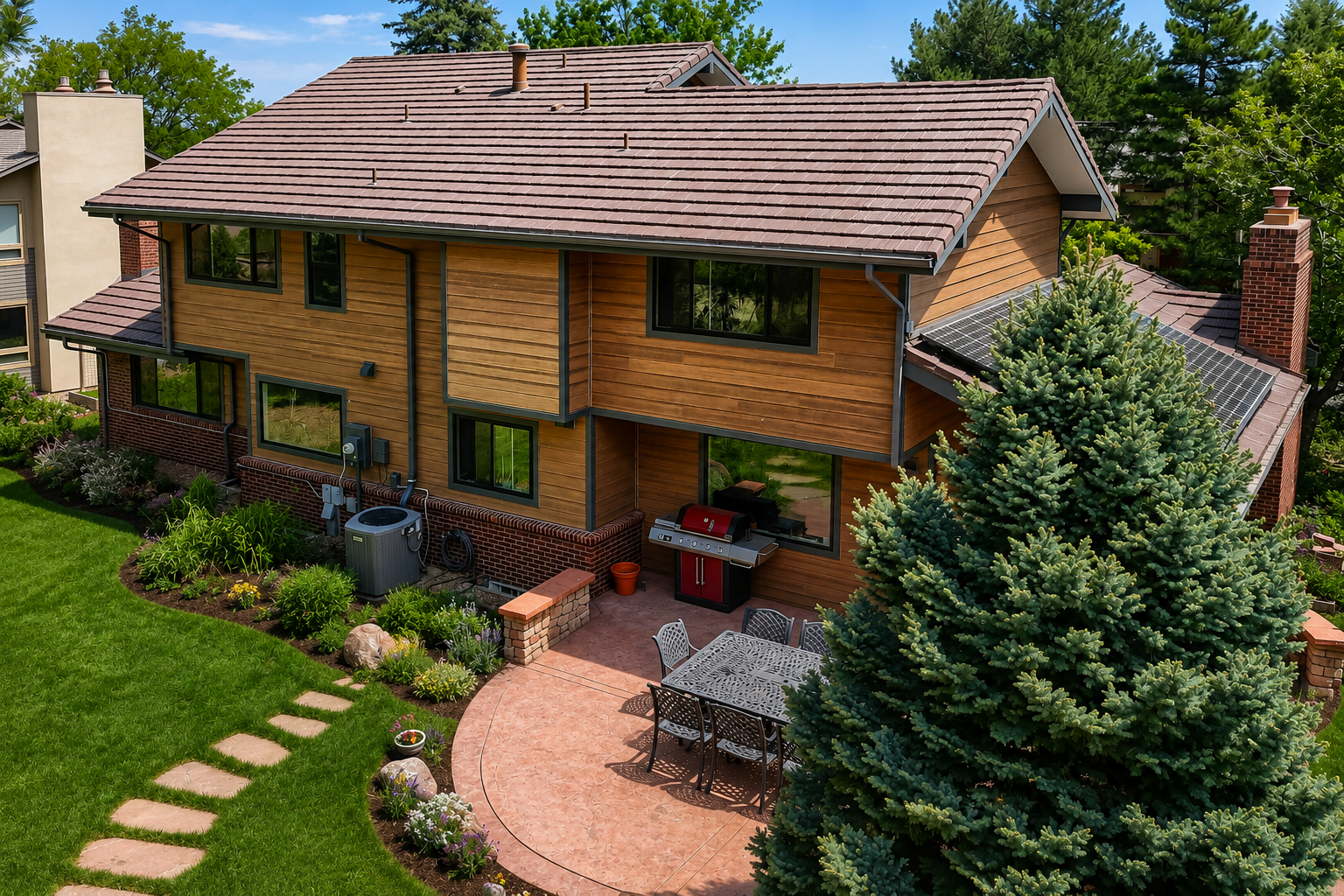
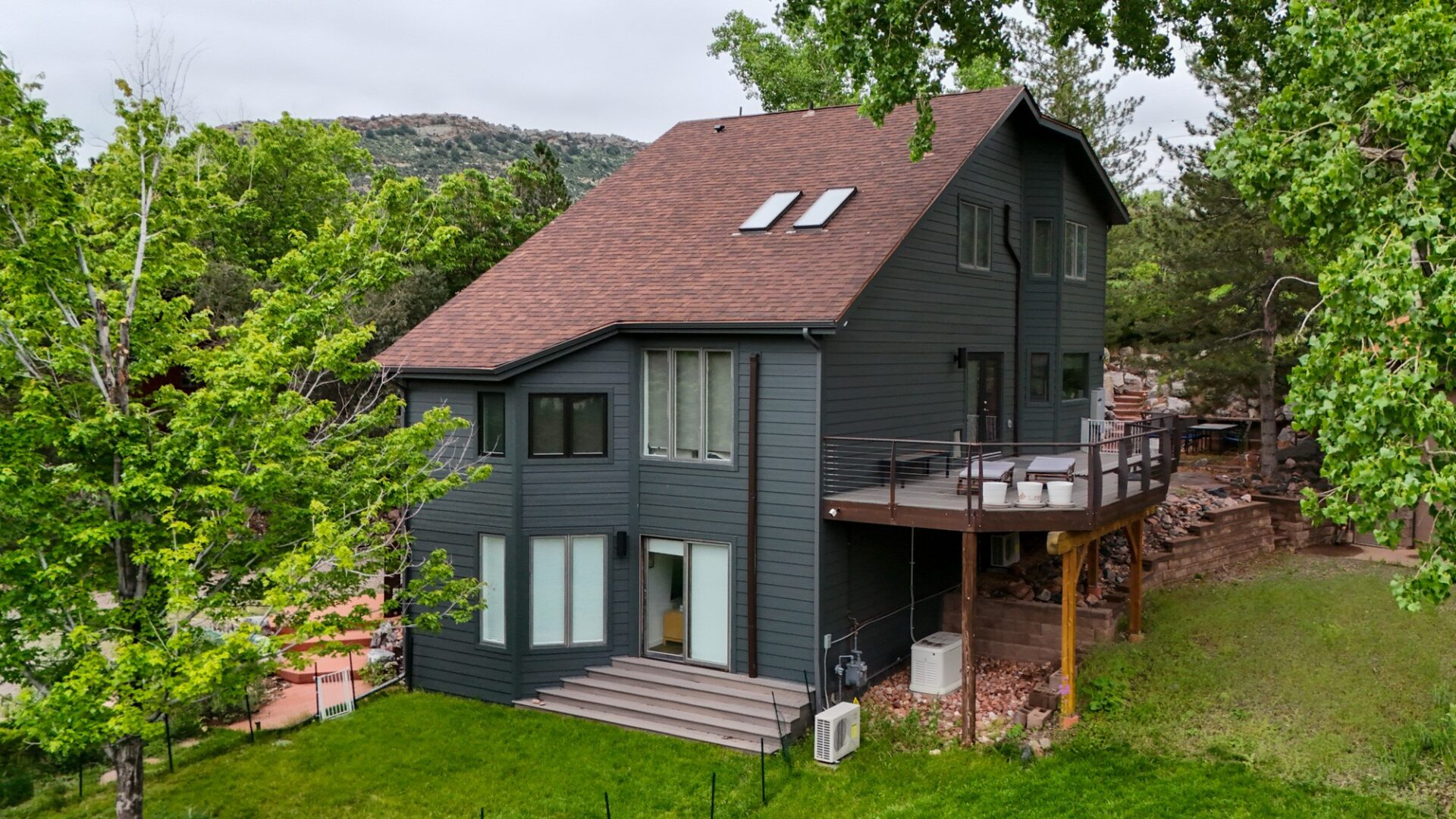
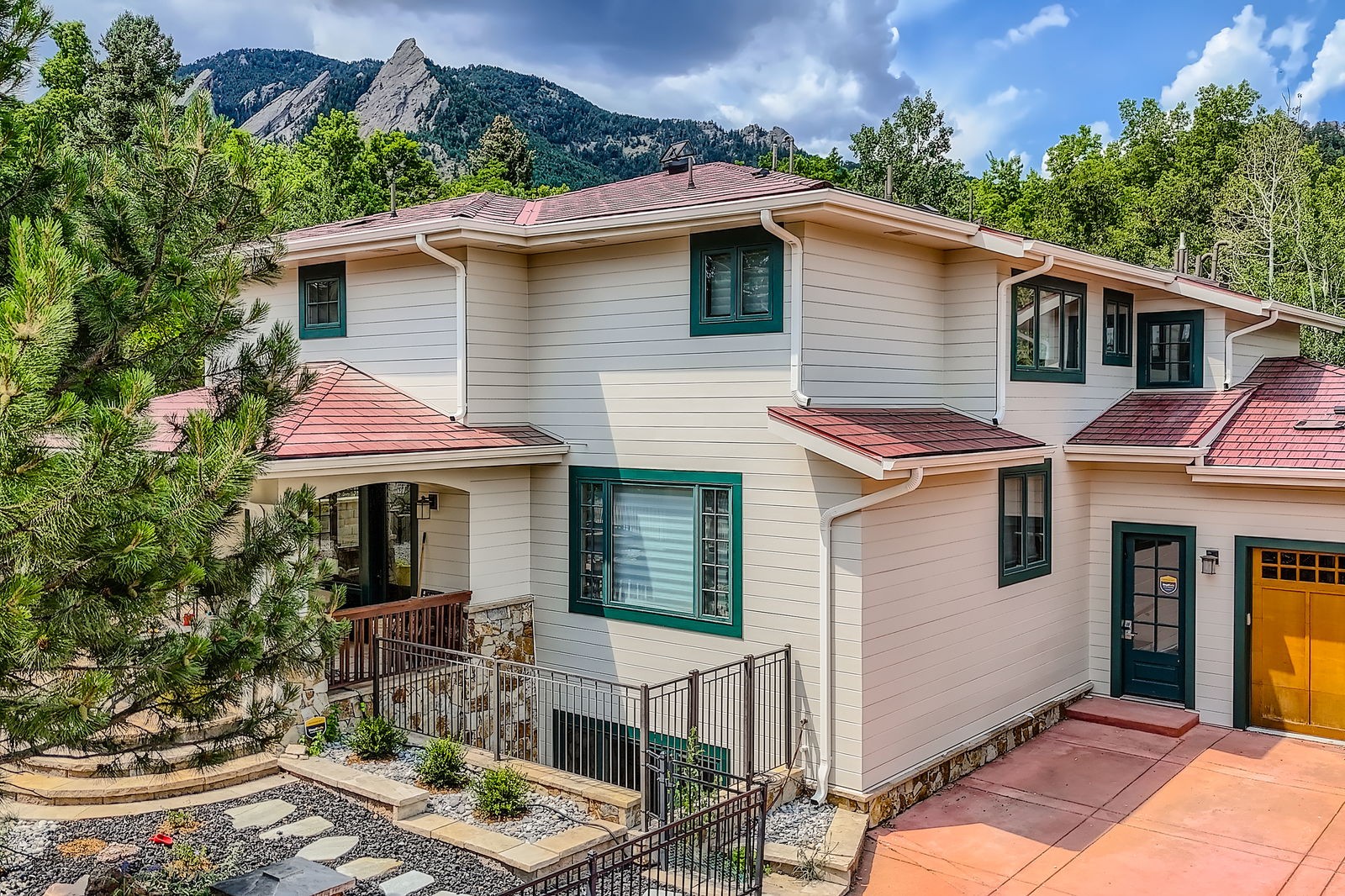
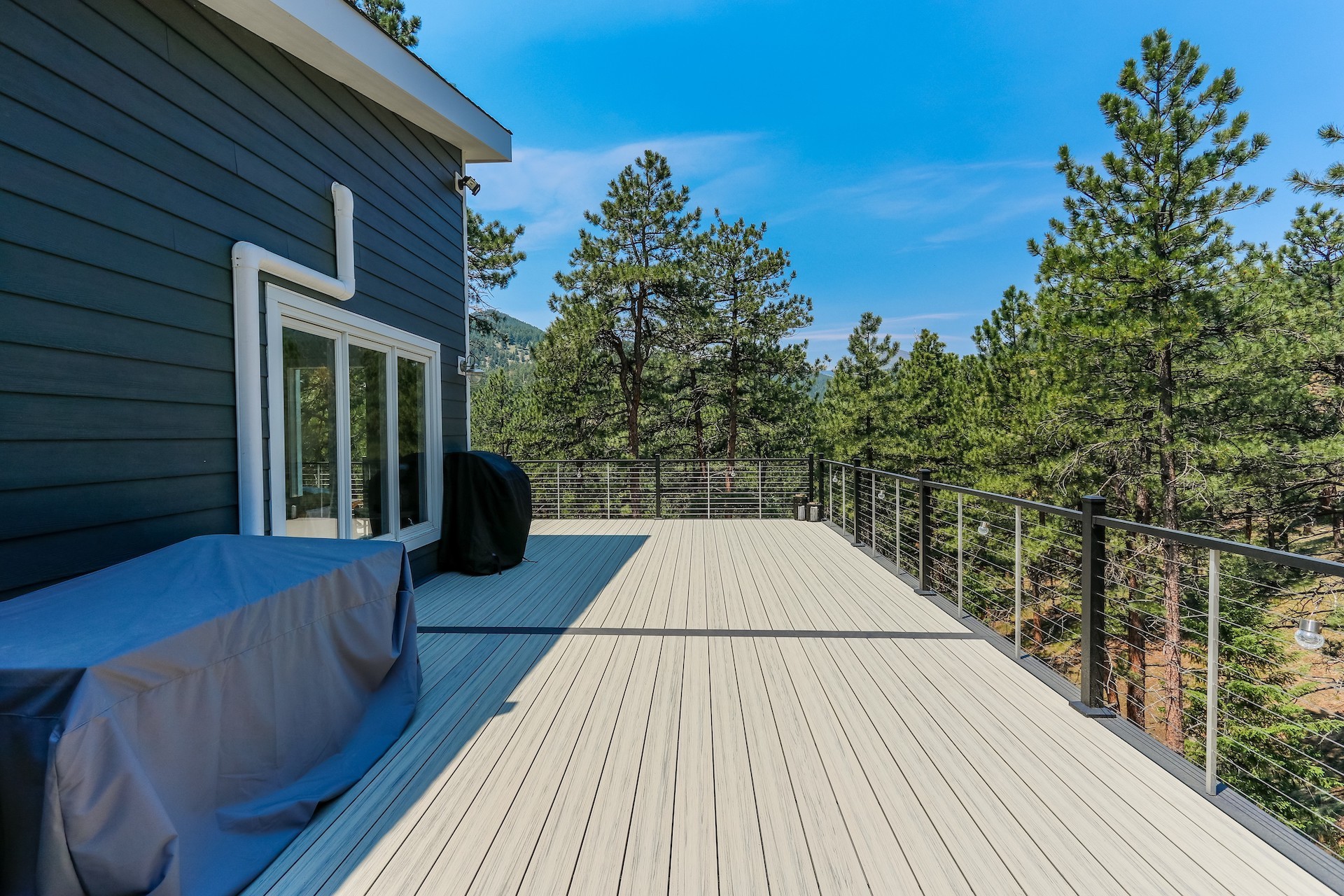
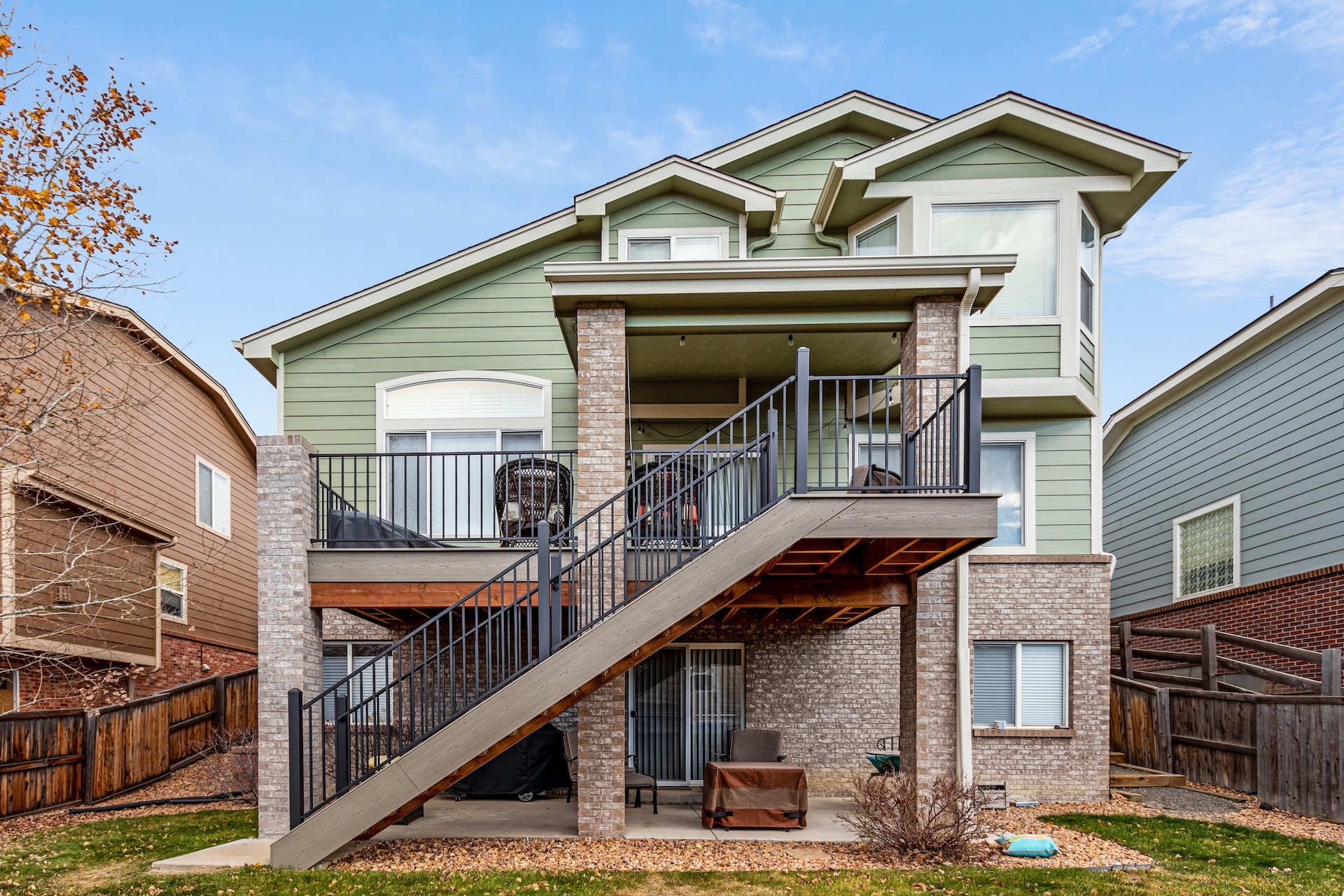
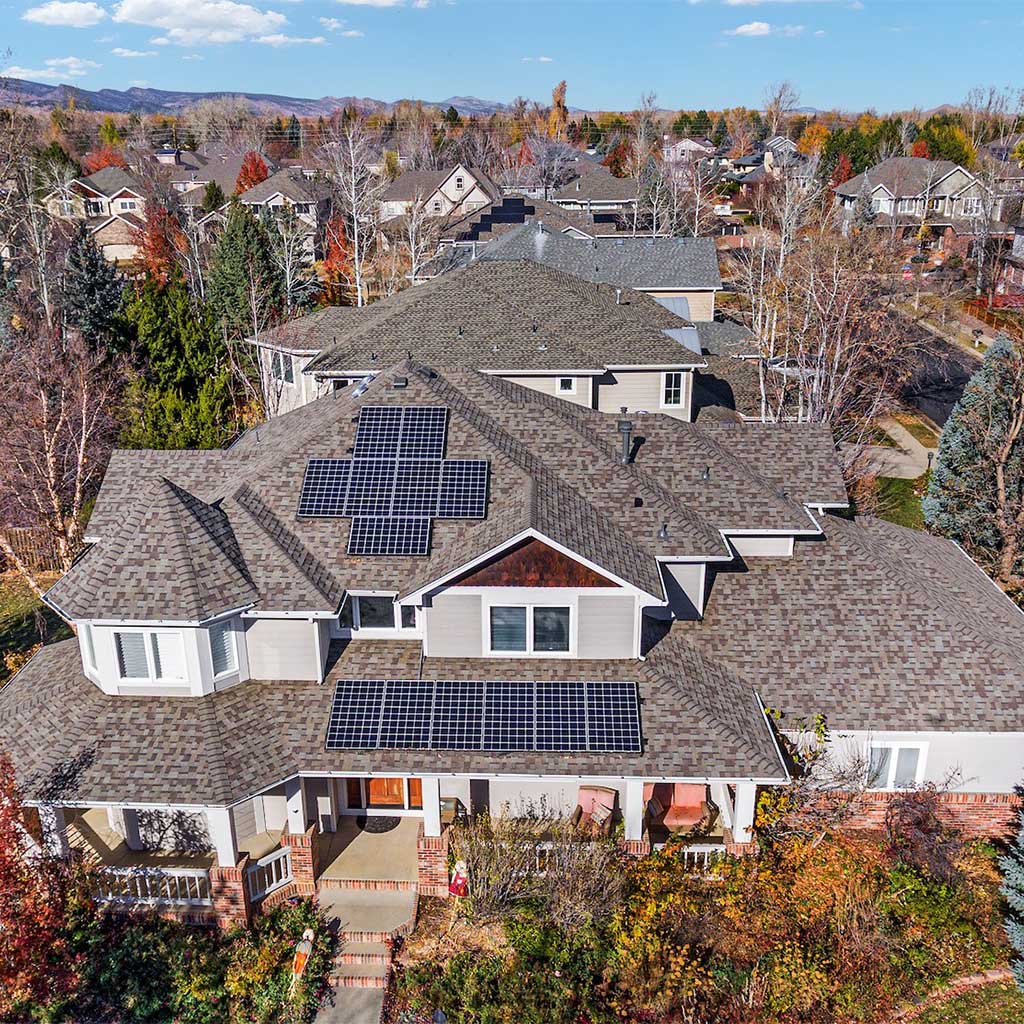
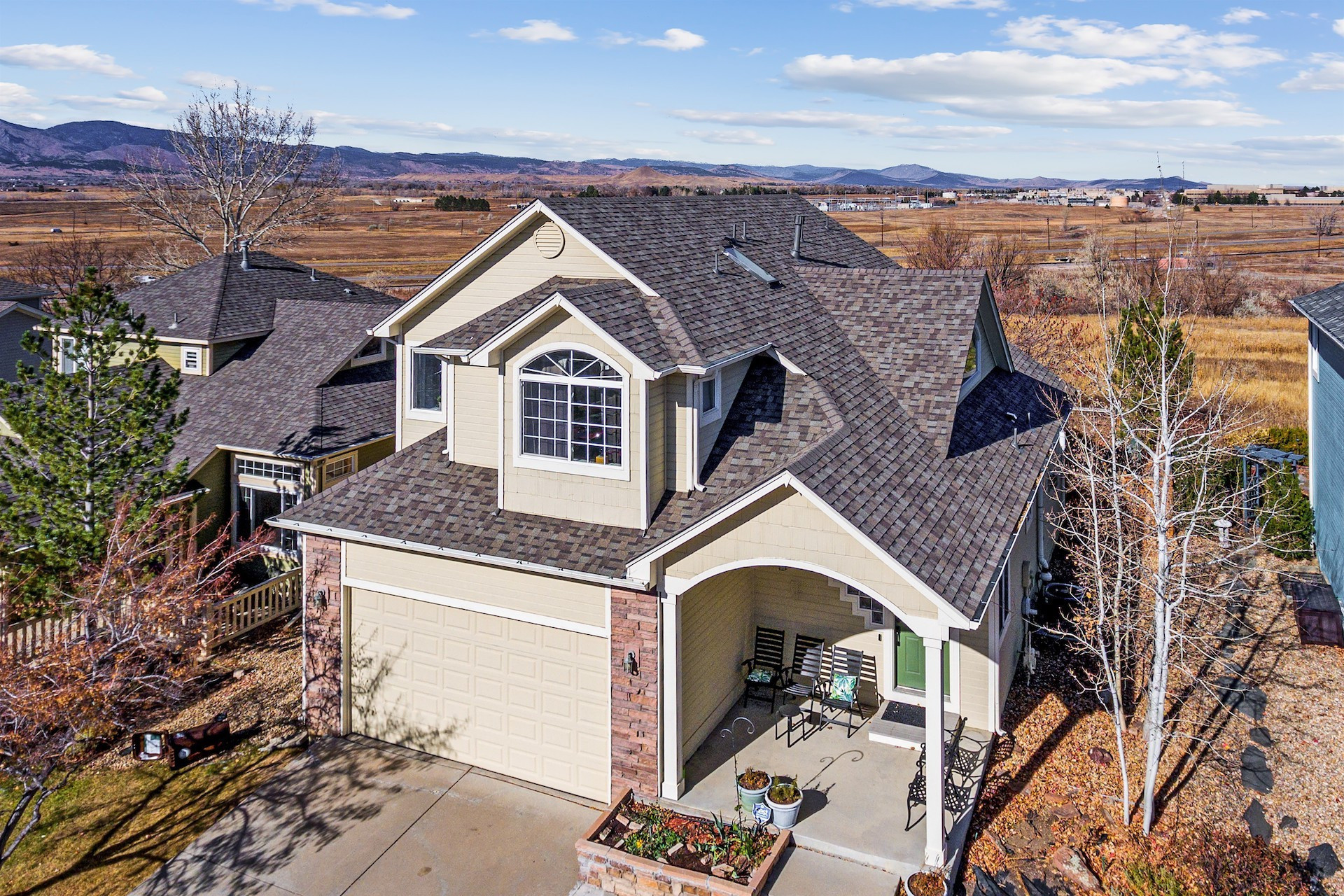
Many homeowners assume the claim is mostly about the roof. In reality, hail frequently damages siding, windows, gutters, trim, paint, and other exterior surfaces at the same time.
Where Hail Damage Insurance Claims Commonly Go Wrong
Insurance estimates are not always wrong, but they are not always complete either. After large Colorado storm events, adjusters are often handling a heavy volume of claims in a short period of time. In our experience, the bigger the storm, the more opportunity for misses, especially when out-of-state adjusters are brought in to handle the claim load.
What homeowners often assume
- The first estimate must be the full amount owed
- The roof is the only damaged part of the property
- If the adjuster seemed confident, the scope must be complete
- Low contractor bids always mean savings
What often happens in reality
- Missing scope items are discovered later
- Code-related requirements were not included
- Pricing may not reflect actual local market conditions
- Damage to windows, siding, gutters, trim, or paint was missed
Key takeaway: A hail damage roof insurance claim should be reviewed as a full exterior restoration issue, not just a roofing line item. The property owner has the right to pick their contractor, and that contractor should have the full scope of work approved BEFORE work starts.
What Adjusters Miss Most Often On A Hail Damage Roof Insurance Claim
We review the adjuster’s estimate on every Colorado storm claim we take on. At least three out of four first adjuster estimates (75%+) need items added or corrected, and the number is probably higher. These are the gaps we find most often on hail and storm claims across the Front Range:
| What’s missing | What we’ve seen | What gets it added |
|---|---|---|
| Code-required components | No ice & water shield at eaves or valleys, no drip edge, no valley underlayment, no cricket behind a large chimney | Code requirements confirmed for the specific address, then photos at installation |
| Flashing | Step, headwall and chimney flashing missing, although none of it can be reused after tear-off | Measured quantities, or “paid when incurred” with photos |
| Waste factor | 1.9%, 6.6% and 7.9% allowed on cut-up roofs | The supplier’s delivery ticket, showing quantities only |
| Building permit | Left out entirely, or listed at $155 where actual fees ran $539–$1,107 | The municipal receipt |
| Overhead & profit | 0% on losses involving six to ten trades | The carrier’s own trade summary, showing how many trades need coordinating |
| Decking | Spaced plank decking that can only be seen after tear-off | Photos the same day, plus the local sheathing rule |
| Valleys and ventilation | Woven valleys specified with laminated shingles (which shingle manufacturers prohibit); open valleys with no valley metal; no exhaust vents | Manufacturer installation instructions and the residential code |
| Windows and siding | Window openings undercounted, sizes one class too small, and an undamaged wall left out despite a discontinued product | A numbered photo map of openings and a matching lab report |
| Lead-safe practices | No EPA lead-safe (RRP) line on paint work on pre-1978 homes | The home’s age and the federal RRP rule |
Key takeaway: Most missing items get added with one of two things: a code basis (it is required at this address) or a document (a photo, receipt, delivery ticket or report). Requirements differ by jurisdiction, so we confirm them for the specific address before writing the scope.
Does A Hail Damage Claim Raise Insurance Rates?
This is one of the most common questions homeowners ask after a storm: does hail damage claim raise insurance rates?
In general, hail and wind events are typically treated differently than at-fault auto claims because they are weather-related losses, not accidents caused by the homeowner. However, insurance pricing decisions can vary by carrier, market conditions, claim history, and broader storm activity in a region.
The safer takeaway is this: homeowners should not let fear or pressure keep them from properly documenting legitimate storm damage. The more important first step is to determine whether real damage exists and whether the estimate fully reflects what is needed to restore the property.
Why A Second Opinion Can Matter On A Roof Hail Damage Insurance Claim
Before major medical treatment, many people get a second opinion. Storm restoration deserves the same mindset.
In Colorado, code requirements, local municipality practices, material availability, and full exterior scope can all influence what a proper repair should include. That means a second opinion is mostly about confirming whether the estimate actually reflects the real work required.
- Is the estimate using realistic local pricing?
- Were all damaged trades included?
- Were municipal code requirements addressed?
- Was matching of discontinued materials considered?
- Was window, siding, gutter, or trim damage missed?
For homeowners, the goal is simple: make sure the property is restored correctly, not partially.
What To Watch Out For During The Claim Process
- Do not feel pressured to sign paperwork on the spot.
- Do not assume the first estimate is final.
- Do not hand over insurance checks to a contractor before work starts.
- Do not choose a contractor based only on the lowest price.
- Do not ignore permits, code requirements, or city inspections.
After large storms, door-knocking contractors often focus on the easiest and fastest roof replacements. Homeowners are then left coordinating the harder trades on their own. That is one reason full exterior storm restoration can be a better long-term approach.
Related resource: read the Colorado hail damage resource guide.
What Is Xactimate, And What Is A Contractor’s Role On Your Claim?
Most U.S. insurers write roof claim estimates in Xactimate, line-item pricing software that lists every material and task with a quantity and a unit price. A line item that isn’t in the estimate doesn’t get paid. A first estimate is usually written from one inspection, often before anyone has looked in the attic, pulled up a shingle or checked the local code. That is why so many first estimates are missing information.
A roofing company that works with insurance claims has one job on the claim: documentation. We inspect in person and document every slope, research the code for the address, and present the scope in the same Xactimate line-item format the adjuster uses, cross-referenced to the adjuster’s own line numbers. When a quantity can only be known once the roof is open, we submit it as “paid when incurred” and document it at tear-off rather than guessing.
We are not public adjusters, and we don’t negotiate claims. In Colorado, negotiating a claim for a homeowner is reserved for licensed public adjusters and attorneys. Your insurer makes the coverage decision, and a complete file makes that decision easy to get right. Related: RCV vs. ACV and recoverable depreciation · Colorado hail claim deadlines.
Colorado Insurance Claim Case Studies
These examples show how claim outcomes can change when the full exterior scope is reviewed carefully.
Evans, Colorado
Case study: siding scope and matching issues
Initial situation: The insurance estimate called for limited siding replacement and reuse of removed siding on another elevation.
What we found: The siding was about 20 years old and no longer available, which would have created a visible mismatch across the home.
Result: The insurance company agreed the original approach was not in the homeowner’s best interest and paid to replace the siding for the entire house.
Windsor, Colorado
Case study: roof, siding, and window damage missed in first estimate

Initial situation: The homeowner had an offer that included one window, a sliding glass door, and a few small roof items.
What we found: Additional windows were damaged, siding on two sides was affected, and the roof needed replacement.
Result: After a fuller inspection and follow-up with the carrier, the claim was rewritten to reflect the broader storm damage scope.
2026 Claims, Line By Line
These four claims are from the 2026 storm season. Homeowner names, addresses, claim numbers and carrier names are removed. Every dollar figure comes from an estimate the insurance company issued itself, or from a receipt in the claim file. Added means the carrier wrote it into a revised estimate. Released means money that was in the first estimate but held back until the work was documented. In these four claims, carriers added $27,211.84 in total.
Longmont: A $5,333 Repair Estimate Became A $25,634 Full-Roof Scope
Spring 2026 storm · tree limb through the roof into the kitchen · 1950s single-story home, 19.37-square roof
Carrier revised · work scheduled
On this 2026 Longmont claim, the replacement cost value went from $5,333.32 on the first estimate to $25,634.08 on the revised estimate, including 10% + 10% overhead & profit ($3,790.40), after we documented the full scope.
| First estimate | Revised estimate | |
|---|---|---|
| Scope | Patch about 2 squares (200 SF) | Full roof replacement, 19.37 squares |
| Framing | None | Carpentry and framing included |
| Code items | None | Ice & water shield (893.83 SF) under Ordinance or Law coverage |
| Overhead & profit | None | 10% + 10% ($3,790.40) |
| Replacement cost value | $5,333.32 | $25,634.08 |
What the first estimate was missing:
- The carrier’s own engineer documented broken rafters a week before the first estimate was written. The first estimate still included no framing, and a revision four months later priced 2×4 rafters where the engineer had documented 2×6.
- At the time of this claim, the roofing rules in force at this address required the entire roof to be replaced once repairs exceeded 100 square feet. The carrier’s own 200 SF repair triggered a full replacement. (See the one-square rule.)
- No ice & water shield, drip edge, starter or ridge cap; no attic insulation where water came through; no permit; no O&P on an eight-trade job.
What the carrier changed: We sent one package: a claim timeline, the engineer’s report next to the estimate, the jurisdiction’s published roofing rules, and an Xactimate-format estimate keyed to the carrier’s own line numbers and unit prices. The carrier rebuilt its estimate to $25,634.08, about $50 above our own figure.
Berthoud: Decking Found At Tear-Off, And 98% Of The Documented Amount Paid
Summer 2026 hail · 27.65-square roof, mostly 7/12–9/12 pitch · roof + gutters
Closed · accepted
On this 2026 Berthoud claim, the carrier added 448 SF of roof sheathing ($1,166.46) and the $705.00 building permit after we documented them, and released the $6,118.53 held back for the Class 4 upgrade and recoverable depreciation.
| Item | First estimate | After documentation |
|---|---|---|
| Roof sheathing (OSB) | Not included | 448 SF added as a code item: $1,166.46 |
| Building permit | Not included | Added at receipted cost: $705.00 |
| Class 4 upgrade + recoverable depreciation | $6,118.53 held back | Released with photos, permit and passed final inspection |
| Synthetic underlayment ($218.52) | Not included | Withdrawn by us to close the claim |
What the first estimate was missing:
- Spaced plank decking under the old shingles, which couldn’t be seen until tear-off. The local code required solid sheathing, so 14 sheets of OSB went down. We photographed it the same day, because an open roof can’t wait for a re-inspection.
- The building permit.
- Release paperwork for money already approved: photos of the Class 4 shingle bundles, the permit naming the product, and the town’s passed final inspection.
What the carrier changed: The carrier added $1,871.46 (7.5%), including $46.46 more for sheathing than we requested. With the released holdbacks, $7,989.99 was paid out at closing, which was 98% of the total we documented.
Larimer County: A $50,000 Hail Claim With Missing Flashing And Too Little Waste
Unincorporated Larimer County · summer 2026 hail · 55.91-square roof, 14 facets · ten trades
Partly added · final items pending
On this 2026 Larimer County claim, the step flashing (51.42 LF), headwall and chimney flashing were added as code items, while the 12.7% actual waste (against 7.9% allowed) and the $1,106.72 county permit we documented are still pending.
| Item | First estimate | Status |
|---|---|---|
| Step flashing (51.42 LF), headwall and chimney flashing | Not included | Added as code items |
| Gutter repainting | Below the painter’s actual bid | Repriced to the bid |
| Waste factor | 7.9% | Pending: 12.7% actual, shown by the delivery ticket |
| County permit | Not included | Pending: $1,106.72 with receipt |
| Overhead & profit, ten trades | 0% | Pending |
What the first estimate was missing:
- Code-required step and wall flashing, which can’t be reused after tear-off. The estimate included a chimney cover but no flashing around it.
- A 7.9% waste allowance on a 14-facet roof. The shingles actually delivered (63.00 squares against 60.33 allowed) came to 12.7% waste. We sent the supplier’s delivery ticket with prices blacked out.
- The permit, and O&P on a loss that included solar panel removal and reinstall, windows, skylights, gutters, paint and HVAC.
What the carrier changed: The carrier added $1,702.62. It measured the step flashing itself and classified all three flashing items as required by current building code. The waste and permit items ($2,020.39) and O&P were sent with the completion letter and are waiting on a decision.
Wiggins: Siding Matched On An Undamaged Wall, And The Missing Windows Counted
Summer 2026 wind & hail · roof, siding and windows · about 20-year-old siding
Carrier revised · window pricing open
On this 2026 Wiggins claim, the revised estimate added $2,937.00 for matching siding on the undamaged side, using our estimate, plus $400.00 for emergency board-up, and raised the window openings from 7 to 9.
| Item | First estimate | Revised estimate |
|---|---|---|
| Siding on the undamaged side, for matching | $0 | $2,937.00, using our estimate |
| Emergency board-up | Not included | $400.00 |
| Window openings | 7 | 9, with retrofit sizing one class larger |
| Ice & water code extension | Eaves only | Agreed in writing under Ordinance or Law, paid at installation |
What the first estimate was missing:
- Matching: three sides were damaged and the fourth wasn’t, but the original siding was no longer made. A third-party matching lab rated the closest current product only “similar,” so new siding next to 20-year-old weathered siding would have left the house two-toned.
- Fewer window openings than the photos showed, priced one size class below the measured openings.
- Board-up done the day of the storm.
What the carrier changed: The carrier declined a re-inspection, so the file had to make the case on its own: annotated elevation photos with every window numbered, damage close-ups, the board-up invoice and the matching lab report. The revised estimate paid the matching siding as a bid item “using Northern Lights Exteriors estimate,” added the board-up and raised the window count. Two front windows and window pricing are still open.
Dollars-And-Cents Claim Examples
Below are additional examples of claim revisions after closer review of damage, code-related items, pricing, and full exterior scope.
Northern Lights Exteriors: Colorado insurance claim examples, original estimate vs. final claim by city (US dollars, published 2026)
Longmont, CO
Original estimate: $17,000
Final claim: $25,767.92
Additional amount: $8,767.92
Increase: 51.6%
Lafayette, CO
Original estimate: $22,197
Final claim: $33,299
Additional amount: $11,102.00
Increase: 50.0%
Boulder, CO
Original estimate: $74,852
Final claim: $241,829.01
Additional amount: $166,977.01
Increase: 223.1%
Brighton, CO
Original estimate: $12,055.94
Final claim: $20,608.00
Additional amount: $8,552.06
Increase: 70.9%
Frederick, CO
Original estimate: $5,794.00
Final claim: $14,719.00
Additional amount: $8,745.00
Increase: 146.4%
Louisville, CO
Original estimate: $15,615.00
Final claim: $56,788.64
Additional amount: $41,173.64
Increase: 263.7%
Longmont, CO (2026)
Original estimate: $5,333.32
Final claim: $25,634.08
Additional amount: $20,300.76
Increase: 380.6%
Tree strike: repair estimate rebuilt as a full roof replacement
Berthoud, CO (2026)
Original estimate: $24,813.10
Final claim: $26,684.56
Additional amount: $1,871.46
Increase: 7.5%
Hail: decking found at tear-off + permit
Larimer County, CO (2026)
Original estimate: $50,056.97
Final claim: $51,759.59
Additional amount: $1,702.62
Increase: 3.4%
Hail: flashing added; waste, permit & O&P still pending
Important: These examples are case-specific and do not guarantee the same outcome on every hail damage roof insurance claim. Claim results depend on the actual storm damage, policy terms, municipality requirements, and the quality of the initial estimate.
Frequently Asked Questions About Roof Hail Insurance Claims
What is a hail damage roof insurance claim?
A hail damage roof insurance claim is a property insurance claim filed after hail damages roofing materials or other exterior parts of a home.
Should I trust the first insurance estimate?
The first estimate may be accurate, but homeowners should still review it carefully and consider a second opinion when damage appears broader than the written scope.
Does hail damage claim raise insurance rates?
Weather-related claims are generally treated differently than at-fault accident claims, but insurance pricing can still vary by carrier, market, and claim history. The most important first step is confirming whether legitimate storm damage exists.
Can hail damage affect more than the roof?
Yes. Hail can damage siding, windows, gutters, screens, trim, paint, and other exterior components during the same storm event.
Why do some claims get rewritten?
Claims may be revised when additional damage is documented, local code requirements are identified, market pricing is corrected, or missing scope items are added.
Should I use a roof-only contractor for a hail claim?
Many homeowners are better served by a contractor who understands the full exterior scope, especially when storm damage affects more than just roofing materials.
What do insurance adjusters most often miss on a hail damage roof claim?
In the claims we review, the most common gaps are code-required items (ice & water shield, drip edge, valley underlayment), step, headwall and chimney flashing, a waste factor too low for the roof’s shape, the building permit, overhead & profit on multi-trade losses, and decking problems that only show up at tear-off. At least three out of four first adjuster estimates we review need something added or corrected.
What is a supplemental roofing estimate?
A supplement is a documented request to add items to the insurer’s estimate, or to correct them: missed line items, quantities that were wrong, code-required work, or conditions found after tear-off. It works best in the same Xactimate line-item format as the adjuster’s estimate, with photos, measurements, receipts or code citations attached to each item.
Can a roofing company negotiate my insurance claim?
No. In Colorado, negotiating a claim on a homeowner’s behalf is reserved for licensed public adjusters and attorneys. A contractor’s role is documentation: inspection, photos, measurements, code research, and a line-item scope and invoices. Your insurer makes the coverage decision.
My roof insurance claim was underpaid. What should I do?
Compare the estimate with the roof itself, line by line. Look for missing code items, flashing, the permit, the waste factor and O&P. Then submit a documented supplement with photos and receipts. If the carrier won’t give a written item-by-item explanation, your policy’s appraisal clause, the Colorado Division of Insurance, a licensed public adjuster or an attorney are the next steps.
Does insurance pay for code upgrades like ice & water shield or new decking?
Often, yes, through Ordinance or Law (code upgrade) coverage. That is a separate sublimit, and it usually pays only after the work is done and documented. In our 2026 case studies, carriers added ice & water shield, sheathing and flashing as code items once the code requirement for the address was documented. Requirements differ by jurisdiction, so we confirm them for each address.
What happens if more damage is found after the roof is torn off?
Document it the same day with photos before the new roof goes on, and send it to the carrier as a supplement. In our Berthoud case study, spaced plank decking found at tear-off was added as a $1,166.46 code item based on same-day photos and the local sheathing requirement.
Need A Second Opinion On A Colorado Hail Insurance Claim?
If you have a hail damage roof insurance claim and want a more complete review of the property, a full exterior inspection can help identify missed items before repairs begin.
Northern Lights Exteriors works with Colorado homeowners on roofing, siding, windows, gutters, and storm restoration projects, with a focus on understanding the full repair scope. For a deeper look at how the scope gets completed — underscoped items, permits at actual cost, tear-off discoveries, and the window and door pricing gap — see how roof claim supplements work in Colorado. To make sure no deadline slips, see Colorado hail claim deadlines. We document the claim, and your insurer makes the decision.