James Hardie Siding — Frederick, CO 80530
James Hardie Siding in Frederick
HZ5 fiber cement engineered for Front Range hail, UV and freeze–thaw — replacing builder-grade cladding on Carbon Valley homes, by a James Hardie Elite Preferred contractor continuously since 2011.
Who installs James Hardie siding in Frederick, CO?
Northern Lights Exteriors is a James Hardie Elite Preferred contractor — held continuously since 2011 — and a President’s Club member. Our office is in Fort Lupton, the same county as Frederick, about twelve miles away.
Most Carbon Valley homes went up after 2000 on builder-grade cladding, and they are reaching their first replacement cycle together. We install HardiePlank lap, HardiePanel board and batten, HardieShingle, the Artisan and Aspyre lines, and factory-baked ColorPlus finishes on HZ5 boards specified for freeze–thaw.
If your subdivision has an architectural committee, we assemble the product specification, color and sample your HOA submission needs as part of the estimate. Rated 4.9 out of 5 from 552 verified reviews.
Replacing Builder-Grade Siding on a Carbon Valley Home
Almost every house in Frederick is younger than the mortgage on it. in 1990 the three Carbon Valley towns held about 4,500 people between them; today it is roughly 44,000, with Frederick and Firestone each over 18,000. That single fact tells you nearly everything about siding here: this is not a town of old houses on their third skin. It is a town of 2000s and 2010s production homes reaching their first replacement cycle at the same time, and most owners have never done this before.
What went on those houses was chosen by a builder to hit a price point, not to last thirty years on the Front Range. The usual specification across these subdivisions is thin-gauge vinyl or an OSB-based composite lap, over housewrap, with the cheapest acceptable trim. It is not defective. It is simply the value option, and at fifteen to twenty-five years it starts telling you so.
Thin-gauge vinyl
Goes brittle under UV at this altitude and cracks on impact in cold weather — which matters on the plains, where the hail arrives in May and the temperature can be in the thirties the same week. Fading is uneven, so a patched panel never matches.
OSB-composite lap
Holds up well until water finds a cut end or an unsealed penetration. Then it swells and delaminates from the inside out, usually low on the wall and behind downspouts, and no amount of paint reverses it.
Builder trim and corners
Frequently the first thing to fail regardless of what the field siding is. Corner posts, J-channel and window trim take the weather and were the line item with the least money in it.
James Hardie is the honest answer to that pattern, because it is the material that stops the cycle rather than restarting it on a shorter clock. Most of what we install is HardiePlank siding in Frederick — the direct like-for-like upgrade from a failing builder lap.
HZ5: The Specification That Matters at 5,000 Feet
James Hardie does not sell one board nationally. Colorado sits in HZ5, the specification engineered for freeze–thaw cycling rather than for humid Southern heat. That distinction is invisible on a sample and decisive over thirty years.
A February day in Weld County can cross freezing in both directions before dinner. Any cladding that absorbs even slightly, freezes, expands and thaws on that cycle is being taken apart from the inside. HZ5 boards are formulated for exactly that, which is the single biggest reason fiber cement outlives builder-grade cladding here by a margin that is not close.
The other two things this climate does to a wall:
- Hail, repeatedly. Weld County sits in Front Range hail alley. Fiber cement’s density is its answer — it is not indestructible, but it does not go brittle and crack the way cold thin vinyl does, and it does not dent like metal.
- UV at altitude. Thinner atmosphere means more ultraviolet on your west elevation. It is what fades vinyl unevenly and destroys a paint film years before the substrate underneath has failed.
Fiber cement answers all of it by being, essentially, a mineral product. It does not feed moisture, does not photodegrade and does not burn — James Hardie board carries a Class A flame-spread rating as a material. On the plains that is a durability footnote rather than a headline, and we will not oversell it: Frederick is not a wildland-urban interface community and does not need wildfire hardening. Anyone selling you that here is selling you something.
Working With a Carbon Valley HOA Palette
Here is the practical constraint that separates Frederick from an older town, and the one most homeowners hit first: your subdivision almost certainly has an approved color palette, and your covenant almost certainly requires approval before you re-side. Neighborhoods platted in the 2000s came with design guidelines; neighborhoods platted in 1960 mostly did not.
That is not an obstacle, it is a sequence. Submitting a color and material change to an architectural committee takes time, and it takes the right paperwork — a product specification, a color name, and usually a sample. We prepare that as part of the estimate rather than leaving you to assemble it, because a submission that comes back for more information costs weeks, not days.
Hardie board siding in Frederick is reviewed on color as much as material, and ColorPlus is what makes that palette conversation easy. It is a factory-applied, baked-on finish rather than paint rolled onto raw board in a driveway, and it comes in named, repeatable colors — which is exactly the form an architectural committee wants to approve. Under Front Range UV the practical difference is not subtle: a field-painted fiber cement wall is generally asking for a repaint within about a decade, while ColorPlus pushes that decision out substantially and carries its own finish warranty.
Colors and profiles are laid out on our James Hardie siding installation page, including Woodtone for a wood look without wood behavior, and board and batten, which suits the gables and entry elements these elevations were designed around.
What Elite Preferred and President’s Club Actually Mean
Choosing a James Hardie siding contractor in Frederick usually comes down to two designations that get mentioned a lot and are worth defining, because the words do not explain themselves.
Elite Preferred is James Hardie’s contractor program tier. It is held on an ongoing basis, is contingent on installation standards and customer outcomes, and it can be lost. We have held it continuously since 2011 — the continuity is the part that means something, because a contractor who qualified once and lapsed can still be technically accurate about having “been” Elite Preferred.
President’s Club is James Hardie’s highest contractor distinction nationwide, and we are a member of it.
Why it affects your wall: fiber cement is unusually specification-sensitive. Fastener type and spacing, the gap at butt joints, clearance to grade and to roofing, the flashing at every opening — get those wrong and the board is fine while the wall behind it is not. Manufacturer warranty coverage is conditioned on installation to spec.
Our office is in Fort Lupton — the same county, about twelve miles up the road — so Carbon Valley is not a service area we expanded into, it is where we are from. We install LP SmartSide as well, and we hold no LP distinction — we say so on our Frederick siding page, where LP is covered properly alongside the other materials.
The System Behind the Work
Fiber cement is a product where both the warranty and the wall depend on details that are covered up the moment they are finished — fastener spacing, butt-joint gapping, clearance to grade, the flashing above every window. If this is your first re-clad, you have no way of knowing whether any of it was done right. You are entitled to see it, not to be told about it afterwards.
Two things make that possible, and they are the reason to choose us over a cheaper quote.
First, experience and scope. We have been working on Colorado’s Front Range since 2001, and we hold a Class C general contractor license (Colorado license #C120350) rather than a single-trade license. That is not a technicality: it means roofing, siding, windows, decks and outdoor living can run under one contract, with one project manager accountable for the flashings where those trades meet — which is precisely where multi-contractor projects leak, literally and figuratively. James Hardie has recognized us as an Elite Preferred contractor continuously since 2011, and as a President’s Club member — their highest contractor distinction nationwide. Our rating is 4.9 out of 5 from 552 verified reviews. Alongside that license we hold manufacturer certifications from James Hardie (Elite Preferred since 2011), GAF (Master Elite), Pella, TimberTech and Deckorators, and we have been named a Qualified Remodeler Top 500 contractor three years running — all of it listed, with the issuing body for each, on our awards and credentials page.
Second, a proprietary on-demand client portal we built ourselves. Most of what people hate about a remodel is not the construction. It is not knowing — who to call, whether the permit went in, when material arrives, what has been paid, whether it passed inspection. We built a system to remove exactly that, and as far as we know no other exterior contractor in this market offers it:
Every conversation in one place
Messages, decisions and change requests are logged against your project rather than scattered across texts, voicemails and three different crew members’ phones.
Contracts and scope, always retrievable
Your signed contract and itemized scope live in the portal, so “what did we actually agree to?” is a thing you look up rather than a thing you argue about.
Permit status you can see
Where the permit is in the process, and when inspections are scheduled — without having to phone anyone to find out.
Delivery and install schedules
When material lands and when each trade starts, so you can plan around the work instead of waiting for a truck to appear.
Before, during and final photography
Documented condition before we start, progress images through production, and final photography — including the parts of the building you will never see again once it is closed up.
Payments tracked per trade
What is paid and what is outstanding, broken out by trade rather than as one running balance you have to reconcile yourself.
Inspection records
Each inspection and its result, recorded against the project and available when you sell the house and someone asks.
Access is an individual, custom URL issued to you — and you get it when we start talking, at the lead and project meeting, not after you sign something. That is deliberate: you can see how we run a project before you commit to one. It then stays available after the work is finished, which matters more than it sounds, because the documentation, images and inspection records are exactly what a buyer’s agent, an appraiser or an insurer asks for years later.
Get a James Hardie Estimate in Frederick
We will bring the ColorPlus range to the house and hold samples against your actual elevation in your actual light — the only place a siding color decision can honestly be made — and put together what your HOA committee needs at the same time. The estimate is free, written, and names products by product and finish rather than by category.
Request Your Free Estimate → 📞 (303) 776-5263
Prefer email? Reach us at office@nlexteriors.com. Ask about financing options when we walk the property.
James Hardie Projects in Carbon Valley
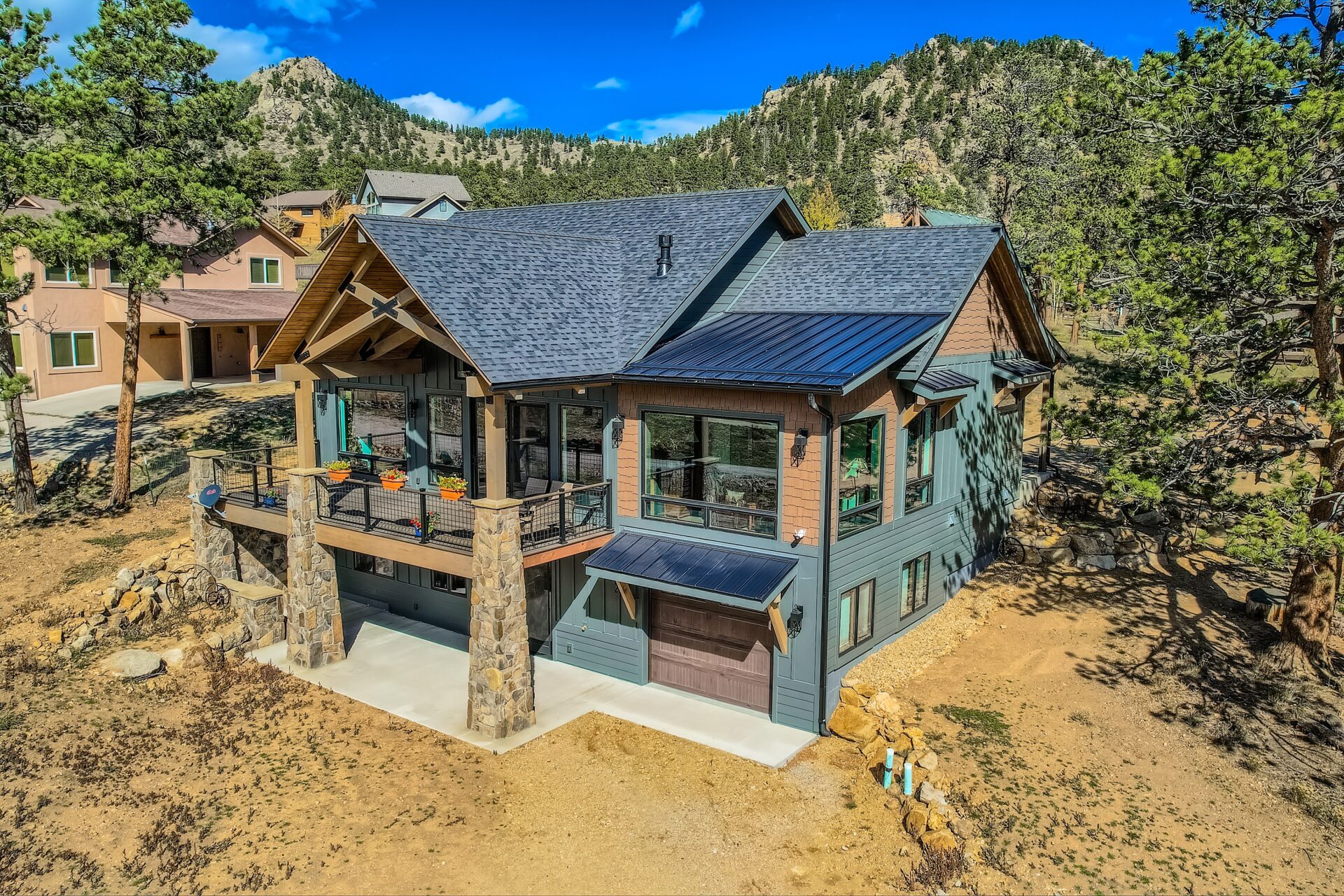
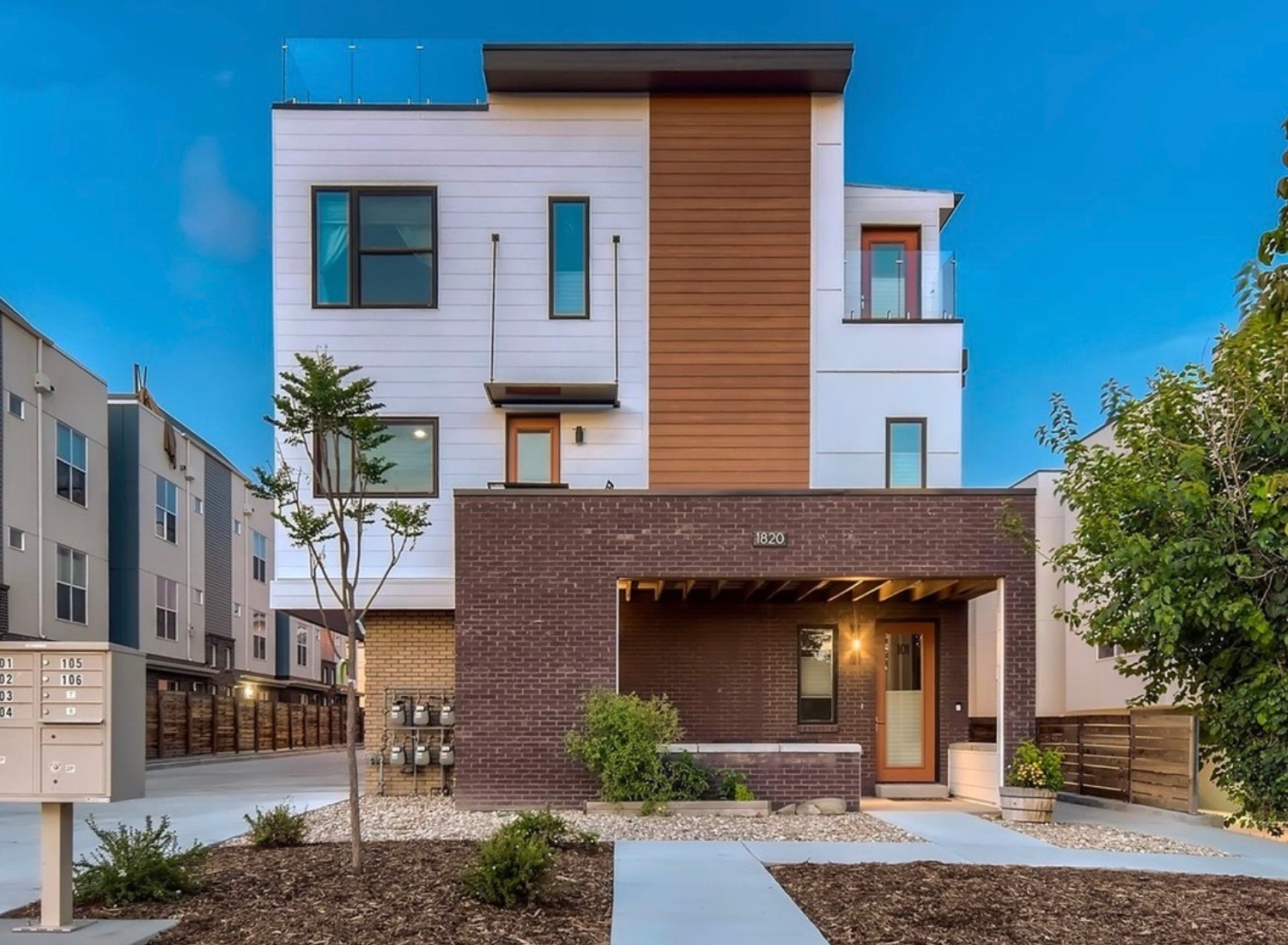
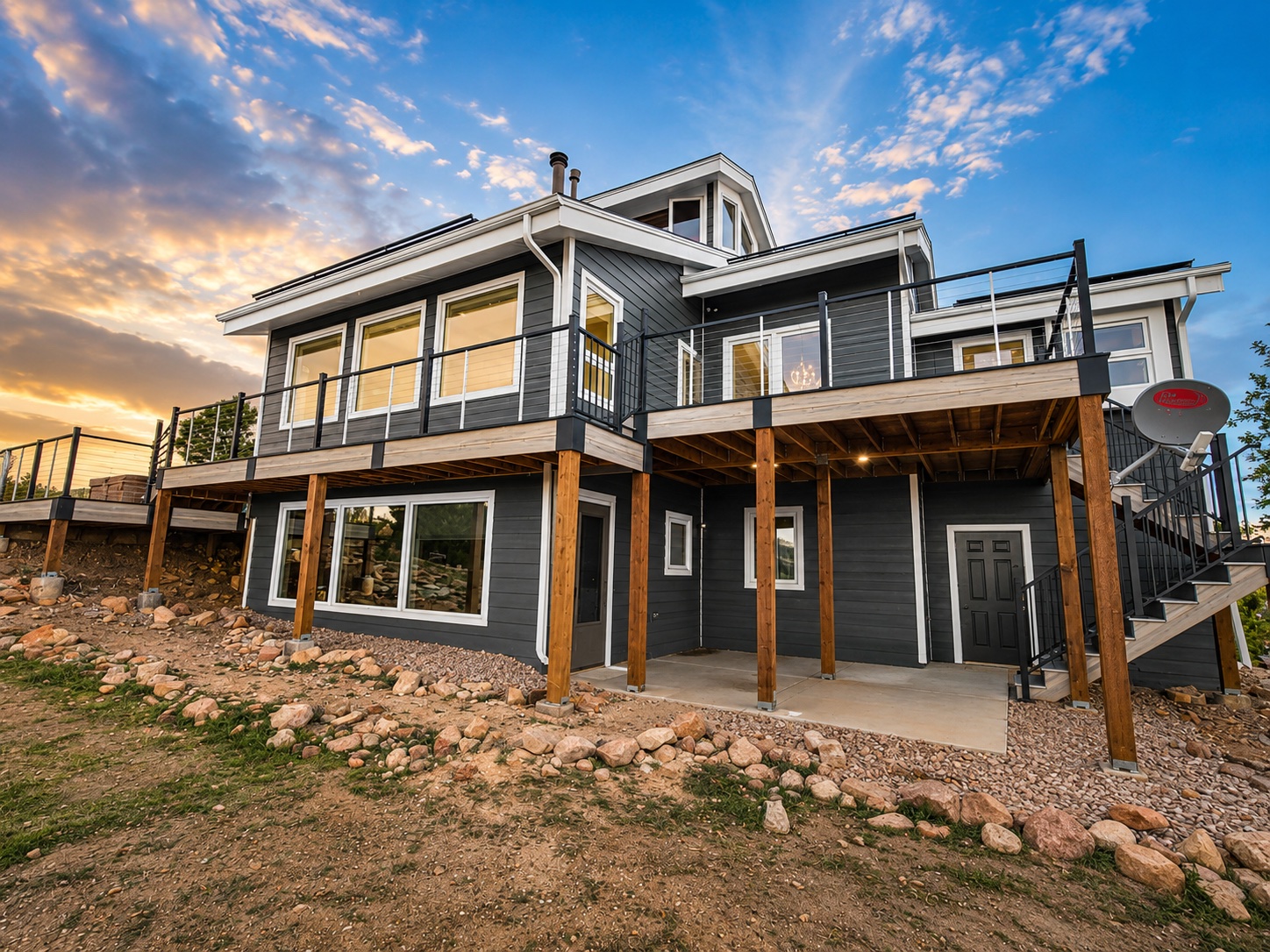
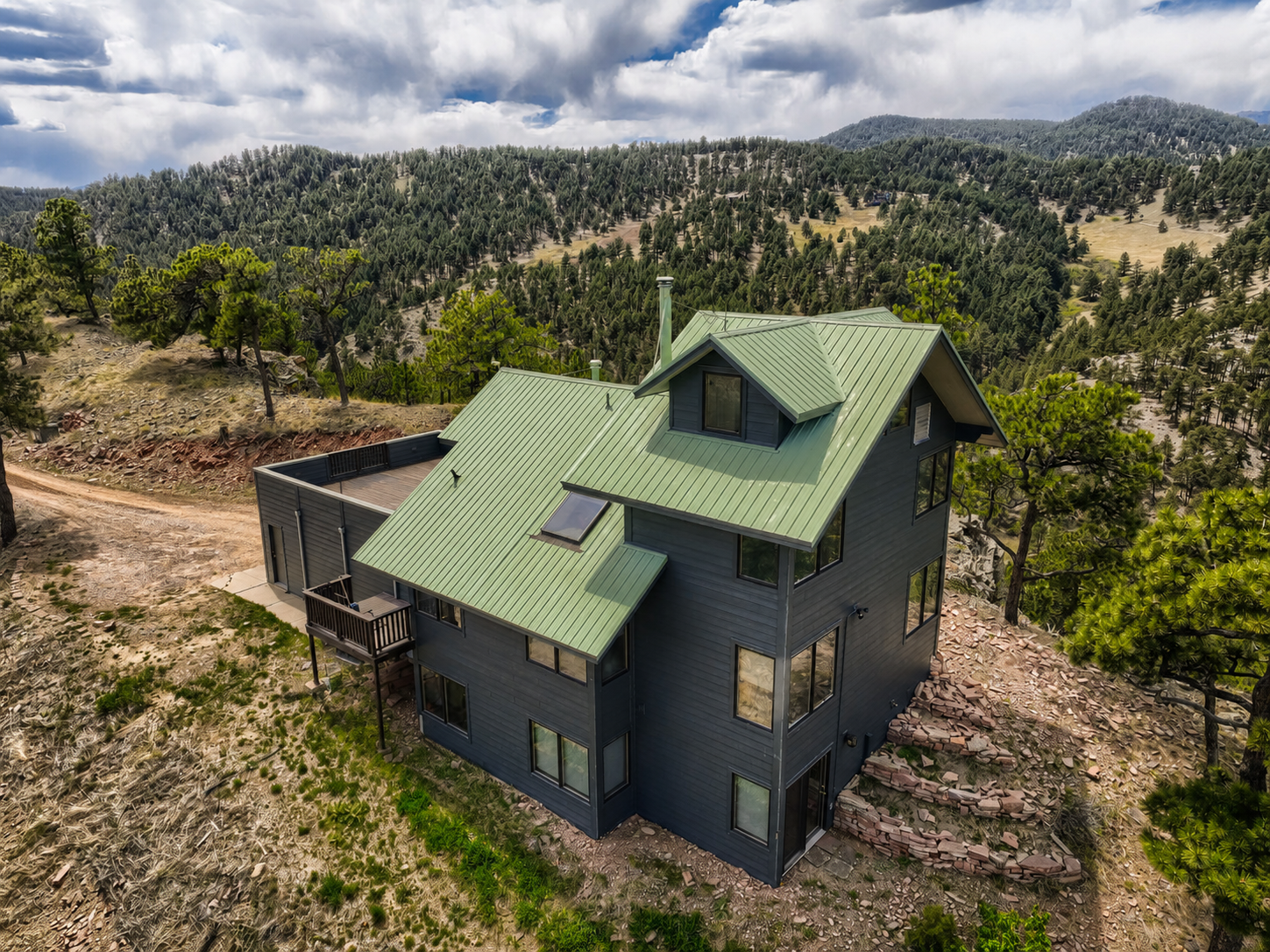
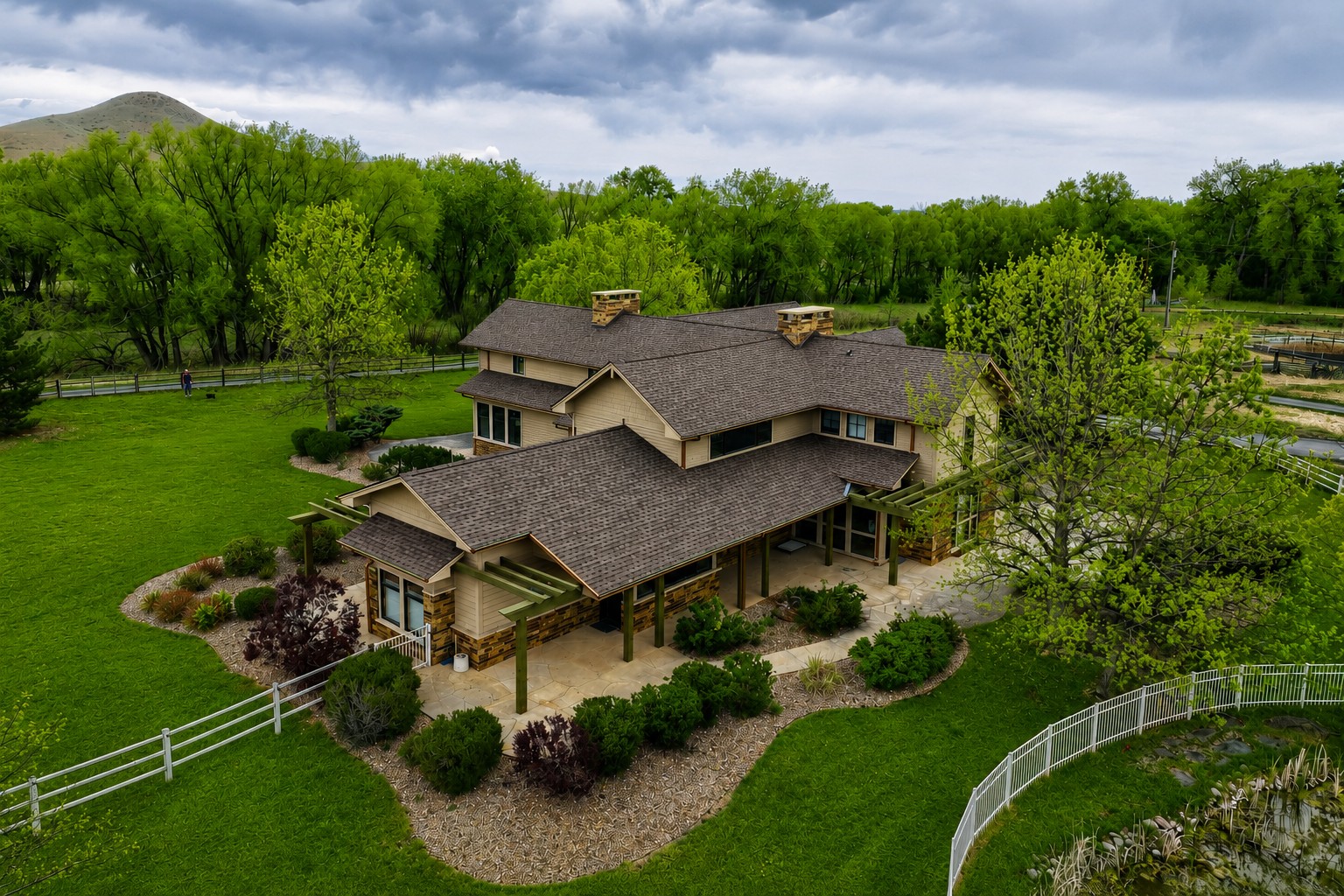
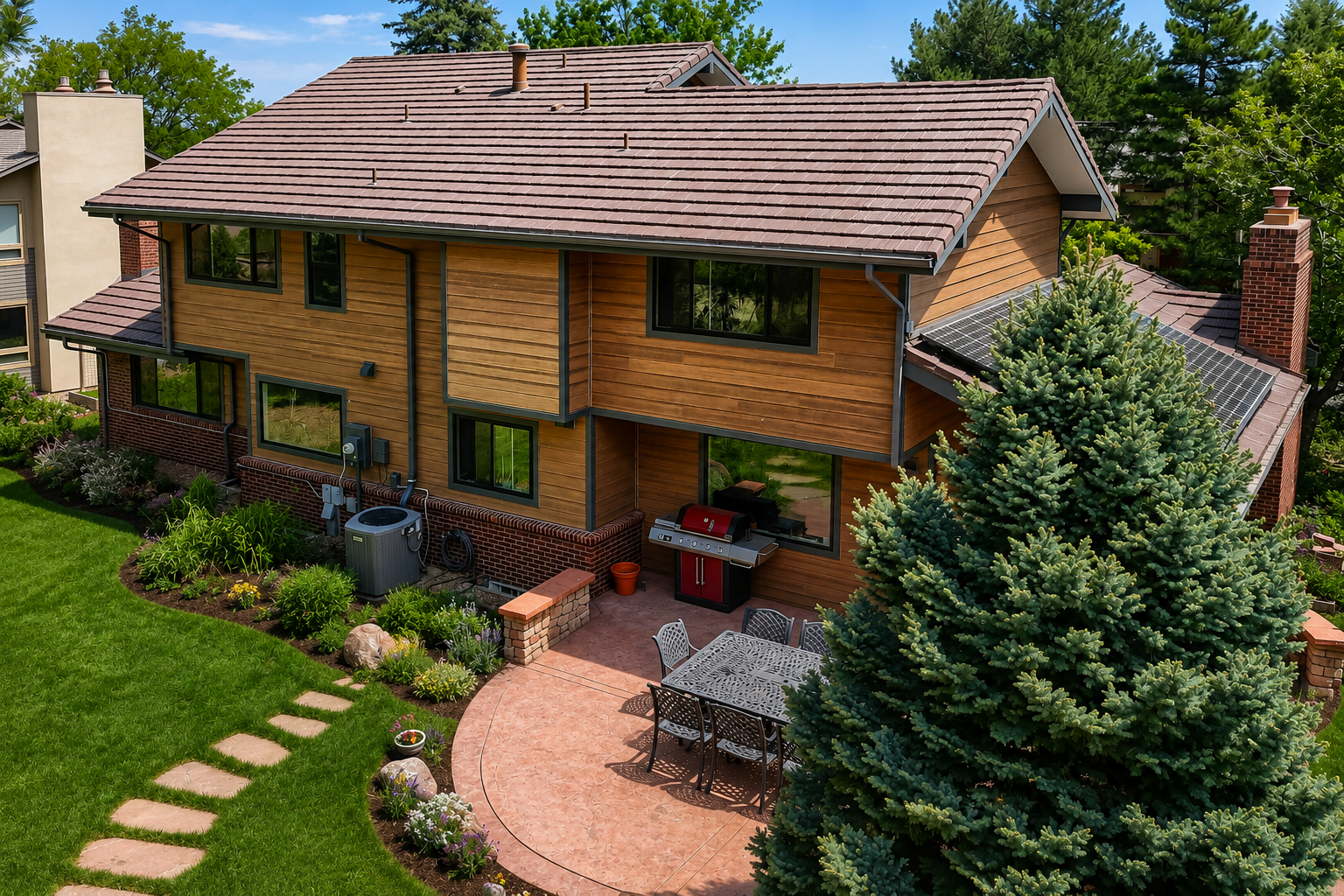
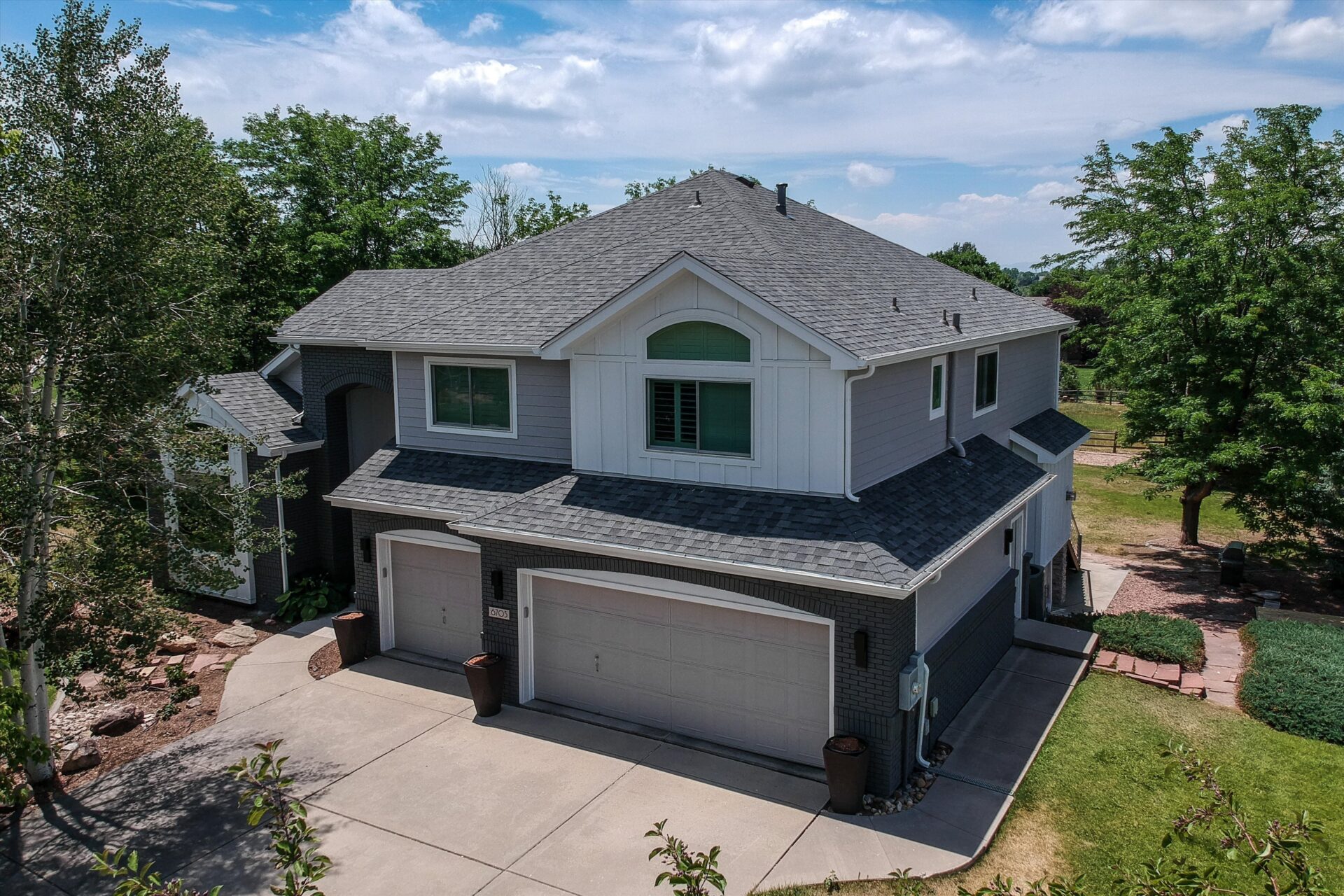
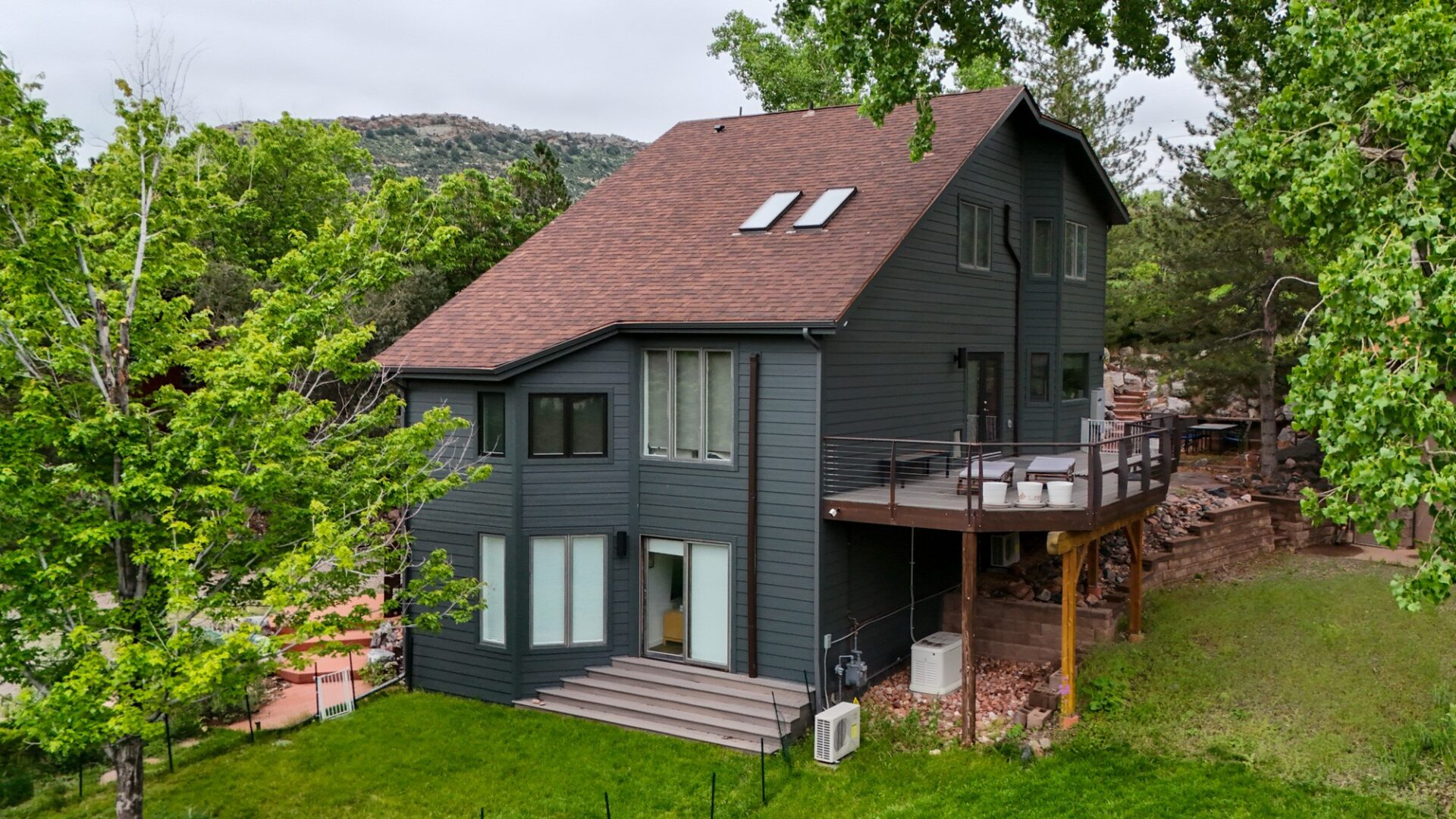
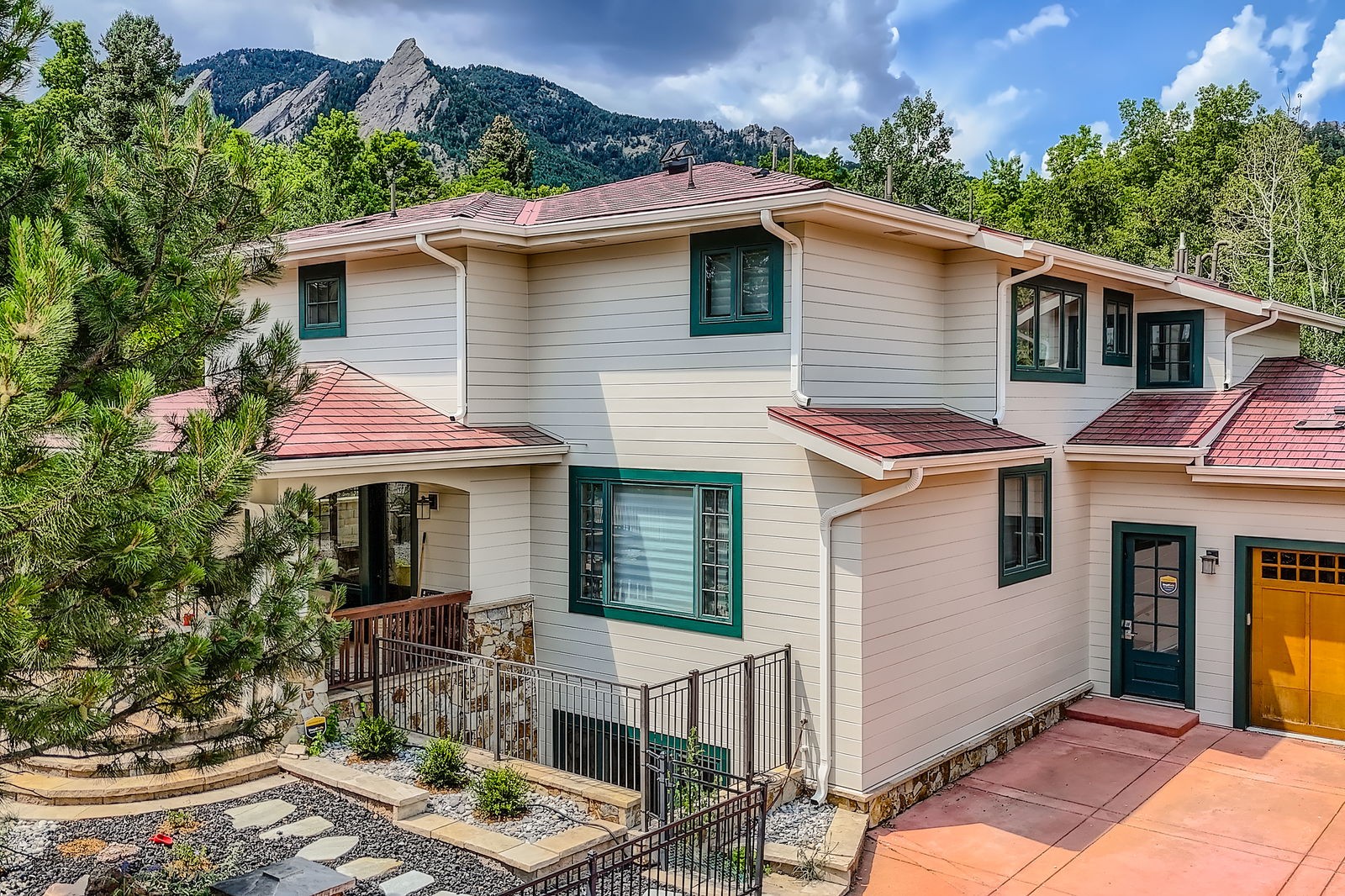
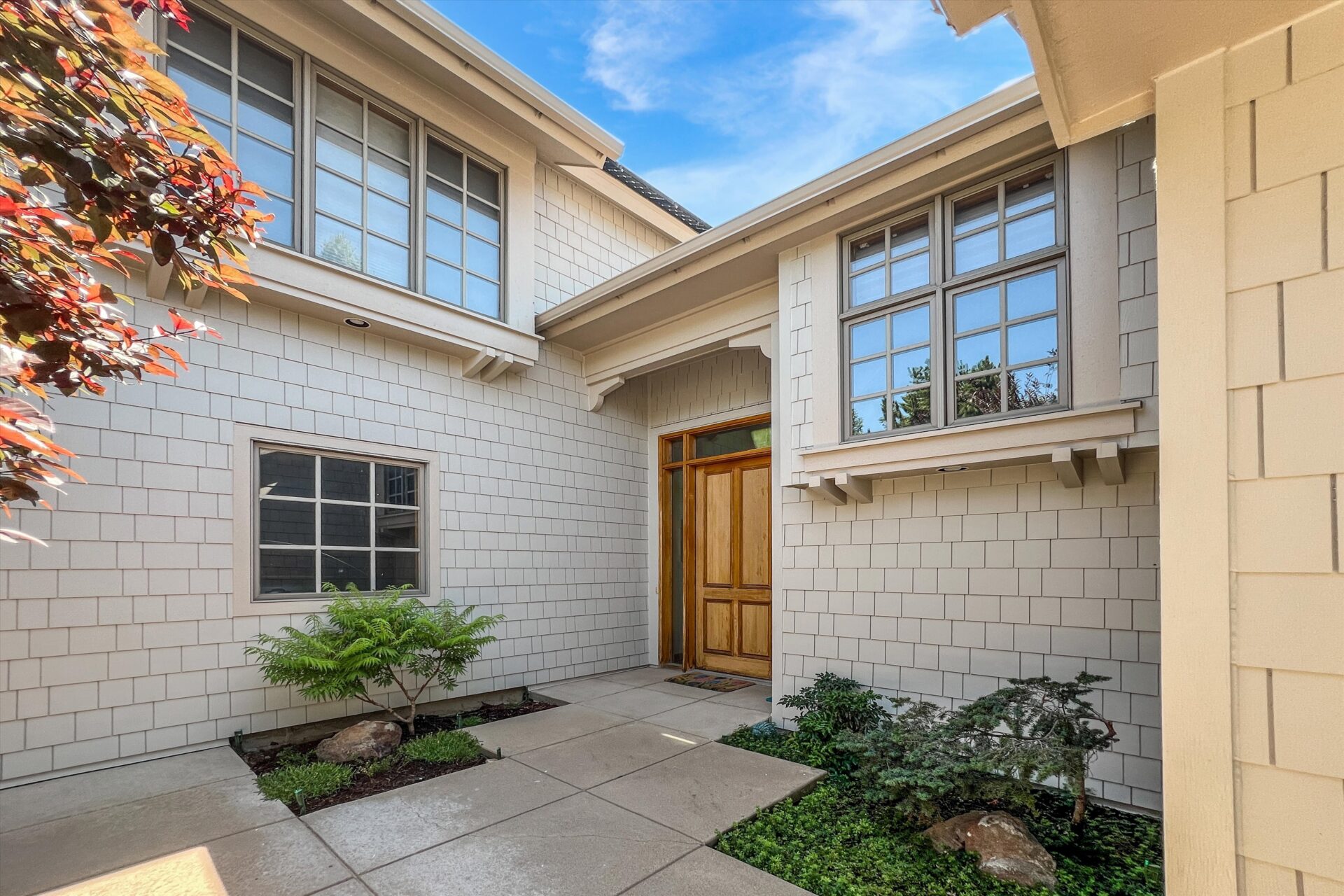
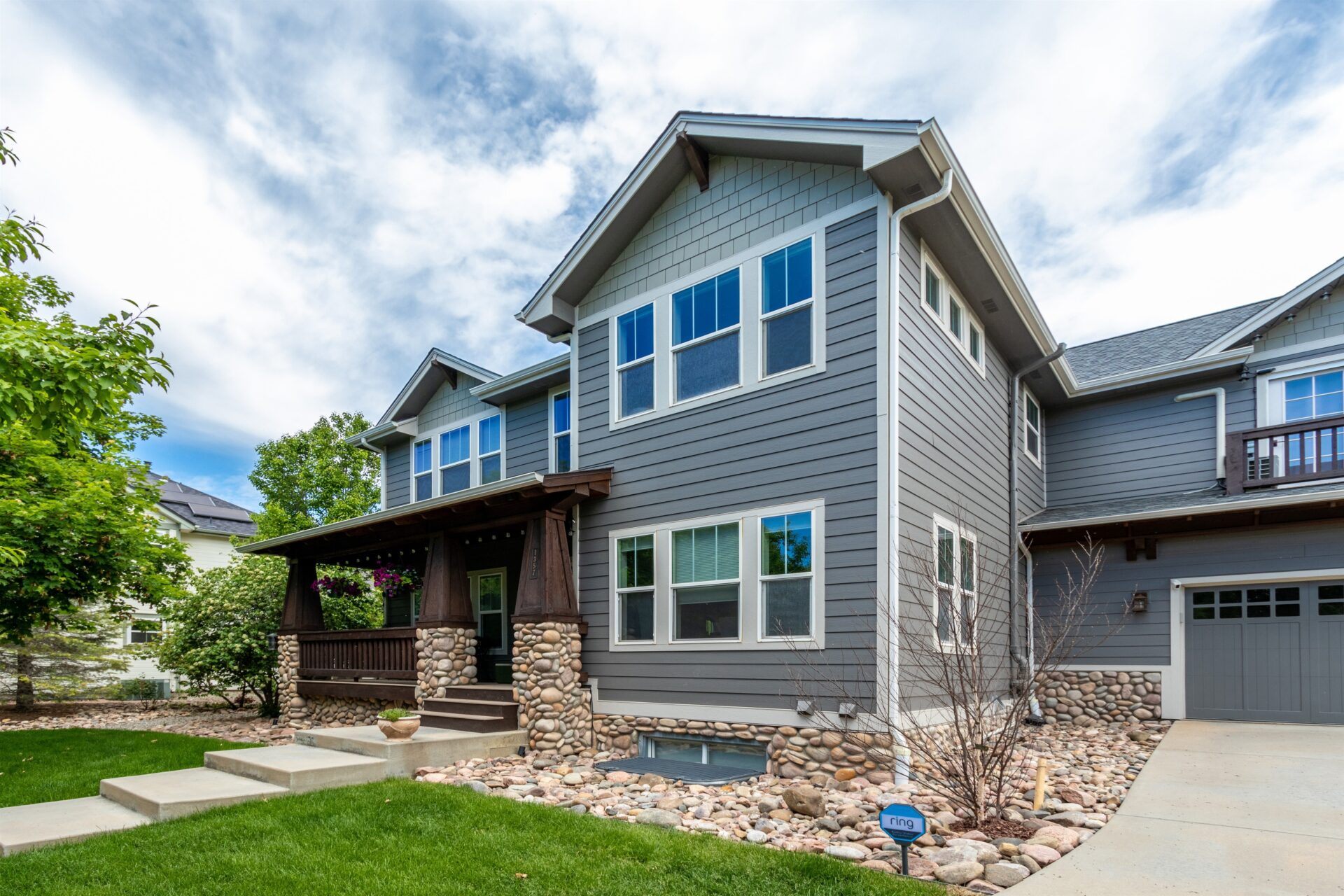
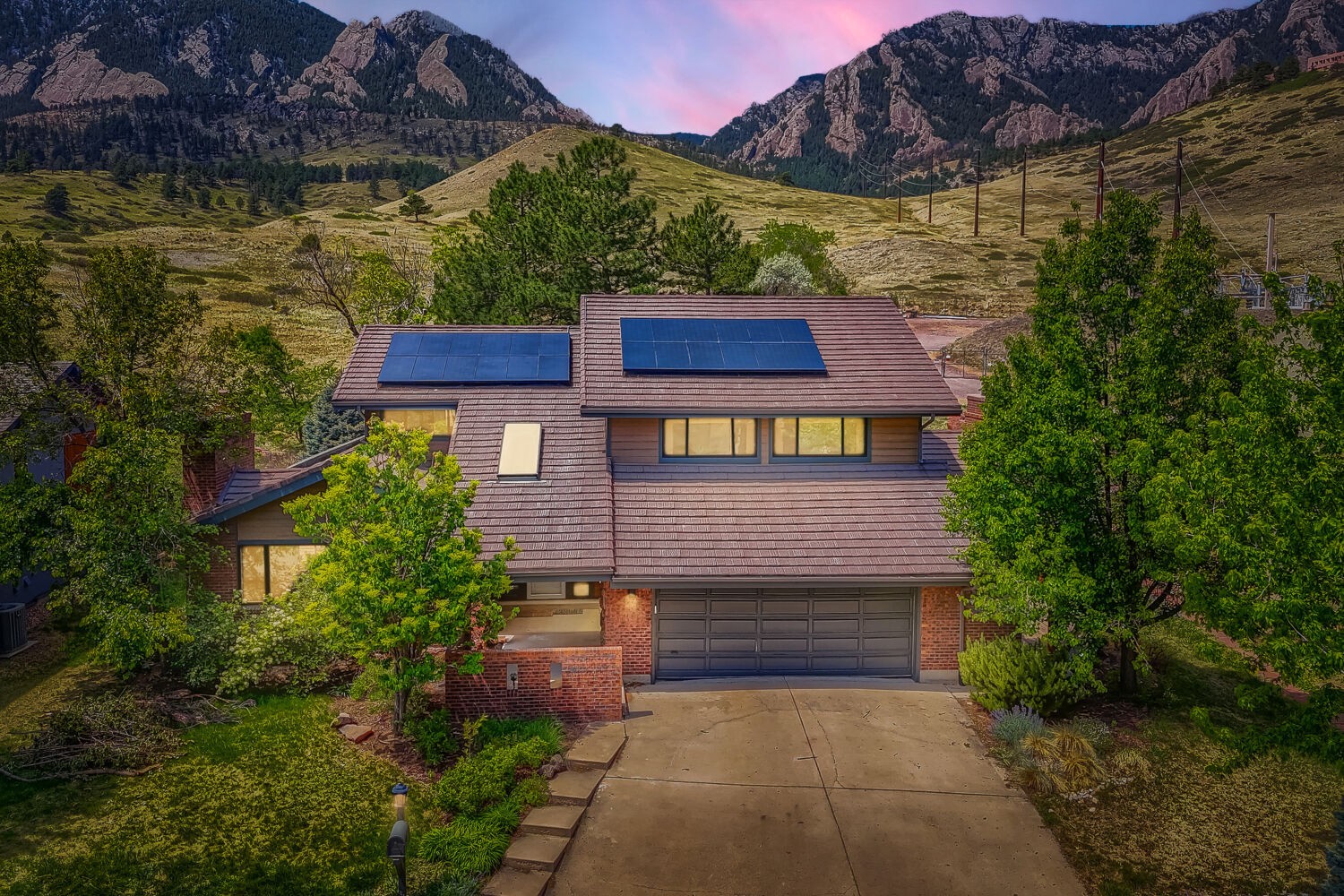
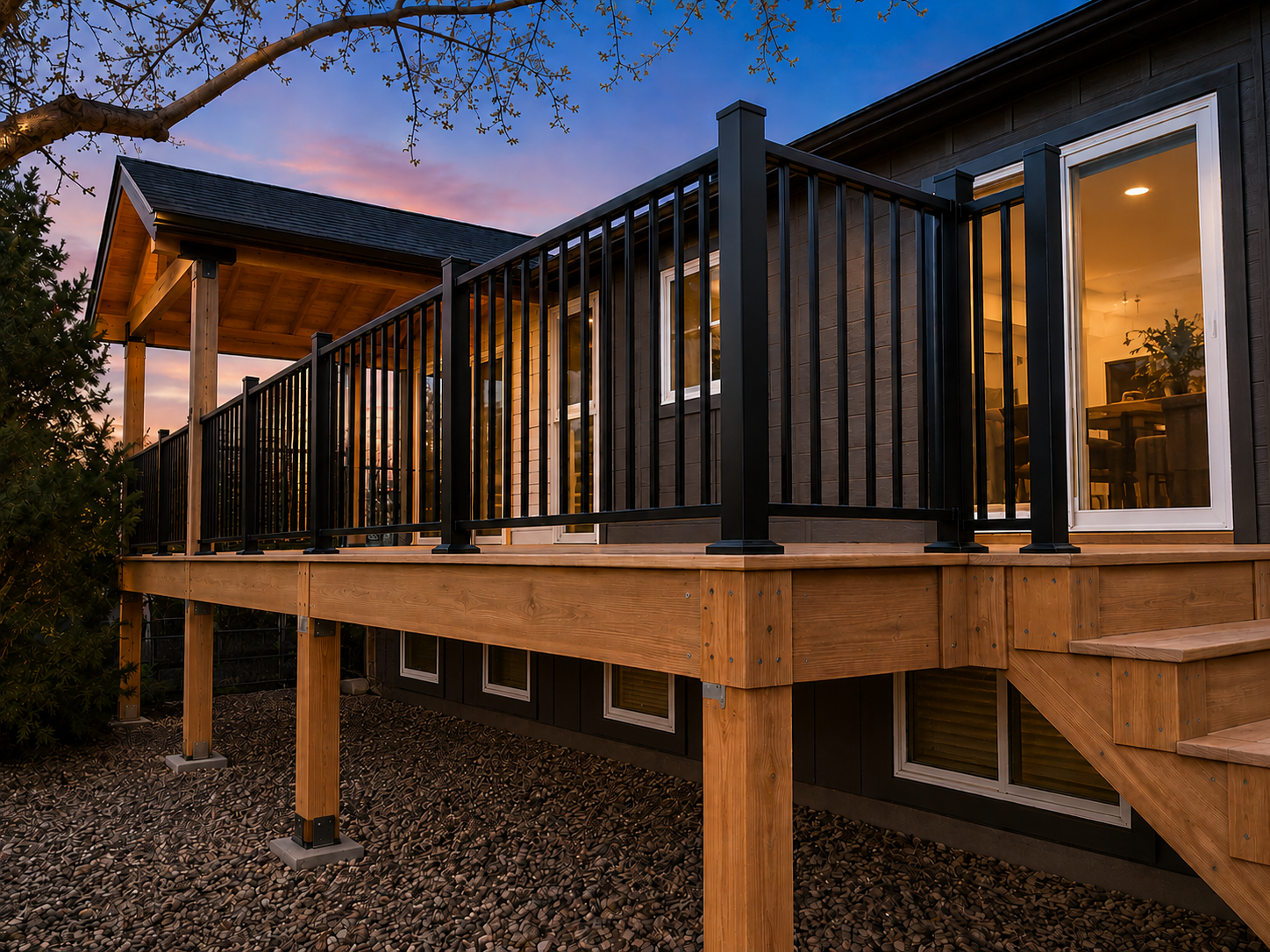
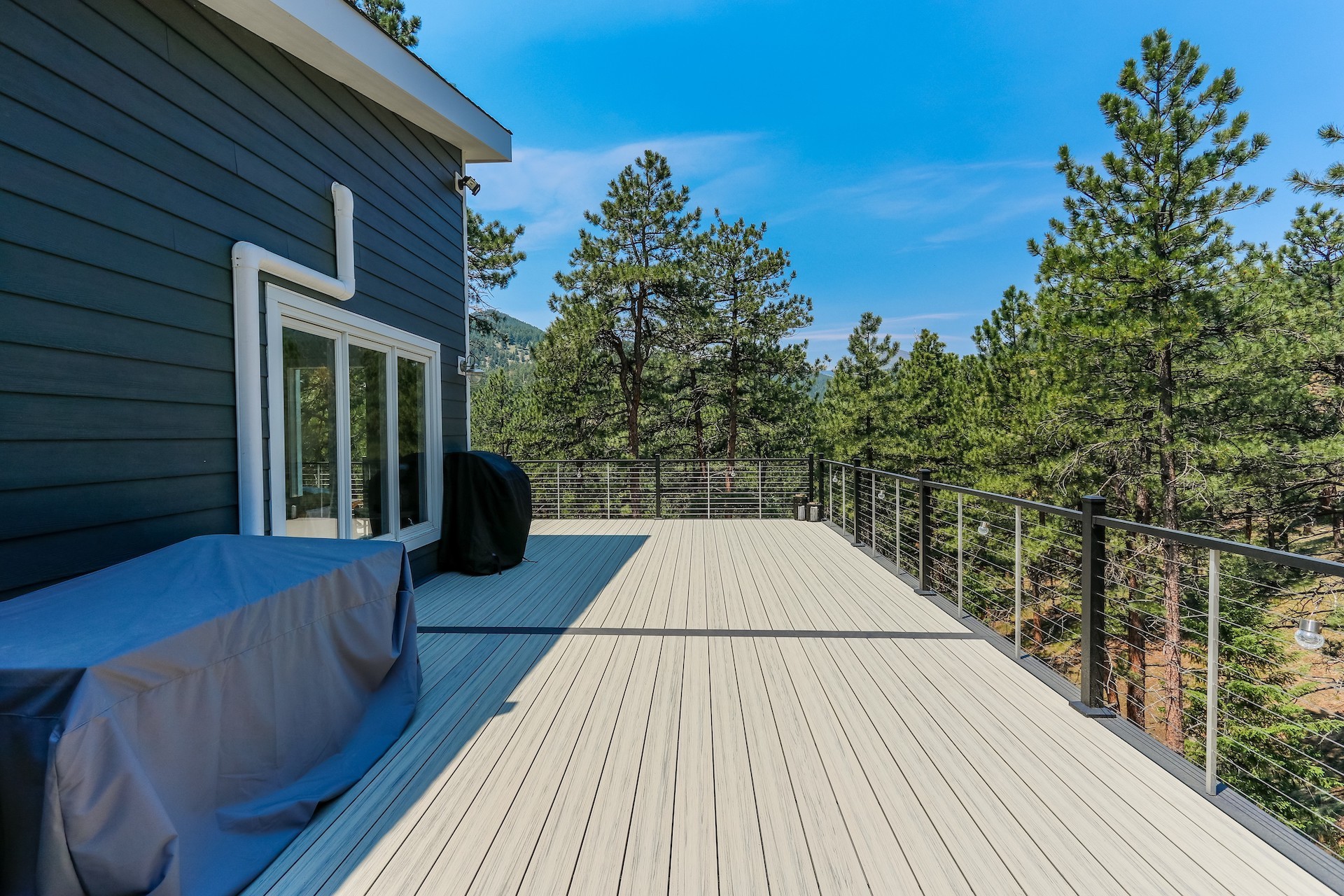
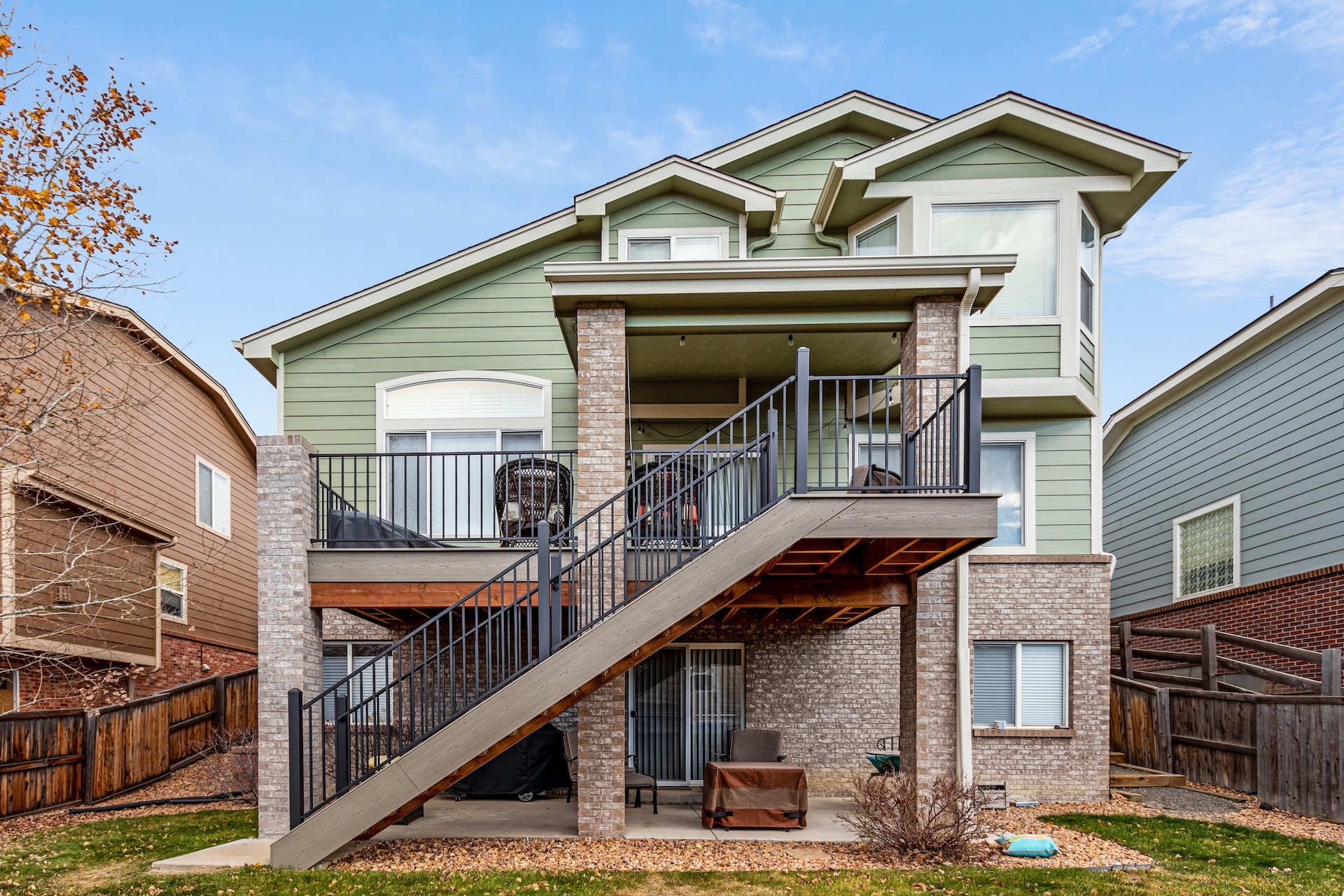
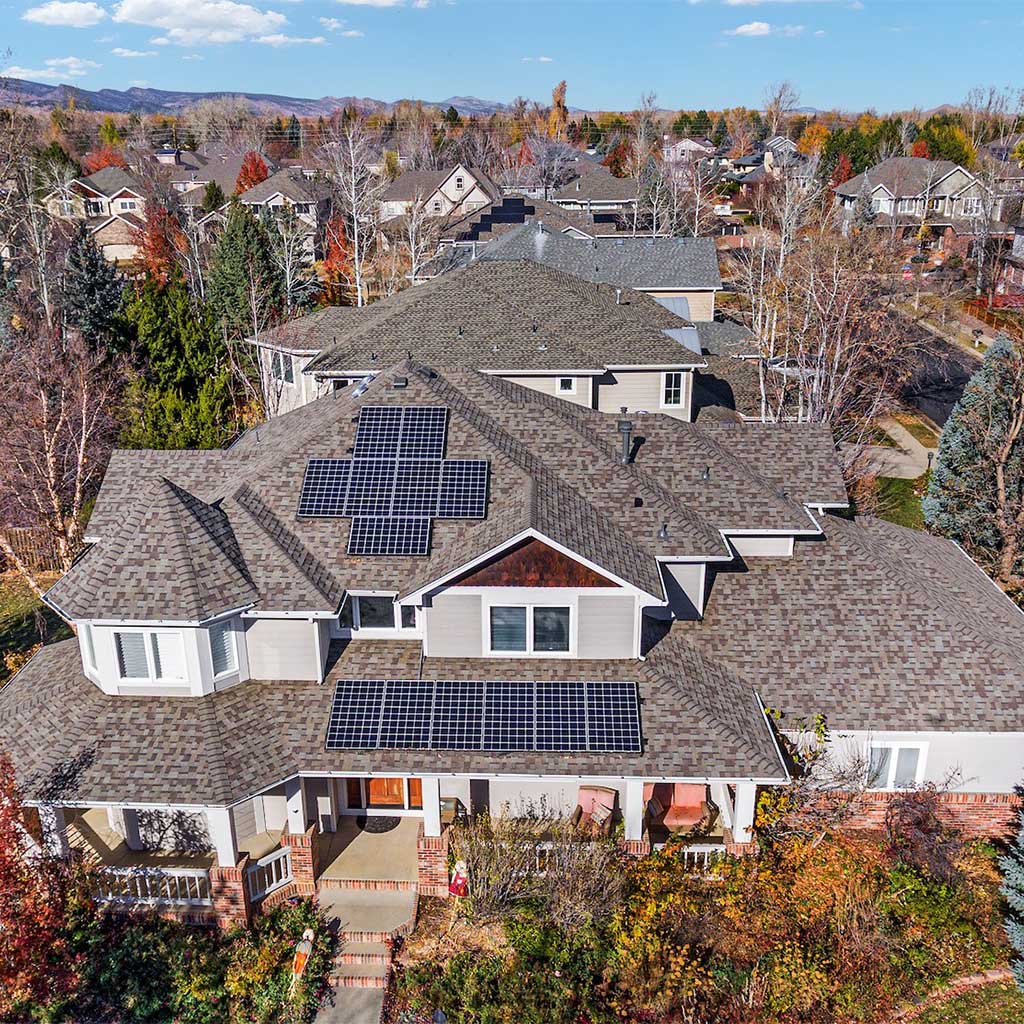
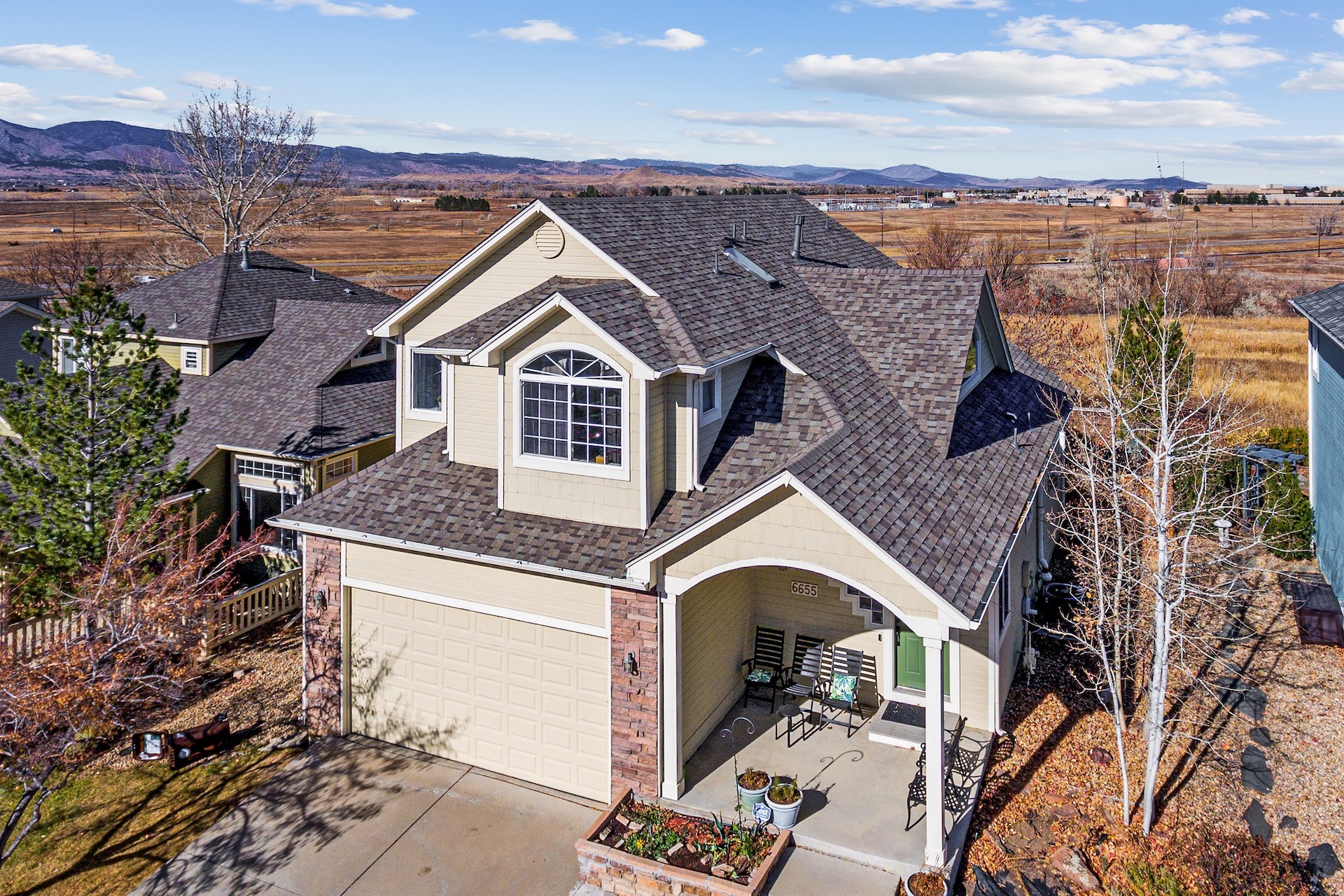
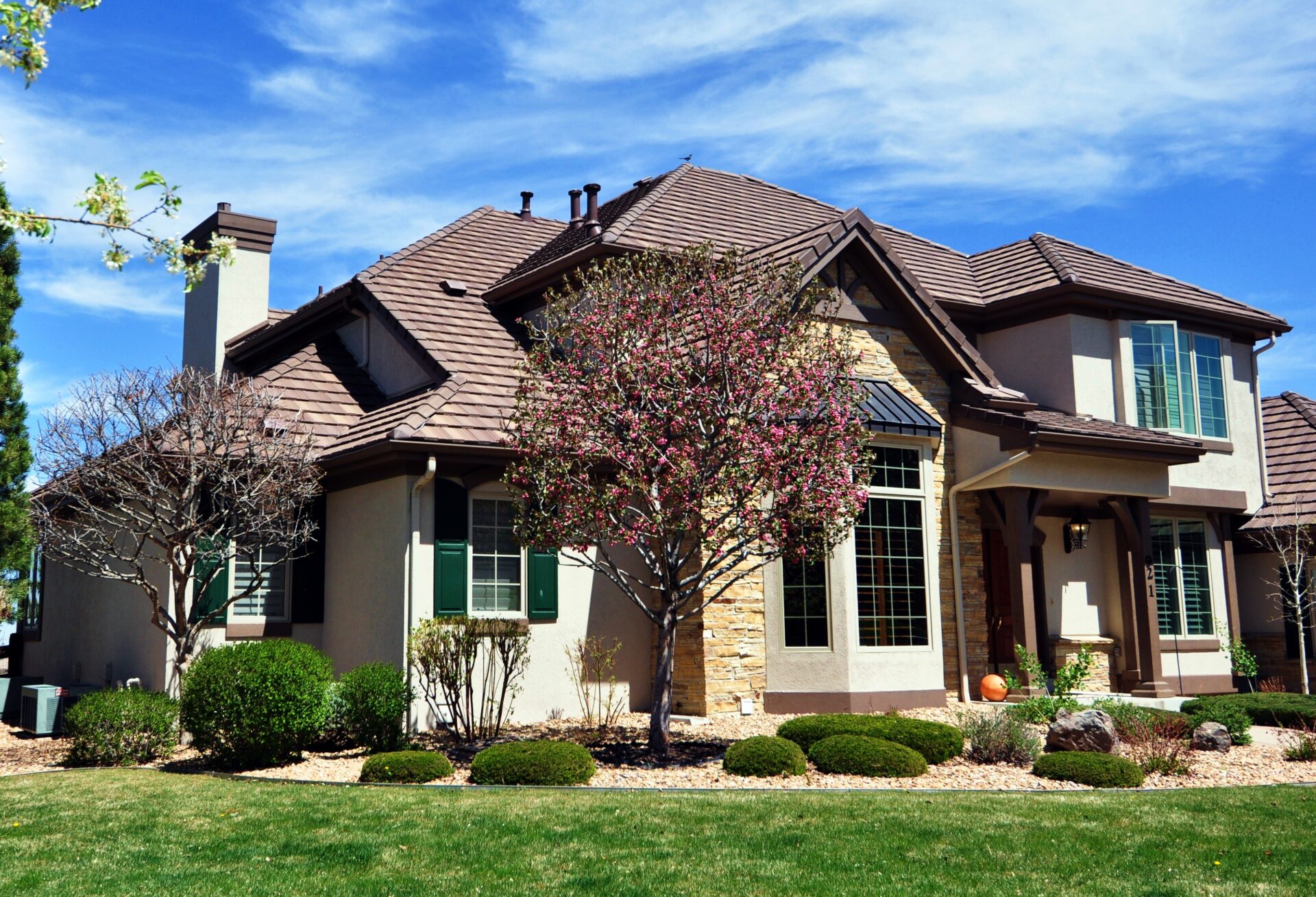
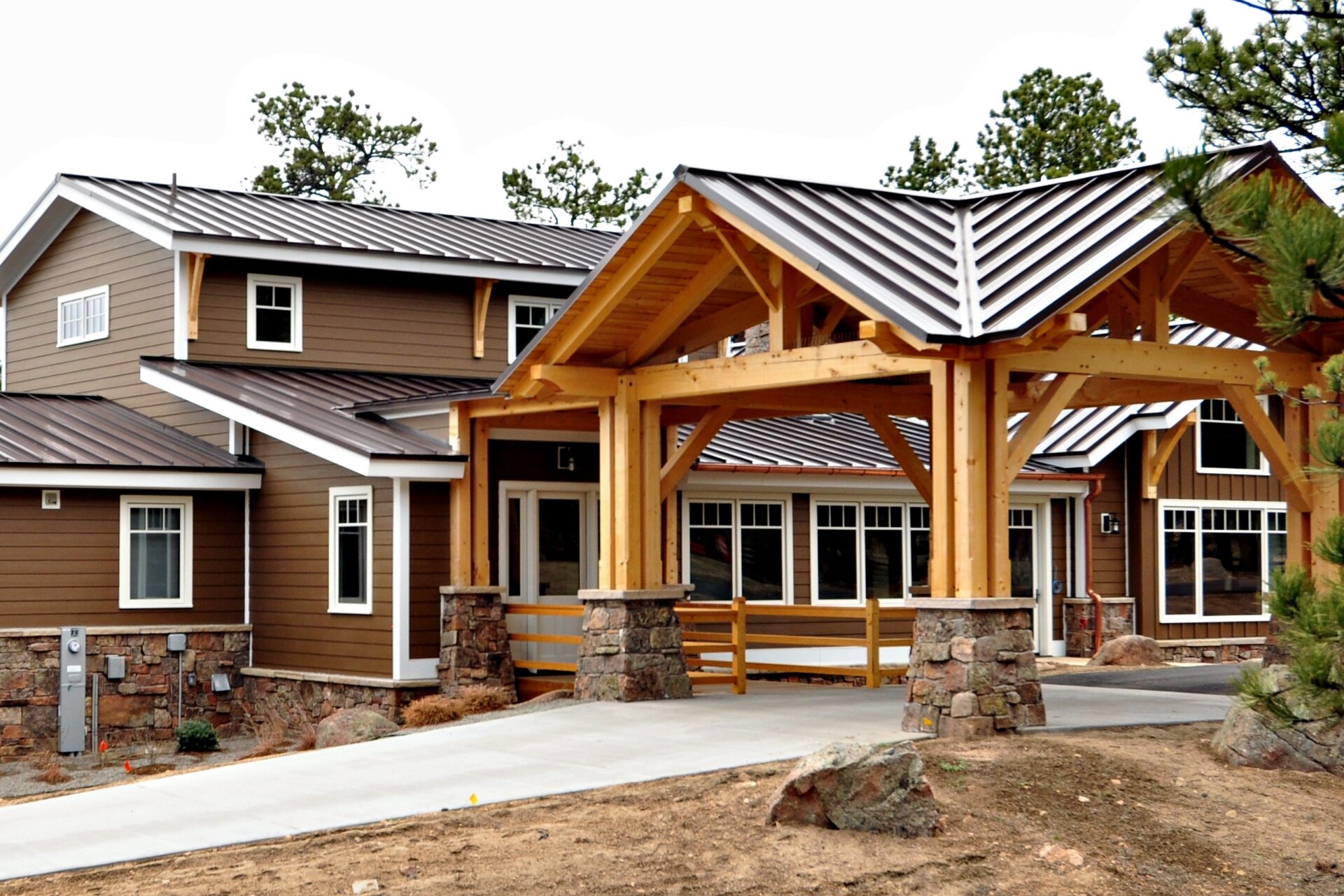
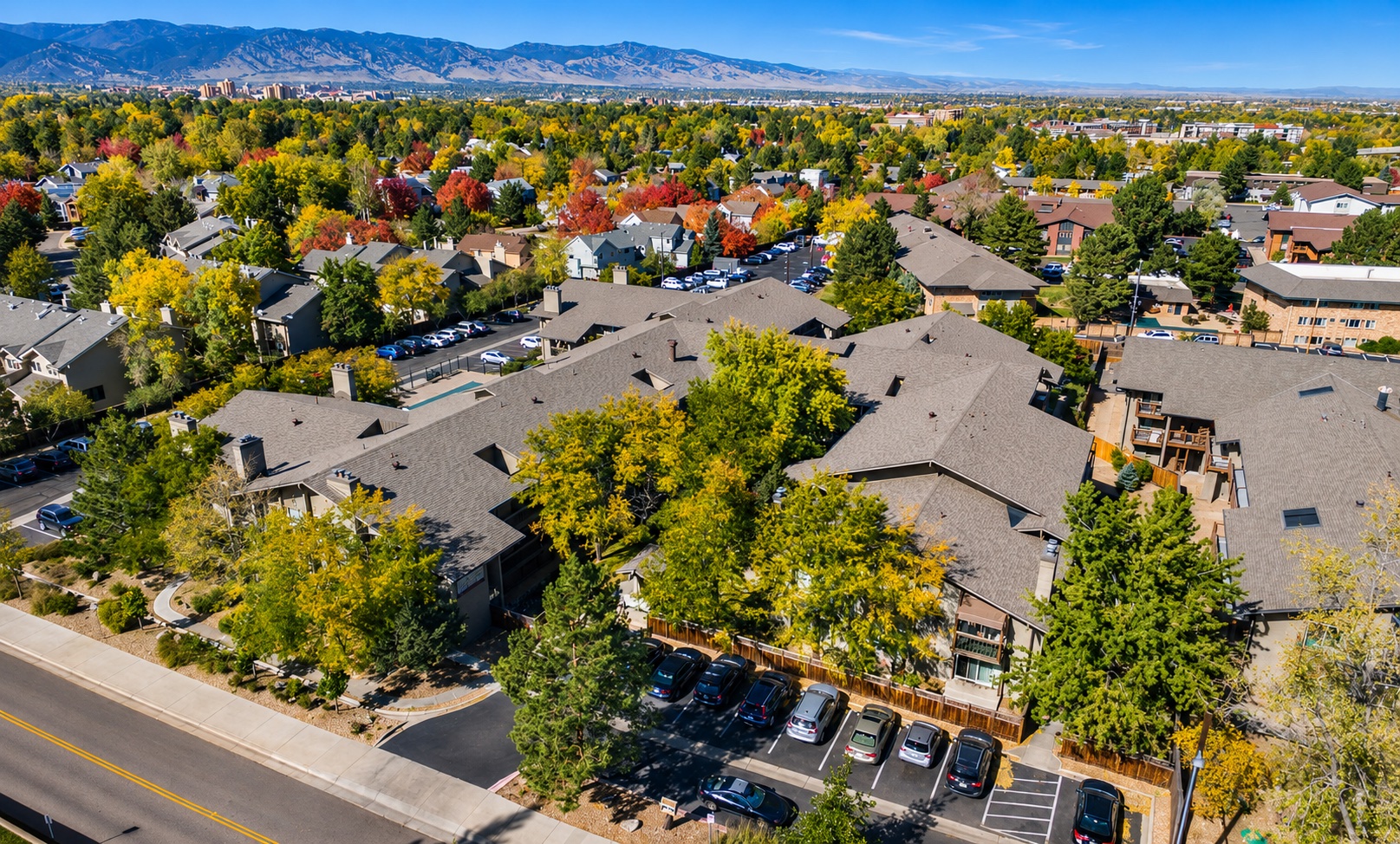
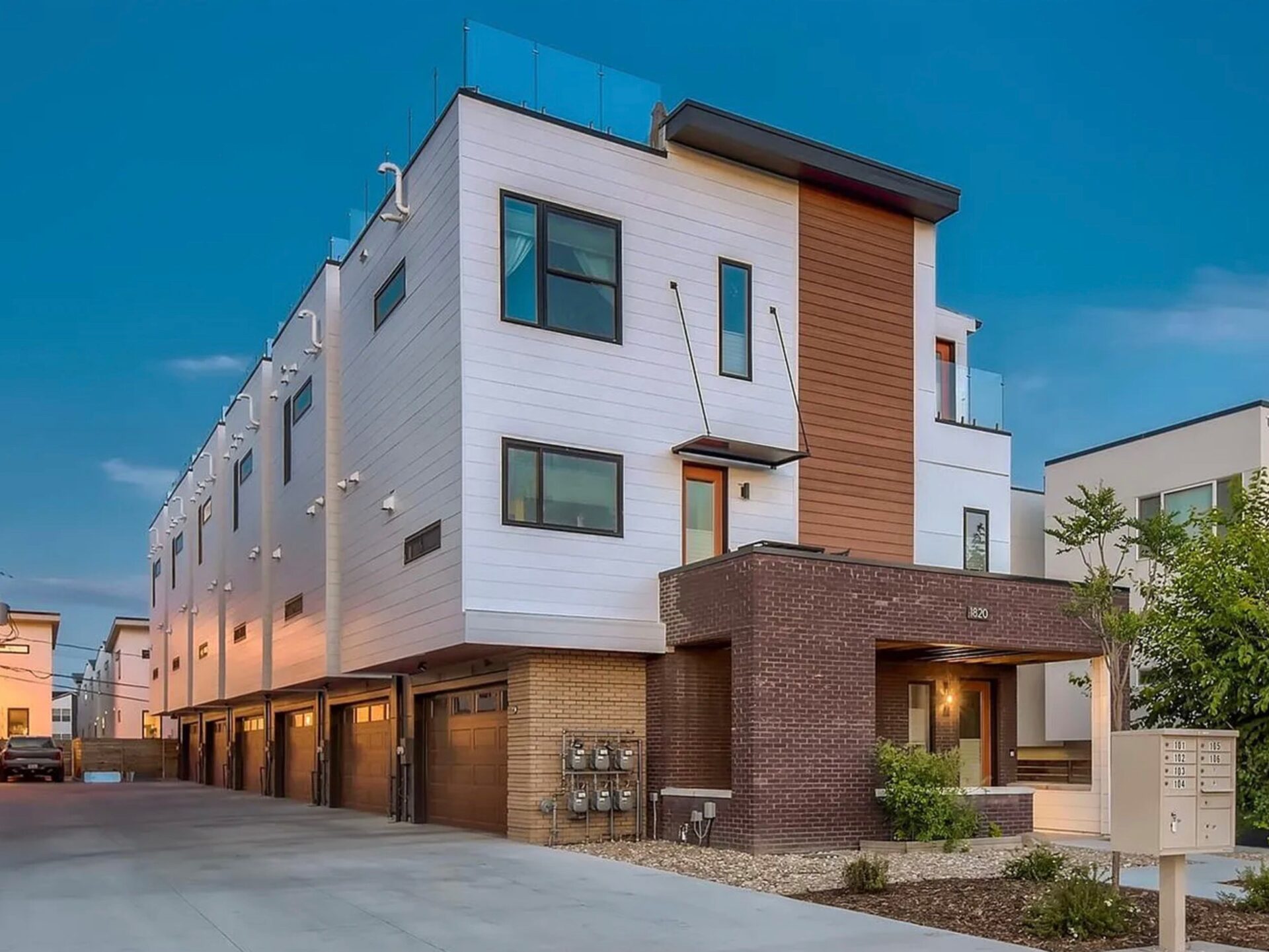
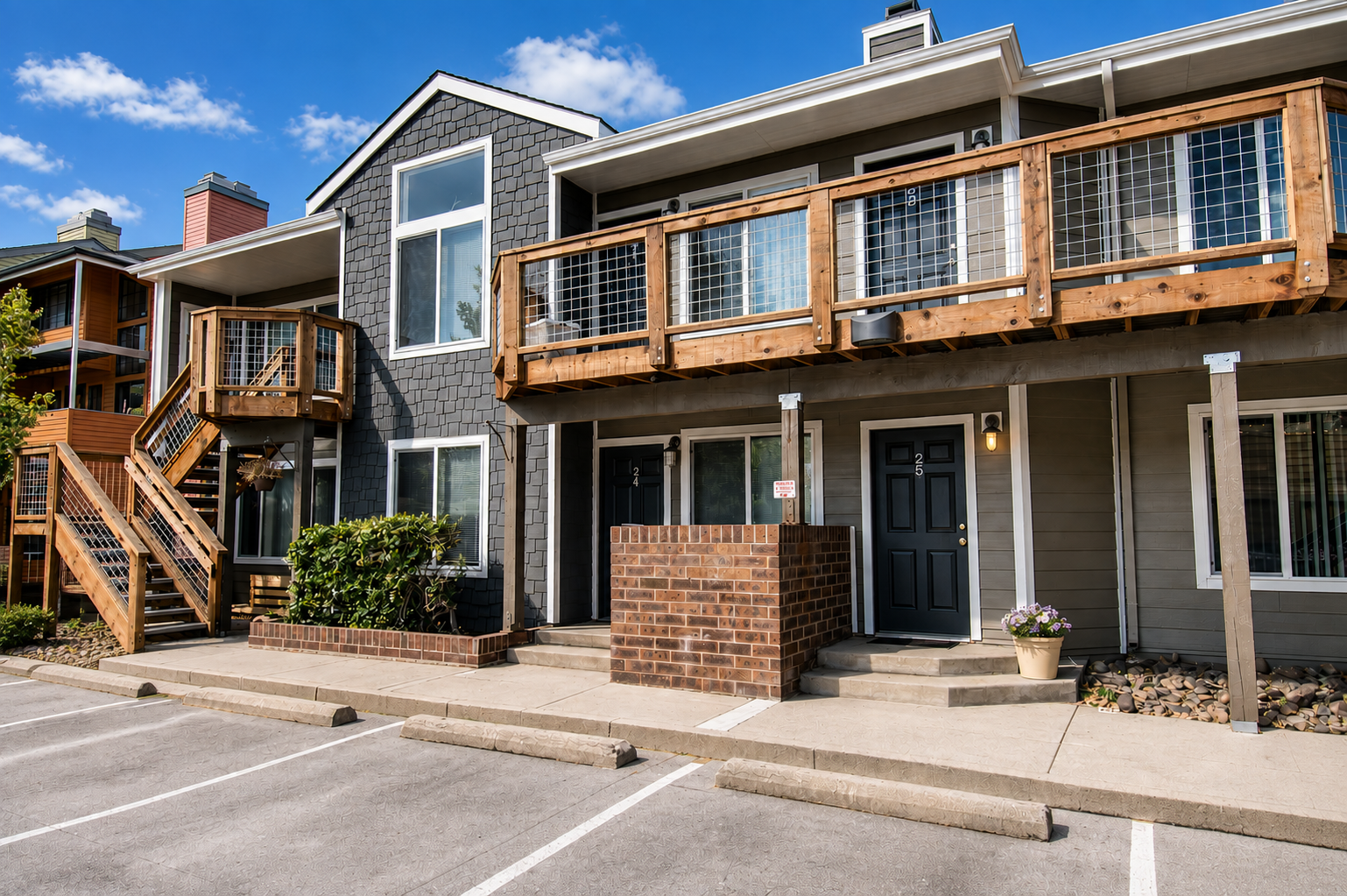
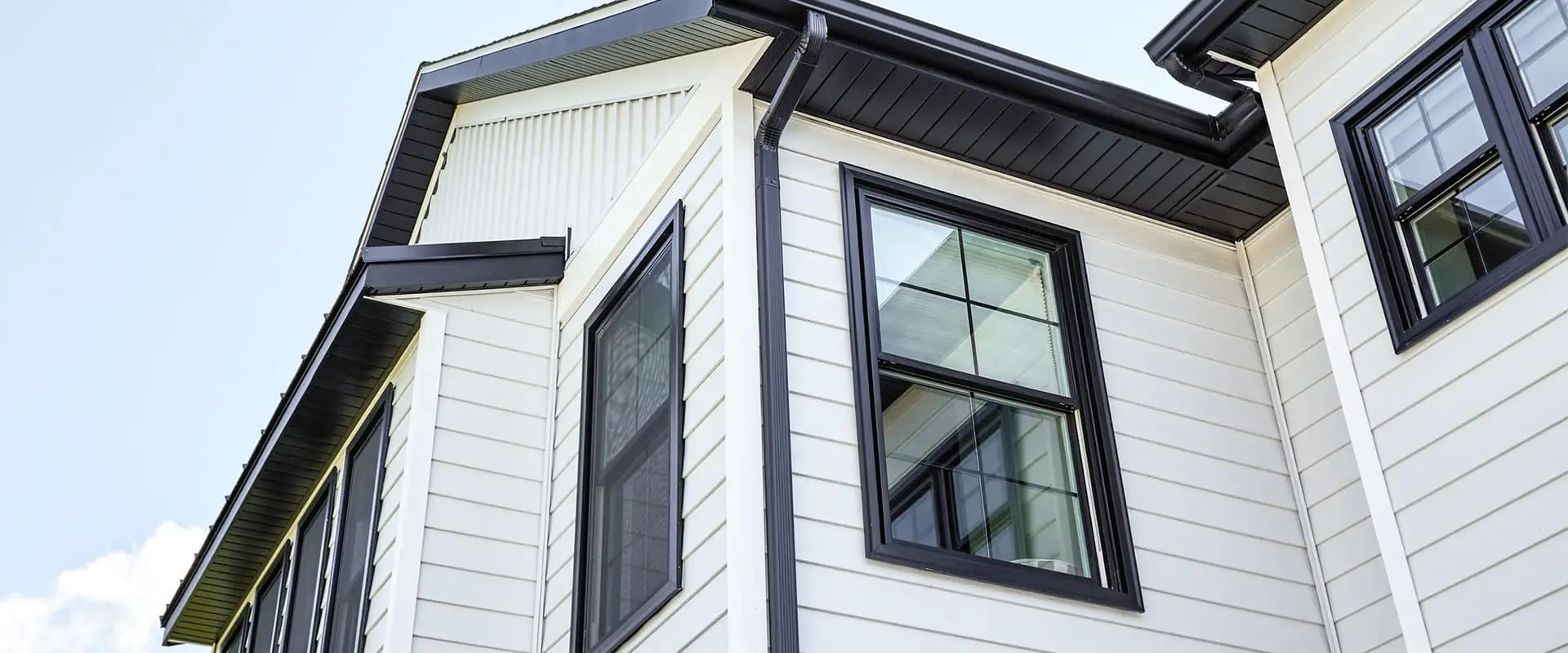
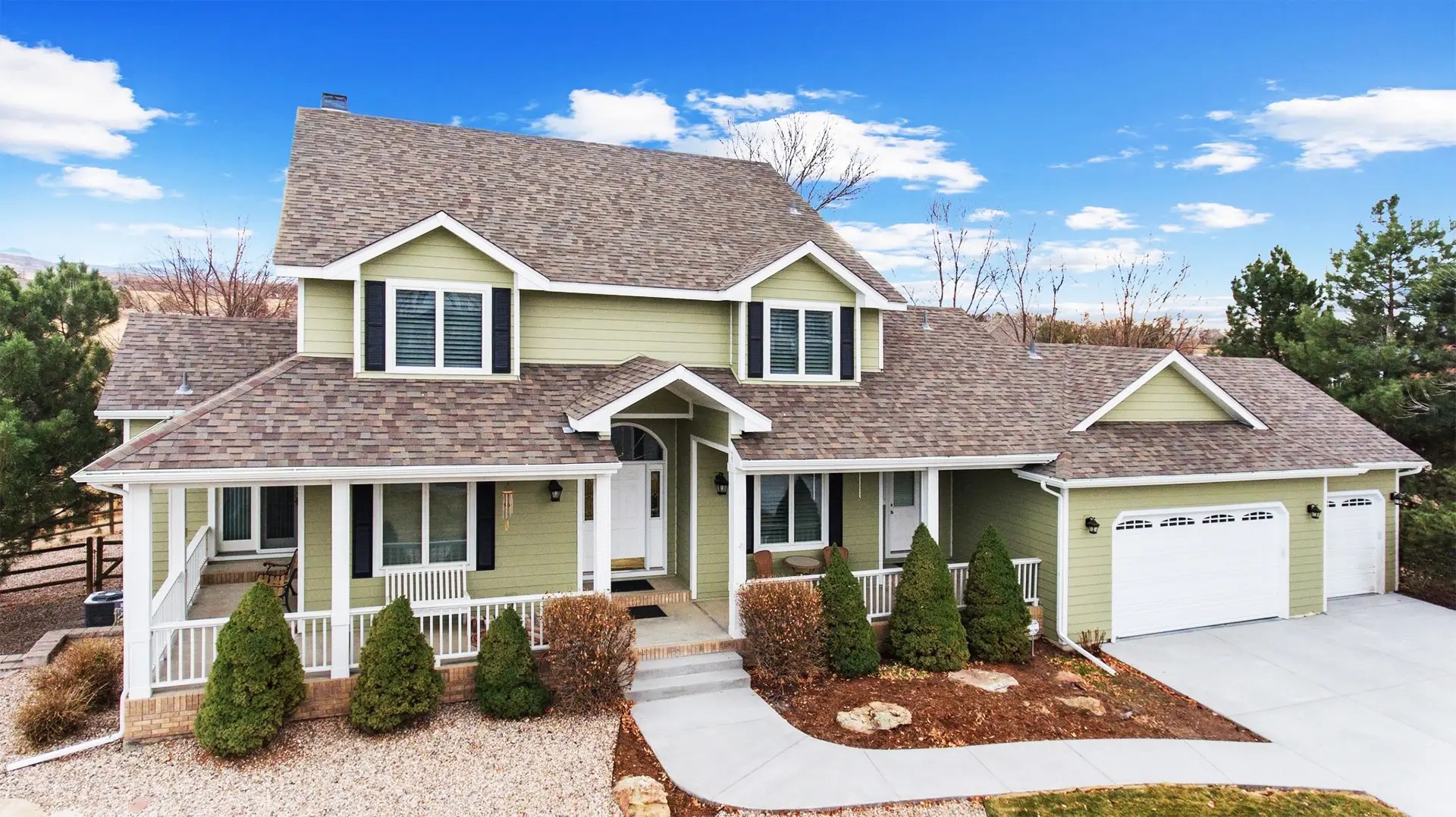
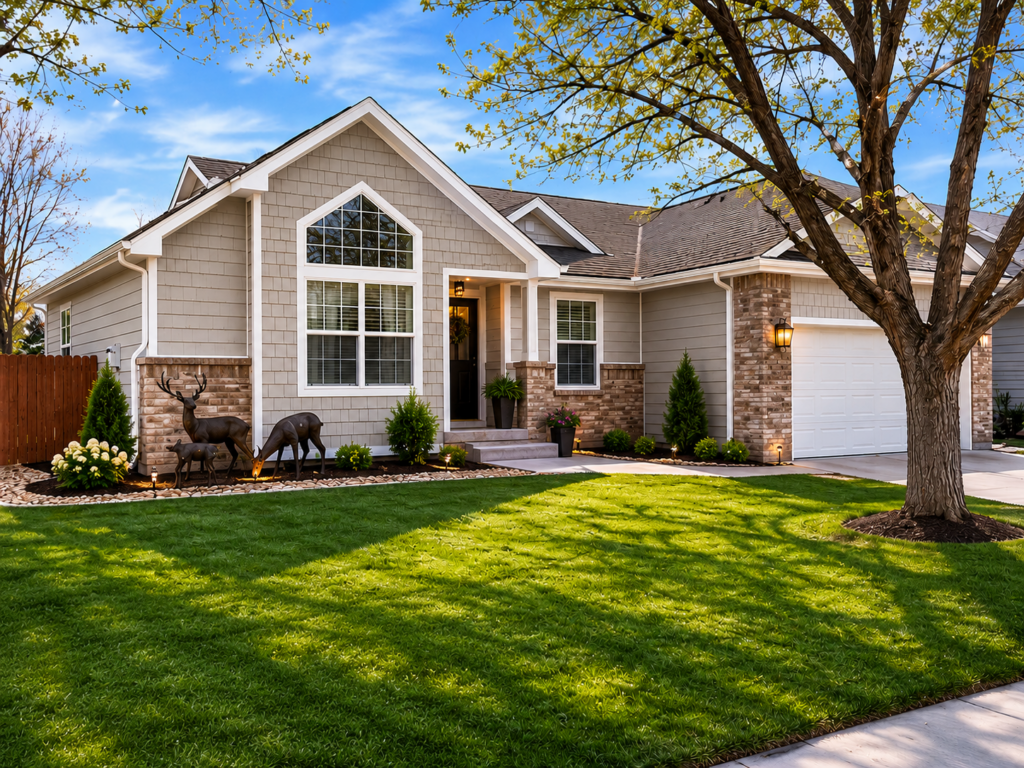
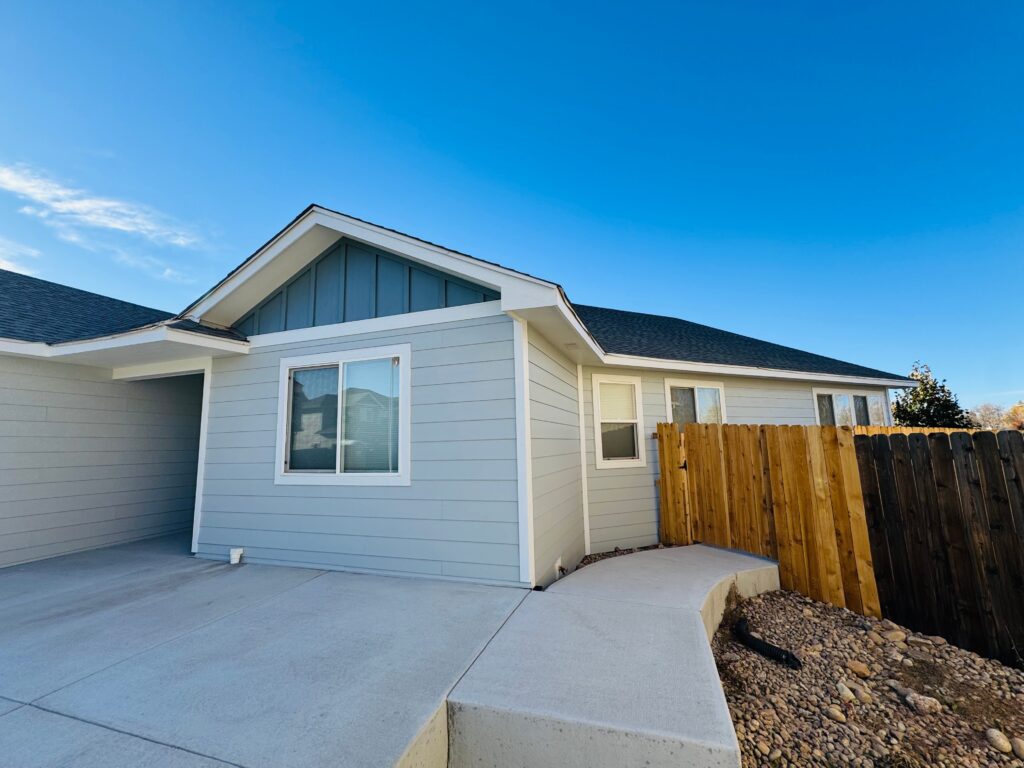
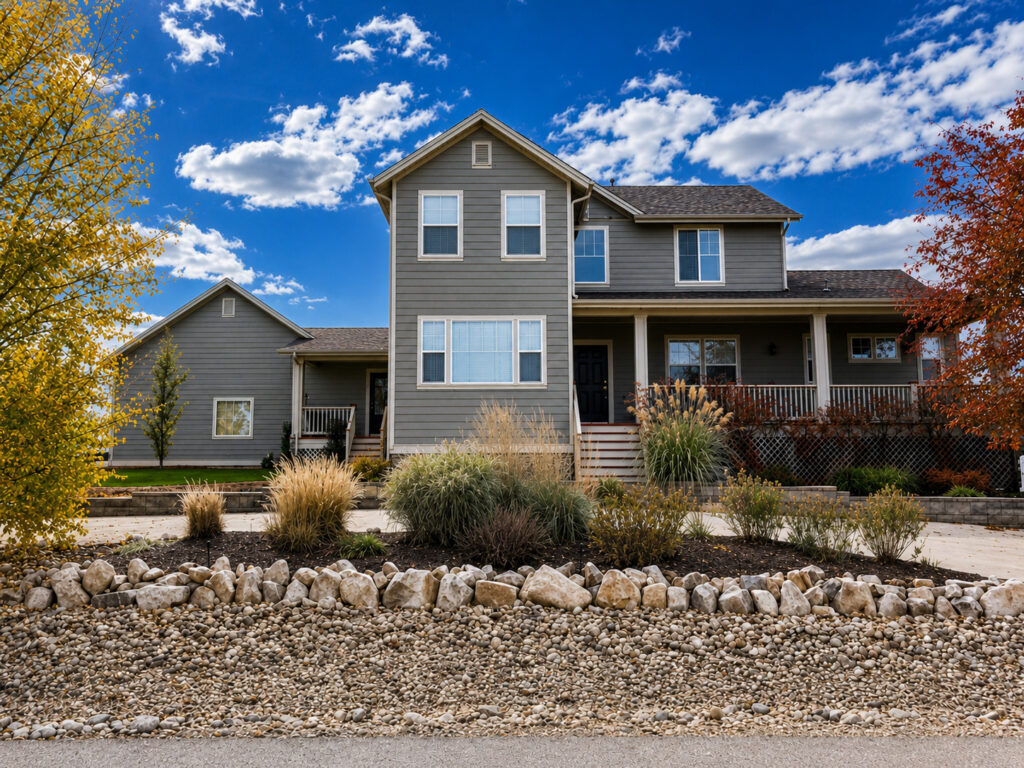
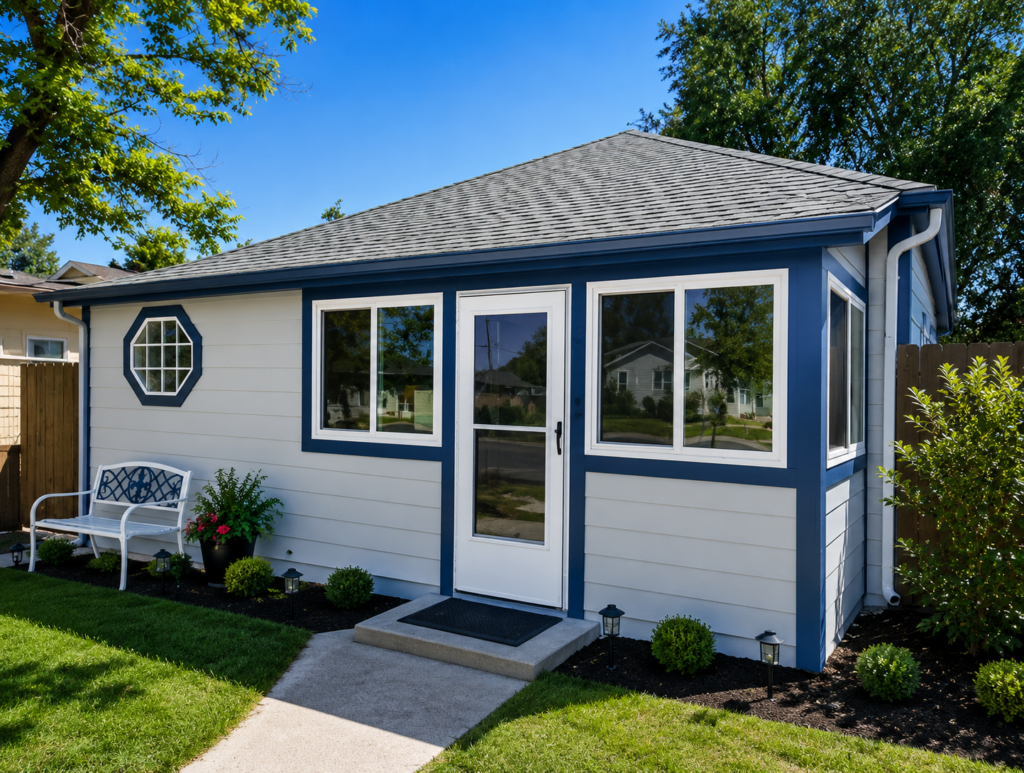
Completed James Hardie installations on Carbon Valley homes, with the ColorPlus finish named in each caption. The third is in Dacono rather than Frederick — we treat the three towns as one market and the captions say which is which.
Nearby Cities We Also Serve
Same crews, same pricing, across the Carbon Valley and I-25 north. Other cities close to Frederick:
James Hardie in Frederick — Frequently Asked Questions
Are you a certified James Hardie installer in Frederick?
We are a James Hardie Elite Preferred contractor and have held that designation continuously since 2011, and we are also a member of James Hardie’s President’s Club, their highest contractor distinction nationwide. Elite Preferred is an ongoing status contingent on installation standards, not a one-time certificate, which is why the continuity matters more than the label. Our office is in Fort Lupton, the same county as Frederick.
What does James Hardie siding cost in Frederick?
Most Carbon Valley homes are two-story production builds of roughly 1,600–2,400 square feet of wall area, and complete Hardie re-clads on them generally land in the mid-to-upper five figures. The three things that actually move your number are elevation count and complexity, how much sheathing repair is found at tear-off, and whether trim, soffit and fascia are included. We give a firm written figure after measuring — not a per-square-foot number over the phone, because that figure is only accurate on houses nobody lives in.
Will my HOA approve James Hardie?
Almost always, yes — but approval is for the color and the material, and it has to be obtained before work starts. Carbon Valley subdivisions platted in the 2000s generally came with design guidelines and an architectural committee. ColorPlus helps here because its colors are named and repeatable, which is the form a committee can actually approve. We put the specification, color and sample together as part of the estimate so your submission does not come back asking for more information.
My siding is only twenty years old. Is it really due?
Quite possibly, and that surprises people. Builder-grade thin vinyl and OSB-composite lap were specified to a price, not to a thirty-year Front Range life. Fifteen to twenty-five years is when they typically start showing it — brittle cracking, uneven fade, swollen butt ends low on the wall. The honest test is not the age but the bottom edge of the boards on your north and west elevations, and behind the downspouts.
Can James Hardie go over my existing siding?
No, and no reputable installer should offer to. Fiber cement is heavy and must be fastened into solid substrate to specification; installing over existing cladding compromises both the fastening and the manufacturer warranty, and it traps whatever is wrong with the wall underneath. Hardie goes on after a full tear-off, sheathing repair and a properly detailed weather-resistive barrier.
Is ColorPlus worth the extra cost?
On most Frederick homes, yes. ColorPlus is baked on at the factory rather than rolled on at the site, and under UV at this altitude a field-painted fiber cement wall generally wants a repaint within about a decade. On a two-story elevation that repaint costs real money in access alone. It also gives your HOA a named color to approve rather than a mixed one.
Do you work in Firestone and Dacono too?
Yes. Frederick, Firestone and Dacono are Carbon Valley and we treat them as one market — they share the same growth history, the same builders in many cases, and the same weather. Our office is in Fort Lupton, in the same county, roughly twelve miles from all three.