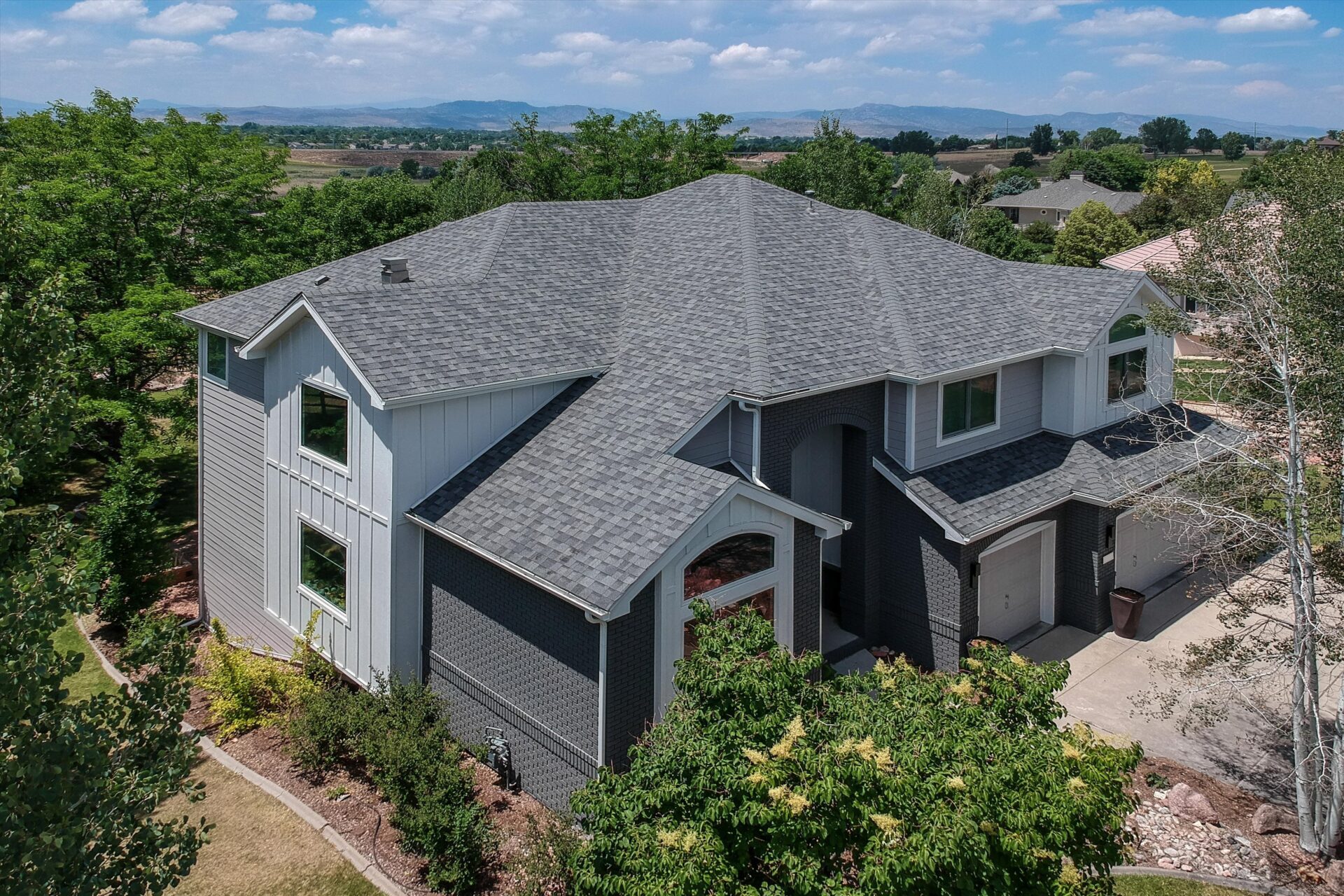
Replacement Windows — Northglenn, CO 80233 & 80234
Replacement Windows in Northglenn
Replacing the original single-pane aluminum-frame windows in Northglenn’s 1959–1970s homes — full-frame, custom-sized to openings that were never standard, and flashed into the wall rather than caulked to it.
Who does window replacement in Northglenn, CO?
Northern Lights Exteriors has worked Colorado’s Front Range since 2001 and holds a Class C general contractor license, so windows, siding and the flashing between them run under one contract — which on these houses is the difference between a window that performs and one that merely looks new.
Most original Northglenn homes still carry single-pane glass in bare aluminum frames. We generally recommend full-frame replacement rather than inserts here, because an insert leaves that aluminum thermal bridge sitting in your wall. We install fiberglass, vinyl and aluminum-clad wood, custom-sized to openings that are almost never a stock dimension.
If I-25 corridor noise is part of why you are replacing, say so — laminated glass and asymmetric pane thickness are specified at order time and cannot be added later. Rated 4.9 out of 5 from 552 verified reviews.
The Aluminum-Frame Window Problem in 1960s Northglenn Homes
If your Northglenn house is original, there is a good chance it still has its first windows: single-pane glass in a bare aluminum frame, with an aluminum storm window screwed on the outside. That was standard specification on production homes here from 1959 through the early 1970s, and it is the single biggest comfort problem in this housing stock — bigger than insulation, bigger than the furnace.
Aluminum is an outstanding conductor of heat. That is a virtue in a saucepan and a disaster in a wall. What it means in practice, in a Colorado January:
Condensation, then rot
The frame drops below dew point, water condenses along the bottom rail, and it runs onto the sill. Decades of that is why so many of these homes have soft, blackened wood sills and stained drywall returns beneath the windows — damage people attribute to a leak that was never a leak.
A cold ring you can feel
The chill you feel sitting near the window is not draft coming in. It is radiant heat leaving you toward a cold surface, plus a convection loop of cooled air spilling down the glass and across the floor. It is why the room’s thermostat reads fine while the room does not feel fine.
Ice on the inside
In a cold snap, condensation on a metal frame freezes. If you have scraped frost off the inside of your own window, that is a thermal-break problem, not a glass problem.
Homeowners often blame the glass, so they add a storm window or a film and are disappointed. The glass is only part of it. In an original aluminum window without a thermal break, the frame itself is a continuous metal path from your living room to a January night. You cannot insulate your way out of that from the inside.
Why Replacement Windows Here Are a Measuring Problem First
Here is the practical thing that separates a good window replacement in Northglenn from a frustrating one, and almost nobody mentions it: the rough openings in these houses are not standard.
Production builders in 1959 were not ordering from the same size catalog window manufacturers print today. Openings in Northglenn ranches routinely land between modern stock sizes, and they vary from elevation to elevation within the same house. The classic configurations — a wide living-room picture window flanked by narrow operable side lites, a long horizontal slider in the bedrooms, a small awning or hopper in the bath — are all sized to their era rather than to ours.
Which is why window installation in Northglenn starts with a tape measure at every opening rather than with a catalog. That one fact drives three decisions:
| Decision | What it means | Where it goes wrong |
|---|---|---|
| Insert versus full-frame | An insert window fits inside your existing frame, which is faster and cheaper and keeps your interior trim intact. A full-frame replacement takes the old frame out entirely, back to the rough opening. | On an original aluminum window, an insert leaves the aluminum frame in the wall — the exact thermal bridge you are paying to eliminate. It also leaves whatever moisture damage is in the sill. On these houses full-frame is usually the right answer, and any bidder who does not raise the distinction is not thinking about your wall. |
| Custom sizing versus stock | Windows made to your actual opening rather than the nearest stock size with the gap filled. | Stock-sizing a non-standard opening means oversized filler, a visibly thicker frame, less glass, and a build-out that becomes the new weak point. It is the cheapest bid’s favorite shortcut and it is visible from the street afterwards. |
| Flashing integration | The window has to be tied into the wall’s weather-resistive barrier, not merely sealed around the edge with caulk. | Caulk is a maintenance material, not a flashing system. If you are also re-siding, doing both together is the one chance to integrate window flashing into the wall barrier properly — the reason we recommend sequencing them together. |
See the full range on our replacement windows pages, including fiberglass, vinyl, aluminum-clad wood, and a guide to window types and styles.
Noise: The I-25 and 120th Avenue Corridor
Northglenn is bisected by Interstate 25 and threaded by heavy arterials — 120th Avenue, 104th, Huron Street. The original five show homes went up in 1959 at what is now I-25 and 104th, which tells you how close this housing stock sits to what became major infrastructure. Add the north-metro flight paths overhead and a good number of Northglenn homes have a genuine, measurable noise problem that nobody sold them.
Single-pane glass in an aluminum frame is effectively acoustically transparent, so for many homes here the windows are the whole problem. Replacement can address it, but only if it is specified deliberately — a standard double-pane unit is a modest improvement, not a transformation. What actually moves the needle:
- Laminated glass in at least one lite. The interlayer damps vibration across the frequencies traffic actually occupies. This is the single most effective change and it is usually a modest upcharge.
- Asymmetric glass thickness — two panes of different thickness in the same unit, so they do not resonate together and reinforce each other.
- A wider airspace between panes where the frame depth allows it.
- A genuinely airtight install. Sound travels through gaps far more readily than through glass, so the sealing and flashing work matters as much as the unit specification. A well-specified window installed loosely will disappoint you.
If road or aircraft noise is a reason you are replacing windows, say so at the estimate. It changes the glass package, and it is not something we can retrofit afterwards.
Frame Materials for a Front Range Winter
| Frame | Performance here | Consider |
|---|---|---|
| Fiberglass | Expands and contracts at almost the same rate as the glass it holds, which is exactly what you want in a climate that swings forty degrees in a day. Strong enough for narrow sightlines, so you keep more glass in the same opening. | Higher cost than vinyl. Generally the best long-term answer for a Colorado freeze–thaw cycle. |
| Vinyl | Good insulator, no painting, and a strong value. Modern Northglenn vinyl windows use multi-chamber profiles that are a different product from the vinyl of the 1990s. | Moves more with temperature than fiberglass, and welded corners are where cheap vinyl eventually shows it. Frames are bulkier, so a stock-size vinyl unit in a non-standard 1960s opening loses noticeable glass area. |
| Aluminum-clad wood | Wood interior with a weatherproof exterior skin. The best-looking option from inside and the right call where interior character matters. | Highest cost. On a plain production ranch it is often more window than the house is asking for — we will say so. |
Two numbers on the sticker are worth understanding, because they are what actually predicts whether the house feels different. U-factor measures heat loss — lower is better, and it is the number that matters most in a Colorado winter. Solar Heat Gain Coefficient measures how much solar heat comes through; on a west elevation taking full afternoon sun at altitude, a lower SHGC is the difference between a room you use in August and one you do not. Those two want different answers on different elevations of the same house, which is why a whole-home quote at one specification is a simplification.
The System Behind the Work
Window replacement is a project judged on a detail that is covered before you ever see it: how the unit was flashed and integrated into the wall. Ninety percent of the callbacks in this trade trace to that inch and a half, and on a house with sixty years of sill damage behind the trim, you have a particular interest in seeing what was actually there.
Two things make that possible, and they are the reason to choose us over a cheaper quote.
First, experience and scope. We have been working on Colorado’s Front Range since 2001, and we hold a Class C general contractor license (Colorado license #C120350) rather than a single-trade license. That is not a technicality: it means roofing, siding, windows, decks and outdoor living can run under one contract, with one project manager accountable for the flashings where those trades meet — which is precisely where multi-contractor projects leak, literally and figuratively. James Hardie has recognized us as an Elite Preferred contractor continuously since 2011, and as a President’s Club member — their highest contractor distinction nationwide. Our rating is 4.9 out of 5 from 552 verified reviews. Alongside that license we hold manufacturer certifications from James Hardie (Elite Preferred since 2011), GAF (Master Elite), Pella, TimberTech and Deckorators, and we have been named a Qualified Remodeler Top 500 contractor three years running — all of it listed, with the issuing body for each, on our awards and credentials page.
Second, a proprietary on-demand client portal we built ourselves. Most of what people hate about a remodel is not the construction. It is not knowing — who to call, whether the permit went in, when material arrives, what has been paid, whether it passed inspection. We built a system to remove exactly that, and as far as we know no other exterior contractor in this market offers it:
Every conversation in one place
Messages, decisions and change requests are logged against your project rather than scattered across texts, voicemails and three different crew members’ phones.
Contracts and scope, always retrievable
Your signed contract and itemized scope live in the portal, so you can easily get a refresh on what was agreed — on your own, any time.
Permit status you can see
Where the permit is in the process, and when inspections are scheduled — without having to phone anyone to find out.
Delivery and install schedules
When material lands and when each trade starts, so you can plan around the work instead of waiting for a truck to appear.
Before, during and final photography
Documented condition before we start, progress images through production, and final photography — including the parts of the building you will never see again once it is closed up.
Payments tracked per trade
What is paid and what is outstanding, broken out by trade rather than as one running balance you have to reconcile yourself.
Inspection records
Each inspection and its result, recorded against the project and available when you sell the house and someone asks.
Access is an individual, custom URL issued to you — and you get it when we start talking, at the lead and project meeting, not after you sign something. That is deliberate: you can see how we run a project before you commit to one. It then stays available after the work is finished, which matters more than it sounds, because the documentation, images and inspection records are exactly what a buyer’s agent, an appraiser or an insurer asks for years later.
Get a Window Estimate in Northglenn
We measure every opening rather than assuming your house matches a catalog — on a 1960s Northglenn home it very likely does not. Tell us whether comfort, condensation or noise is driving the decision, because those three lead to genuinely different glass packages.
Request Your Free Estimate → 📞 (303) 776-5263
Prefer email? Reach us at office@nlexteriors.com. Ask about financing options when we walk the property.
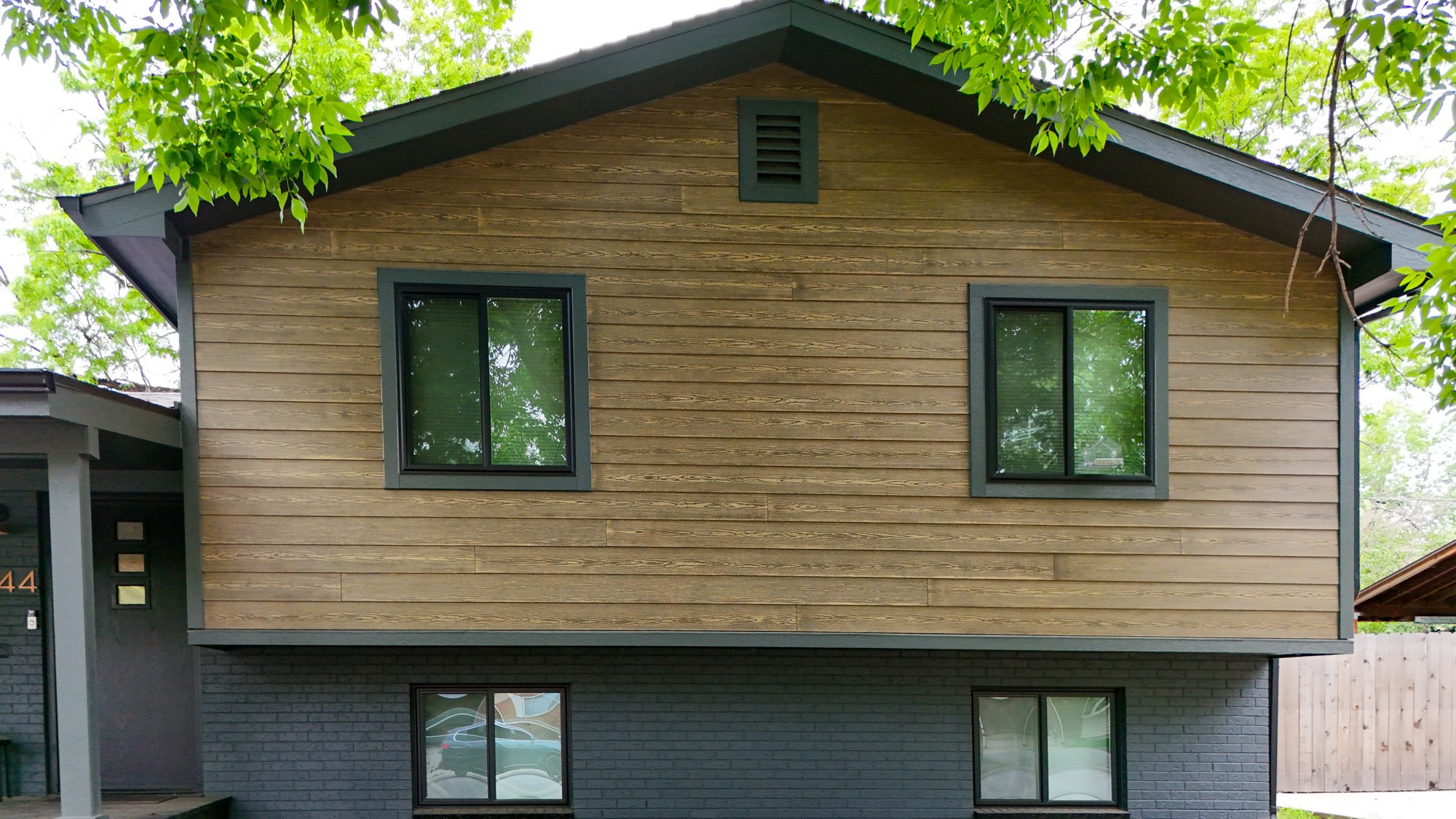
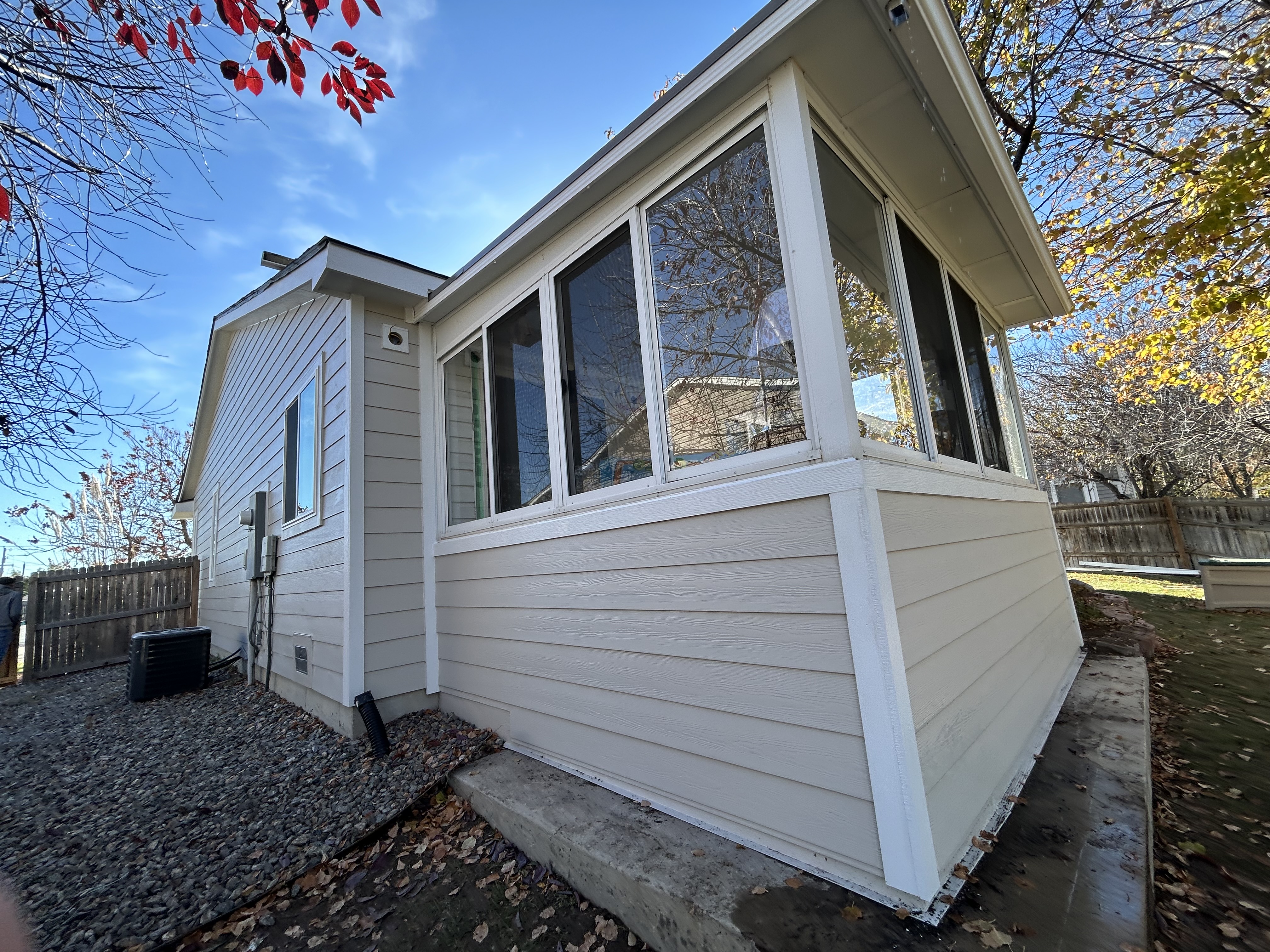
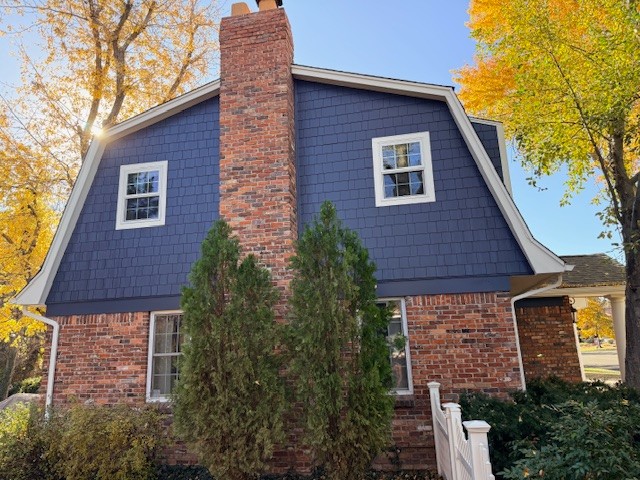
Replacement Window Projects
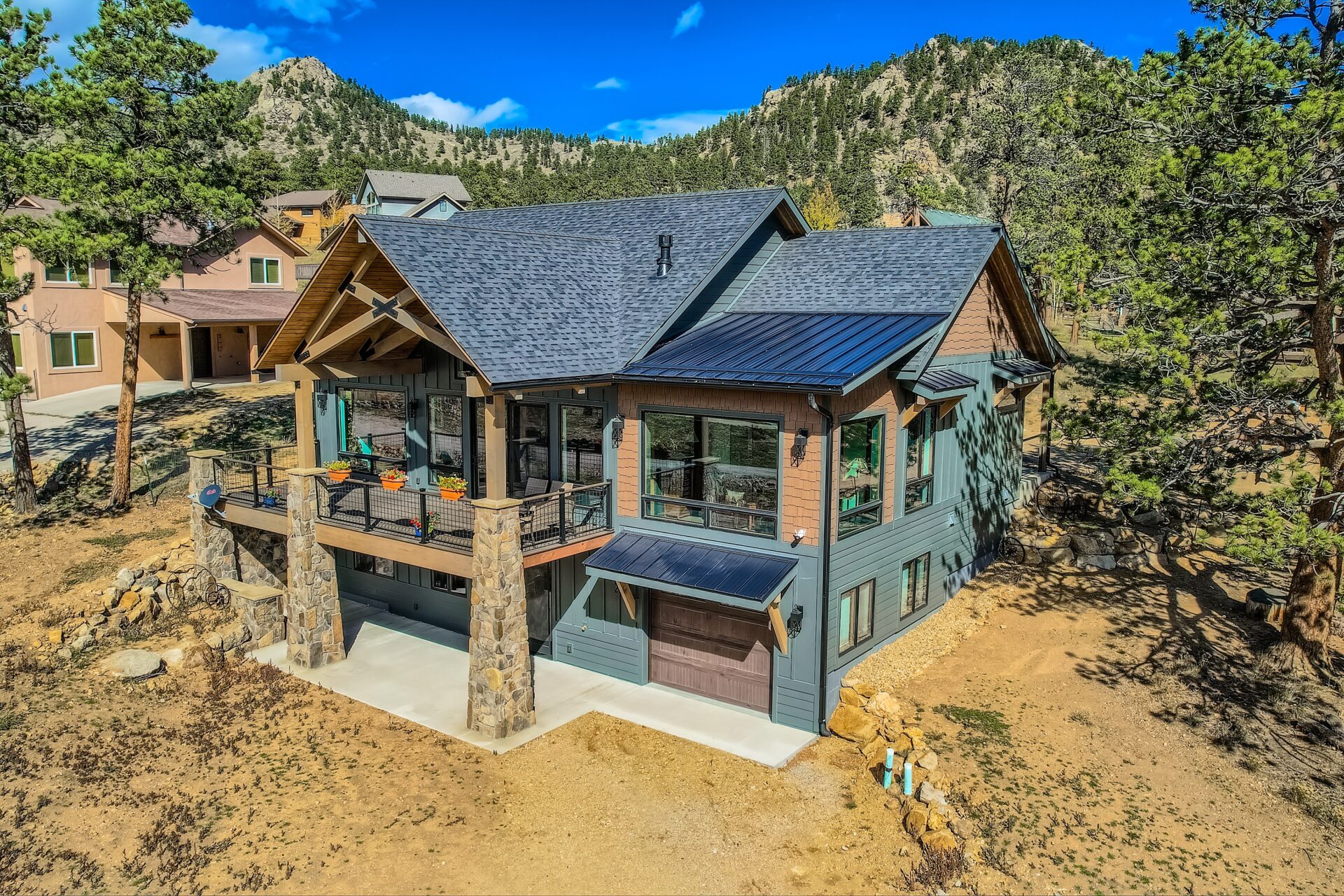
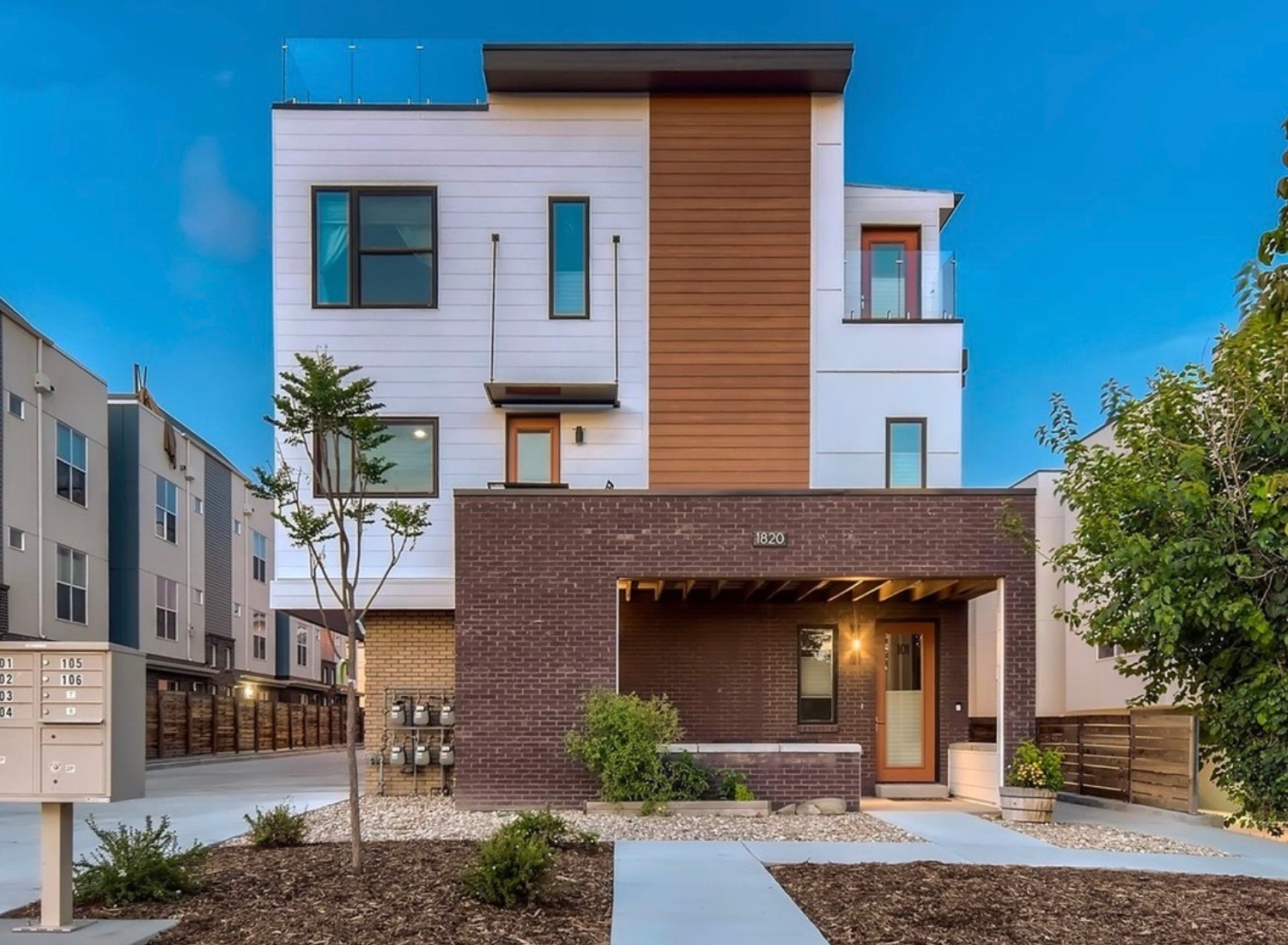
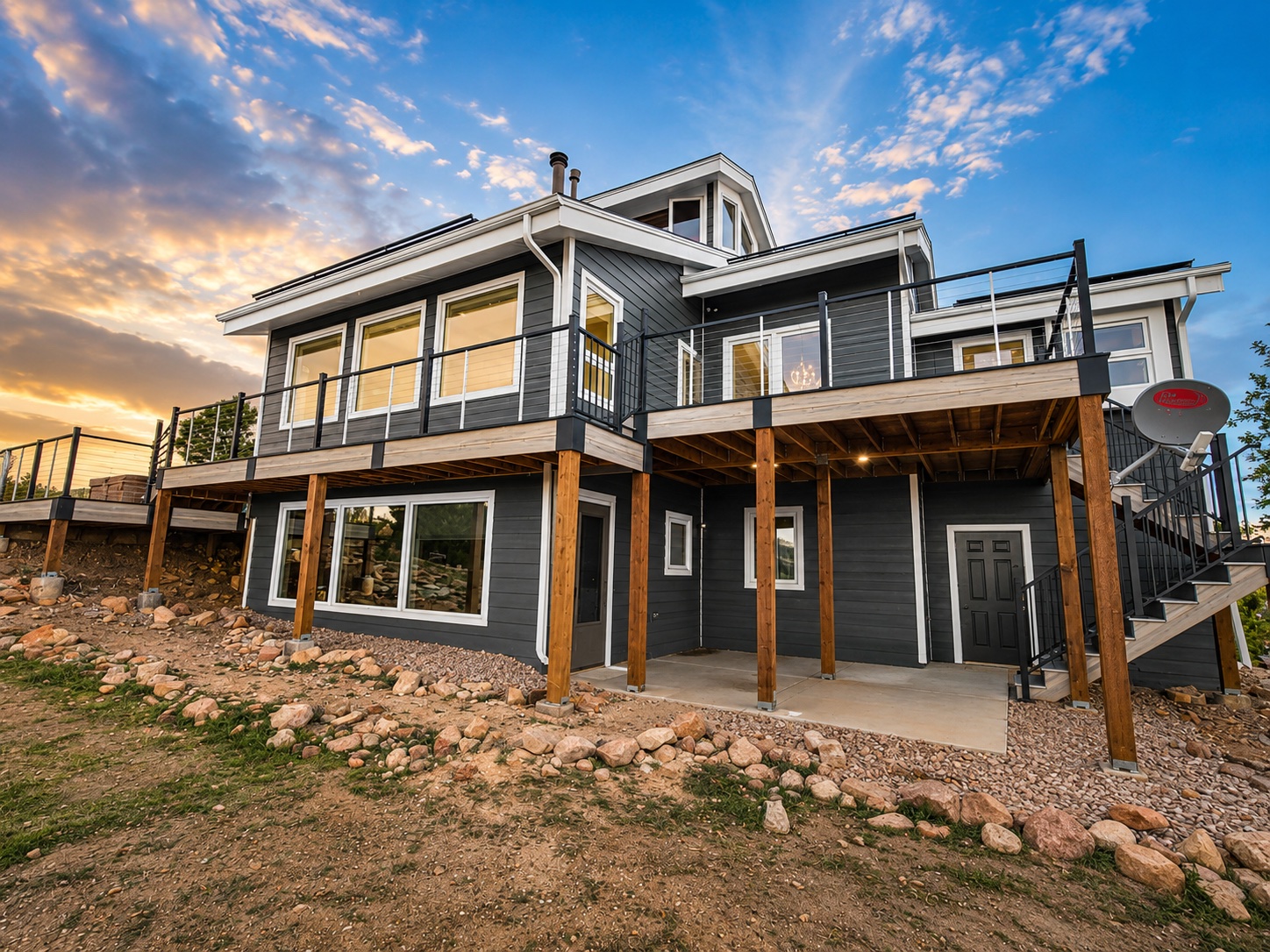
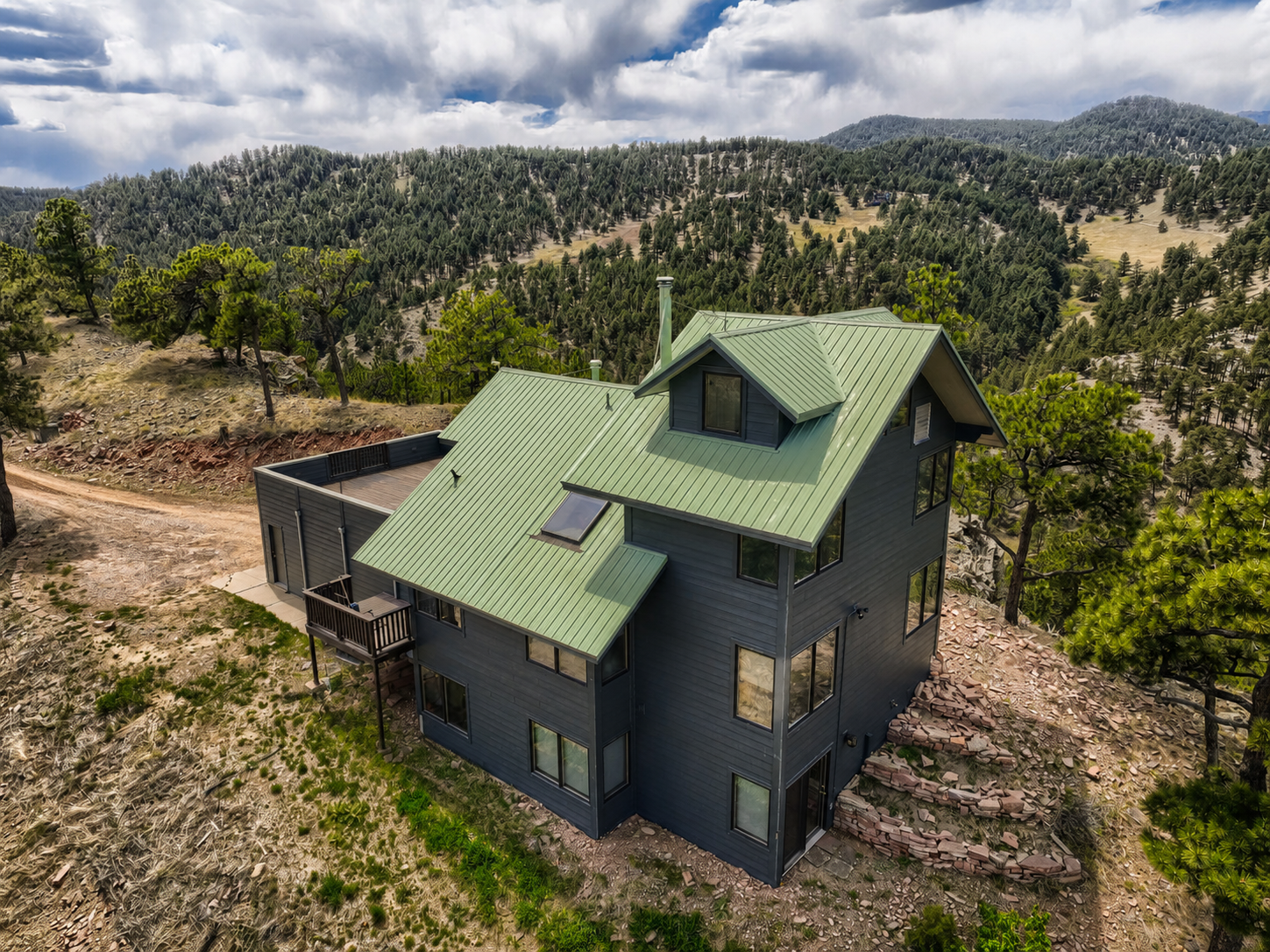
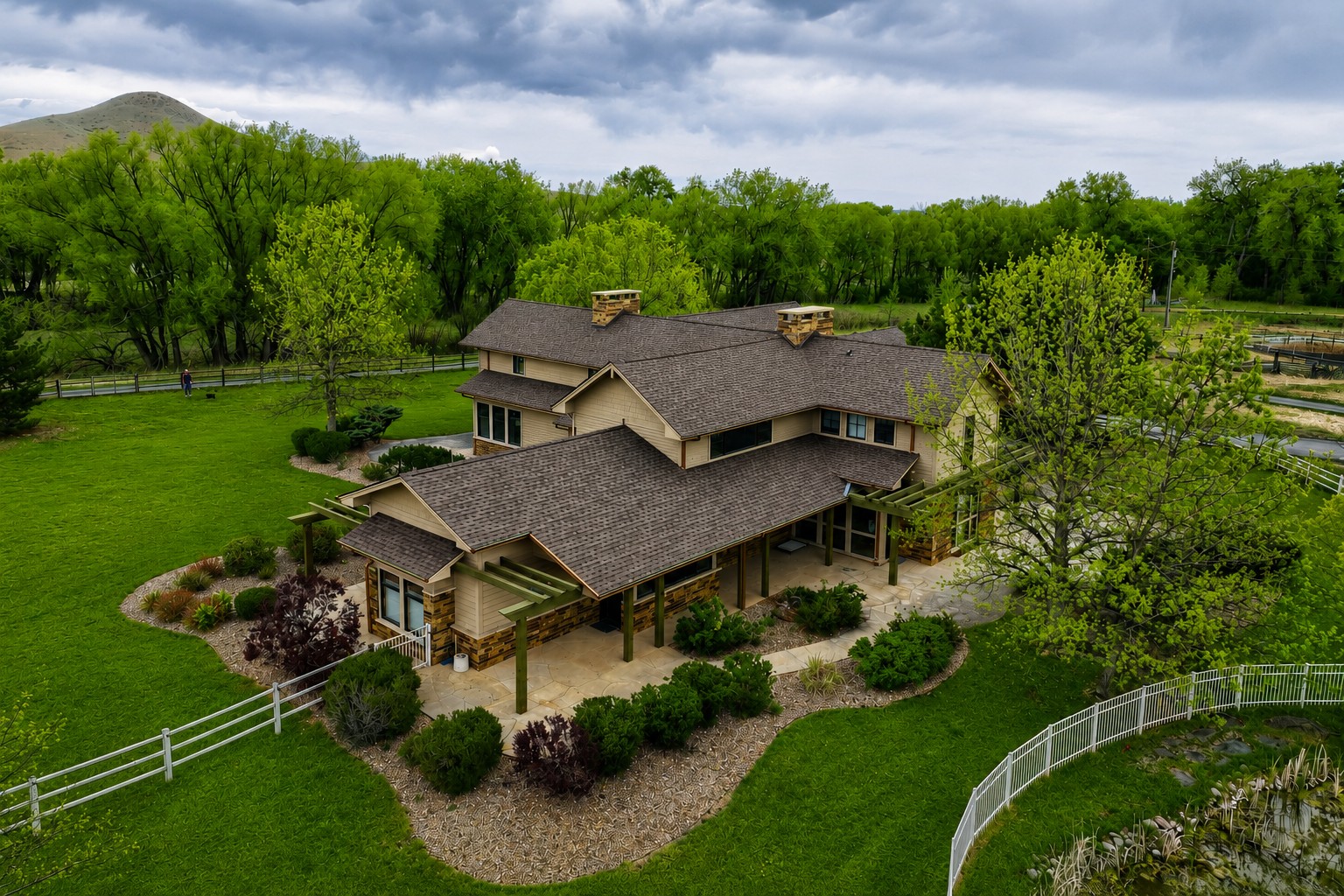
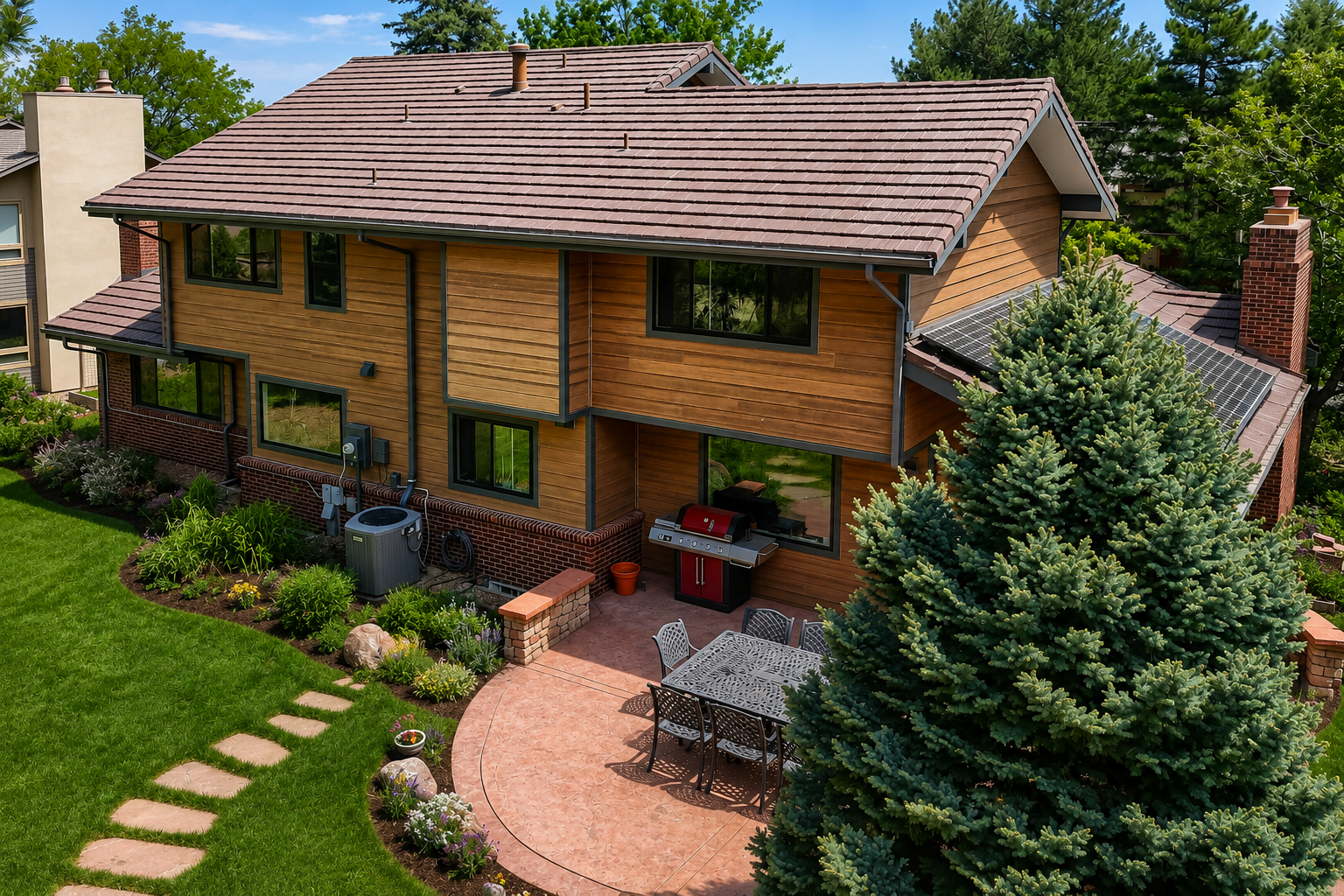
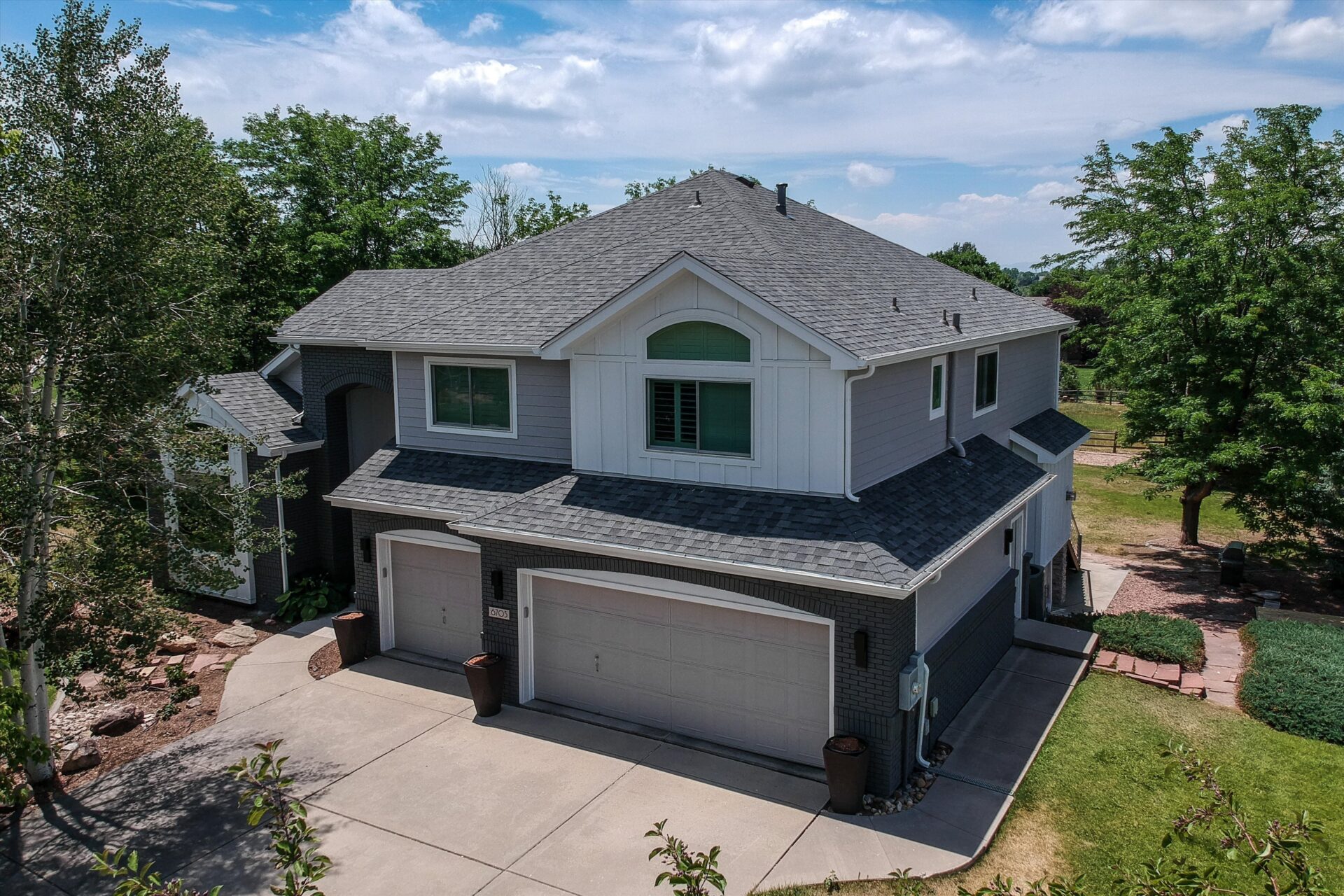
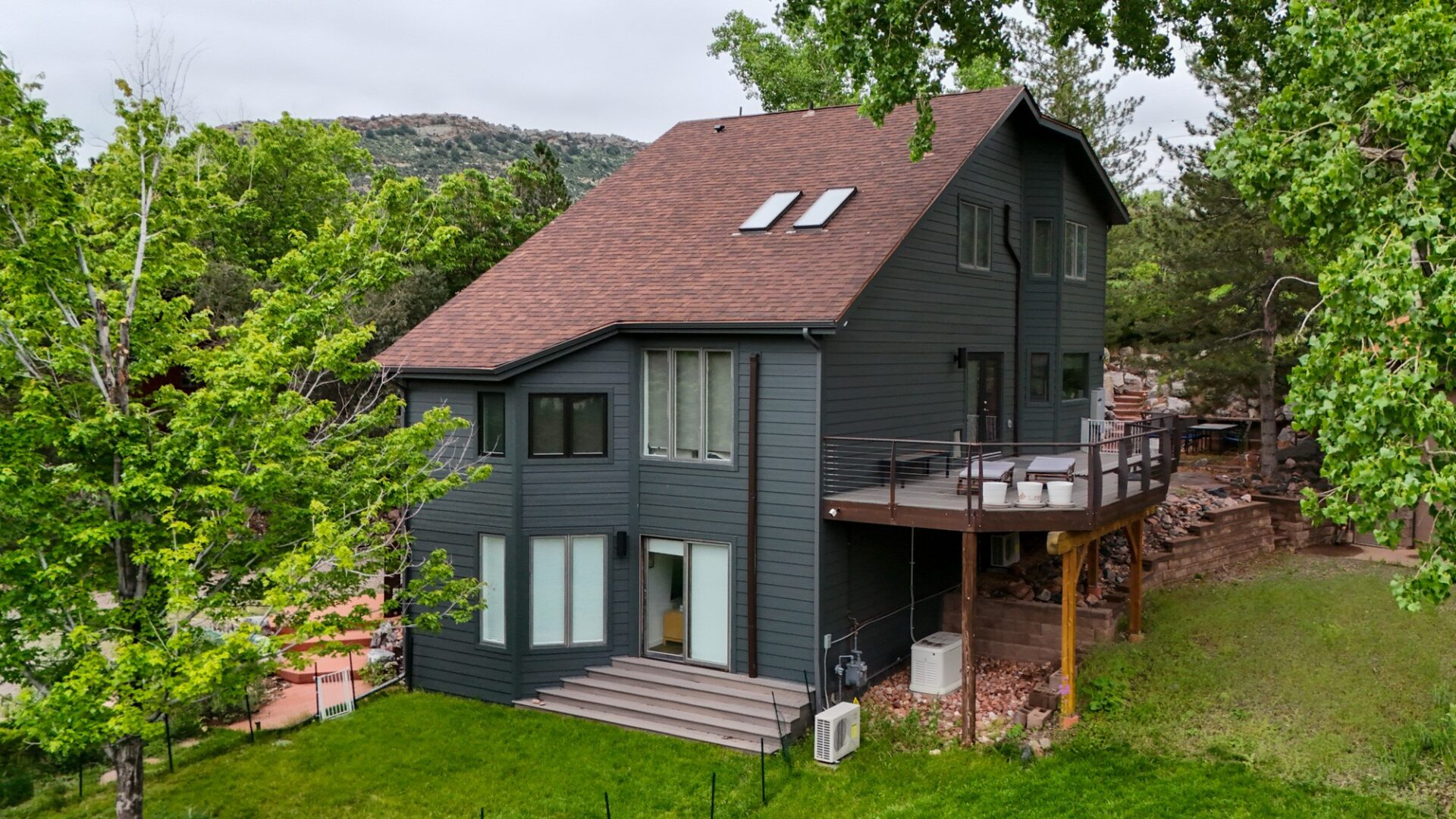
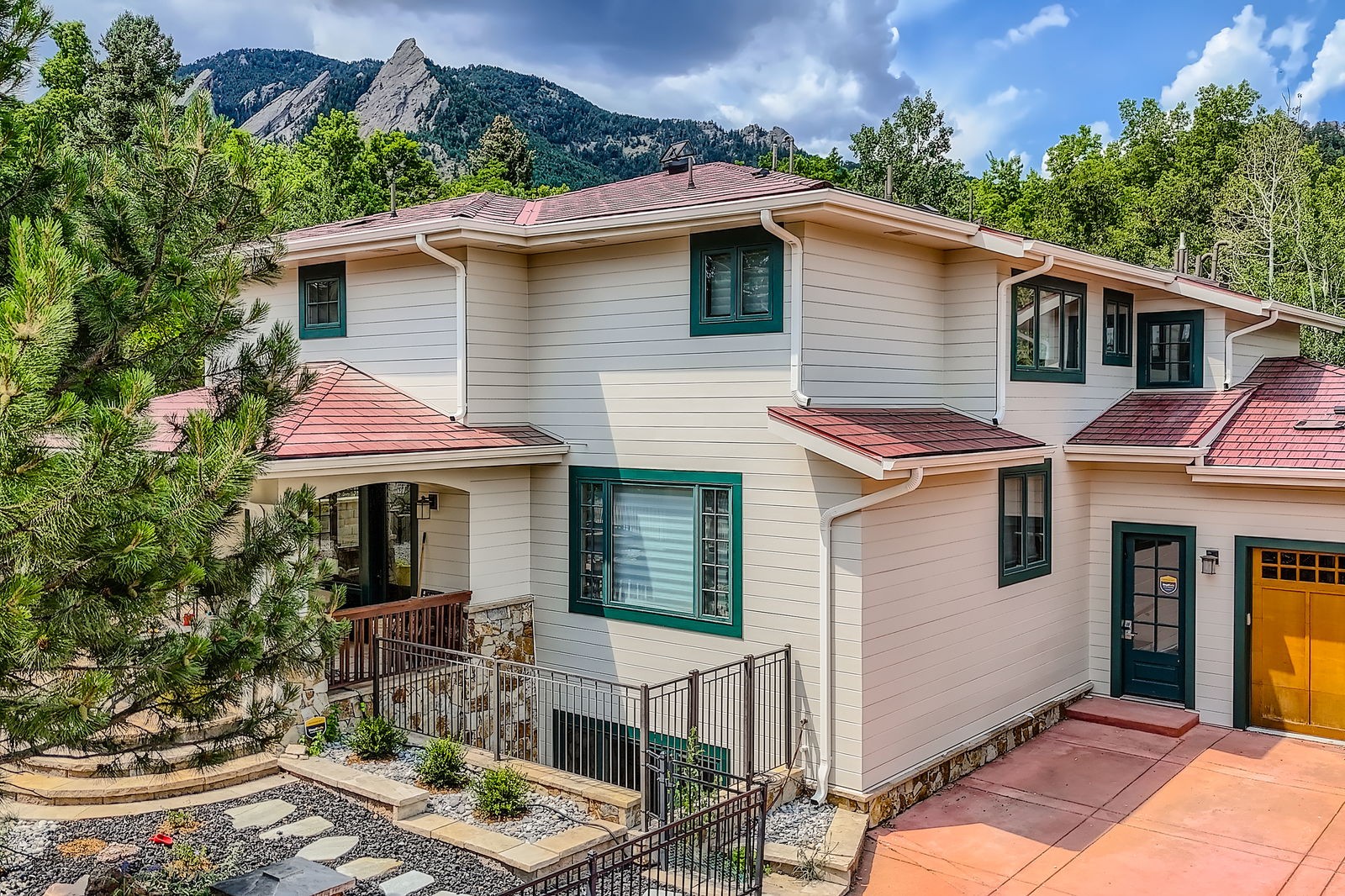
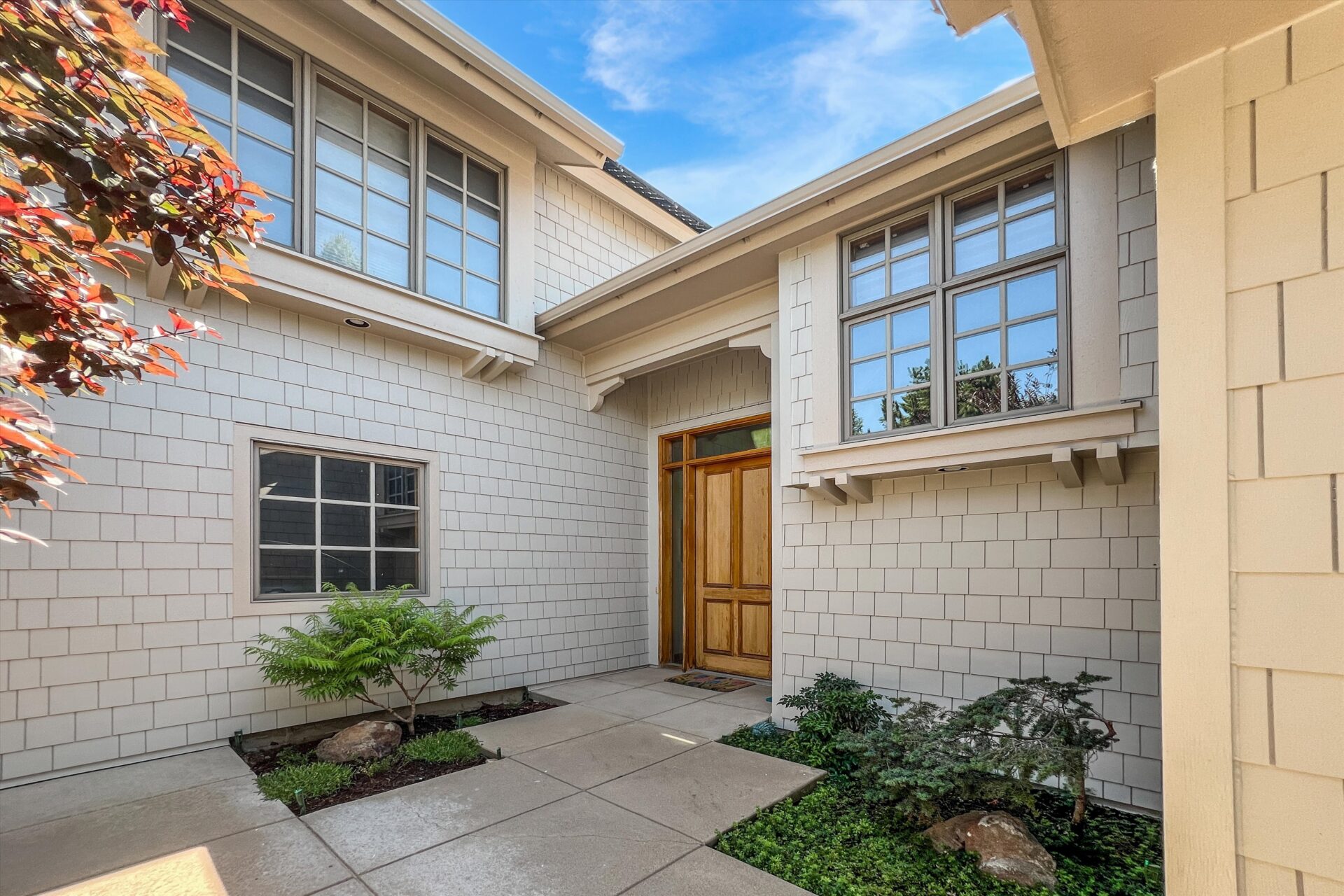
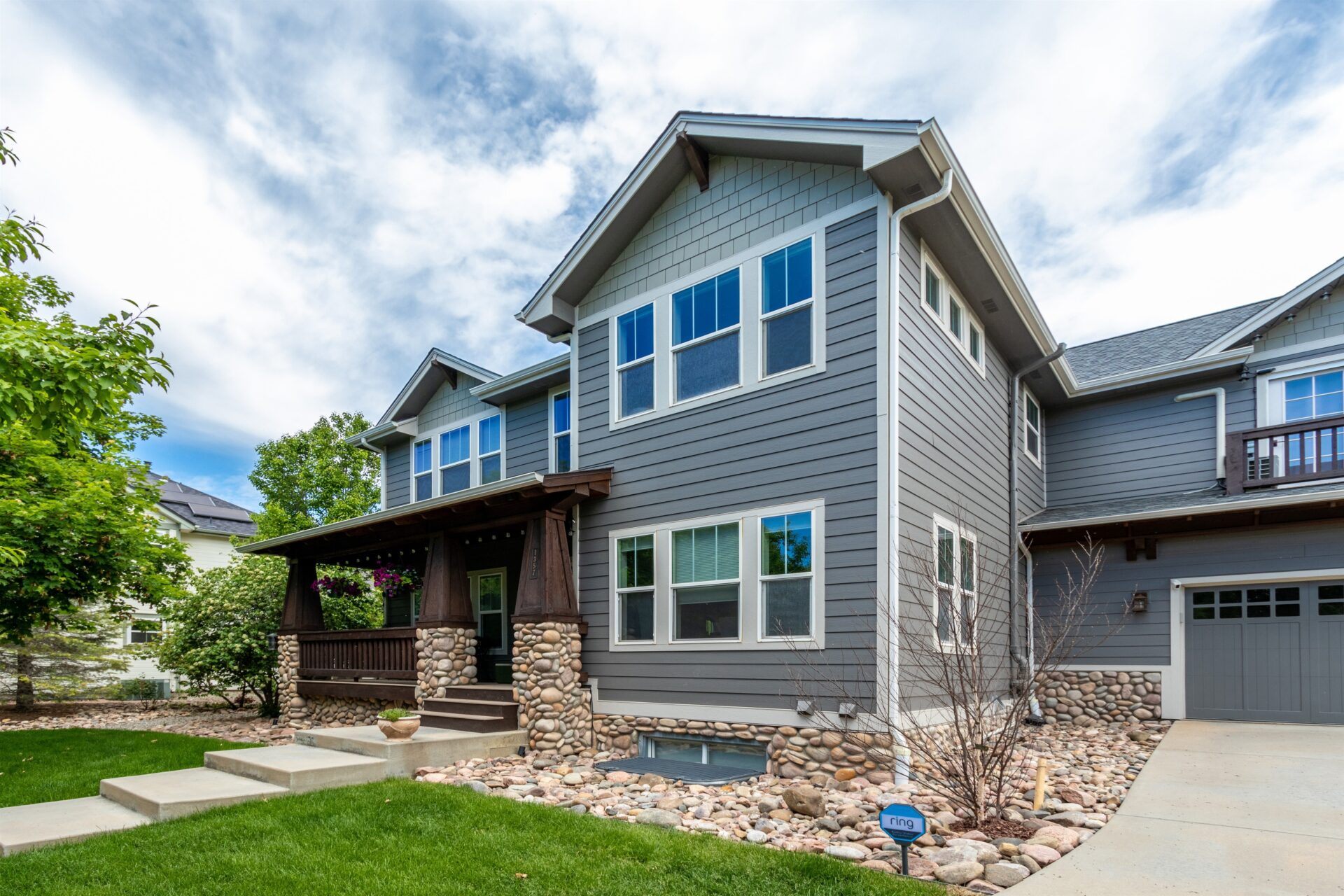
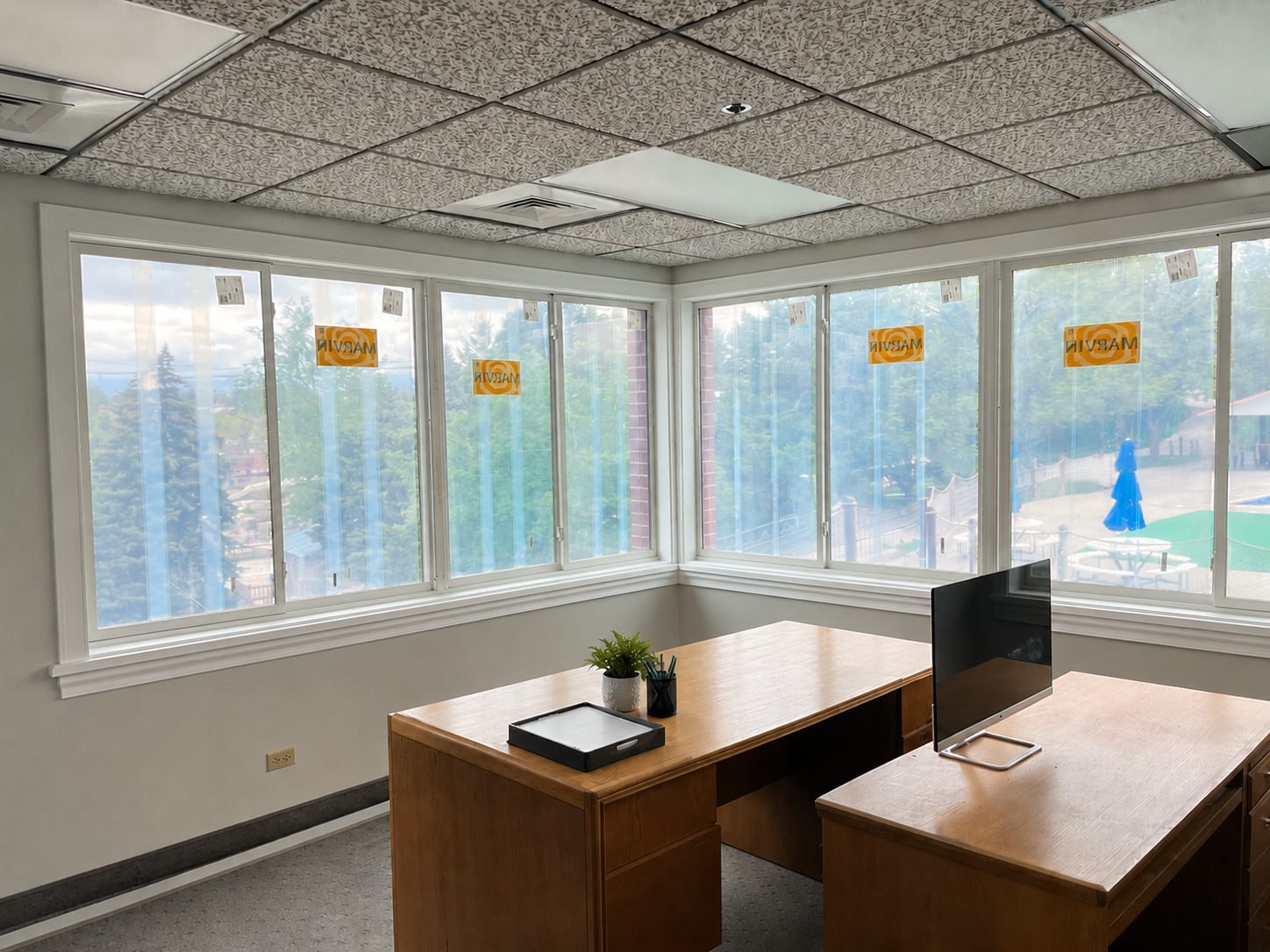
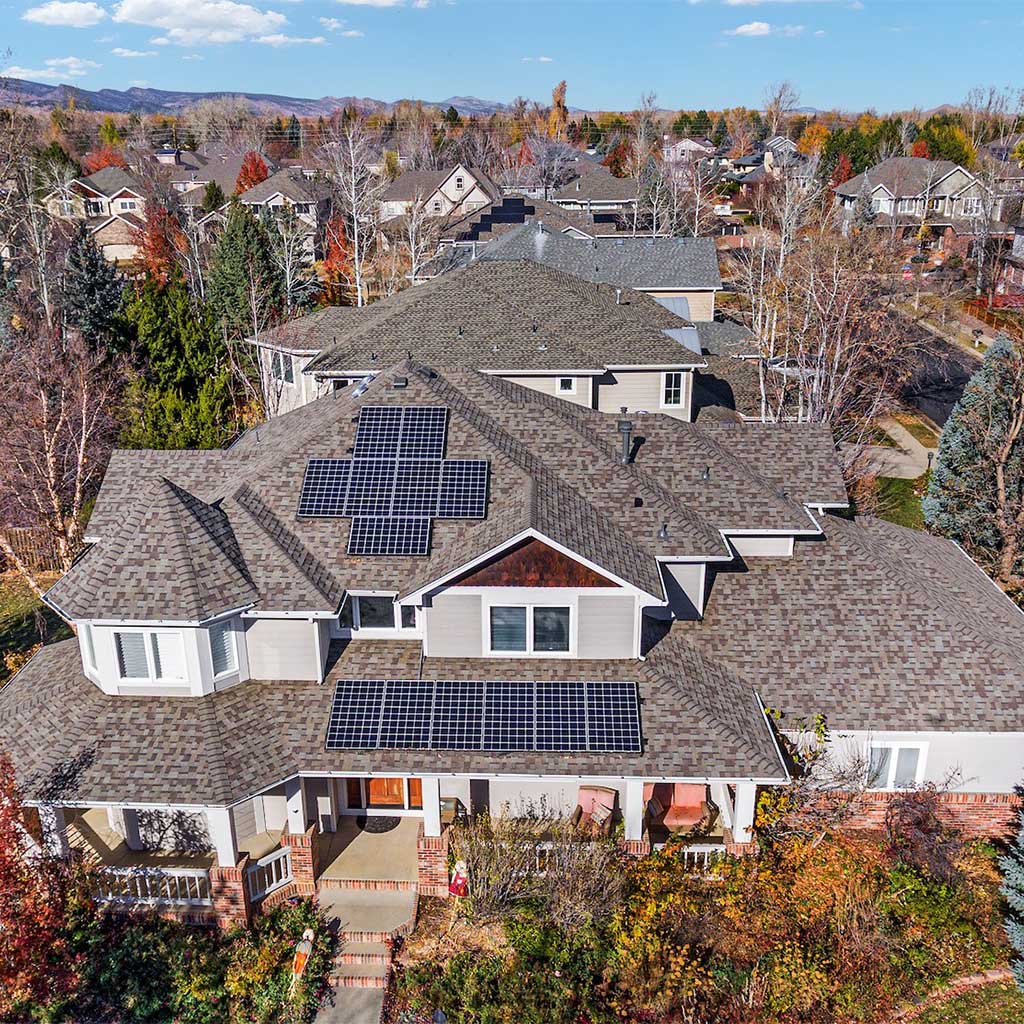
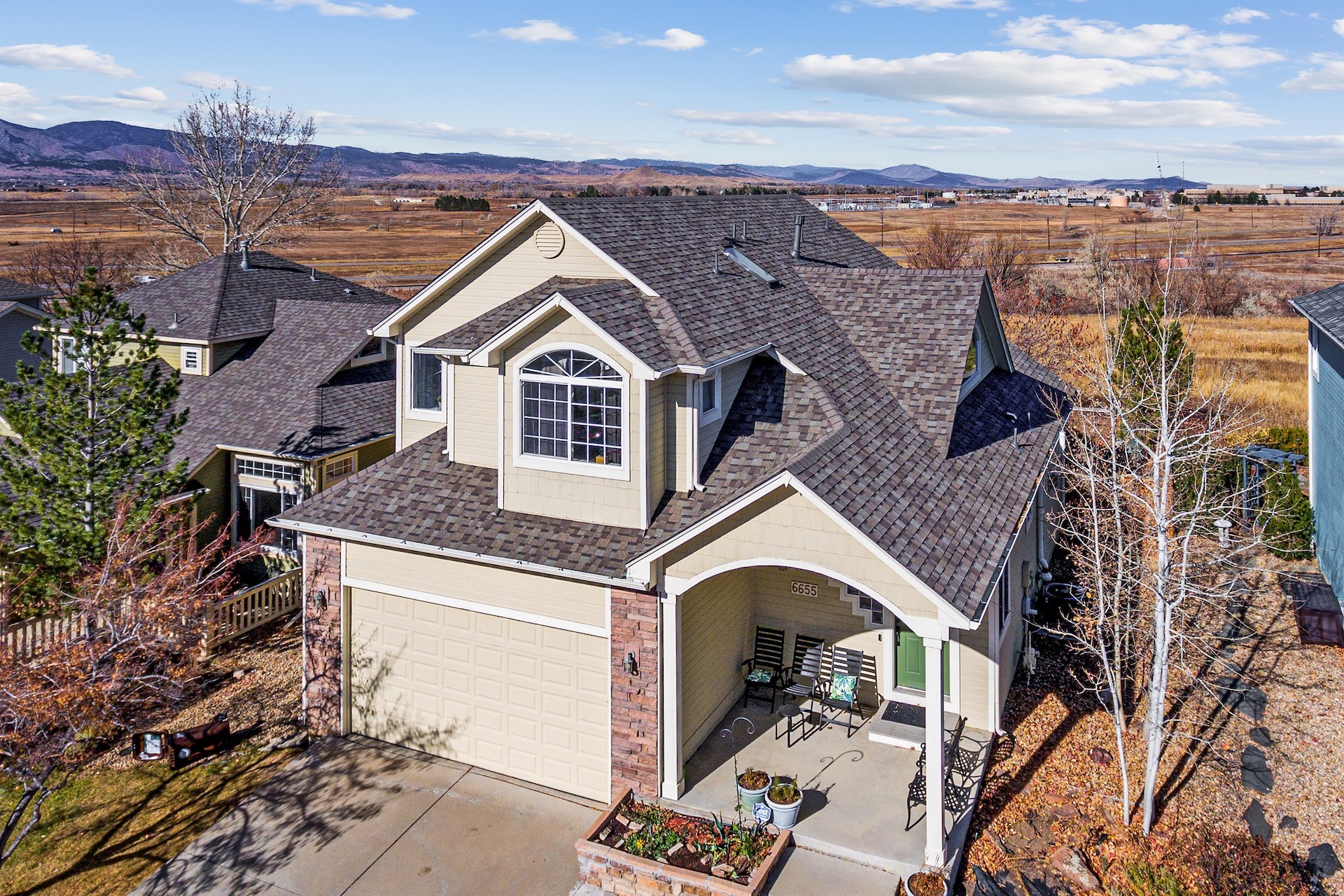
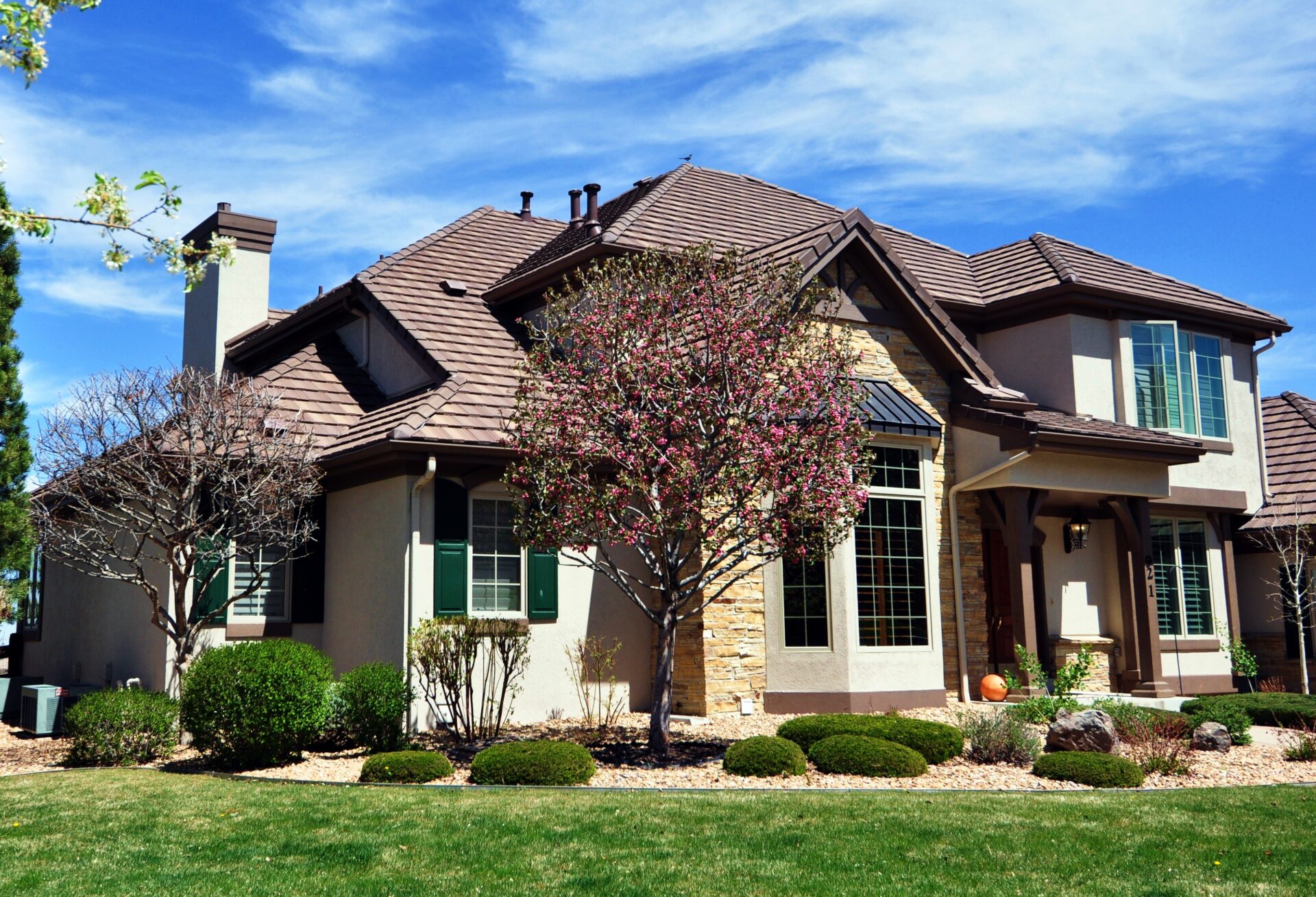
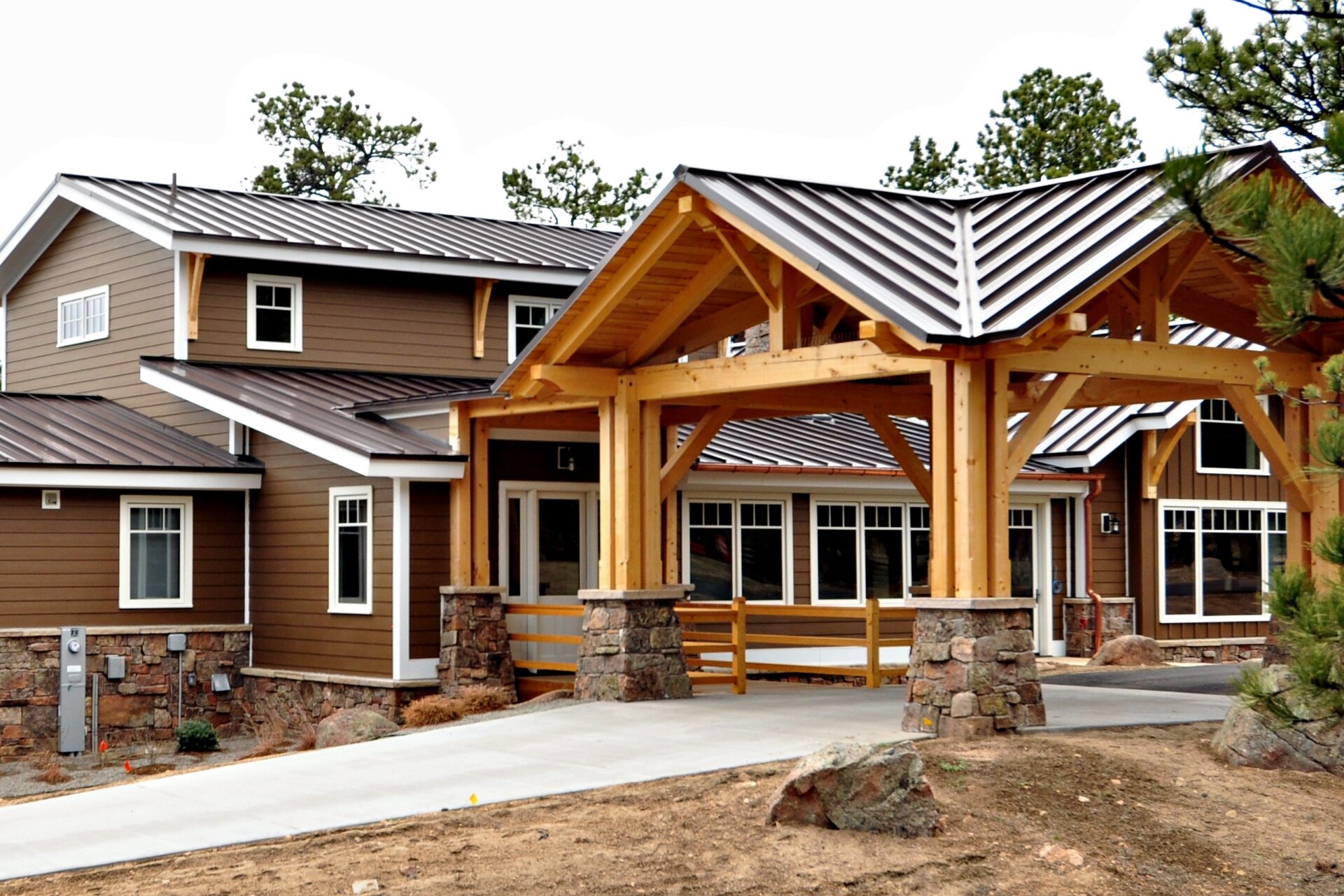
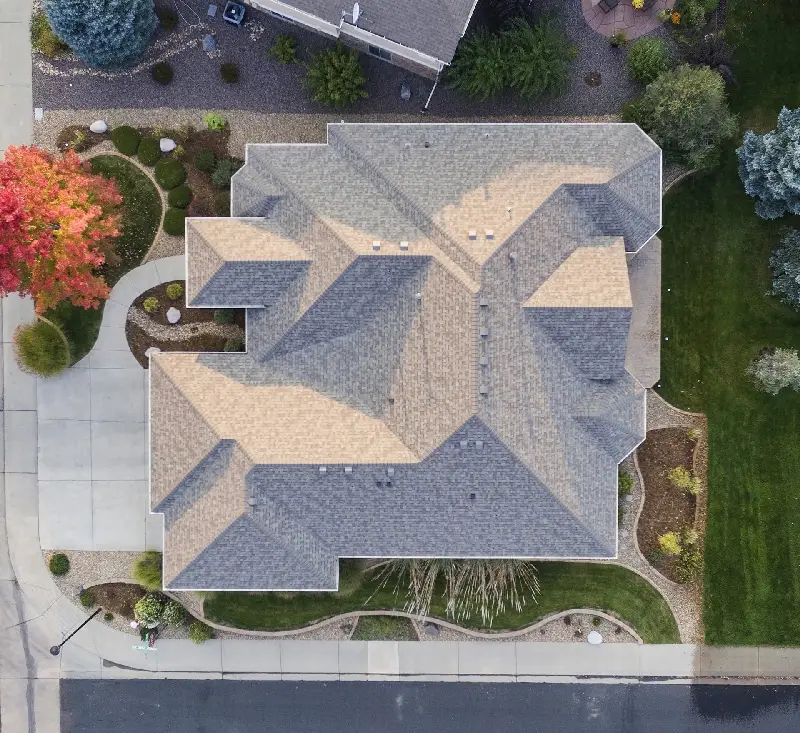
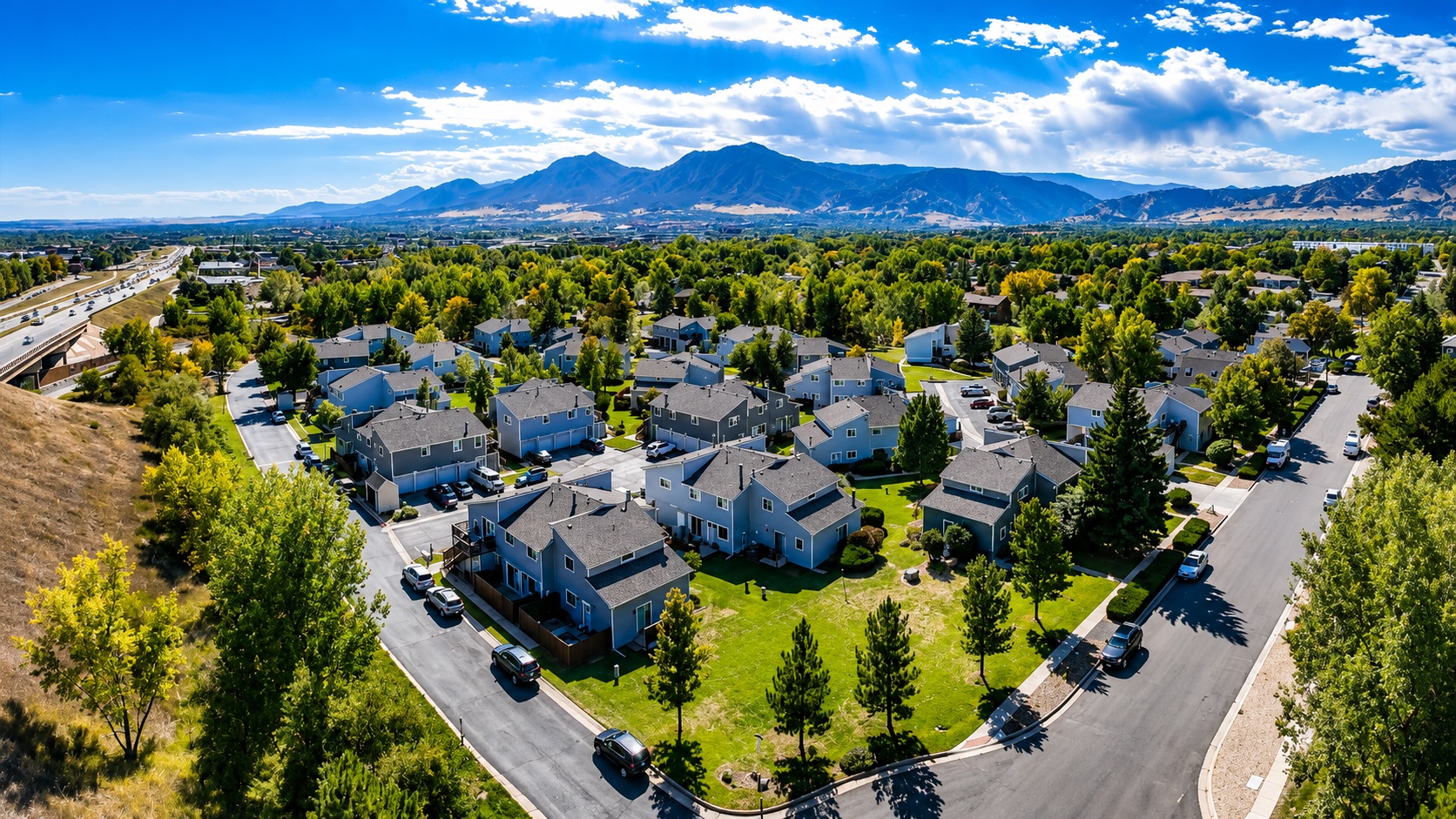
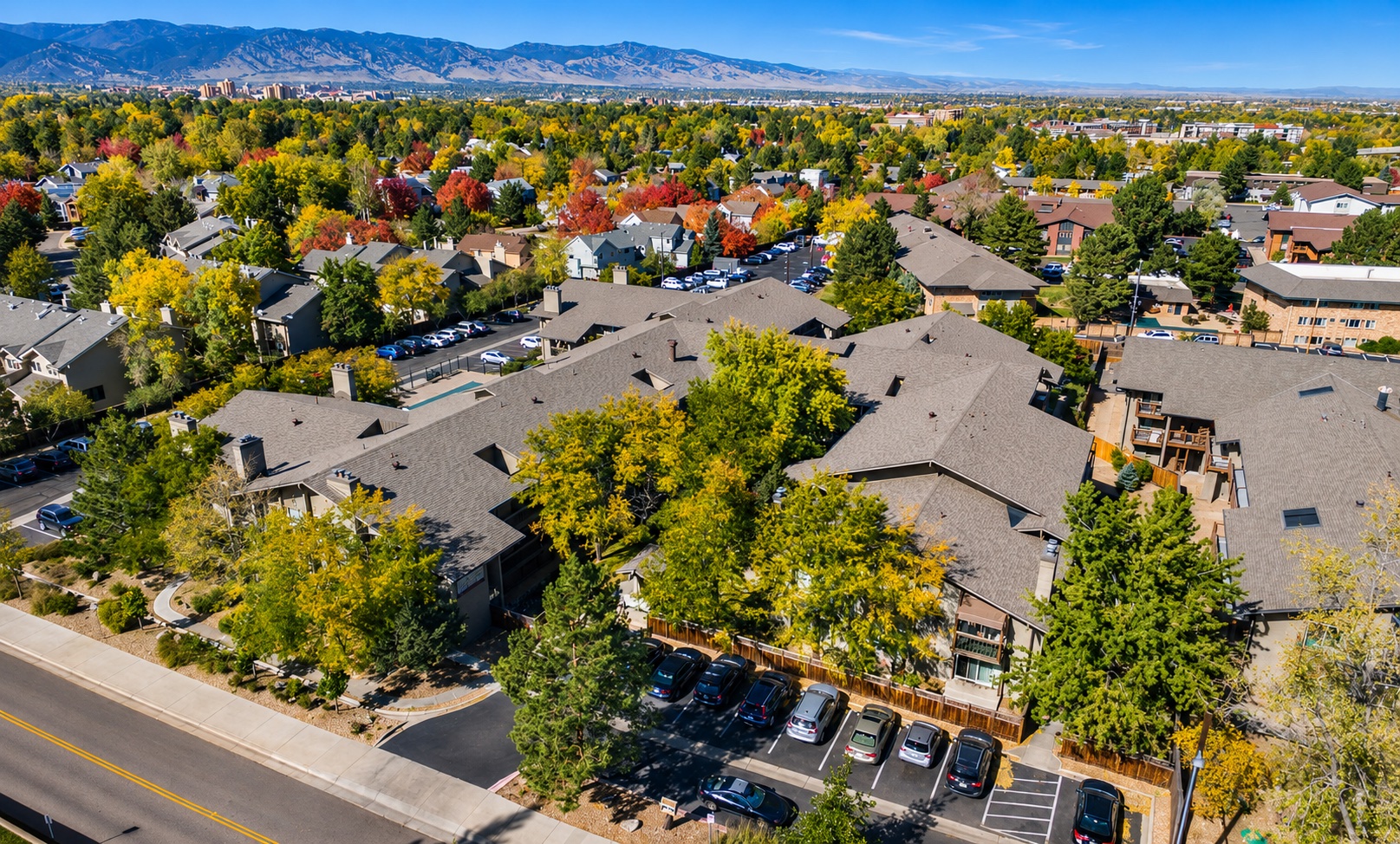
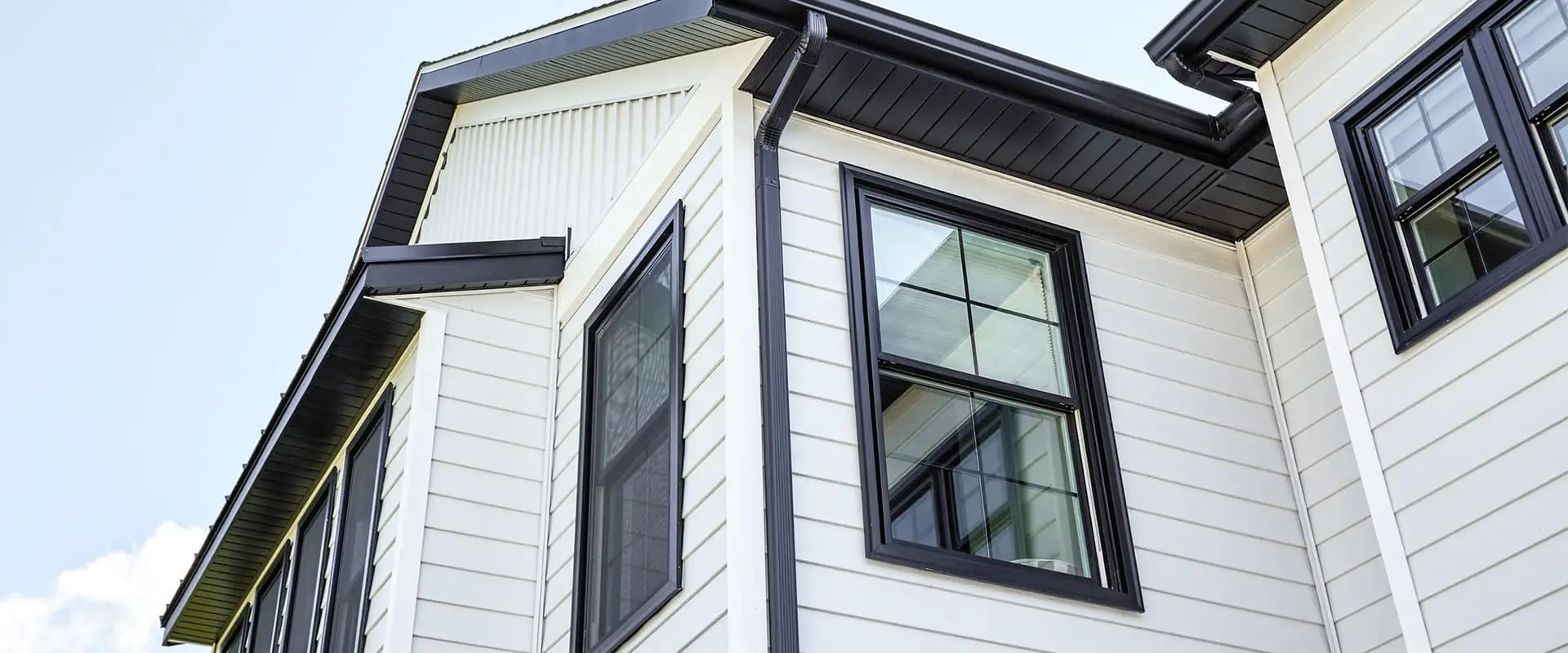
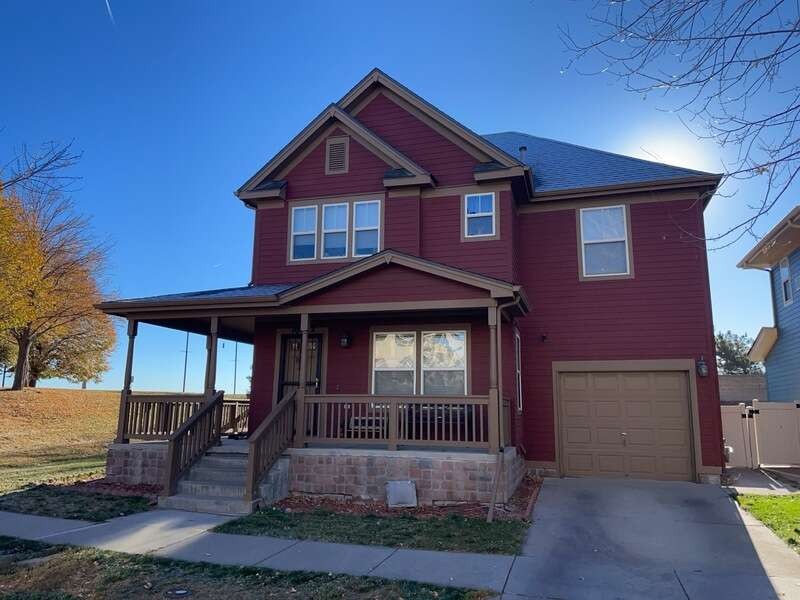
Replacement window installations in Northglenn and nearby north-metro homes across fiberglass and vinyl frames.
Nearby Cities We Also Serve
Crews run across the Denver metro rather than out of a single branch, so the towns either side of Northglenn are ordinary work for us, not a travel job:
Northglenn Replacement Windows — Frequently Asked Questions
How much does window replacement in Northglenn cost?
Most Northglenn homes have somewhere between eight and fourteen openings, and whole-home replacement typically lands in the five figures, with vinyl at the accessible end, fiberglass above it and aluminum-clad wood above that. The variable that moves your number more than material is whether the job is insert or full-frame. On original aluminum-frame windows we usually recommend full-frame, and we will explain why on your specific openings rather than quoting a per-window price sight unseen.
Should I get insert windows or full-frame replacement?
On a house with original aluminum-frame windows, full-frame is usually the right answer. An insert window fits inside the existing frame — which means the old aluminum stays in your wall, still conducting cold, still the thermal bridge you are paying to eliminate, and still hiding whatever moisture damage is in the sill. Inserts are a reasonable choice where the existing frame is wood, sound and dry. Any bidder who does not raise the distinction with you is not thinking about your wall.
Why do my windows get ice on the inside in winter?
Because the frame is metal and has no thermal break. Bare aluminum conducts heat straight through the wall, so in a cold snap the frame drops below freezing, indoor humidity condenses on it, and that condensation freezes. It is not a sign your house is too humid or that the glass has failed — it is the frame material doing exactly what aluminum does, and it is why storm windows and films never quite solve it.
Will new windows help with I-25 traffic noise?
They can, substantially, but only if the glass is specified for it. A standard double-pane unit is a modest improvement over single-pane. What actually works is laminated glass in at least one lite, panes of differing thickness so they do not resonate together, and a wider airspace where the frame allows. Just as important is an airtight installation, because sound moves through gaps far more easily than through glass. Tell us noise is the driver at the estimate — it changes the package and cannot be added later.
Are my window openings a standard size?
Probably not, and that is the most useful thing to know before you collect bids. Northglenn’s production homes were built from 1959 onward to size conventions that do not match today’s stock windows, and openings often vary between elevations of the same house. Windows made to your actual openings preserve the glass area; stock-sizing a non-standard opening means oversized filler, a bulkier frame, less glass and a build-out that becomes the weak point.
Should I replace windows and siding at the same time?
If both are due, yes — this is the strongest sequencing argument we make. The window flashing has to be integrated into the wall’s weather-resistive barrier, and that is only fully possible when the cladding is off. Done separately, you either compromise the integration or pay twice to open the same wall. Running both under one Class C general contract also means one party is accountable for the joint between them.
What U-factor should I look for in Colorado?
Lower is better, and in a Colorado winter U-factor is the number that most predicts whether the house actually feels different. Pay attention to Solar Heat Gain Coefficient too, but note that the right SHGC differs by elevation on the same house: on a west wall taking full afternoon sun at 5,400 feet a lower SHGC keeps the room usable in August, while on a north elevation that free solar gain is welcome in January.