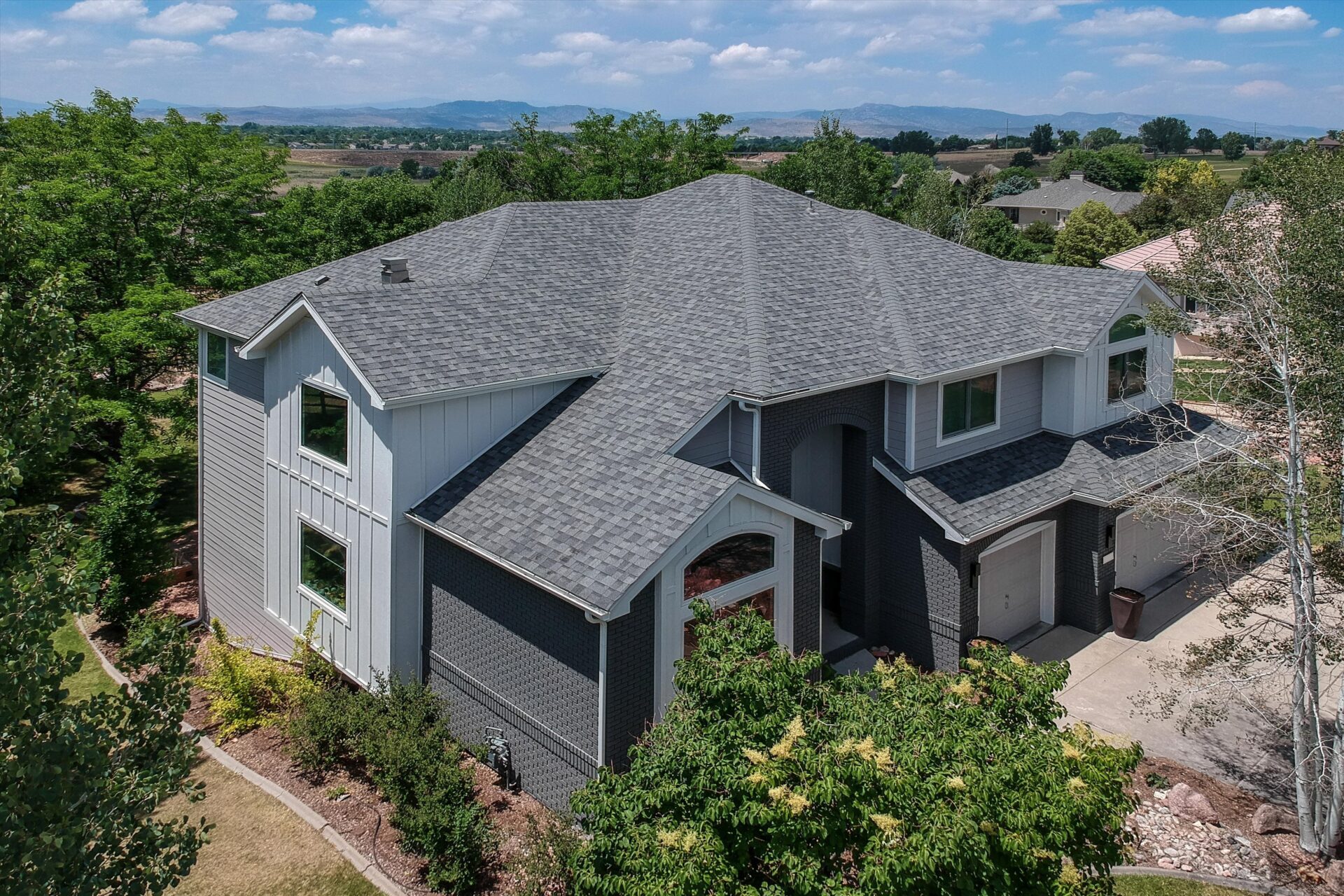
Commercial Exterior Contractor — Northglenn, CO
Northglenn Commercial Contractor
Low-slope roofing, facade re-clads and multifamily exteriors on the Huron Street and 120th Avenue retail strip and Adams County’s 1970s–80s apartment stock — phased around your tenants, not around us.
Who is a commercial exterior contractor in Northglenn, CO?
Northern Lights Exteriors holds a Colorado Class C general contractor license (#C120350) and has worked the Front Range since 2001 — so a mixed-system building can run under one contract rather than three trades pointing at each other over a leak at the transition.
We work retail and multi-tenant strip centers, small office and flex, garden-style multifamily, HOA communities and institutional buildings — TPO, EPDM and modified bitumen low-slope roofing, standing seam metal, and full facade re-clads.
Phasing, noise-sensitive scheduling and tenant notices are written into the scope before mobilization, and board-ready documentation lives in a proprietary client portal. Rated 4.9 out of 5 from 552 verified reviews.
Northglenn Commercial Property Is on Its Second or Third Exterior Cycle
Most commercial exterior content is written about downtown high-rise work, which is no use to anyone who owns a building here. Northglenn is a first-ring Adams County suburb that built out from the late 1950s onward, and its commercial stock is the age that implies. That single fact changes the job more than anything else about it.
On a newer building you replace what the developer installed, and the assembly is what the drawings say it is. Here you are almost never the second contractor to touch the envelope. You are the third or the fourth, and what you are replacing is somebody else’s repair — over an assembly nobody documented, using details that were current three cycles ago. Finding out what is actually up there is half the work.
Strip retail from the 1960s and 70s
Single-story multi-tenant buildings along Huron, Washington and the 120th corridor. Parapet fronts with low-slope roofs behind them, and cladding that has usually been refaced at least once — so the visible surface and the original wall are two different things.
Garden apartments of the same vintage
A large share of Northglenn’s multifamily stock, now well past its first full exterior cycle and often on its second roof or third. Association-owned, which means the decision is a board’s and the funding is a reserve study’s.
Small professional and medical offices
One and two-story buildings, frequently converted from something else, with mechanical equipment added to the roof across decades and flashed by whoever installed it.
Civic, school and church buildings
Buildings that grew by addition rather than by plan, so a single roof can be three systems of three different ages meeting at details nobody designed.
None of that is a reason to be pessimistic about an older building. It is a reason to insist on a contractor who opens it up before quoting a number, and who writes down what they find.
What We Do on an Older Northglenn Building
The services list is the easy part. What matters on a building this age is how the unknowns are handled, so each line below says what we actually find.
| Scope | Systems | What turns up on a 1960s–70s building |
|---|---|---|
| Low-slope roofing | TPO, EPDM and modified bitumen; tapered insulation; parapet, coping, drain and scupper work. | Layers. Roofs installed over roofs over the original, with the drainage design of whichever one was cheapest. We probe and core before quoting so the tear-off quantity is a measured number rather than a guess, and we say in writing what happens if the deck below is wet. |
| Steep-slope roofing | Architectural asphalt, Class 4 impact-resistant, standing seam metal. | Adams County takes hail, and an old roof that has taken it repeatedly may have been patch-repaired rather than replaced. The claim history matters as much as the condition. |
| Commercial siding and cladding | Fiber cement, engineered wood, metal panel, stone veneer; EIFS and stucco repair. | Refacing over refacing. The original wall can be two claddings down, and what is behind them — sheathing, barrier, flashing — is the thing that decides whether the new surface lasts. We photograph every wall we open. |
| Windows and doors | Storefront, punched openings, association-owned units on attached homes. | Original single-glazed units are still common, and the openings are rarely square any more. Egress and accessibility questions arrive with the permit rather than after it. |
| Storm damage and insurance work | Documented inspection, claim support, full replacement. | On an old asset the argument with a carrier is usually about what is storm damage and what is age. Photographs taken before the work are what settle it. |
Because we hold a Class C general contractor license, a building with three systems on it is one contract and one project manager rather than three trades disagreeing about the transitions between them. More on TPO roofing, EPDM, commercial exteriors, multifamily and HOA work.
Pricing the Unknown Without Hiding It
Every contractor bidding an older Northglenn building faces the same problem: nobody knows what is under the roof or behind the cladding until it comes off. There are three ways to deal with that, and only one of them is honest.
- Quote low and change-order later. The cheapest-looking bid and the one that ends in an argument. If a number for a 1960s building looks materially lower than everyone else’s, this is usually why.
- Bury a fat contingency in the headline number. Safer for the contractor, and you pay for a problem that may not exist.
- Investigate first, then bound the unknown in writing. We core and probe the roof and open a sample of wall before pricing, so most of the surprise is removed before you sign. What genuinely cannot be known in advance — wet deck, rotted sheathing — is quoted at a stated unit rate, so if we find sixty square feet you pay for sixty square feet at a price you agreed up front.
The other half of the job is that the building is in use, and on an older asset the tenants have usually been there a long time.
- Long-tenured tenants have long-standing arrangements. A delivery bay, a customer entrance, a parking row that a business depends on. We ask which ones matter before we plan staging, not after we have blocked one.
- Boards funding from reserves need staged numbers. A phased scope priced per building, in the order we would do them and with the reasoning written down, survives a board turnover. A single lump sum does not.
- Tear-off on an old roof is loud and it smells. We say which days, and we tell the tenants, rather than leaving a property manager to field the calls.
- Records that outlive everyone. The reason to document this job properly is that in fifteen years somebody will be asking exactly the questions we are asking now.
The System Behind the Work
Commercial exterior work has a documentation requirement residential work does not: boards need records for reserve studies, owners need them for insurers and lenders, and property managers need to answer a tenant’s question without calling the contractor. That is a reporting problem, and most contractors solve it with an emailed PDF weeks later.
Two things make that possible, and they are the reason to choose us over a cheaper quote.
First, experience and scope. We have been working on Colorado’s Front Range since 2001, and we hold a Class C general contractor license (Colorado license #C120350) rather than a single-trade license. That is not a technicality: it means roofing, siding, windows, decks and outdoor living can run under one contract, with one project manager accountable for the flashings where those trades meet — which is precisely where multi-contractor projects leak, literally and figuratively. James Hardie has recognized us as an Elite Preferred contractor continuously since 2011, and as a President’s Club member — their highest contractor distinction nationwide. Our rating is 4.9 out of 5 from 552 verified reviews.
Second, a proprietary on-demand client portal we built ourselves. Most of what people hate about a remodel is not the construction. It is not knowing — who to call, whether the permit went in, when material arrives, what has been paid, whether it passed inspection. We built a system to remove exactly that, and as far as we know no other exterior contractor in this market offers it:
Every conversation in one place
Messages, decisions and change requests are logged against your project rather than scattered across texts, voicemails and three different crew members’ phones.
Contracts and scope, always retrievable
Your signed contract and itemized scope live in the portal, so “what did we actually agree to?” is a thing you look up rather than a thing you argue about.
Permit status you can see
Where the permit is in the process, and when inspections are scheduled — without having to phone anyone to find out.
Delivery and install schedules
When material lands and when each trade starts, so you can plan around the work instead of waiting for a truck to appear.
Before, during and final photography
Documented condition before we start, progress images through production, and final photography — including the parts of the building you will never see again once it is closed up.
Payments tracked per trade
What is paid and what is outstanding, broken out by trade rather than as one running balance you have to reconcile yourself.
Inspection records
Each inspection and its result, recorded against the project and available when you sell the house and someone asks.
Access is an individual, custom URL issued to you — and you get it when we start talking, at the lead and project meeting, not after you sign something. That is deliberate: you can see how we run a project before you commit to one. It then stays available after the work is finished, which matters more than it sounds, because the documentation, images and inspection records are exactly what a buyer’s agent, an appraiser or an insurer asks for years later.
Request a Commercial Exterior Assessment in Northglenn
For retail, office, flex, multifamily and HOA properties across Northglenn and Adams County. We will assess the envelope, document condition with photographs you can put in front of a board or a carrier, and give you a phased scope that accounts for your tenants rather than ignoring them.
Request Your Free Estimate → 📞 (303) 776-5263
Prefer email? Reach us at office@nlexteriors.com. Ask about financing options when we walk the property.
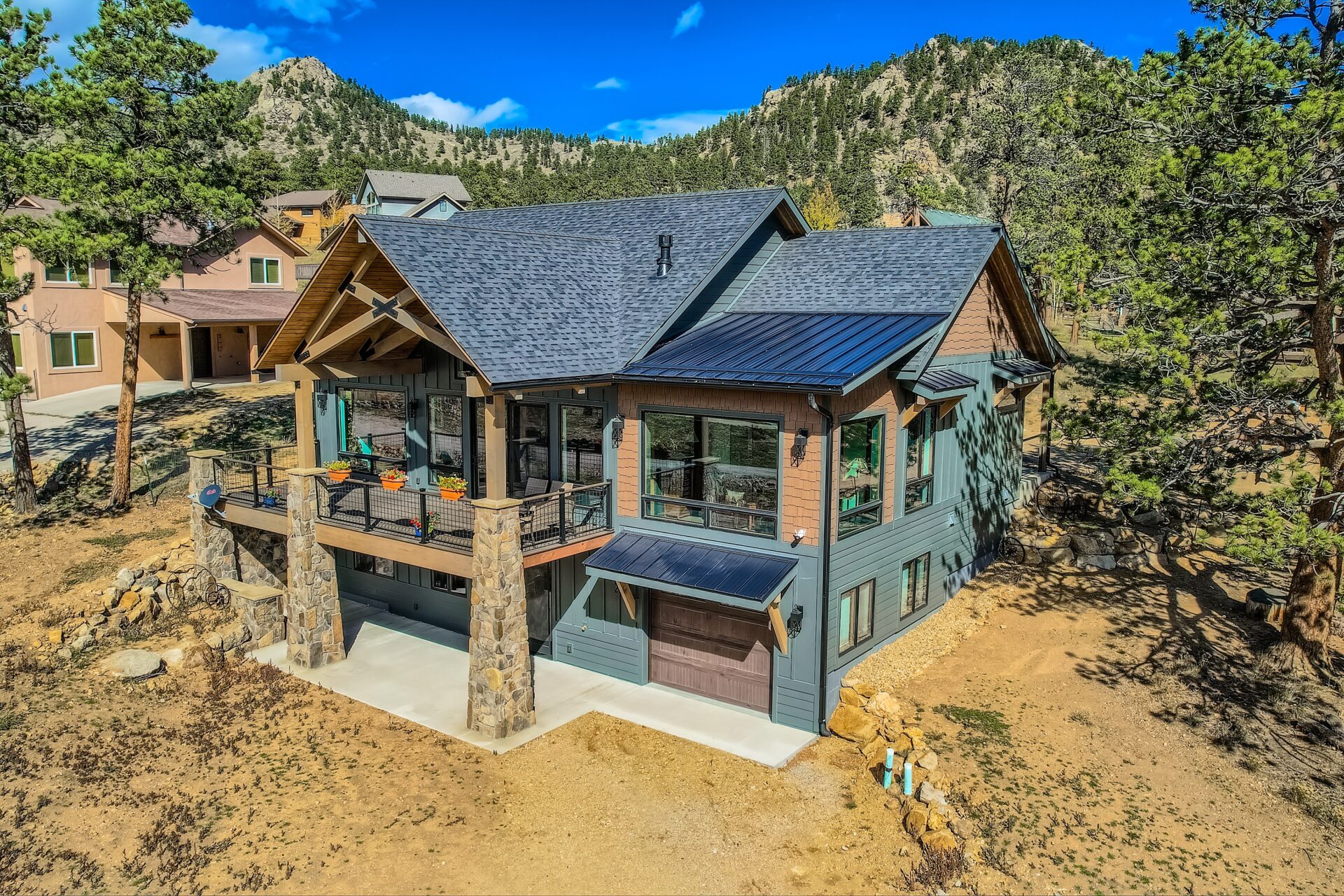
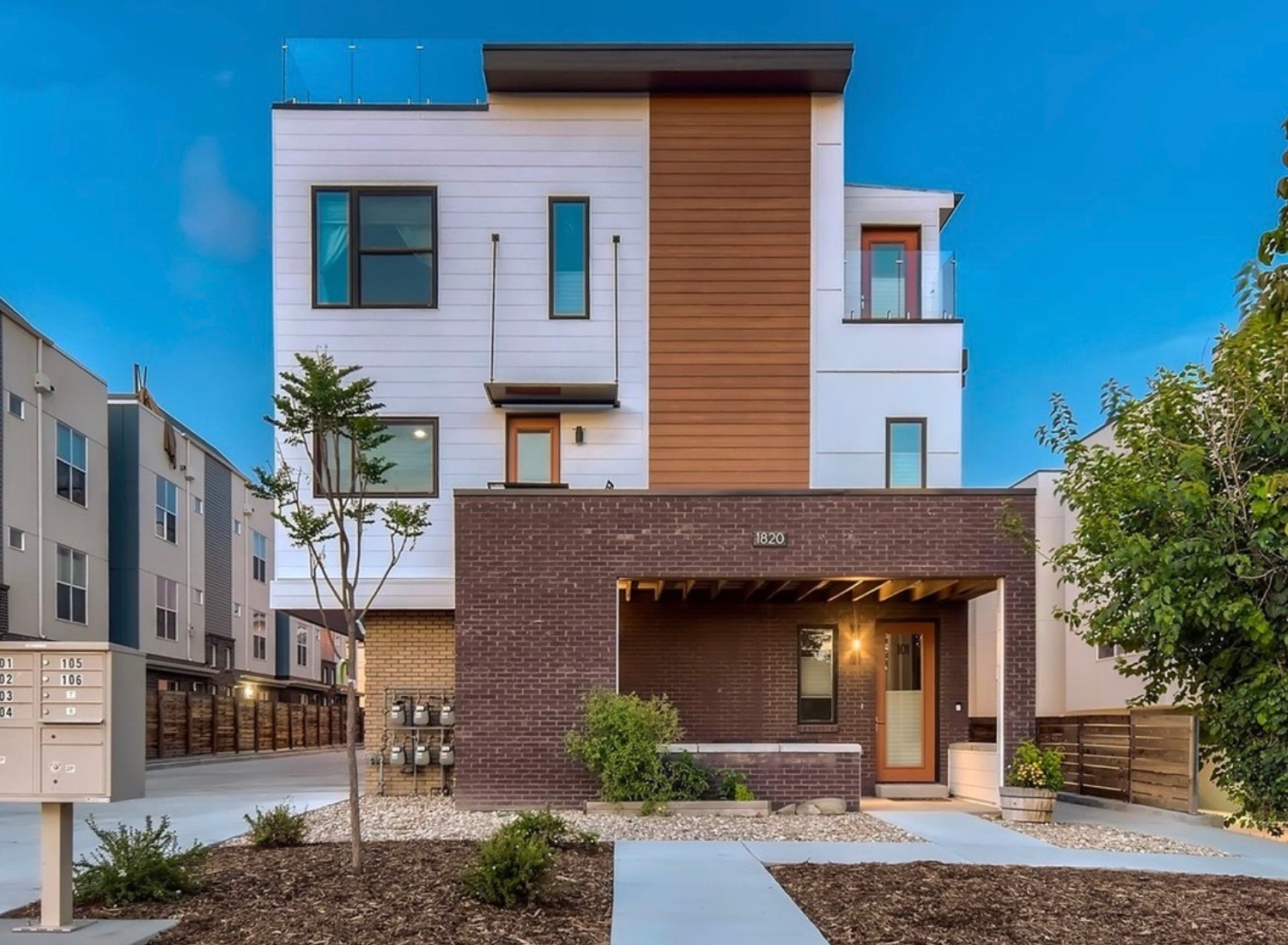
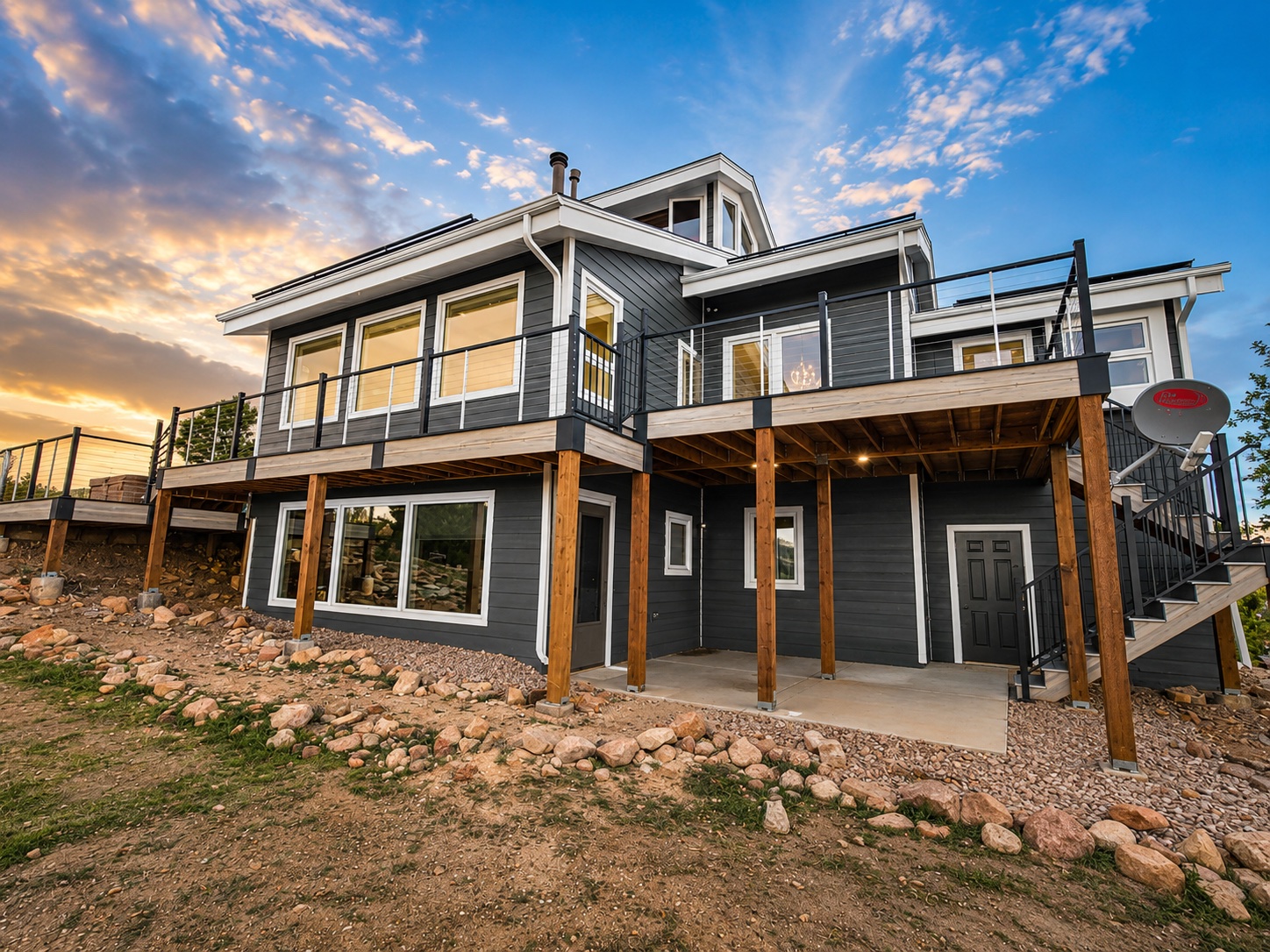
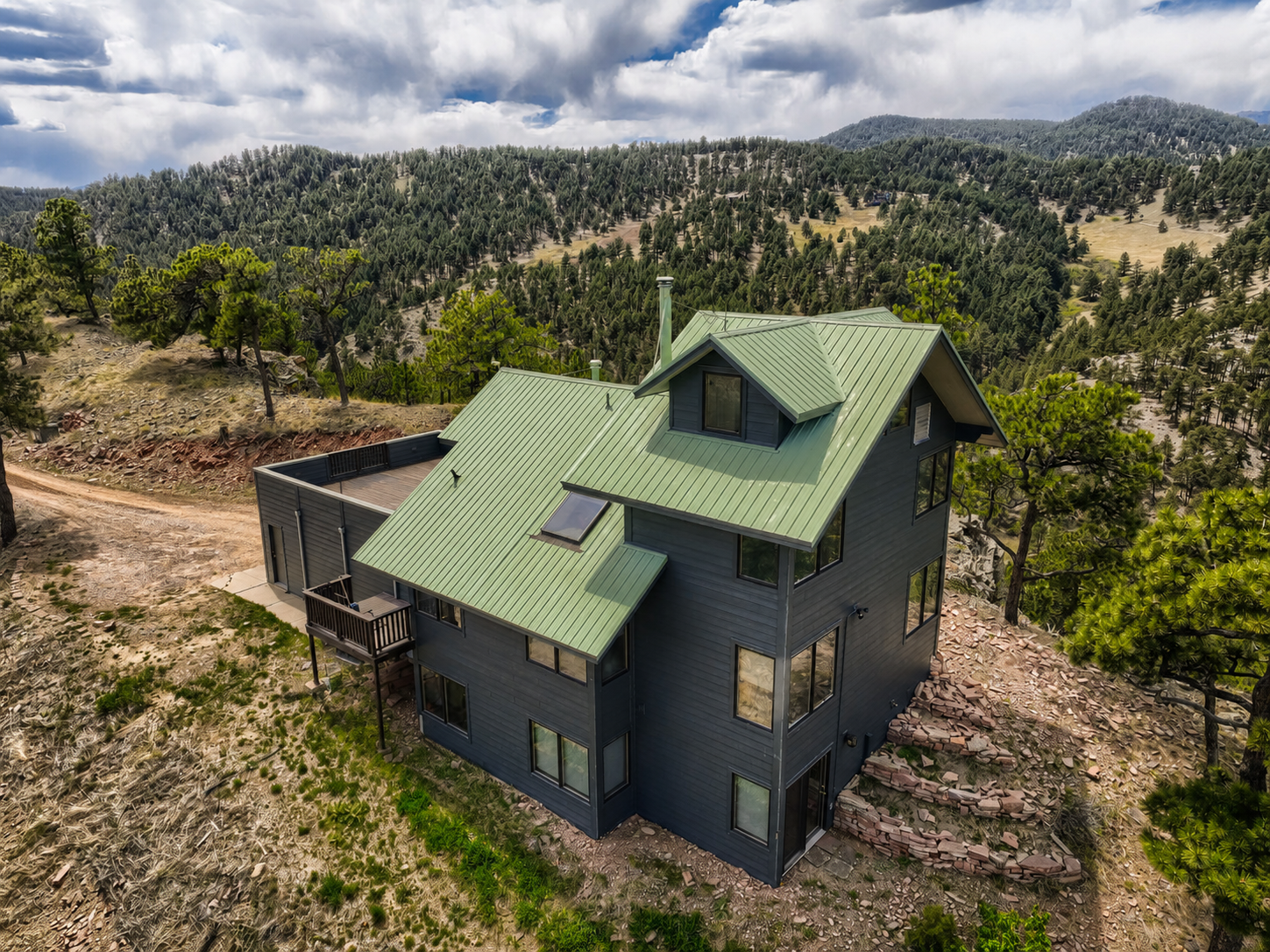
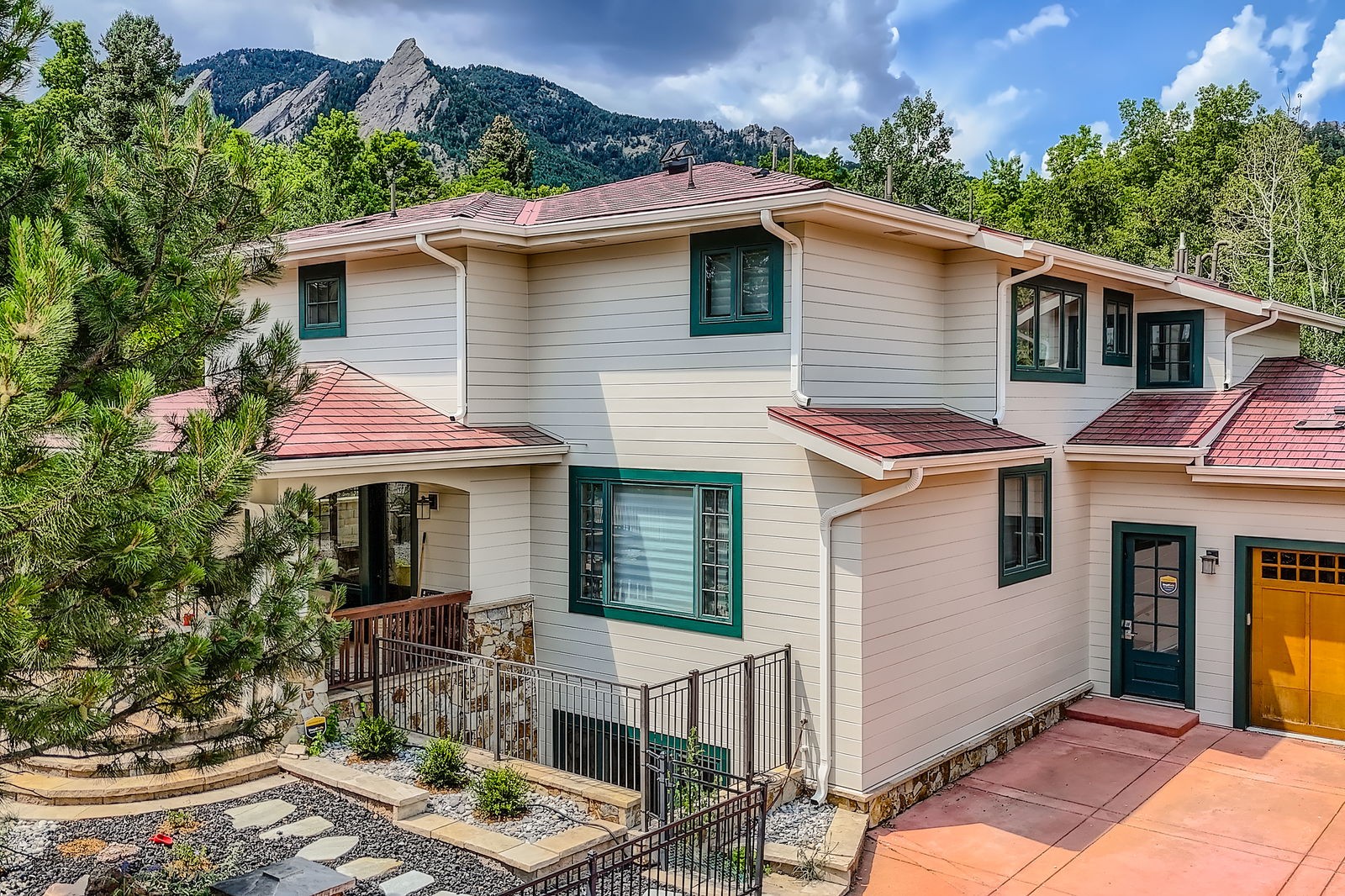
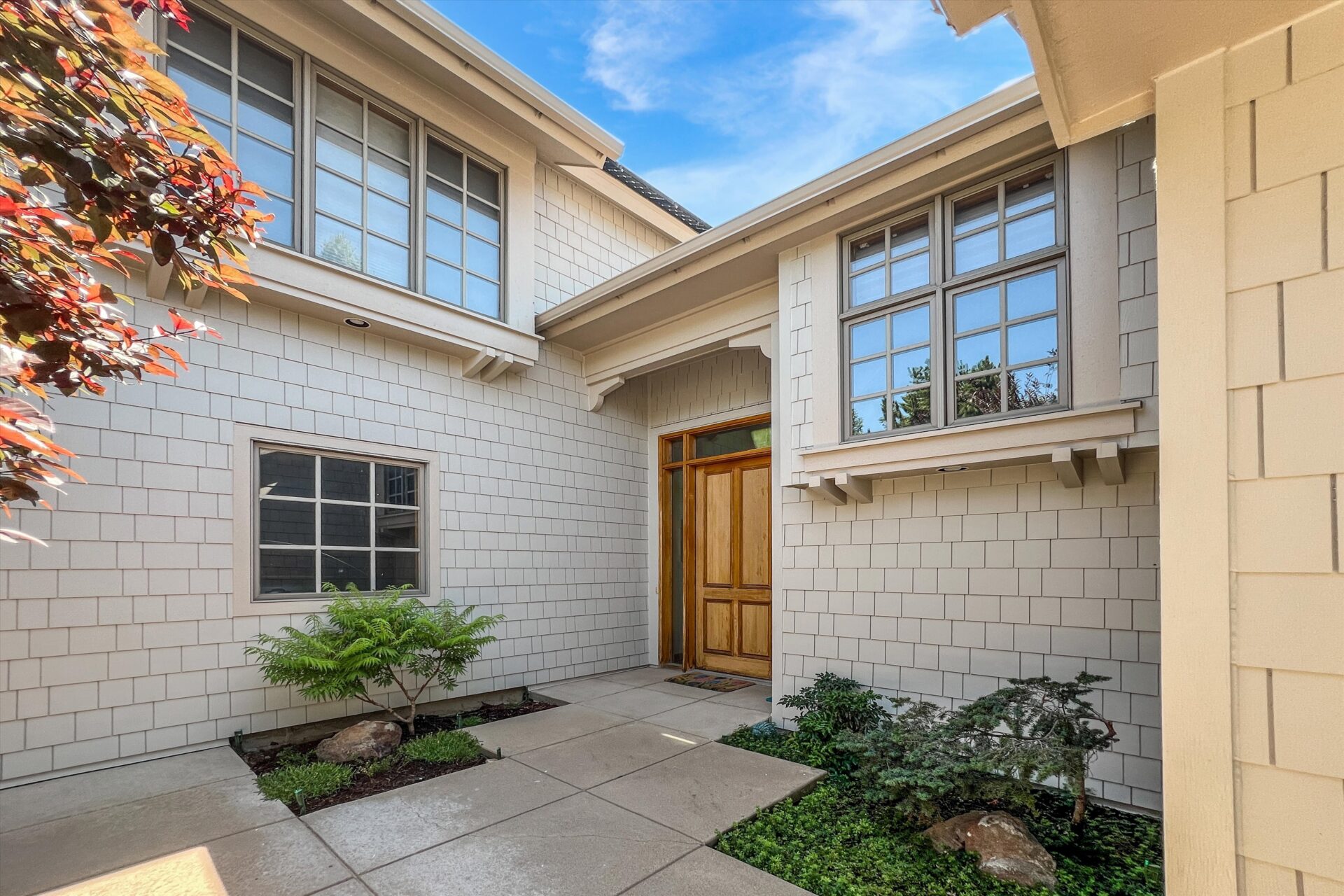
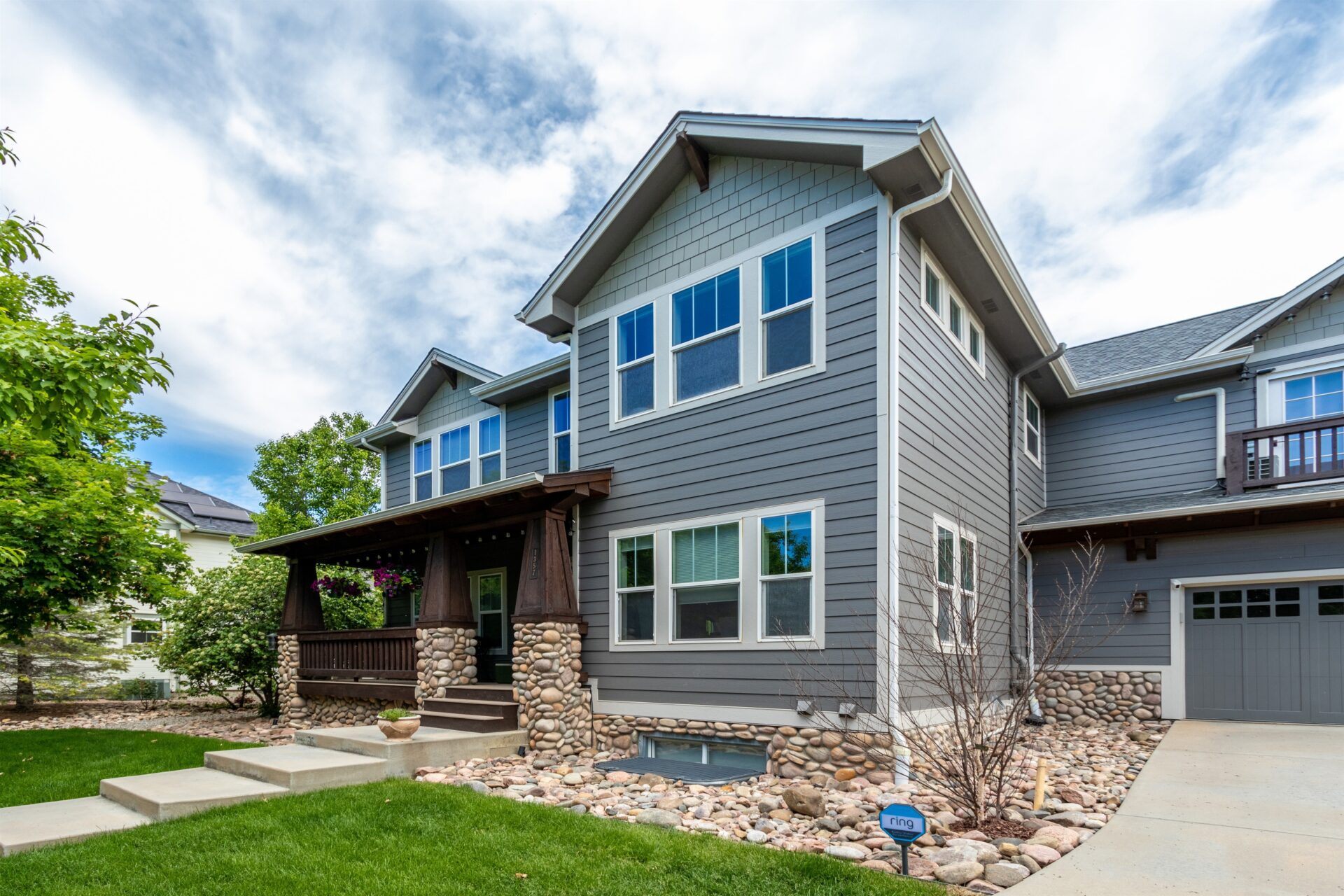
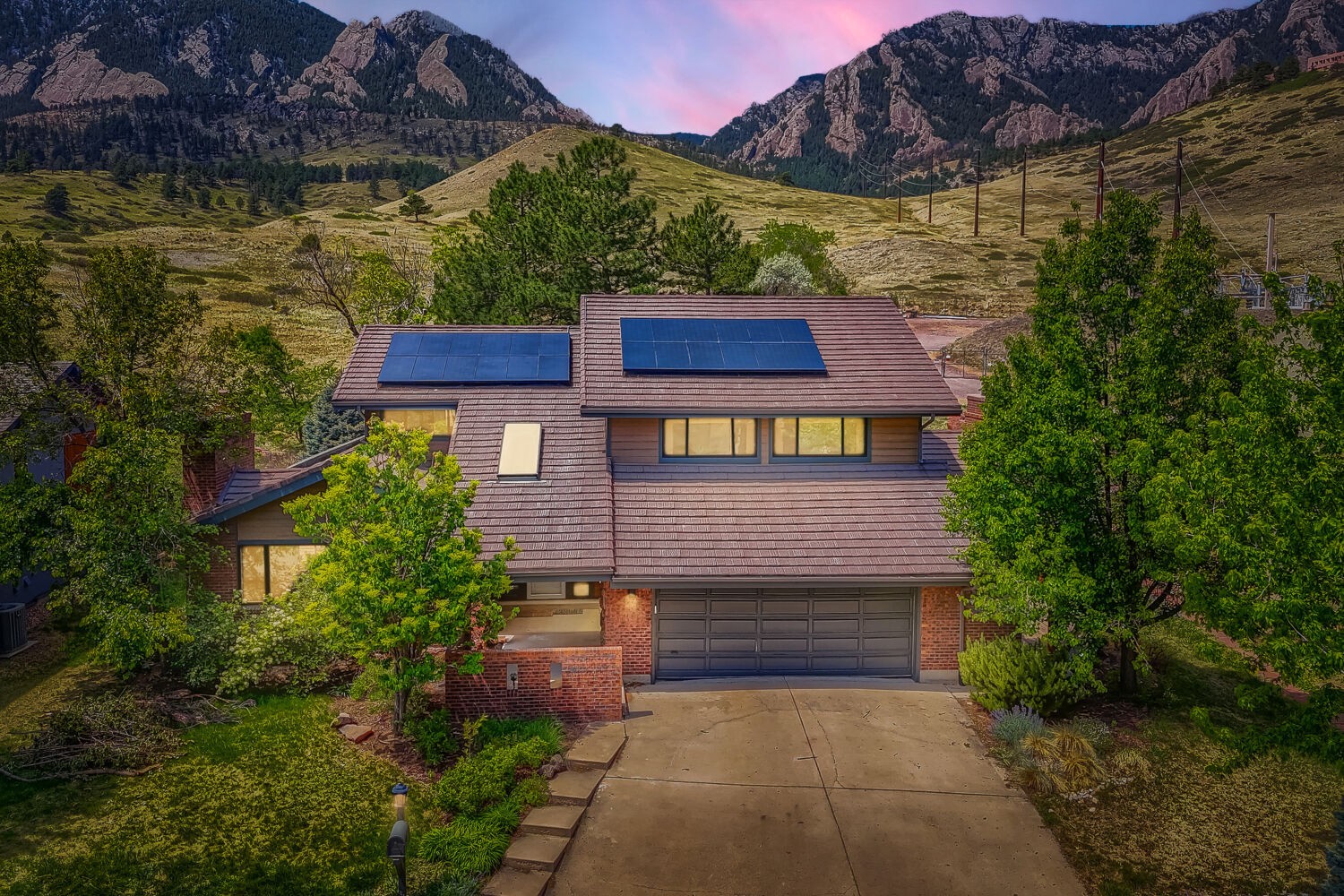
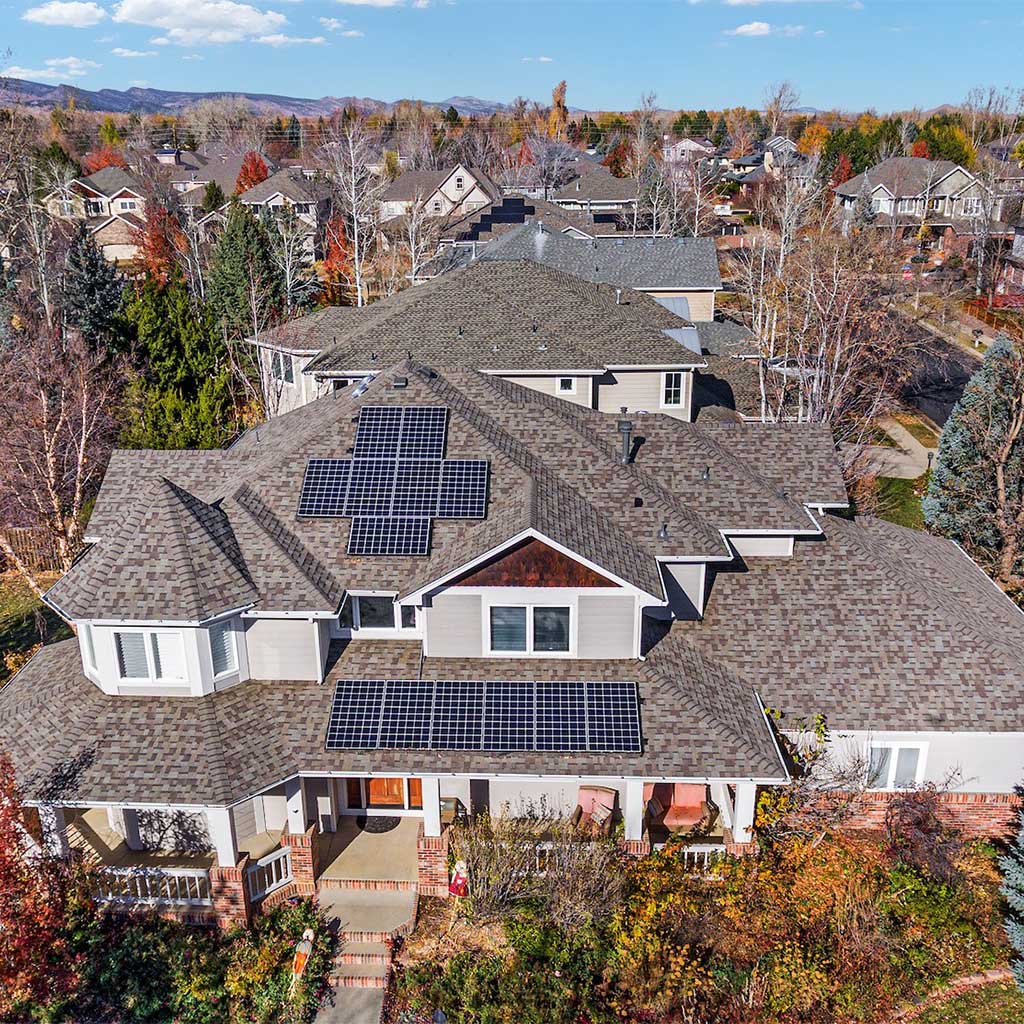
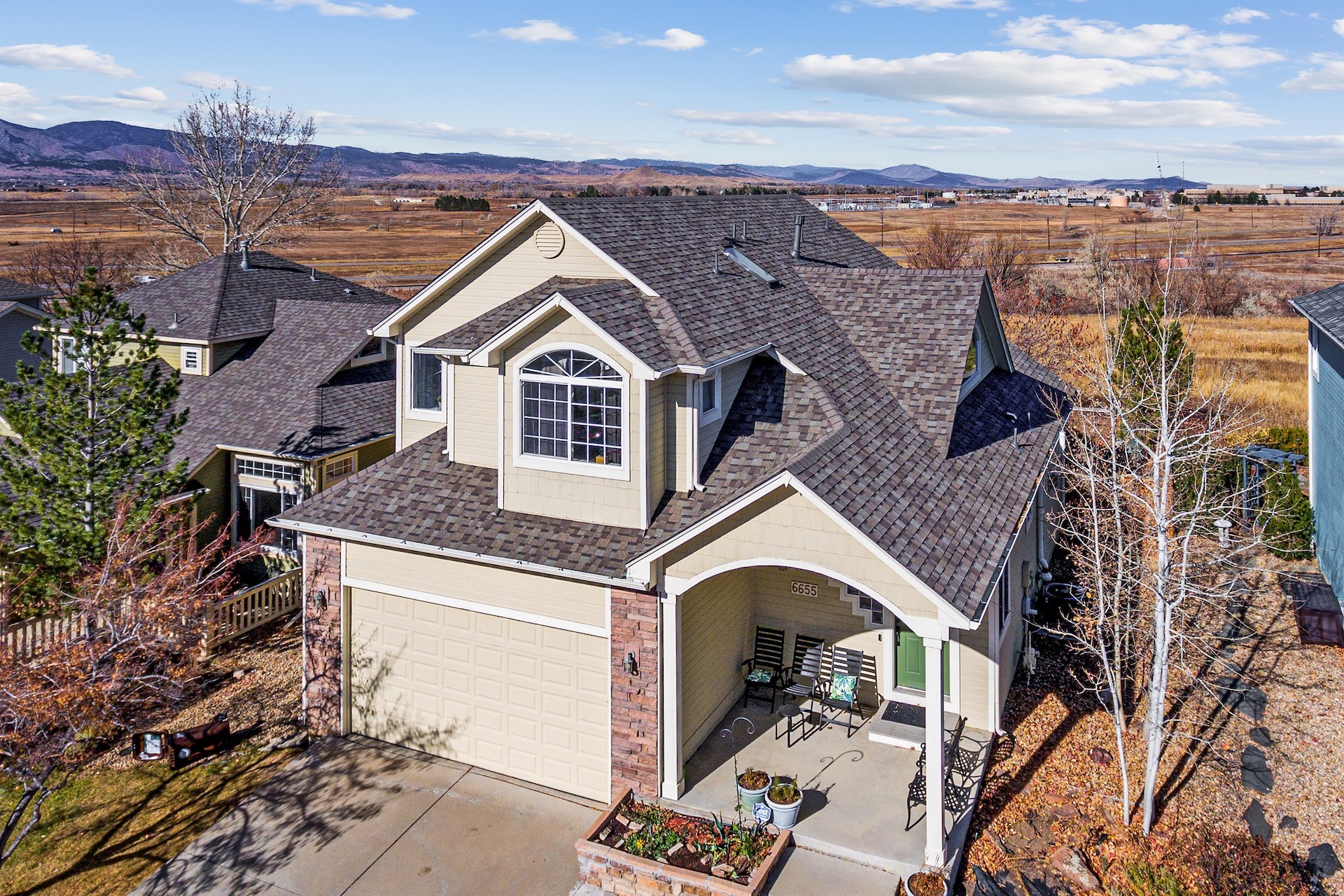
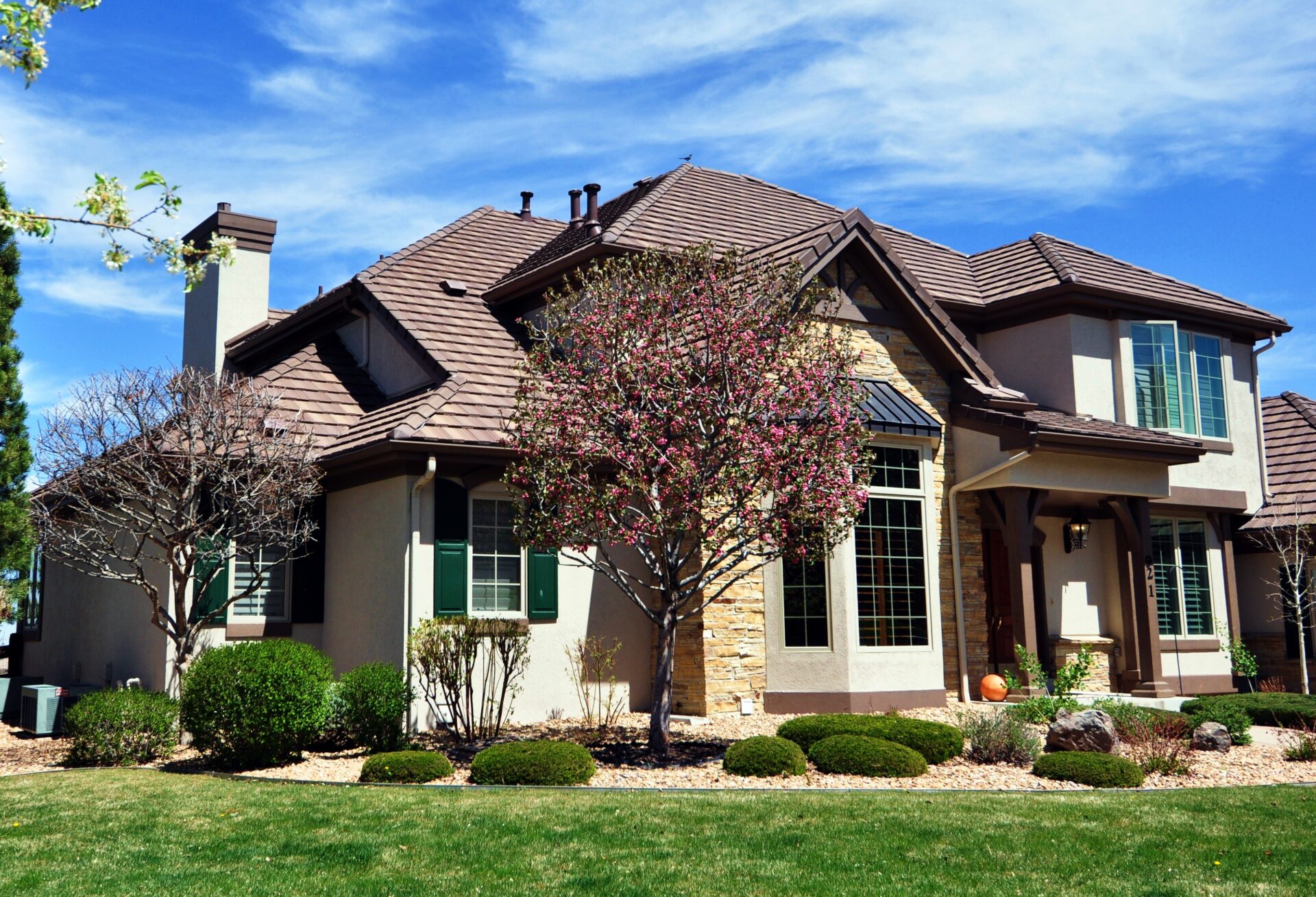
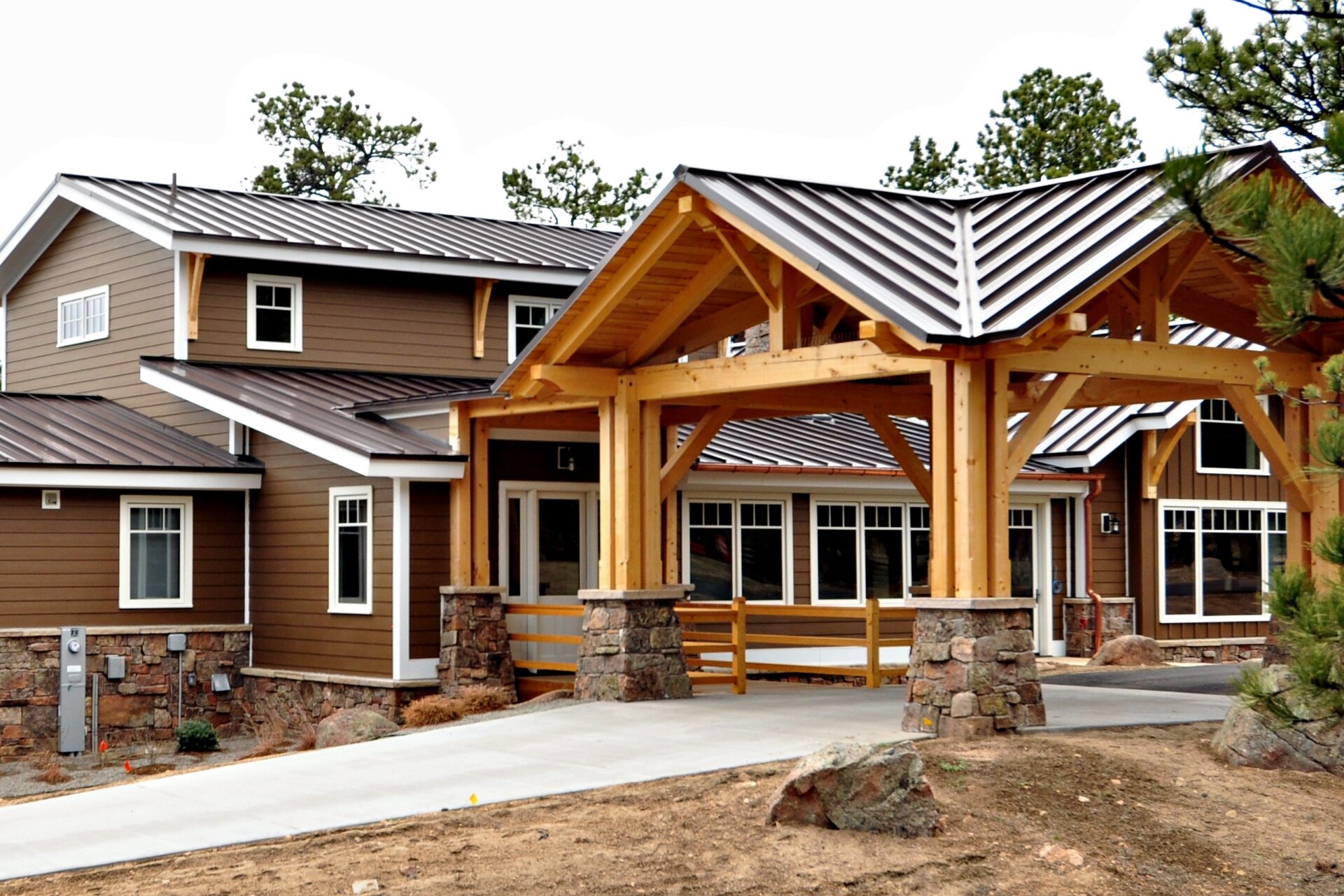
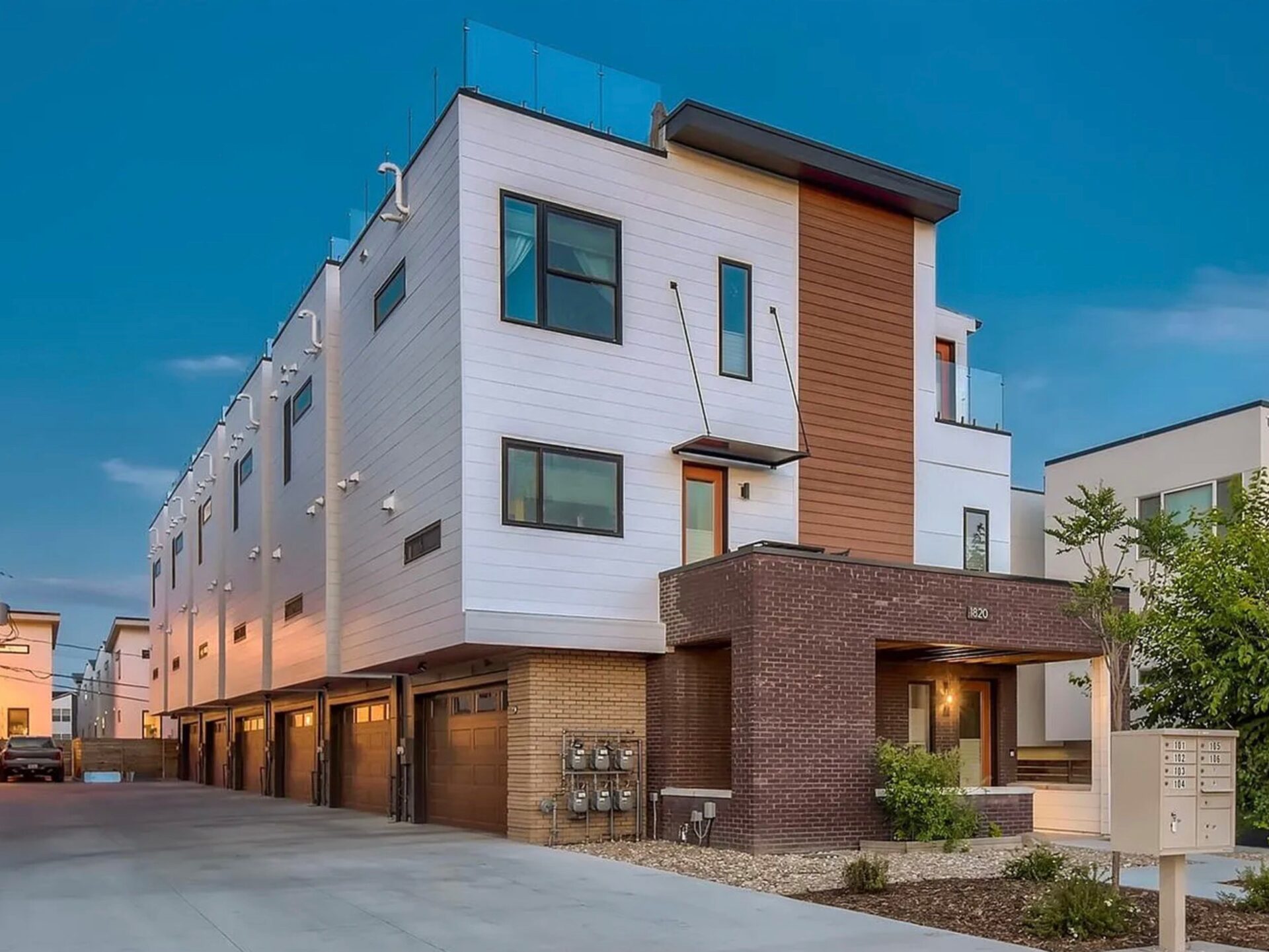
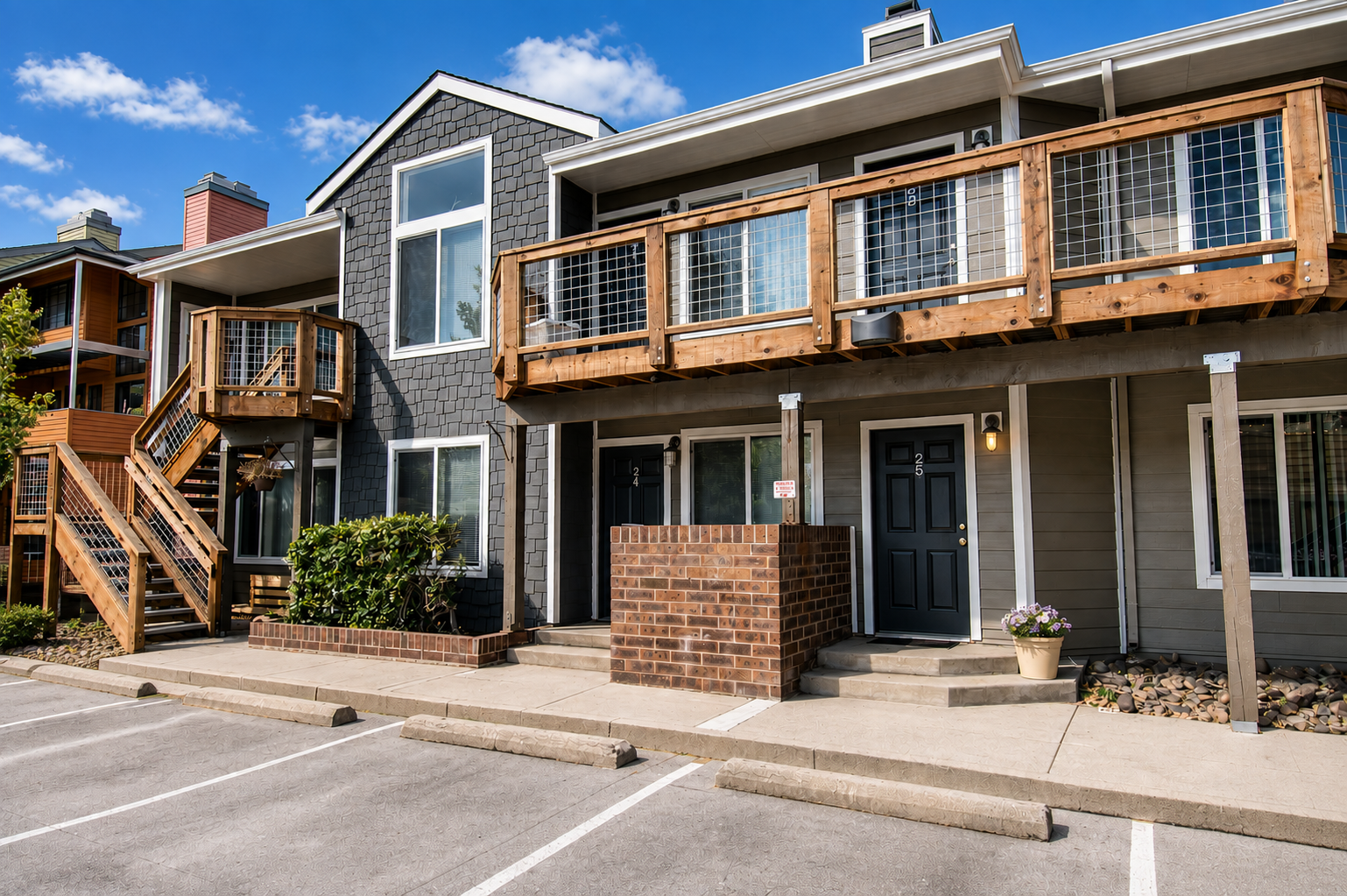
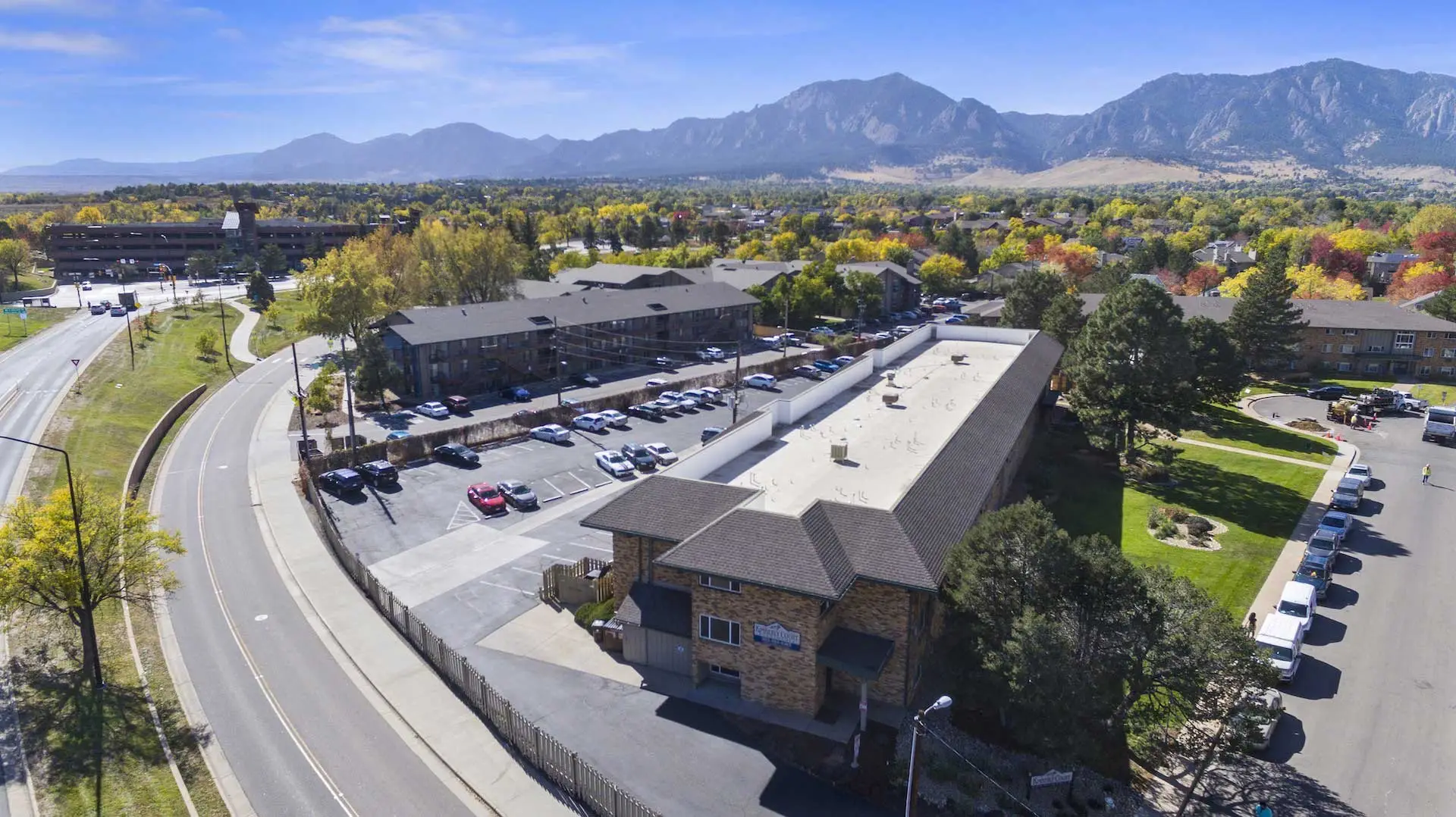
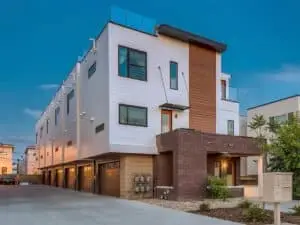
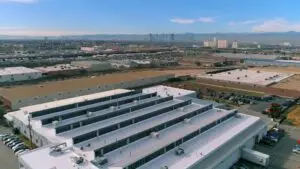
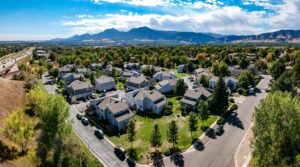
Commercial & Multifamily Projects
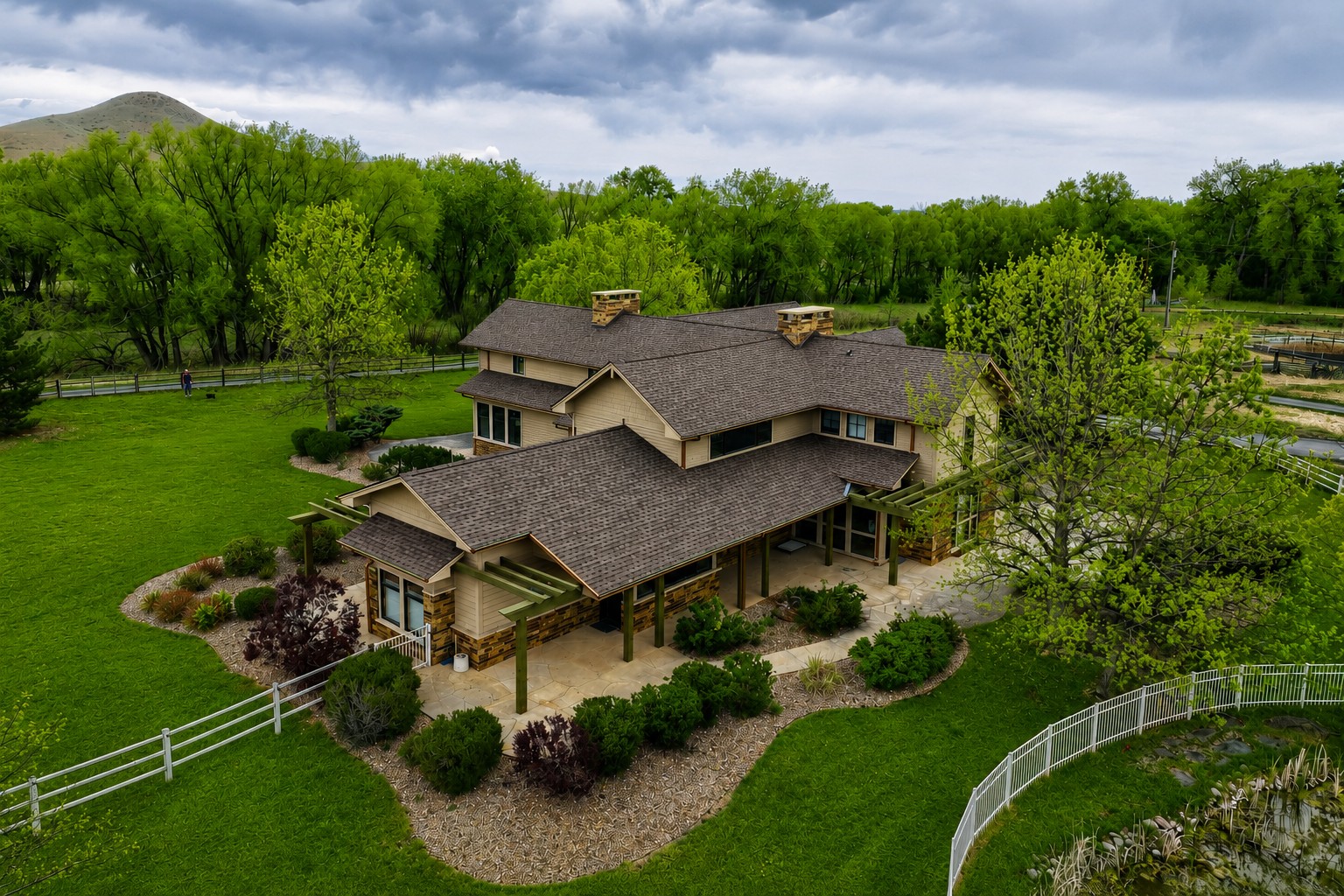
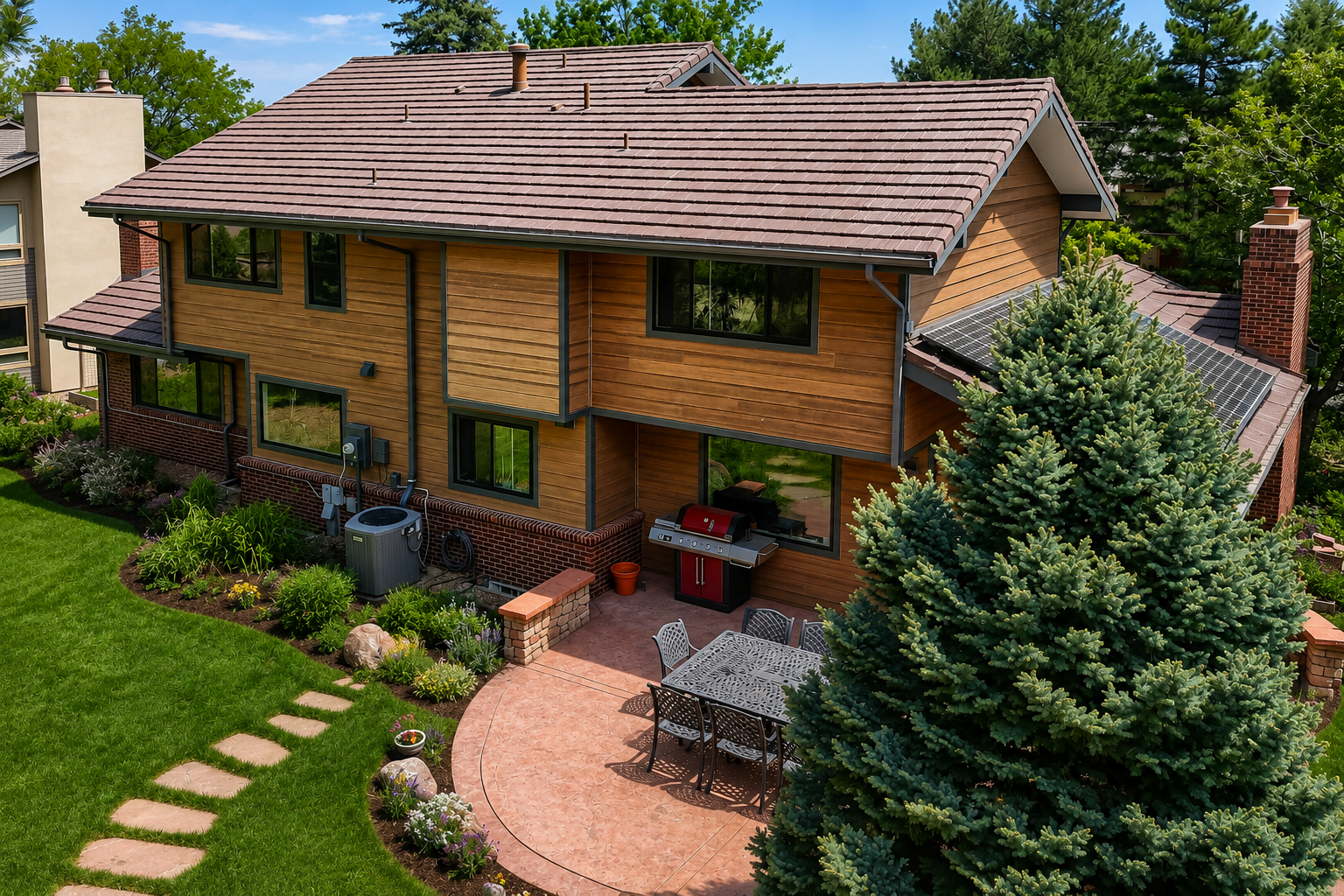
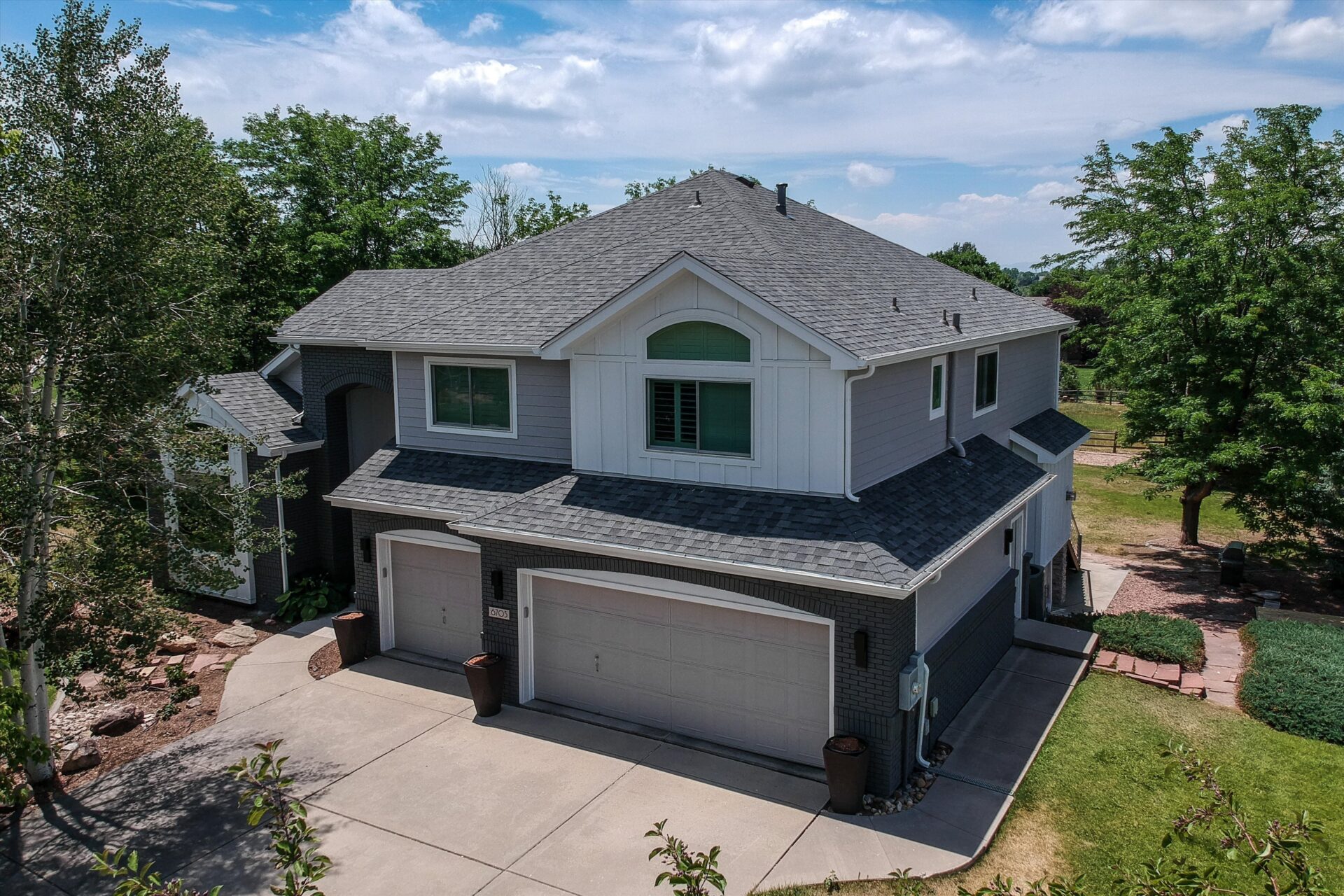
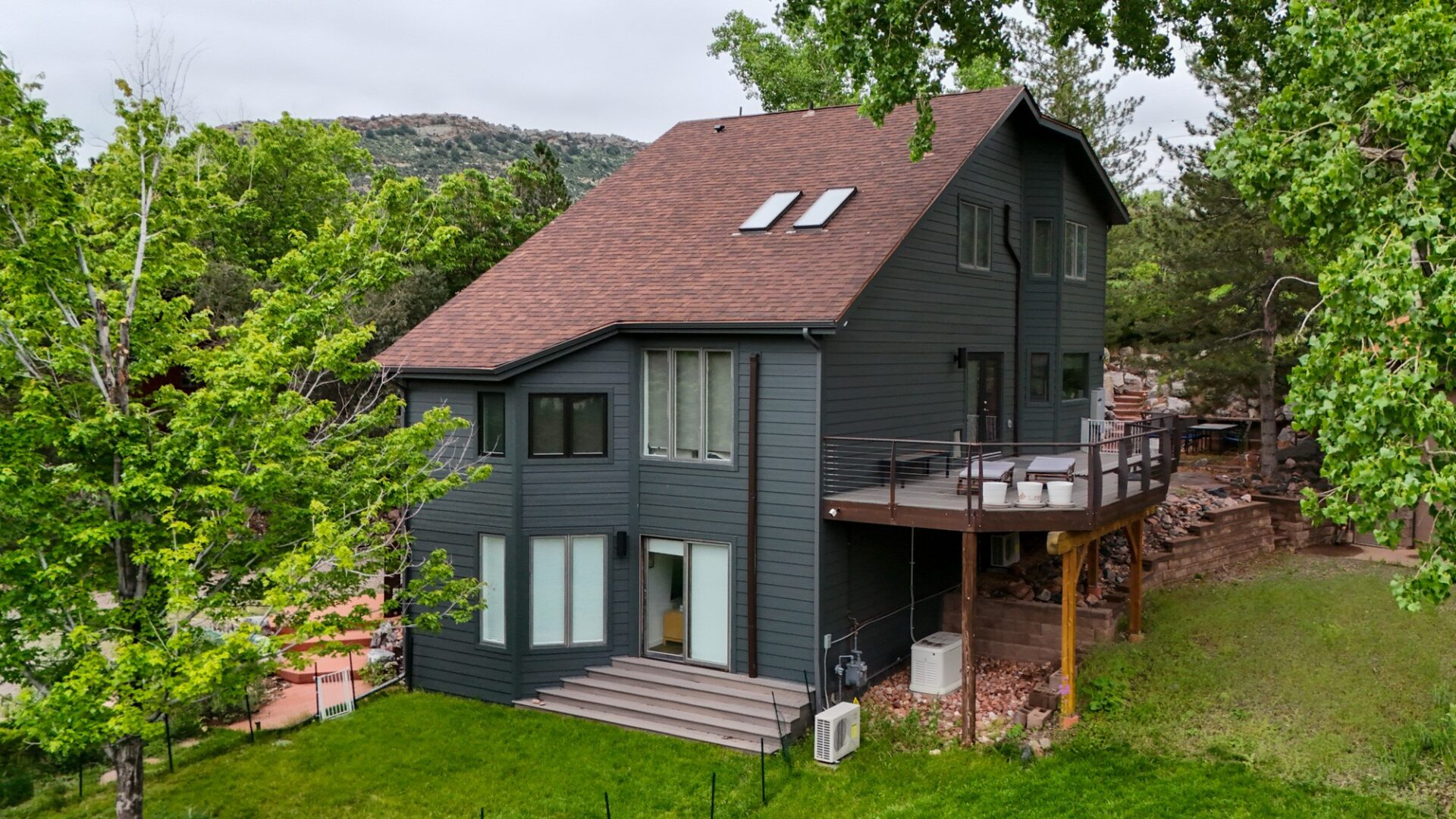
Commercial, multifamily and HOA exterior projects across the Front Range.

Nearby Cities We Also Serve
Crews run across the Denver metro rather than out of a single branch, so the towns either side of Northglenn are ordinary work for us, not a travel job:
Northglenn Commercial Exteriors — Frequently Asked Questions
How do you price a roof when nobody knows how many layers are up there?
We find out before quoting rather than after. Core samples and probes tell us the layer count, the deck condition and whether there is trapped moisture, so the tear-off quantity in your proposal is measured rather than assumed. What genuinely cannot be known in advance — a wet deck, rotted sheathing — is priced at a stated unit rate agreed up front, so a discovery costs you a known number instead of an argument. A bid on a 1960s Northglenn building that is materially cheaper than the others has usually skipped this step.
Our building has been re-roofed before. Does it all have to come off?
Often yes, and the honest answer is that it depends on what the cores show. Layers add weight, trap moisture and hide the deck, and a code limit applies to how many can remain. We would rather tell you at the investigation stage that a full tear-off is needed than discover it mid-project — the cost difference between the two conversations is large and it is always the owner who pays it.
Do you work with HOA boards and property managers in Northglenn?
Yes, and a great deal of Northglenn’s multifamily stock is exactly the age where this comes up. What a board needs beyond the construction is a scope it can vote on: options and costs separated rather than one number, condition reporting a reserve study can use, phasing across buildings in a defensible order, and someone willing to come to the meeting. We do all four, and we write it so it still makes sense to a board that has turned over.
What commercial roofing systems do you install?
For the low-slope roofs behind parapets that dominate Northglenn’s retail and office stock, we install TPO, EPDM and modified bitumen, with tapered insulation, parapet and coping detailing, and drain and scupper work. On steep-slope sections it is architectural asphalt, Class 4 impact-resistant shingles or standing seam metal. Buildings carrying more than one system run under a single contract rather than being split between trades who then disagree about the transition.
Can you tell storm damage from age on an old roof?
That is usually the entire argument with a carrier on a building this age, and photographs taken before any work starts are what settle it. Adams County takes hail, and an older roof may have been patch-repaired after previous storms rather than replaced, so the claim history matters as much as the current condition. We document condition thoroughly and support the claim; we do not tell you what your adjuster will decide.
Will the work disrupt our tenants?
Tear-off on an old roof is loud and it smells, and pretending otherwise is how contractors lose tenants for their clients. What we can do is name the days in advance, tell the tenants ourselves rather than leaving your property manager to field the calls, and plan staging around the arrangements long-tenured businesses depend on — a delivery bay, a customer entrance, a parking row. We ask which ones matter before we block one.
Do you do work outside Northglenn?
Yes. We have worked Colorado’s Front Range since 2001 and hold Colorado Class C general contractor license #C120350, covering Adams County and the wider northern corridor. Commercial and association clients frequently hold buildings in more than one town, and one contract across them is usually simpler and cheaper than one per municipality.