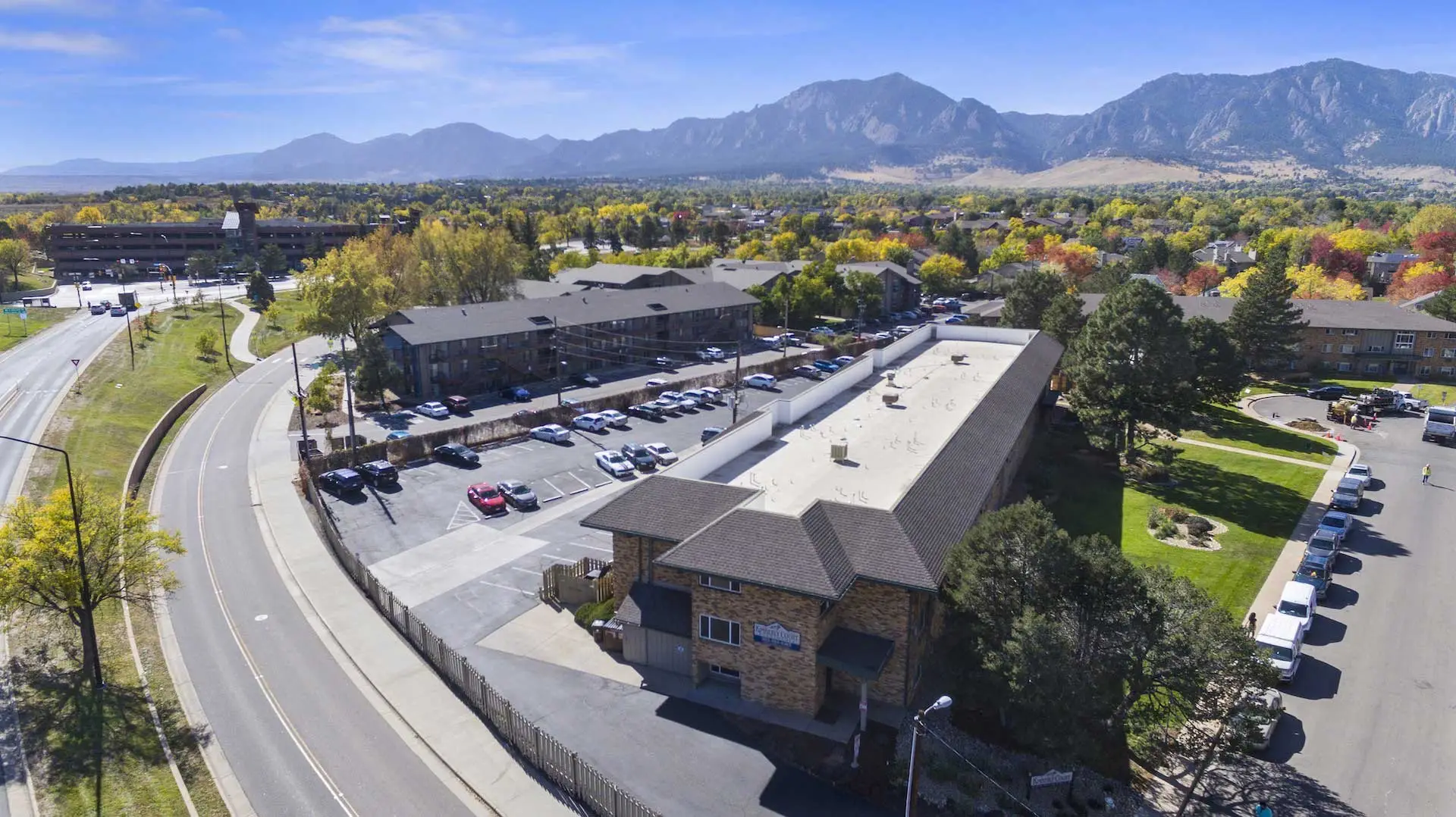
EPDM Roofing in Colorado | Commercial EPDM Roof Installation, Replacement & Repair
- Serving Colorado Since 2001
- Flat & Low-Slope Roofing Specialists
- Commercial, HOA & Multifamily Focus
- Repair, Replacement & Maintenance
- 4.9 Stars from 552 Reviews
Northern Lights Exteriors installs EPDM roofing systems for flat and low-slope commercial buildings across Denver and Northern Colorado. We help building owners, boards, and property managers compare black vs. white EPDM, fully adhered vs. mechanically attached systems, and repair vs. replacement strategy with clearer scopes, better communication, and long-term roof planning in mind.
See Recent EPDM Roofing Projects
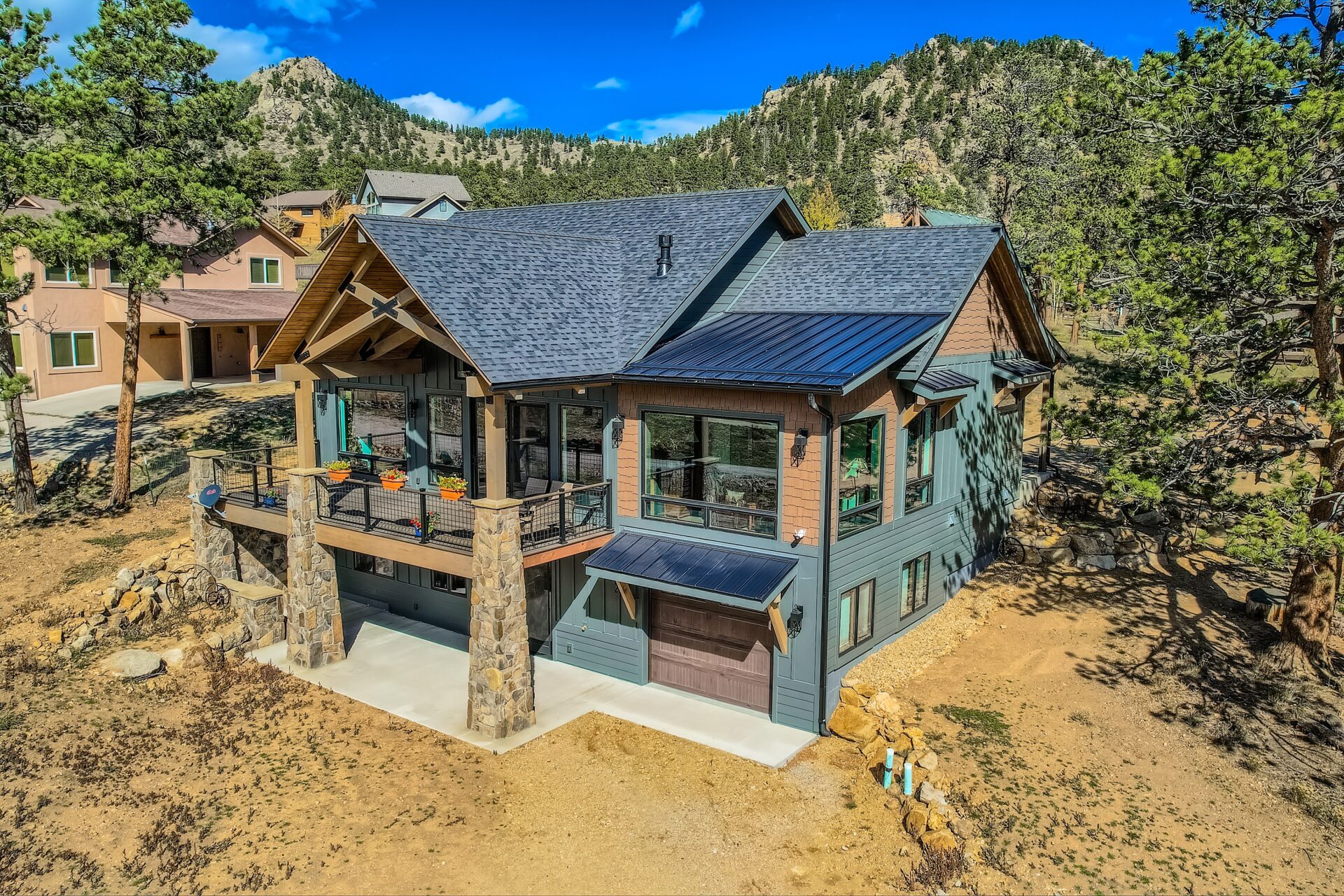
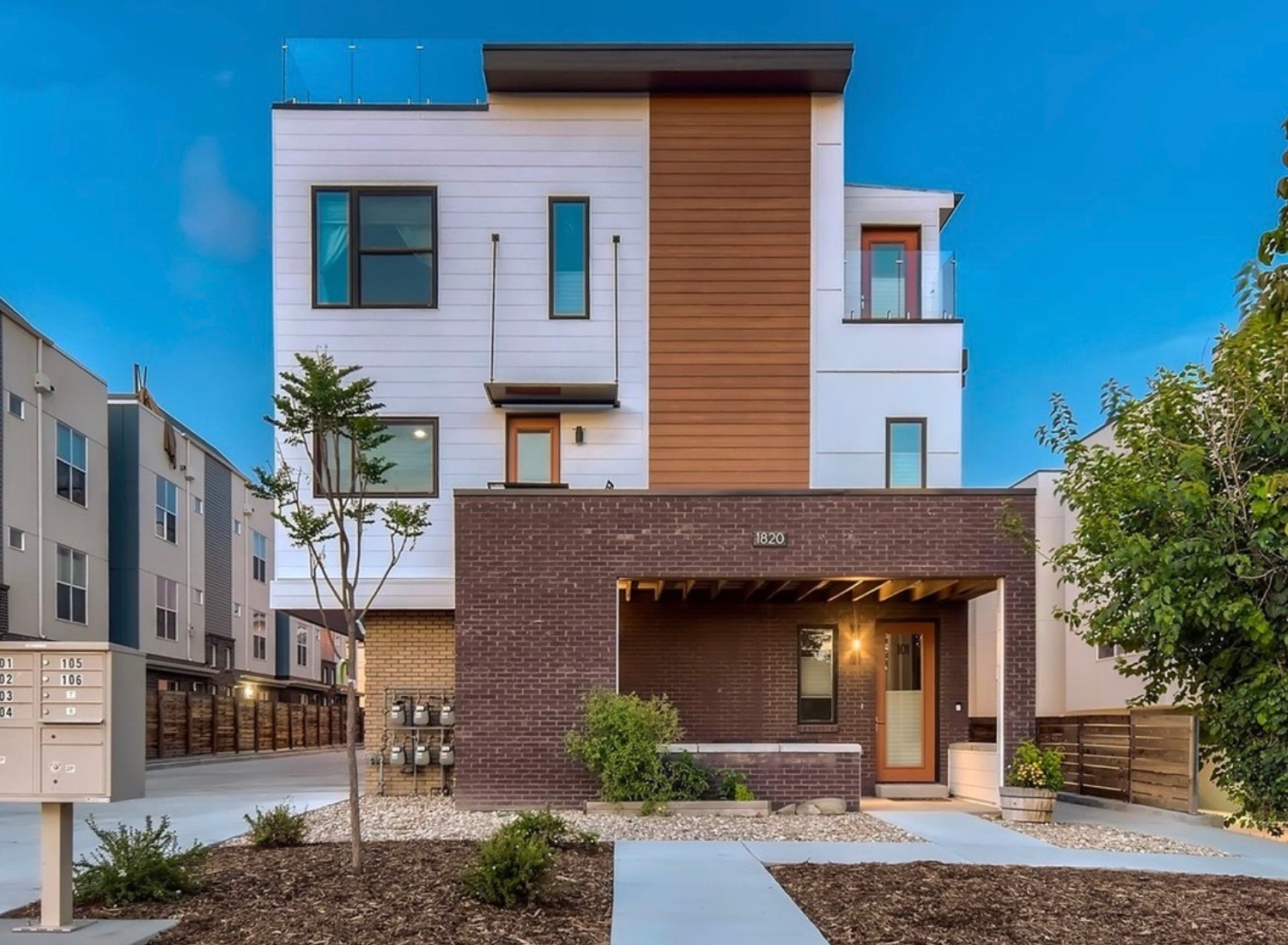
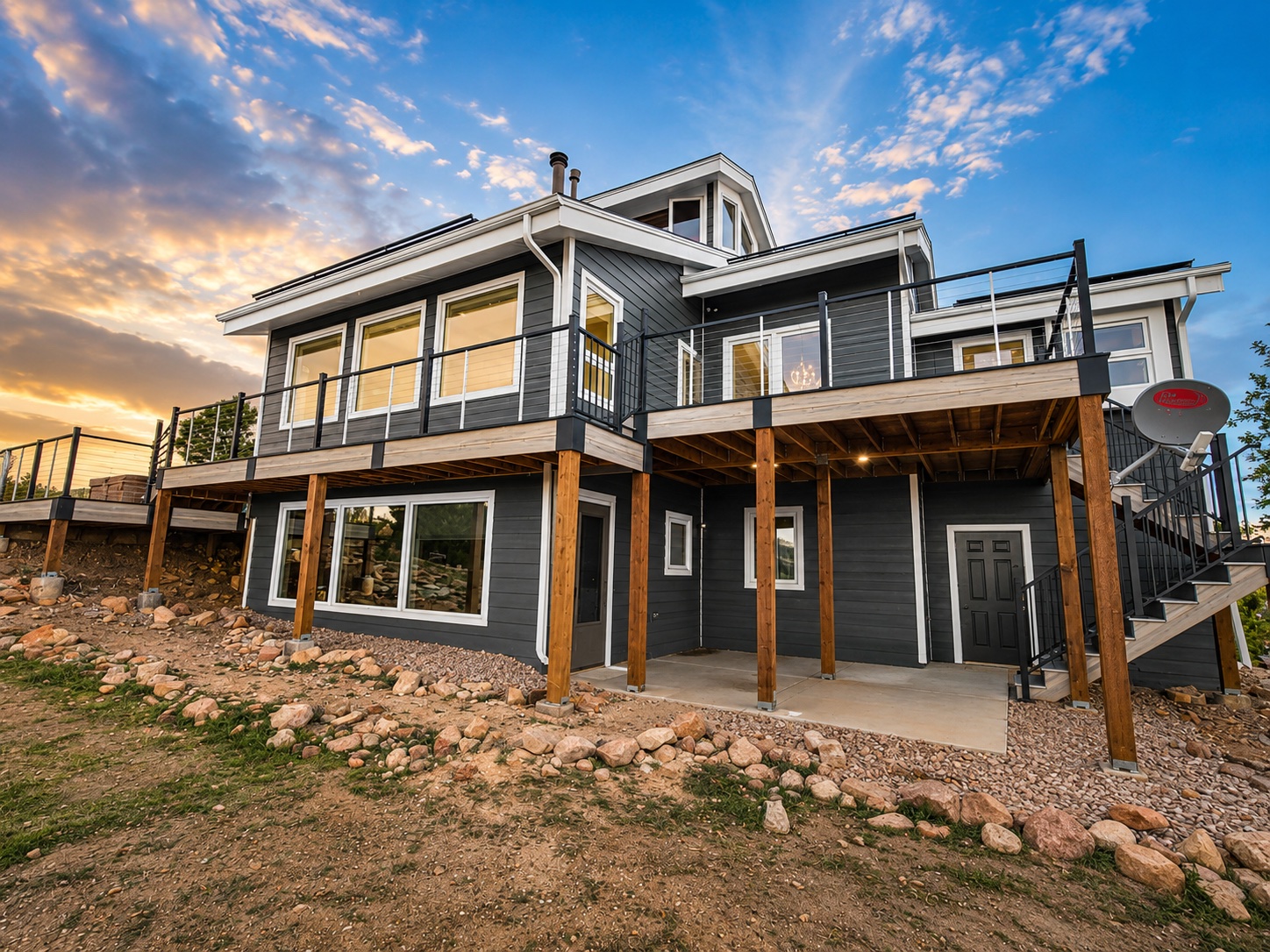
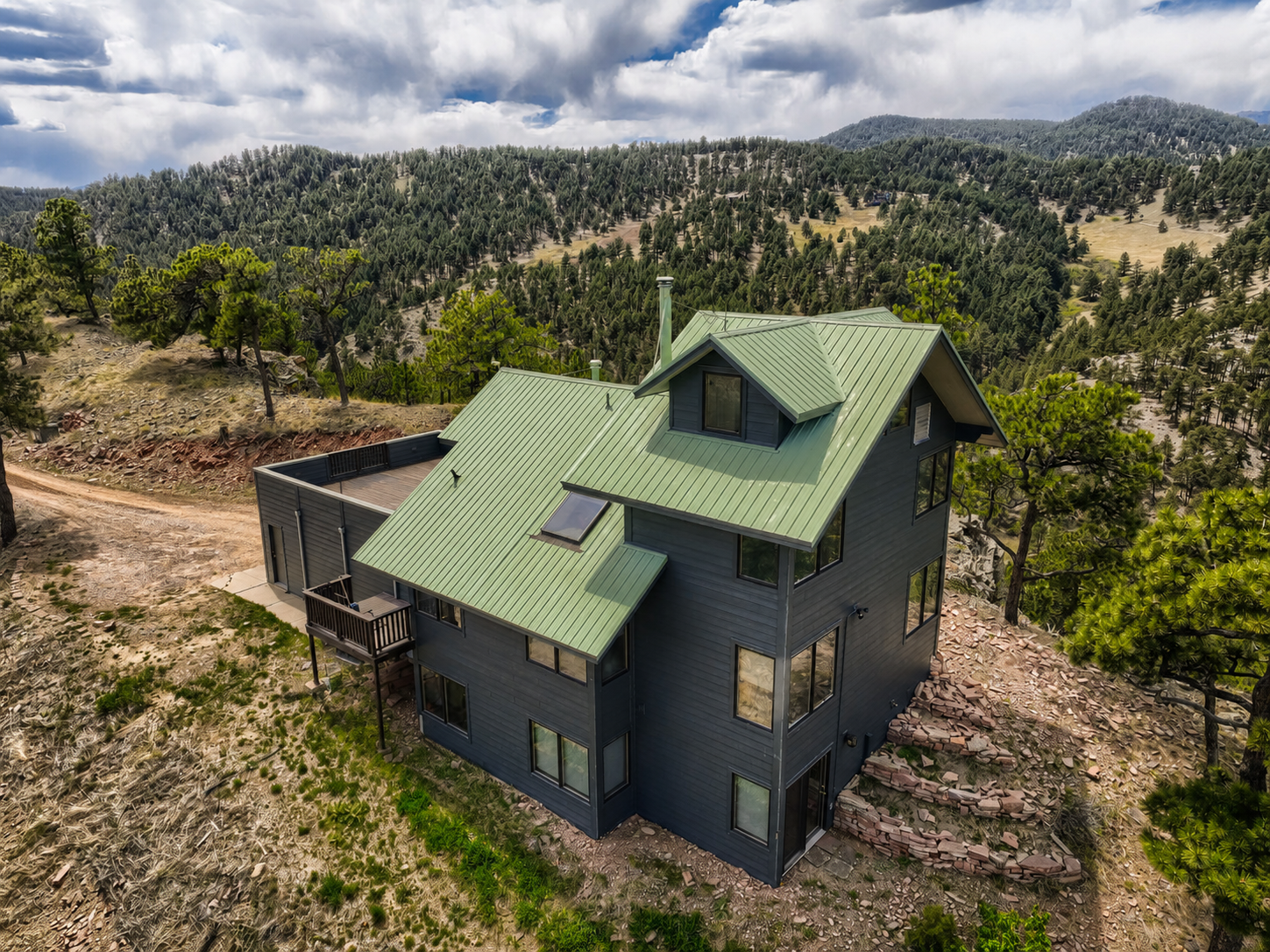
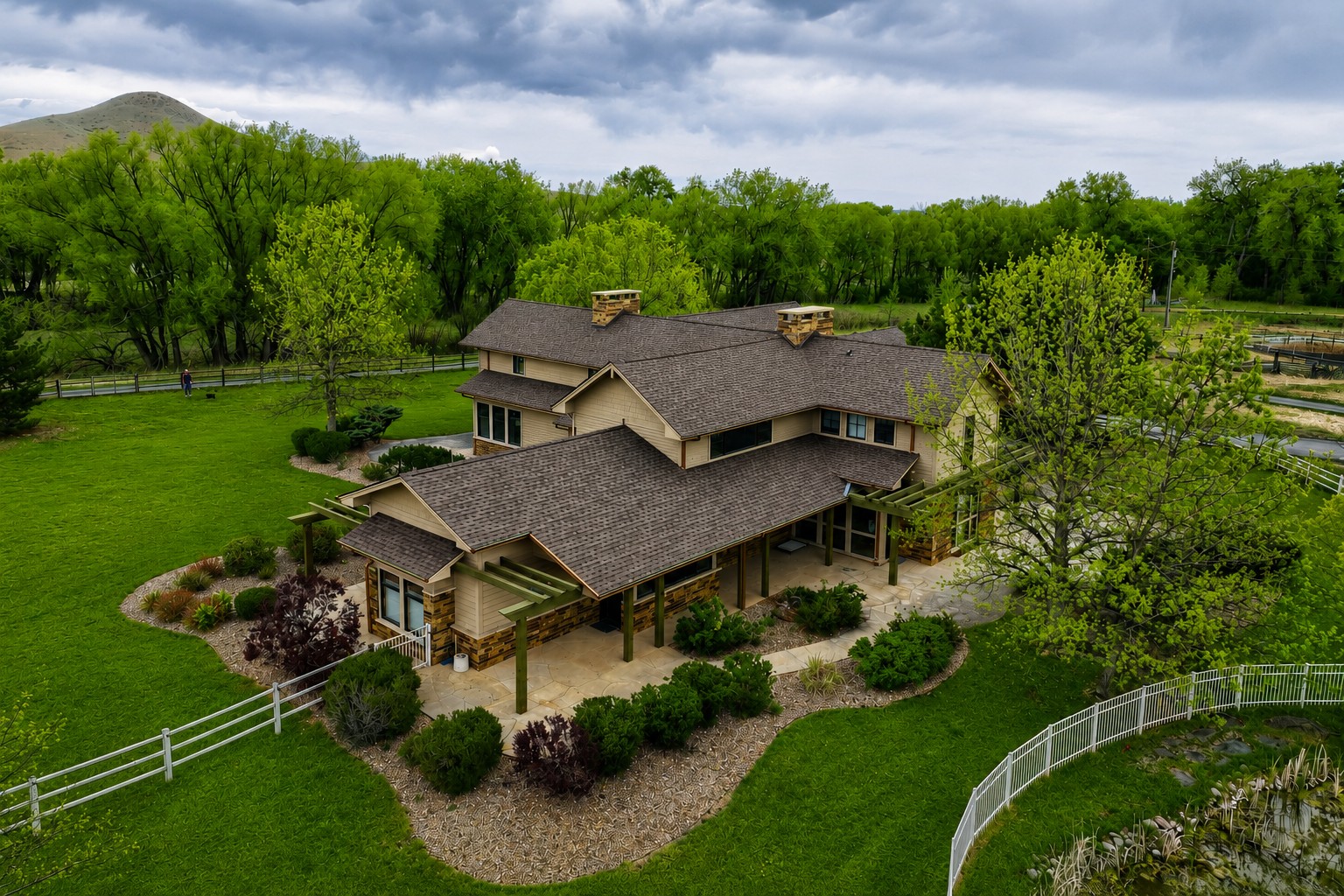
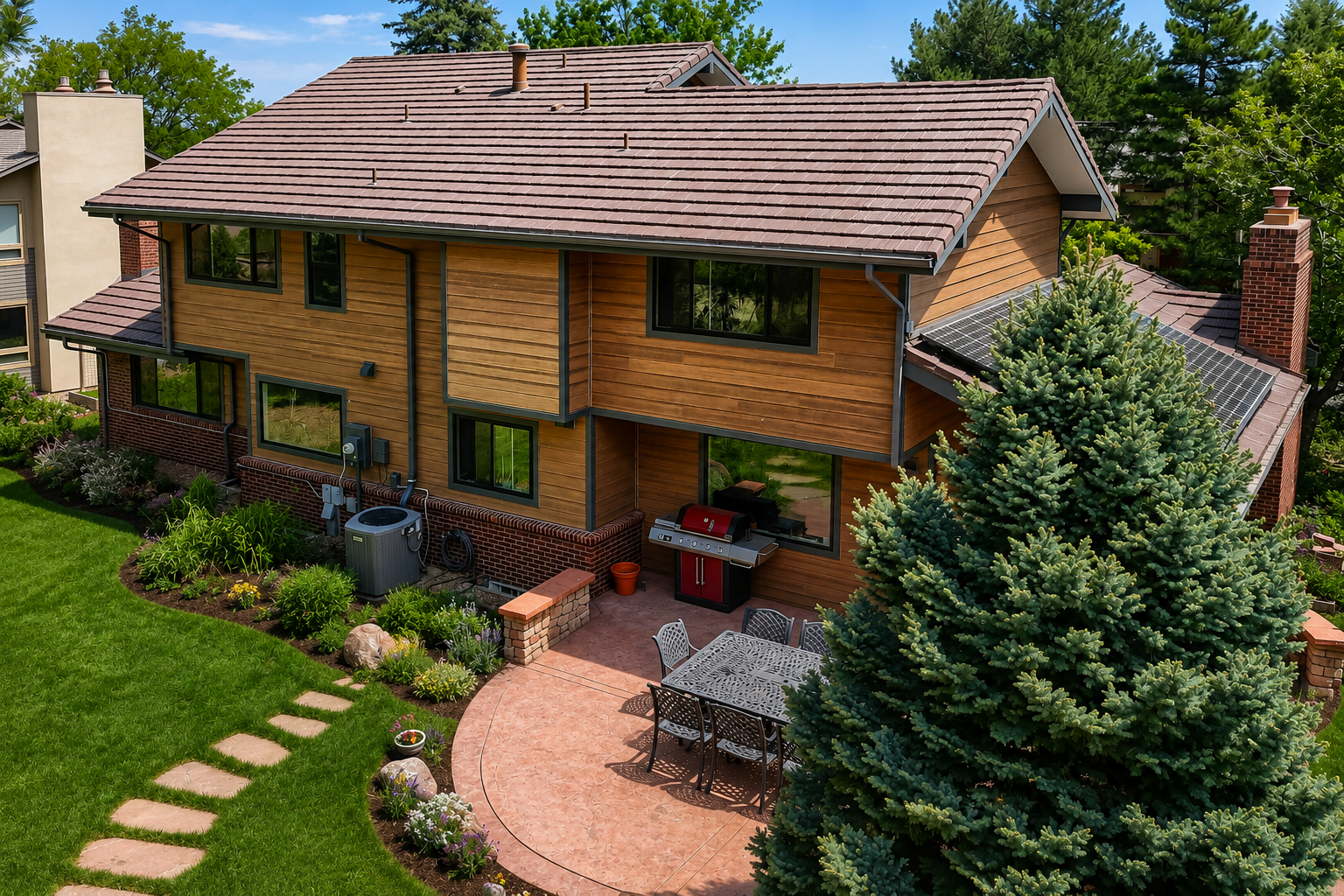
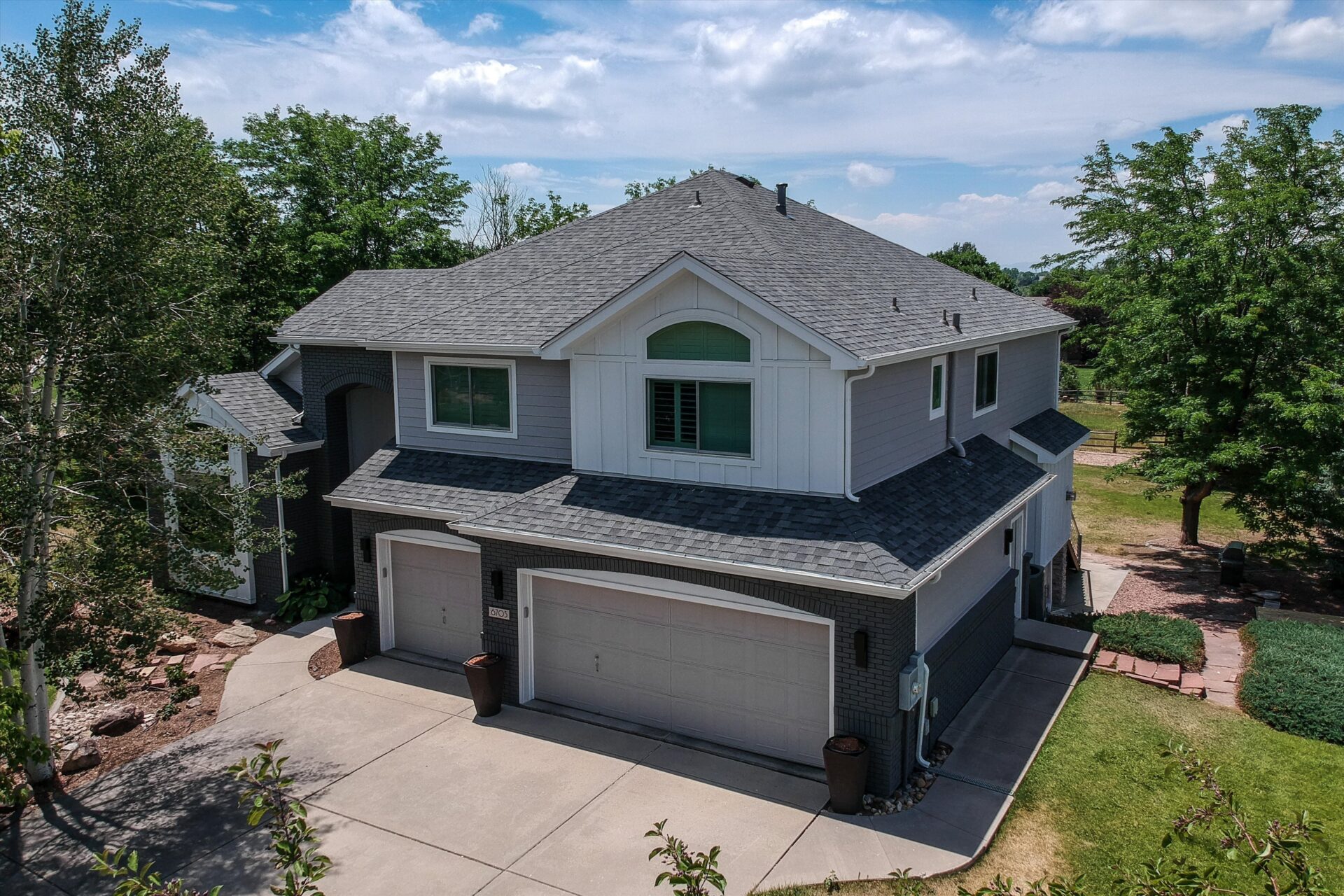
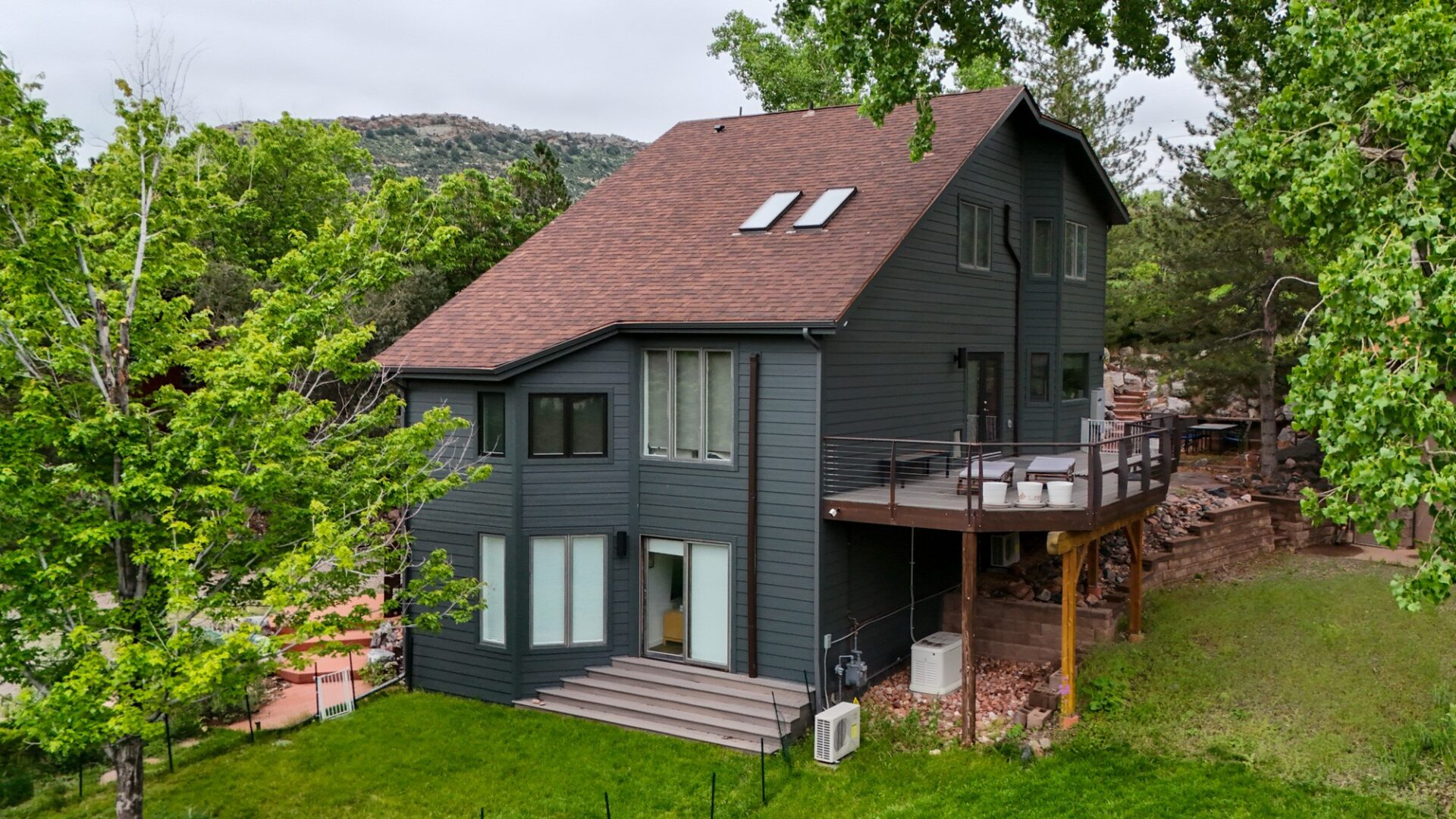
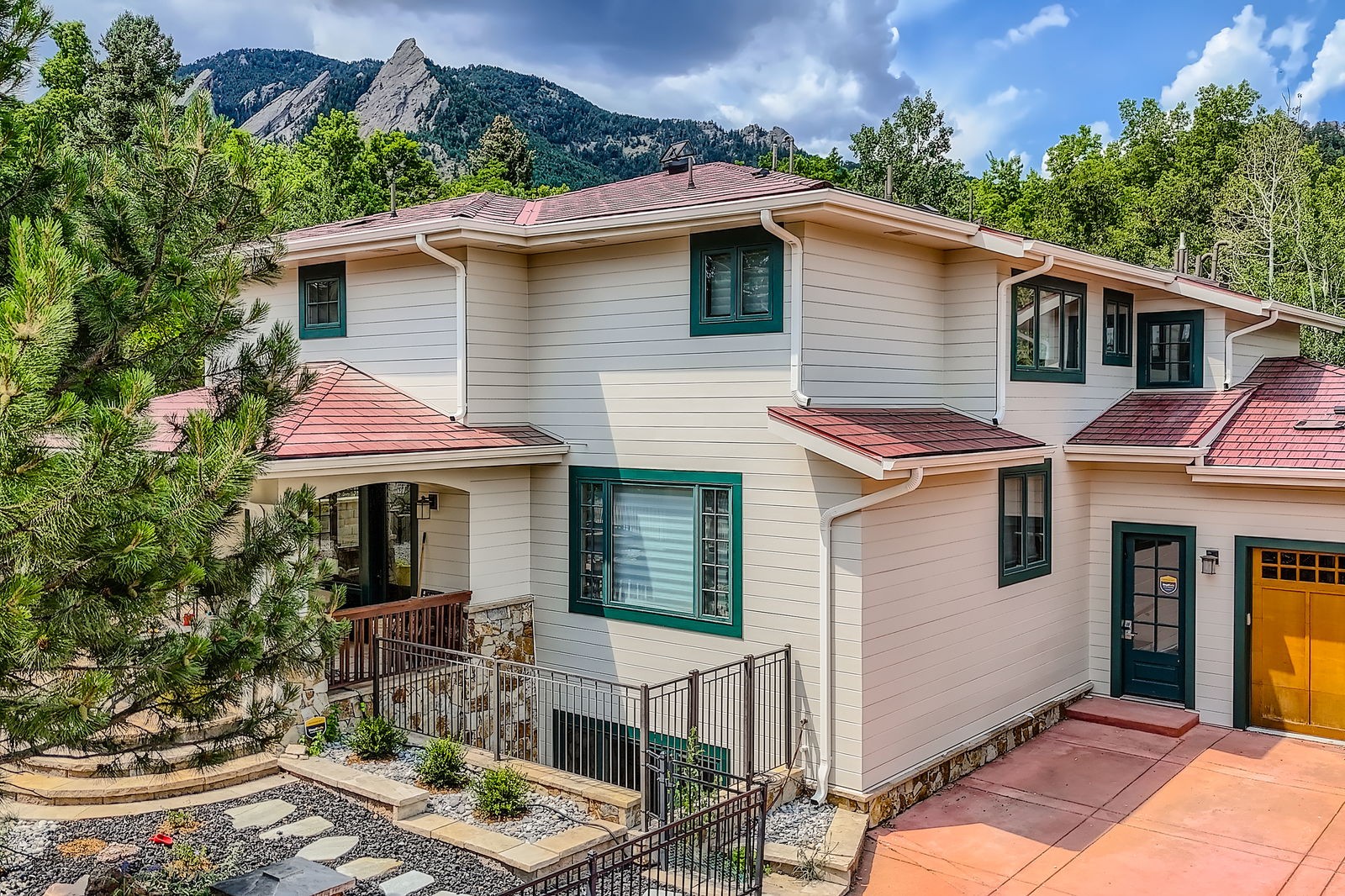
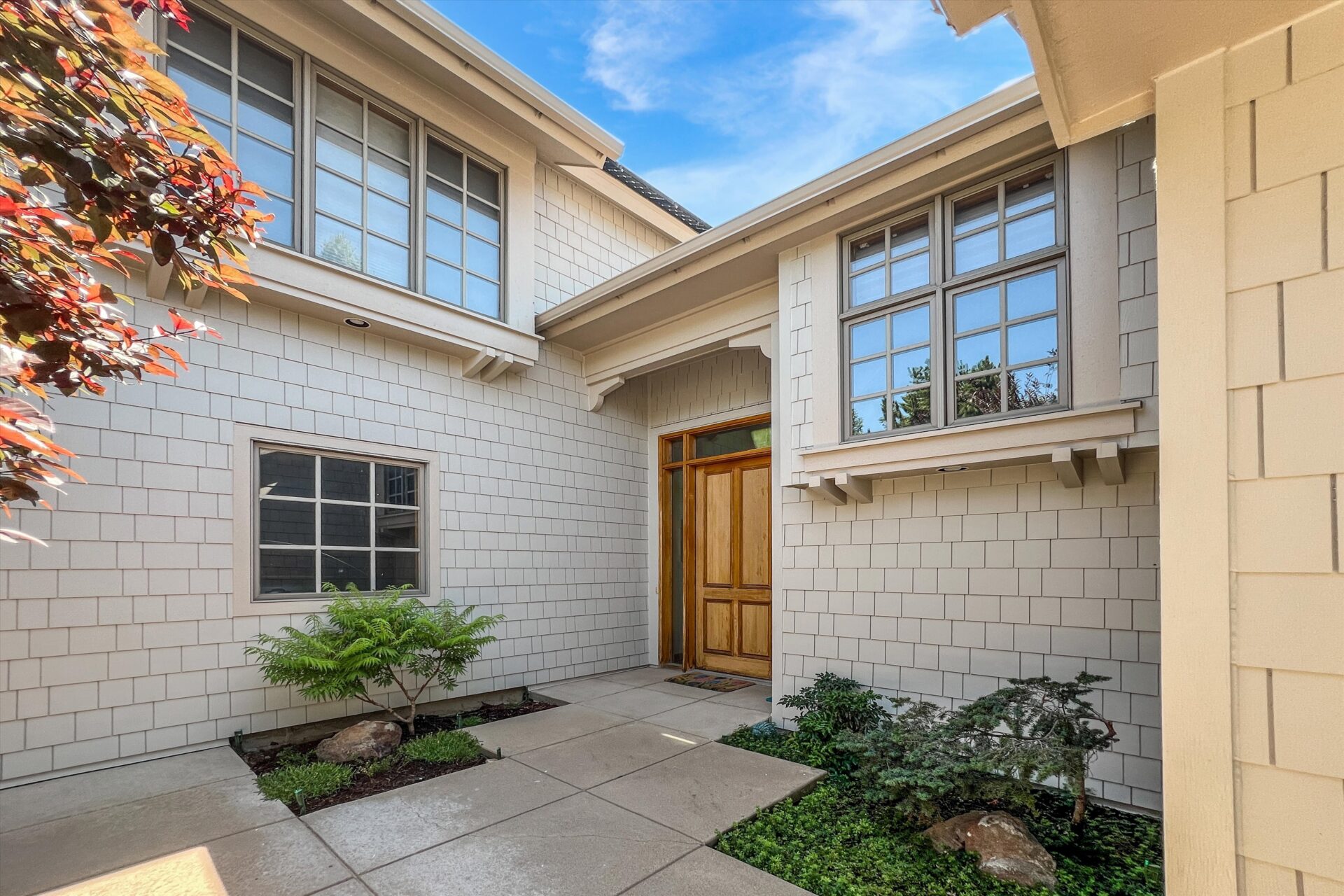
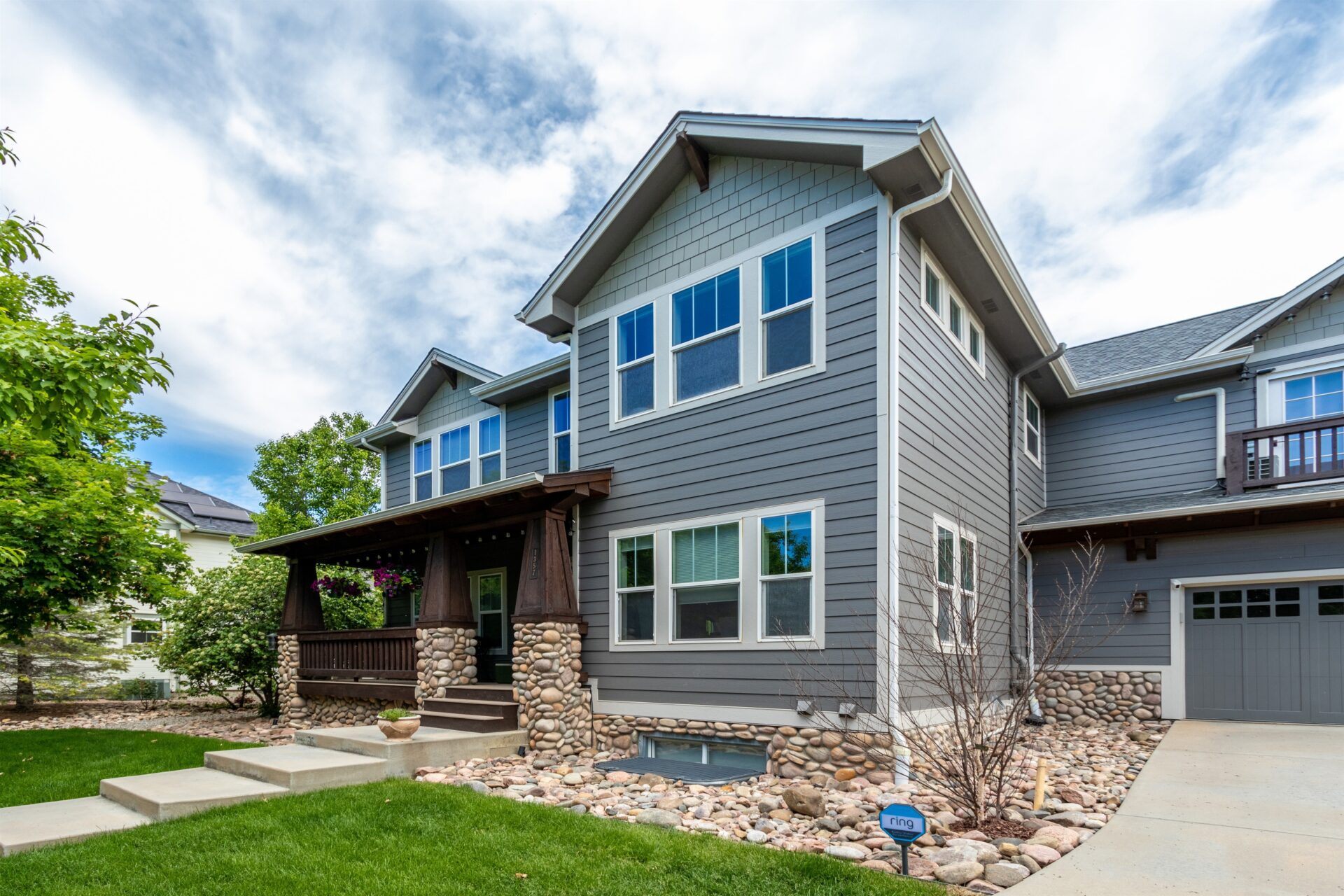
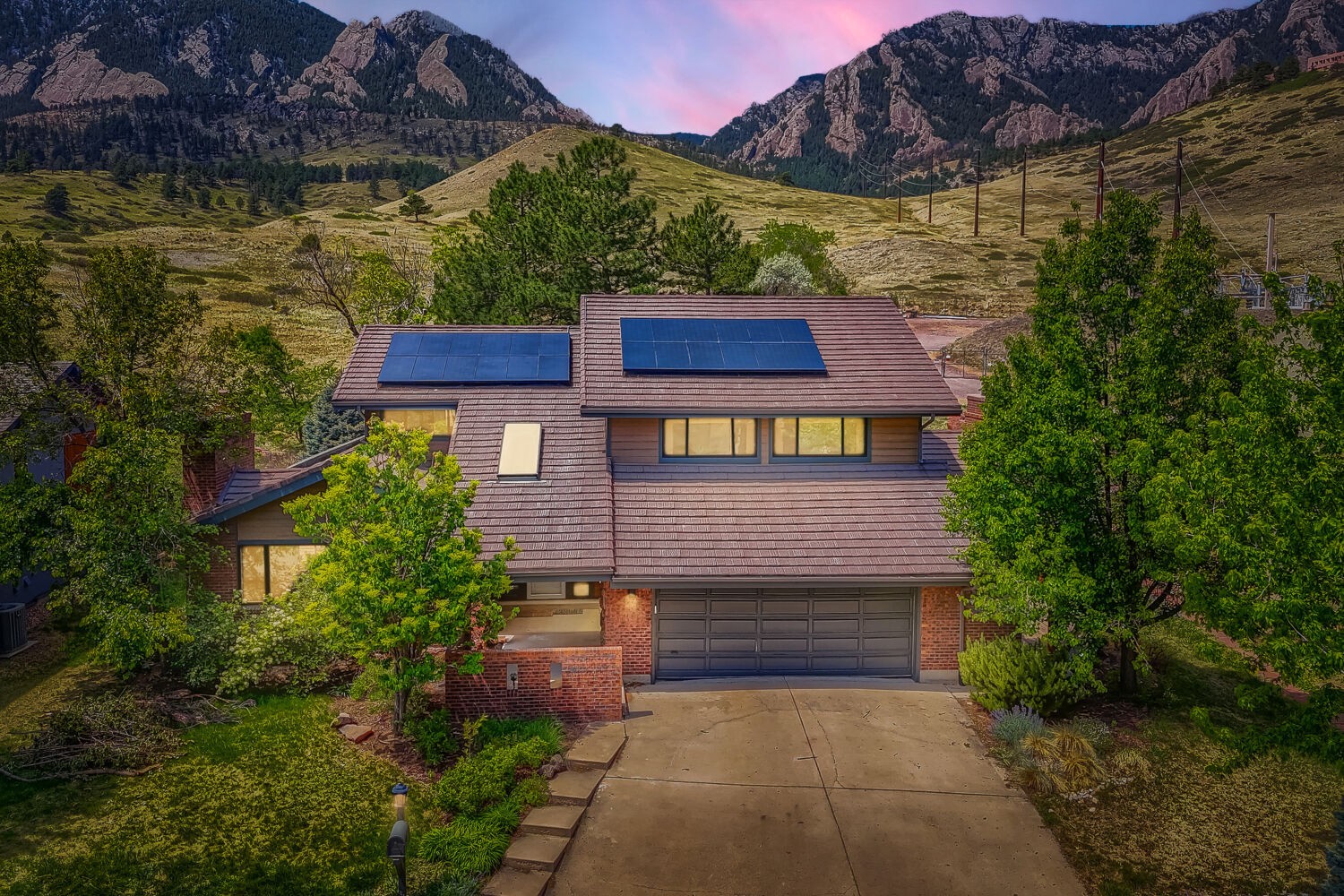
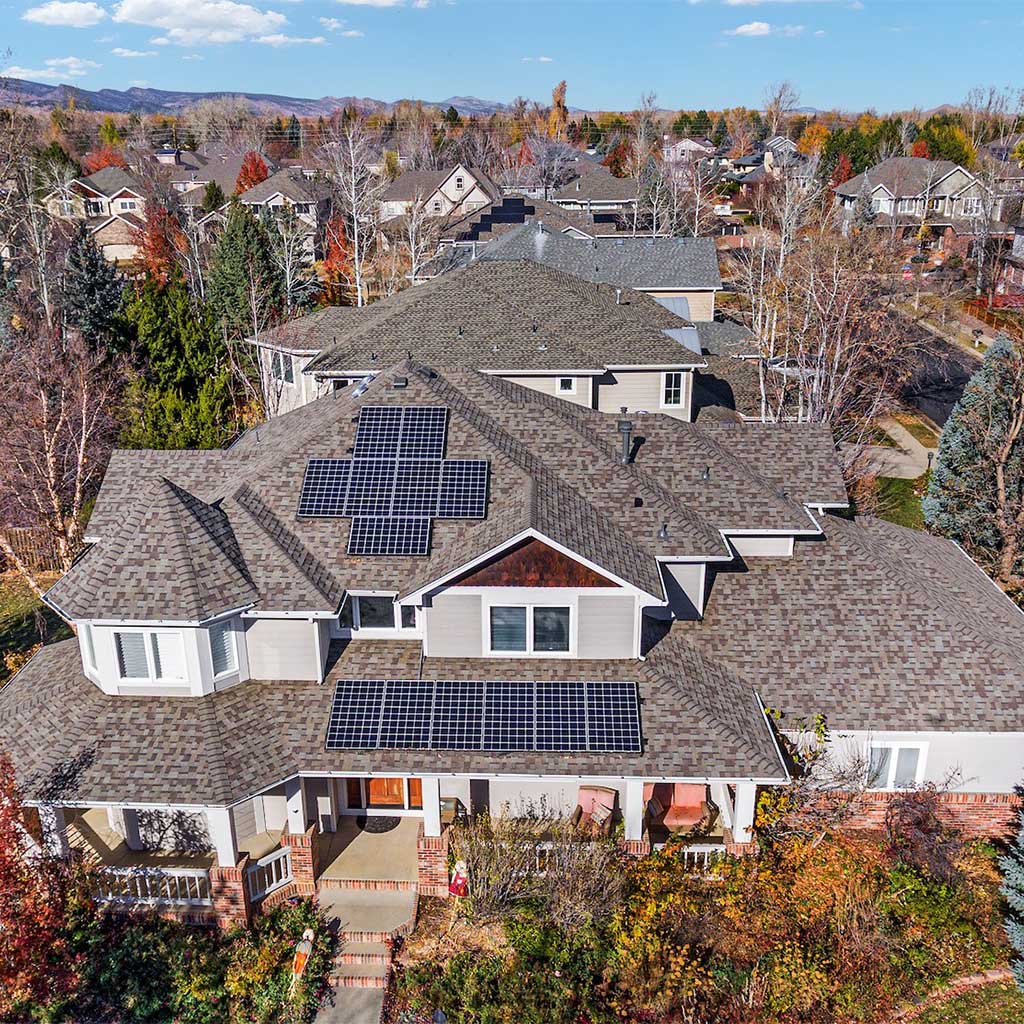
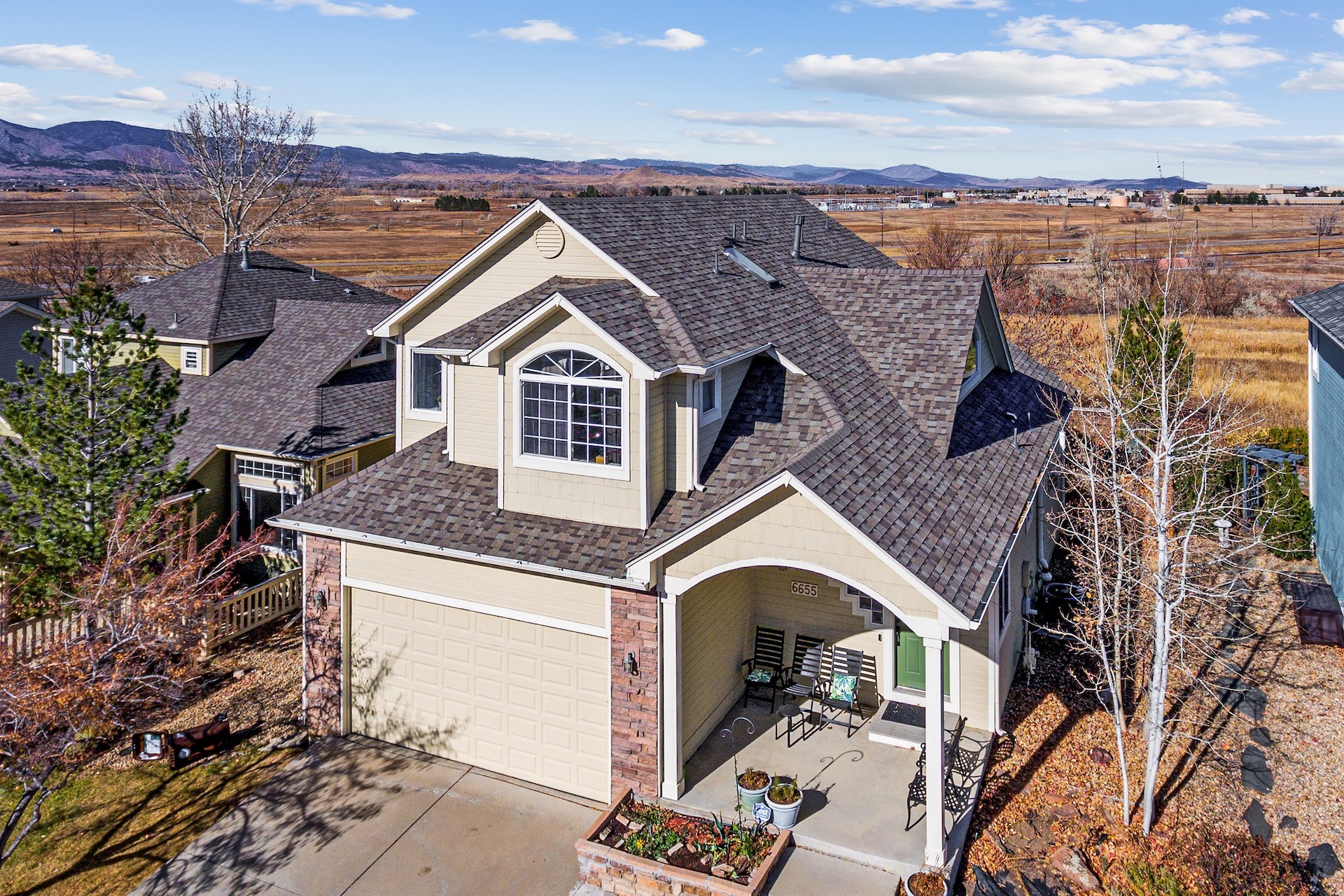
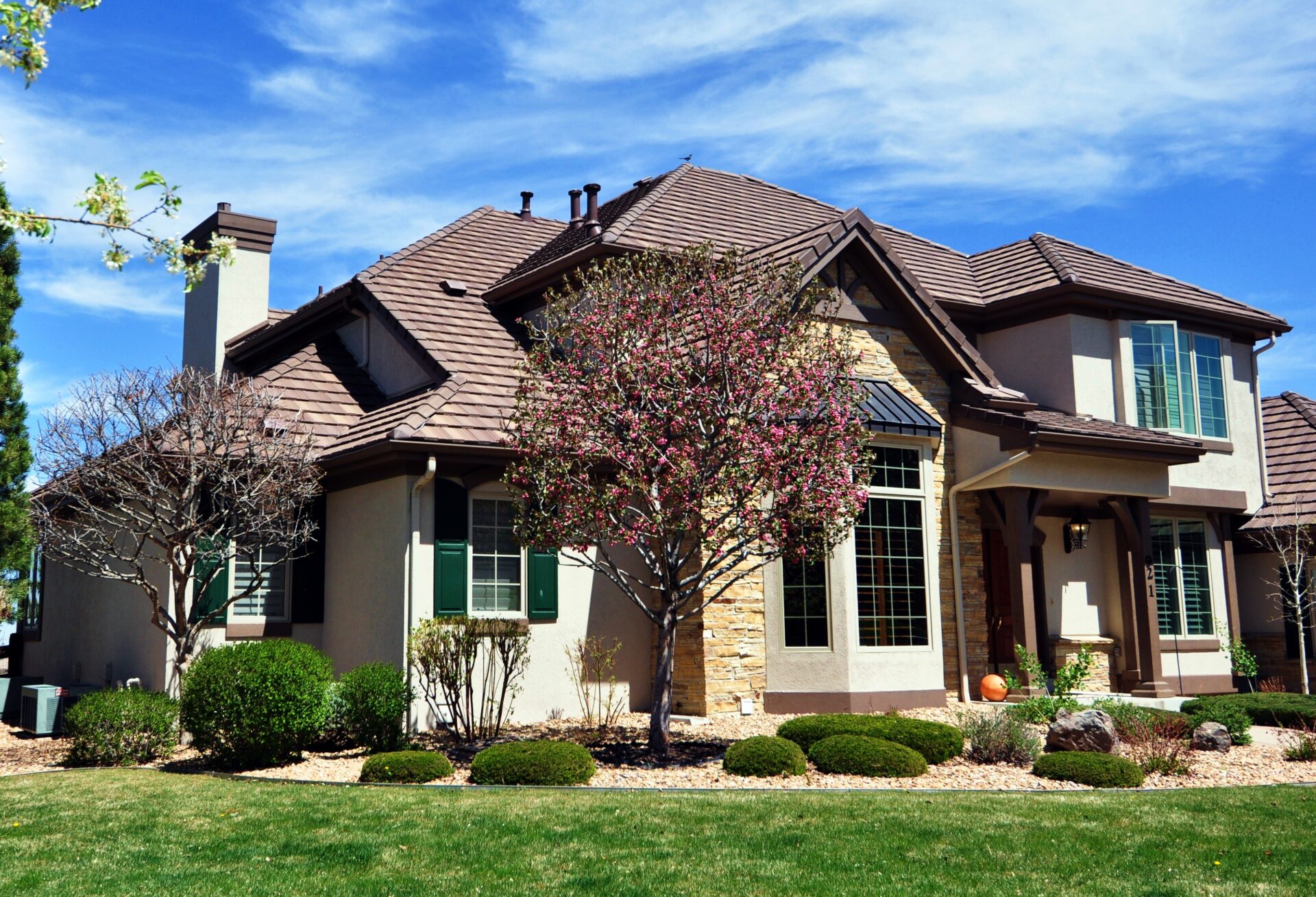
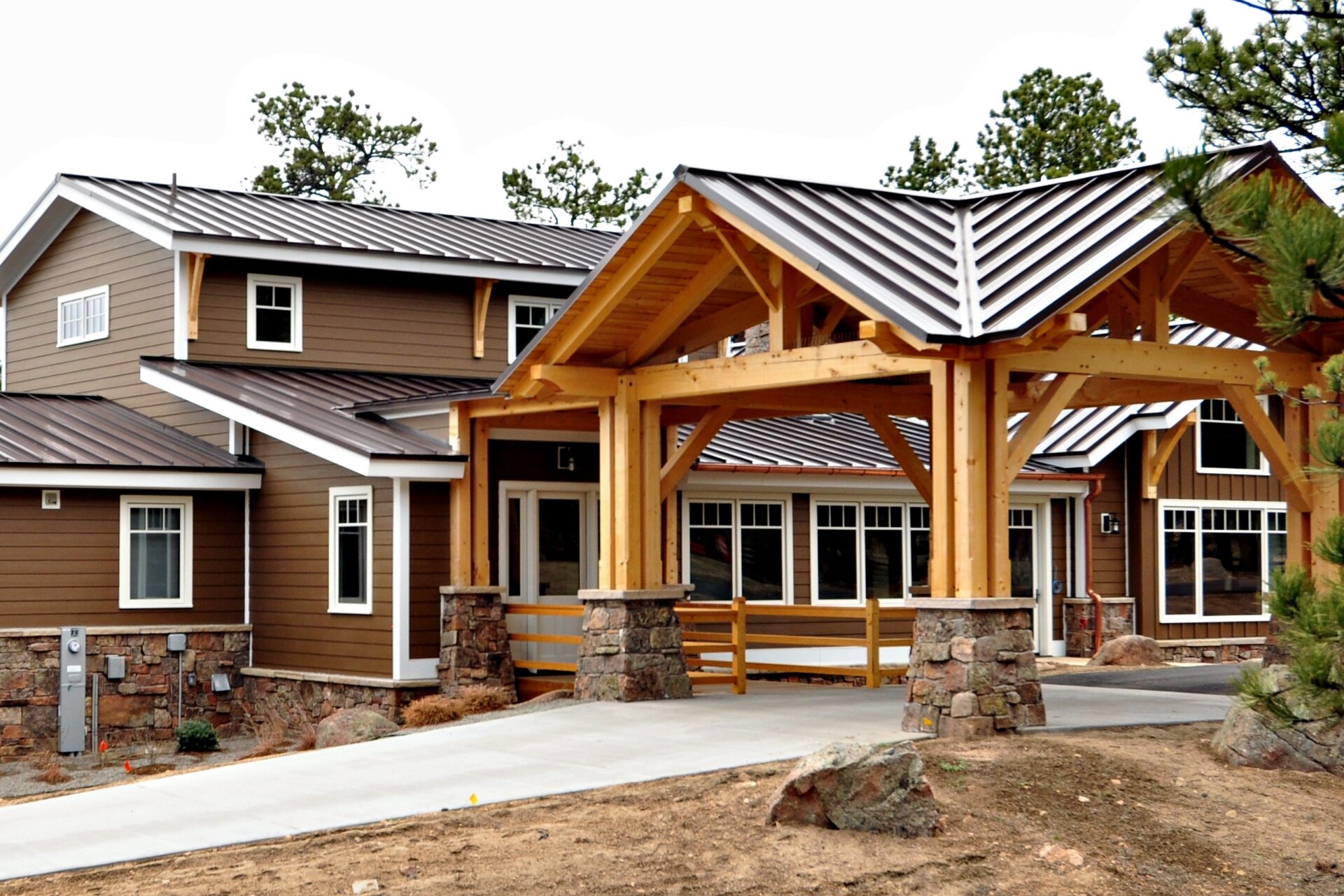
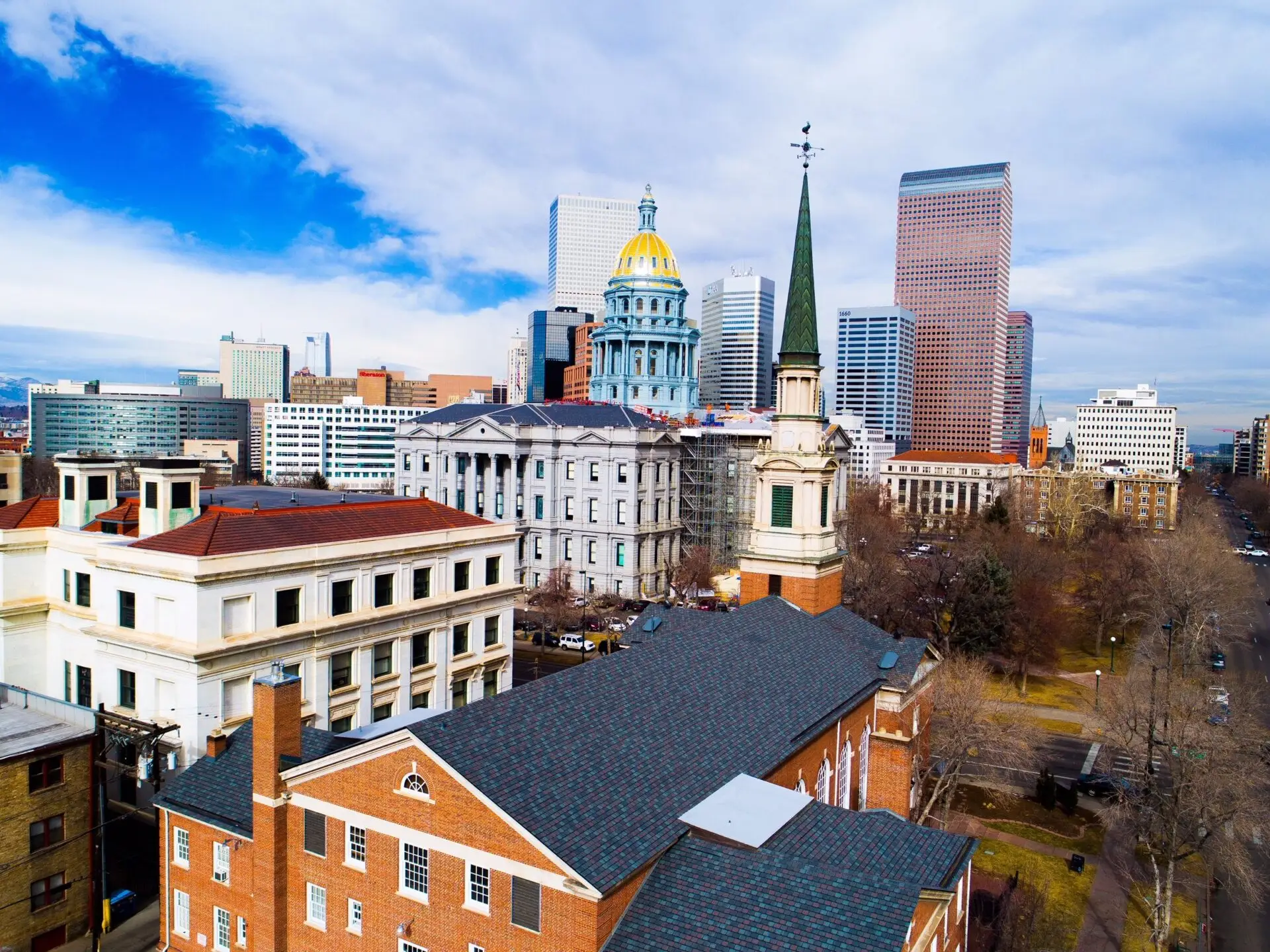
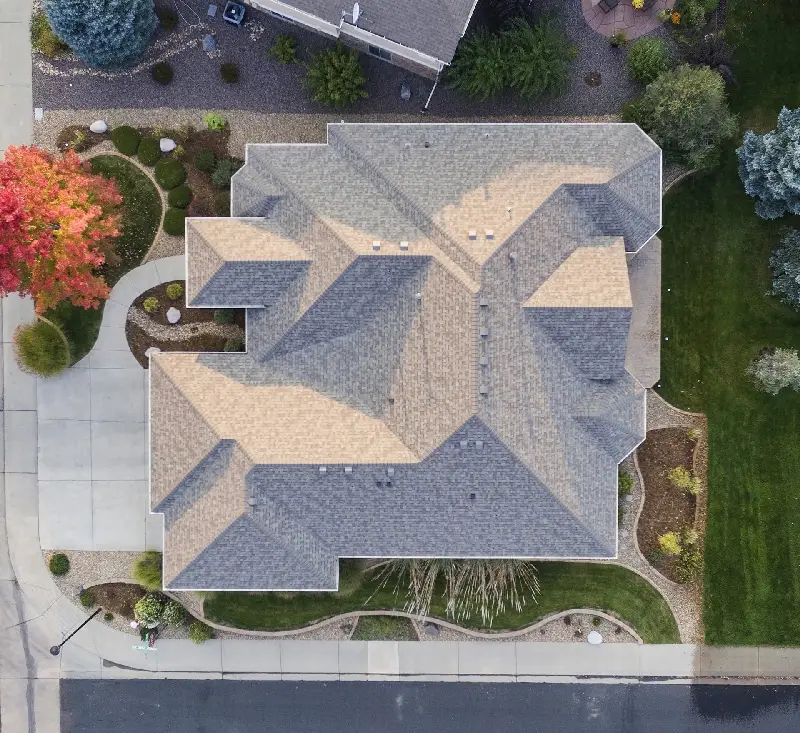
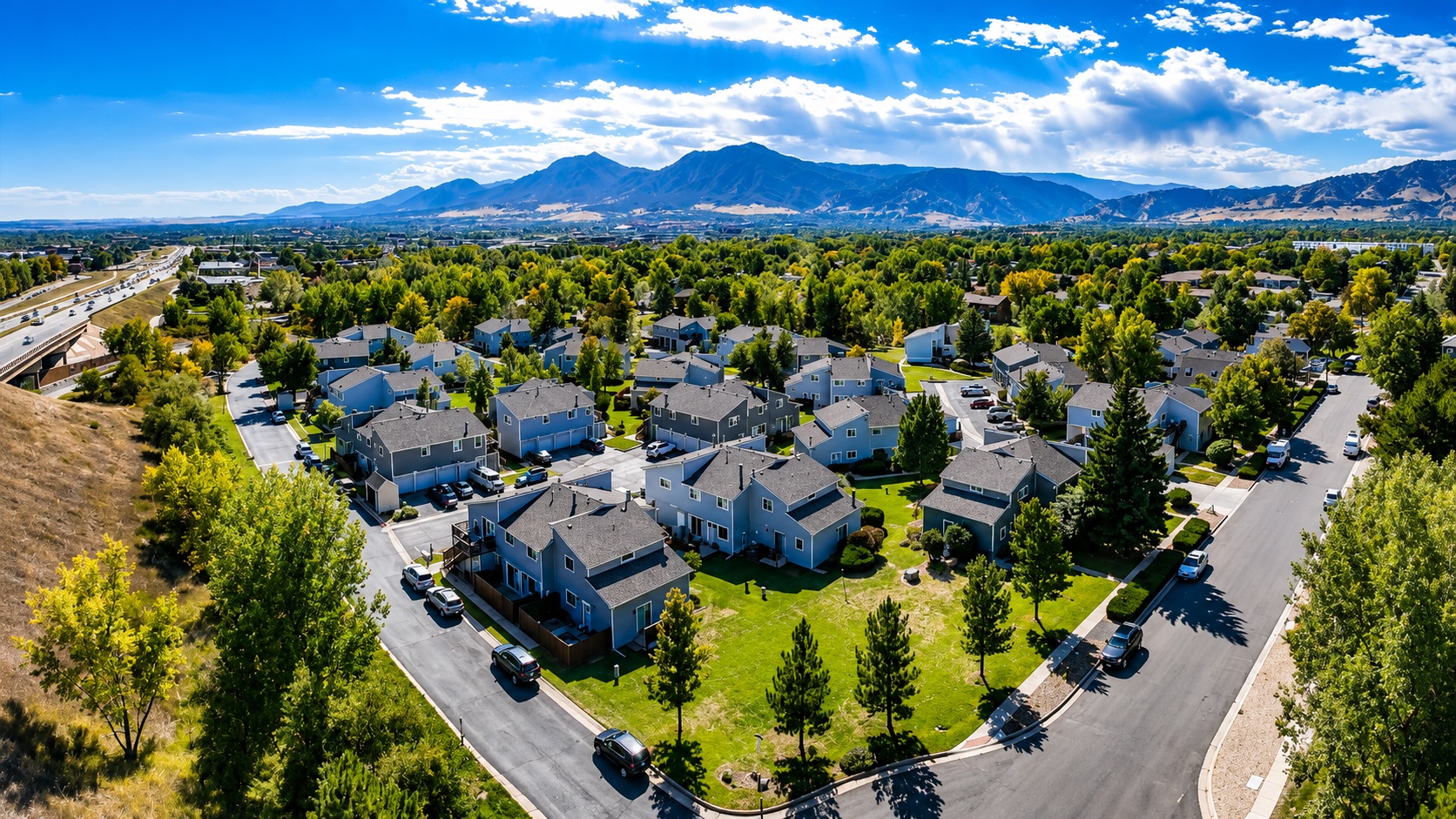
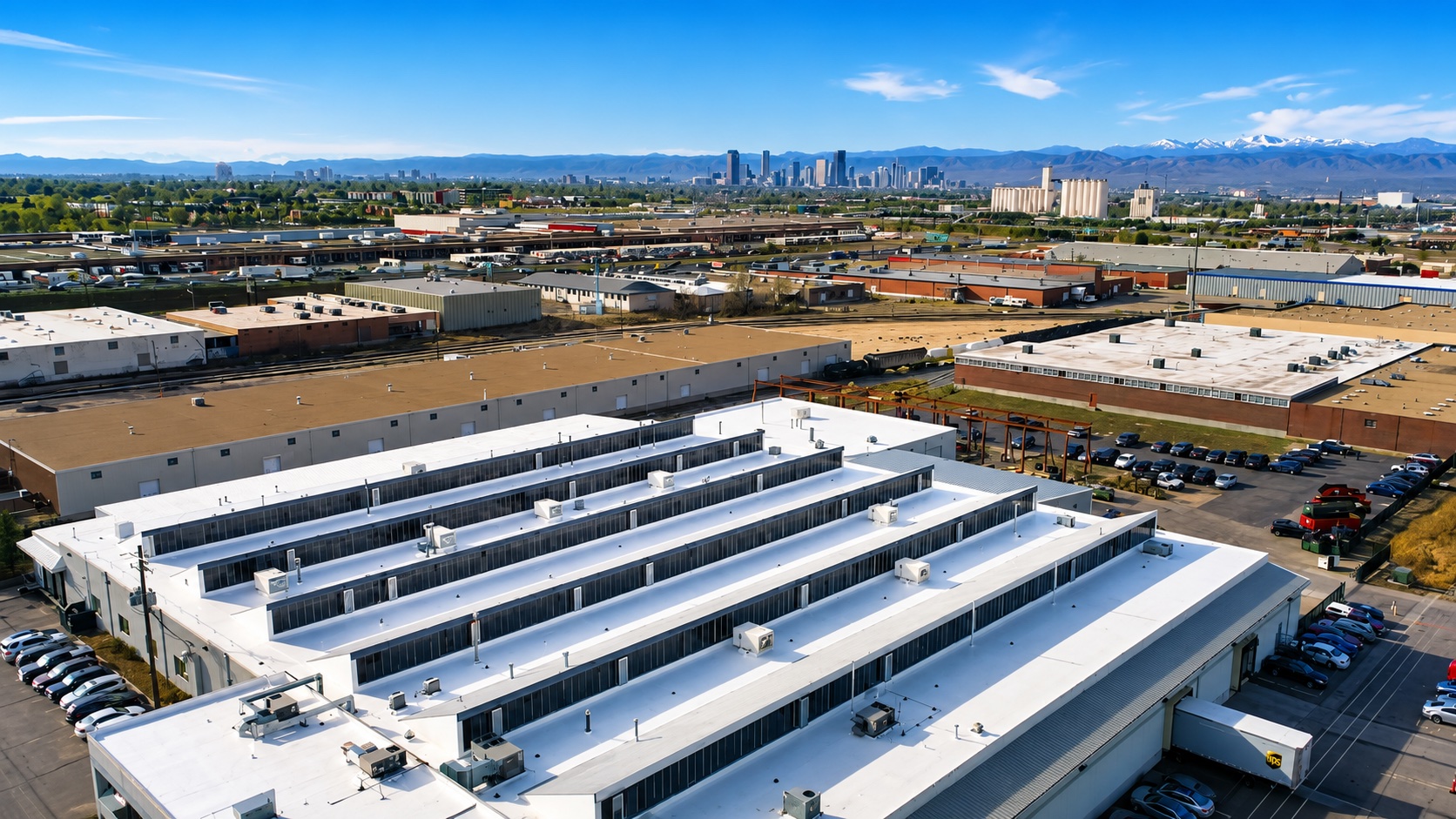
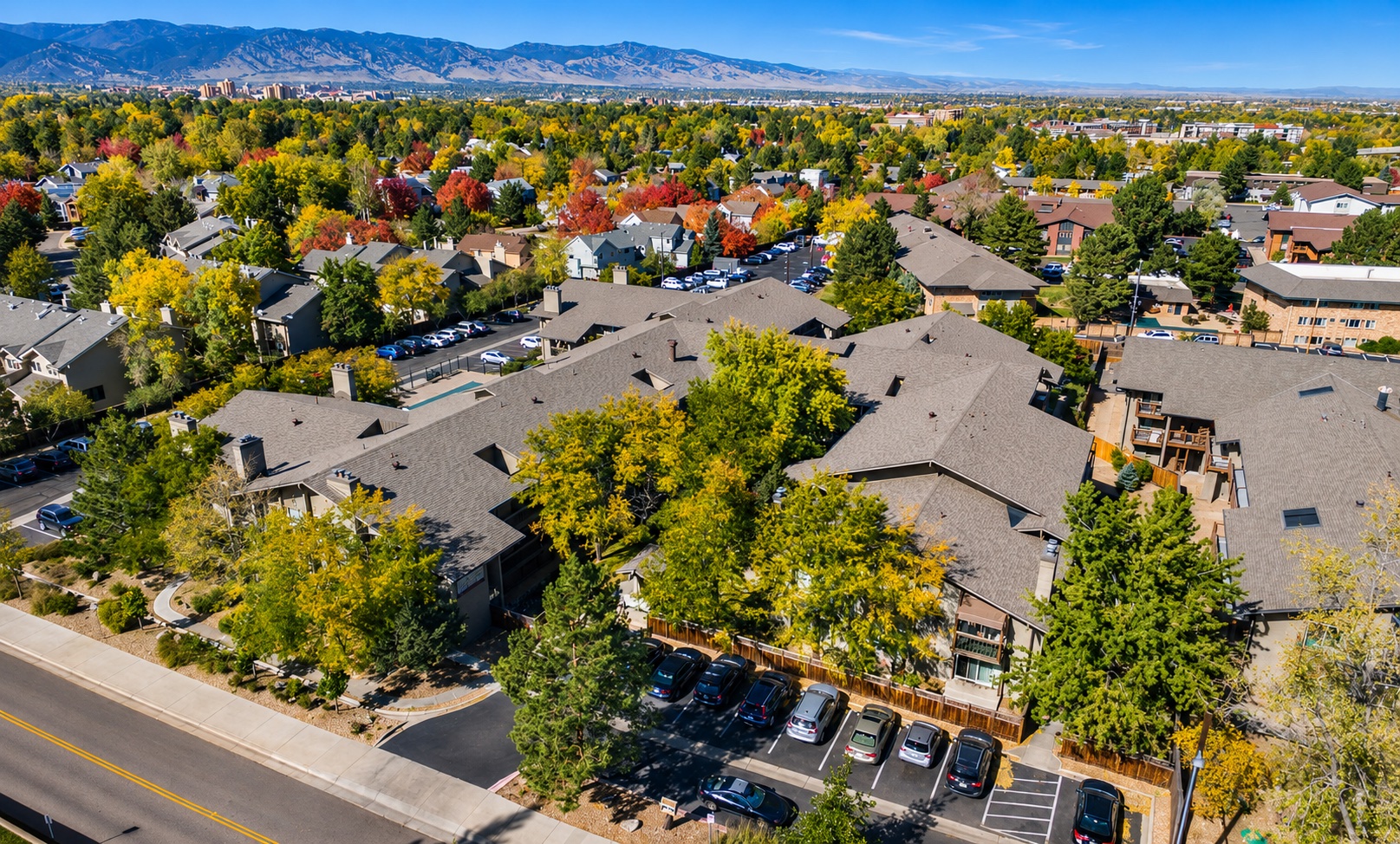
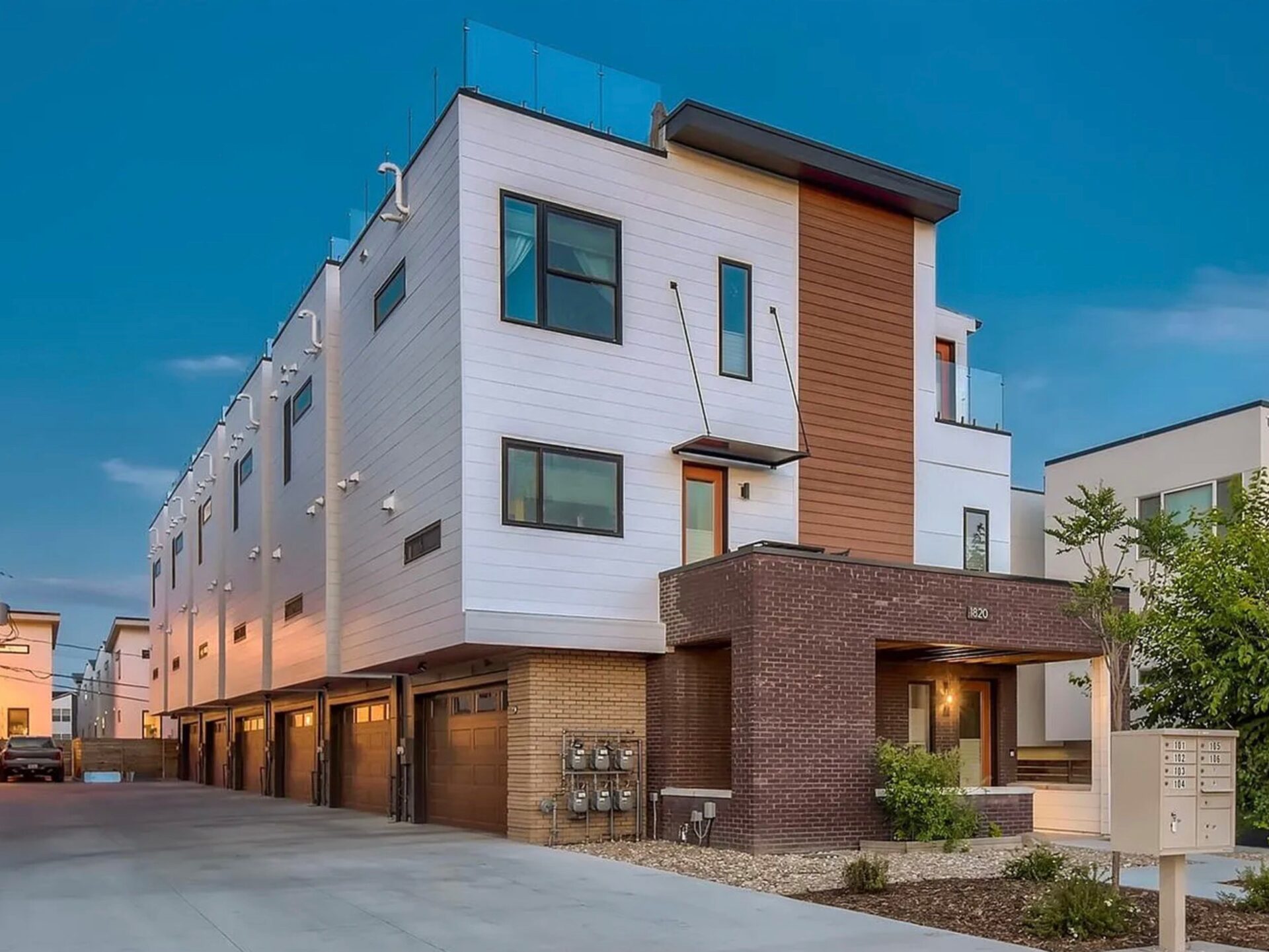
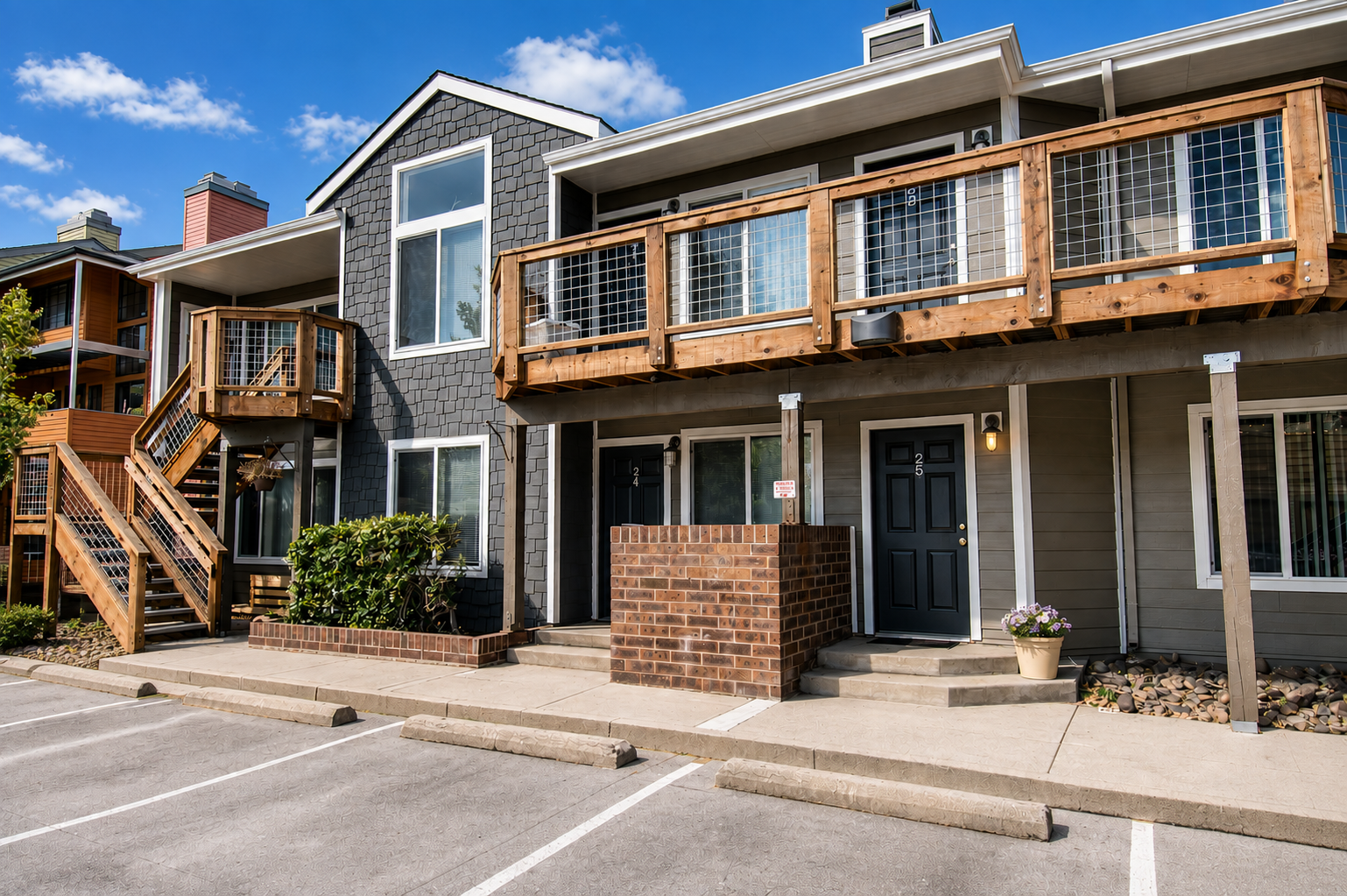
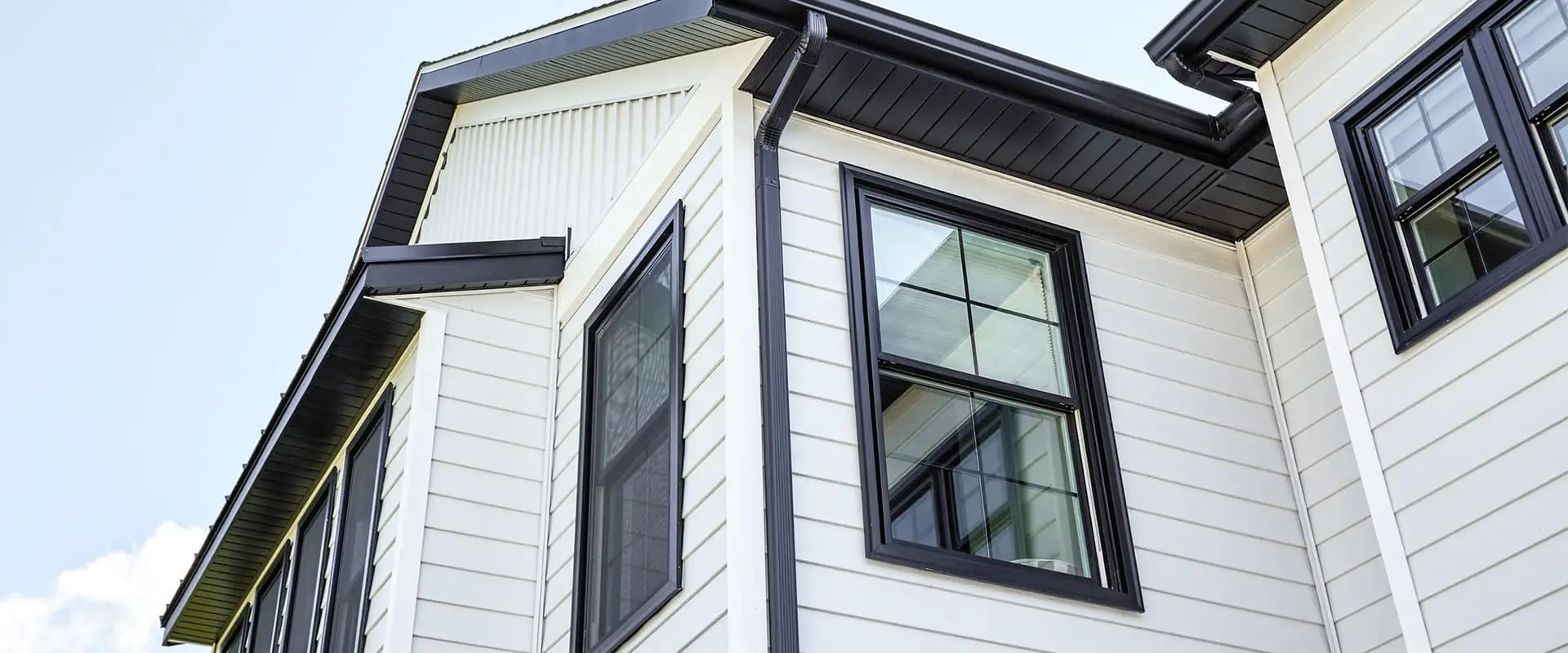
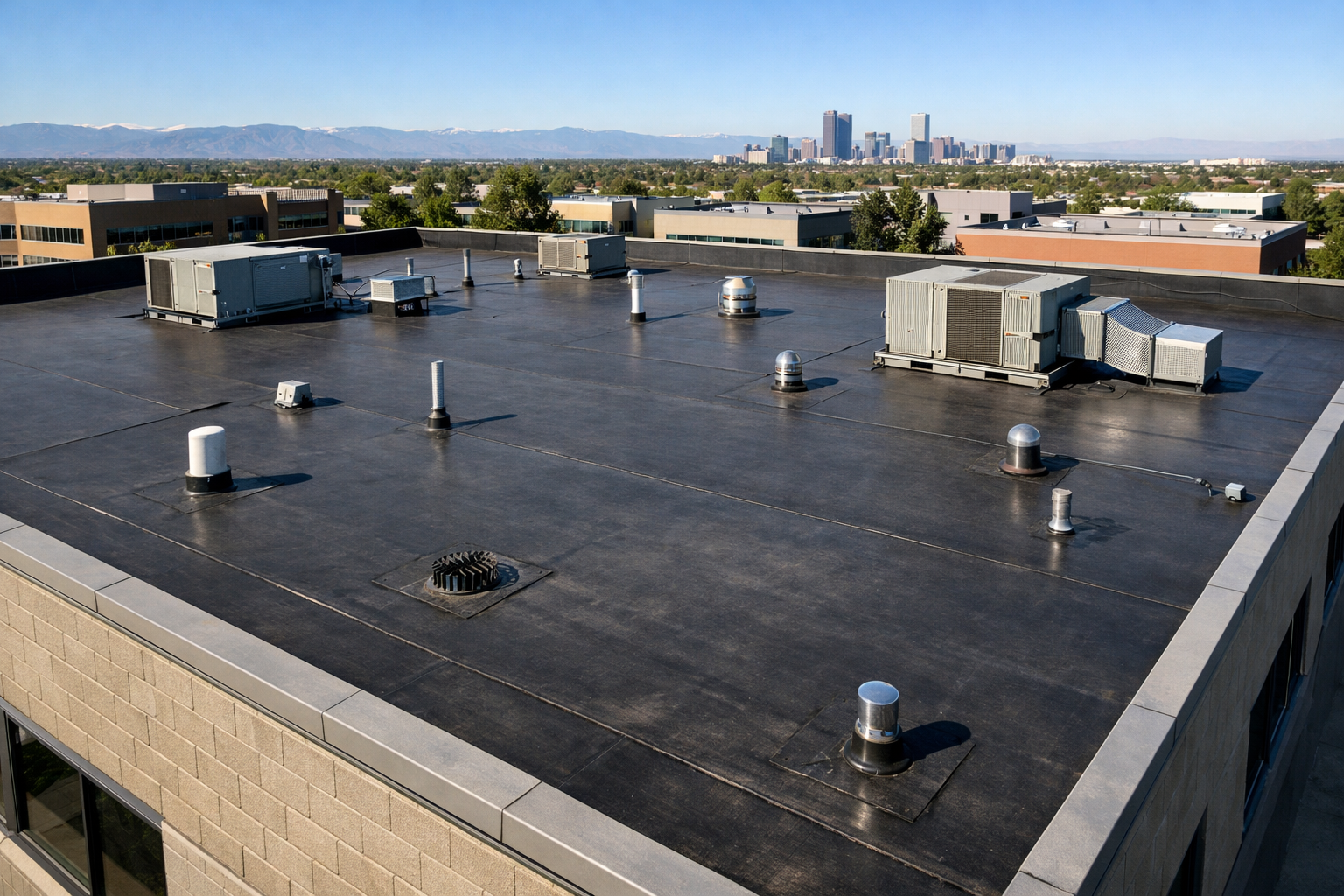
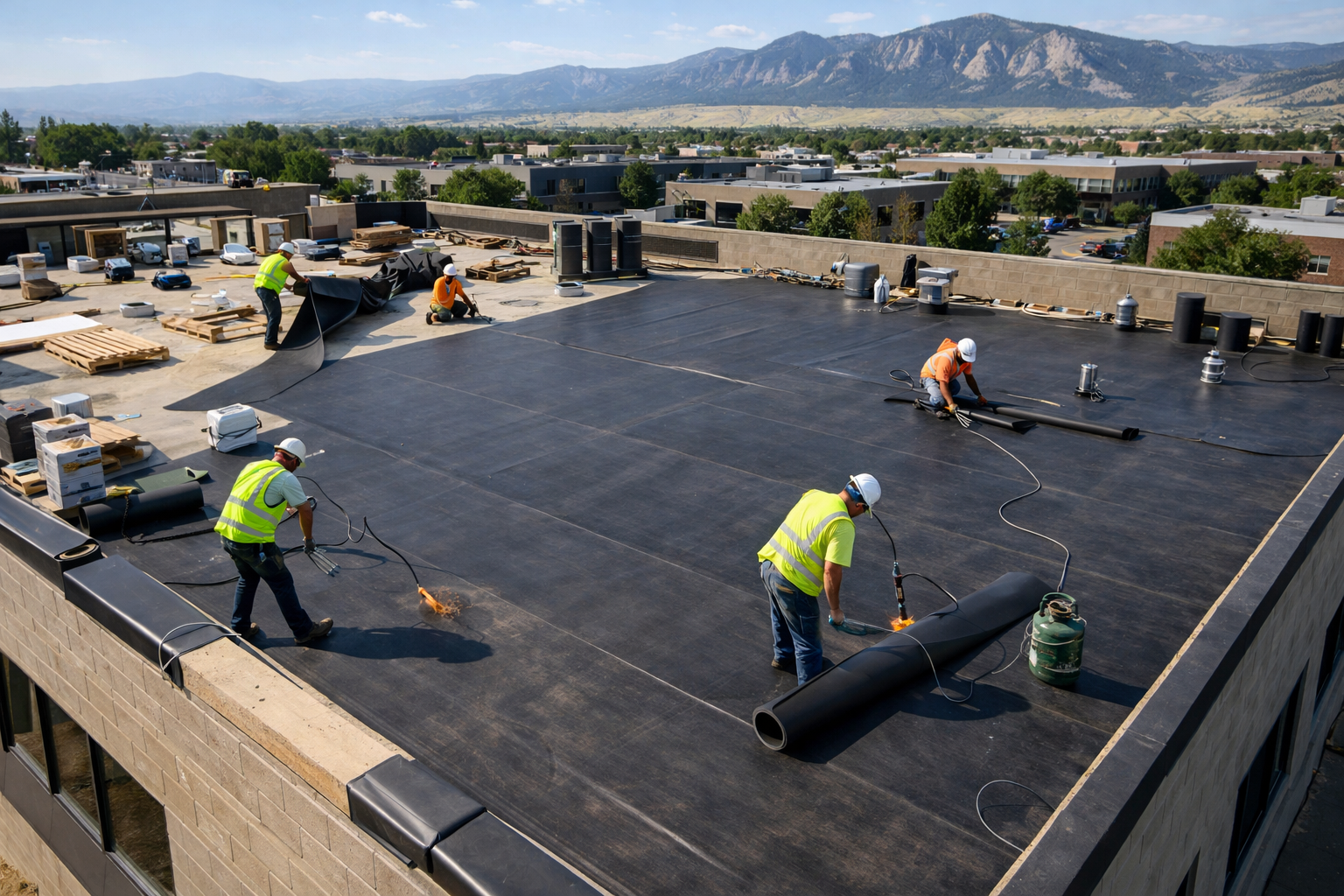
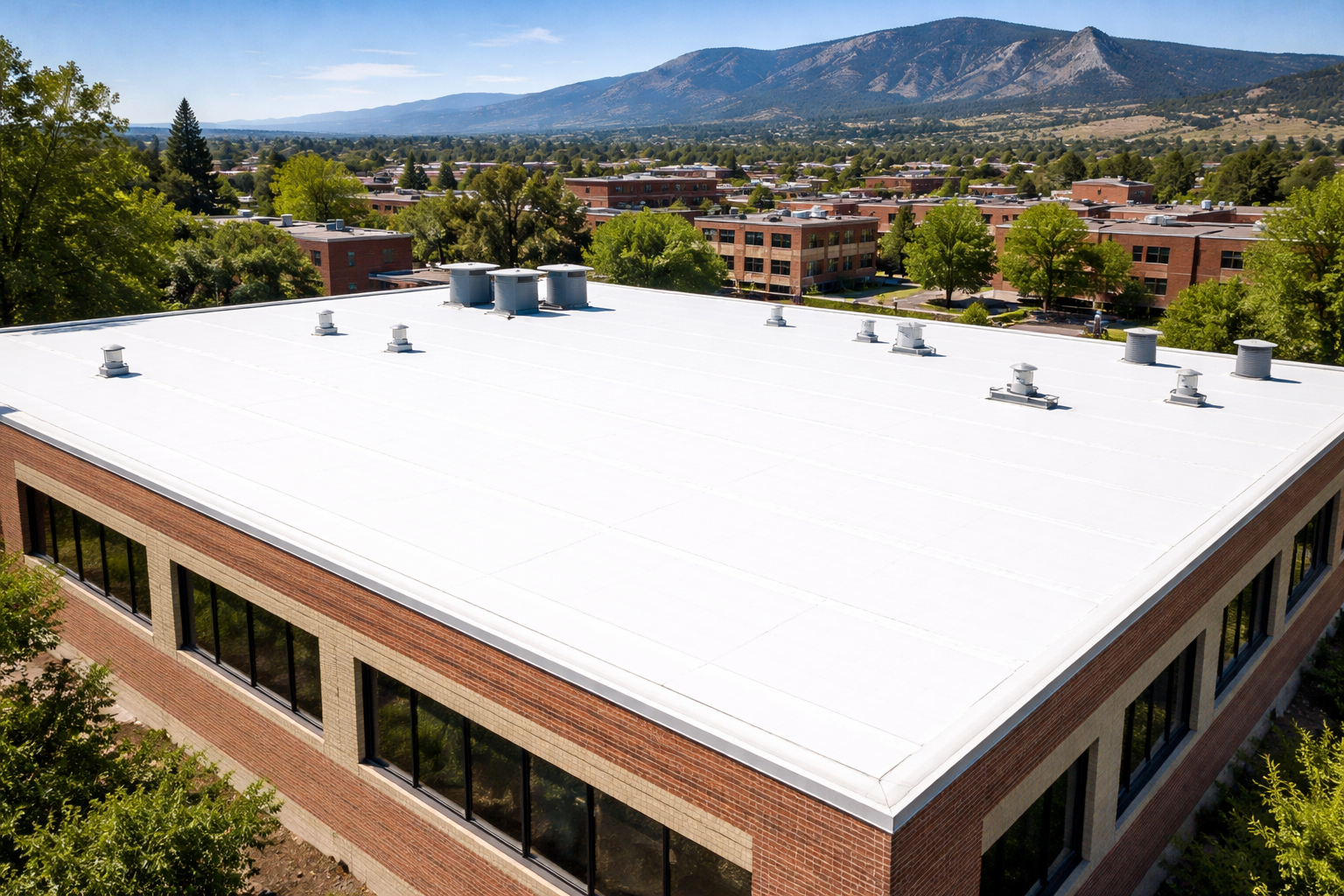
Real EPDM roofing projects across Colorado. This gallery uses the same horizontal, responsive format as your other pages.
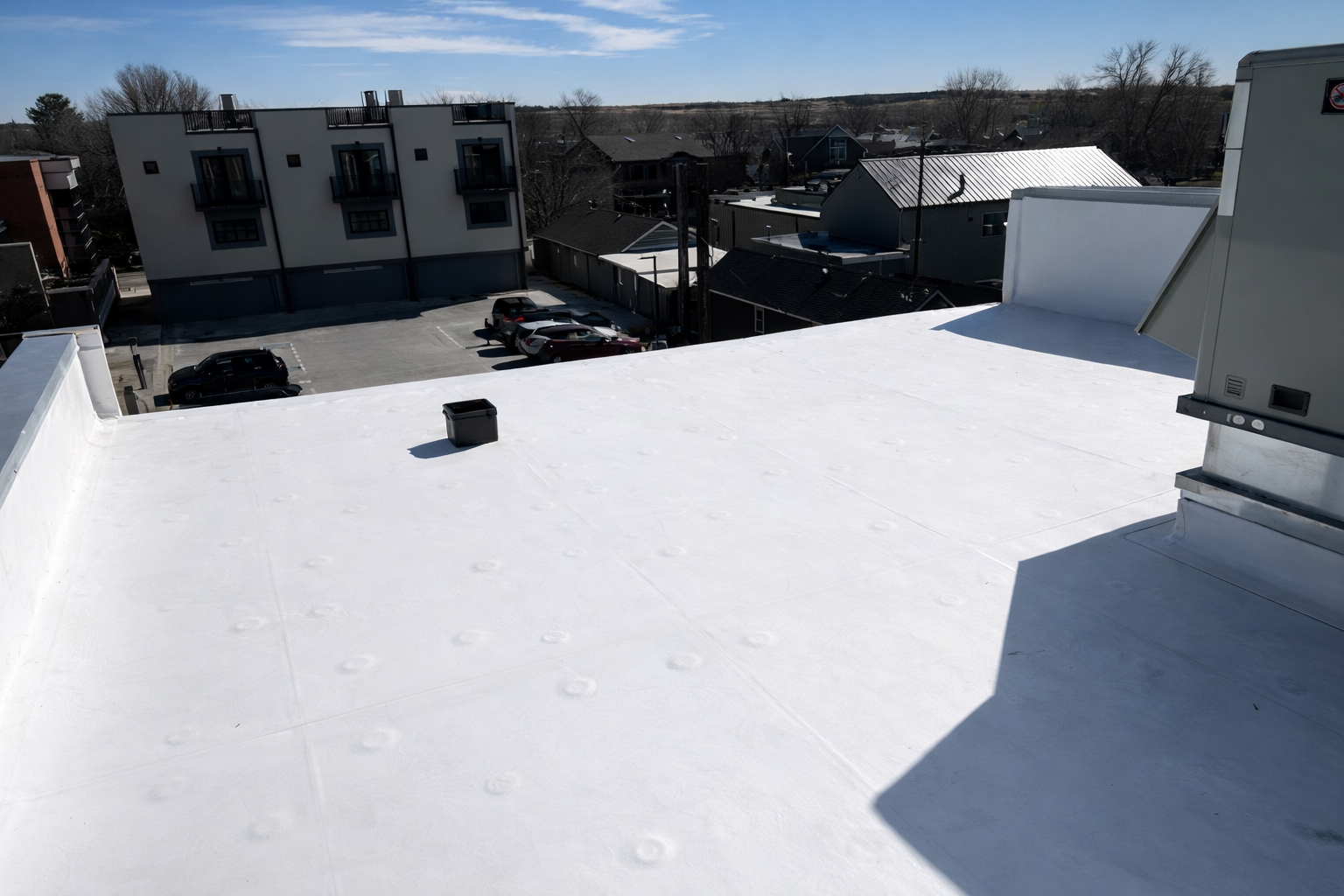
What Is EPDM Roofing?
EPDM roofing is a single-ply synthetic rubber membrane used primarily on flat and low-slope commercial roofs. It is often selected for buildings that need a proven, flexible, repairable membrane with long-term value and predictable maintenance. EPDM is commonly used on offices, retail buildings, warehouses, churches, schools, multifamily properties, and HOA communities where low-slope roof performance matters.
For many Colorado building owners, EPDM stands out because it handles temperature swings, UV exposure, foot traffic, and storm-related maintenance well when the roof assembly is designed and installed correctly.
Why Commercial Owners Choose EPDM Roofing
Performance Advantages
- Flexible in temperature swings: helpful for Colorado’s freeze-thaw cycles and cold-weather movement
- Strong UV and weather resistance: important on exposed low-slope roofs
- Repairable and maintainable: a big advantage for owners planning long-term capital use
- Good lifecycle value: often attractive for large commercial roof areas
- Multiple attachment methods: allows the system to be matched to the project’s needs
Why It Fits Real Buildings
EPDM is not just a “cheap flat roof.” It is a practical roofing system for owners who want a membrane with a long track record, straightforward repairability, and reliable performance on low-slope assemblies. It is especially useful on properties where maintenance access, rooftop equipment, and future serviceability matter.
That is why EPDM remains a serious option for long-term commercial roof planning, especially when the building owner values proven performance over trend-driven product selection.
Is EPDM Roofing Right for Your Building?
EPDM roofing is usually best for flat and low-slope commercial roofs where durability, repairability, and long-term budgeting are top priorities.
- Commercial offices and retail centers that need predictable roof maintenance planning
- Warehouses and industrial buildings with large low-slope roof areas
- Multifamily and HOA buildings where serviceability and clear scope management matter
- Churches, schools, and institutional buildings where low-slope roofs often need durable membrane systems
- Additions and re-roof projects where a flexible membrane may be the best fit for the assembly
If your building has a flat or low-slope roof and you are comparing membrane systems, EPDM should usually be part of that conversation.
EPDM Attachment Methods: Fully Adhered, Mechanically Attached, or Ballasted
One reason this page should convert better than generic EPDM pages is that owners need to understand how the membrane is actually attached. Attachment method affects wind performance, installation approach, roof weight, and long-term service expectations.
Fully Adhered EPDM
The membrane is adhered to the substrate across the field of the roof. This is often a strong choice where wind performance, cleaner attachment, and long-term assembly integrity matter.
Mechanically Attached EPDM
The membrane is secured with fasteners and plates according to system design. This can be a strong fit for many commercial assemblies, especially when the structure and project criteria support it.
Ballasted EPDM
The membrane is held in place using ballast over the assembly. This can work well in certain commercial conditions, though the project has to be appropriate for the added weight and system design.
The right attachment method depends on the building, deck type, wind criteria, occupancy concerns, and long-term use of the roof.
Black EPDM vs. White EPDM
Another major owner question is whether to choose black EPDM or white EPDM. The answer depends on building use, energy goals, climate exposure, and overall roof strategy.
Black EPDM
- Common and proven option for many commercial roofs
- Often chosen where long-term performance and familiar detailing matter most
- Can be a strong fit for buildings where reflective performance is not the primary driver
White EPDM
- Can help support reflectivity and heat-management goals
- Often considered where energy strategy and rooftop heat gain matter more
- Useful for buildings comparing EPDM to brighter single-ply options
The best choice depends on your property’s energy goals, exposure, budget, and maintenance priorities — not a blanket rule.
EPDM vs. TPO vs. PVC: Which Low-Slope Roof System Fits Best?
Owners and property managers often compare EPDM to TPO, PVC, coatings, and even metal retrofit options. There is no one universal winner. The best system depends on the building’s use, budget, rooftop equipment, maintenance expectations, and long-term ownership strategy.
EPDM
Best known for: Flexibility, repairability, and long-term track record.
Common building fit: Flat and low-slope commercial roofs.
Why owners choose it: Proven membrane, good lifecycle planning, and predictable maintenance.
TPO
Best known for: Reflective white surface and broad single-ply use.
Common building fit: Commercial roofs prioritizing heat reflectivity.
Why owners choose it: Bright membrane, energy-minded goals, and common market familiarity.
PVC
Best known for: Chemical resistance and more specialized rooftop applications.
Common building fit: Buildings with exposure concerns or more demanding use conditions.
Why owners choose it: Strong performance in tougher rooftop environments.
Roof Coating
Best known for: Restoration strategy on roofs that still qualify.
Common building fit: Roofs that may not need full replacement yet.
Why owners choose it: Opportunity to extend service life when the existing assembly is still a good candidate.
If you are deciding between EPDM and other commercial roof systems, we can help compare them based on the actual building instead of a generic sales script.
What Drives EPDM Roofing Cost?
Building owners looking for EPDM roofing often want to know about cost right away. That makes sense — but on commercial roofs, price is driven by more than membrane square footage.
- Existing roof condition and whether tear-off is required
- Insulation scope and substrate condition
- Attachment method (fully adhered, mechanically attached, or ballasted)
- Penetrations, rooftop equipment, drains, edge metal, and flashing complexity
- Occupied-building logistics and project phasing
- Repair vs. replacement strategy
The best way to compare commercial EPDM roofing cost is with a documented inspection and a clear scope that accounts for the actual assembly.
EPDM Roof Repair, Replacement, and Maintenance
One reason EPDM remains so popular is that it can be a practical roof to inspect, repair, and maintain over time. That does not mean every EPDM roof should be patched forever, but it does mean owners often have good options before jumping straight to full replacement.
When Repair May Make Sense
- Localized seam or flashing issues
- Minor punctures or isolated leak sources
- Membrane still has good overall life remaining
- Drainage and substrate conditions remain sound
When Replacement Is the Smarter Move
- Widespread aging, shrinkage, or system failure
- Recurring leaks in multiple locations
- Extensive seam or flashing breakdown
- Insulation, substrate, or drainage issues tied to the full assembly
A documented roof inspection helps determine which path gives the owner the best long-term value.
Why Owners Hire Northern Lights Exteriors for EPDM Roofing
- Commercial project focus: owners, boards, property managers, and occupied properties
- Clear scopes: easier bid comparison and better expectations around repairs, replacement, and detailing
- Documented inspections: photos, condition review, and clearer decision-making
- Storm-claim experience: helpful when hail or wind affects the roof scope
- Project management: communication, phasing, safety, and cleaner execution matter on commercial jobs
Comparing Commercial Roofing Contractors?
If you are comparing EPDM roofing contractors, this guide shows what to look for in scopes, inspection quality, detailing, occupied-property planning, and long-term roof strategy.
EPDM Roofing Service Areas
Northern Lights Exteriors serves EPDM roofing clients across Denver and Northern Colorado, including commercial properties, HOA communities, multifamily buildings, retail sites, offices, and low-slope facilities throughout the Front Range.
- Denver
- Boulder
- Longmont
- Fort Collins
- Loveland
- Windsor
- Erie
- Louisville
- Lafayette
- Broomfield
- Westminster
- Superior
- Niwot
- Berthoud
- Estes Park
- Lyons
- Greeley
- Fort Lupton
FAQs: EPDM Roofing
What is EPDM roofing used for?
EPDM roofing is primarily used on flat and low-slope commercial roofs. It is common on offices, warehouses, retail buildings, multifamily properties, HOA communities, and other buildings where a durable membrane system is needed.
Is EPDM roofing good for Colorado?
Yes. EPDM is often a strong fit for Colorado because it handles temperature swings, UV exposure, and low-slope commercial roof conditions well when the assembly is designed and installed properly.
How long does an EPDM roof last?
EPDM roofs can last for decades with proper installation, drainage, detailing, and maintenance. Actual lifespan depends on the membrane, attachment method, rooftop traffic, and how the roof is maintained over time.
What is the difference between black EPDM and white EPDM?
Black EPDM is a common, proven membrane choice for many roofs. White EPDM is often considered when reflectivity and heat-management goals matter more. The best fit depends on the building and overall roof strategy.
What is the difference between fully adhered and mechanically attached EPDM?
Fully adhered systems are bonded to the substrate, while mechanically attached systems use fasteners and plates as part of the assembly. The right choice depends on wind criteria, deck type, project scope, and system goals.
Can EPDM roofing be repaired?
Yes. One reason owners like EPDM is that it can often be repaired and maintained effectively when problems are caught early and the overall system still has useful life remaining.
When is EPDM a better fit than TPO?
EPDM can be a better fit when flexibility, repairability, long-term membrane familiarity, and predictable maintenance are top priorities. TPO may be preferred in other situations. The right choice depends on the building and the owner’s goals.
Is EPDM good for multifamily and HOA properties?
Yes. EPDM is often a practical low-slope roof option for multifamily and HOA properties where lifecycle planning, repairability, and commercial project management matter.
How is EPDM roofing priced?
Pricing depends on tear-off, insulation, attachment method, flashing complexity, penetrations, drainage conditions, and whether the building remains occupied during the project.
Do you provide EPDM roof inspections and estimates?
Yes. Northern Lights Exteriors provides documented inspections, clear scopes, and commercial estimates for EPDM roof repair, replacement, and low-slope roof planning.
Get a Free EPDM Roofing Estimate
If you are evaluating EPDM roofing for a commercial building, HOA, multifamily property, retail center, office, or low-slope roof replacement, Northern Lights Exteriors can help you compare options and build the right scope.