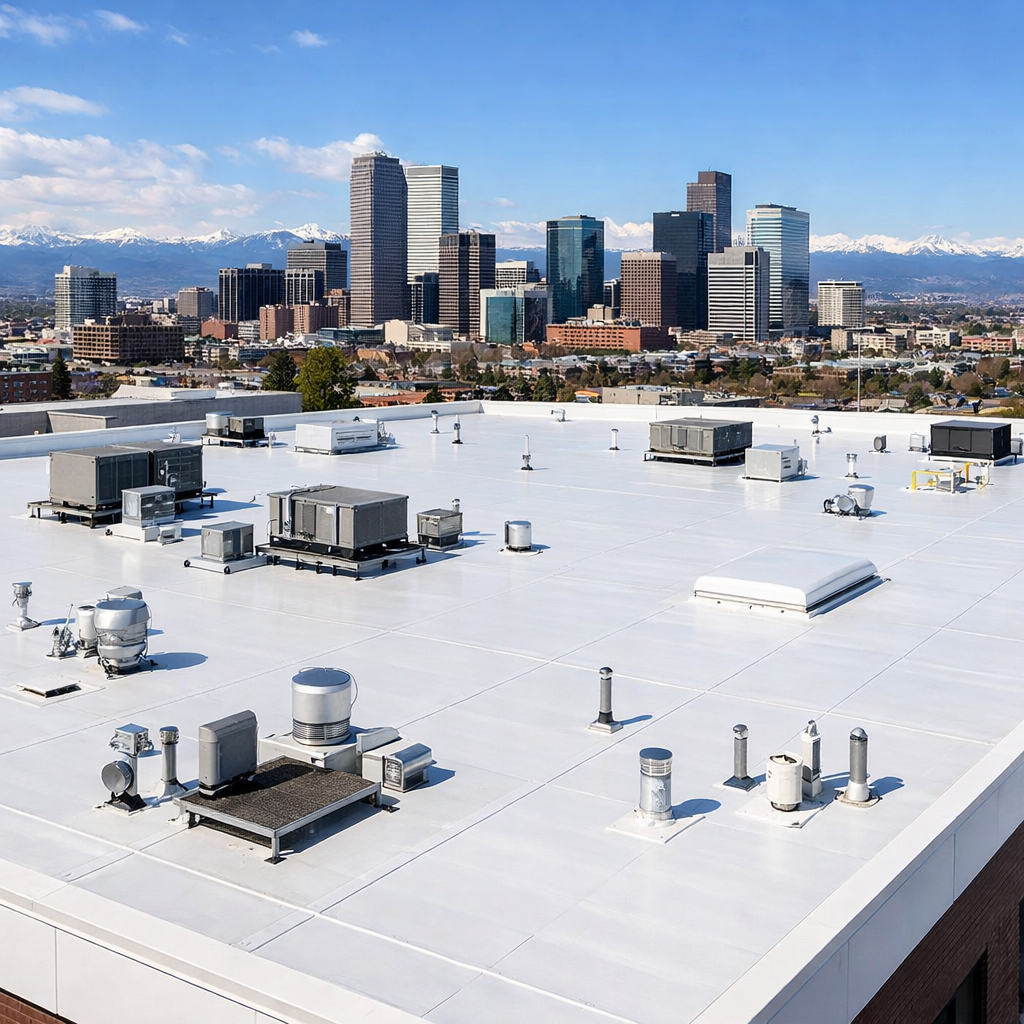
TPO Roofing in Colorado | Commercial TPO Roof Installation, Replacement & Repair
- Serving Colorado Since 2001
- Flat & Low-Slope Roofing Specialists
- Commercial, HOA & Multifamily Focus
- TPO Repair, Replacement & Maintenance
- 4.9 Stars from 552 Reviews
Northern Lights Exteriors installs TPO roofing systems for flat and low-slope commercial buildings across Denver and Northern Colorado. We help owners, facility managers, property managers, and HOA decision-makers compare TPO roof repair vs. replacement, review insulation and attachment options, and plan for long-term performance with clearer scopes and better communication.
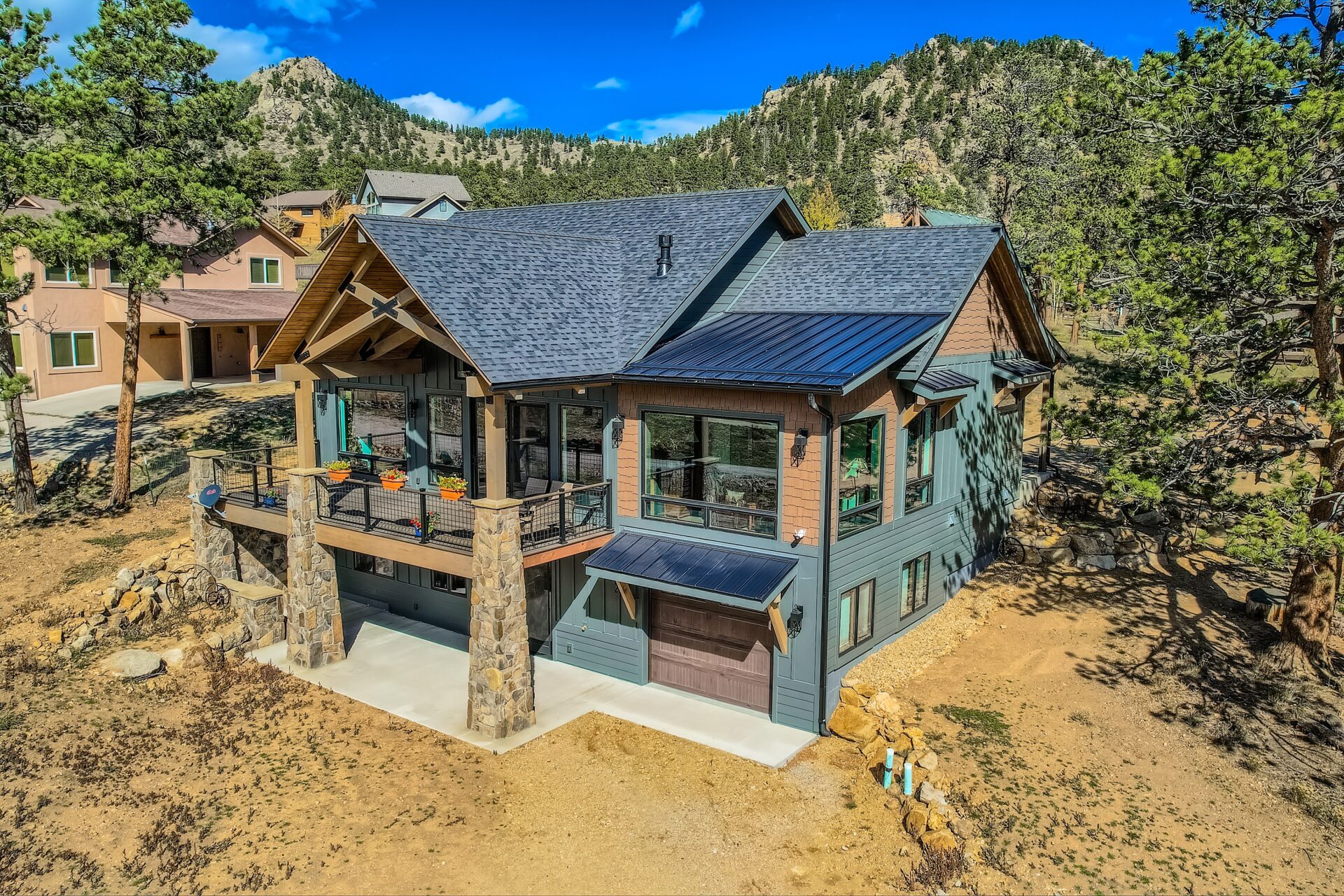
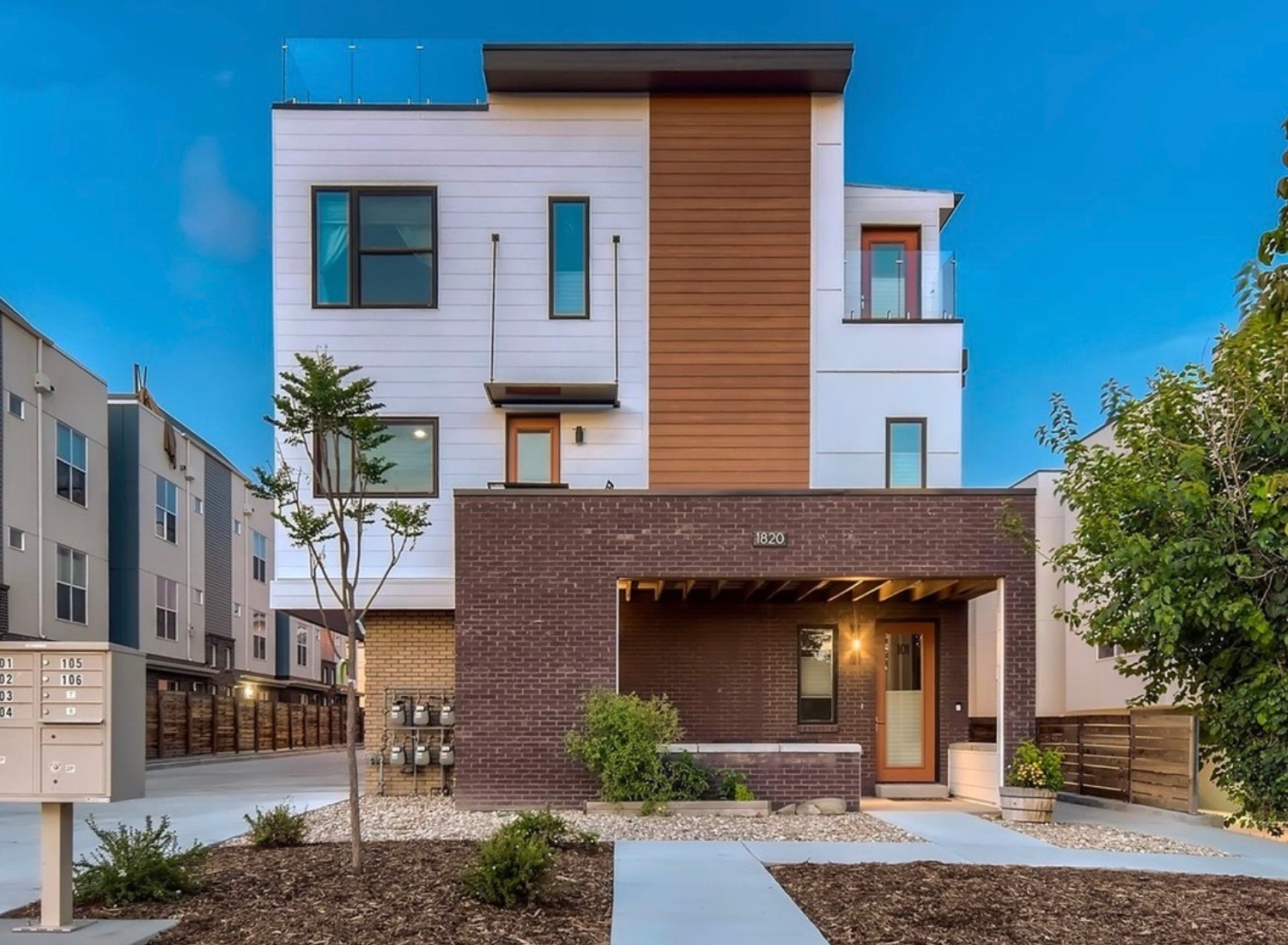
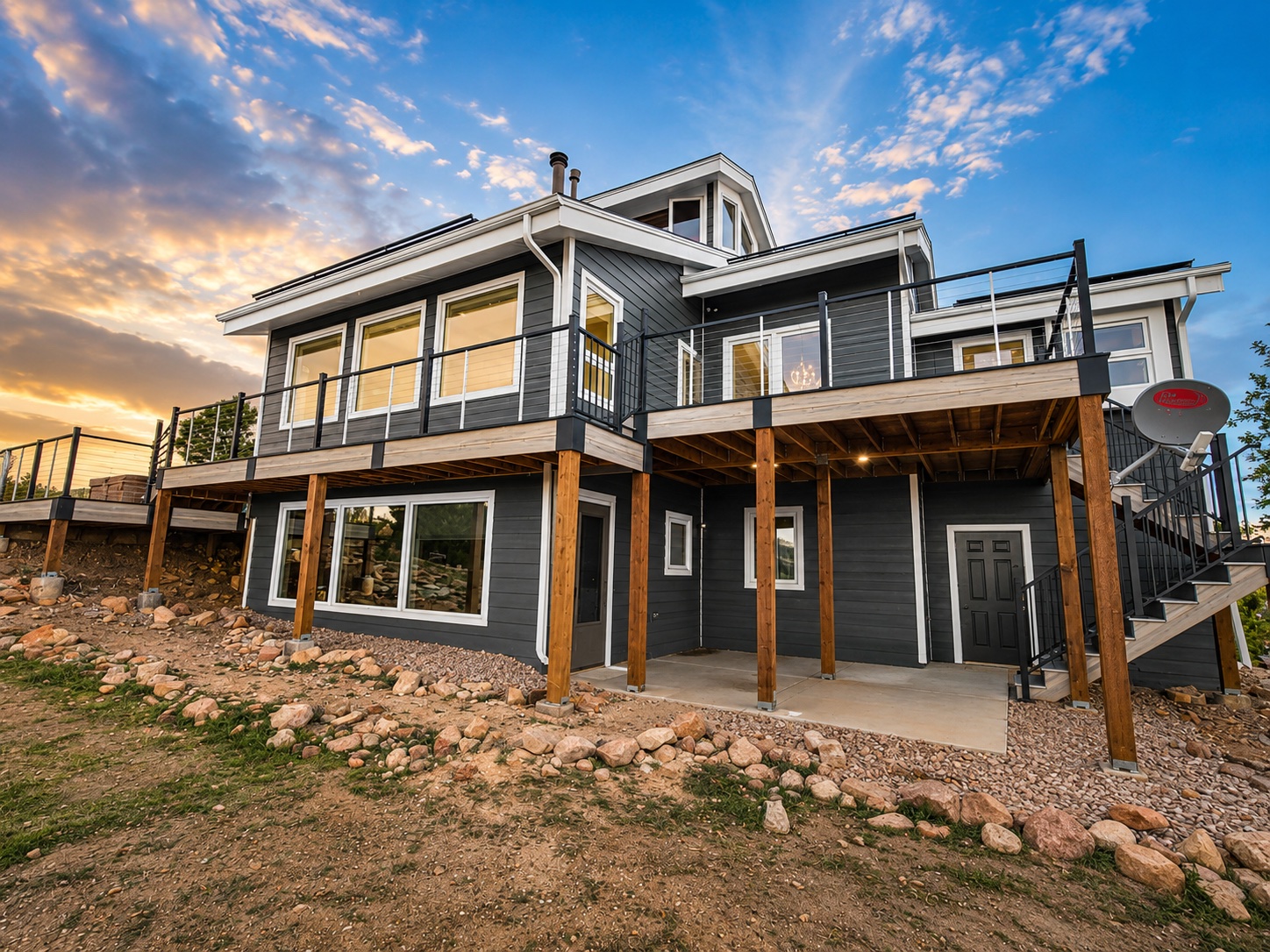
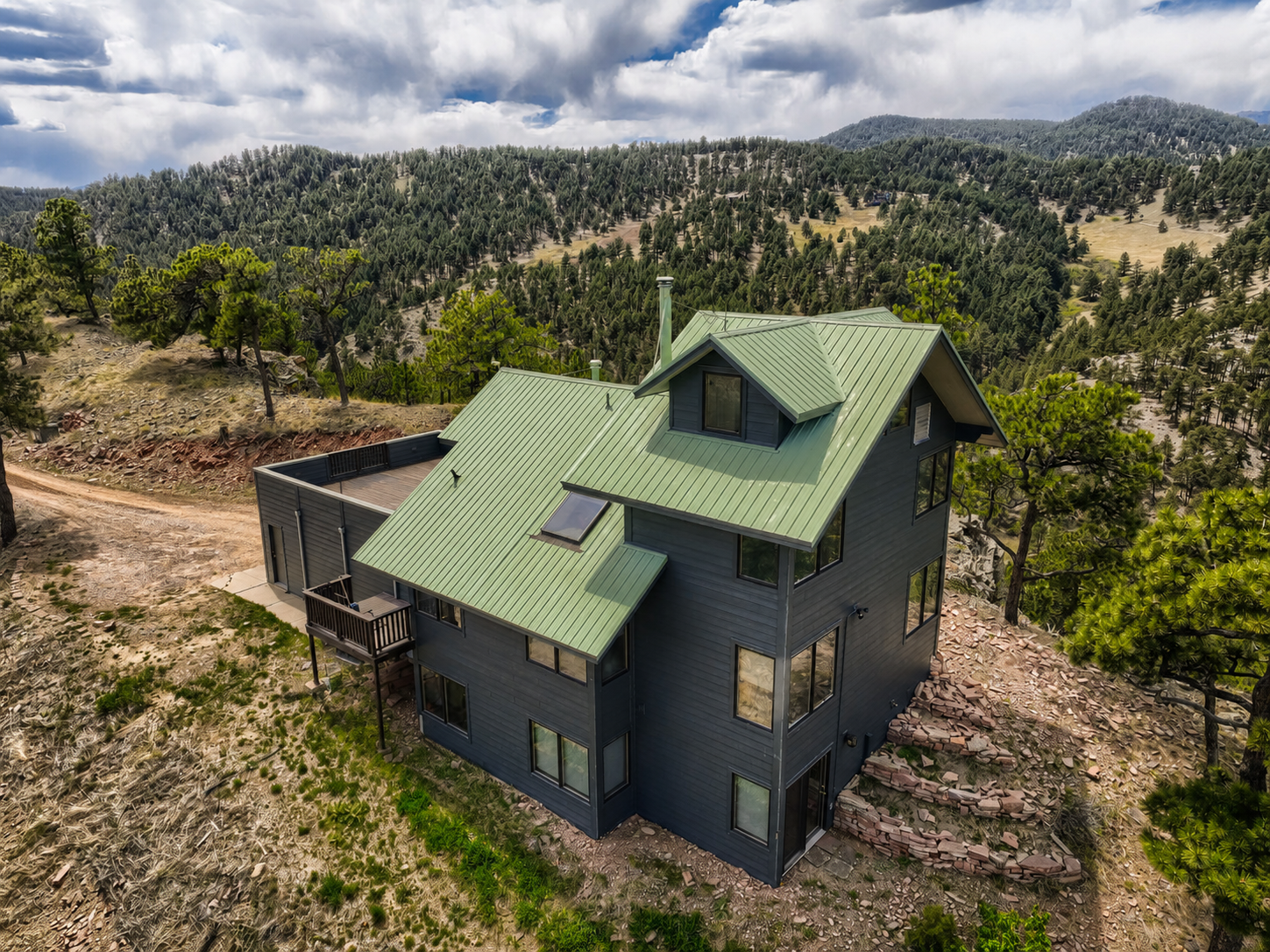
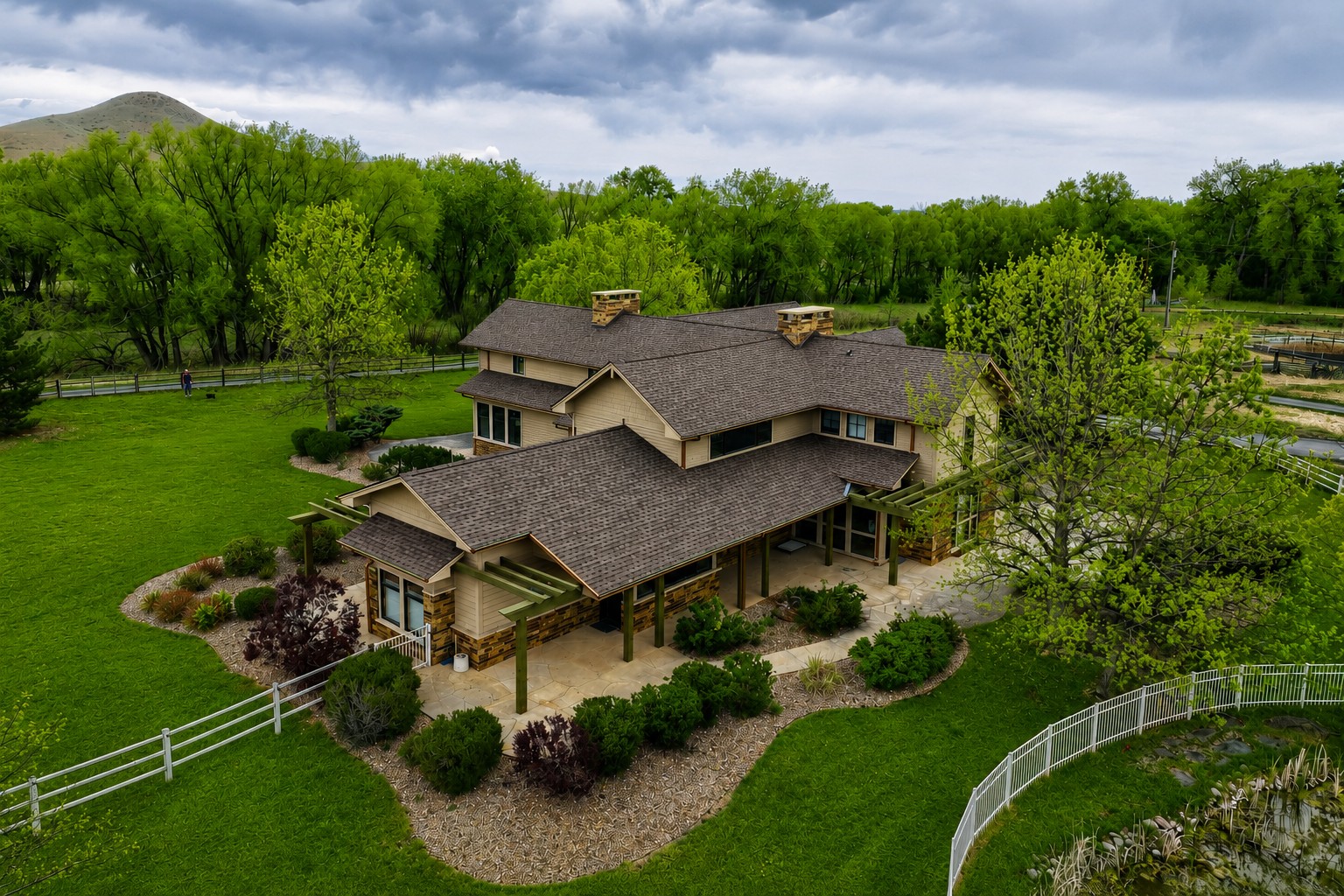
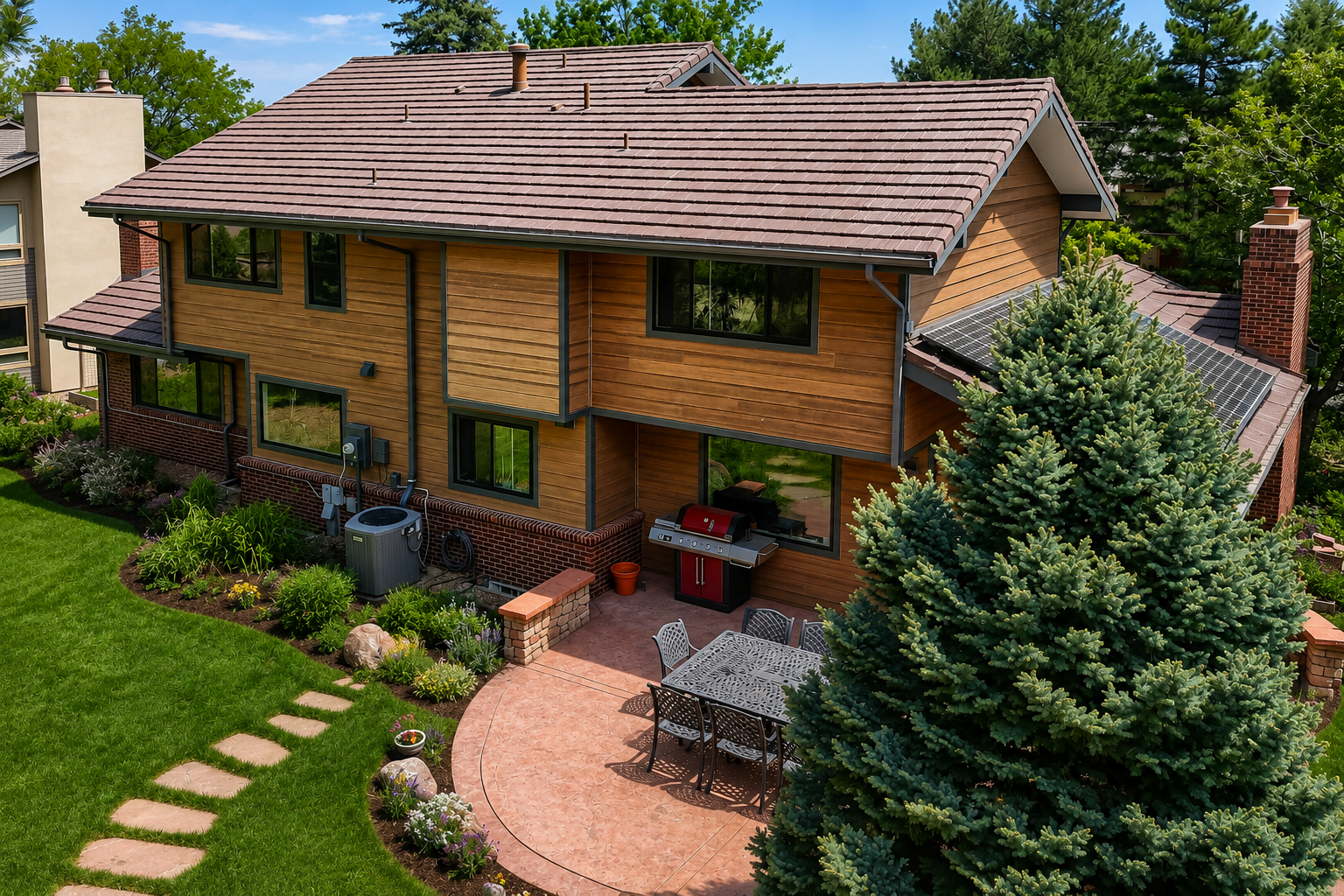
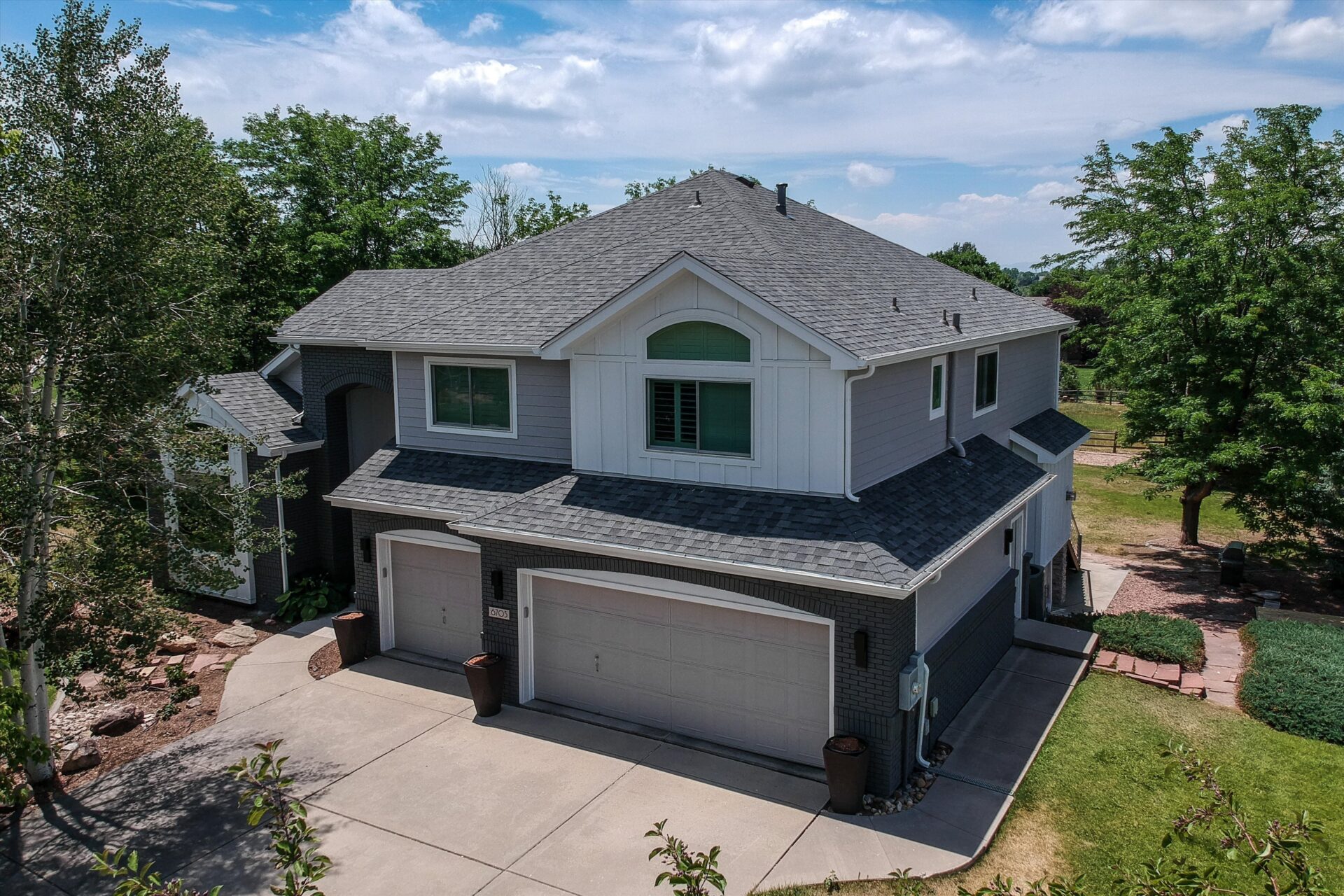
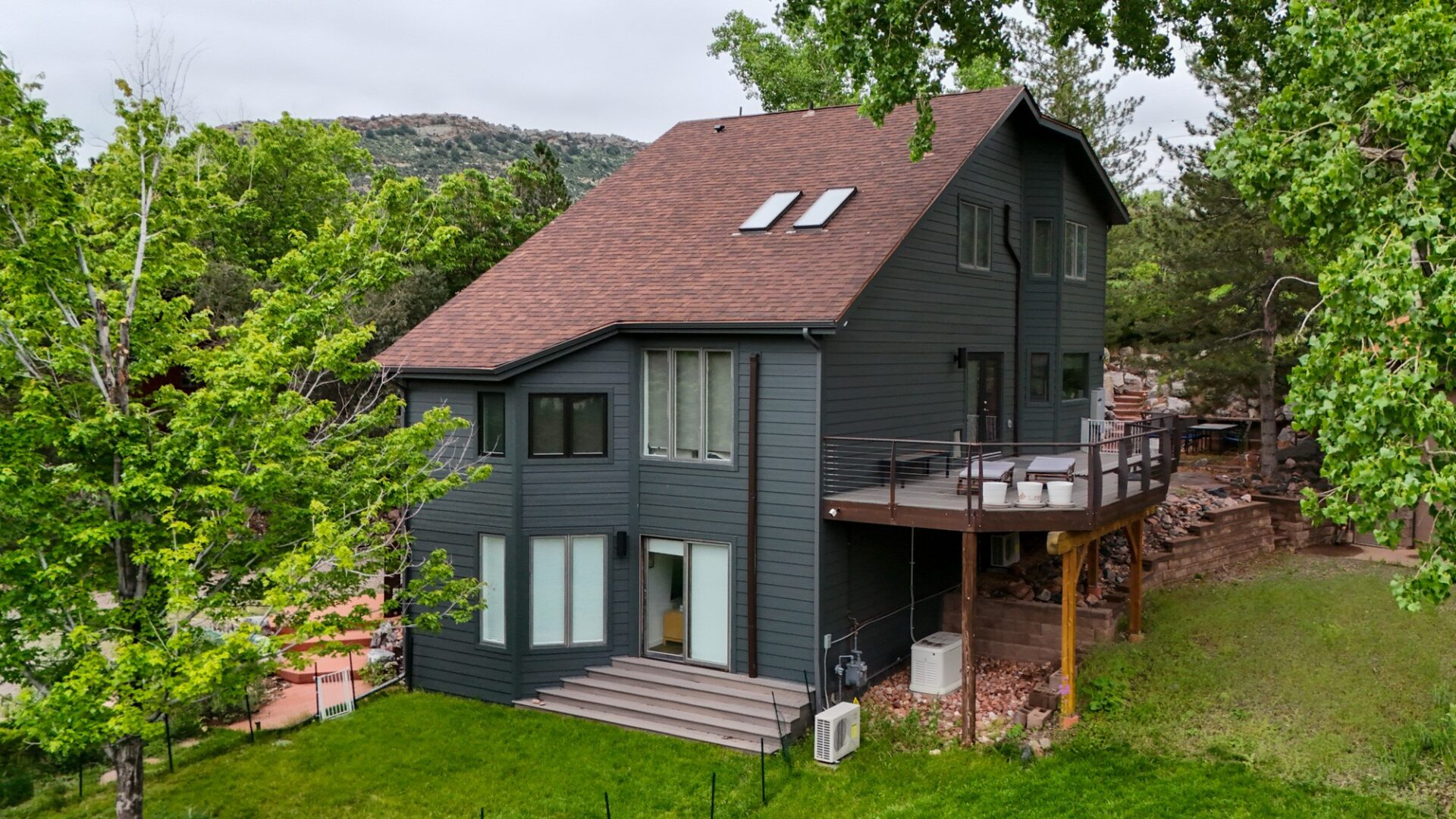
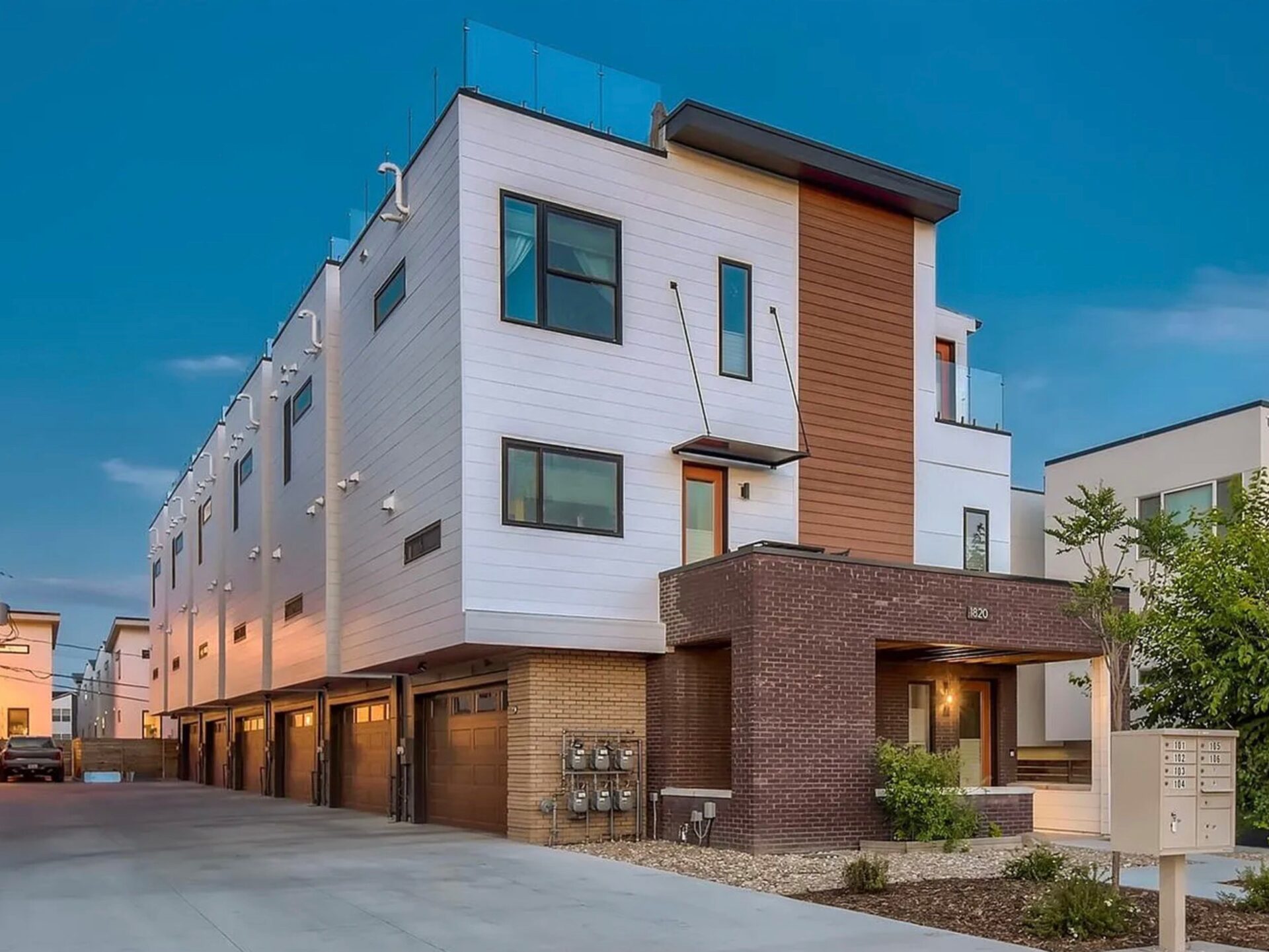
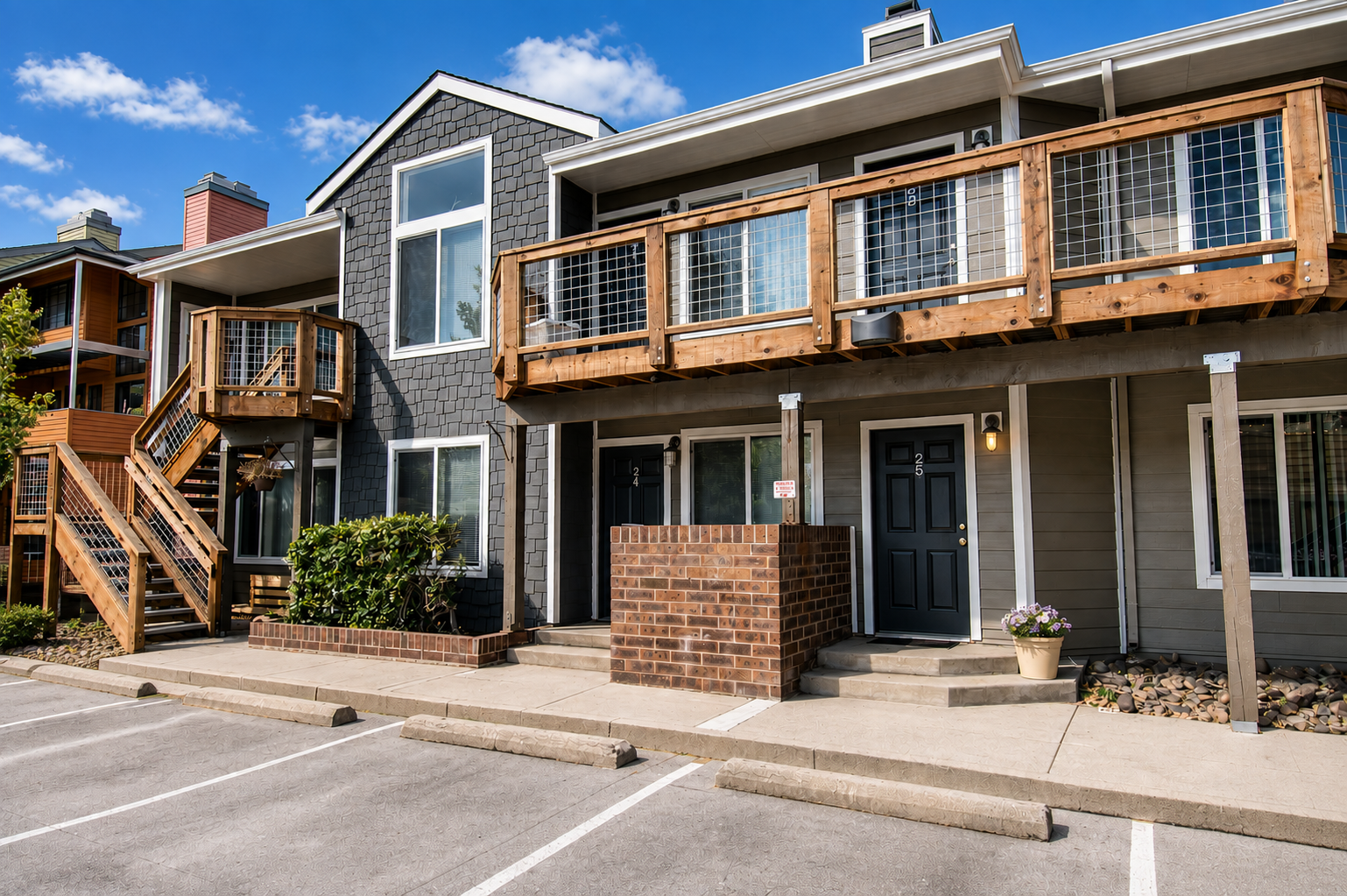
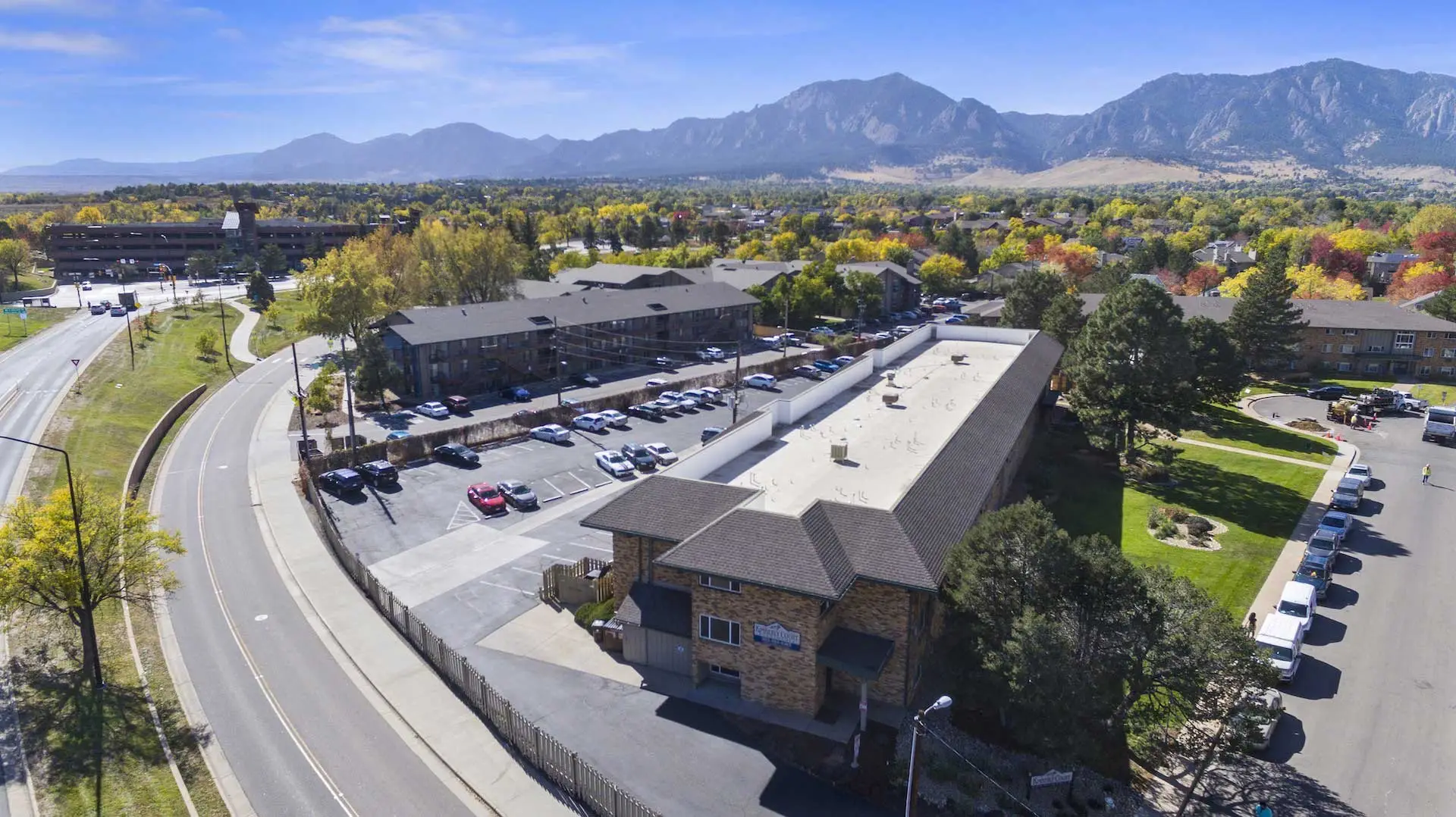
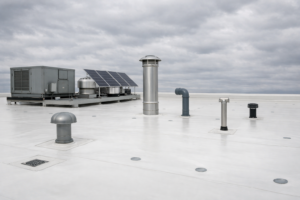
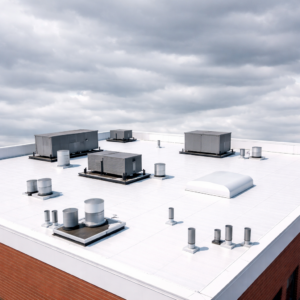
TPO Roofing Project Examples
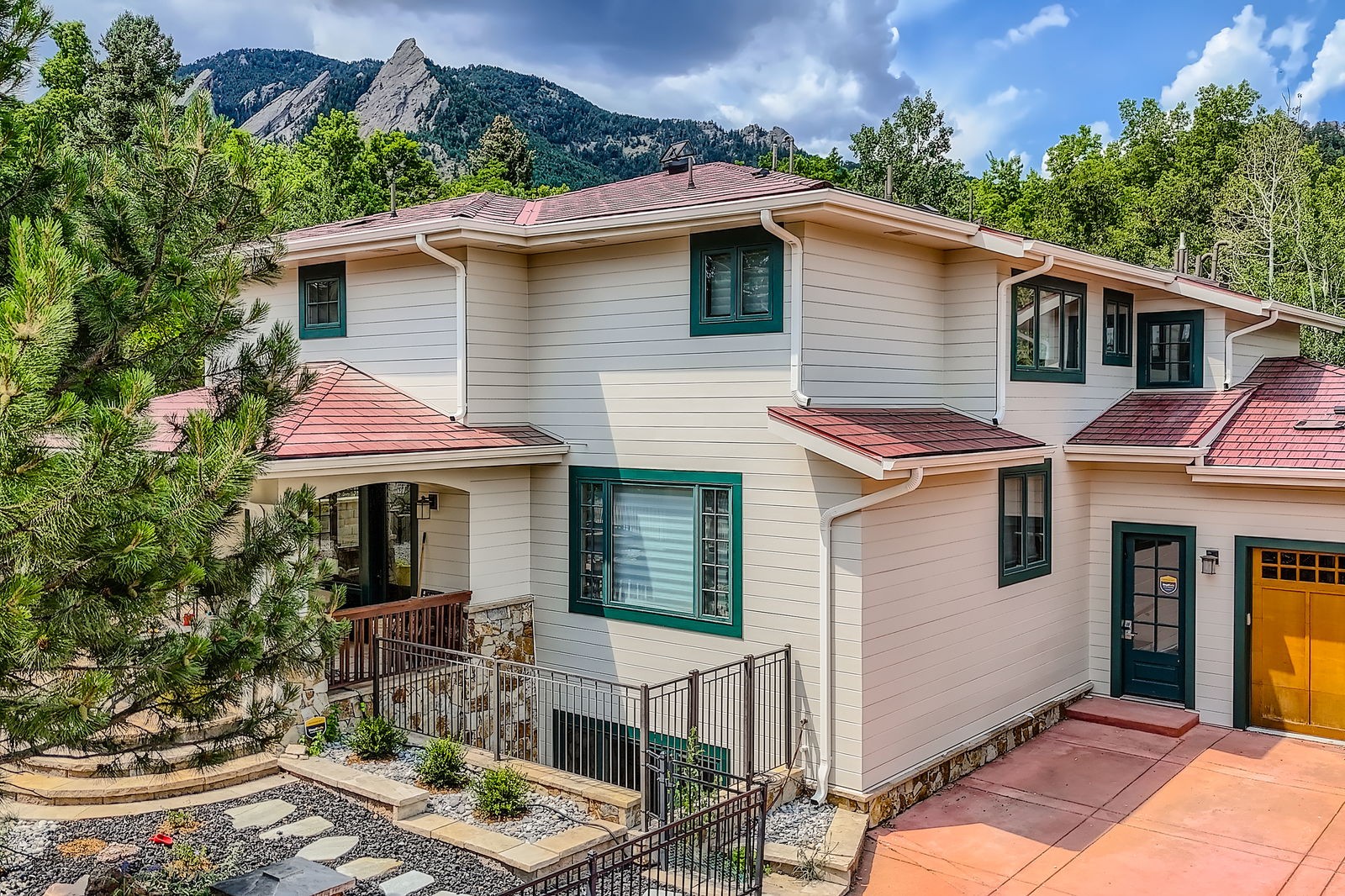
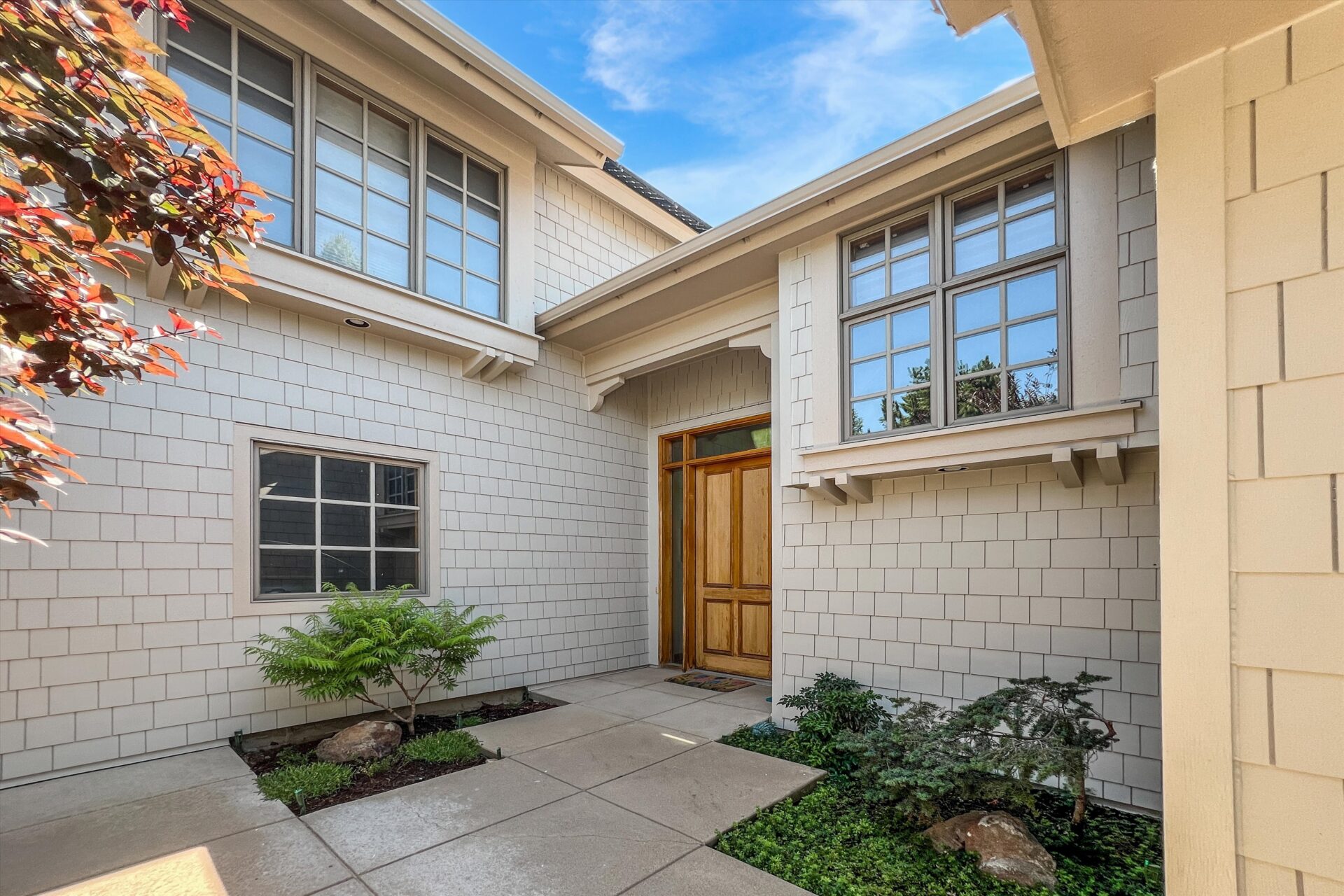
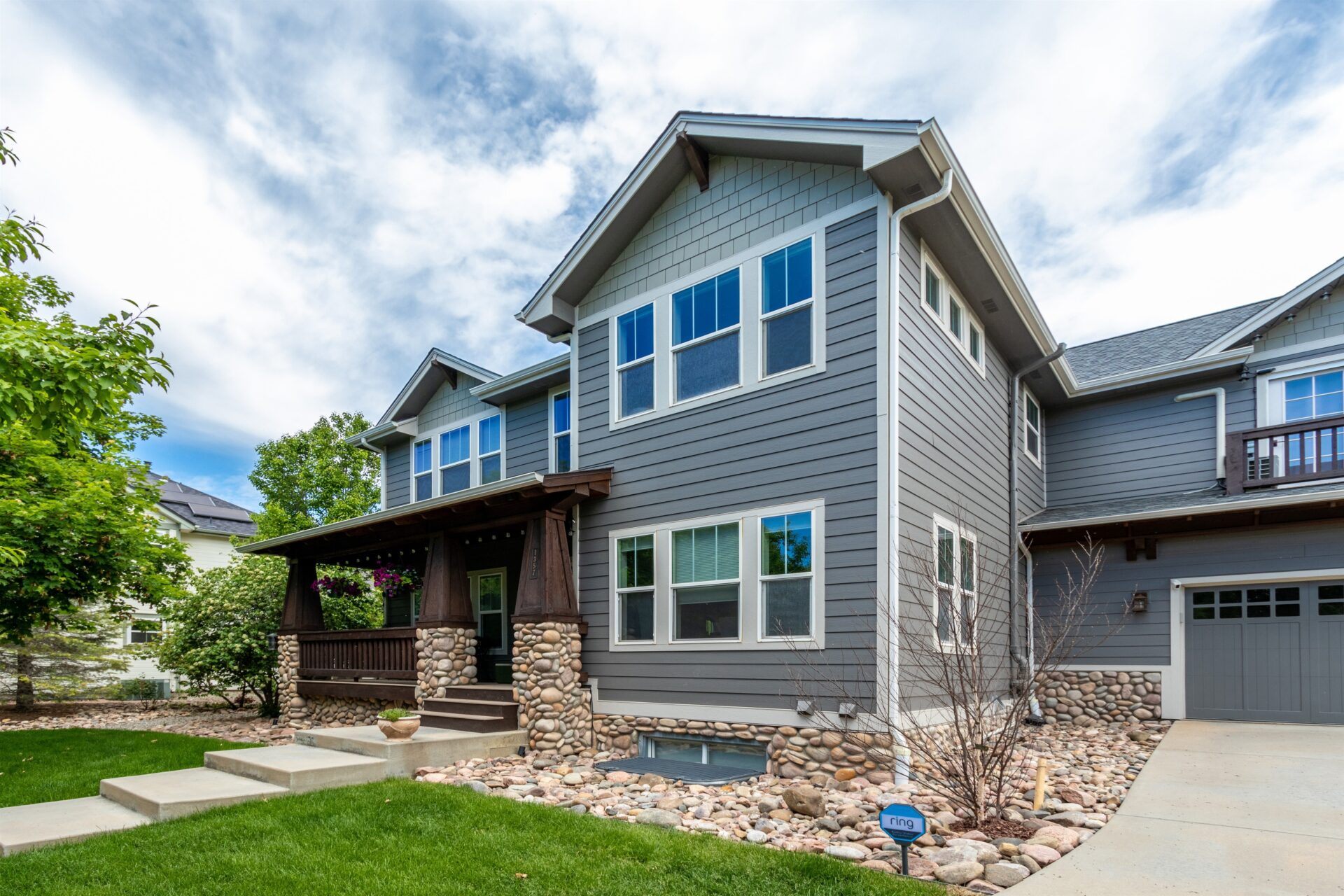
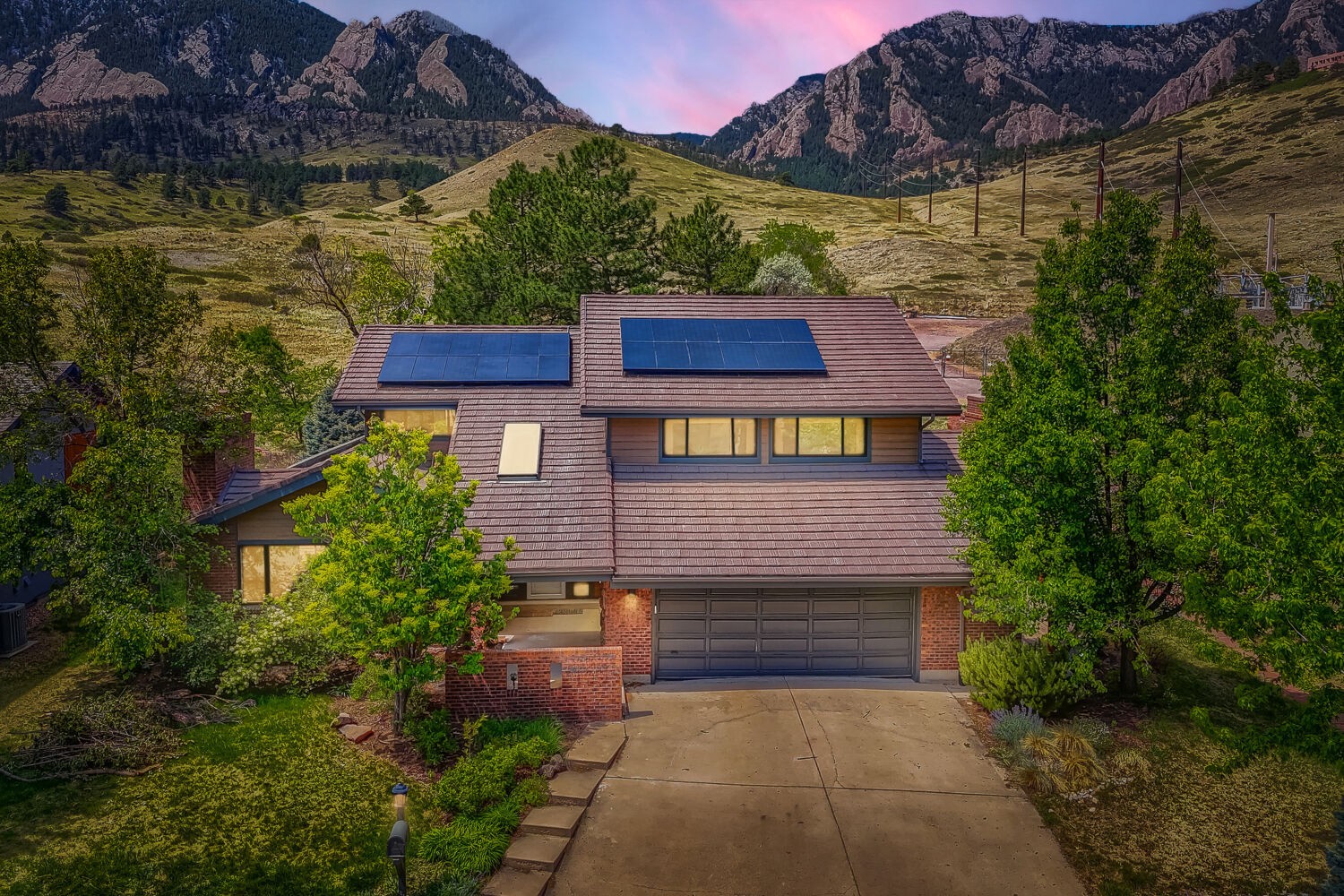
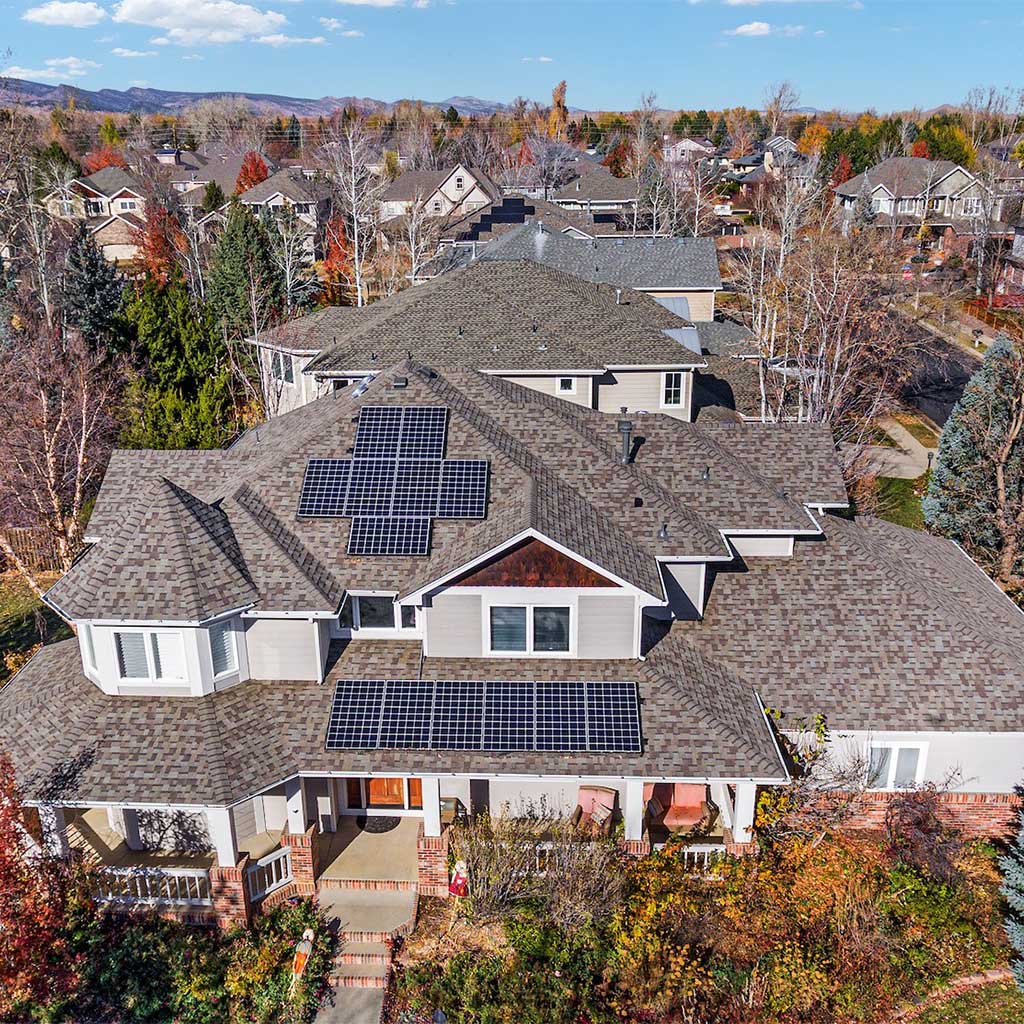
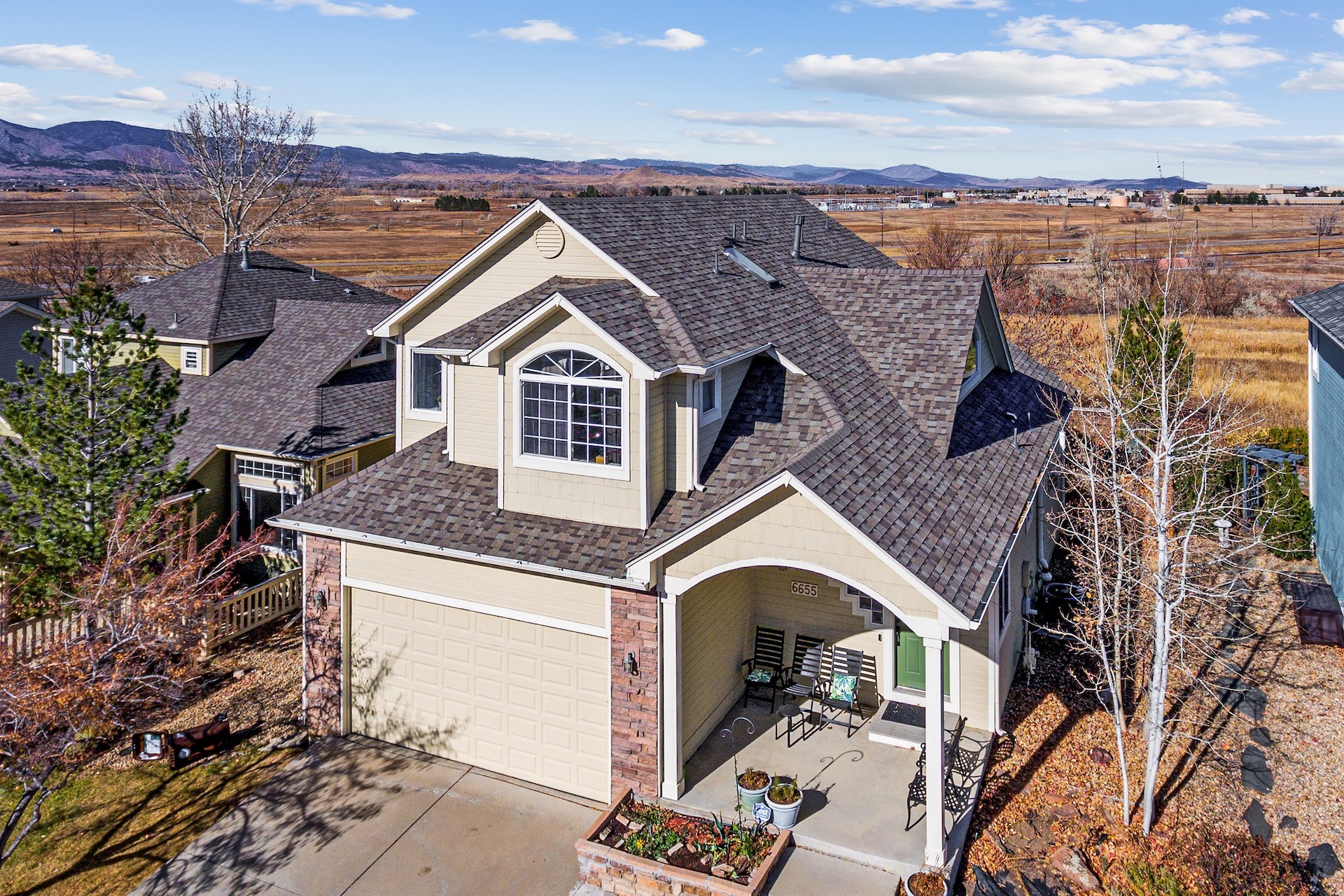
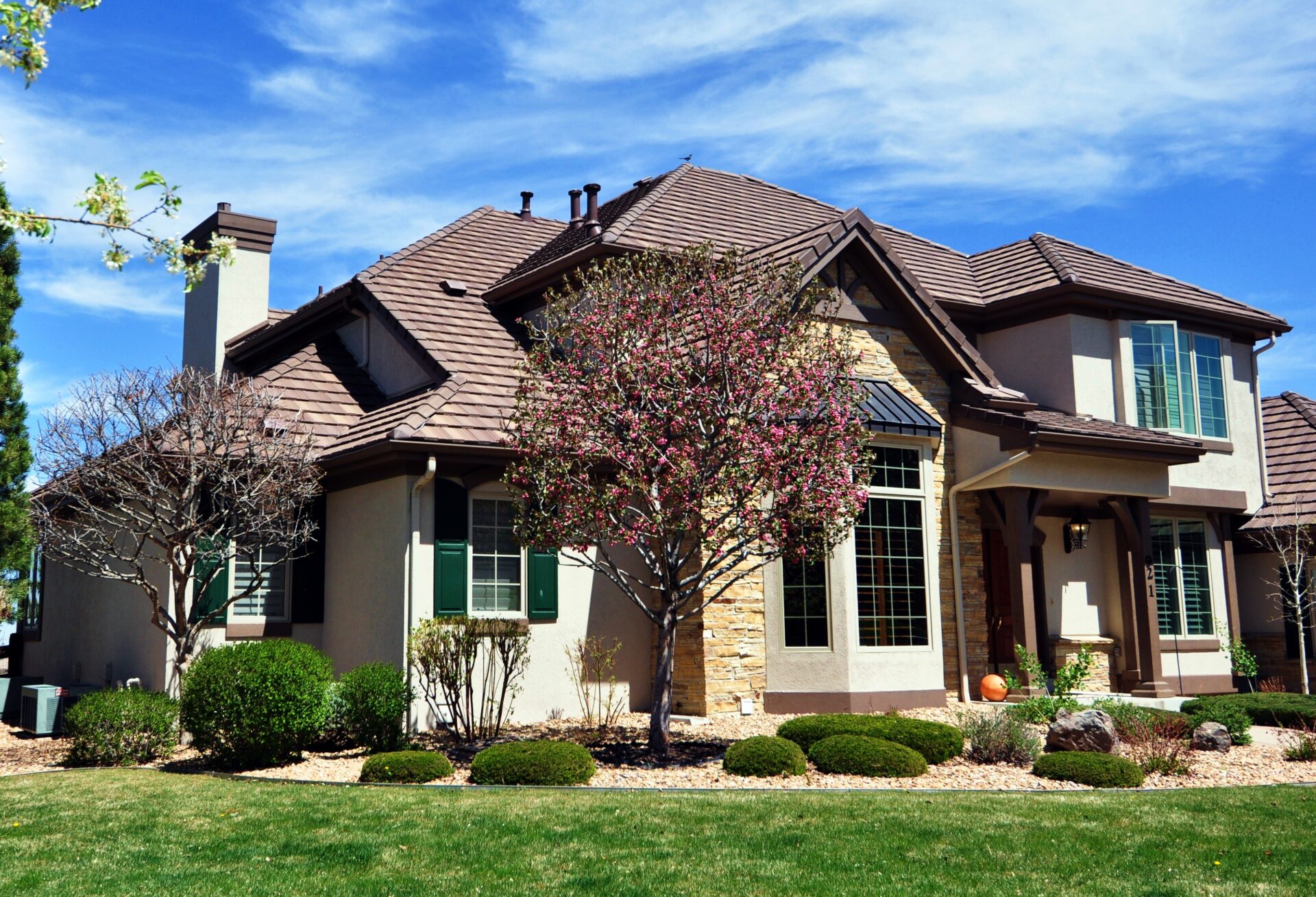
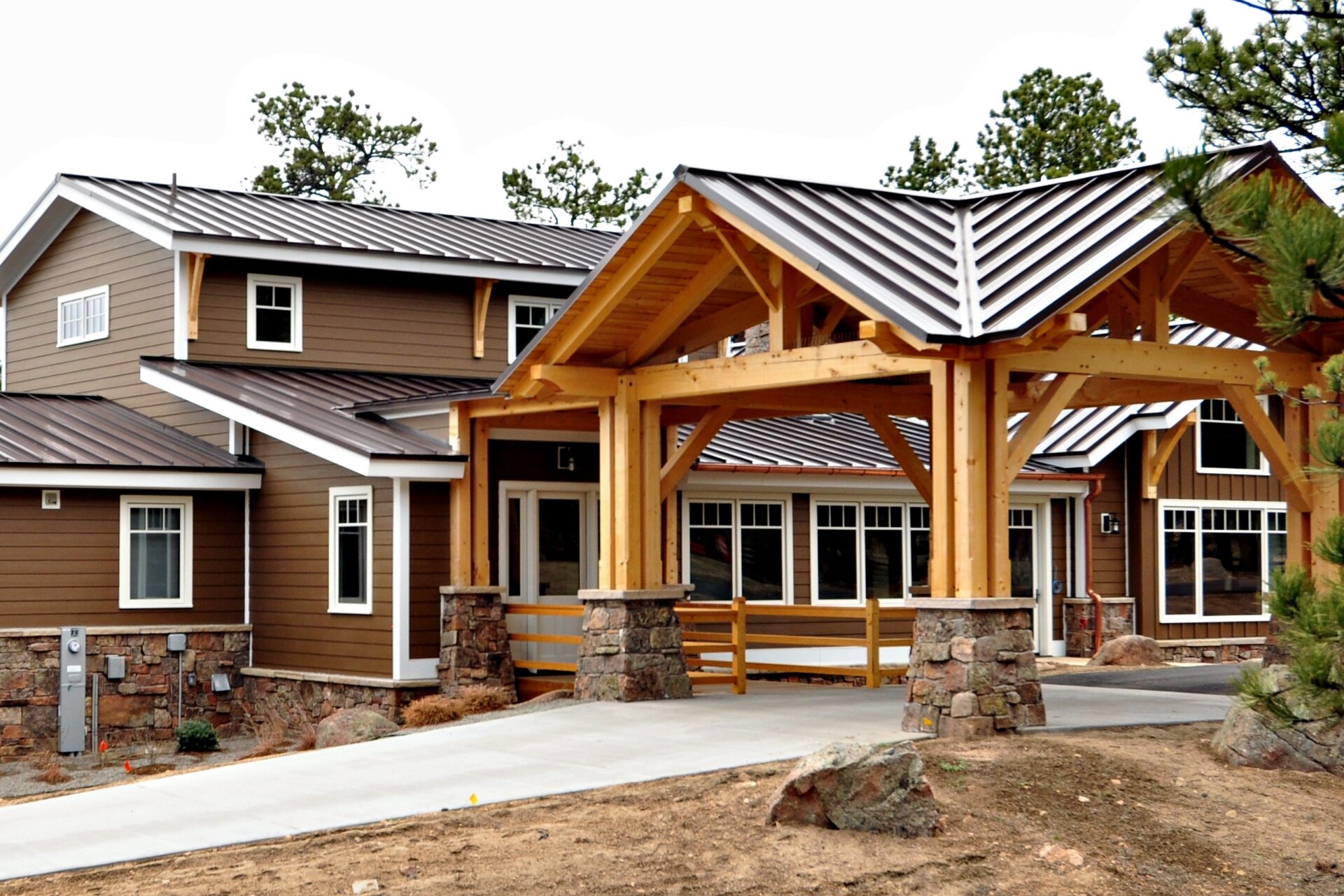
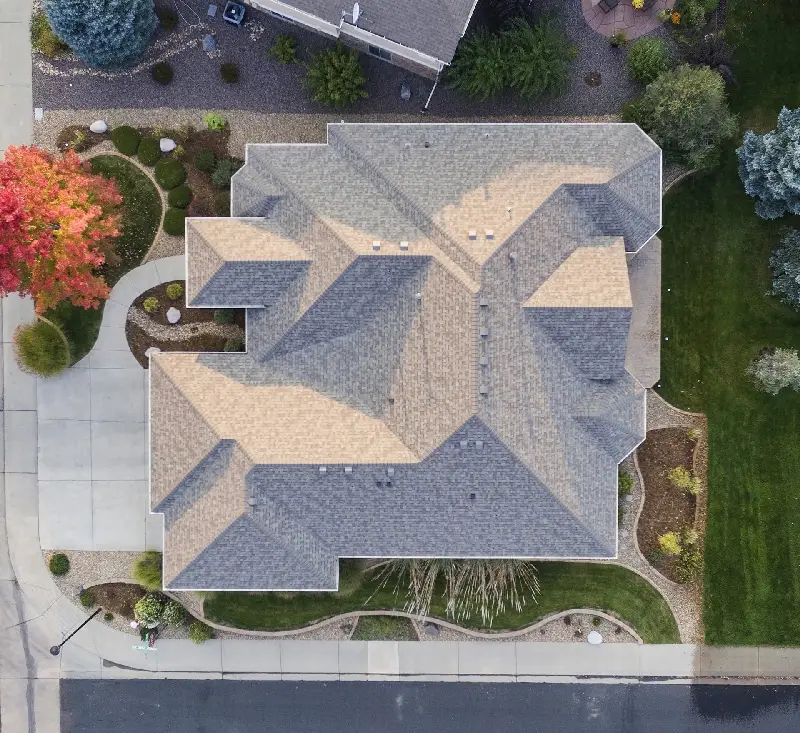
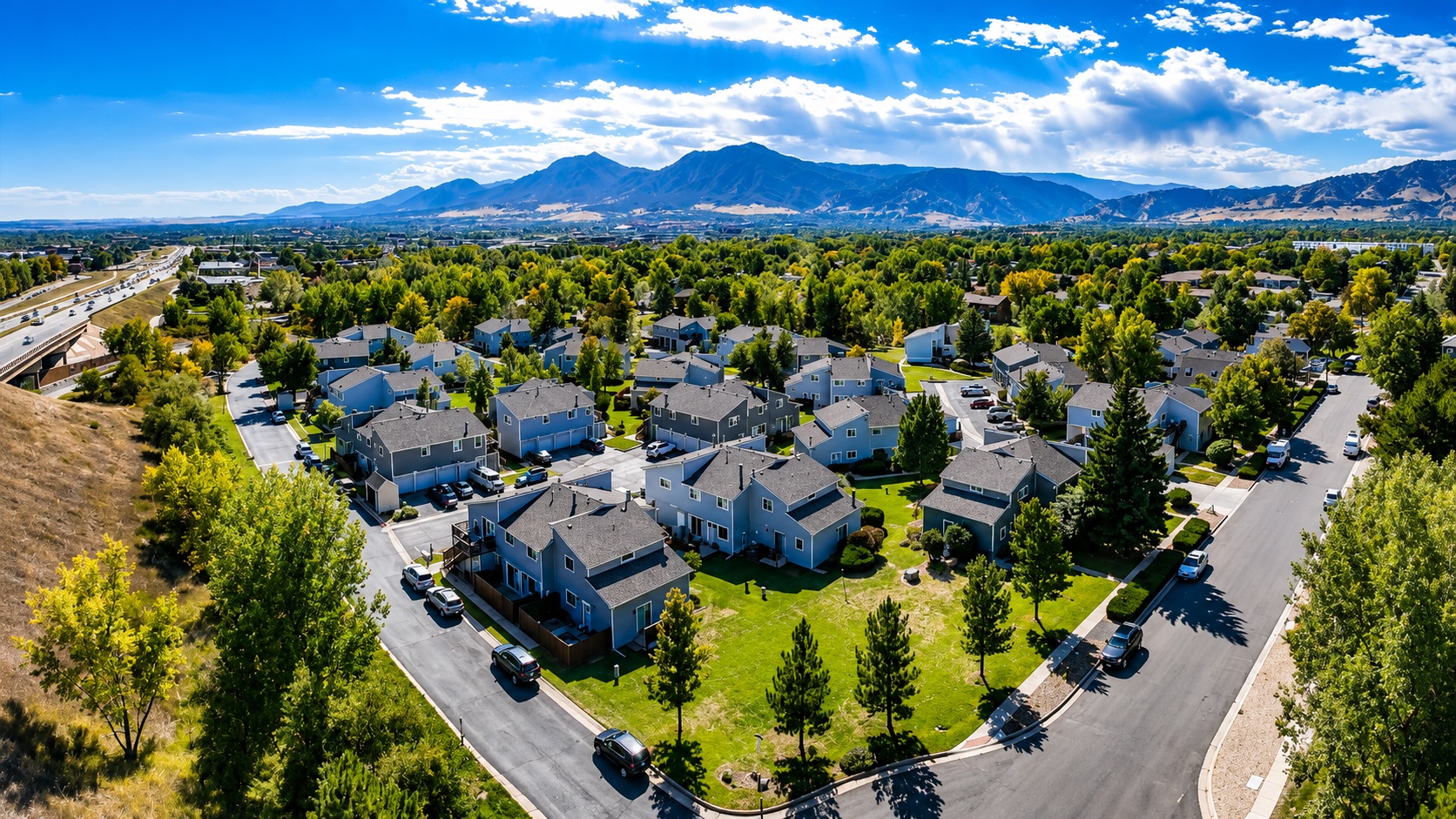
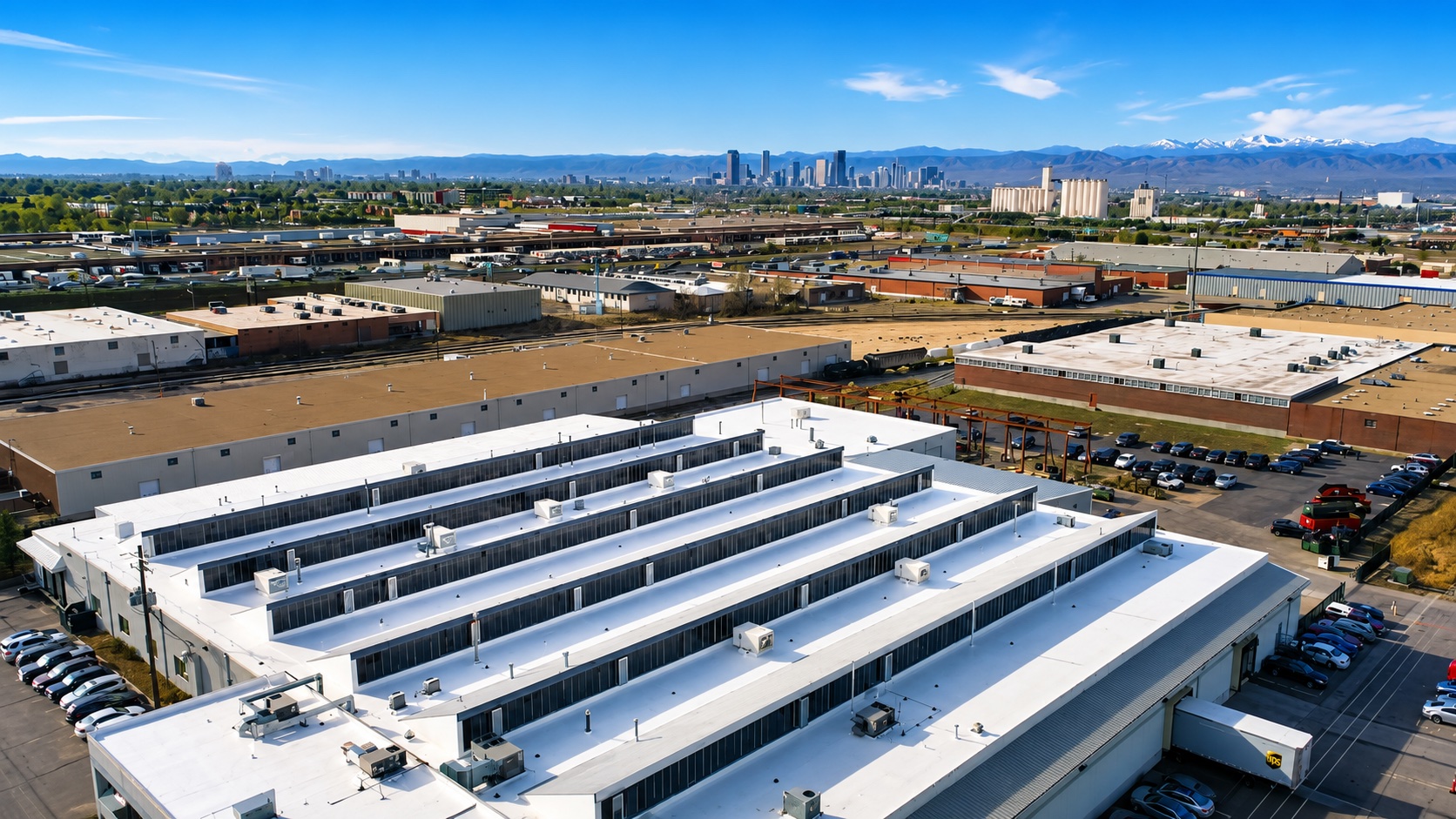
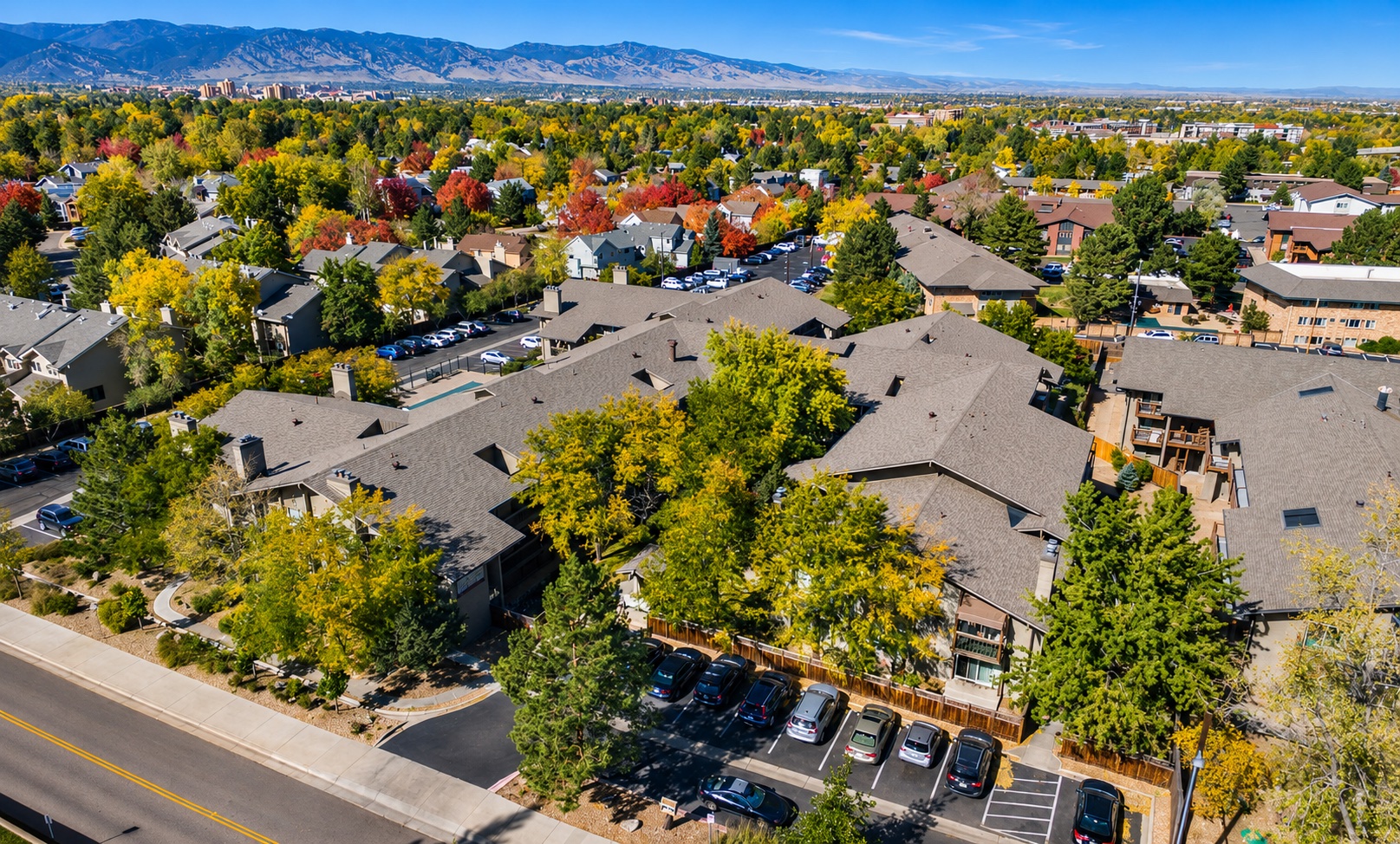
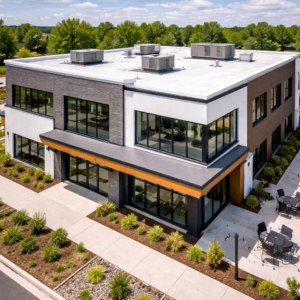
Low-slope commercial roofing project examples.
What Is TPO Roofing?
TPO roofing is a single-ply thermoplastic membrane used on flat and low-slope commercial roofs. It is commonly selected for buildings that want a durable, heat-reflective membrane system with clean seams, broad commercial use, and strong value for roof replacement or new construction.
TPO is often installed on offices, warehouses, retail buildings, schools, churches, multifamily communities, HOA properties, medical buildings, and industrial facilities. In Colorado, it is frequently chosen for owners who want a bright white roof surface, modern low-slope detailing, and a membrane system that fits many commercial roof assemblies.
Why Commercial Owners Choose TPO Roofing
Performance Advantages
- Reflective white surface: often attractive for heat-management and energy-minded roof strategies
- Designed for flat and low-slope roofs: a common fit for modern commercial buildings
- Heat-welded seams: an important detail in single-ply roof performance
- Broad market familiarity: widely specified and commonly discussed in commercial roofing
- Good value on many roof scopes: especially when paired with the right insulation and detailing package
Why It Fits Real Buildings
TPO is often a practical choice for owners who want a modern single-ply commercial roof with strong reflectivity, clean installation detailing, and a system commonly used across low-slope properties. It is especially relevant when the roof design, insulation strategy, occupancy needs, and long-term ownership goals all point toward a reflective membrane solution.
For many buildings, TPO is not just “the white roof option.” It is a serious commercial roofing system that should be evaluated based on the actual assembly, the building’s use, rooftop equipment, drainage, and lifecycle planning.
Is TPO Roofing Right for Your Building?
TPO roofing is usually a strong fit for flat and low-slope commercial roofs where reflectivity, single-ply performance, and long-term roof planning matter.
- Commercial offices and retail centers needing a reliable low-slope membrane roof
- Warehouses and industrial buildings with large flat roof areas
- Multifamily and HOA properties where coordinated project management and predictable roofing scopes matter
- Schools, churches, and institutional buildings with low-slope roof replacement needs
- Re-roof and new construction projects where a reflective membrane system aligns with the building goals
If you are comparing low-slope roofing systems for a commercial property in Colorado, TPO should usually be part of that conversation.
TPO Attachment Methods: Fully Adhered or Mechanically Attached
Commercial owners often search for TPO roofing without realizing that attachment method affects wind design, installation approach, project cost, and long-term assembly performance. The right system is based on the building, deck type, exposure, code requirements, and overall roof scope.
Fully Adhered TPO
The membrane is adhered across the field of the roof. This can be a strong choice where assembly integrity, roof appearance, and design criteria make a fully adhered system the better fit.
Mechanically Attached TPO
The membrane is secured with fasteners and plates as part of the system design. This is a common solution on many commercial roofs and can be appropriate when the structure and project requirements support it.
The best attachment method depends on the actual building, not a generic sales pitch. Northern Lights Exteriors evaluates the roof assembly, slope, edge conditions, penetrations, occupancy concerns, and long-term use of the building before recommending a TPO scope.
TPO Roofing Details That Matter on Commercial Roofs
On a commercial TPO roof, performance is not just about the membrane. It also depends on insulation layout, cover board strategy, flashing details, drainage, rooftop equipment coordination, edge metal, and seam quality.
What Owners Should Ask About
- Is tear-off required or is recover being considered?
- What insulation package is included in the scope?
- How are drains, penetrations, curbs, and parapet transitions detailed?
- How will rooftop traffic and future service access affect the assembly?
- What parts of the roof system are driving long-term maintenance risk?
Why This Matters
Many problems blamed on “the membrane” actually come from poor transitions, rushed detailing, drainage issues, or unclear scopes. That is why building owners comparing TPO roofing contractors should focus on inspection quality, documentation, and scope clarity — not just price per square.
TPO vs. EPDM Roofing: Which Low-Slope System Fits Best?
Building owners often compare TPO roofing vs. EPDM roofing when planning a flat or low-slope roof replacement. Both are widely used commercial membrane systems, but they solve different priorities. The best choice depends on the building’s use, energy goals, maintenance expectations, rooftop conditions, and long-term ownership strategy.
TPO Roofing
Best known for: Reflective white membrane, heat-welded seams, and broad commercial use.
Common building fit: Flat and low-slope roofs where reflectivity and single-ply performance are priorities.
Why owners choose it: Clean, modern commercial roof system with strong popularity across many building types.
EPDM Roofing
Best known for: Flexibility, repairability, and long-term membrane familiarity.
Common building fit: Flat and low-slope roofs where serviceability and long-term maintenance planning matter.
Why owners choose it: Proven membrane with a strong track record on commercial roof assemblies.
When TPO May Be the Better Fit
When a reflective roof surface, thermoplastic detailing, and a widely used white single-ply system align with the building goals.
When EPDM May Be the Better Fit
When flexibility, serviceability, membrane familiarity, and a different long-term roof strategy matter more to the owner.
If you are weighing both options, visit our EPDM roofing page for a deeper comparison and use-case breakdown.
What Drives TPO Roofing Cost?
Owners searching for commercial TPO roofing usually want pricing early. That is understandable, but on a commercial roof, total cost depends on much more than membrane square footage.
- Existing roof condition and whether tear-off is required
- Insulation scope, cover board, and substrate condition
- Attachment method and wind-design requirements
- Penetrations, rooftop equipment, drains, edge metal, and flashing complexity
- Occupied-building logistics and project phasing
- Repair vs. full roof replacement strategy
The best way to compare TPO roofing cost is with a documented roof inspection and a clear commercial scope built around the actual assembly.
TPO Roof Repair, Replacement, and Maintenance
Not every TPO roof needs full replacement right away. In some cases, TPO roof repair makes sense. In others, replacement is the smarter long-term investment. The key is understanding whether the problem is localized or part of a broader assembly issue.
When TPO Roof Repair May Make Sense
- Localized seam or flashing issues
- Minor punctures or isolated leak sources
- Roof still has strong overall service life remaining
- Drainage and insulation conditions are still sound
When TPO Roof Replacement Is the Better Move
- Widespread membrane aging or repeated leak history
- Recurring issues across multiple sections of the roof
- Flashing, seam, or edge detail breakdown in several areas
- Insulation, substrate, or drainage problems tied to the full assembly
Northern Lights Exteriors provides documented inspections and clearer decision support so owners can compare repair, restoration, and replacement more confidently.
Why Owners Hire Northern Lights Exteriors for TPO Roofing
- Commercial roofing focus: offices, retail, multifamily, HOA, industrial, and occupied properties
- Clear scopes: better bid comparison and clearer expectations around detailing, insulation, and replacement strategy
- Documented roof inspections: photos, condition review, and more informed decision-making
- Storm and insurance experience: useful when hail or wind affects the low-slope roof scope
- Project management: communication, phasing, safety, and execution matter on commercial roofing jobs
- Colorado service footprint: trusted by owners and managers across Denver and Northern Colorado
If you are comparing TPO roofing contractors, TPO roofing companies, or a commercial TPO roofing contractor near you, Northern Lights Exteriors is positioned to help with inspection, planning, repair, and replacement strategy.
Comparing TPO Roofing Contractors?
If you are comparing commercial TPO roofing contractors, review inspection quality, detailing, insulation scope, occupied-property planning, communication, and long-term roof strategy — not just price.
TPO Roofing Service Areas
Northern Lights Exteriors serves commercial TPO roofing clients across Denver and Northern Colorado, including offices, retail centers, warehouses, multifamily communities, HOA properties, and other flat and low-slope buildings throughout the Front Range.
- Denver
- Boulder
- Longmont
- Fort Collins
- Loveland
- Windsor
- Erie
- Louisville
- Lafayette
- Broomfield
- Westminster
- Superior
- Niwot
- Berthoud
- Estes Park
- Lyons
- Greeley
- Fort Lupton
FAQs: TPO Roofing
What is TPO roofing used for?
TPO roofing is primarily used on flat and low-slope commercial roofs. It is common on offices, warehouses, retail buildings, schools, churches, multifamily communities, and other commercial properties that need a single-ply membrane system.
Is TPO roofing good for Colorado?
Yes. TPO is often a strong fit for Colorado commercial buildings because it is widely used on low-slope roofs and is frequently selected for reflective performance, modern detailing, and commercial roof replacement projects.
How long does a TPO roof last?
TPO roofs can last for many years when the assembly is designed correctly and supported by proper installation, flashing, drainage, rooftop traffic management, and ongoing maintenance.
What is the difference between TPO and EPDM roofing?
TPO is a thermoplastic single-ply membrane commonly chosen for its reflective white surface and heat-welded seams. EPDM is a synthetic rubber membrane often chosen for flexibility, repairability, and long-term familiarity. The right fit depends on the building and owner priorities.
Is TPO roofing better than EPDM?
Not universally. TPO may be the better fit for one building, while EPDM may be the better fit for another. The decision should be based on the roof assembly, maintenance goals, energy strategy, rooftop conditions, and long-term ownership plans.
Can TPO roofing be repaired?
Yes. TPO roofs can often be repaired when issues are localized and the overall roof system still has useful life remaining. A roof inspection helps determine whether repair or replacement is the smarter option.
How is TPO roofing installed?
TPO roofing is typically installed as a single-ply membrane system over the appropriate roof assembly and insulation package. The system may be fully adhered or mechanically attached depending on the building and project requirements.
What affects TPO roofing cost?
Cost depends on tear-off, insulation, cover board, attachment method, flashing details, penetrations, edge metal, rooftop equipment, drainage conditions, and occupied-building logistics.
Do you provide commercial TPO roof inspections and estimates?
Yes. Northern Lights Exteriors provides documented inspections, clear scopes, and commercial estimates for TPO roof repair, replacement, and low-slope roof planning.
Do you work on HOA and multifamily TPO roofing projects?
Yes. Northern Lights Exteriors works on commercial, multifamily, and HOA low-slope roofing projects throughout Denver and Northern Colorado.
Get a Free TPO Roofing Estimate
If you are evaluating TPO roofing for a commercial building, HOA, multifamily property, office, retail center, warehouse, or low-slope roof replacement, Northern Lights Exteriors can help you compare options and build the right scope.