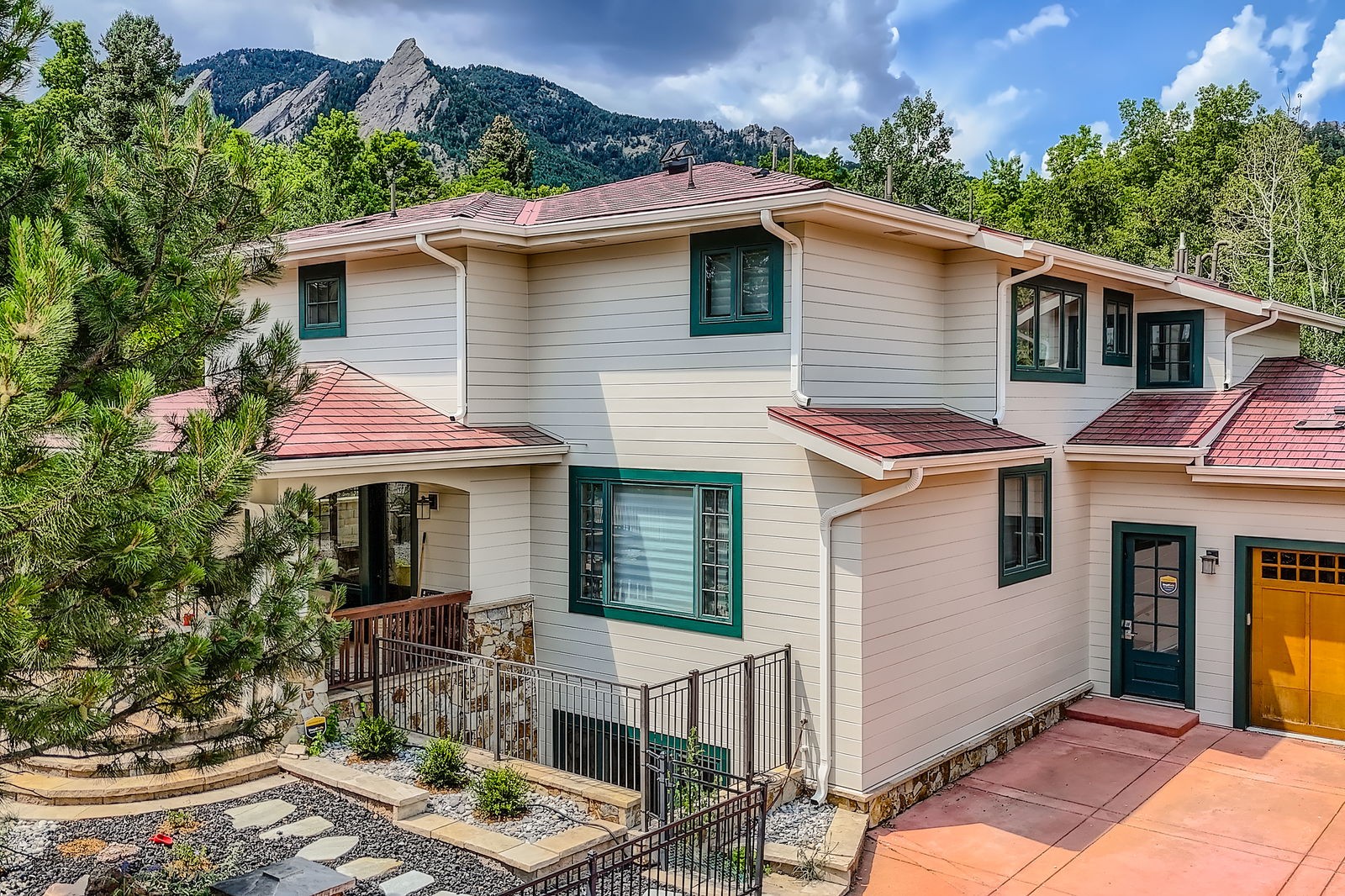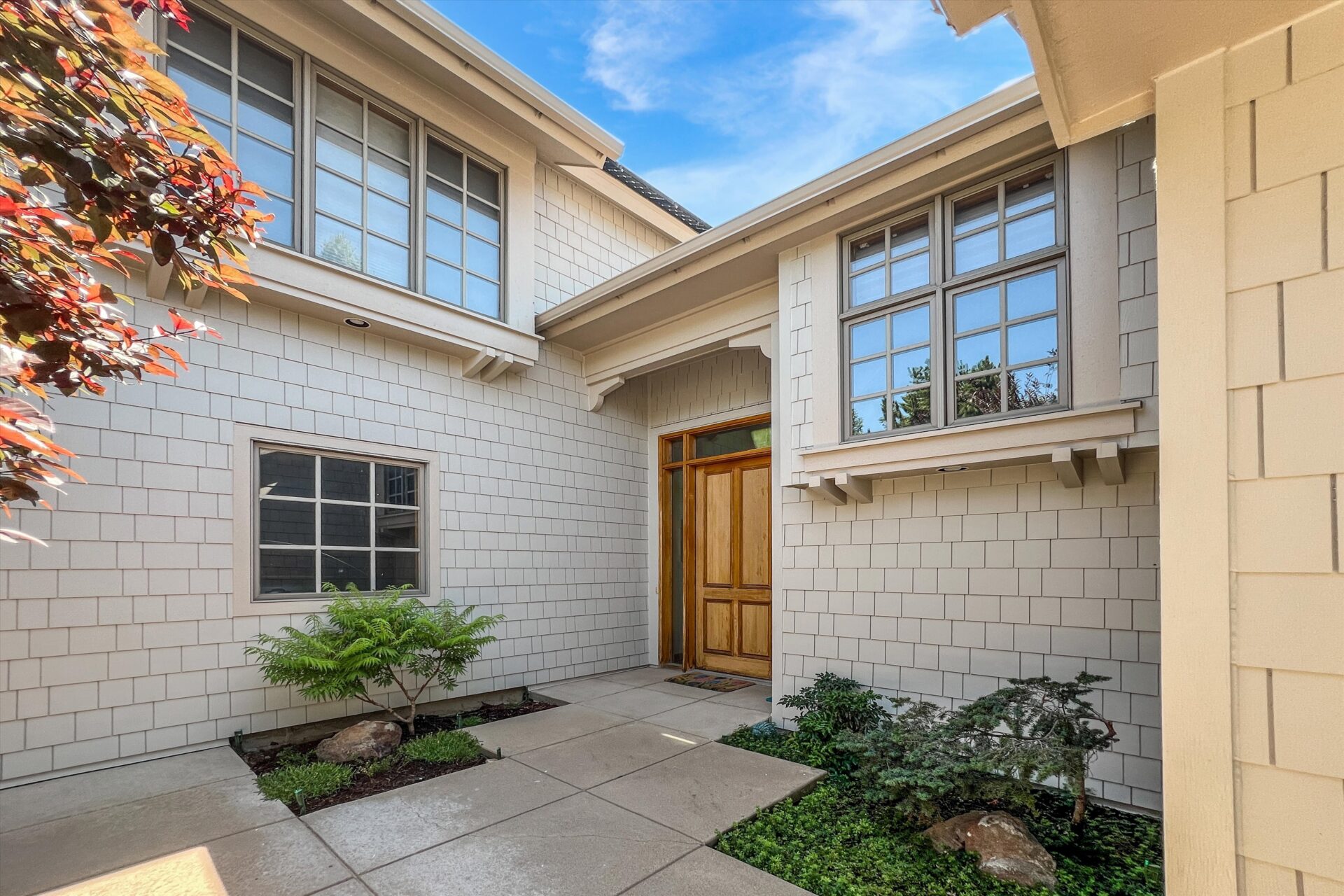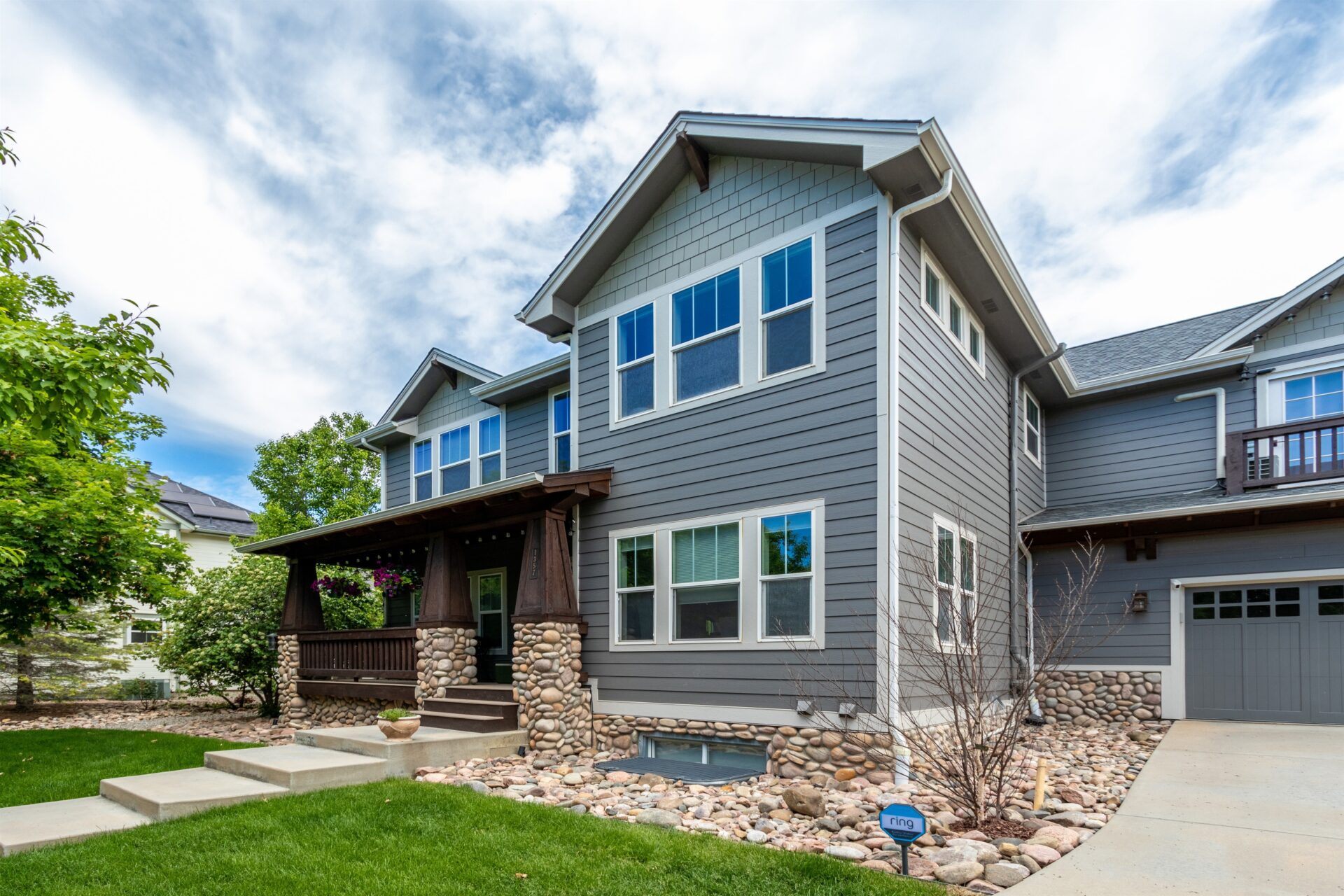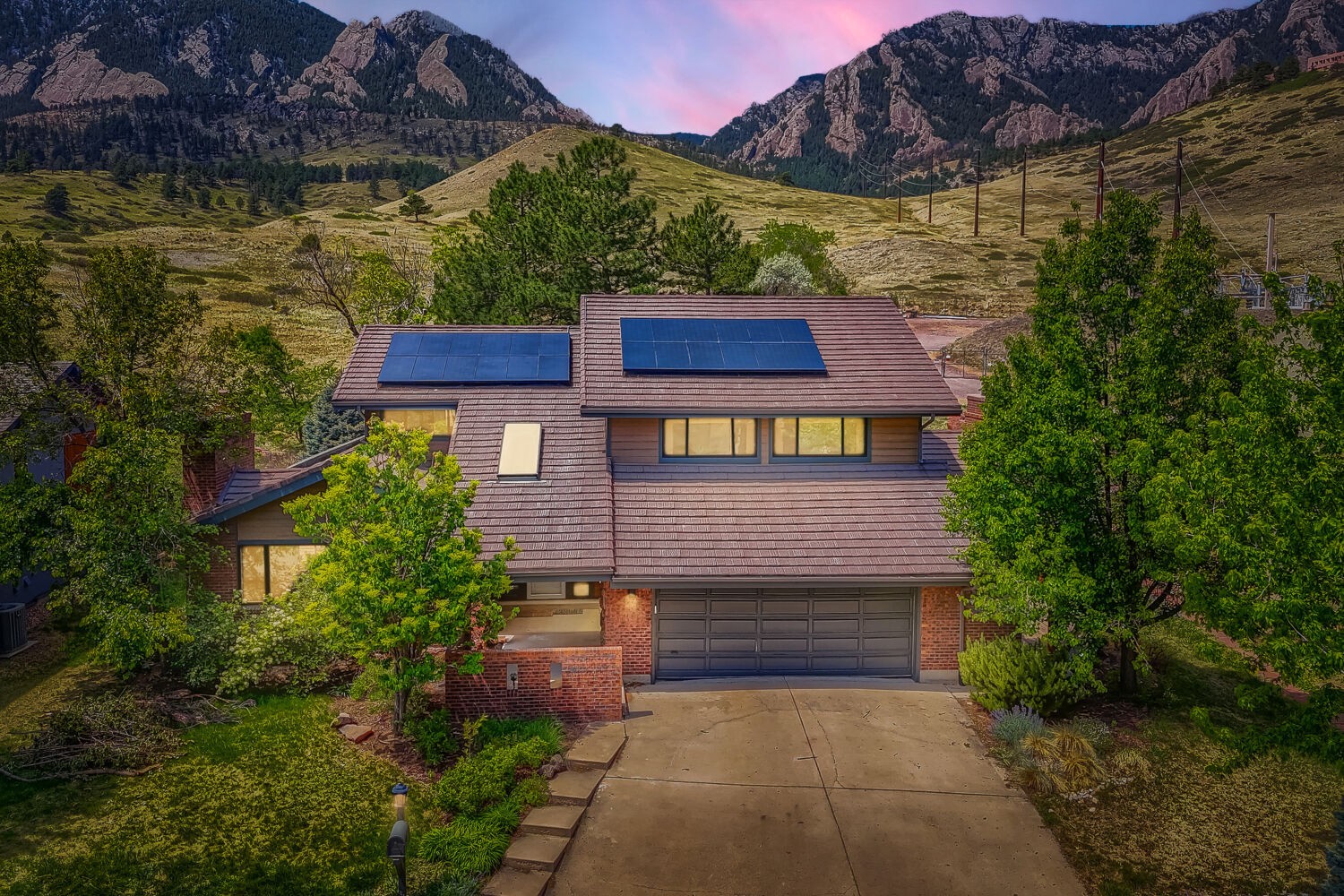
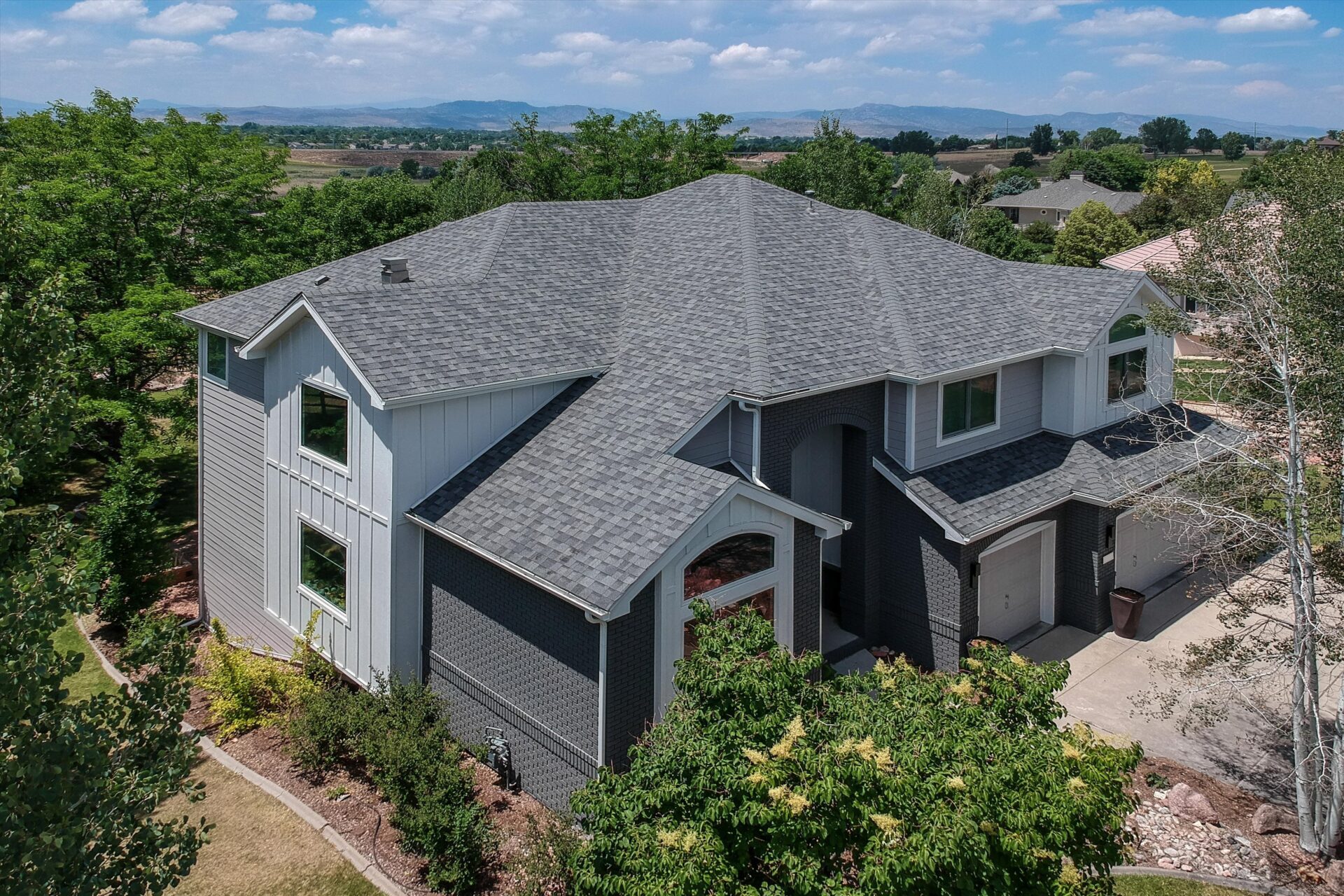
Siding Contractors — Cherry Hills Village, CO
Siding Contractors in Cherry Hills Village
Fiber cement, engineered wood, stucco and stone on custom Arapahoe County elevations — measured, detailed and flashed properly, by one Class C general contractor rather than four subcontractors.
Who is the best siding contractor in Cherry Hills Village?
Northern Lights Exteriors has worked on Colorado’s Front Range since 2001 and holds a Class C general contractor license, so siding, trim, windows and roof-to-wall flashing run under one contract with one project manager accountable for the transitions between them.
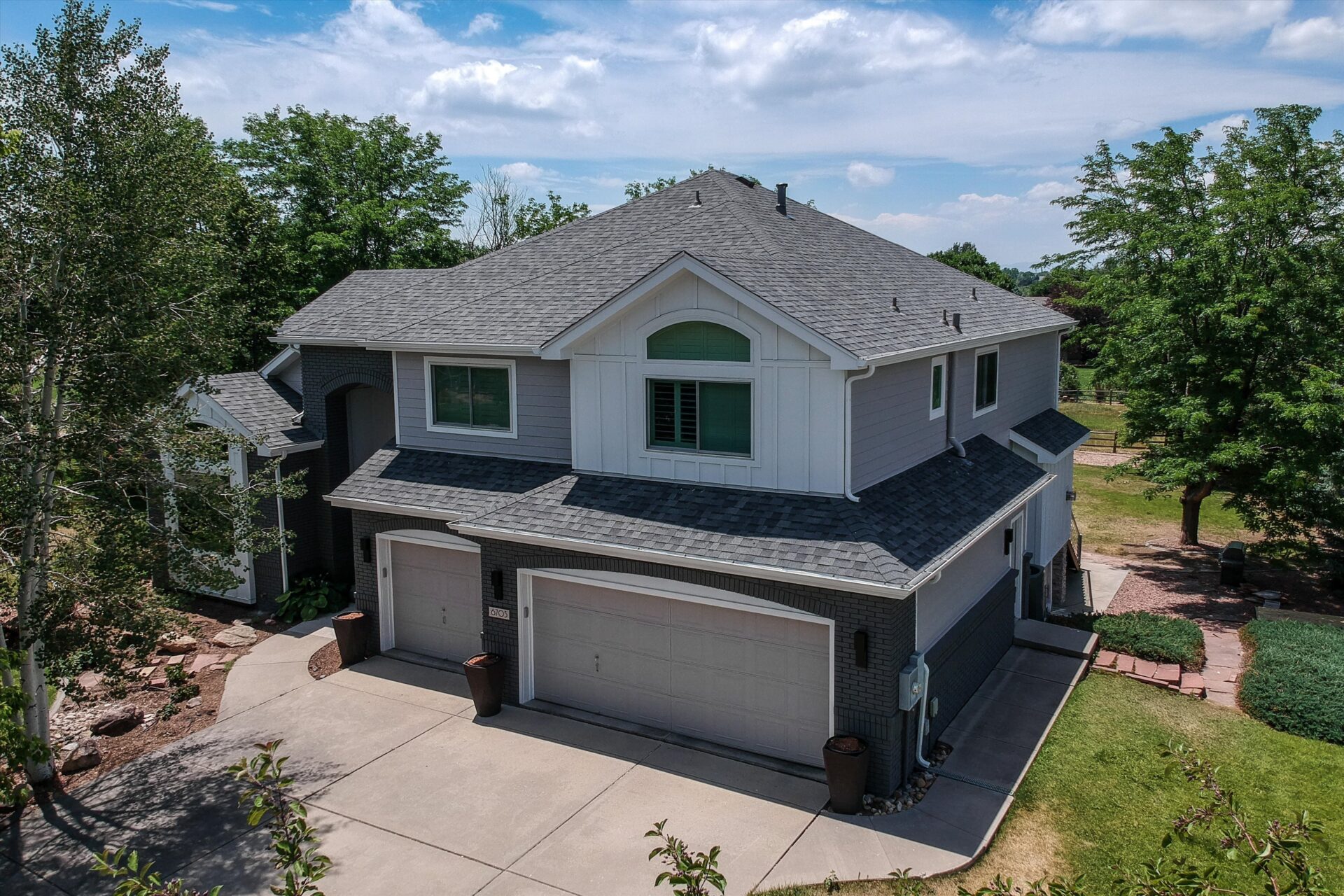
We install James Hardie fiber cement — as an Elite Preferred contractor continuously since 2011 and a President’s Club member — along with LP SmartSide engineered wood, stucco repair and re-clad, stone veneer and metal. Because we install all of them, our recommendation is not a sales preference.
Every project is tracked in a proprietary client portal — permits, schedules, payments per trade, inspections, and photographs of what was behind your old cladding. Rated 4.9 out of 5 from 552 verified reviews.
The Siding Decision Is Bigger Here Than the Brochures Suggest
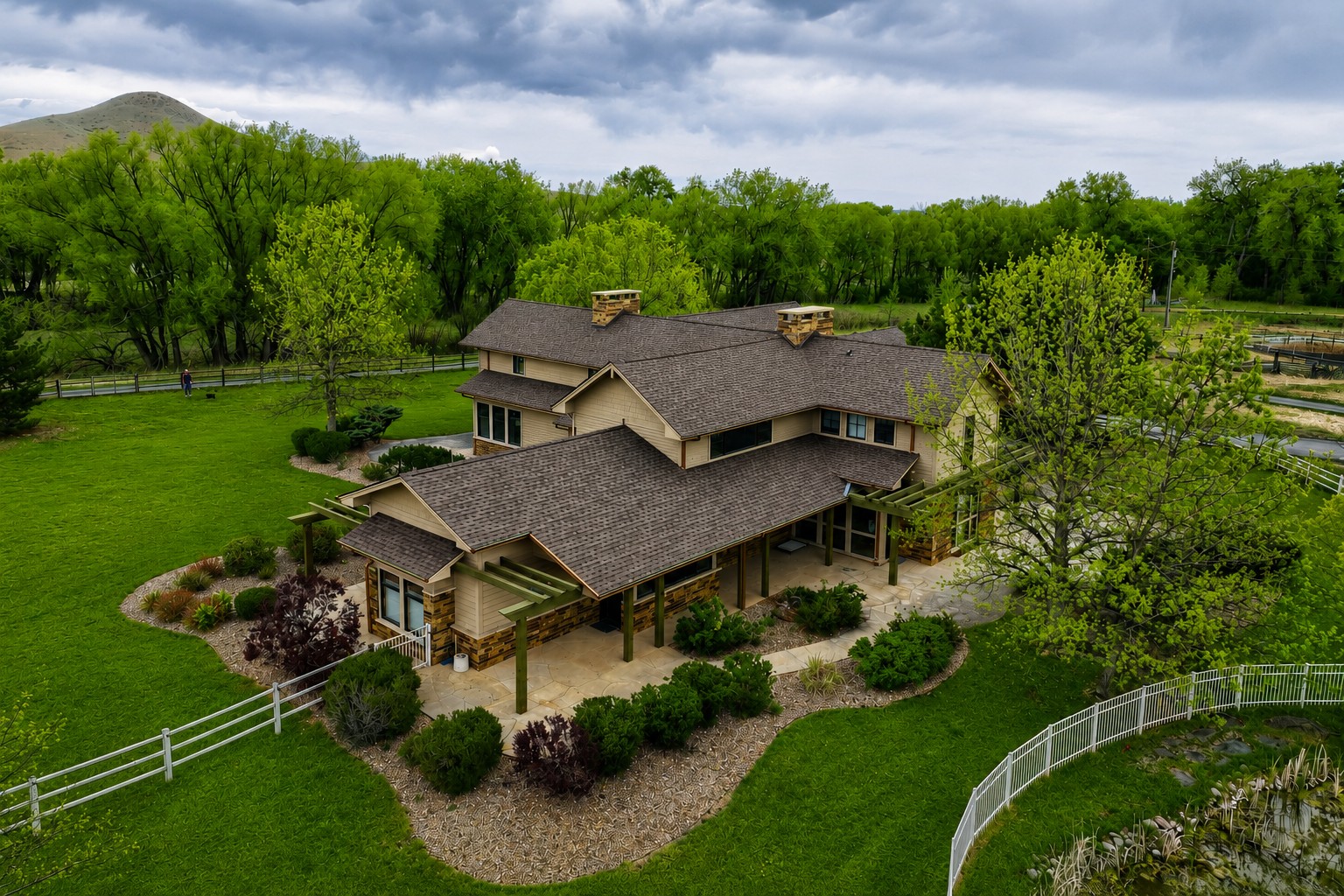
Cherry Hills Village is a custom-home market. Elevations here are large, they are rarely one single material, and they were rarely built to a repeatable plan — which changes the siding decision in three concrete ways that a national spec sheet will not tell you.
First, square footage compounds every choice. On a modest tract house the difference between two cladding materials is a rounding error. On a wall area two or three times that size, the same per-square difference becomes the largest single line in the estimate. That cuts both ways, and it is worth being blunt about it: the premium material is genuinely more expensive here, and the cheap material is genuinely more expensive to live with. The right way to decide is not brand loyalty, it is cost per year of service life on your wall area — which is a number we will work out with you rather than around you.
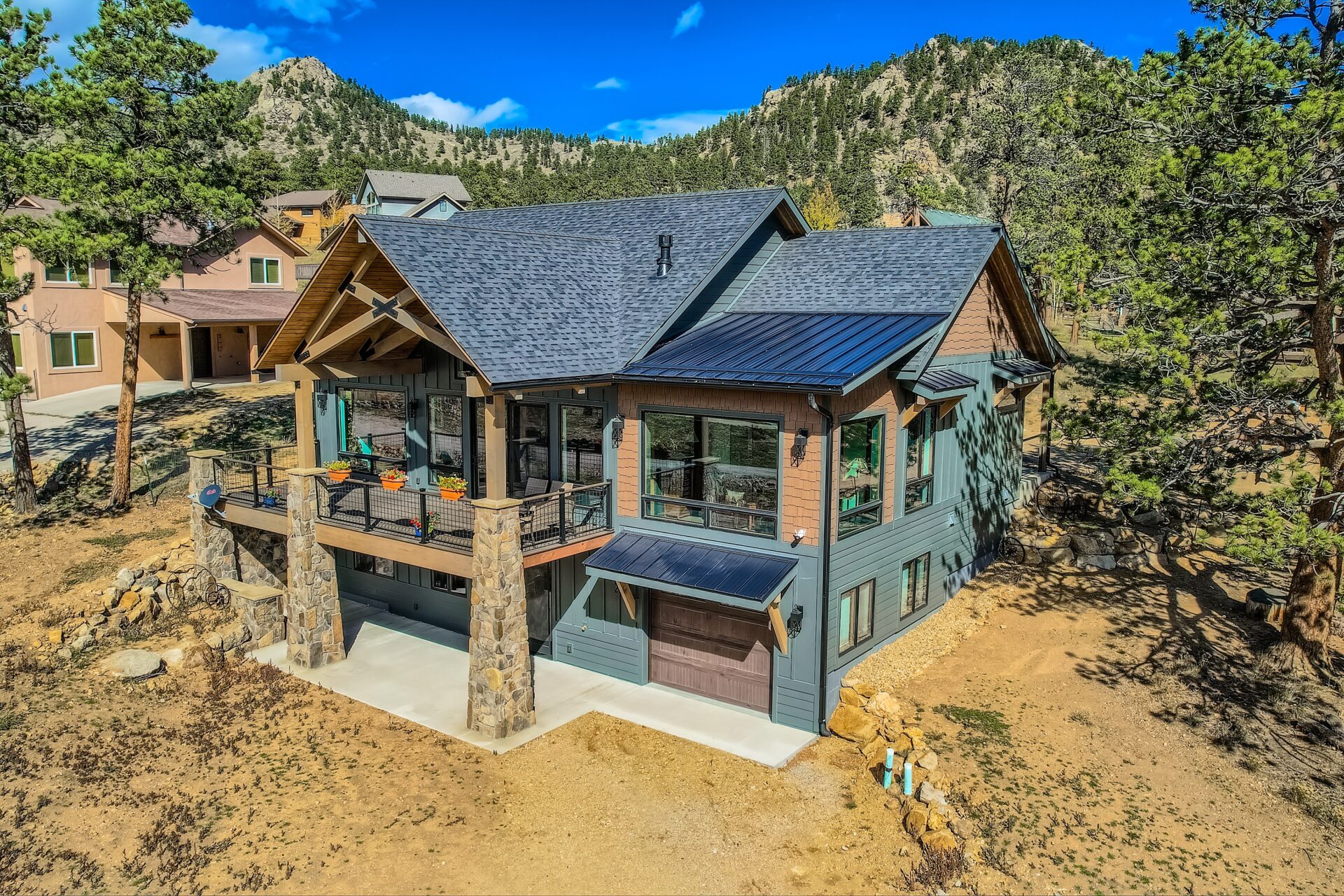
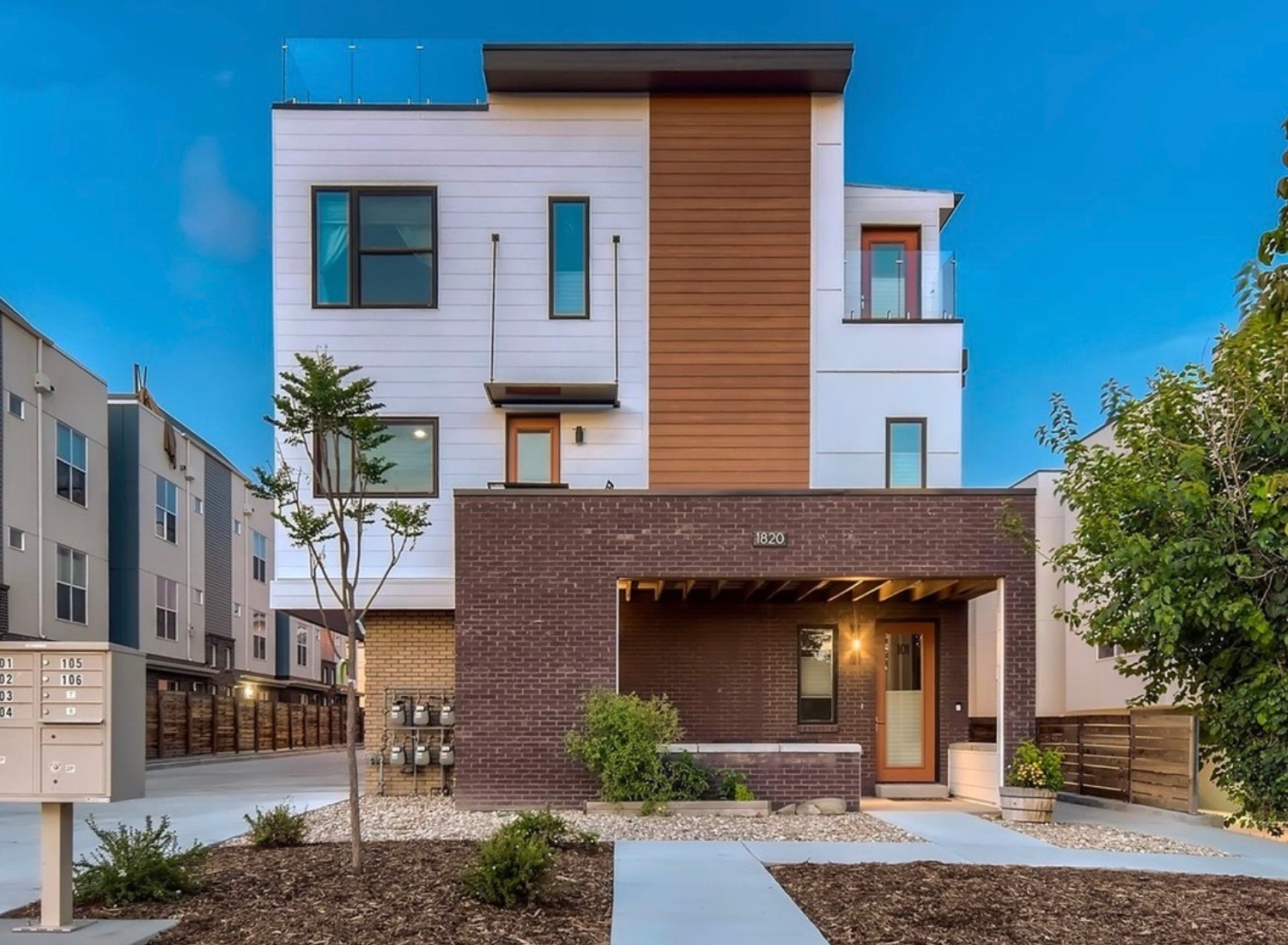
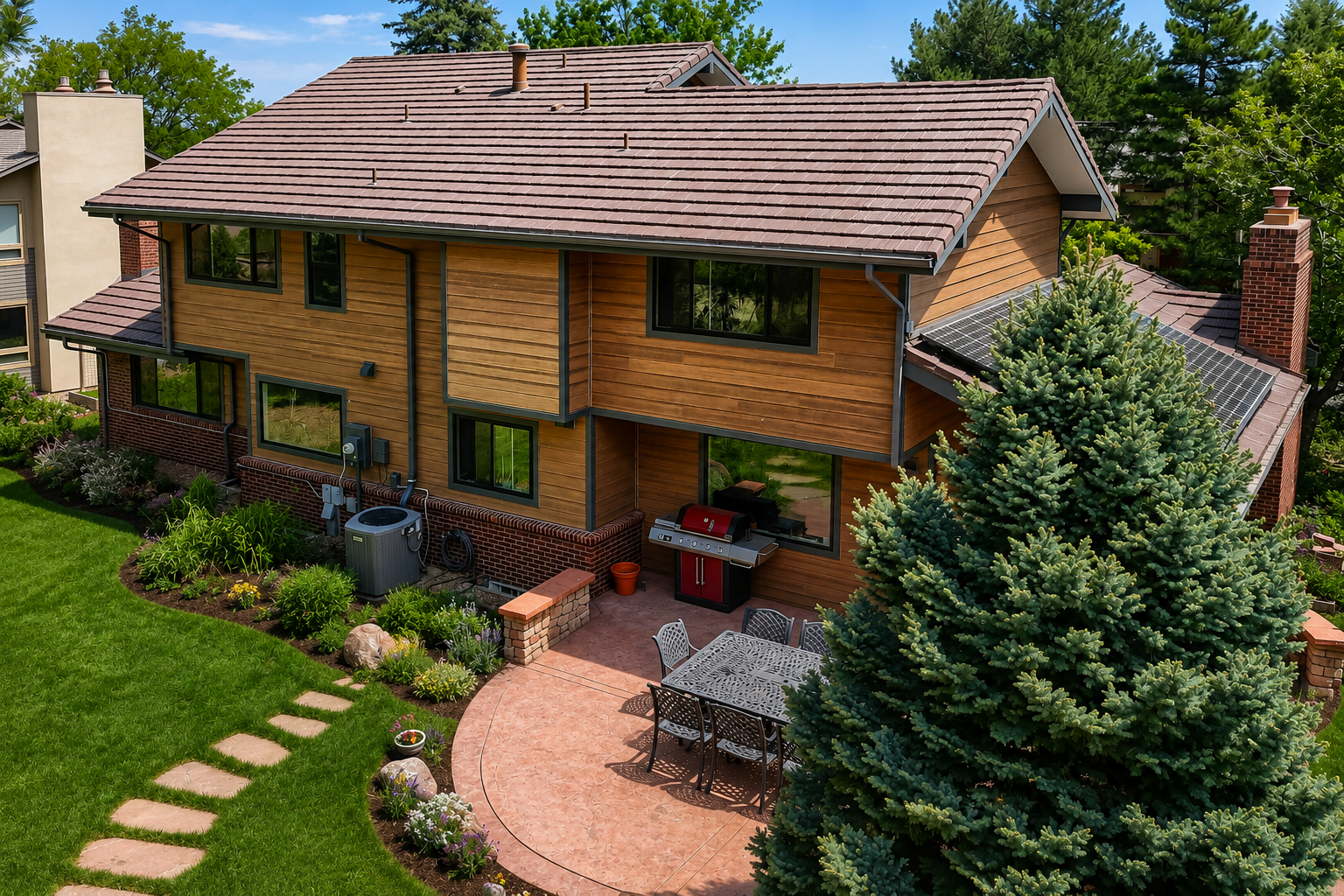
Second, most of these houses are mixed-material. A stone or brick base, a horizontal lap field, board-and-batten or shake in the gables, and stucco somewhere it was never really detailed for. Those transitions — where stone meets lap, where stucco meets trim, where a gable returns into a soffit — are where water actually gets in. Re-cladding a house like this is a detailing job far more than it is a material job, and an estimate that does not mention the transitions has not looked at them.
Third, nothing here is a plan-type measurement. Two houses on the same street will not share a wall area, a soffit depth or a window schedule. We measure the actual building. If a siding number arrives without anyone having walked your elevations, it is a guess wearing a suit.
Fiber Cement, Engineered Wood, Stucco and Stone — Compared Honestly
These are the materials we actually install in Cherry Hills Village, with the trade-off that matters rather than the marketing line. We install all of them, so we have no reason to steer you.
| Material | Where it wins here | The honest trade-off |
|---|---|---|
| James Hardie fiber cement | Best all-round performer against this climate: it does not feed hail damage the way a soft cladding does, it holds a factory finish through Front Range UV, and it is dimensionally stable through freeze–thaw. ColorPlus finishes carry a long finish warranty. The Artisan and Aspyre lines give a thicker board and deeper shadow line that suits a large custom elevation. | Heaviest of the options and the most labor-intensive to install correctly — which is precisely why installer quality matters more than the board does. Cut detailing, clearances and flashing are where fiber cement jobs fail, not the material. |
| LP SmartSide engineered wood | Lighter, faster to install and more forgiving on a complex elevation with a lot of cuts. Takes a deep, natural wood texture that some architectural styles here genuinely want. Long lengths mean fewer butt joints on a wide wall. | It is a wood-based product, so the coating system and the cut-edge sealing are doing the work — maintenance discipline matters more than with fiber cement. We install it and we will happily specify it; we hold no LP contractor designation and will not pretend otherwise. |
| Stucco — repair or re-clad | Plenty of Cherry Hills Village homes are stucco and should stay stucco. Where cracking is cosmetic and the substrate is sound, targeted repair and a re-coat is the right, and far cheaper, answer. | Where cracking traces back to a failed weather barrier, sheathing rot or missing kick-out flashing, patching is money set on fire. We will tell you which one you have, and we would rather sell you a repair than a re-clad you did not need. |
| Stone veneer | The base course and column wraps that give a large elevation its weight. Pairs with either siding above it. | Almost all stone veneer failure is a drainage-plane and weep detail failure behind the stone, not the stone. If it was installed tight to the sheathing, it will need to come off — there is no coating that fixes it. |
| Steel and aluminum | Accent panels, soffit and fascia, and modern elevations where a flat metal plane is the design intent. | Hail dents metal and dents do not weather away. On a hail-exposed elevation this is an aesthetic decision you should make with your eyes open. |
Two things we will not do: we will not quote a material we would not put on our own house, and we will not quote a re-clad when a repair is the honest answer.
What Actually Fails on a Cherry Hills Village Elevation
At roughly 5,400 feet on the plains, the load on a wall here is hail, downslope wind, UV intense enough to chalk south and west elevations early, and freeze–thaw cycling that works on any joint water can sit in. Those four produce a small number of very predictable failures, and knowing them tells you what to look at on your own house this weekend.
- South and west elevations chalk and fade first. UV at this elevation is punishing. If one side of your house looks a decade older than the other, that is why, and it is the single best argument for a factory-applied finish over a field-applied one.
- Hail bruises soft cladding and shatters brittle cladding. On siding the damage is often not obvious from the ground — look for cracked butt joints, chipped corners and dented metal accents after a storm, not just holes.
- Downslope wind drives water uphill. Wind-driven rain gets behind cladding at reveals, trim returns and around windows in a way that vertical rain never does. This is why head flashing and a properly lapped weather barrier matter more here than the cladding brand.
- Freeze–thaw opens every joint water can sit in. Horizontal surfaces — trim tops, window sills, deck ledger flashings, stone caps — are where it starts. Water gets in, freezes, levers the joint a fraction wider, and does it again next week.
- Sprinkler spray is a genuinely underrated cause. On large irrigated lots, heads that hit the bottom course every night will destroy the base of a wall faster than the weather will. We flag it when we see it; it is a cheap fix that saves an expensive one.
How a Re-Clad Actually Runs
The order matters and so does what happens when the old cladding comes off, because that is the moment you find out what the house has been hiding.
- Measured walk and elevation-by-elevation scope. We measure the real building and write the scope per elevation, including the transitions. You get the numbers broken out, not a single lump sum.
- Selections and, where it applies, architectural review. Color, profile and trim get decided and documented before anything is ordered.
- Permit. We pull it and we schedule and meet the inspections. That is not your job.
- Tear-off, then the honest conversation. Once the wall is open we photograph what is behind it. Rot, missing flashing, an inadequate weather barrier — whatever is there, you see the photographs before we price the remedy, and the photographs stay in your portal.
- Weather barrier and flashing. The part that actually keeps water out. Housewrap lapped correctly, window head and sill flashing, kick-out flashing where a roof edge meets a wall — that last one is missing on a startling number of houses and it is the cause of most mystery leaks.
- Cladding, trim and finish, then a walk-through where we look at the details together rather than at the house from the street.
Permits, HOA Rules and What Actually Slows a Project Down Here
Cherry Hills Village runs its own Building Division and issues its own permits — not Arapahoe County, not Englewood, not Denver. For siding the Village’s published Exterior Remodel Requirements are unusually clear: replacing stucco or other siding requires a building permit but does not require plan review. That is good news, and it is worth knowing, because plan-reviewed permits here can take 10 business days per review cycle. A straight re-clad skips that queue.
The Village does not license contractors at all. Its own guidance says Cherry Hills Village does not issue contractor licenses and that, unless you are an electrical contractor, you do not register with the City. We mention that because it cuts the other way for you: if the City is not vetting who works on your house, the vetting is entirely yours to do. Ask any contractor here for their Colorado license class, their insurance certificate and their manufacturer credentials, and check them. We hold a Class C general contractor license, Colorado #C120350. Alongside that license we hold manufacturer certifications from James Hardie (Elite Preferred since 2011), GAF (Master Elite), Pella, TimberTech and Deckorators, and we have been named a Qualified Remodeler Top 500 contractor three years running — all of it listed, with the issuing body for each, on our awards and credentials page.
Your HOA is the real constraint on materials, not the building code. This surprises people, and most contractor pages get it backwards. The Village publishes that wood shakes and shingles are not prohibited in Cherry Hills Village and explicitly directs homeowners to their homeowners association for material restrictions, adding that the City does not enforce HOA requirements. Cherry Hills Village contains dozens of named subdivisions, many with their own association and their own rules on color, profile and material. So the binding answer on what you may put on your house usually comes from your association, and getting that approval started early is the single biggest thing you can do to protect your schedule. We prepare the submittal package — product data, color selections, elevation notes and physical samples where the committee wants them — and we start it at contract signing rather than after material is ordered.
Two more Village specifics worth knowing before you plan the work. Permitted work runs Monday to Friday 7am–6pm and Saturday 8am–4pm, with no exterior work on Sundays or federal holidays. And Cherry Hills Village protects its trees under municipal code: larger projects can trigger a tree survey and a tree protection plan, so on a big lot we agree access, staging and drip-line protection before anyone mobilizes rather than after a root zone has been driven over.
The System Behind the Work
A re-clad is the most disruptive exterior trade there is: your house is open to the weather, and what gets found behind the old cladding changes the scope mid-project. That is exactly when a homeowner most needs to see what is happening rather than be told about it afterwards.
Two things make that possible, and they are the reason to choose us over a cheaper quote.
First, experience and scope. We have been working on Colorado’s Front Range since 2001, and we hold a Class C general contractor license (Colorado license #C120350) rather than a single-trade license. That is not a technicality: it means roofing, siding, windows, decks and outdoor living can run under one contract, with one project manager accountable for the flashings where those trades meet — which is precisely where multi-contractor projects leak, literally and figuratively. James Hardie has recognized us as an Elite Preferred contractor continuously since 2011, and as a President’s Club member — their highest contractor distinction nationwide. Our rating is 4.9 out of 5 from 552 verified reviews.
Second, a proprietary on-demand client portal we built ourselves. Most of what people hate about a remodel is not the construction. It is not knowing — who to call, whether the permit went in, when material arrives, what has been paid, whether it passed inspection. We built a system to remove exactly that, and as far as we know no other exterior contractor in this market offers it:
Every conversation in one place
Messages, decisions and change requests are logged against your project rather than scattered across texts, voicemails and three different crew members’ phones.
Contracts and scope, always retrievable
Your signed contract and itemized scope live in the portal, so “what did we actually agree to?” is a thing you look up rather than a thing you argue about.
Permit status you can see
Where the permit is in the process, and when inspections are scheduled — without having to phone anyone to find out.
Delivery and install schedules
When material lands and when each trade starts, so you can plan around the work instead of waiting for a truck to appear.
Before, during and final photography
Documented condition before we start, progress images through production, and final photography — including the parts of the building you will never see again once it is closed up.
Payments tracked per trade
What is paid and what is outstanding, broken out by trade rather than as one running balance you have to reconcile yourself.
Inspection records
Each inspection and its result, recorded against the project and available when you sell the house and someone asks.
Access is an individual, custom URL issued to you — and you get it when we start talking, at the lead and project meeting, not after you sign something. That is deliberate: you can see how we run a project before you commit to one. It then stays available after the work is finished, which matters more than it sounds, because the documentation, images and inspection records are exactly what a buyer’s agent, an appraiser or an insurer asks for years later.
Where We Work in Cherry Hills Village, Colorado
Cherry Hills Village sits in Arapahoe County in Denver’s south metro — bordered by Englewood and Denver to the north and west, Greenwood Village to the east, and Littleton and Centennial to the south. We cover the whole Village for siding of every type.
- Old Cherry Hills
- Cherry Hills Park
- Cherry Hills Farm
- Buell Mansion
- Devonshire
- Glenmoor
- Charlou Park
- Cherryridge
- Cherry Hills North
- Blackmer Hills
- The Reserve
Three separate places in this metro carry a similar name, and almost everyone mixes them up. Cherry Hills Village is its own incorporated municipality in Arapahoe County. Cherry Creek Village is a neighborhood inside the separate city of Greenwood Village. Cherry Creek is a neighborhood of the City of Denver. We work in all three. The reason to know which one you are in is entirely practical: each is a different permit authority, so it changes who reviews your project and how long that takes.
We also work across the rest of the south metro — Greenwood Village, Englewood, Littleton, Centennial, Glendale and the City of Denver.
Nearby Cities We Also Serve
If you are just outside Cherry Hills Village or weighing up more than one property, we also install replacement windows in:
Get a Cherry Hills Village Siding Estimate
We will walk every elevation, tell you which ones are actually failing and which ones just look tired, and put real numbers against both the repair option and the re-clad option so you can compare them properly.
Request Your Free Estimate → 📞 (303) 776-5263
Prefer email? Reach us at office@nlexteriors.com. Ask about financing options when we walk the property.
Cherry Hills Village Siding — Frequently Asked Questions
Which is better for a Cherry Hills Village home, James Hardie or LP SmartSide?
For this climate we most often recommend James Hardie fiber cement, because UV, hail and freeze-thaw are the three loads that matter most here and fiber cement handles all three well while holding its factory finish. LP SmartSide is a genuinely good product and is sometimes the better answer — it is lighter, faster on a complex elevation with many cuts, and takes a deeper wood texture. The honest deciding factors are your elevation’s complexity, the look you want and your appetite for maintenance, not brand loyalty. We install both. We are a James Hardie Elite Preferred contractor and have been continuously since 2011, and a President’s Club member, their highest contractor distinction nationwide. We hold no LP SmartSide designation and we will not imply otherwise.
Do I need a permit to replace siding in Cherry Hills Village?
Yes — and there is a helpful wrinkle. Cherry Hills Village runs its own Building Division and issues its own permits, not Arapahoe County, Englewood or Denver, which is a distinction that catches out contractors from outside the area regularly. The Village’s published Exterior Remodel Requirements state that replacing stucco or other siding requires a building permit but does not require plan review. That matters, because plan-reviewed permits here can take 10 business days per review cycle — a straight re-clad skips that queue entirely. We pull the permit and schedule and meet the inspections; that is part of the contract, not an extra.
Is Cherry Hills Village the same as Cherry Creek Village?
No, and they are not even in the same city. Cherry Hills Village is its own incorporated municipality in Arapahoe County. Cherry Creek Village is a neighborhood inside the separate municipality of Greenwood Village. Cherry Creek is a neighborhood of the City of Denver. We work in all three, but each is a different permit authority, so which one you are in changes who reviews your project.
My stucco is cracking. Do I have to re-clad the whole house?
Usually not. Cosmetic cracking over sound substrate is a repair-and-recoat job and costs a fraction of a re-clad. What changes the answer is the cause: if the cracking traces back to a failed weather barrier, rotted sheathing or missing kick-out flashing, patching only hides it while the damage continues underneath. We will tell you which one you have and show you why, and we would rather sell you the repair.
How much does siding cost for a house in Cherry Hills Village?
There is no honest per-square-foot number we can give you before seeing the house, and any contractor who offers one over the phone is quoting a house they have not measured. What drives the number here is real wall area (not floor area), the number of stories and the access that follows from it, how many material transitions and trim details the elevation has, whether any substrate repair is needed once the old cladding is off, and the material and finish you choose. We measure, then price it elevation by elevation so you can see where the money is going and phase it if you want to.
Will new siding help with hail damage claims?
Impact-rated and impact-tolerant materials can reduce damage and, in some cases, affect premiums — that is a question for your carrier, not for us. What we can tell you is that after a storm we will document the siding condition properly, including the damage that is not visible from the ground, and we routinely work alongside adjusters. We will never tell you that you have a claim when you do not.
Can you match the existing siding on just one elevation?
Sometimes, and we will tell you honestly when the match will be obvious. Discontinued profiles, weathered color and changed board dimensions all conspire against a partial replacement looking right. Where a single elevation is failing — usually a west or south wall — replacing that elevation to a clean architectural break can look deliberate rather than patched. Where it cannot, we will say so.
How long does a full re-clad take on a house this size?
For most Cherry Hills Village homes the on-site work runs a few weeks rather than a few days, and the schedule is driven more by wall area, elevation complexity and weather than by anything else. The bigger variable is usually what happens before we start: material lead times on a specific color or profile, and architectural review where your neighborhood requires it. We start the review process at contract signing rather than after ordering, because a committee that meets monthly is often the difference between finishing this season and finishing next.