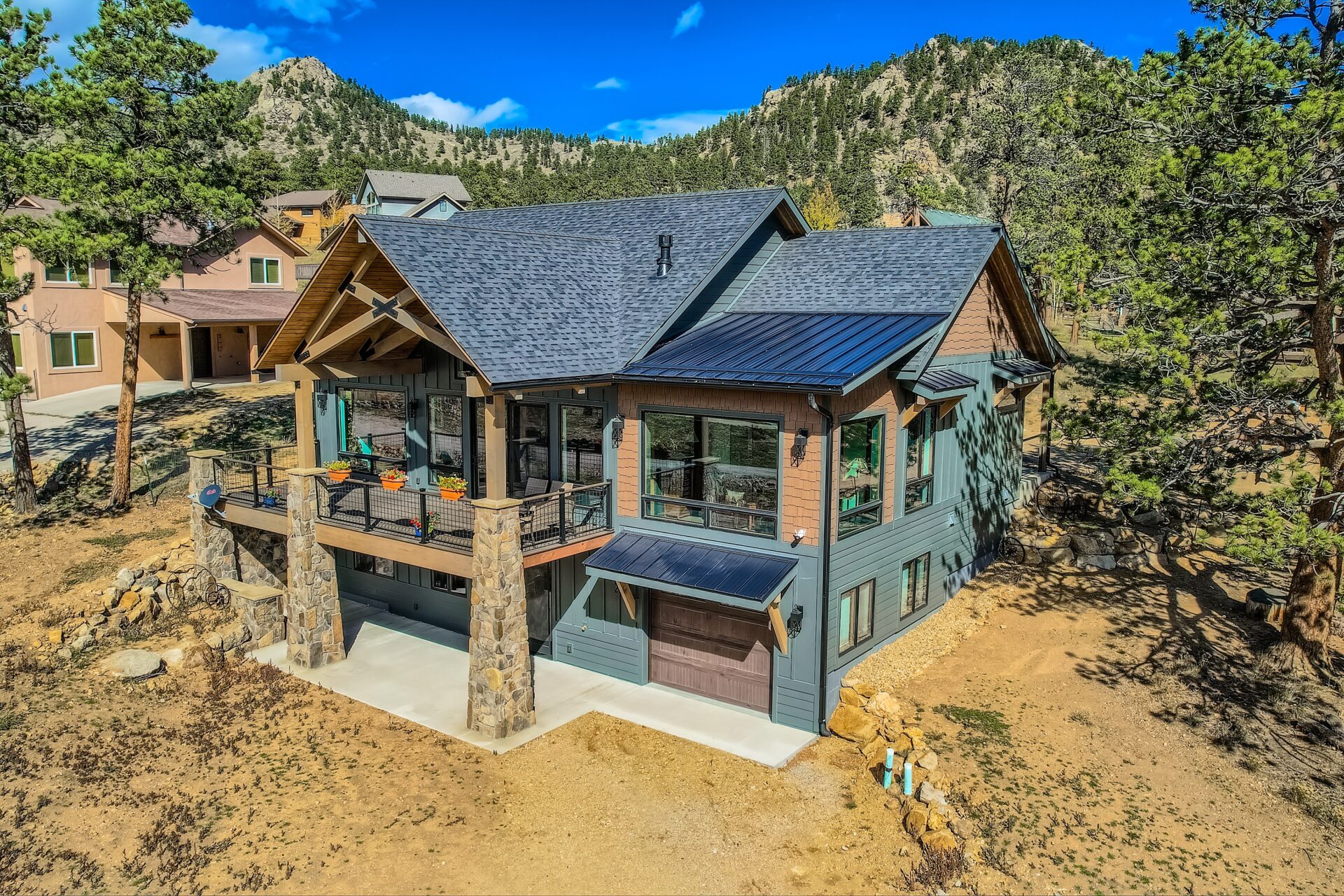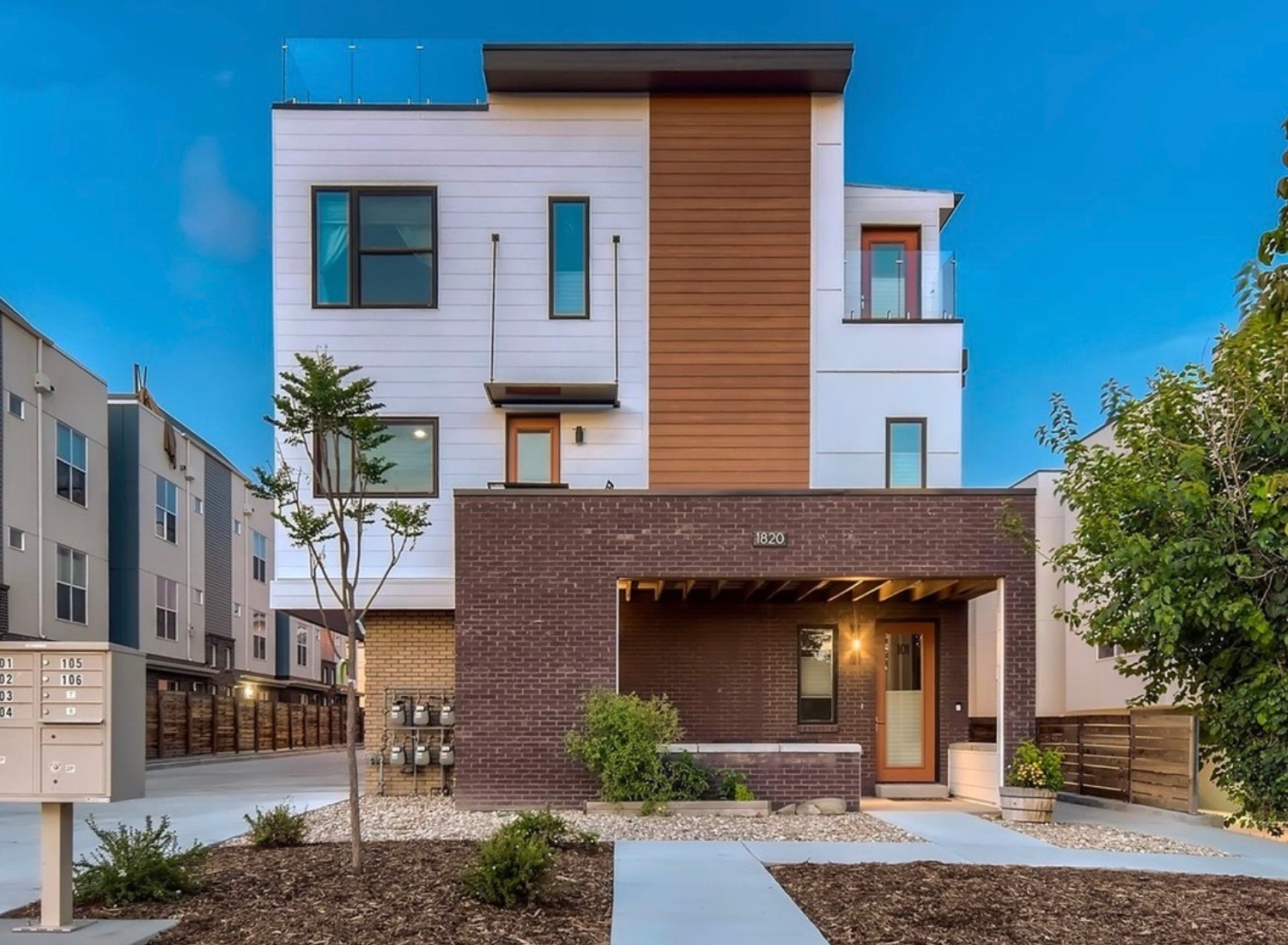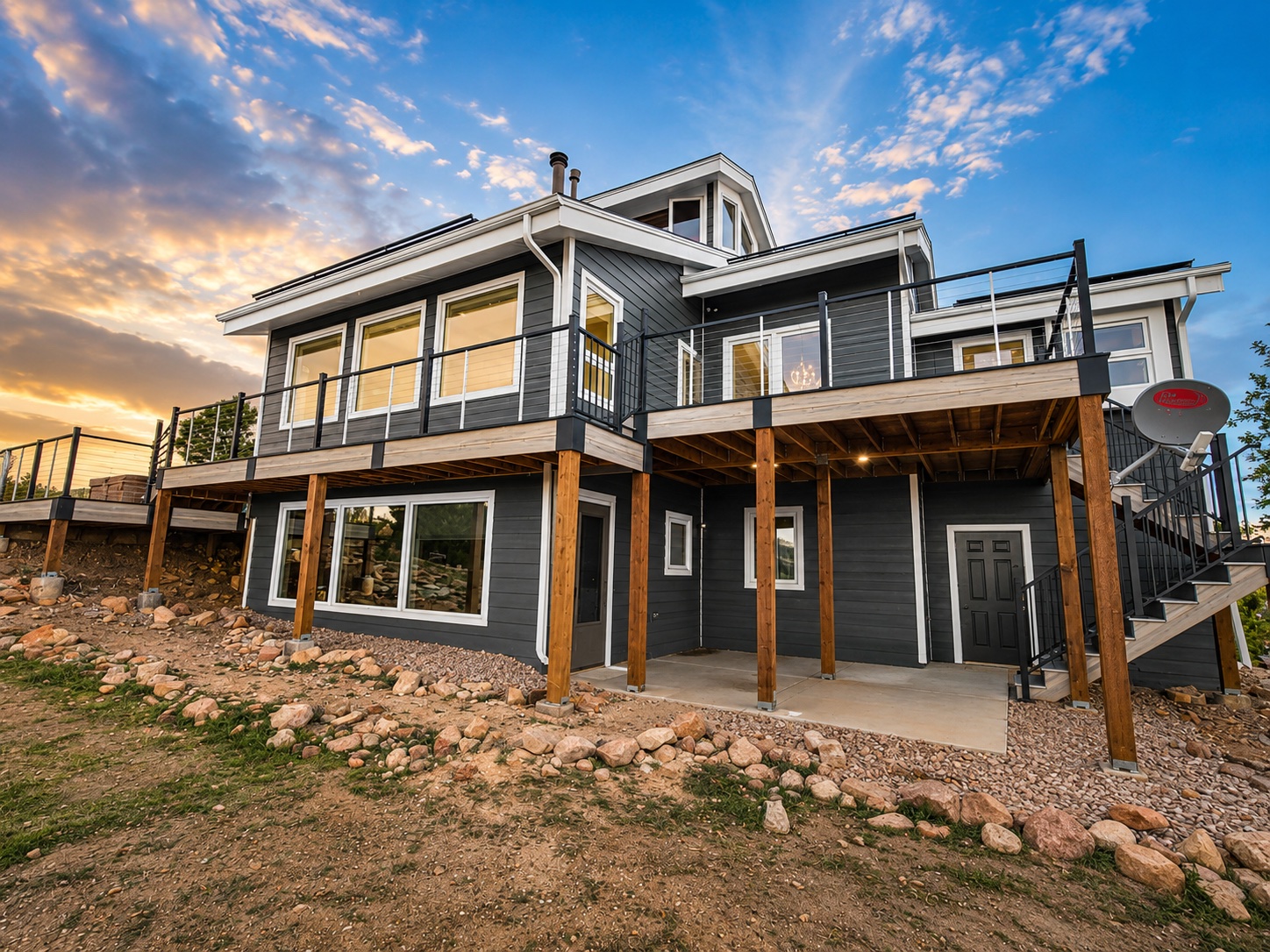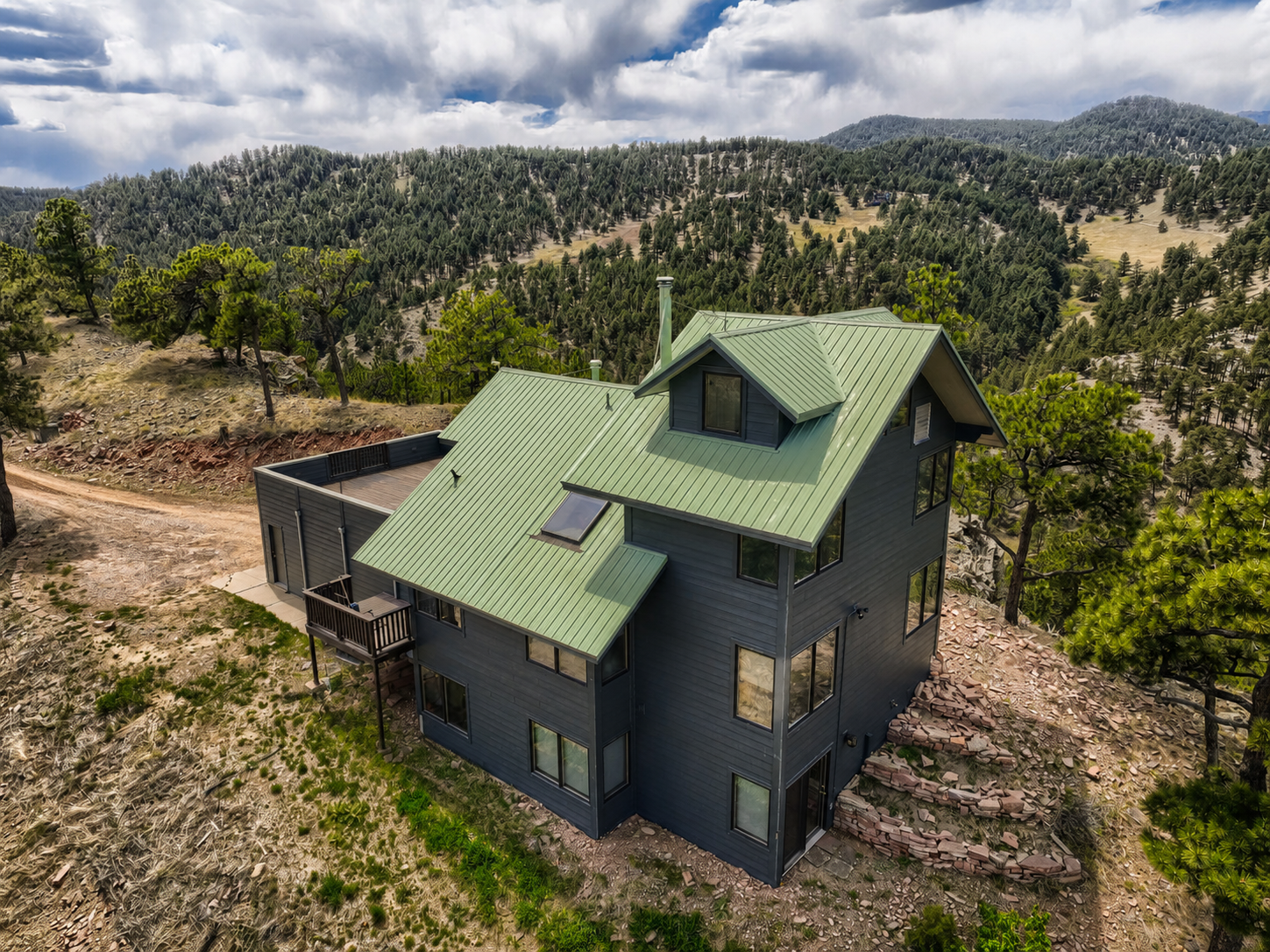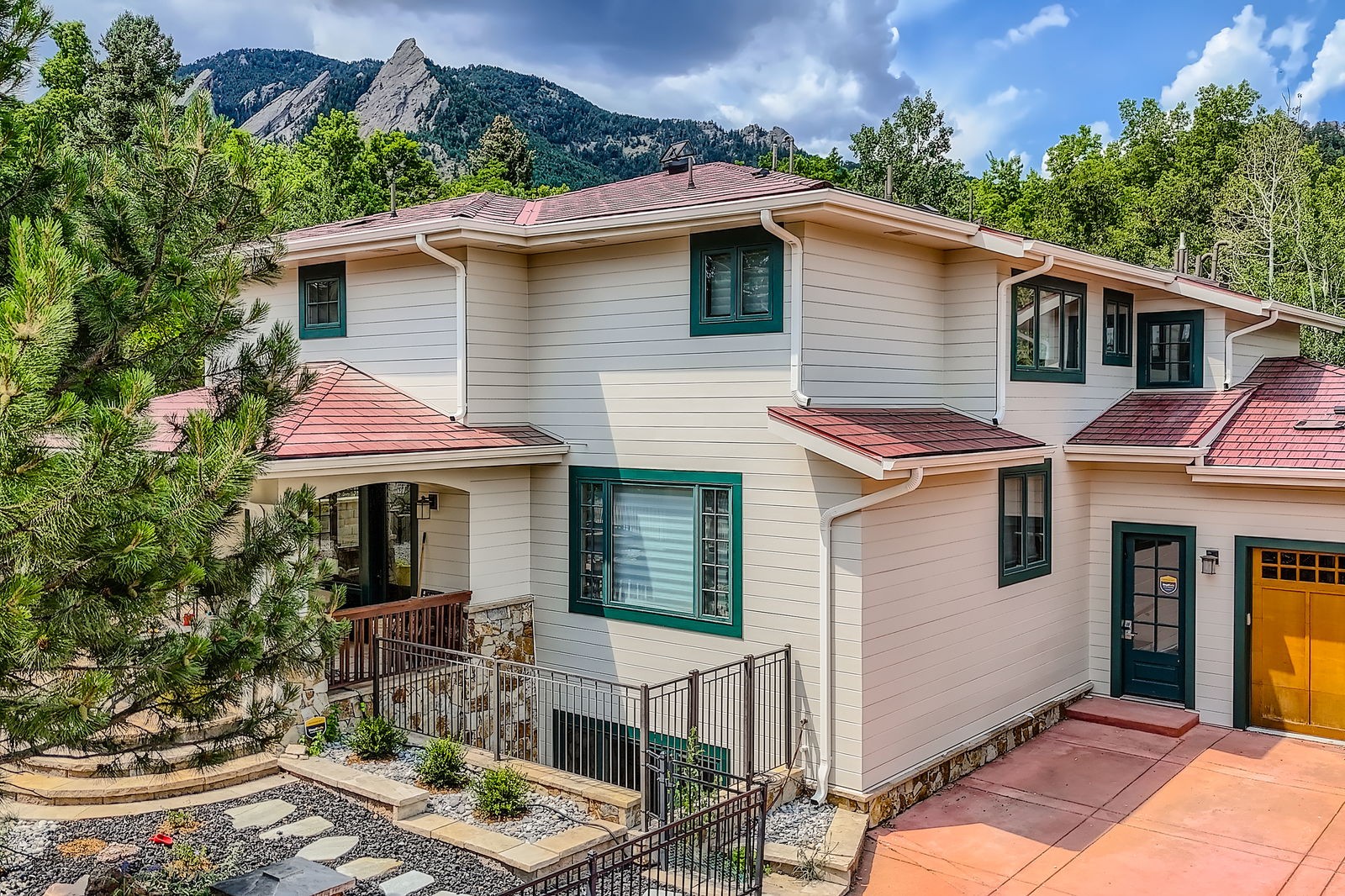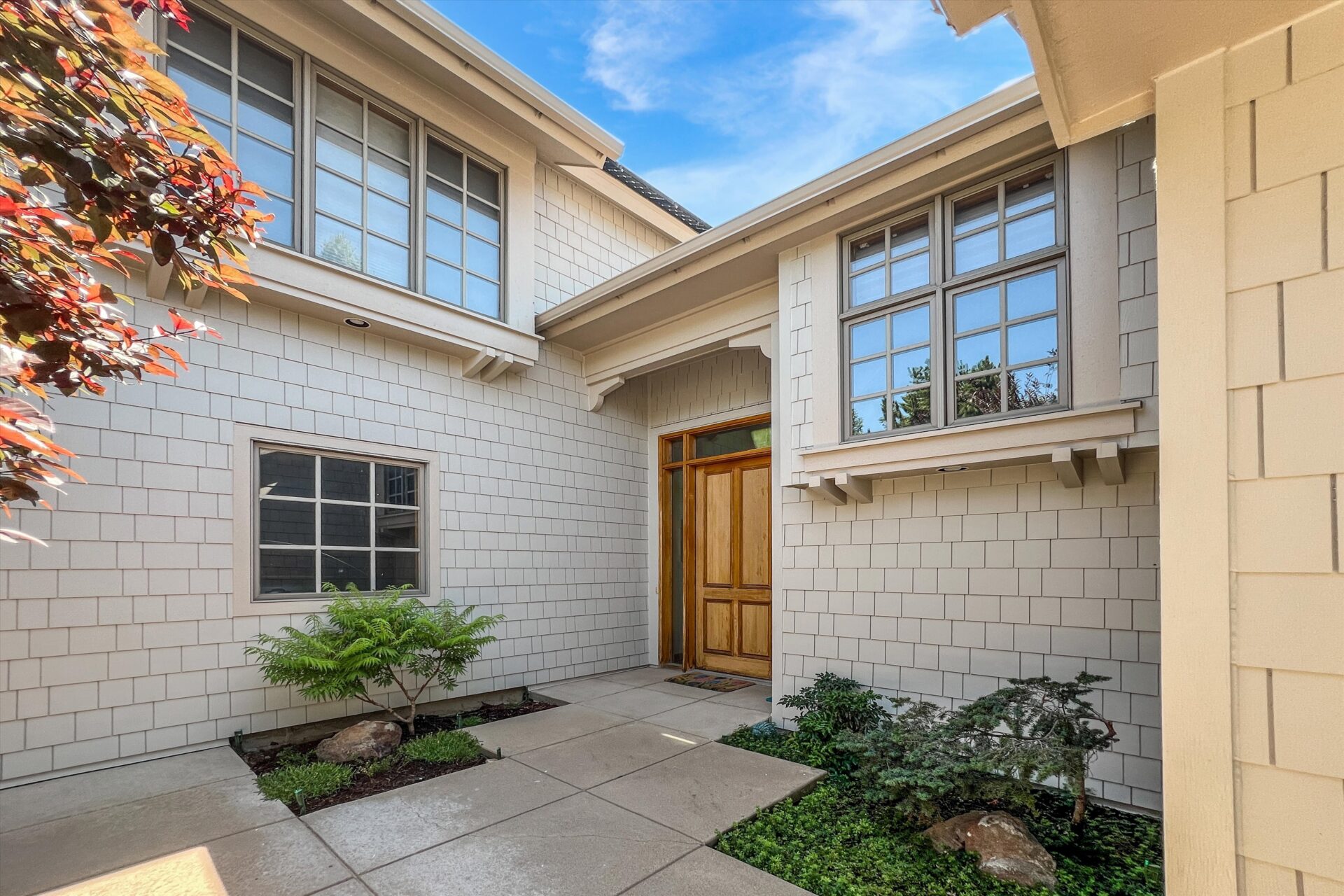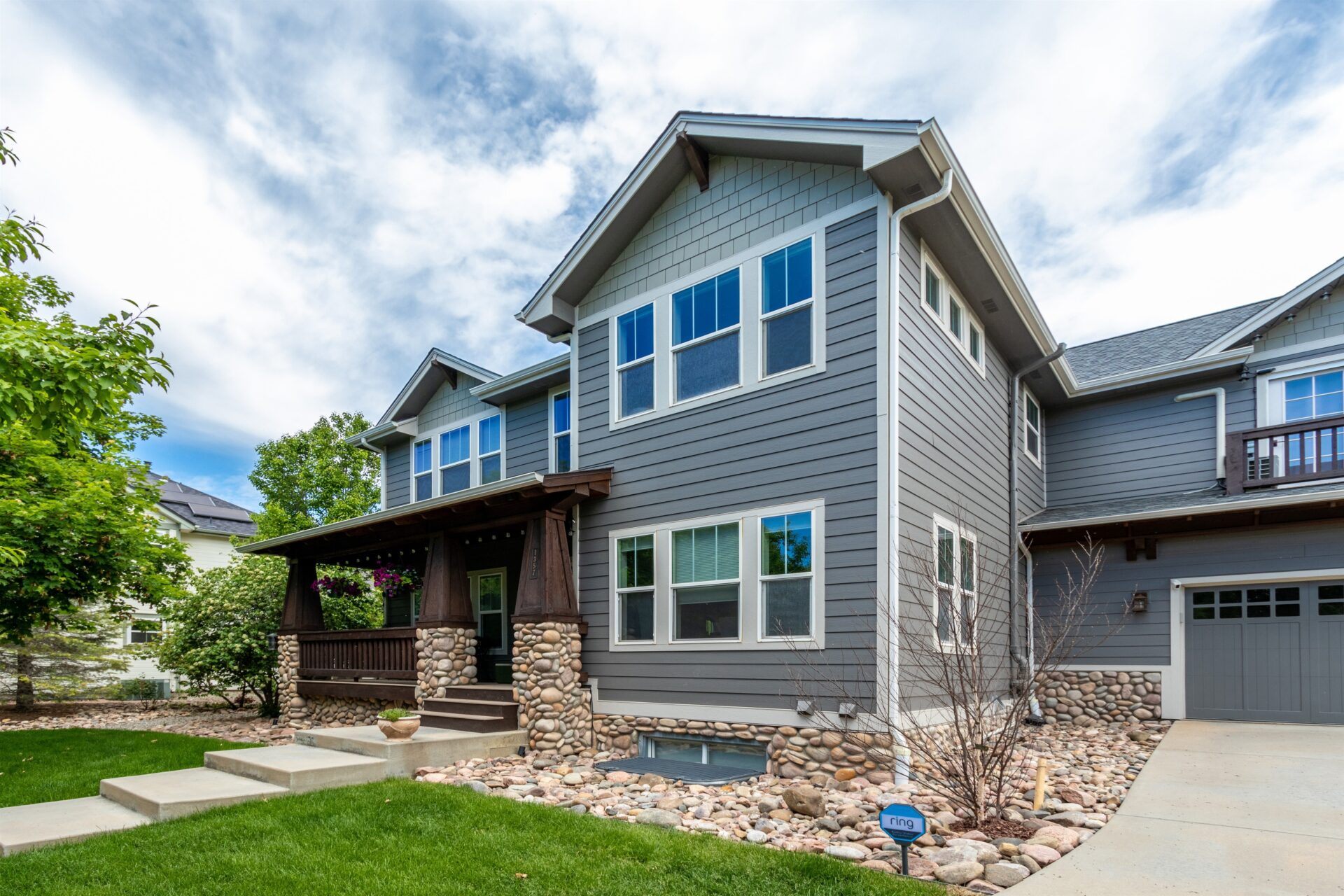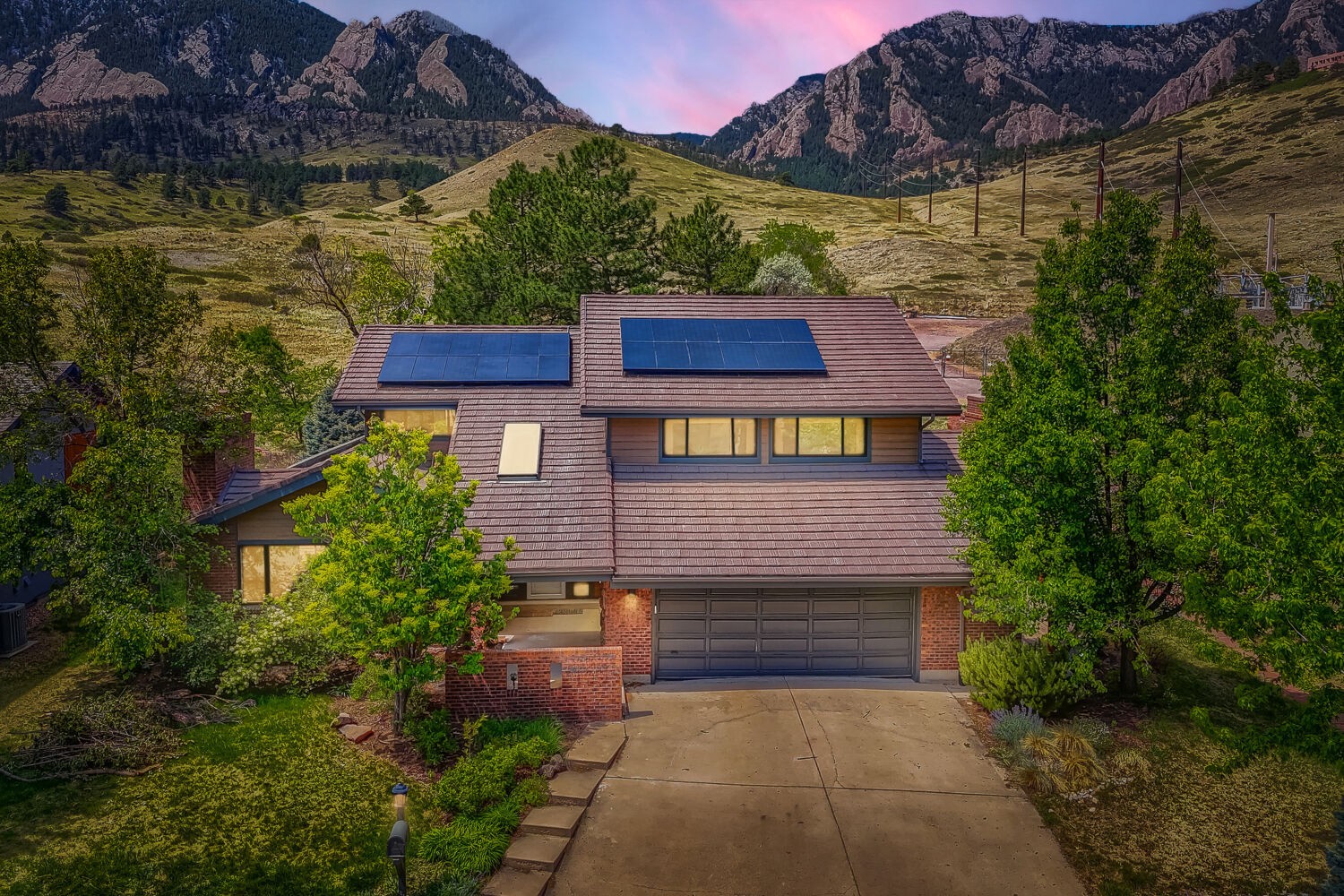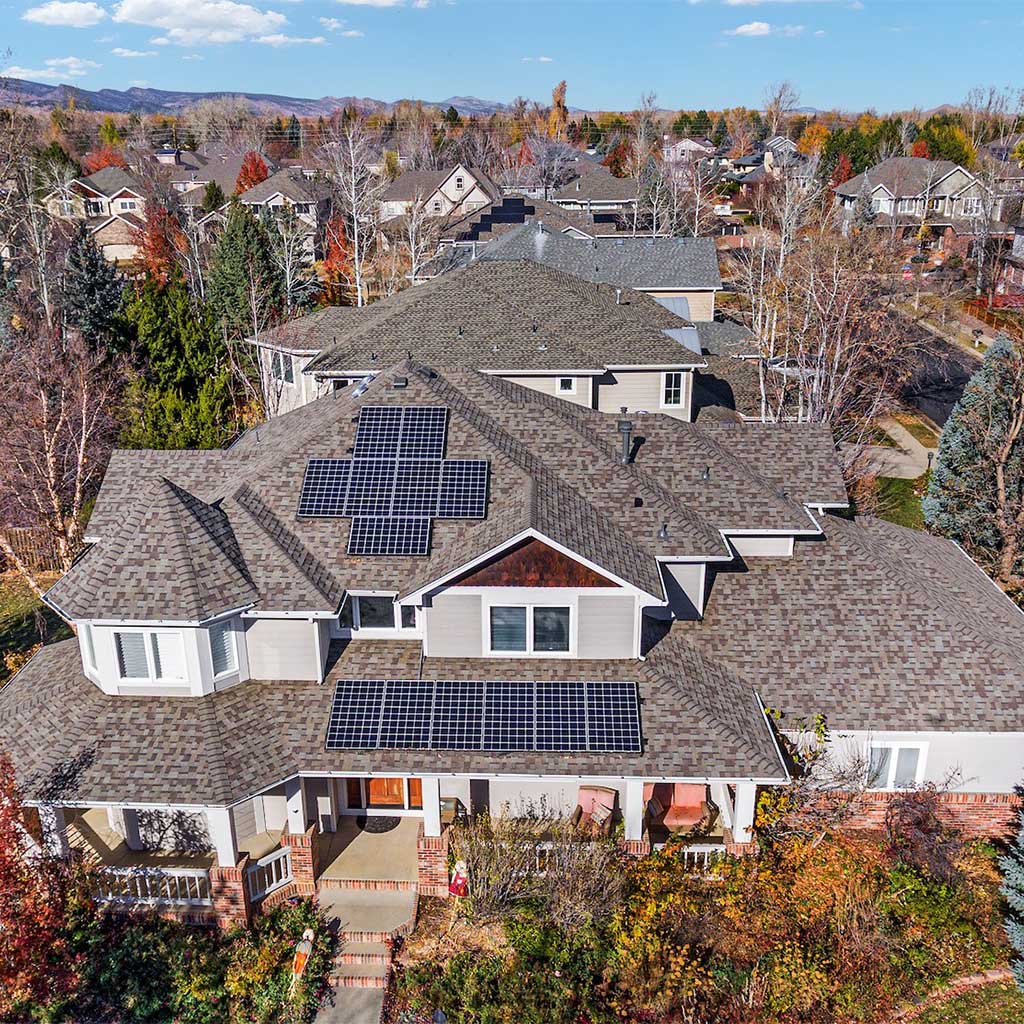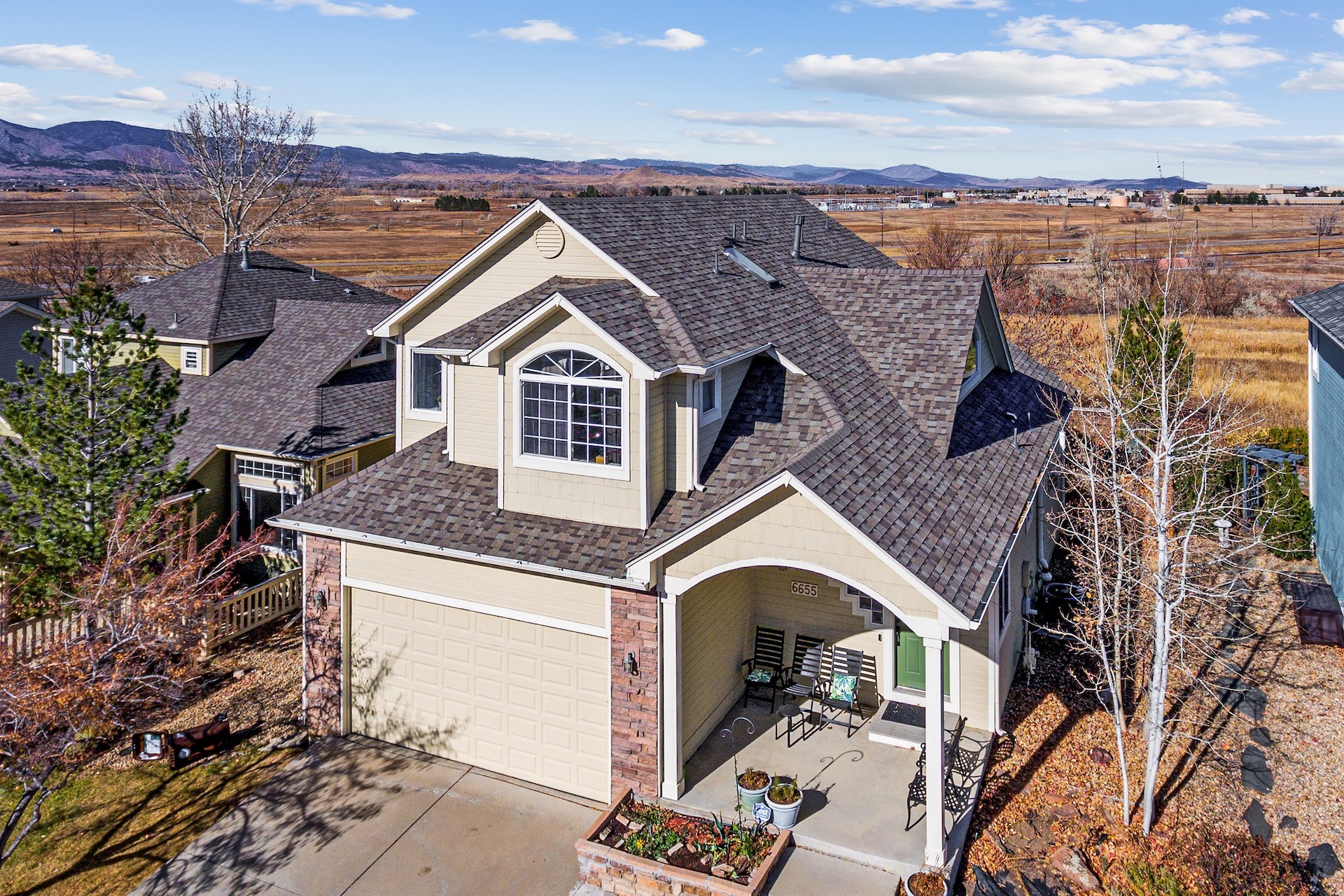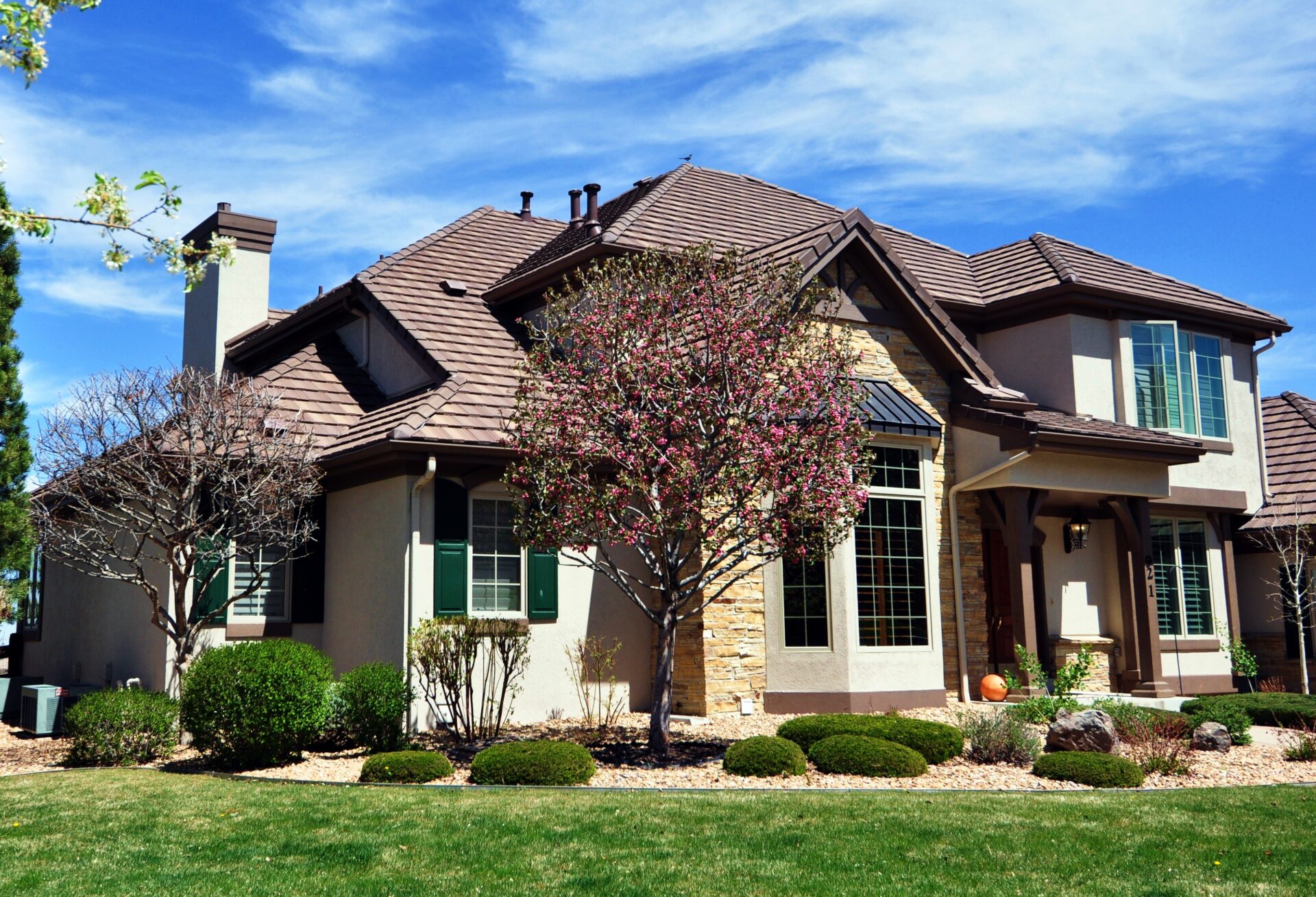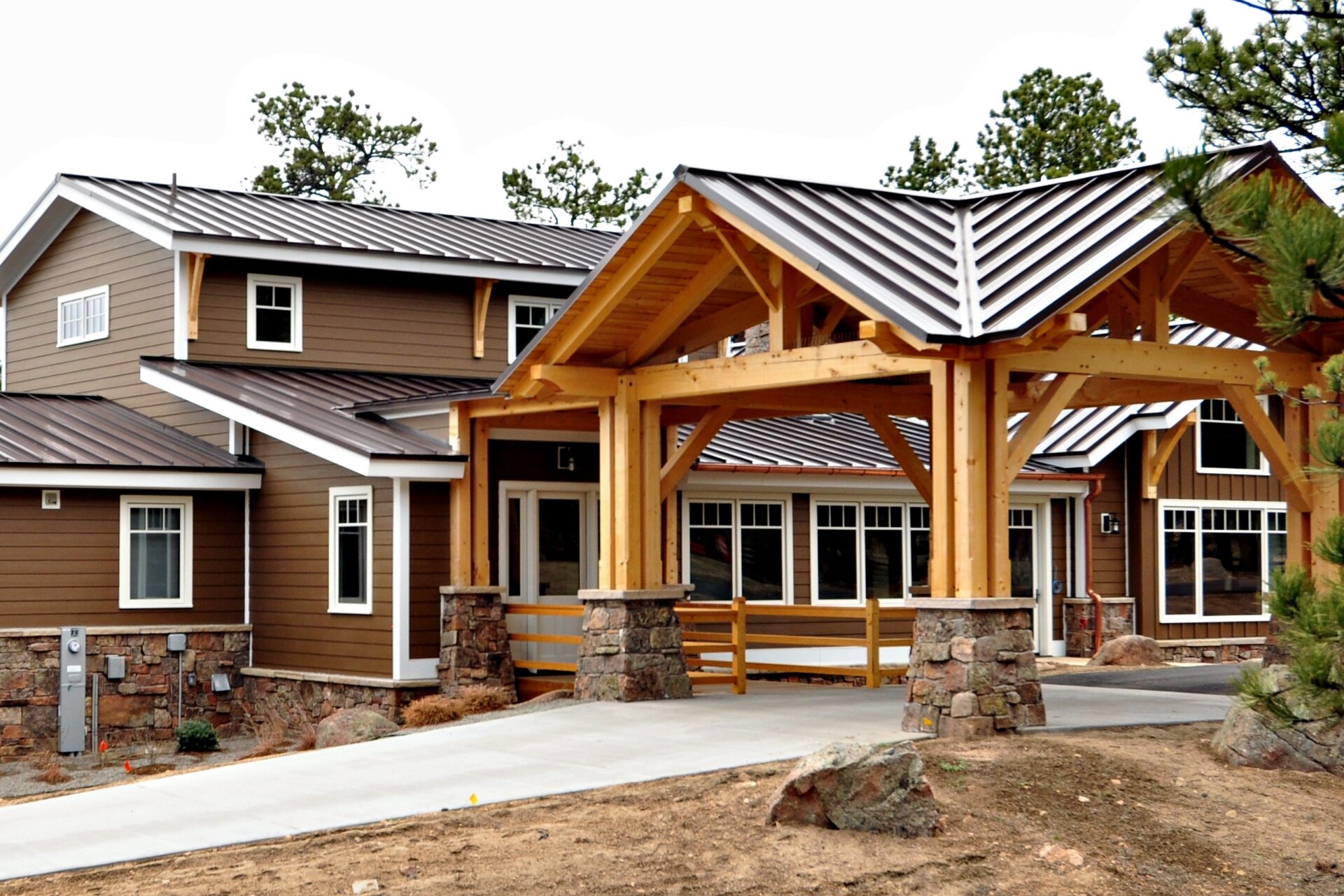
James Hardie Siding — Cherry Hills Village, CO
James Hardie Siding in Cherry Hills Village
Fiber cement built for Front Range hail, UV and freeze–thaw — installed by a James Hardie Elite Preferred contractor continuously since 2011 and a President’s Club member.
Who installs James Hardie siding in Cherry Hills Village?
Northern Lights Exteriors is a James Hardie Elite Preferred contractor — held continuously since 2011 — and a President’s Club member, James Hardie’s highest contractor distinction nationwide.
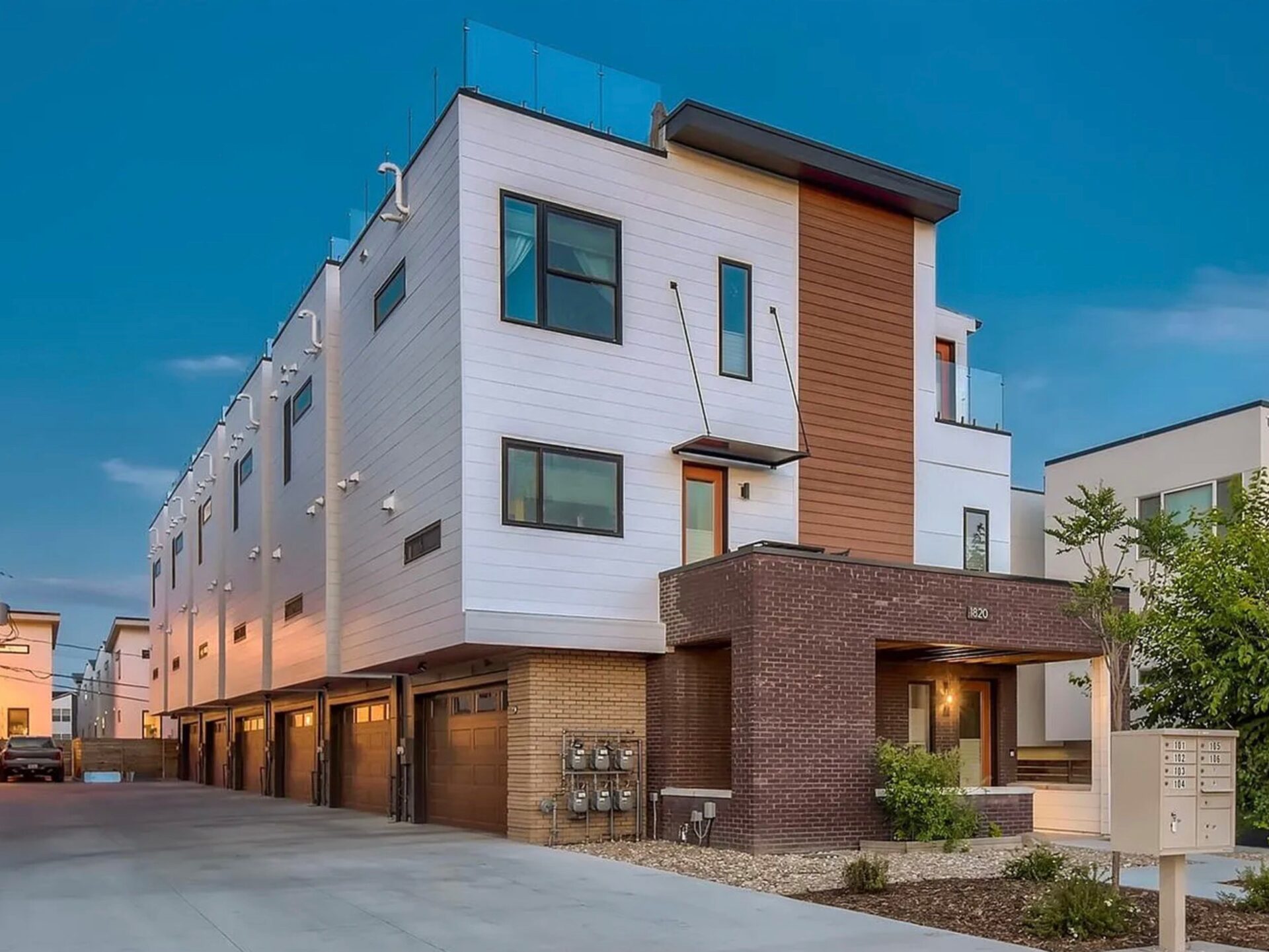
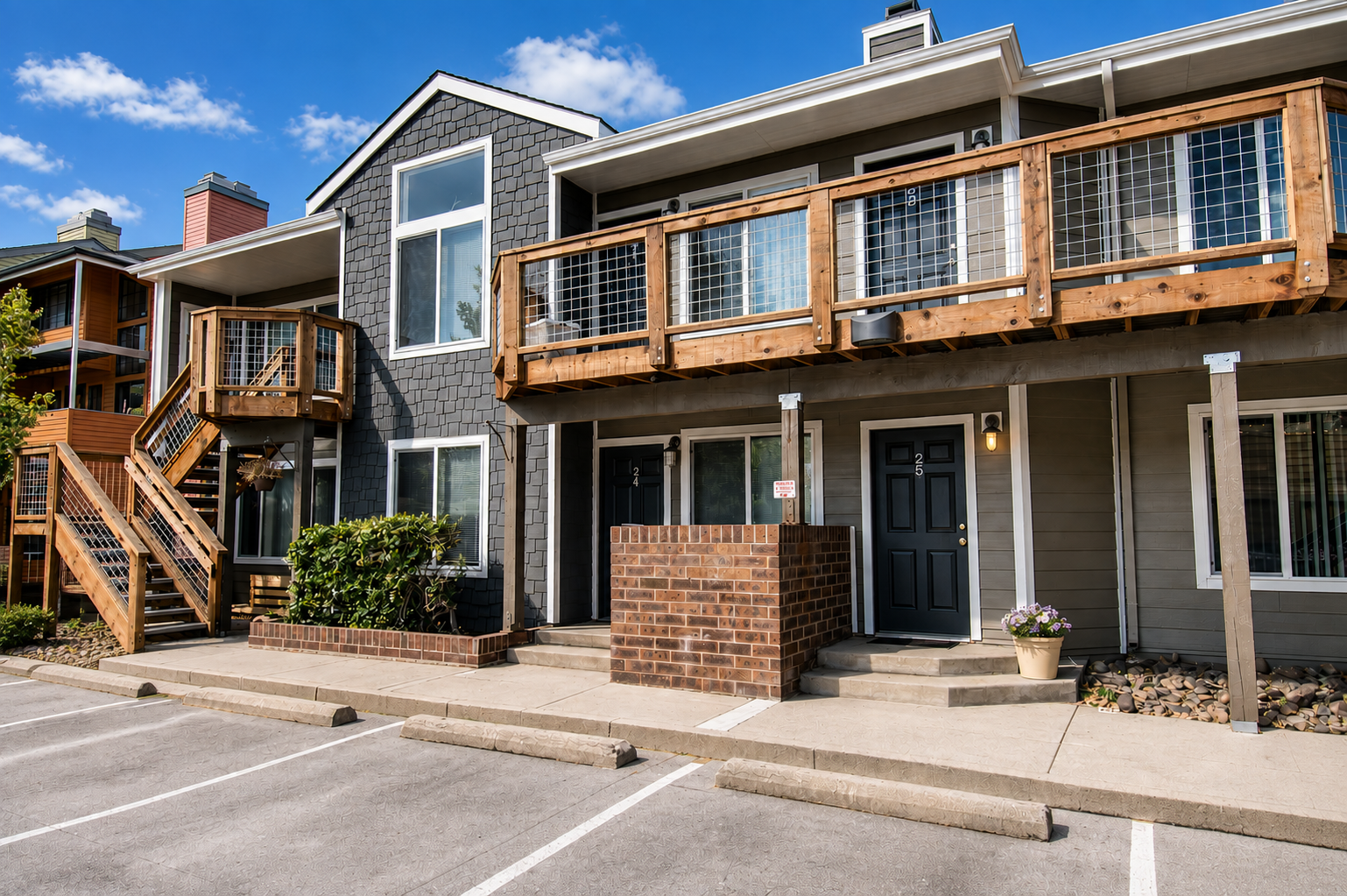
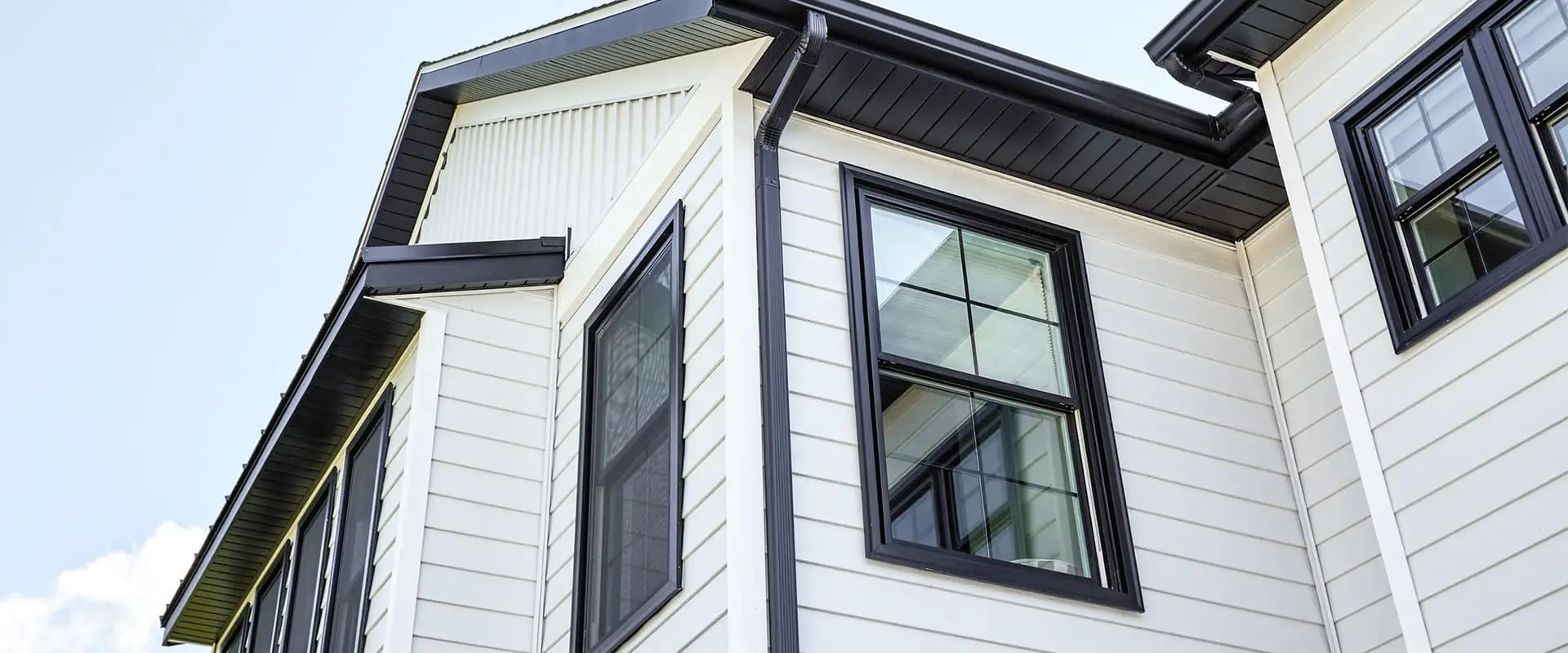
We install the full range on Cherry Hills Village homes: HardiePlank lap, HardiePanel board and batten, HardieShingle, the Artisan and Aspyre premium lines, and factory-finished ColorPlus colors that hold up to Front Range UV.
Cherry Hills Village issues its own permits, and siding replacement needs a permit but no plan review — so the schedule risk here is usually your HOA, not the City. We handle both. Rated 4.9 out of 5 from 552 verified reviews.
Why Fiber Cement Suits a Cherry Hills Village Elevation
Fiber cement is not the right answer everywhere. It happens to be an unusually good answer here, and for reasons specific to this place rather than to a brochure.
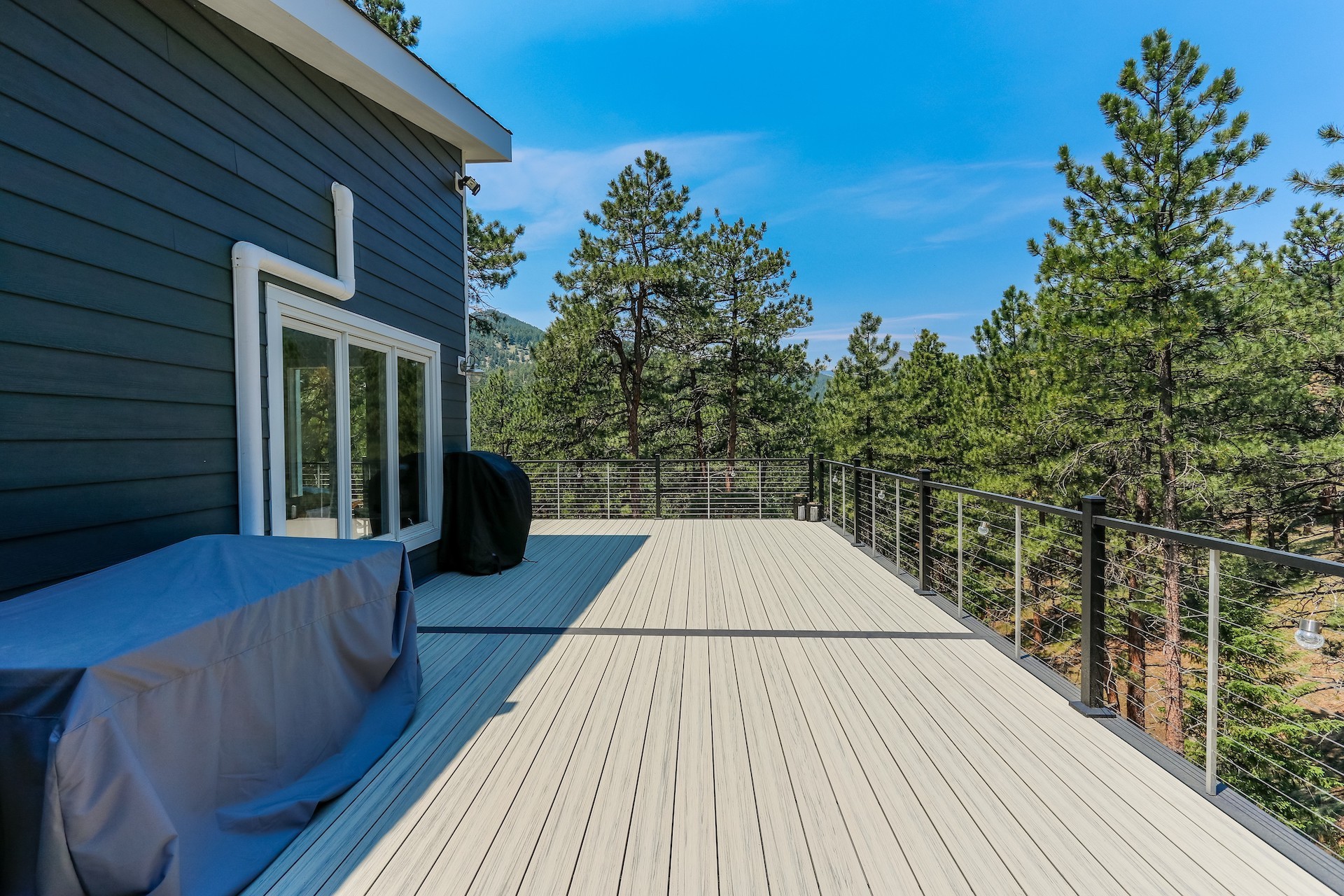
The load on a wall in Cherry Hills Village is hail, downslope wind, UV intense enough to chalk south and west elevations early, and freeze–thaw cycling that works on any joint water can sit in. James Hardie board is cement-based, so it is dimensionally stable through freeze–thaw, it does not feed on moisture the way a wood-based product can, and it does not soften and bruise under hail the way some claddings do. Its factory-applied ColorPlus finish is baked on rather than rolled on in the field, which is the whole argument on a south or west elevation at this altitude — UV here will chalk a field-applied finish years before it touches a factory one.
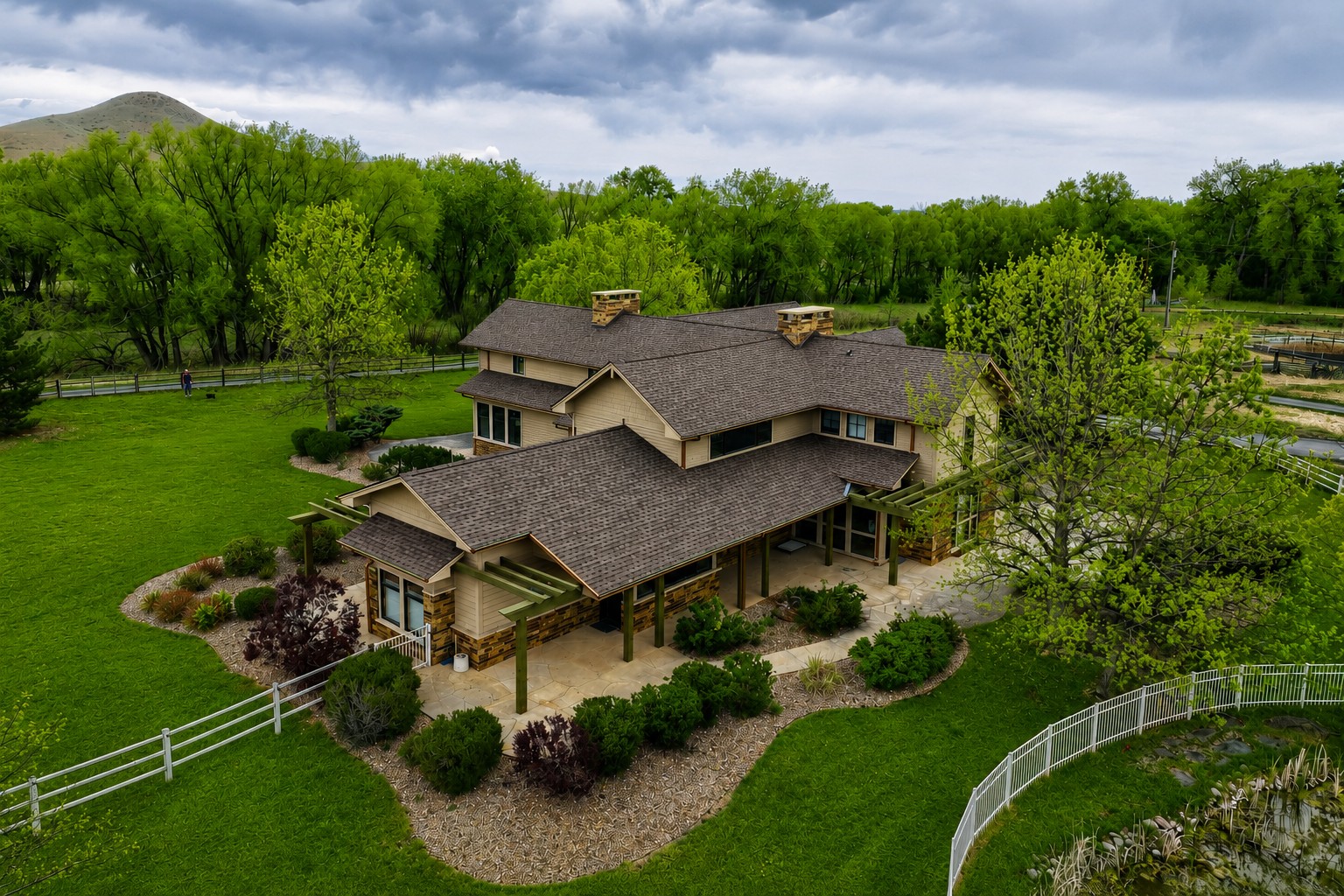
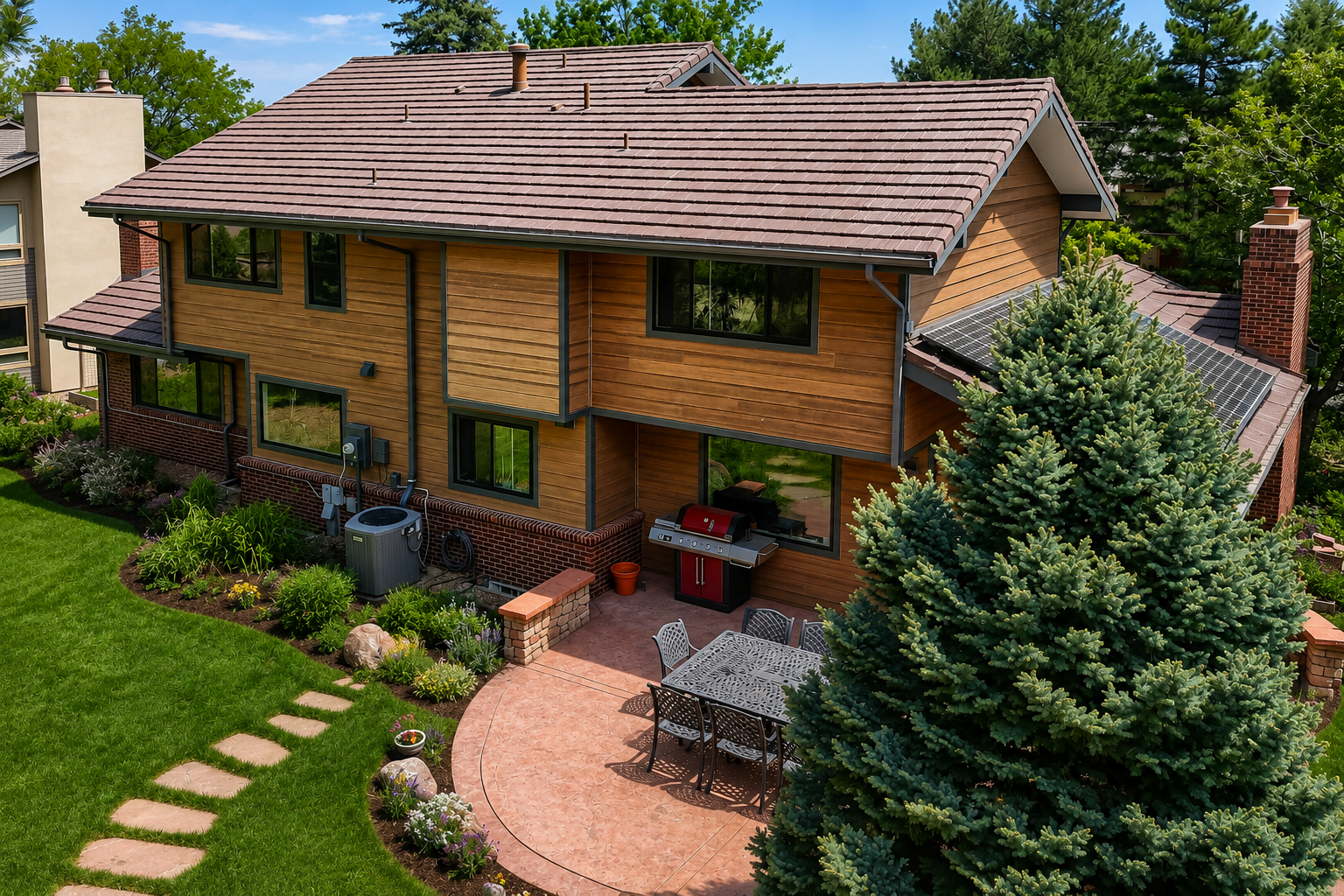
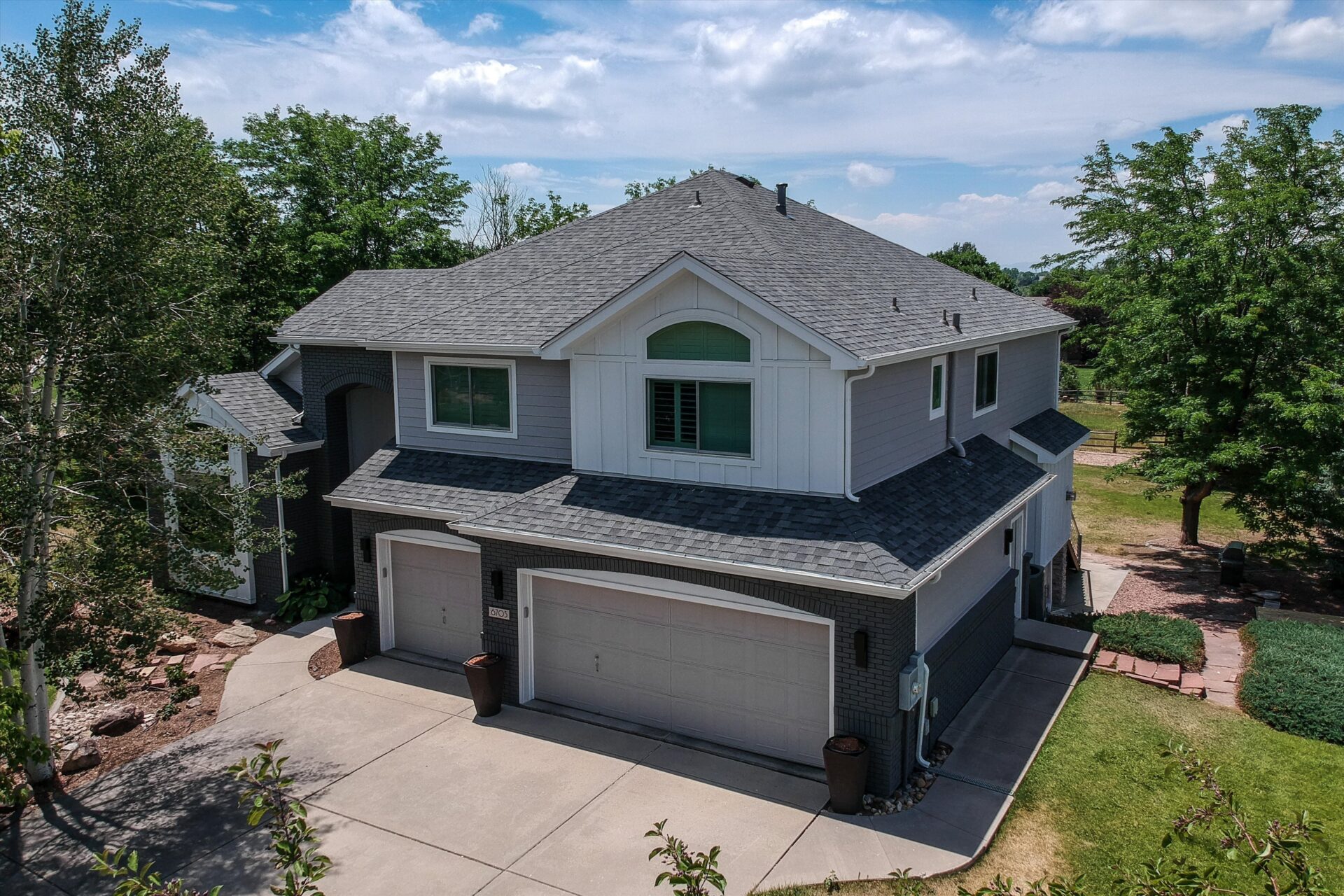
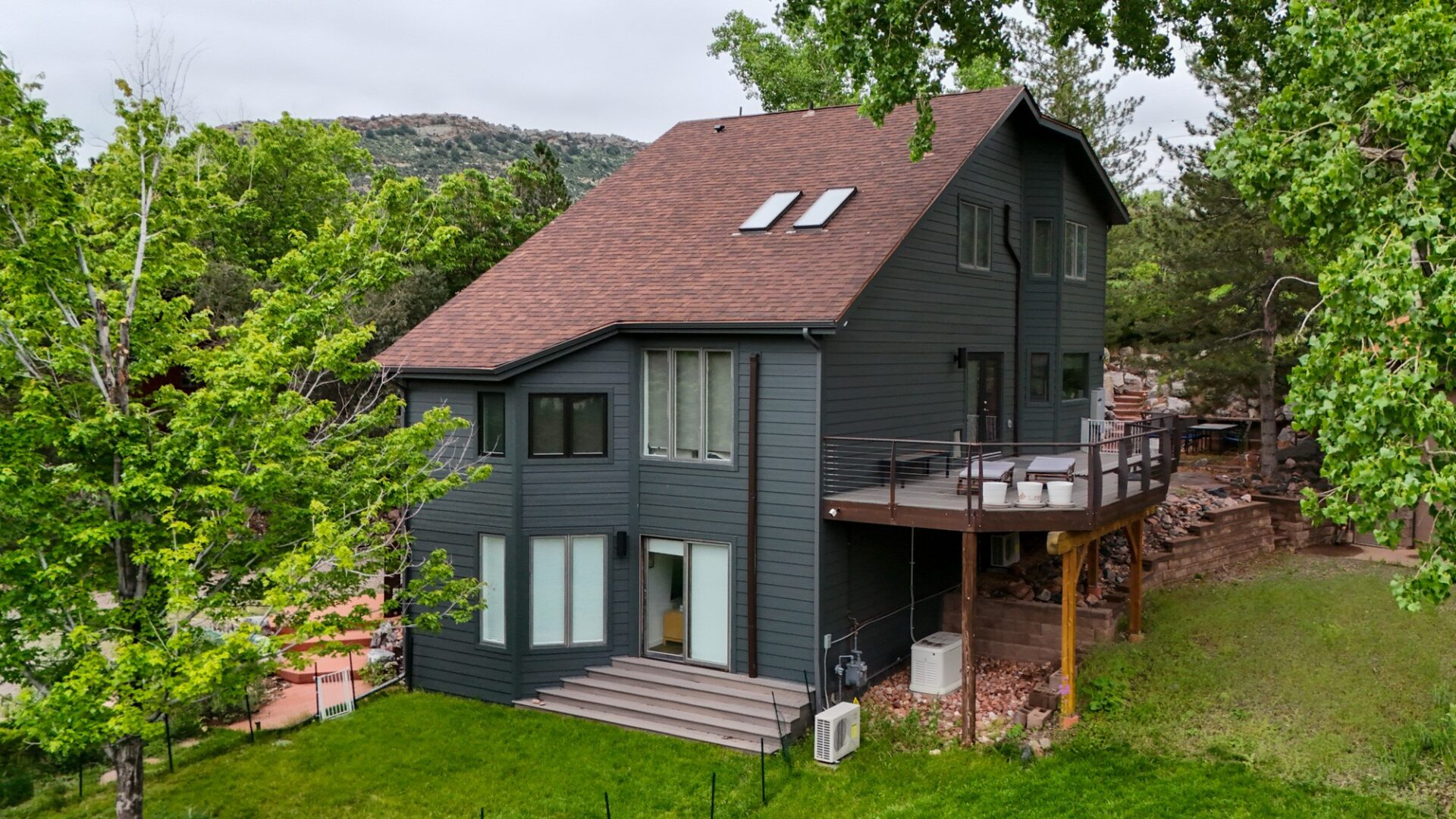
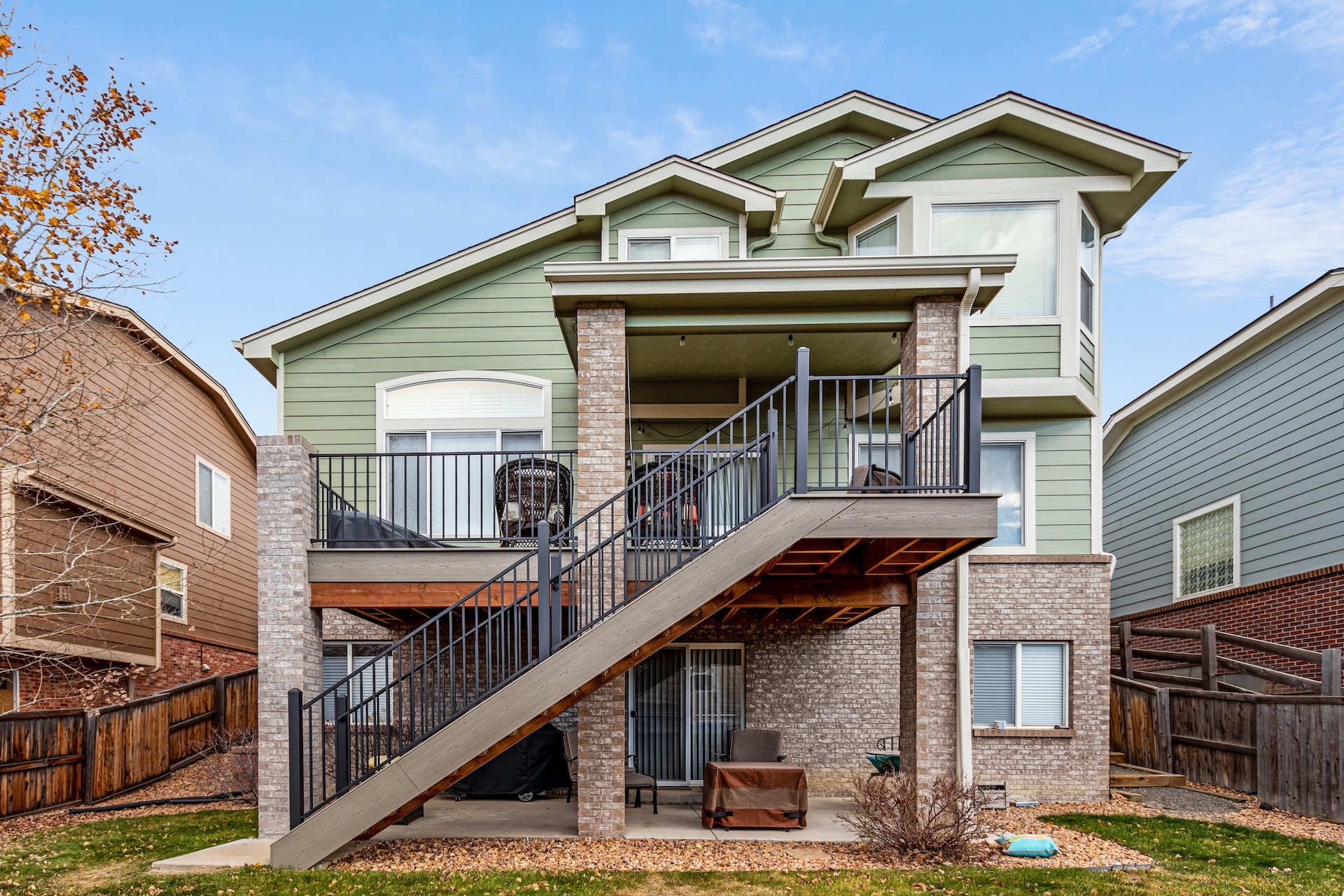
There is a second reason that has nothing to do with weather. These are large, articulated elevations, and fiber cement carries a crisp shadow line and a genuine wood grain or smooth face at a thickness that looks right at this scale. The Artisan and Aspyre lines take that further with a thicker board and a deeper reveal. On a big house, a thin cladding reads as thin from the street.
We will also tell you when it is not the answer. If your elevation is unusually cut-up — many dormers, returns and short runs — the labor content of fiber cement climbs steeply and an engineered wood product may give you a better result for the money. That comparison lives on our Cherry Hills Village siding page.
What Elite Preferred and President’s Club Actually Mean
Two James Hardie designations get quoted a lot and explained almost never, so here is the plain version.
Elite Preferred is James Hardie’s contractor program. It is not a certificate you buy once — it carries requirements on installation practice, and it can be lost. Northern Lights Exteriors has held it continuously since 2011. The continuity is the part worth weighing: plenty of contractors have held the designation at some point. Holding it without interruption for well over a decade is a different claim.
President’s Club is James Hardie’s highest contractor distinction nationwide. We are a member.
Why any of this should matter to you: fiber cement is a material that fails from installation far more often than from the board. Clearance to roofing and to grade, cut-edge treatment, fastener depth and pattern, joint flashing behind butt joints, and the correct gap at trim — get those wrong and a thirty-year product underperforms a cheap one. The designation is a proxy for whether a crew has been trained and audited on exactly those details.
One thing we will not do is stretch a credential. We install LP SmartSide too, and we hold no LP contractor designation — so we say we install it, not that we are certified in it.
The James Hardie Range We Install
Most Cherry Hills Village projects use more than one of these on the same house, because the elevations were designed with more than one texture.
HardiePlank lap siding
The workhorse horizontal board, in smooth or cedarmill texture and a range of exposures. The exposure you choose changes the proportion of the whole elevation more than the color does.
HardiePanel with board and batten
Vertical panel and batten, most often used on gables, entry masses and outbuildings to break up a long horizontal field.
HardieShingle
Staggered or straight-edge shingle for gable ends, dormers and accent walls where the design wants texture rather than another lap line.
Artisan and Aspyre
The premium tier: a thicker board, a deeper shadow line and a more refined edge profile. Suits large custom elevations where standard lap can look under-scaled.
Woodtone prefinished
Factory-finished wood-look boards and trim for elevations that want the appearance of stained cedar without the maintenance cycle that stained cedar demands.
HardieTrim and soffit
Matching trim, fascia and vented soffit. Mixing a fiber cement field with wood trim is the most common way a good siding job still fails in five years.
Colors are worth seeing in place rather than on a chip. Front Range light is harsh and very directional, and a color that looks warm on a sample board at the kitchen table can read flat and gray on a north elevation. We leave large samples on the actual wall.
Replacing Cedar, Masonite, T1-11 and Stucco
Most Cherry Hills Village fiber cement projects are replacing something else, and what you are replacing changes the job more than what you are replacing it with.
- Cedar. Usually still structurally fine behind the paint, and the decision is a maintenance-cycle decision rather than a failure one. Watch the bottom courses and anywhere sprinklers reach.
- Masonite and other hardboard. Swells and delaminates from the bottom edge and from any unsealed cut. If yours is soft at the butt joints, the wall behind it has probably been wet for a while, and that is a tear-off-and-look conversation, not a cover-over one.
- T1-11 plywood. Frequently doing double duty as sheathing, so removing it changes what has to go back on before cladding. This is where a cheap bid and an honest bid diverge most.
- Stucco. Sometimes the right answer is to keep it and repair it. Where it does come off, expect the weather barrier underneath to need complete replacement, and expect the window and door openings to need re-flashing properly for the first time.
In every one of those cases the honest scope cannot be finalized until the old cladding is off. We handle that by photographing the open wall and putting the images in your portal before we price any remedy, so a change order arrives with evidence attached rather than as a phone call asking you to trust us.
The System Behind the Work
Fiber cement is a long-life product, which means the decisions made during installation outlive everyone’s memory of them. Ten years on, what you will want is not a reassurance that it was done right — it is the photographs of the flashing before the board went over it.
Two things make that possible, and they are the reason to choose us over a cheaper quote.
First, experience and scope. We have been working on Colorado’s Front Range since 2001, and we hold a Class C general contractor license (Colorado license #C120350) rather than a single-trade license. That is not a technicality: it means roofing, siding, windows, decks and outdoor living can run under one contract, with one project manager accountable for the flashings where those trades meet — which is precisely where multi-contractor projects leak, literally and figuratively. James Hardie has recognized us as an Elite Preferred contractor continuously since 2011, and as a President’s Club member — their highest contractor distinction nationwide. Our rating is 4.9 out of 5 from 552 verified reviews. Alongside that license we hold manufacturer certifications from James Hardie (Elite Preferred since 2011), GAF (Master Elite), Pella, TimberTech and Deckorators, and we have been named a Qualified Remodeler Top 500 contractor three years running — all of it listed, with the issuing body for each, on our awards and credentials page.
Second, a proprietary on-demand client portal we built ourselves. Most of what people hate about a remodel is not the construction. It is not knowing — who to call, whether the permit went in, when material arrives, what has been paid, whether it passed inspection. We built a system to remove exactly that, and as far as we know no other exterior contractor in this market offers it:
Every conversation in one place
Messages, decisions and change requests are logged against your project rather than scattered across texts, voicemails and three different crew members’ phones.
Contracts and scope, always retrievable
Your signed contract and itemized scope live in the portal, so you can easily get a refresh on what was agreed — on your own, any time.
Permit status you can see
Where the permit is in the process, and when inspections are scheduled — without having to phone anyone to find out.
Delivery and install schedules
When material lands and when each trade starts, so you can plan around the work instead of waiting for a truck to appear.
Before, during and final photography
Documented condition before we start, progress images through production, and final photography — including the parts of the building you will never see again once it is closed up.
Payments tracked per trade
What is paid and what is outstanding, broken out by trade rather than as one running balance you have to reconcile yourself.
Inspection records
Each inspection and its result, recorded against the project and available when you sell the house and someone asks.
Access is an individual, custom URL issued to you — and you get it when we start talking, at the lead and project meeting, not after you sign something. That is deliberate: you can see how we run a project before you commit to one. It then stays available after the work is finished, which matters more than it sounds, because the documentation, images and inspection records are exactly what a buyer’s agent, an appraiser or an insurer asks for years later.
Where We Work in Cherry Hills Village, Colorado
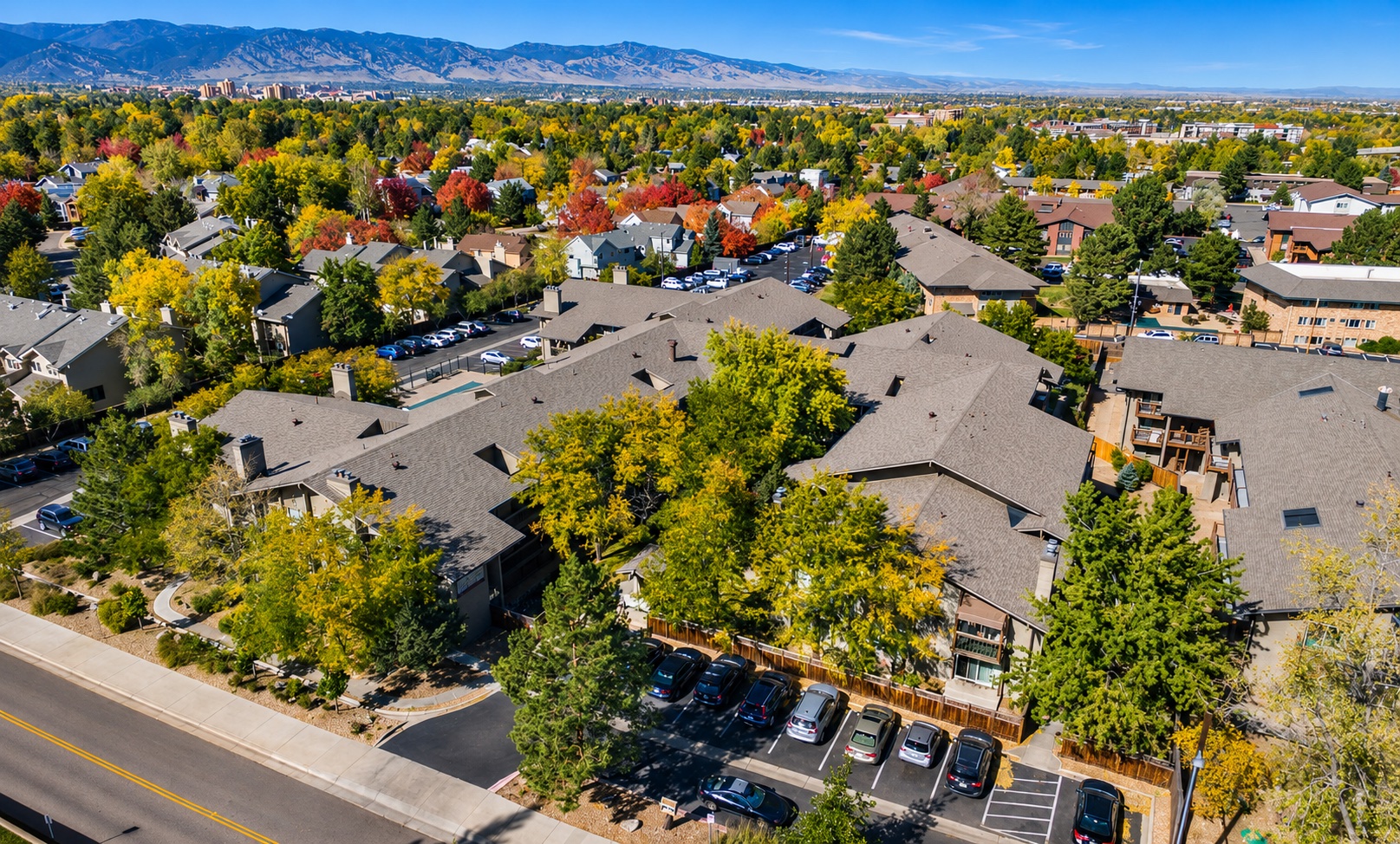
Cherry Hills Village sits in Arapahoe County in Denver’s south metro — bordered by Englewood and Denver to the north and west, Greenwood Village to the east, and Littleton and Centennial to the south. We cover the whole Village for James Hardie siding.
- Old Cherry Hills
- Cherry Hills Park
- Cherry Hills Farm
- Buell Mansion
- Devonshire
- Glenmoor
- Charlou Park
- Cherryridge
- Cherry Hills North
- Blackmer Hills
- The Reserve
Three separate places in this metro carry a similar name, and almost everyone mixes them up. Cherry Hills Village is its own incorporated municipality in Arapahoe County. Cherry Creek Village is a neighborhood inside the separate city of Greenwood Village. Cherry Creek is a neighborhood of the City of Denver. We work in all three. The reason to know which one you are in is entirely practical: each is a different permit authority, so it changes who reviews your project and how long that takes.
We also work across the rest of the south metro — Greenwood Village, Englewood, Littleton, Centennial, Glendale and the City of Denver.
Nearby Cities We Also Serve
If you are just outside Cherry Hills Village or weighing up more than one property, we also install replacement windows in:
Get a James Hardie Estimate in Cherry Hills Village
We will measure your actual elevations, walk you through profile and color on the wall rather than on a chip, and give you a written scope that includes the flashing and trim details rather than burying them.
Request Your Free Estimate → 📞 (303) 776-5263
Prefer email? Reach us at office@nlexteriors.com. Ask about financing options when we walk the property.
James Hardie in Cherry Hills Village — Frequently Asked Questions
Is Northern Lights Exteriors actually James Hardie certified?
Yes, and specifically two things. We have been a James Hardie Elite Preferred contractor continuously since 2011 — the designation carries installation-practice requirements and can be lost, so unbroken tenure is the meaningful part. We are also a President’s Club member, which is James Hardie’s highest contractor distinction nationwide. Ask any contractor for both, and ask how long they have held them.
Do I need a permit for James Hardie siding in Cherry Hills Village?
Yes, but a straightforward one. Cherry Hills Village issues its own building permits through its own Building Division rather than through Arapahoe County. Its published Exterior Remodel Requirements state that replacing siding requires a building permit but does not require plan review — which keeps a re-clad out of the plan-review queue, where each review cycle can run 10 business days. Your HOA is a separate approval and usually the slower one, so we start that at contract signing.
How does James Hardie hold up to Colorado hail?
Better than most claddings, and it is worth being precise about why. Fiber cement is rigid and cement-based, so it does not bruise and dent the way soft claddings and metal do. Very large hail can still crack a board, and where that happens individual boards are replaceable. The bigger hail exposure on most Cherry Hills Village houses is not the siding at all — it is the roof, the gutters and any metal accent panels. After a storm we document all of it, not just the part that is easy to see from the driveway.
What is ColorPlus, and is it worth it over field painting?
ColorPlus is James Hardie’s factory-applied finish, baked on under controlled conditions rather than rolled on at your house. At this altitude, with this much UV, that is the single biggest factor in how the elevation looks in year eight. Field paint on fiber cement is a legitimate choice if you want a custom color outside the range, and we do it — but you should make that choice knowing you are trading finish longevity for color freedom.
What is the difference between HardiePlank, Artisan and Aspyre?
HardiePlank is the standard lap board and it looks right on most houses. Artisan and Aspyre are the premium tier: a thicker board with a deeper shadow line and a more refined edge. On the large, articulated elevations common in Cherry Hills Village, standard lap can read as under-scaled from the street, and the thicker board is often what makes an elevation look finished rather than clad. We will show you both on your own wall before you decide.
Can you side just one elevation in James Hardie?
Yes, and on a large house it is sometimes the right phasing. The honest caveat is matching: if the rest of the house is an older profile or a weathered color, a single new elevation can look obviously new. Where a clean architectural break exists — a corner, a change of plane, a chimney mass — a partial re-clad reads as deliberate. Where it does not, we will tell you before you spend the money, not after.
Does James Hardie work with stone or stucco on the same house?
It is the norm here rather than the exception. Most Cherry Hills Village elevations combine a stone or brick base with a siding field above, often with a different texture in the gables. The work is in the transitions: the flashing, the drainage plane behind the stone and the termination detail where one material stops and another starts. That is where these houses leak, and it is the part of the scope worth reading closely on any estimate.
How long does James Hardie siding last in Colorado?
The board itself is a long-life product and the ColorPlus finish carries a lengthy finish warranty — we will give you the current written terms rather than a number from memory. The realistic driver of service life on a Front Range house is not the board, it is whether the water management behind it was done correctly and whether clearances to roofing and grade were respected. Correctly installed fiber cement outlasts the mortgage. Incorrectly installed fiber cement fails like anything else.