Roofing Questions & Answers · Colorado Front Range
Colorado Roofing Questions, Answered Straight
Forty-plus real questions Colorado homeowners ask about roofing — materials, timelines, permits, winter installs, warranties, and how to pick a contractor — answered directly by a Front Range roofing company, not a lead-generation site.
Roofing Materials & Systems for Colorado
What type of roof is best for Colorado?
For most Front Range homes, Class IV impact-resistant asphalt shingles are the best value: they are engineered to survive hail, qualify for an insurance premium discount under Colorado law (C.R.S. § 10-4-110.8), and cost far less than premium systems. Homeowners planning to stay 25+ years often step up to stone-coated steel, standing-seam metal, or synthetic shingles like F-Wave for longer service life. The right answer depends on budget, roof design, and how long you plan to own the home.
What are Class 4 impact-resistant shingles?
Class 4 is the highest impact rating a shingle can earn under the UL 2218 test, which drops a 2-inch steel ball on the shingle twice in the same spot — the shingle passes only if the mat does not crack. In hail country that rating translates to fewer storm claims, and Colorado insurers are required by C.R.S. § 10-4-110.8 to offer a premium discount for Class 4 roofing. It is the only class of asphalt shingle we install.
What is an F-Wave synthetic shingle?
F-Wave is a single-piece injection-molded synthetic shingle with no granules to shed — a Class 4 impact rating and a Class A fire rating in one product. Because there is no granule surface, hail that would bruise an asphalt shingle often leaves an F-Wave roof unmarked, which is why it has become a strong choice for Colorado hail country. We install F-Wave on Front Range homes, including recent projects in Longmont.
What is the difference between architectural and 3-tab shingles?
Architectural (dimensional) shingles are thicker, laminated, longer-lived, and carry higher wind ratings; 3-tab shingles are a thinner single-layer builder-grade product that most manufacturers are phasing out. In Colorado the more important distinction is impact class: a standard architectural shingle is usually Class 3 or unrated, while Class 4 versions use rubberized asphalt that flexes under hail instead of cracking. We install Class 4 architectural shingles only.
What is the best roof for high winds?
Wind performance comes from the rating and the installation together. Look for shingles rated ASTM D7158 Class H (130–150 mph), installed with six nails per shingle, correct nail-line placement, starter strips at eaves and rakes, and sealed hip and ridge caps. Standing-seam metal, with its mechanically locked panels, is the strongest wind performer of all. On the open plains east of I-25, wind rating deserves as much attention as hail rating.
What does a Class A fire rating mean on a roof?
Class A is the highest fire-resistance rating for roofing materials, based on how well the roof covering resists external flame spread. Most asphalt shingle assemblies, metal systems, tile, and synthetics like F-Wave achieve Class A as installed. In Colorado it matters most in foothills and wildland-urban interface (WUI) areas, where local codes may require Class A roof assemblies — we confirm the requirement for your specific address before specifying materials. “Class A shingles” alone is not a Class A roof: the code treats details most bids never mention — profile gaps at eaves and ridges must be firestopped (an ASTM D3909 cap sheet is one accepted method), and valleys call for corrosion-resistant metal flashing of at least 0.019" (No. 26 gauge) over 36-inch underlayment. The full picture — adoption dates, Class 1 vs Class 2, and the 25% rule — is in our Colorado Wildfire Resiliency Code guide.
Are metal roofs loud when it rains or hails?
Not on a residential installation. A modern metal roof is installed over solid decking and underlayment — not open framing like a barn — so rain noise inside the home is comparable to an asphalt roof. Hail on metal is audible but not dramatically louder. The bigger metal-and-hail consideration is cosmetic denting and how insurers treat it, which we cover in our Colorado hail claim guide.
What is TPO roofing and when is it used?
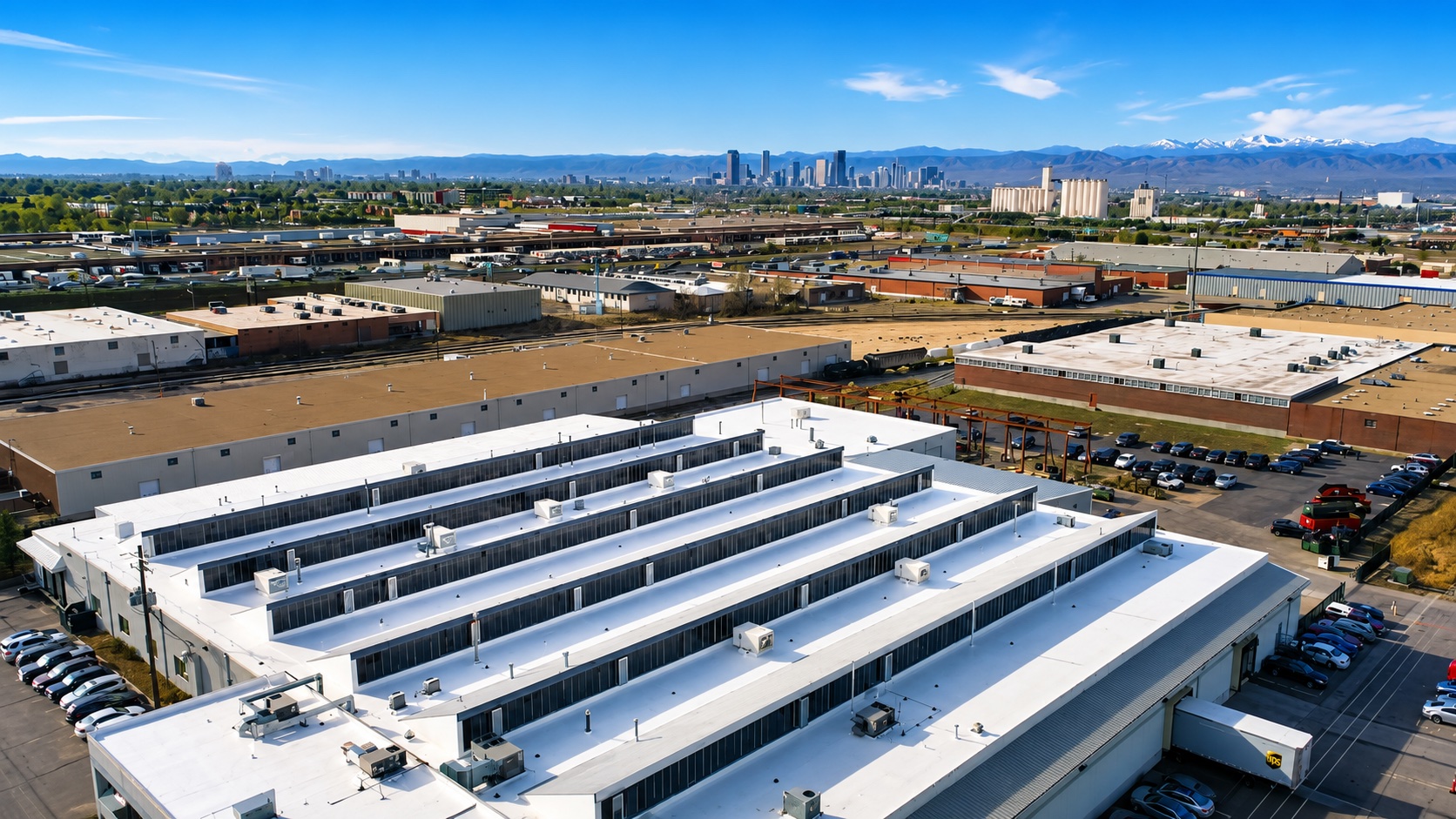
TPO (thermoplastic polyolefin) is a single-ply membrane used on flat and low-slope roofs — the standard for commercial buildings and common on Colorado patio additions and mid-century homes with low-pitch sections. It is heat-welded at the seams, reflective, and handles ponding better than shingles ever can (shingles should never be installed below a 2:12 pitch). We install TPO and other low-slope systems on commercial projects and mixed-pitch homes.
What underlayment and ice barrier does a Colorado roof need?
Every roof we install gets synthetic underlayment across the full deck, with ice-and-water membrane in the vulnerable spots: valleys, penetrations, and along eaves where code or conditions call for it. Eave ice-barrier requirements vary by jurisdiction along the Front Range — Denver, for example, does not require it at eaves, while colder and higher jurisdictions commonly do — so we confirm the code for your specific address rather than quoting one blanket spec.
What is drip edge and is it required?
Drip edge is the L-shaped metal flashing at eaves and rakes that carries water off the roof edge and into the gutter instead of behind it, protecting the fascia and decking edge from rot. Building code (IRC R905.2.8.5) requires it on asphalt shingle roofs, and it is one of the first things we check when reviewing a competitor’s quote — leaving it out is a classic way to make a low bid look lower.
Should I replace my roof before installing solar panels?
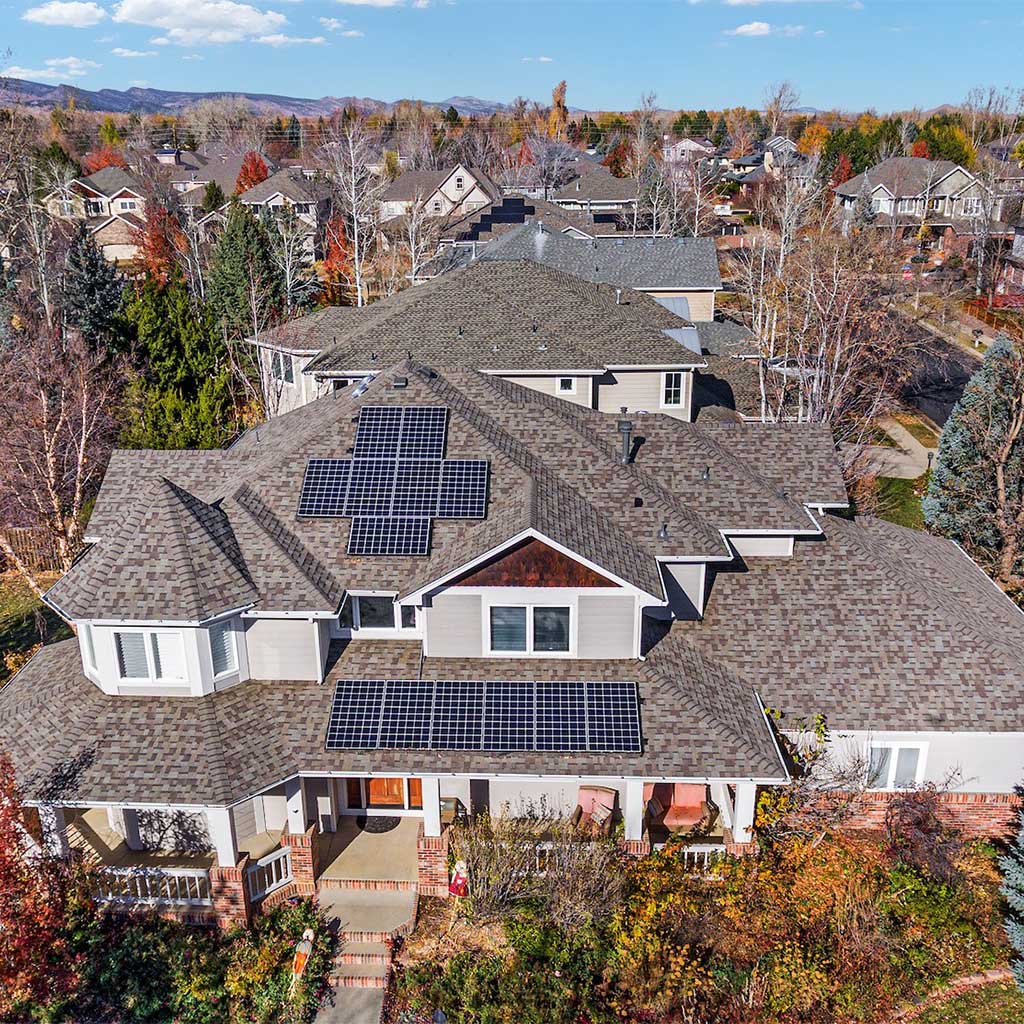
If your roof has less than 10–12 years of realistic life left, replace it first. Removing and re-installing panels to reroof later typically costs thousands, and solar companies will not warranty roof leaks. A Class 4 or metal roof under the array also means the roof outlasts the panel contract. If you already have panels and need a roof, we coordinate detach-and-reset with the solar provider as part of the project scope.
Do you install wood shake, tile, or slate roofs?
We focus on the systems that perform in Colorado hail country: Class 4 impact-resistant asphalt, standing-seam and stone-coated steel, synthetic shingles (F-Wave, DaVinci, CEDUR), and low-slope membranes. Synthetic products now replicate shake and slate looks with Class 4 impact ratings — a better match for Front Range weather than the natural materials they imitate, and often required as replacements where HOAs are moving away from real wood shakes for fire reasons.
The Roof Replacement Process & Timeline
How long does a roof replacement take?
Most Colorado asphalt shingle roofs are torn off and replaced in one to two days. Larger homes, steep pitches, multiple layers of tear-off, decking repairs, or metal and tile systems extend that to three to five days. Weather is the wildcard — we do not tear off ahead of incoming storms, so a forecast can shift a start date. The full timeline from signed contract to installed roof typically runs two to four weeks, depending on material lead times and permits.
Should I stay home during my roof replacement?
You do not need to be home — most homeowners leave for at least part of the day, and the crew works entirely outside. If you do stay, expect real noise: tear-off and nailing are loud enough that working from home is difficult, and pets are usually happier elsewhere. We recommend being reachable by phone for decking-repair approvals, removing wall art that vibration could shake loose, and moving vehicles out of the driveway before the crew arrives.
What time of year is best to replace a roof in Colorado?
Late spring through fall is the traditional window, but the honest answer is: before the next hailstorm, whenever that is. Colorado’s dry climate makes roofing workable most of the year, and fall is often ideal — the summer storm season is over and temperatures still allow shingle sealant strips to bond. Scheduling in shoulder seasons can also mean faster starts than the post-hailstorm rush, when every roofer in the metro is booked.
Can you replace a roof in winter in Colorado?
Yes. Colorado winters bring enough dry, sunny stretches that we install roofs year-round. Cold-weather installs follow manufacturer low-temperature protocols — shingles are stored warm, and self-seal strips that will not activate until spring are hand-sealed where required. Snow on the deck pauses work; cold alone does not. If your roof is leaking or storm-damaged in January, waiting for May is the worse option.
Do I need a permit to replace a roof in Colorado?
Yes — essentially every Front Range jurisdiction, from Denver and Boulder to Longmont and the surrounding counties, requires a roofing permit for full replacement, and most require a final inspection. We pull the permit, schedule inspections, and close it out as part of every project. A contractor who suggests skipping the permit is transferring the risk to you: unpermitted work surfaces during home sales and can void insurance arguments later.
What happens if it rains or snows in the middle of my roof project?
The roof is never left exposed. We tear off only the area we can dry-in the same day — once underlayment is down, the roof is watertight even before shingles go on. If weather moves in faster than forecast, the crew tarps and seals the work area. This sequencing is standard practice for us and is exactly why we do not start tear-off with a storm cell on the radar.
How do you protect landscaping, driveways, and gutters during a roof replacement?
Tarps over shrubs and beds, plywood over AC units and delicate areas, and a catch-all trailer or dump setup positioned to take tear-off debris directly. Gutters are cleared of debris as part of cleanup, and we run magnetic sweeps across the lawn and driveway — usually multiple passes — to pick up nails. Tell your project manager about sprinkler heads, ponds, or garden areas you are concerned about and the crew will stage around them.
What is re-decking and when is it required?
Re-decking is replacing the wood sheathing under the roof when it can no longer hold nails — rot, delamination, hail-fractured OSB, or older spaced plank decking that does not meet current code for the new material. It is only discoverable at tear-off, which is why a quality quote states its per-sheet price up front instead of surprising you on a change order. On insurance claims, code-required re-decking is a legitimate supplement item, not an upsell.
How many layers of shingles are allowed on a Colorado roof?
Building code allows a maximum of two total layers of asphalt shingles; if your roof already has two, tear-off is mandatory. Even where a second-layer overlay is technically legal, we recommend full tear-off: it is the only way to inspect the decking, it avoids the heat and telegraphing problems of layered shingles, and insurers and manufacturers treat overlays unfavorably. Class 4 shingle warranties generally require installation on a clean deck.
What does cleanup after a roof replacement include?
All tear-off debris hauled away the same day, gutters cleared, tarps removed, and magnetic nail sweeps across the lawn, driveway, and walkways — typically multiple passes, because a single stray nail in a tire is the thing homeowners remember. Final walkthrough happens with your project manager, and photos of the finished roof, flashing details, and cleanup are posted to your client portal so you can verify the work without climbing a ladder.
What is the typical timeline from quote to finished roof?
Inspection and a line-item proposal usually happen within a few days of your call. Once you approve, material color selection, permit filing, and scheduling take one to two weeks, and the install itself one to three days. Insurance projects add the carrier’s approval cycle — adjuster meeting, scope agreement, and any supplements — which we manage for you and which typically adds two to four weeks ahead of the build.
Roof Lifespan & Maintenance in Colorado
How often should a roof be replaced in Colorado?
Plan on 20–30 years for asphalt shingles, 40–60 for metal, and 30–50 for quality synthetics — but along the Front Range, hail usually makes the decision before age does. Many Colorado roofs are replaced on insurance claims at 10–15 years after a qualifying storm. The practical rule: once a roof passes 15 years, have it inspected after every significant hail event and start planning rather than reacting.
What are the signs a roof needs replacement?
From the ground: shingles that are curling, cupping, or missing; granules accumulating in gutters and downspout splash zones; dark patches where granule loss exposes the mat; and daylight or moisture staining in the attic. After a storm, dented gutters and vents signal the hail was large enough to damage shingles too. Any active leak, sagging deck line, or widespread granule loss on a 15+ year roof usually points to replacement rather than repair.
Why do roofs wear out faster in Colorado?
Three compounding forces: intense UV at a mile of elevation, which dries and embrittles asphalt faster than at sea level; 60–90°F daily temperature swings that expand and contract materials through freeze-thaw cycles; and Hail Alley itself — the Front Range sits in the most hail-active corridor in North America. A shingle warranted for 30 years in Ohio simply does not see Ohio conditions here, which is why impact rating matters more than warranty length.
How often should a Colorado roof be inspected?
Once a year is a good baseline — and always after any hailstorm that dents gutters or strips leaves. Colorado’s storm cycle means the more useful habit is event-driven: a 10-minute professional inspection after a significant storm documents the roof’s condition with photos, which protects you at claim time by establishing when damage occurred. Our inspections are free, and we tell you when a roof does not need work.
Should gutters be replaced at the same time as the roof?
If the gutters are hail-dented, undersized, or pulling from the fascia — yes, and on a hail claim they are usually part of the same insurance scope, since soft metals show impact damage even more readily than shingles. Replacing them with the roof also lets us install drip edge and gutter apron as one integrated water path. If your gutters are sound, we work around them and note their condition in the inspection report.
What are the most common causes of roof leaks?
In Colorado, the usual suspects in order: failed pipe-boot flashings (the rubber cracks in UV long before the shingles fail), wind-lifted or creased shingles, ice damming at eaves in heavy snow years, hail-fractured shingles that open slowly over months, and flashing failures at chimneys and wall intersections. Most leaks are point failures that are repairable — the question is whether the surrounding roof has enough life left to justify the repair.
Does homeowners insurance cover roof leaks?
It covers sudden, storm-caused leaks — hail punctures, wind damage, a fallen limb — including the interior damage the water causes. It does not cover leaks from age, wear, or deferred maintenance, and carriers scrutinize the difference. If a leak appears after a storm, document the date and get an inspection quickly; the storm-damage link is much easier to establish fresh. Our Colorado hail claim guide walks through the full claim process.
Choosing a Roofing Contractor in Colorado
How do I choose a roofing contractor in Denver?
Verify three things before price: a physical Colorado presence with local references you can actually check, licensing in your specific jurisdiction plus liability and workers’ comp insurance, and a written scope detailed enough to compare line-by-line against other bids. Then look at how they communicate — a contractor who documents everything before the sale will document everything during the build. Storm-time especially, slow down: the roof took years to wear out; it can survive a week of due diligence. To see this method applied to real companies, our side-by-side comparison of Denver roofing and exterior contractors scores the established names — ours included — on five sourced criteria.
What questions should I ask a roofer before signing?
Ask: Who actually installs my roof — your crew or a sub, and who supervises? What exact shingle line and impact class are you quoting? What is your per-sheet decking price? Are permits, disposal, and magnetic cleanup included? What are the installation warranty terms, in writing, and who registers the manufacturer warranty? How do you handle change orders? Clear answers to those seven questions eliminate most bad outcomes before the contract is signed.
How do I spot storm-chaser red flags after a hailstorm?
Out-of-state plates, door-to-door pressure to sign today, offers to “cover your deductible” (illegal under Colorado SB 38), no local address you can visit, and contracts that assign your insurance claim to the contractor. Legitimate local roofers are busy after a storm, not desperate. Our hail claim guide has a full section on storm chasers and the SB 38 rules that protect Colorado homeowners.
Are roofing contractors licensed in Colorado?
Colorado has no statewide roofing or general contractor license — licensing happens city by city and county by county, which is why storm chasers find the state attractive. A legitimate contractor holds licenses in the jurisdictions where they work (Denver, Boulder, Longmont, and the surrounding counties each run their own programs), carries liability and workers’ compensation insurance, and will show you certificates without being asked twice. We are licensed in the Front Range jurisdictions we serve.
What warranty should a new roof include?
Two separate warranties: the manufacturer’s material warranty (commonly 30 years to lifetime-limited on Class 4 architectural shingles, longer on metal and synthetics) and the contractor’s installation warranty covering installation errors — which is where most real-world problems live. Get the installation warranty term in writing and ask who honors it if the company disappears; a warranty is only as durable as the contractor behind it. We register manufacturer warranties on every install and stand behind our workmanship in writing.
Can one contractor handle roofing, siding, gutters, and windows together?
Yes — and after a major hailstorm it is usually the better path, because Colorado hail rarely damages just the roof. A multi-trade exterior contractor scopes the roof, siding, gutters, windows, and paint as one insurance claim, sequences the trades correctly (roof before gutters, siding coordinated with window flashing), and gives the carrier one point of contact. That is our model: roofing, siding, windows, gutters, and decks under one contract since 2001.
Can a city make me replace my roof?
Directly, only in edge cases — property-maintenance codes let a city cite a roof that is structurally unsafe or actively deteriorating, typically on long-neglected or condemned structures. What homeowners usually experience instead is the insurance version: a carrier’s inspection flags an aging roof and the renewal arrives with a replace-by date, an ACV-only endorsement, or a non-renewal notice. Either way, the response is the same — get a documented inspection and a written plan.
Do you handle commercial roofing?
Yes. We install TPO and other low-slope membrane systems, metal roofing, and steep-slope commercial roofs across the Denver metro and Northern Colorado — along with full commercial exterior work through our commercial remodeling division. Multifamily, HOA, and small-commercial reroofs get the same project-portal documentation as our residential work, which property managers tend to appreciate even more than homeowners do.
How does the Northern Lights Exteriors client portal work?
Every project runs through our online client portal: your schedule, scope documents, contract, selections, and daily progress photos live in one place you can check any time — no calling the office to ask what happens next. During insurance projects the portal also holds the carrier scope and supplement paperwork, so you can see exactly what was approved. It is the most common thing customers mention in reviews, and it is included on every project.
Where can I read Northern Lights Exteriors roofing reviews?
We hold a 4.9 out of 5 rating across 552 customer reviews — you can read them on our reviews page, on Google, and on GuildQuality. Look for the pattern rather than the star count: what customers consistently mention is insurance-claim navigation, communication through the client portal, and crews that clean up. We are happy to connect you with recent roofing customers in your area as references.
What areas does Northern Lights Exteriors serve for roofing?
We are based in Fort Lupton and serve the Denver metro and Northern Colorado — Denver, Boulder, Longmont, Fort Collins, Greeley, and the communities between and around them. See the full list on our service areas page. We have installed roofs along the Front Range since 2001, which means your neighborhood almost certainly has a roof of ours in it — ask and we will point you to nearby projects.
Have a Question We Didn’t Answer?
Ask it. We’ll give you a straight answer — including “your roof is fine, don’t spend money yet” when that’s the truth. Free inspections, line-item proposals, no pressure.