Siding Questions & Answers · By Siding Type · Colorado Front Range
Colorado Siding Questions, Answered by Material
The real questions homeowners ask about every siding type we work with — James Hardie fiber cement, LP SmartSide, board & batten, steel, stone veneer, and stucco — answered honestly by the contractor who installs them in Colorado hail country.
James Hardie & Fiber Cement Siding
What is Hardie board made of?
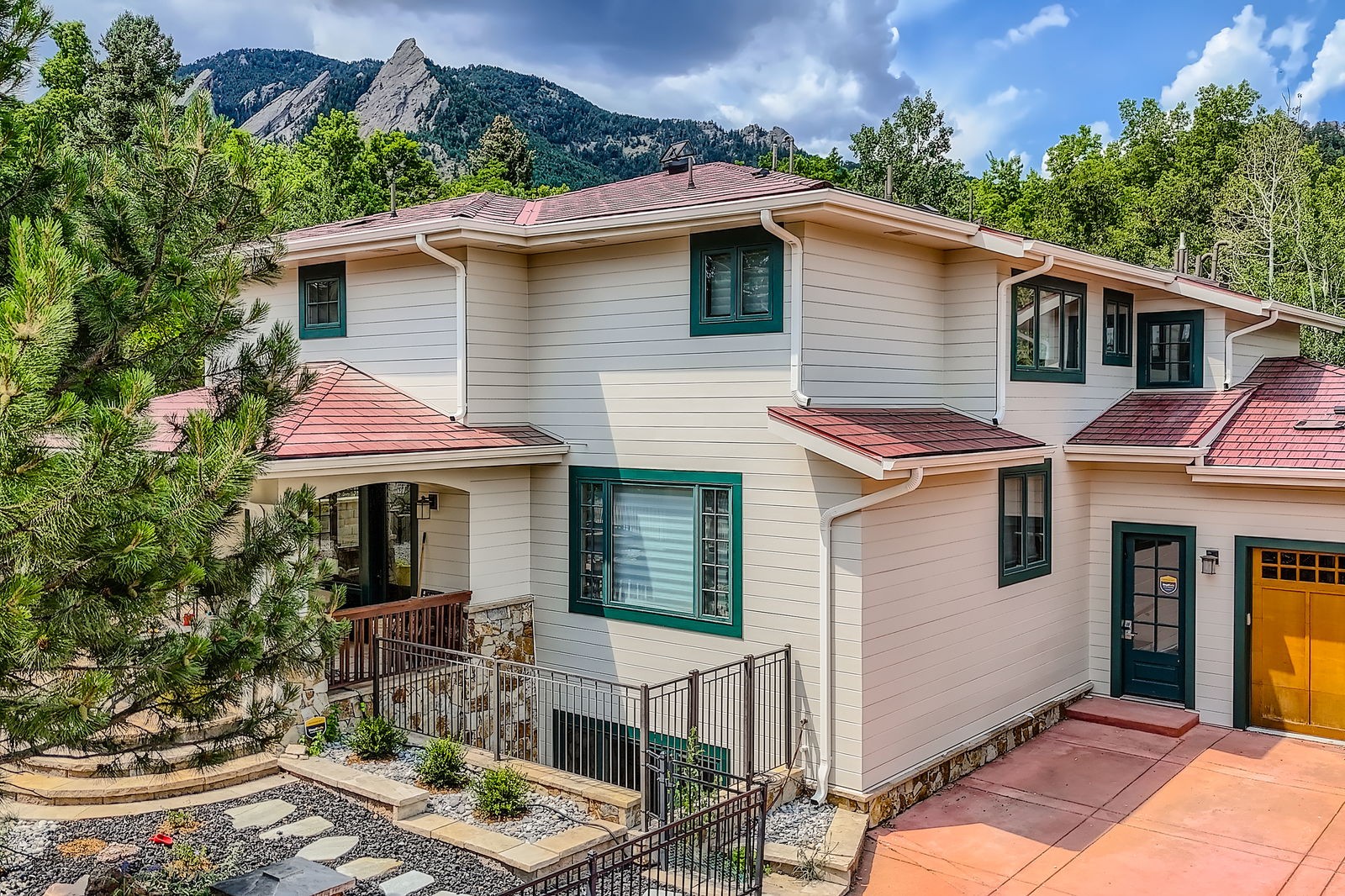
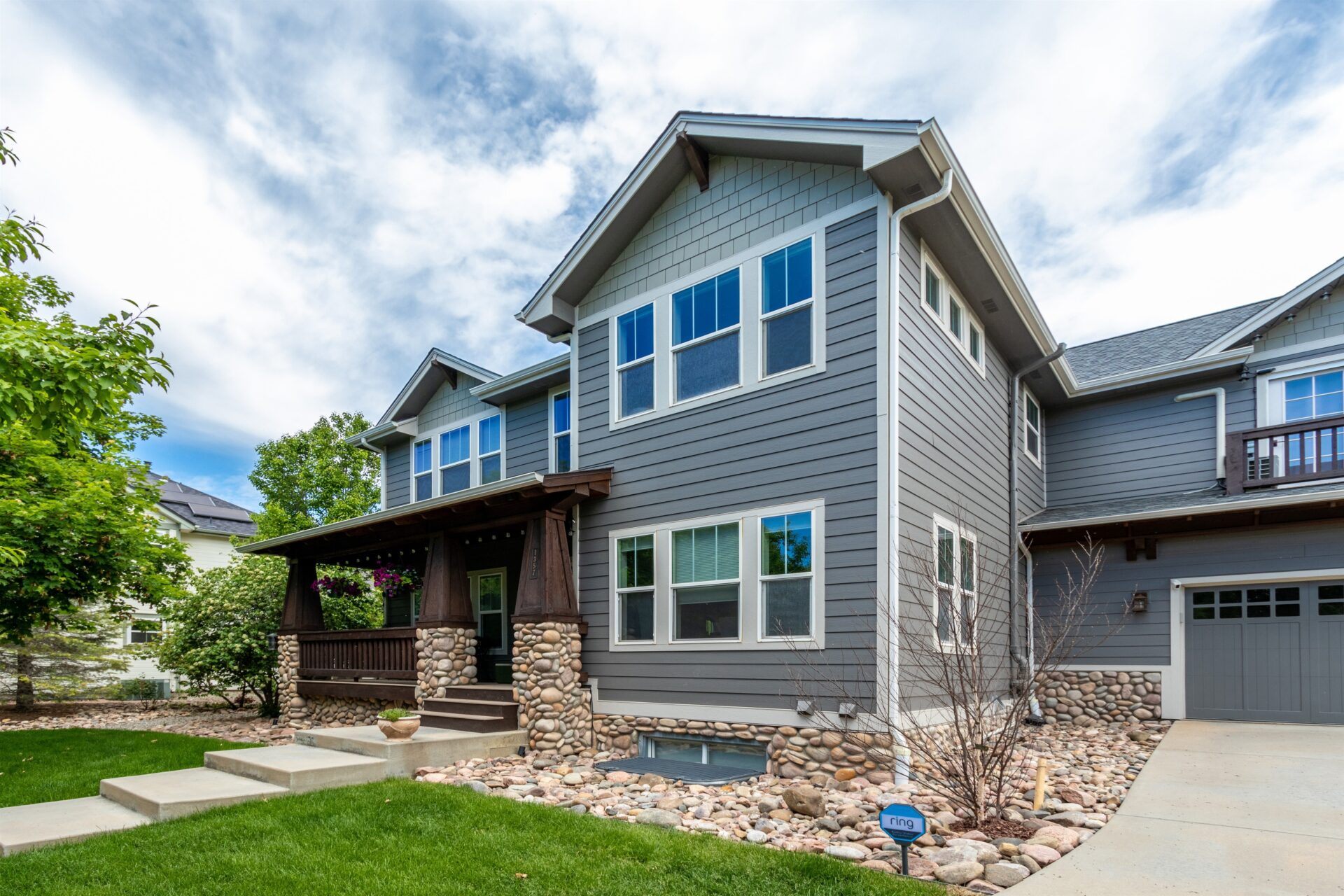
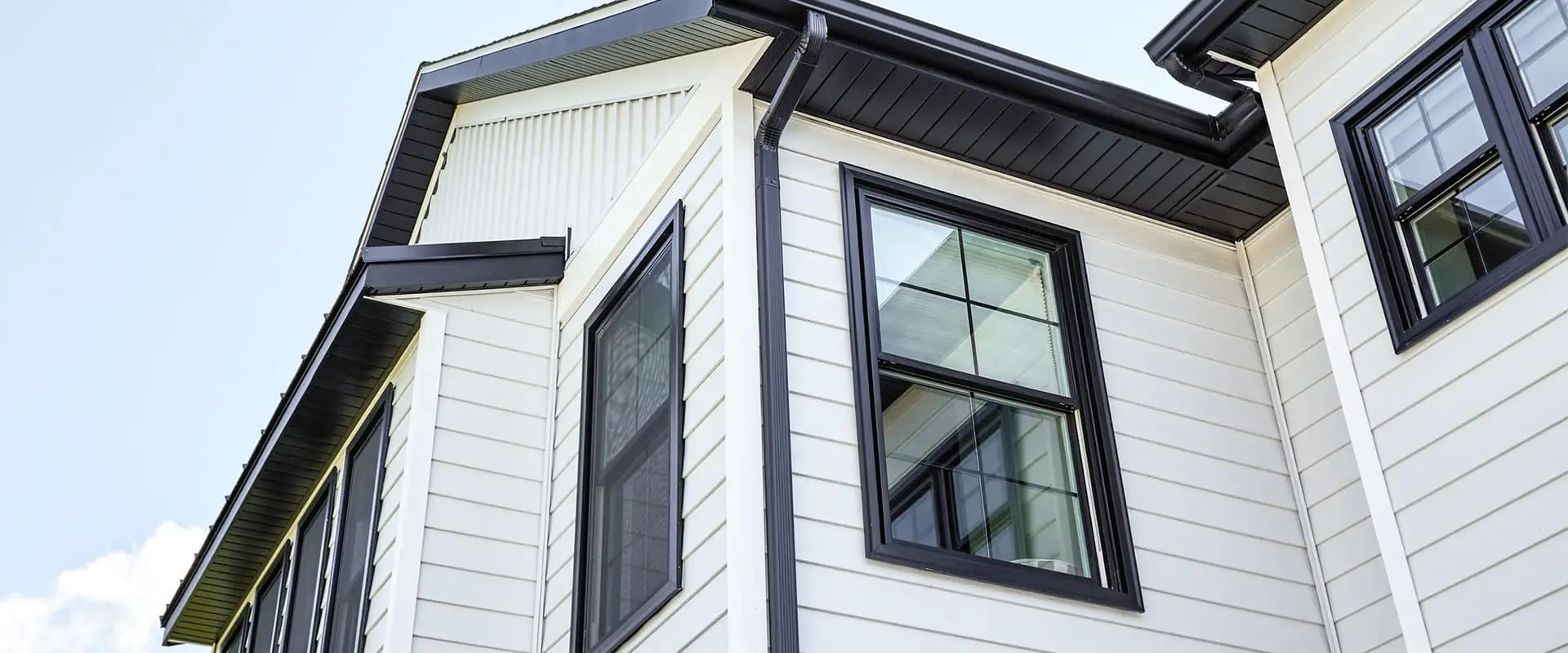
Hardie board is fiber cement: Portland cement, sand, water, and cellulose fibers cured into dense boards, then primed or factory-finished with ColorPlus technology. There is nothing in it for insects to eat, nothing that ignites, and no vinyl to crack in a hailstorm — which is why fiber cement has become the default premium siding on the Front Range. James Hardie is the category’s leading brand; “Hardie board” has become shorthand for fiber cement generally.
What is the downside of James Hardie siding?
Three honest ones: it costs more upfront than vinyl or engineered wood; it is heavy and unforgiving to install, so the result depends heavily on the crew (Hardie’s warranty assumes correct installation); and field-painted boards eventually need repainting, though ColorPlus factory finishes carry a 15-year warranty. What is not on the list in Colorado: hail and fire performance — fiber cement handles both better than nearly every alternative. The install-quality risk is exactly why Hardie runs contractor programs like Elite Preferred.
How much does it cost to Hardie board a 2,000 sq ft house?
Most Colorado James Hardie projects run $10–$18 per square foot installed, and full-home projects typically land between $20,000 and $60,000+. A typical 2,000 sq ft home usually falls in the lower-middle of that window, with stories, trim package, tear-off findings, and profile (lap vs. board & batten vs. shingle) moving the number. Our Hardie replacement cost page has real Colorado project examples and a calculator.
Is there a better siding than Hardie board?
Depends what “better” means for your home. LP SmartSide is lighter and takes impacts with less chipping; steel is the strongest fire-and-longevity play; stone veneer beats everything as an accent. But as an all-around package for Colorado — hail resistance, Class A fire rating, color durability at altitude, resale recognition — fiber cement is the benchmark the others get compared to. We install all of these, so our recommendation follows your home and budget, not a single product line.
Do termites eat Hardie board?
No. Fiber cement is sand and cement — there is nothing in it termites, carpenter ants, or woodpeckers can eat or excavate. That matters more in Colorado than most homeowners expect: woodpecker damage to wood and some engineered sidings is a real Front Range problem, and fiber cement ends it. Pests are one of the four resistances Hardie boards are engineered around, along with fire, moisture, and UV.
What is ColorPlus technology, and is it better than painting on site?
ColorPlus is James Hardie’s factory finish: multiple coats baked onto the board in controlled conditions, warranted for 15 years against peeling and fading. At Colorado’s altitude, UV exposure is the finish-killer, and baked-on factory coats consistently outlast field painting. Field-painted primed Hardie is still a good system — it costs less and opens unlimited color choice — but for most Front Range homes we quote ColorPlus first. See the colors and styles guide.
What does it mean that you’re an Elite Preferred and President’s Club contractor?
Elite Preferred is the highest tier in the James Hardie Contractor Alliance — it requires trained crews, installation to Hardie’s specifications, and sustained quality scores, and we have held it since 2011. President’s Club recognizes the top-performing Hardie contractors nationally. For homeowners the practical meaning is warranty confidence: Hardie’s product warranty assumes the boards were installed to spec, and these programs exist to verify exactly that. Details on our James Hardie installation page.
How long does James Hardie siding last in Colorado?
The substrate carries a 30-year non-prorated warranty, and correctly installed fiber cement routinely outlives it. Colorado’s specific threats — hail, freeze-thaw cycling, and intense UV — are the conditions fiber cement handles best: it does not dent like metal, crack like vinyl, or feed woodpeckers like wood. The realistic maintenance rhythm is caulk and paint touch-ups over the years, with ColorPlus finishes stretching repaint cycles well past a decade.
Board & Batten Siding
What is board and batten siding?
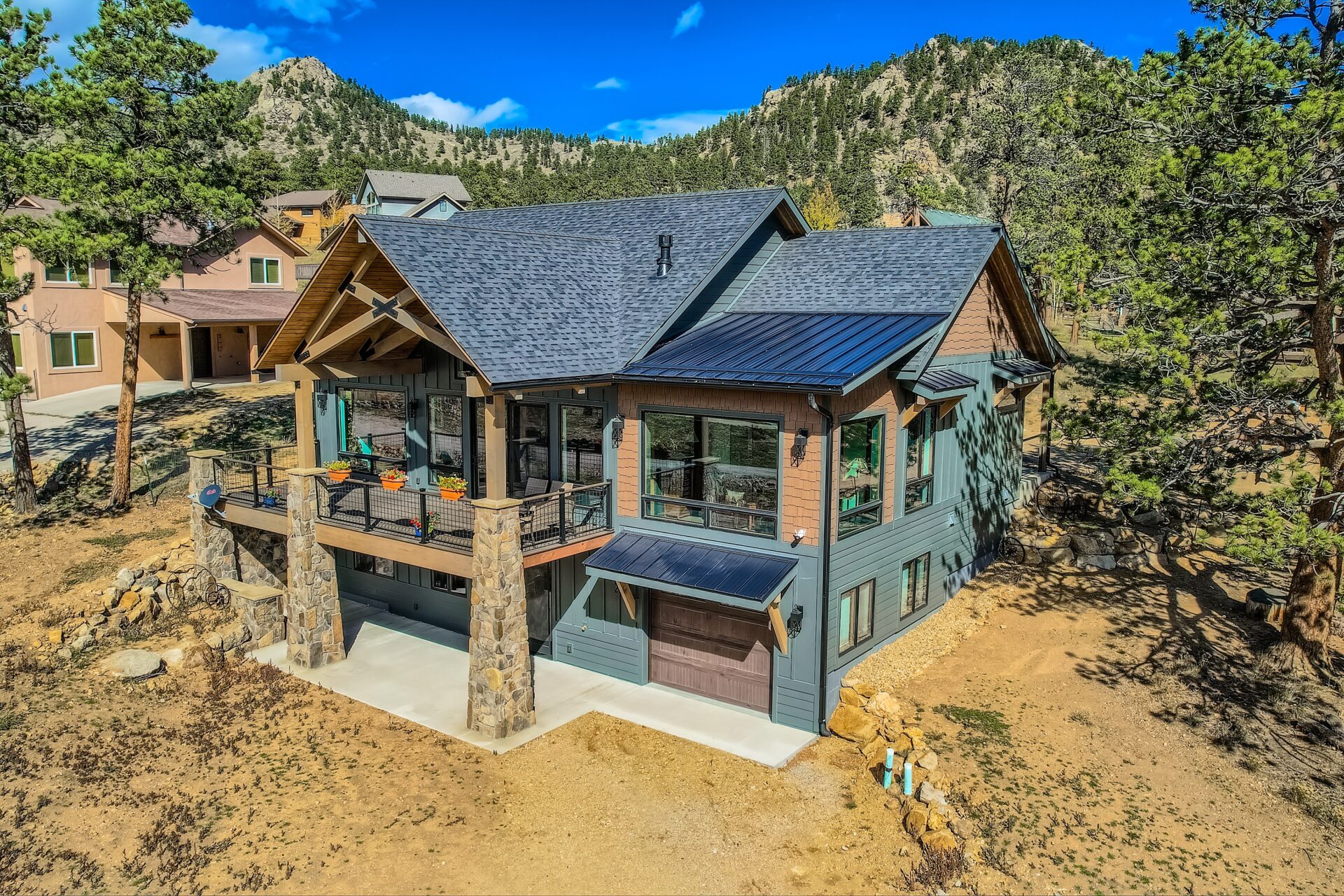
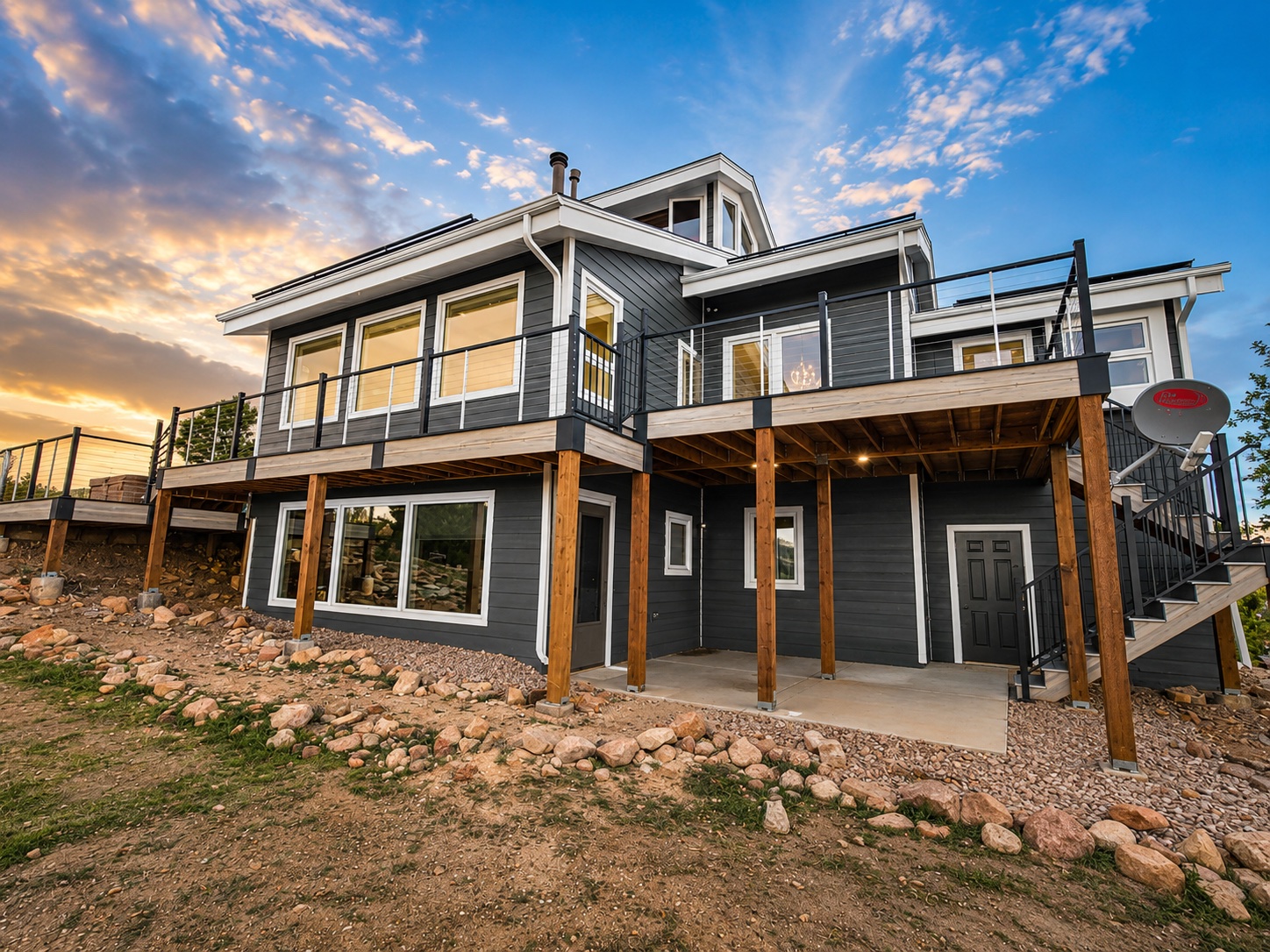
Board & batten is a vertical siding style: wide flat panels (“boards”) with narrow vertical strips (“battens”) covering the seams. It reads as modern-farmhouse or mountain-modern depending on color, and it is the fastest-growing style request we see in Colorado. It is a style, not a material — we install it in James Hardie fiber cement panels with Hardie trim battens, which delivers the look with hail and fire performance real wood can’t match. Full detail on our James Hardie board & batten page.
Is board and batten cheaper than regular siding?
Usually the opposite. The panel-plus-batten assembly uses more trim pieces, more flashing detail, and more labor per wall than horizontal lap siding in the same material — expect a modest premium over lap. Where board & batten earns its cost back is curb appeal: it is one of the few siding choices that visibly changes a home’s architecture. Many of our projects mix the two — board & batten gables over lap-sided walls — to get the look without pricing the whole envelope at the premium.
What are the downsides of board and batten siding?
More joints and trim mean more places water management has to be done right — vertical siding sheds water differently than lap, and the flashing details at penetrations and transitions are less forgiving of a rushed crew. It also costs somewhat more per wall than lap siding. In real wood, add maintenance and fire exposure to the list — which is why we build the style in fiber cement instead.
What is the best material for board and batten in Colorado?
Fiber cement, in our experience. Traditional board & batten was rough-sawn wood, but on the Front Range wood means woodpeckers, fire exposure, and repaint cycles. James Hardie panel with Hardie batten boards gives the same shadow lines with a Class A fire rating and hail durability, and LP SmartSide offers the style in engineered wood at a different price point. We install both; for foothills and WUI-area homes we default to fiber cement.
LP SmartSide & Engineered Wood Siding
What is LP SmartSide made of?
LP SmartSide is engineered wood: wood strands coated with resin and zinc-borate treatment, compressed into boards, and finished with a resin-saturated overlay that takes paint exceptionally well. Factory-finished versions (Diamond Kote is the finish system we quote most) carry long fade warranties. It looks and cuts like real wood, weighs far less than fiber cement, and its treated substrate resists the rot and insect issues that kill natural wood siding.
Which is better — Hardie board or LP SmartSide?
Both are excellent, and we install both, so here is the honest split: LP SmartSide is lighter, more impact-forgiving (it dents rather than chips under extreme point impacts), and typically installs faster. James Hardie is non-combustible with a Class A fire rating, immune to moisture swelling, and carries stronger resale recognition. For foothills and WUI-area homes, fire rating decides it: Hardie. For plains homes prioritizing warm wood aesthetics or budget, LP is a legitimate winner. Details on our composite wood siding page.
What is the average lifespan of LP SmartSide siding?
LP’s substrate warranty runs 50 years (prorated), with a 5-year full labor-and-replacement window, and real-world service life of several decades when installed and maintained correctly. The keys in Colorado are correct clearances and flashing — engineered wood punishes sloppy water details more than fiber cement — and keeping the finish intact, which factory finishes like Diamond Kote handle for 30 years under warranty.
Is LP SmartSide expensive?
It sits in the premium tier, but usually below fiber cement on total project cost: most Colorado LP SmartSide projects run $16–$28+ per square foot installed, driven by finish choice (primed vs. factory-finished), trim package, and wall complexity. Against vinyl it is a step up in both price and performance; against natural wood it is comparable money for far less maintenance. Full comparison in the Colorado siding cost guide.
Does LP siding need to be painted?
Primed LP SmartSide is painted after installation and repainted on a normal exterior cycle. Factory-finished LP — the Diamond Kote system we typically quote — arrives with a baked-on finish warranted against fade for 30 years, no painting required. At Colorado’s UV levels, that factory finish is the configuration we recommend: field paint simply works harder at 5,000+ feet than the warranty tables assume.
Steel & Metal Siding
Is metal siding on a house a good idea in Colorado?
For the right home, yes — steel is the most fire-resistant siding we install, shrugs off UV that fades organic materials, never feeds pests, and suits the mountain-modern architecture Colorado builds a lot of. It has become a serious option for foothills and WUI-area homes where every non-combustible surface counts. The honest trade-offs are cost and hail denting, covered below. Our metal siding page covers the systems we install.
What are the downsides of steel siding?
Price first: steel is one of the most expensive siding categories per square foot. Second, hail — steel will not crack or breach the way vinyl does, but very large hail can dent panels, and like metal roofing, dent-only damage can run into cosmetic-exclusion language in some insurance policies. Third, repairs: replacing one damaged panel years later means matching a finish that has weathered. None of these are disqualifiers; they are why steel quotes deserve a careful conversation about your policy and your priorities.
Is steel siding cheaper than vinyl siding?
No — it is a different class entirely. Vinyl is the cheapest siding category; steel typically runs $20–$40+ per square foot installed in Colorado, several times vinyl’s cost. The comparison that actually matters here is lifecycle: vinyl in Colorado hail country often gets replaced (or claimed) repeatedly, while a steel envelope is realistically a once-per-ownership purchase. We don’t install vinyl at all — here’s why.
How much does steel siding cost for a 1,500 sq ft house?
Working from Colorado’s typical $20–$40+ per square foot installed range, most 1,500 sq ft single-family projects land somewhere in the $25,000–$50,000+ window depending on panel profile (board & batten steel, lap, or corrugated), fastener system (hidden vs. exposed), trim detailing, and wall complexity. Steel rewards simple, tall wall planes and penalizes chopped-up architecture more than other materials, so per-home quotes vary widely — a measured quote matters more here than in any other category.
Stone Veneer & Masonry Accents
Is stone veneer siding good?
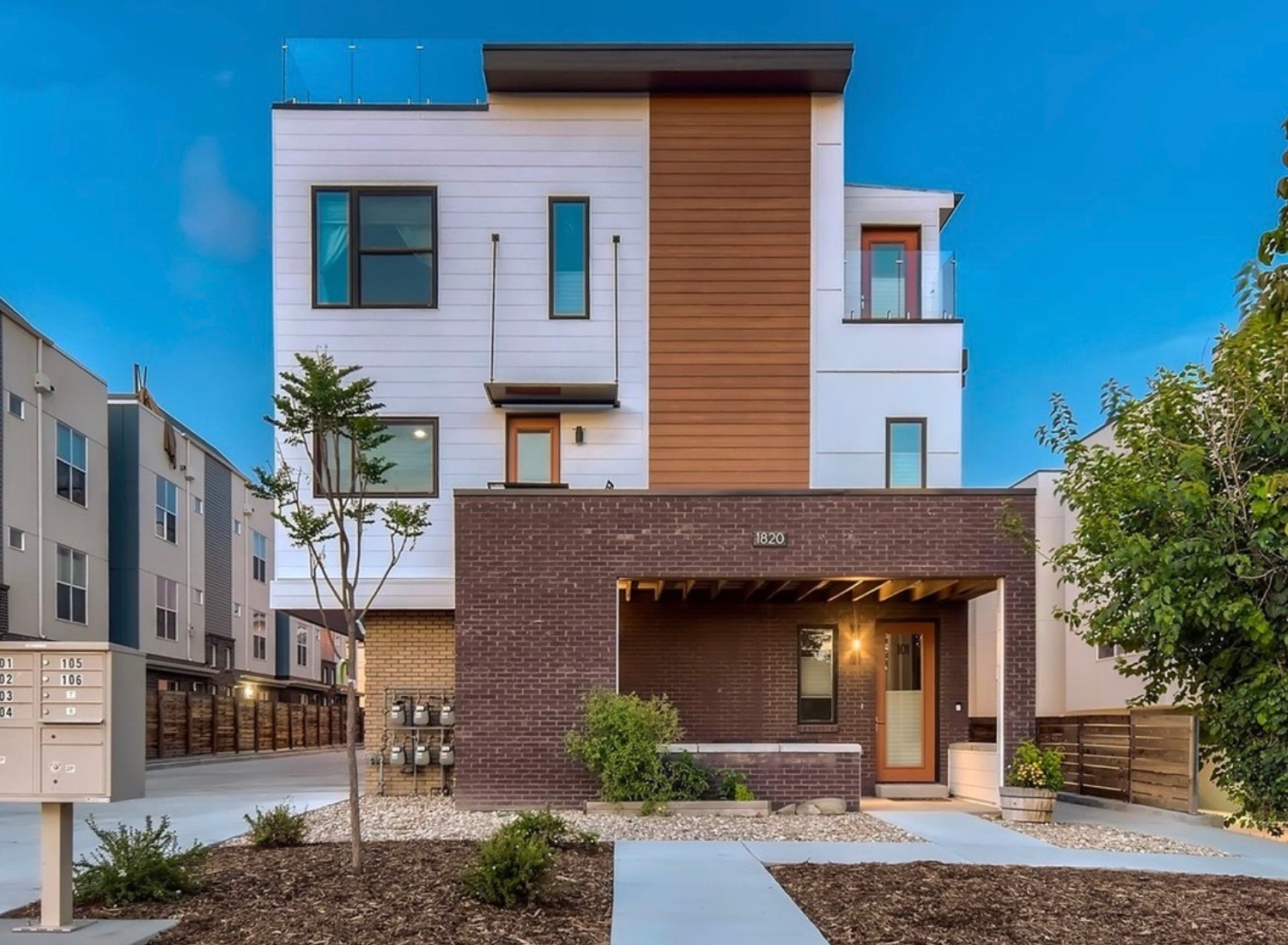
As an accent, it is the highest-impact upgrade in exterior design: wainscot bands, entry surrounds, and chimney chases in stone veneer transform a façade in a way paint never will. As a whole-house cladding it is rarely the right money — the budget usually does more good buying premium primary siding plus stone accents. That mixed-material look (Hardie or LP field walls + stone accents) is the signature Colorado exterior right now, and it is how we spec most stone projects. See our stone veneer page.
Is stone veneer siding expensive?
Per square foot, yes — cultured stone and masonry veneer systems typically run $25–$50+ per square foot installed in Colorado, the top of the siding market. The reason accent use makes sense is that a 200 sq ft wainscot band delivers the visual effect at a fraction of whole-wall cost. Manufactured (cultured) stone costs meaningfully less than natural thin-cut stone and is what most residential projects use.
What are the downsides of stone veneer?
Installation quality is everything: stone veneer is a masonry system with a water-resistive barrier, lath, and weep details behind it, and moisture problems from shortcut installs are the category’s whole bad reputation. It is also heavy on cost per square foot, and repairs require matching stone and mortar years later. Choose it where it earns its keep visually, and insist on a crew that treats the water management as seriously as the stone pattern.
How long does stone veneer last — and how does it handle fire?
Properly installed stone veneer lasts for decades — the stone itself is effectively permanent; the system’s lifespan is set by the flashing and moisture details behind it. Fire is where it genuinely shines: masonry veneer is non-combustible, which makes stone wainscoting a smart ground-level choice for foothills and WUI-area homes where embers collect at the base of walls.
Stucco in Colorado
Is stucco a good choice for siding in Colorado?
Stucco has real strengths in Colorado’s dry climate — it is seamless, non-combustible, and suits southwestern and contemporary architecture. Its Front Range weakness is hail: rigid cementitious coatings crack under impact, and cracked stucco is difficult to patch invisibly because new material rarely matches weathered texture and color. That is why so many of the stucco conversations we have are really replacement conversations after a storm.
Is it cheaper to stucco or side a house?
Siding, usually. Stucco systems commonly run $18–$35+ per square foot installed in Colorado — three-coat work is labor-intensive and temperature-sensitive — while most James Hardie projects run $10–$18 per square foot. Fiber cement also installs year-round, where stucco needs sustained warm temperatures to cure. If you love the smooth rendered look, smooth-finish fiber cement panels get remarkably close at siding economics.
What are the downsides of stucco siding?
Hail cracking is the big one on the Front Range, followed by the patch-matching problem — repairs are visible because texture and color never quite match weathered stucco. Add moisture risk where the drainage plane behind it was done poorly (a known issue in some fast-built subdivisions), curing that limits the install season, and higher cost than fiber cement. In dry, hail-light climates stucco’s math is different; on the plains east of the foothills, it fights the weather.
Should I repair my stucco or replace it with siding?
Isolated cracks on an otherwise sound stucco shell: repair, and budget for the patch being visible. Widespread hail cracking, bulging, or moisture staining: replacement usually wins — and this is one of our most common Colorado projects, converting cracked stucco homes to James Hardie fiber cement. The conversion keeps a non-combustible envelope, ends the patch-matching cycle, and on storm-damaged homes it is often an insurance-claim scope. We will give you a straight answer at inspection, including “repair it” when that is the truth.
Vinyl Siding — and Why We Don’t Install It
Is vinyl siding good for Colorado?
It is the wrong material for this climate, and we say that as a company that would profit from selling it. Vinyl gets brittle in cold snaps and shatters under hail — the exact combination Front Range storms deliver — and it can distort in intense sun and reflected heat. It is also the weakest performer in wildfire exposure, melting at temperatures other claddings shrug off. Vinyl’s honest advantage is purchase price, and in hail country that advantage gets refunded to your insurer one claim at a time.
Why doesn’t Northern Lights Exteriors install vinyl siding?
Because we would be reinstalling it after every major hail season, and our name would be on it. We made the call to install only materials that hold up to Colorado weather: James Hardie fiber cement, LP SmartSide engineered wood, steel, and stone veneer. Homeowners deserve a siding decision measured in decades, not insurance cycles — and the premium over vinyl is smaller than most people expect once you compare quotes scope-for-scope.
What should I replace hail-damaged vinyl siding with?
If a storm has cracked your vinyl, your insurance claim is the ideal moment to upgrade the material rather than reinstall the same vulnerability. Fiber cement is the usual answer — hail-resistant, Class A fire rated, and a visible upgrade to the home — with LP SmartSide as the engineered-wood alternative. The carrier pays the like-for-like scope; you pay only the upgrade delta. Our Colorado hail claim guide explains how sidings enter a hail claim alongside the roof.
Choosing Siding for Colorado’s Climate
What siding handles hail best?
Fiber cement and engineered wood lead for most homes: James Hardie takes hail impacts without the cracking that ends vinyl and the denting that shows on metal, and LP SmartSide absorbs impacts with even less surface marking. Steel will not breach but can show cosmetic dents in severe hail. Vinyl is the material hail was invented to destroy. This ranking — not national marketing — is why the Front Range premium-siding market is essentially a fiber-cement-vs-engineered-wood conversation.
What is the most fire-resistant siding for Colorado’s WUI areas?
Steel and fiber cement top the list — both non-combustible, with James Hardie products carrying the Class A ratings WUI codes care about — and stone veneer adds a non-combustible ground band where embers accumulate. Wildland-urban interface codes vary by jurisdiction and are tightening across the foothills, so we confirm the requirements for your specific address before specifying an assembly. For plains-metro homes, hail and wind drive the choice instead; fire framing belongs in the foothills. The code does not force one material either: it accepts six wall approaches — noncombustible materials, ignition-resistant materials and fire-rated assemblies among them — and combustible architectural trim is allowed on up to 5% of the wall area, with a 6-inch noncombustible flashing band where walls meet decks and roofs. The full picture — adoption dates, Class 1 vs Class 2, and the 25% rule — is in our Colorado Wildfire Resiliency Code guide.
Does dark siding fade faster in Colorado?
Every finish works harder at altitude — UV at 5,000+ feet is meaningfully more intense than the national testing baseline — and dark, saturated colors show fade first. The answer is factory finishes: James Hardie ColorPlus and LP’s Diamond Kote bake color on under controlled conditions and warranty it for 15 and 30 years respectively, which is why we quote factory finish on nearly every dark-color project. Dark siding absolutely works in Colorado; field-painted dark siding is the version that disappoints.
Does homeowners insurance cover hail-damaged siding?
Yes — siding is part of the dwelling coverage that pays for hail damage, subject to the same wind/hail deductible and ACV-vs-RCV terms as your roof, and Colorado hail rarely damages the roof alone. Soft-metal dents, cracked panels, and broken vinyl all belong in the same claim scope, which is the advantage of a multi-trade contractor: one inspection documents the whole exterior. The full process is in our Colorado hail damage insurance claim guide.
Still Deciding Between Siding Types?
Bring us the question. We install James Hardie, LP SmartSide, steel, and stone veneer — so our recommendation follows your home, your neighborhood’s weather, and your budget, not a single product line. Free consultations, line-item quotes, no pressure.