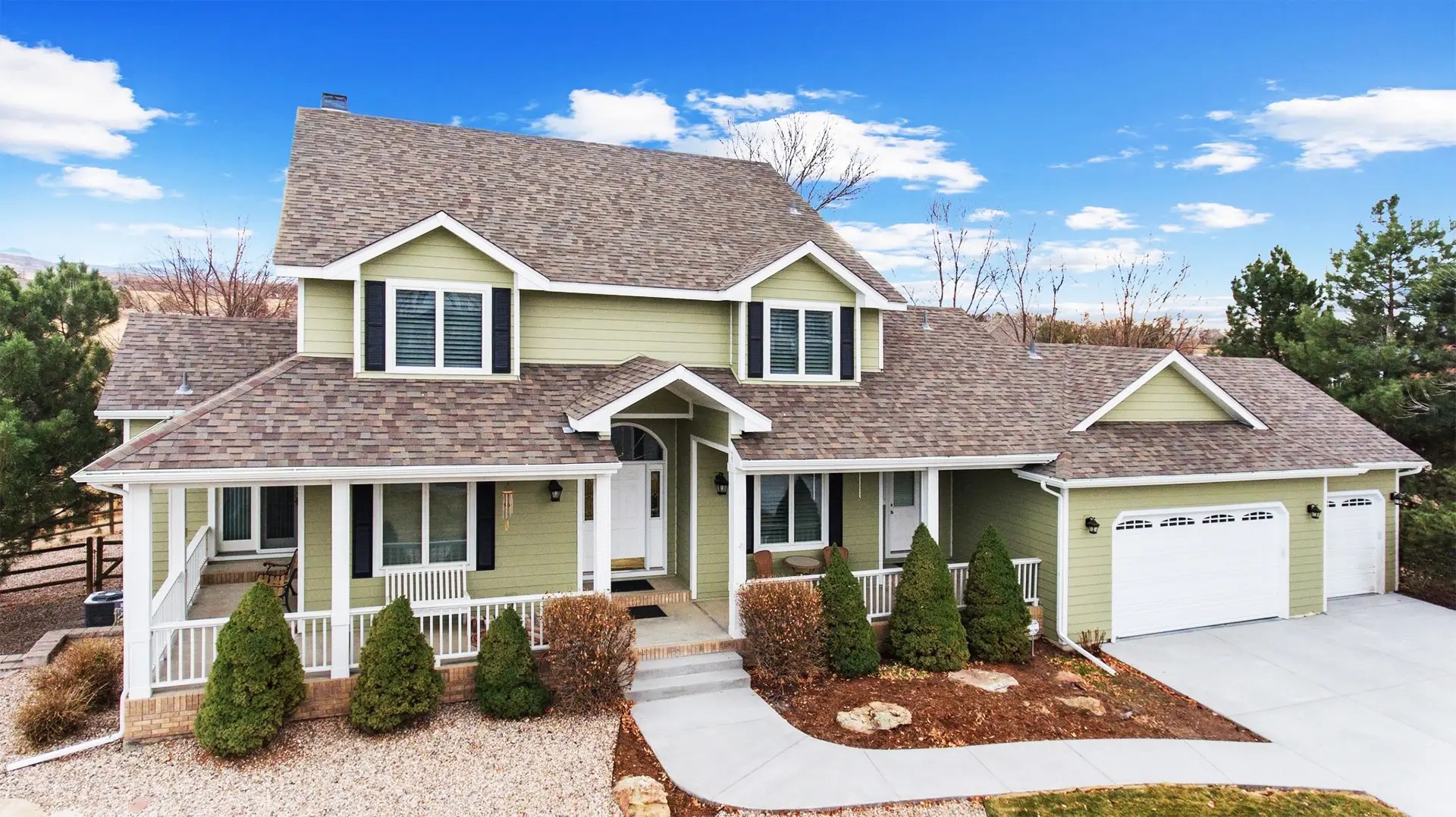
Siding Contractors — Evergreen, CO 80439
Evergreen Siding Contractors
Replacing cedar and T-111 on foothills homes with wall coverings that meet Jefferson County’s Class 2 structure hardening — fiber cement, stone, metal and stucco, installed by a Class C general contractor.
Who are the best siding contractors in Evergreen, CO?
Northern Lights Exteriors has worked Colorado’s Front Range since 2001 under a Class C general contractor license. In Evergreen the material question now has a code attached: Class 2 structure hardening limits exterior wall coverings to noncombustible material, ignition-resistant material, or fire-retardant-treated wood in the moderate and high fire-intensity areas of the county’s WUI overlay.
In practice that means the cedar and T-111 on most 1970s and 1980s mountain homes cannot go back on. We replace it with James Hardie fiber cement, stone veneer, metal or stucco — and we do not install vinyl.
We check where your parcel sits on the overlay map before specifying anything, because the rule follows the address rather than the town. Every wall we open is photographed into a proprietary client portal. Rated 4.9 out of 5 from 552 verified reviews.
Class 2 Hardening: What You Can Put on the Walls Now
Jefferson County’s Wildfire Resiliency Code was approved on 10 March 2026 and took effect on 1 July 2026, and for siding the operative section is Class 2 structure hardening, which applies in the moderate and high fire-intensity areas of the overlay. It narrows exterior wall coverings to three categories:
Noncombustible material
Materials that do not burn — fiber cement, masonry, stone, stucco, metal. This is the widest and most straightforward path to compliance, and it is where most of our Evergreen work lands.
Ignition-resistant material
Materials that pass a defined flame-spread test rather than simply refusing to burn. A narrower field, and product-specific — the listing has to be checked line by line, not assumed from a category name.
Fire-retardant-treated wood
FRTW labeled for exterior use. It exists, and it is the path for an owner who will not give up a wood wall. It is not the same thing as a wood product that has been painted, stained, or sold with the word “treated” on the wrapper.
Read the other way round, that list is a short answer to the question most Evergreen homeowners are actually asking, which is what they can no longer put back on the house: in a Class 2 area, ordinary untreated wood siding, cedar, and T-111 sheet panel are off the table.
Two caveats matter as much as the rule itself. First, whether it applies to you is a question about your address rather than your town — scope is set by the county’s Wildland-Urban Interface Overlay District map, and we confirm the classification for your parcel before specifying anything. Second, the code governs new work — existing siding is not made illegal by the ordinance, and nobody is going to make you tear off a wall you were not already planning to replace. What changes is the specification the day you do replace it.
The Cedar and T-111 Replacement Problem
Almost every Evergreen siding replacement we quote starts in the same place. Drive Hiwan, Brook Forest or Upper Bear Creek and the housing stock tells the same story: 1970s and 1980s mountain homes wearing cedar bevel, board and batten cedar, or T-111 sheet panel. It is the look the neighborhoods were built around, and at forty or fifty years old it is also at the end of its service life — checked, cupped, soft at the bottom courses, and holding paint for a shorter interval every cycle.
That timing is the whole story of the Evergreen siding market right now. A large share of these houses need siding anyway on maintenance grounds, and the material they need is now constrained by the code rather than by taste. The practical question is not “wood or not” — it is which noncombustible siding keeps the house looking like it belongs on this street.
| Compliant material | Why it works in Evergreen | The honest trade-off |
|---|---|---|
| James Hardie fiber cement | Noncombustible, so it satisfies Class 2 hardening outright — no product-by-product listing argument. Cedarmill and smooth textures replace a cedar elevation without the house reading as vinyl, and the ColorPlus finish holds far longer than paint at this altitude. HZ5 is the formulation built for freeze-thaw climates. | Heavier and slower to install than the alternatives, which shows up in the labor line. It is not the cheapest way to re-side a house; it is the one we install most here. |
| Stone and masonry veneer | Noncombustible, and it is already the vernacular — most Evergreen elevations have stone somewhere. Used as a wainscot it also armors the bottom three feet of wall, which is exactly where ground fire and radiant heat arrive first. | The most expensive per square foot. Almost nobody clads a whole house in it; it earns its keep on the lower wall and the chimney. |
| Metal siding | Noncombustible, extremely low maintenance, and in a standing seam or flush panel it suits the contemporary mountain builds going up on the ridges. | A specific architectural statement. It is right on some houses and wrong on others, and we will say which yours is. |
| Stucco | Noncombustible and long established at altitude. | Unforgiving of movement and moisture detailing. It is a good wall when the substrate and the flashings are right and a persistent problem when they are not. |
Note what is missing from that table. We do not install vinyl siding — not as a fire position, simply because it is not a material we offer. And engineered wood, which we install elsewhere on the Front Range, is a product-listing question inside the overlay rather than an automatic yes, so we check the parcel classification before putting it in a proposal.
More on the materials: James Hardie fiber cement, stone veneer, metal siding, and our Colorado siding work generally.
What Goes On Behind the Siding Matters As Much
A re-side is the only time in a house’s life the walls are open, and in the foothills that access is worth more than it is on the plains. Once the old cladding is off we are looking at things that are invisible on any other day:
- The sheathing itself. Forty years of a failing wall assembly shows up as soft spots at the base of walls, under windows and behind gutter runs. We photograph what we find before anything covers it again, and we price the repair openly rather than burying it in an allowance.
- The water-resistive barrier and flashings. Housewrap from the 1980s is often torn, lapped upside down, or simply absent. Window head flashing is the single most common defect we find, and it is also the most common cause of the rot underneath.
- Where the wall meets the deck and the roof. This is where multi-trade projects leak, literally, and it is the argument for having one contractor hold the siding, the roof and the deck rather than three who each stop at their own edge.
- Vents and openings. Every penetration through the wall is both a water detail and, inside the overlay, an ember detail. They get solved once, together.
The order of operations is worth planning too. If the roof is also due, roof first or roof and siding together — re-siding a wall and then cutting into it for new roof flashing six months later is money spent twice.
The System Behind the Work
Siding is the project where the most consequential work — the sheathing repair, the flashing, the barrier — is permanently hidden the moment the next board goes on. You are being asked to take a contractor’s word for a wall you will never see again.
Two things make that possible, and they are the reason to choose us over a cheaper quote.
First, experience and scope. We have been working on Colorado’s Front Range since 2001, and we hold a Class C general contractor license (Colorado license #C120350) rather than a single-trade license. That is not a technicality: it means roofing, siding, windows, decks and outdoor living can run under one contract, with one project manager accountable for the flashings where those trades meet — which is precisely where multi-contractor projects leak, literally and figuratively. James Hardie has recognized us as an Elite Preferred contractor continuously since 2011, and as a President’s Club member — their highest contractor distinction nationwide. Our rating is 4.9 out of 5 from 552 verified reviews.
Second, a proprietary on-demand client portal we built ourselves. Most of what people hate about a remodel is not the construction. It is not knowing — who to call, whether the permit went in, when material arrives, what has been paid, whether it passed inspection. We built a system to remove exactly that, and as far as we know no other exterior contractor in this market offers it:
Every conversation in one place
Messages, decisions and change requests are logged against your project rather than scattered across texts, voicemails and three different crew members’ phones.
Contracts and scope, always retrievable
Your signed contract and itemized scope live in the portal, so you can easily get a refresh on what was agreed — on your own, any time.
Permit status you can see
Where the permit is in the process, and when inspections are scheduled — without having to phone anyone to find out.
Delivery and install schedules
When material lands and when each trade starts, so you can plan around the work instead of waiting for a truck to appear.
Before, during and final photography
Documented condition before we start, progress images through production, and final photography — including the parts of the building you will never see again once it is closed up.
Payments tracked per trade
What is paid and what is outstanding, broken out by trade rather than as one running balance you have to reconcile yourself.
Inspection records
Each inspection and its result, recorded against the project and available when you sell the house and someone asks.
Access is an individual, custom URL issued to you — and you get it when we start talking, at the lead and project meeting, not after you sign something. That is deliberate: you can see how we run a project before you commit to one. It then stays available after the work is finished, which matters more than it sounds, because the documentation, images and inspection records are exactly what a buyer’s agent, an appraiser or an insurer asks for years later.
Get a Siding Estimate in Evergreen
We measure the elevations, check where the parcel sits on the county’s overlay map, and give you a written figure with the material named rather than a per-square-foot range. If a material you had in mind is not permitted at your classification, we will tell you at the estimate rather than at the inspection.
Request Your Free Estimate → 📞 (303) 776-5263
Prefer email? Reach us at office@nlexteriors.com. Ask about financing options when we walk the property.
Noncombustible Siding on Evergreen and Foothills Homes
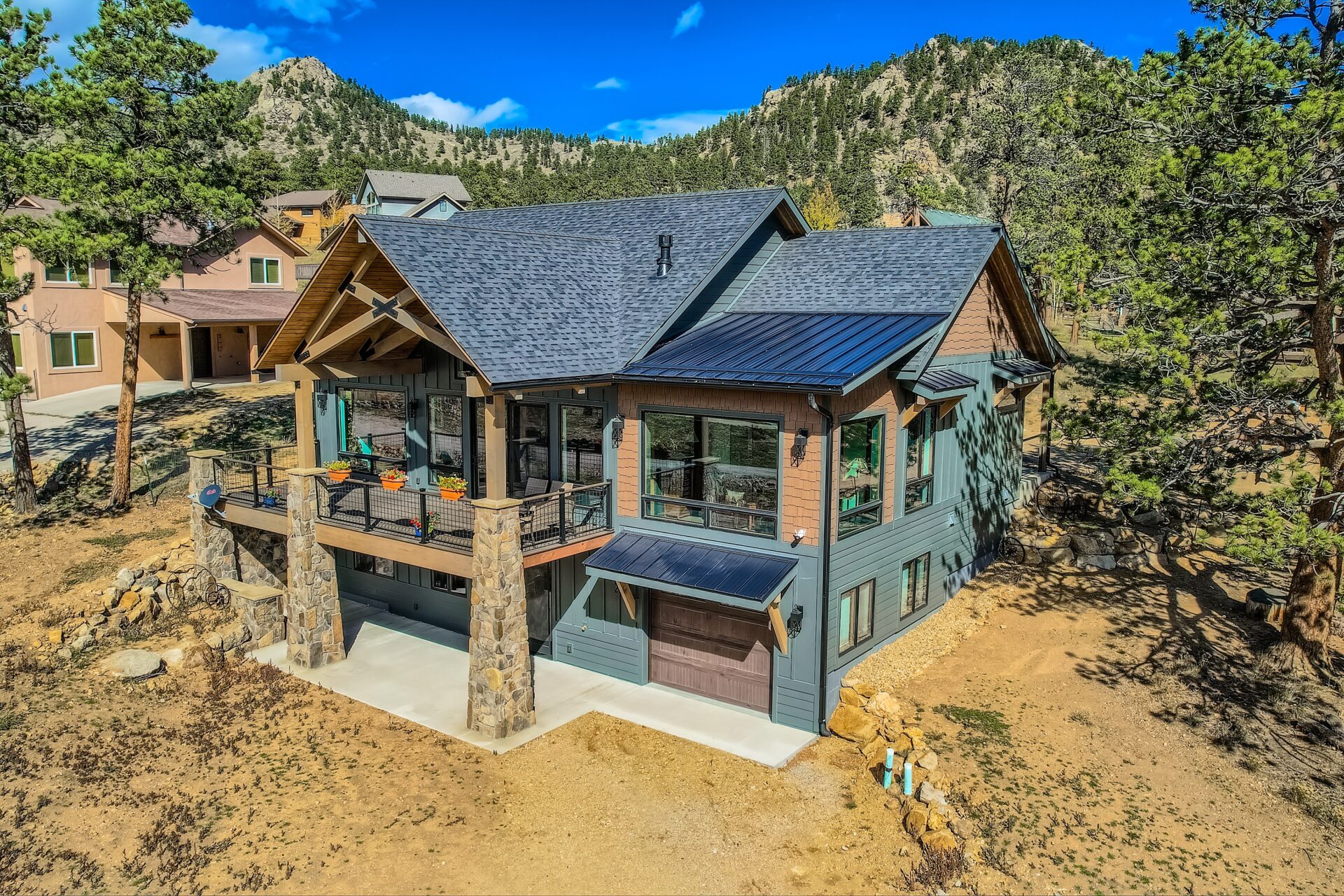
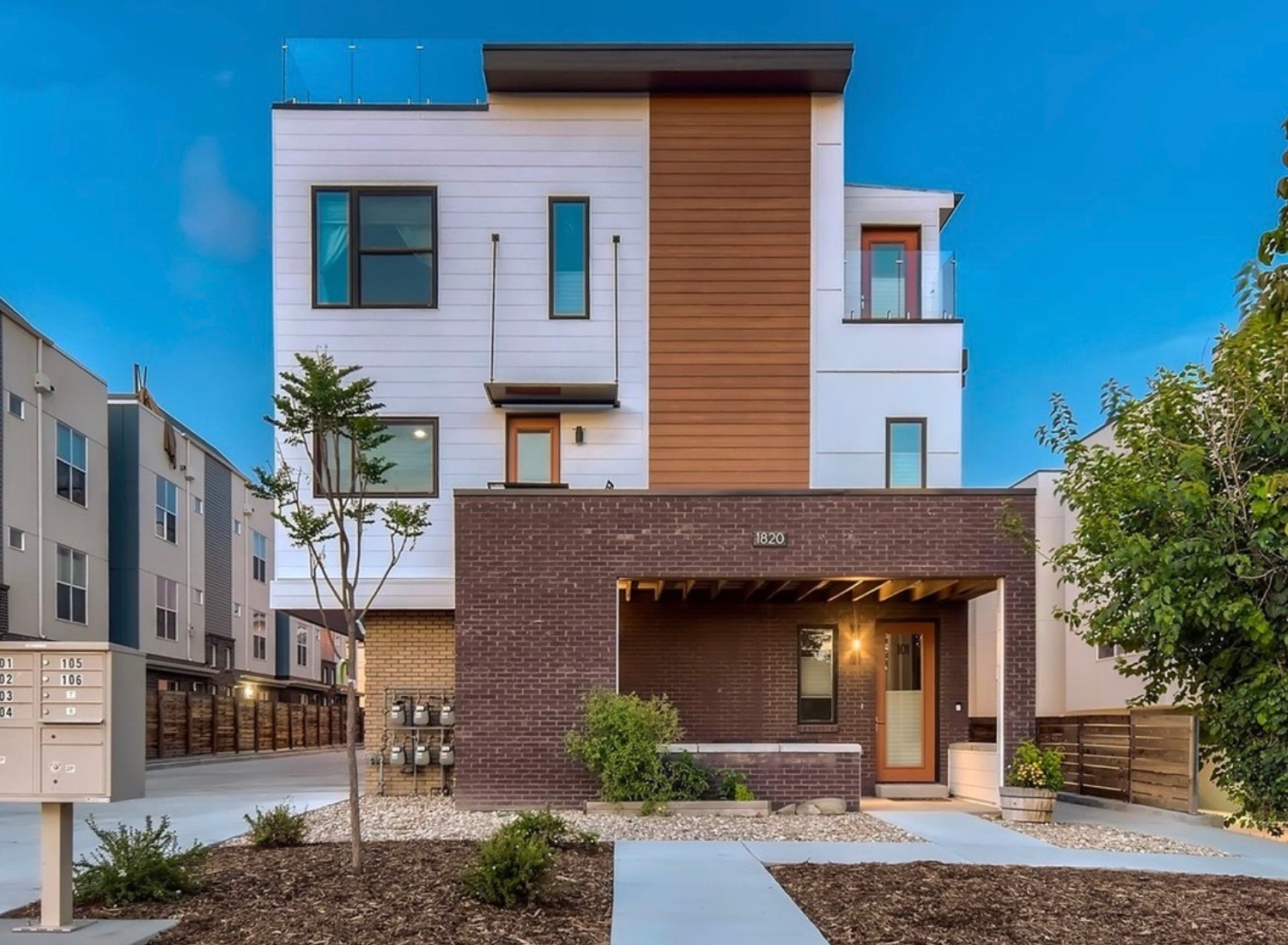
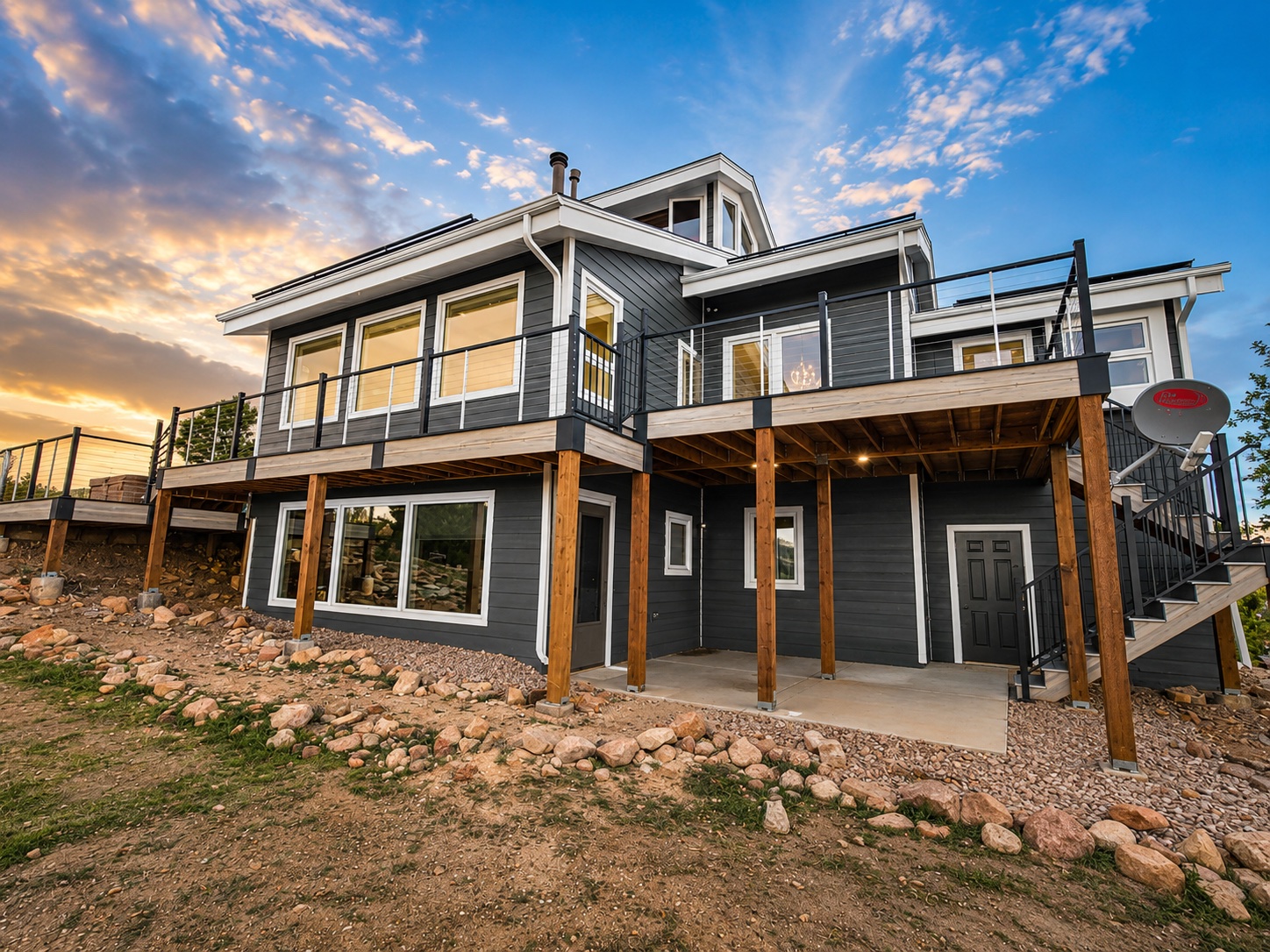
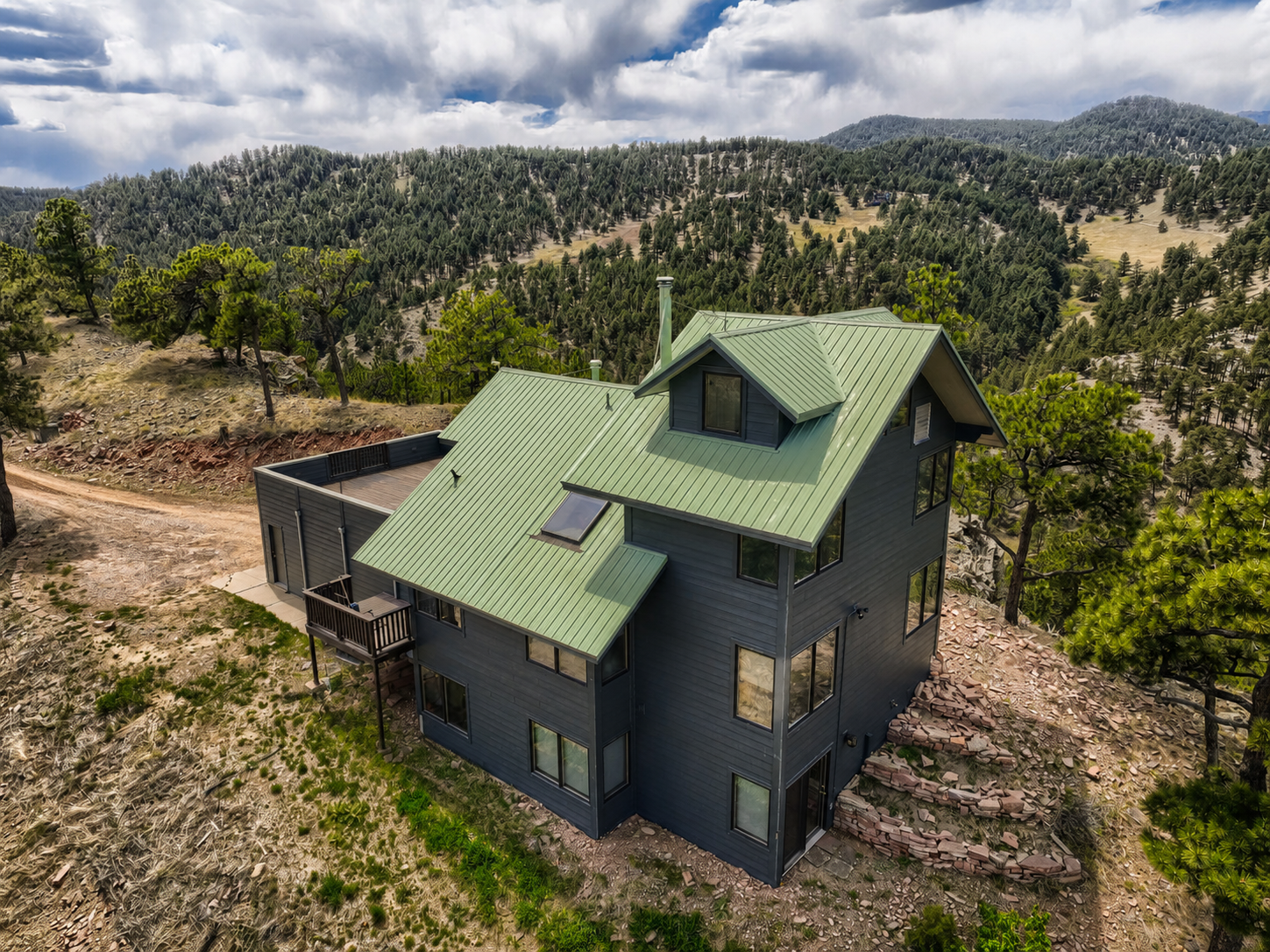
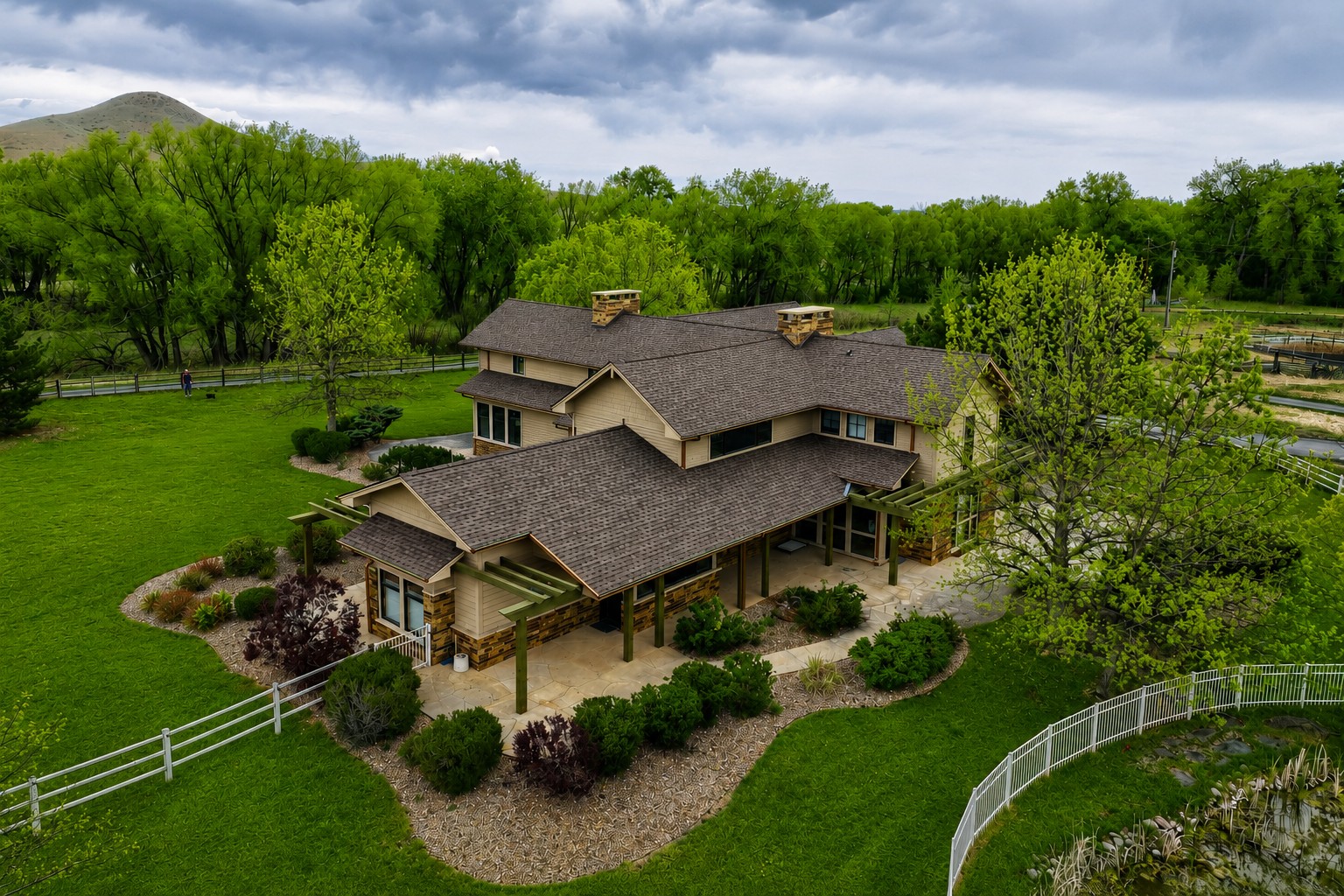
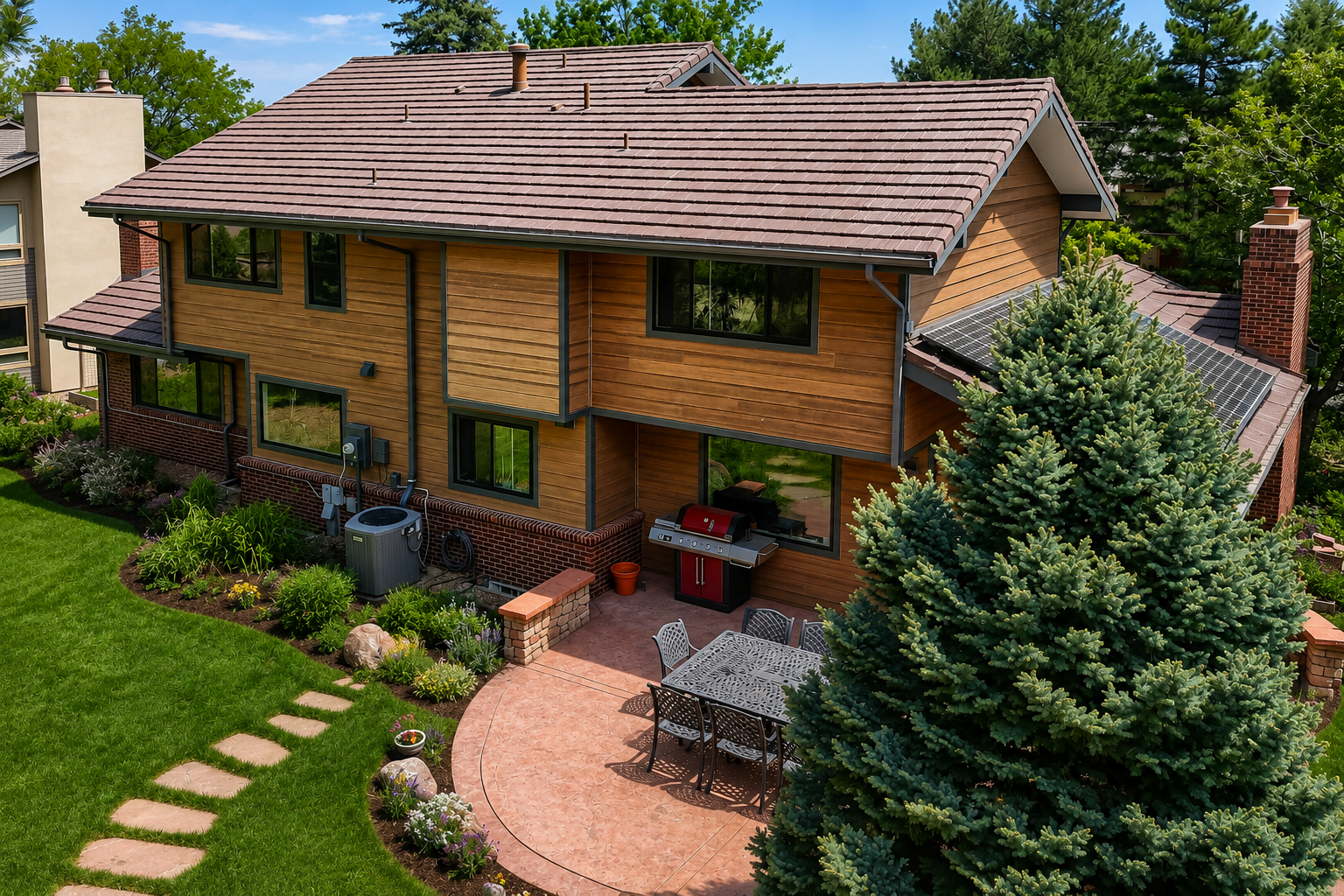
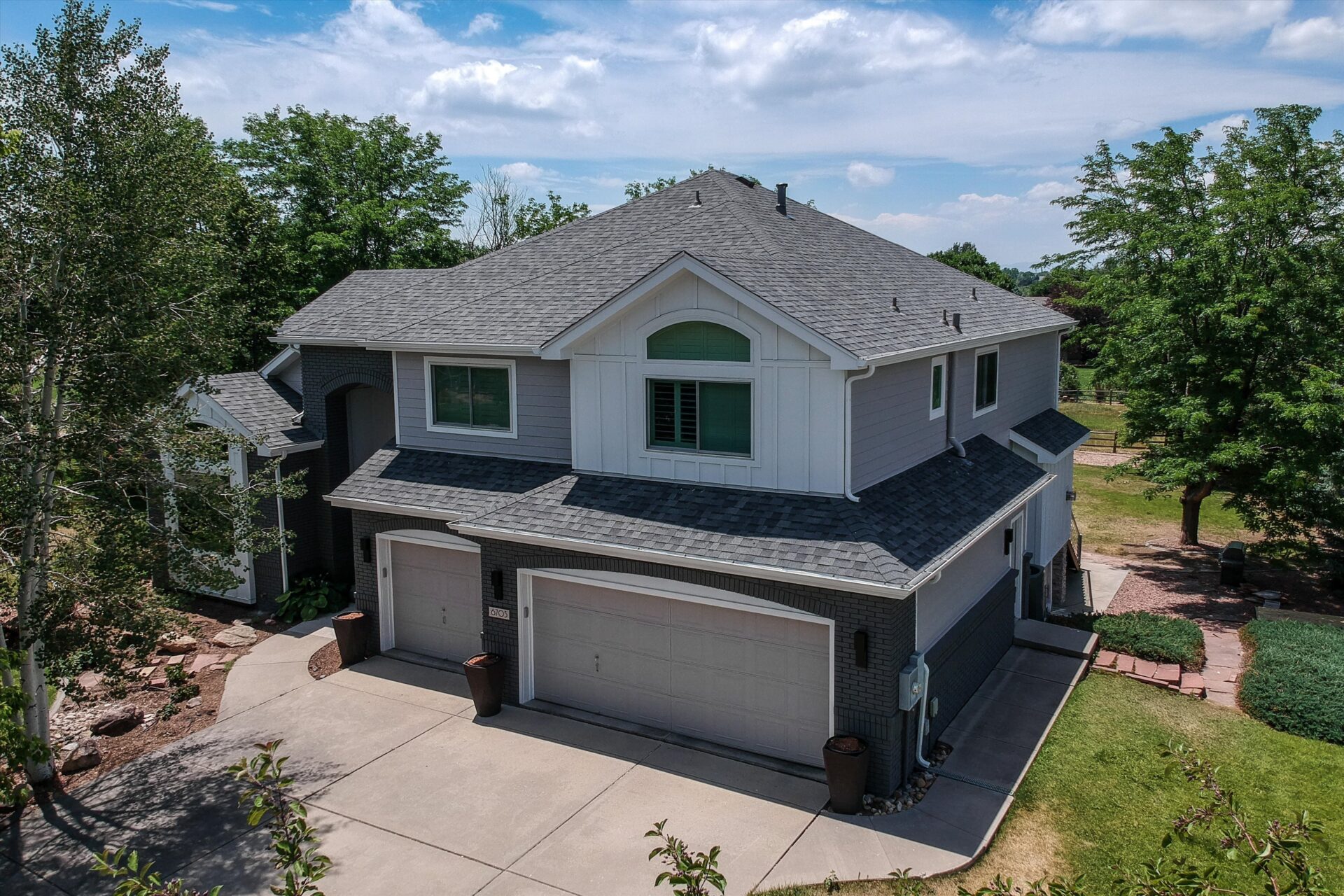
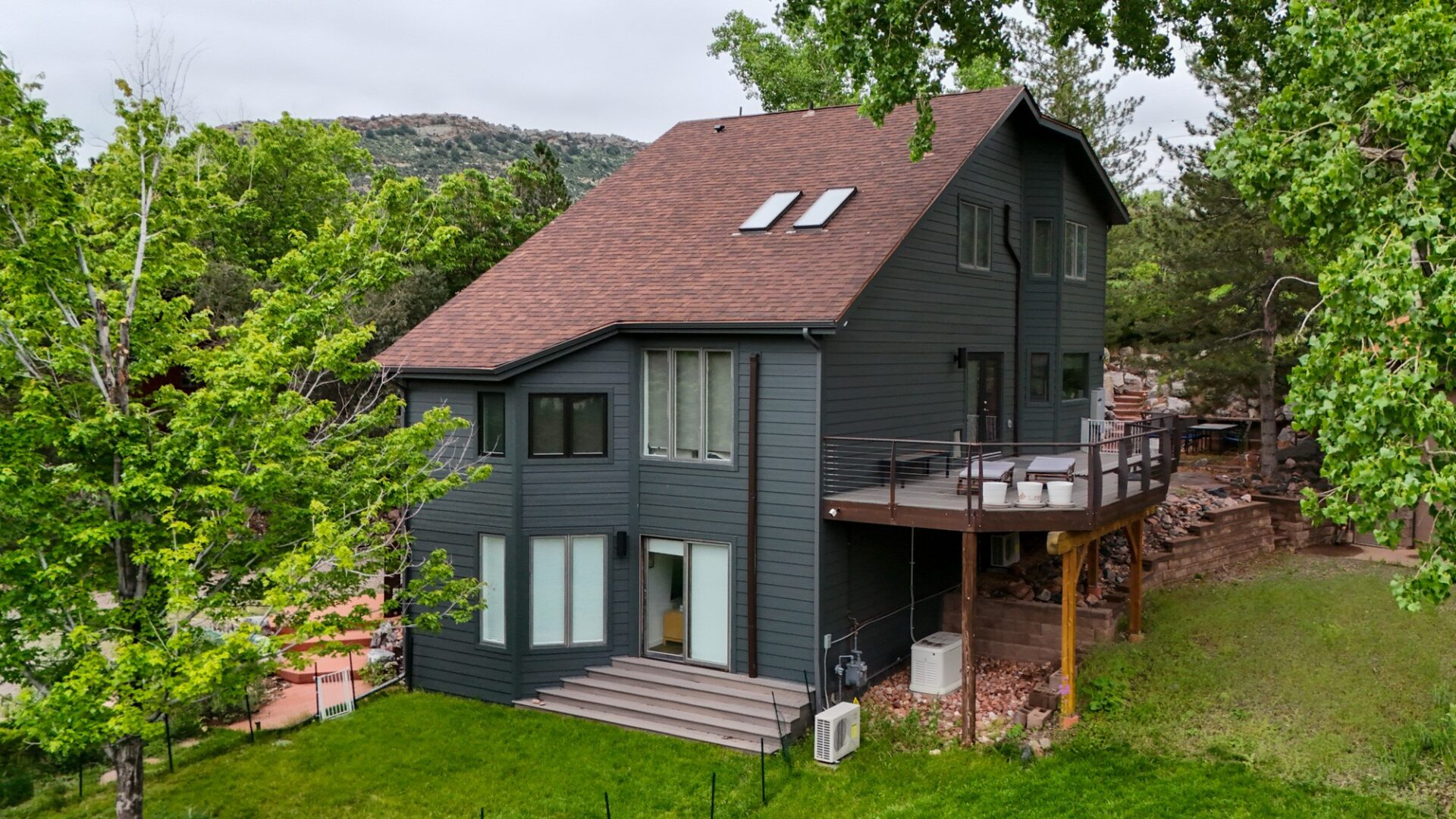
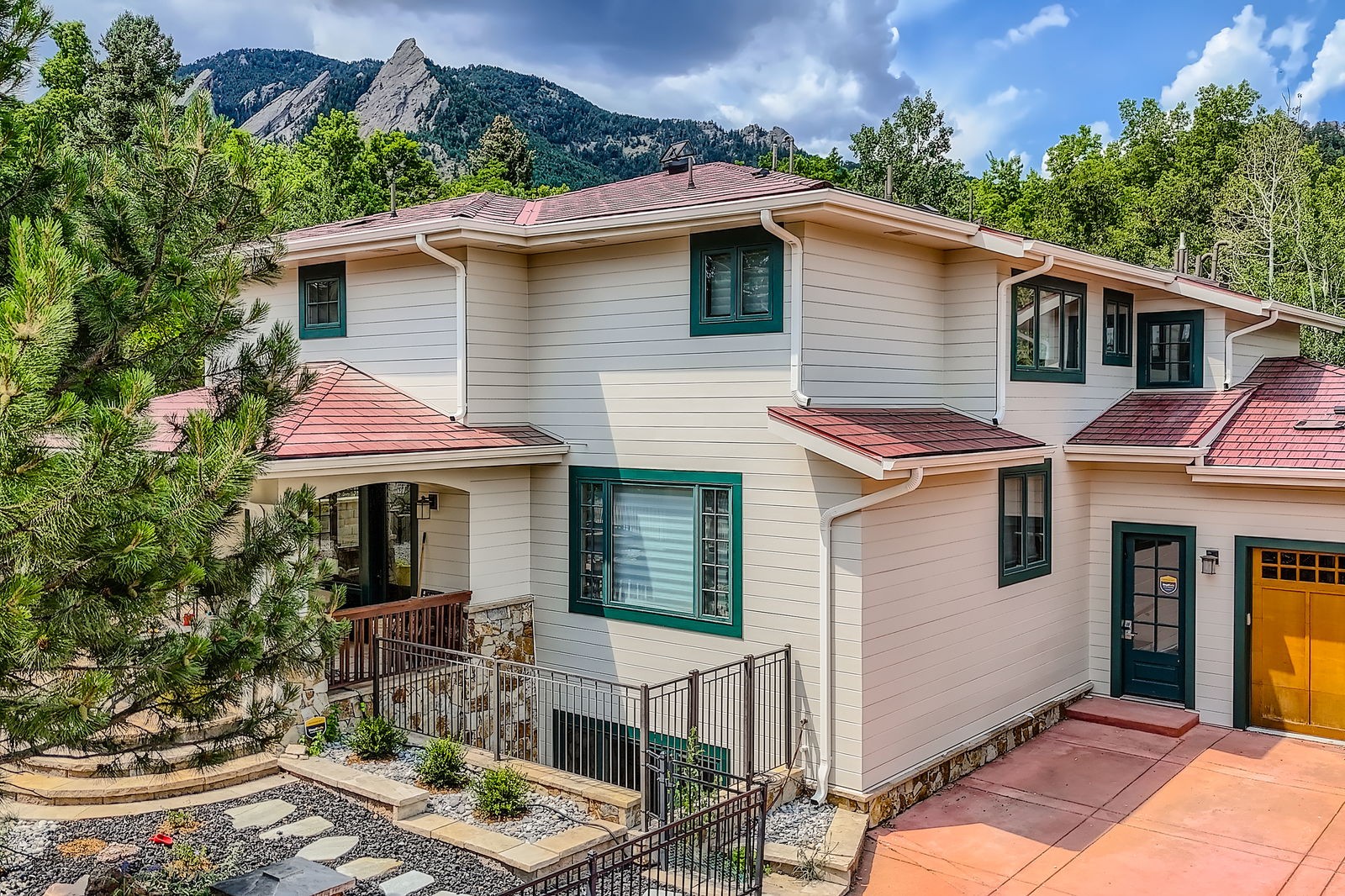
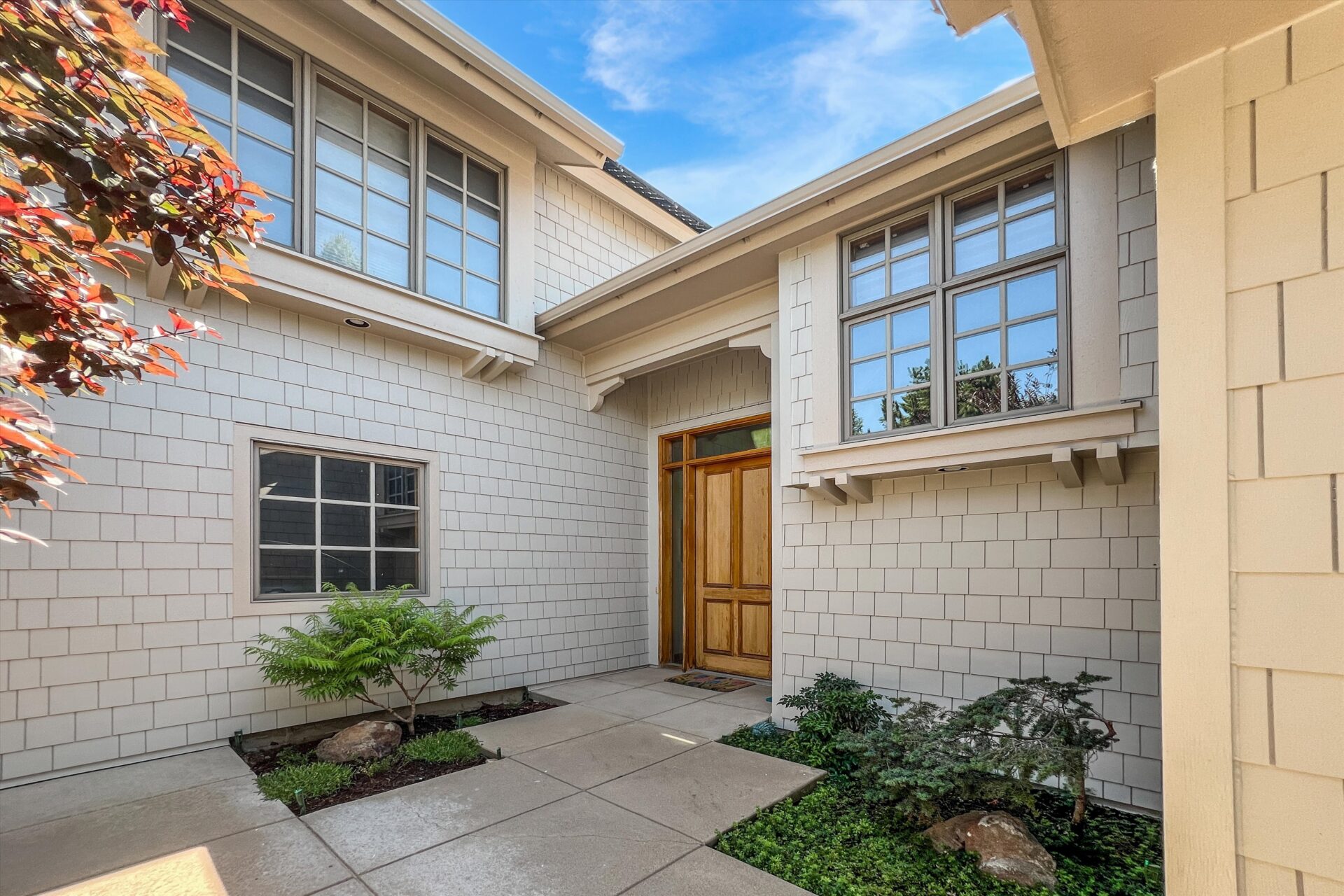
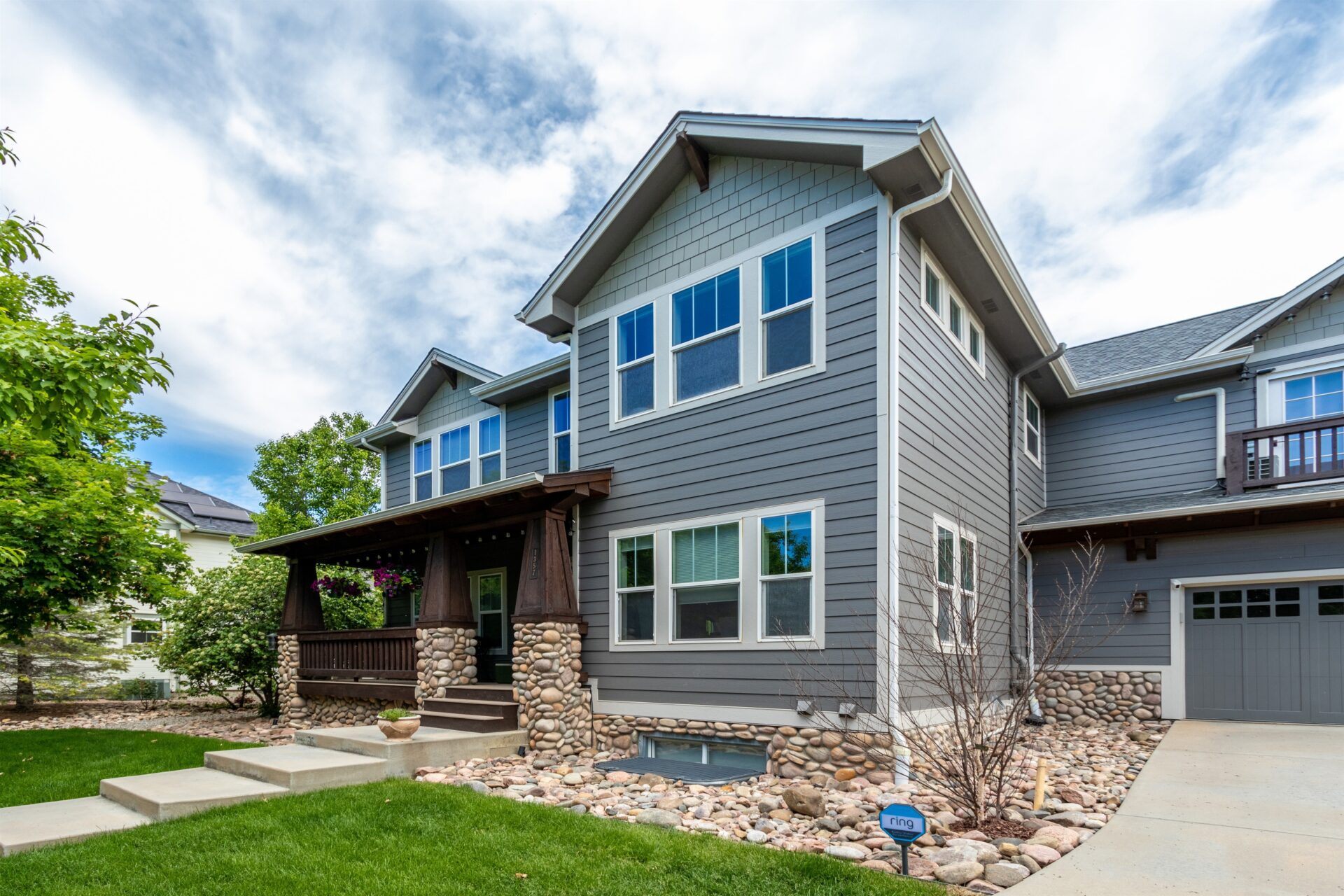
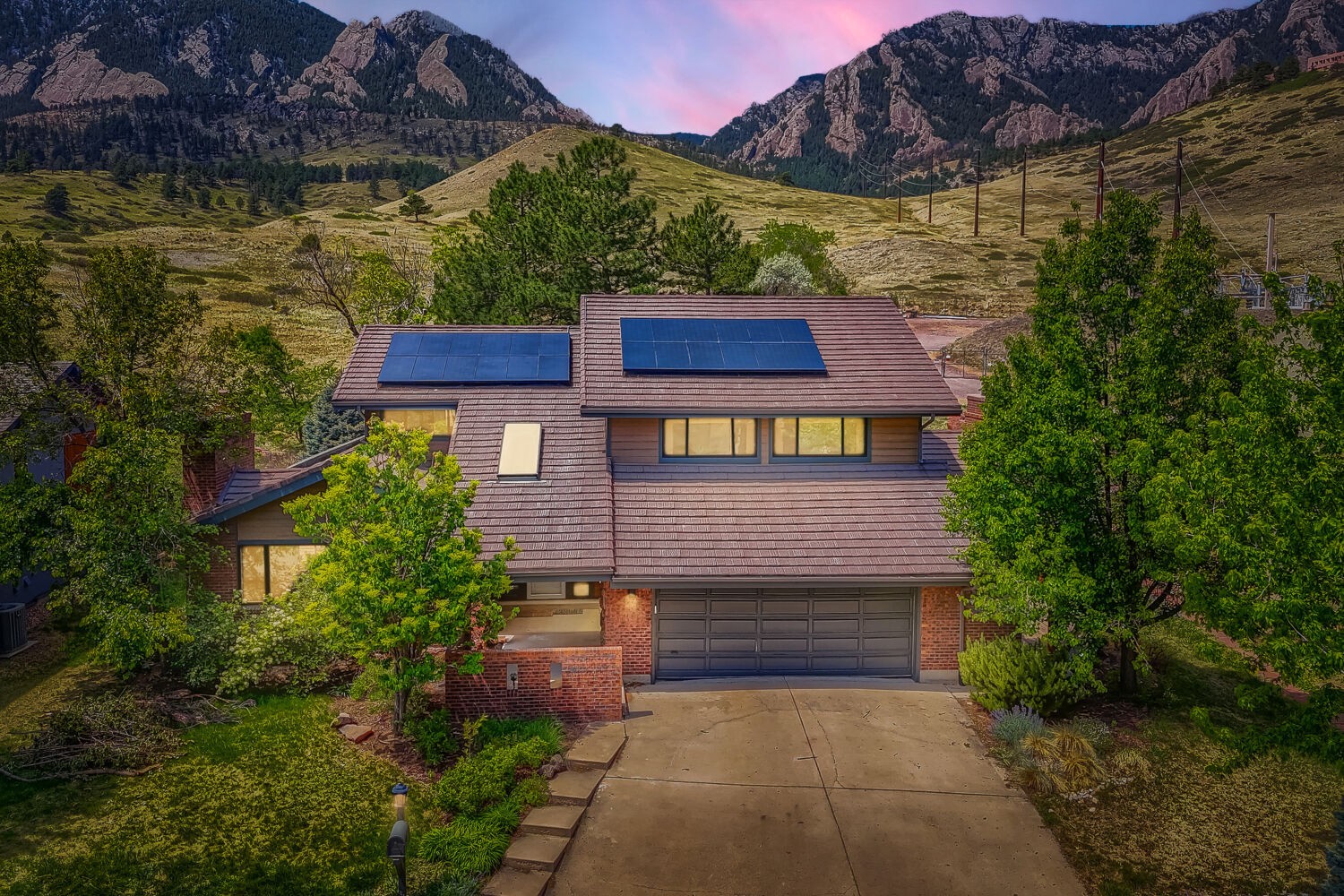
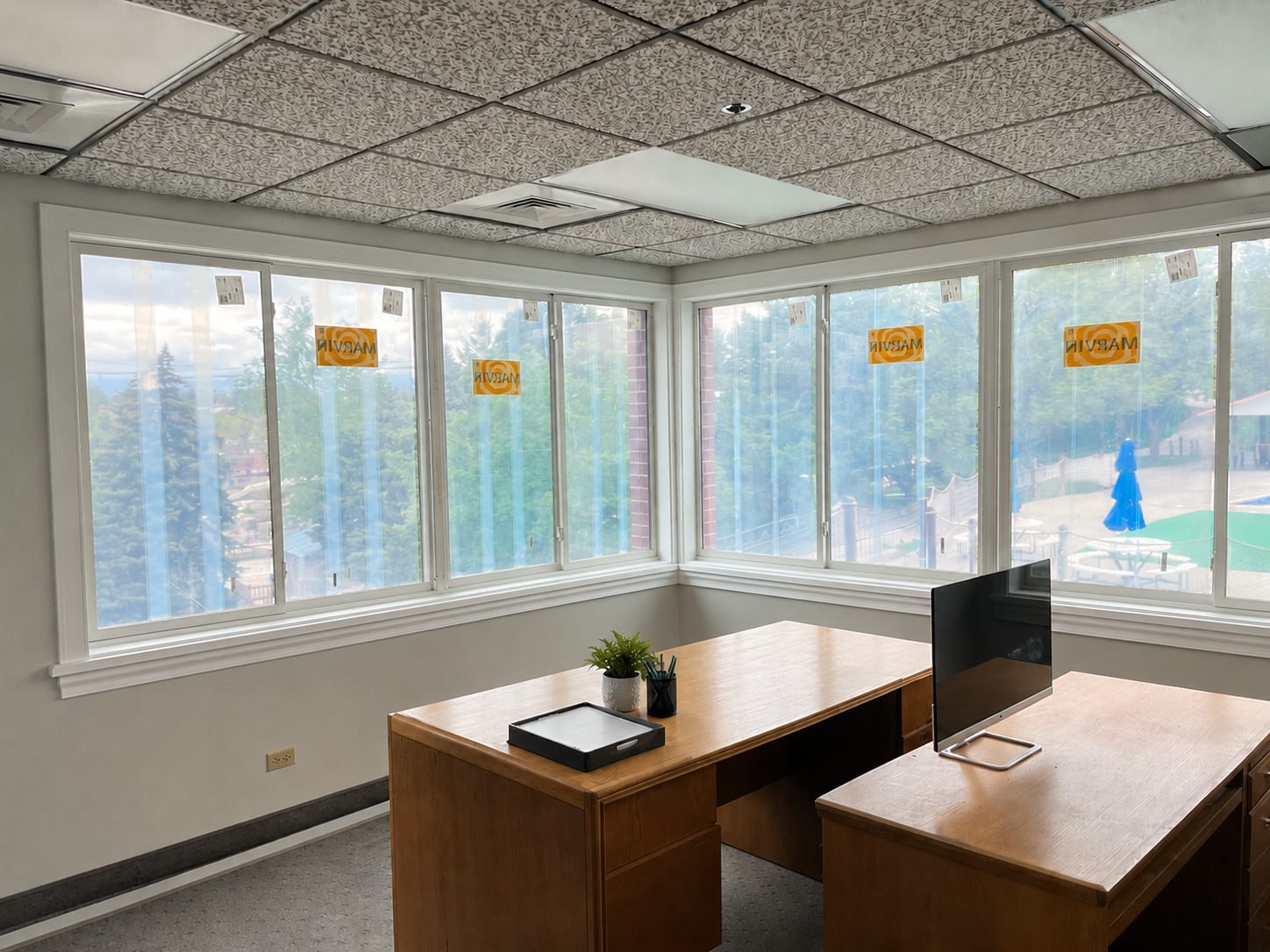
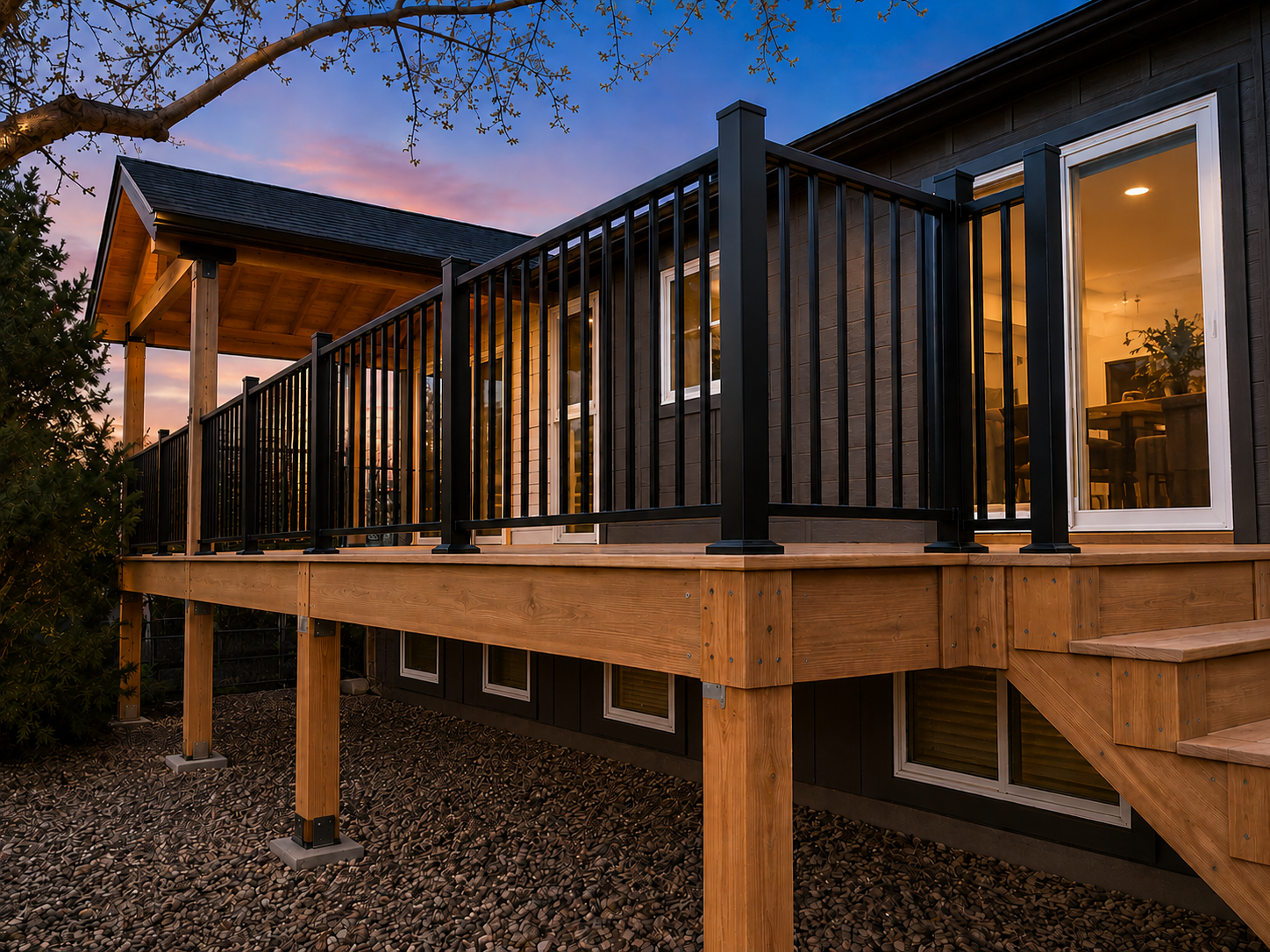
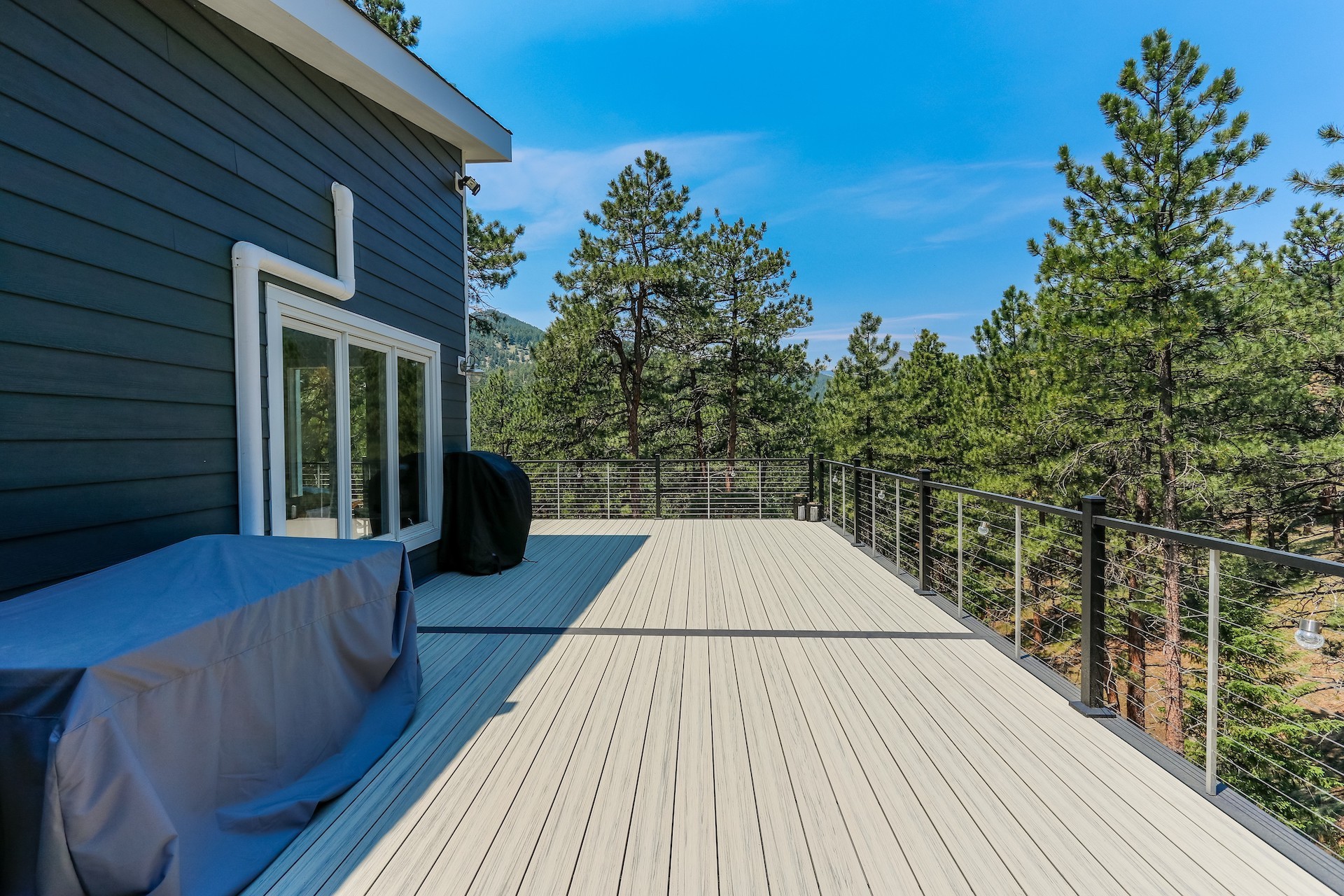
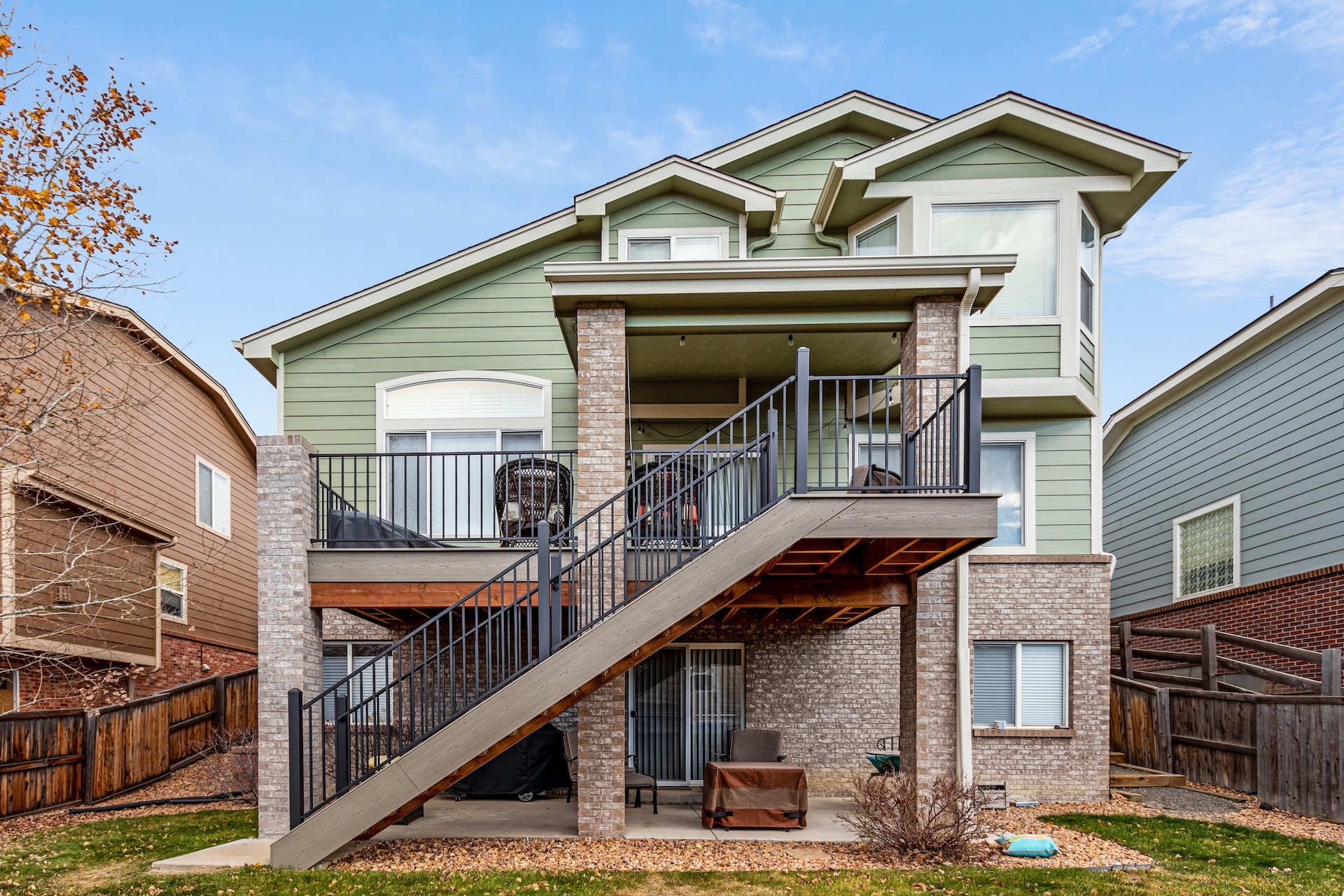
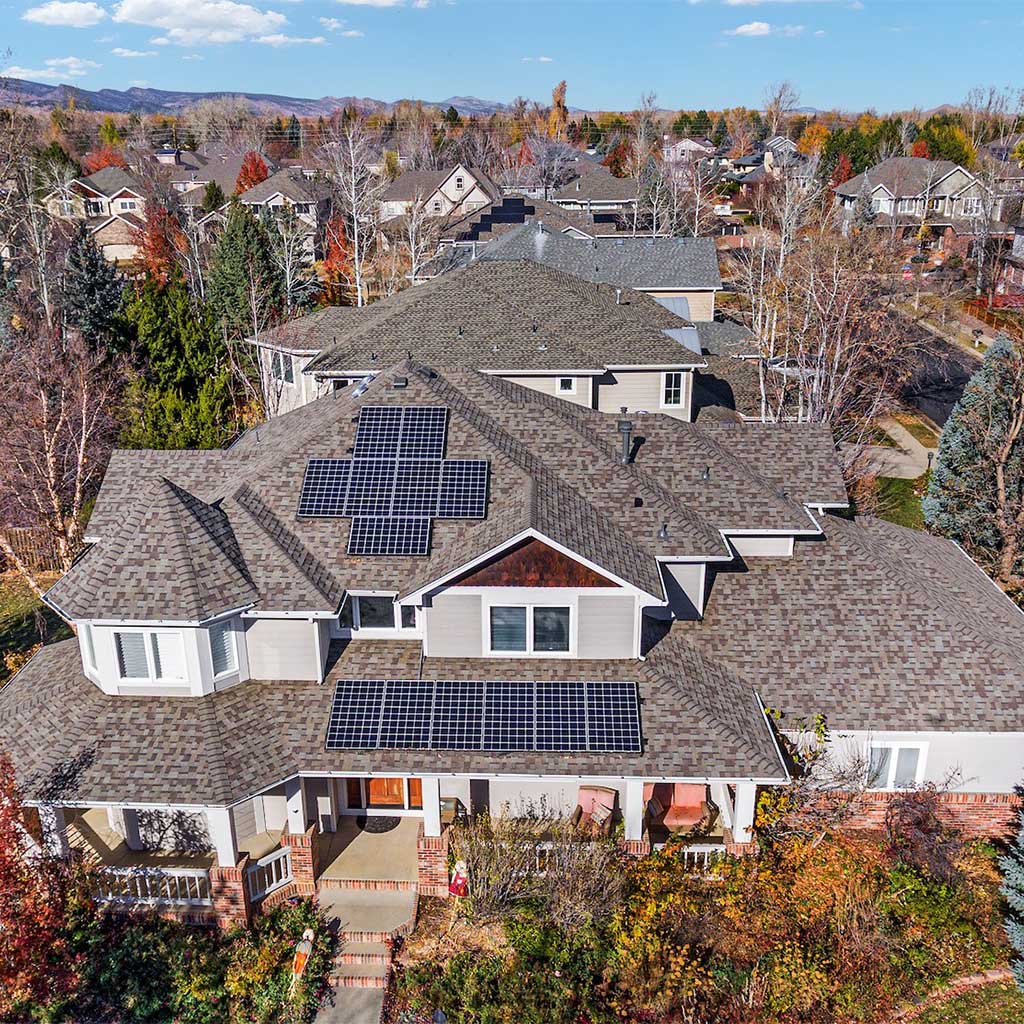
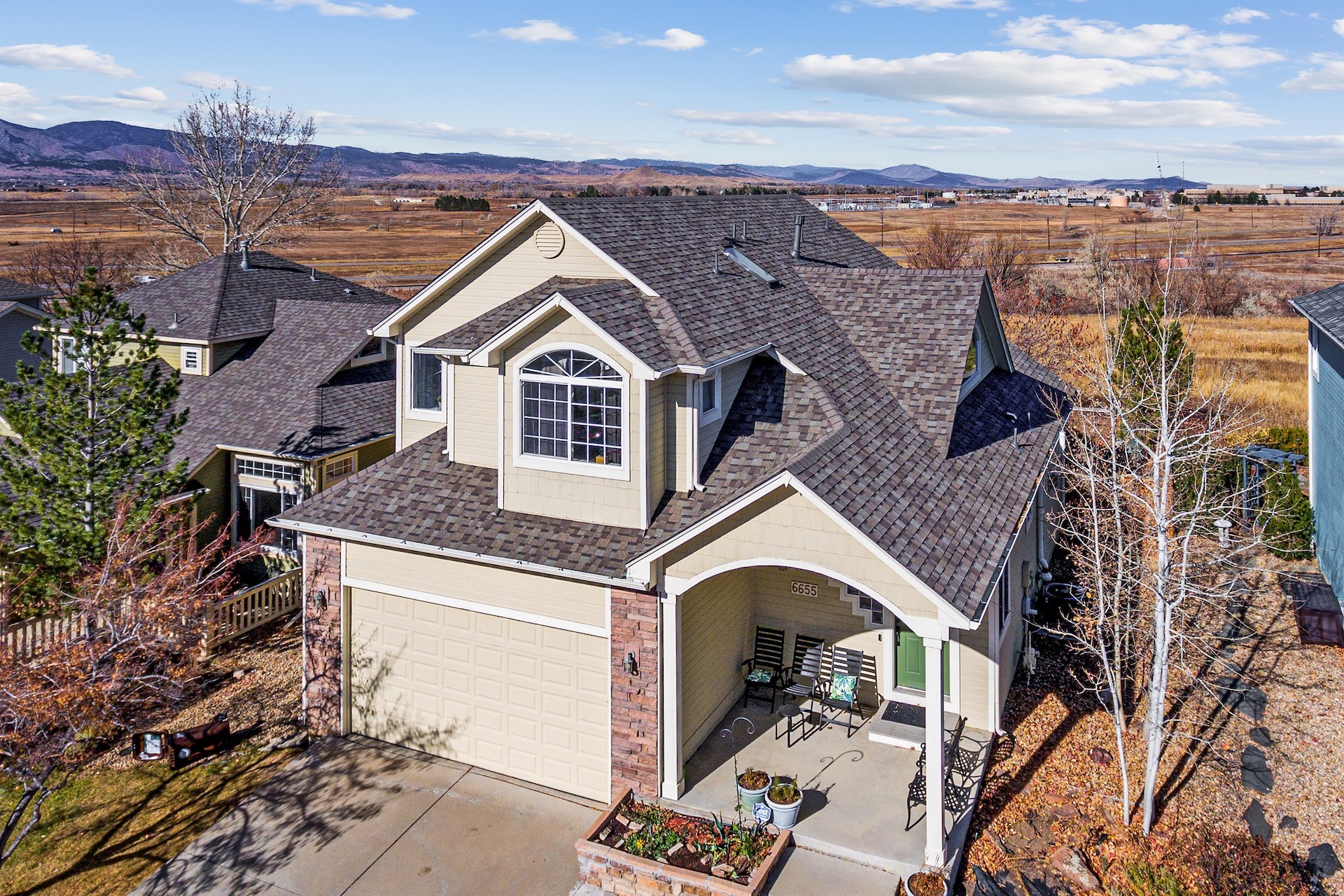
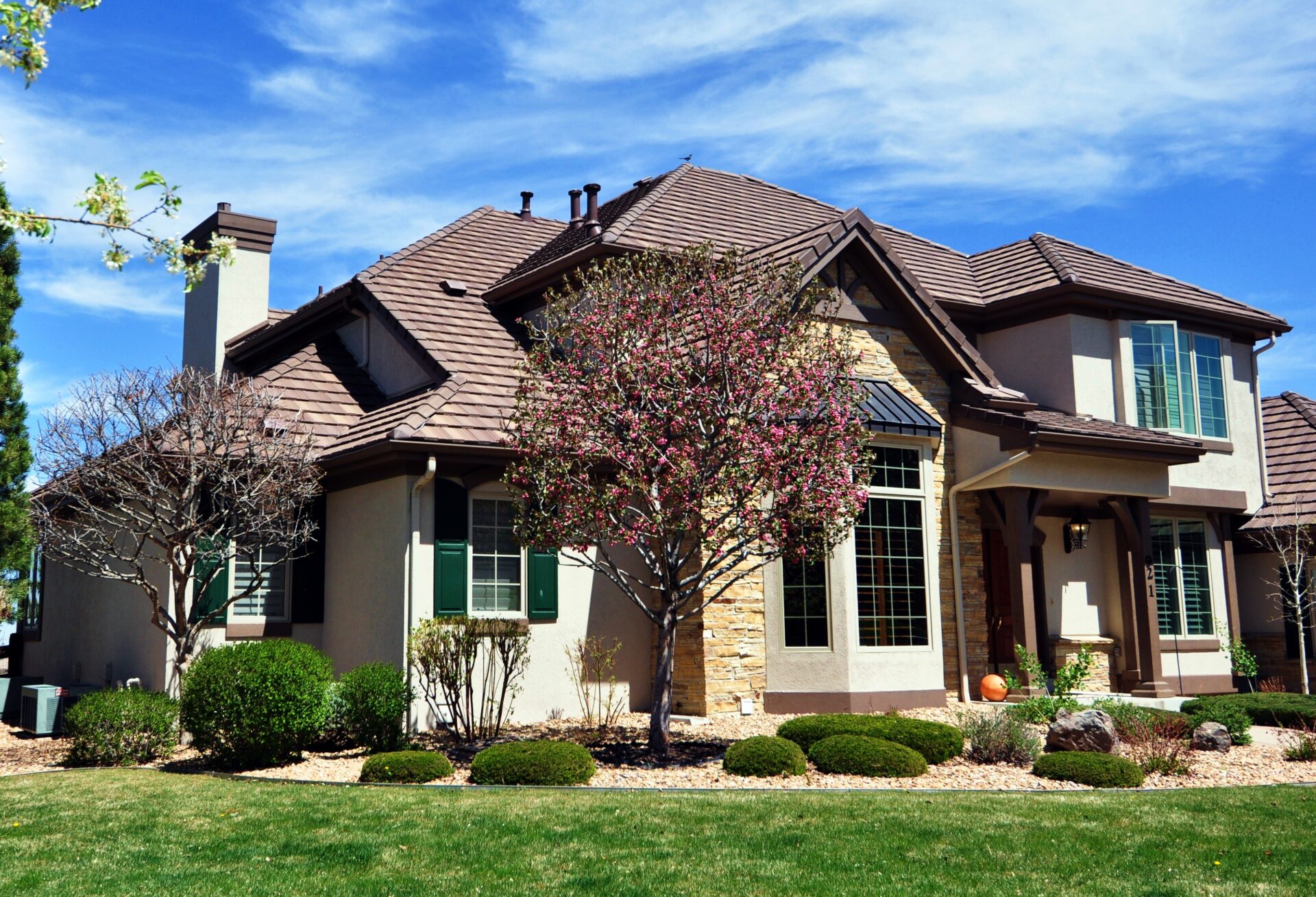
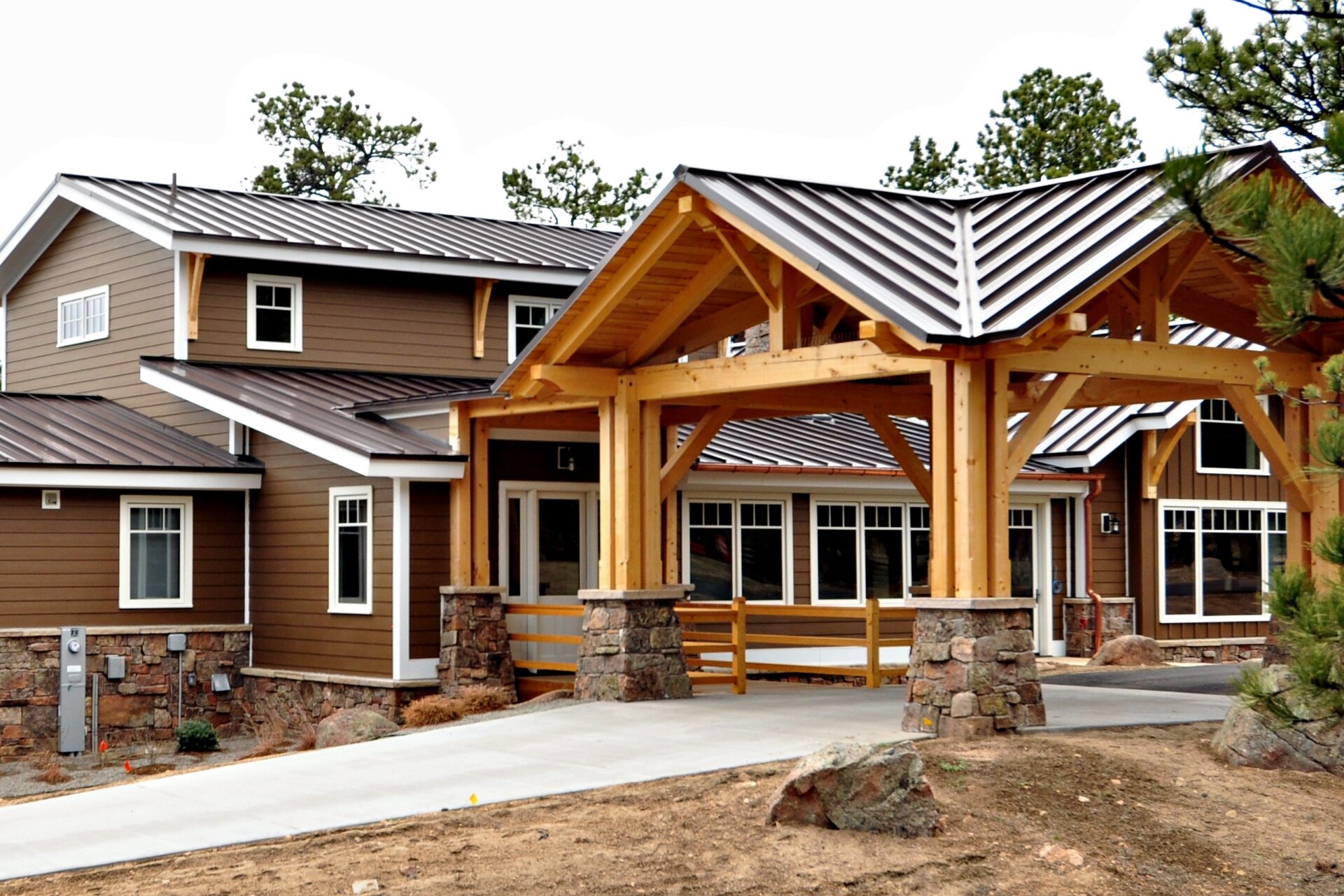
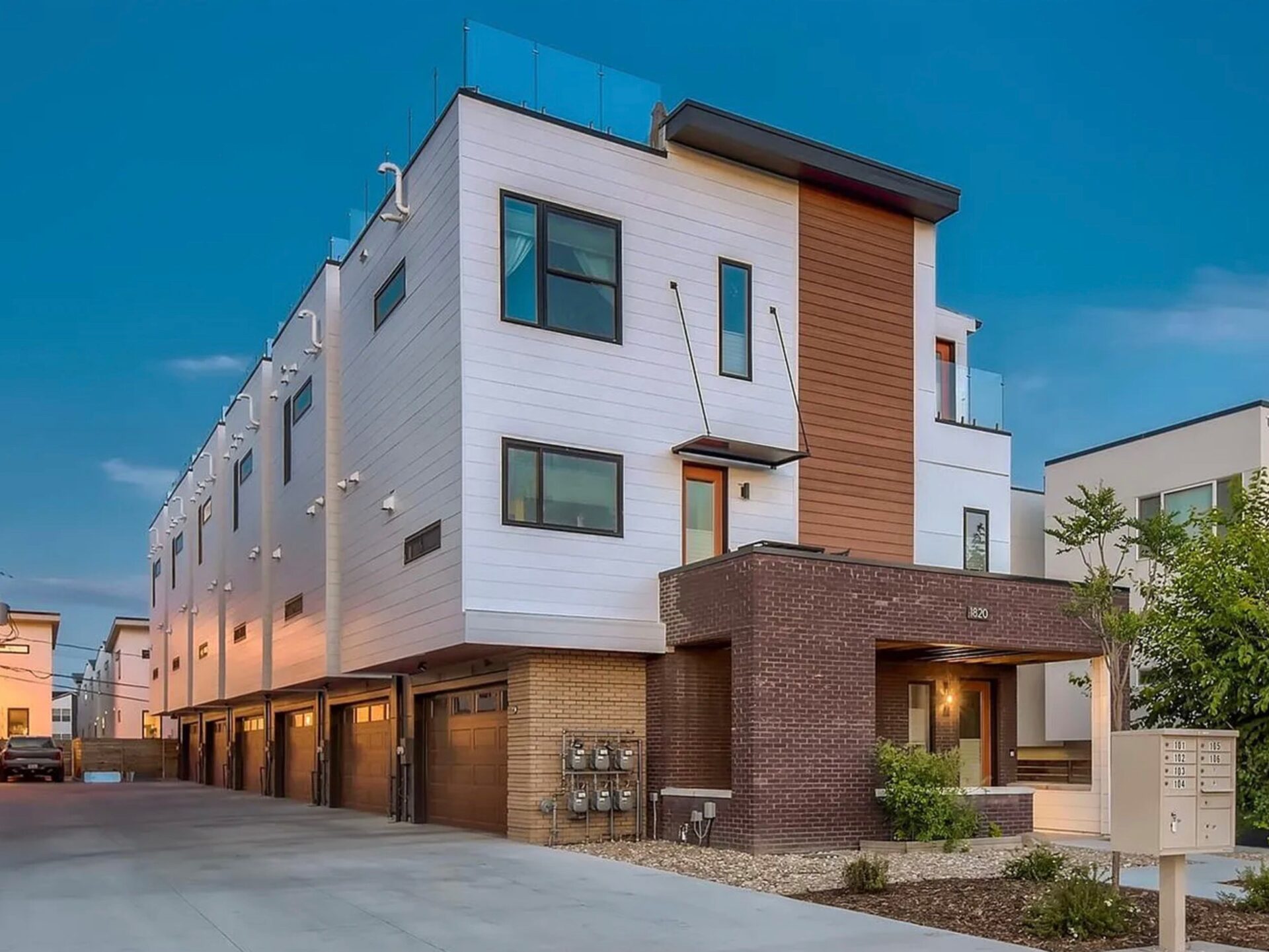
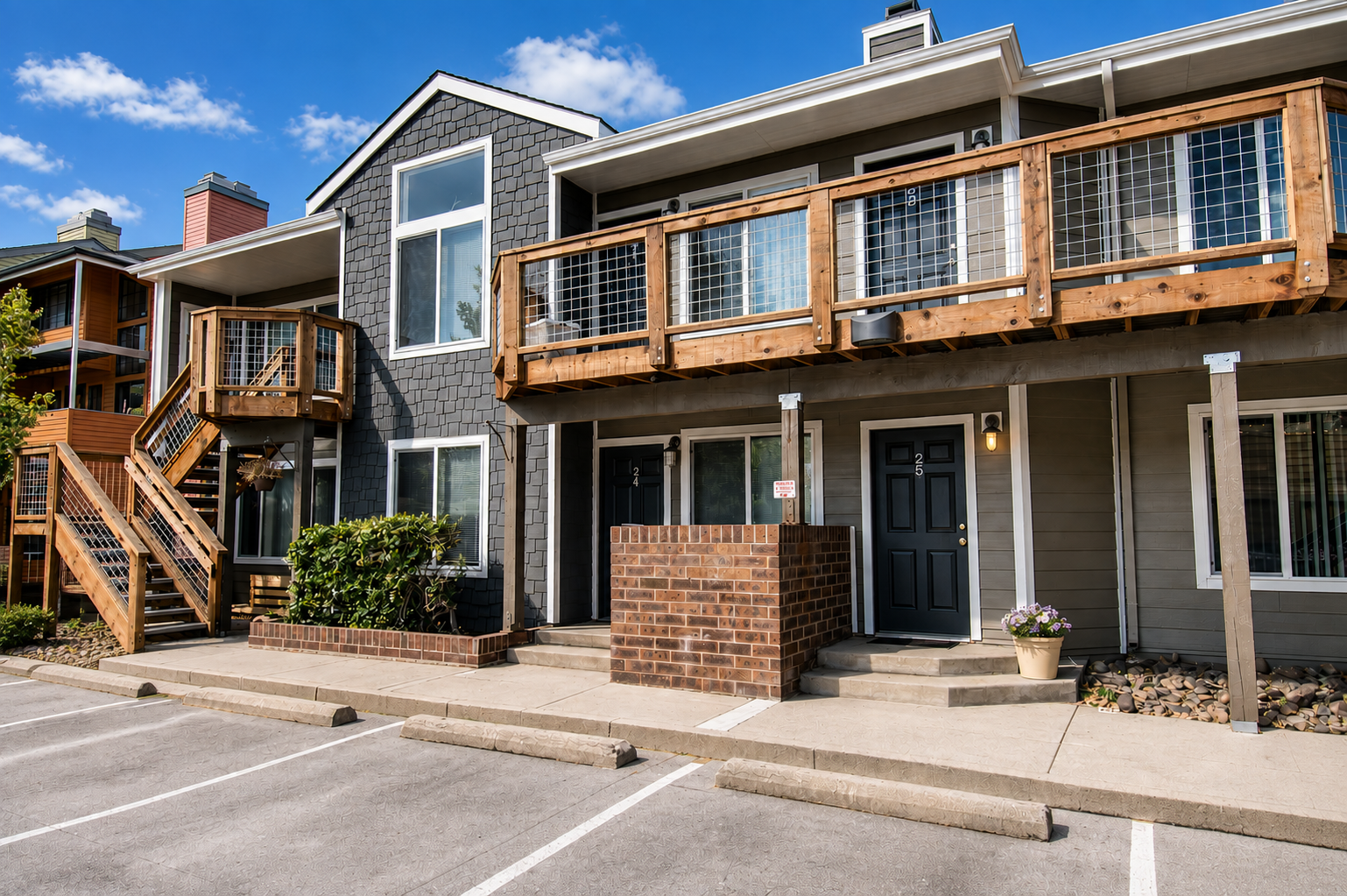
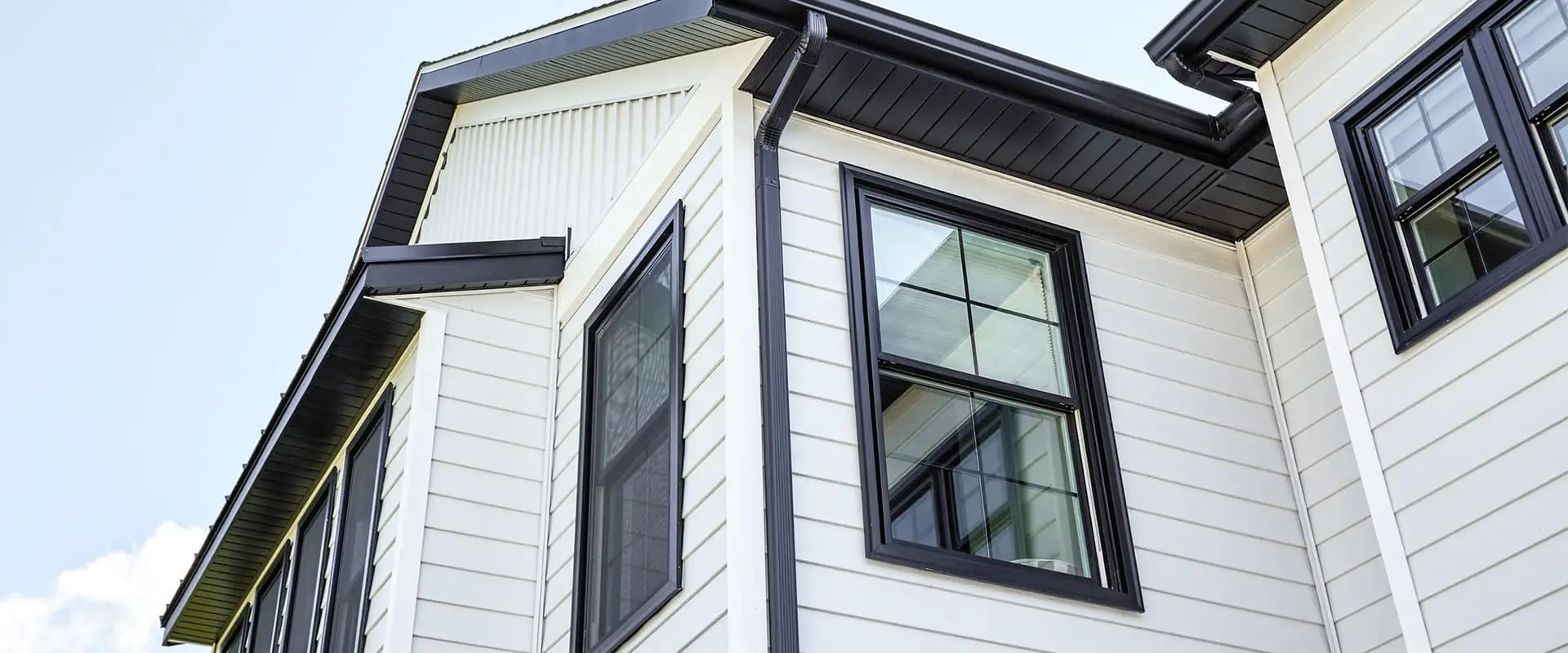
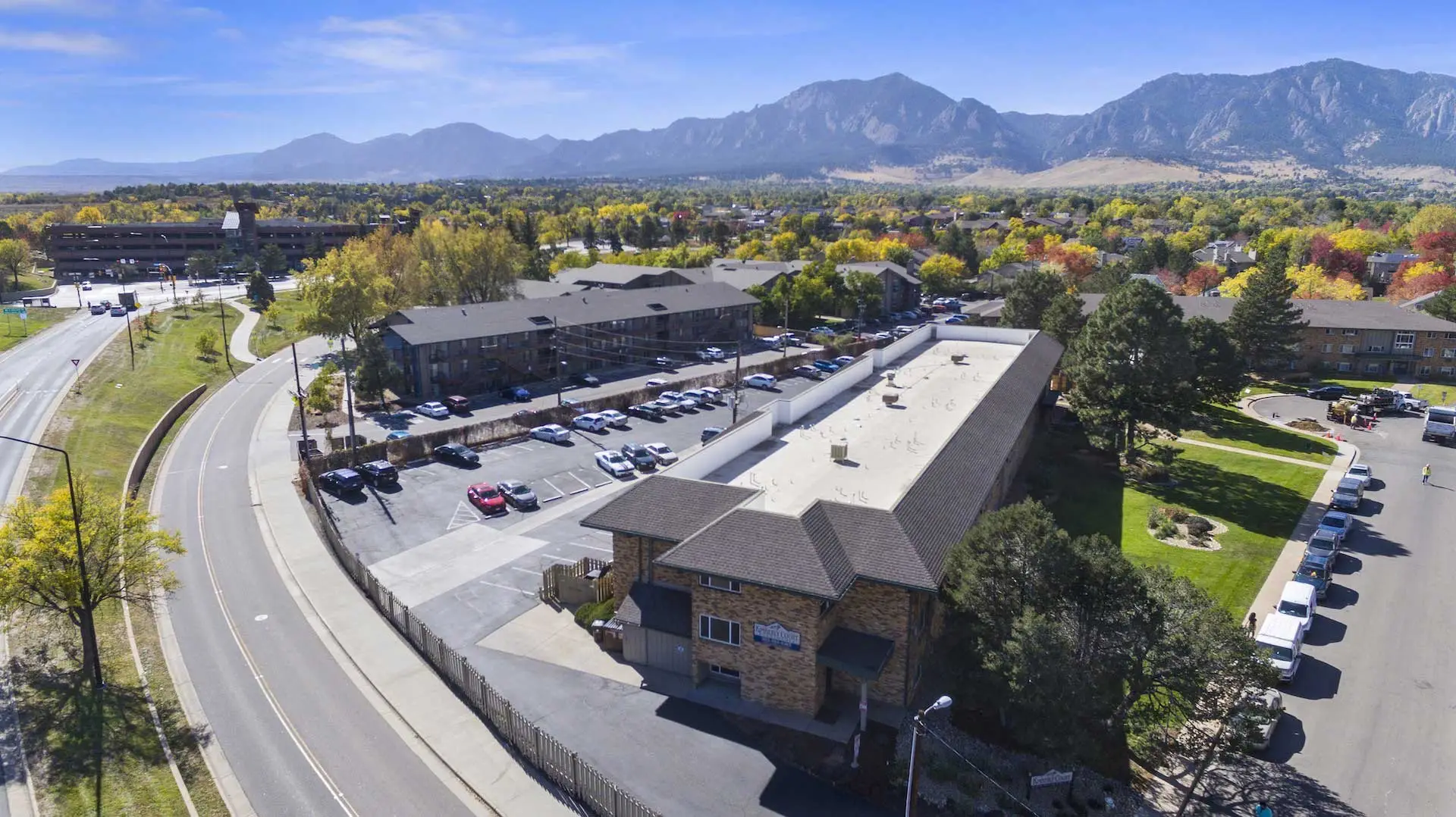
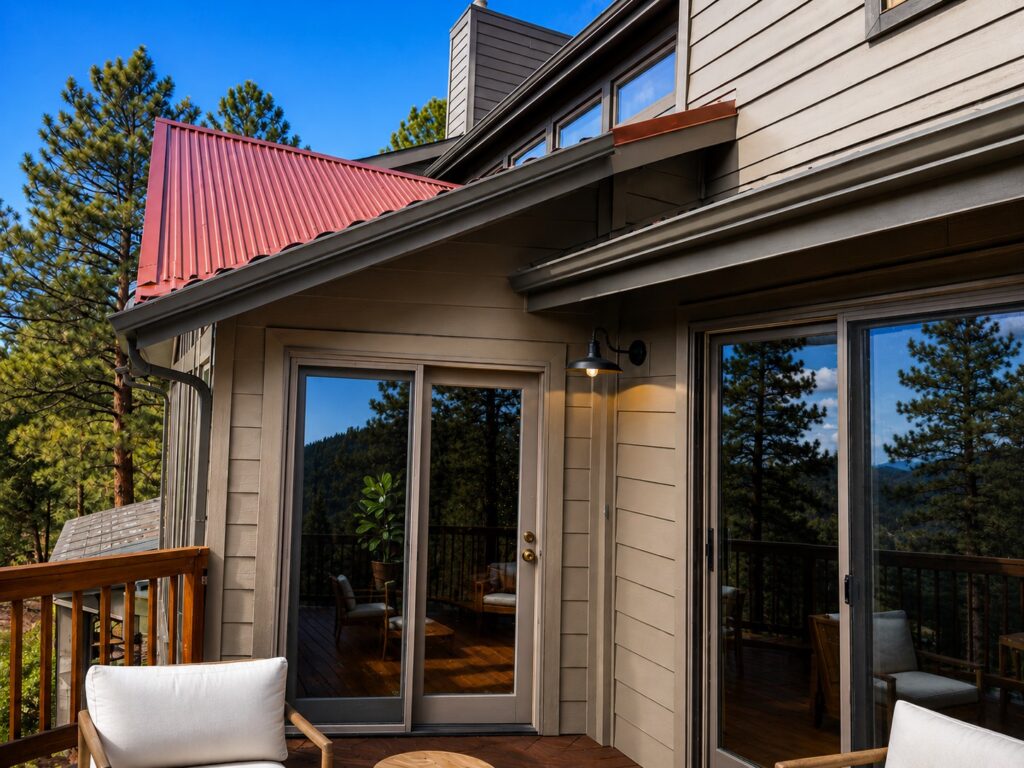
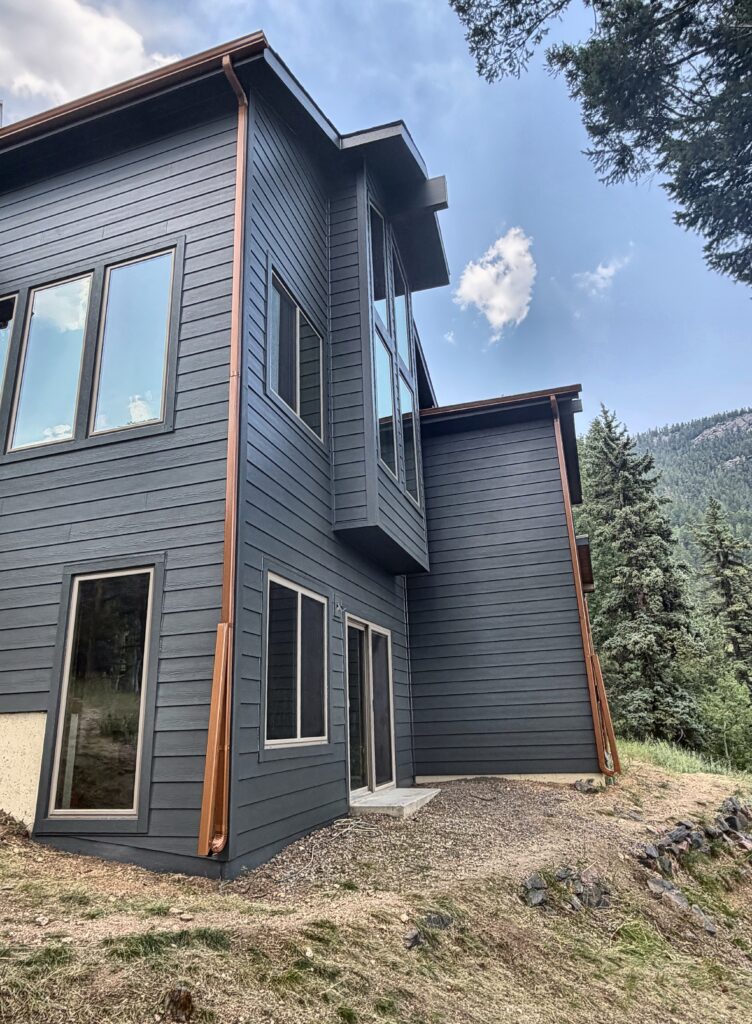
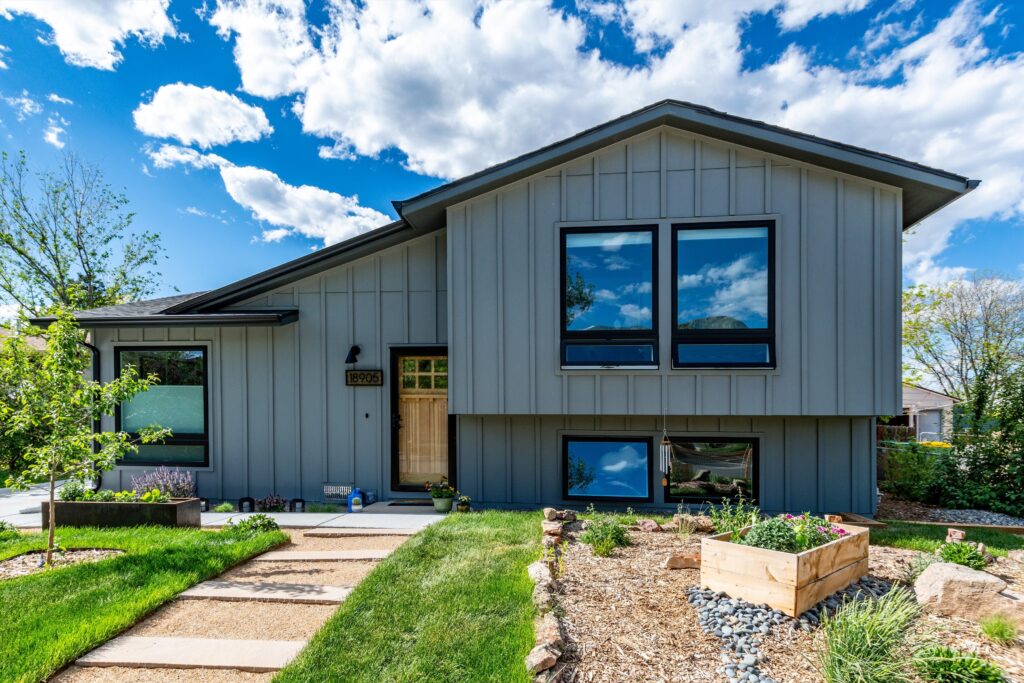
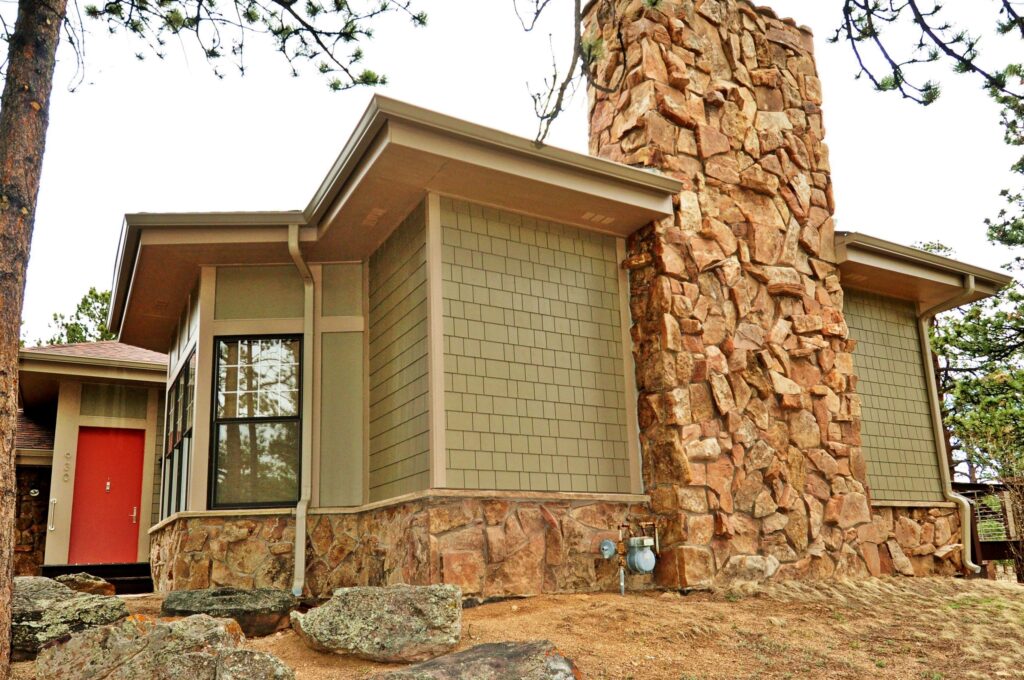
Our own siding work, each project captioned with the town it is actually in. The first two homes are in Evergreen, the third is in Golden — also Jefferson County, so the same Wildfire Resiliency Code applies to it that applies to you — and the fourth is in Estes Park. All four are clad in fiber cement, which is noncombustible, the widest of the three wall-covering categories Class 2 structure hardening permits. The Estes Park home pairs it with stone veneer, noncombustible as well, armoring the lower wall where ground fire and radiant heat arrive first.
Nearby Cities We Also Serve
If you are just outside Evergreen or weighing up more than one property, we also install replacement windows in:
Evergreen Siding — Frequently Asked Questions
Can I still put wood siding on my Evergreen home?
It depends on where your parcel sits on Jefferson County’s overlay map. In the moderate and high fire-intensity areas, Class 2 structure hardening limits exterior wall coverings to noncombustible material, ignition-resistant material, or fire-retardant-treated wood labeled for exterior use — so ordinary cedar and T-111 are out, and FRTW is the only wood route left. Outside those areas the constraint does not apply. We confirm the classification for your address before specifying anything.
Does the code mean I have to re-side my house now?
No, and this is the most common misunderstanding we hear. The Wildfire Resiliency Code governs new work — it did not make your existing siding illegal on 1 July and nobody is going to require you to tear off a wall you were not already replacing. What it changes is the specification on the day you do replace it, which for most Evergreen homes is a decision that was already coming on maintenance grounds.
Is James Hardie siding fire-rated?
James Hardie fiber cement is noncombustible — it does not burn — which is what puts it in the first and widest of the three categories Class 2 hardening permits. That is why it is the material we install most in Evergreen: it clears the requirement outright rather than depending on a product listing, and the Cedarmill texture replaces a cedar elevation without the house reading as something cheaper. To be clear about what it is not: noncombustible cladding is one part of a hardened house, not fireproofing.
Do you install vinyl siding in Evergreen?
No. We do not install vinyl siding anywhere — it is simply not a material we offer. Our siding work is fiber cement, engineered wood, metal, stone veneer and stucco, and inside the overlay the compliant list narrows further from there.
What does it cost to re-side a house in Evergreen?
More than the same square footage on the plains, for reasons worth understanding before you compare bids: steeper and more treed sites, harder material staging, and older walls that reliably need some sheathing repair once they are opened. We measure the elevations and give a written figure with the material named, and we price discovered rot openly rather than hiding it in an allowance.
Who do I get the permit from — is there a town of Evergreen?
There is not. Evergreen is an unincorporated community, so there is no town building department — the permit and the Wildfire Resiliency Code both run through Jefferson County. That is genuinely simpler than an incorporated town, where you can have a municipal code sitting on top of a county one. We file the permit.
Can you do the siding and the roof at the same time?
Yes, and in Evergreen it is usually the cheaper sequence. We hold a Class C general contractor license, so roofing, siding, windows and decks run under one contract with one project manager. The reason it saves money is the joint: re-siding a wall and then cutting into it months later for new roof flashing means paying twice for the same detail.