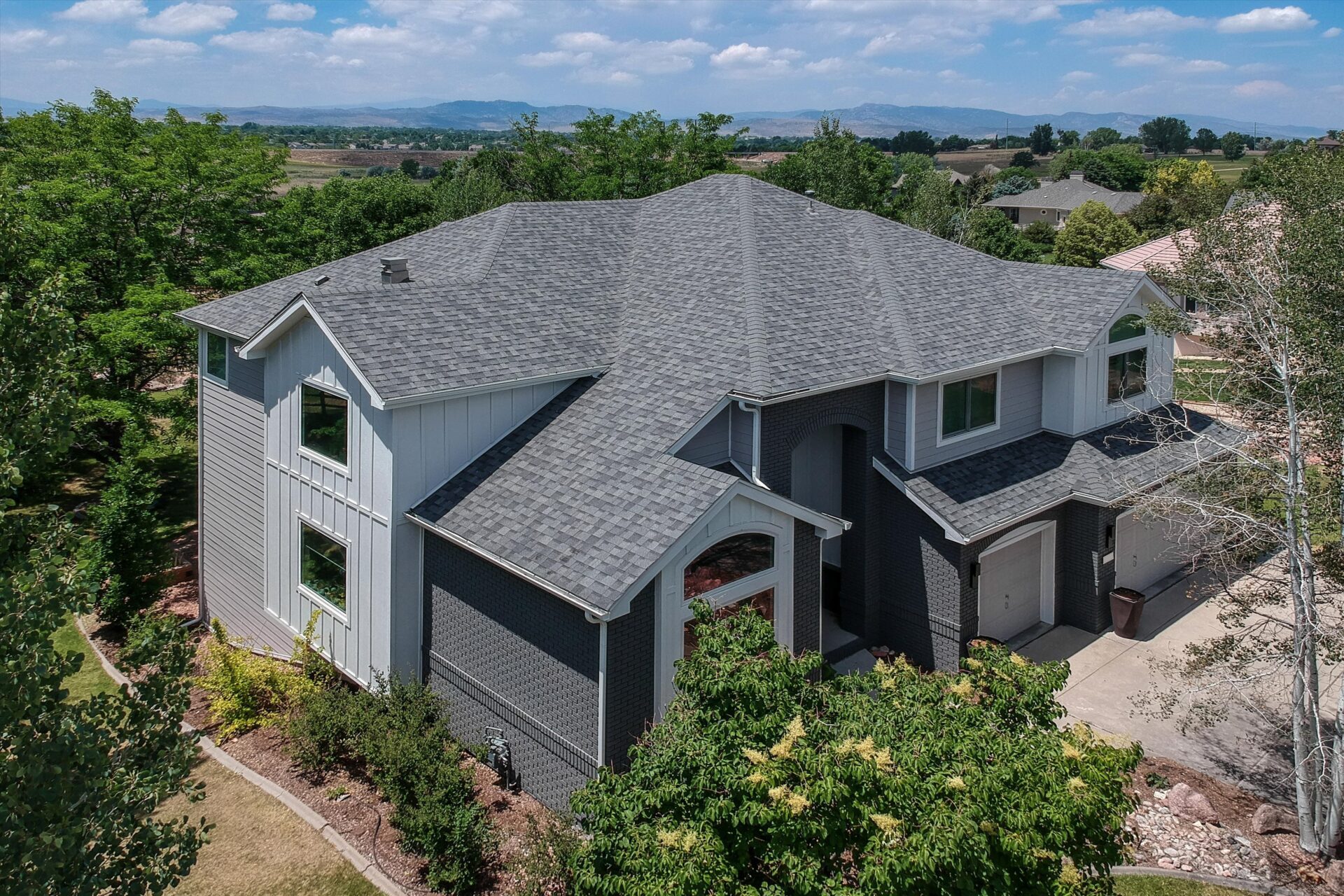
Siding Contractors — Centennial, CO
Centennial Siding Contractors
Stone veneer, metal and steel, LP SmartSide and board and batten on Centennial’s 1970s–90s subdivisions — HOA submittal prepared, by a Class C general contractor working Colorado since 2001.
Who are the best siding contractors in Centennial, CO?
Northern Lights Exteriors has worked Colorado’s Front Range since 2001 under a Class C general contractor license, which matters on a re-side because whatever is found behind the old cladding is ours to fix rather than a second contractor’s.
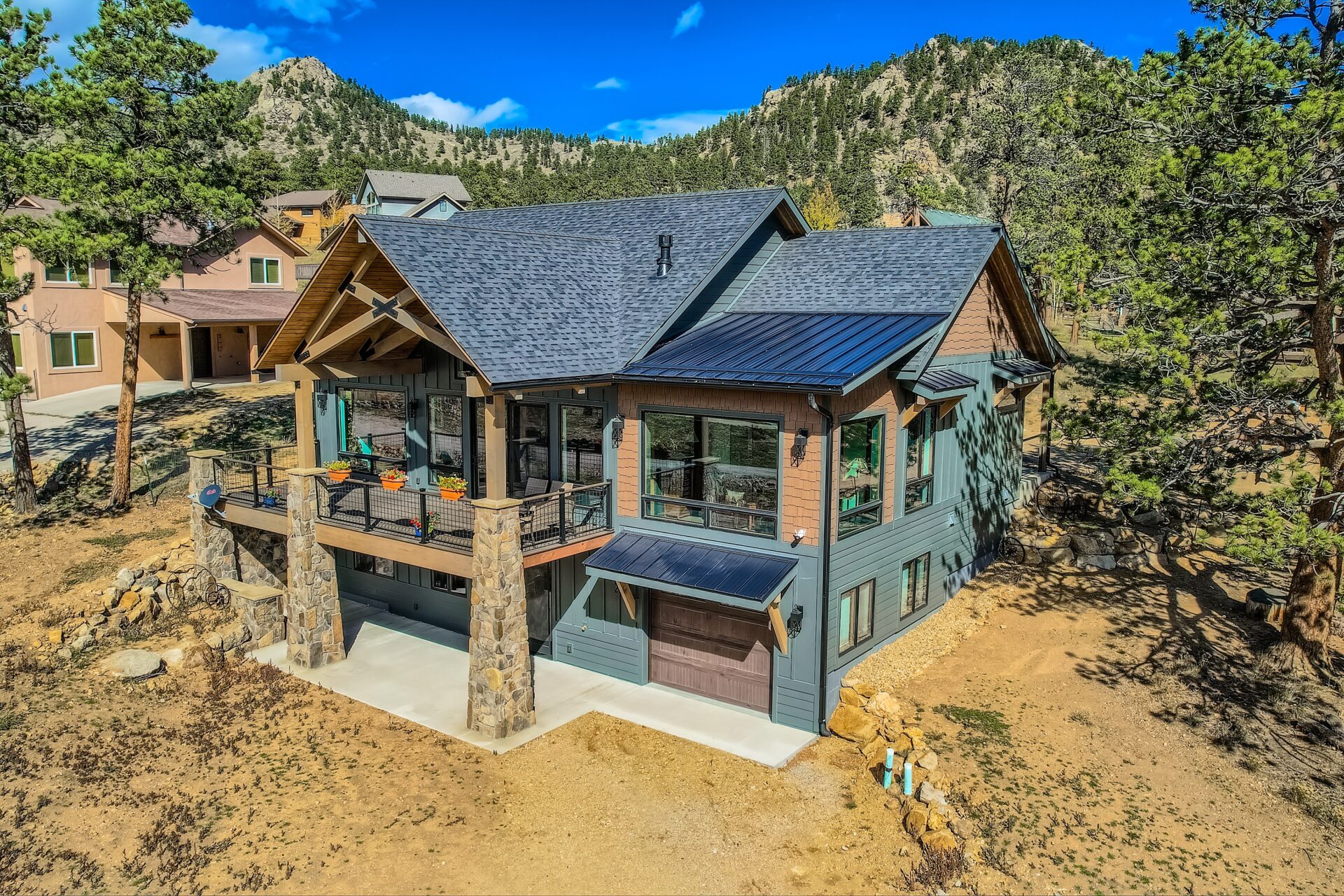
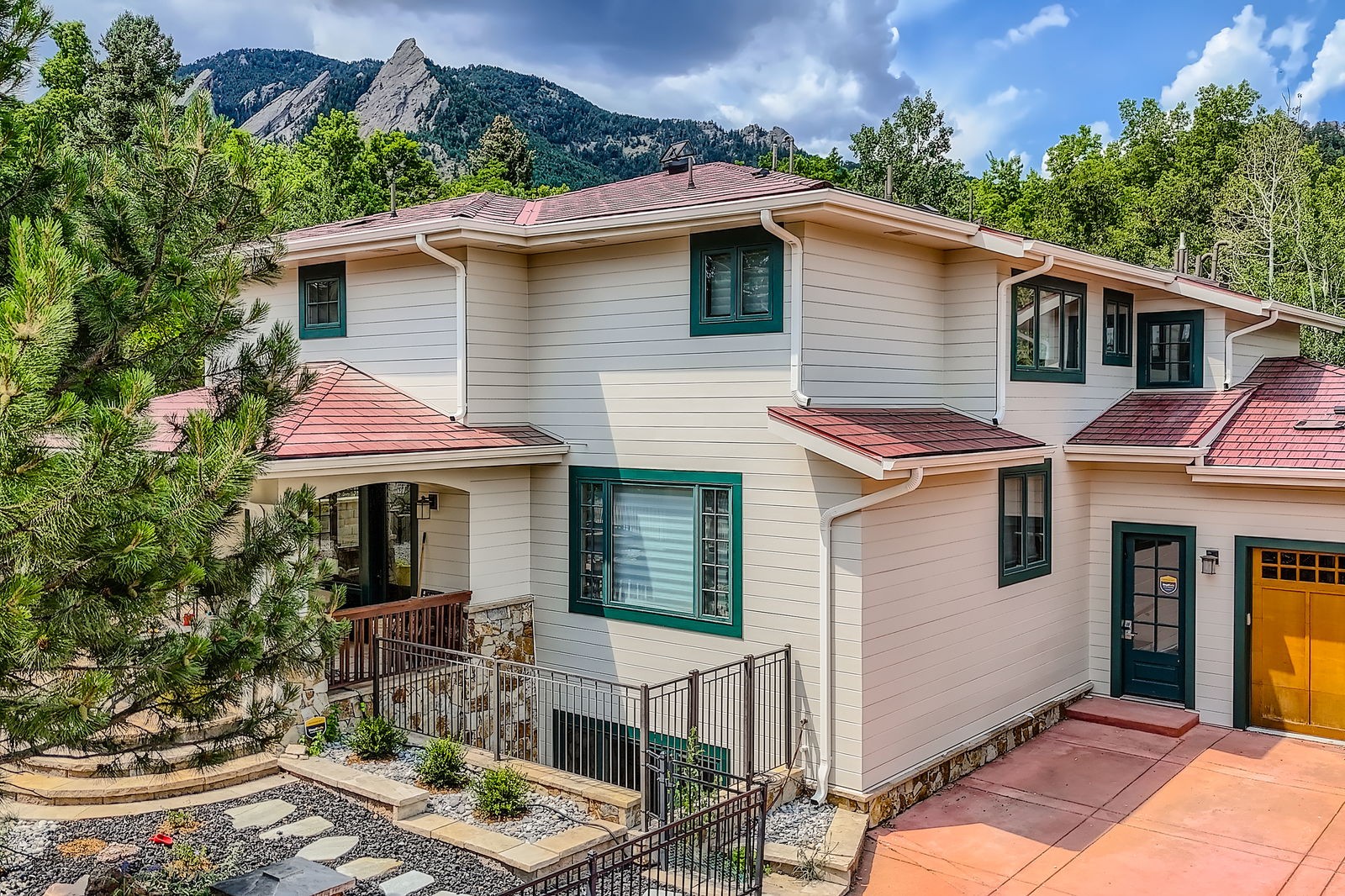
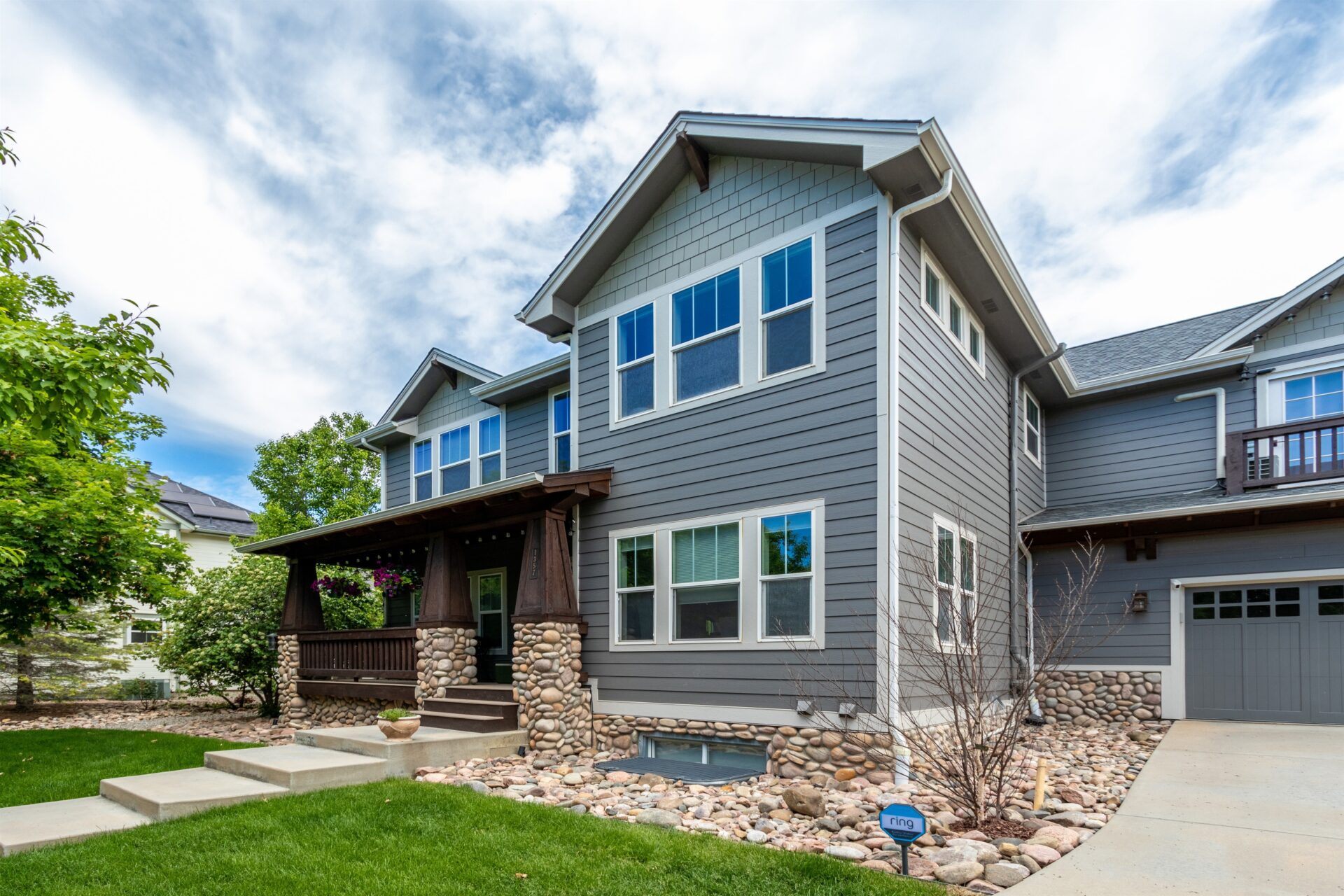
Beyond fiber cement, Centennial asks for four things specifically: stone veneer on the lower wall, metal and steel siding, LP SmartSide engineered wood, and board and batten on gables and garage walls. We install all four. We do not install vinyl.
Most of the city is covenant-controlled, so we prepare the HOA architectural submittal at no charge and work backwards from your committee’s calendar. Rated 4.9 out of 5 from 552 verified reviews.
The Four Materials Centennial Actually Asks For
Most city siding pages are a generic list. This one is not, because Centennial’s searches are unusually specific — alongside fiber cement, the materials people here look for are stone veneer siding, metal and steel siding, LP SmartSide and board and batten. So those are what this page covers, in that order.
Fiber cement has its own page: James Hardie siding in Centennial. It is what we install most, and if you are replacing failed hardboard it is probably where you will land.
| Material | Where it belongs on a Centennial elevation | The honest trade-off |
|---|---|---|
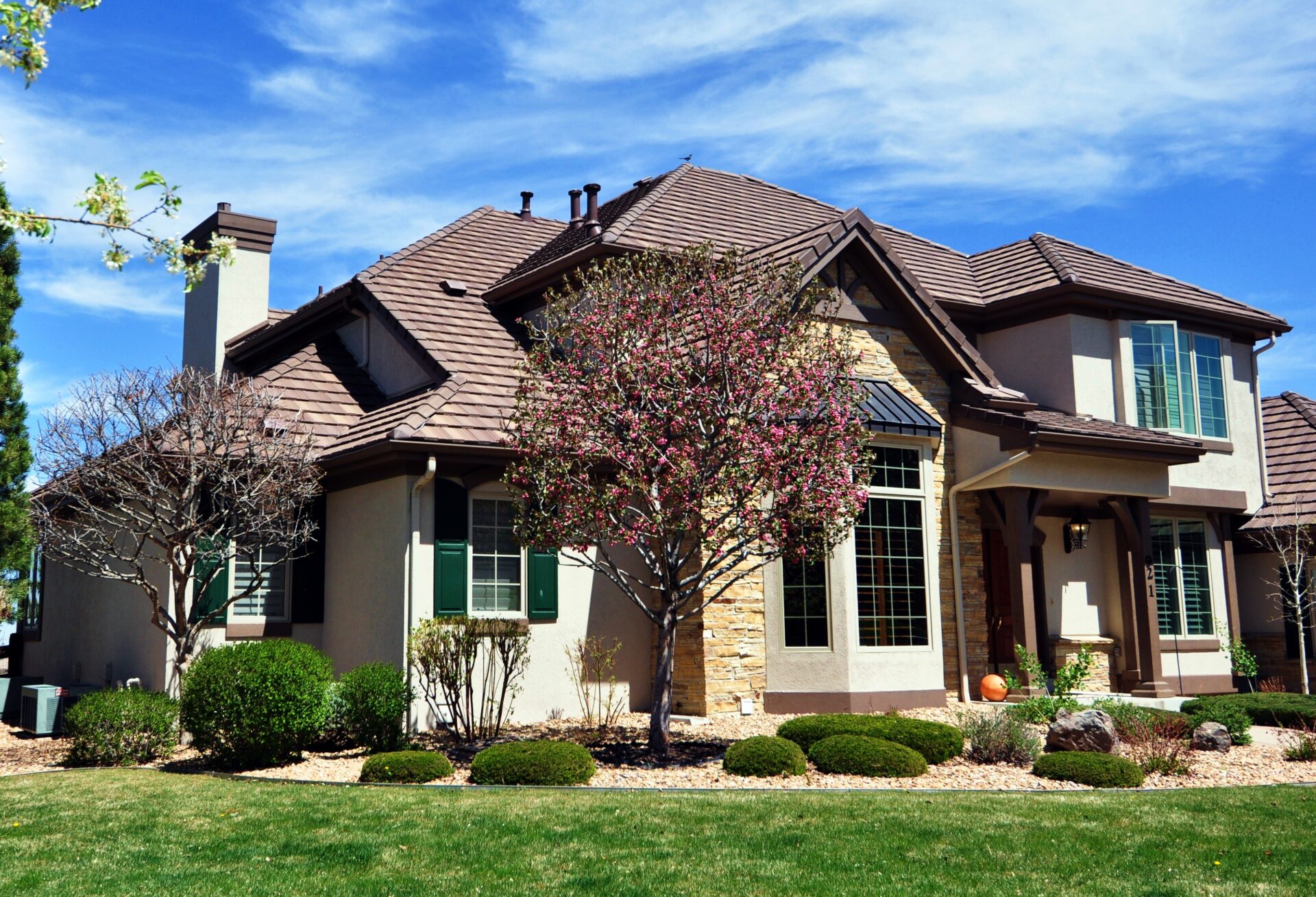
| Stone veneer | The lower wall. Almost every home here already has masonry on the front, and extending or replacing it is the single highest-impact change to how the house reads from the street — more than the siding above it, which is the opposite of what people expect. | The most expensive material per square foot by a wide margin, which is why it is a wainscot rather than a whole elevation. Installed badly it traps water; the flashing and the weep detail at its top edge are the whole job. |
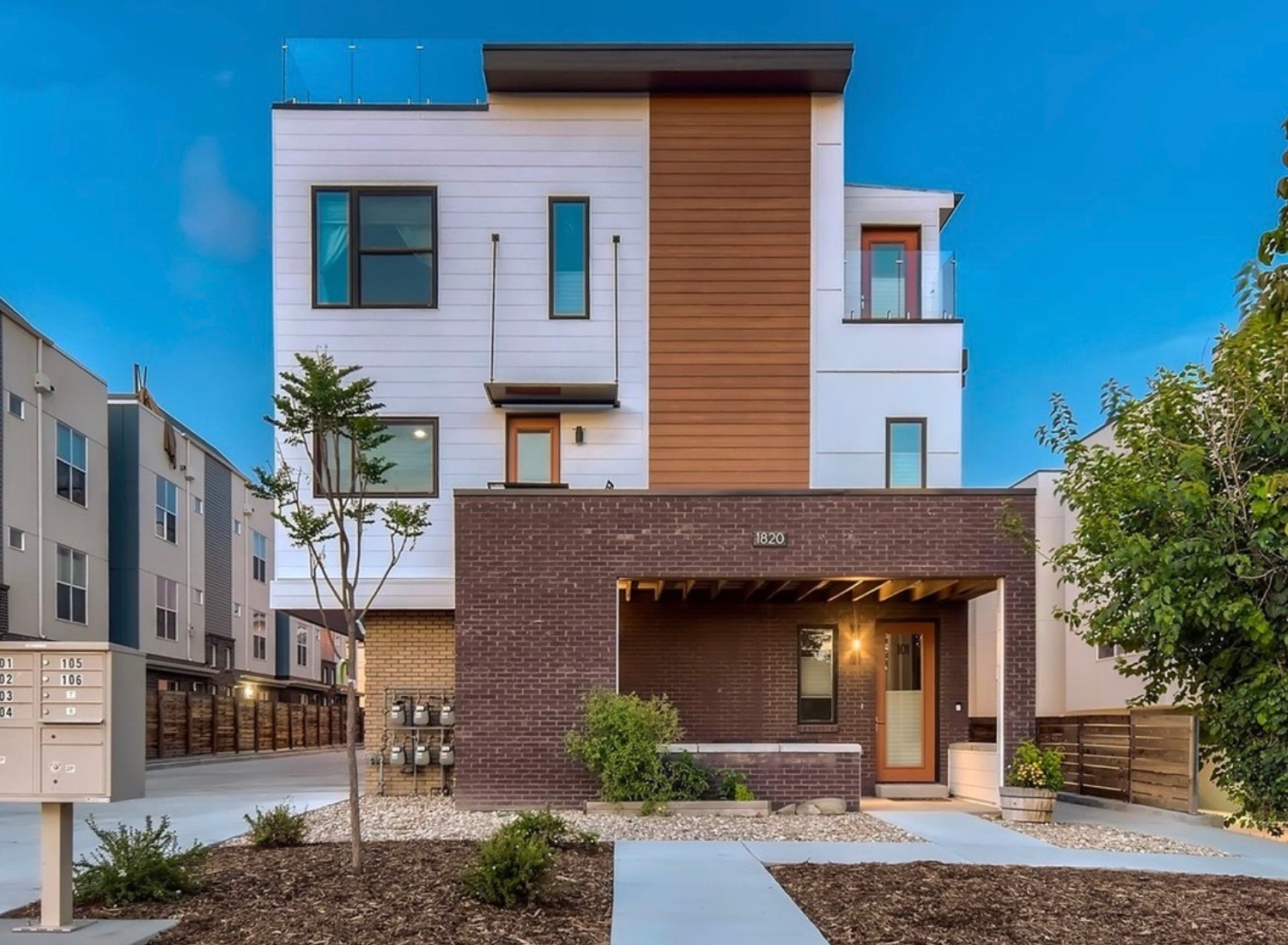
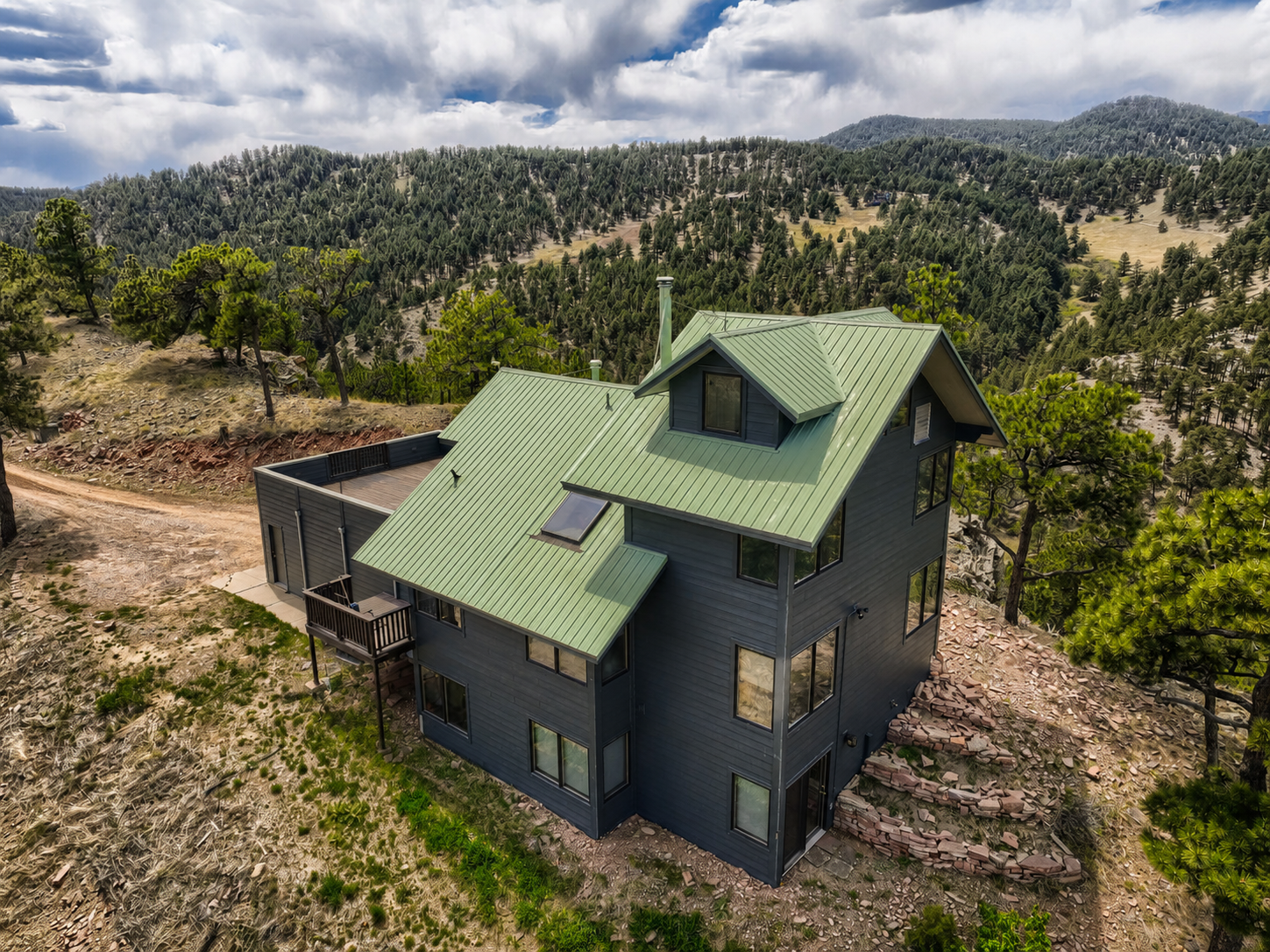
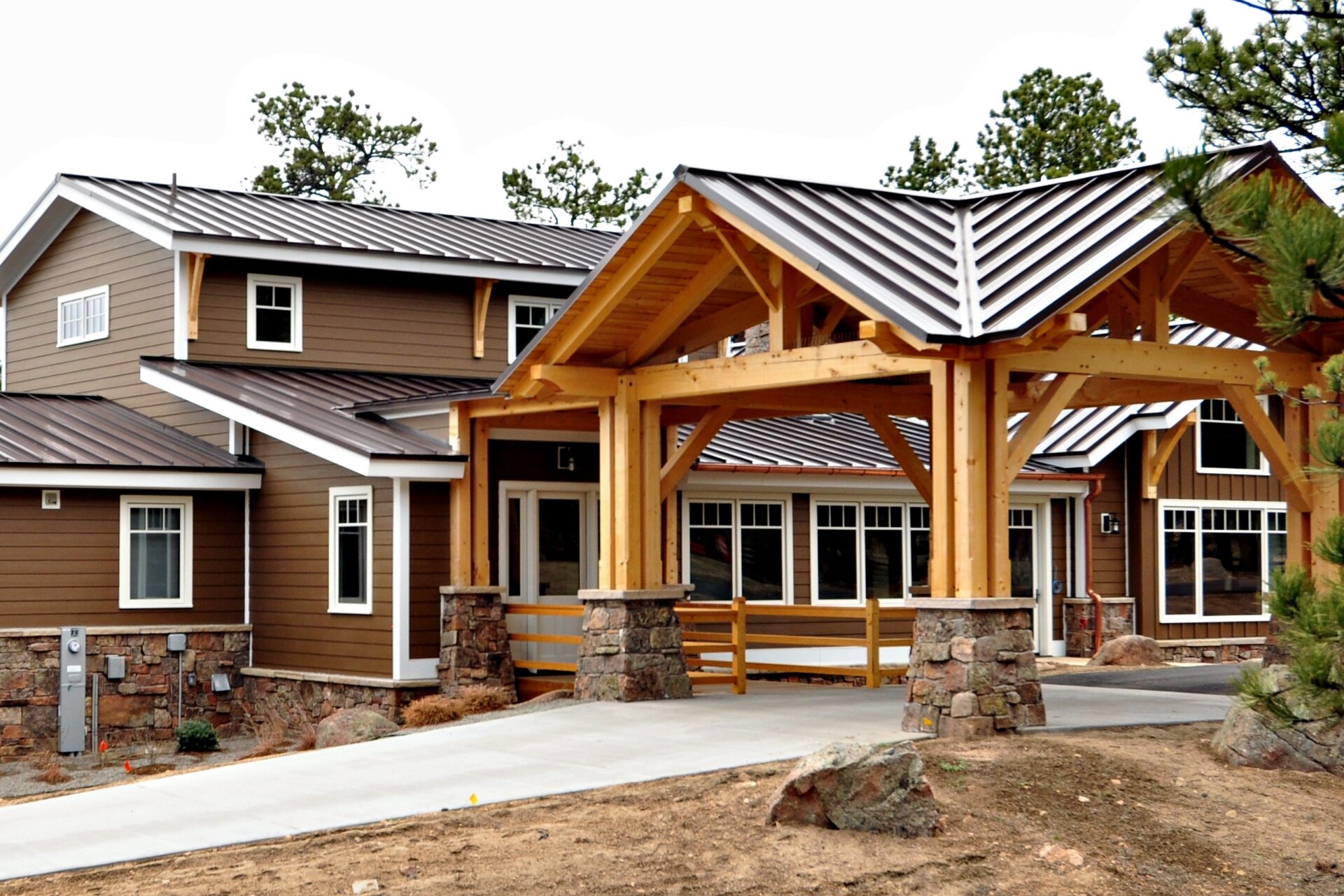
| Metal and steel siding | Modern and updated elevations, accent walls, and homeowners who want the lowest maintenance available. Standing seam and flush panel both read as a deliberate design choice rather than a repair. | It is a strong architectural statement and it is wrong on plenty of houses. We will tell you which yours is. Dents are also permanent in a way that fiber cement chips are not. |
| LP SmartSide engineered wood | A genuine alternative to fiber cement: lighter, longer boards up to 16 feet so fewer seams, faster to hang, and a 50-year limited warranty. Good on large simple elevations where the seam count on a heavier board would show. | It is engineered wood, so it is a wood product with all that implies about cut ends and ground clearance. If your house is one of the ones whose hardboard failed, read the note below before ruling it out. |
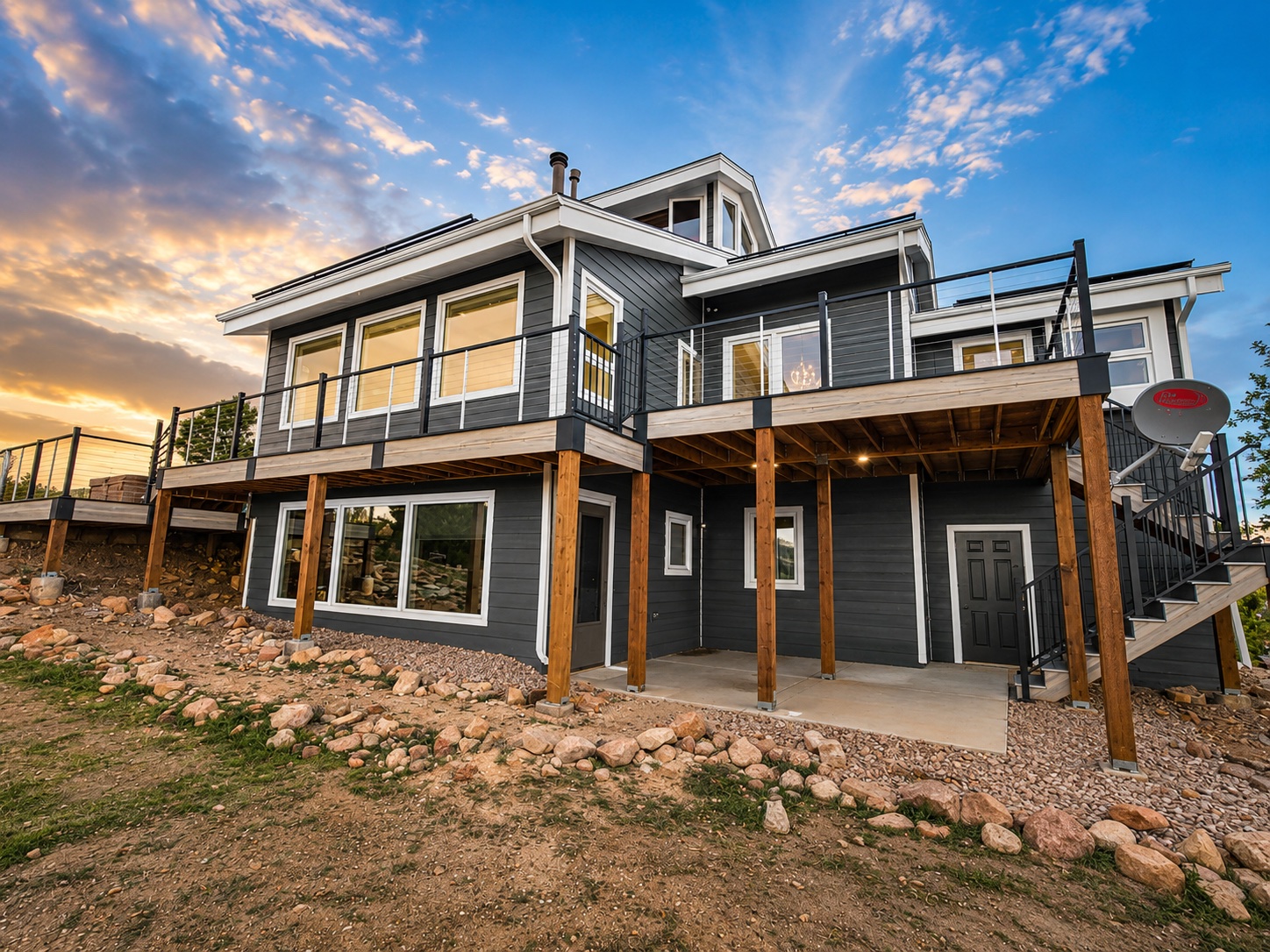
| Board and batten | Not a material but a profile, and one Centennial asks for constantly — gables, garage walls and the vertical sections that T-111 originally covered. Available in fiber cement, engineered wood and metal. | Batten spacing is a design decision that gets made by default on cheap jobs. It should be drawn to your elevation, not copied from the last house. |
We do not install vinyl siding. It is simply not a material we offer, and we would rather say so here than at the estimate. If you are searching for vinyl that looks like stone, what you actually want is stone veneer on the lower wall with something durable above it, and that combination is on this page.
More detail: stone veneer, metal siding, engineered wood, board and batten, and our Colorado siding work generally.
A Note on Engineered Wood, If Your Hardboard Failed
Worth addressing directly, because it changes what a lot of Centennial homeowners will consider.
LP Inner-Seal hardboard siding was manufactured from 1985 to 1995 and failed in service: the lower lap edge fractured, took on water and swelled as the adhesive degraded, and cracking, discoloration and fungal growth followed. Louisiana-Pacific funded a $375 million class-action settlement over it. Subdivisions built in exactly that window make up a large share of this city, so a great many people here have watched an engineered wood product fail on their own house — and to be fair to the manufacturer, today’s LP SmartSide is not that product. It is a later engineered-wood line built on treated strands with resins, waxes and zinc borate, and it carries a 50-year limited warranty against Inner-Seal’s 25. A homeowner burned once by hardboard reasonably assumes all engineered wood is the same thing. It is not.
We install LP SmartSide and we would not if it behaved like its predecessor. We hold no LP certification or dealer status — we simply install the product — so there is nothing in it for us to overstate. On most Centennial walls we still recommend fiber cement, and where SmartSide is the better answer it is usually because of seam count on a large simple elevation or because of what the budget will carry.
Why the Whole Street Needs Siding at Once
Siding installation in Centennial rarely happens to one house alone, and there is a reason. A Centennial subdivision was built in a single push, sometimes inside eighteen months. That means the cladding on every house on the street went up at the same time, was made in the same year, and has taken exactly the same forty seasons of sun, hail and freeze-thaw.
Three practical consequences, and they are worth planning around rather than discovering:
- Replacement arrives in waves. When one house on the block re-sides, several usually follow within two seasons — not because of pressure, but because the material genuinely reached its end at the same time. If your neighbors are getting quotes, that is information about your house, not just theirs.
- The HOA committee is about to get busy. Submittals cluster the same way. Getting yours in ahead of the wave is worth several weeks.
- Comparison is easy here, so use it. On most streets you can walk to a finished job and look at it. Ask any contractor, including us, for an address you can drive past. A contractor who cannot produce one in this city has not done much of this work.
What we will not do is knock your door because your neighbor signed. If we are talking, it is because you called us.
The System Behind the Work
Siding is the project where the most consequential work — the sheathing repair, the flashing, the water-resistive barrier — is permanently hidden the moment the next board goes on. You are being asked to take a contractor’s word for a wall you will never see again.
Two things make that possible, and they are the reason to choose us over a cheaper quote.
First, experience and scope. We have been working on Colorado’s Front Range since 2001, and we hold a Class C general contractor license (Colorado license #C120350) rather than a single-trade license. That is not a technicality: it means roofing, siding, windows, decks and outdoor living can run under one contract, with one project manager accountable for the flashings where those trades meet — which is precisely where multi-contractor projects leak, literally and figuratively. James Hardie has recognized us as an Elite Preferred contractor continuously since 2011, and as a President’s Club member — their highest contractor distinction nationwide. Our rating is 4.9 out of 5 from 552 verified reviews.
Second, a proprietary on-demand client portal we built ourselves. Most of what people hate about a remodel is not the construction. It is not knowing — who to call, whether the permit went in, when material arrives, what has been paid, whether it passed inspection. We built a system to remove exactly that, and as far as we know no other exterior contractor in this market offers it:
Every conversation in one place
Messages, decisions and change requests are logged against your project rather than scattered across texts, voicemails and three different crew members’ phones.
Contracts and scope, always retrievable
Your signed contract and itemized scope live in the portal, so you can easily get a refresh on what was agreed — on your own, any time.
Permit status you can see
Where the permit is in the process, and when inspections are scheduled — without having to phone anyone to find out.
Delivery and install schedules
When material lands and when each trade starts, so you can plan around the work instead of waiting for a truck to appear.
Before, during and final photography
Documented condition before we start, progress images through production, and final photography — including the parts of the building you will never see again once it is closed up.
Payments tracked per trade
What is paid and what is outstanding, broken out by trade rather than as one running balance you have to reconcile yourself.
Inspection records
Each inspection and its result, recorded against the project and available when you sell the house and someone asks.
Access is an individual, custom URL issued to you — and you get it when we start talking, at the lead and project meeting, not after you sign something. That is deliberate: you can see how we run a project before you commit to one. It then stays available after the work is finished, which matters more than it sounds, because the documentation, images and inspection records are exactly what a buyer’s agent, an appraiser or an insurer asks for years later.
Get a Siding Estimate in Centennial
We measure the elevations, tell you what is actually on the walls now, and quote the material by name rather than as a range — with the HOA submittal prepared and the sheathing repair rate stated up front. If a material you had in mind is wrong for your elevation, you will hear that at the estimate.
Request Your Free Estimate → 📞 (303) 776-5263
Prefer email? Reach us at office@nlexteriors.com. Ask about financing options when we walk the property.
Nearby Cities We Also Serve
If you are just outside Centennial or weighing up more than one property, we also install replacement windows in:
Centennial Siding — Frequently Asked Questions
Who are the best siding contractors in Centennial, CO?
What separates one siding company in Centennial from another comes down to three things rather than a brand name. Whether the company is a licensed general contractor that can handle what is found behind the siding — we hold Colorado Class C general contractor license #C120350 and have worked the Front Range since 2001. Whether the quote names the actual product and profile instead of quoting a square-foot range. And whether they will prepare your HOA submittal, because in Centennial that step delays more projects than the construction does.
Do you install stone veneer siding in Centennial?
Yes — stone veneer siding in Centennial is asked about more than in most of our service area. On these elevations it belongs on the lower wall — a wainscot across the front, around the entry, and on the chimney — where it does more for how the house reads from the street than the siding above it does. The critical detail is the flashing and weep at its top edge, where it meets the cladding above; done badly, stone veneer traps water against the wall.
Is metal siding a good idea on a Centennial home?
Metal siding in Centennial can be excellent, and it is the lowest-maintenance material we install. Standing seam and flush panel both read as a deliberate design choice, which suits updated and contemporary elevations and looks wrong on a traditional one. Two honest caveats: dents are permanent in a way that a fiber cement chip is not, and your HOA committee is more likely to have questions about metal than about a lap profile, so the submittal matters more.
Do you install vinyl siding?
No — not in Centennial and not anywhere. It is simply not a material we offer. If you are looking at vinyl products that imitate stone, what you probably want is real stone veneer on the lower wall with fiber cement, engineered wood or metal above it. That combination is what most of these elevations were designed around in the first place.
What is board and batten and will it suit my house?
It is a profile rather than a material — vertical panels with battens covering the joints — and it is available in fiber cement, engineered wood and metal. It suits the places T-111 originally went: gables, garage walls and rear elevations. The detail that gets skipped is batten spacing, which should be drawn to your elevation rather than copied from the last job. Mixing batten on the gables with lap on the lower wall is the standard Centennial composition and it is standard because it works.
Should I re-side if my neighbors are?
Their timing is genuinely information about your house — the whole street was clad in the same year with the same material and has taken the same weather — but it is not a reason on its own. Get your own walls looked at. What we will say is that submittals and crews both cluster when a street turns over, so being early in that wave is worth several weeks. We will not knock your door because your neighbor signed.
How long does a siding replacement take?
Most Centennial homes run one to three weeks on site depending on size, how much trim there is, and what the sheathing looks like once the old cladding is off. The longer pole is usually before we start: HOA approval and material lead time. We work backwards from your committee’s meeting calendar and the delivery date lands in your portal as soon as it is confirmed.