Shingle Selection · Colorado
The Best Asphalt Shingles for Colorado Homes
Most "best shingles" lists rank on looks and warranty length. On the Front Range the only ranking that predicts how long a roof lasts is impact class — so that is how we have ranked them here, with the products we actually install and what they really cost per square.
Quick Answer
For Colorado homes, the best asphalt shingle is a Class 4 impact-resistant shingle — GAF ArmorShield II or Owens Corning TruDefinition Duration FLEX. They look like a standard architectural shingle, cost roughly $25 to $35 more per square, and are the only asphalt shingles built for the hail this state actually gets.
That is not a preference, it is what we quote. We do not lead with Class 3 architectural shingles on Front Range roofs — on the roofs we get called back to, they are usually the reason. A luxury designer shingle such as CertainTeed Presidential is a separate decision, made on appearance and service life rather than on impact.
Asphalt Shingle Comparison: The Three Tiers
This is the same comparison we walk through at the kitchen table. The first column is what most contractors quote by default. The middle column is what we actually install.
| Feature | Standard Architectural — Class 3 | Impact-Resistant — Class 4, what we install | Luxury / Designer |
|---|---|---|---|
| Example products | The industry-default Class 3 architectural shingle | GAF ArmorShield II / Owens Corning TruDefinition Duration FLEX | CertainTeed Presidential |
| Appearance | Traditional dimensional shingle | Similar look with reinforced construction | Thick, high-profile luxury look |
| Durability | Very good | Excellent hail resistance | Excellent durability |
| Storm resistance | Good | Excellent — Class 4 impact rating | Very good |
| Expected lifespan | 25–30 years | 30–40 years | 40–50+ years |
| Maintenance | Low | Low | Low |
| Cost range | $380–$450 per square | $415–$475 per square | $600–$675 per square |
| Best for | The default quote from most contractors | Storm-prone areas and insurance benefits — which is most of the Front Range | Premium architectural appearance |
A "square" is 100 square feet of roof. Ranges are installed cost and vary with pitch, layers, decking condition and access — see our full Colorado roof replacement cost breakdown.
Why Impact Class Is the Only Ranking That Matters Here
UL 2218 is the standard test for impact resistance. A steel ball is dropped twice onto the same spot on a shingle; if the shingle shows no cracking or splitting, it passes at that level. Bigger ball, higher class. Class 4 is the highest. That is the whole test, and it is why the rating is worth more than any marketing language.
Colorado is a hail state
The Front Range sits in one of the most active hail corridors in the country. A shingle chosen for its color and its warranty document is being chosen on the one axis the weather here does not care about. Our hail damage work is mostly roofs that were never rated for it.
Altitude ages asphalt faster
Stronger UV, wider daily temperature swings and repeated freeze-thaw all work on the asphalt binder. This is why a shingle rated for 30 years nationally is a 25-year shingle at 5,000 feet, and why the reinforced products stretch further.
The insurance math is real
Many Colorado carriers offer a premium credit for a Class 4 roof, and a Class 4 roof changes whether a marginal storm becomes a claim and a deductible at all. Ask your agent what documentation they want before the roof goes on.
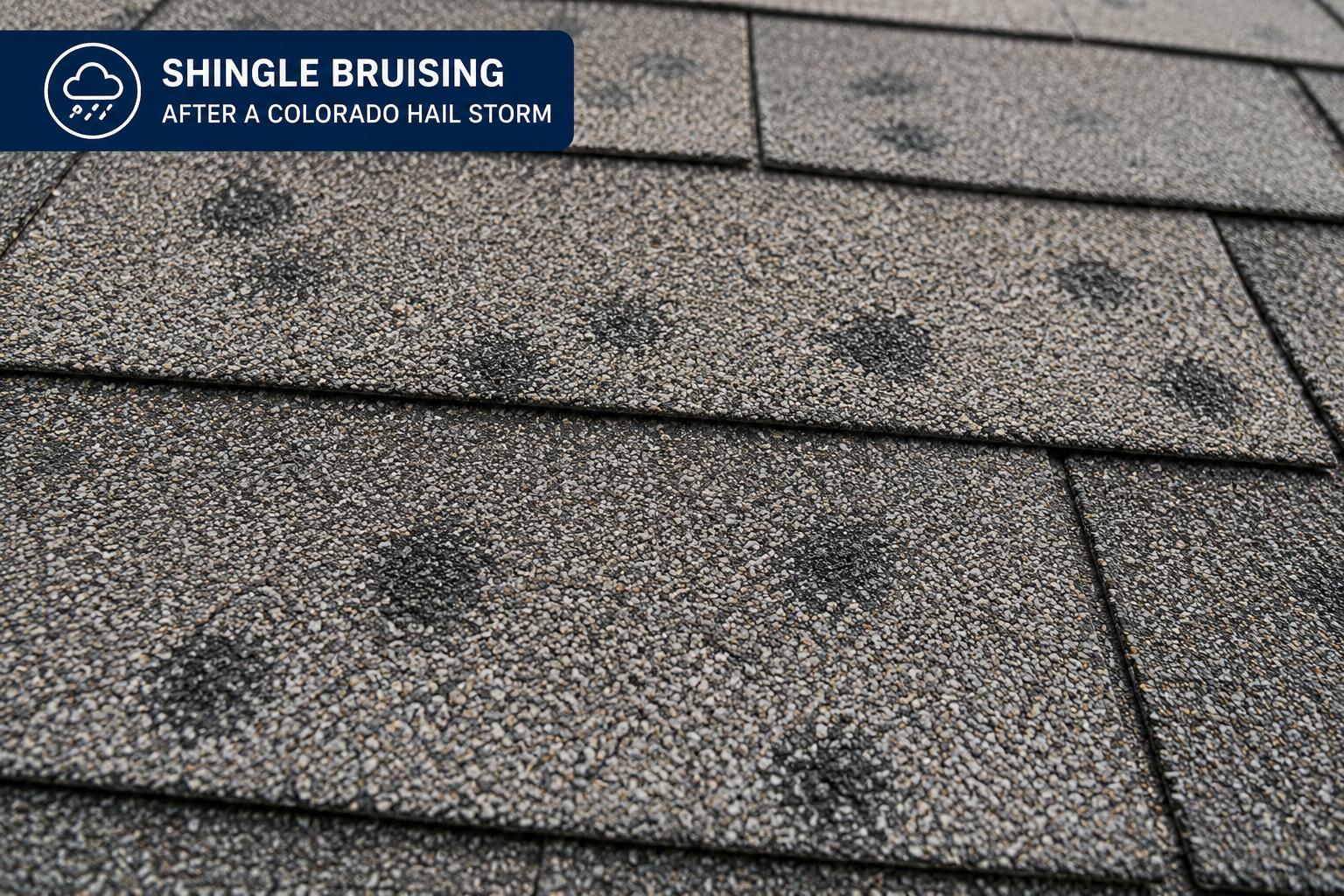

Some Colorado jurisdictions have gone further and now require impact-resistant roofing. Those requirements are adopted locally and they change, so we confirm what applies at your address before scoping the roof rather than assuming the rule from the next town over carries.
The Shingles We Actually Install
We are not tied to one manufacturer. We install GAF, Owens Corning and CertainTeed, and we are a GAF Master Elite contractor. What we do not do is quote a Class 3 architectural shingle as the default on a Front Range roof. Here is where each product earns its place.
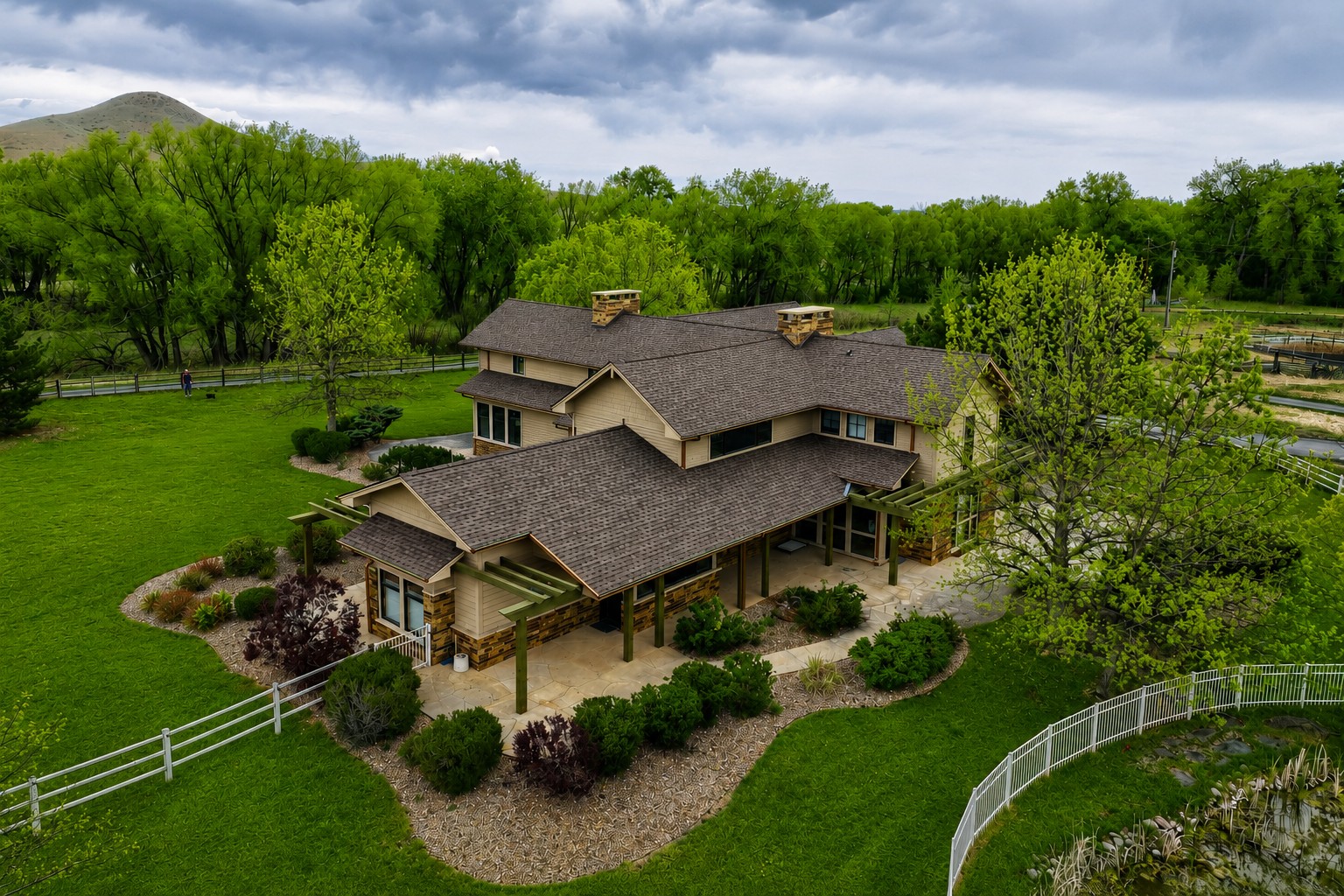
GAF ArmorShield II — Class 4
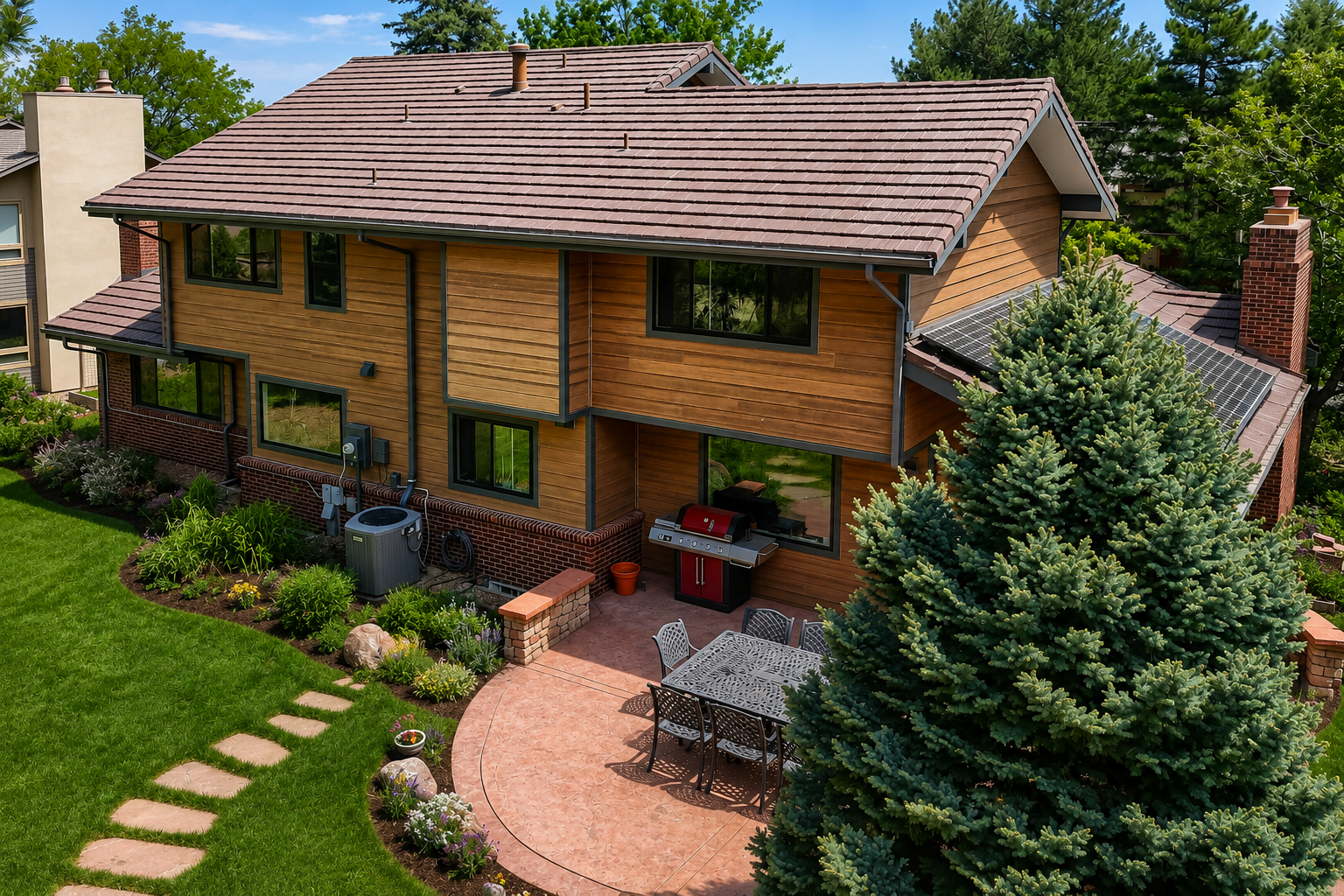
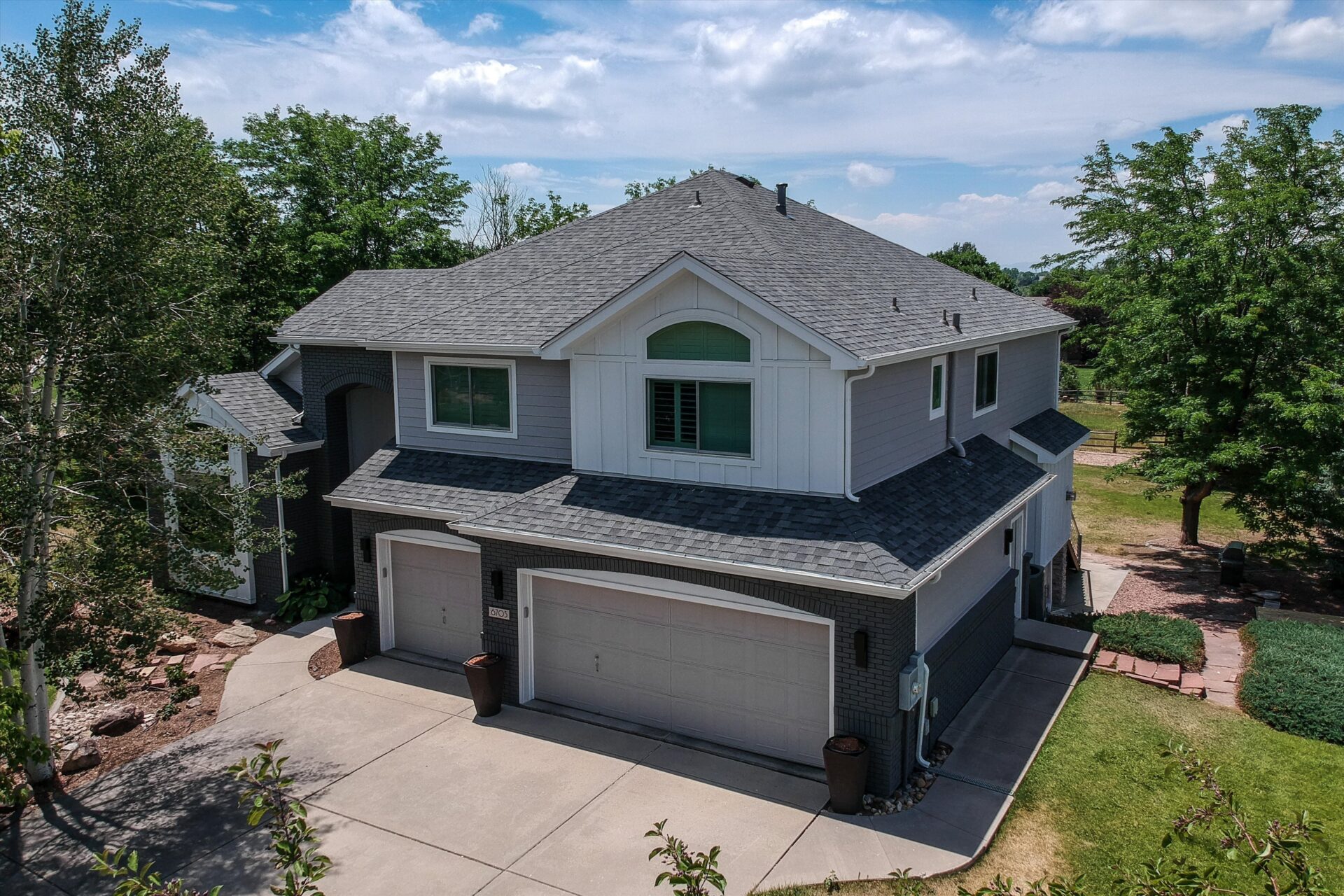
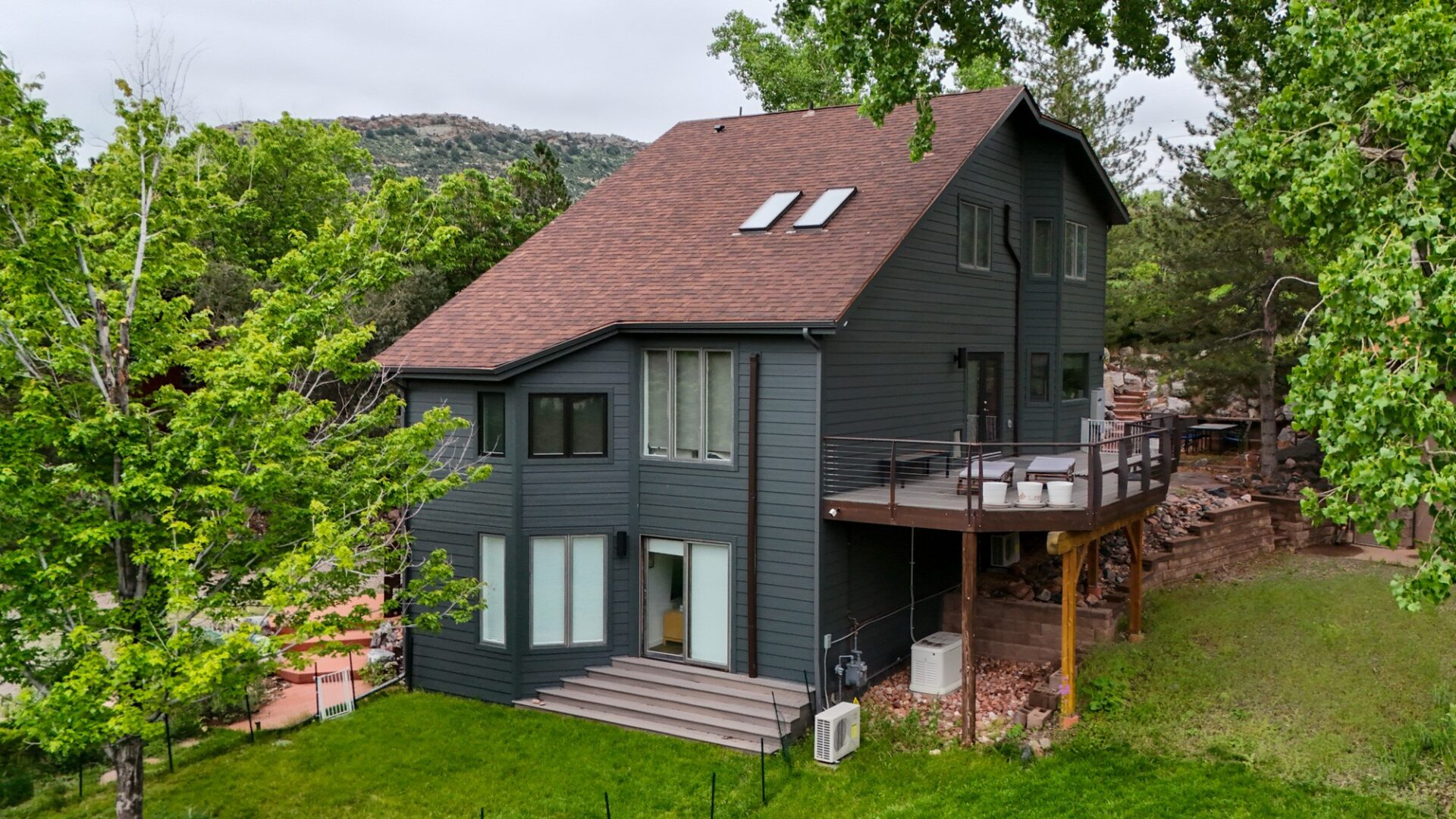
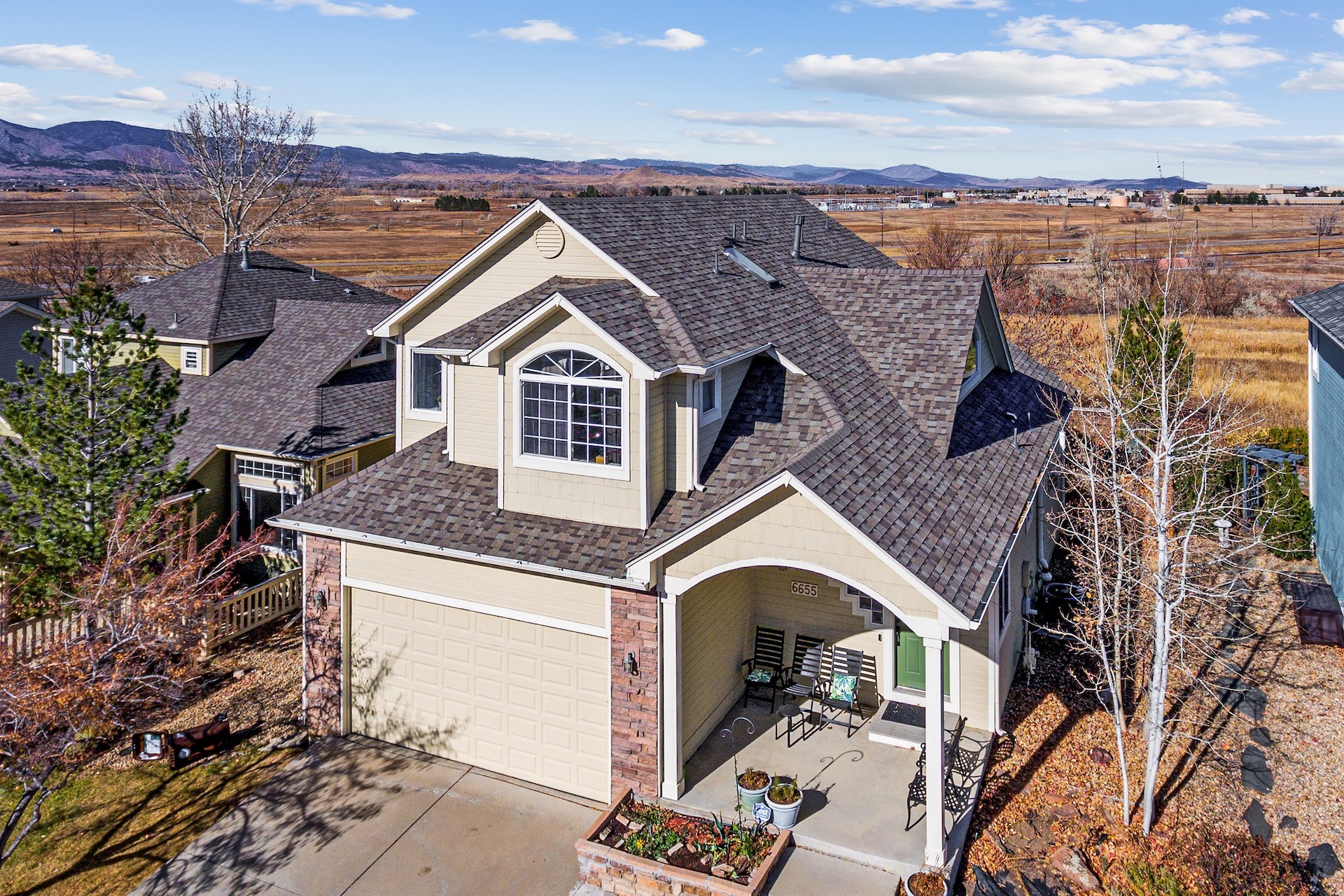
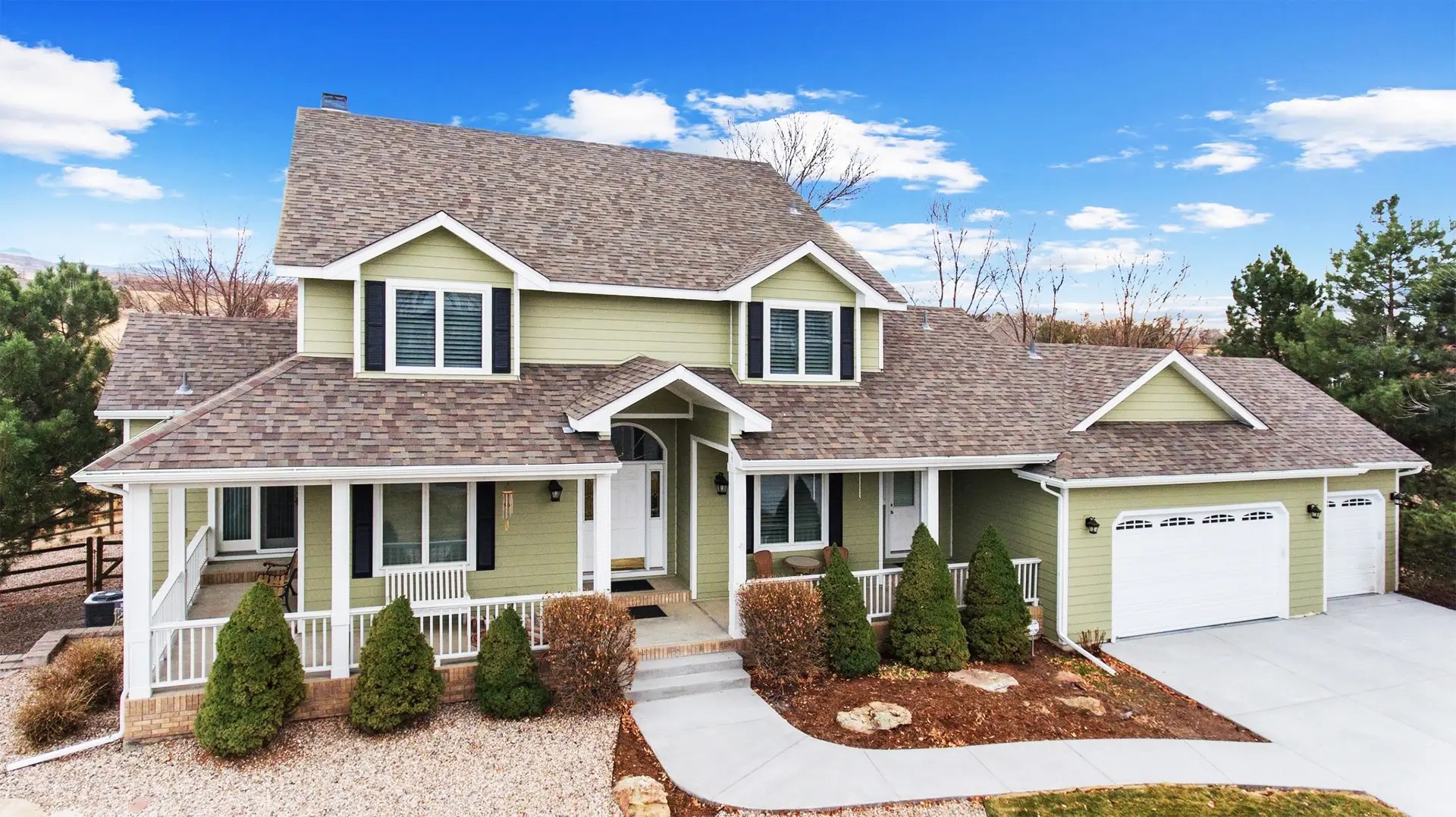
Our standard architectural roof. It reads like an ordinary dimensional shingle from the street — the reinforcement is in the construction, not the look — so nothing about the house changes except what it survives. Excellent hail resistance, 30–40 years expected, $415–$475 per square.
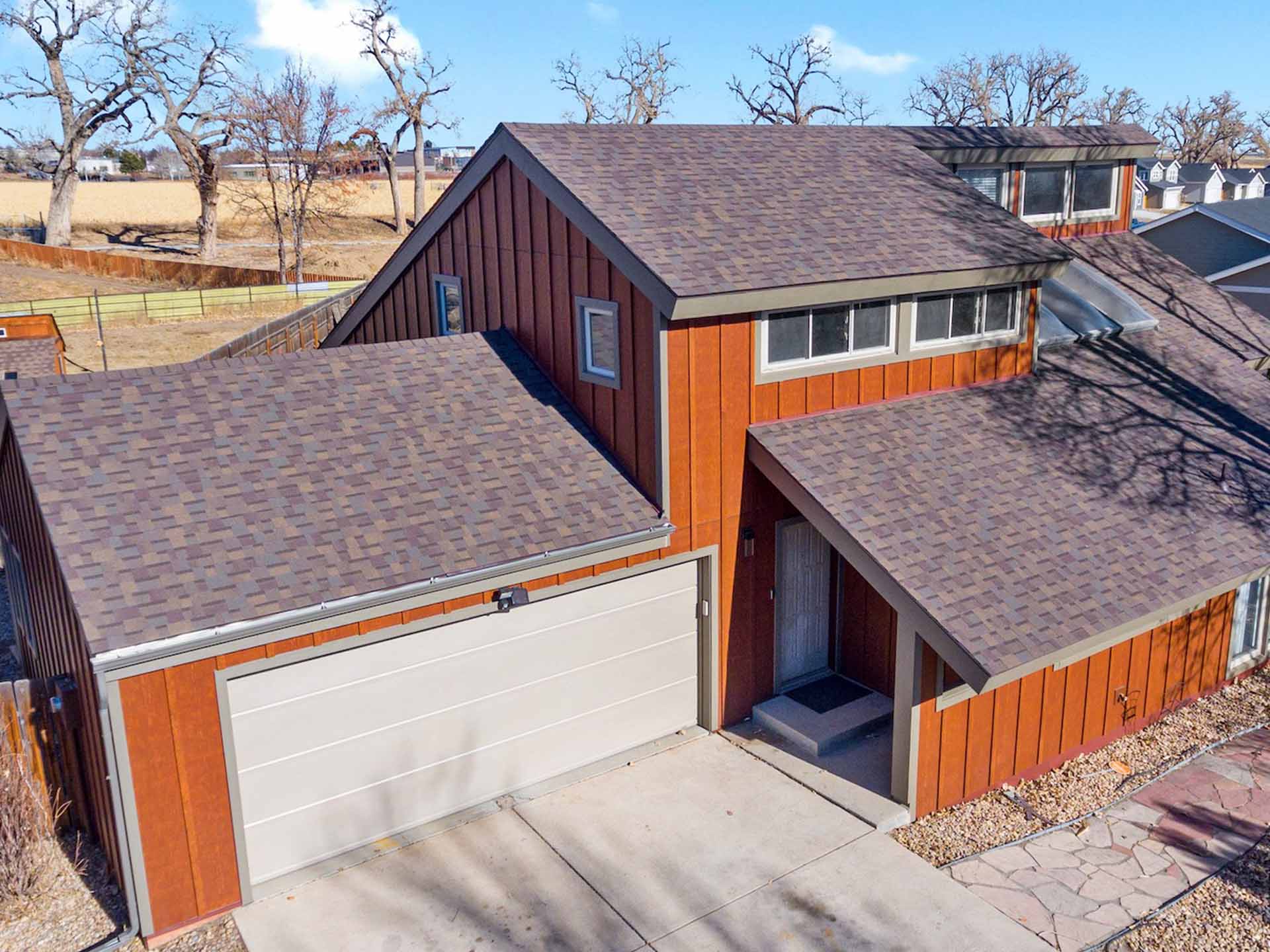
Owens Corning TruDefinition Duration FLEX — Class 4
Built with SBS polymer-modified asphalt, engineered to flex and absorb impact rather than crack, achieving the highest hail resistance rating available — UL 2218 Class 4. Our usual recommendation for homes that have already lost a roof to a storm.
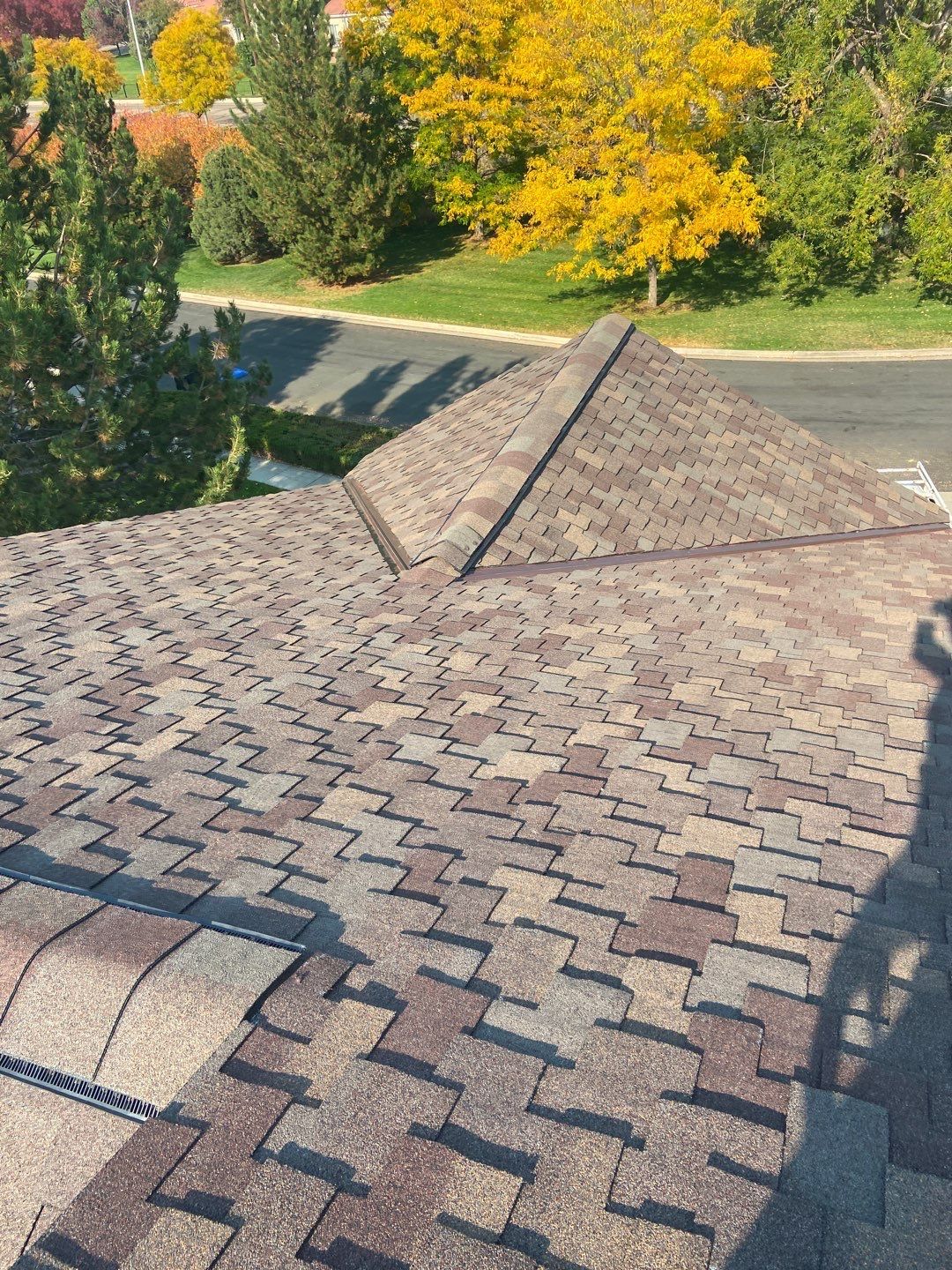
CertainTeed Presidential — luxury
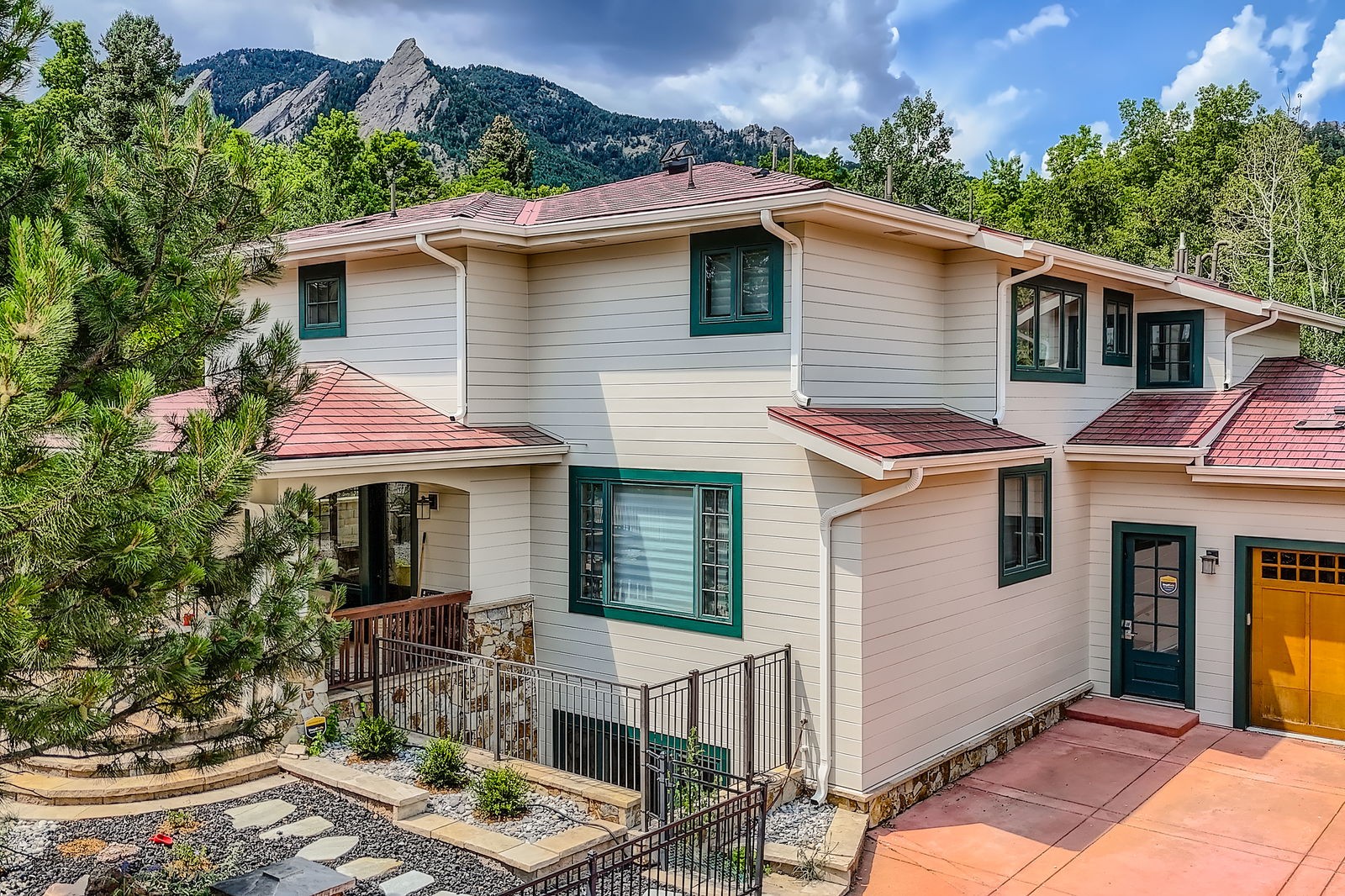
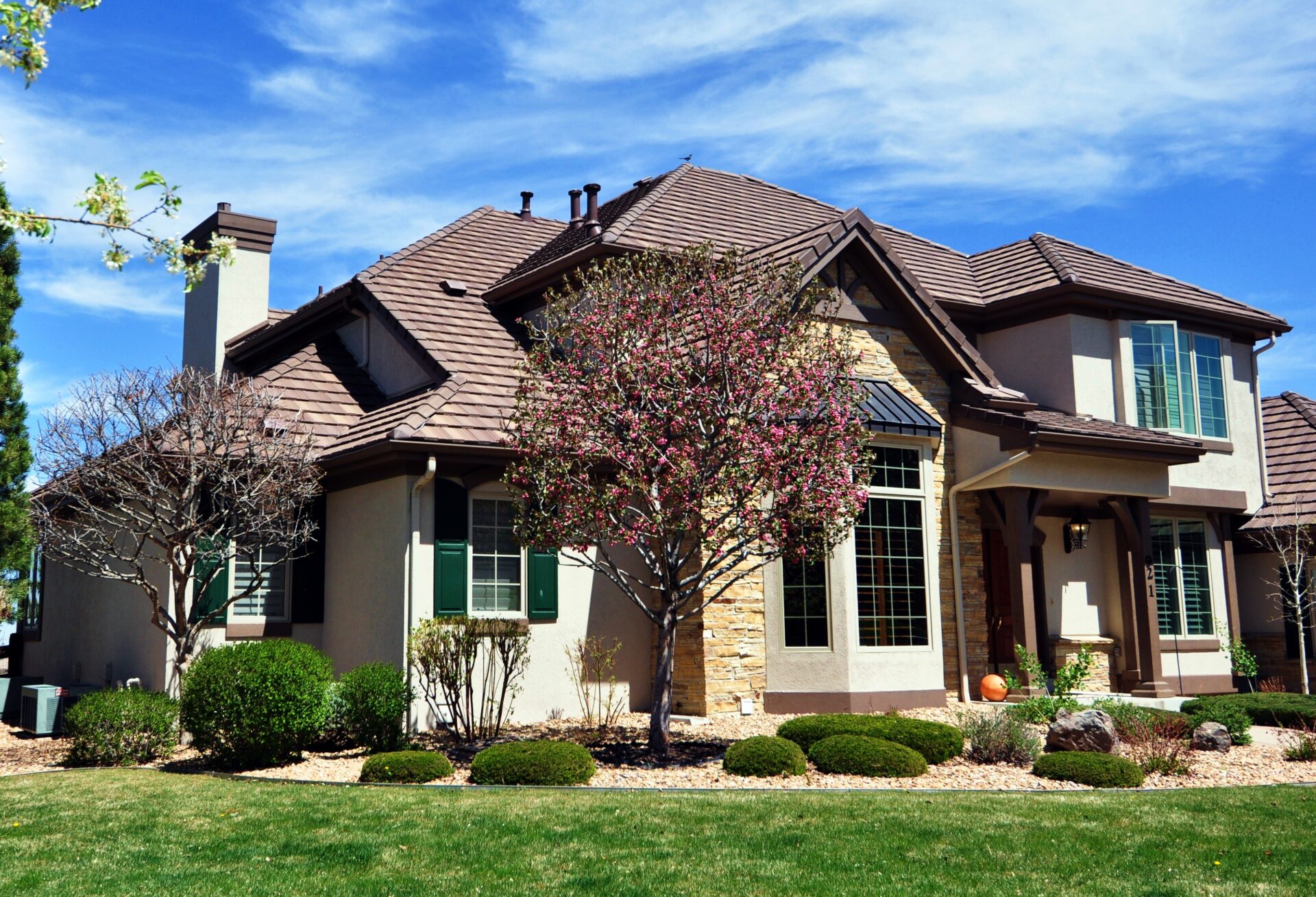
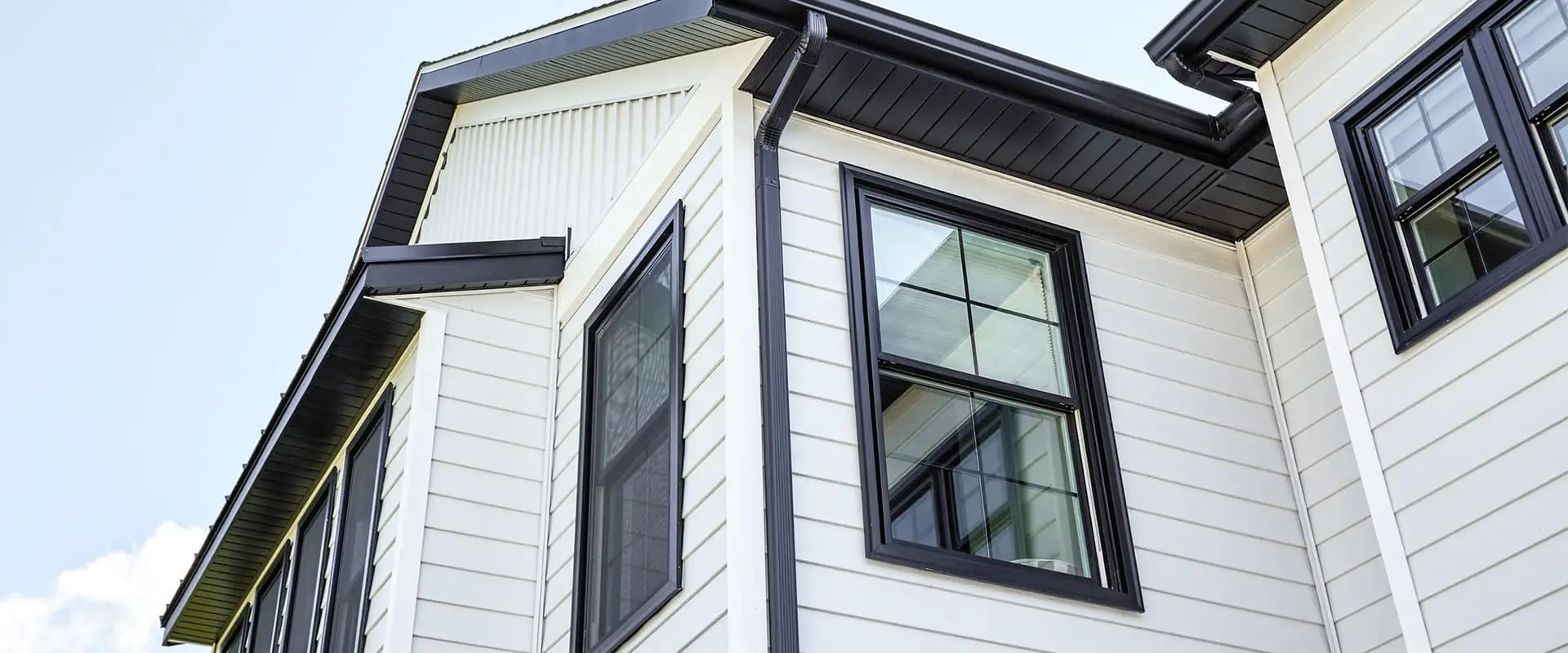
A thick, high-profile designer shingle with a shake-like shadow line, 40–50+ years of expected service life at $600–$675 per square. Chosen for appearance and longevity on premium homes — note it is not the hail answer.
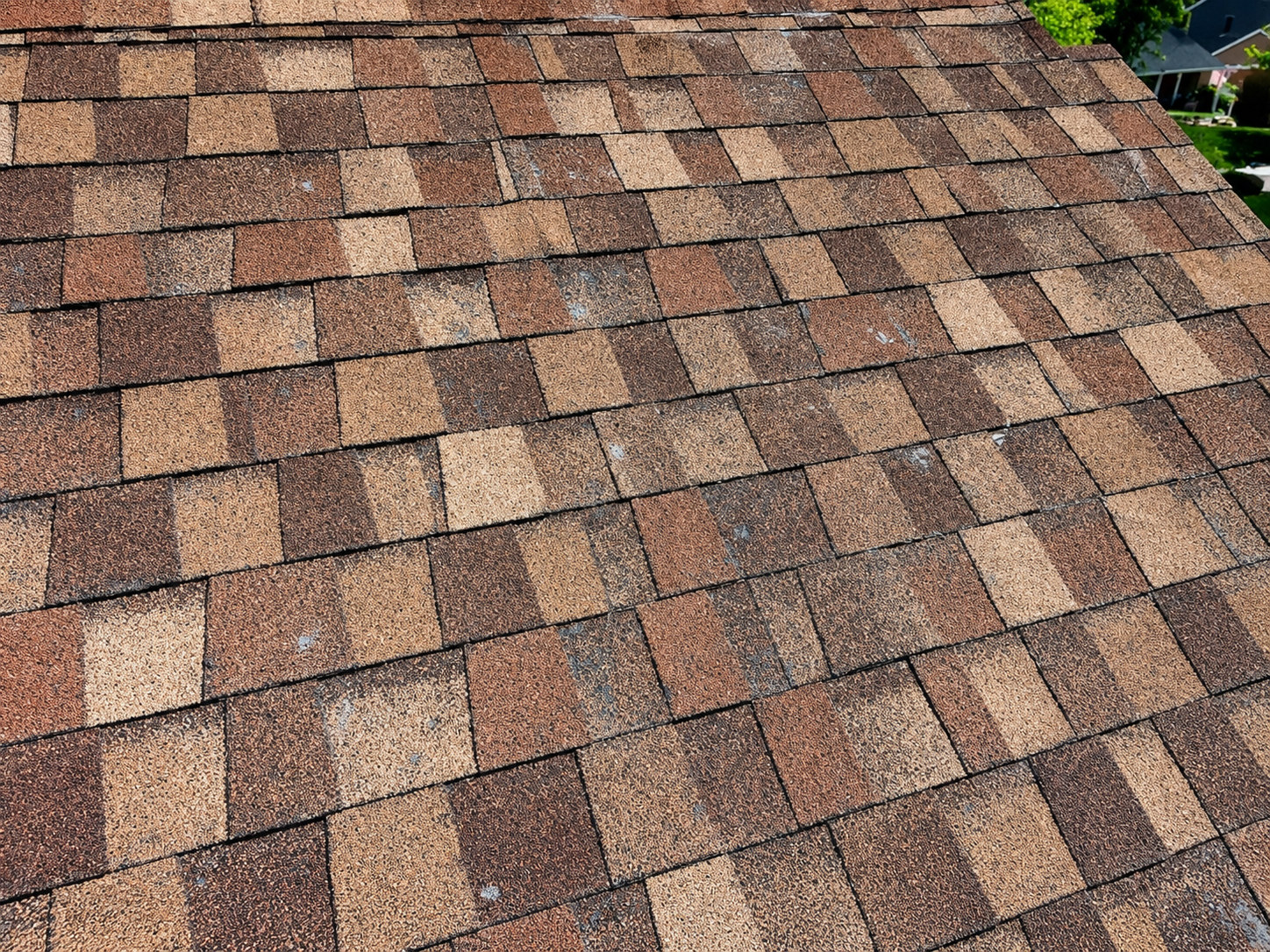
Class 3 architectural — why it is not our default
Class 3 architectural shingles are the industry-standard quote and they are not bad shingles. They are simply rated for smaller hail than the Front Range reliably produces, and the saving is about $25 to $35 per square — on a typical 30-square roof, roughly $750 to $1,050 against a roof that has to survive the next storm. We would rather have the conversation about impact class than write the cheaper number.
How to Choose, in Four Questions
Has this roof been replaced after a storm before? — if yes, the home sits somewhere hail finds. Go Class 4.
What does your carrier offer? — a premium credit often recovers the difference between Class 3 and Class 4 over a few years. Call your agent before you decide.
How long do you plan to stay? — under ten years, appearance and price weigh more heavily. Longer, and service life and impact class dominate.
Is the roof steep, complex or highly visible? — complexity raises installed cost on every tier, and a highly visible roof is where a designer shingle actually pays back.
The shingle is one line on the estimate. Decking condition, underlayment, ventilation and flashing decide almost as much about how long the roof lasts — we cover those across our Denver roofing pages and in the Colorado roofing questions.
A Good Shingle on a Badly Vented Roof Is a Short Roof
Every shingle on this page is rated on the assumption that the attic underneath it breathes. When it does not, heat builds under the deck in summer and moisture condenses under it in winter, and the asphalt ages from below at a rate no impact class protects against. We install Lomanco ventilation and size intake and exhaust to the attic rather than matching whatever was there before. It is the cheapest line on the estimate that changes the lifespan of the most expensive one.
The same logic applies at the roof edge, where gutters, drip edge and fascia all meet the first course of shingles.
When Asphalt Is Not the Right Answer
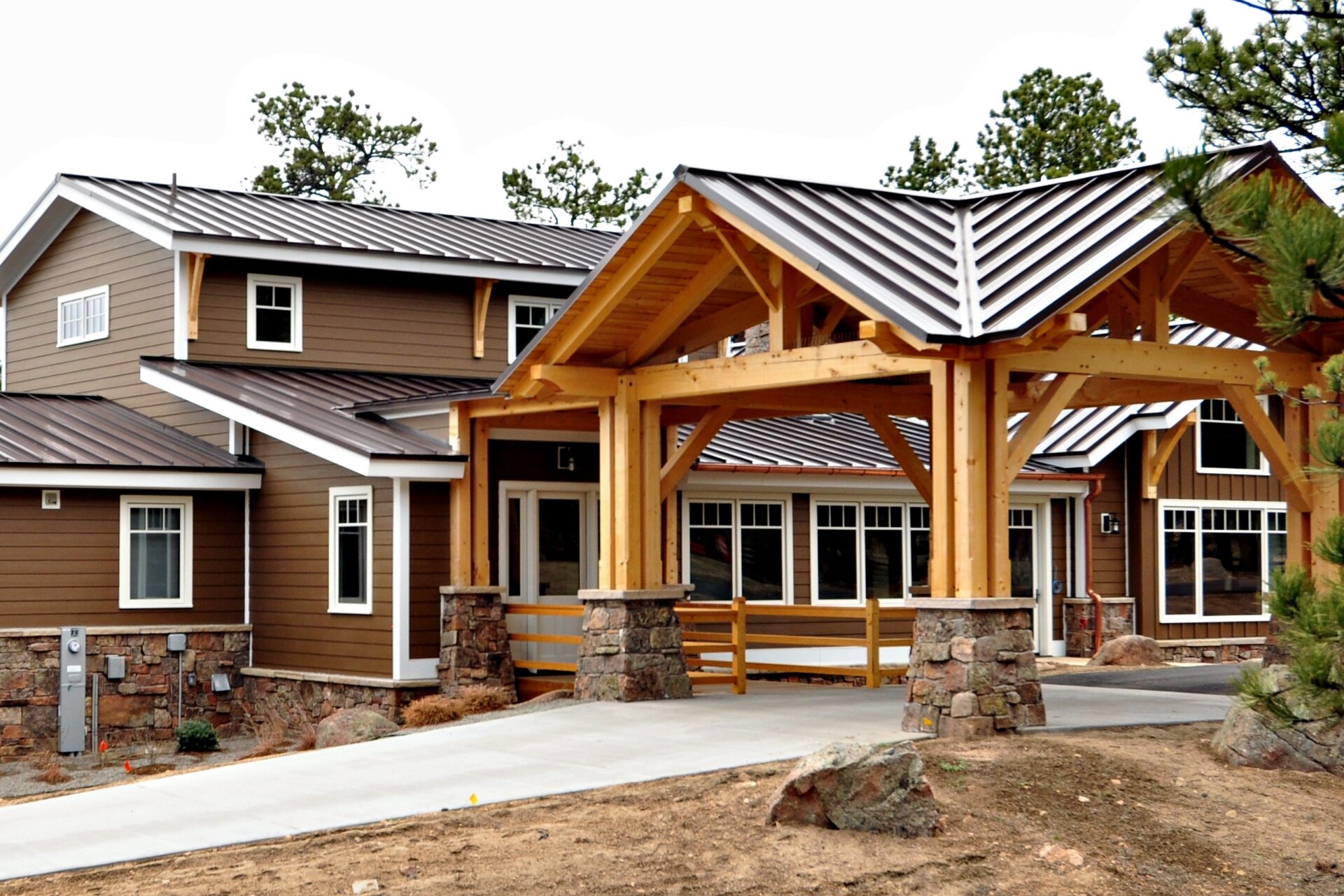
Asphalt suits the large majority of Colorado homes on cost, availability and repairability. It is not always the answer. Metal roofing sheds snow, carries its own Class 4 options and lasts substantially longer, at a materially higher installed cost. In the foothills and other wildfire-prone areas, the assembly’s fire rating comes into the decision alongside impact class. We will tell you when a different system is the better buy.
Where We Install
Across the Front Range and Northern Colorado — the Denver metro, Boulder County, Longmont, Loveland, Fort Collins, Greeley and the communities between.
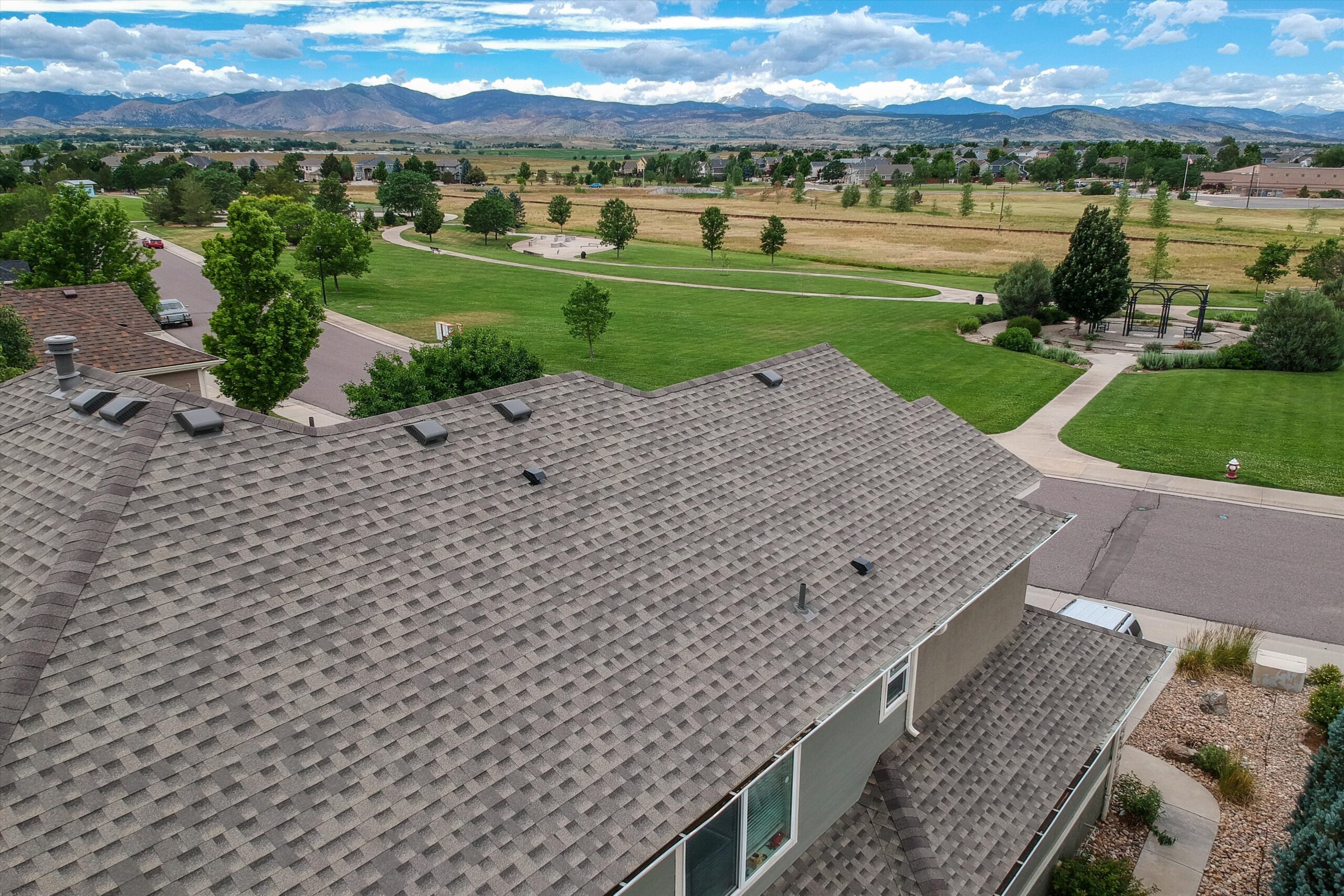
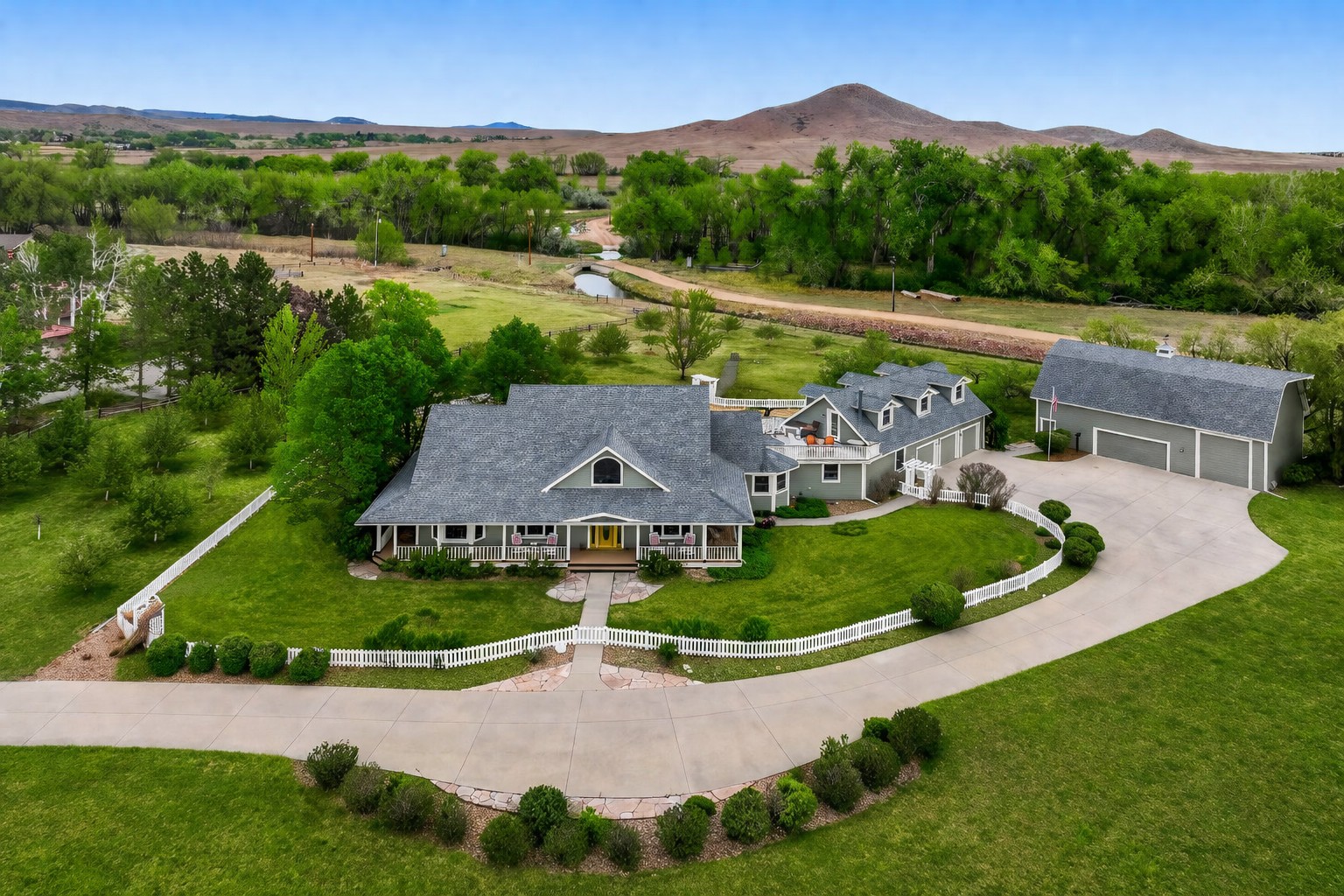
See recent projects or browse every service area.
Asphalt Shingle FAQs
What are the best asphalt shingles for a Colorado home?
A Class 4 impact-resistant shingle. We install GAF ArmorShield II and Owens Corning TruDefinition Duration FLEX in that category, and they are what we quote on Front Range roofs rather than the Class 3 architectural shingle most contractors default to. They cost roughly $25 to $35 more per square and they are the only asphalt shingles built to take the hail this region actually gets. A national "best shingles" list will rank on looks and warranty length; here the ranking that matters is impact class.
What is a Class 4 shingle?
Class 4 is the top impact rating in UL 2218, the standard test for impact resistance. A steel ball is dropped twice on the same spot on the shingle and it has to show no cracking or splitting. Class 1 through Class 4 describe how much impact energy the shingle survived, and Class 4 is the highest. It is a material rating, not an installation rating.
Class 3 versus Class 4 — how much difference is there?
Class 3 shingles pass the same test with a smaller ball, so they resist smaller hail. They are the industry-default quote and they are not bad shingles. We still do not lead with them on Front Range roofs: the gap in price is roughly $25 to $35 per square, and the gap in what the shingle survives is the difference between a roof that ages out and a roof that gets claimed.
Are impact-resistant shingles worth the extra cost?
The price gap is $25 to $35 per square, so on a typical 30-square roof it is roughly $750 to $1,050 on a project measured in the tens of thousands. Many Colorado insurers offer a premium credit for a Class 4 roof, and it changes whether a marginal hailstorm becomes a claim and a deductible at all. That math is why it is what we install rather than an upsell we offer.
Which shingle brands does Northern Lights install?
GAF, Owens Corning and CertainTeed. We are a GAF Master Elite contractor. We are not tied to a single manufacturer, which is why this page compares them rather than selling one of them.
How long do asphalt shingles actually last in Colorado?
Expect 25 to 30 years from an architectural shingle, 30 to 40 from an impact-resistant one and 40 to 50-plus from a luxury designer shingle. Those are service-life expectations, not warranty terms. Altitude shortens them: stronger UV, wider daily temperature swings and freeze-thaw all age asphalt faster here than the same shingle would age at sea level.
Does a Class 4 roof lower my insurance?
Many Colorado carriers offer a discount for an impact-resistant roof, but the amount and the documentation they want vary by carrier. Ask your agent what they need before the roof goes on — it is usually a certificate naming the product and the impact class, which we can provide.
Is a Class 4 roof ever required?
In some places, yes. A number of Colorado jurisdictions have adopted impact-resistant roofing requirements and others have considered them. Because these are adopted locally and revised from time to time, we confirm the current requirement for your specific address before we scope the roof — it is not something to take from a neighboring town, or from what the rule was last year.
What Does Class 4 Cost on Your Actual Roof?
We will measure your roof and show you the real number for an impact-resistant system — and which of the Class 4 products fits the house — instead of a per-square estimate off a website.