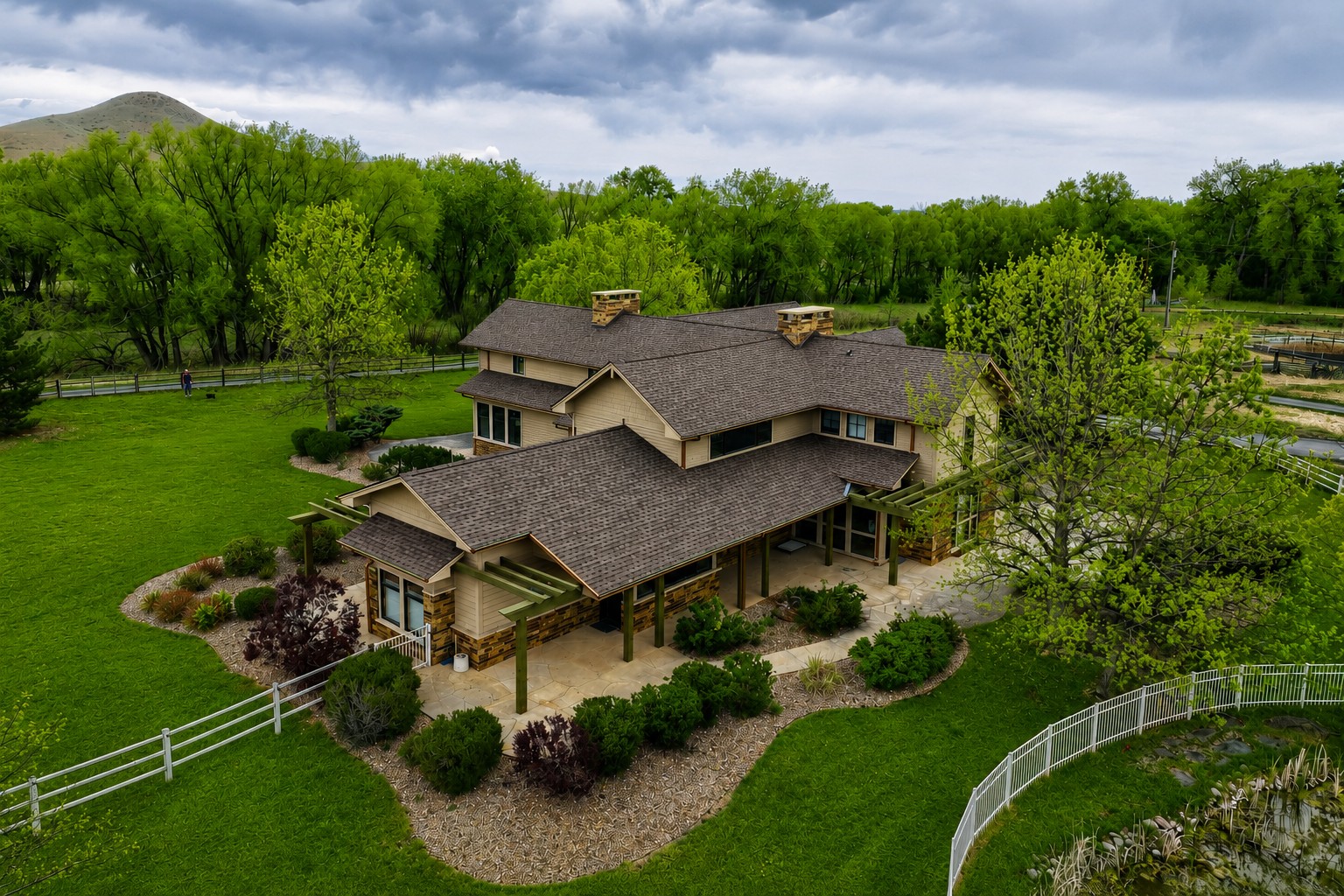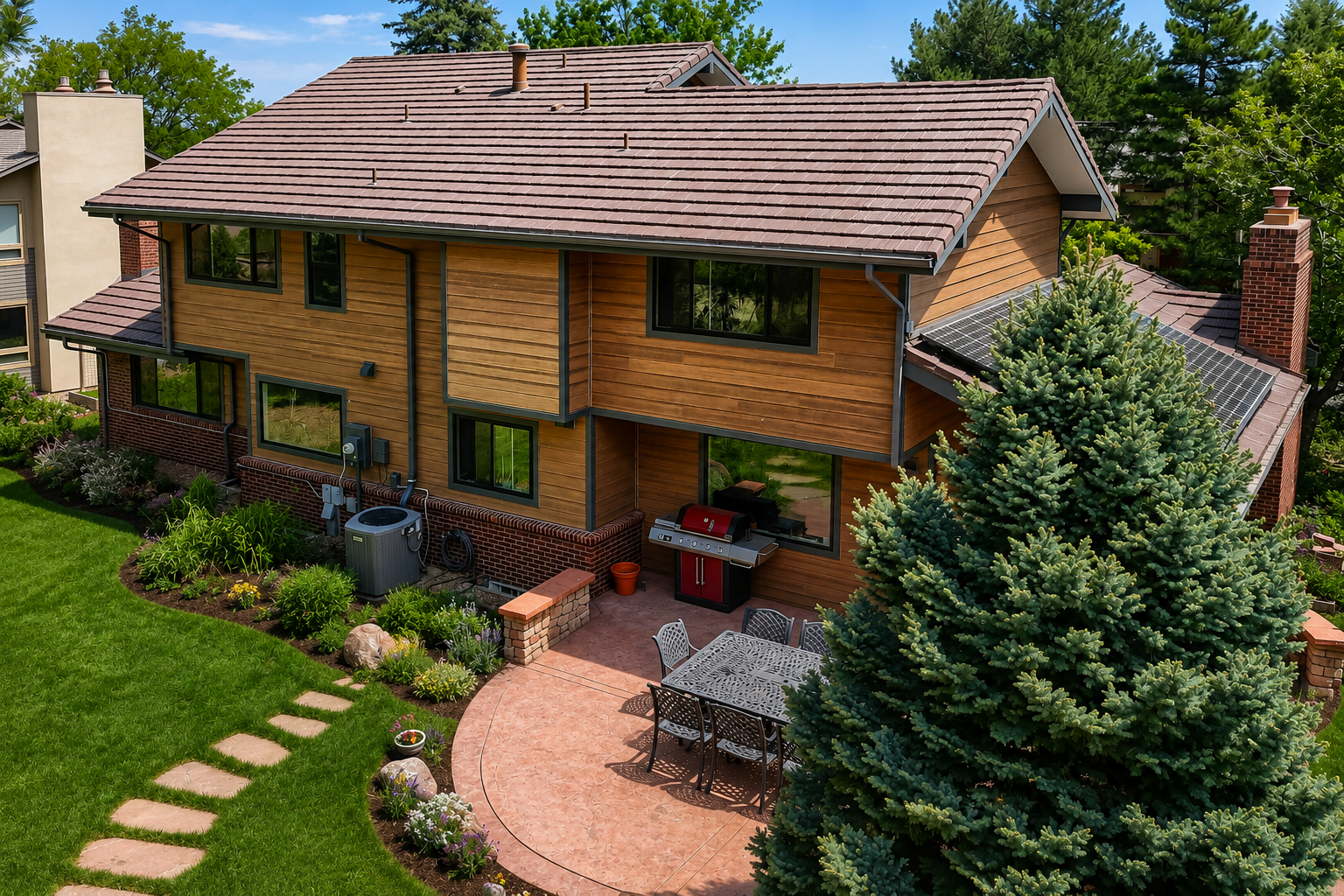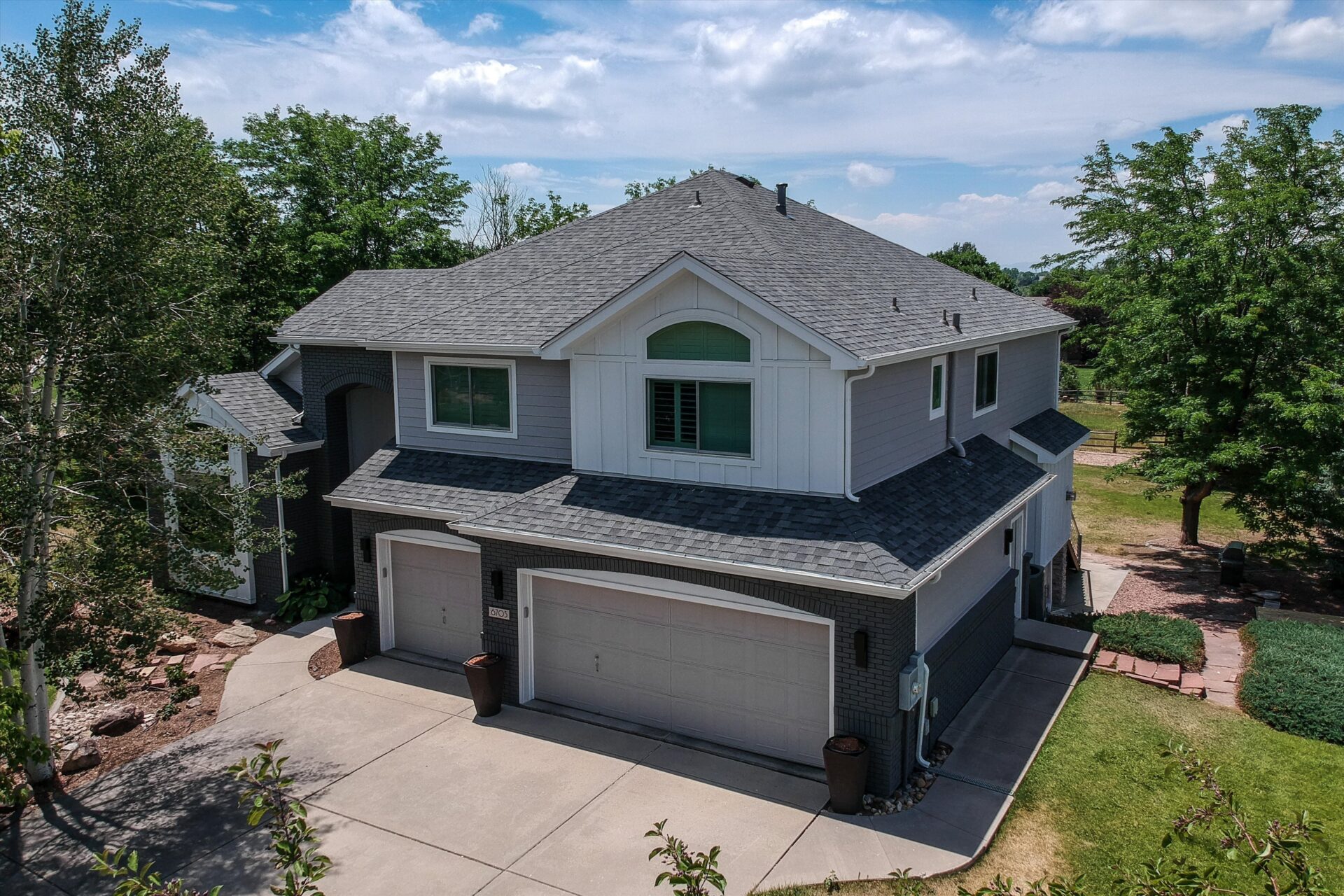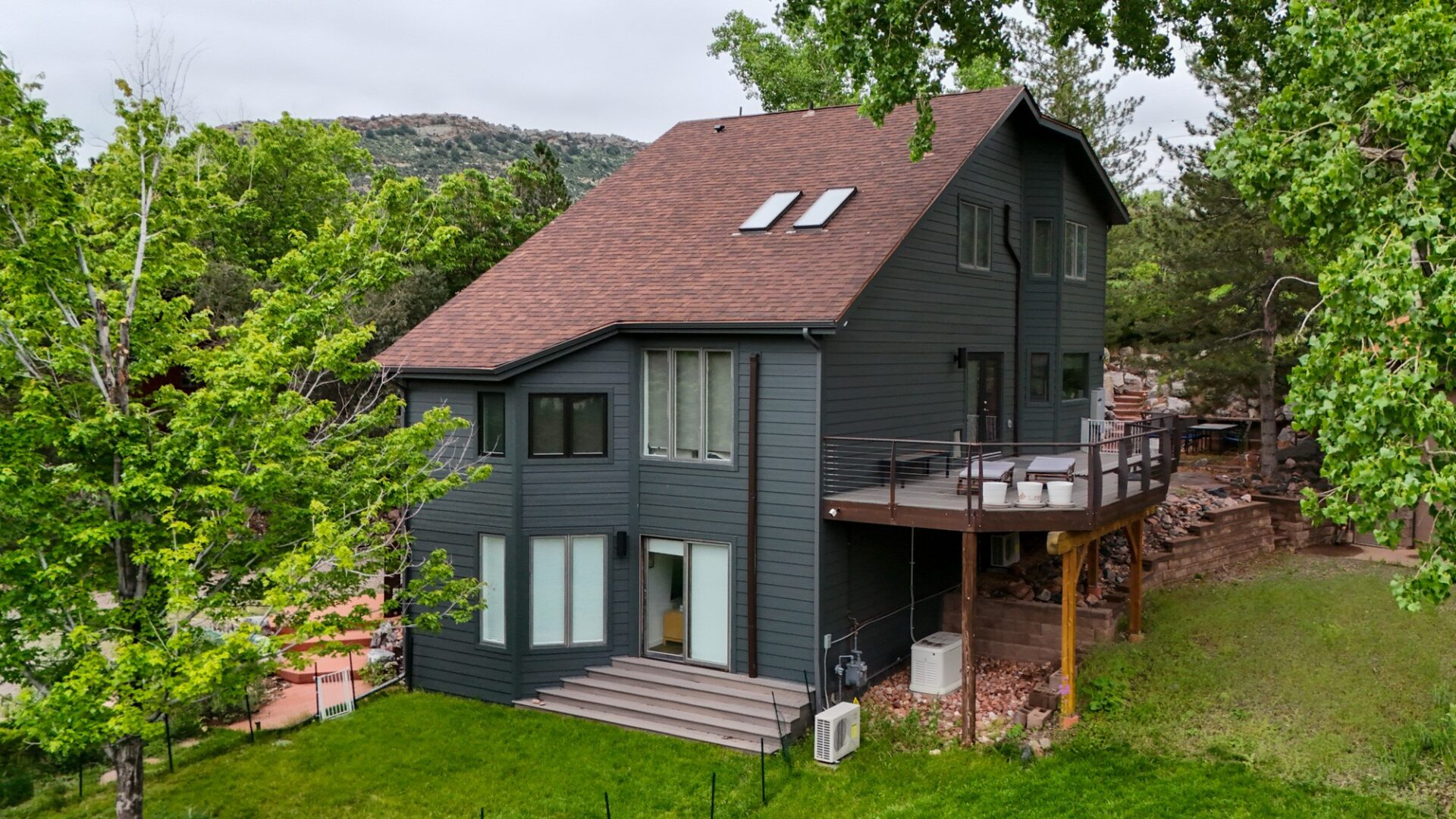
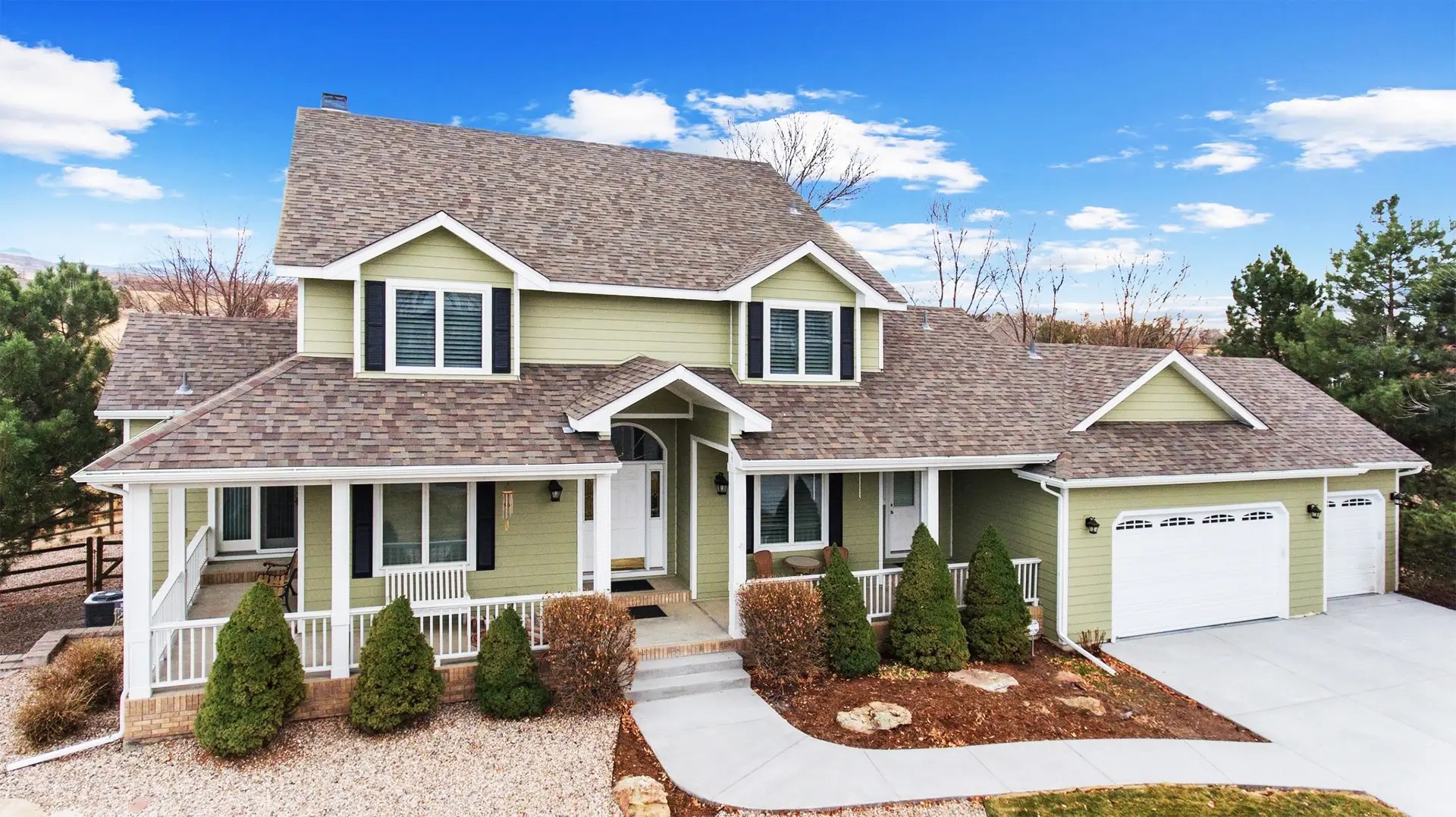
Roof Replacement & Repair
Roofing Contractors Near You — Roof Replacement Across the Front Range & Colorado
Searching for roofing contractors near you turns up a page of names that look identical — and after a hail event, half of them weren’t here last year. We’ve been replacing Colorado roofs since 2001: GAF Master Elite®, Class 4 impact-resistant shingles as our standard recommendation, Xactimate-format claim documentation, and a 4.9 rating from 552 reviews. Local before the storm, and still here long after.
Quick Answer
How do you choose a roofing contractor near you? Check four things: a real local history (years of completed roofs in your area, not a phone number rented after the storm), licensing and insurance in the municipalities they work, how they handle insurance claims (documented, line-item scopes — not “we’ll get it covered” promises), and whether their standard recommendation is Class 4 impact-resistant shingles, because on the Front Range anything less is a plan to do this again after the next hail event. Northern Lights Exteriors checks all four: building in Colorado since 2001, GAF Master Elite® certified, claims documented in Xactimate — the format your insurer’s own adjusters use — and a dedicated project manager on every roof, with the whole job visible in your client portal.
What “Near Me” Is Actually Worth on a Roof
On a roof, local isn’t a feel-good word — it’s technical. Code requirements genuinely differ between Front Range municipalities: ice-and-water shield is required at eaves in some towns and not in others, re-decking rules and fastening schedules vary, and permit fees in many cities scale with job value. A roofing contractor who works these towns every week prices that correctly the first time — and documents it correctly when your insurer is paying. Local also means accountable: when the company that roofed your house is the same one your neighbors use, warranty service isn’t a long-distance phone call.
It cuts the other way too. After every major hail event, out-of-state operations follow the storm in. Colorado law gives you specific protections there — a roofer can’t pay or waive your deductible, and you can cancel a roofing contract within 72 hours if your claim is denied — and the simplest filter is still the one you searched for: someone genuinely near you, with a history here.
What We Install
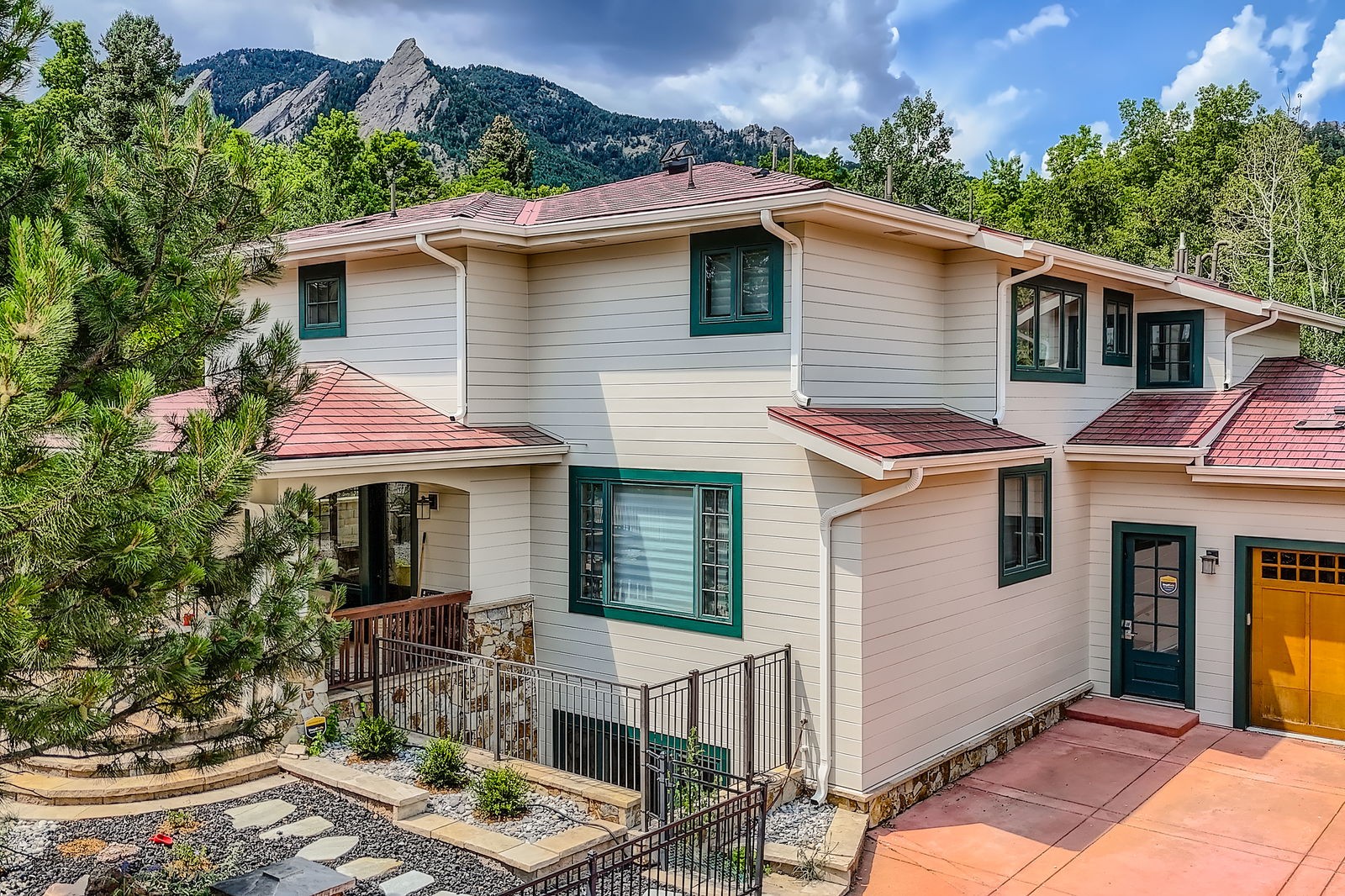
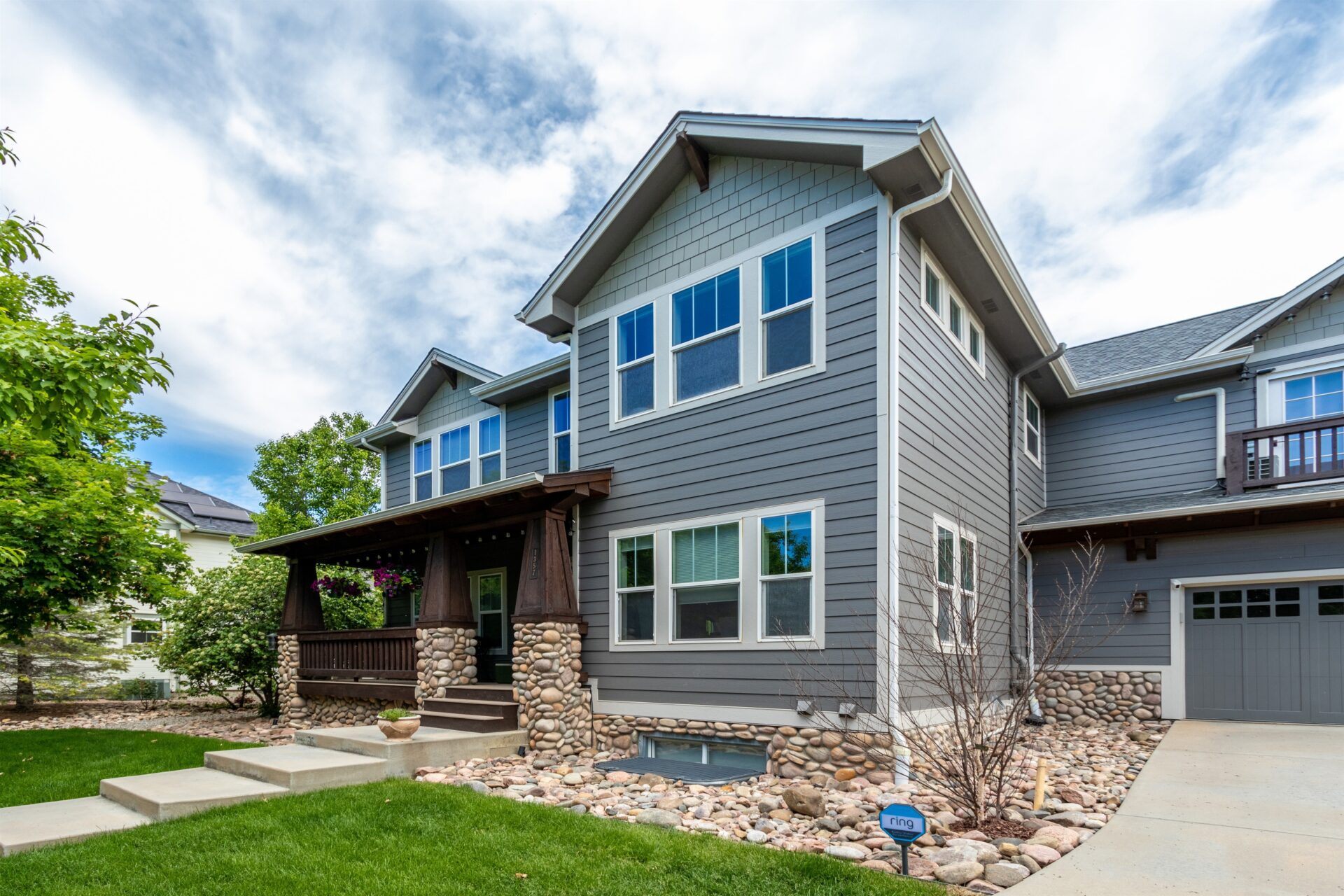
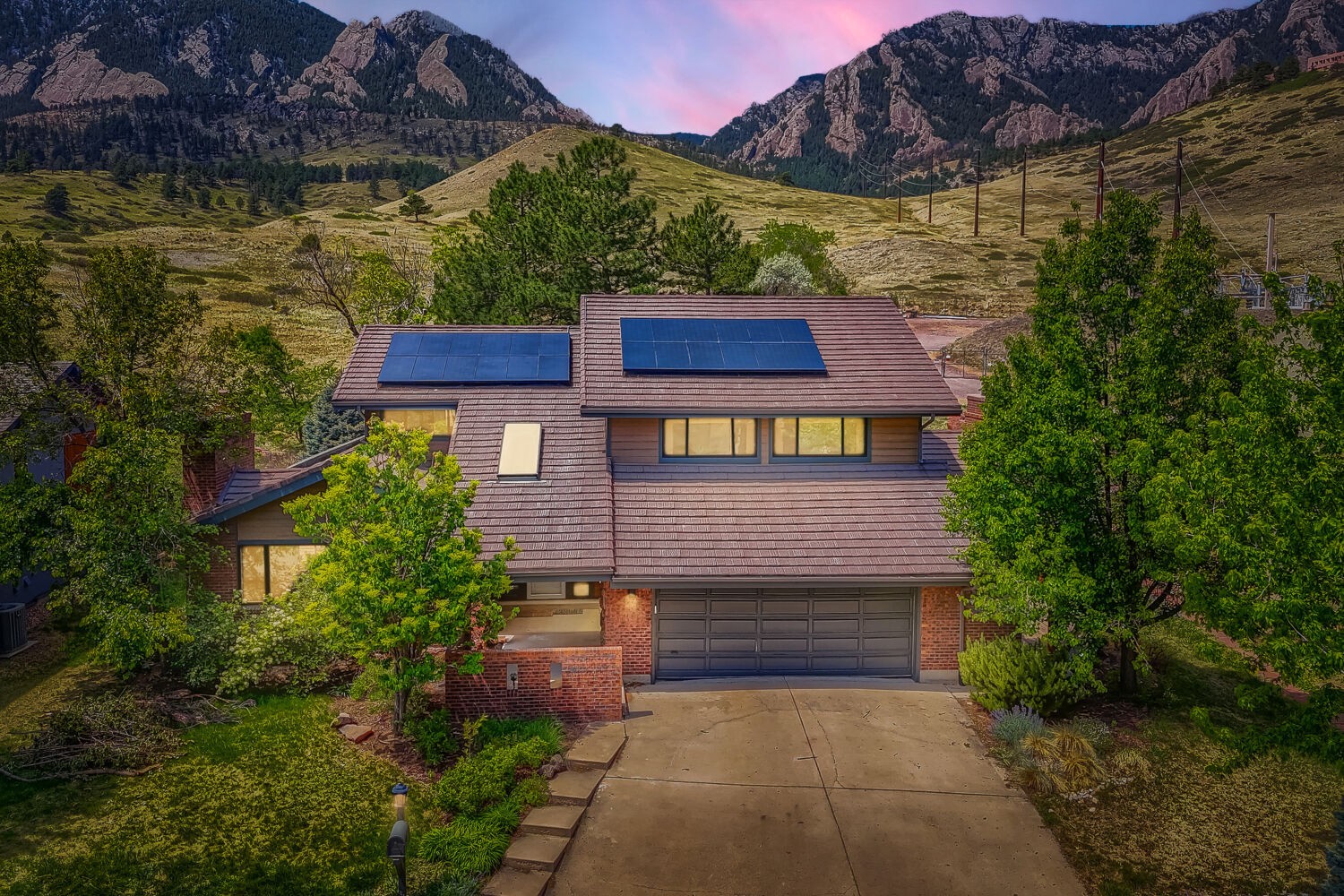
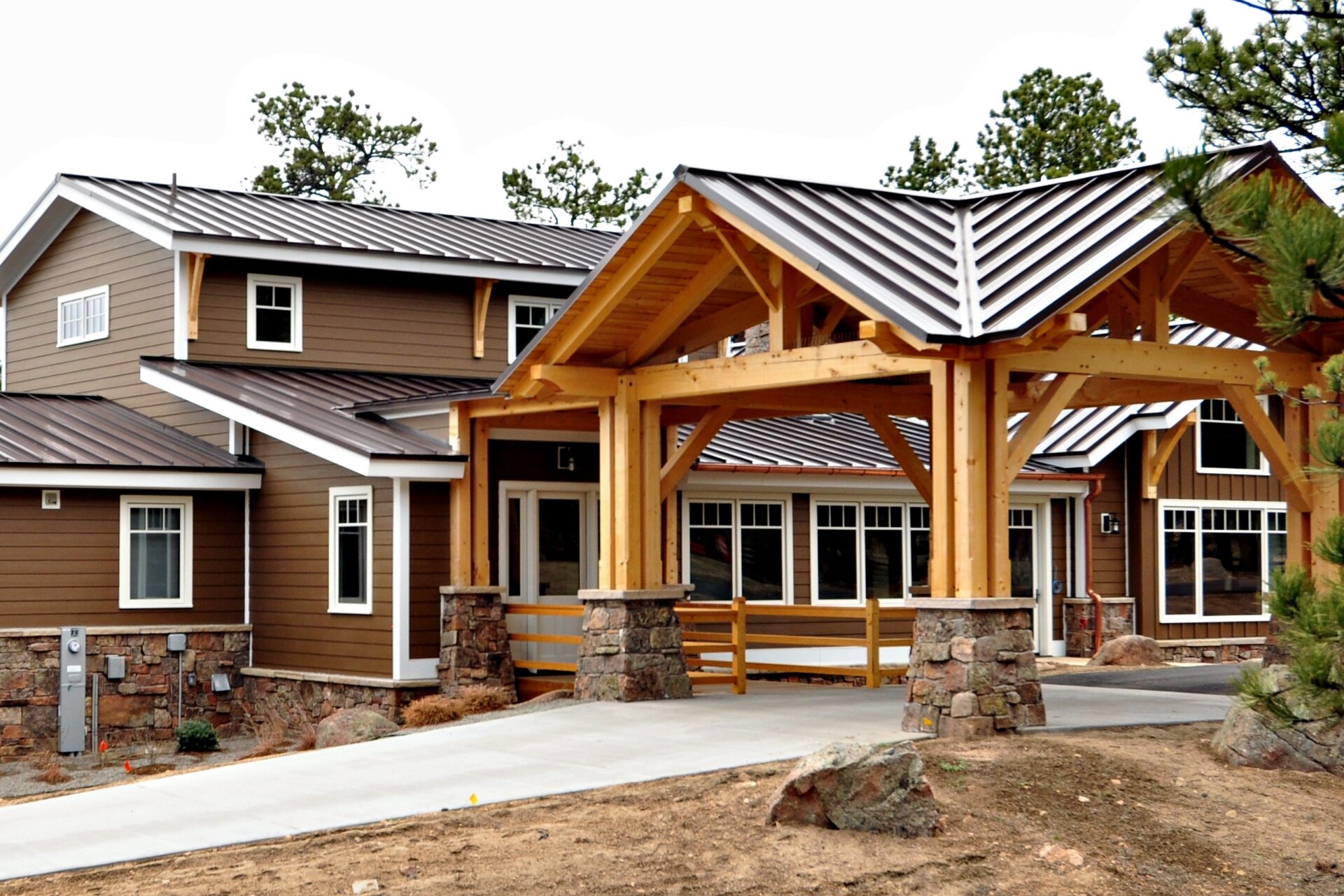
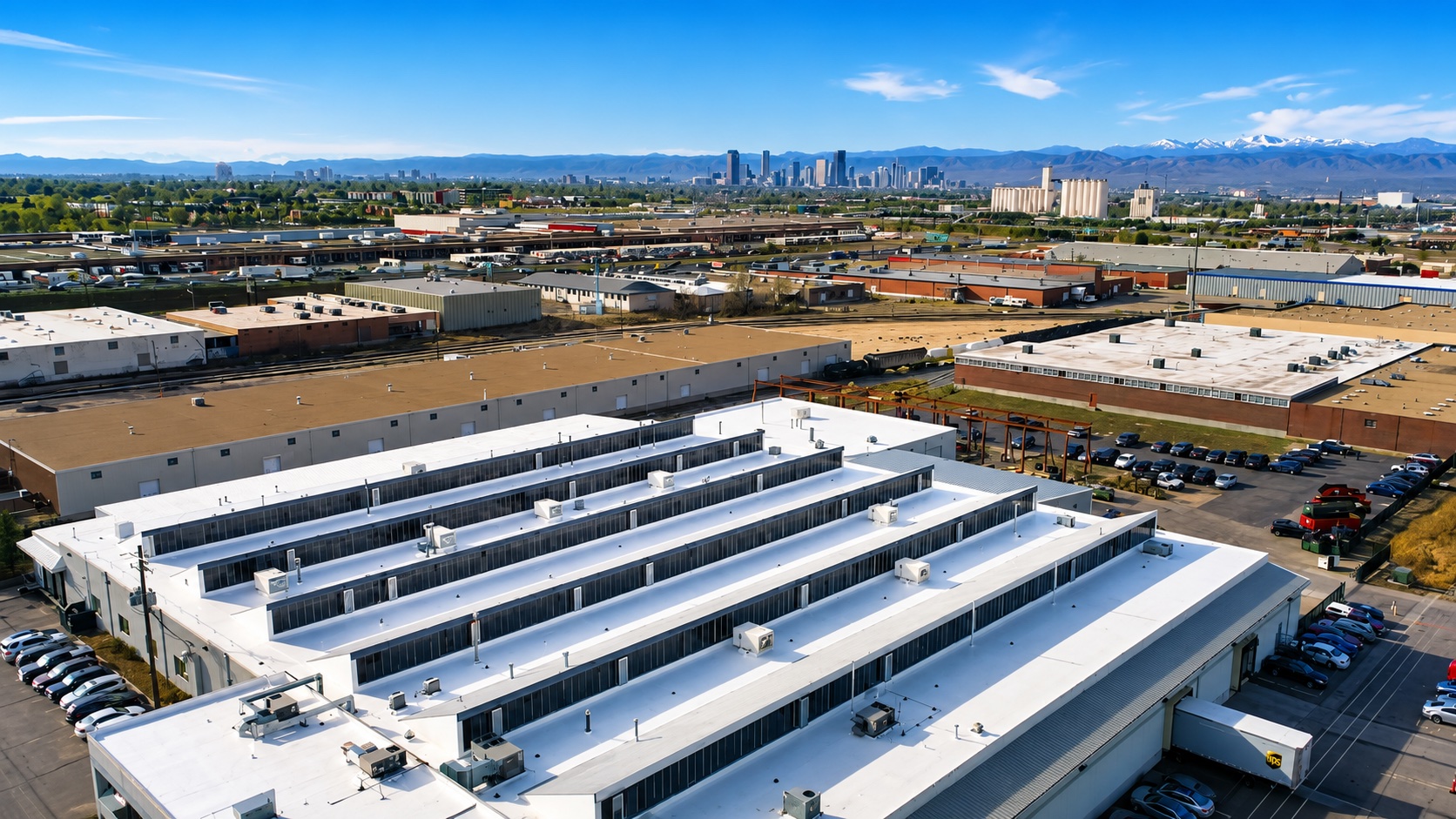
Class 4 impact-resistant asphalt is our standard recommendation, not an upsell — UL 2218 Class 4 shingles from the major manufacturers, built for the hail that defines roofing here, and many Colorado insurers offer premium discounts for them (ask your carrier; terms vary). Standing-seam and screw-down metal for homeowners who want the 50-year answer. Flat and low-slope systems for the sections most Front Range houses hide somewhere — plus roof coatings where they genuinely fit, which is metal and flat roofs only. And the parts of the system nobody photographs but every roof depends on: decking brought up to code, synthetic underlayment, ice-and-water shield where your municipality requires it, flashing that gets replaced rather than reused, and ventilation that meets the residential code your town has adopted.
Repair or Replace?
Not every roof needs replacing, and we’ll tell you which yours is. Localized damage — a wind-lifted section, failed flashing around a chimney, a leak traced to one penetration — is often a roof repair, typically in the $500–$1,000 range. Widespread hail bruising, shingles past their service life, or repair quotes stacking up year after year point to replacement — and if a storm caused it, that’s usually an insurance conversation, not a cash one. The inspection is free either way, and you get the honest read, not the expensive one.
Hail Claims: Where the Right Contractor Earns It
Most Front Range roof replacements run through insurance, and this is where contractors separate. Our scopes go to your insurer in Xactimate — the same line-item format their adjusters write in — with photos keyed to line items, code requirements verified against your actual municipality, and tear-off discoveries documented the day they’re found. To be clear about roles: Colorado law doesn’t allow a roofing contractor to negotiate your claim, and we don’t — we make the scope in front of your adjuster complete and verifiable, and your insurer decides. If you’re staring at a loss statement right now, start with our guides to what your first check actually means and how supplements work.
What Actually Moves the Price
Square footage is the starting point, not the answer. Pitch and height (steep or two-story roofs carry real labor premiums), the condition of the decking underneath, how many layers come off, material tier, and the code items your town requires all move the number — which is why a roofing quote priced without anyone on your roof is a guess. Our Colorado roof replacement cost guide shows the real ranges and what drives them, with no form required to see the numbers.
How Soon Can Someone Actually Come Out?
Inspections are usually scheduled within days, not weeks — faster after a storm event when we add inspection capacity. Every project gets a dedicated project manager who oversees the crew, the schedule, and the inspections, and your client portal shows all of it — scope, photos, documents, and schedule — so you’re never calling around to find out where your roof stands. Replacement itself is typically one to two days on most homes once materials and permits are in hand.
Where We Work
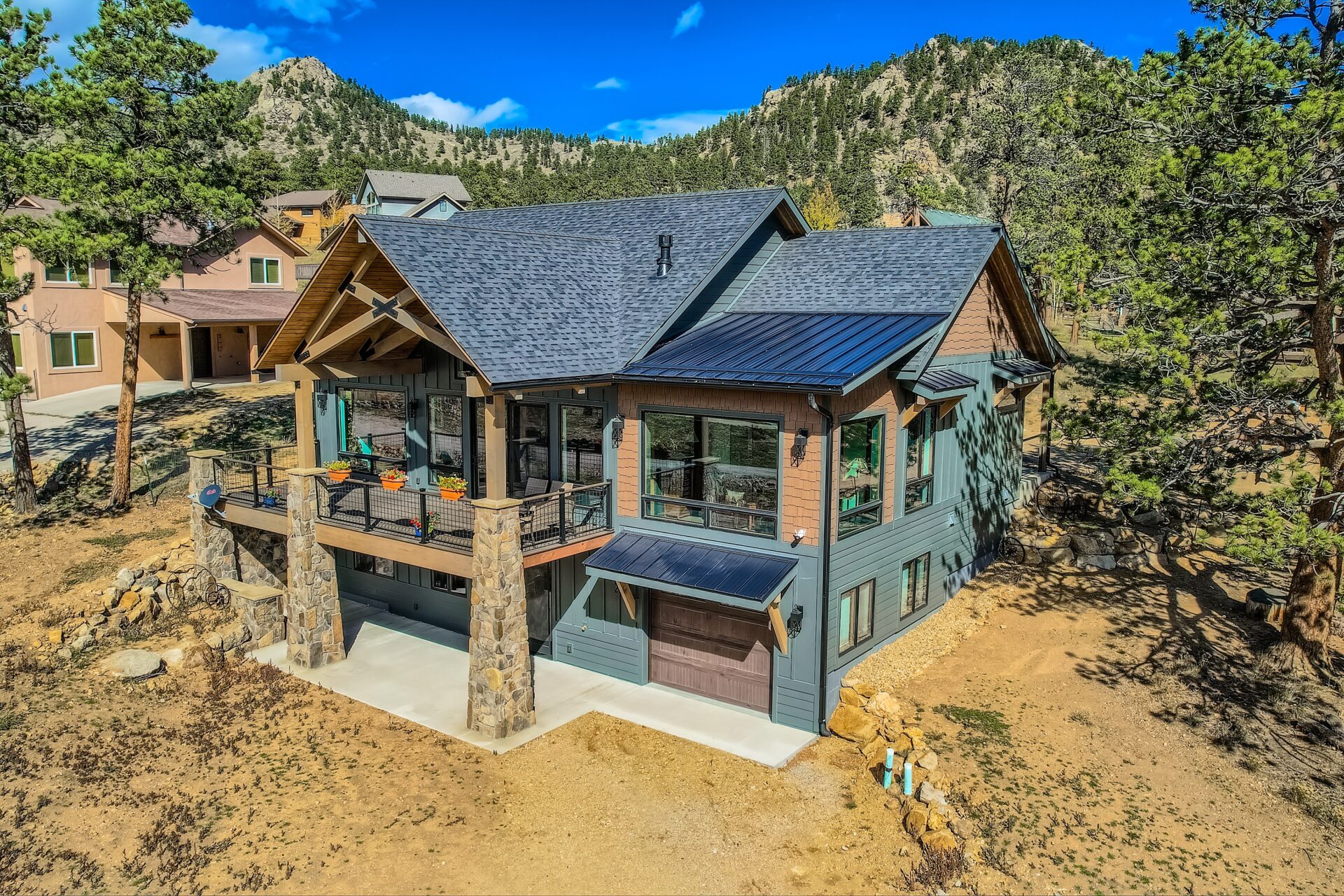
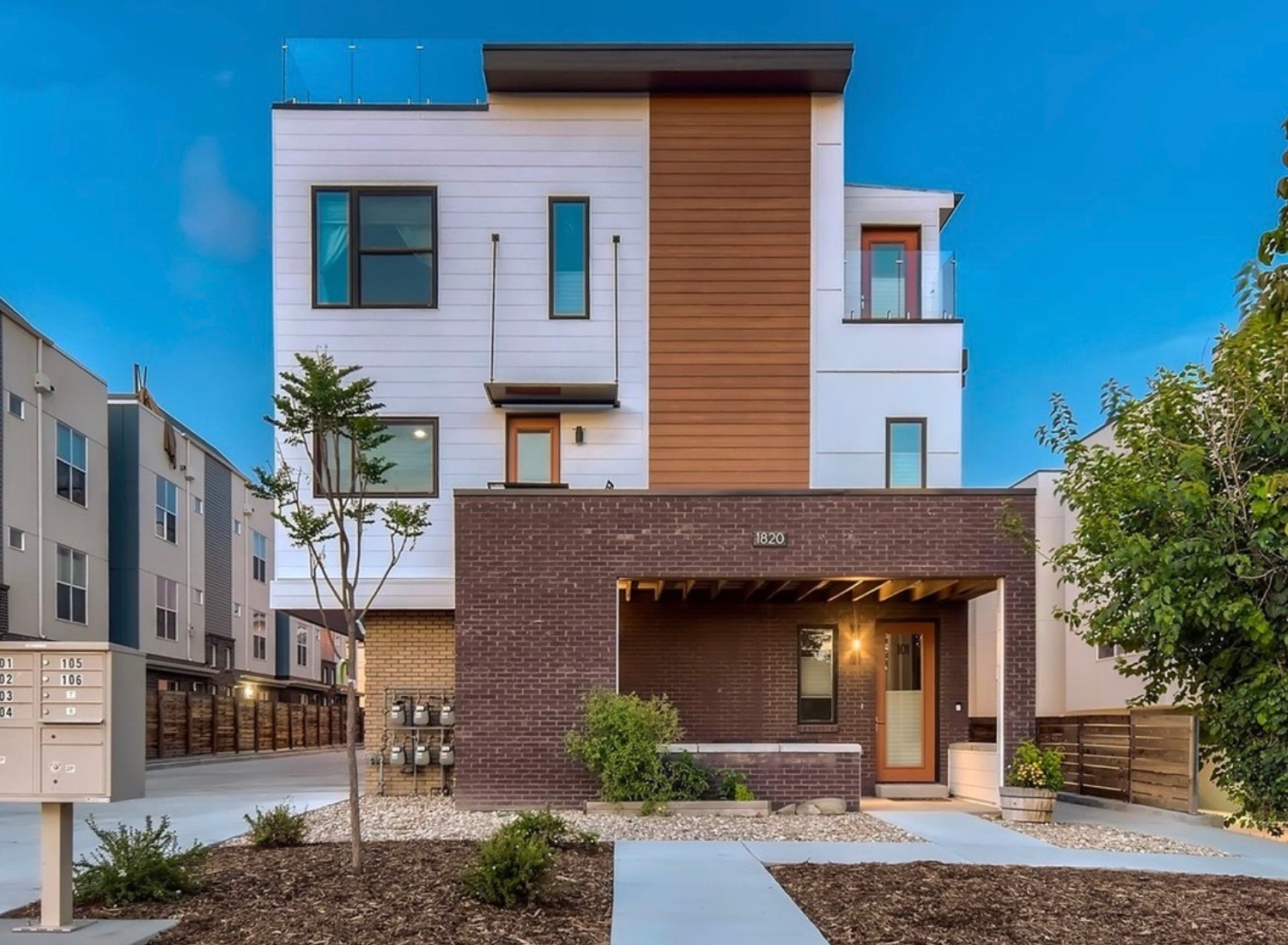
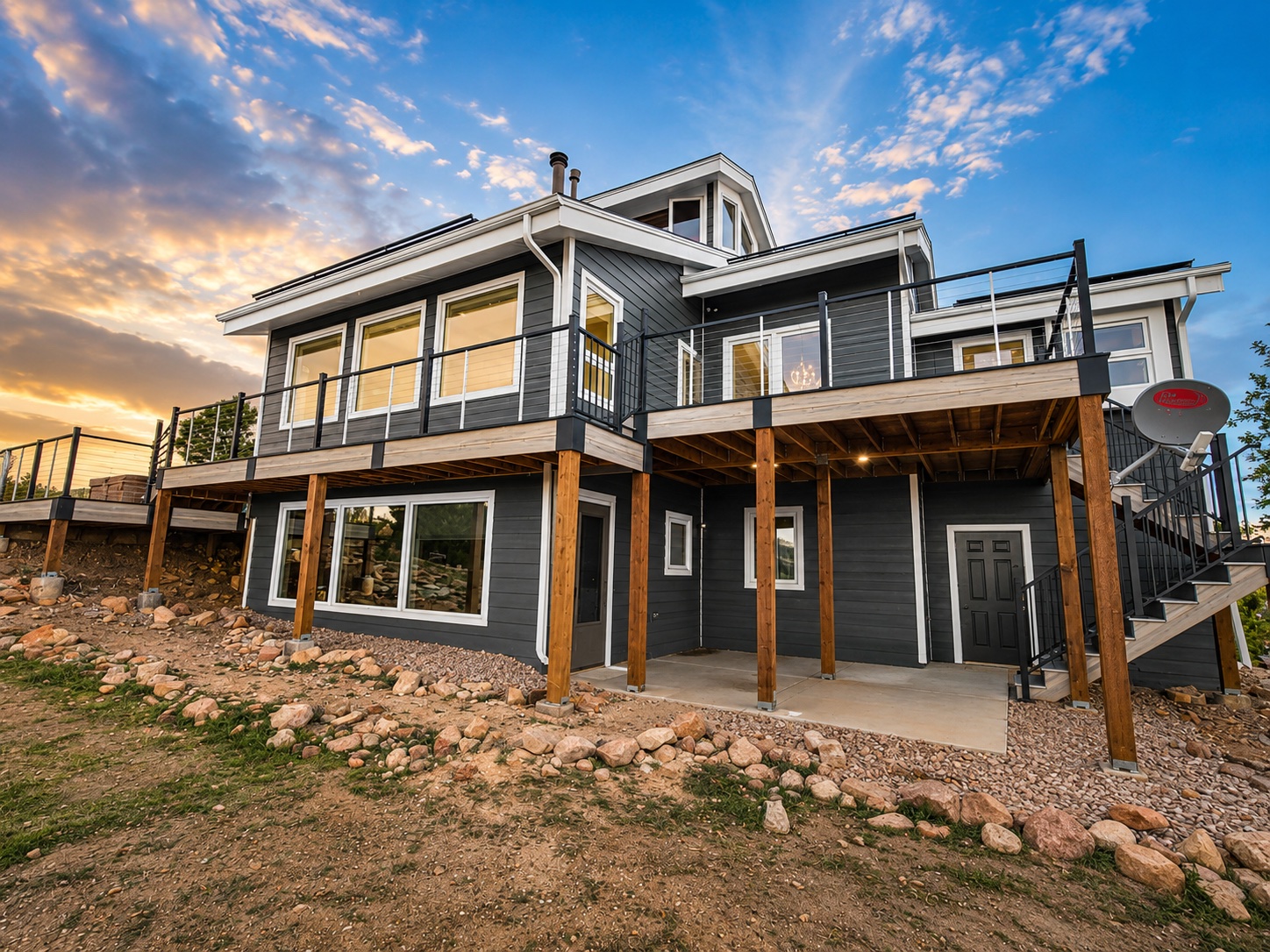
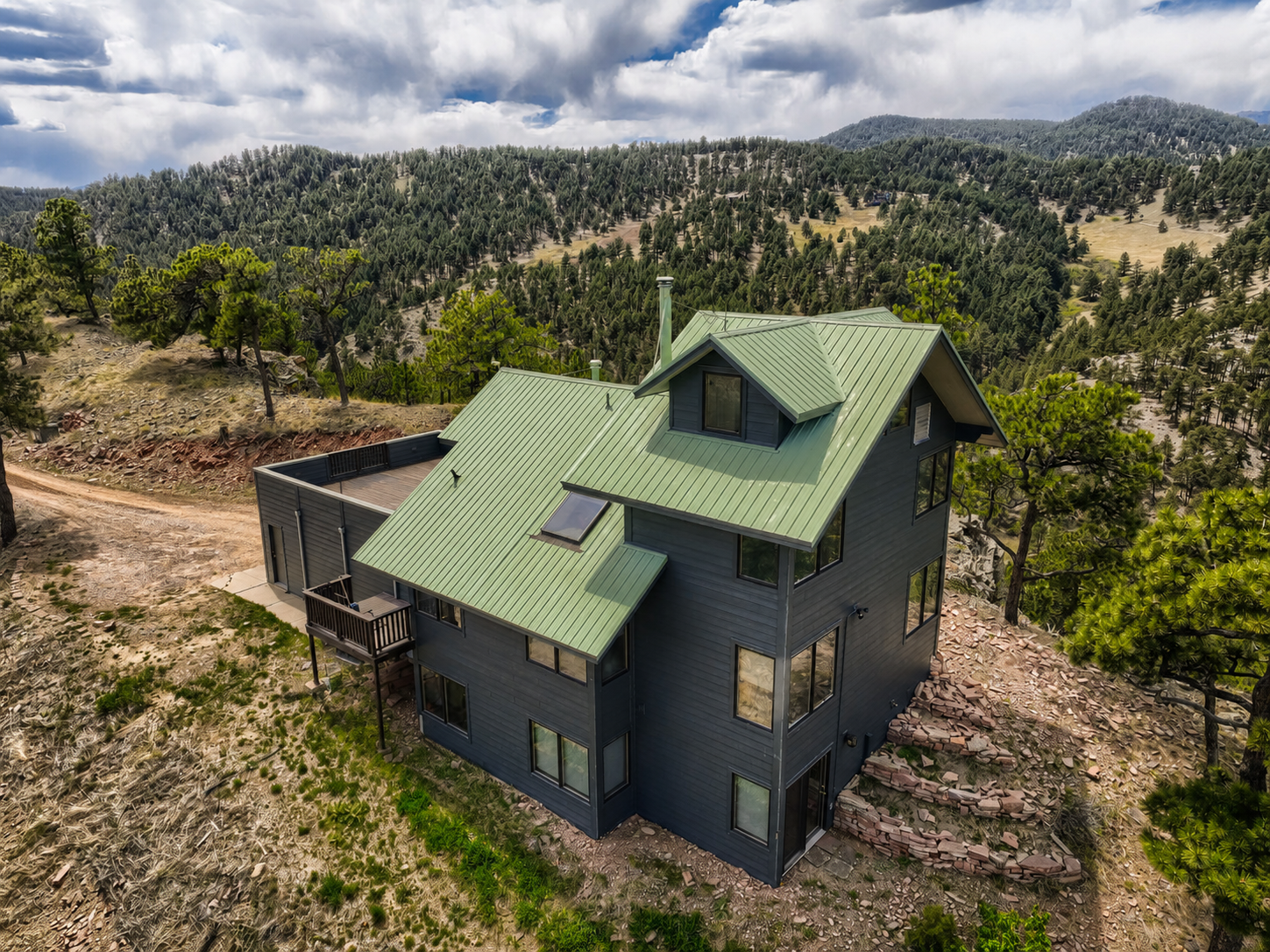
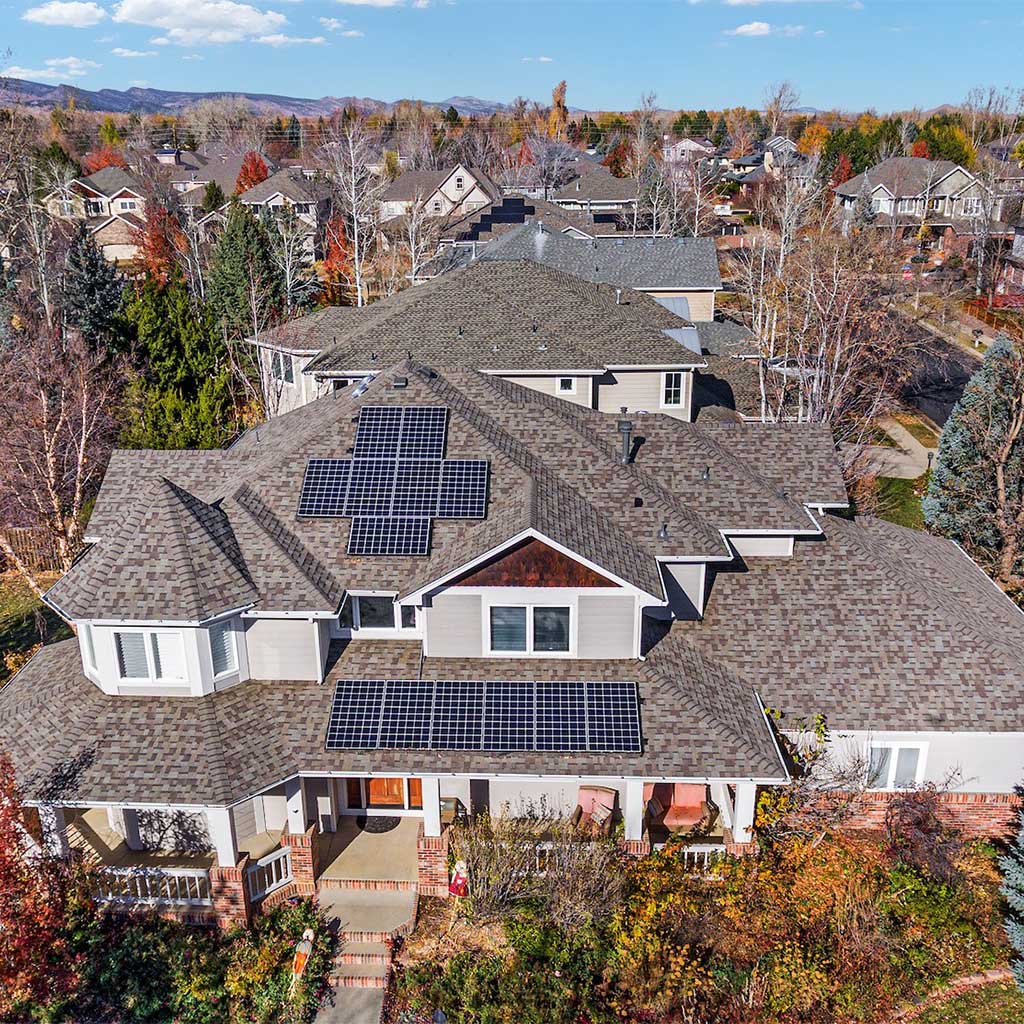
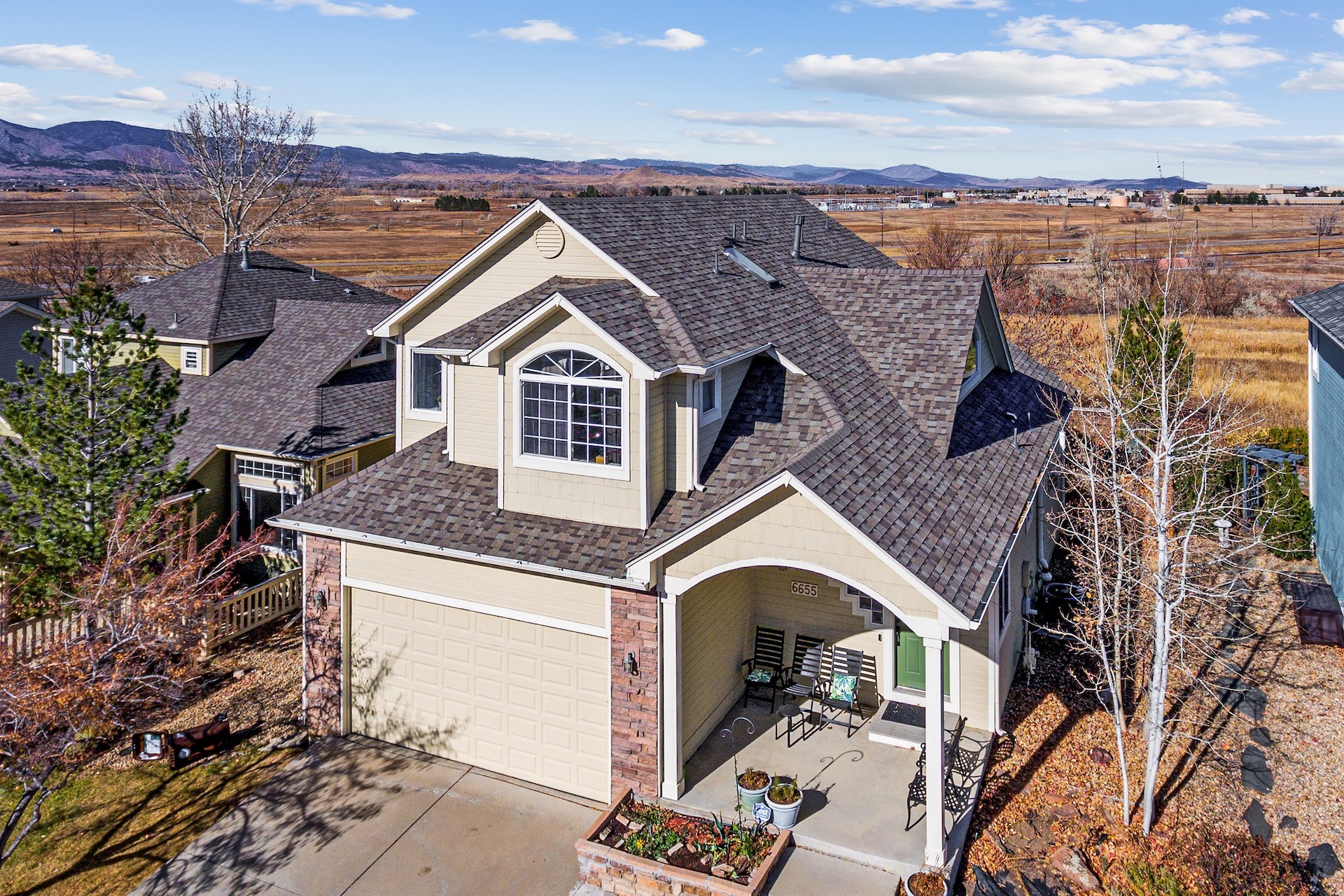
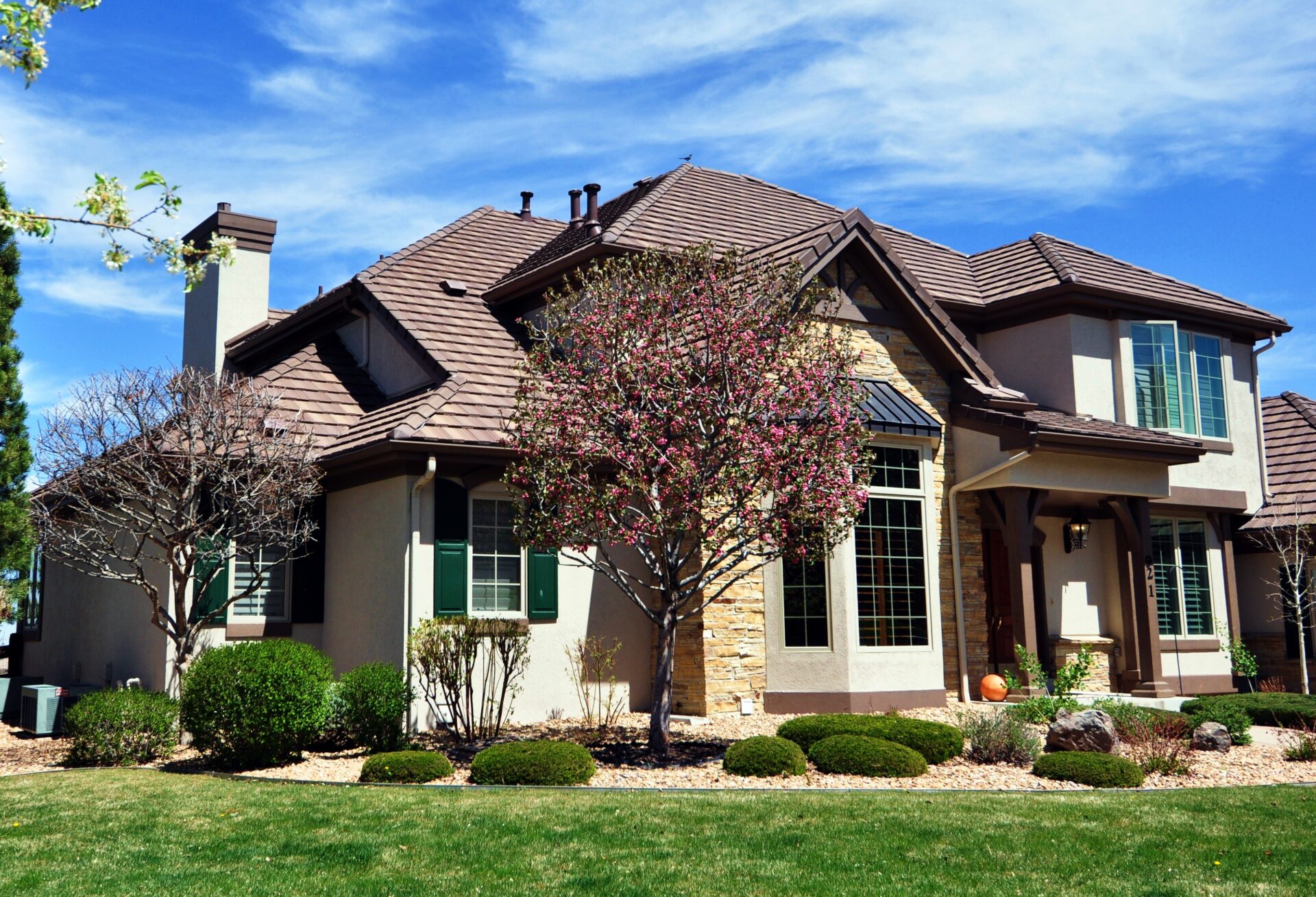
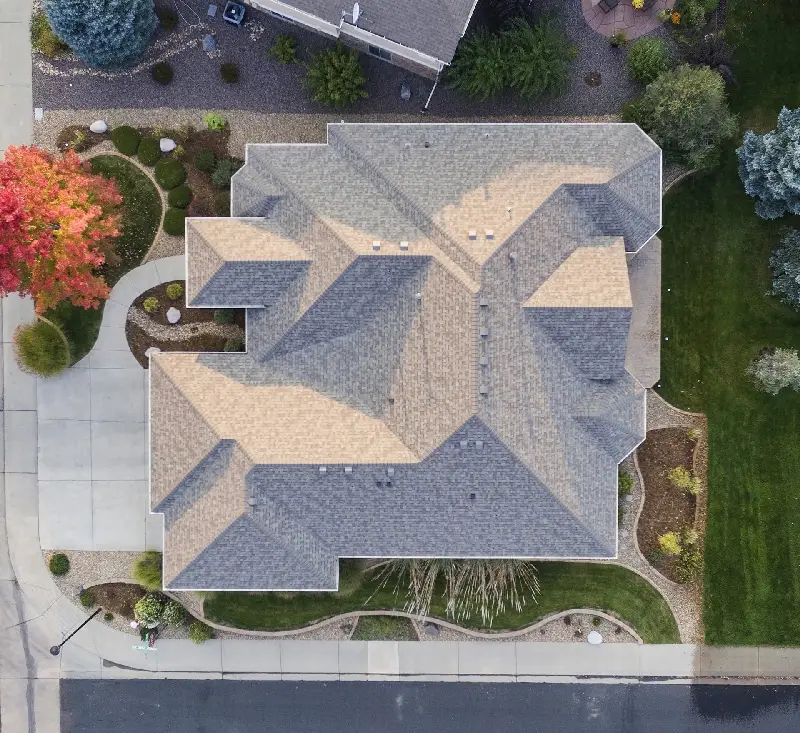
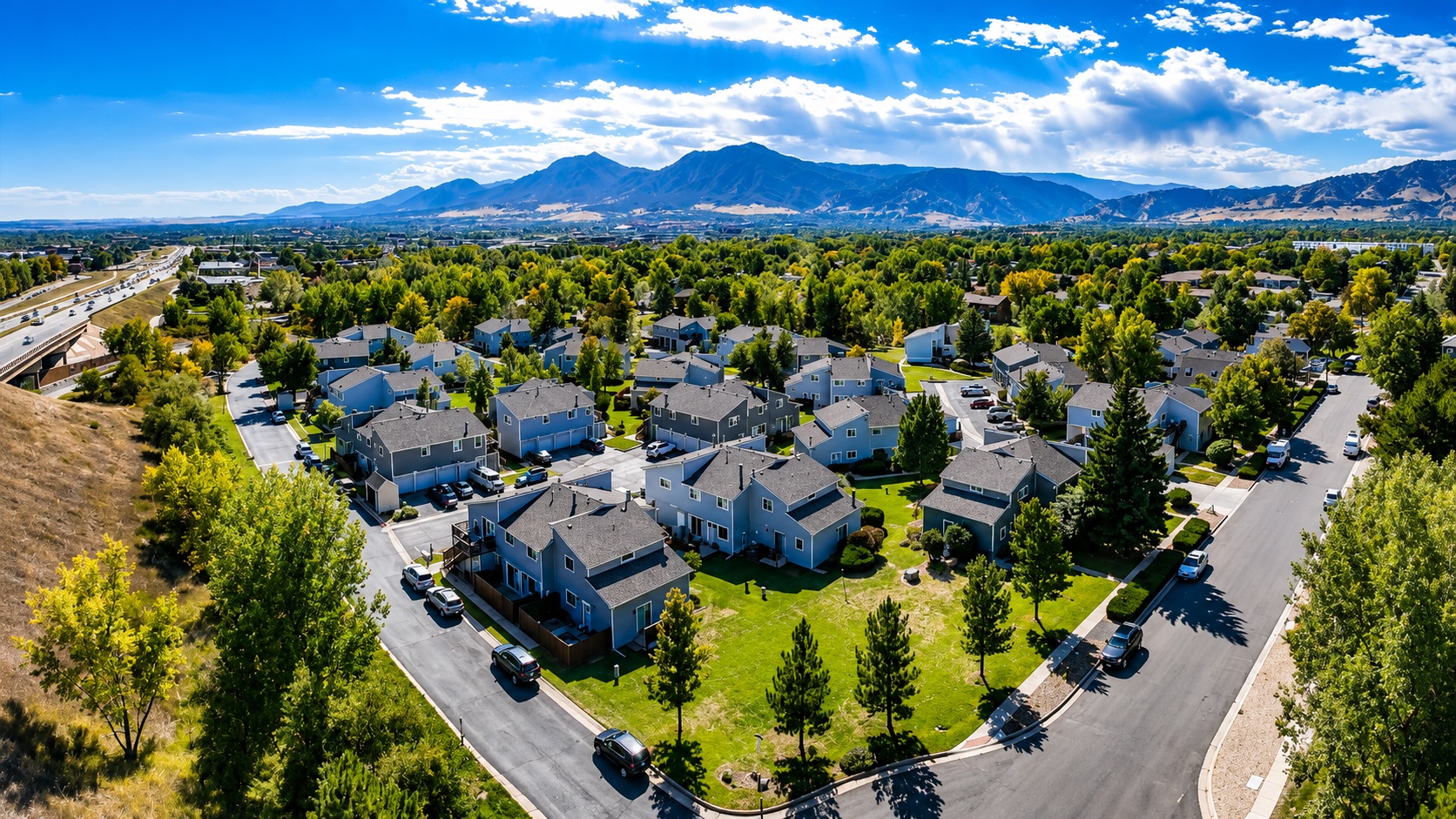
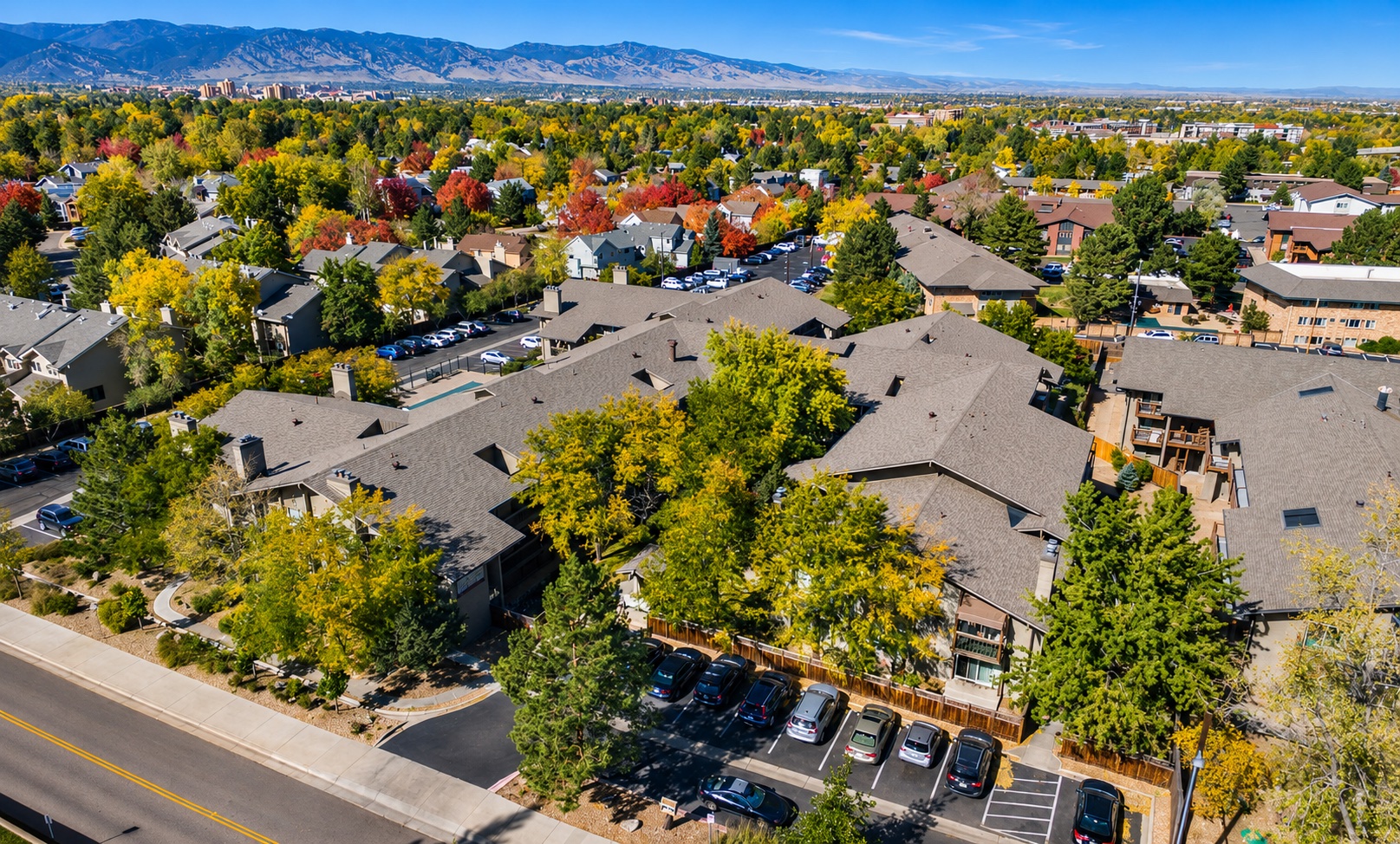
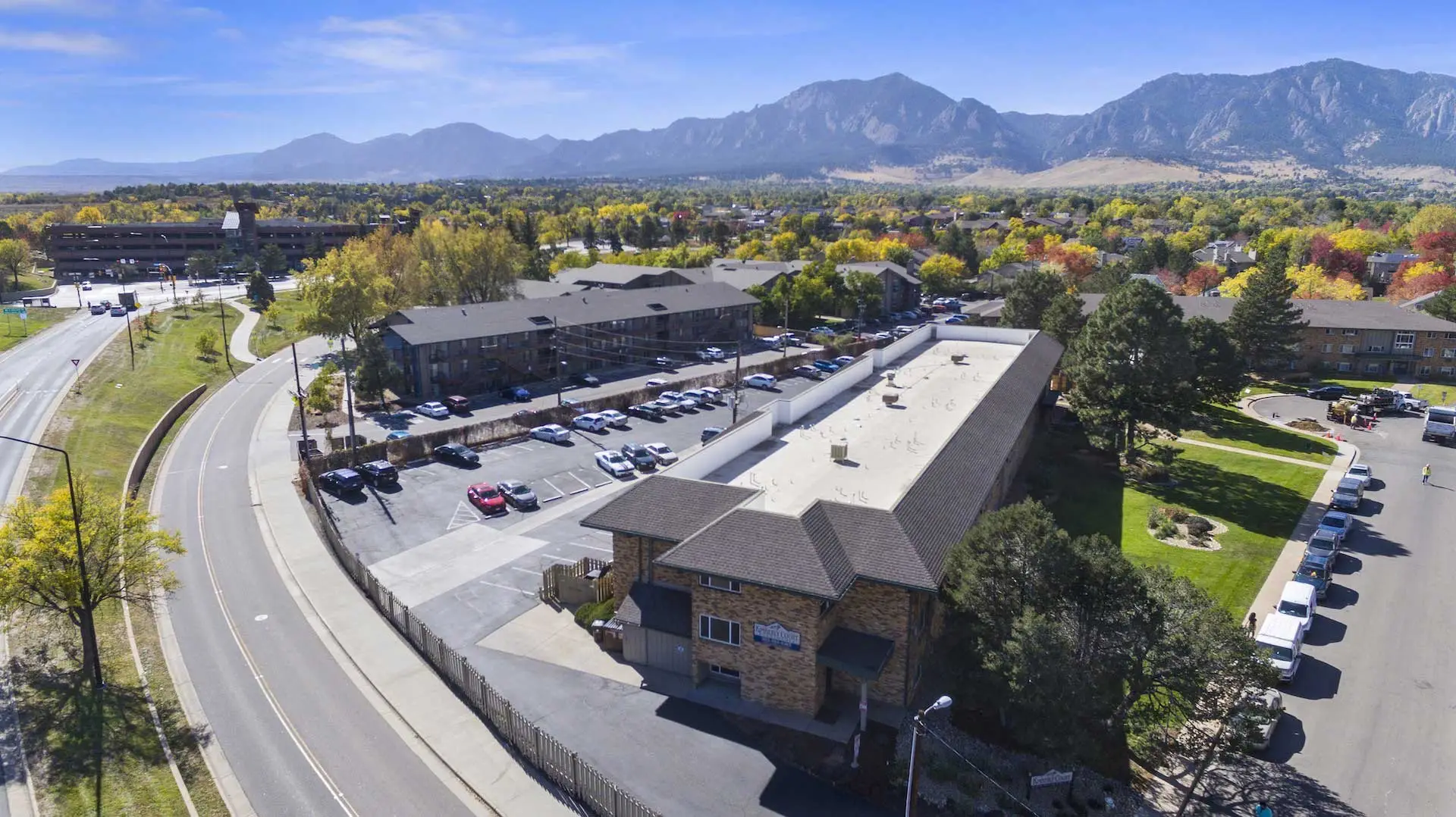
Across the Denver metro, Boulder, Longmont, Fort Collins, Greeley, the Carbon Valley towns, the foothills communities and everywhere between — the same stretch of Colorado we’ve roofed since 2001. The service-area map lists every community we cover, or browse recent projects to see finished roofs near you.
Roofing Contractors Near Me — FAQs
How do I choose between roofing companies near me?
Verify local history and licensing, ask to see a sample scope (a line-item estimate tells you how they’ll treat your insurance claim), confirm Class 4 shingles are their standard for hail country, and check reviews across more than one platform. Be wary of anyone who leads with a waived deductible — that’s illegal in Colorado and tells you how the rest of the job will go.
Do you handle insurance claims?
We document them — completely. Xactimate-format scopes, photo exhibits keyed to line items, code requirements verified per municipality, and tear-off findings submitted the day they’re uncovered. Colorado contractors can’t negotiate claims on your behalf, and we don’t pretend otherwise; complete documentation is what actually moves claims.
Do you do roof repairs, or only full replacement?
Both. Repairs typically run $500–$1,000 depending on scope, and the free inspection tells you honestly which side of the repair-or-replace line your roof is on.
What shingles do you install?
Class 4 impact-resistant asphalt from the major manufacturers is our standard recommendation for the Front Range, alongside standing-seam metal and flat-roof systems. The right product depends on your roof, your budget, and your insurer’s impact-resistant discount terms.
How fast can you inspect my roof?
Usually within days. After major hail events we add inspection capacity — and mind your policy’s clock: carriers generally want storm work started or completed within one to two years of the date of loss.
Get a Real Number for Your Actual Roof
A free inspection, an honest repair-or-replace read, Class 4 as the default, and a line-item scope you can hold your insurer’s estimate against — from a roofing contractor that was near you before the storm and will be after. Call (303) 776-5263 or request your inspection — and track every step in your client portal from day one.