Colorado Roof Hail Damage Guide: What Homeowners Should Do After A Storm
Class-A Licensed Contractor •
Roofing, Siding, Windows & Gutters •
Insurance Claim Experience
Quick answer: After a Colorado hail storm, homeowners should photograph visible damage, protect exposed areas, avoid signing with door-knocking contractors, and schedule a full exterior inspection before making repair decisions. Hail often affects more than just the roof, so it is important to assess siding, gutters, windows, trim, and other exterior components together.
Hail storms are common across the Colorado Front Range. After a major storm, many homeowners wonder if their roof has damage, whether they should file an insurance claim, and how to avoid unreliable contractors who appear after storms. This resource guide explains what to do after a hail storm, how to identify damage, and how to protect your home during the insurance repair process.
Updated March 2026 • Resource guide by Northern Lights Exteriors
What To Do Immediately After A Hail Storm
Taking a few simple steps right after a storm can make the inspection and insurance process much easier.
- Photograph everything. Take photos of your roof, siding, windows, gutters, screens, garage door, trim, and landscaping.
- Look for visible damage. Dented gutters, cracked siding, damaged window screens, and loose shingles are common signs.
- Protect exposed areas. If debris punctured the roof or caused active leaking, tarp the area to prevent further water intrusion.
- Document the storm date. Insurance claims often reference the exact storm event and date of loss.
- Schedule a professional inspection. Many hail impacts are not visible from the ground and require a closer exterior review.
Helpful next step: if you suspect broader storm damage, start with a full exterior inspection request rather than assuming the roof is the only affected trade.
Signs Your Roof May Have Hail Damage
Hail damage can vary depending on storm intensity, roof age, and shingle type. These are some of the most common indicators inspectors look for during a storm assessment.
- Dark bruising on asphalt shingles
- Granule loss exposing the fiberglass mat
- Dented metal roof vents or flashing
- Cracked shingles or displaced tabs
- Dented gutters and downspouts
- Damage to siding, trim, or window screens
- Loose shingles from wind-driven hail
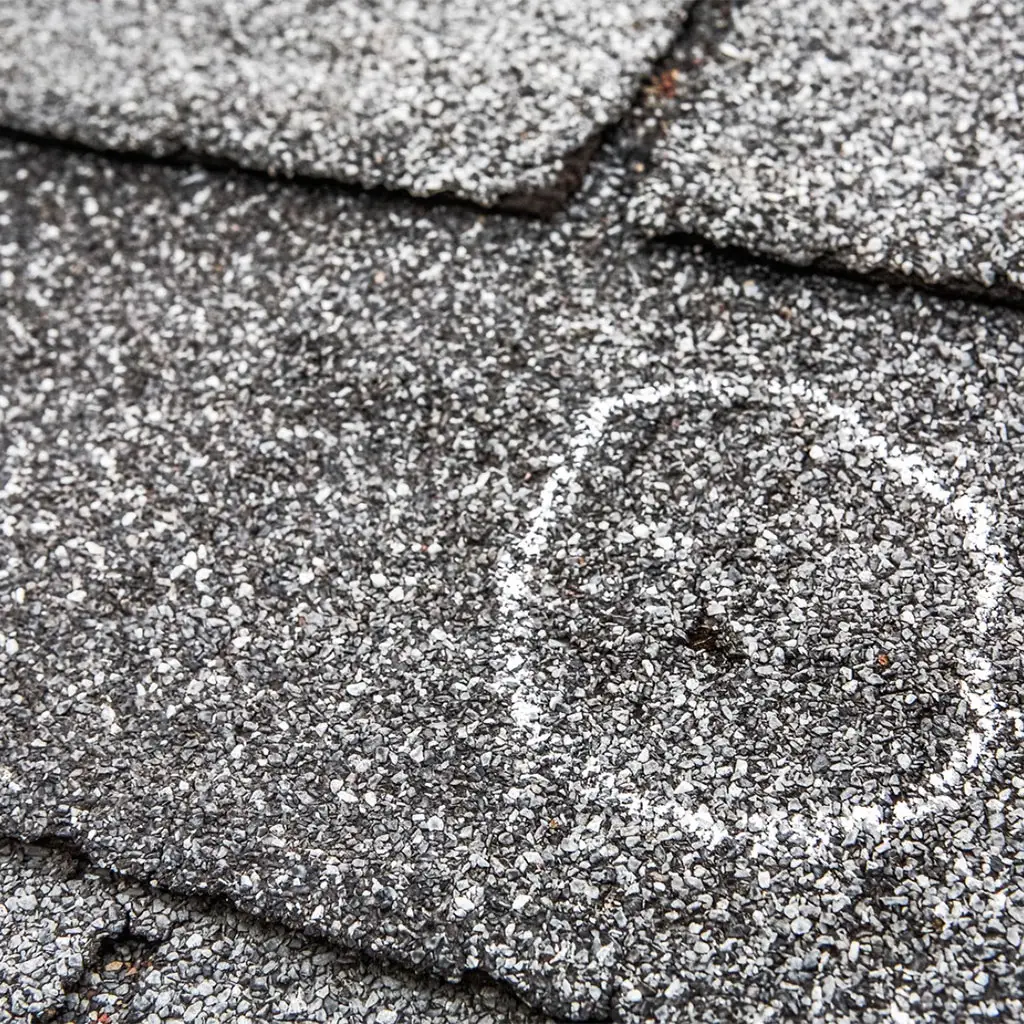
Photo examples of common hail damage indicators:

Close-up example of hail impact marking on asphalt shingles.
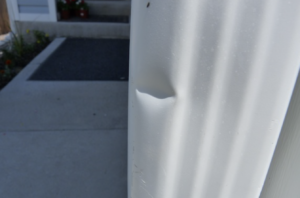
Soft metals often show visible dents after a hail event.
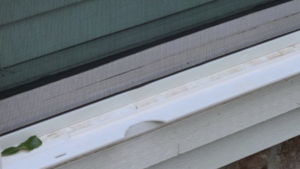
Window-adjacent exterior components can also show storm impacts.
Important: hail damage is often subtle and requires a professional inspection to confirm. Damage may also appear on siding, windows, trim, gutters, and other exterior surfaces beyond the roof itself.
Common Mistakes Homeowners Make After A Hail Storm
Many post-storm headaches start with rushed decisions in the first few days after severe weather.
- Signing paperwork with a contractor who appeared uninvited at the door
- Assuming the roof is the only damaged part of the home
- Failing to photograph screens, gutters, siding, trim, and soft metals
- Moving too quickly without comparing local contractor options
- Choosing a roof-only contractor before understanding full exterior scope
- Not documenting conversations, dates, and repair-related notes
A little patience at the beginning often leads to a much cleaner repair process later.
Why Door-Knocking Roofing Contractors Can Be Risky
After large Colorado storms, temporary “storm chasing” contractors often travel from state to state offering quick roof replacements.
Some may be legitimate, but many homeowners have experienced problems with companies that focus only on fast roof volume, overlook other damaged trades, or disappear once the easiest portion of the project is complete.
Warning Signs Of Storm Chasers
- Knocking on doors immediately after storms
- Pressuring homeowners to sign contracts quickly
- Requesting insurance checks upfront
- No permanent Colorado office
- Very limited local references
- No clear process for siding, gutter, trim, or window-related damage
Taking time to research established local companies can help homeowners avoid costly mistakes and reduce the risk of incomplete repair scopes.
Why Full Exterior Contractors Are Often The Best Choice After Hail Damage
Many storms damage more than just the roof. Hail frequently impacts multiple parts of a home’s exterior during the same event.
- Siding panels
- Window trim and screens
- Gutters and downspouts
- Exterior paint
- Fascia and soffits
When homeowners hire a roof-only contractor, they often end up coordinating multiple trades to repair the rest of the damage. That can create delays, missed scope items, and confusion during the claim process.
Roof-Only Contractor vs. Full Exterior Contractor
Roof-Only Contractor
- Focuses only on shingles and roofing materials
- May overlook siding, gutters, trim, or window damage
- Often leaves homeowners coordinating multiple trades
- Common among storm-chasing crews
Full Exterior Contractor
- Evaluates the entire exterior after a storm
- Identifies damage to roofing, siding, gutters, windows, and trim
- Coordinates repairs across all affected trades
- Helps ensure the home is fully restored to pre-storm condition
Best fit for many homeowners: One experienced local contractor who understands the entire exterior system — not just the roof.
Working with an experienced exterior contractor can simplify the process by managing roofing, siding, windows, and gutter repairs within one coordinated project. You can also explore related service pages for roofing, siding replacement, and window replacement if you want to understand each trade in more detail.
Understanding Roof Hail Damage Insurance Claims
The insurance process can feel confusing, especially after a major storm. A clear, organized approach can help homeowners avoid missed damage and incomplete repair scopes.
- Do not rush into signing with a contractor who appears uninvited after the storm.
- Start with a trusted local contractor who understands more than just the roof.
- Have the property reviewed for full exterior damage, not only shingle damage.
- If storm damage is confirmed, contact your insurance company and open a claim.
- Schedule the adjuster inspection and keep a record of dates, claim numbers, and conversations.
- Choose a contractor who can clearly document damage, code-related items, and missing scope when needed.
In many storm claims, the initial scope does not fully capture everything needed to restore the property. Common issues include missing line items, incomplete trade coverage, outdated pricing, or municipality code requirements that need to be added before repairs are properly approved.
The roof is often the easiest part of the project to identify. Siding, trim, gutters, paint, screens, and window-related items are often where the scope becomes more detailed. Working with a contractor who understands Colorado exterior restoration can help the process move more smoothly and reduce the risk of piecing together several separate trades on your own.
For a more detailed overview, link this page internally to your insurance claims process page if you have one.
Why Colorado Homes Experience Frequent Hail Damage
The Front Range sits in one of the most active hail regions in the country, which is one reason exterior storm damage is such a common concern for homeowners across Colorado.
Several conditions contribute to frequent storms:
- High elevation thunderstorms
- Strong atmospheric updrafts
- Rapid temperature shifts
- Wind-driven hail striking roofs at high speeds
Because of these conditions, many Colorado homes experience multiple hail events during the life of a roof. That is also why it is important to think about the full exterior system rather than viewing hail as a roofing-only issue.
Hail in Colorado is highly localized, and some towns take far more damage than the regional average in any given storm. If your home was hit by a specific event, we publish storm-specific local pages — for example, Berthoud hail damage roof repair, covering the June 26, 2026 storm that dropped 1.75-inch hail on the area.
Frequently Asked Questions About Roof Hail Damage
Does hail always damage a roof?
No. Smaller hail may not cause damage, but larger hail combined with strong winds can bruise shingles, loosen granules, and shorten roof lifespan.
How big does hail need to be to damage shingles?
Hail roughly the size of a quarter or larger has a higher chance of damaging asphalt shingles, although wind speed, roof age, and material condition also matter.
Should I file an insurance claim for hail damage?
If damage is confirmed by a professional inspection, filing a claim may help cover repair costs. It is best to understand the full scope of exterior damage before moving forward.
Can hail damage cause leaks later?
Yes. Damage may weaken shingles or accessories without causing immediate leaks. Water intrusion sometimes appears months later.
Does hail damage siding and gutters?
Yes. Severe storms often dent gutters, crack siding panels, damage trim, and mark soft metal surfaces throughout the exterior.
Why should I avoid signing with a door-knocking contractor right away?
Rushed decisions can lead to incomplete scopes, poor communication, and limited accountability. It is usually better to compare established local contractors before signing anything.
Need Help After A Colorado Hail Storm?
If your home experienced a recent storm, a professional inspection can help determine whether damage occurred and what repair options are available.
Northern Lights Exteriors has worked with Colorado homeowners since 2001 on roofing, siding, windows, and storm restoration projects.