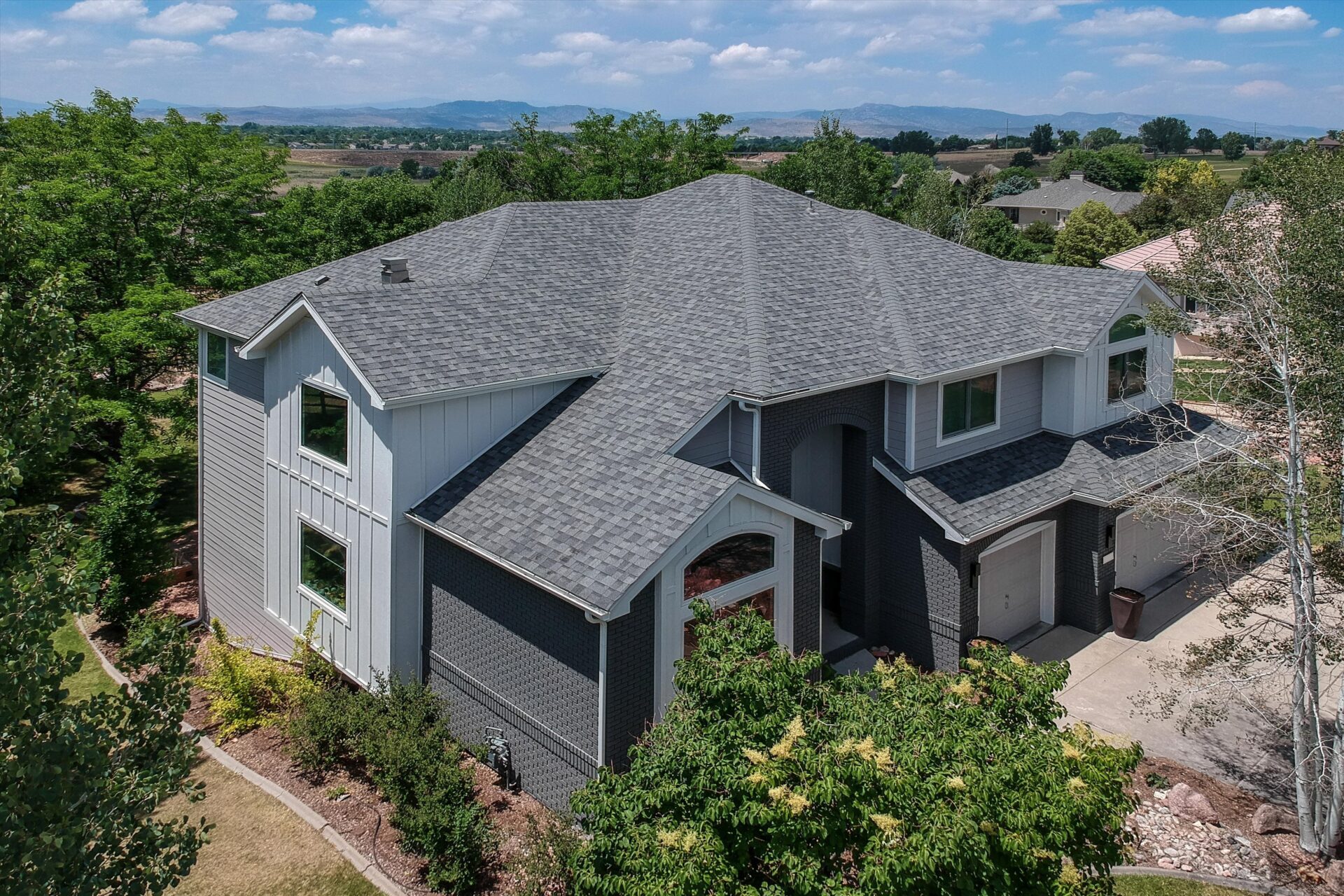
Roofing Contractor — Evergreen, CO 80439
Evergreen Roofing Contractor
Class A roof assemblies for Jefferson County’s Wildfire Resiliency Code, and the cedar shake replacements the foothills have been putting off — from a Class C general contractor working Colorado since 2001.
Who is the best roofer in Evergreen, CO?
Northern Lights Exteriors has roofed Colorado since 2001 and holds a Class C general contractor license. In Evergreen the job usually starts with one question: is the parcel inside Jefferson County’s WUI overlay? If it is, the Wildfire Resiliency Code that took effect 1 July 2026 requires a Class A roof assembly.
We install Class A architectural asphalt, Class 4 impact-resistant shingles, standing seam metal and synthetic shake — and we do not re-roof in wood shake, because it does not achieve a Class A assembly.
The rating belongs to the whole assembly, not just the shingle, and it is invisible once the roof is on. Everything we install is photographed and documented in a proprietary client portal. Rated 4.9 out of 5 from 552 verified reviews.
What Changed on 1 July 2026
Jefferson County’s Wildfire Resiliency Code was approved on 10 March 2026 and took effect on 1 July 2026. It is built on the 2025 Colorado Wildfire Resiliency Code, and for roofing it does one thing very plainly: buildings inside the county’s WUI overlay require a Class A roof assembly.
Two words in that sentence do a lot of work, and both are worth understanding before you take a bid.
“Class A”
A fire-resistance rating for the roof covering, tested for how it behaves under flame spread and burning brands. Most modern architectural asphalt shingles achieve Class A, as do metal, concrete and clay. Untreated wood shake does not.
“Assembly”
The rating belongs to the whole build-up, not just the shingle in the sales brochure — covering, underlayment, and in some cases the deck beneath it. A Class A shingle installed over the wrong underlayment is not automatically a Class A assembly. This is the detail cheap bids get wrong, and it is invisible once the roof is on.
The overlay map decides
The code applies to buildings inside the WUI Overlay District, with requirements varying by fire-intensity classification. Two houses on the same road can sit differently on that map. We check the parcel before quoting rather than assuming.
Evergreen is unincorporated, so there is no town building department — permits and the code run through Jefferson County. In practice that makes the process simpler than people expect, because there is one authority rather than two.
The Cedar Shake Problem
If your Evergreen home still wears its original cedar shake roof, you already know the conversation. Shake is what the mountain aesthetic was built on, and it is also the single most flammable thing on a wildland-exposed house.
The honest position: we do not re-roof in wood shake. That is not a supply decision or a preference, and on a WUI parcel it is not a close call — an untreated shake roof does not achieve a Class A assembly, and putting one back on a house inside the overlay is not something we will quote.
What we do instead, and what each option actually gives you:
| Replacing shake with | What it gives you | What to know |
|---|---|---|
| Class A architectural asphalt | The straightforward compliant answer, in a wide color range, at the most accessible cost. Modern dimensional profiles read far better on a mountain elevation than the 3-tab shingles people picture. | Specify the assembly, not just the shingle. Ask any bidder to put the underlayment in writing. |
| Class 4 impact-resistant asphalt | Class A fire plus hail resistance, and most Colorado carriers discount the premium for one. On a foothills house taking both hail and wildfire risk, this is usually the sensible middle. | Costs more up front. Call your carrier and ask what the discount is on your policy before deciding — it varies more than people expect. |
| Standing seam metal | Class A, sheds snow rather than holding it, has no individual shingles to lose in a downslope wind, and lasts longest of anything here. It also suits the architecture. | Highest up-front cost. Hail can dent panels cosmetically without affecting performance — understand that distinction before you buy. |
| Synthetic shake | Keeps the shake look with a Class A rating. The reason many Evergreen owners can live with the change at all. | Product quality varies widely in this category. We will tell you which lines we will stand behind and which we will not. |
There is a second reason shake replacement dominates the work here, and it is unglamorous: insurance. Carriers have tightened sharply on wood roofs in Colorado’s foothills, and for a lot of Evergreen owners the roof decision arrives as a renewal letter rather than a leak. If that is where you are, bring the letter to the estimate — what the carrier will accept sometimes narrows the choice for you.
Snow, Slope and the Things That Are Not About Fire
Wildfire dominates the conversation here, but it is not the only thing a foothills roof has to survive, and a contractor who only talks about fire is telling you half the story.
- Snow load and ice. At around 7,200 feet, snow sits rather than melts off. Ice-and-water barrier at the eaves and in the valleys is not optional detailing here, and a 1970s roof very likely does not have it.
- Slope and access. Steep pitches and treed, sloping lots make Evergreen roofs genuinely harder to stage than anything on the plains. It affects the price honestly and it affects safety; a bid that ignores access has not looked at your house.
- Ventilation, with an ember problem attached. Intake at the soffit and exhaust at the ridge keep the roof from cooking itself from below. In the WUI overlay those same openings have to meet ember-intrusion standards, so ventilation is now a fire detail as well as a longevity one. Those two requirements are solved together or not at all.
- Gutters. Under the code, gutters must be noncombustible — and gutters full of pine needles are one of the most reliable ways an ember finds a roof. Metal gutters plus a guard is the pairing that actually helps.
See roof replacement cost in Colorado, metal roofing and storm damage.
The System Behind the Work
A WUI re-roof produces paperwork you will need more than once — the county wants an assembly that complies, your insurer increasingly wants evidence of what was installed, and a buyer’s inspector will ask about the roof age and rating years from now. Most homeowners reconstruct that from a folder of emails.
Two things make that possible, and they are the reason to choose us over a cheaper quote.
First, experience and scope. We have been working on Colorado’s Front Range since 2001, and we hold a Class C general contractor license (Colorado license #C120350) rather than a single-trade license. That is not a technicality: it means roofing, siding, windows, decks and outdoor living can run under one contract, with one project manager accountable for the flashings where those trades meet — which is precisely where multi-contractor projects leak, literally and figuratively. James Hardie has recognized us as an Elite Preferred contractor continuously since 2011, and as a President’s Club member — their highest contractor distinction nationwide. Our rating is 4.9 out of 5 from 552 verified reviews.
Second, a proprietary on-demand client portal we built ourselves. Most of what people hate about a remodel is not the construction. It is not knowing — who to call, whether the permit went in, when material arrives, what has been paid, whether it passed inspection. We built a system to remove exactly that, and as far as we know no other exterior contractor in this market offers it:
Every conversation in one place
Messages, decisions and change requests are logged against your project rather than scattered across texts, voicemails and three different crew members’ phones.
Contracts and scope, always retrievable
Your signed contract and itemized scope live in the portal, so you can easily get a refresh on what was agreed — on your own, any time.
Permit status you can see
Where the permit is in the process, and when inspections are scheduled — without having to phone anyone to find out.
Delivery and install schedules
When material lands and when each trade starts, so you can plan around the work instead of waiting for a truck to appear.
Before, during and final photography
Documented condition before we start, progress images through production, and final photography — including the parts of the building you will never see again once it is closed up.
Payments tracked per trade
What is paid and what is outstanding, broken out by trade rather than as one running balance you have to reconcile yourself.
Inspection records
Each inspection and its result, recorded against the project and available when you sell the house and someone asks.
Access is an individual, custom URL issued to you — and you get it when we start talking, at the lead and project meeting, not after you sign something. That is deliberate: you can see how we run a project before you commit to one. It then stays available after the work is finished, which matters more than it sounds, because the documentation, images and inspection records are exactly what a buyer’s agent, an appraiser or an insurer asks for years later.
Get a Roof Assessment in Evergreen
Tell us the address and we will check where the parcel sits on the county’s overlay map before we quote, so the specification matches what actually applies to you rather than to Evergreen in general. The assessment is free and fully photographed, and the photographs are yours whether or not you hire us.
Request Your Free Estimate → 📞 (303) 776-5263
Prefer email? Reach us at office@nlexteriors.com. Ask about financing options when we walk the property.
Metal Roofing on Evergreen and Foothills Homes
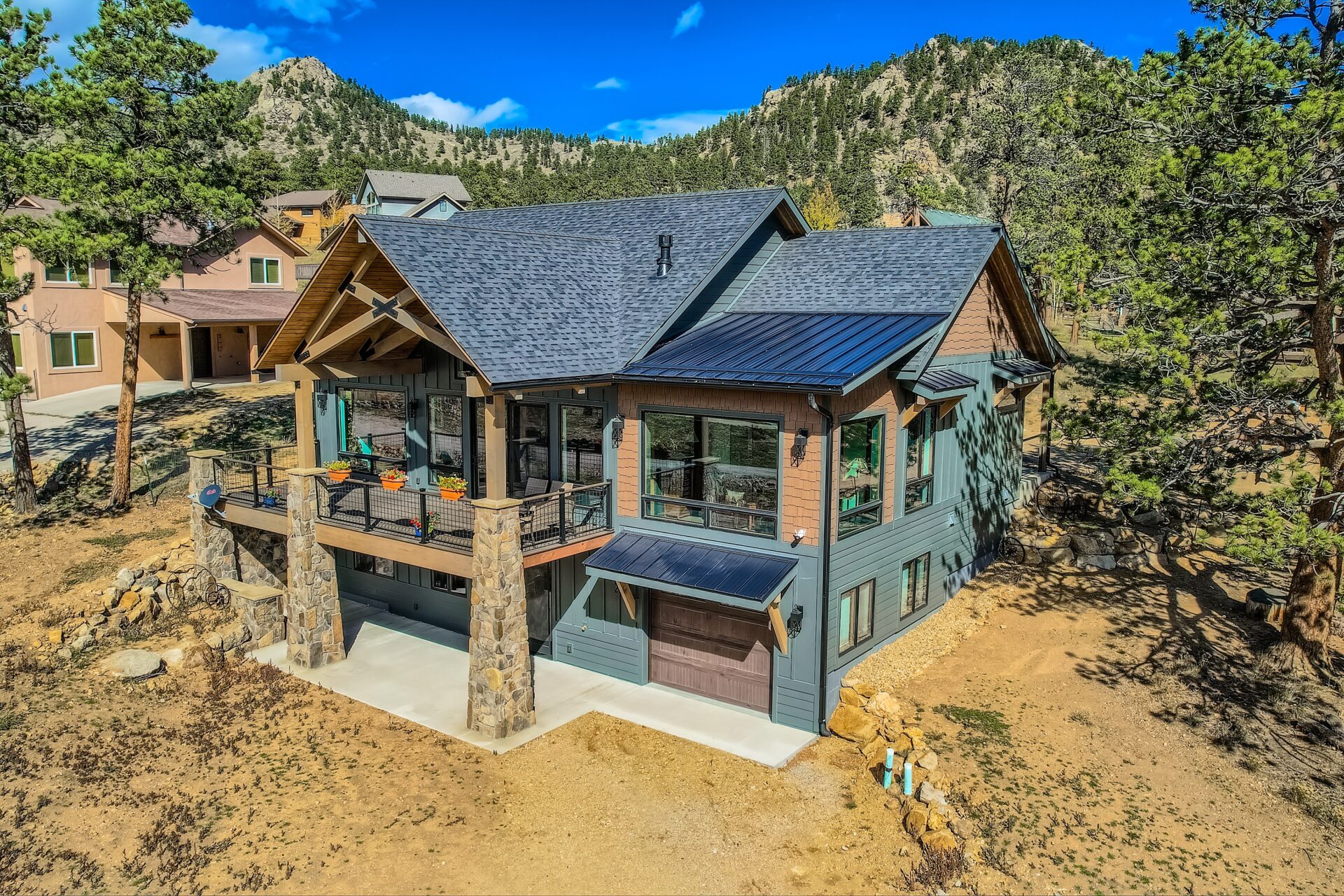
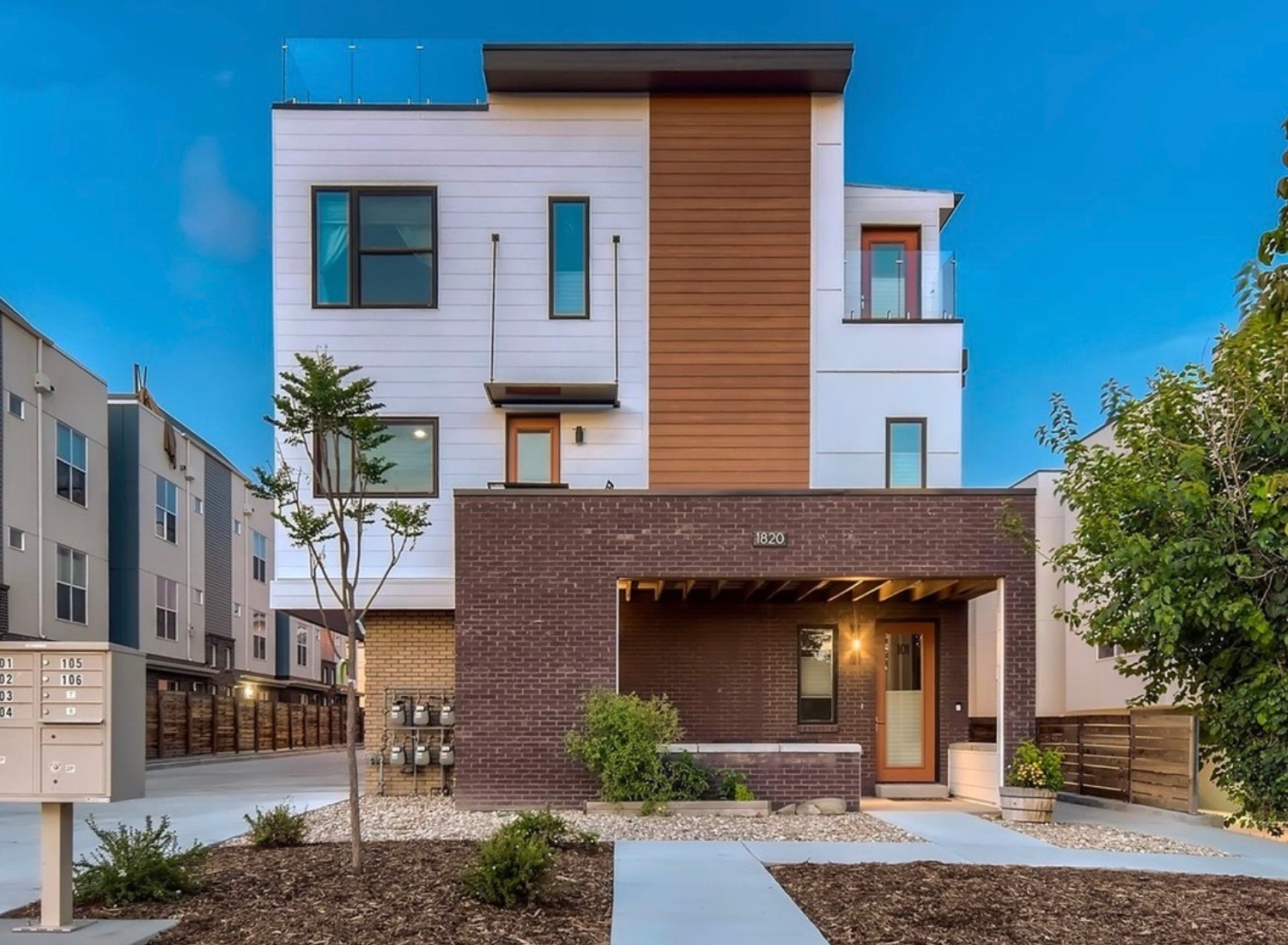
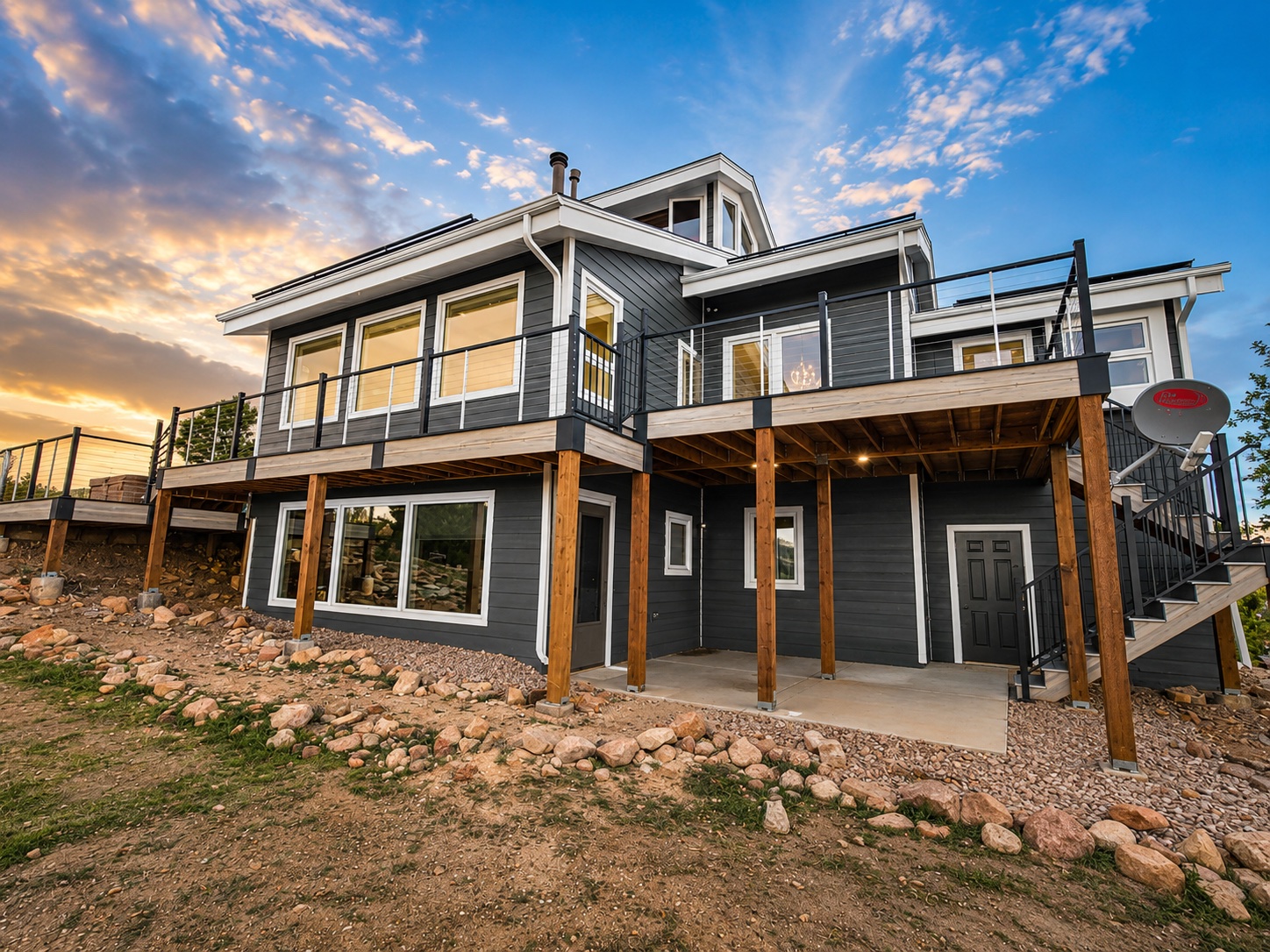
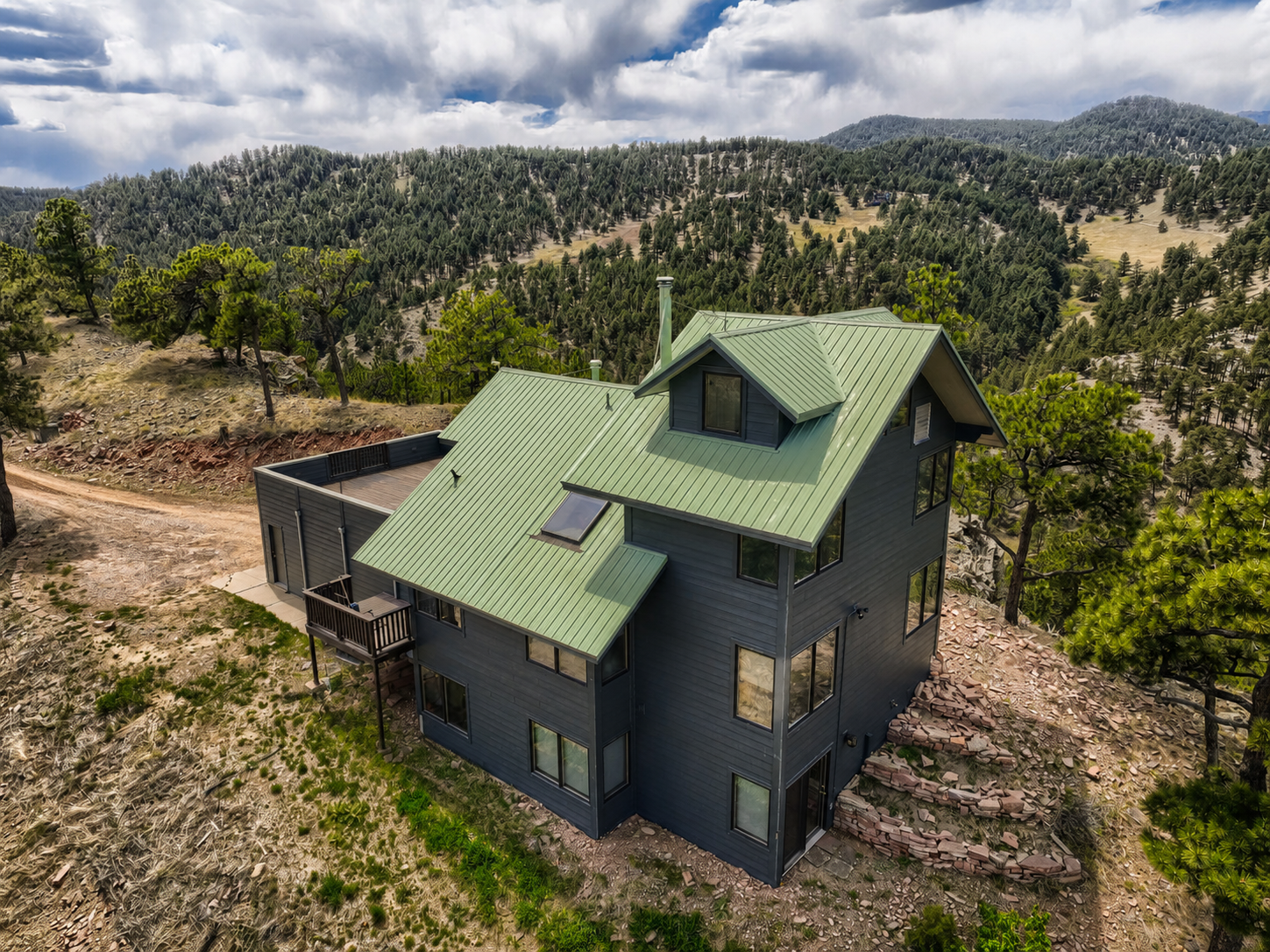
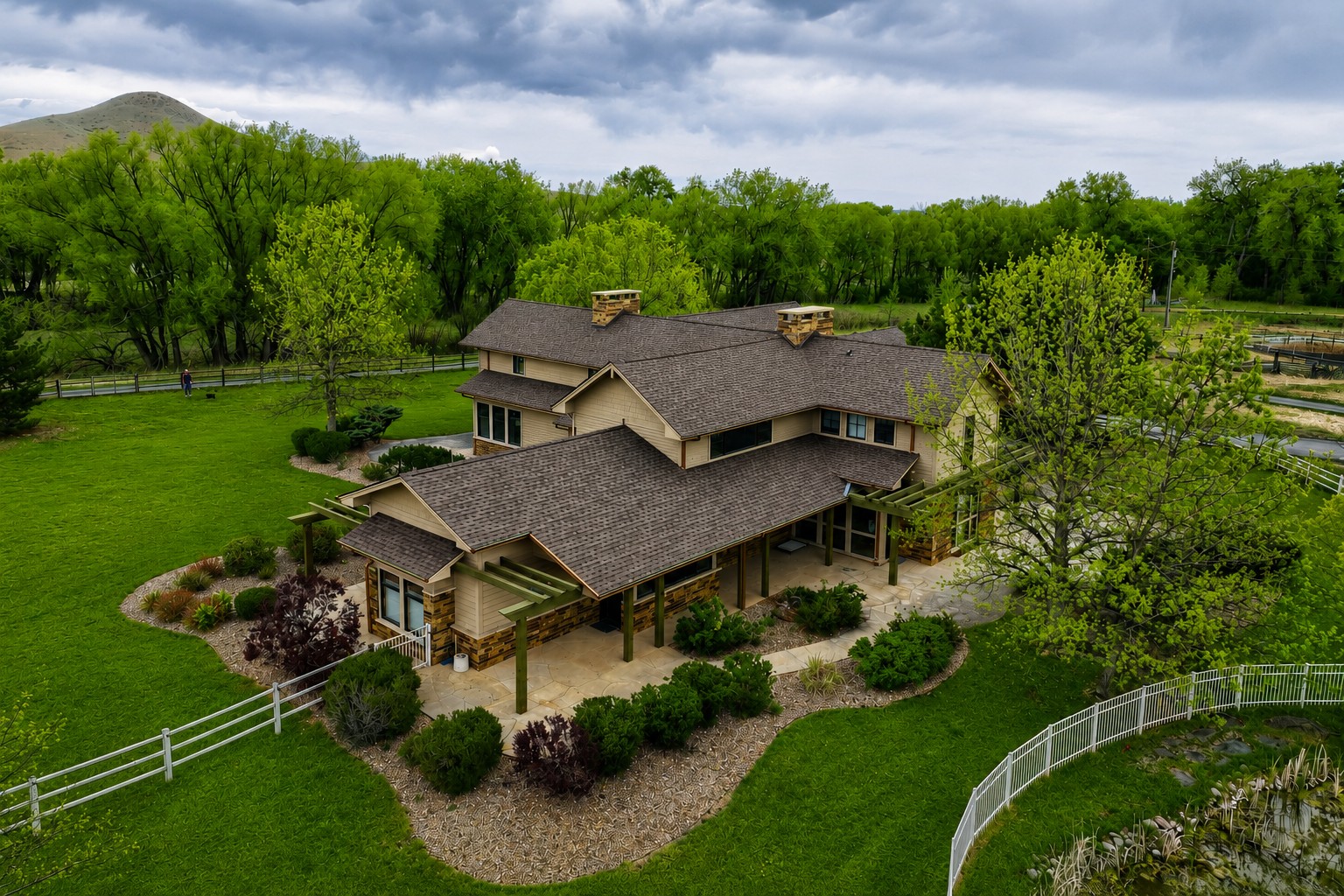
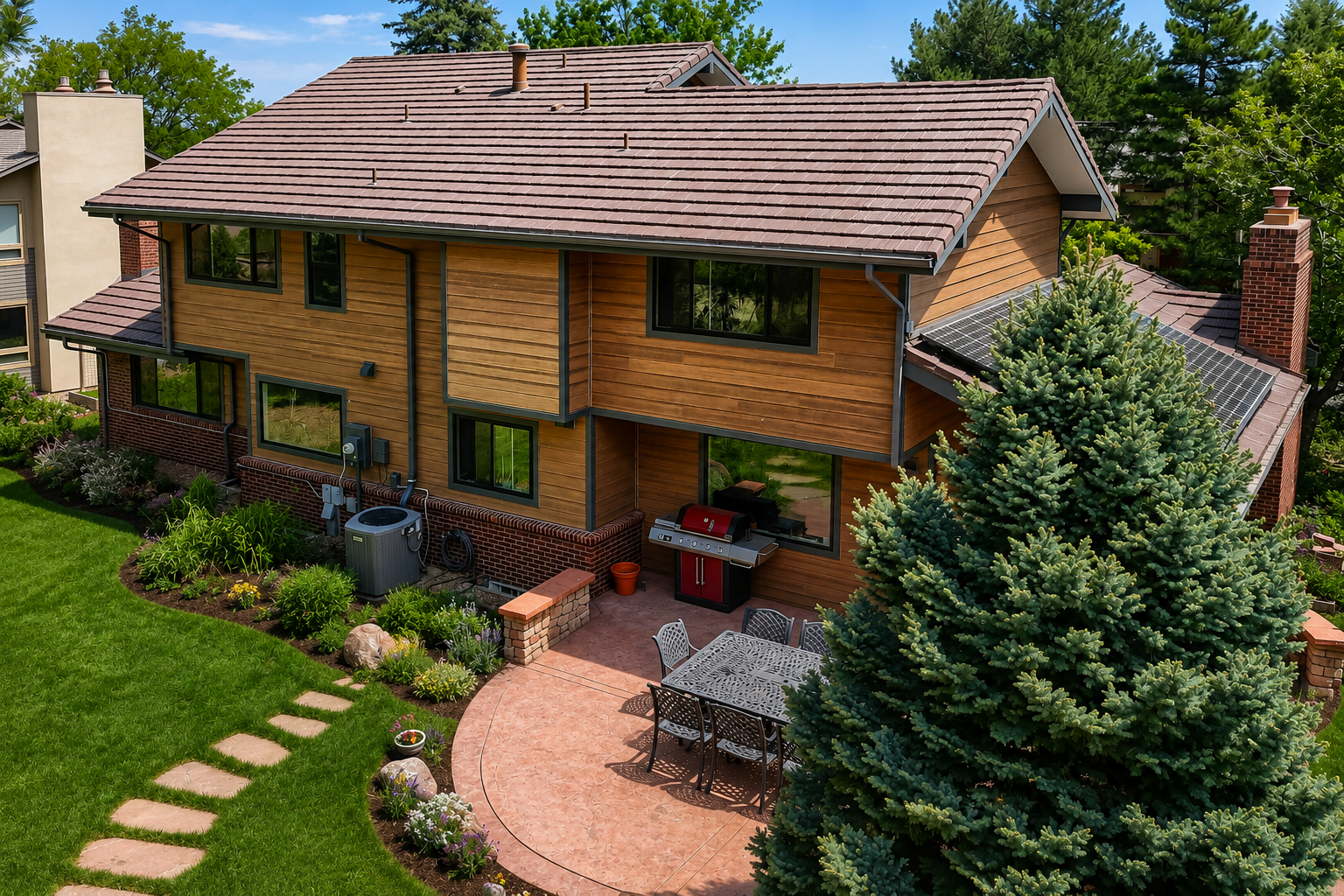
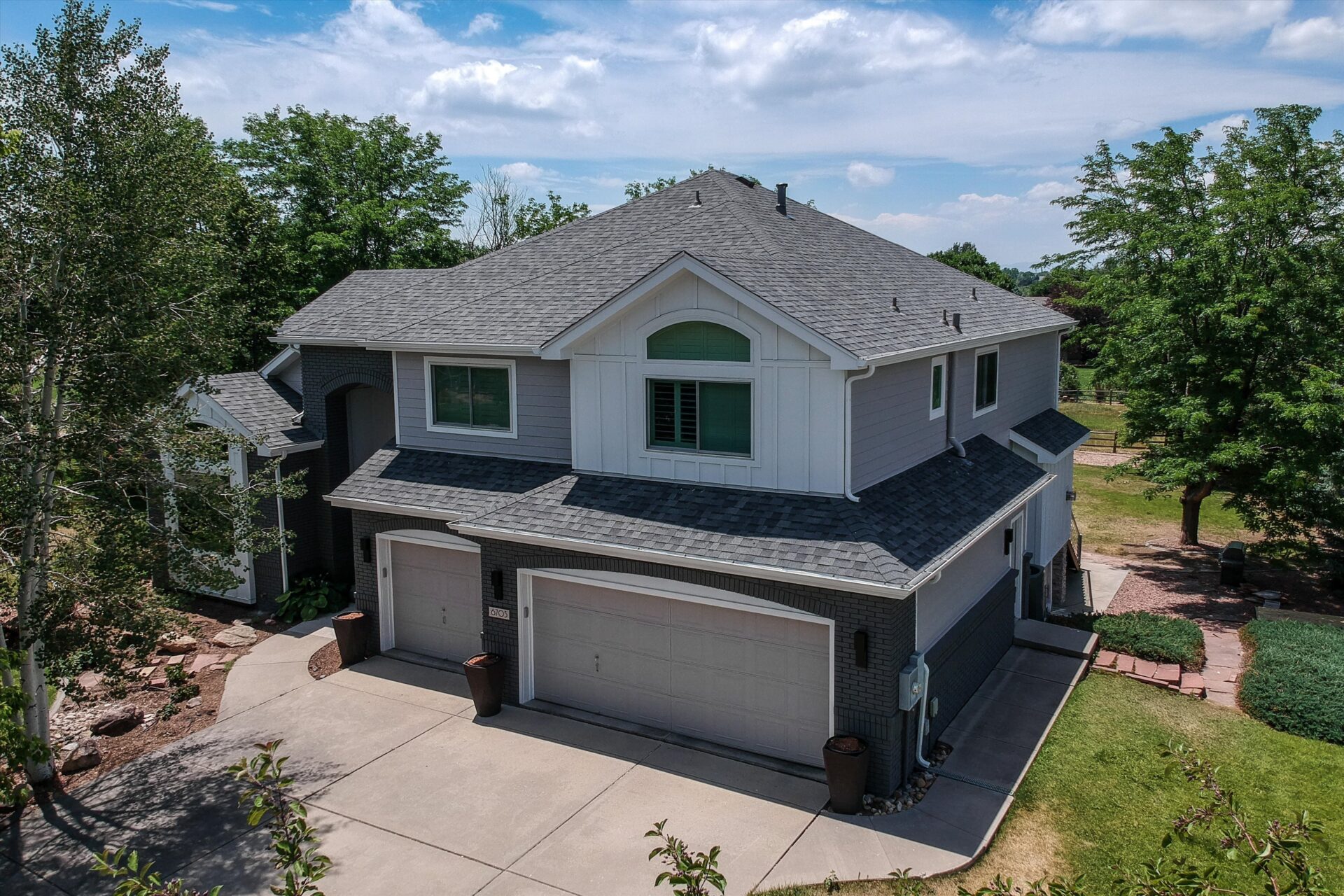
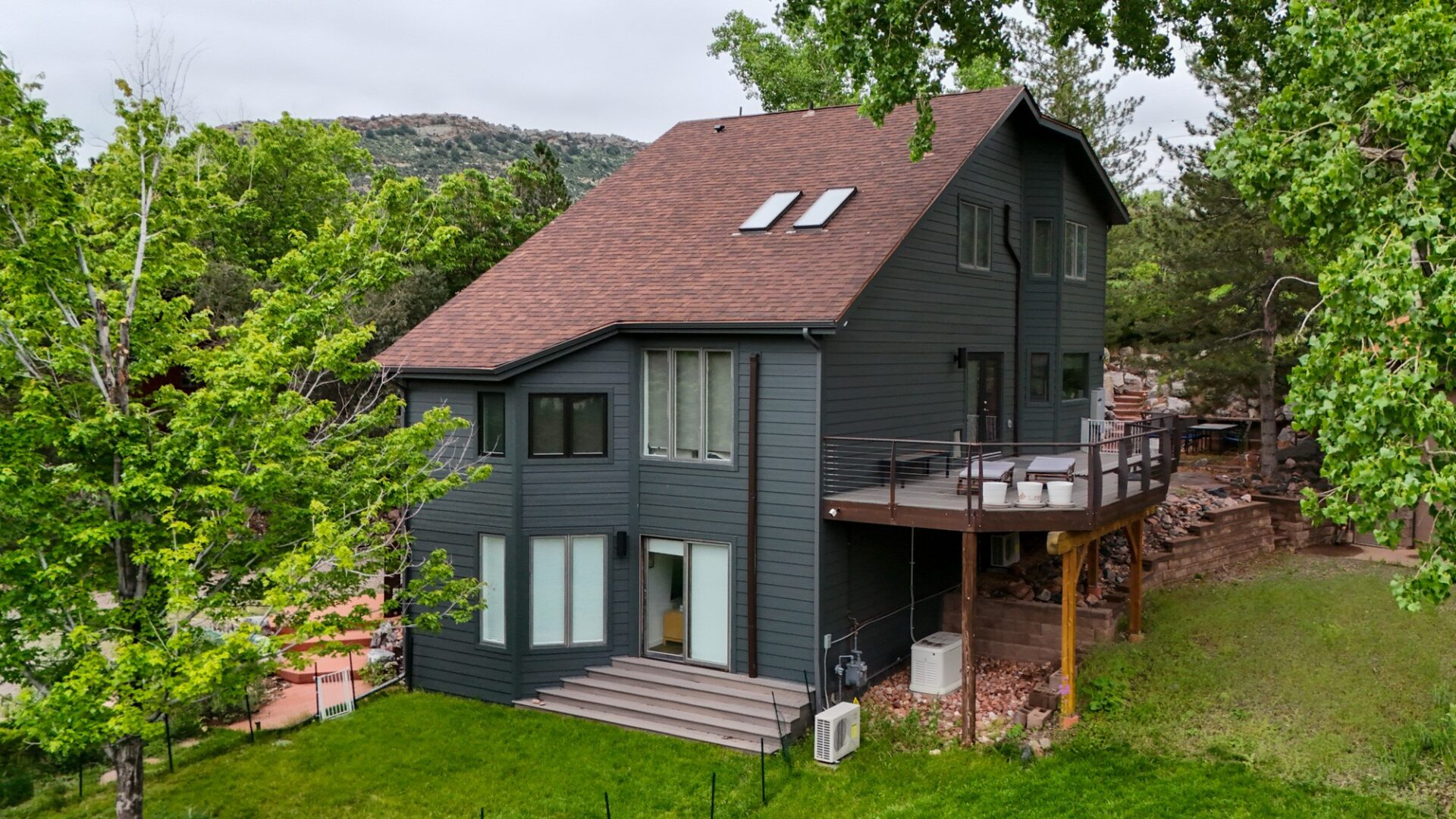
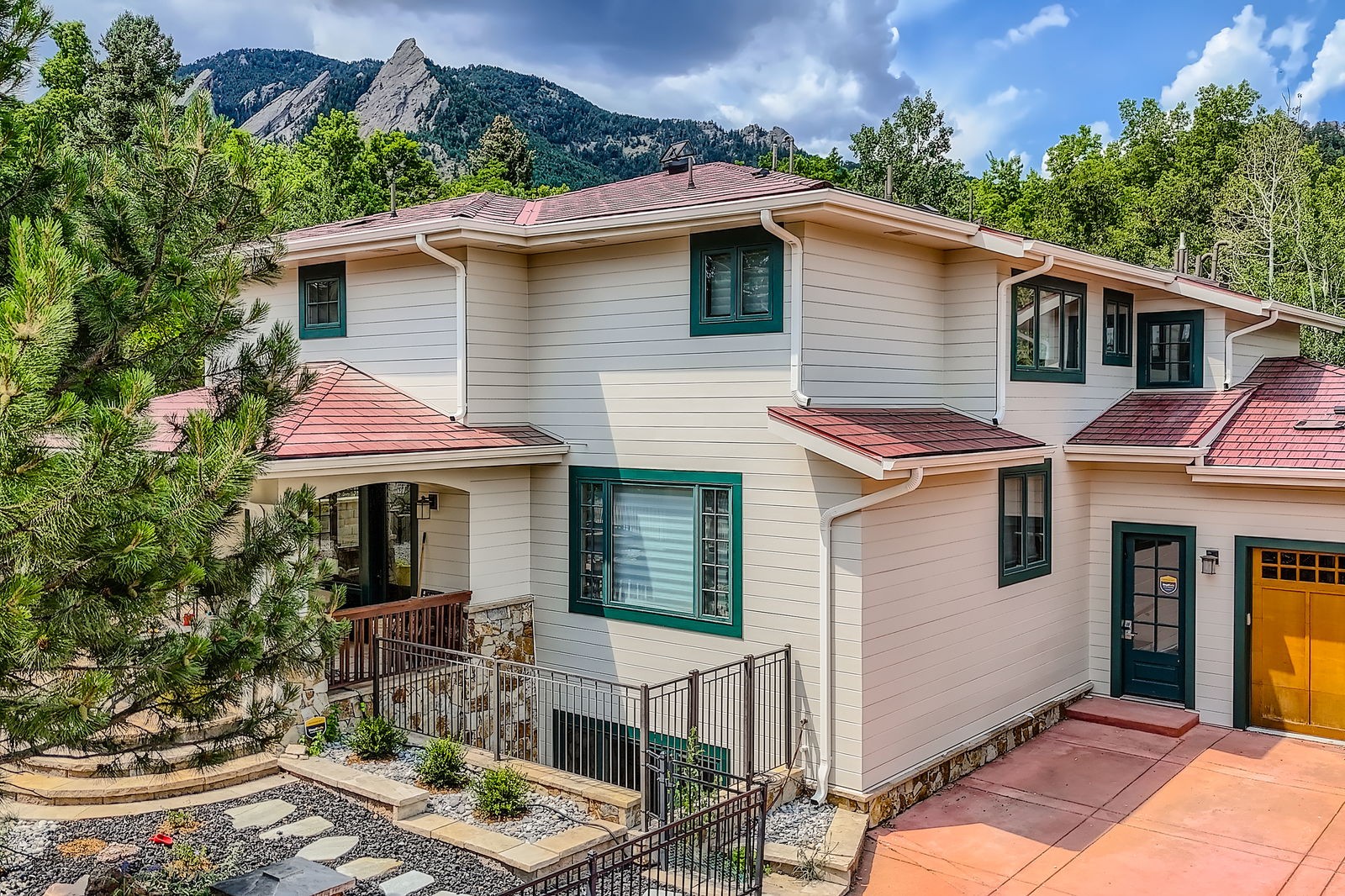
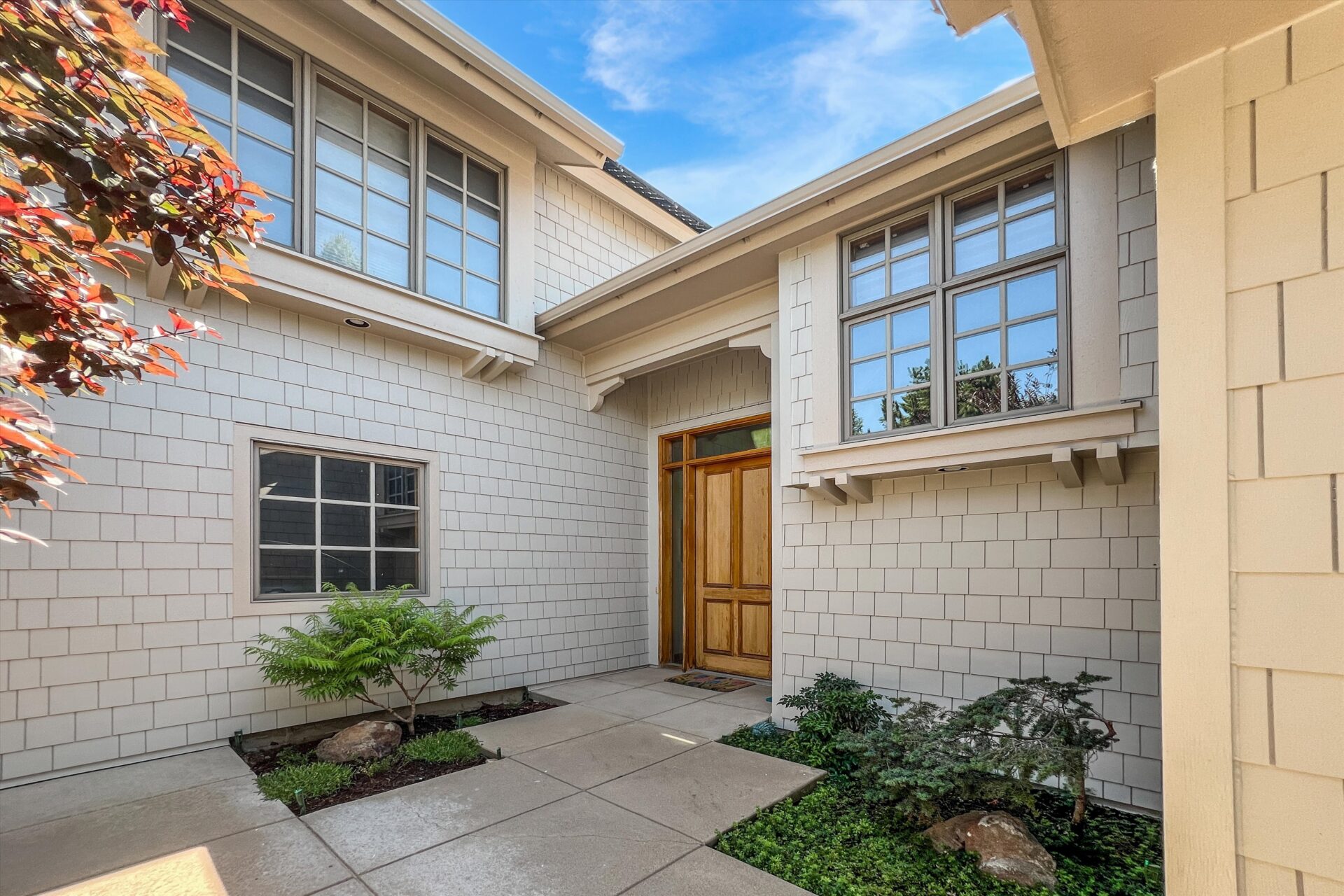
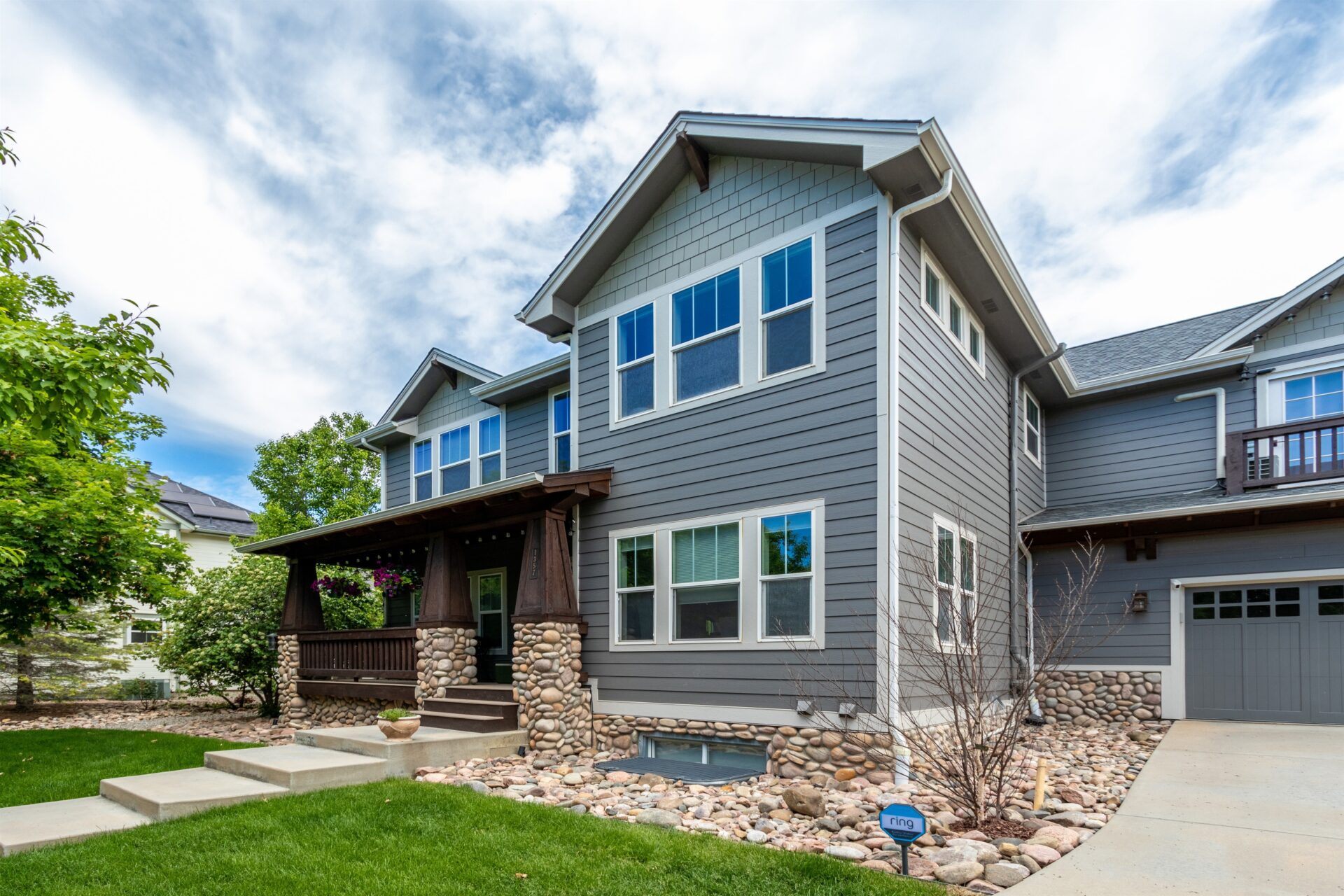
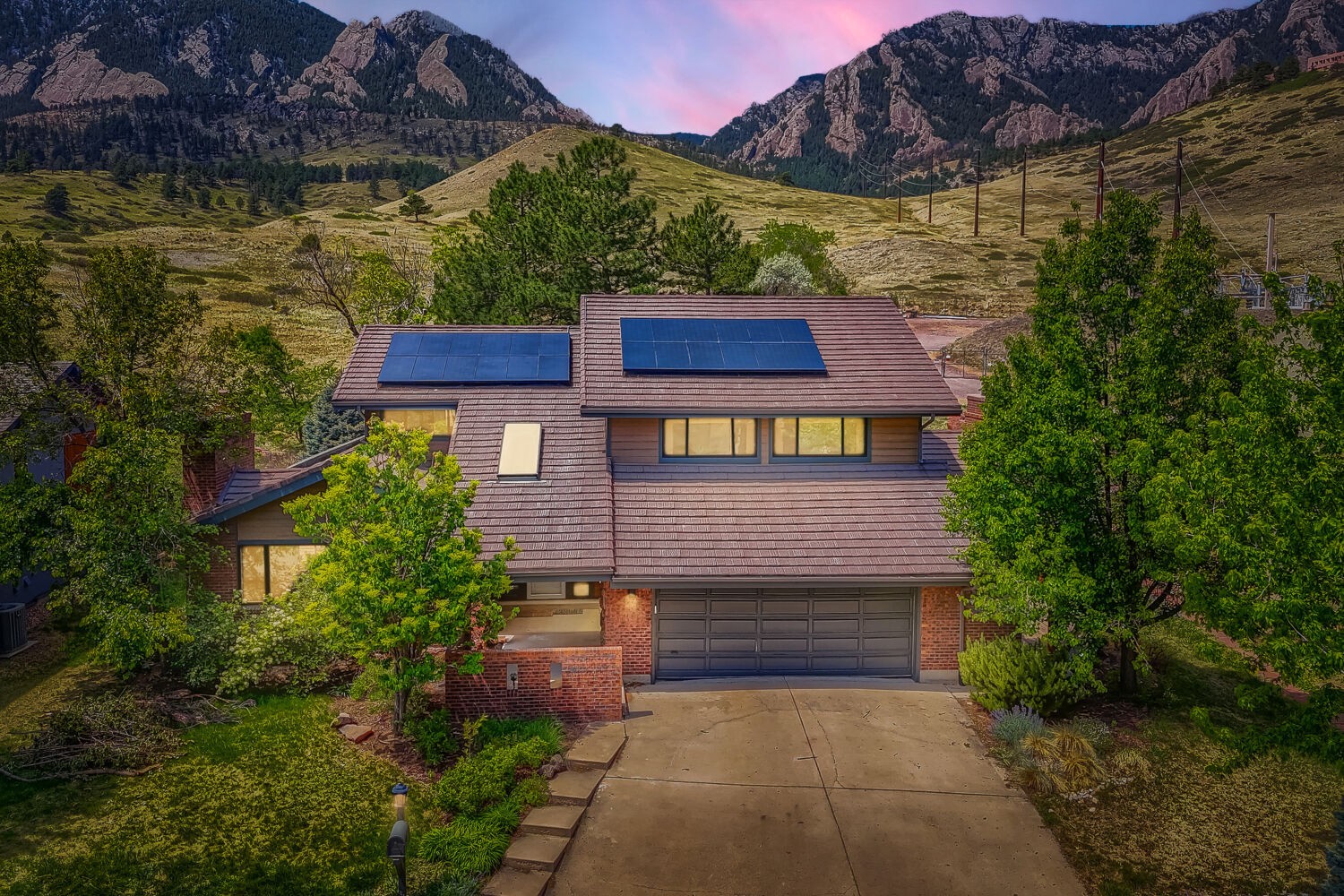
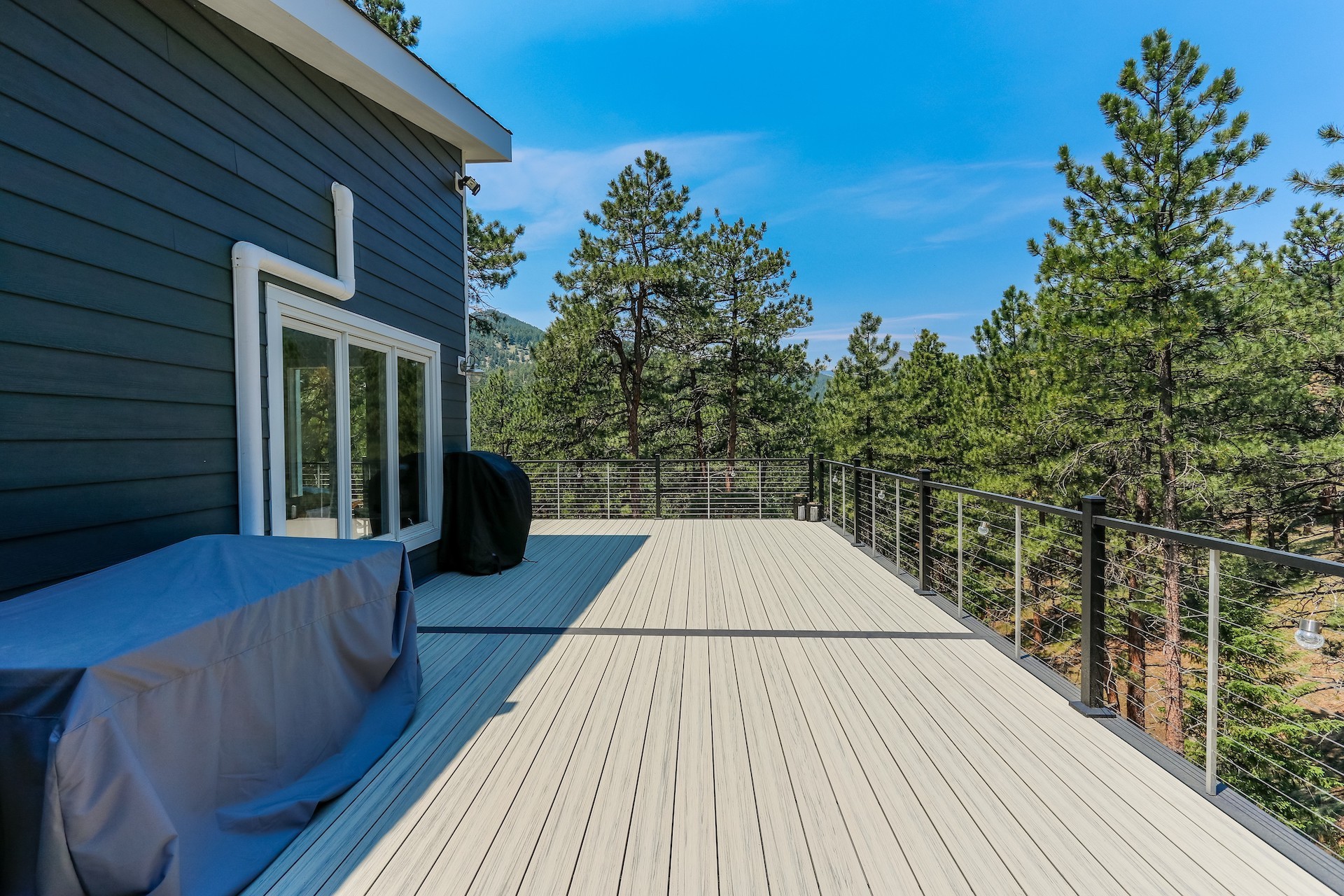
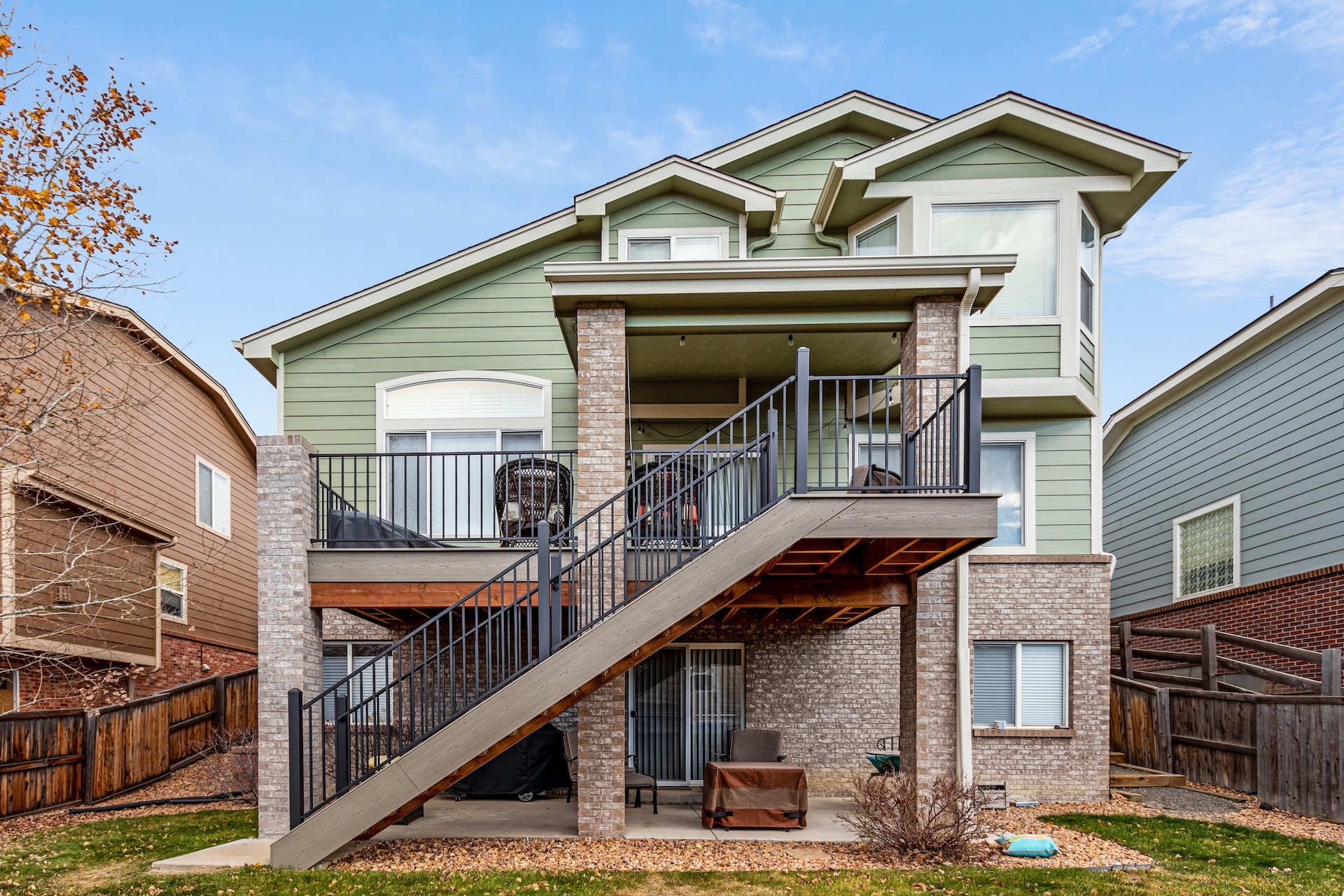
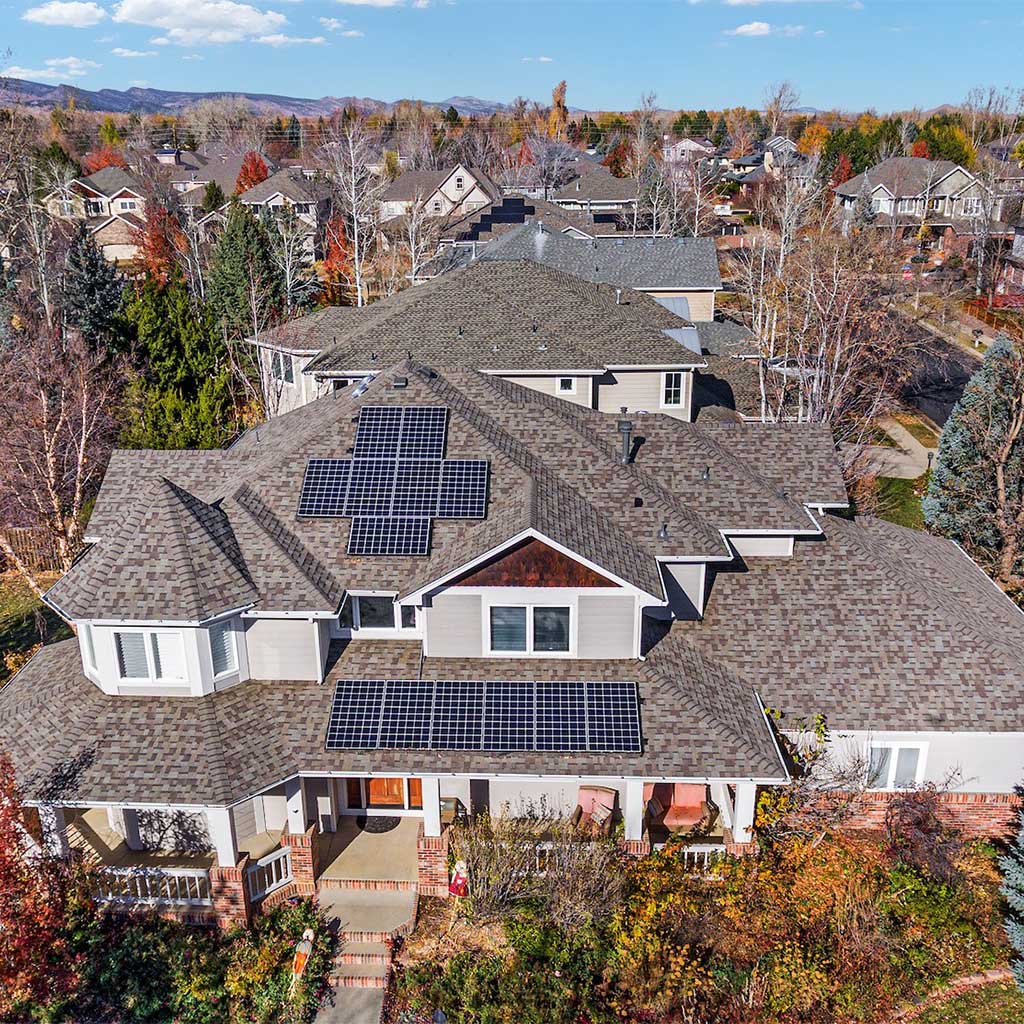
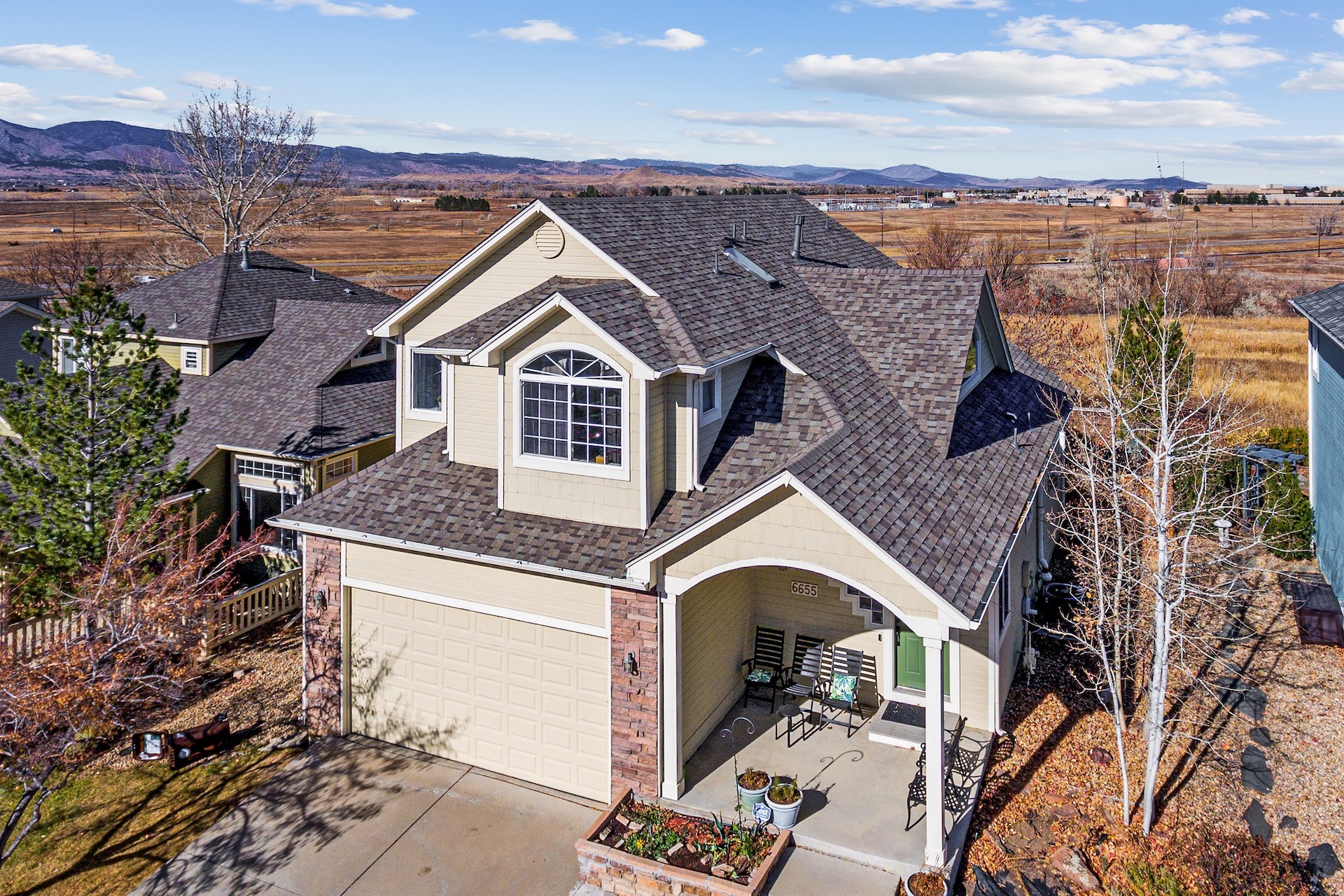
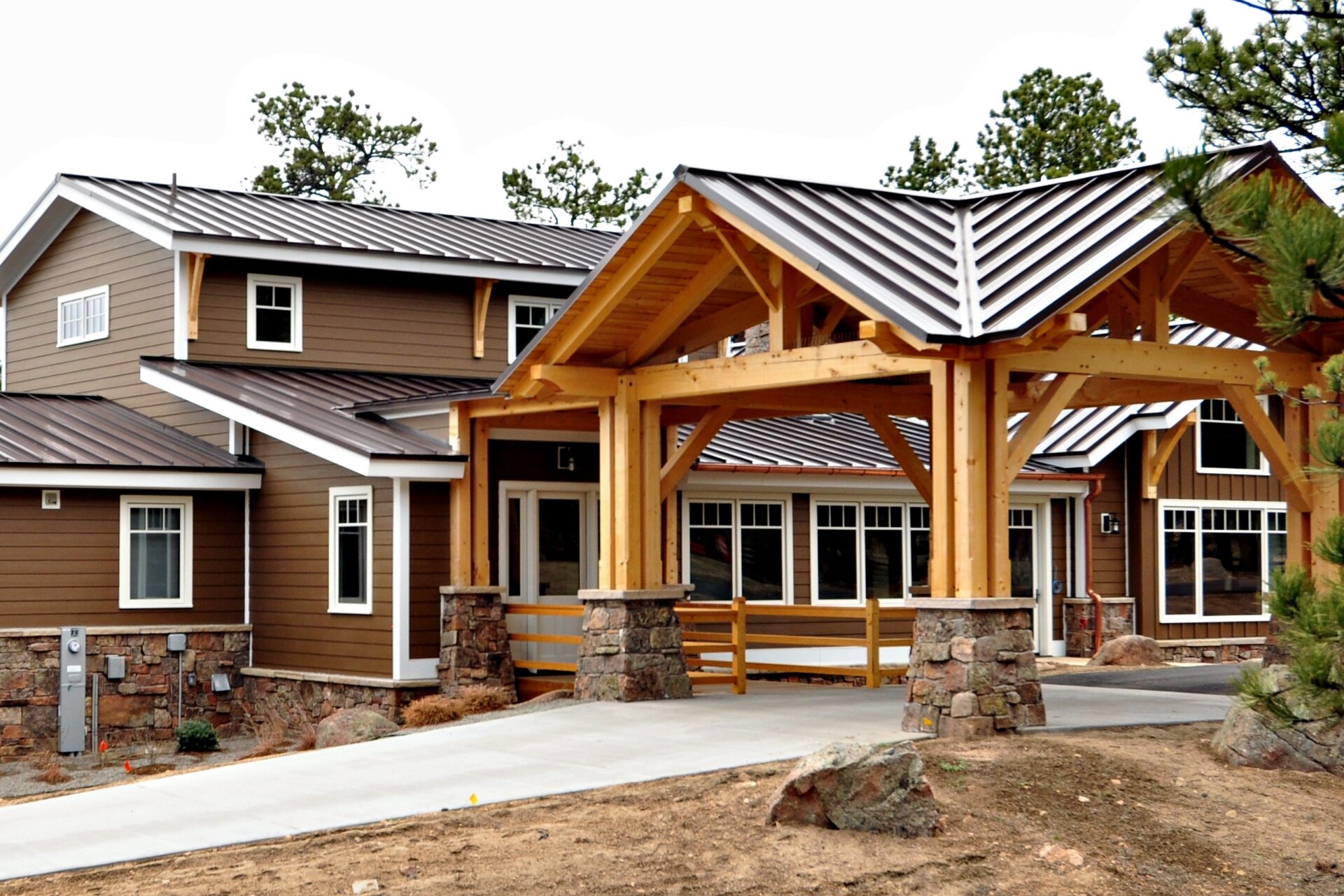
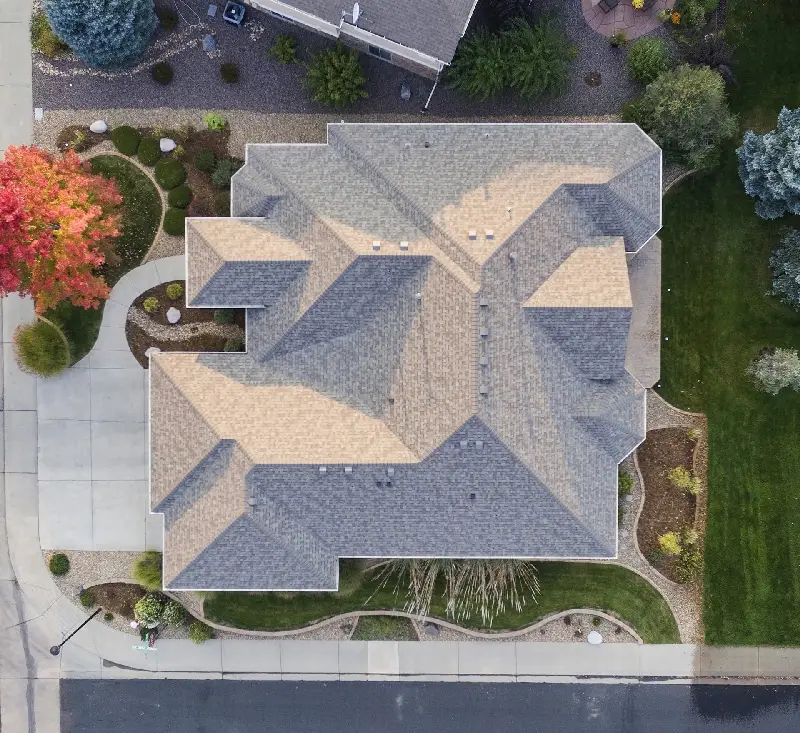
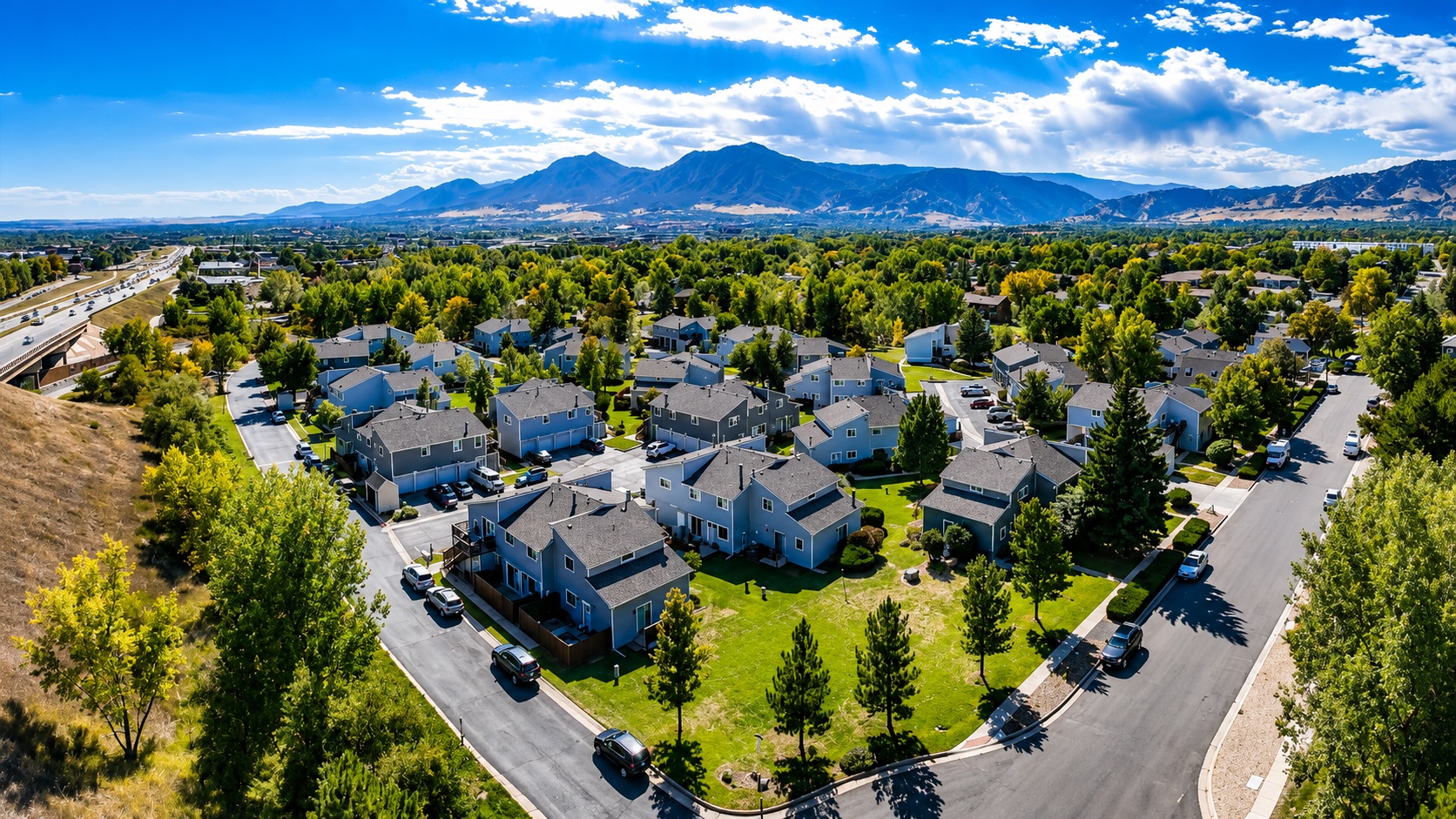
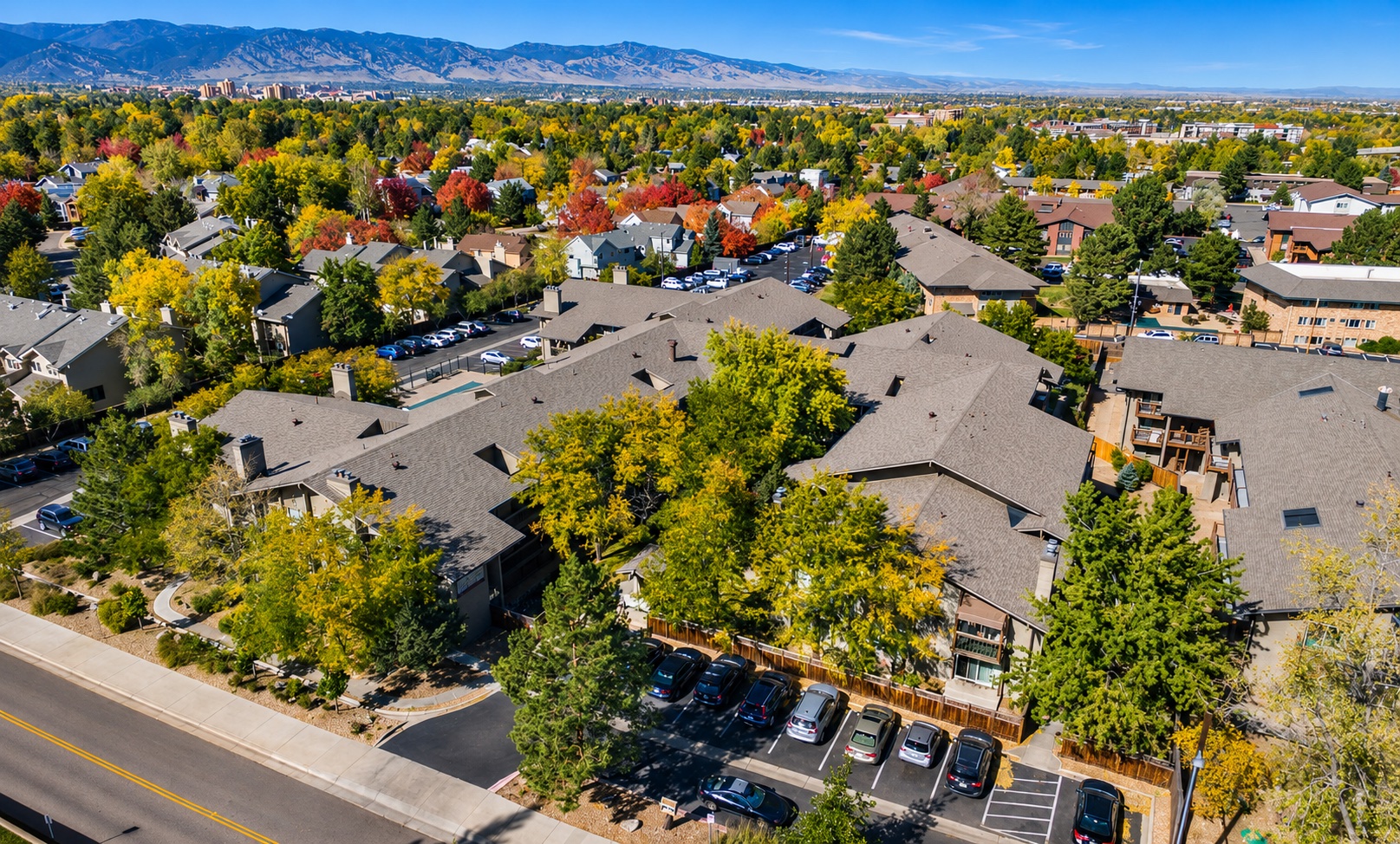
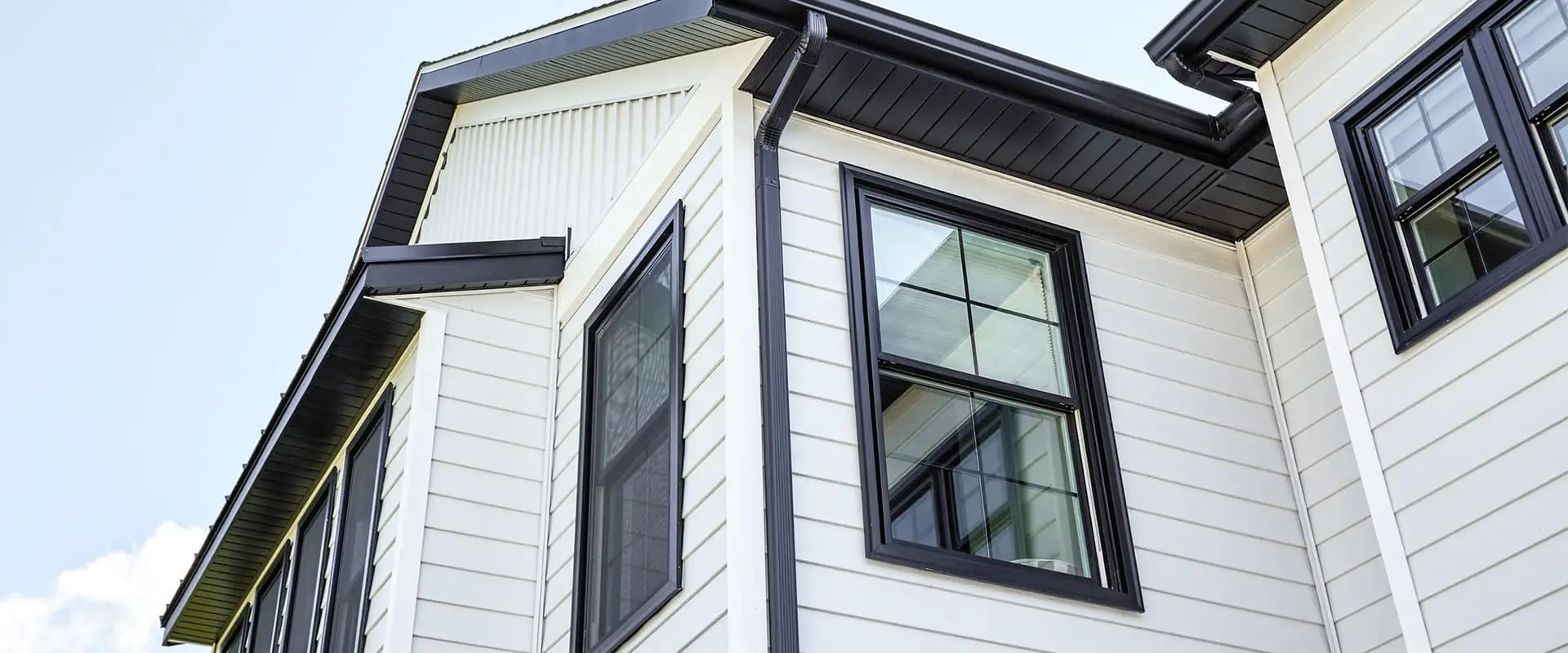
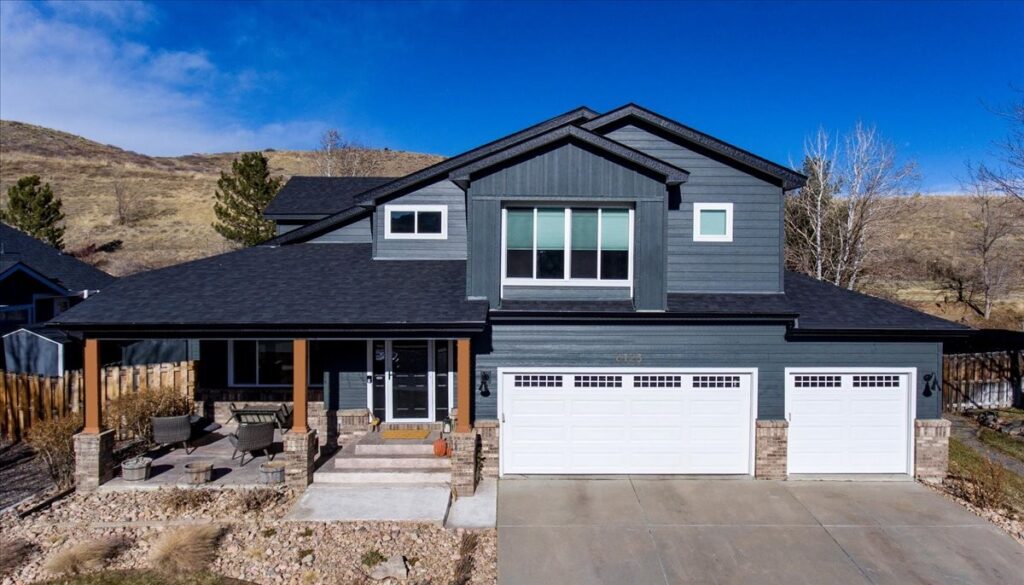
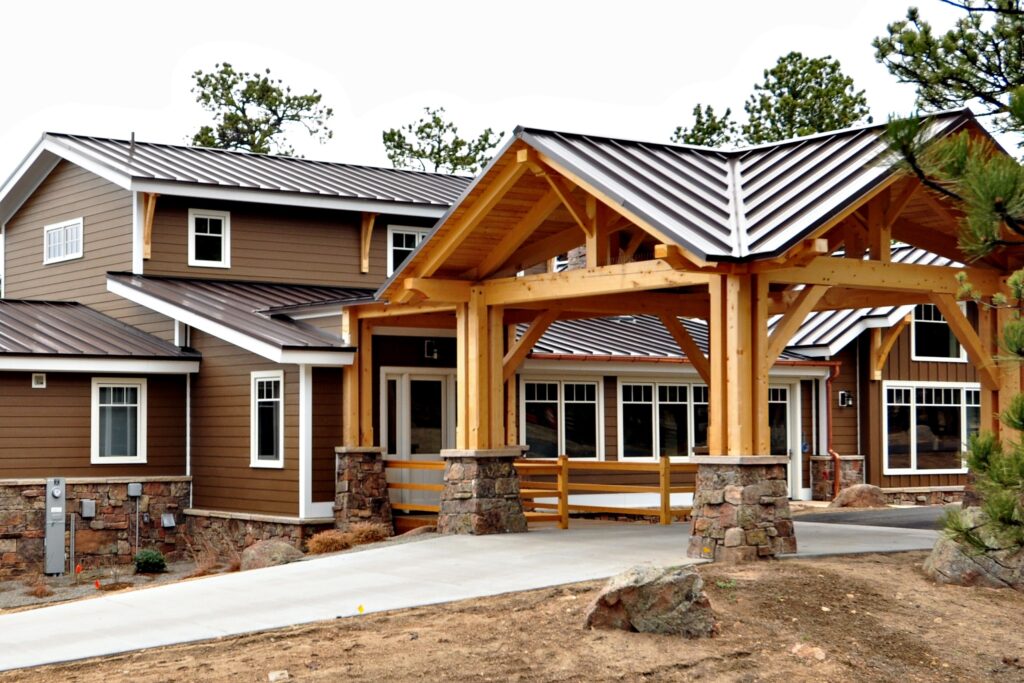
Roofs we installed ourselves, each captioned with the town it is actually in. The first is in Golden — also Jefferson County, so the same Wildfire Resiliency Code applies to it that applies to you — and it carries Class IV impact-resistant asphalt, the combination most Evergreen owners end up choosing: a Class A fire rating and hail resistance in one roof. The second is a Class A standing seam metal assembly in Estes Park, on the kind of treed mountain site that makes a foothills re-roof harder to stage than a plains one.
Nearby Cities We Also Serve
We work throughout the Denver metro, so if you are comparing quotes for a neighbor or a second property, these are the nearby cities we also cover:
Evergreen Roofing — Frequently Asked Questions
Do I need a Class A roof in Evergreen?
If your building is inside Jefferson County’s Wildland-Urban Interface Overlay District, yes — the Wildfire Resiliency Code that took effect on 1 July 2026 requires a Class A roof assembly there. Whether your particular parcel is in the overlay, and at which fire-intensity classification, is a question about the address rather than the town. We check the county map for your parcel before quoting rather than assuming either way.
Can I put a new cedar shake roof on my Evergreen home?
We will not quote one. An untreated wood shake roof does not achieve a Class A assembly, and on a parcel inside the WUI overlay that is not a close call. If you want to keep the look, synthetic shake gives you the appearance with a Class A rating — that is the option most Evergreen owners end up choosing when they have to let the real thing go.
What does a roof replacement cost in Evergreen?
A roof replacement in Evergreen, Colorado costs more than the same square footage on the plains, and it is worth knowing why rather than being surprised: steeper pitches, harder site access on treed sloping lots, longer material handling, and code-driven detailing at the eaves and vents. Class A architectural asphalt is the most accessible option, Class 4 impact-resistant above it, and standing seam metal well above both. We measure and give a firm written figure.
Is Class A the same as Class 4?
No, and the two get confused constantly. Class A is a FIRE rating for the roof assembly — that is what the Wildfire Resiliency Code requires in the overlay. Class 4 is an IMPACT rating, about surviving hail, and it is what earns you an insurance discount with most Colorado carriers. They are independent, and on a foothills home that takes both hail and wildfire risk, a shingle carrying both is usually the sensible choice.
My insurer is threatening non-renewal over my wood roof. Can you help?
This is one of the most common reasons Evergreen homeowners call us, so you are not in an unusual position. Bring the letter to the estimate — what your carrier will accept sometimes narrows the material choice, and it is better to know that before you fall in love with an option. We document the finished assembly so you have something concrete to send back to them.
Who issues the permit — the town of Evergreen?
There is no town of Evergreen. It is an unincorporated community, so the building permit and the Wildfire Resiliency Code both run through Jefferson County. In practice that makes things simpler than in an incorporated town, because there is one authority rather than a town and a county. We file it.
Do you handle the ember-resistant vent requirements too?
Yes, and they should be handled with the roof rather than after it. The code sets performance standards for ventilation openings so embers cannot get in, and those same openings are what stop the roof cooking itself from below. Solving fire and ventilation separately is how you end up with a compliant roof that bakes its own shingles.