James Hardie — Summit County
James Hardie Fiber Cement for Summit County Homes
A noncombustible, Class A wall for a wildland-urban interface address — that woodpeckers cannot drill, insects will not eat, and high-altitude sun will not fade. Elite Preferred installation across Silverthorne, Dillon, Frisco and Breckenridge.
Who installs James Hardie siding in Summit County?
Northern Lights Exteriors is a James Hardie Elite Preferred contractor and a President’s Club member, installing fiber cement throughout Summit County including Silverthorne, Dillon, Frisco, Breckenridge and Keystone.
This is wildland-urban interface country, and fiber cement is noncombustible with a Class A flame-spread rating — a categorically different starting point from wood, engineered wood or vinyl on a wall that faces forest.
It also solves the damage mountain owners actually deal with between visits: woodpeckers cannot drill it, insects have no use for it, and its factory finish holds color under ultraviolet light that fades ordinary coatings fast at 9,000 feet.
A Wall That Will Not Burn Is the Whole Point Up Here
Summit County sits in the wildland-urban interface. Not as a planning abstraction — as the reason people here watch the forecast in July. When a fire moves through a mountain neighborhood, the buildings that survive are rarely the ones that were lucky. They are the ones whose exterior gave the fire nothing to work with, and whose details did not let an ember find its way in.
That is the single strongest argument for fiber cement on a mountain wall, and it is why we specify it as the default here rather than as an upgrade.
Fiber cement does not burn
James Hardie fiber cement is a noncombustible material and carries a Class A flame-spread rating — the highest classification in the standard test. On a wall facing forest, that is a categorically different starting point from wood, engineered wood or vinyl.
Most homes are lost to embers, not flame front
Wind-driven embers travel well ahead of a fire and collect in exactly the places an exterior tends to be weakest — open eaves, oversized vent openings, gaps at trim and transitions, and anything combustible stacked against the wall. A noncombustible cladding with careless detailing is still a vulnerable building, which is why we treat the detail work as part of the same job.
Your address decides what is actually required
Requirements are not uniform across this valley. Properties inside the Town of Silverthorne follow the town’s own written requirements; unincorporated Summit County follows the Colorado Wildfire Resiliency Code. Vent openings, glazing and cladding are all treated differently. We establish which governs your address before specifying anything — see our Colorado Wildfire Resiliency Code page.
Worth being precise about what a rating does and does not mean: Class A describes how the material behaves in a flame-spread test. It is not a promise about your house. A building survives on the whole assembly — cladding, eaves, vents, glazing, decking and what is growing and stacked around it. Anyone selling you a rated product as though it were a guarantee is overselling, and we would rather tell you that than take the easy line.
Woodpeckers, and Everything Else That Wants Into Your Wall
Ask anyone who owns a mountain home with wood or engineered-wood siding what actually damaged it, and fire is usually not the first answer. Woodpeckers are.
They drill for insects, they drill to store food, and in spring they drill because a resonant wall makes an excellent drum for announcing territory. The holes let water in behind the cladding. Water behind cladding at this elevation freezes, expands, and opens the hole wider every winter. Then squirrels, mice and bats find the openings and take it from there. On a property nobody visits for weeks at a time, that sequence can run a long way before anyone notices.
There is nothing in it for a woodpecker
Fiber cement is cement, sand and cellulose. It does not host the insects a woodpecker is hunting, it does not drum like hollow wood, and it does not yield to a beak. The behavior does not get discouraged so much as it never starts.
No food value for anything else either
Carpenter ants, termites and wood-boring beetles have no interest in it, and it gives rodents nothing soft to work at. Combined with vent openings sized small enough to keep embers out, you get a wall that is also a genuinely poor entry point for wildlife.
It is not the fix for a hole you already have
If woodpeckers have been working on your building, the damage behind the cladding needs assessing before anything new goes over it. We photograph what we find. Re-cladding over concealed rot is how a pest problem quietly becomes a structural one.
It is a small thing that owners here bring up constantly, and it belongs in the same conversation as fire and weather: what you are really buying on a mountain wall is a material that asks nothing of you between visits.
What Altitude Does to a Wall, and Why Fiber Cement Holds Up
Two things age an exterior faster at 9,000 feet than they do in Denver, and neither is the one people expect. It is not the cold. It is ultraviolet light and the daily freeze-thaw swing.
UV intensity climbs roughly four to five percent for every thousand feet of elevation. A south-facing wall in Breckenridge is taking substantially more of it than the same wall on the Front Range, every day, all year — and snow on the ground reflects a second dose back up at the underside of eaves and soffits. It is why mountain buildings so often have one elevation that looks a decade older than the other three.
The freeze-thaw cycle does the mechanical damage. Meltwater finds its way into a material, freezes overnight, expands, and opens the gap slightly wider. Repeat that a hundred-plus times a season and materials that absorb water come apart.
James Hardie fiber cement answers both. It is dimensionally stable through the swing, its baked-on finish holds color under UV far longer than a field- applied coating, and it does not feed a fire — which matters here more than it does almost anywhere else in Colorado.
Choosing Color for a Mountain Building
Color behaves differently up here, and the mistake we see most often is a palette chosen from a sample card indoors on the Front Range.
Deep colors hold beautifully — and run hot
Iron Gray, Midnight Black and similar deep tones look superb against conifer and rock, and ColorPlus finishes hold them well. They also absorb more heat, which matters on a wall that is already taking reflected snow-glare.
Mid-tone naturals disappear into the terrain
Timber Bark, Monterey Taupe, Mountain Sage. These are the colors that make a large building read as smaller and quieter on a hillside, which is often what an owner actually wants without being able to name it.
Light colors show the winter
Arctic White and near-whites are stunning for about eight months. Plowed road grit, splash and drift contact show on the lower courses in a way they do not down valley.
Woodgrain for warmth without upkeep
WoodTone gives the timber look this architecture grew up with, without the stripping, re-staining and UV fade that real timber demands at this elevation.
We will put real samples on the actual building, in the actual light, before anyone commits — and photograph them for an owner who is not there to look.
James Hardie Across the Valley
We install James Hardie in Silverthorne, Dillon and Frisco, and James Hardie in Breckenridge and the resort areas above it. The choices shift a little with the setting.
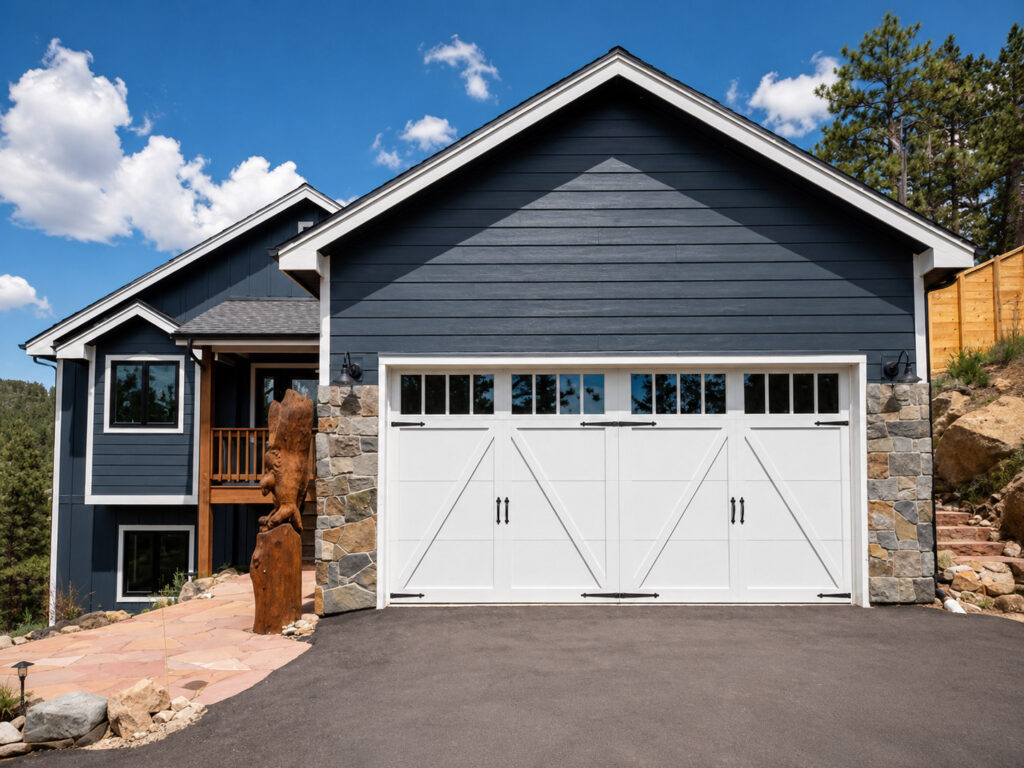
Lower in the valley the stock skews toward 1970s-90s construction where a full re-clad is usually replacing failing wood or hardboard, and the conversation is about getting the base detail and the housewrap right. Higher up and on the newer custom builds it is more often about a deliberate material composition — fiber cement field, stone base, woodgrain gables — and about matching a design intent that already exists.
As a James Hardie Elite Preferred contractor and a member of the James Hardie President’s Club, we have access to the full product range including Artisan, board and batten and WoodTone — but the reason to care is narrower than the badge: it means the installation details are ones the manufacturer will stand behind.
The Installation Is Where Fiber Cement Is Won or Lost
Fiber cement is a forgiving product badly installed and an excellent one installed properly, and at this elevation the gap between the two opens faster. A wall that would take fifteen years to show its mistakes in Denver will show them here in five.
The details we hold to, and the reasons they exist:
- Fastening to the manufacturer’s schedule, not to habit. Nail placement and depth decide whether a board can move with temperature. Over-driven fasteners are the single most common installation fault we find on re-clad jobs up here.
- Clearances kept honest. Fiber cement needs a gap where it meets roofs, decks and grade. Snow sits against a mountain wall for months, and a board run tight to a roofline will wick.
- Joint treatment that accounts for movement. Butt joints, corners and transitions all move with the daily temperature swing, which is wider here than almost anywhere in the state.
- Housewrap and flashing under everything. The cladding is the raincoat, not the waterproofing. On older buildings this is usually the part that was never right.
None of that is exotic. It is simply what the manufacturer asks for, done consistently on a building nobody is watching — which is the entire argument for documenting it.
The System Behind the Work
Fiber cement is installed once and covered by trim, and almost every warranty question that ever arises is a question about how it was fastened and flashed. That is exactly what gets photographed.
Two things make that possible, and they are the reason to choose us over a cheaper quote.
First, experience and scope. We have been working on Colorado’s Front Range since 2001, and we hold a Class C general contractor license (Colorado license #C120350) rather than a single-trade license. That is not a technicality: it means roofing, siding, windows, decks and outdoor living can run under one contract, with one project manager accountable for the flashings where those trades meet — which is precisely where multi-contractor projects leak, literally and figuratively. James Hardie has recognized us as an Elite Preferred contractor continuously since 2011, and as a President’s Club member — their highest contractor distinction nationwide. Our rating is 4.9 out of 5 from 552 verified reviews.
Second, a proprietary on-demand client portal we built ourselves. Most of what people hate about a remodel is not the construction. It is not knowing — who to call, whether the permit went in, when material arrives, what has been paid, whether it passed inspection. We built a system to remove exactly that, and as far as we know no other exterior contractor in this market offers it:
Every conversation in one place
Messages, decisions and change requests are logged against your project rather than scattered across texts, voicemails and three different crew members’ phones.
Contracts and scope, always retrievable
Your signed contract and itemized scope live in the portal, so “what did we actually agree to?” is a thing you look up rather than a thing you argue about.
Permit status you can see
Where the permit is in the process, and when inspections are scheduled — without having to phone anyone to find out.
Delivery and install schedules
When material lands and when each trade starts, so you can plan around the work instead of waiting for a truck to appear.
Before, during and final photography
Documented condition before we start, progress images through production, and final photography — including the parts of the building you will never see again once it is closed up.
Payments tracked per trade
What is paid and what is outstanding, broken out by trade rather than as one running balance you have to reconcile yourself.
Inspection records
Each inspection and its result, recorded against the project and available when you sell the house and someone asks.
Access is an individual, custom URL issued to you — and you get it when we start talking, at the lead and project meeting, not after you sign something. That is deliberate: you can see how we run a project before you commit to one. It then stays available after the work is finished, which matters more than it sounds, because the documentation, images and inspection records are exactly what a buyer’s agent, an appraiser or an insurer asks for years later.
Get a James Hardie Quote for Your Summit County Home
We will walk the building, sample colors on the actual elevations, and give you an itemized scope. If the right answer for your building is a mix rather than fiber cement everywhere, we will say that too.
Request Your Free Estimate → 📞 (303) 776-5263
Prefer email? Reach us at office@nlexteriors.com. Ask about financing options when we walk the property.
James Hardie on Colorado Mountain Homes
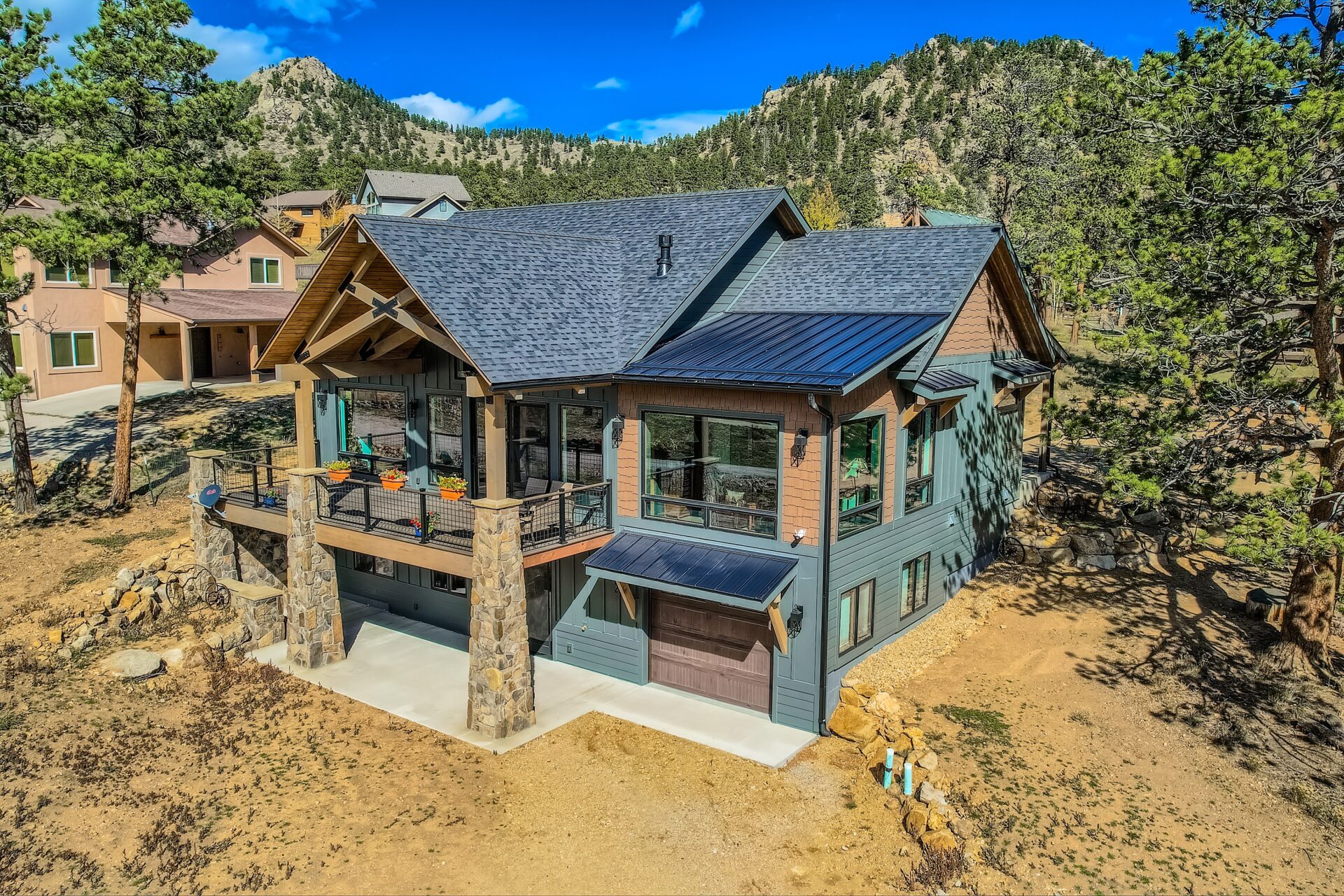
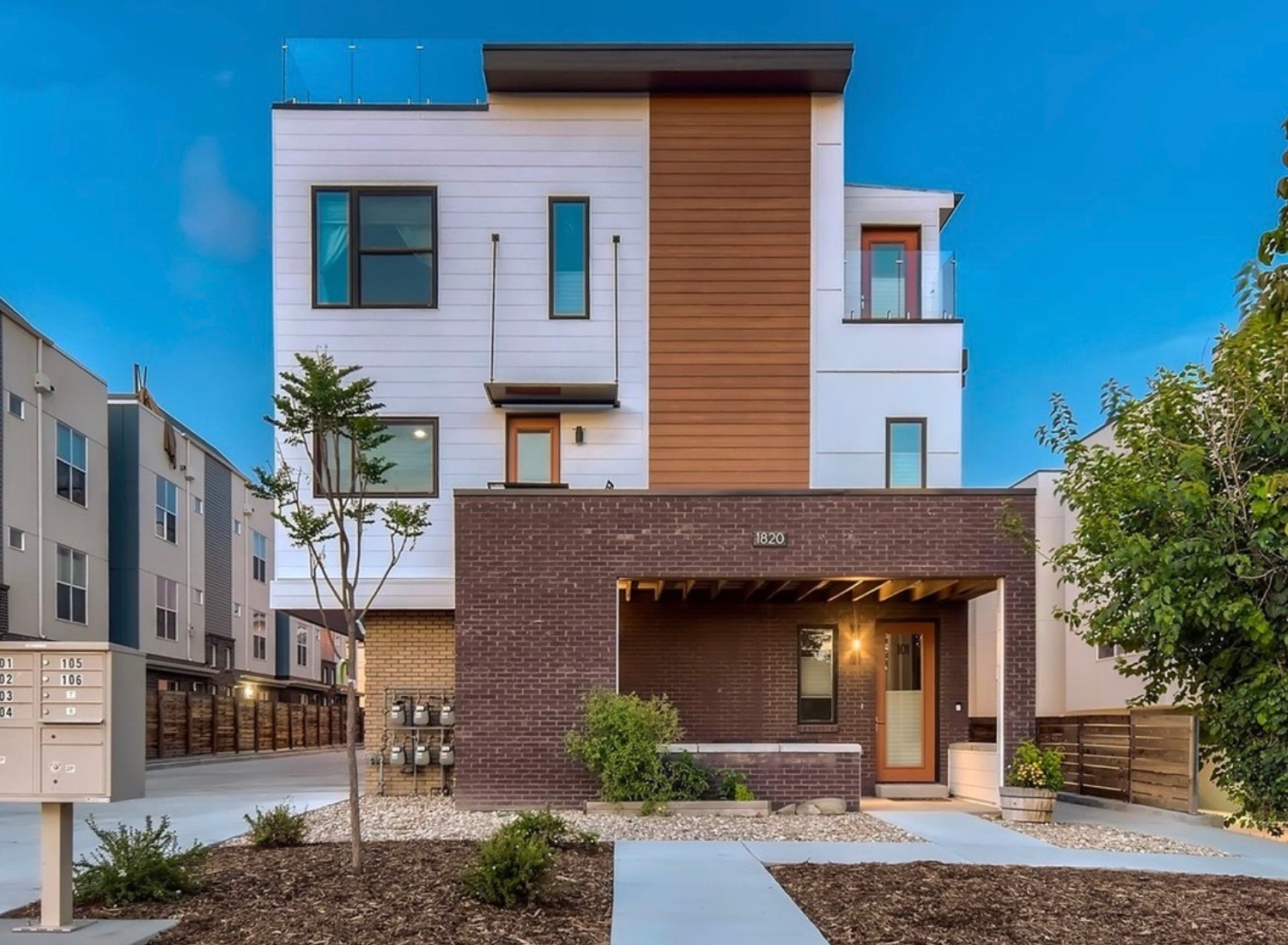
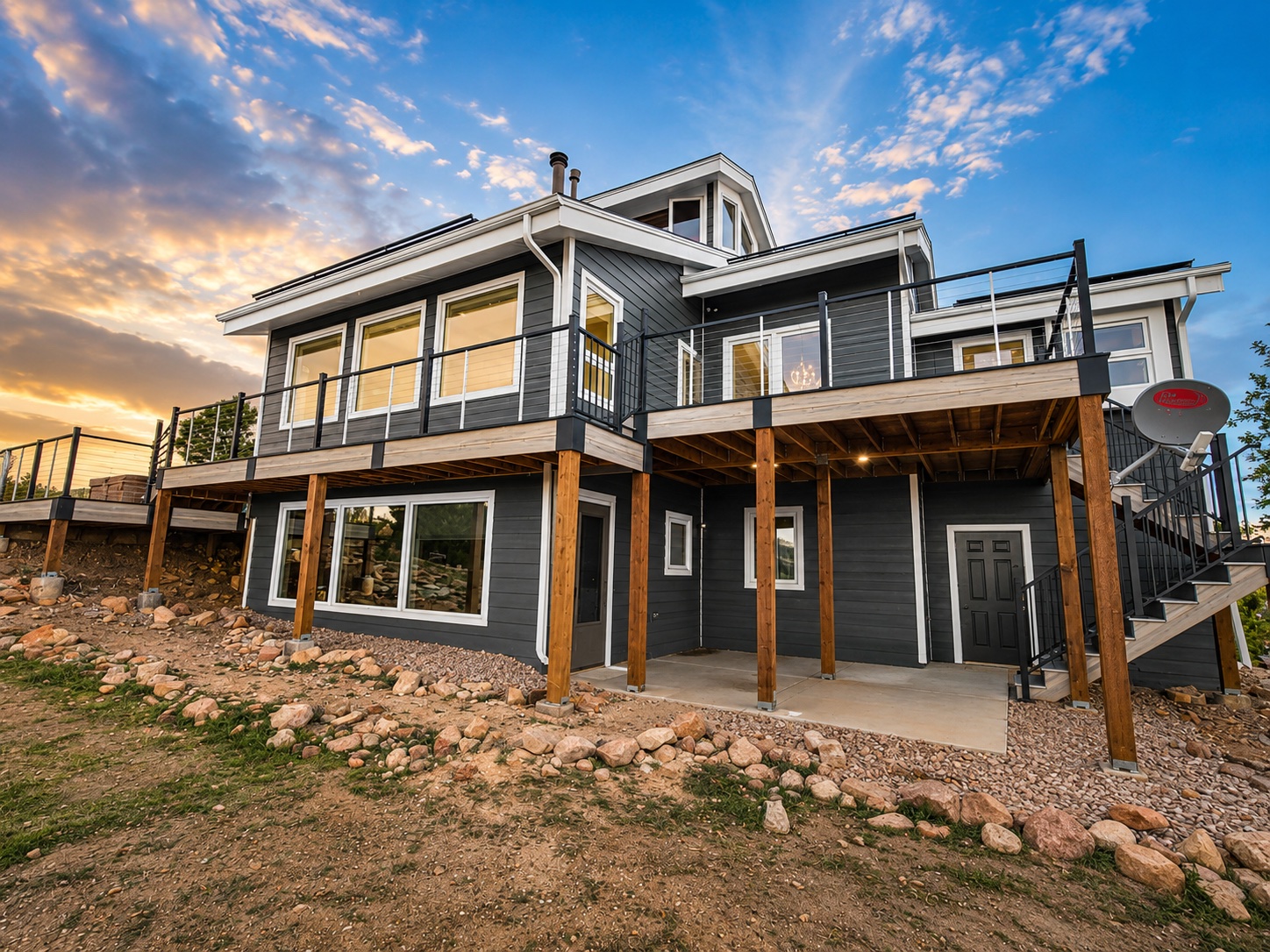
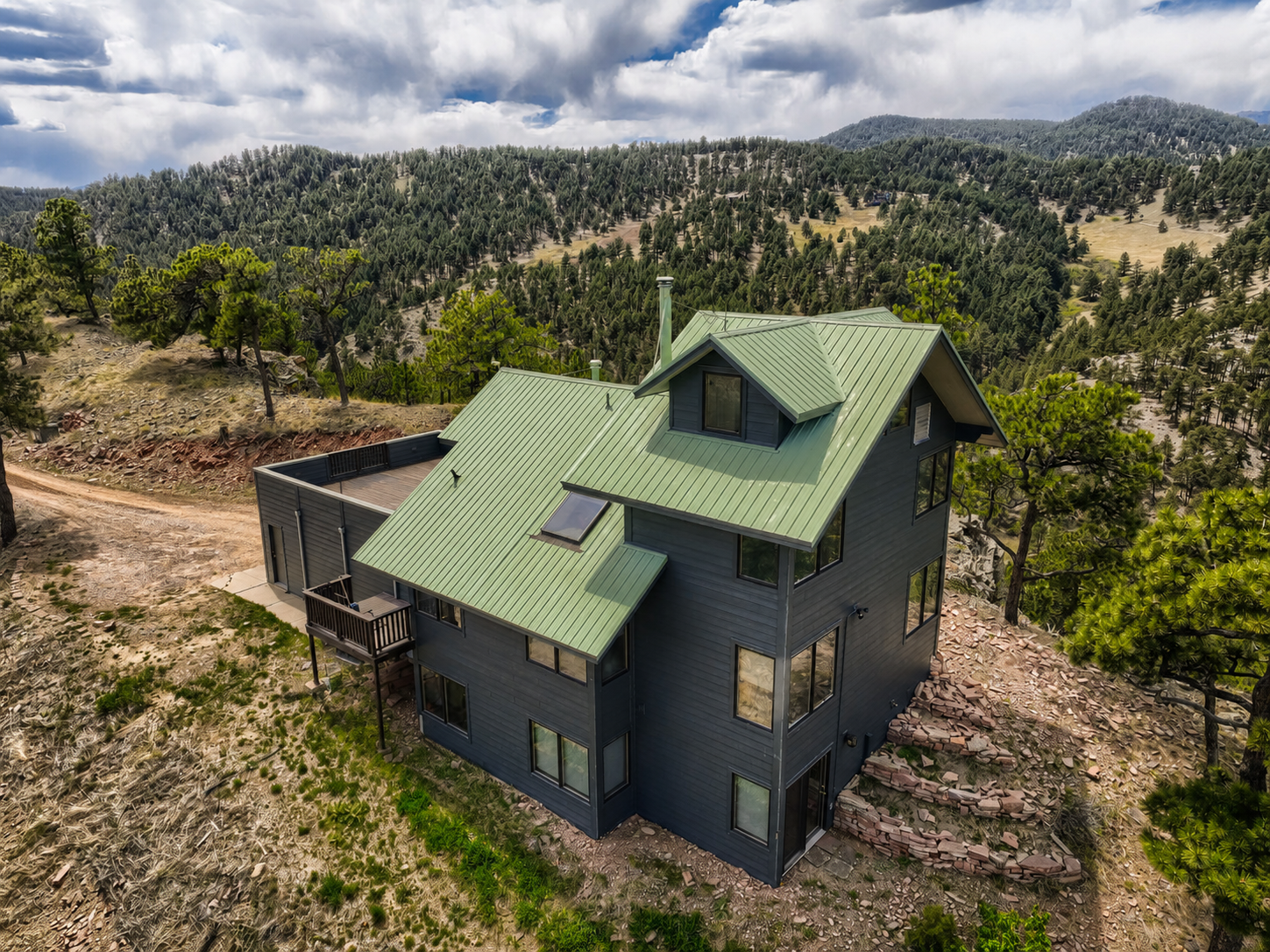
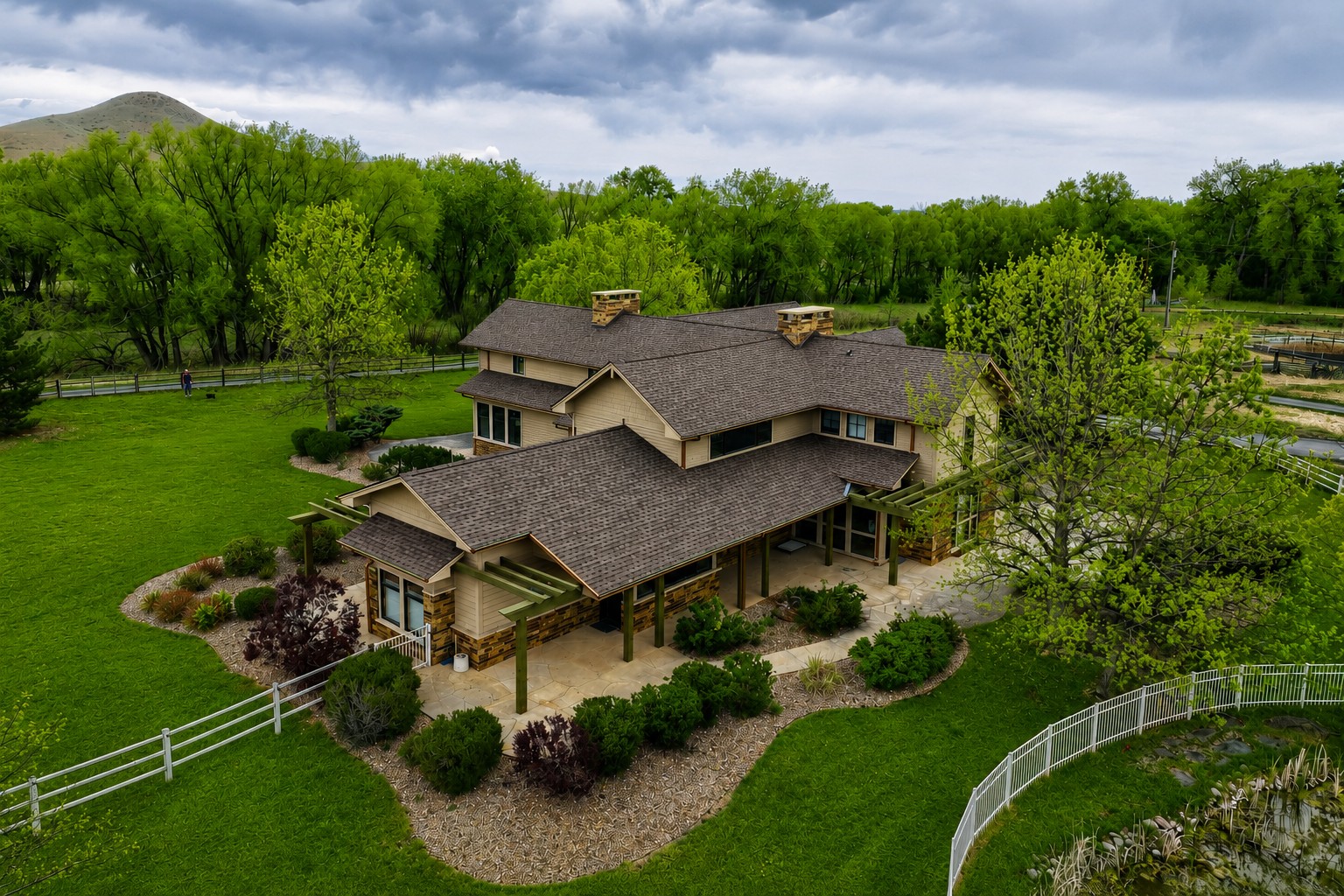
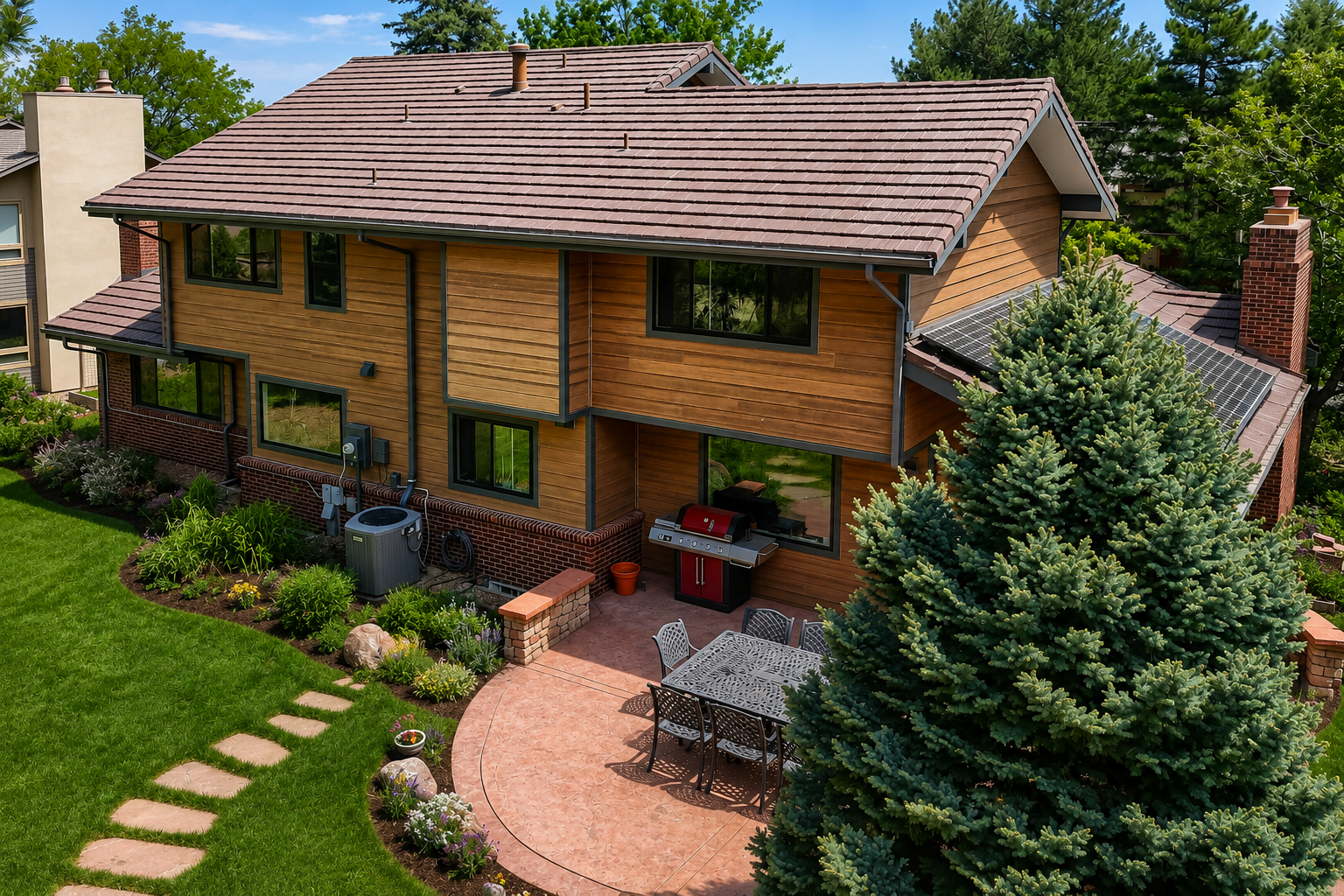
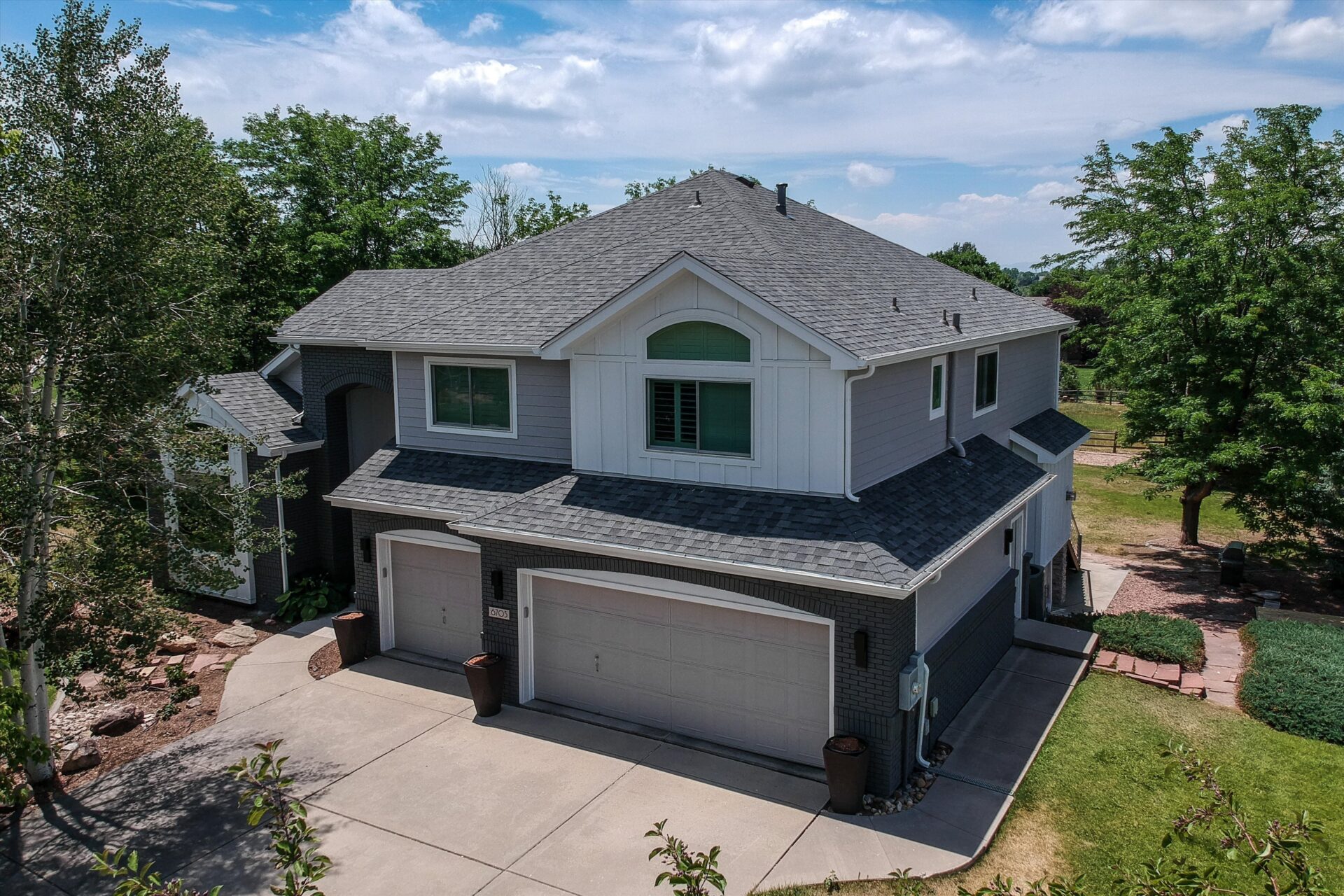
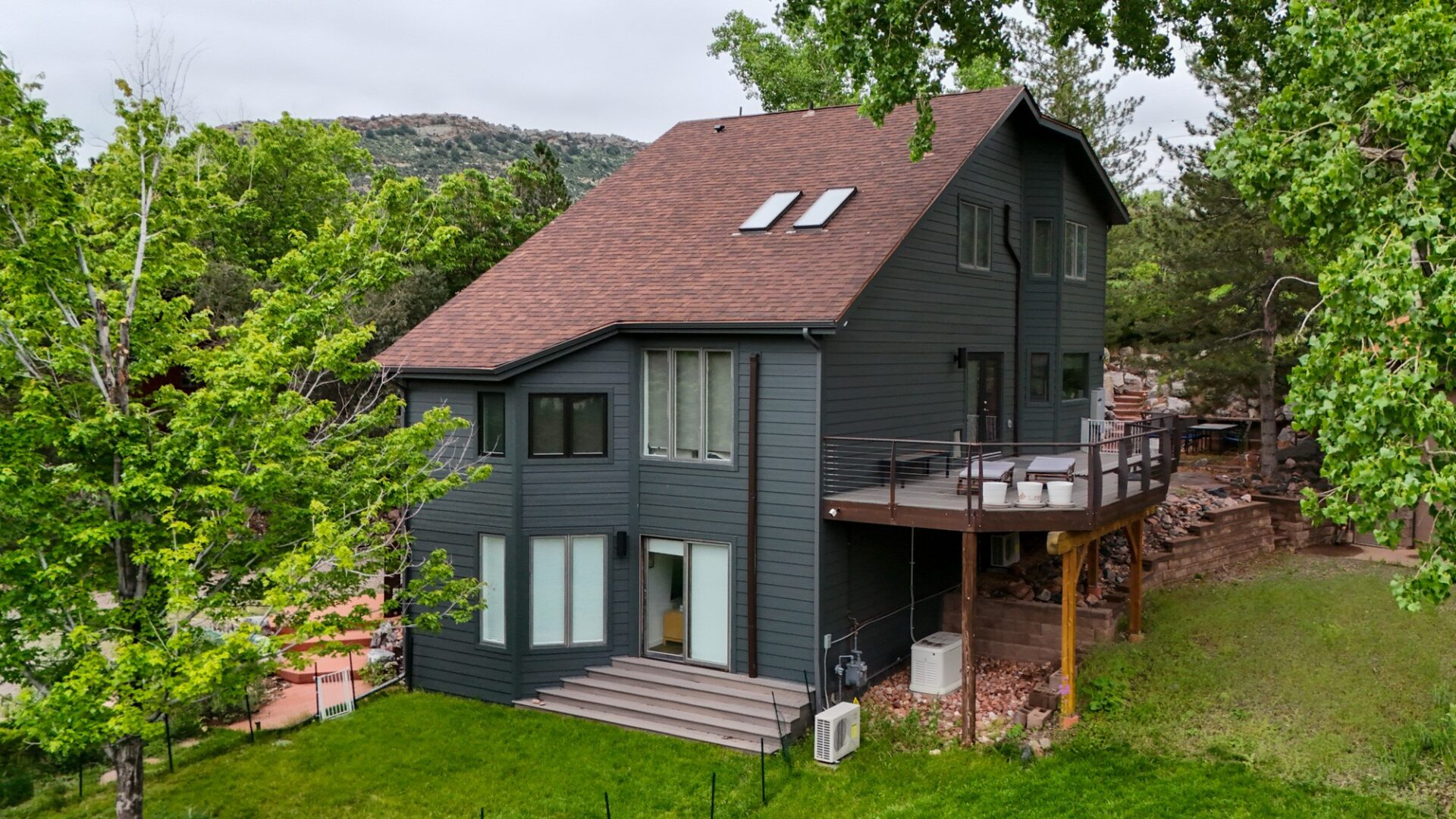
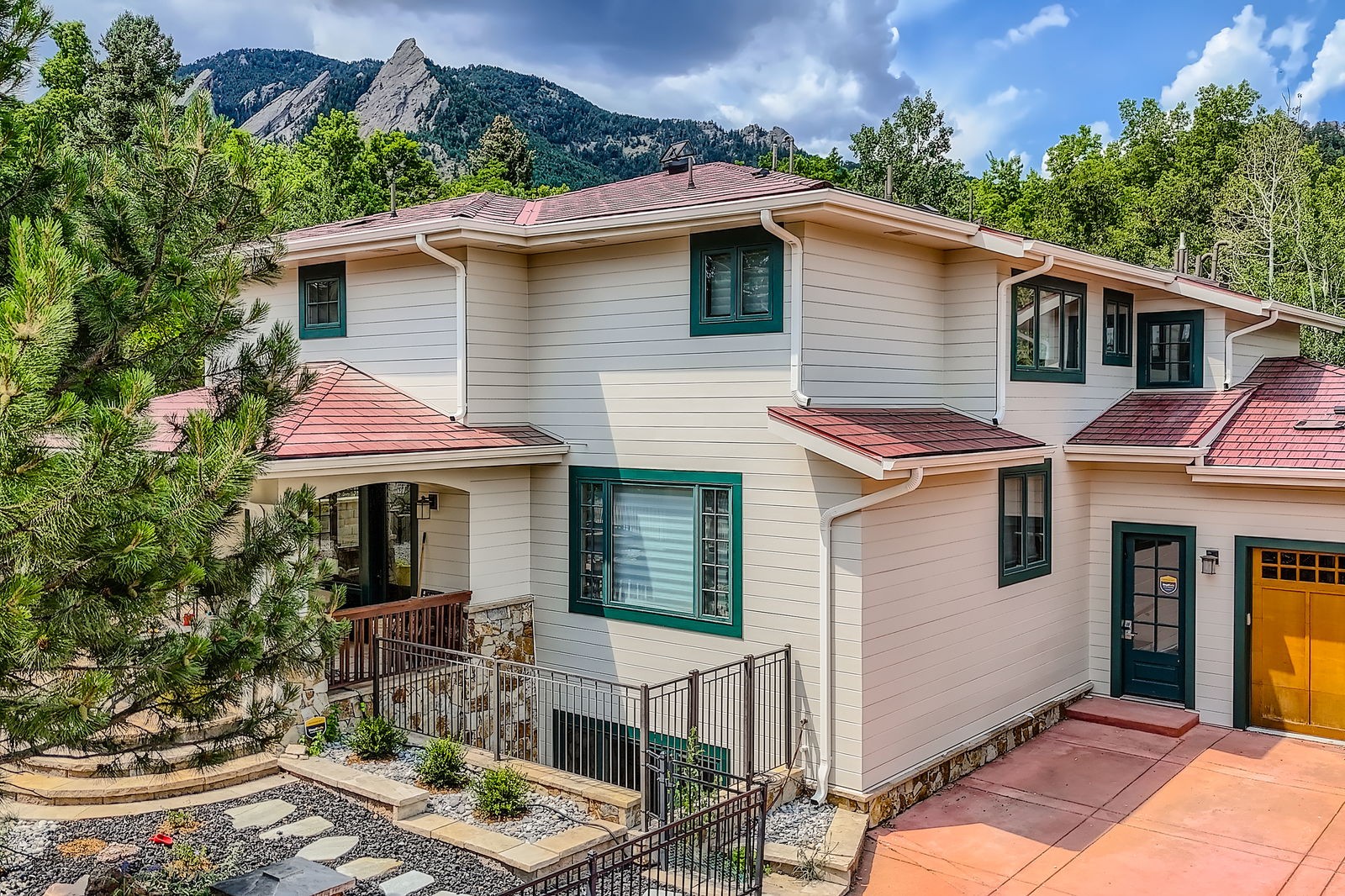
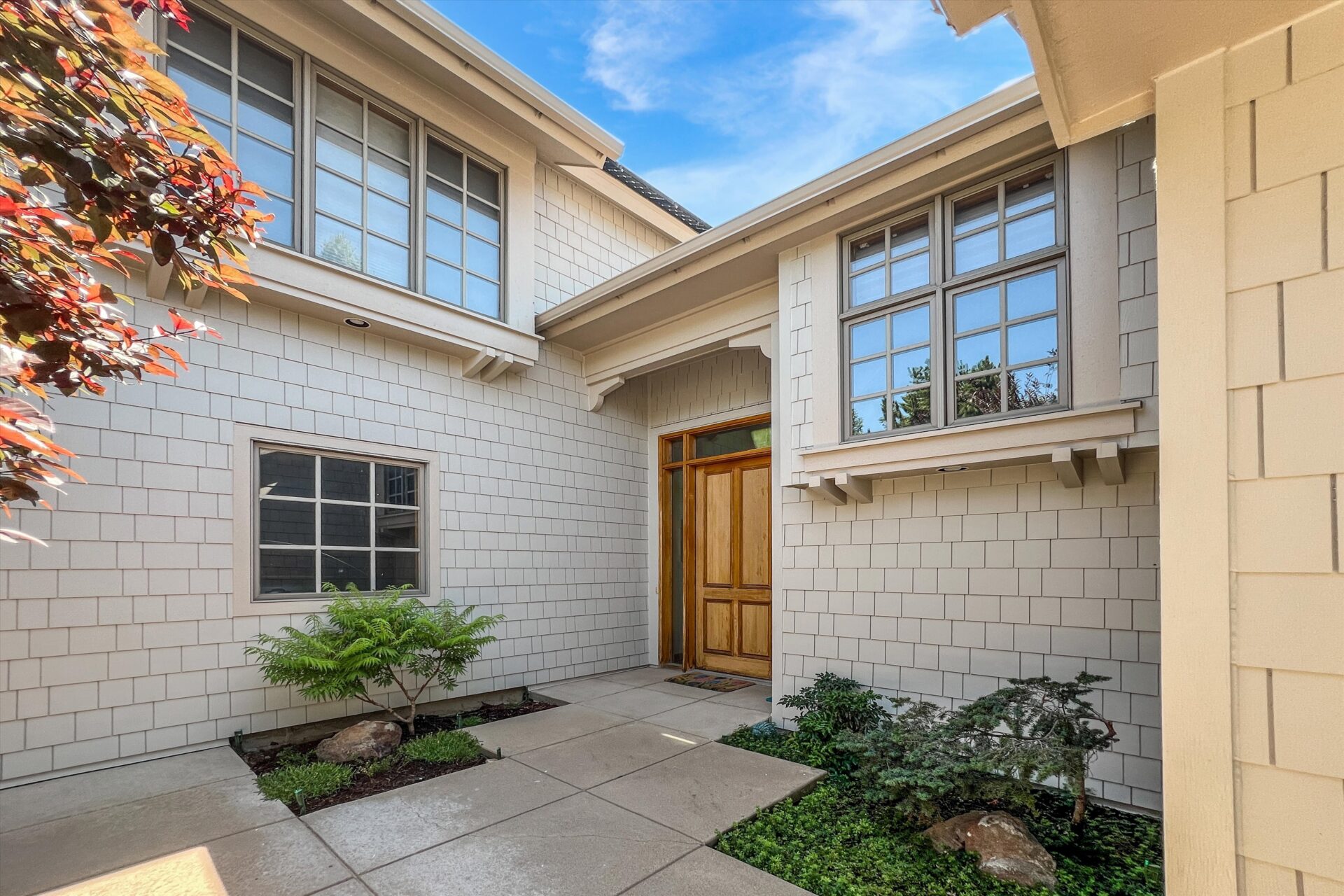
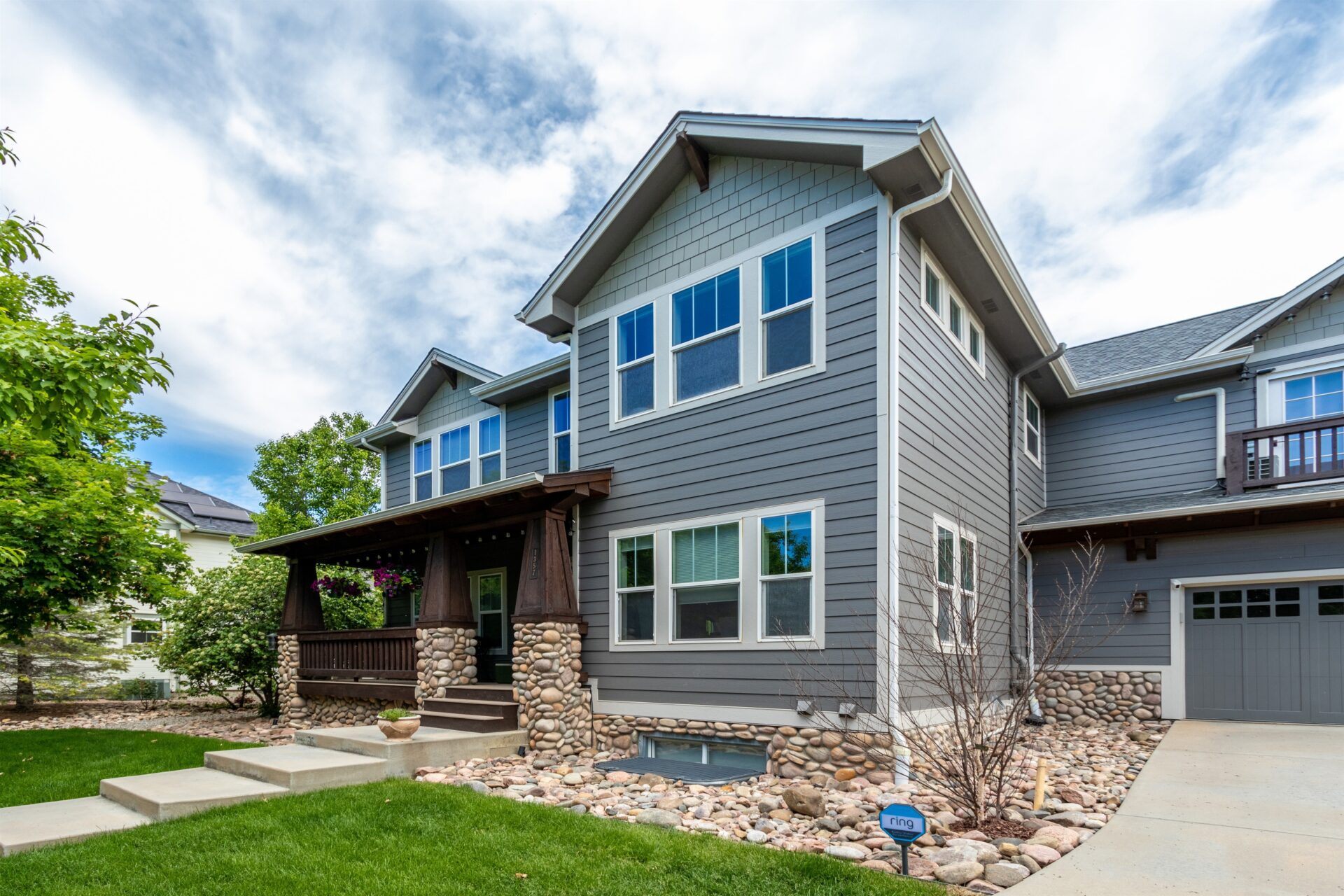
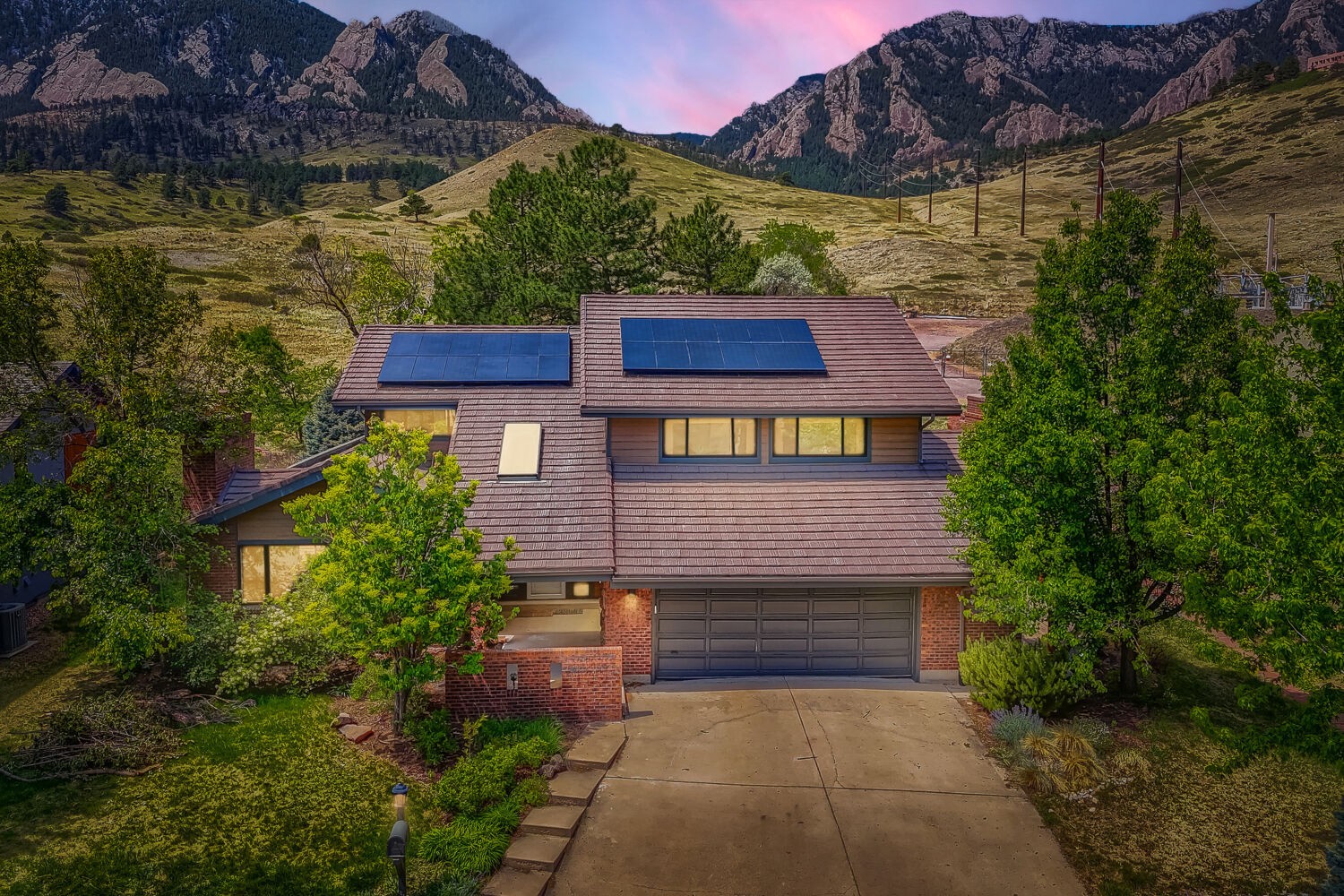
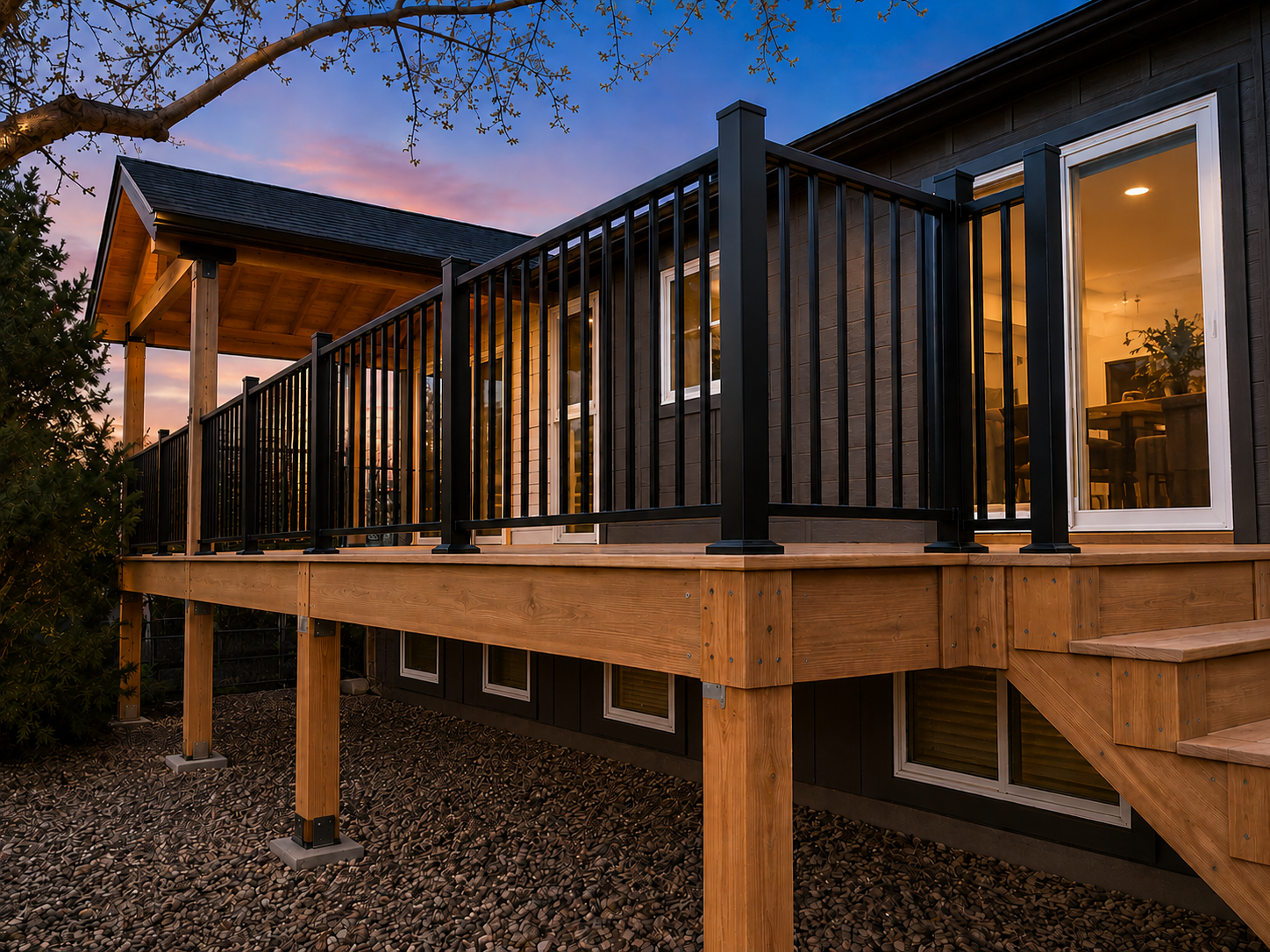
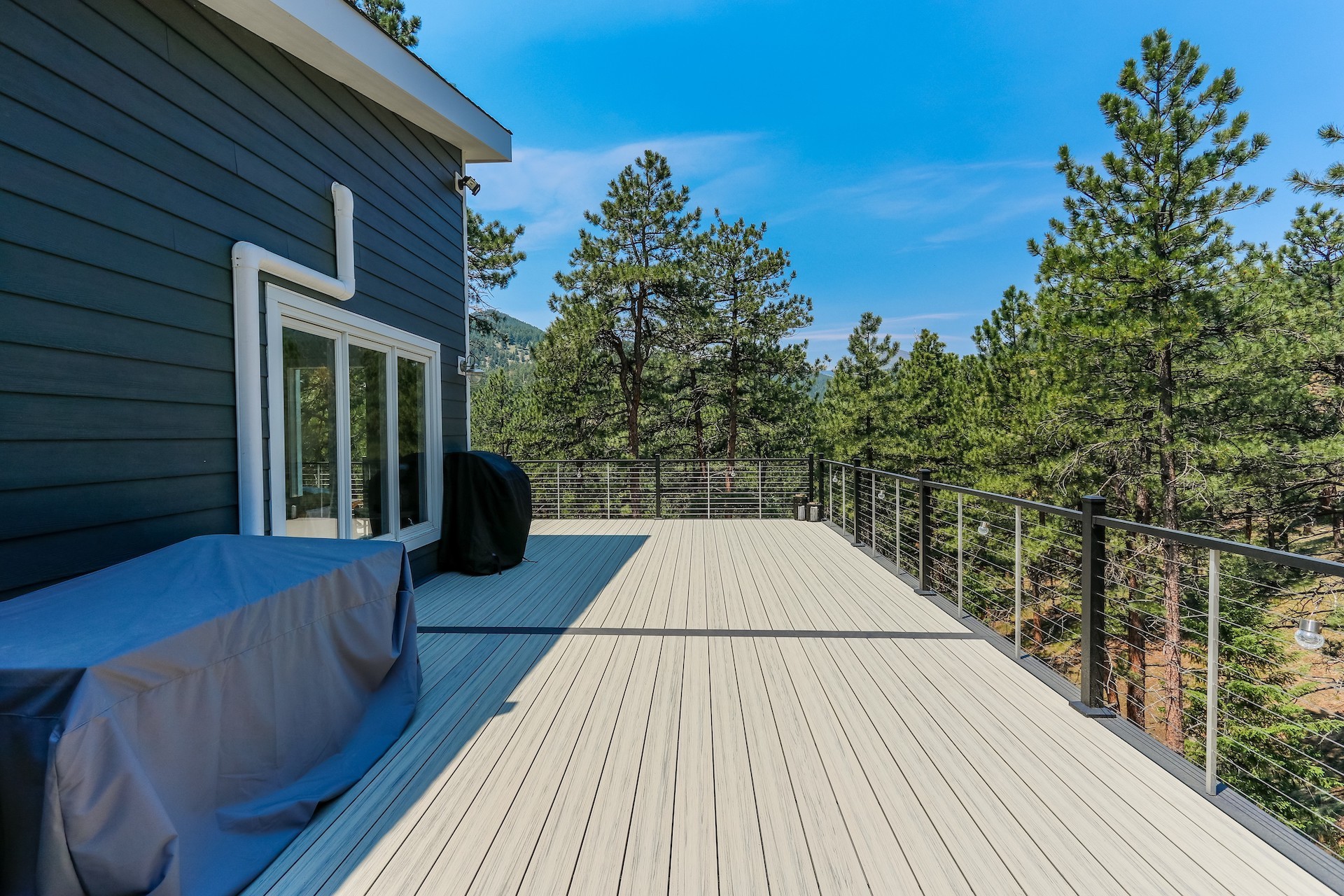
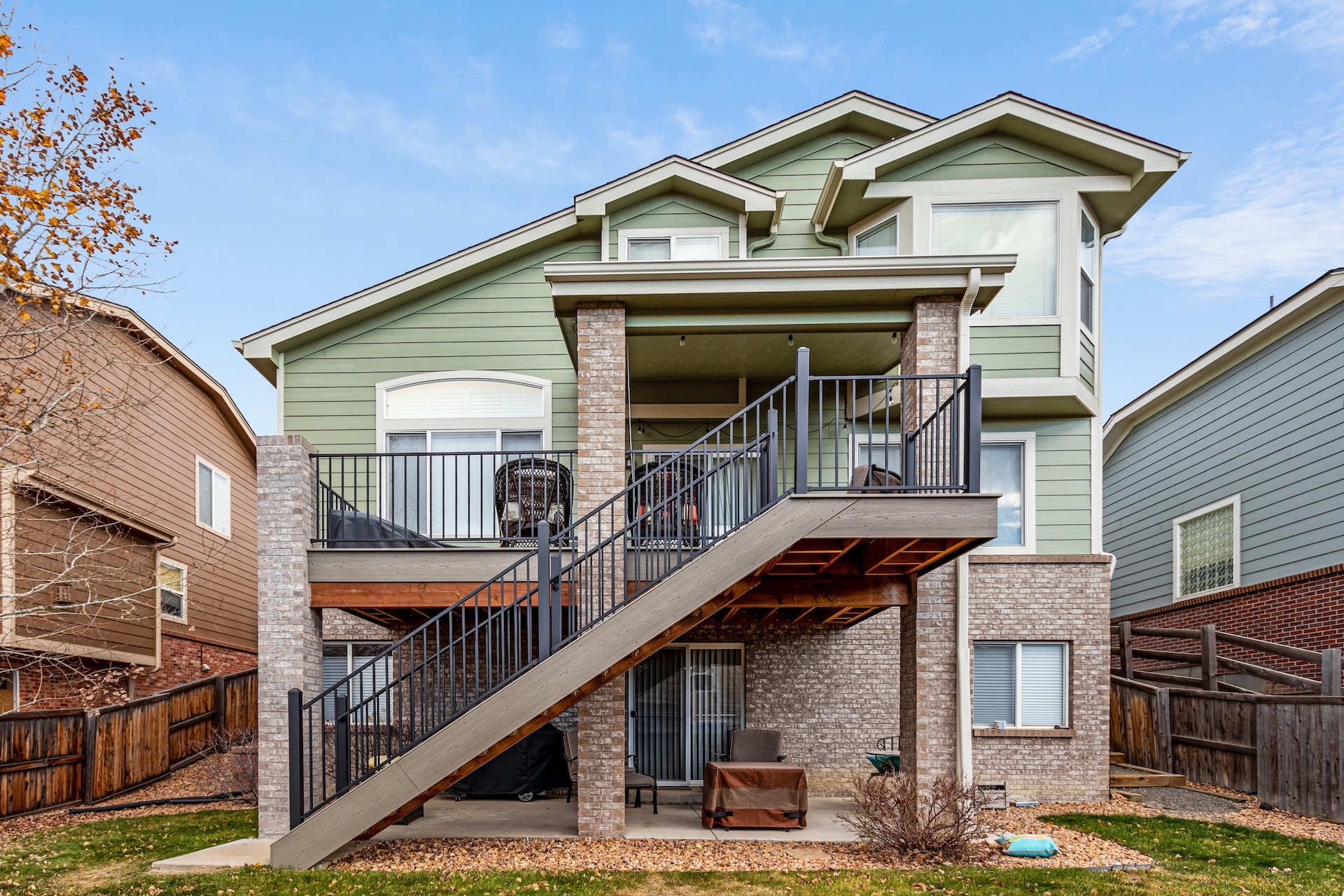
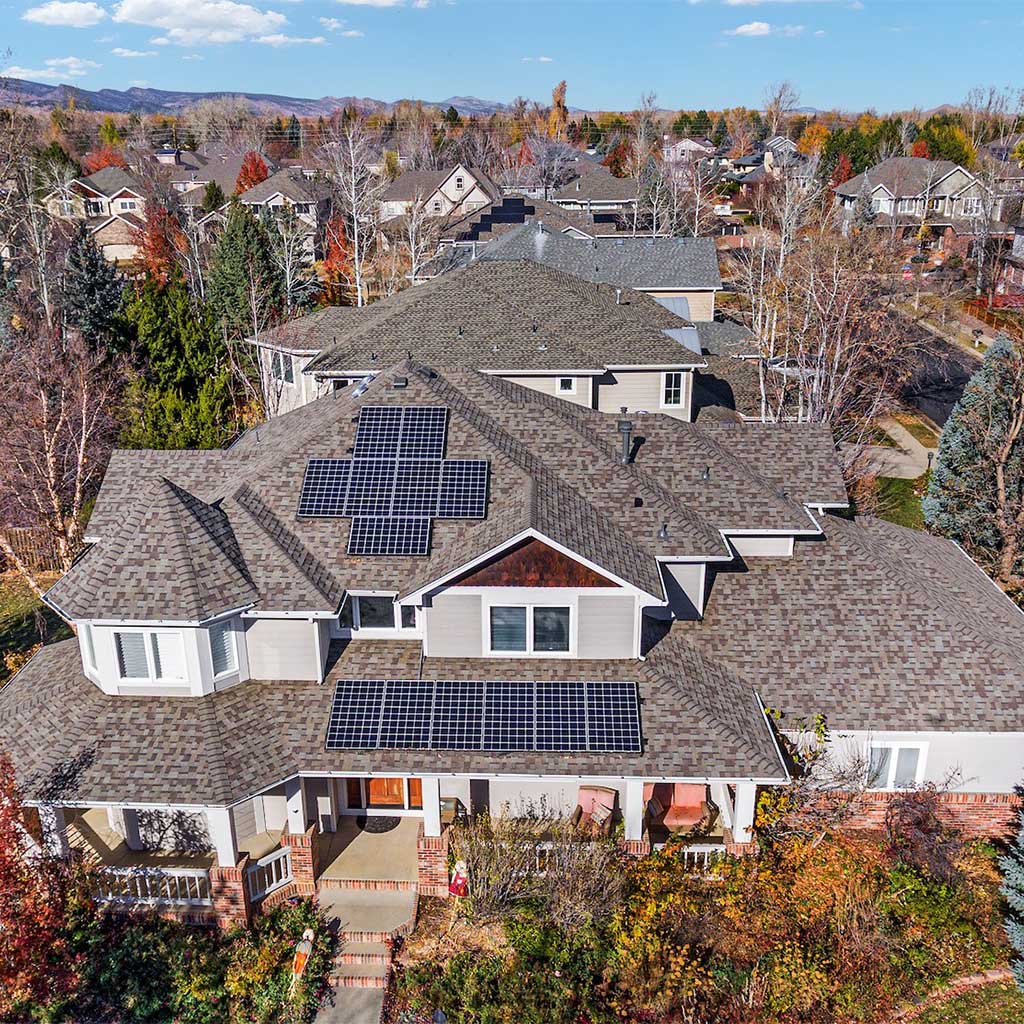
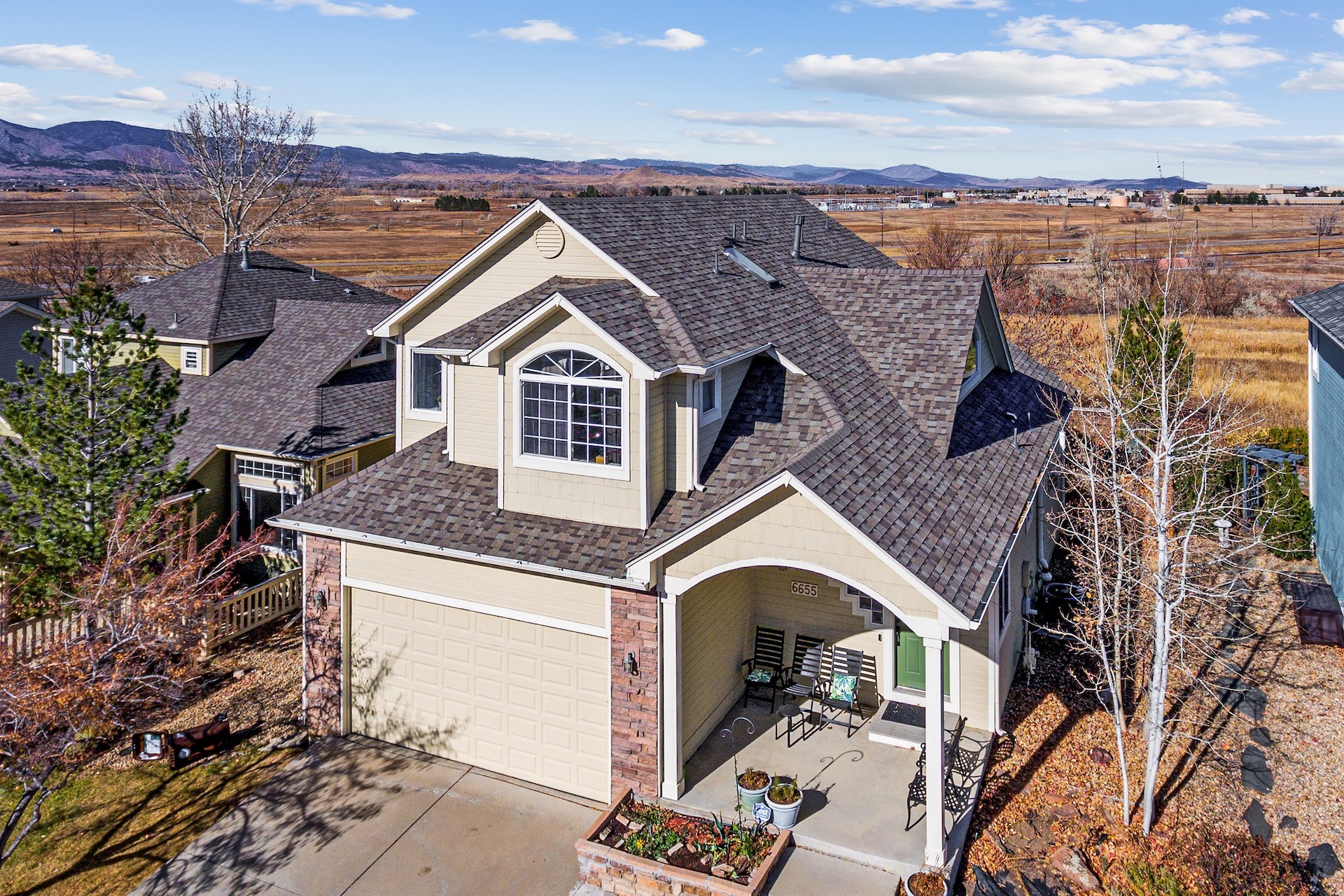
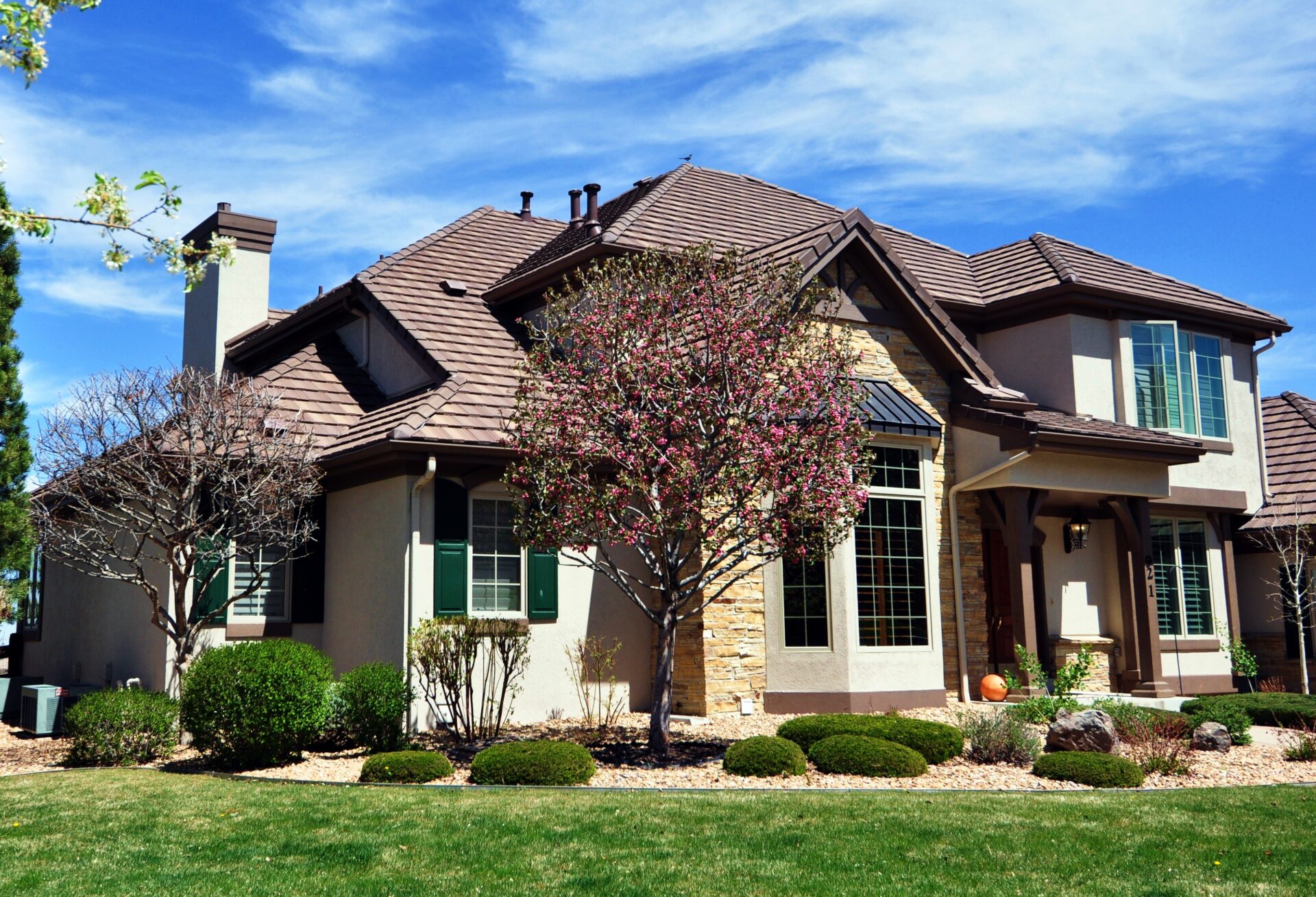
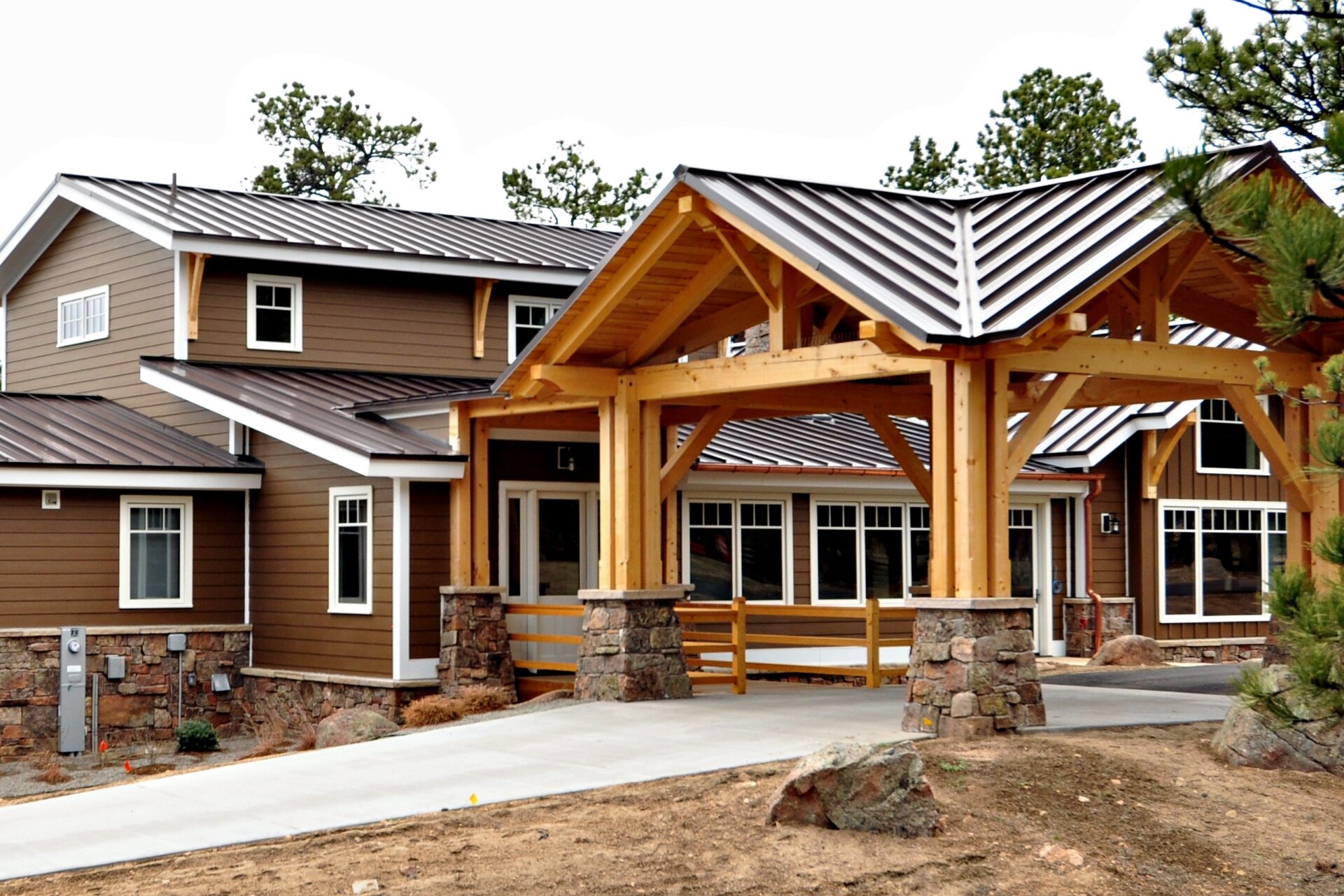
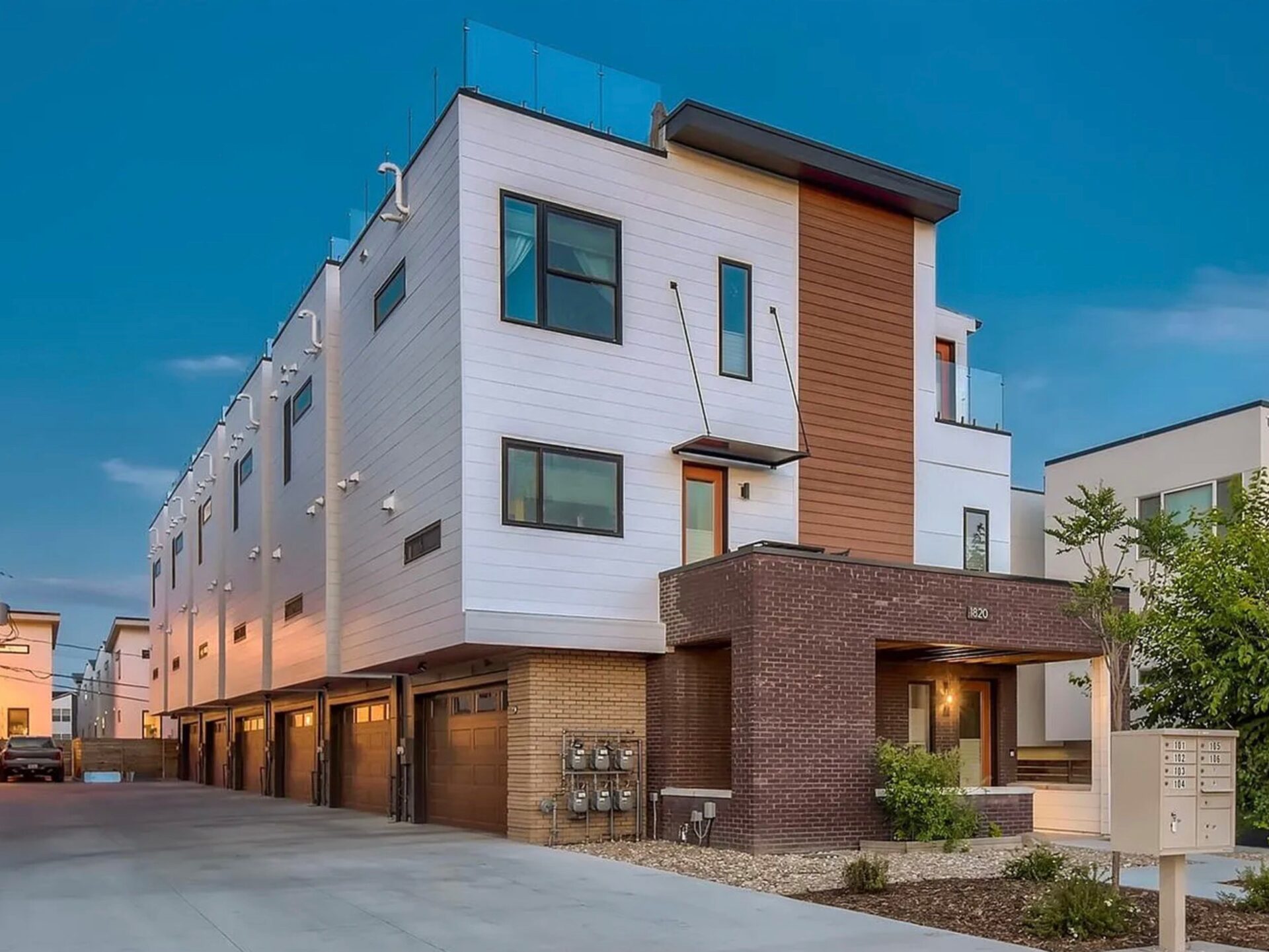
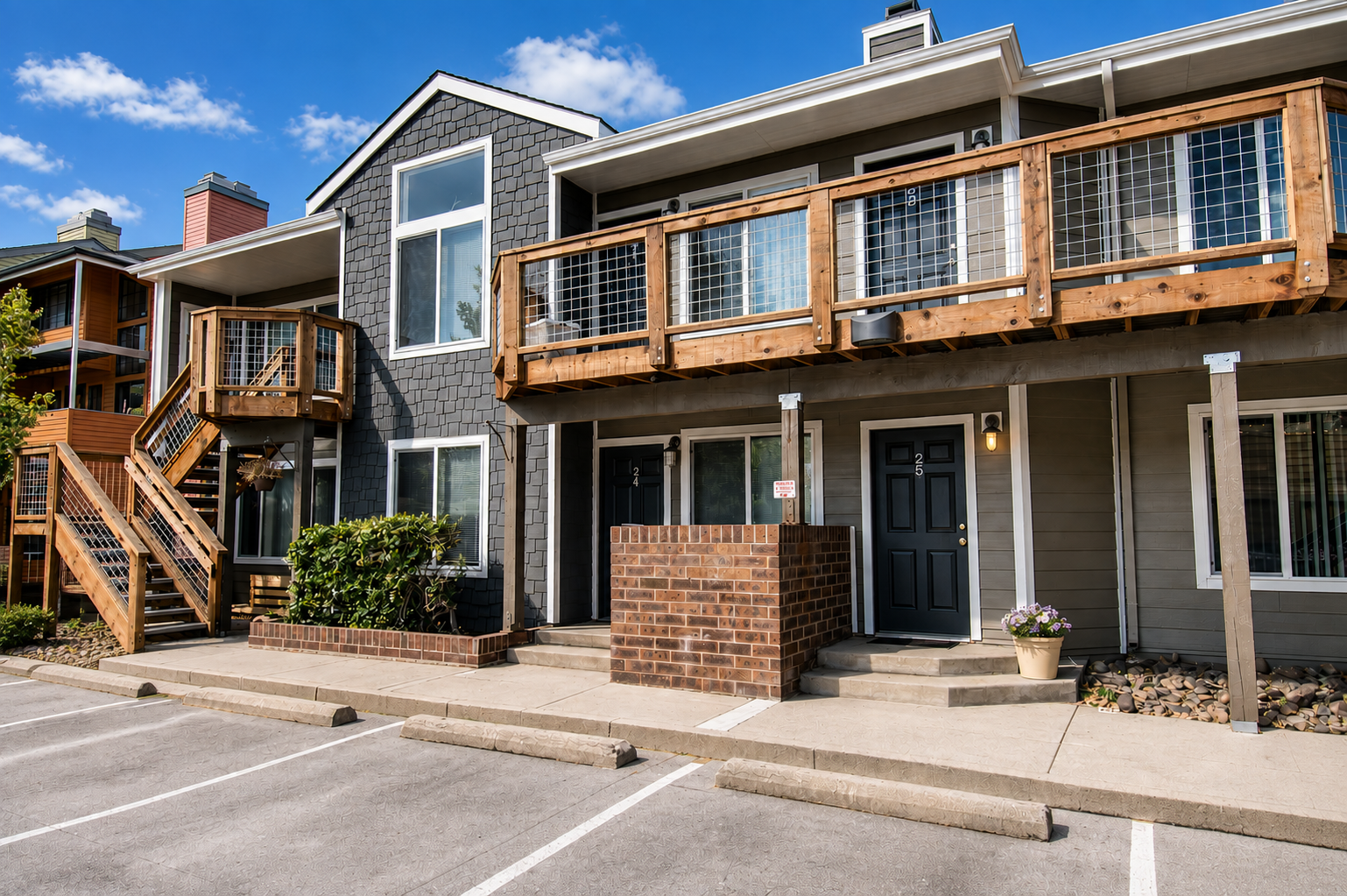
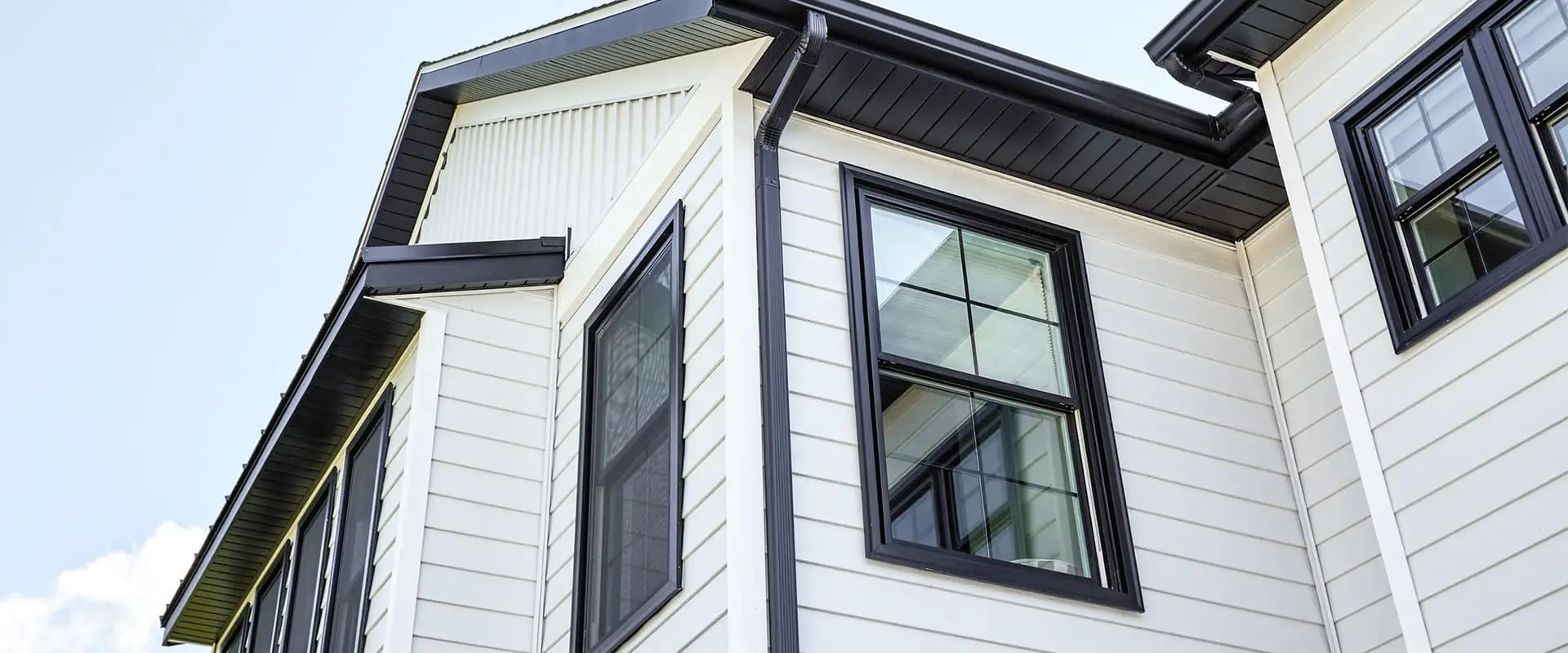
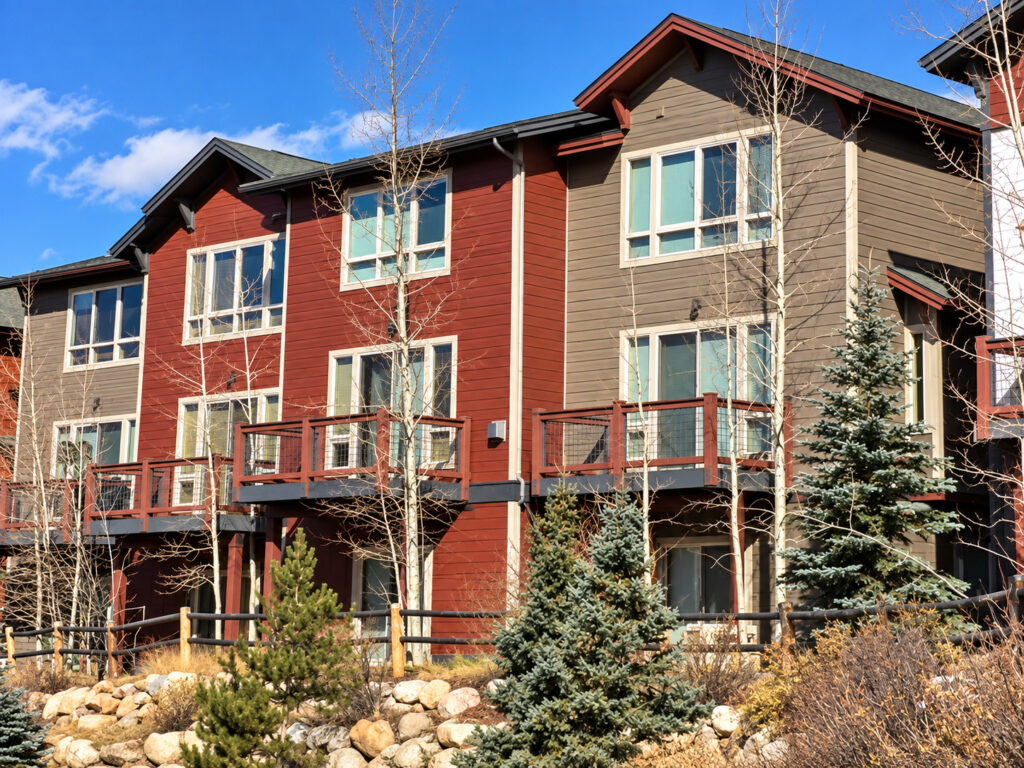
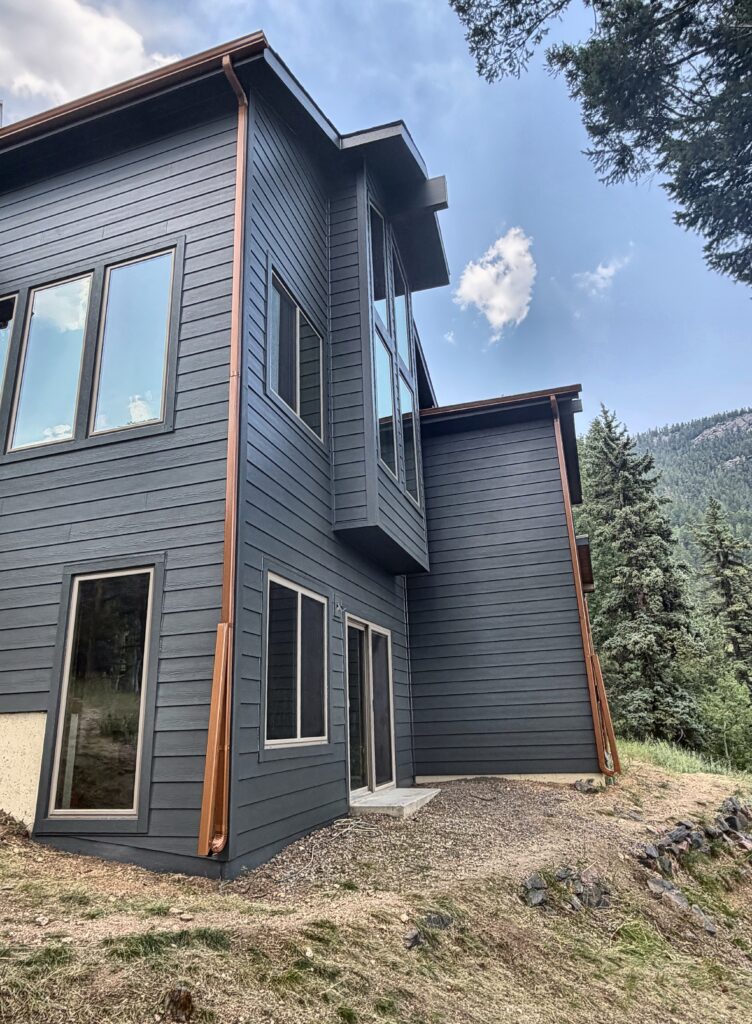
We are new to Summit County and would rather show you real work than a stock photo. These are our own Colorado foothills and mountain projects, and each caption says exactly where it is.

James Hardie in Summit County — Common Questions
Does James Hardie hold up at 9,000 feet?
Yes, and it is one of the better answers at elevation. It is dimensionally stable through freeze-thaw, it does not absorb water the way wood products do, and ColorPlus factory finishes hold color under the higher UV load far longer than a field-applied coating.
Which colors work best on a mountain home?
Mid-tone naturals like Timber Bark, Monterey Taupe and Mountain Sage settle into the terrain and make a large building read as quieter. Deep tones such as Iron Gray look superb against conifer. Near-whites are beautiful but show winter road grit and drift contact on the lower courses. We sample on your actual wall before you commit.
Is fiber cement better than real wood up here?
For most owners, yes — not because wood looks worse, but because of what it asks of you. Timber at this elevation needs stripping and re-staining on a cycle that is difficult to keep up with on a property you visit occasionally. WoodTone gives the same look and holds its finish.
Is James Hardie fire-rated?
Fiber cement is noncombustible and James Hardie products carry a Class A flame-spread rating, the highest classification in that test, which is why they are a common answer in wildland-urban interface areas like this one. Worth being precise, though: a rated cladding is one part of an assembly. The venting, eaves, glazing and trim details matter just as much, and so does what is stacked and growing against the wall.
Will fiber cement stop woodpeckers?
In practice, yes. Woodpeckers drill wood siding to hunt insects, to cache food and to drum for territory on a resonant surface. Fiber cement is cement, sand and cellulose: it hosts no insects, does not drum like hollow wood, and does not yield to a beak. The behavior tends not to start rather than needing to be discouraged.
What about carpenter ants, termites and rodents?
None of them have any use for it. There is no food value in fiber cement and nothing soft to work at. Paired with vent openings sized small enough to keep embers out, the same detailing that helps in a fire also makes the wall a poor way into the building for wildlife.
We already have woodpecker holes. Can you just re-side over them?
Not without looking first. Holes let water behind the cladding, and water behind cladding at this elevation freezes and widens the damage every winter. We open it up, photograph what is actually there, and deal with any rot or pest intrusion before new material goes on. Covering concealed damage is how a pest problem becomes a structural one.
Does a Class A rating mean my house will survive a wildfire?
No, and we would rather say so plainly. Class A describes how the material behaves in a flame-spread test; it is not a promise about a building. Homes are most often lost to wind-driven embers finding a weak detail rather than to the flame front itself. A noncombustible wall is a genuinely strong start, but the eaves, vents, glazing, decking and defensible space around it all count.
Can you match existing James Hardie on an addition or a phased project?
Usually. Color availability does change over time, so where an exact match is no longer made we will show you the nearest options and be honest about how the difference will read from the street rather than hoping you do not notice.
How much does James Hardie cost in Summit County?
It varies with the building’s size, height, how complex the elevations are and how much repair the substrate needs. It is not the cheapest cladding and we do not pitch it that way — it is the one that asks least of you afterwards. We give an itemized scope so you can see where the money is going.
Do you do board and batten?
Yes, and it suits mountain gables particularly well. It is frequently the right accent against a lap or stone field rather than the whole building.