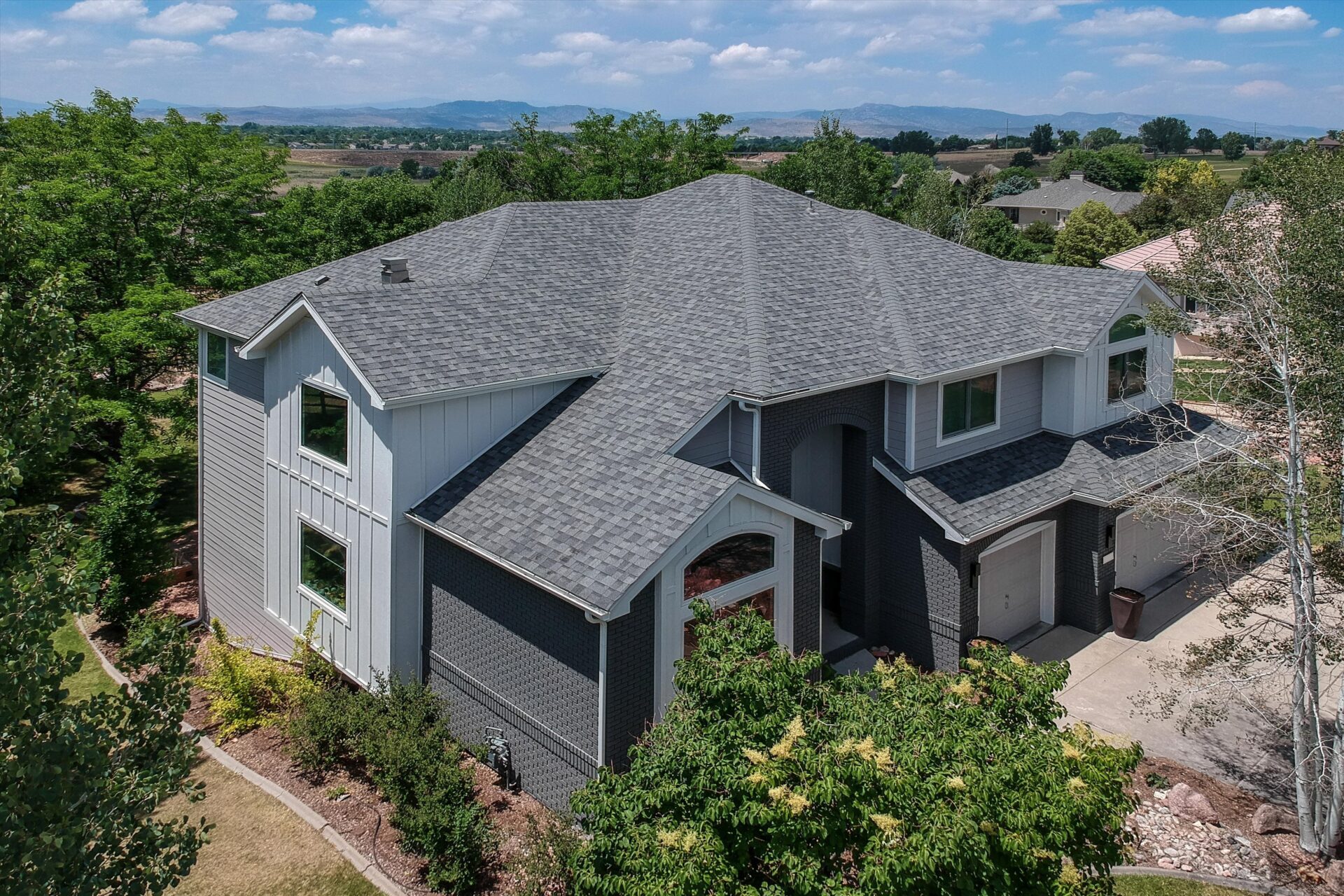
Summit County Roofing
Roofing Built for Summit County Snow and Ice
Tear-off and replacement in standing seam metal, synthetic shake and Class 4 architectural asphalt — detailed for ice at the eave, snow where it must not land, and the fire exposure this valley actually has.
Who roofs mountain properties in Summit County?
Northern Lights Exteriors replaces roofs throughout Summit County — Silverthorne, Dillon, Frisco, Breckenridge, Keystone and Copper Mountain — in standing seam metal, synthetic shake and Class 4 architectural asphalt.
Mountain roofs are specified differently: full tear-off so the deck can be inspected, ice-dam membrane across the whole deck rather than a strip at the eave, snow retention designed around where snow must not land, and Class A fire-rated assemblies.
Three Roofs That Work Up Here, and How to Choose Between Them
Almost every Summit County roofing conversation comes down to the same three options, and the right answer genuinely differs building to building. It depends on the pitch, on what the roof sheds onto, on what the rest of the street looks like, and on how long you intend to own the place.
| Architectural asphalt | Standing seam metal | Synthetic shake | |
|---|---|---|---|
| How it reads | Conventional and quiet. Right where the building is not trying to be a statement, or where an HOA has settled on a shingle look across a complex. | Clean vertical lines. Reads modern on a contemporary building and entirely at home on a traditional one. The default on a lot of newer mountain architecture. | The timber-shake look without timber. Right on rustic and lodge-style buildings where a metal panel would feel wrong. |
| Snow behavior | Holds snow more readily, which can be an advantage — but it also means snow retention has to be designed rather than assumed. | Sheds decisively. That is a benefit and a hazard: an unmanaged metal roof will dump a season of snow in one go, which is exactly why snow retention is not optional on one. | Behaves much like asphalt, with more surface texture holding snow at the eave. |
| Ice performance | Depends almost entirely on the eave detail, not the shingle. | Fewer seams and fewer laps for meltwater to work back through, which is a real advantage in an ice-prone location. | Good, with the same caveat as asphalt — the edge detail is what decides it. |
| Life and cost to live with | Lowest up-front. Expect to do it again sooner. | Highest up-front and the longest life by a wide margin. Usually the cheaper roof if you are holding the property. | Sits between the two, and is chosen for appearance as often as for performance. |
We install all three and we do not have a house favorite. What we will do is look at where your roof actually sheds — onto a deck, a walkway, an entry, a meter, the neighbor’s property — before recommending anything, because that single question rules options in and out faster than any other.
Tear-Off, and What We Expect to Find Underneath
On a mountain building we tear off. We do not recommend laying new material over old up here, and on most Summit County roofs it is not a real option anyway: you cannot inspect a deck you have covered, and the deck is precisely where years of ice damage shows up.
What a tear-off on a property at this elevation routinely uncovers:
Soft or delaminated decking at the eave
The classic ice-dam signature. Meltwater backs up under the covering, sits on the deck and works at it over several winters. It is almost never visible from inside until a ceiling stains.
Flashing that was never right
Sidewalls, chimneys, dormers and the transitions on a complicated mountain roofline. Most of the leaks we are called about are flashing, not field.
Ventilation that stopped working
Blocked, buried or simply never adequate. Poor ventilation is one of the things that makes ice damming worse, so a roof replacement is the moment to fix it.
Previous repairs doing harm
Sealant where a flashing should have been, a patch lapped the wrong way, a vent abandoned in place. Repairs made by whoever was available in February.
None of that is padding to inflate a scope. It is why the photography matters: you get pictures of the deck with the old roof off, before anything new covers it again, so a decision about extra decking is one you make looking at the same image we are.
The Edge Is the Whole Job
If there is one thing that separates a mountain roof that lasts from one that causes trouble, it is what happens in the first three feet above the eave.
Ice forms there. Meltwater runs down a warm roof, reaches the cold overhang, freezes, and builds a dam that backs water up under the covering. Shingles shed water; they do not hold back standing water, and they were never asked to. So the protection has to be underneath.
On the roofs we build in Summit County, the ice-dam membrane is a self-adhering modified bitumen sheet and it runs the full roof deck — eave to ridge — rather than the strip at the edge that is normal on a Front Range house. That is what this valley asks for, and it is the single detail most worth checking in any quote you are comparing. A cheaper number very often means a narrower membrane.
Alongside it: snow retention sized and placed for where the snow must not land, closed and vented eaves detailed against wind-driven snow, and gutters and heat tape where the building needs them rather than as a default upsell.
Fire Is Part of the Specification Now
Summit County sits in the wildland-urban interface, and for anyone who was here in 2018 that is not a planning term. New roofs here are built as Class A fire-rated assemblies, and the detailing that goes with them — noncombustible edge metal, gutters that will not contribute fuel, vent openings sized so embers cannot get through — is now simply part of building a roof properly rather than an upgrade to be sold.
The impact side matters too. Colorado roofs take hail, and we specify Class 4 impact-resistant shingles as our standard rather than as an option. It is worth asking your insurer about a premium credit for one, and worth knowing that Class 4 and Class A are two different ratings measuring two different things — impact and flame spread. A roof should have both, and plenty of quotes name one and stay quiet about the other.
More on the statewide picture on our Colorado Wildfire Resiliency Code page.
When a Repair Has Quietly Become a Replacement
Worth knowing before you authorize another patch, particularly if you own here and are working through a manager: repairs accumulate. A section after a wind event, another section the following spring, a third when someone notices a stain — and at some point the work being done adds up to a roof replacement being carried out in installments, at a worse price, without anyone having made that decision deliberately.
It also has a compliance edge. Depending on where in the valley the building sits, there is a threshold at which replacing part of a roof means the whole assembly has to meet current fire-rating requirements. An owner patching their way through a season can cross it without being told.
We would rather have that conversation with you at the second repair than the fourth. If the honest answer is that your roof has three good years left, that is what we will tell you — and if the honest answer is that you are about to spend half the cost of a new roof on keeping an old one alive, we will tell you that instead.
Where We Work in the Valley
We take on roofing tear-off in Summit County across the valley, and the right answer does shift with the town — elevation, exposure and what the surrounding buildings look like all move the decision.
- Breckenridge. The strongest demand we see for a standing seam metal roof in Breckenridge, and for synthetic shake roofing in Breckenridge on the more traditional lodge-style buildings. High elevation, heavy snow, and an architectural vocabulary that rewards getting the material right.
- Silverthorne and Dillon. A wide mix of stock, from 1970s and 1980s condominium buildings through to new custom homes. Often a phasing conversation across several buildings rather than one roof.
- Frisco. Older cabins and infill next to contemporary builds, which makes matching and neighbor context part of the decision.
- Keystone and Copper Mountain. Largely resort and rental stock, where the schedule is dictated by the booking calendar as much as by the weather.
Summit County metal roofing is the option we are asked about most often, and it deserves the attention — but it is not automatically right. On a building that sheds over an entry, a walkway or a neighbor’s parking, the shedding behavior of a metal panel is the first thing to solve, not an afterthought.
The System Behind the Work
If you are not going to be in the valley while your roof is open, the documentation is not a nicety — it is the only way you will ever see the deck your new roof is sitting on.
Two things make that possible, and they are the reason to choose us over a cheaper quote.
First, experience and scope. We have been working on Colorado’s Front Range since 2001, and we hold a Class C general contractor license (Colorado license #C120350) rather than a single-trade license. That is not a technicality: it means roofing, siding, windows, decks and outdoor living can run under one contract, with one project manager accountable for the flashings where those trades meet — which is precisely where multi-contractor projects leak, literally and figuratively. James Hardie has recognized us as an Elite Preferred contractor continuously since 2011, and as a President’s Club member — their highest contractor distinction nationwide. Our rating is 4.9 out of 5 from 552 verified reviews.
Second, a proprietary on-demand client portal we built ourselves. Most of what people hate about a remodel is not the construction. It is not knowing — who to call, whether the permit went in, when material arrives, what has been paid, whether it passed inspection. We built a system to remove exactly that, and as far as we know no other exterior contractor in this market offers it:
Every conversation in one place
Messages, decisions and change requests are logged against your project rather than scattered across texts, voicemails and three different crew members’ phones.
Contracts and scope, always retrievable
Your signed contract and itemized scope live in the portal, so “what did we actually agree to?” is a thing you look up rather than a thing you argue about.
Permit status you can see
Where the permit is in the process, and when inspections are scheduled — without having to phone anyone to find out.
Delivery and install schedules
When material lands and when each trade starts, so you can plan around the work instead of waiting for a truck to appear.
Before, during and final photography
Documented condition before we start, progress images through production, and final photography — including the parts of the building you will never see again once it is closed up.
Payments tracked per trade
What is paid and what is outstanding, broken out by trade rather than as one running balance you have to reconcile yourself.
Inspection records
Each inspection and its result, recorded against the project and available when you sell the house and someone asks.
Access is an individual, custom URL issued to you — and you get it when we start talking, at the lead and project meeting, not after you sign something. That is deliberate: you can see how we run a project before you commit to one. It then stays available after the work is finished, which matters more than it sounds, because the documentation, images and inspection records are exactly what a buyer’s agent, an appraiser or an insurer asks for years later.
Get a Summit County Roof Quote You Can Compare
We will walk the roof, photograph what we find, and give you an itemized scope that names the underlayment, the flashing and the snow retention rather than hiding them in a single line. That is what makes two quotes actually comparable.
Request Your Free Estimate → 📞 (303) 776-5263
Prefer email? Reach us at office@nlexteriors.com. Ask about financing options when we walk the property.
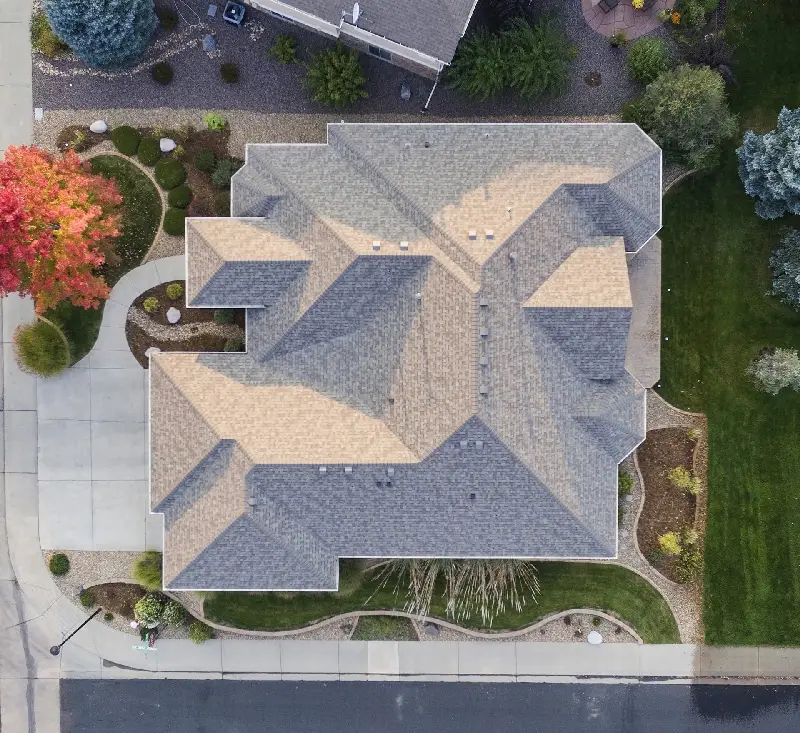
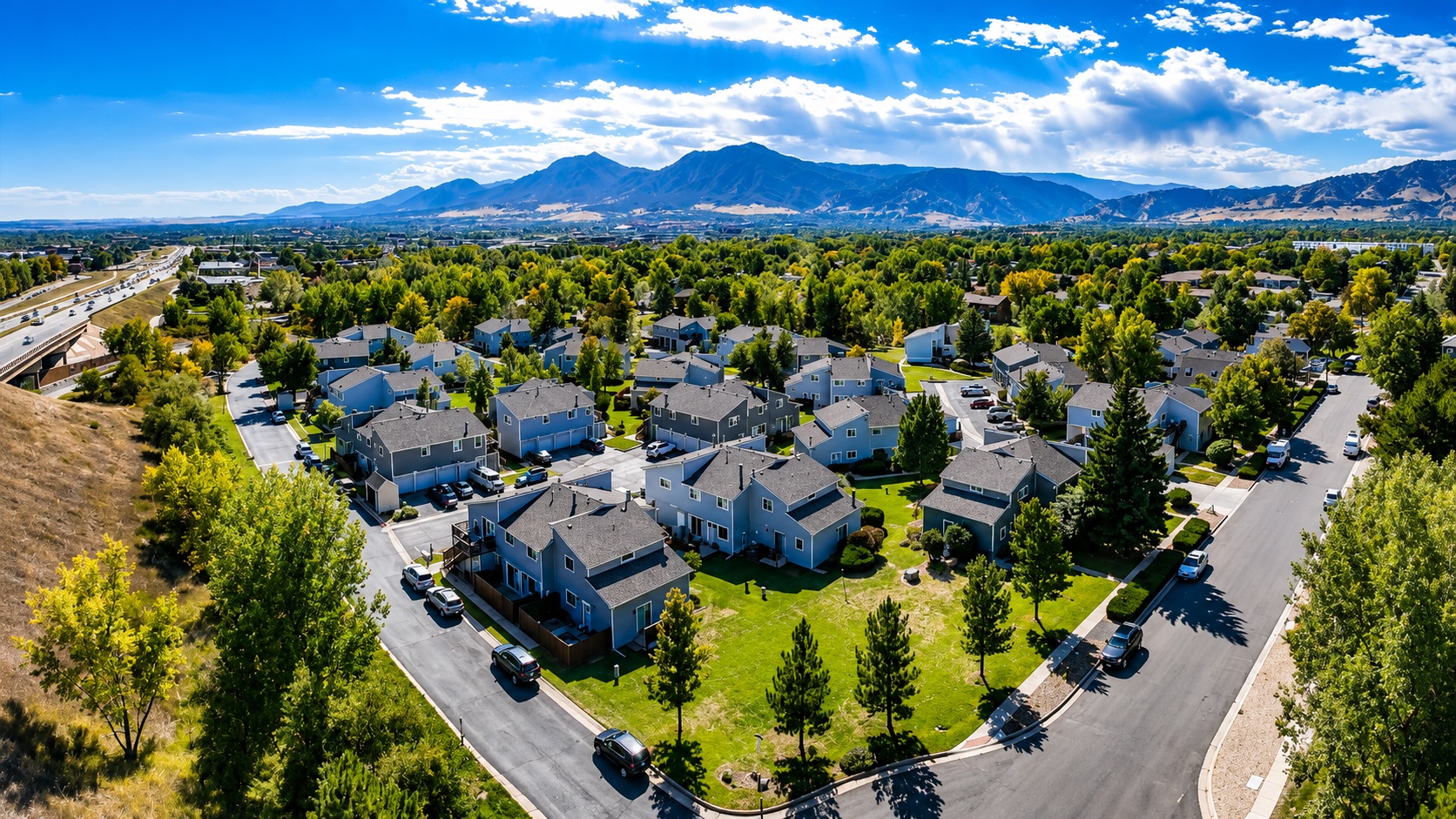
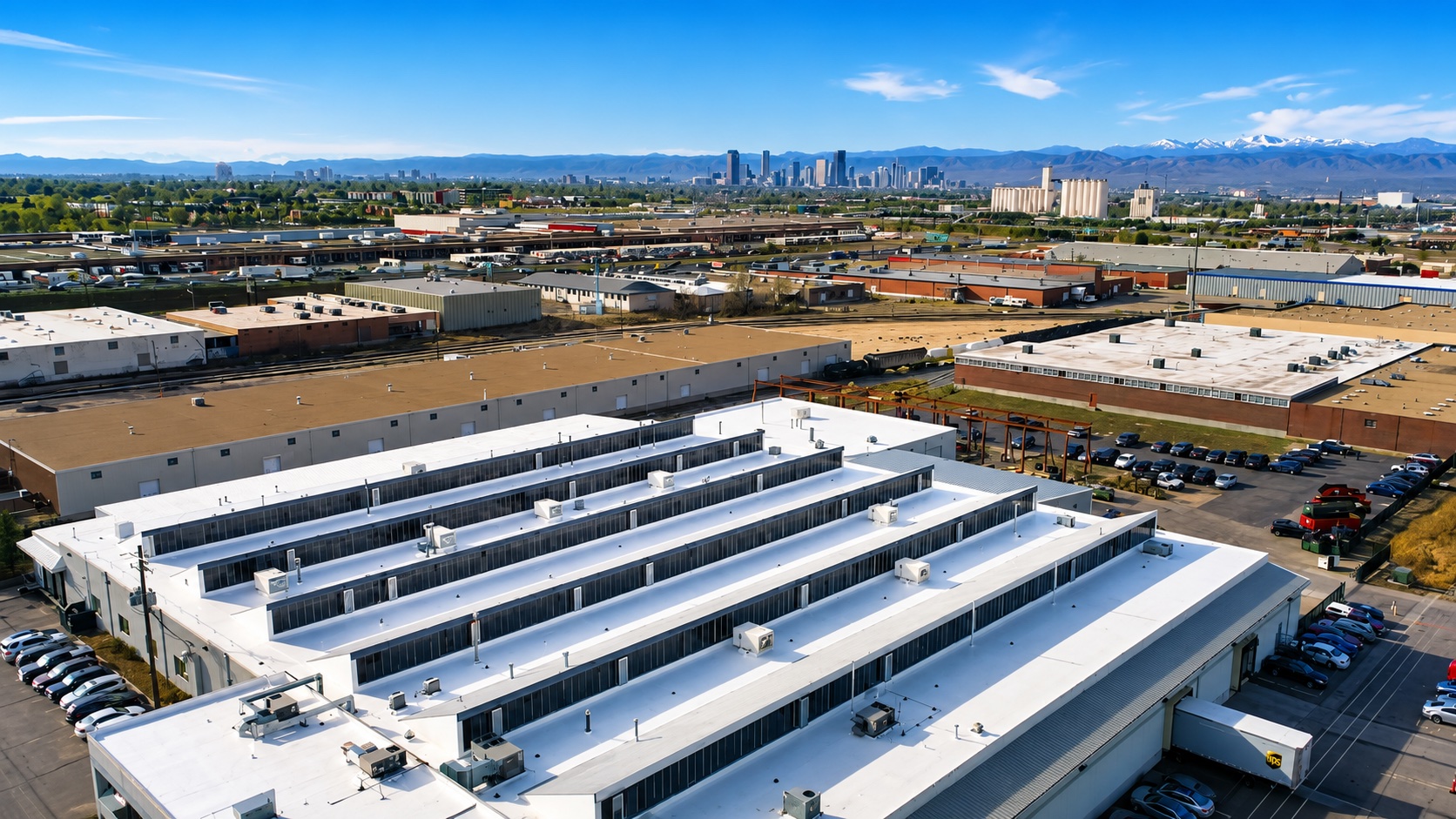
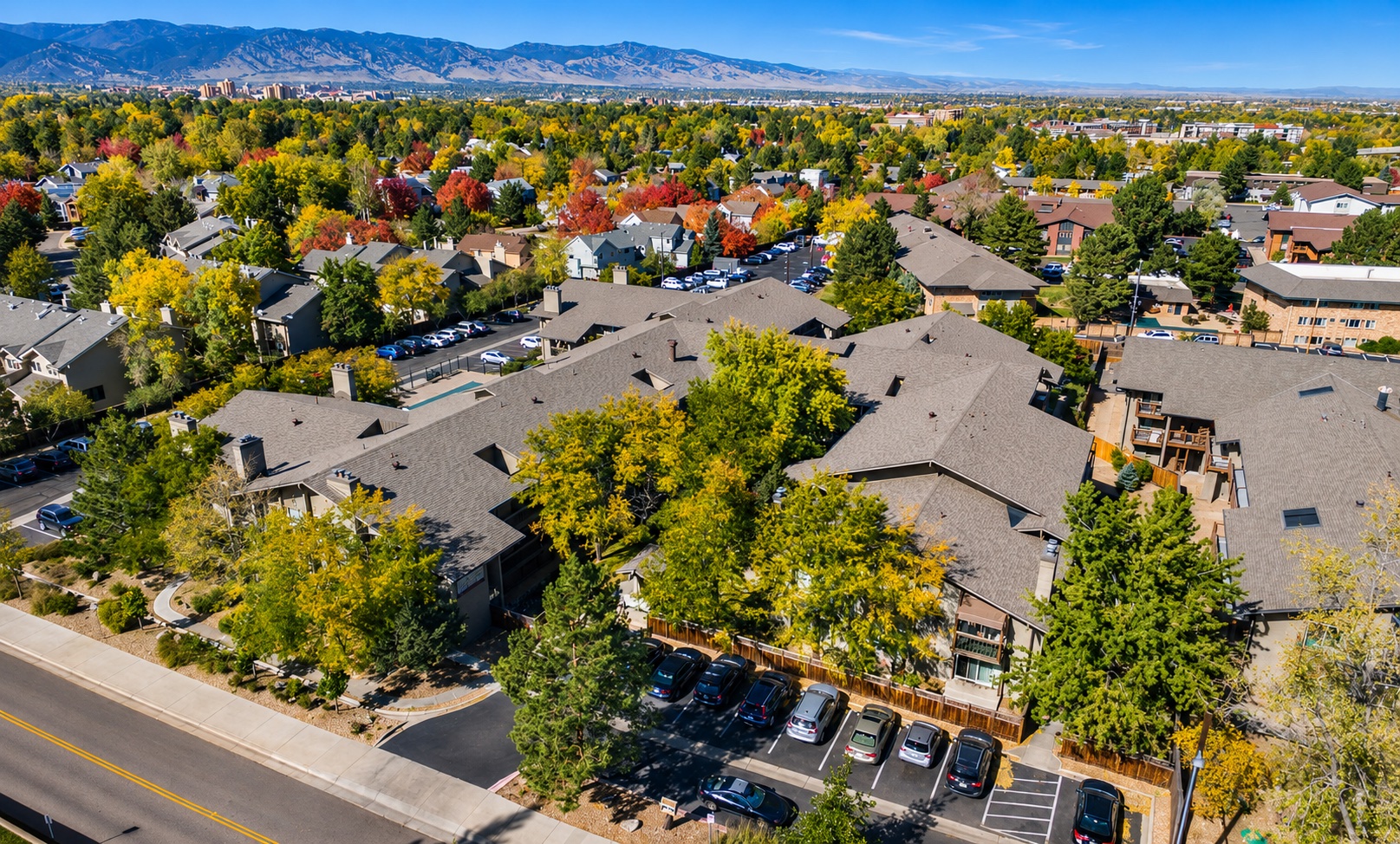
Mountain Roofs We Have Built in Colorado
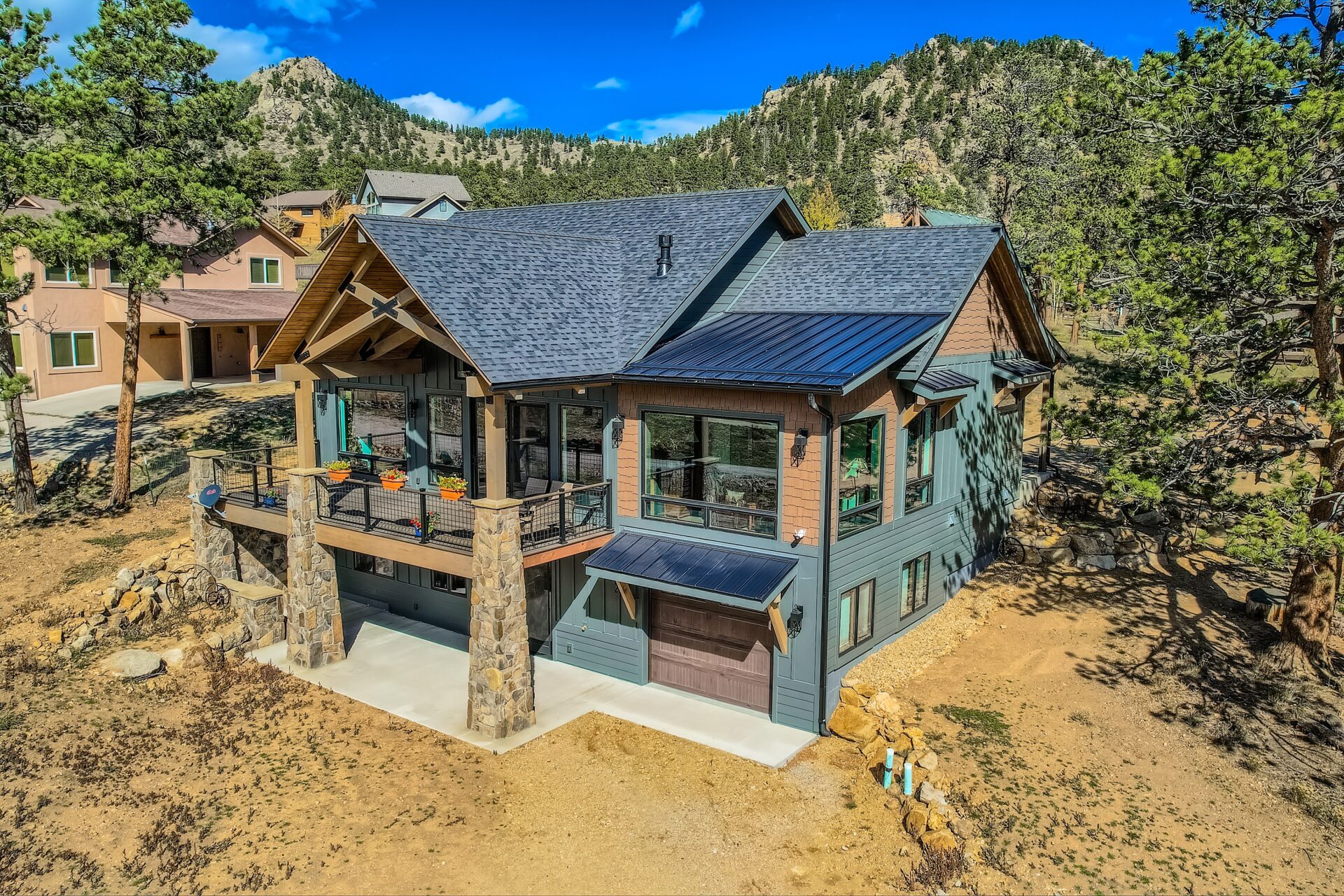
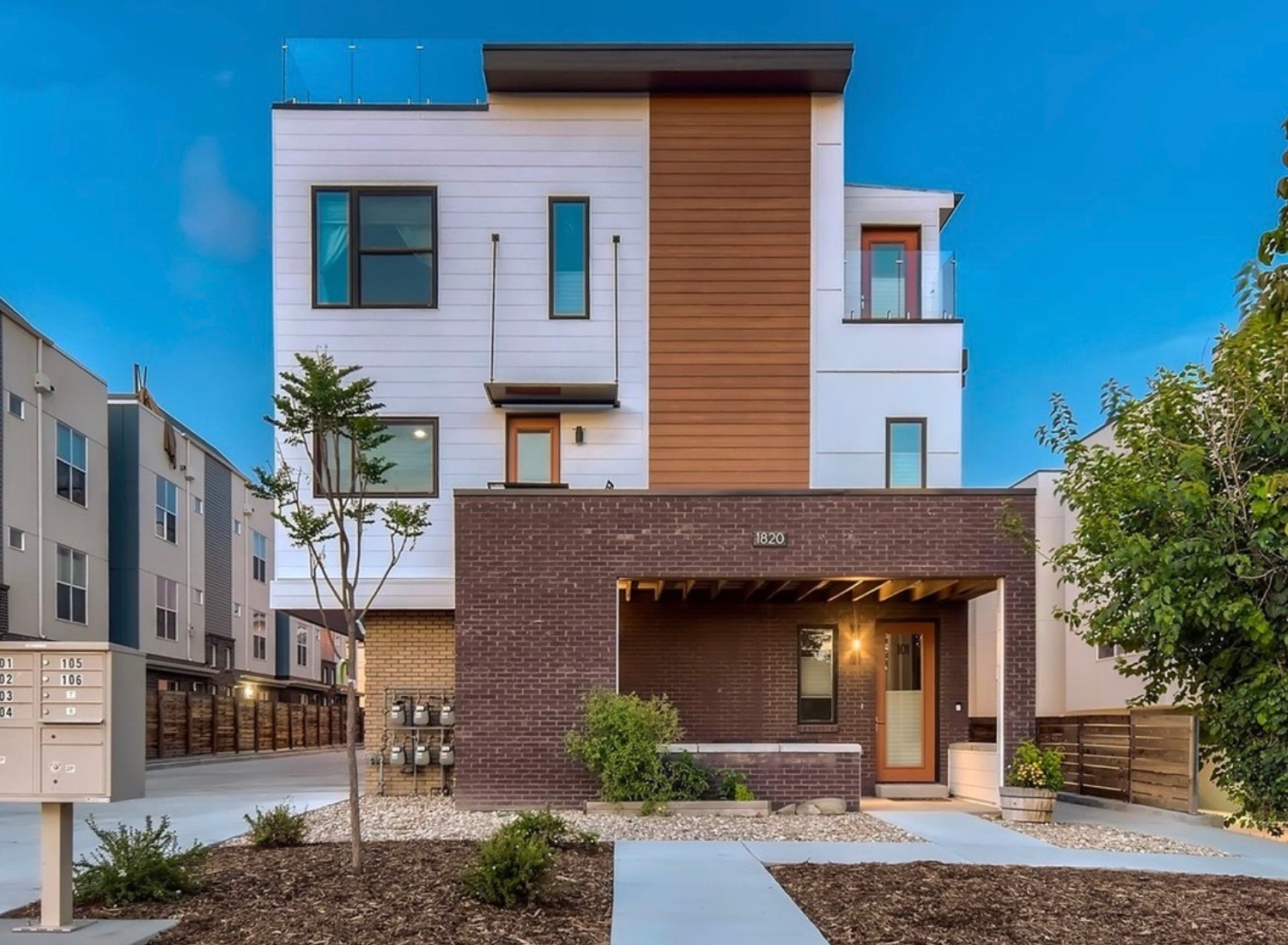
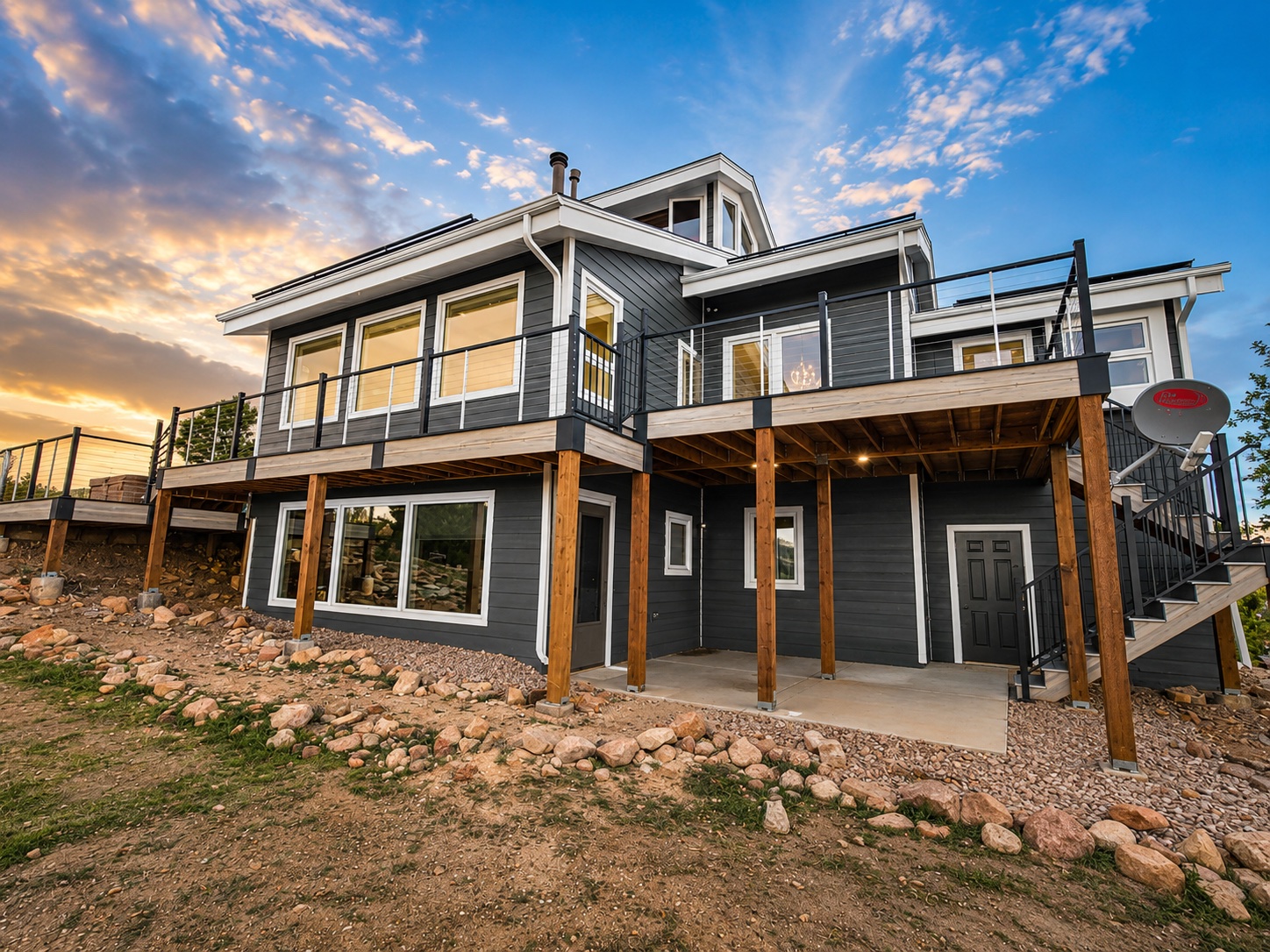
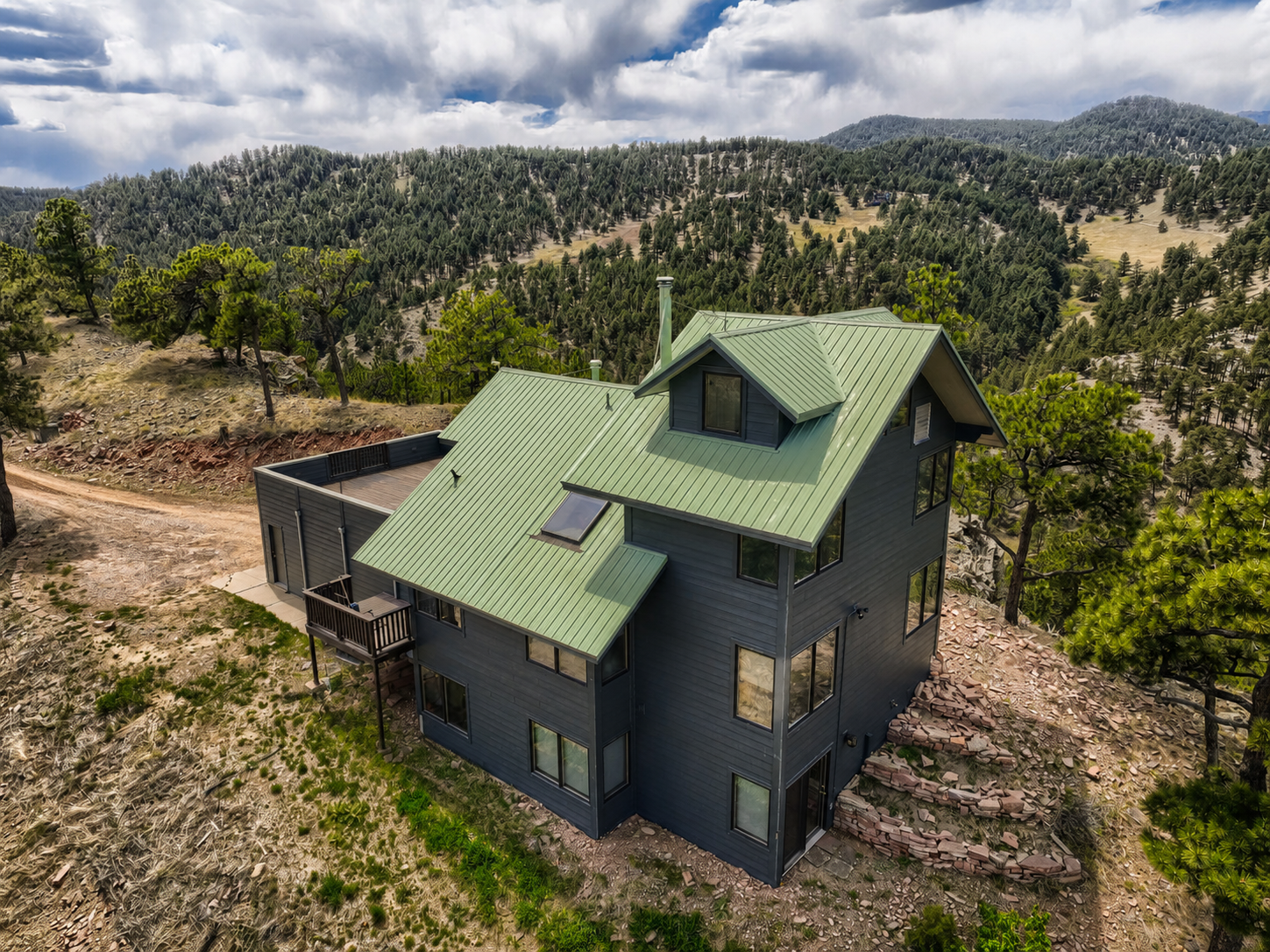
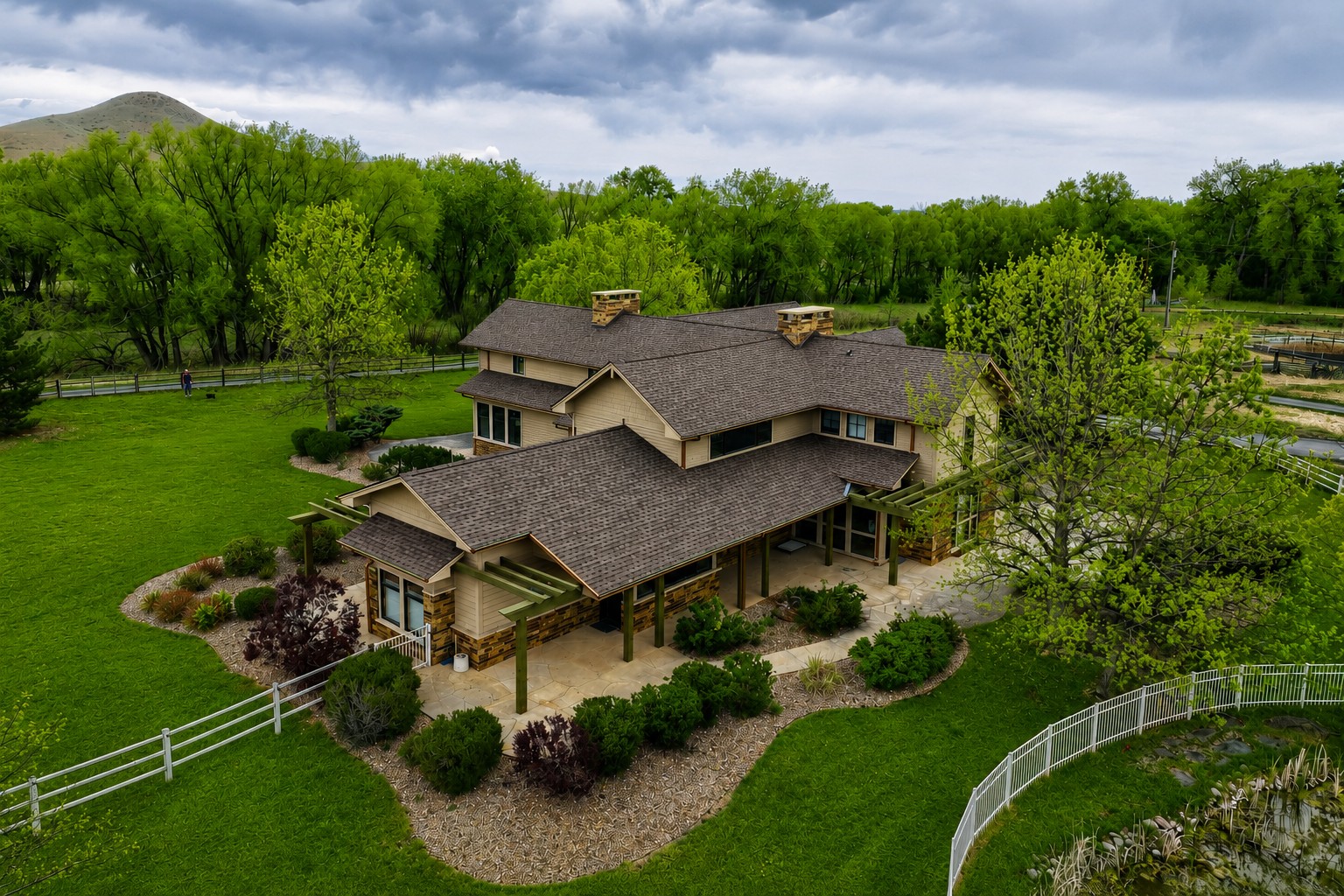
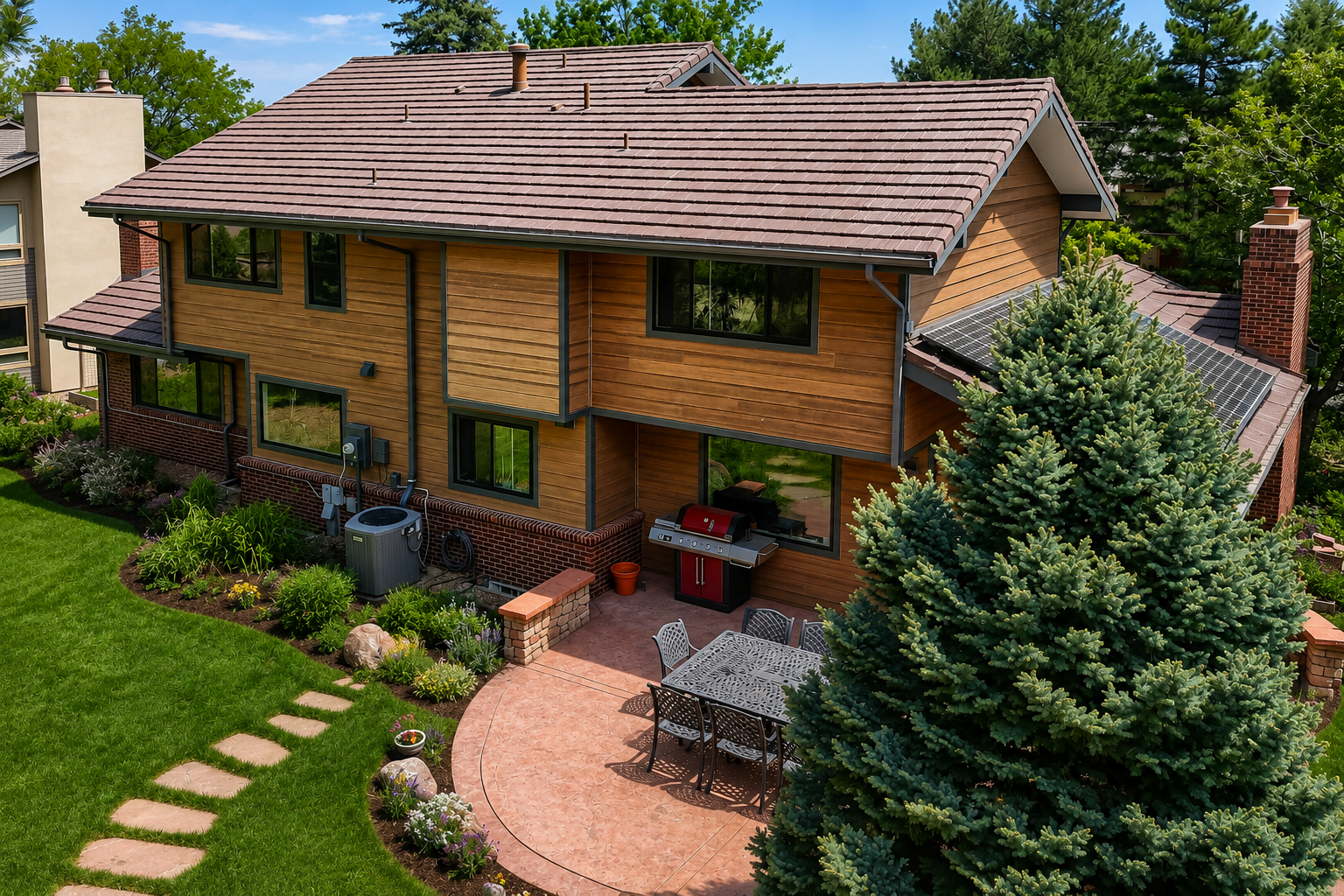
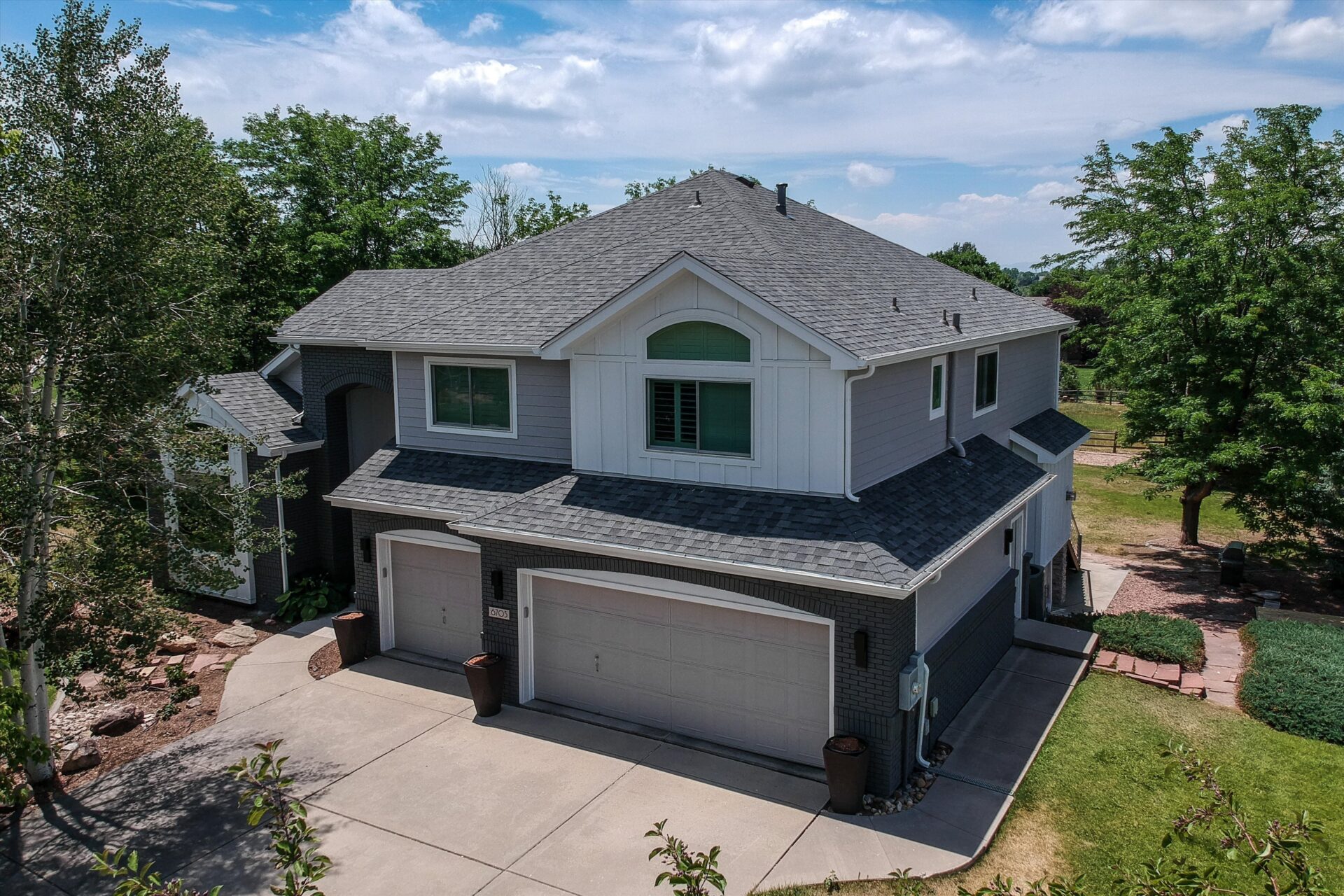
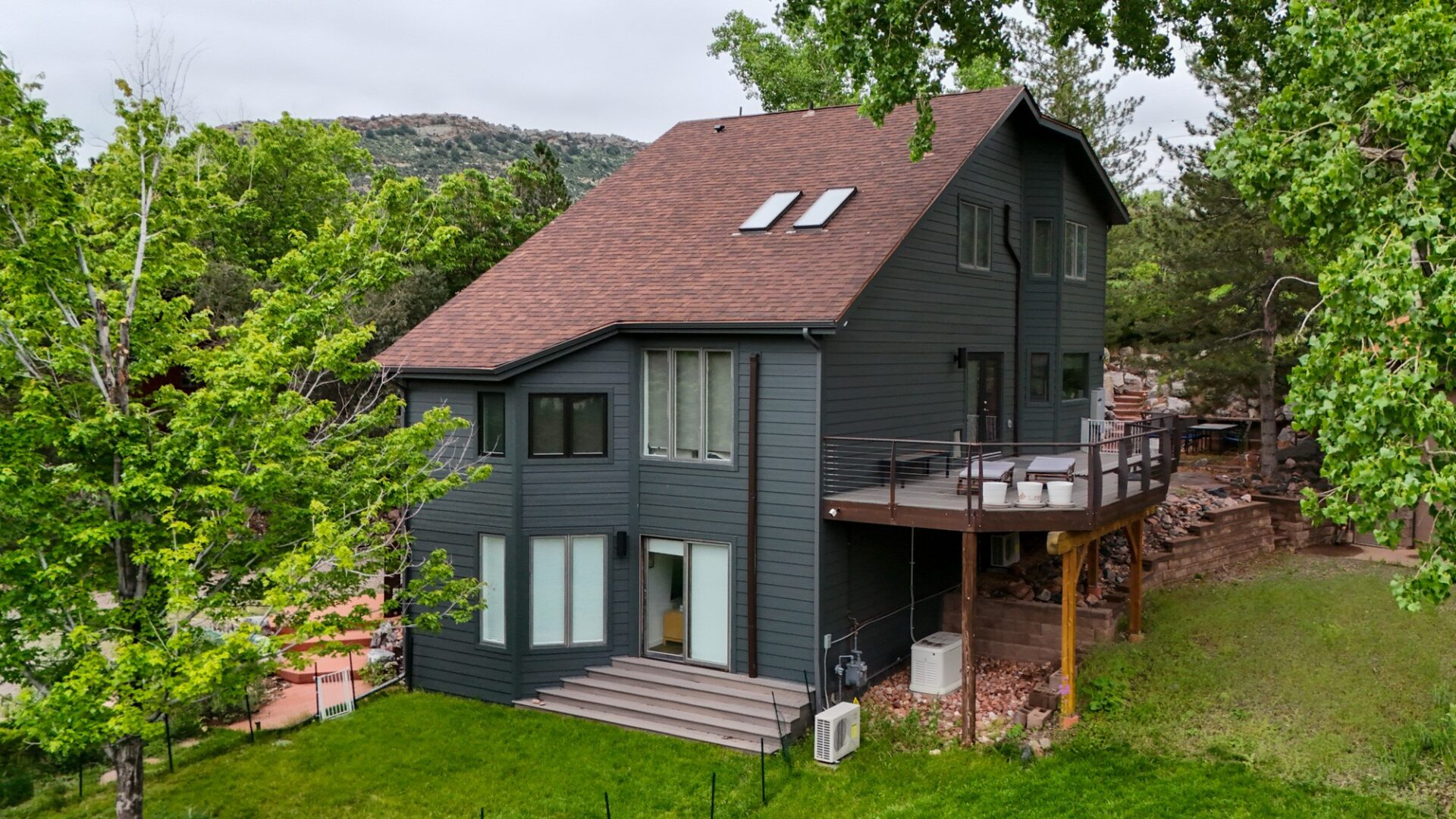
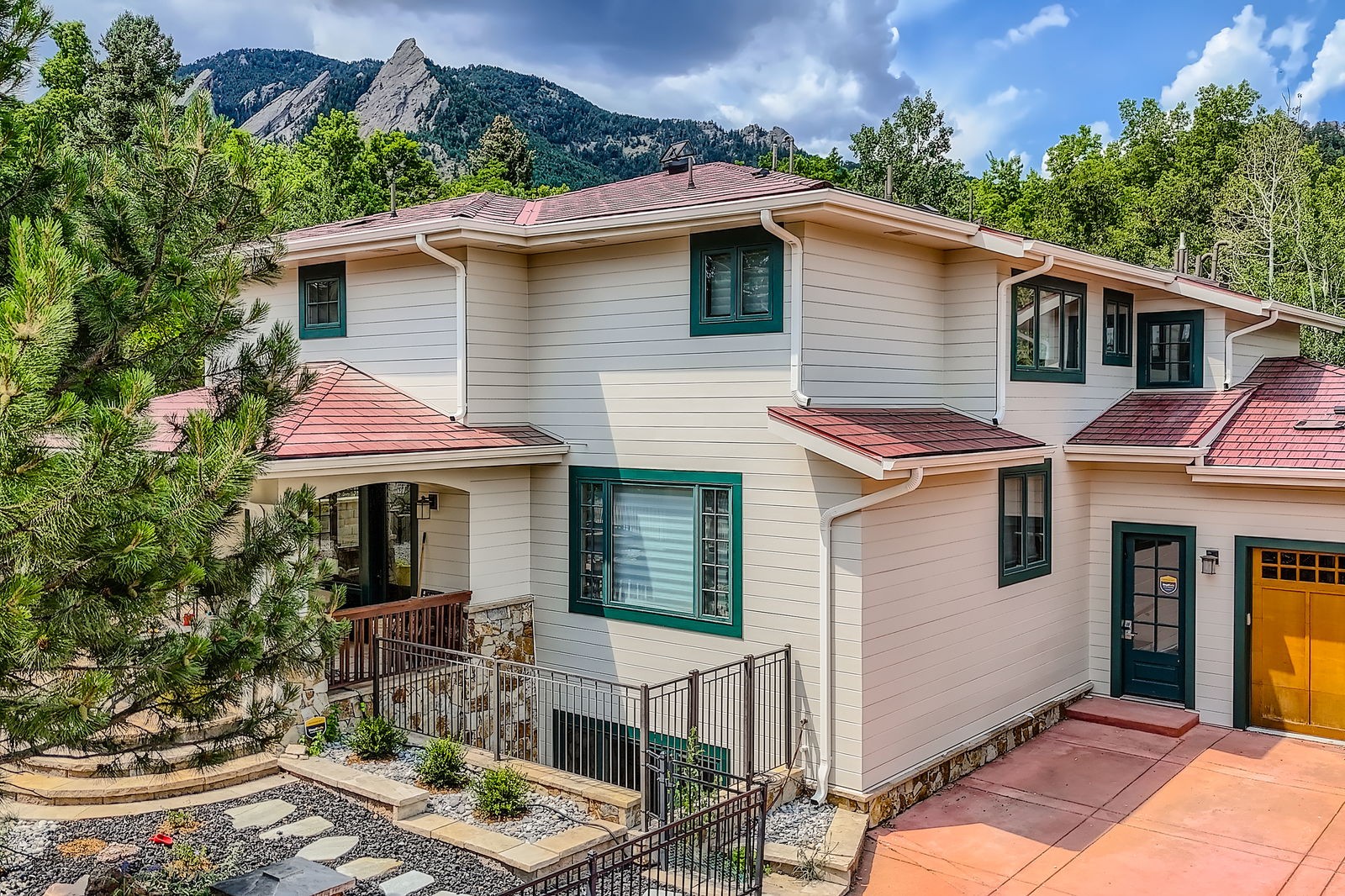
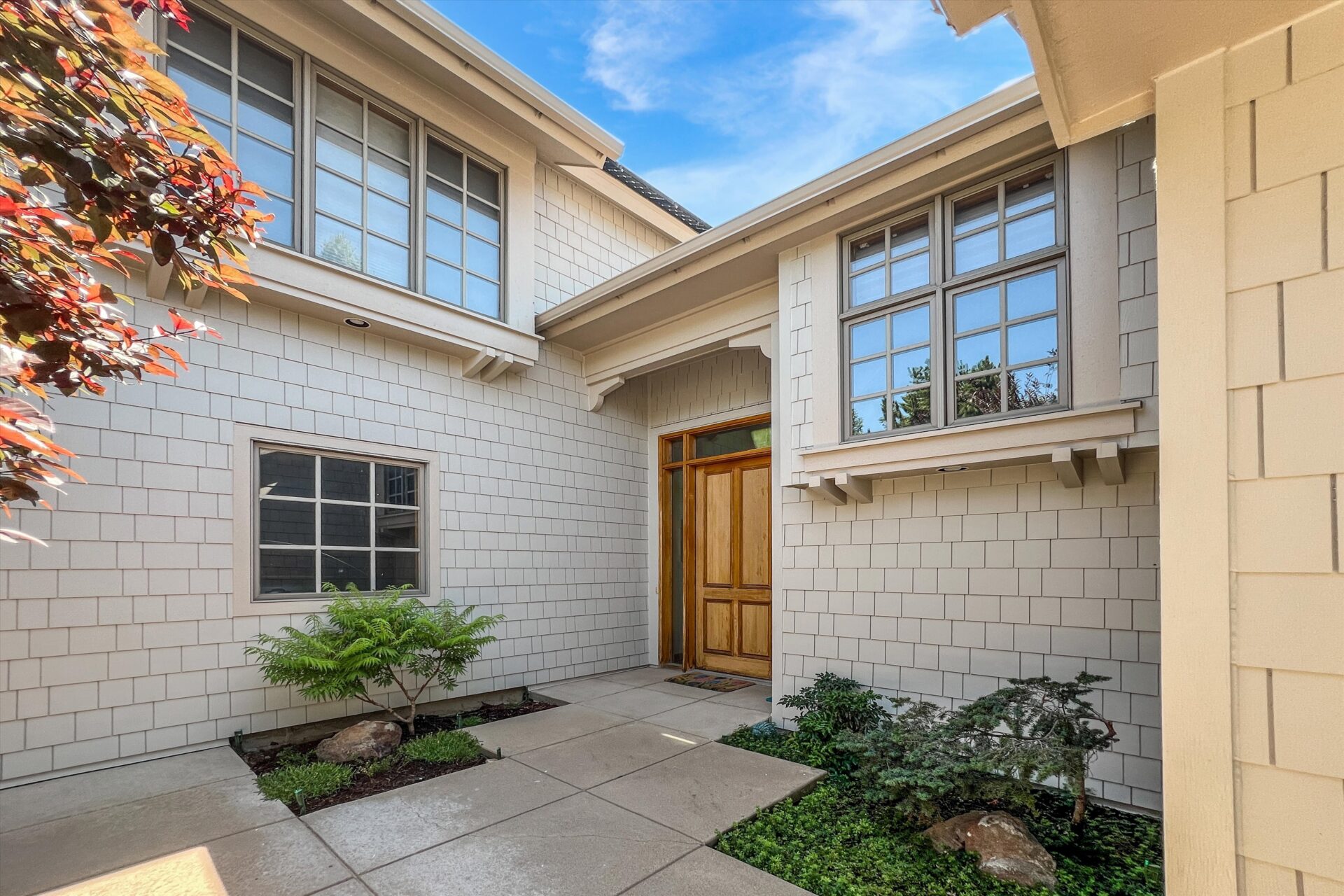
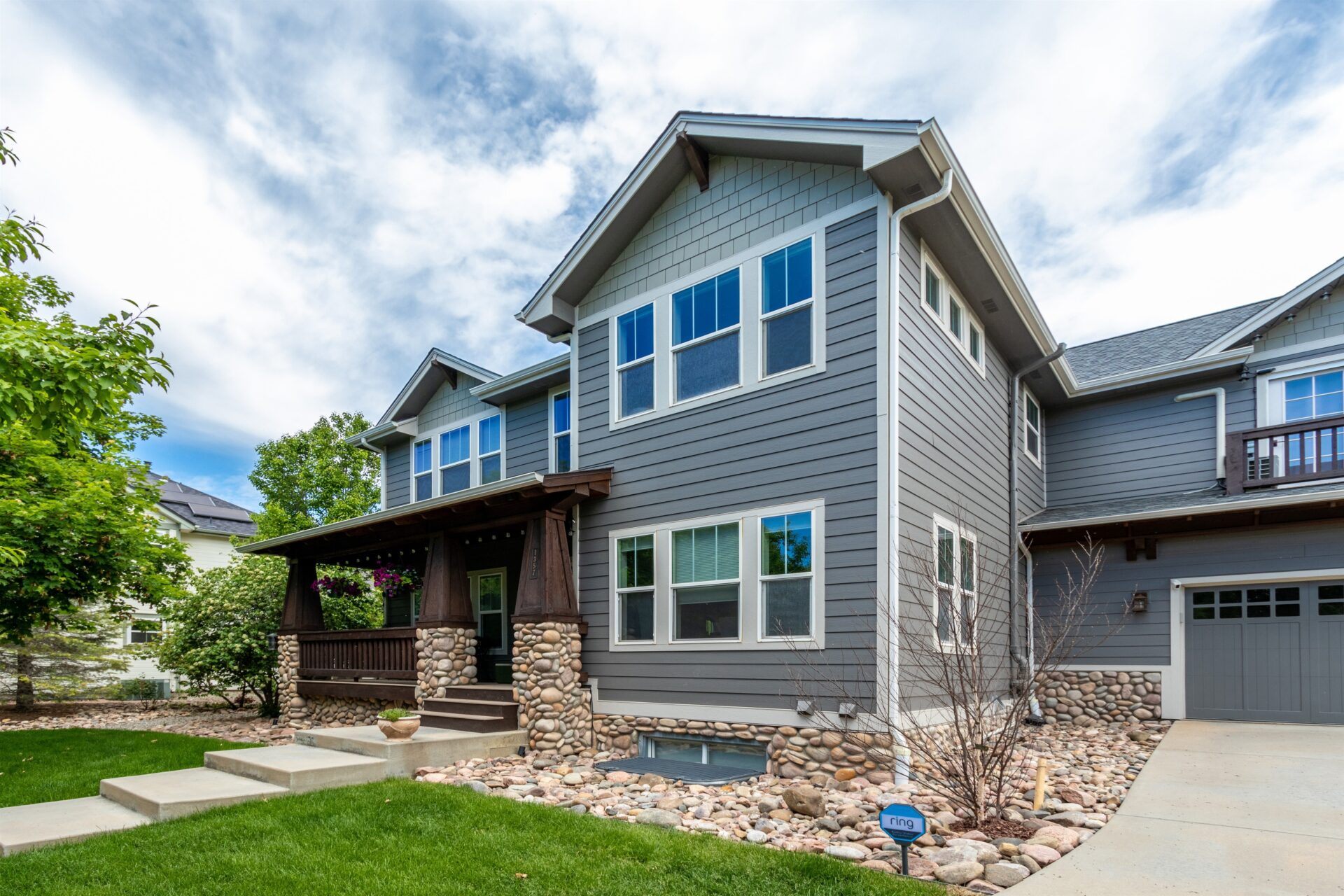
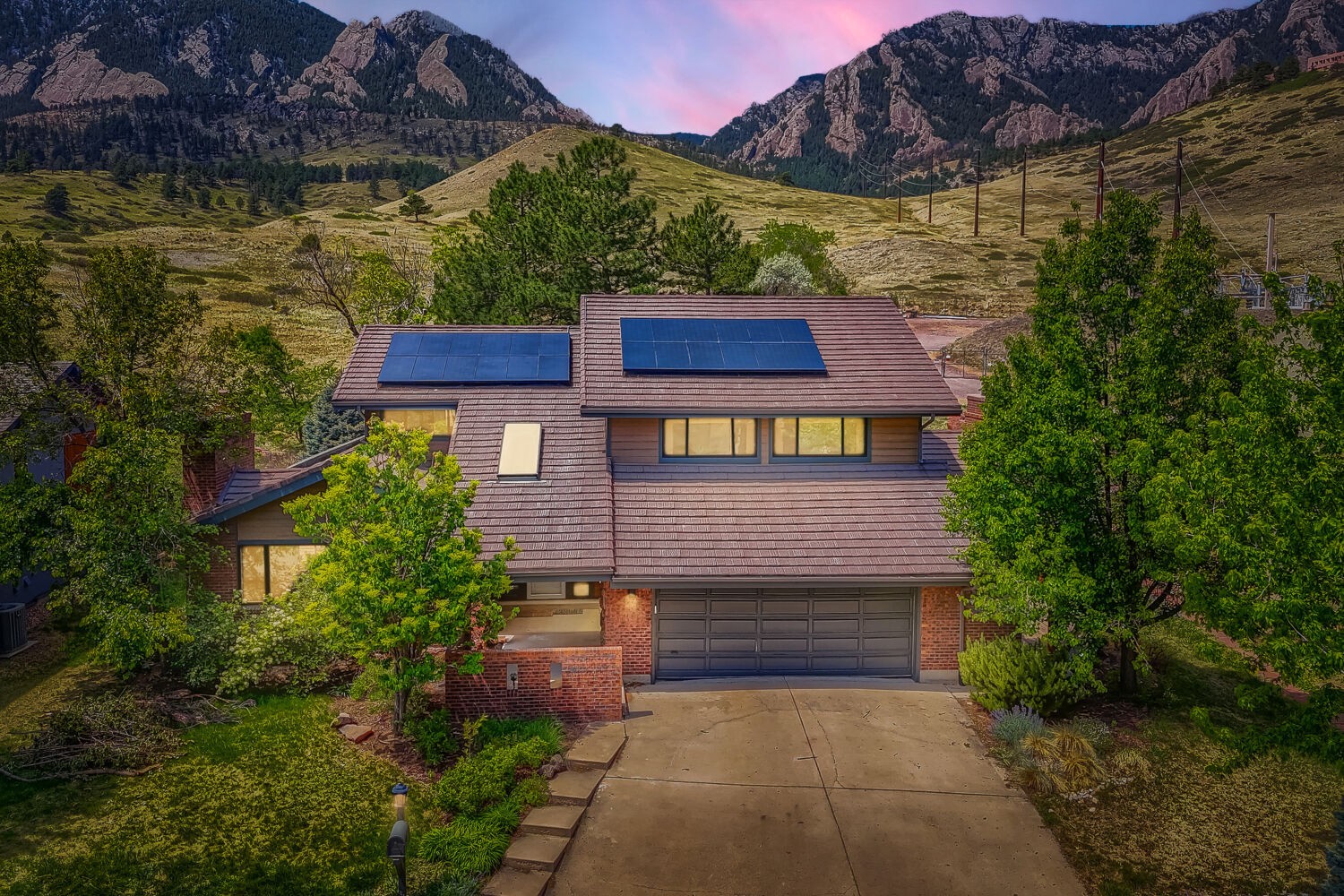
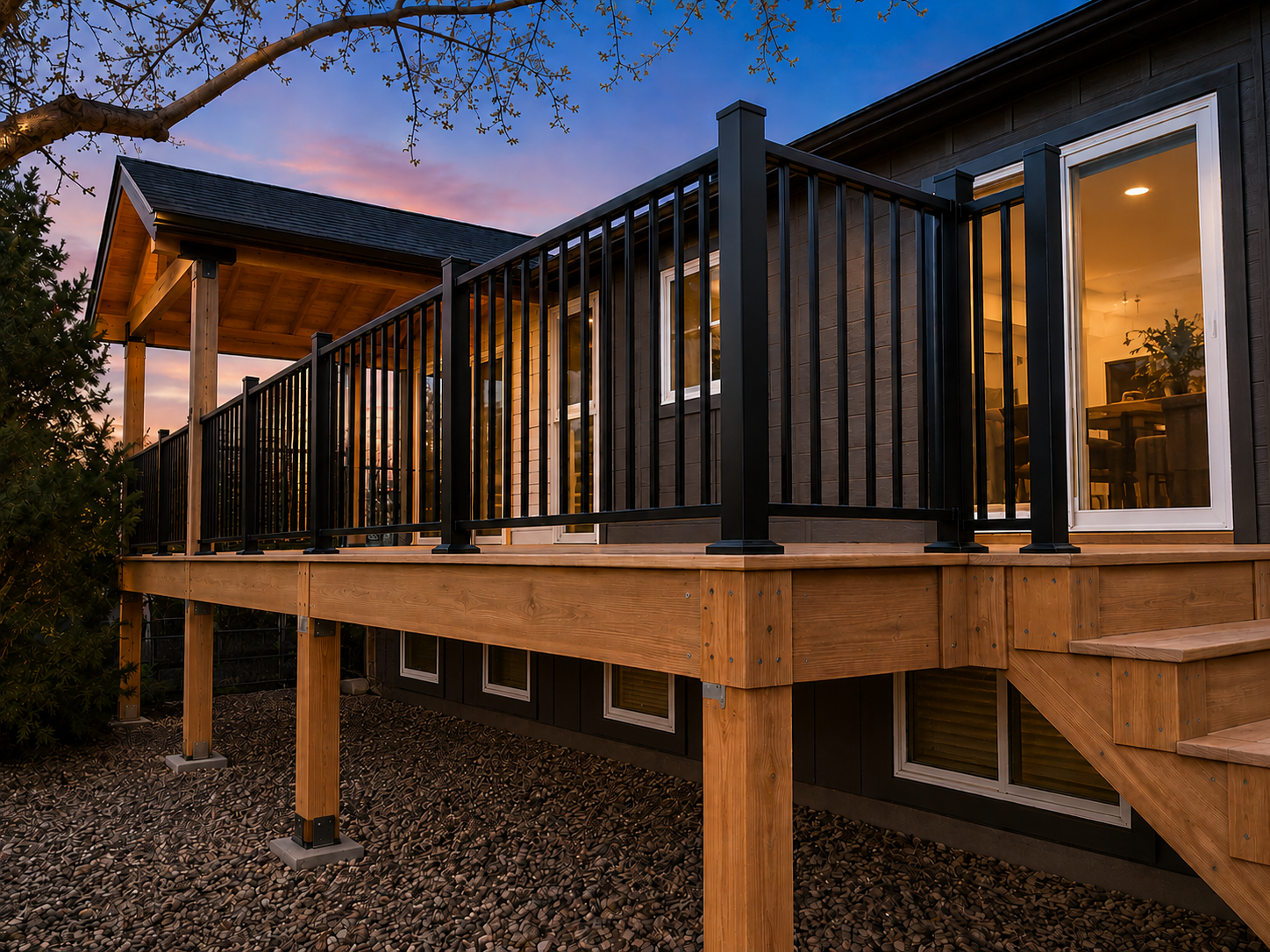
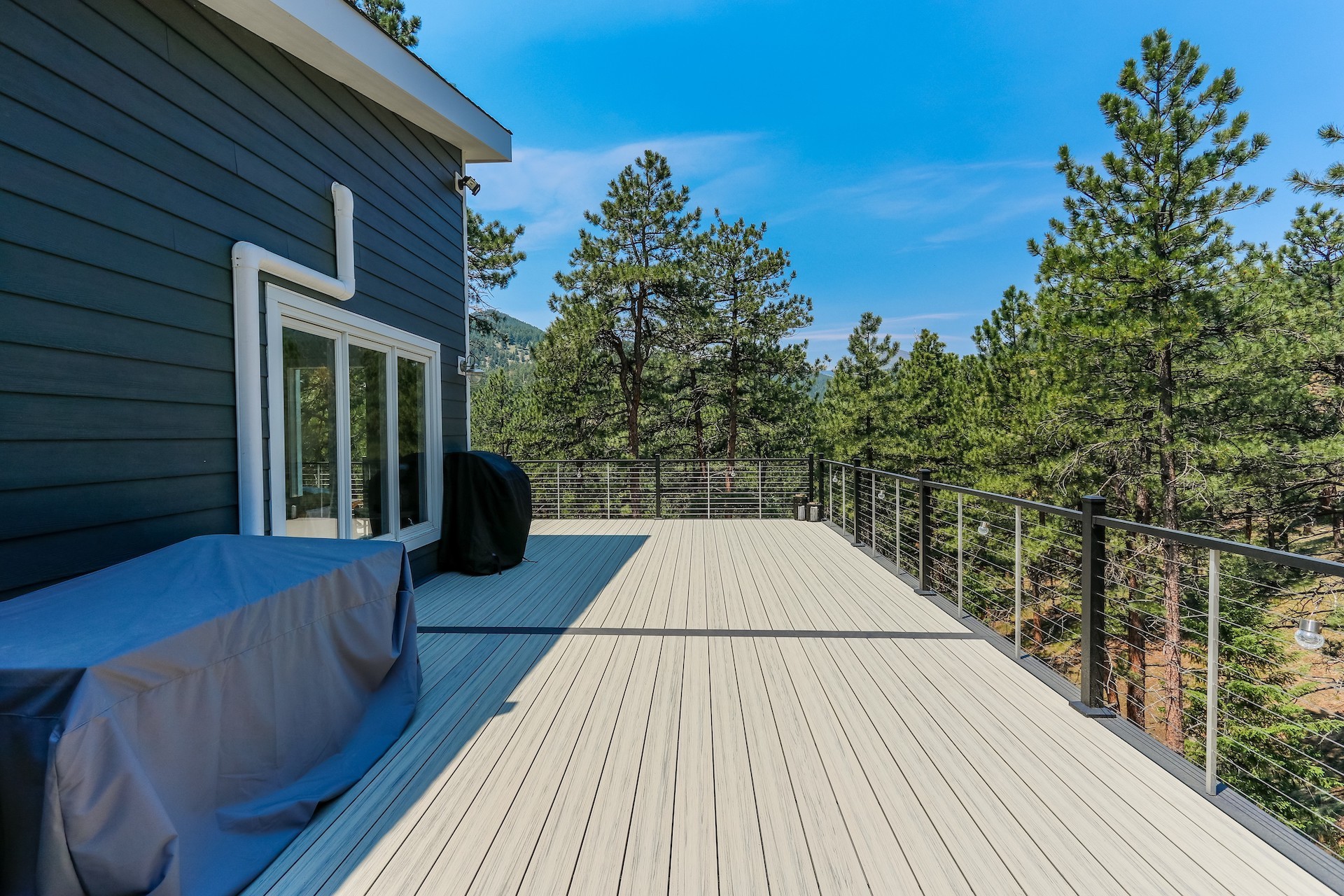
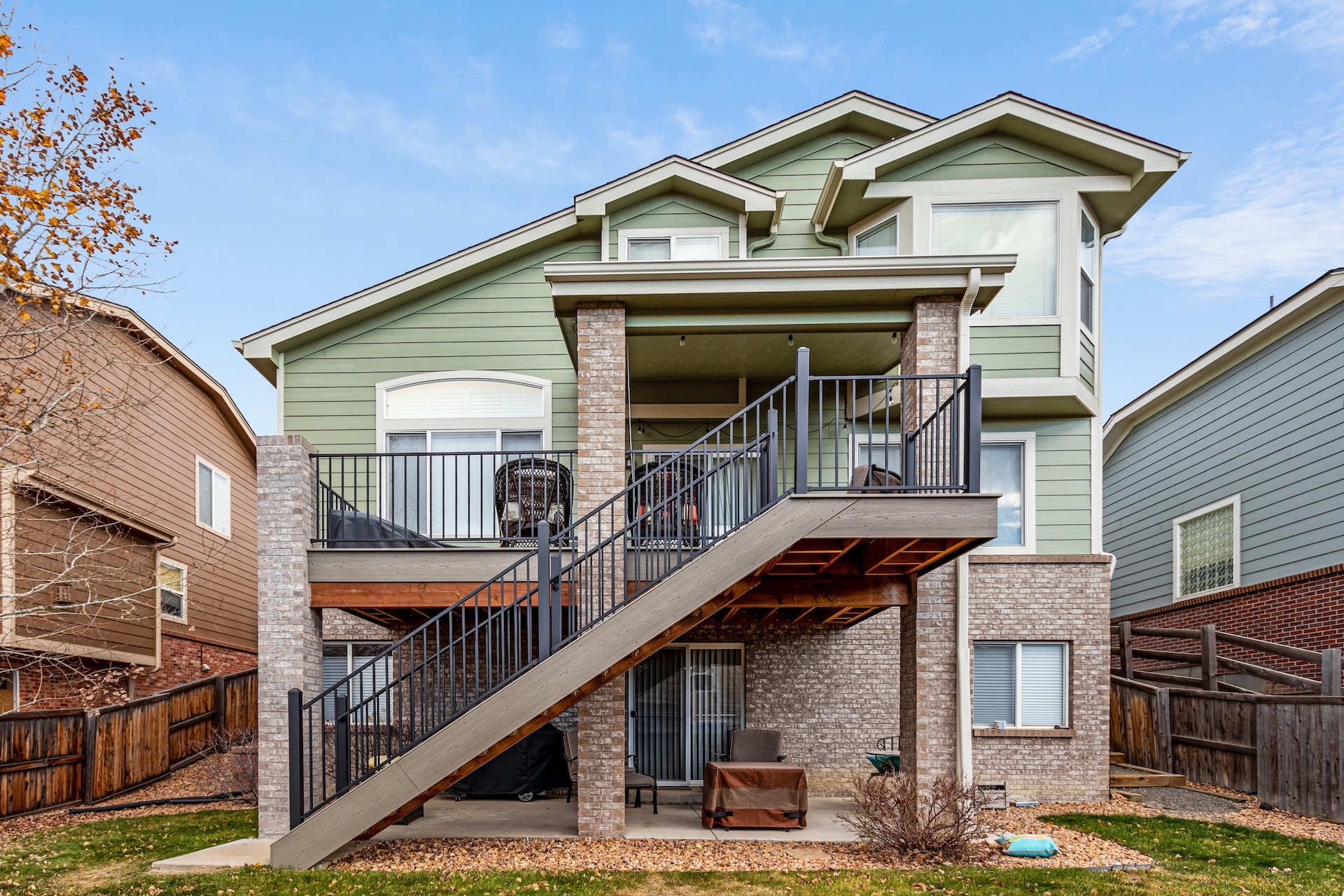
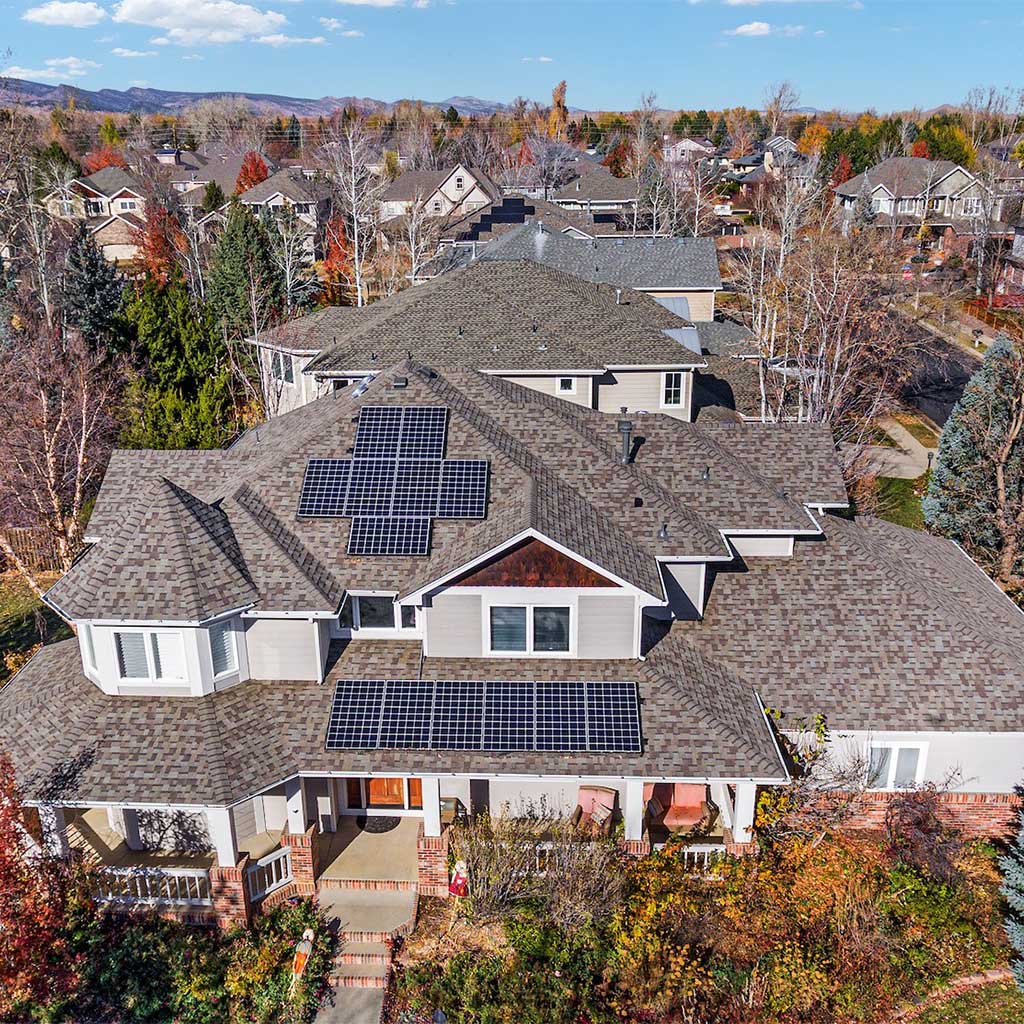
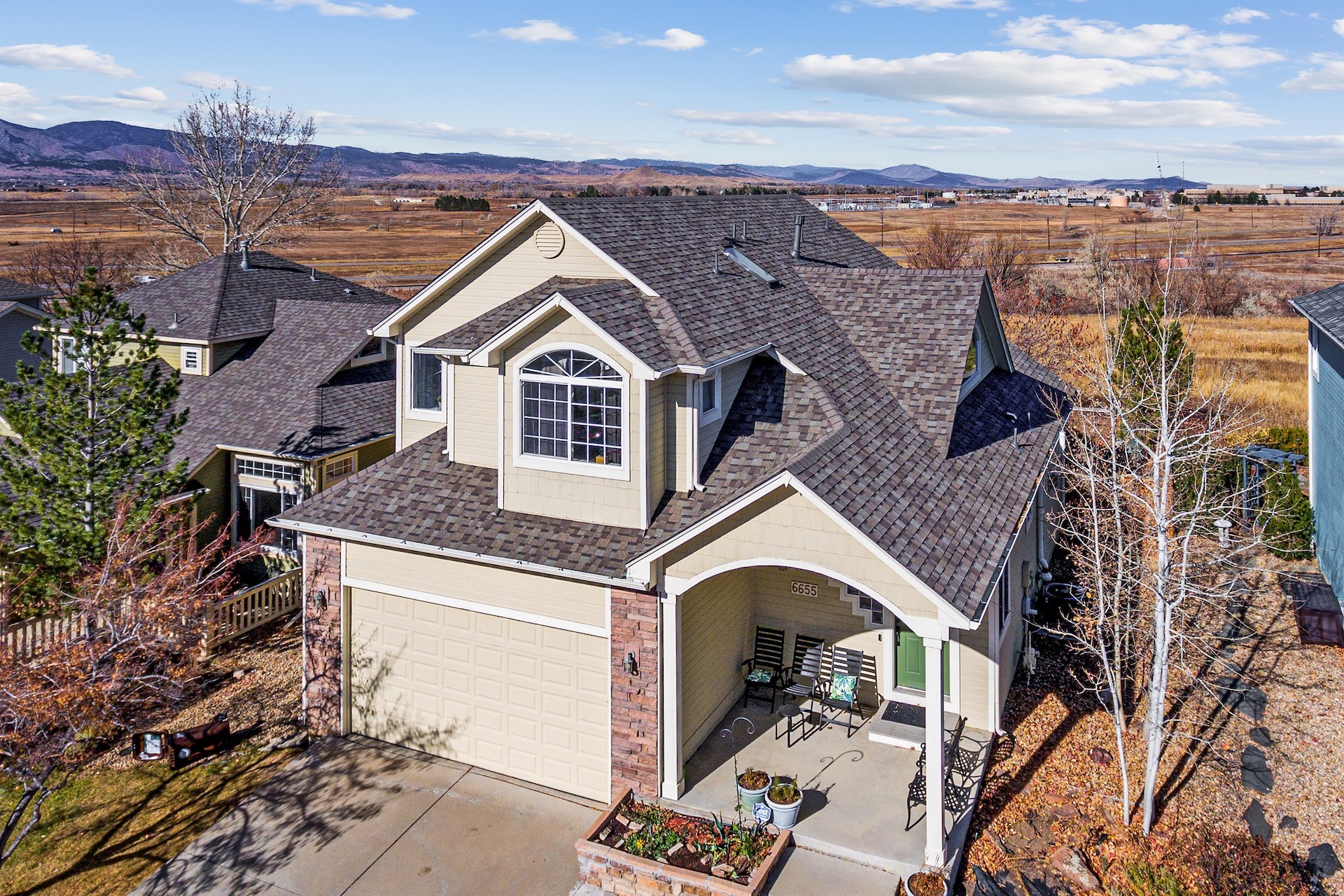
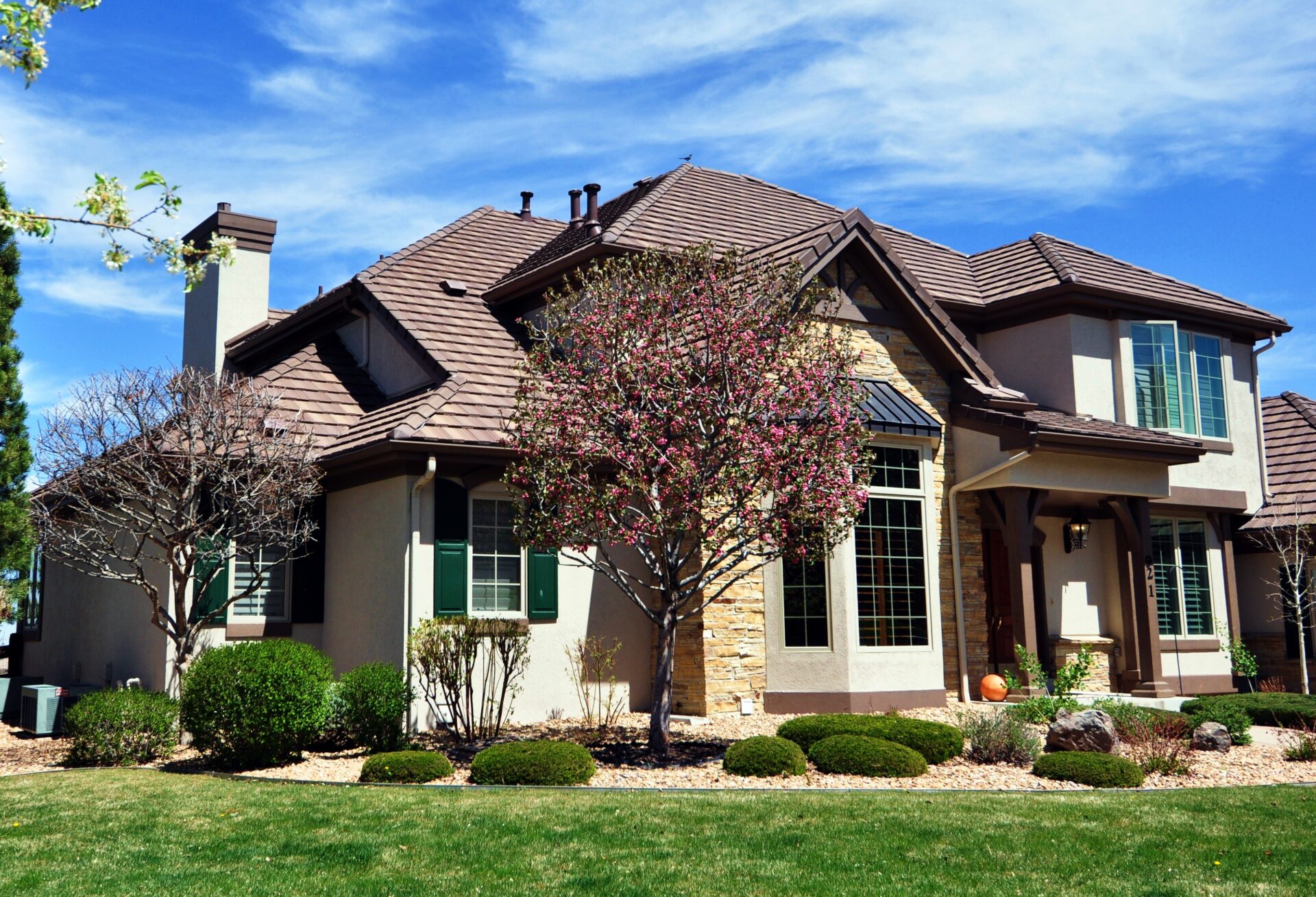
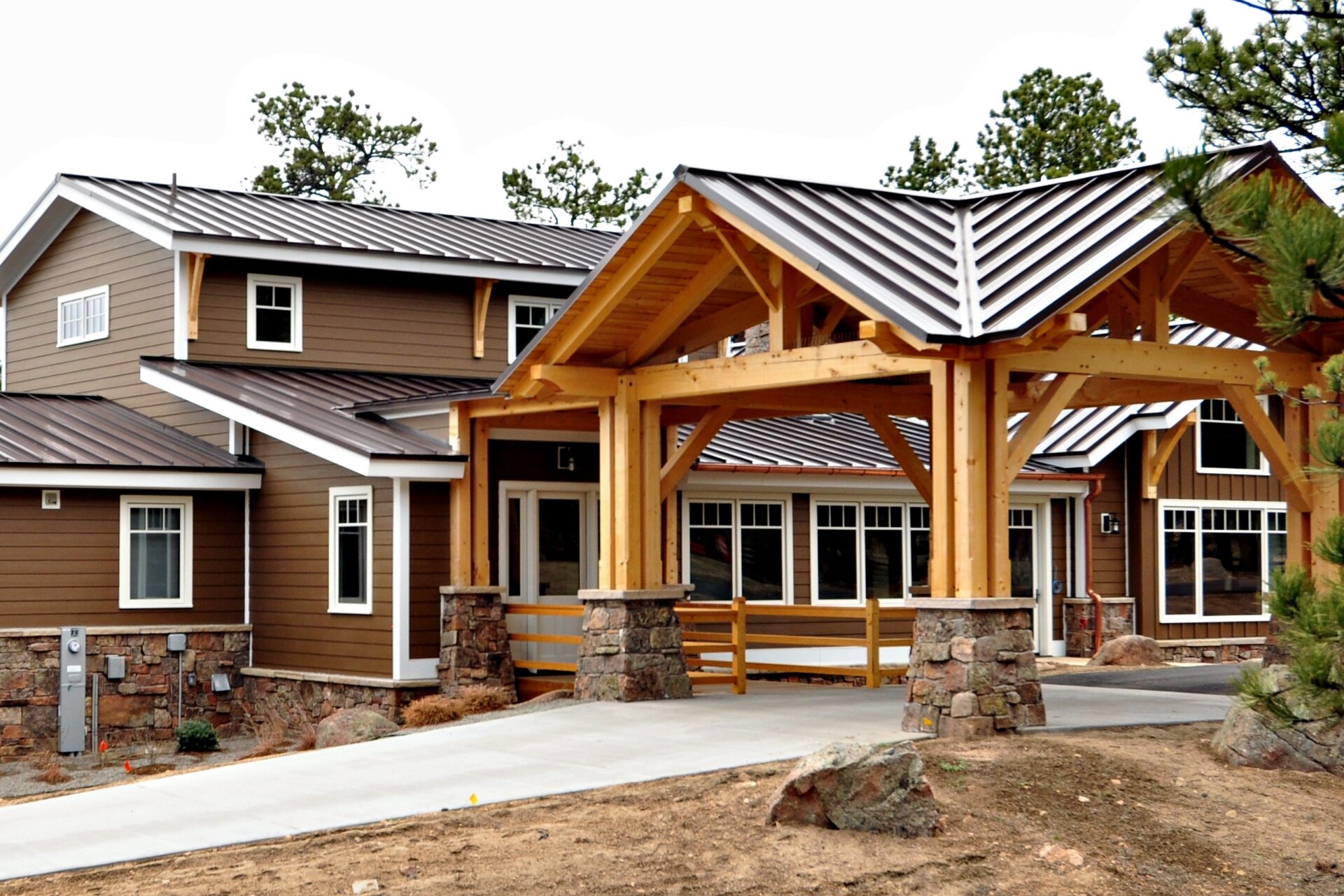
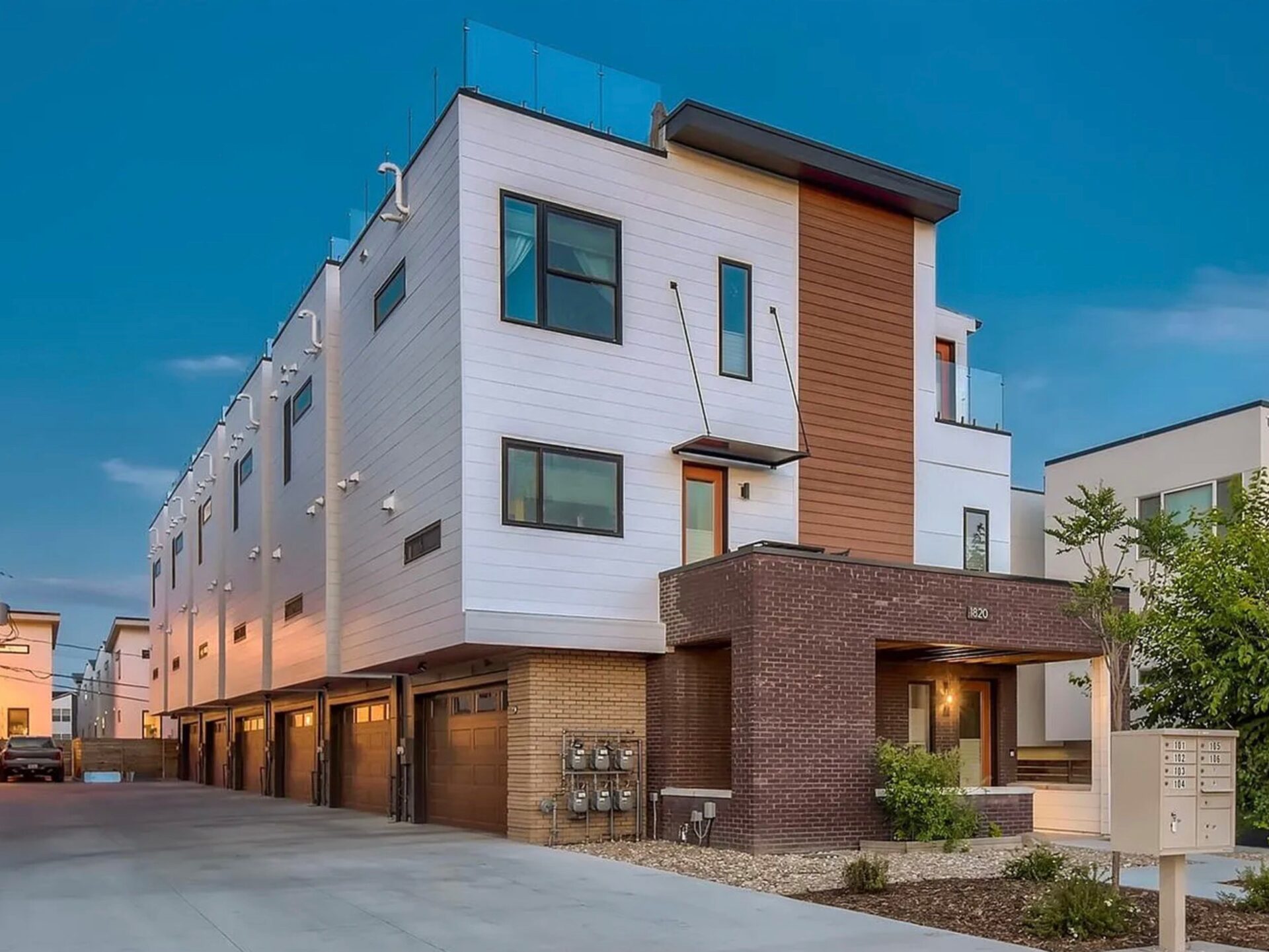
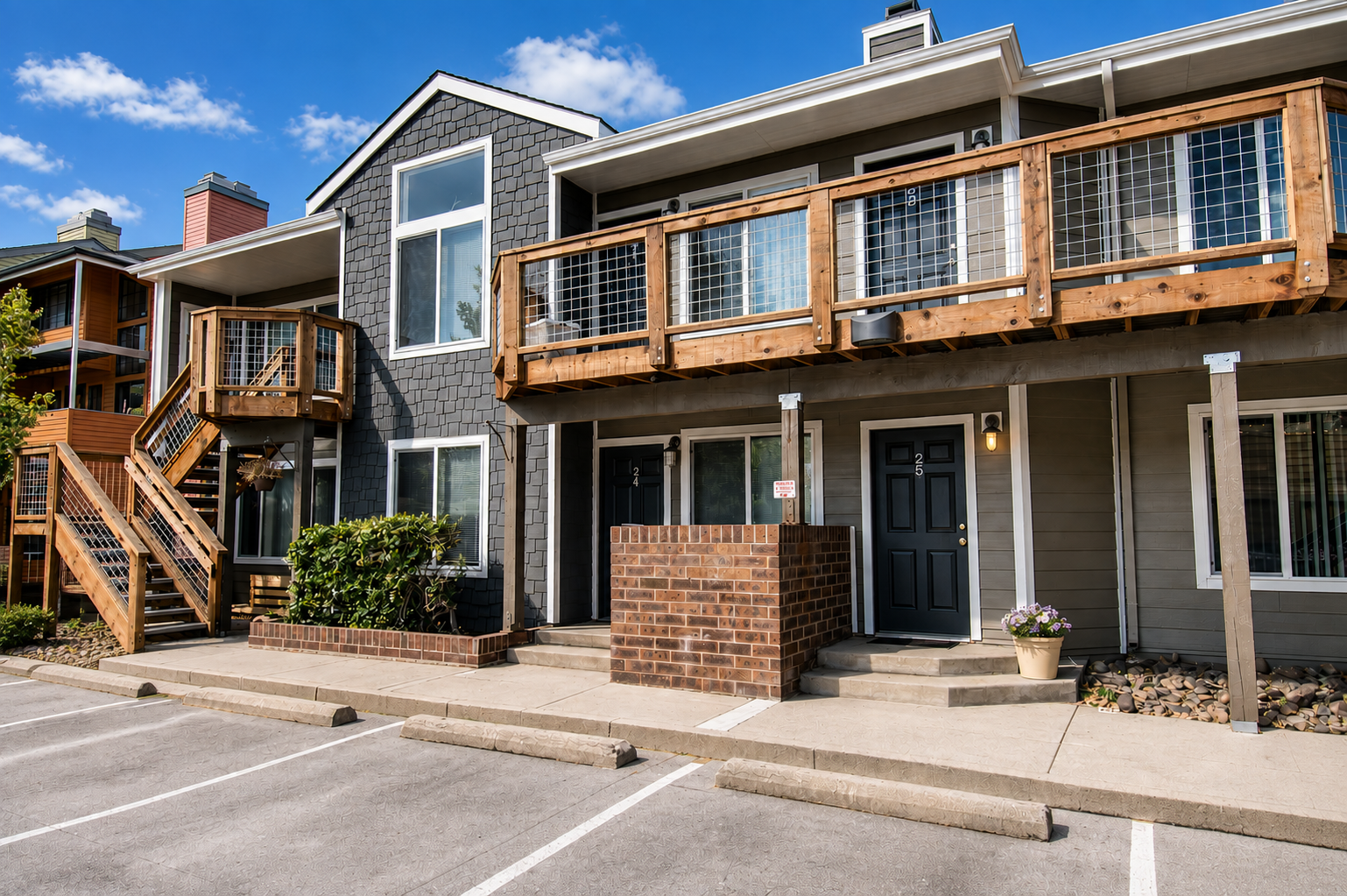
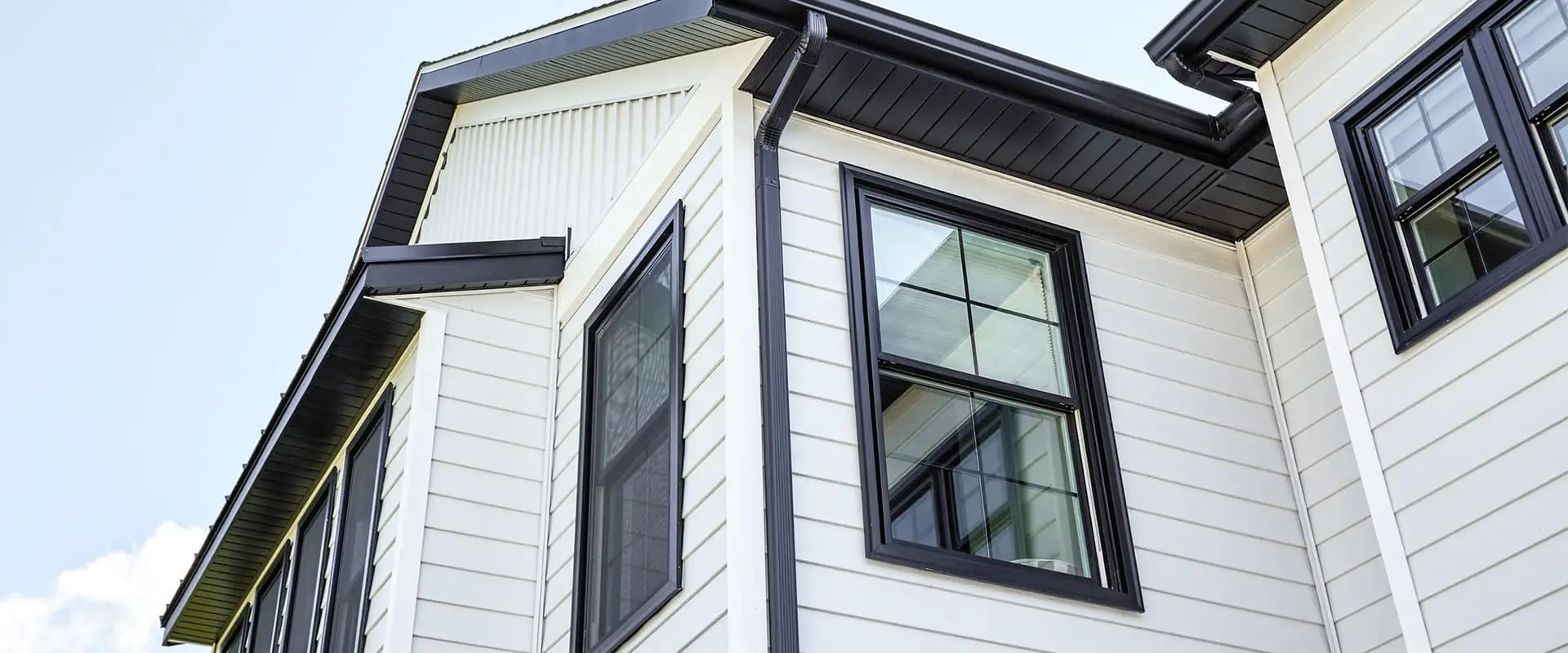
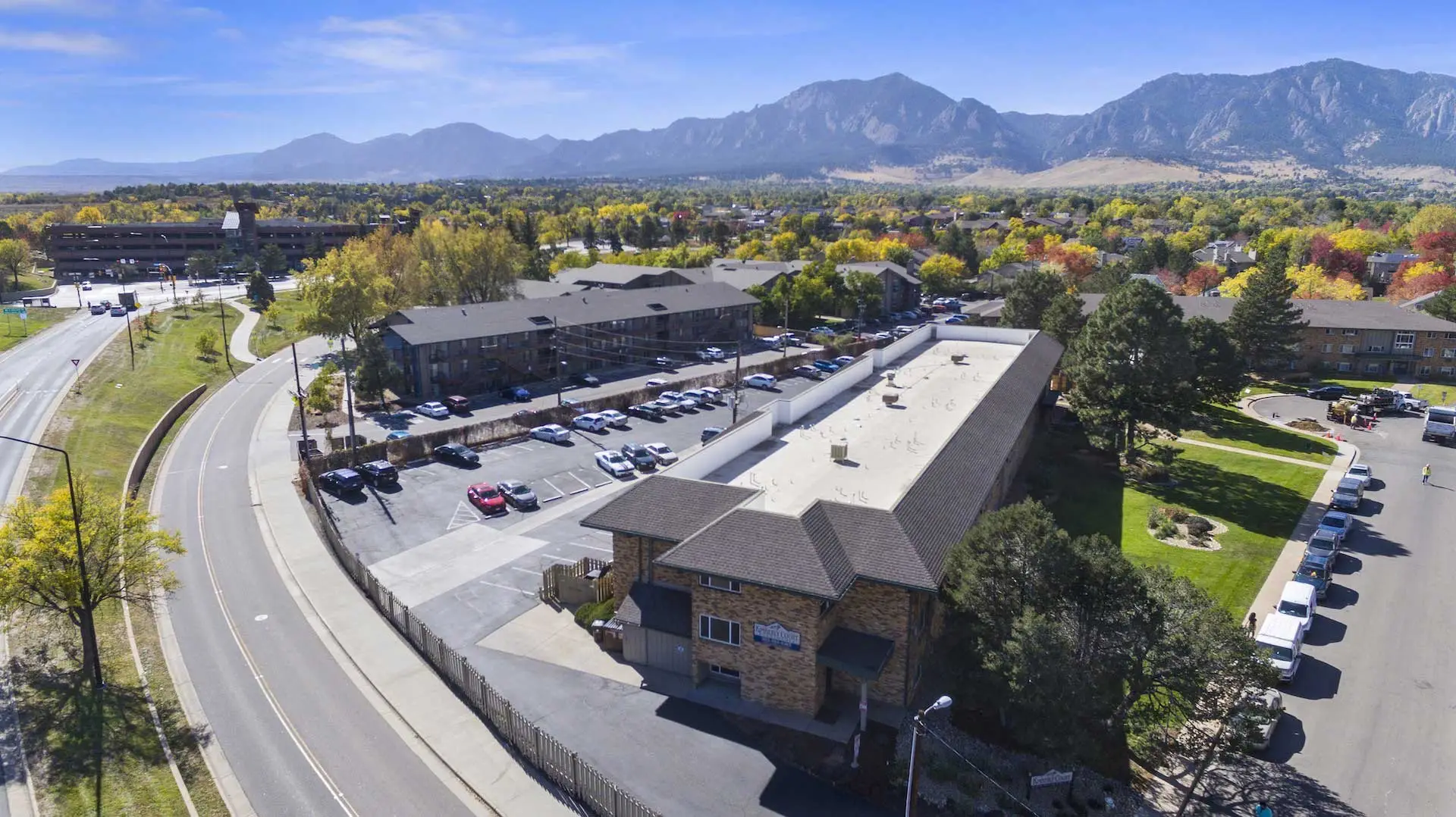
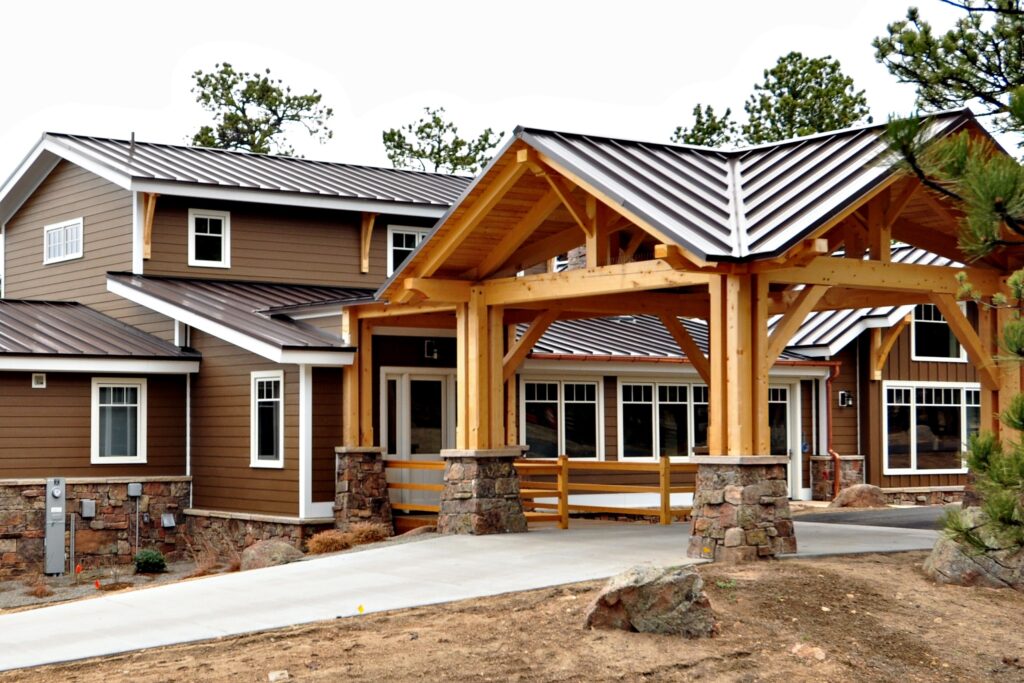
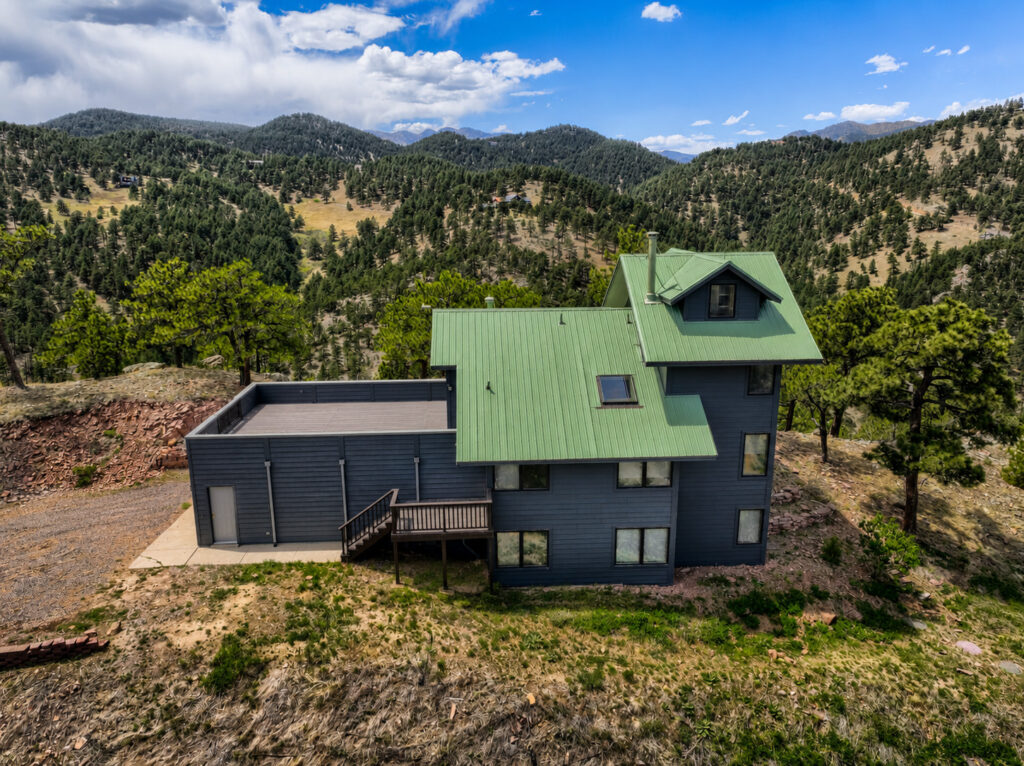
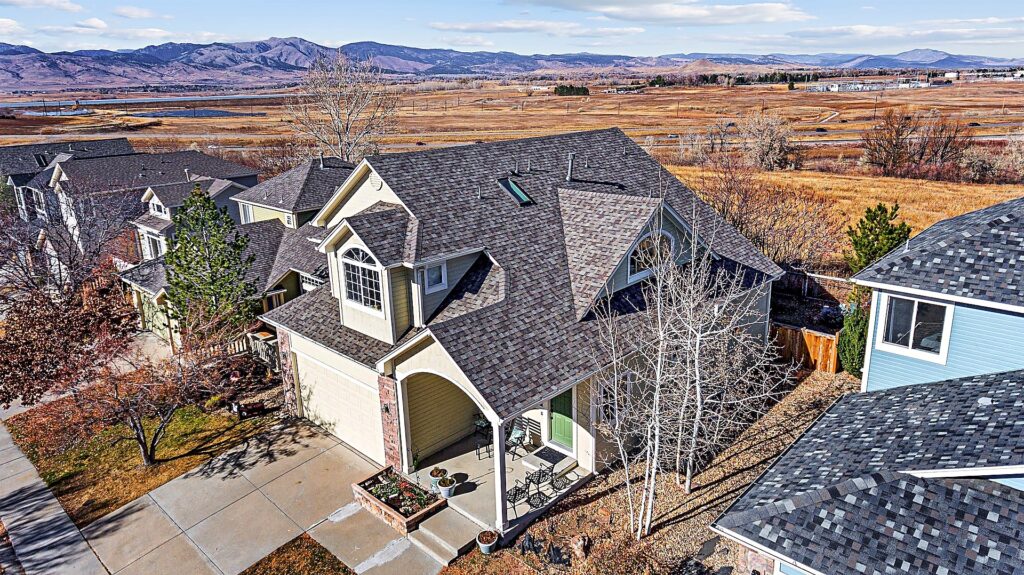
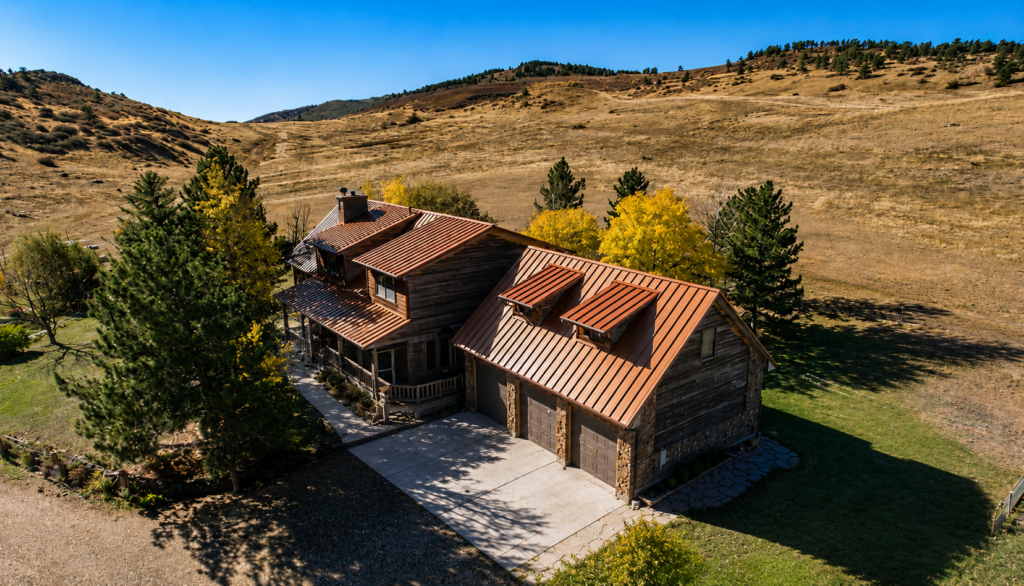
We are new to Summit County and would rather show you real work than a stock photo. These are our own Colorado foothills and mountain projects, and each caption says exactly where it is.
Summit County Roofing — Common Questions
Metal or asphalt for a Summit County roof?
Standing seam costs more up front, lasts substantially longer and sheds snow decisively, which is an advantage if the shedding is managed and a hazard if it is not. Architectural asphalt costs less and holds snow more readily. If you are holding the property long term, metal is usually the cheaper roof. If the building sheds over an entry or a deck, that question matters more than the material.
Do you install synthetic shake?
Yes. It suits rustic and lodge-style mountain buildings where a metal panel would look wrong, and it gives the timber-shake appearance in a Class A assembly. It sits between asphalt and standing seam on cost.
Do you tear off or can you go over the existing roof?
We tear off. Covering an existing roof means never inspecting the deck, and on a mountain building the deck is exactly where years of ice damage has been accumulating. You also cannot properly detail an ice-dam membrane over old material.
How far up the roof does the ice membrane go?
The full deck — eave to ridge. That is more than a Front Range house gets, and it is the detail most worth comparing between quotes. A cheaper number frequently means a strip at the eave rather than full coverage.
Is a roofing permit required?
It depends on the governing authority for the address, and it is not something you need to work out — we establish it before scoping and handle whatever is required. The more useful question is whether the assembly being quoted meets the fire-rating requirements for where the building sits.
What is the difference between Class 4 and Class A?
They measure different things. Class 4 is impact resistance, tested by dropping steel balls — it is about hail. Class A is flame spread, and it is about fire. A mountain roof should have both. We specify Class 4 as standard rather than as an upsell.
Will a new roof lower my insurance?
A Class 4 impact-resistant roof frequently earns a premium credit, but it varies by carrier and by policy and we are not in a position to promise a number. Ask your carrier what they allow before you choose the shingle — occasionally it changes the math.
Can you re-roof a rental between bookings?
Often, within reason. A full tear-off is a multi-day job and it is weather-dependent, so we will be straight with you about whether a specific window is realistic rather than starting and hoping. For rental properties we plan the schedule around the booking calendar wherever the season allows.
Do you do repairs, or only replacements?
Both, but on a property this far from our yard a small repair is often better served by a contractor in the valley, and we will say so. Where we add real value is the full replacement and the honest assessment of whether you have reached one.