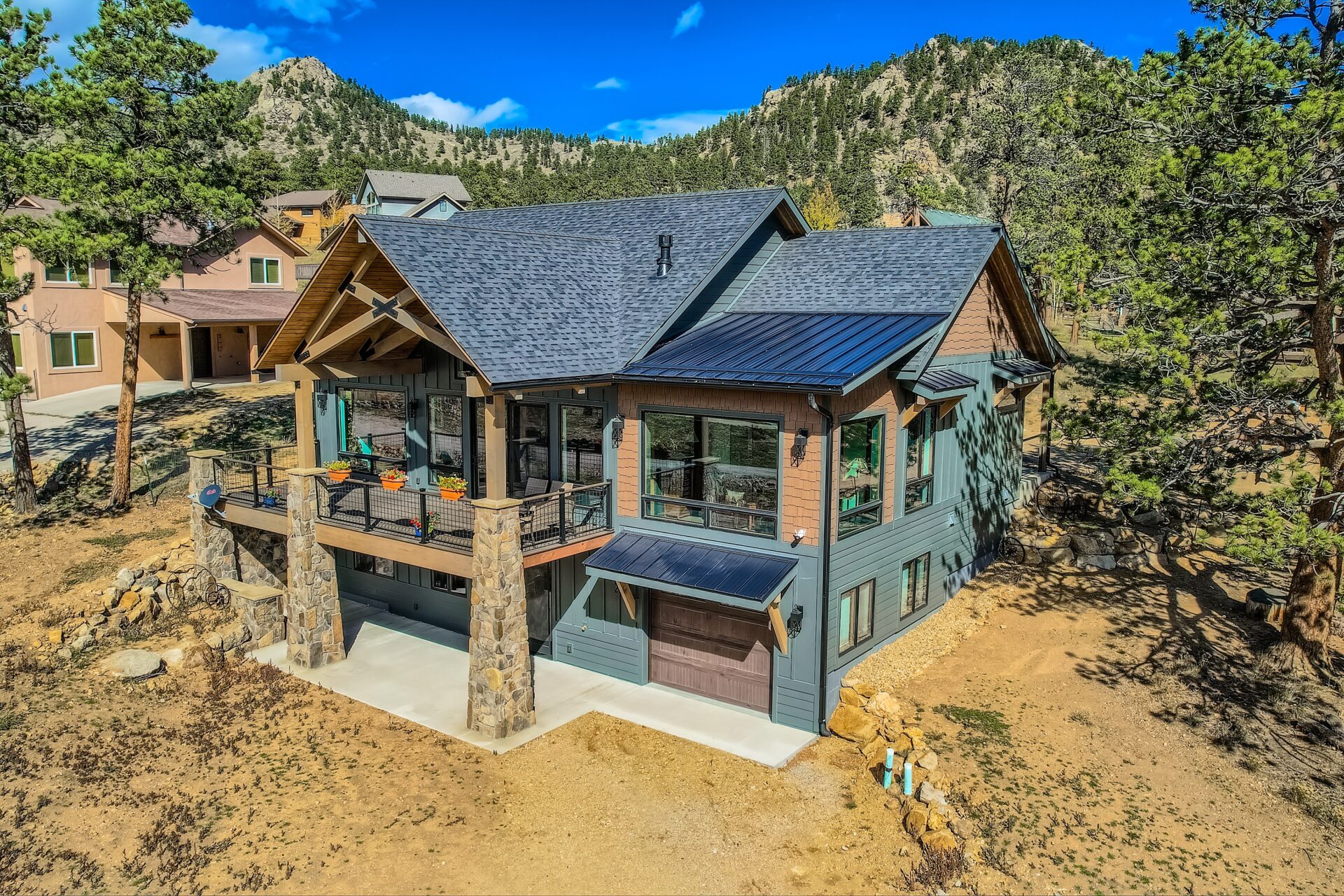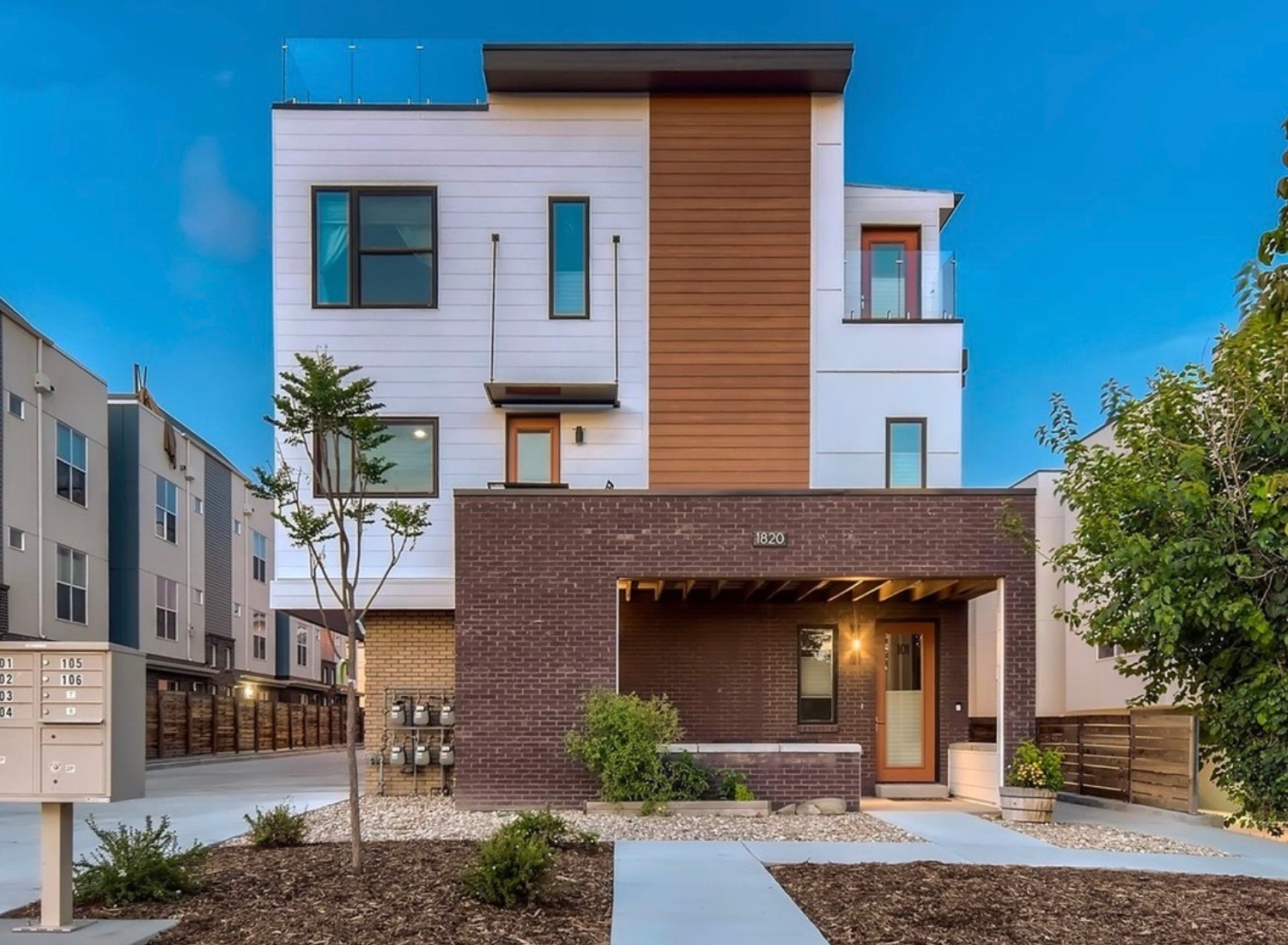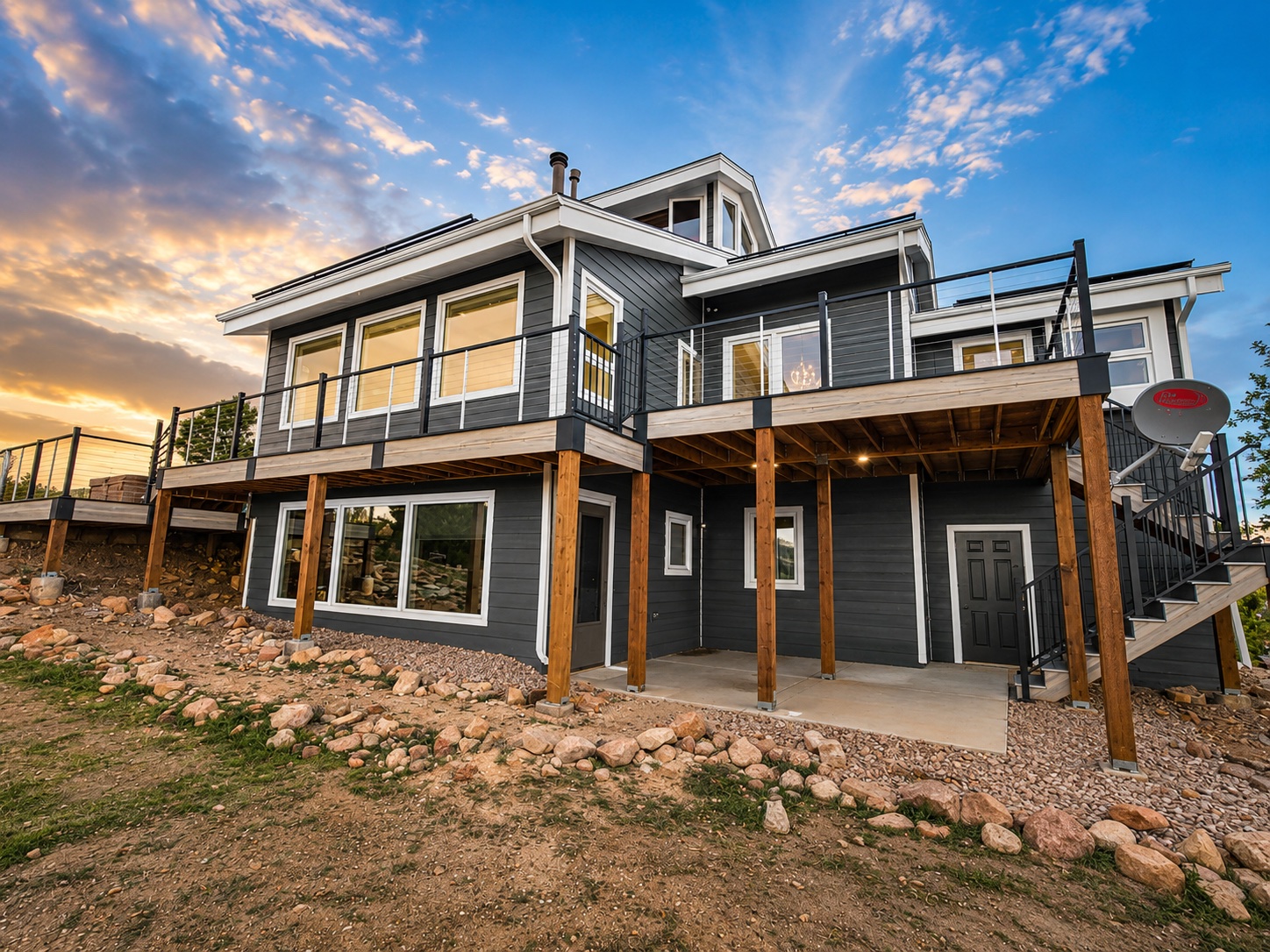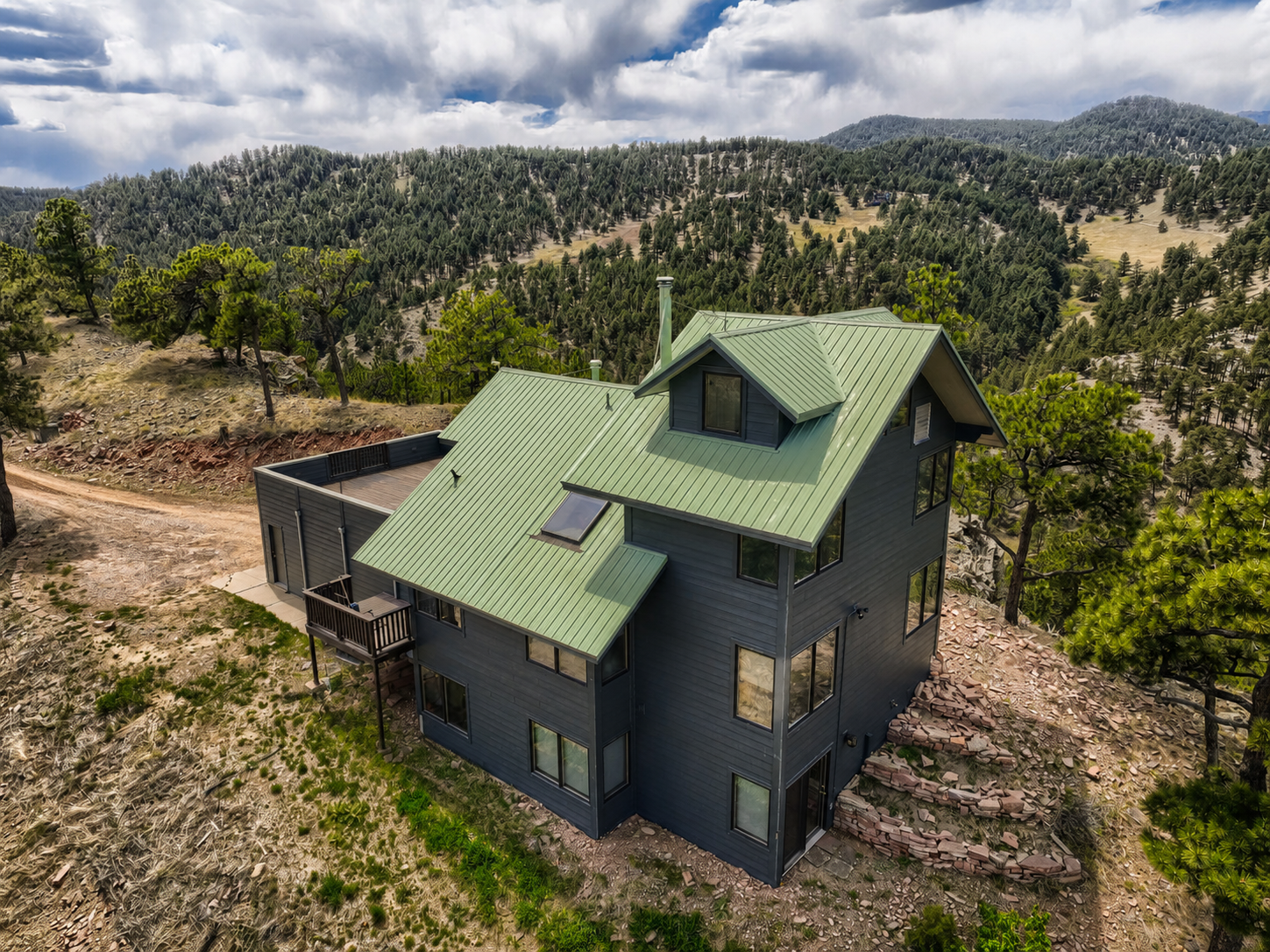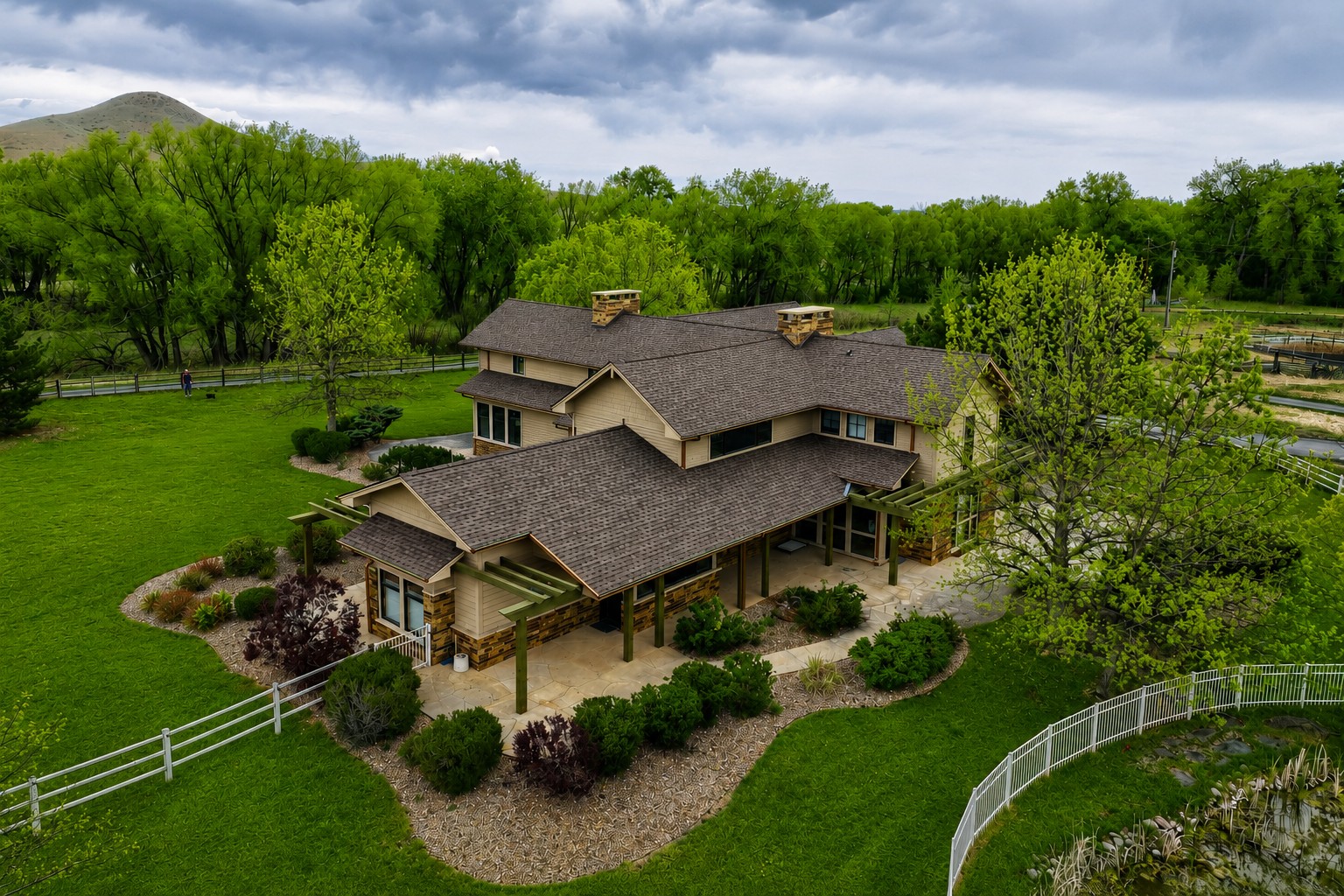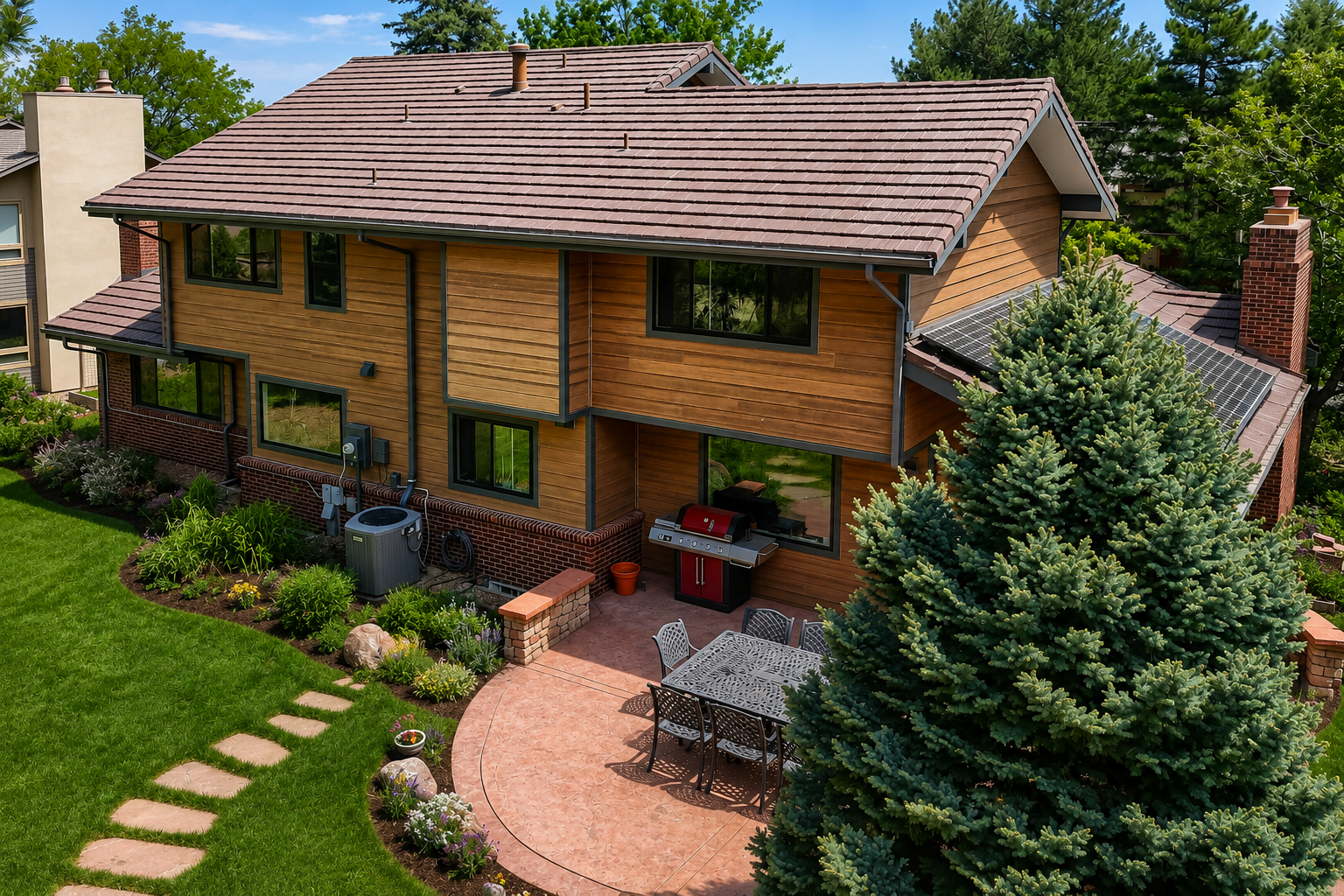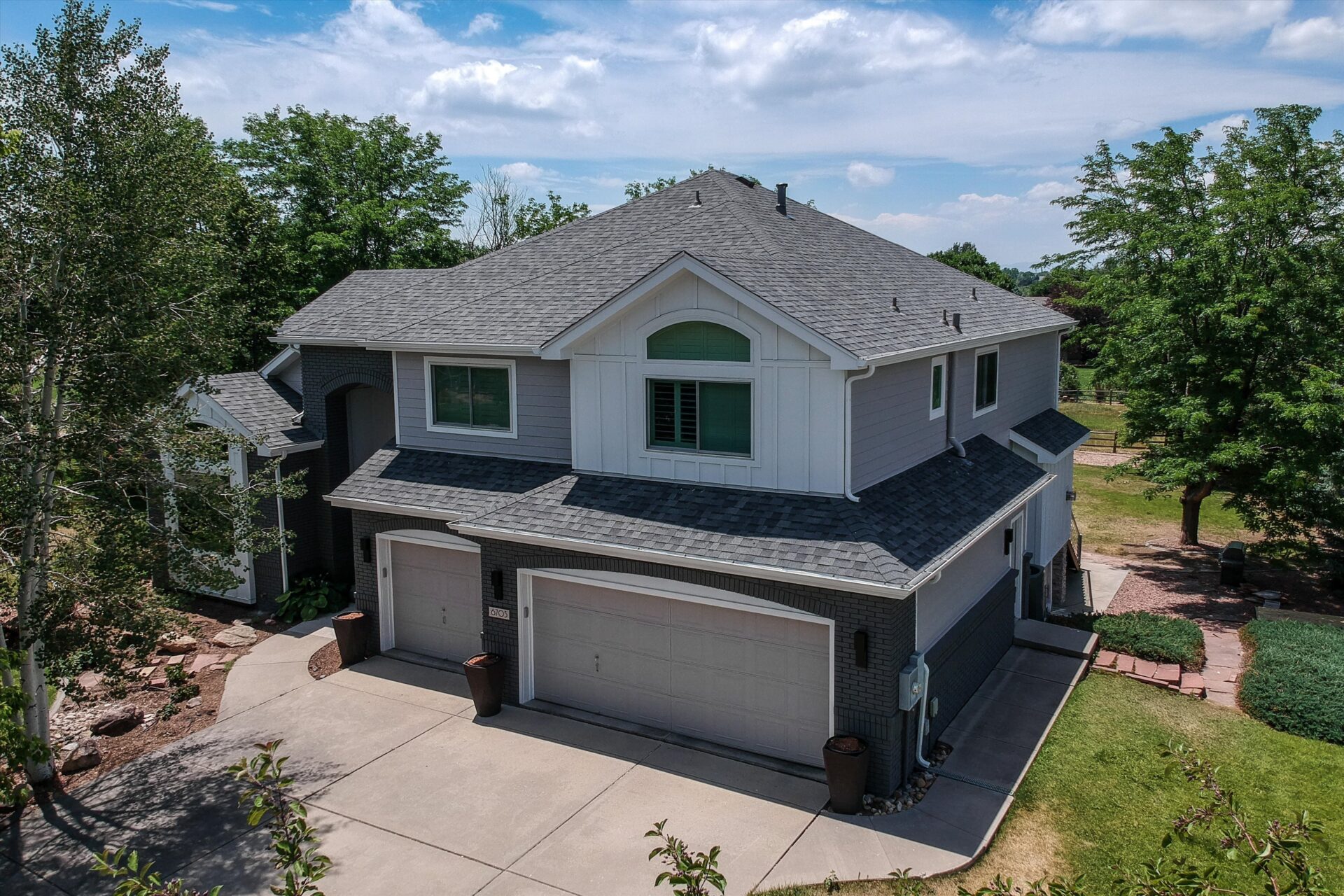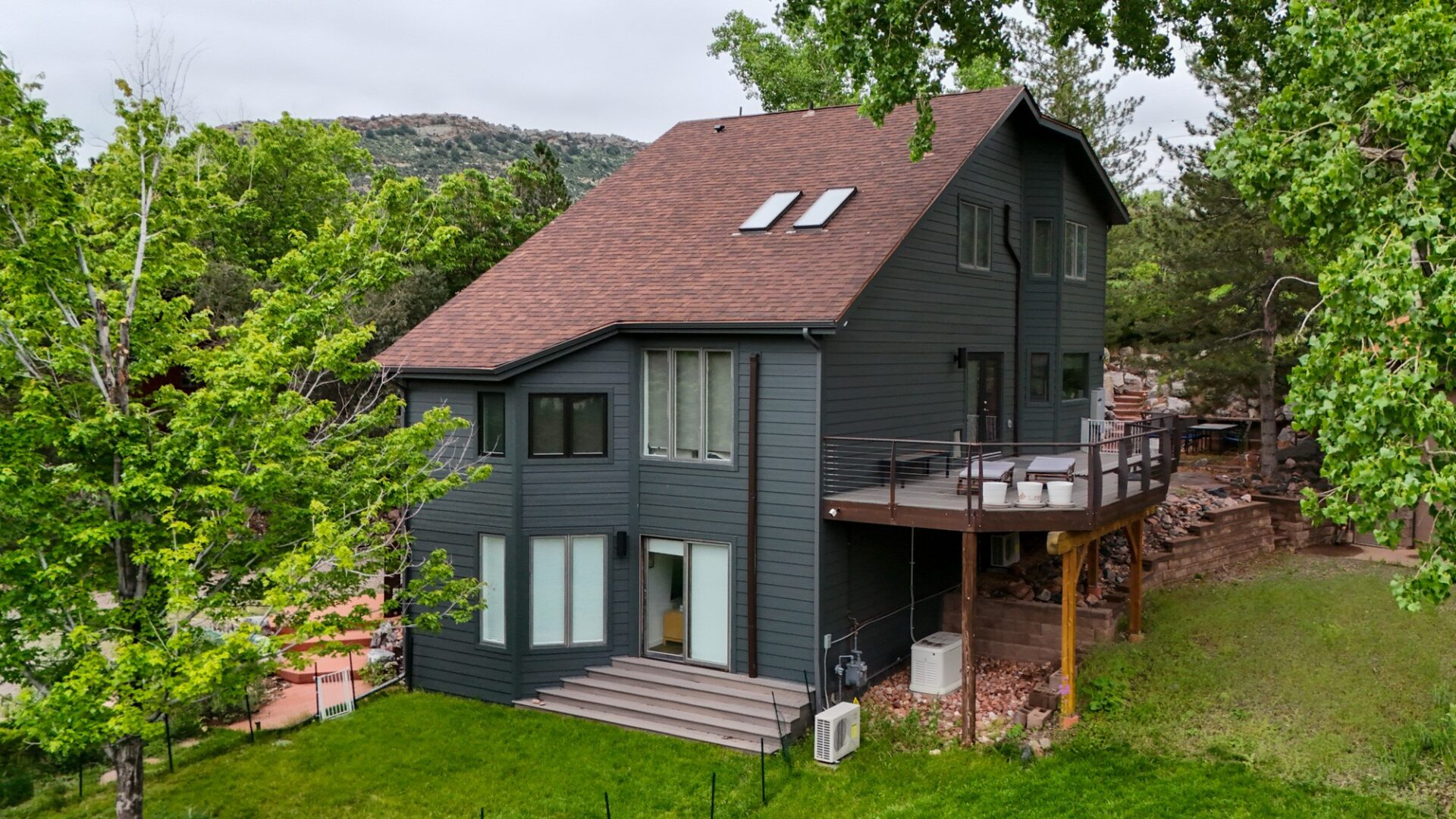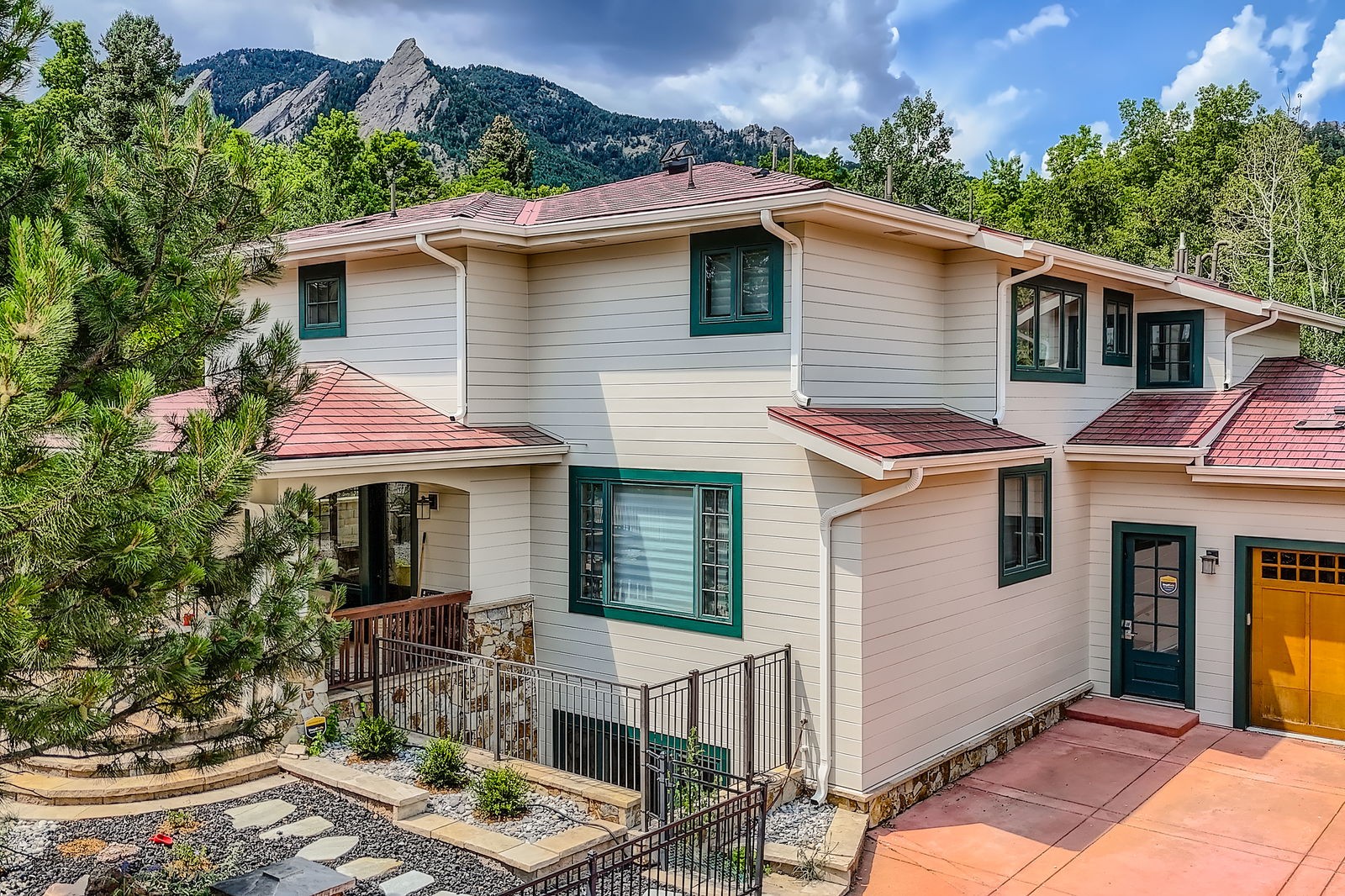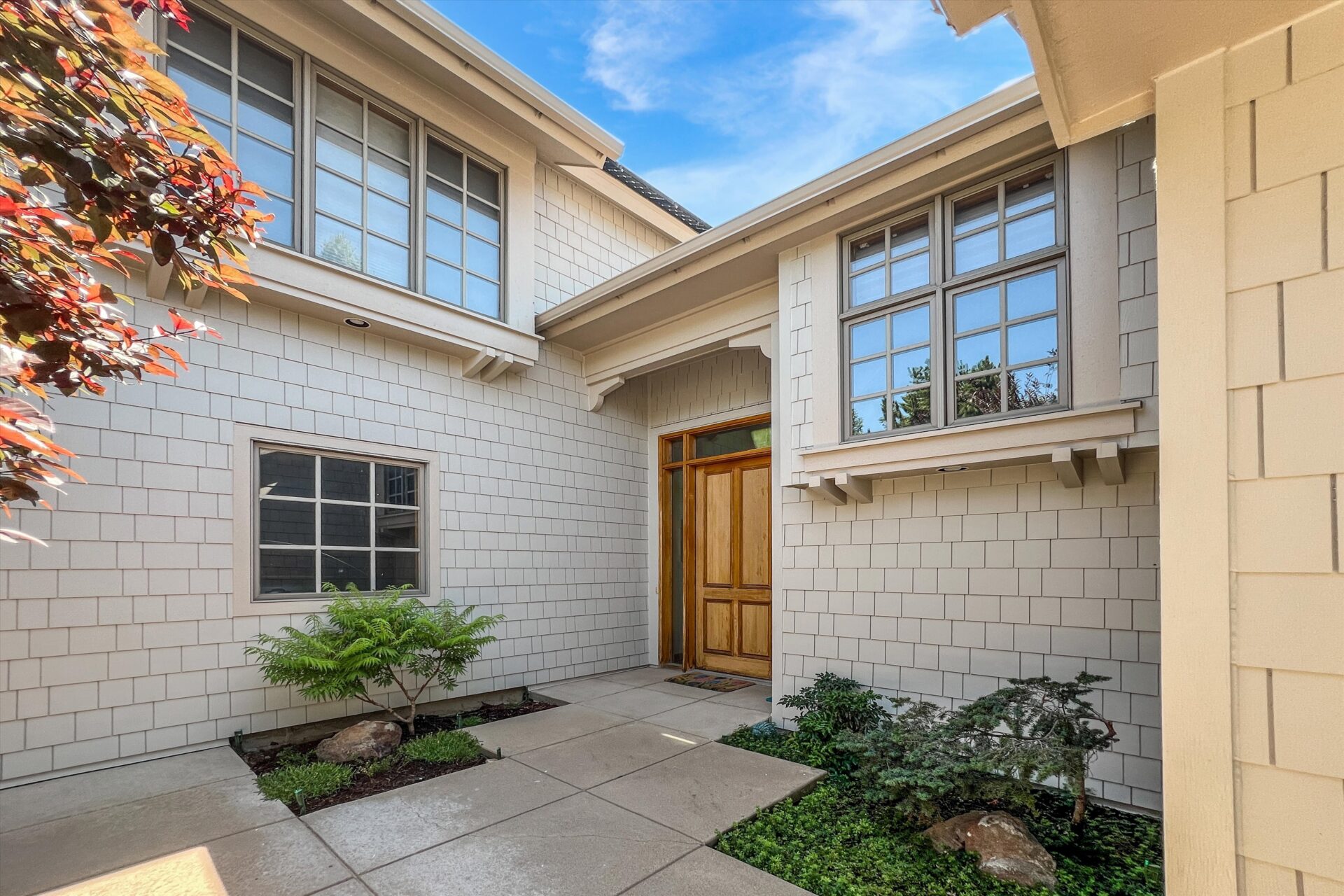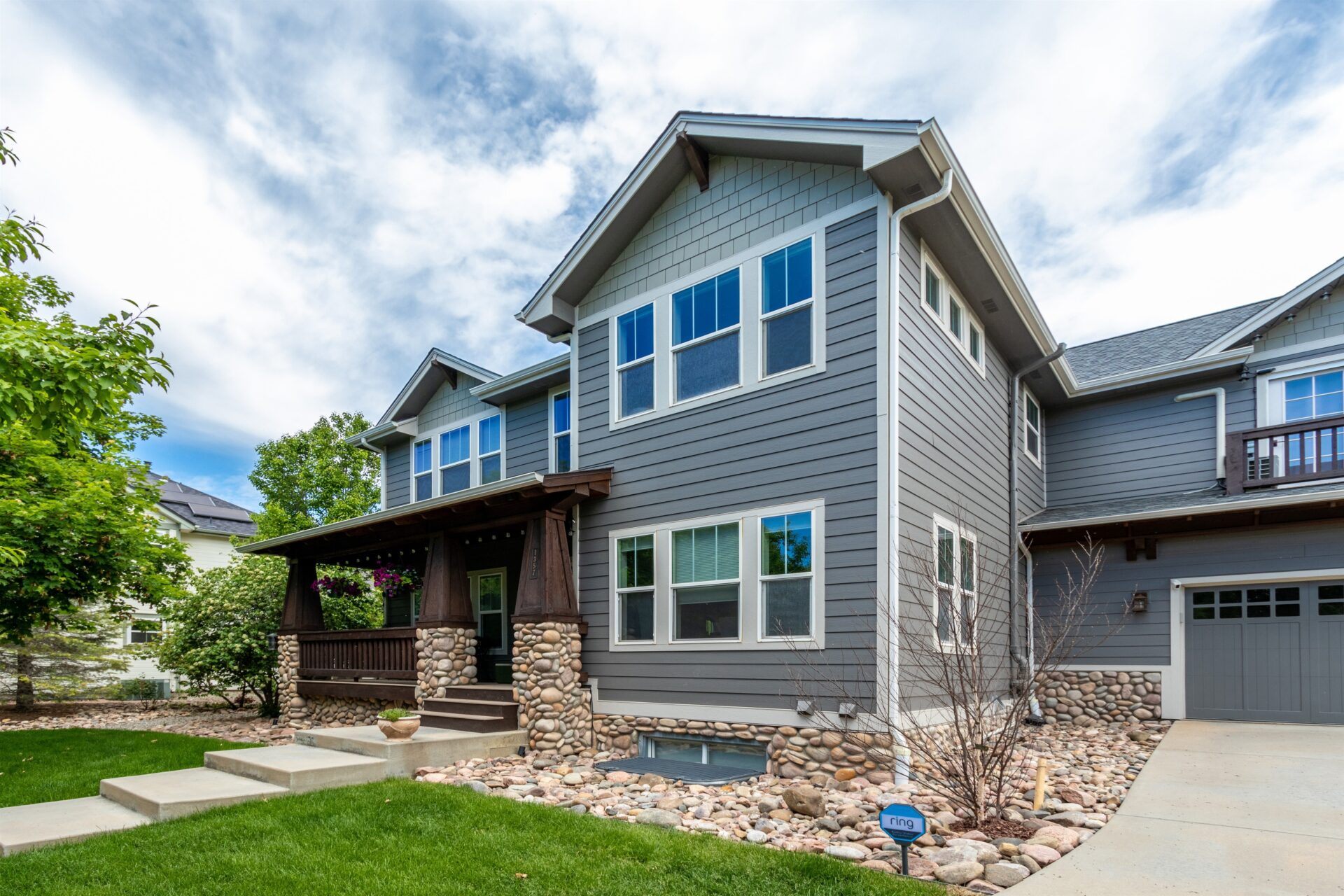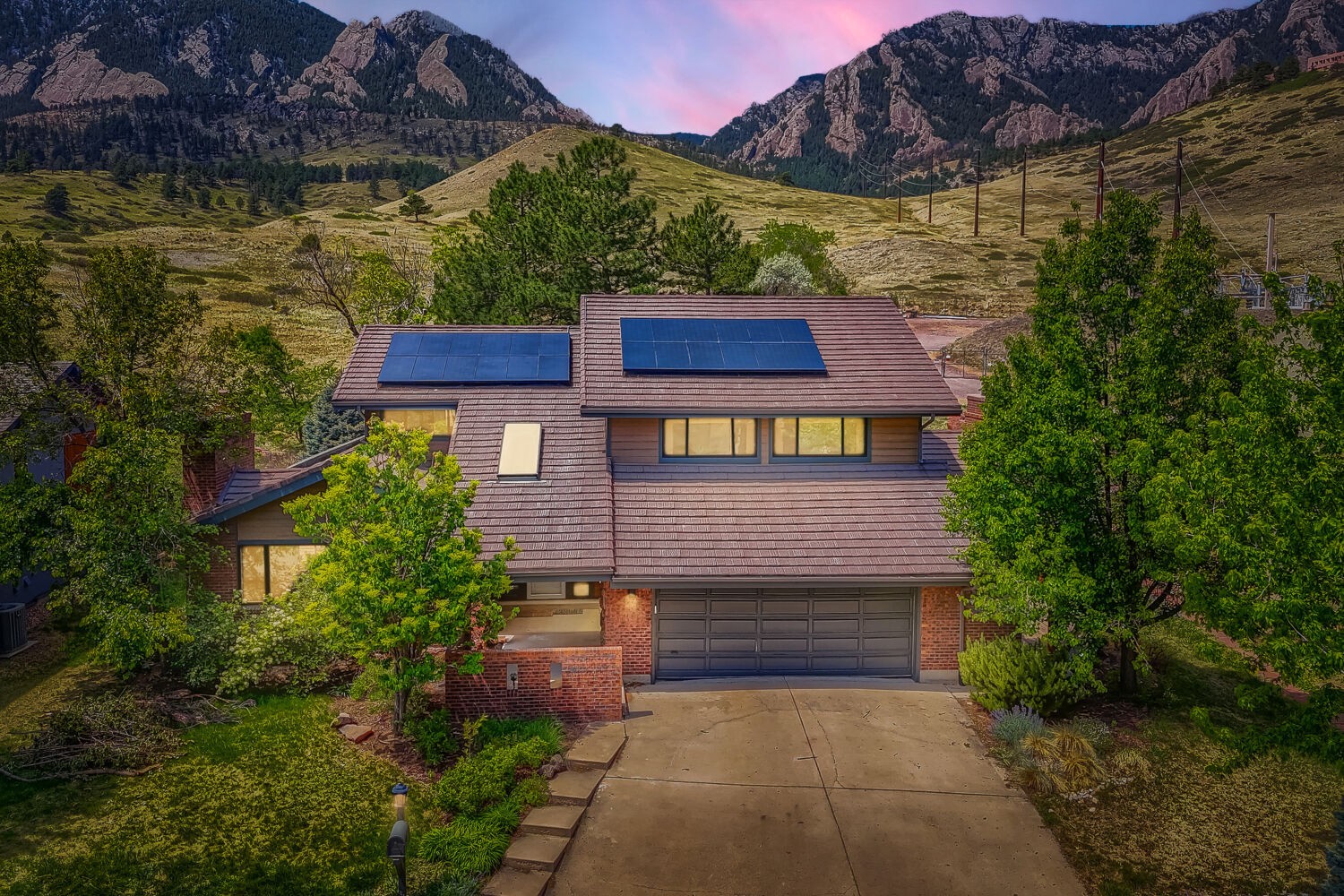
Composite Deck Installation
Deck Builders Near You — Composite Decks Across the Front Range & Colorado
Searching for a deck builder near you turns up a lot of companies who will sell you boards. We design and build the whole structure — footings, framing, drainage and railing — in composite and PVC, across the same stretch of Colorado we live in. Building since 2001, rated 4.9 from 552 reviews.
Get My Free Deck Consultation → 📞 (303) 776-5263
Quick Answer
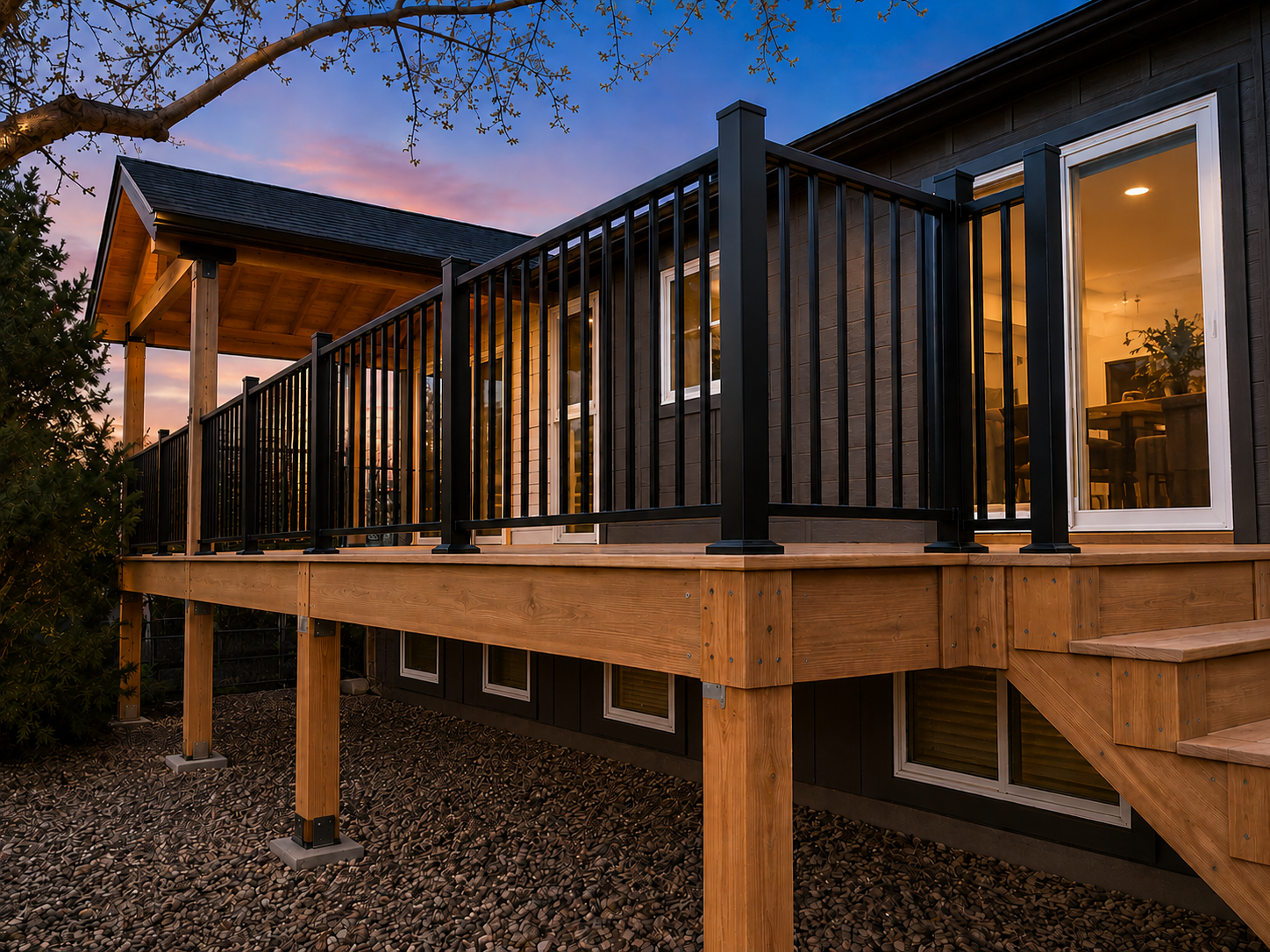
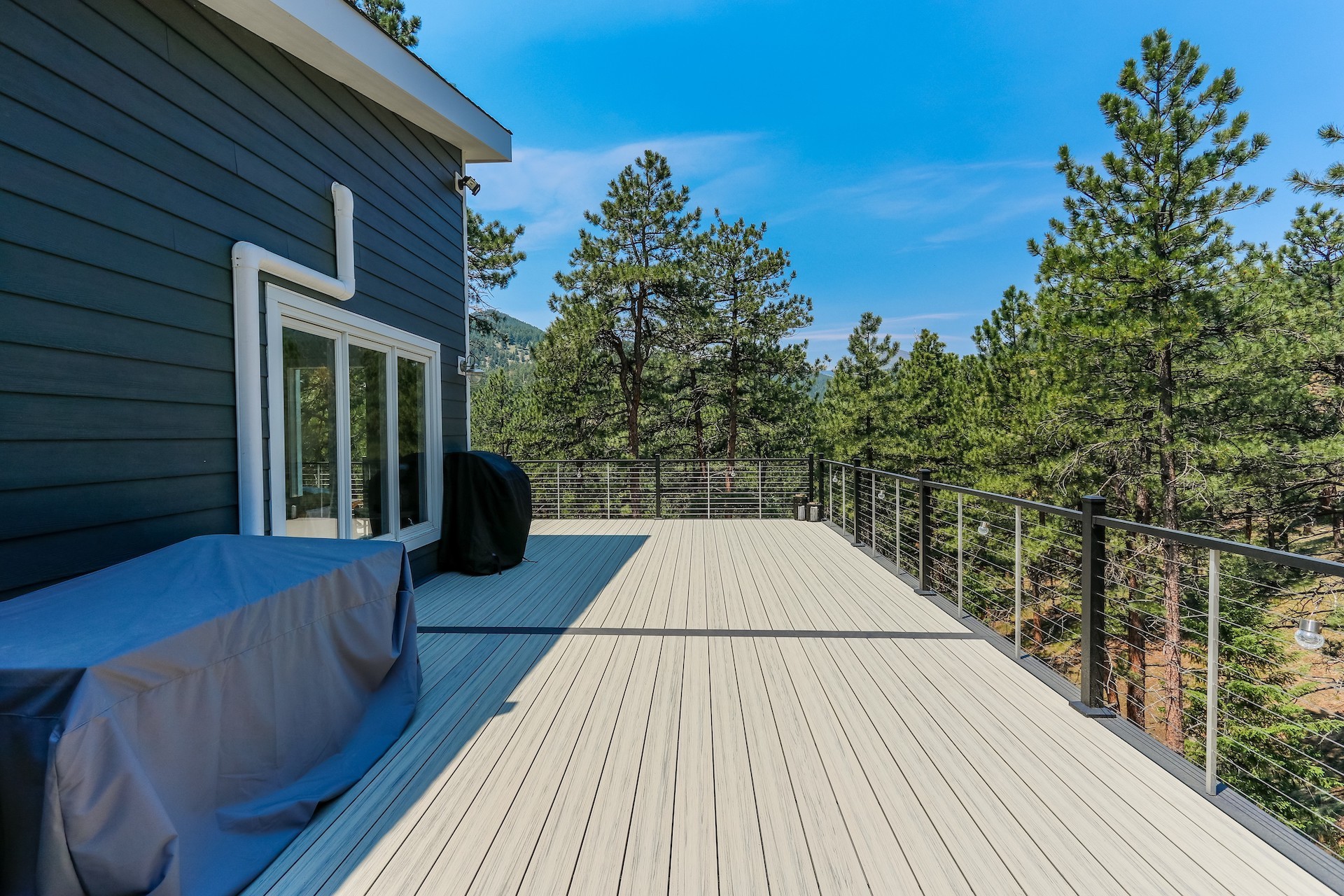
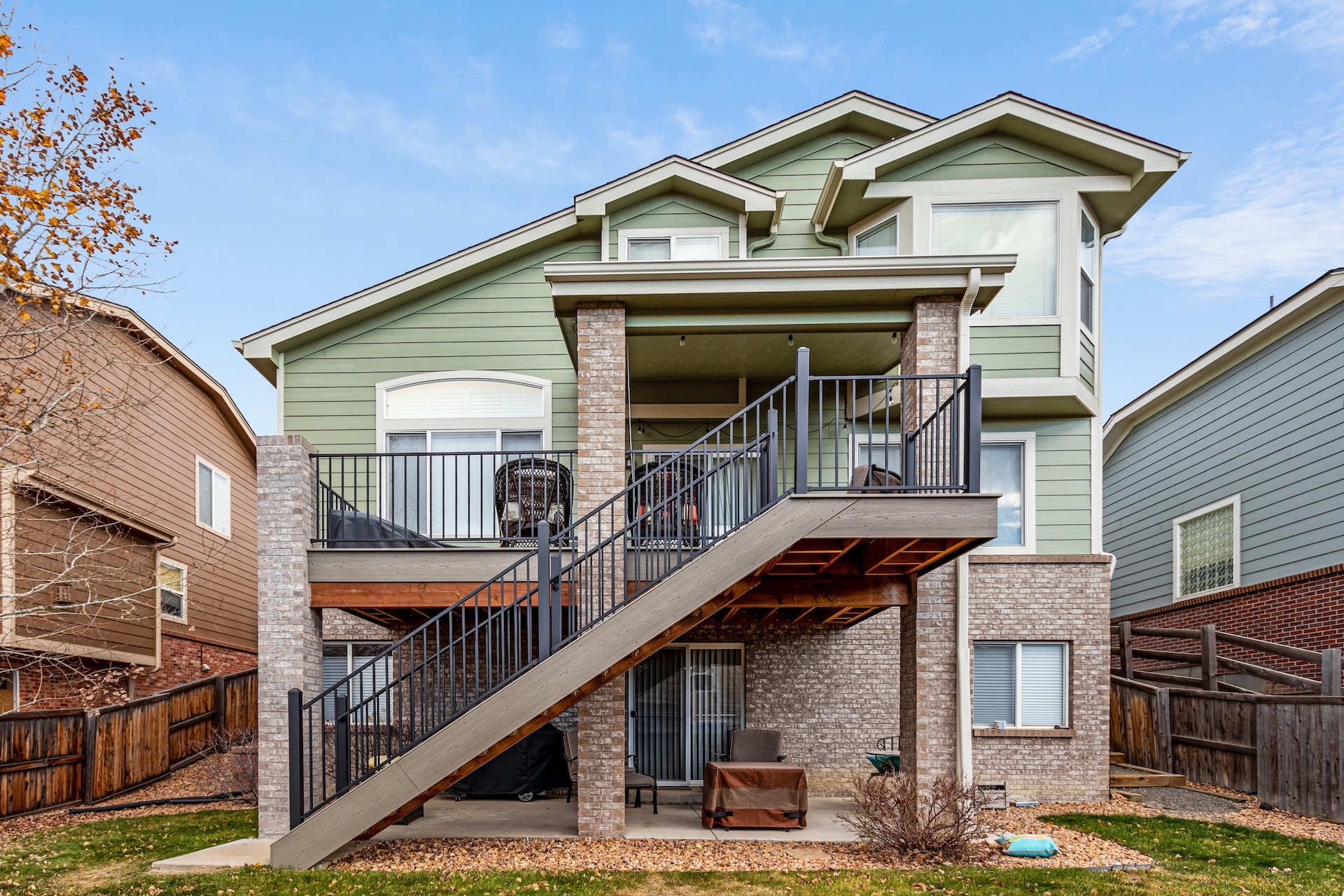
We build composite and PVC decks across the Denver metro, Boulder County, Longmont, Loveland, Fort Collins, Greeley, the foothills and the towns in between — new decks, full replacements of failing decks, and decks paired with patio covers or pergolas. Every project runs through a project manager and our secure client portal, so you can see where the job stands without chasing anyone for an answer.
What “Near Me” Is Actually Worth on a Deck
A deck is a structure bolted to your house, carrying people, above grade. Proximity matters for reasons that only show up later.
The inspector already knows us
Footing depth, ledger attachment and guard height get read differently from one jurisdiction to the next along the Front Range. Knowing how a particular building department actually inspects a deck is not something a crew driving in from out of state brings with them.
Someone to call in year seven
Fasteners back out. Gates sag. A board gets gouged moving a grill. The thing that makes those painless is that whoever built it is still trading nearby and still has your drawings.
We have seen your freeze-thaw
Hundreds of freeze-thaw cycles a year work on footings and fasteners, and a forty-degree swing between afternoon and night moves every board on the deck. That movement is what finds an under-built frame.
What We Install
We are deliberately brand-agnostic across the three composite lines we carry, because the right board depends on the exposure, the span and the budget — not on what we happen to stock.
Trex®
The most widely recognized composite line. Trex decking and where it suits a Colorado elevation.
TimberTech®
We are a TimberTech Gold Pro contractor — see the TimberTech lines we install, including their PVC boards.
Deckorators®
A Deckorators Certified Contractor. Deckorators decking and its mineral-based composite.
Underneath the boards we build on engineered steel framing where the design calls for it — it does not twist, cup or rot the way a timber frame eventually does. More on the composite systems we build with, and on larger custom projects.
Replacing a Deck That Has Reached the End
A good share of what we build replaces something already there. We do full replacements — tear-out, haul-away, new structure — rather than patching, because on a deck that has started to go, patching usually means paying twice.
The tell is almost always underneath rather than on the walking surface. Softness where the ledger meets the house, movement at the post bases, fasteners that have worked their way proud, or a frame built to a code cycle that has since been revised. A deck can look perfectly sound from the kitchen window and still be carrying its load through a connection nobody would sign off on today.
If yours is at that point, the replacement is also the cheapest chance you will ever get to change the footprint, raise a low deck, widen the stairs or add a cover — the structure is coming out anyway.
Decks, Patio Covers and Pergolas Together
People search for a deck and a patio builder in the same breath, and they are right to. A cover is a roof structure landing on the deck frame, so the posts, footings and beam sizes change depending on whether a cover is coming — which means it is much cheaper to decide before the deck is built than after.
Patio covers
Shade and weather protection over the deck or a grade-level patio. Patio cover construction.
Pergolas
Open structure, partial shade, and the option to add screening or a louvered roof later. Pergola installation.
Foothills and WUI lots
Closer to the foothills we can specify fire-resistant, WUI-conscious assemblies that work with local requirements — see WUI fire-rated decks.
Built to Colorado Code, Not to a Photograph
The parts of a deck that decide whether it passes inspection are the parts nobody photographs:
- Framing and footings — ledger attachment, hardware and footing depth that meet or exceed the requirements where you live.
- Stairs and railings — riser heights, tread depths, handrail profile and baluster spacing, which is where a lot of older decks quietly fail.
- Wind and uplift — a real factor on open lots along the I-25 corridor and on west-facing sites that take the stronger gusts.
- Permits and HOA approval — we run these for you; the HOA is usually the slower of the two.
Where a design needs engineering, it is stamped by a licensed engineer — that stamp is theirs, not ours, and we will tell you when a project needs one.
What Actually Moves the Price
Deck quotes vary more than almost any other exterior trade, because two decks of the same square footage can be completely different structures. What moves the number:
- Overall size and height above grade — height drives framing and footings more than area does
- Material line: composite or PVC, standard or premium
- Railing: composite, aluminum, cable or glass
- Stairs, landings and framing complexity
- Covers, pergolas, lighting and built-in features
- Demolition and haul-away of the existing deck, plus any structural upgrades
You get a written, line-item proposal rather than a square-foot number, so you can see which of those is costing you what — and take it away and compare it. If you are gathering quotes, our guide to reading deck proposals is worth ten minutes before you sign anything.
How Soon Can Someone Actually Come Out?
The part nobody puts on a website. Getting in front of you is quick; the structure takes as long as it takes.
Consultation and design
One to two meetings, often within a week of you getting in touch.
Permits and HOA approval
Varies by city and neighborhood, and commonly runs one to three months. This is the step that surprises people, so we start it early.
Construction
Most composite deck projects run about two to six weeks on site once we start, depending on complexity and weather.
Through all of it the client portal carries your schedule, inspections and next steps, so progress is something you can look up rather than phone about.
Where We Build
Across the Denver metro, Boulder County, Longmont, Loveland, Fort Collins, Greeley, Estes Park, the foothills communities and the towns between them. If you are not sure whether you are inside it, the service-area map lists every community we cover — or look through recent projects to see the kind of work we do near you.
Deck Builders Near Me — FAQs
Do you build wood decks?
No. We build in composite and PVC only. Wood is cheaper on day one and it is the material we are most often called out to replace — so rather than sell something we expect to be tearing off in a decade, we stay with composite and PVC and are straight with you about why.
Do you repair decks?
No — we handle full replacements rather than repairs. On a deck that has started to fail structurally, a repair usually addresses the symptom and leaves the cause, and you end up paying for the work twice.
Which composite brands do you install?
Trex, TimberTech and Deckorators. We are a TimberTech Gold Pro contractor and a Deckorators Certified Contractor. Carrying several lines is the point — the recommendation can follow the exposure and the span rather than whatever we are tied to.
How much does a new deck cost?
It depends far more on height above grade, framing and railing than on square footage, so a price per square foot would be misleading. We measure, then give you a written line-item proposal showing exactly what each part of the structure costs.
Do I need a permit for a deck?
Almost always, and the requirements differ by jurisdiction along the Front Range. We handle the permit and the HOA submission as part of the project. The HOA is usually the slower of the two, which is why we start it early.
Can you add a patio cover to a deck you did not build?
Sometimes, and it depends entirely on what is under the boards. A cover puts new point loads into the deck frame, so the existing footings, posts and beams have to be able to take them. We look before we answer.
Who runs the job?
A project manager who is your single point of contact from the first measure through final inspection, with the schedule and inspection dates visible to you in the client portal.
More in the deck questions hub.
Get a Real Number for Your Actual Deck
We measure the site, talk through height, access and how you want to use the space, and give you a written line-item proposal. No square-foot guess over the phone.
Request My Deck Consultation →
Part of our Colorado deck & outdoor living guide.