
Energy-Efficient Replacement Windows in Colorado
Northern Lights Exteriors provides professional window replacement across Denver, Boulder, Longmont, Fort Collins, and surrounding Front Range communities with licensed installers, project management, and code-compliant installation.
Call: (303) 776-5263 ·Reviews: Google Business Profile
A window is only as efficient as the glass package inside it and the air seal around it. This page covers how replacement windows are actually rated — U-factor, SHGC and Low-E — which materials hold up to Colorado’s temperature swings, and which installations qualify for utility rebates.
What Makes a Window Energy Efficient in Colorado?
An energy-efficient window is a combination of four things: a low U-factor (how much heat escapes), an SHGC matched to which way the window faces, a Low-E coating chosen for that exposure, and a frame material that stops moving before the seal does. The fourth is installation — a window rated for the climate still leaks if the opening is not air-sealed and flashed. Windows meeting ENERGY STAR® Northern climate zone requirements are the baseline we install in Colorado.
How Window Efficiency Is Actually Measured
Every replacement window carries an NFRC label, and three numbers on it decide how the window behaves in a Colorado house. Salespeople tend to quote whichever one flatters the product they carry.
U-Factor — how much heat escapes
The rate heat moves through the whole assembly, frame included. Lower is better. This is the number that matters most on a Front Range winter night, and it is the one a cheap frame quietly ruins even behind good glass.
SHGC — how much solar heat gets in
Solar Heat Gain Coefficient. Lower blocks more sun. Colorado is the case where the same house wants two different answers: a south or west elevation taking full afternoon sun in August is a different problem from a north face that never sees any, and one blanket SHGC across every opening is a compromise on both.
Low-E coatings — the part you cannot see
A microscopically thin metallic layer on the glass that reflects heat back to the side it came from. Coatings are tuned differently, which is how two windows with similar frames end up performing nothing alike. Matching the coating to the exposure is a per-elevation decision, not a whole-house one.
Double or triple pane
Triple pane adds glass, weight and cost, and it is genuinely worth it on some openings and hard to justify on others. It earns its money on exposed elevations, large spans and homes at elevation; it is often the wrong place to spend on a sheltered north wall. We would rather tell you which openings deserve it than sell it across the whole house.
ENERGY STAR® Northern zone — the numbers, and the part nobody quotes
Colorado sits in the Northern zone. ENERGY STAR® Version 7.0 took effect October 23, 2023, and its prescriptive window criteria for that zone are U-factor of 0.22 or lower and SHGC of 0.17 or higher.
That is not the only way to certify. The EPA publishes an equivalent energy performance path, and it exists only for the Northern zone — no other climate zone gets one:
| U-Factor | Minimum SHGC |
|---|---|
| 0.23 | 0.35 or higher |
| 0.24 | 0.35 or higher |
| 0.25 | 0.40 or higher |
| 0.26 | 0.40 or higher |
Read that table again, because it is the whole argument. A window at U 0.26 that lets more sun in is treated by the EPA as energetically equal to a window at U 0.22 that keeps more of it out. The specification itself says the trade is even in this climate. Anyone presenting the strictest number as the only correct answer is quoting half the standard.
Why we do not chase Version 7.0 for its own sake
Hitting the strictest prescriptive numbers generally means adding glass layers or coatings, and each one buys performance with something else. These are the trade-offs worth knowing before you sign:
- Daylight. Low-E coatings are built in layers, and more silver layers reject more solar heat while letting less visible light through. On a north-facing room that never sees direct sun, paying for a coating that rejects solar heat is paying to make a dark room darker.
- Interior condensation. A room-side coating lowers the U-factor by reflecting heat back into the room, which leaves the inside face of the glass slightly cooler. In a cold climate that can mean more condensation on the glass — manufacturers document it as expected behavior rather than a defect, which is little comfort to a homeowner who was sold on a number and never told.
- What is actually orderable at your elevation. Argon fill is not offered at every elevation, and triple pane is not available on every operating style in every product line. On foothills and mountain projects, “just get triple pane” is sometimes not a thing that can be ordered.
Three different bars — code, ENERGY STAR®, and rebates
These get conflated constantly, and they are not the same requirement.
- Municipal code is the mandatory one. It comes from the IECC and IRC as your specific jurisdiction has adopted and amended them, and it is the bar your permit is measured against.
- ENERGY STAR® is a voluntary program set deliberately above code. Certification is not a code requirement.
- Utility rebate tiers are a third bar again — Tier 1 tracks Version 6 and Tier 2 tracks Version 7. See window rebates below.
Our job is to land all three without selling you performance you will never feel. We size the glass package to the footprint of your house — which way each opening faces, what the room is used for, what is already shading it — so you meet your municipality’s code and qualify for the rebates available to you. We are not trying to over-recommend, and we are not trying to under-recommend.
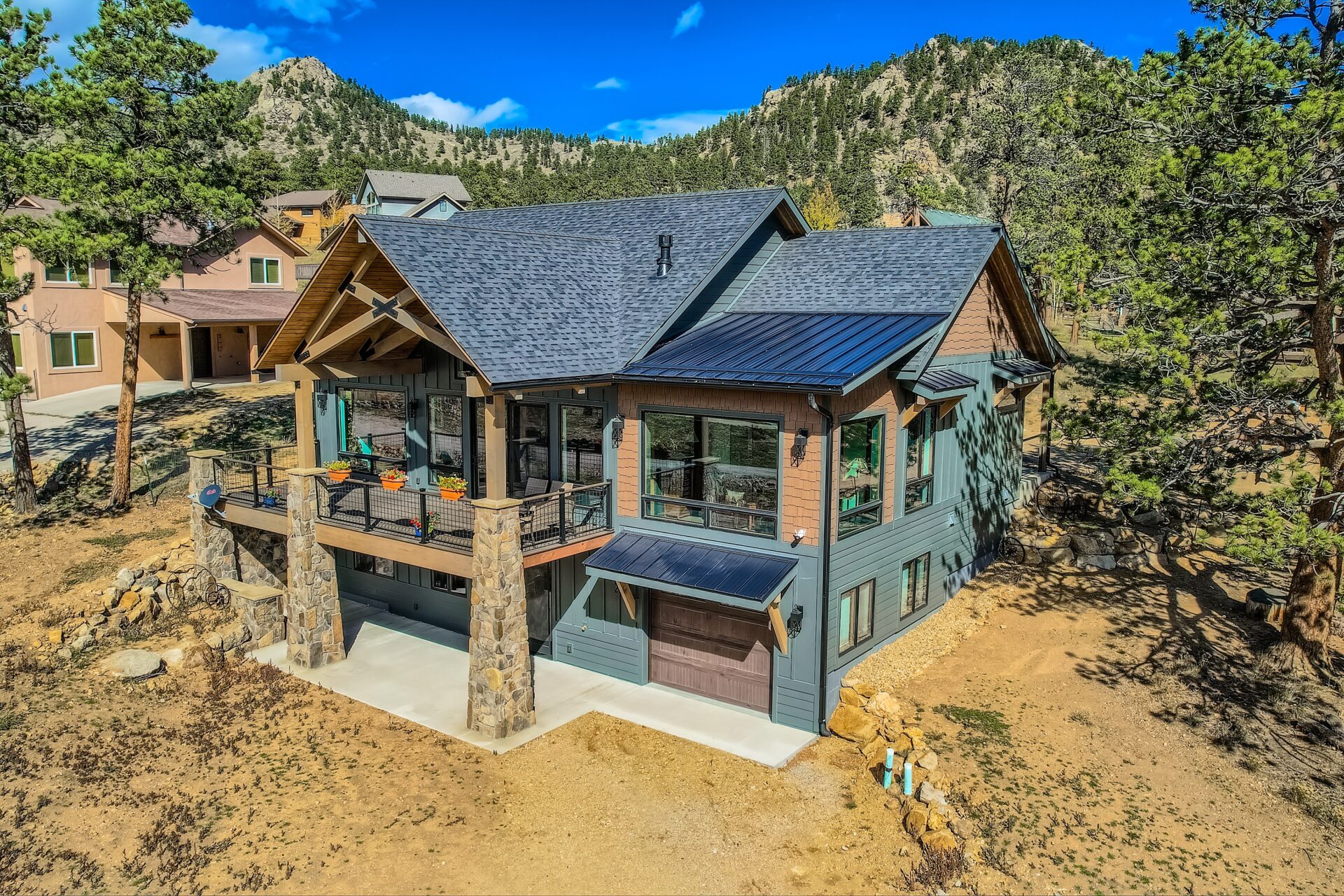
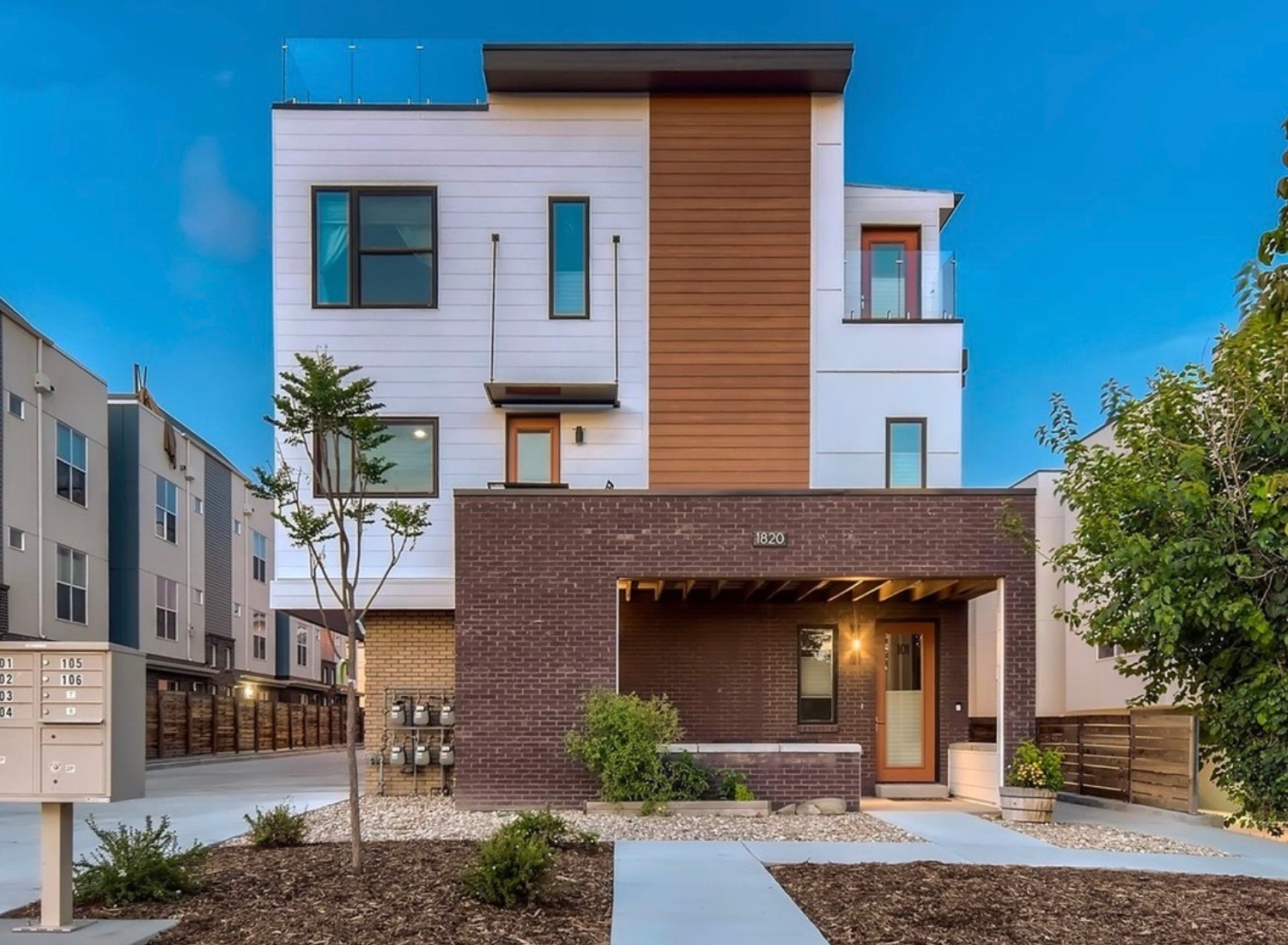
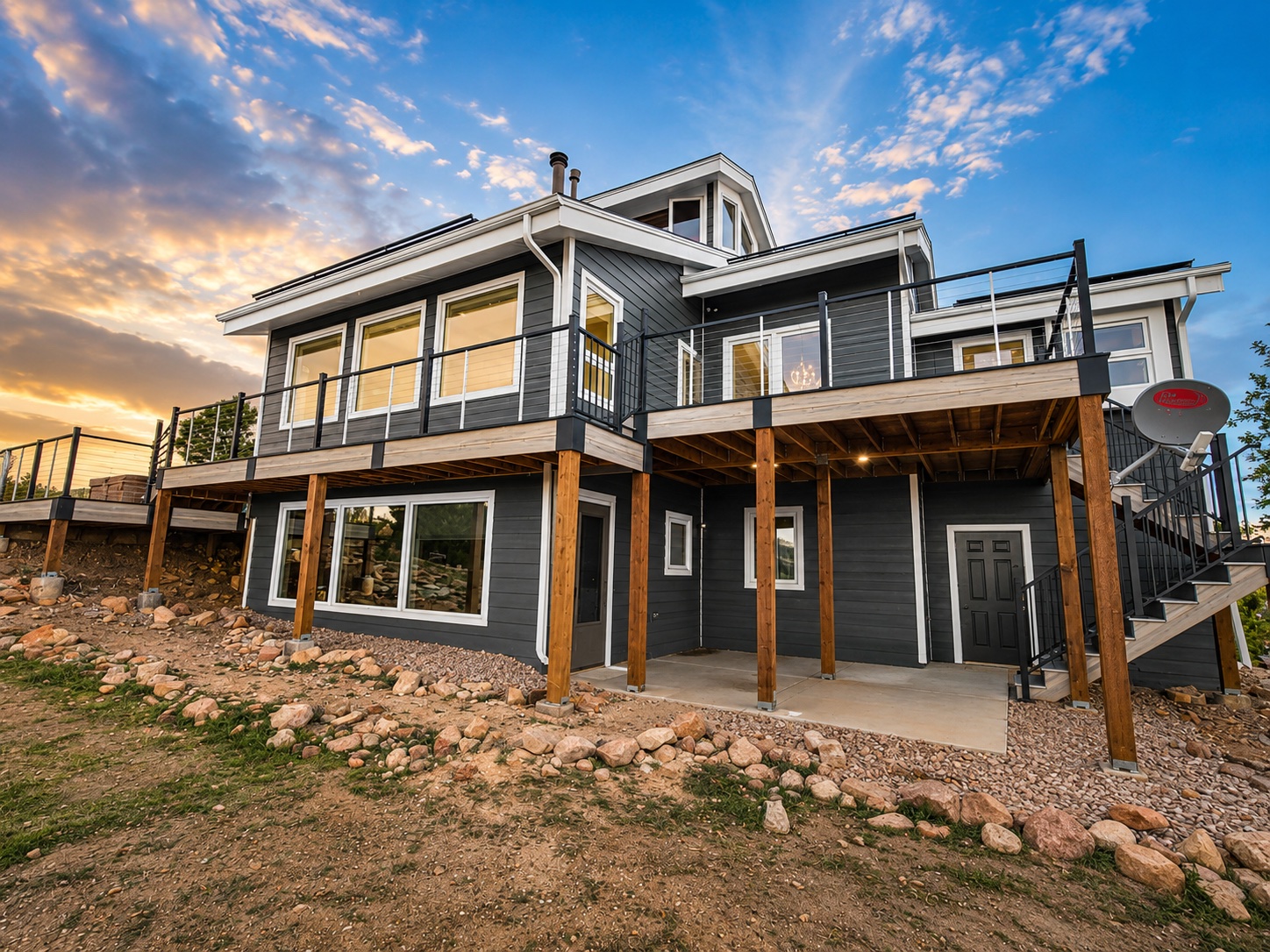
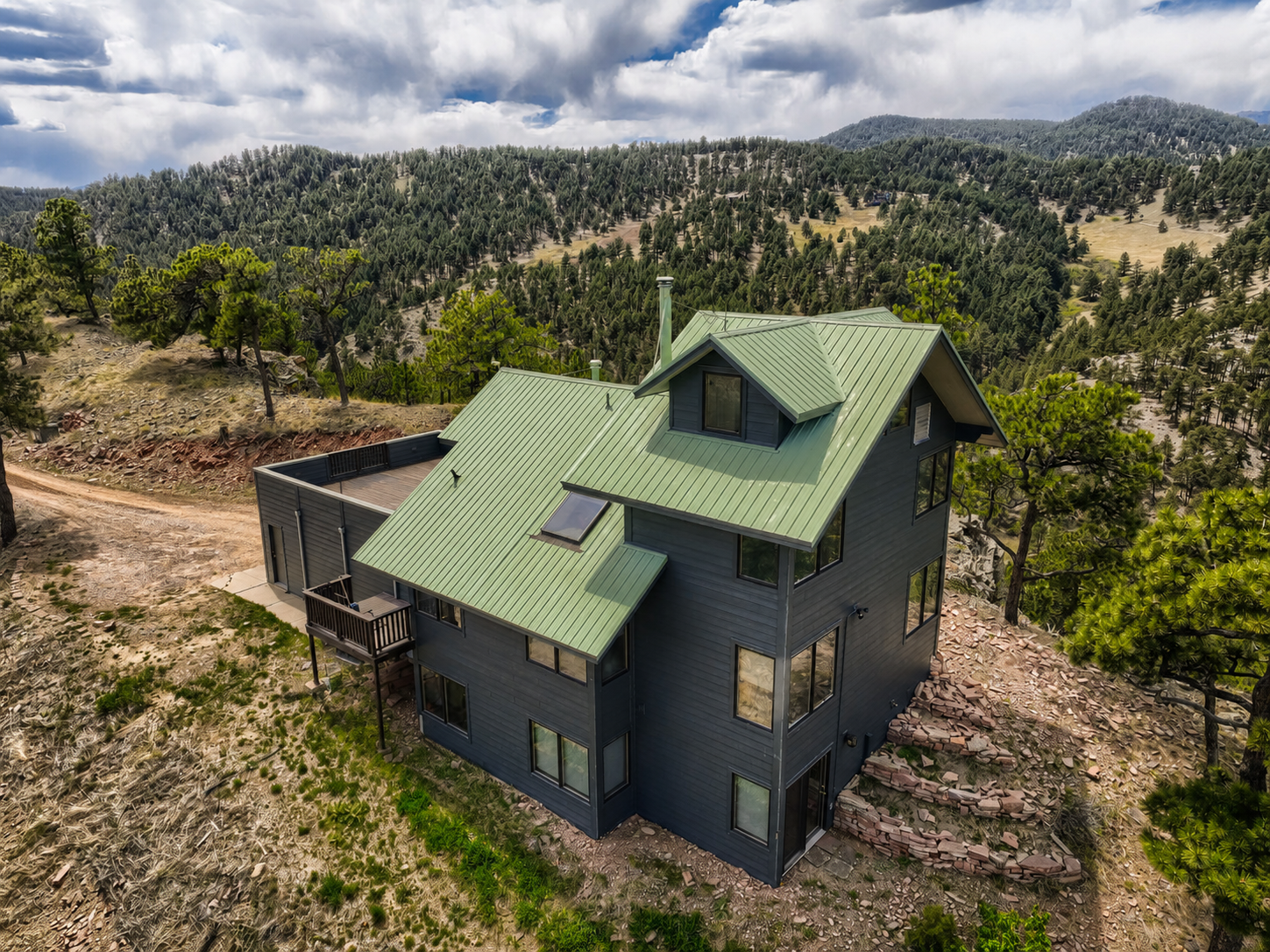
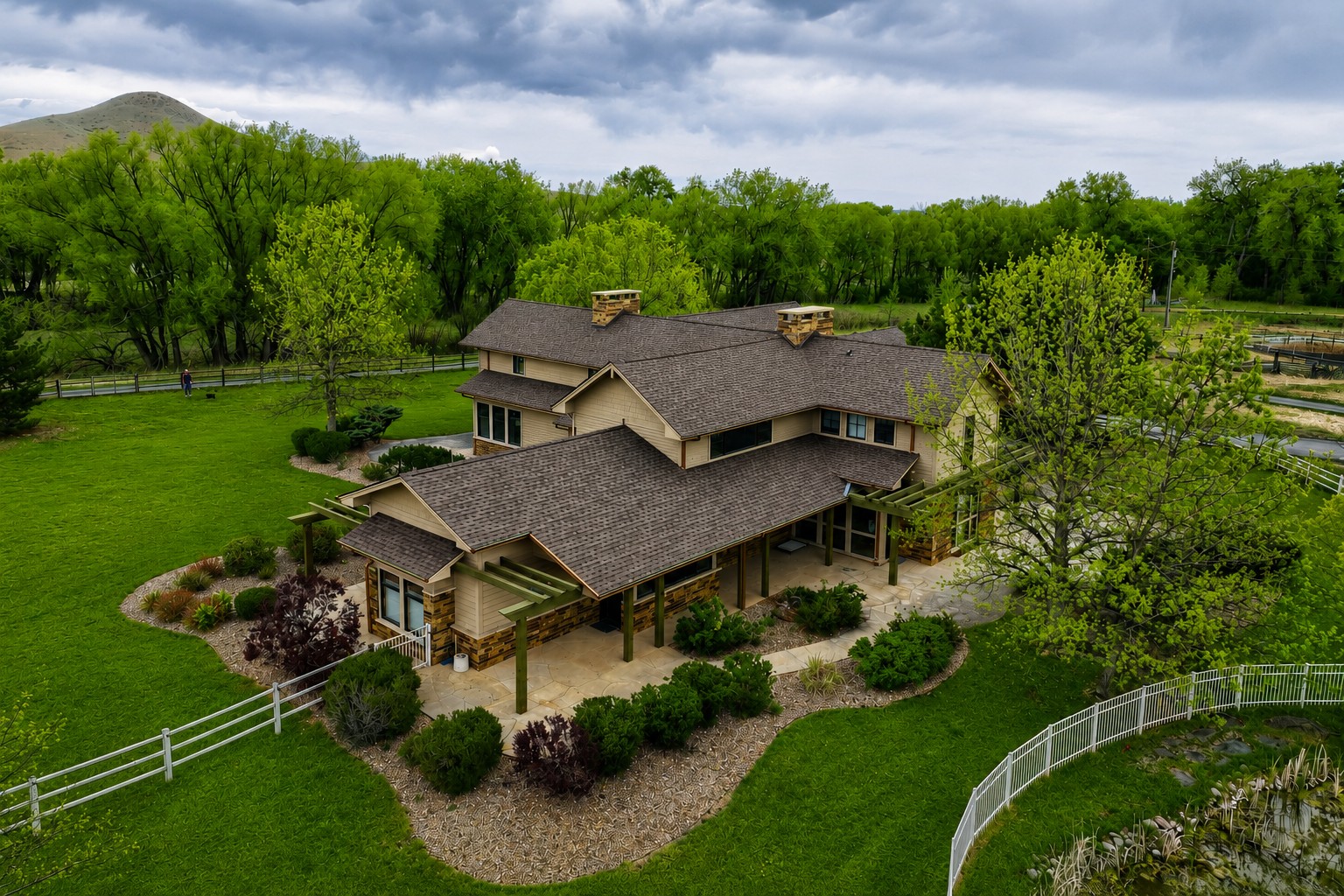
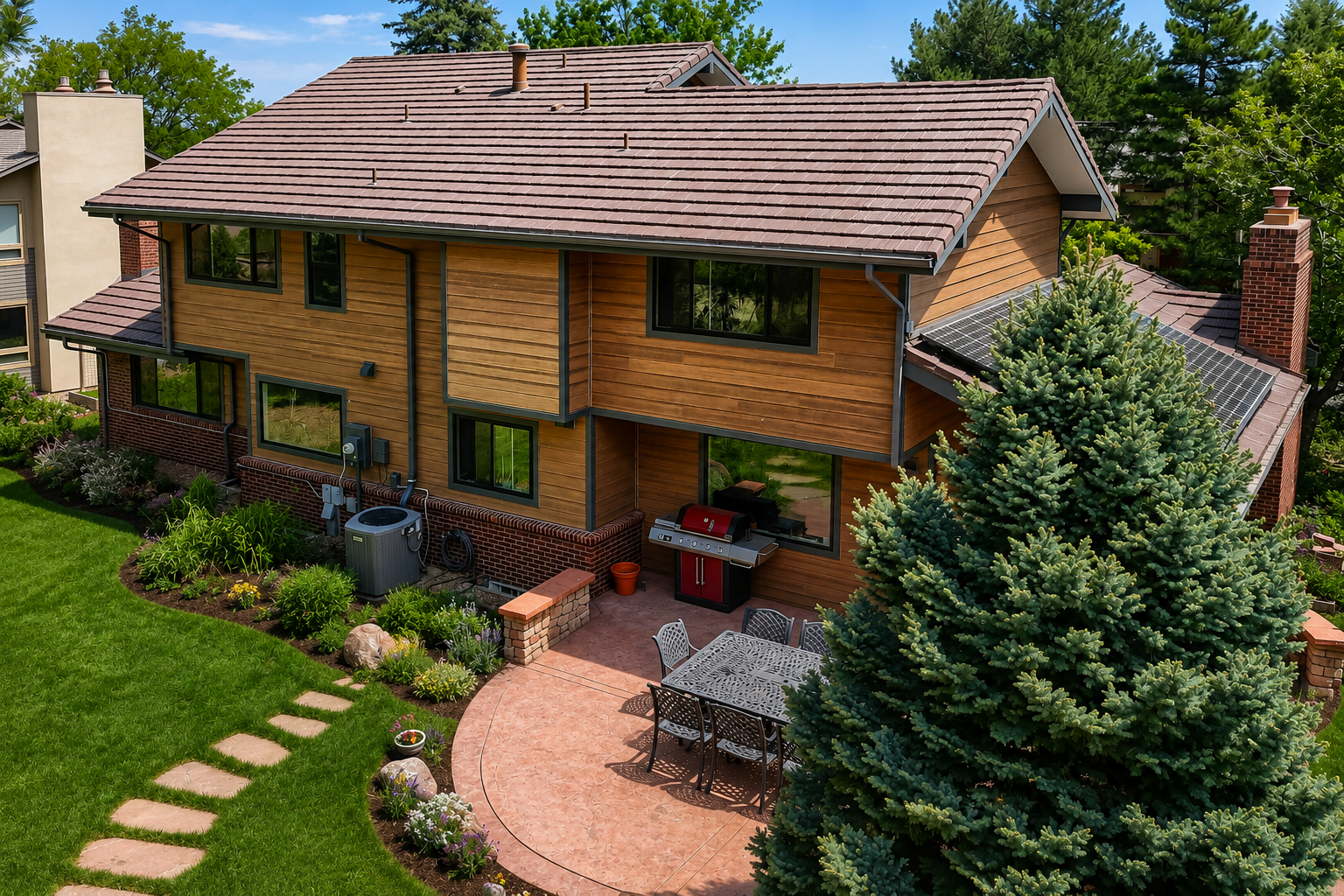
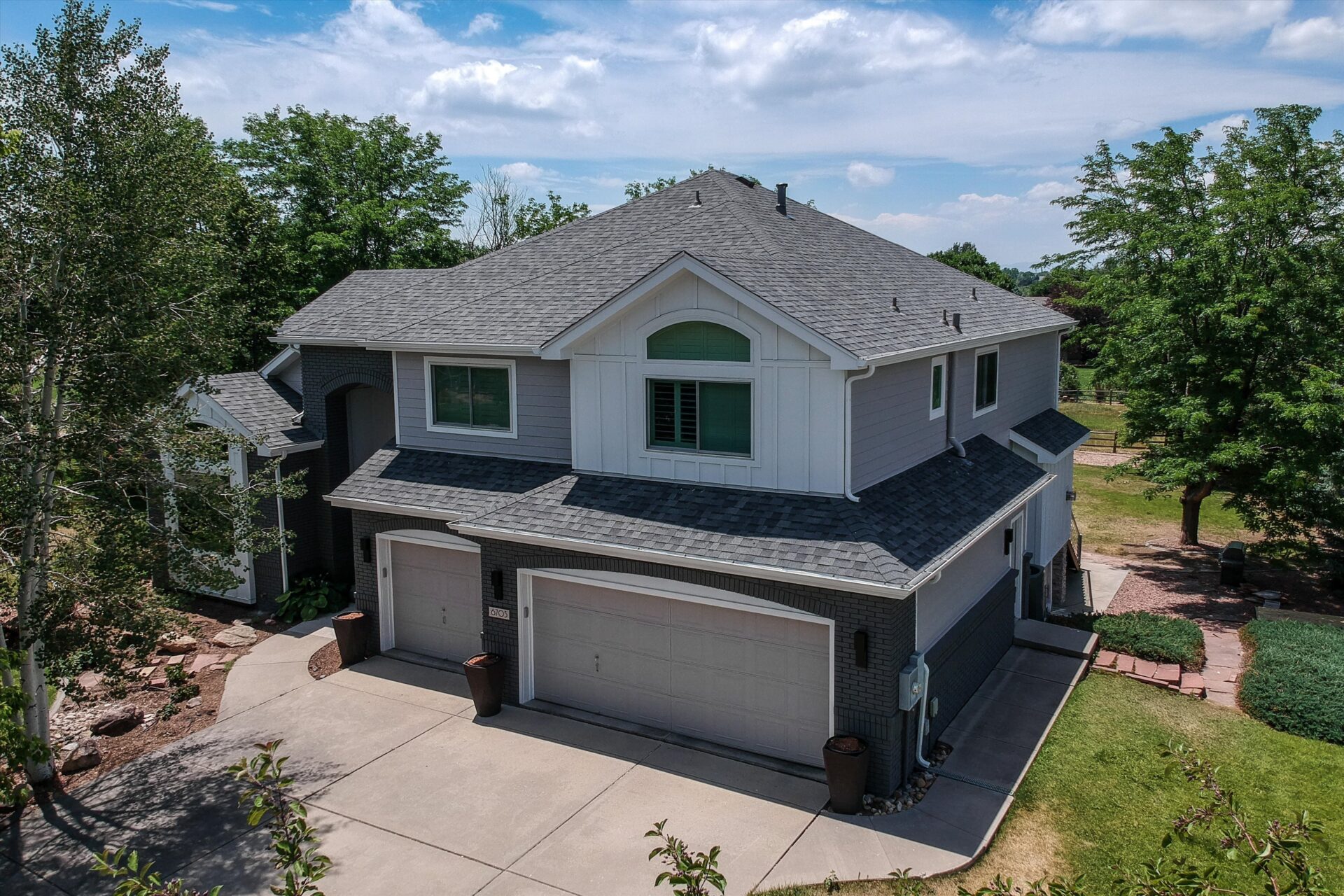
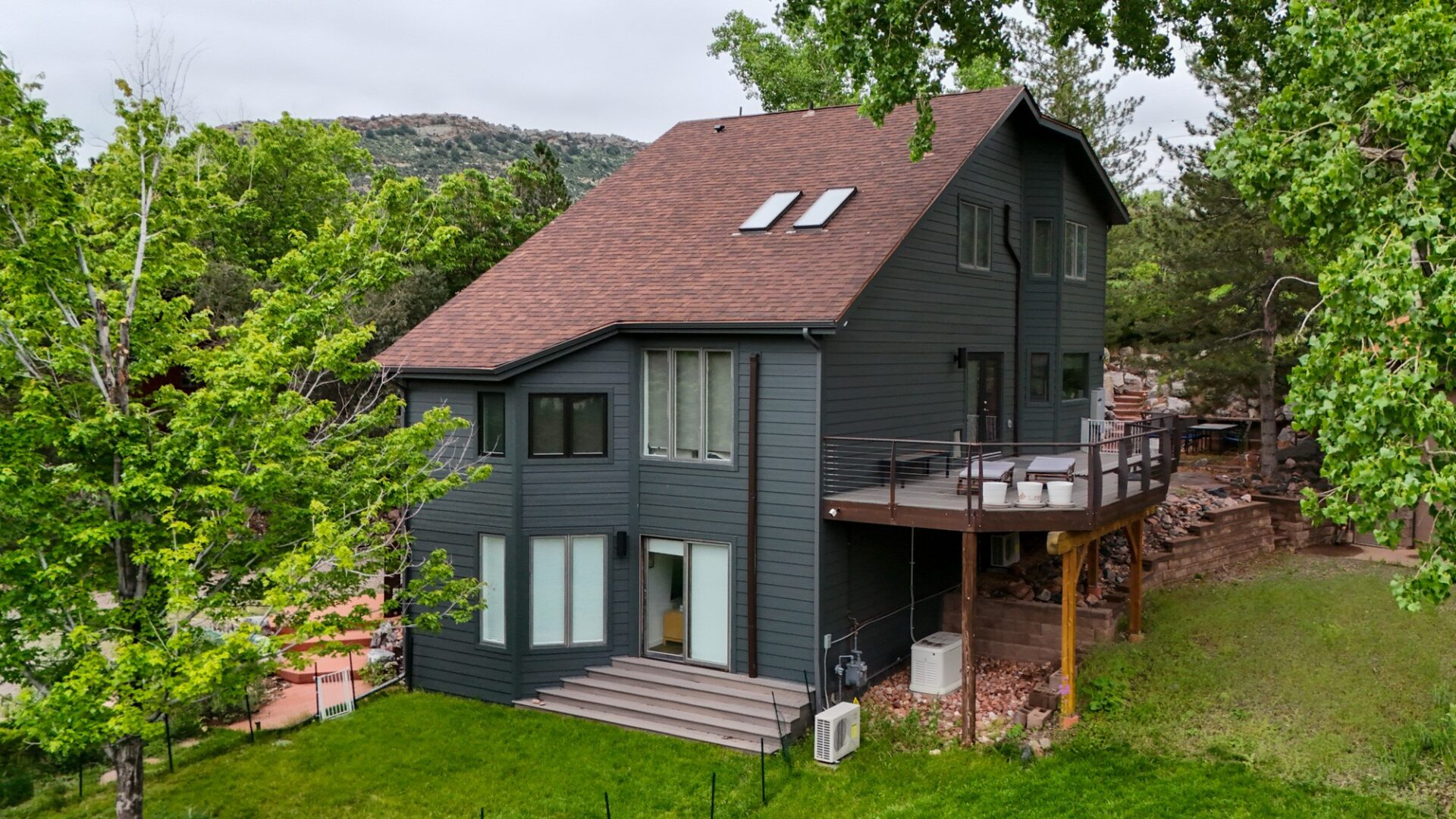
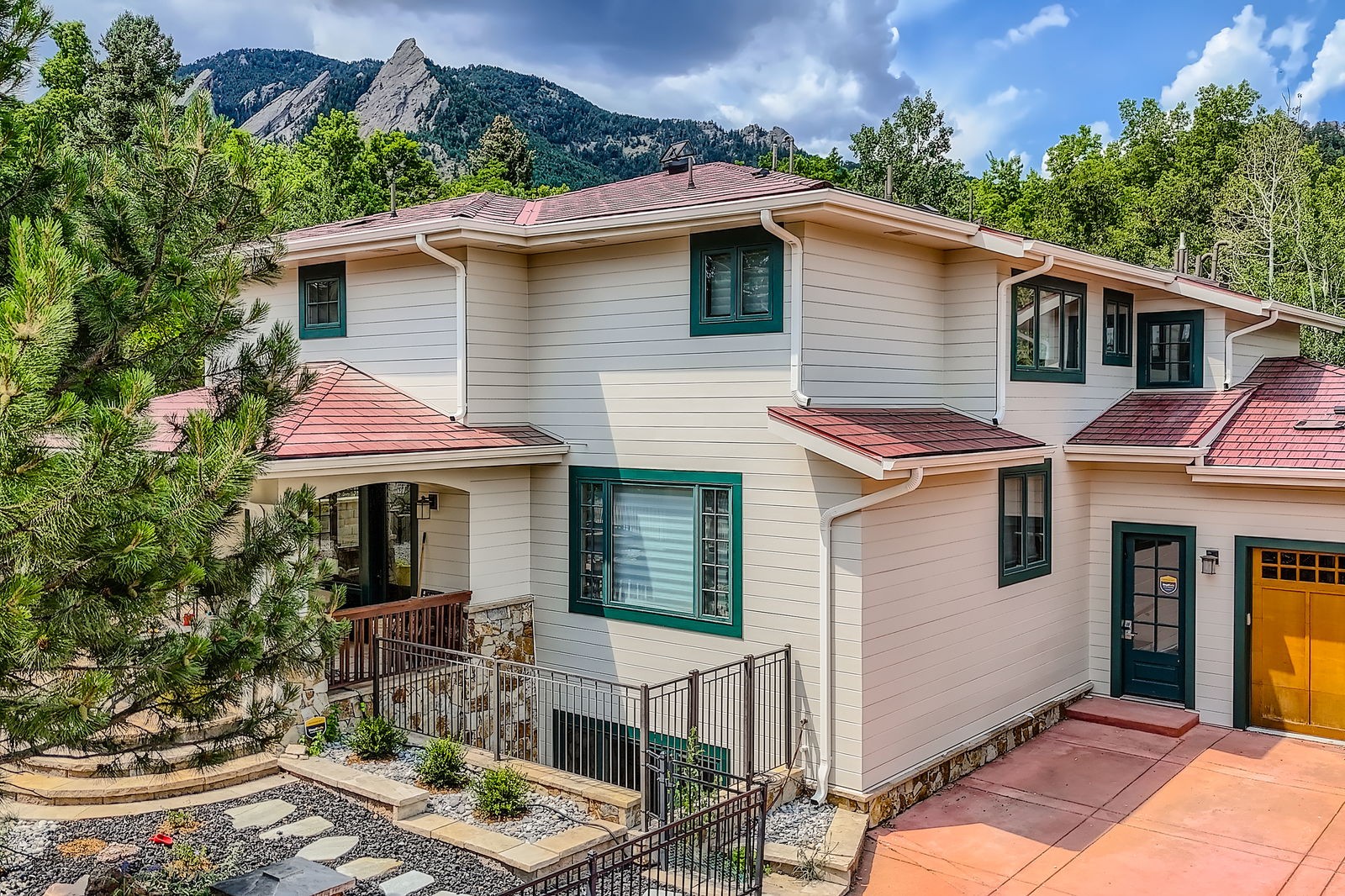
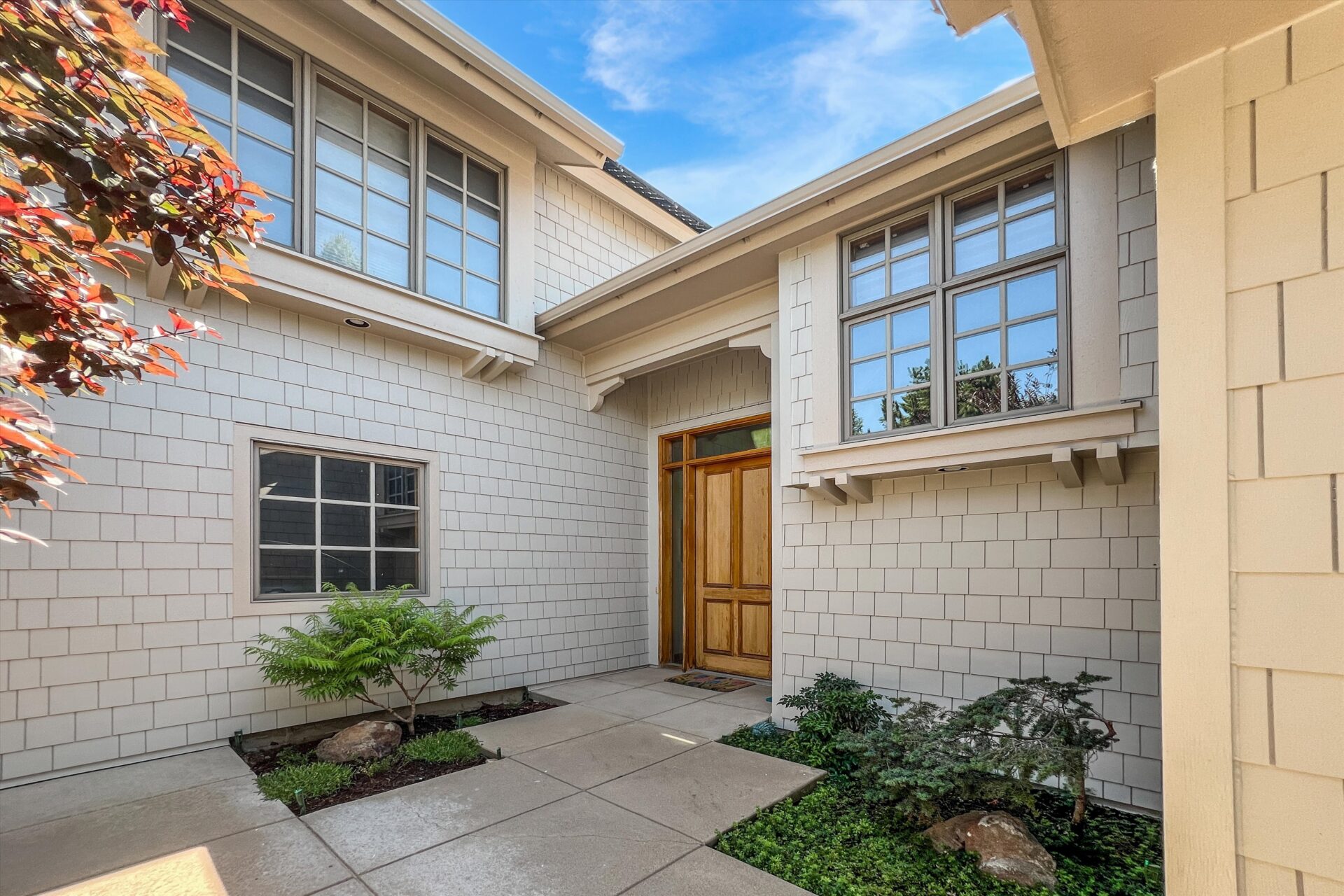
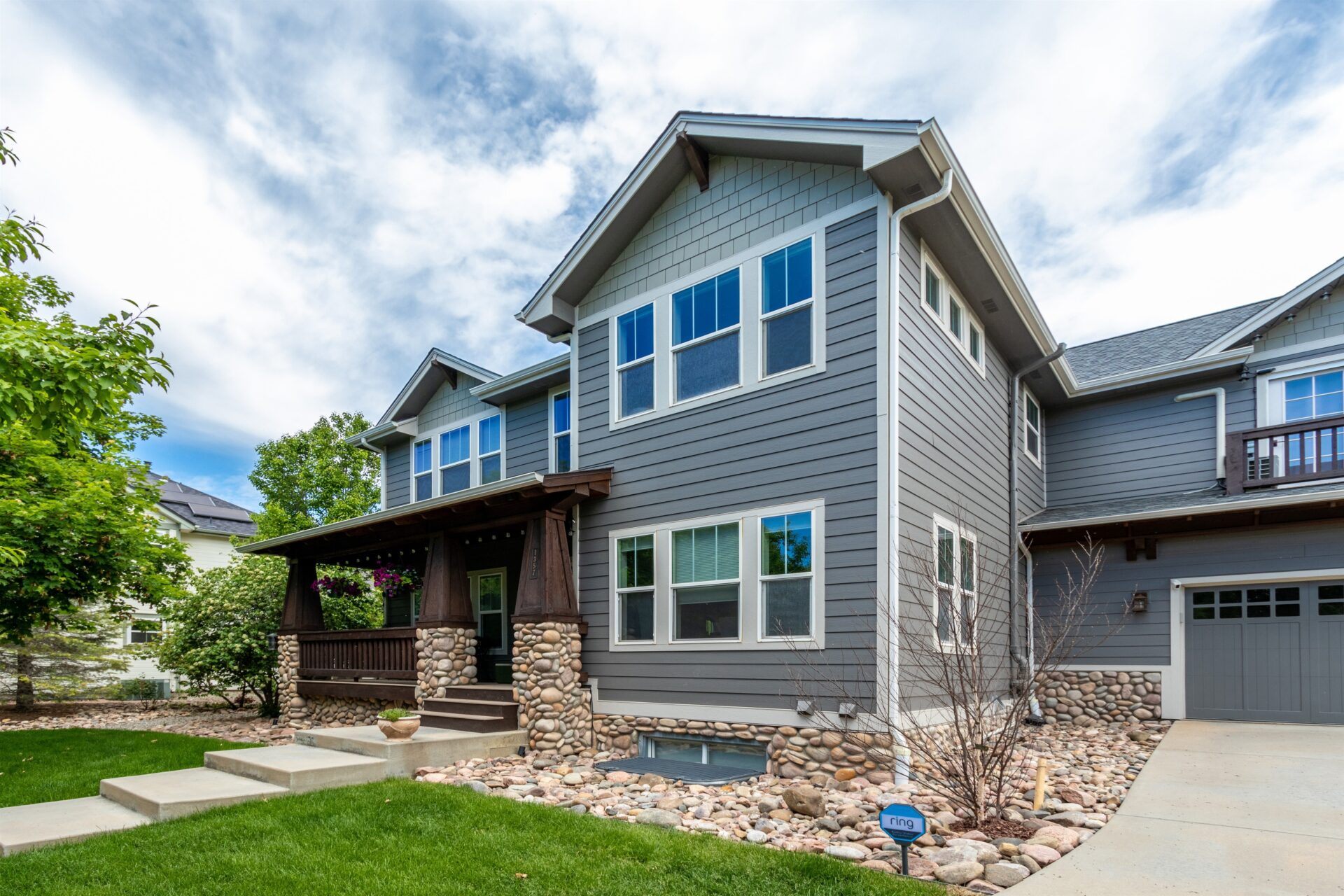
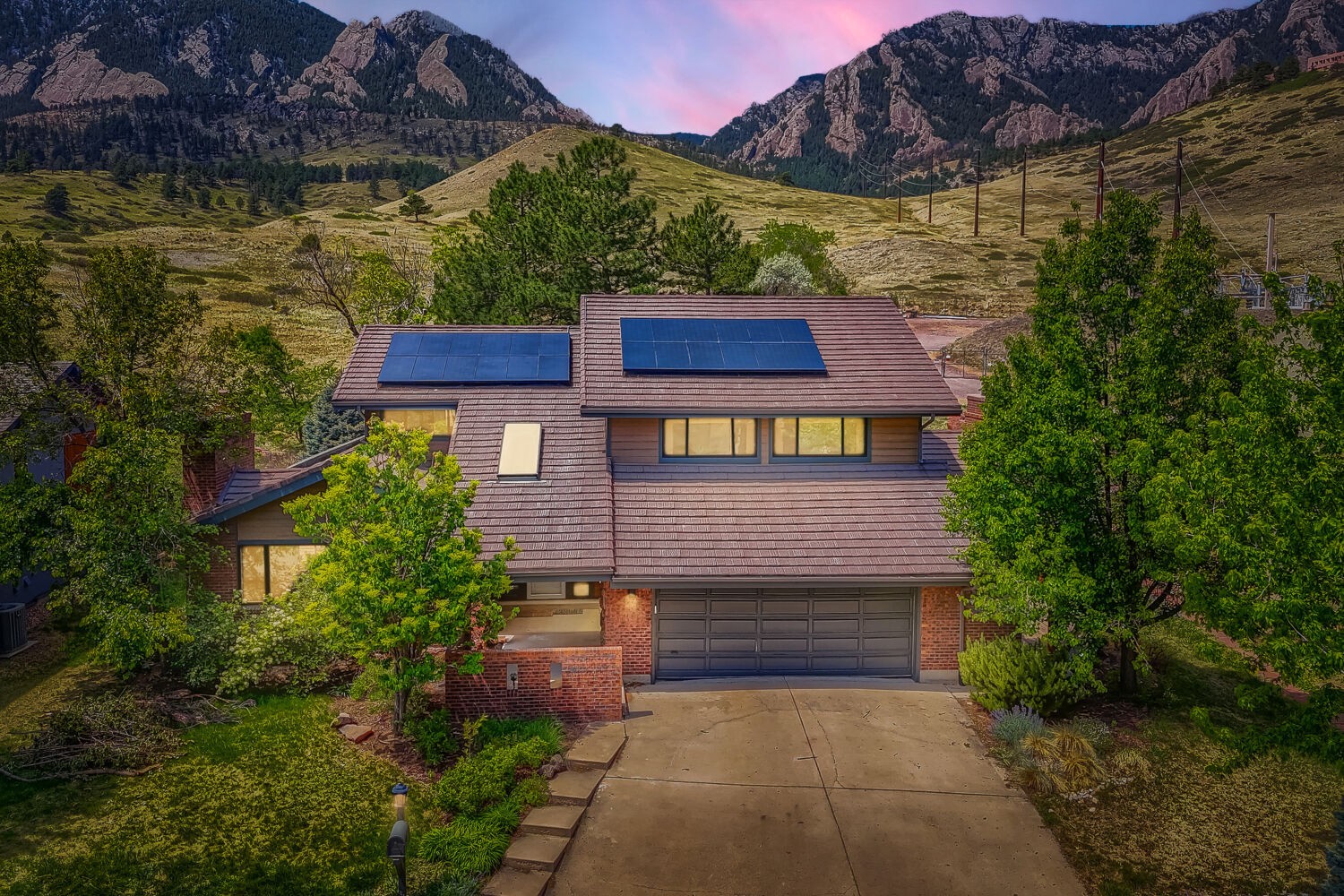
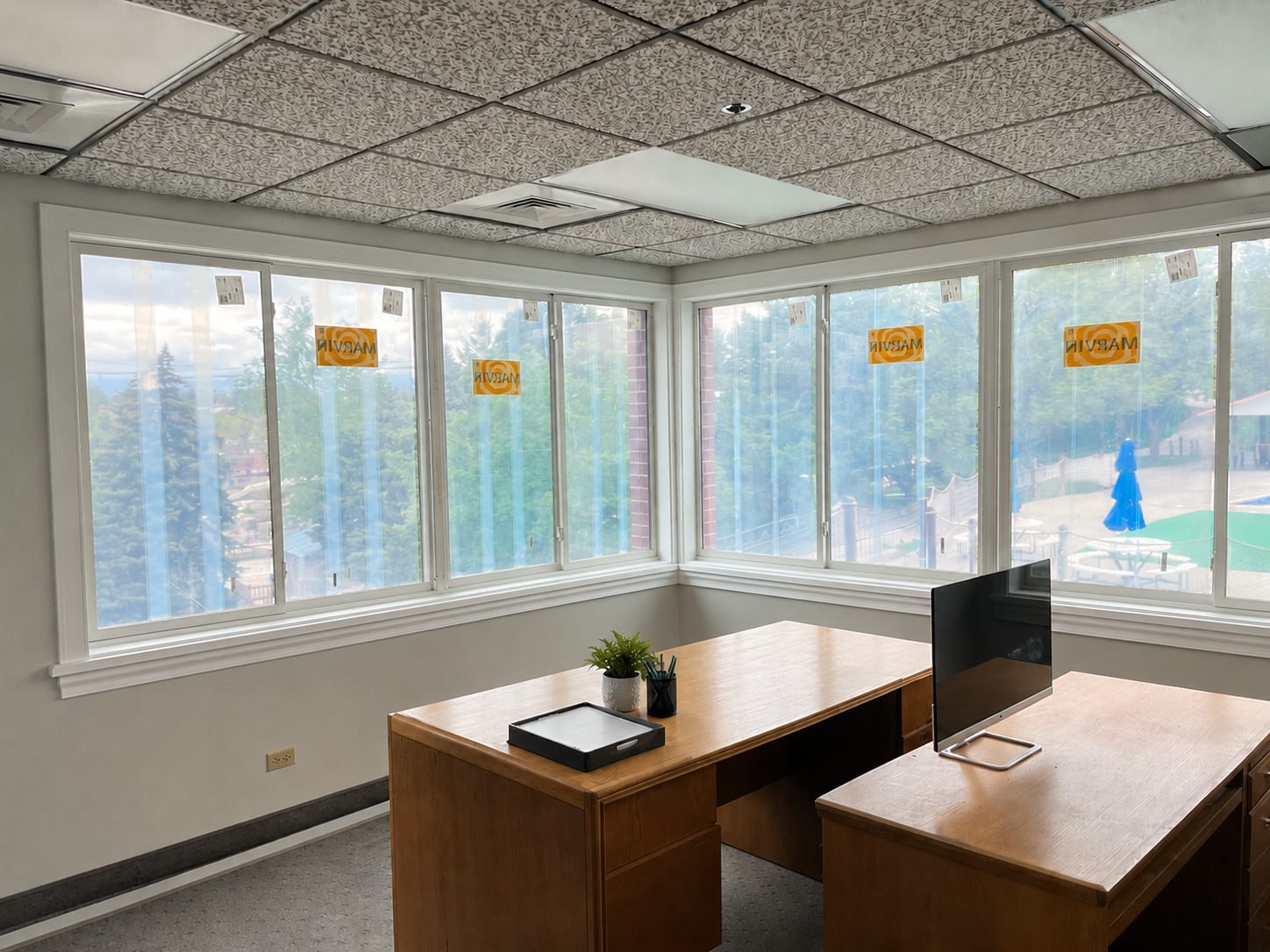
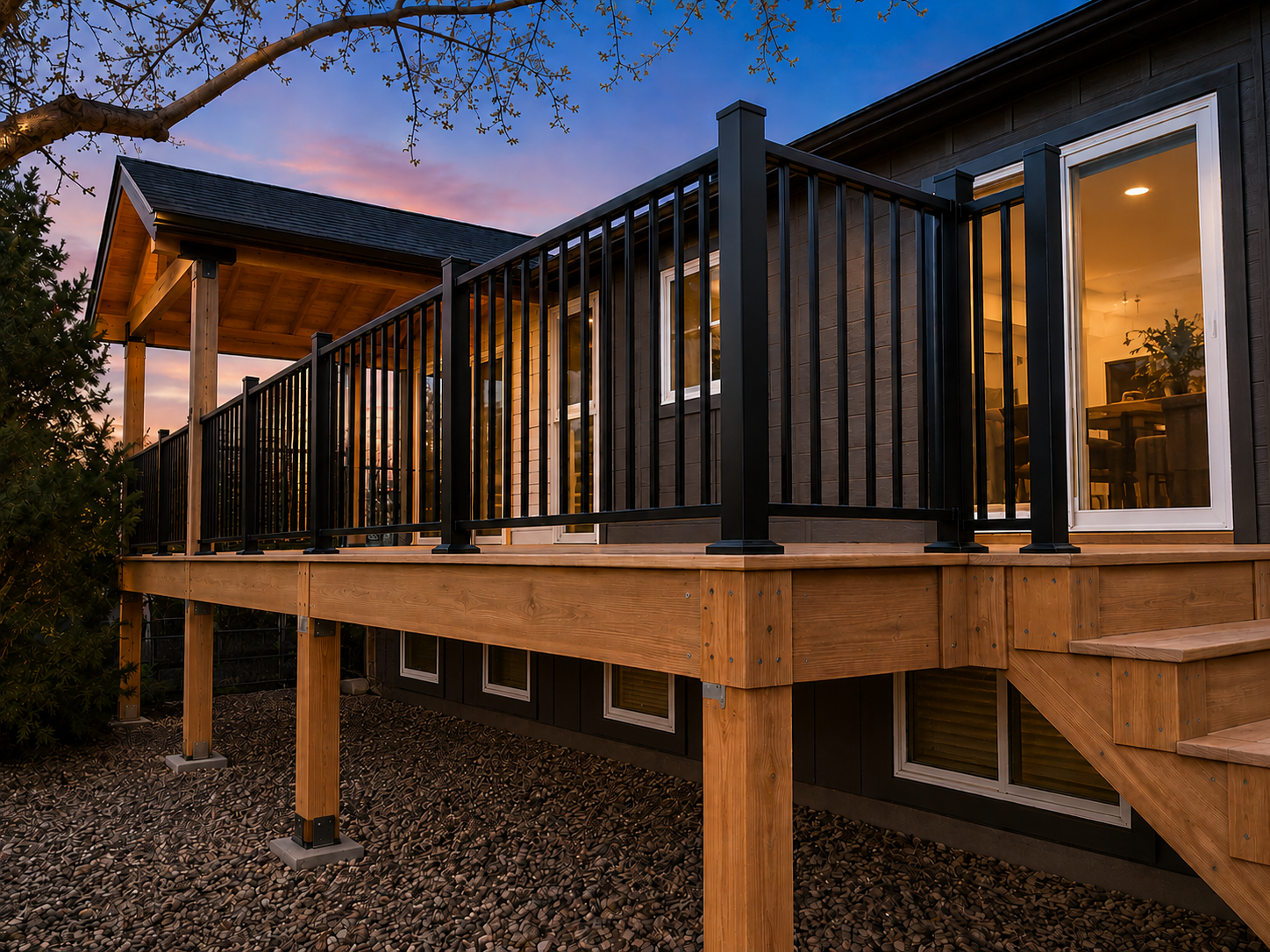
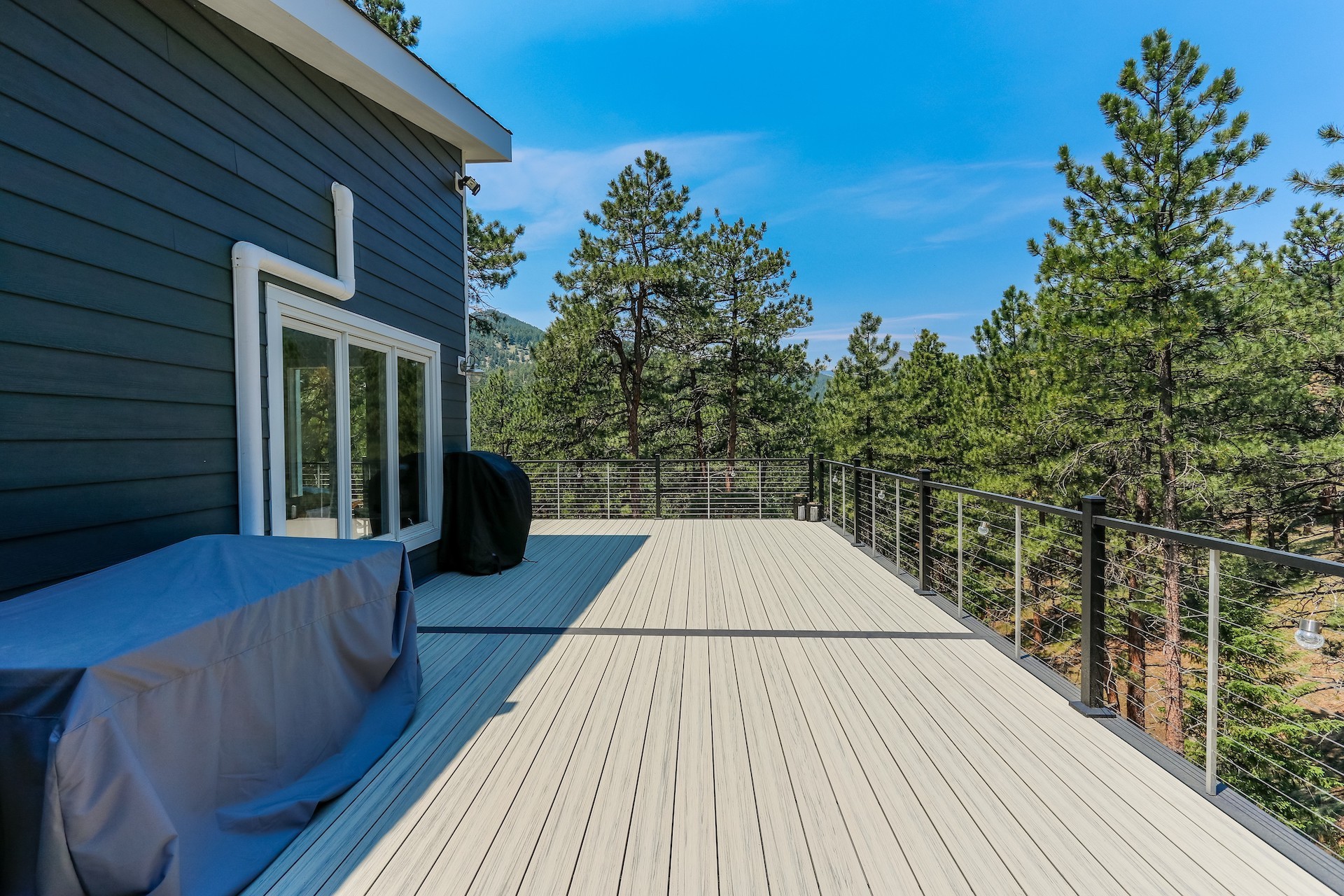
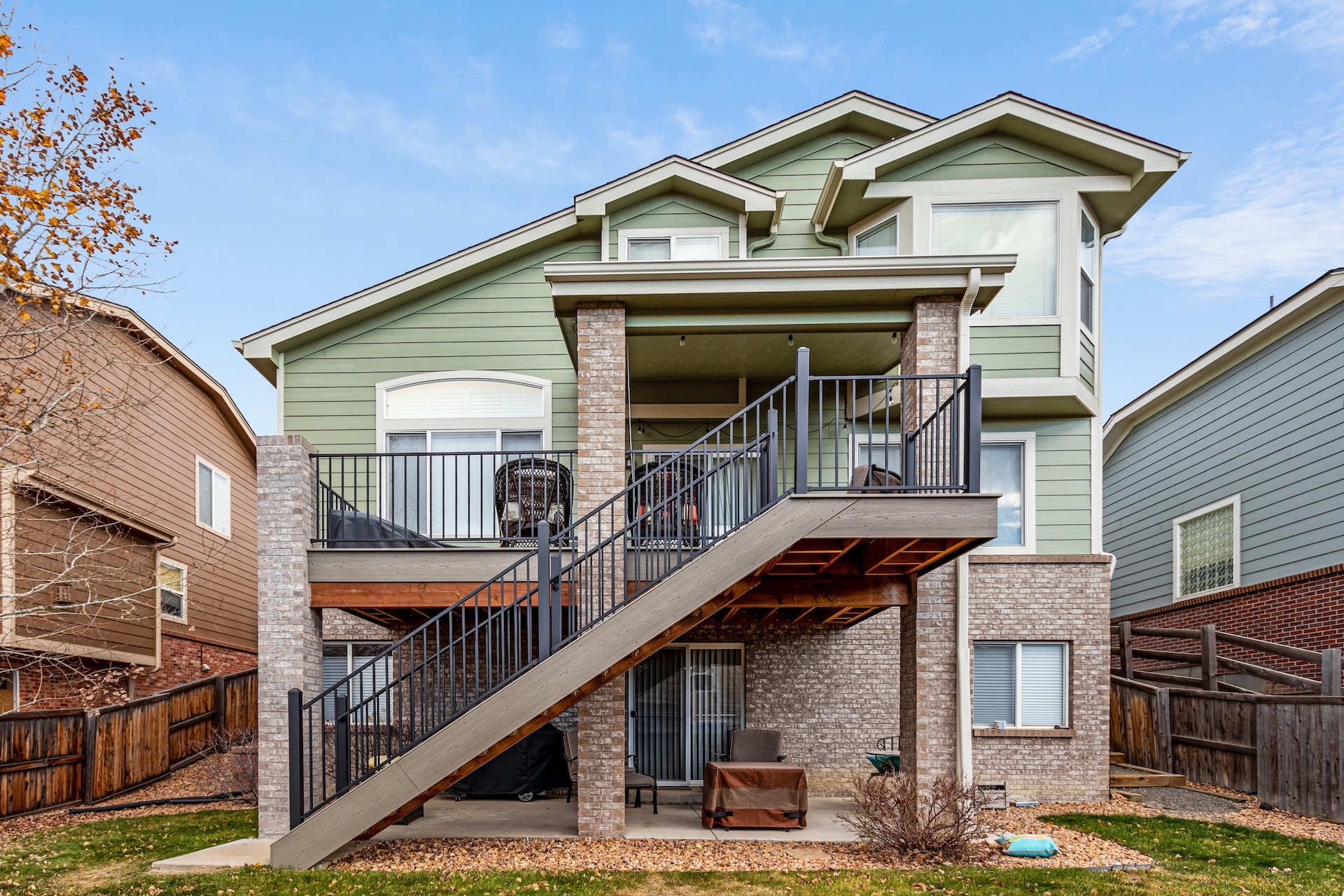
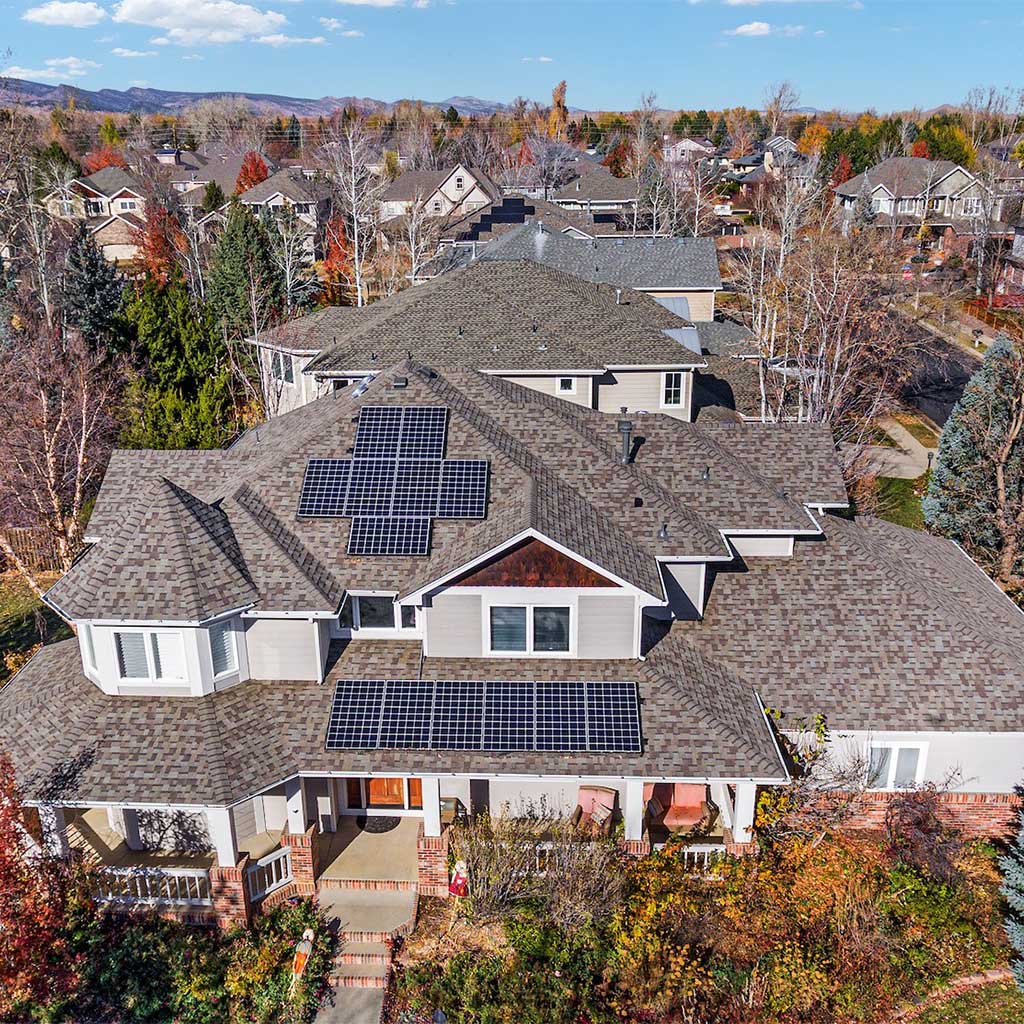
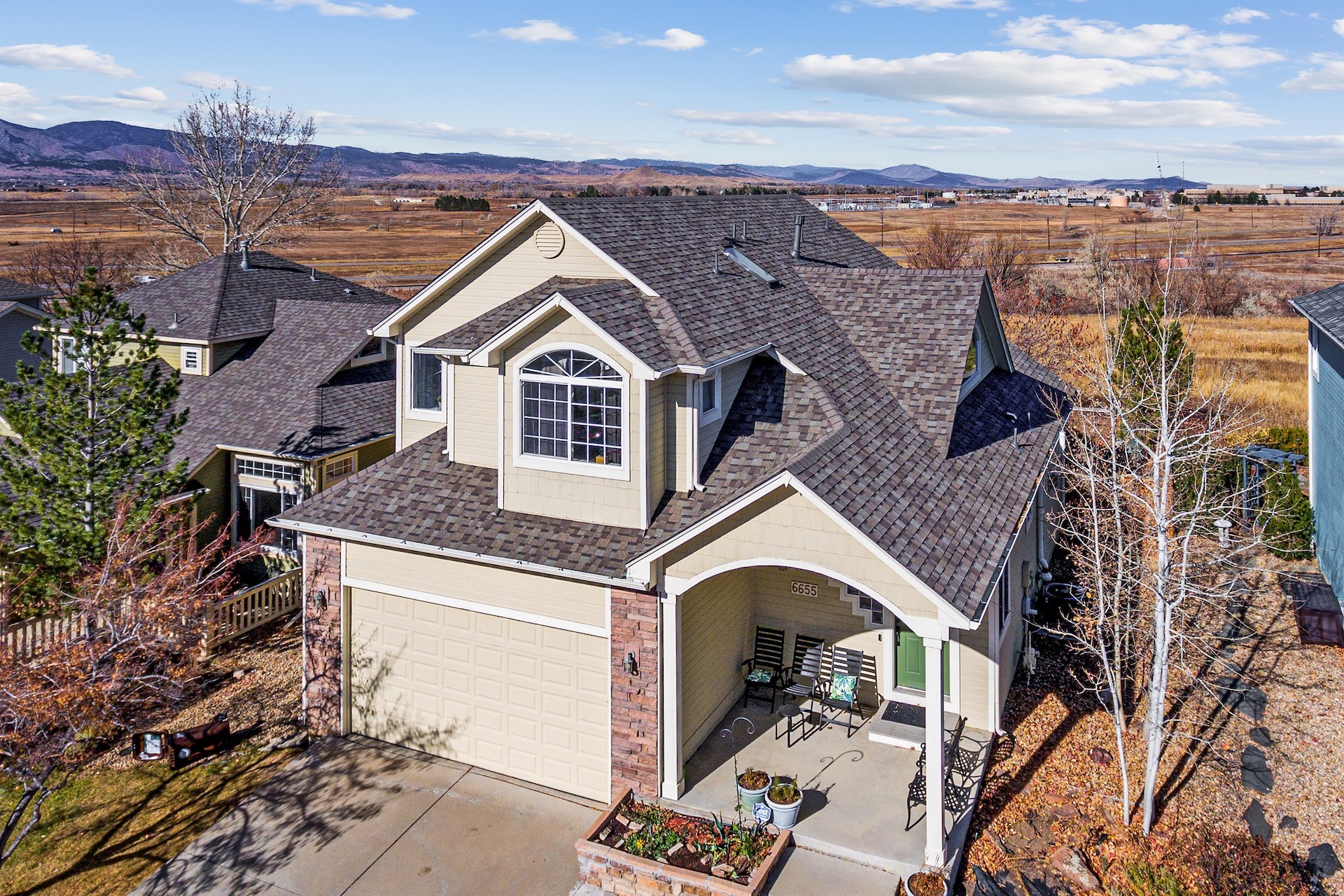
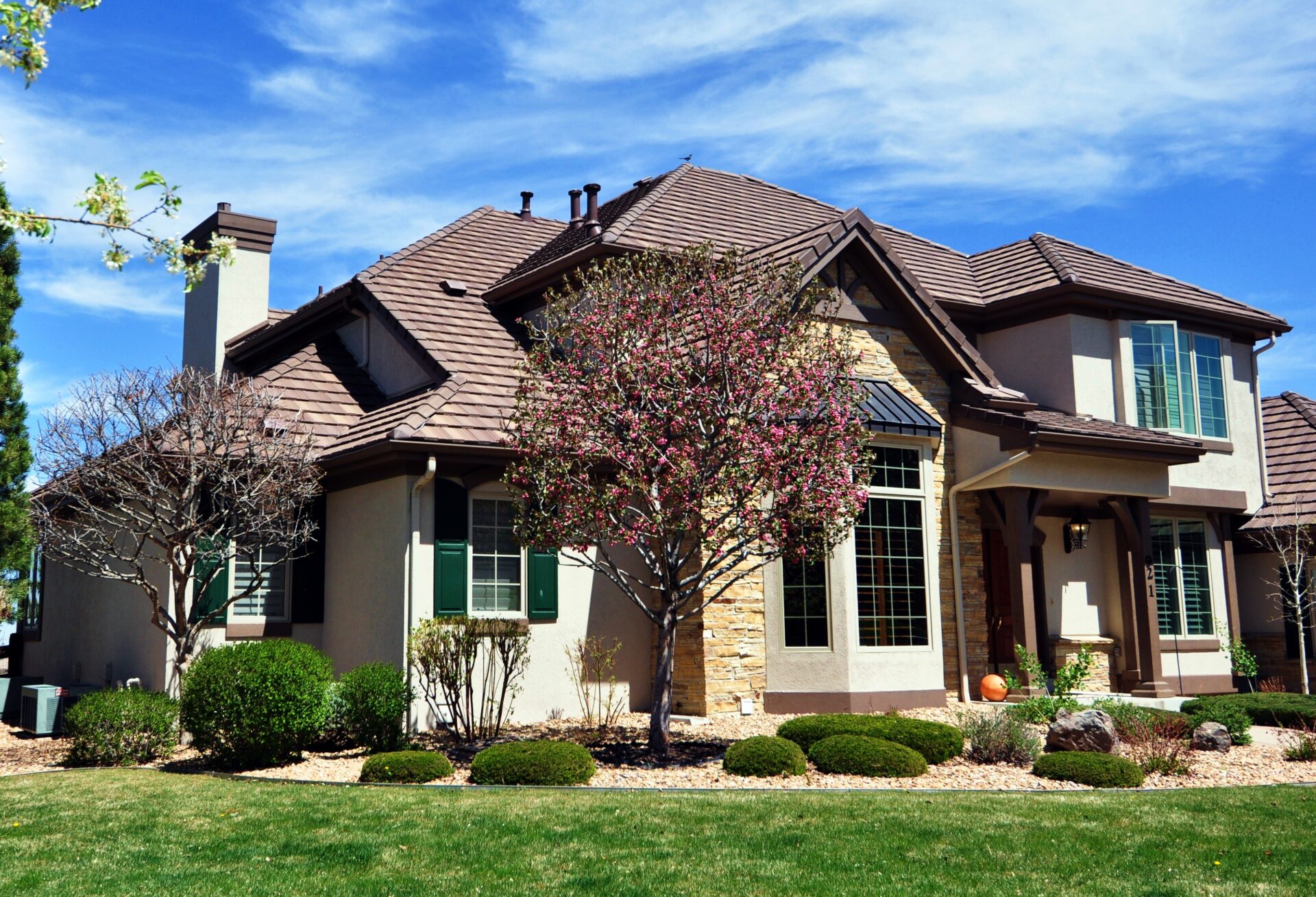
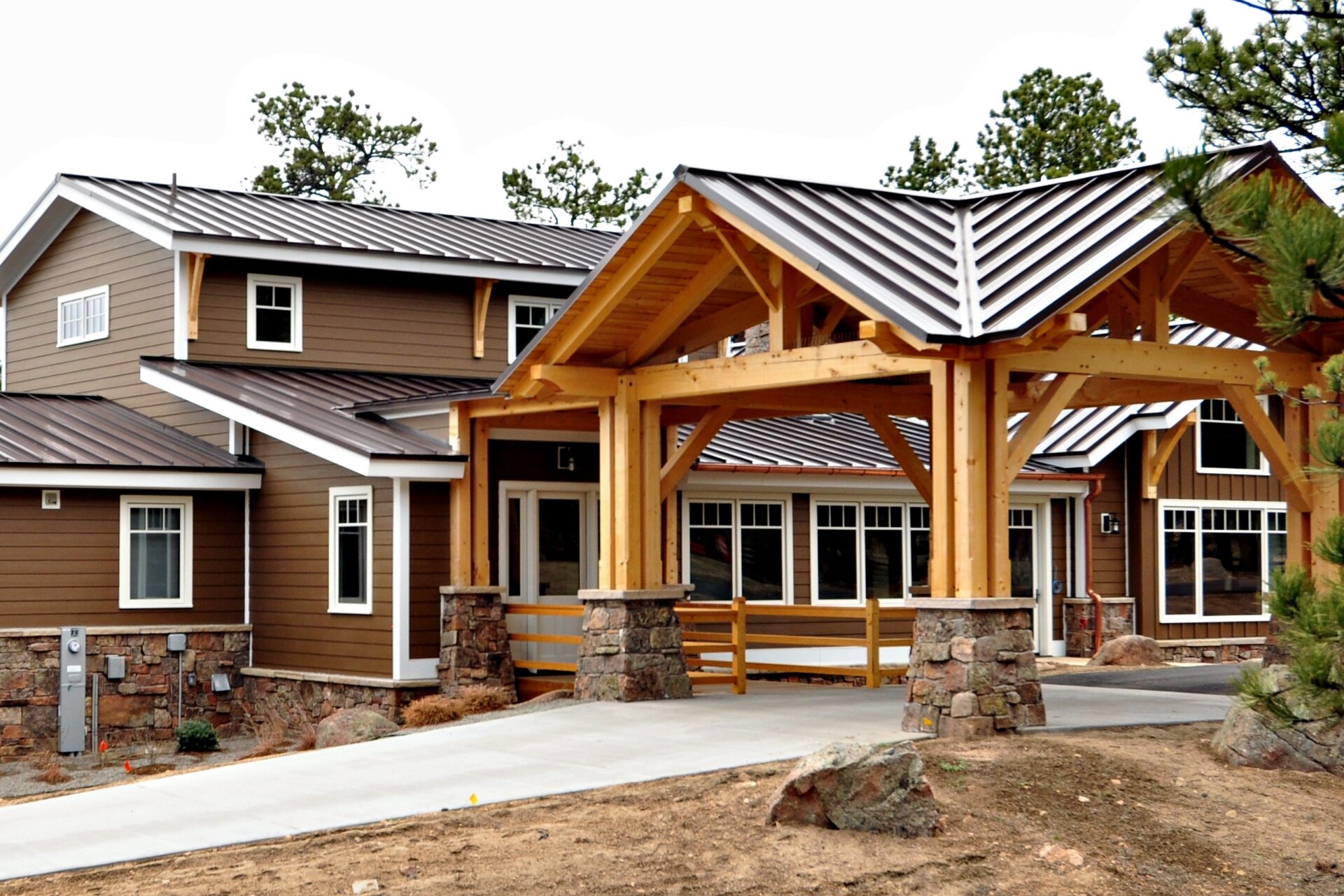
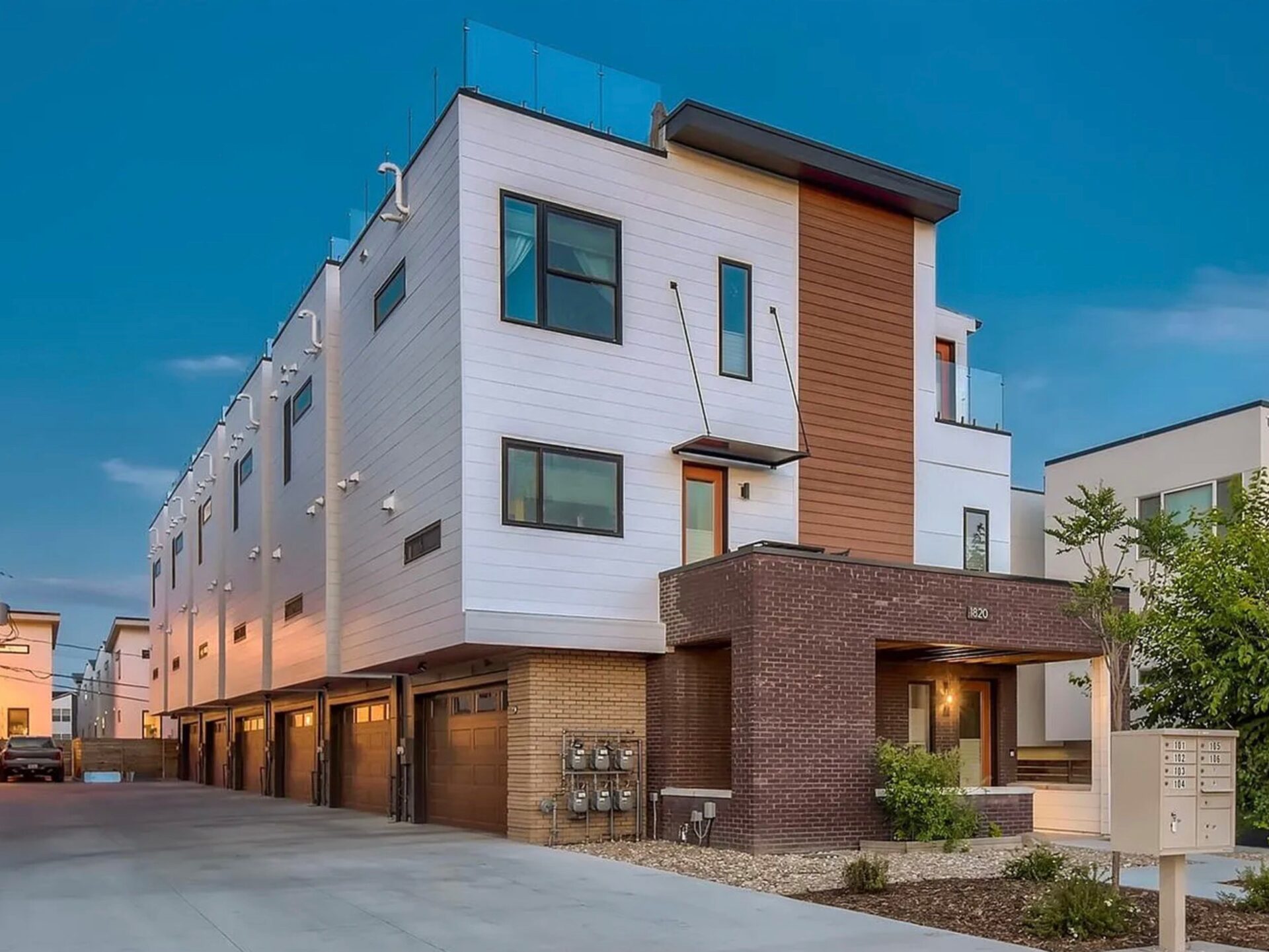
Recent Window Replacement Projects in Colorado
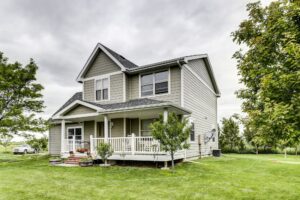
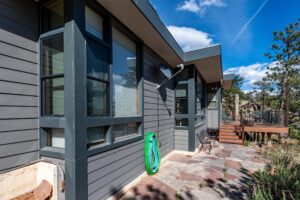

Most window companies are trained to sell fast — not design thoughtfully. Northern Lights Exteriors takes a different approach.
We build custom window replacement plans by measuring every opening, evaluating building code requirements, and helping homeowners choose the right materials, glass packages, and manufacturers for their specific home.
Window Materials — Education Before Brands
Vinyl Windows
Vinyl replacement windows offer strong efficiency and affordability with low maintenance. Modern vinyl windows have improved performance ratings and insulation compared to older generations.
Fiberglass Windows
Fiberglass windows are extremely stable and durable. The material expands and contracts at a rate similar to glass, making fiberglass a strong option for Colorado’s temperature swings.
Wood-Clad Windows
Wood-clad windows combine real wood interiors with durable exterior cladding, offering premium aesthetics for architectural homes and higher-end remodel projects.
Our team helps homeowners compare materials honestly so they can select windows that perform well on their specific home.
Composite Windows
Composite frames blend wood fiber and polymer into a frame that resists the movement that opens seals over time, without the maintenance of a wood exterior. It is a middle path between vinyl and clad-wood on both price and performance.
Fiberglass vs. Vinyl — the honest comparison
Both perform well here, and the answer is rarely the same twice. Fiberglass expands and contracts at close to the same rate as the glass it holds, so the seal is under less stress through a forty-degree day; it costs more and is the stronger choice on large spans and hard exposures. Vinyl is the better value on standard-sized openings and modern vinyl performs far better than its reputation. Anyone who tells you one of them is simply wrong is selling the other one.
Comparing Window Brands Like Pella, Marvin, Anlin, and More?
We install and compare leading window manufacturers based on material type, performance ratings, warranty structure, and your home’s specific needs. If you are researching options, use our side-by-side comparison guide before your consultation.
The Problem With How Windows Are Often Sold
Many homeowners do not realize that window quotes are frequently built using bracket pricing and assumptions designed to move quickly rather than accurately.
- Same-day pricing often relies on standard sizing assumptions
- Large discounts are built into inflated starting prices
- Online calculators are marketing tools, not real estimates
- Pressure tactics discourage homeowners from comparing options
Fast quoting often leads to change orders, mismatched products, or project frustration once installation begins.
Proper installation is what determines whether your windows actually perform. This section shows how we measure, plan, and install windows for long-term performance in Colorado homes.
Our Custom Window Replacement Process
- Exact measurements of every window opening
- Evaluation of existing conditions including framing, flashing, and siding interfaces
- Municipality and code review for egress, tempered glass, and energy compliance
- Material and glass selection guidance based on performance, architecture, and climate
- Transparent line-item proposal with real options and no pressure to sign
- Professional installation and walkthrough with flashing, insulation, and air-sealing details that support long-term performance
Our goal is not to sell windows today — it is to help homeowners choose the right windows for long-term performance.
Why Homeowners Choose Northern Lights Exteriors Over High-Pressure Window Companies
- Serving Colorado since 2001
- Licensed and fully insured window contractor
- Measured proposals instead of bracket pricing
- Installation planned around flashing, water management, and air sealing
- Code, permit, and inspection support
- Project management built for real installs, not just fast sales
Many homeowners searching for the best window replacement contractors or a window contractor near me want a team that can do more than sell a product. They want a contractor who understands installation quality, site conditions, permitting, and long-term performance.
Energy-Efficient Windows for Colorado Homes
Colorado asks more of a window than the rating label alone describes. Intense sun at altitude, a forty-degree swing between afternoon and night, and hundreds of freeze-thaw cycles a year all work on the same seal. Efficiency here is as much about what survives that movement as it is about the numbers on the sticker.
- Low-E coatings matched to each elevation’s sun exposure, not one coating for the whole house
- U-factor and SHGC selected per opening
- Triple pane specified where it earns its cost, and not where it does not
- Frame material chosen for thermal movement, not only for price
- Air sealing and flashing detailed as part of the install, because a rated window in an unsealed opening does not deliver its rating
Utility rebates worth claiming
Homeowners on Estes Park Power & Communications, Fort Collins Utilities, Longmont Power & Communications and City of Loveland Utilities can claim window and sliding-glass-door rebates at $3.75 per sq ft (Tier 1, ENERGY STAR® Version 6) or $5.00 per sq ft (Tier 2, Version 7), up to $2,500. The catch is paperwork and timing — approval generally has to be in place before the work is done. We handle the submission. Full detail on the window rebate page.
Where efficiency claims go wrong
The most common one is a quote that names a headline U-factor from the manufacturer’s best-performing configuration and then prices a different glass package. The label belongs to the exact unit being ordered. Ask which line, which coating, and which openings get which package — and get it in writing on the proposal. Our window replacement cost page shows how the itemization should look.
Colorado Codes, Permits, and Compliance
We design window projects to pass inspection the first time and to align with local requirements that affect safety, energy performance, and installation details.
- Egress requirements
- Tempered glass locations
- Energy code compliance
- Municipality and HOA standards
- Foothill and high-wind considerations where applicable
- Installation planning that protects surrounding siding and trim details
This helps prevent redesigns, delays, change orders, and preventable installation problems after contracts are signed.
Window Replacement Across Denver and Northern Colorado
We serve homeowners throughout the Front Range and Northern Colorado, including:
- Denver
- Boulder
- Longmont
- Fort Collins
- Loveland
- Windsor
- Erie
- Louisville
- Berthoud
- Estes Park
- Broomfield
- Westminster
- Thornton
- Golden
Window Replacement FAQs
How much does window replacement cost in Colorado?
Window replacement costs vary depending on material, glass package, installation complexity, and the number of windows being replaced. Custom measurement and installation planning help provide accurate pricing.
What window material is best for Colorado homes?
Vinyl, fiberglass, and wood-clad windows can all perform well in Colorado depending on the home design, climate exposure, and homeowner priorities.
Do replacement windows require permits?
Permit requirements depend on the municipality and the scope of work. Many window replacement projects require review for egress, tempered glass locations, and energy compliance.
What U-factor should windows have in Colorado?
Colorado is in the ENERGY STAR® Northern climate zone, so that certification is the practical baseline, and the rebate tiers are tied to ENERGY STAR® Version 6 and Version 7. The number that matters is the one for the exact window and glass package being ordered, not the manufacturer’s best-case configuration.
Are triple-pane windows worth it in Colorado?
On some openings. Triple pane earns its cost on exposed elevations, large spans and homes at higher elevation, and is harder to justify on sheltered walls. Specifying it per opening rather than whole-house is usually where the money is best spent.
What is the difference between a window contractor and a window company?
A window contractor typically handles project planning, installation details, code compliance, and site conditions, while some window companies focus more heavily on product sales. The best replacement projects need both the right product and the right installation.
How many windows should I replace at one time?
Many homeowners replace multiple windows at once to improve pricing efficiency, installation sequencing, and overall performance consistency throughout the home. Larger grouped replacements also make it easier to coordinate trim, flashing, and finish details.
Is fiberglass better than vinyl in Colorado?
Fiberglass and vinyl can both perform well in Colorado. Fiberglass is often chosen for strength and thermal stability, while vinyl is often chosen for value and lower maintenance. The right choice depends on the home, budget, and design goals.
Ready for a Thoughtful Window Replacement Consultation?
Get expert guidance, honest options, and a custom-built window proposal without pressure.
Part of our Denver window replacement guide — compare cost, materials, brands and installers there.