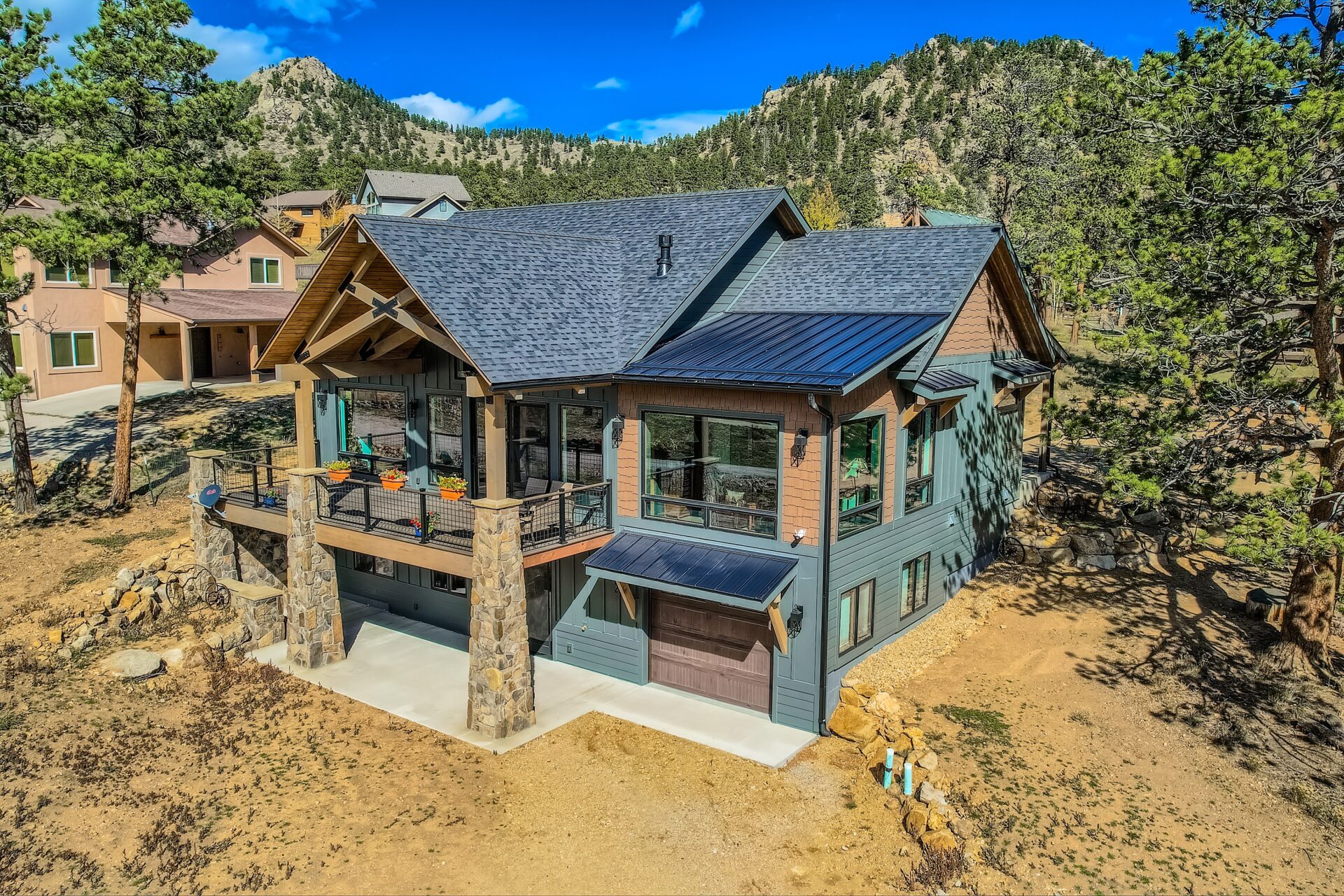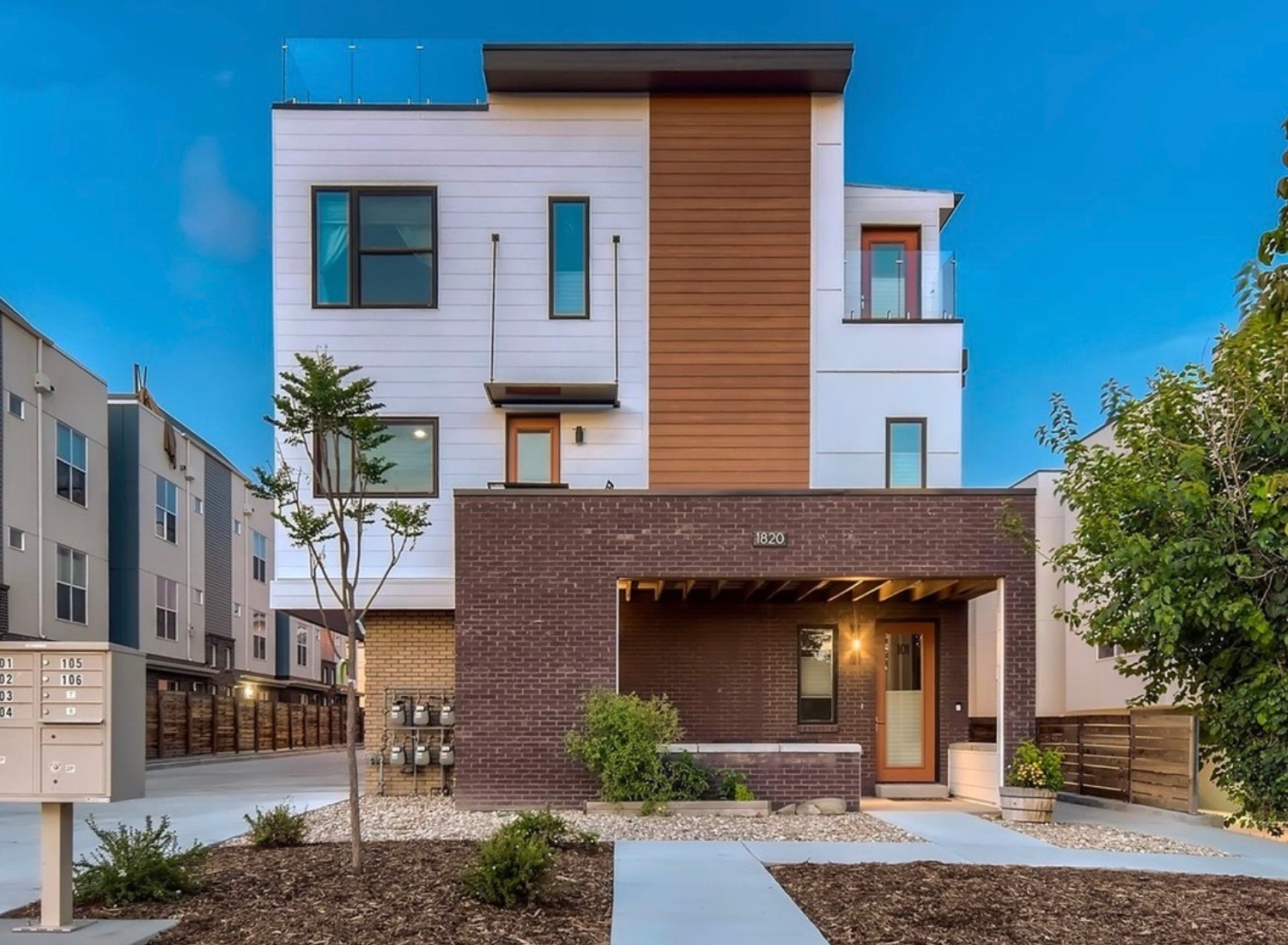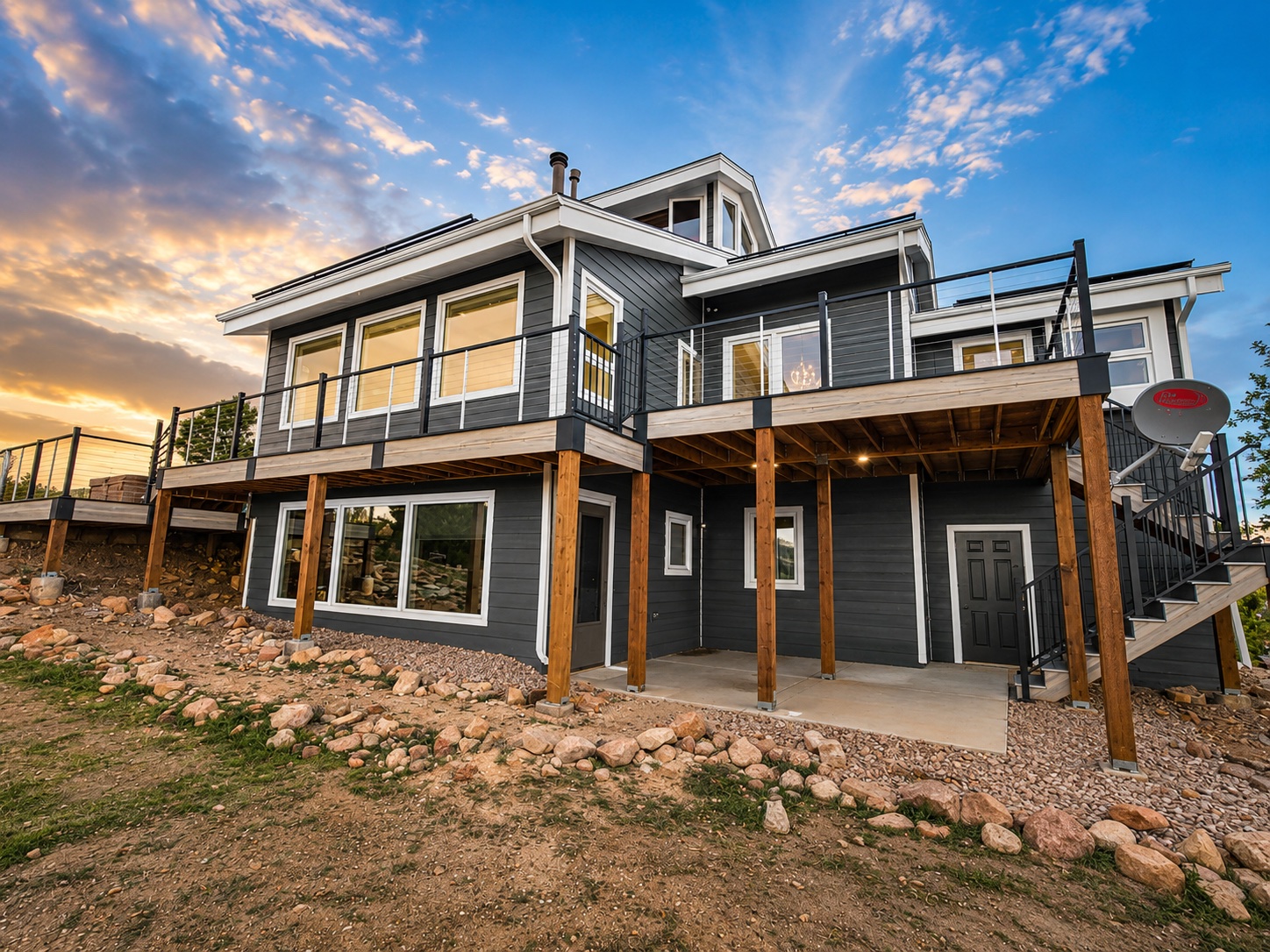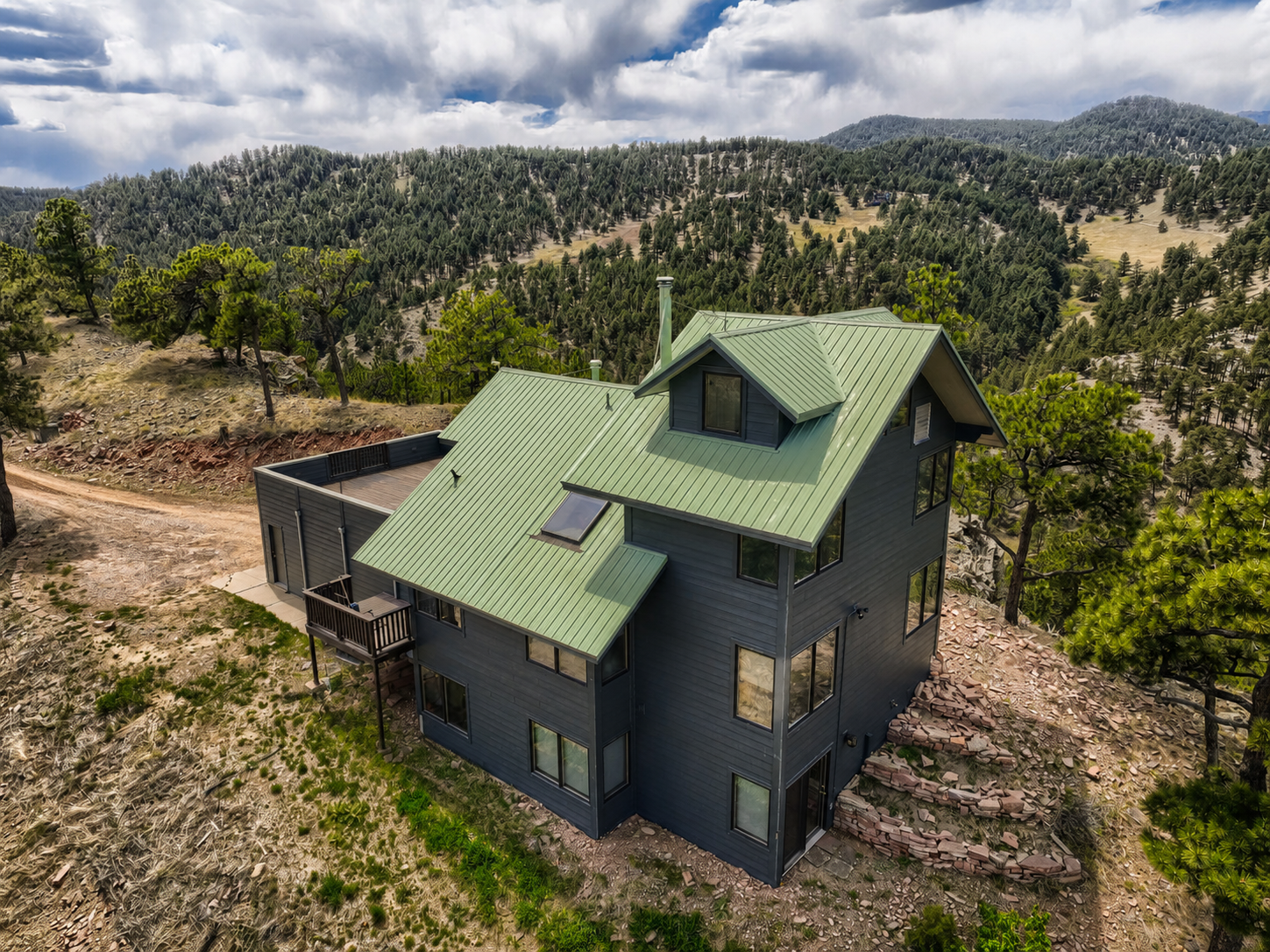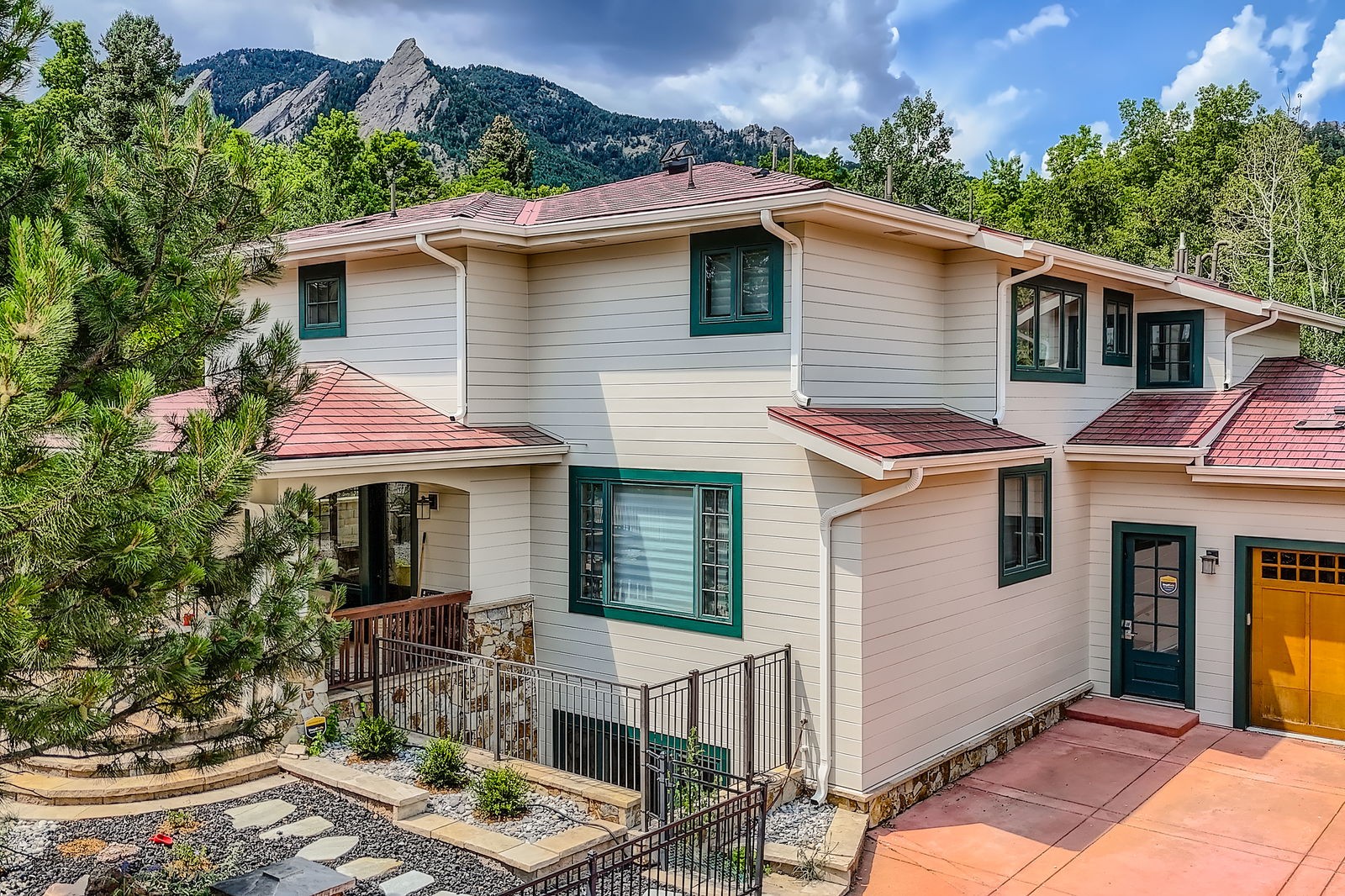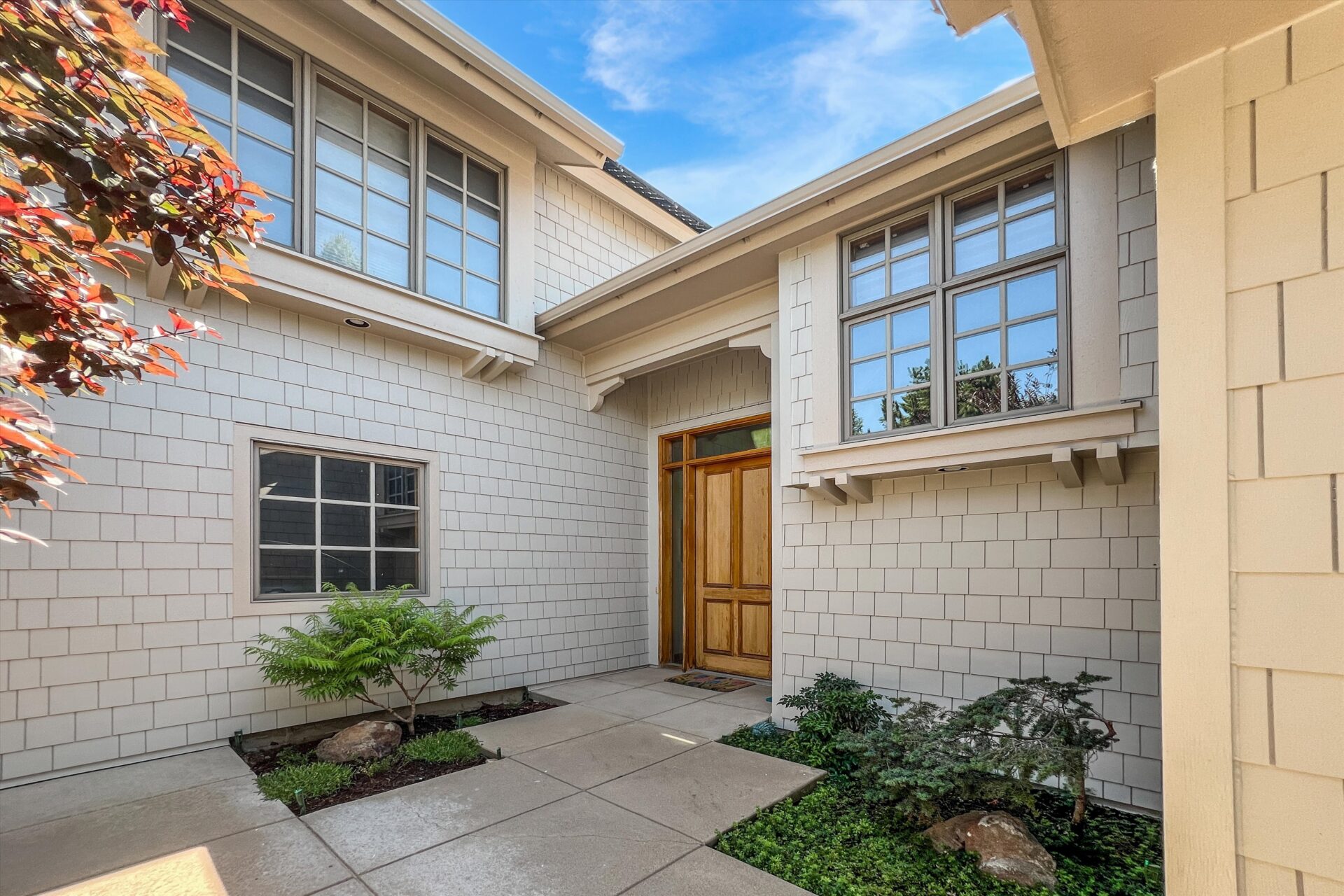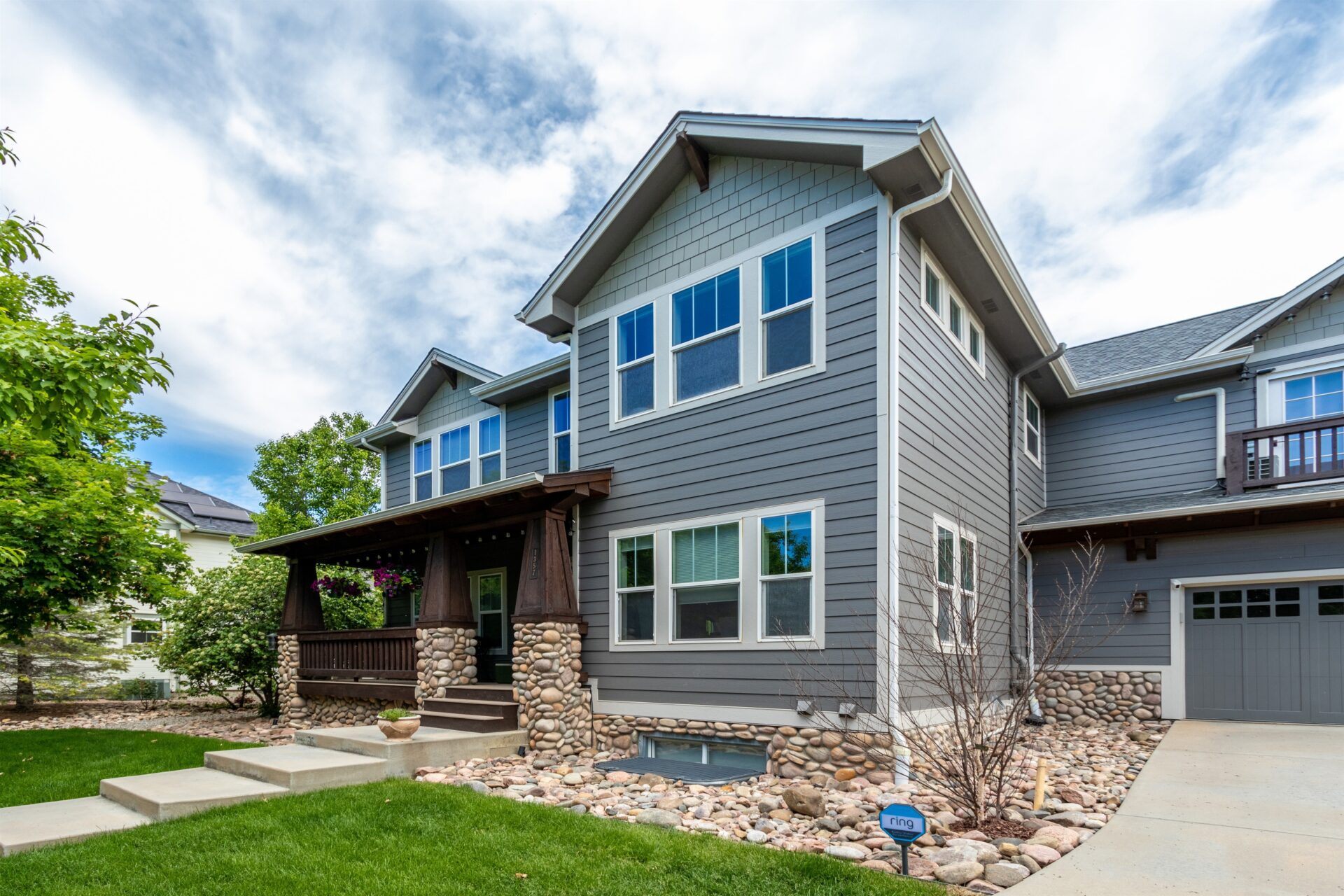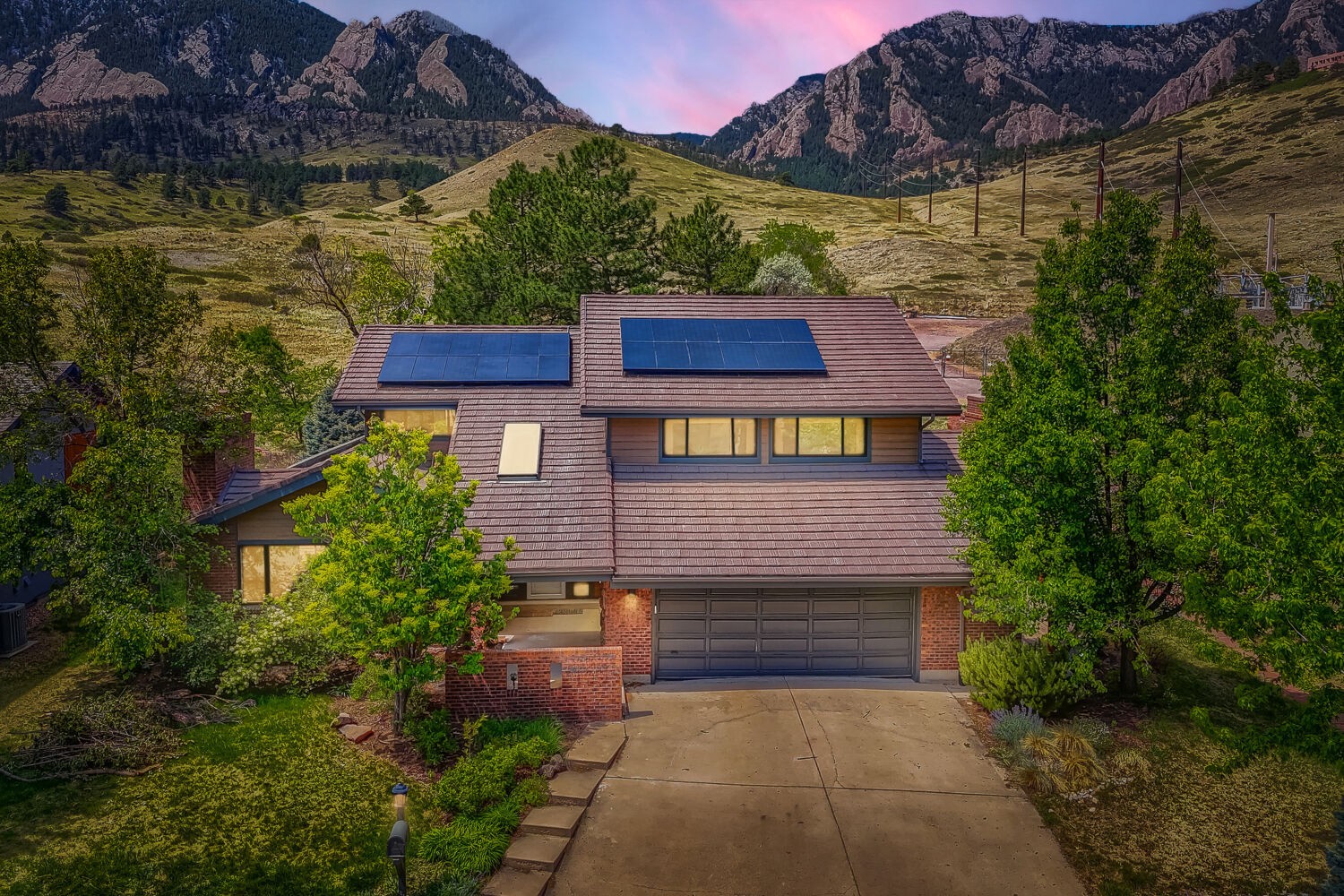
Commercial & Association Exteriors — Cherry Hills Village, CO
Commercial Exterior Contractor in Cherry Hills Village
Homeowner associations, private campuses and the commercial corridor next door — roofing, cladding, windows and balconies under one Class C general contract, reported to a board rather than to a phone.
Who does commercial exterior work in Cherry Hills Village?
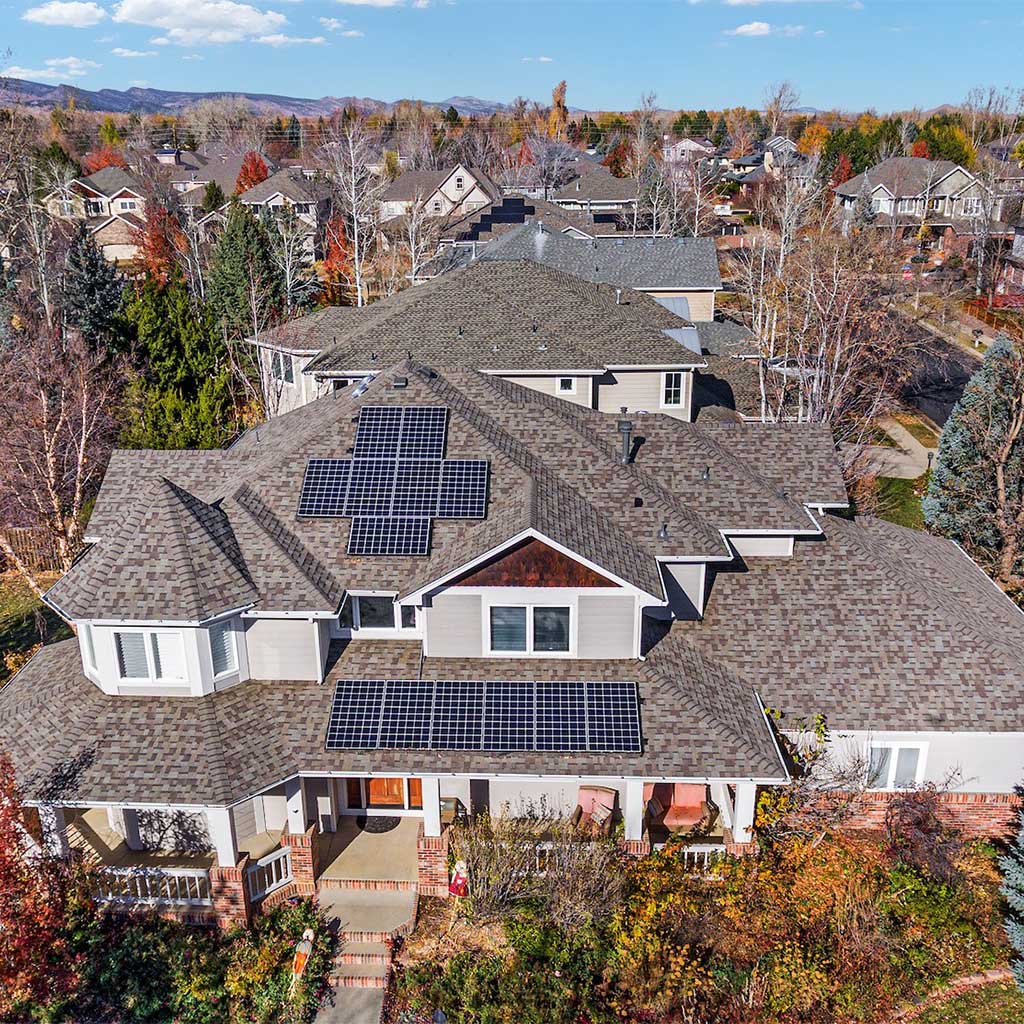
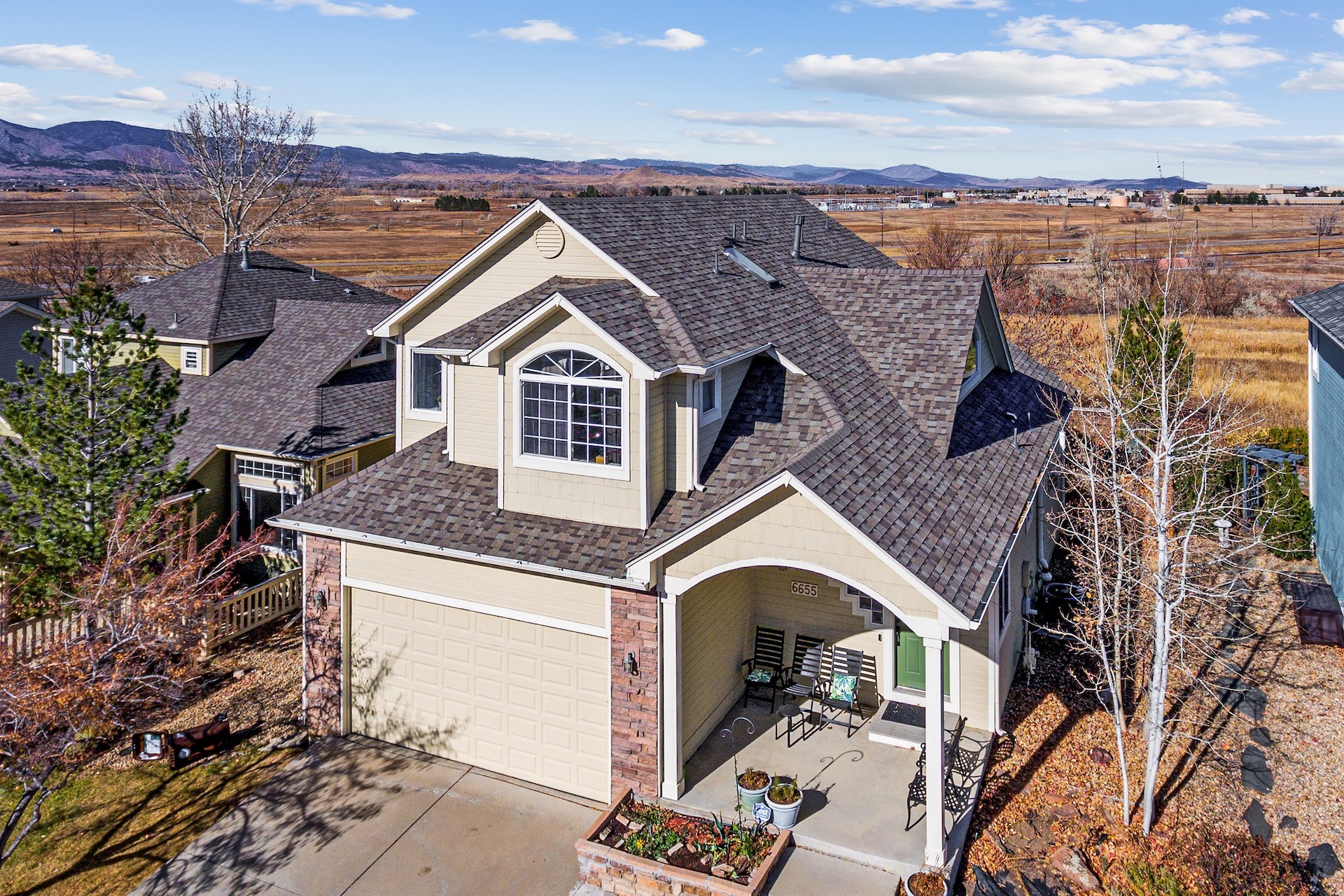
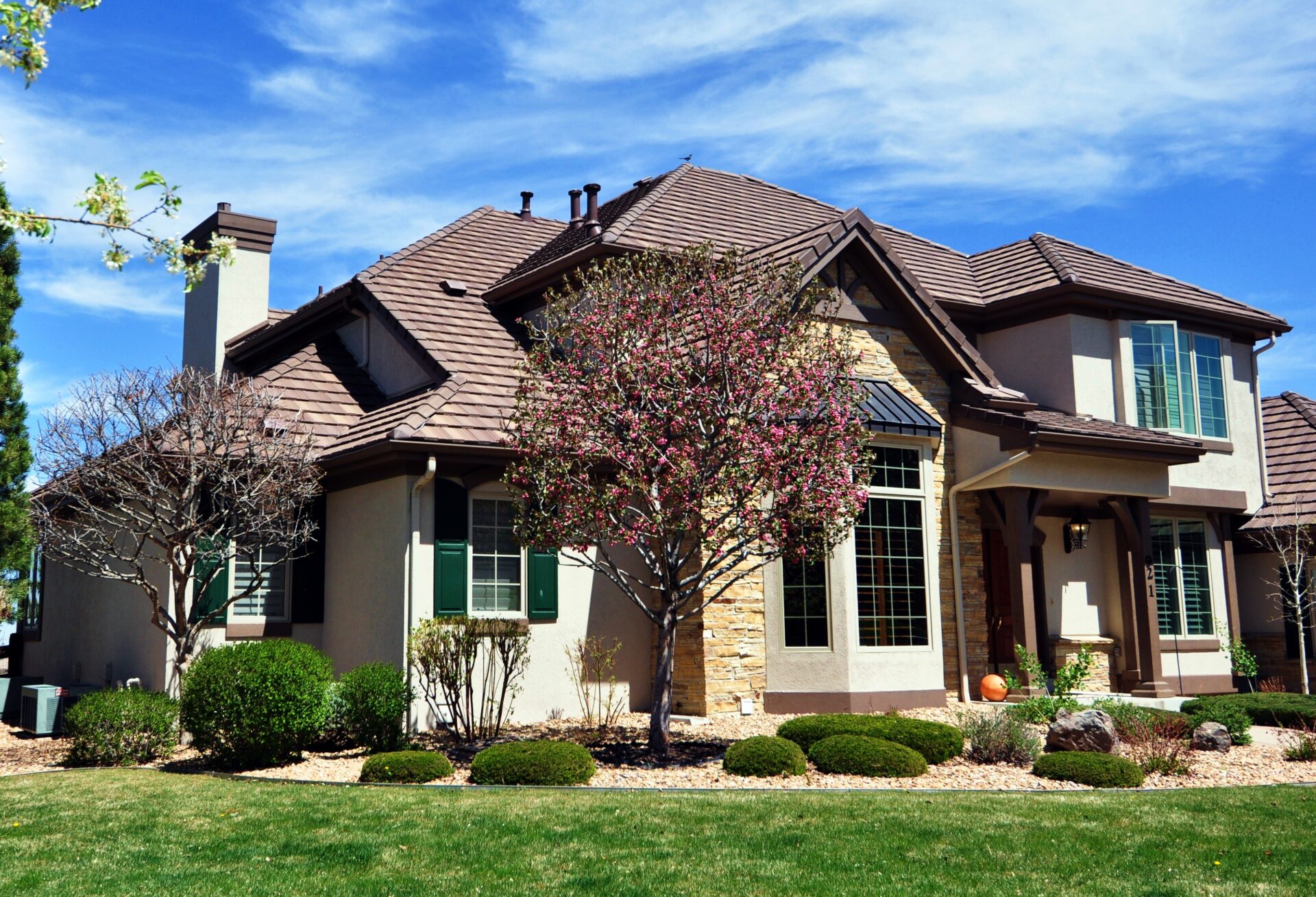
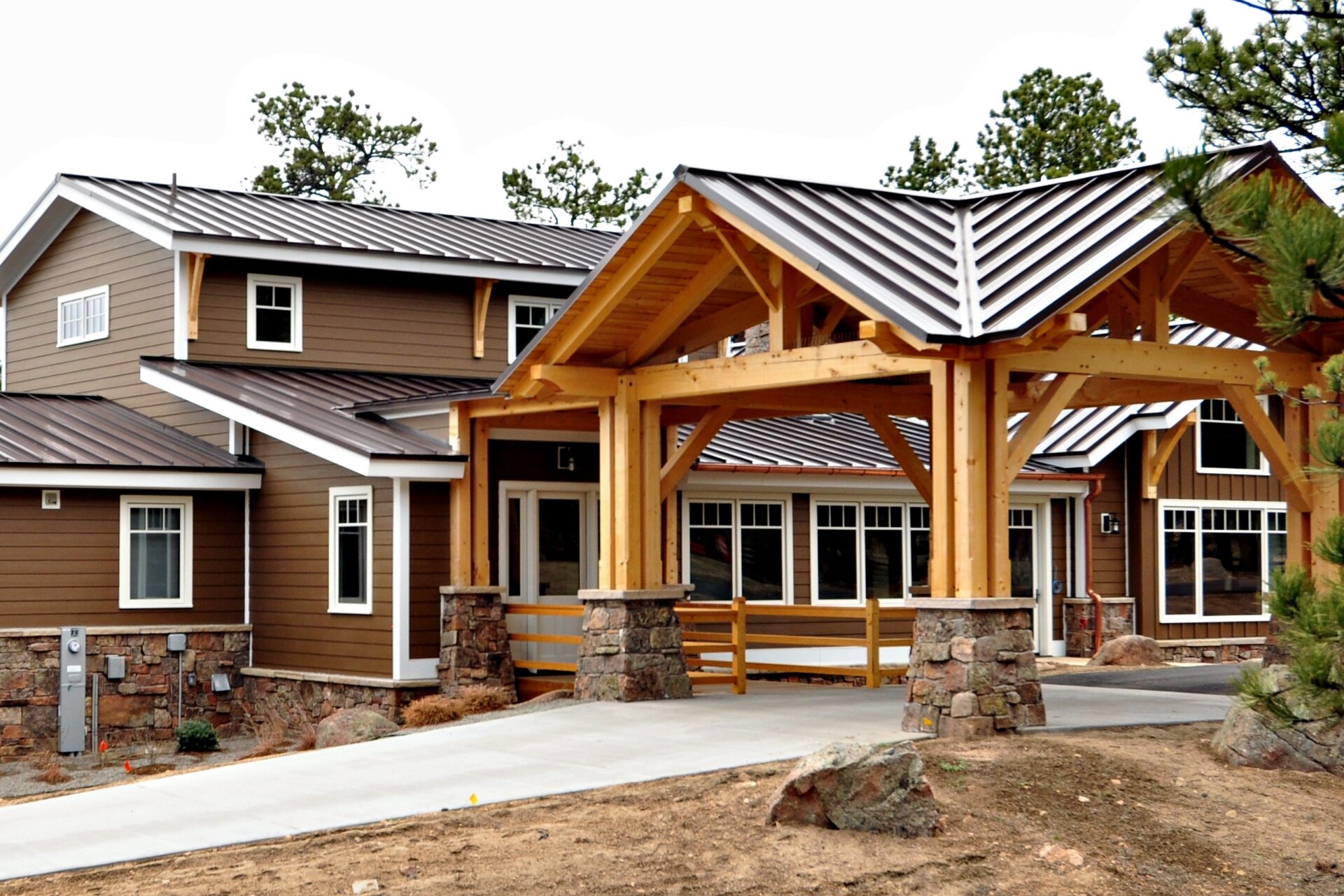
Northern Lights Exteriors works on Cherry Hills Village associations, private campuses and the surrounding commercial corridor, holding a Class C general contractor license so a mixed-trade property runs under one contract.
Being straight about the market: the Village itself is almost entirely residential, so commercial work here means homeowner associations, schools and clubs. The real commercial density is next door in the Denver Tech Center, Englewood, Greenwood Village and Denver — and we cover that too.
Every property in a program is tracked in our client portal — scope, schedule, photographs, payments by trade and inspection results — so a board reviews the program instead of taking our word for it.
What “Commercial” Actually Means in Cherry Hills Village
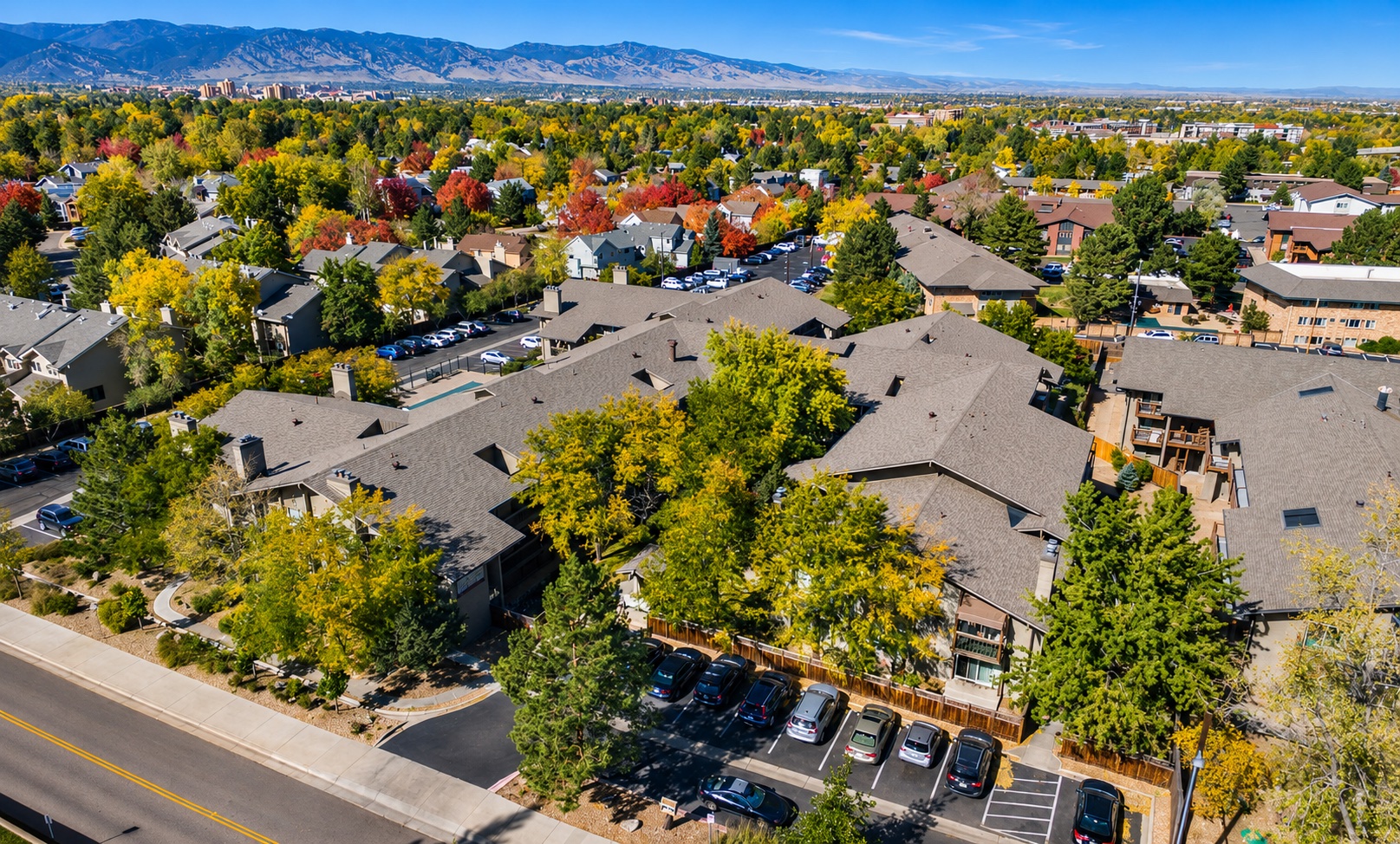
We will be straight with you, because a page pretending otherwise helps nobody: Cherry Hills Village is not a commercial market. It is a residential municipality of roughly six and a half square miles, zoned overwhelmingly for large-lot housing and open space, with only limited commercial districts. There is no office park here and no retail corridor.
What there is, and what we do work on, falls into three groups.
Homeowners associations
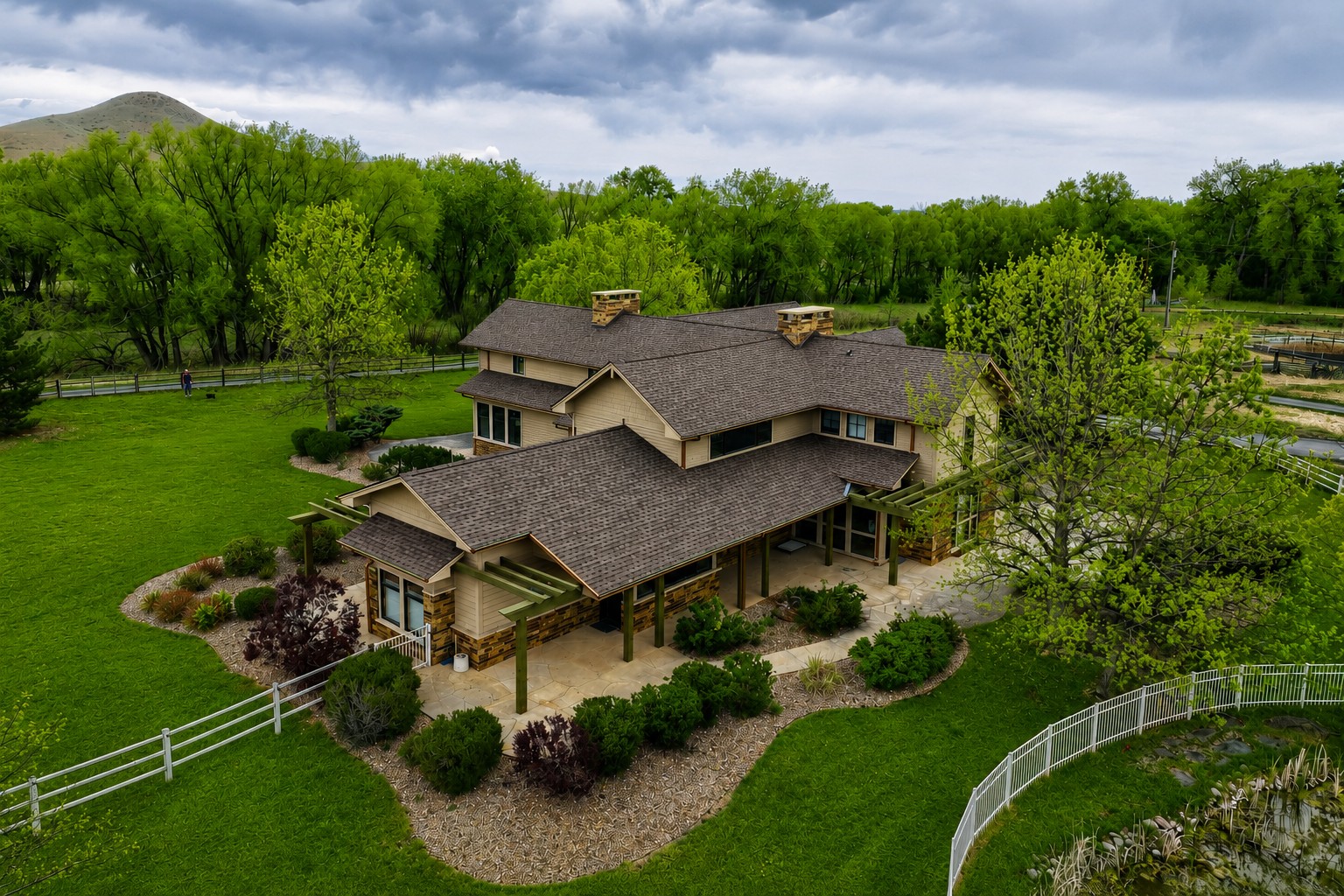
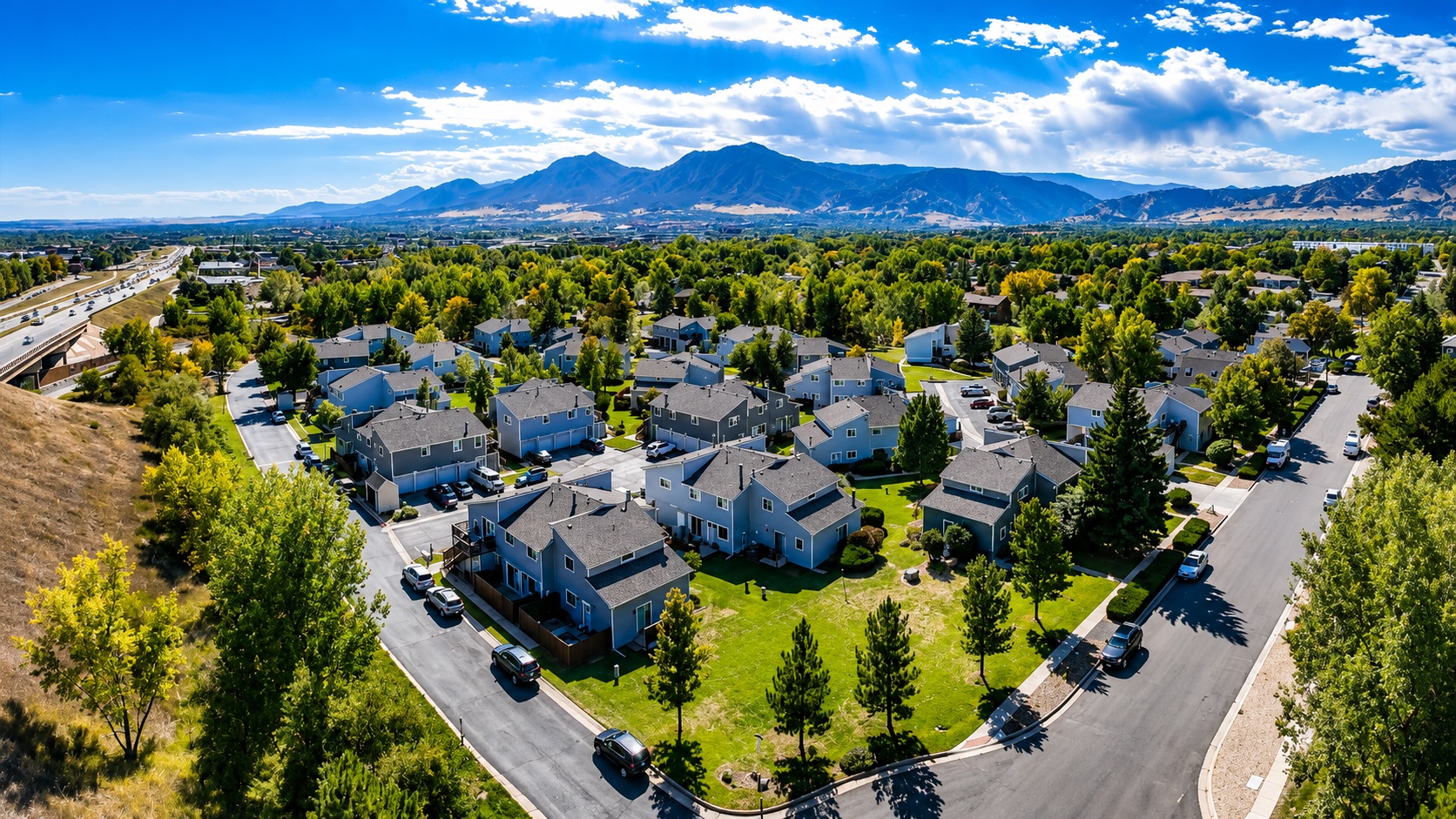
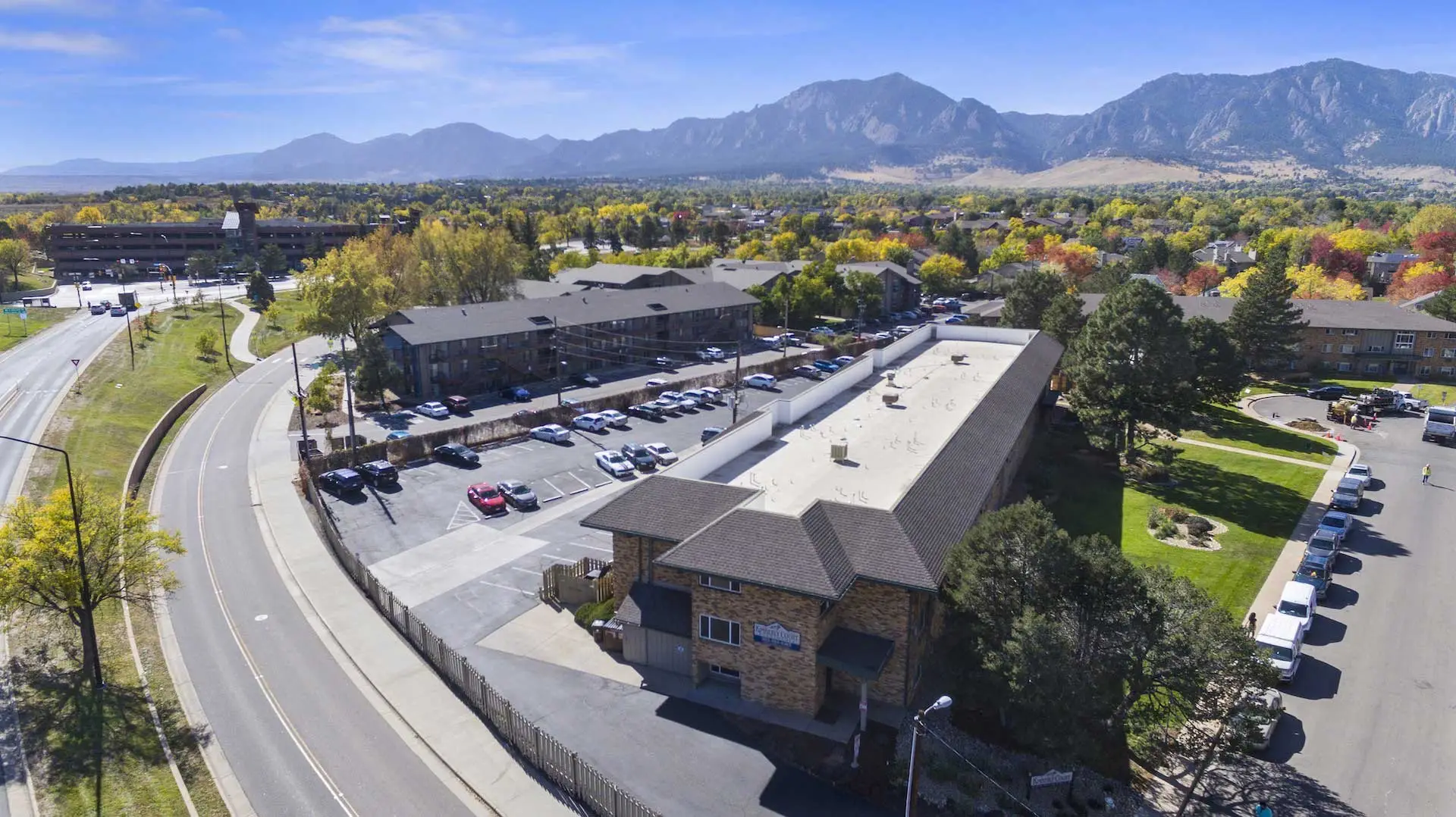
The Village contains dozens of named subdivisions and many run their own association. Association work here means common-area structures, entry features, perimeter fencing and gatehouses, and multi-property roofing or siding programs run to one specification across many homes.
Private schools, clubs and institutions
Cherry Hills Village contains several significant institutional campuses. Work on buildings like these means occupied-site sequencing, term-time and season-time constraints, and coordination with a facilities manager rather than a homeowner.
Commercial next door
The genuine commercial density is immediately adjacent – the Denver Tech Center, Englewood, Greenwood Village and Denver. We work throughout that corridor, so if your property is a Cherry Hills Village address but your portfolio is not, we cover both.
Association Work: One Specification, Many Buildings
Multi-property association work is a different discipline from a single house, and the things that go wrong are different too.
- One specification, enforced. The point of a program is that property eleven matches property one. That requires the spec, the color and the detail to be locked and documented before the first unit starts, not negotiated per building.
- Board reporting that a board can actually use. Associations make decisions in scheduled meetings, so they need status they can read in advance, not a phone call from a project manager. Every property in a program gets tracked in our client portal — scope, schedule, photographs before and after, payments and inspection results — which means a board can see the whole program rather than take our word for it.
- Access, notice and residents. On occupied properties the constraint is rarely the construction. It is parking, notice periods and keeping people able to reach their own front doors. Village-permitted work runs Monday to Friday 7am to 6pm and Saturday 8am to 4pm, with no exterior work on Sundays or federal holidays, which shapes the plan.
- Phasing to a reserve budget. Most associations cannot do everything in one year. We would rather help sequence three years correctly — protecting the building envelope first, cosmetics later — than sell an oversized single phase.
What We Cover
We hold a Class C general contractor license, so a mixed-trade property runs under one contract rather than four.
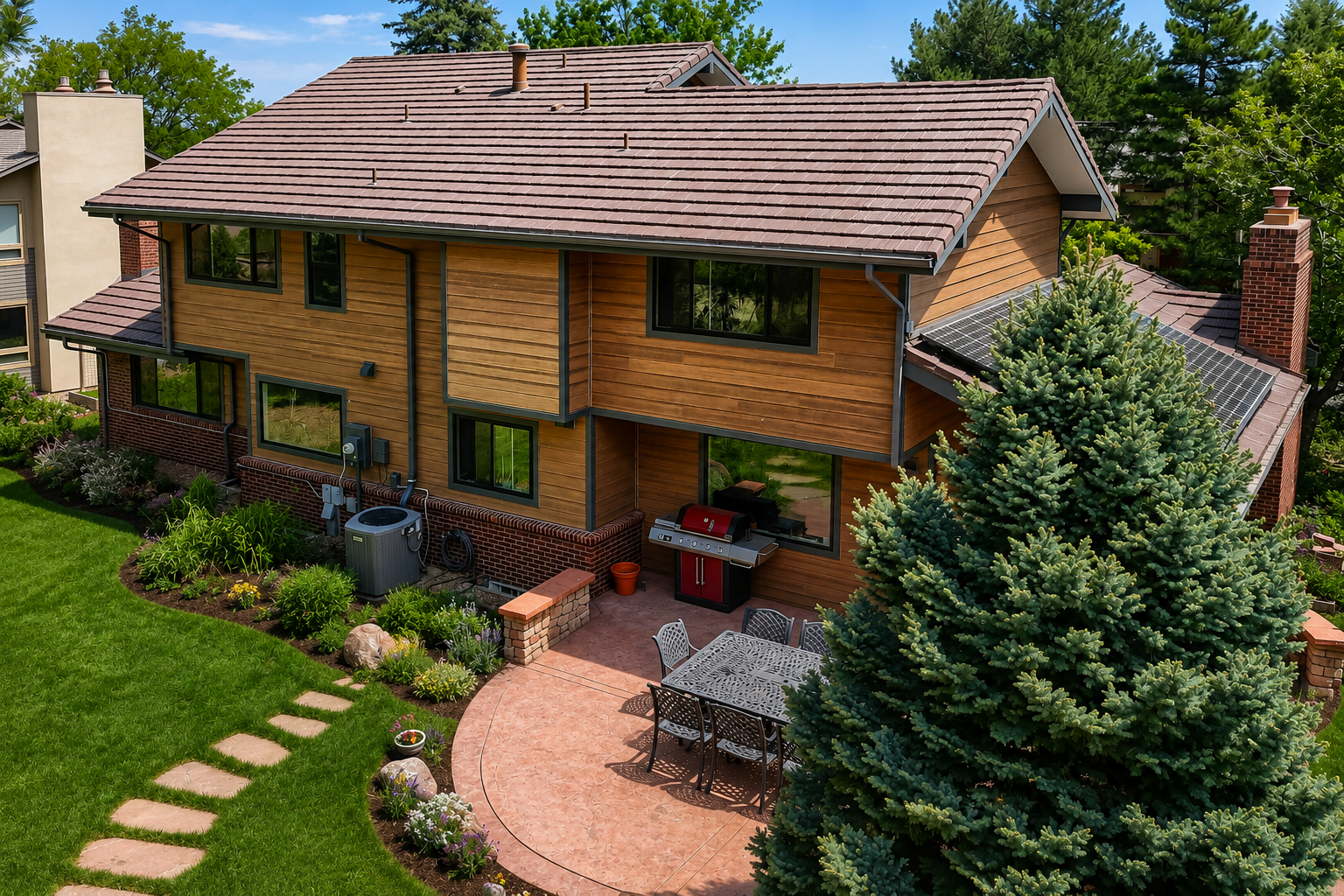
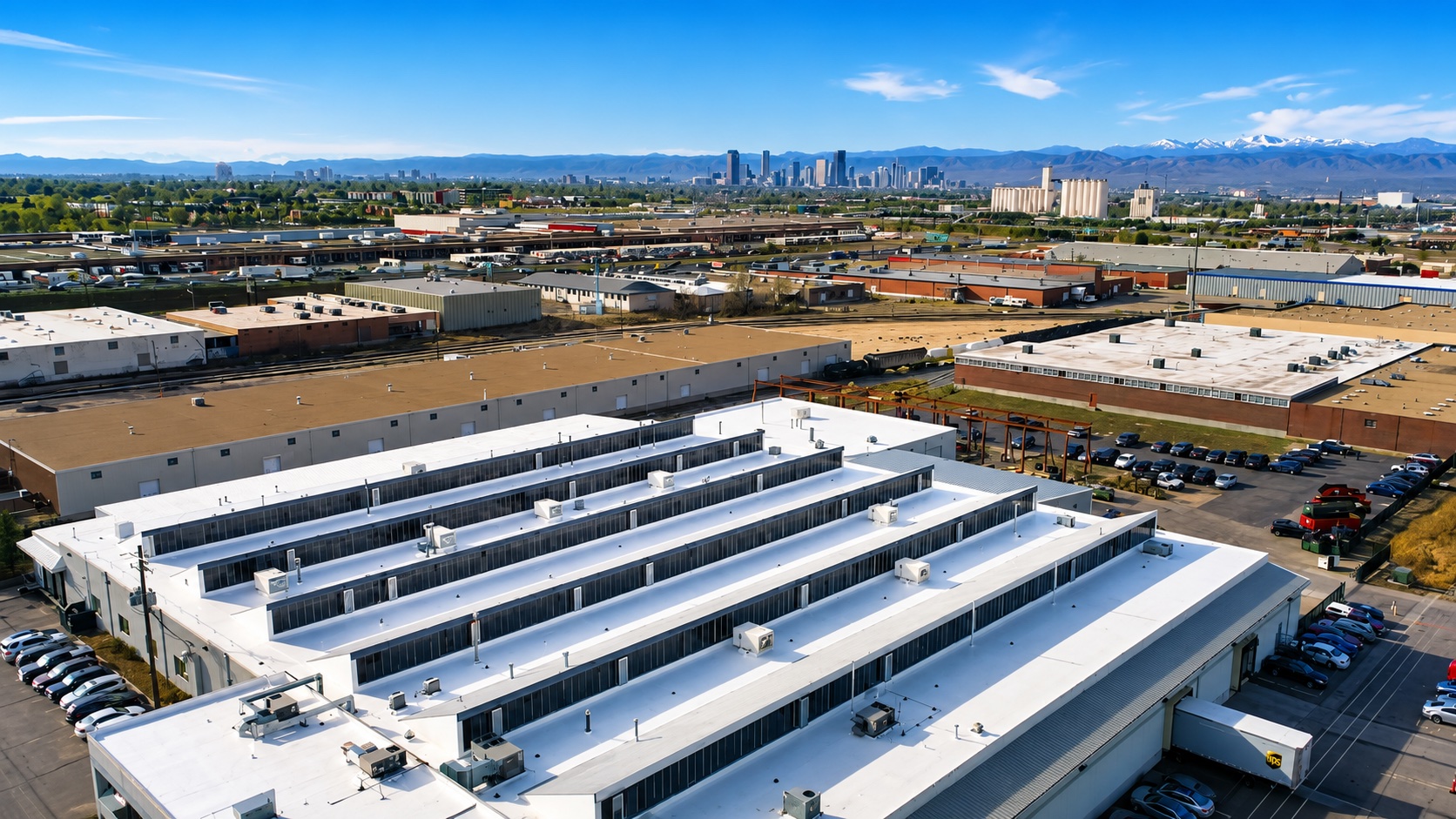
- Roofing — steep-slope and low-slope, including TPO and EPDM membrane on flat sections, and the transitions between them, which is where these assemblies almost always fail.
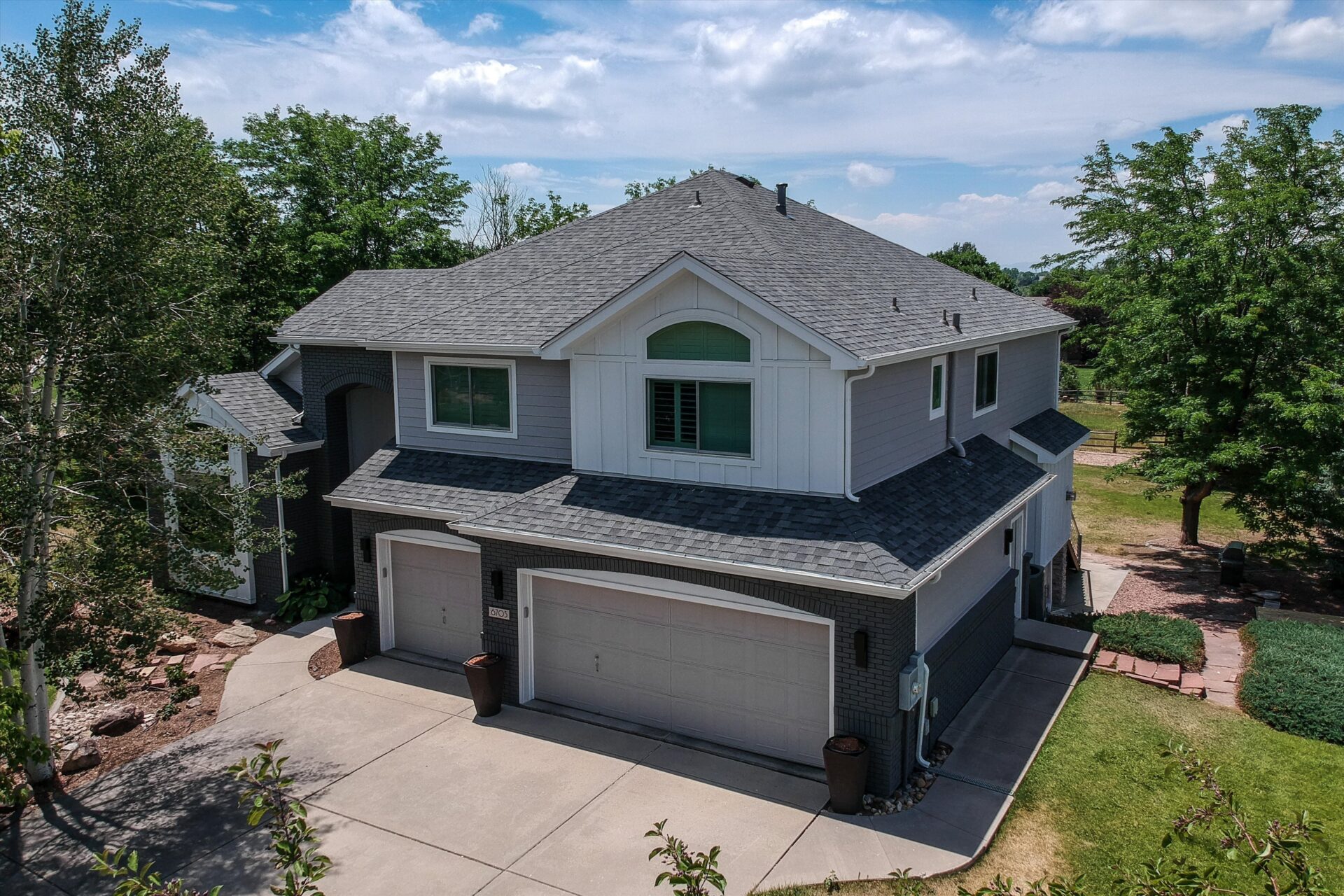
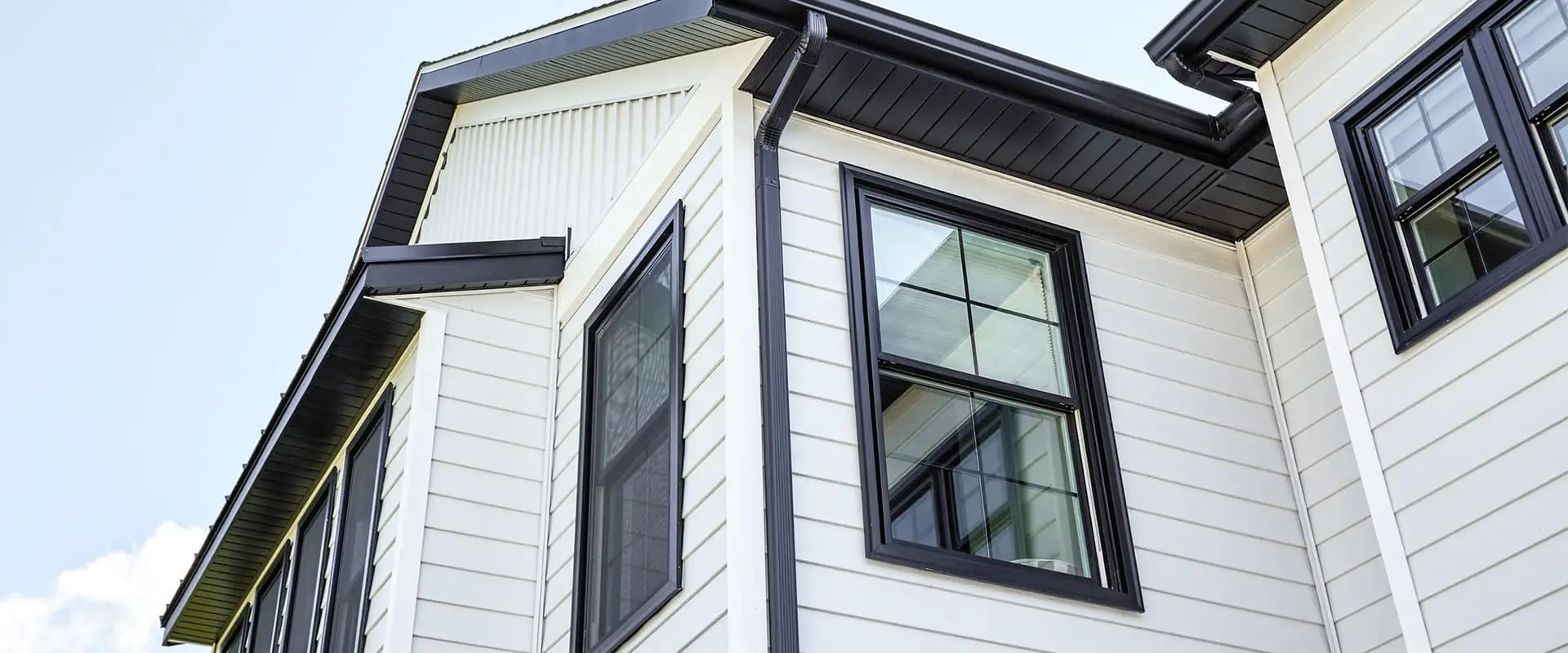
- Siding and exterior cladding — fiber cement, engineered wood, stucco repair and re-clad, stone veneer and metal.
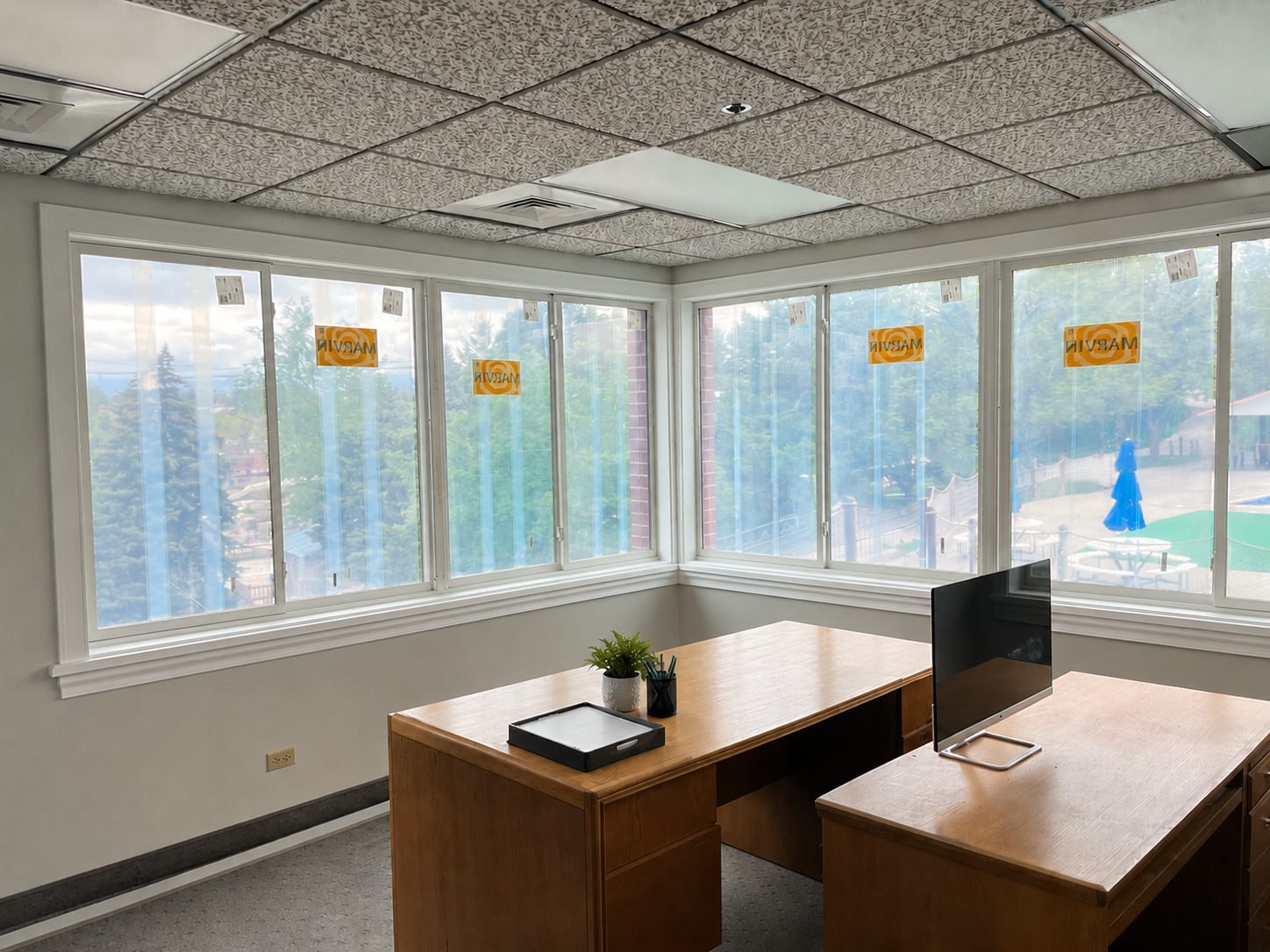
- Windows and doors, including phased replacement on occupied buildings.
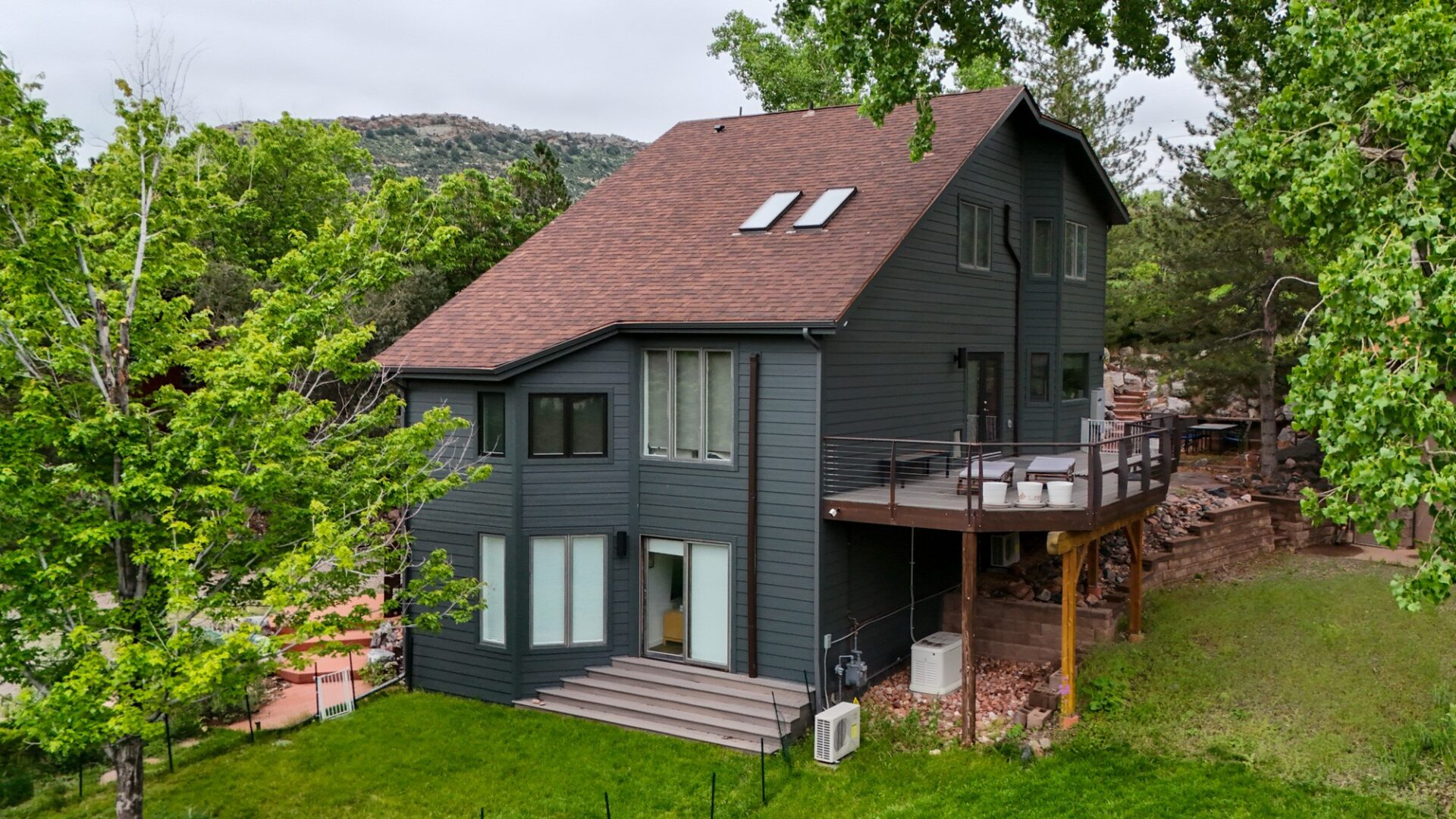
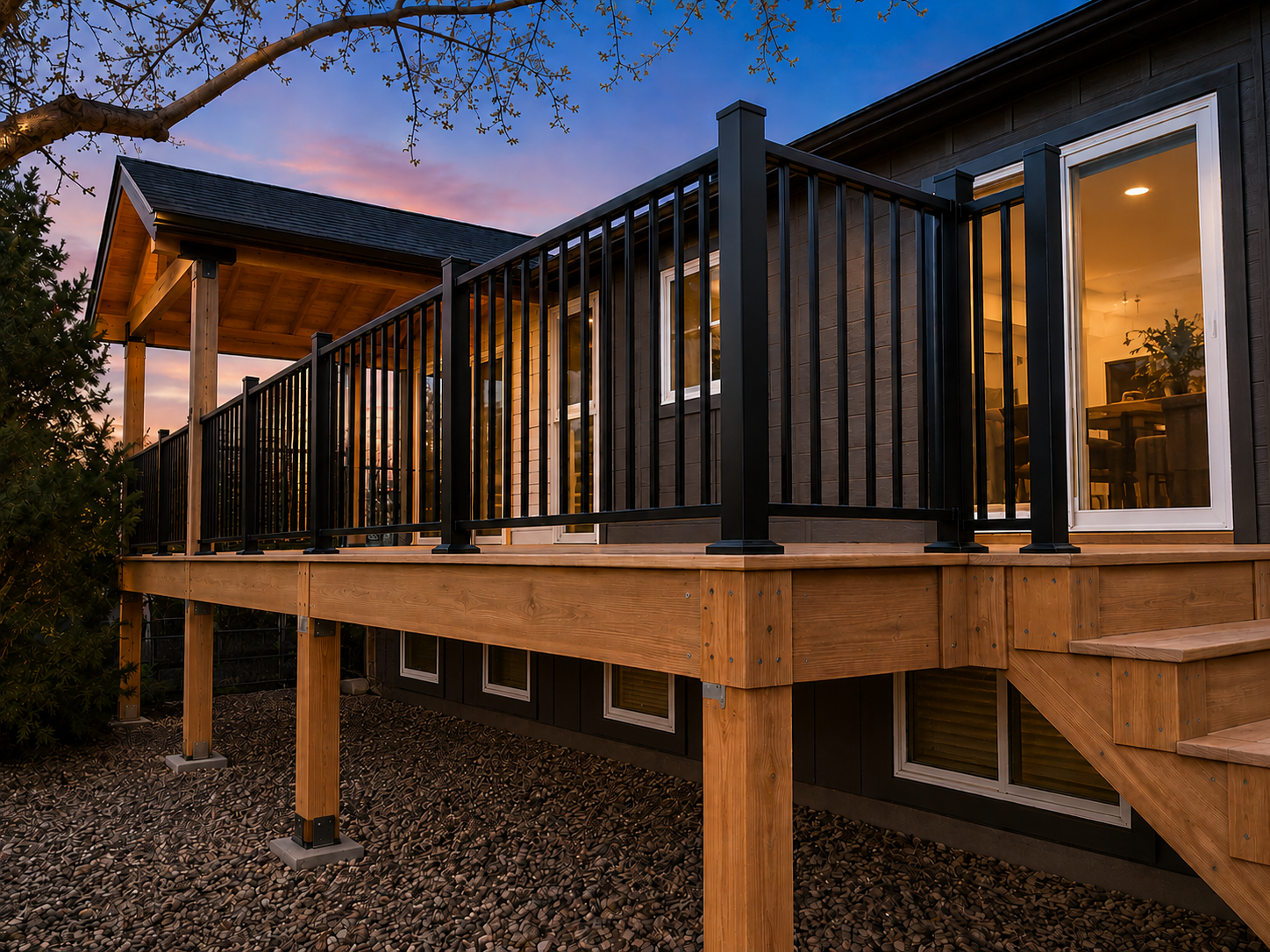
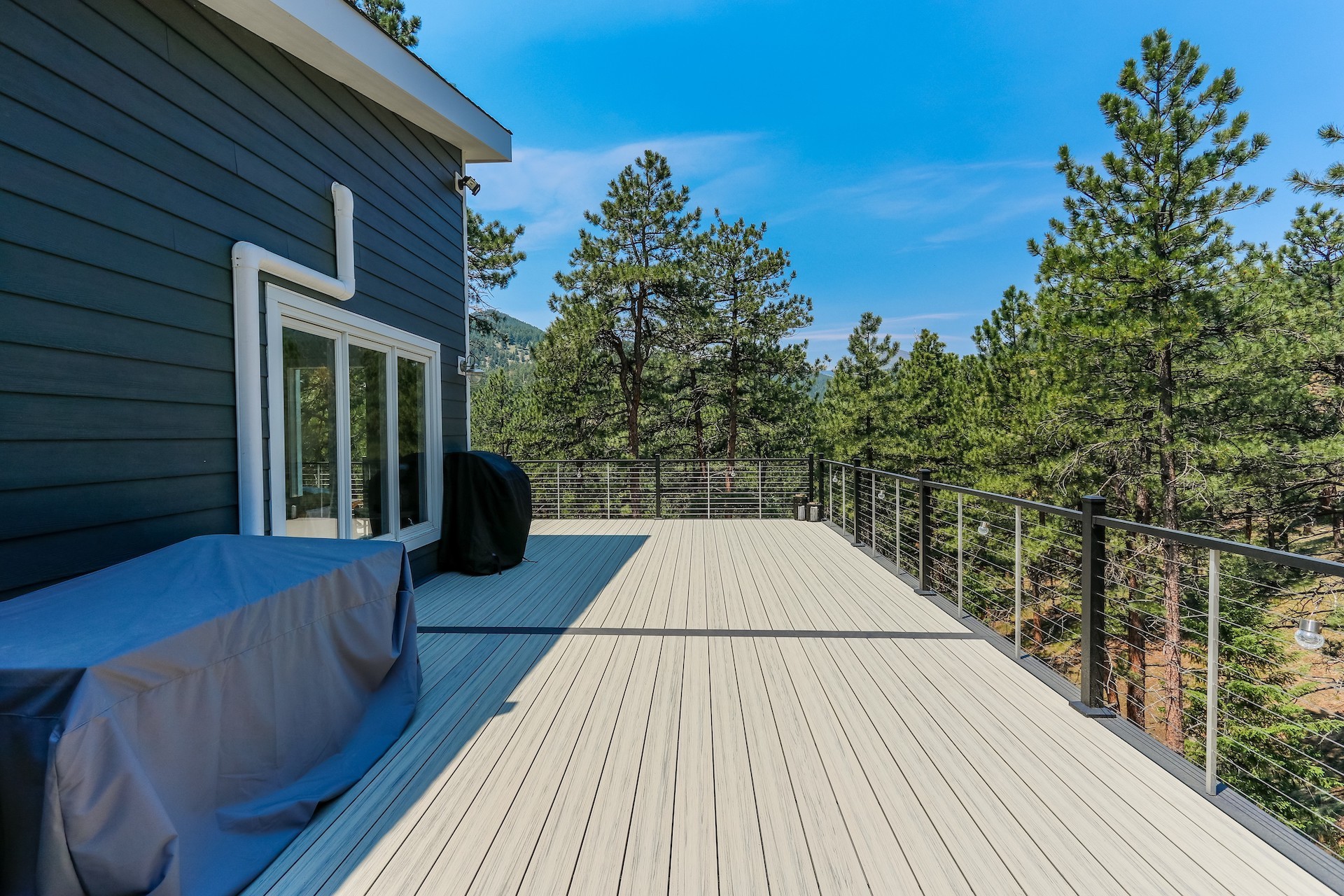
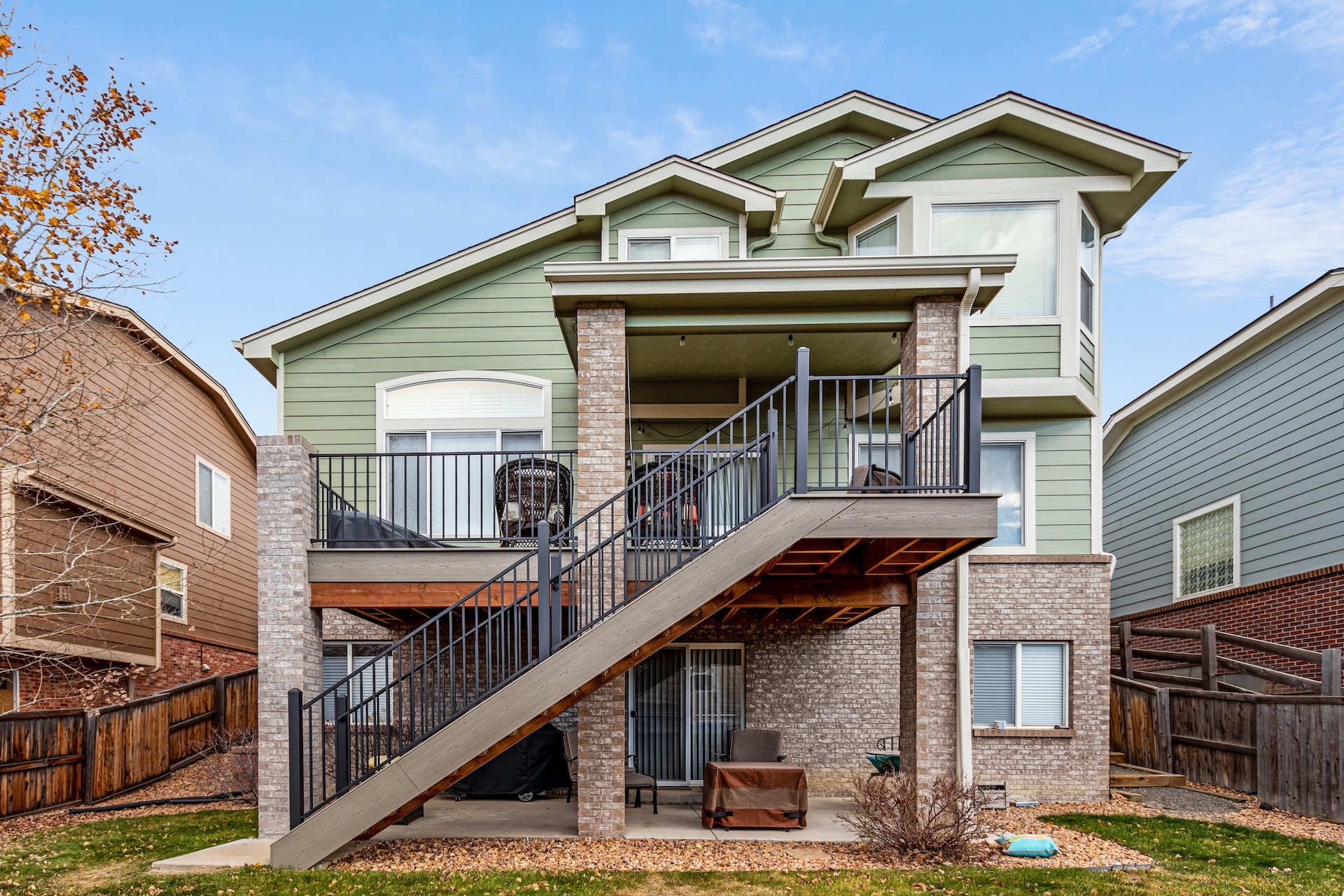
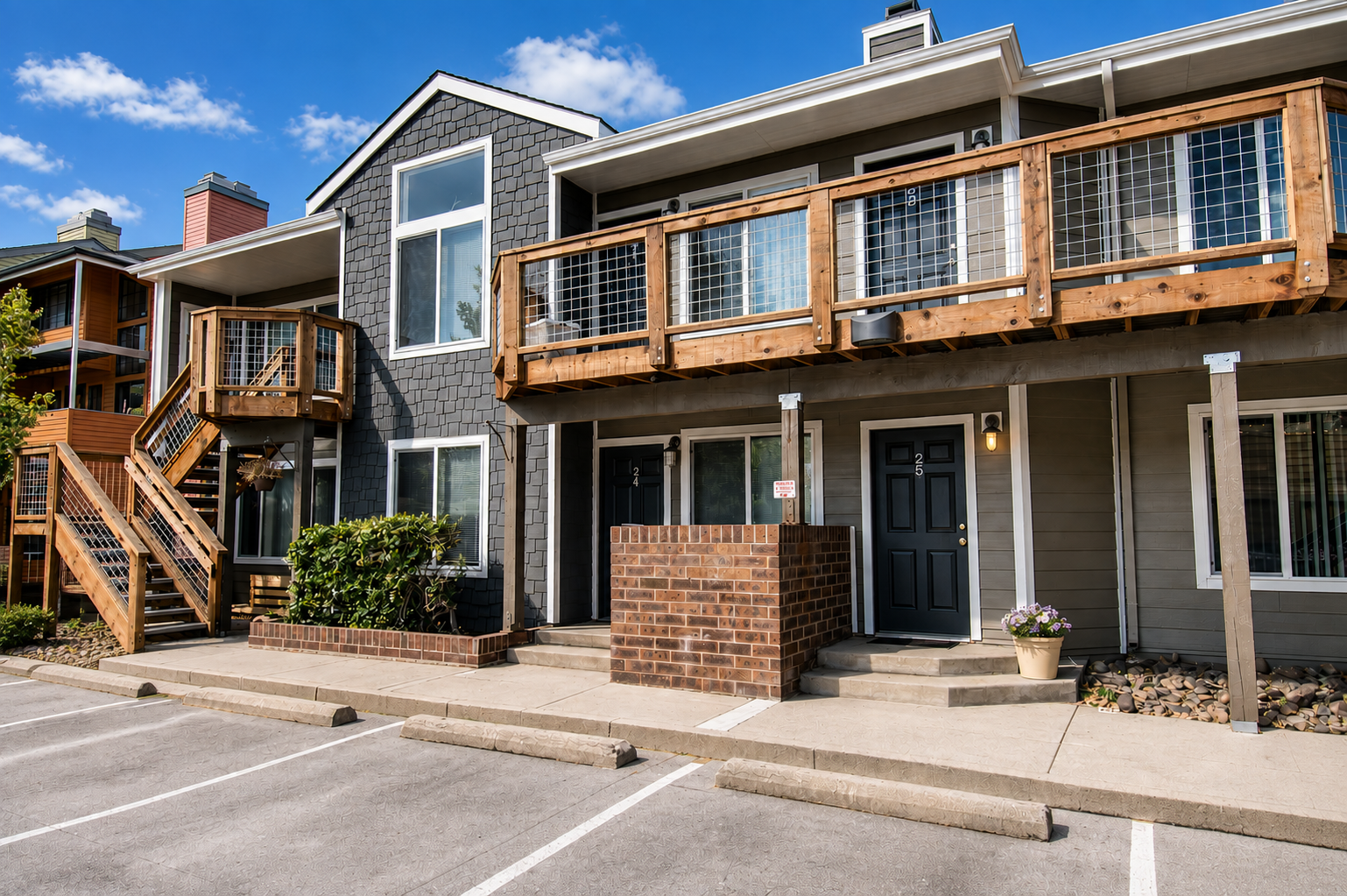
- Decks, balconies and walkways — composite surfaces and the structural inspection that should come before them.
- Storm damage and insurance claims — documented across a whole portfolio, working alongside adjusters.
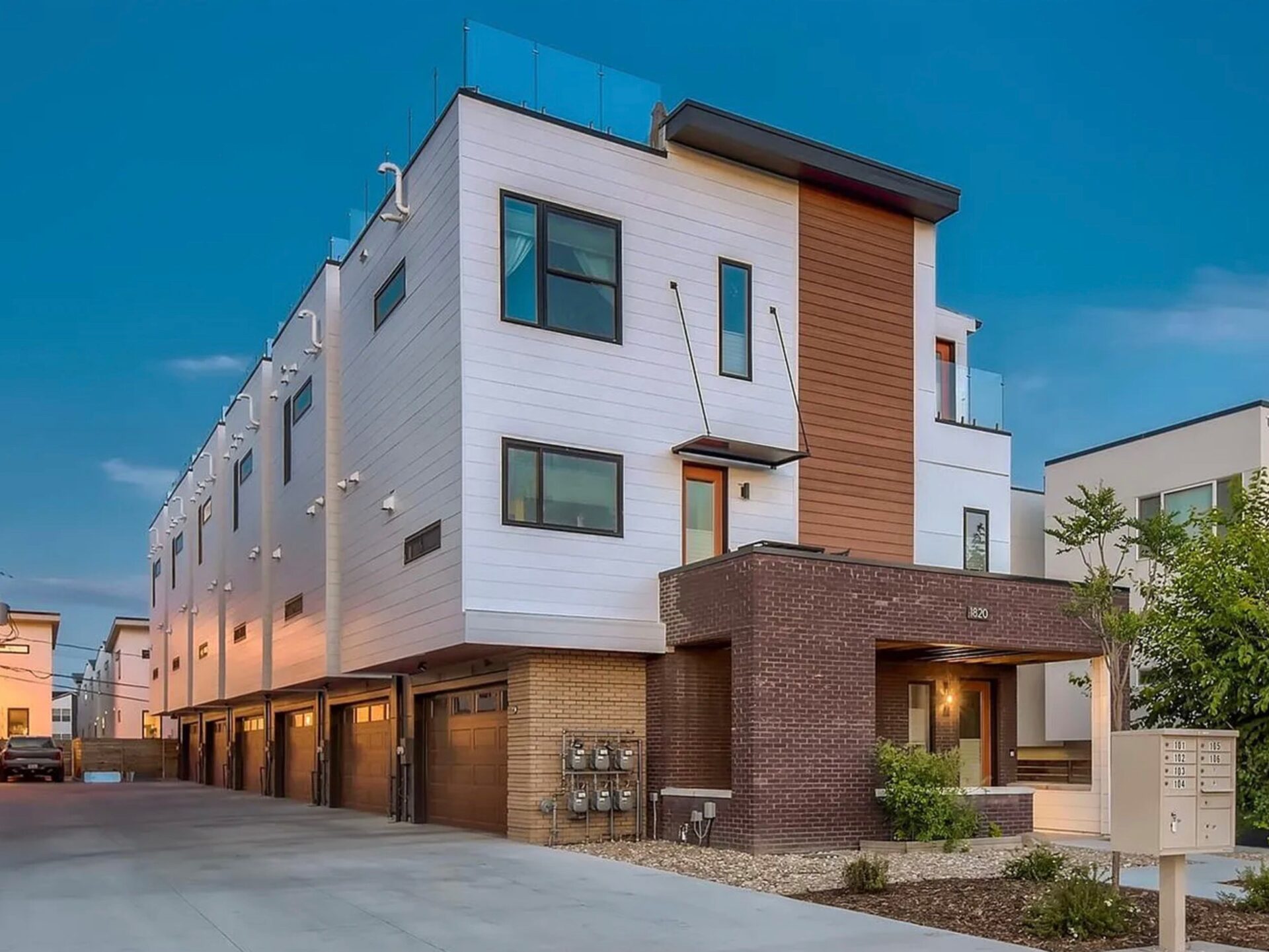
- Multifamily exteriors in the surrounding metro.
The System Behind the Work
A board or a facilities manager is accountable to other people for a decision they did not personally supervise. What they need is not reassurance – it is a record they can put in front of a committee.
Two things make that possible, and they are the reason to choose us over a cheaper quote.
First, experience and scope. We have been working on Colorado’s Front Range since 2001, and we hold a Class C general contractor license (Colorado license #C120350) rather than a single-trade license. That is not a technicality: it means roofing, siding, windows, decks and outdoor living can run under one contract, with one project manager accountable for the flashings where those trades meet — which is precisely where multi-contractor projects leak, literally and figuratively. James Hardie has recognized us as an Elite Preferred contractor continuously since 2011, and as a President’s Club member — their highest contractor distinction nationwide. Our rating is 4.9 out of 5 from 552 verified reviews. Alongside that license we hold manufacturer certifications from James Hardie (Elite Preferred since 2011), GAF (Master Elite), Pella, TimberTech and Deckorators, and we have been named a Qualified Remodeler Top 500 contractor three years running — all of it listed, with the issuing body for each, on our awards and credentials page.
Second, a proprietary on-demand client portal we built ourselves. Most of what people hate about a remodel is not the construction. It is not knowing — who to call, whether the permit went in, when material arrives, what has been paid, whether it passed inspection. We built a system to remove exactly that, and as far as we know no other exterior contractor in this market offers it:
Every conversation in one place
Messages, decisions and change requests are logged against your project rather than scattered across texts, voicemails and three different crew members’ phones.
Contracts and scope, always retrievable
Your signed contract and itemized scope live in the portal, so “what did we actually agree to?” is a thing you look up rather than a thing you argue about.
Permit status you can see
Where the permit is in the process, and when inspections are scheduled — without having to phone anyone to find out.
Delivery and install schedules
When material lands and when each trade starts, so you can plan around the work instead of waiting for a truck to appear.
Before, during and final photography
Documented condition before we start, progress images through production, and final photography — including the parts of the building you will never see again once it is closed up.
Payments tracked per trade
What is paid and what is outstanding, broken out by trade rather than as one running balance you have to reconcile yourself.
Inspection records
Each inspection and its result, recorded against the project and available when you sell the house and someone asks.
Access is an individual, custom URL issued to you — and you get it when we start talking, at the lead and project meeting, not after you sign something. That is deliberate: you can see how we run a project before you commit to one. It then stays available after the work is finished, which matters more than it sounds, because the documentation, images and inspection records are exactly what a buyer’s agent, an appraiser or an insurer asks for years later.
Where We Work in Cherry Hills Village, Colorado
Cherry Hills Village sits in Arapahoe County in Denver’s south metro — bordered by Englewood and Denver to the north and west, Greenwood Village to the east, and Littleton and Centennial to the south. We cover the whole Village for commercial and association exteriors.
- Old Cherry Hills
- Cherry Hills Park
- Cherry Hills Farm
- Buell Mansion
- Devonshire
- Glenmoor
- Charlou Park
- Cherryridge
- Cherry Hills North
- Blackmer Hills
- The Reserve
Three separate places in this metro carry a similar name, and almost everyone mixes them up. Cherry Hills Village is its own incorporated municipality in Arapahoe County. Cherry Creek Village is a neighborhood inside the separate city of Greenwood Village. Cherry Creek is a neighborhood of the City of Denver. We work in all three. The reason to know which one you are in is entirely practical: each is a different permit authority, so it changes who reviews your project and how long that takes.
We also work across the rest of the south metro — Greenwood Village, Englewood, Littleton, Centennial, Glendale and the City of Denver.
Nearby Cities We Also Serve
If you are just outside Cherry Hills Village or weighing up more than one property, we also install replacement windows in:
Talk to Us About a Cherry Hills Village Property
We will walk the property or the portfolio, put a condition assessment and a phased plan in writing, and give your board or your facilities team something they can actually make a decision from.
Request Your Free Estimate → 📞 (303) 776-5263
Prefer email? Reach us at office@nlexteriors.com. Ask about financing options when we walk the property.
Cherry Hills Village Commercial — Frequently Asked Questions
Is there much commercial property in Cherry Hills Village?
Honestly, no — and we would rather say so. Cherry Hills Village is a residential municipality of roughly six and a half square miles, zoned overwhelmingly for large-lot housing and open space, with only limited commercial districts. There is no office park and no retail corridor. Commercial-scale work here is mostly homeowner associations, private schools and clubs. The genuine commercial density is immediately adjacent, in the Denver Tech Center, Englewood, Greenwood Village and Denver, and we work throughout it.
Do you work with homeowners associations in Cherry Hills Village?
Yes, and it is the most common form of multi-property work in the Village. Cherry Hills Village contains dozens of named subdivisions and many run their own association. We handle common-area structures, entry features and fencing, and multi-property roofing or siding programs run to a single locked specification so that the eleventh property matches the first.
How do you report progress to a board?
Through the same client portal every project gets, which suits a board better than it suits anyone. Scope, schedule, before and after photographs, payments by trade and inspection results are all recorded per property, so a board can review the whole program before a meeting rather than relying on a verbal update. Access is issued at the lead and project meeting, before anything is signed, so you can see how we run a program before committing to one.
Can you phase work across several budget years?
Yes, and for most associations it is the right answer. We will tell you which items are protecting the building envelope and which are cosmetic, and sequence accordingly — roof and water management first, appearance later. We would rather plan three correct years than sell one oversized one.
Do you handle low-slope and flat roofing?
Yes — TPO and EPDM membrane systems, along with steep-slope roofing. On mixed roofs the critical detail is the transition where the low-slope section meets the pitched roof or a parapet, because that junction is where these assemblies almost always fail, and it is usually the part a single-trade bid glosses over.
What are the working hours for a commercial project in the Village?
Cherry Hills Village permits exterior work Monday to Friday from 7am to 6pm and Saturday from 8am to 4pm, with no exterior work on Sundays or federal holidays. On occupied properties that window, combined with parking and resident access, usually shapes the schedule more than the construction itself does.
Do contractors need to be licensed by Cherry Hills Village?
No, with one exception. The Village states that it does not issue contractor licenses and that, unless you are an electrical contractor, you do not register with the City. Electrical contractors must register; plumbers work under their State of Colorado license. That puts the burden of vetting on you, so ask for license class, insurance and manufacturer credentials. We hold a Colorado Class C general contractor license, number C120350.
Do you handle insurance claims across multiple buildings?
Yes. After a storm we document each building individually — including damage not visible from ground level — and work from a single scope with the adjuster across the portfolio. Every inspection, photograph and piece of correspondence is filed per property, which is what a board needs when it has to justify the decision later.