Replacement Windows — Cherry Hills Village, CO
Replacement Windows in Cherry Hills Village
Fiberglass and aluminum-clad wood windows for custom Arapahoe County homes — flashed and sealed properly, and permitted correctly the first time.
Who replaces windows in Cherry Hills Village?
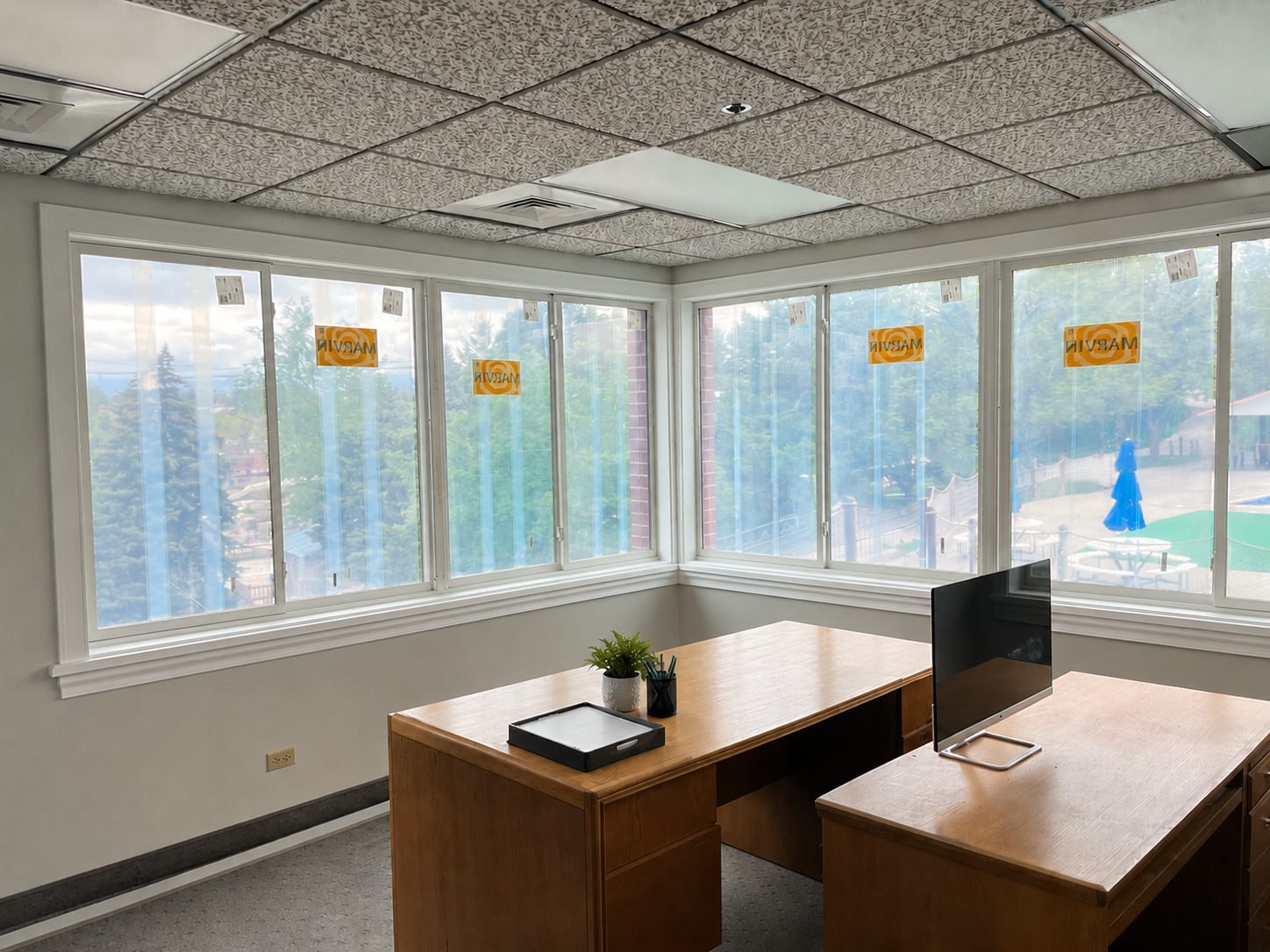
Northern Lights Exteriors installs fiberglass and aluminum-clad wood replacement windows across Cherry Hills Village, including large fixed glass and window walls where slim sightlines matter.
The local rule worth knowing before you shop: like-for-like replacement needs a permit but no plan review, while a new or resized opening triggers full plan review and a site plan — which can add weeks. We tell you which path you are on first.
Holding a Class C general contractor license means windows and siding sequence correctly under one contract, so flashing integrates with the weather barrier instead of being cut into finished cladding. Rated 4.9 out of 5 from 552 verified reviews.
The Permit Rule That Decides Your Whole Schedule
This is the most useful thing we can tell you about replacing windows in Cherry Hills Village, and almost nobody says it out loud.
The Village issues its own permits, and its published Exterior Remodel Requirements draw a hard line between two jobs that sound similar:
- Like-for-like replacement — same opening, same size — requires a building permit but does not require plan review. This is the fast path.
- New openings, or resizing an existing opening — even a little — becomes a full Exterior Remodel permit that does require plan review, and with it a scaled, survey-based site plan showing setbacks and contours. The Village allows up to 10 business days per review cycle, and Planning has to approve before Building and Civil review.
So “while we are at it, let us make the kitchen window wider” is not a small change. It can move your project from a few days of paperwork to several weeks, and it can pull in requirements that have nothing to do with windows. That may still be exactly the right decision — a bad window opening is worth fixing properly — but it should be a decision you make knowingly, at the start, rather than a surprise you discover after you have picked a product.
We tell you which path your project is on before you choose a window, not after.
What Usually Fails, and What That Means for What You Buy
Most Cherry Hills Village window replacements come from one of three situations, and each points at a different product.
- Failed insulated glass units. Fogging, haze or visible condensation between the panes means the seal has gone and the inert gas fill with it. The frame is often fine. On some units the glass alone can be replaced, which is far cheaper than a full replacement — we will tell you when that is an option instead of quietly quoting the bigger job.
- Tired wood windows on a good house. Common on custom homes here. Interior wood that is still beautiful, exterior faces that UV and freeze–thaw have destroyed. This is what aluminum-clad wood exists for: real wood inside, a weatherproof cladding outside.
- Large fixed glass and window walls that no longer perform. Big openings framing a view, single glazed or early double glazed, and now the main reason a room is cold. Here the trade-off is sightlines — you want the biggest possible glass area and the slimmest possible frame while still hitting the performance you are paying for.
| Frame type | Where it fits here | The trade-off |
|---|---|---|
| Fiberglass | The best all-round performer for this climate. Expands and contracts at nearly the same rate as glass, so seals stay intact through freeze-thaw. Strong enough for slim frames on large openings. | Costs more than vinyl and the color range is narrower than a painted wood-clad. |
| Aluminum-clad wood | The right answer on custom homes where the interior wood matters. Warm wood inside, maintenance-free cladding outside, and the widest range of exterior colors. | Premium pricing, and the cladding-to-wood detail is where cheap versions eventually fail. |
| Vinyl | Genuinely fine for secondary elevations, rentals and outbuildings where budget leads. | Higher thermal movement, and frames get chunky on large openings – which is exactly where these houses least want them. |
We install Pella among others. What we will not do is tell you a window is the reason your house is cold when the actual problem is an uninsulated rim joist, missing attic insulation or an unsealed attic hatch — which, on a lot of houses, it is.
The Install Matters More Than the Sticker
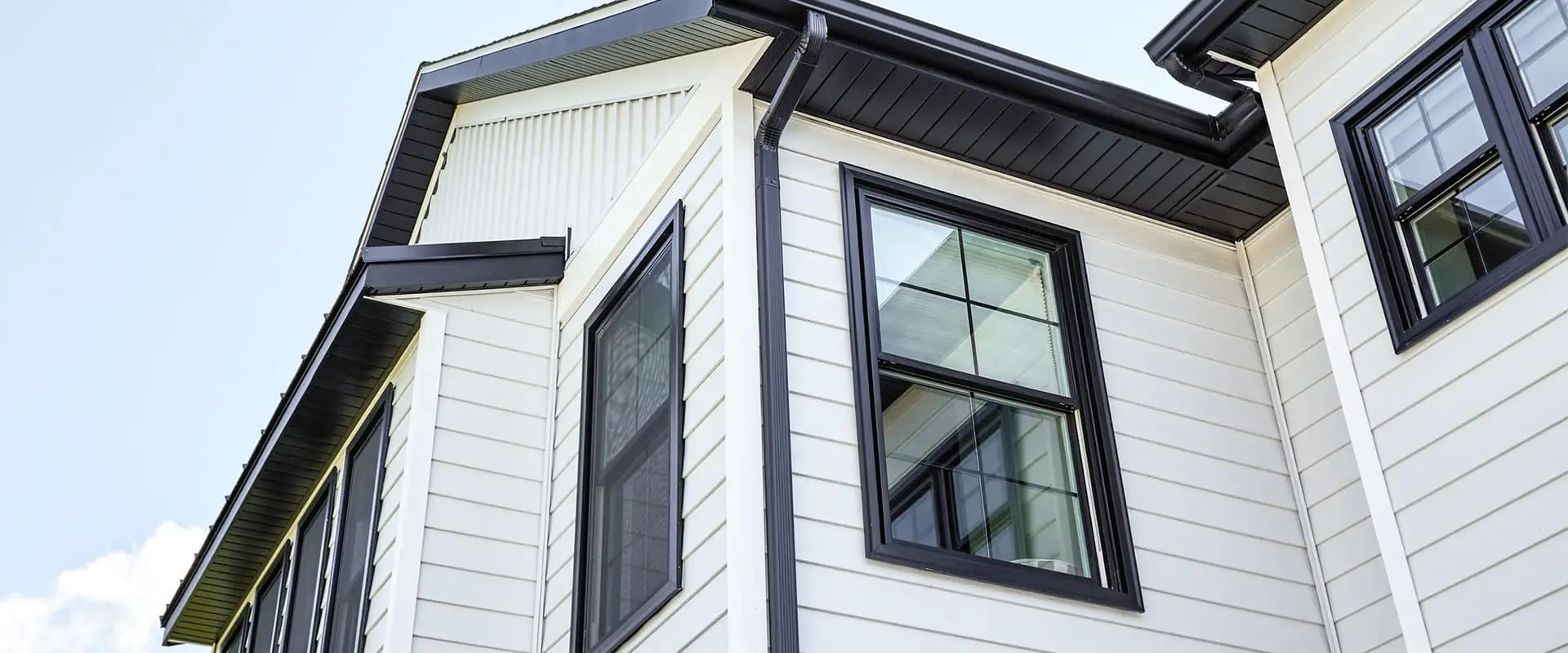
A high-performance window fitted badly performs worse than a mid-range window fitted properly, and the difference is invisible on the invoice. The details that decide it:
- Head flashing and sill pan. Downslope wind drives rain sideways here. Water that gets past the frame has to be caught and drained back out, and that is the sill pan’s job. Its absence is the single most common cause of rot under a window.
- Integration with the weather barrier. The flashing has to lap into the housewrap in the right order. Right materials in the wrong sequence is a leak on a schedule.
- Insulating and sealing the shim space without bowing the frame, which is how a brand-new window ends up not closing squarely.
- Interior air seal. The part that decides whether the room actually feels different, and the part most often skipped.
Because we hold a Class C general contractor license, when windows are part of a larger project we can sequence them correctly against siding — windows go in before cladding, so the flashing is integrated into the weather barrier rather than cut into finished siding afterwards. Doing it the other way round is one of the most reliable ways to create a leak that shows up two years later.
The System Behind the Work
Window projects generate a lot of small decisions – sizes, grille patterns, hardware finishes, which opening gets which product – and they are exactly the details that get misremembered between the showroom and installation day.
Two things make that possible, and they are the reason to choose us over a cheaper quote.
First, experience and scope. We have been working on Colorado’s Front Range since 2001, and we hold a Class C general contractor license (Colorado license #C120350) rather than a single-trade license. That is not a technicality: it means roofing, siding, windows, decks and outdoor living can run under one contract, with one project manager accountable for the flashings where those trades meet — which is precisely where multi-contractor projects leak, literally and figuratively. James Hardie has recognized us as an Elite Preferred contractor continuously since 2011, and as a President’s Club member — their highest contractor distinction nationwide. Our rating is 4.9 out of 5 from 552 verified reviews. Alongside that license we hold manufacturer certifications from James Hardie (Elite Preferred since 2011), GAF (Master Elite), Pella, TimberTech and Deckorators, and we have been named a Qualified Remodeler Top 500 contractor three years running — all of it listed, with the issuing body for each, on our awards and credentials page.
Second, a proprietary on-demand client portal we built ourselves. Most of what people hate about a remodel is not the construction. It is not knowing — who to call, whether the permit went in, when material arrives, what has been paid, whether it passed inspection. We built a system to remove exactly that, and as far as we know no other exterior contractor in this market offers it:
Every conversation in one place
Messages, decisions and change requests are logged against your project rather than scattered across texts, voicemails and three different crew members’ phones.
Contracts and scope, always retrievable
Your signed contract and itemized scope live in the portal, so “what did we actually agree to?” is a thing you look up rather than a thing you argue about.
Permit status you can see
Where the permit is in the process, and when inspections are scheduled — without having to phone anyone to find out.
Delivery and install schedules
When material lands and when each trade starts, so you can plan around the work instead of waiting for a truck to appear.
Before, during and final photography
Documented condition before we start, progress images through production, and final photography — including the parts of the building you will never see again once it is closed up.
Payments tracked per trade
What is paid and what is outstanding, broken out by trade rather than as one running balance you have to reconcile yourself.
Inspection records
Each inspection and its result, recorded against the project and available when you sell the house and someone asks.
Access is an individual, custom URL issued to you — and you get it when we start talking, at the lead and project meeting, not after you sign something. That is deliberate: you can see how we run a project before you commit to one. It then stays available after the work is finished, which matters more than it sounds, because the documentation, images and inspection records are exactly what a buyer’s agent, an appraiser or an insurer asks for years later.
Where We Work in Cherry Hills Village, Colorado
Cherry Hills Village sits in Arapahoe County in Denver’s south metro — bordered by Englewood and Denver to the north and west, Greenwood Village to the east, and Littleton and Centennial to the south. We cover the whole Village for replacement windows and doors.
- Old Cherry Hills
- Cherry Hills Park
- Cherry Hills Farm
- Buell Mansion
- Devonshire
- Glenmoor
- Charlou Park
- Cherryridge
- Cherry Hills North
- Blackmer Hills
- The Reserve
Three separate places in this metro carry a similar name, and almost everyone mixes them up. Cherry Hills Village is its own incorporated municipality in Arapahoe County. Cherry Creek Village is a neighborhood inside the separate city of Greenwood Village. Cherry Creek is a neighborhood of the City of Denver. We work in all three. The reason to know which one you are in is entirely practical: each is a different permit authority, so it changes who reviews your project and how long that takes.
We also work across the rest of the south metro — Greenwood Village, Englewood, Littleton, Centennial, Glendale and the City of Denver.
Nearby Cities We Also Serve
If you are just outside Cherry Hills Village or weighing up more than one property, we also install replacement windows in:
Get a Cherry Hills Village Window Quote
We will measure every opening, tell you which permit path your project is actually on before you choose a product, and be straight with you about which windows are worth replacing now and which can wait.
Request Your Free Estimate → 📞 (303) 776-5263
Prefer email? Reach us at office@nlexteriors.com. Ask about financing options when we walk the property.
Cherry Hills Village Windows — Frequently Asked Questions
Do I need a permit to replace windows in Cherry Hills Village?
Yes, and which kind matters enormously. The Village’s published Exterior Remodel Requirements state that like-for-like replacement of windows and doors requires a building permit but does not require plan review. However, installing a new window opening or resizing an existing one triggers a full Exterior Remodel permit that does require plan review, along with a scaled site plan. The Village allows up to 10 business days per review cycle and Planning approves before Building and Civil review, so enlarging one opening can add weeks. We identify which path you are on before you choose a product.
My windows are foggy between the panes. Do I need to replace the whole window?
Not always. Fogging means the insulated glass unit’s seal has failed and the gas fill is gone, but the frame and sash are often still sound. On many units the glass unit alone can be replaced at a fraction of the cost of a full window. Whether that is worth doing depends on the age and condition of the frames and how many units are affected. We will tell you when the cheaper repair is the right call.
What window frame material is best for Cherry Hills Village?
For most of these houses, fiberglass or aluminum-clad wood. Fiberglass expands and contracts at close to the same rate as glass, so seals survive Front Range freeze-thaw, and it is strong enough for slim frames on large openings — which matters on the window walls and big fixed glass common here. Aluminum-clad wood is the right answer when the interior wood is part of the architecture. Vinyl is genuinely fine on secondary elevations, but its frames get bulky on large openings, which is exactly where you least want them.
Will new windows actually lower my heating bill?
They help, and on single-glazed or failed double-glazed units they help a lot — but we would rather set the expectation honestly. On many houses the bigger losses are an uninsulated rim joist, thin attic insulation or an unsealed attic hatch, and those cost far less to fix. Where windows genuinely are the problem, the comfort difference near the glass is usually more noticeable than the change in the bill. We will tell you if we think your money is better spent elsewhere first.
Can you replace windows and side the house at the same time?
Yes, and if you are doing both, this is the correct order: windows first, then siding. Window flanges and head flashing belong behind the siding weather barrier, so installing windows after new cladding means cutting back into that barrier at every opening — one of the most reliable ways to create a leak that appears two years later. Because we hold a Class C general contractor license, both trades run under one contract with one project manager responsible for the flashing where they meet.
Do you replace patio doors and large sliding doors too?
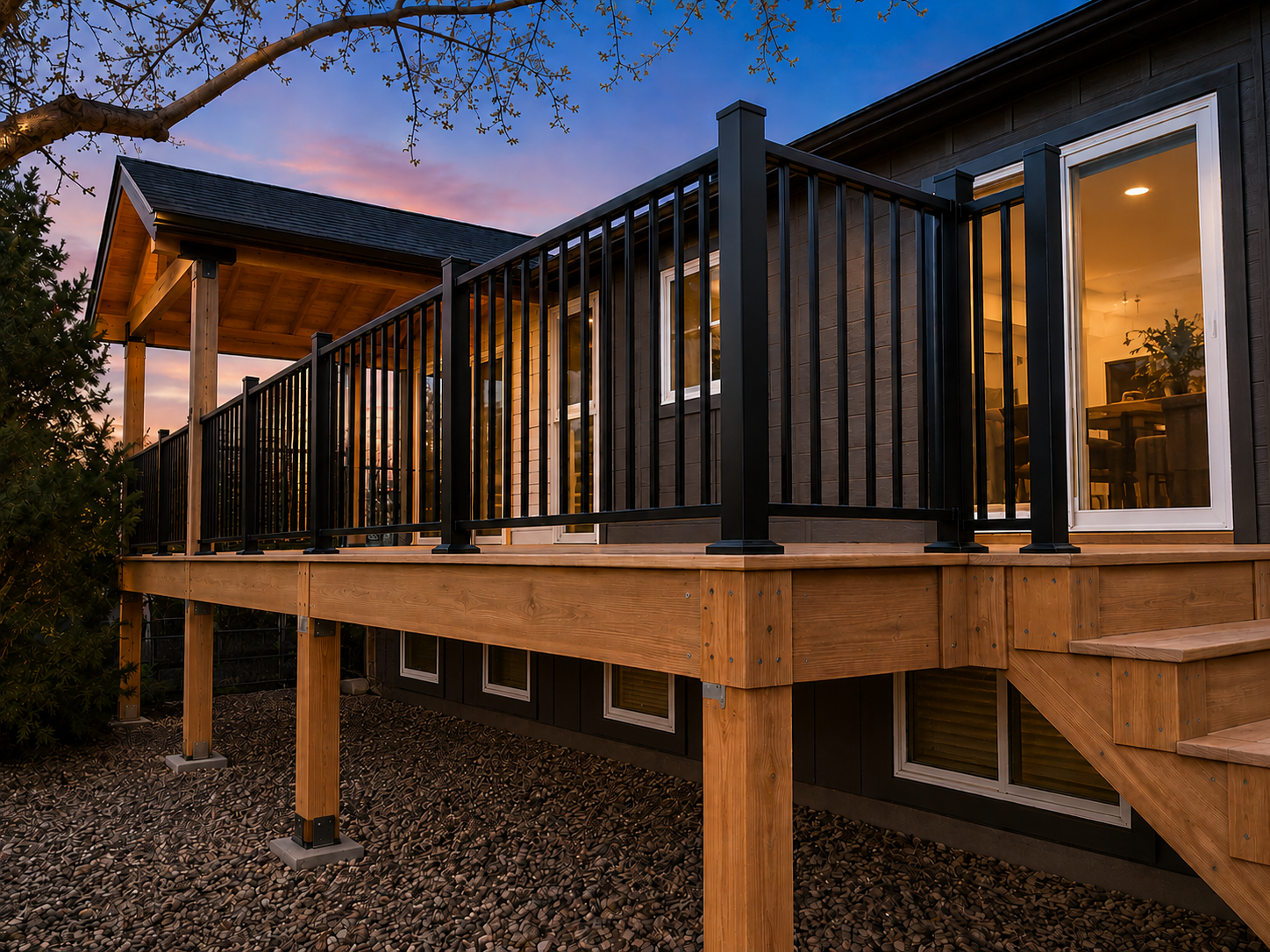
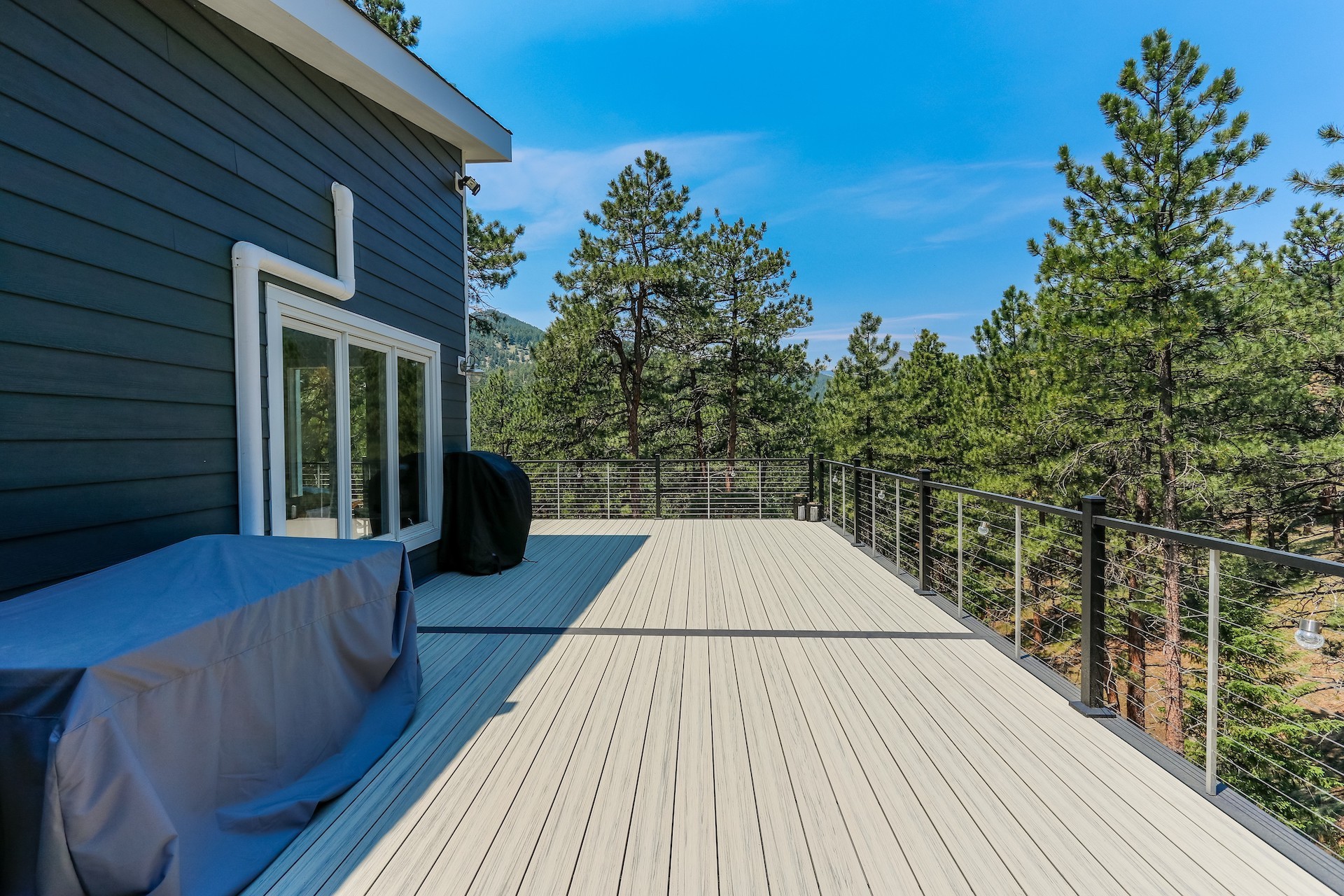
Yes — sliding and hinged patio doors, French doors and multi-panel systems. Large door openings are worth extra attention here because they take the most weather and the most use, and because the sill detail is doing more work than on a window. If a patio door opens onto a deck or patio cover, the threshold flashing and the deck ledger detail interact, which is another argument for one contractor rather than two.
How long do replacement windows take from order to install?
The install itself is usually days rather than weeks. The lead time is the product: custom sizes, specific finishes and clad or specialty units can take considerably longer than stock. Add the permit — fast if your job is like-for-like, considerably slower if any opening is being resized. We give you the realistic combined timeline up front rather than the install duration alone, because the install duration is not the number you actually care about.
Does my HOA need to approve new windows?
Quite possibly. Cherry Hills Village contains dozens of named subdivisions and many have their own association with authority over exterior appearance — frame color, grille pattern and material. The City is explicit that it does not enforce HOA requirements, so this is a separate approval running in parallel with the permit. We prepare the submittal package and start it at contract signing, because a committee that meets monthly is often the longest pole in the schedule.