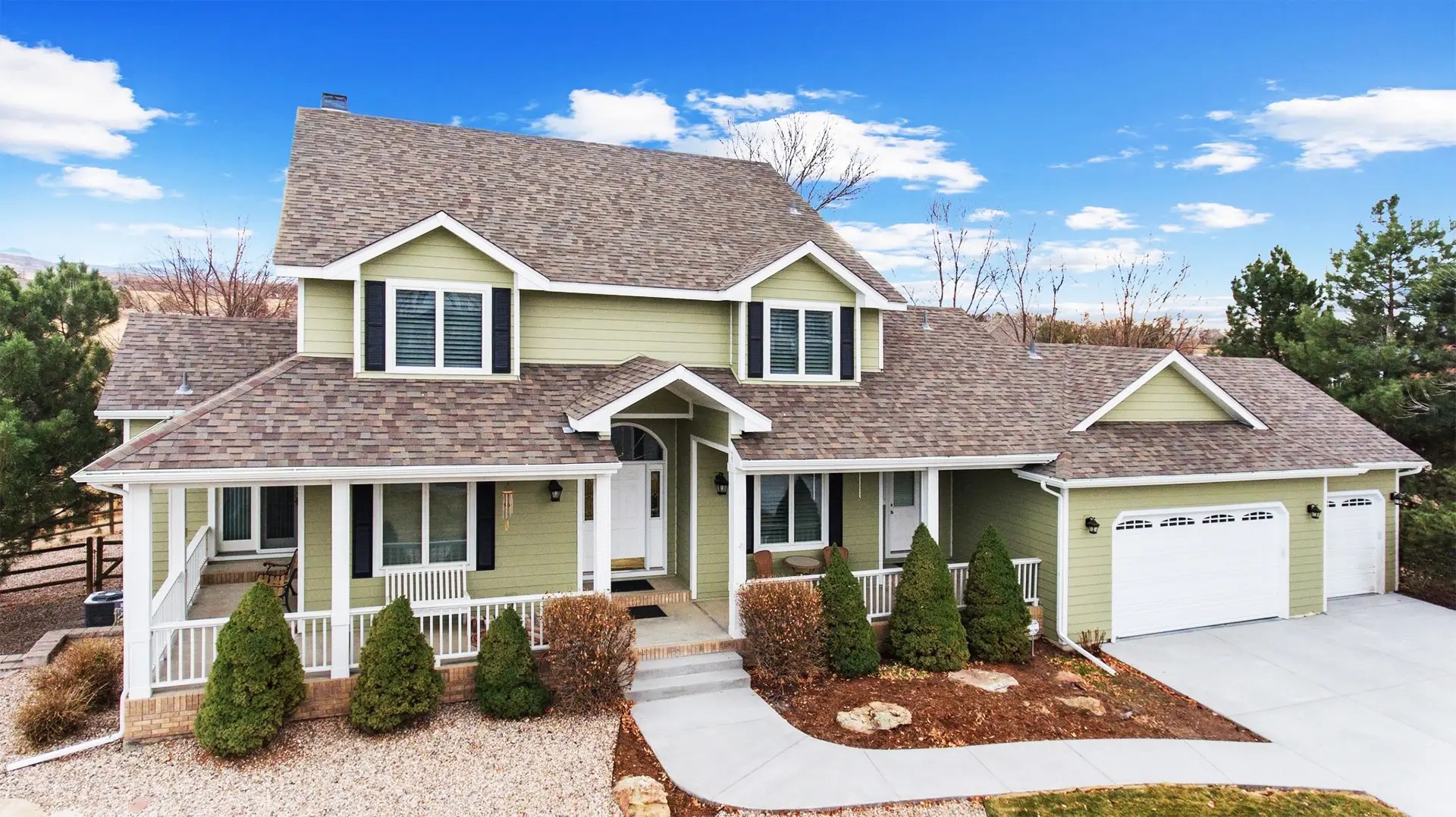
Louisville, CO · Roofing Contractor Since 2001
Roofing Contractors in Louisville, CO — Class A Roof Systems, Hail & Wind Damage
Roof replacement and storm-damage repair in Louisville, Colorado. Class A fire-rated assemblies, ember-resistant venting and wind-uplift detailing built for a town that gets hail in summer and 100 mph downslope gusts in winter.
Get Your Free Estimate → 📞 (303) 776-5263
Quick Answer: Who Replaces Roofs in Louisville, CO?
Northern Lights Exteriors has been replacing and repairing roofs across Louisville, Colorado (ZIP 80027, Boulder County) since 2001. We handle full roof replacement, storm and hail damage repair, insurance claim documentation, and ember-resistant venting and eave work — across Old Town, Coal Creek Ranch, Takoda, Steel Ranch, North End and Centennial Valley.
Louisville roofs face two different storms. In summer it is Front Range hail, which is an impact and insurance problem. In winter it is downslope wind — the same pattern that drove the Marshall Fire routinely produces gusts that strip poorly fastened shingles and lift ridge and rake edges. Those two threats want different things from a roof, and a quote that only talks about hail is only solving half of it.
We are a Class C General Contractor, not a roofing-only outfit. When a tear-off exposes rotted decking, bad flashing at a roof-to-wall transition, or venting that will not pass, we correct it under one license.
25+ Years in Colorado • GAF Master Elite Contractor • Louisville Licensed & Insured (Class C) • Storm Damage & Insurance Claim Specialists • Hundreds of 5-Star Reviews
Looking for more than Roofing?
See Louisville Exterior Remodeling Projects →
Visit our Louisville Exterior Remodeling hub for siding, windows, decks, commercial services and more.
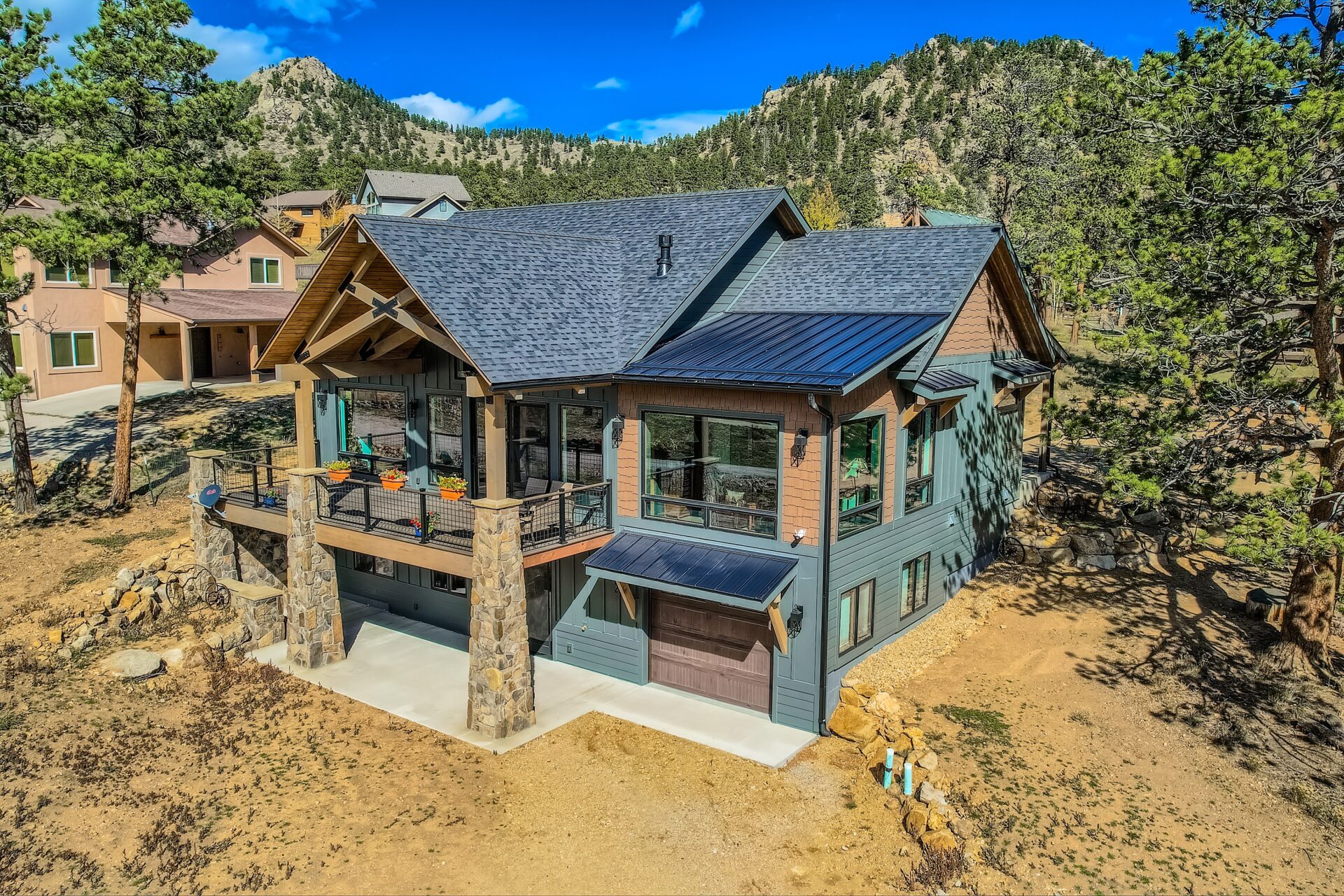
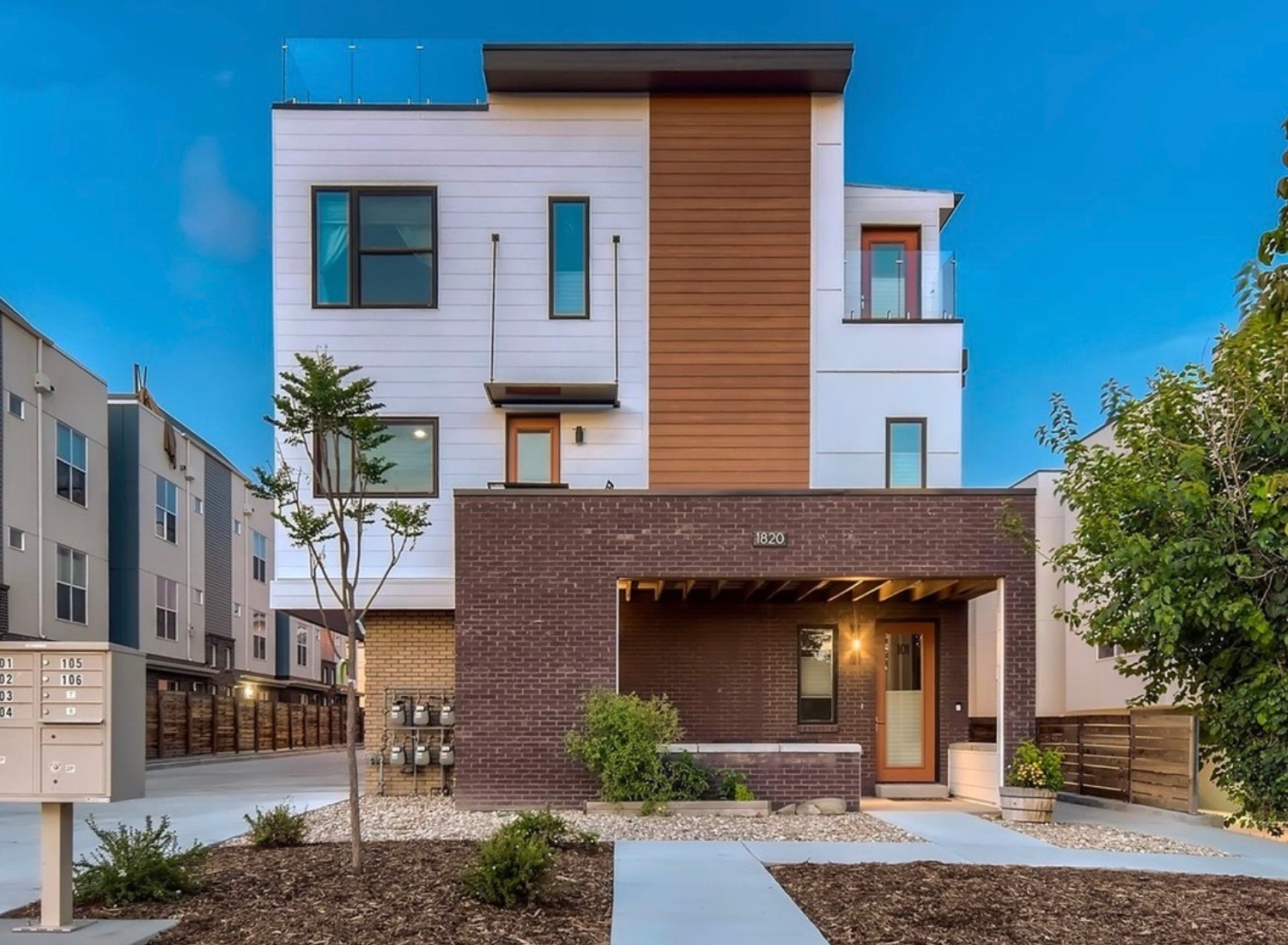
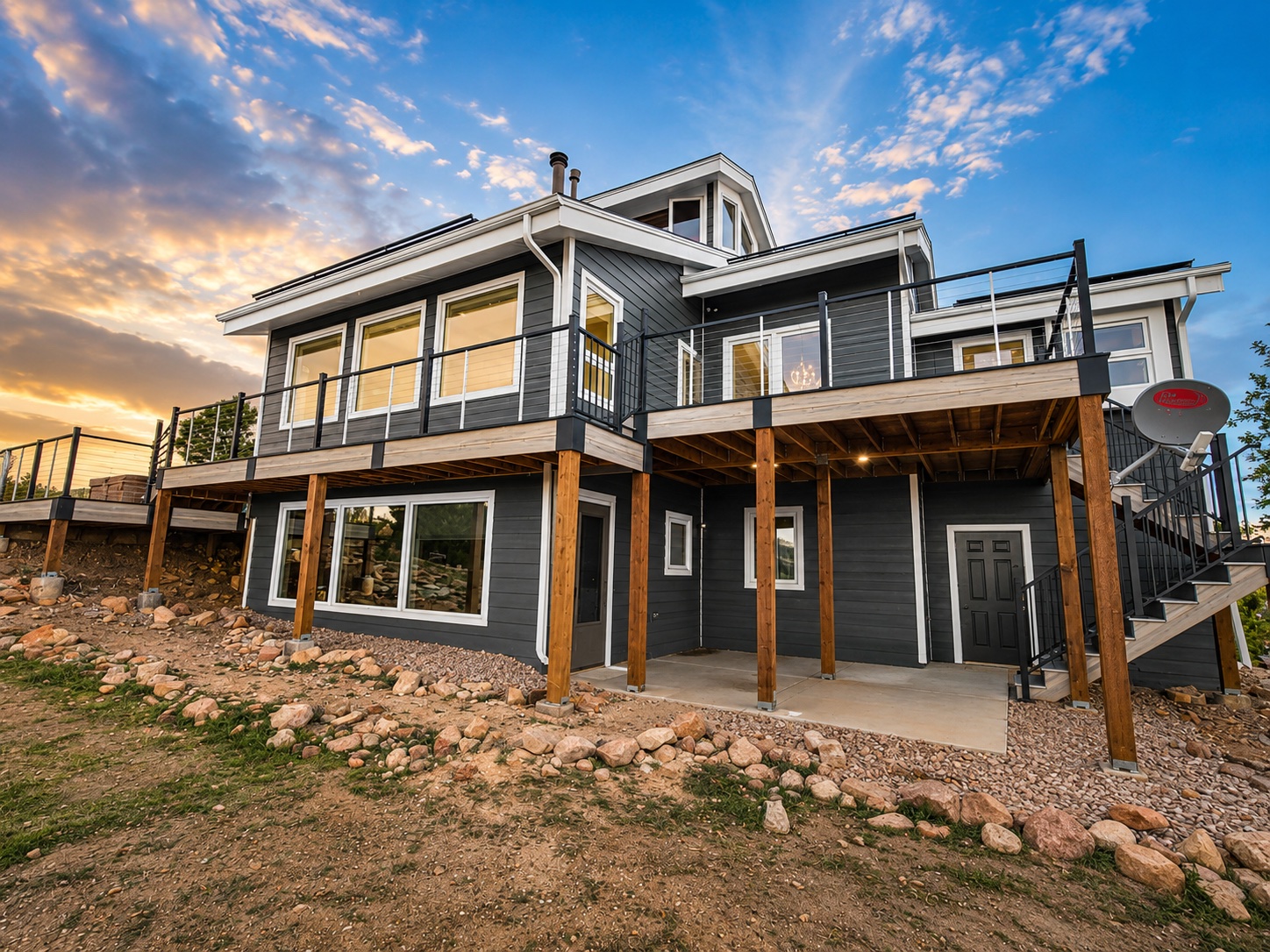
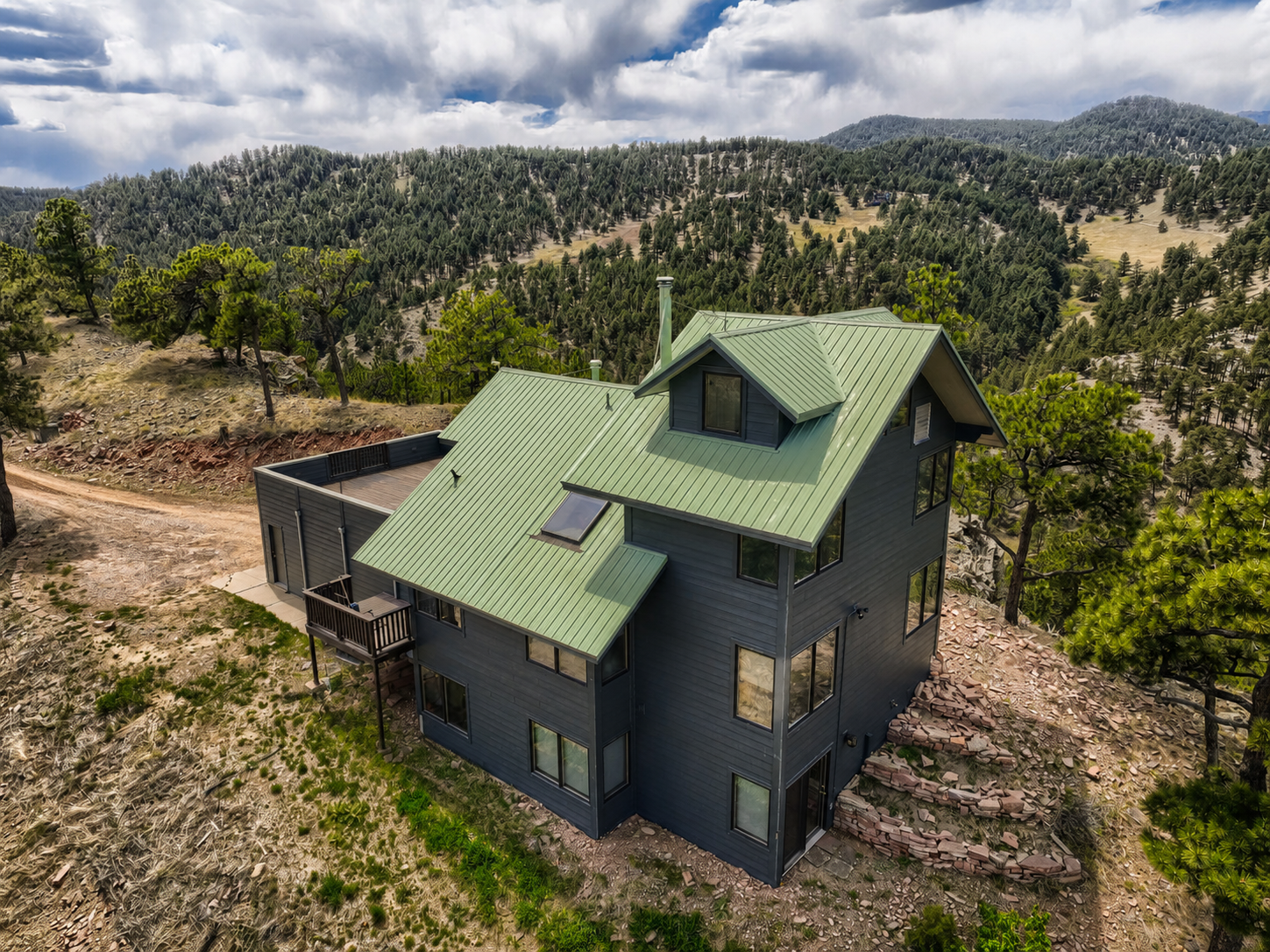
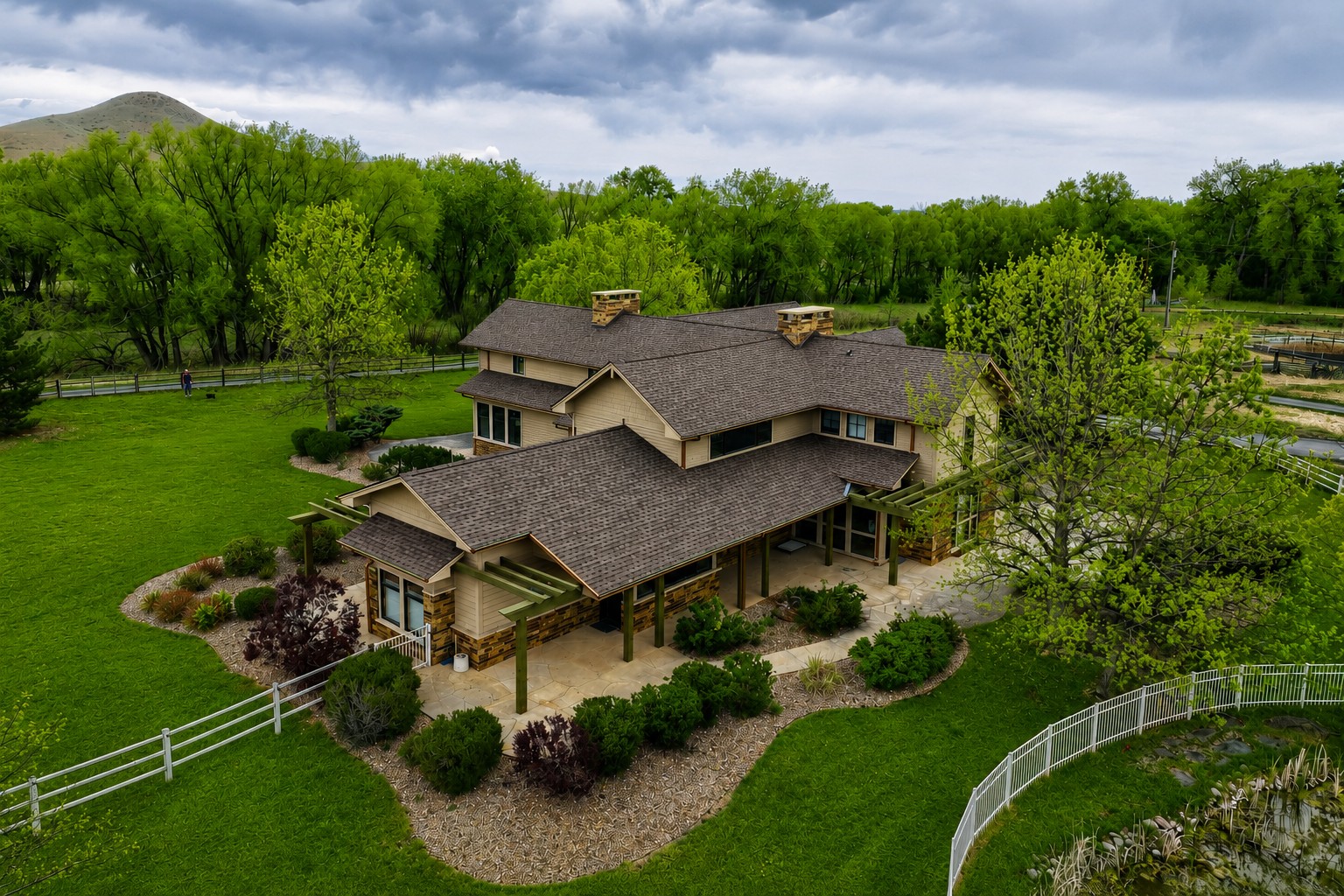
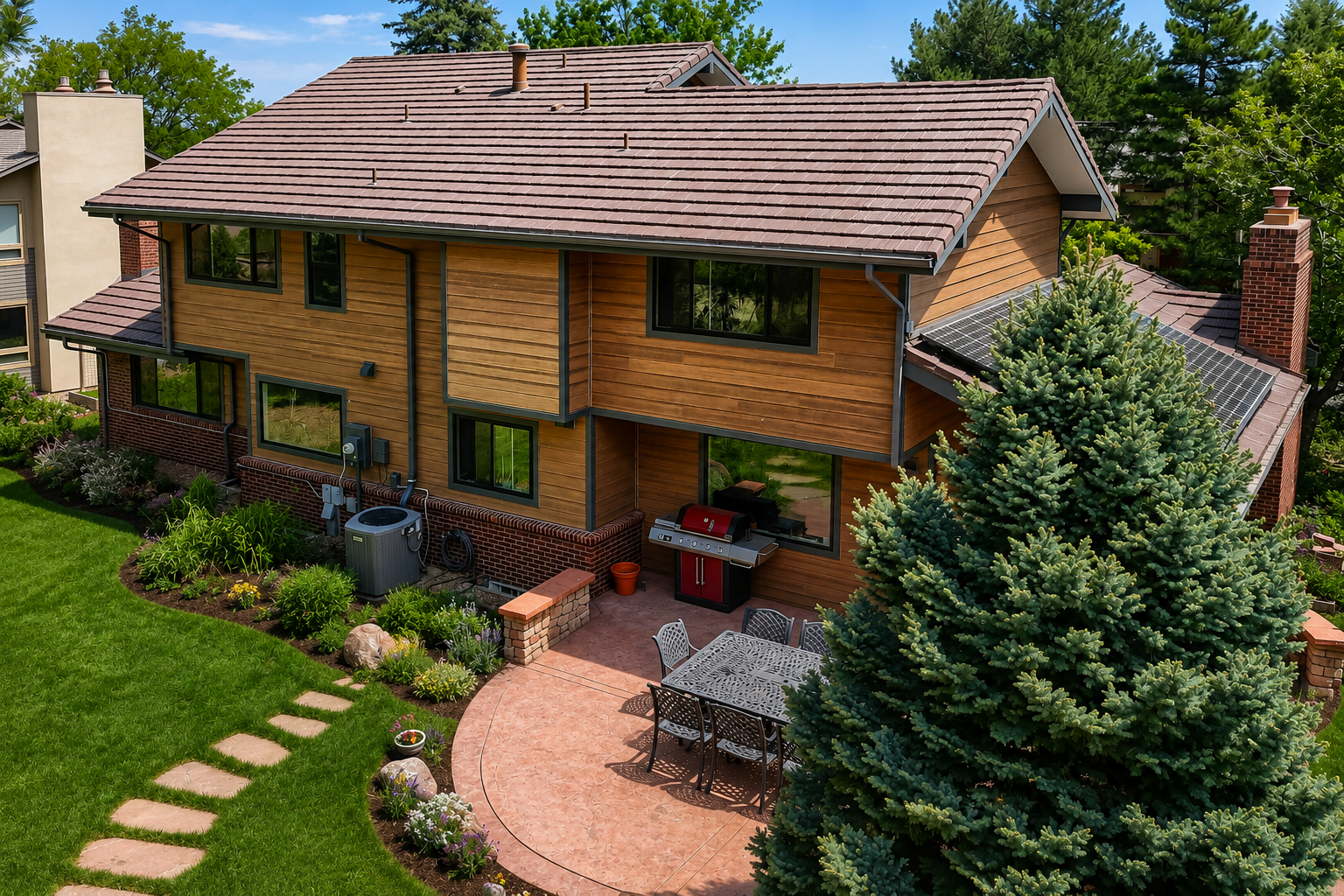
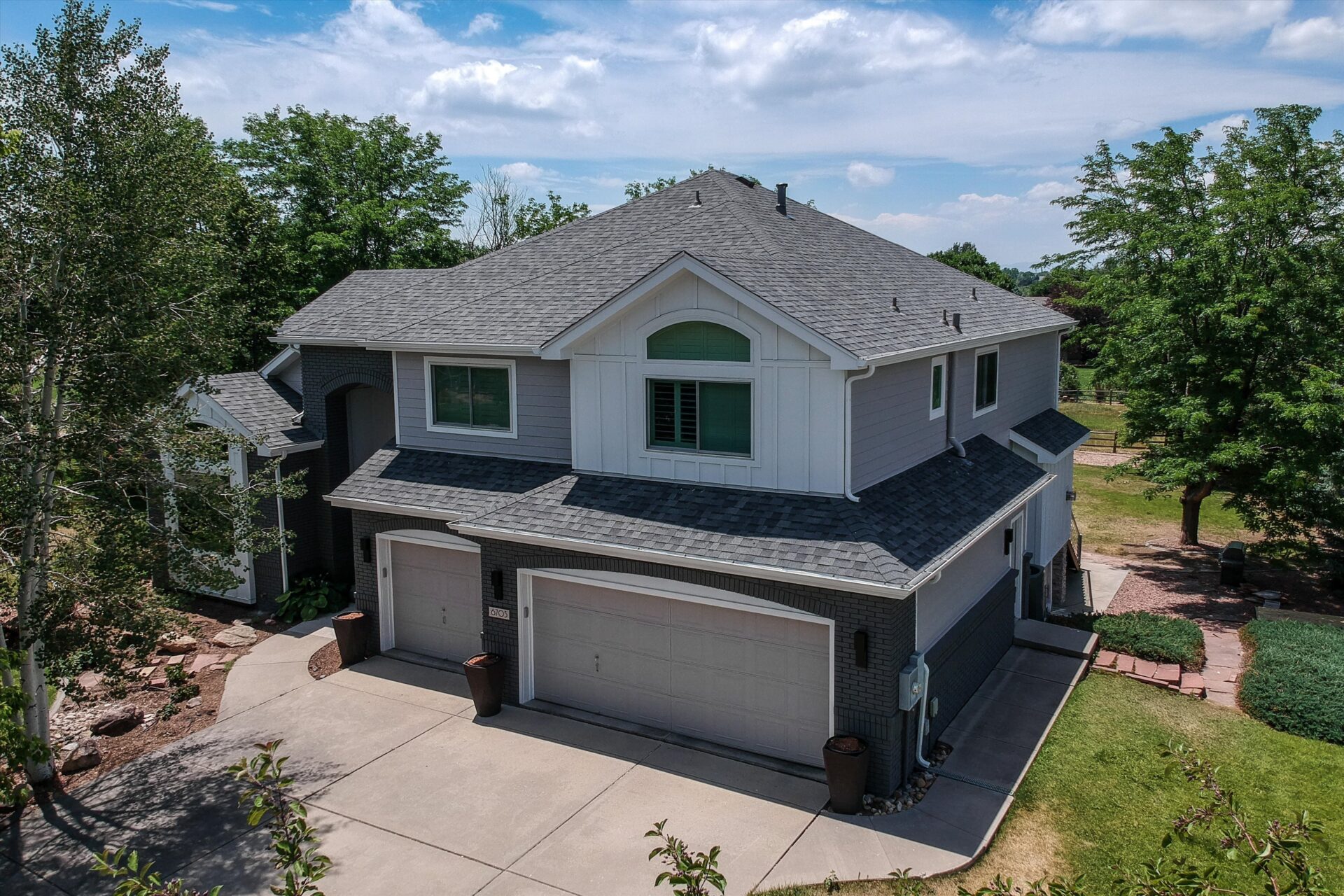
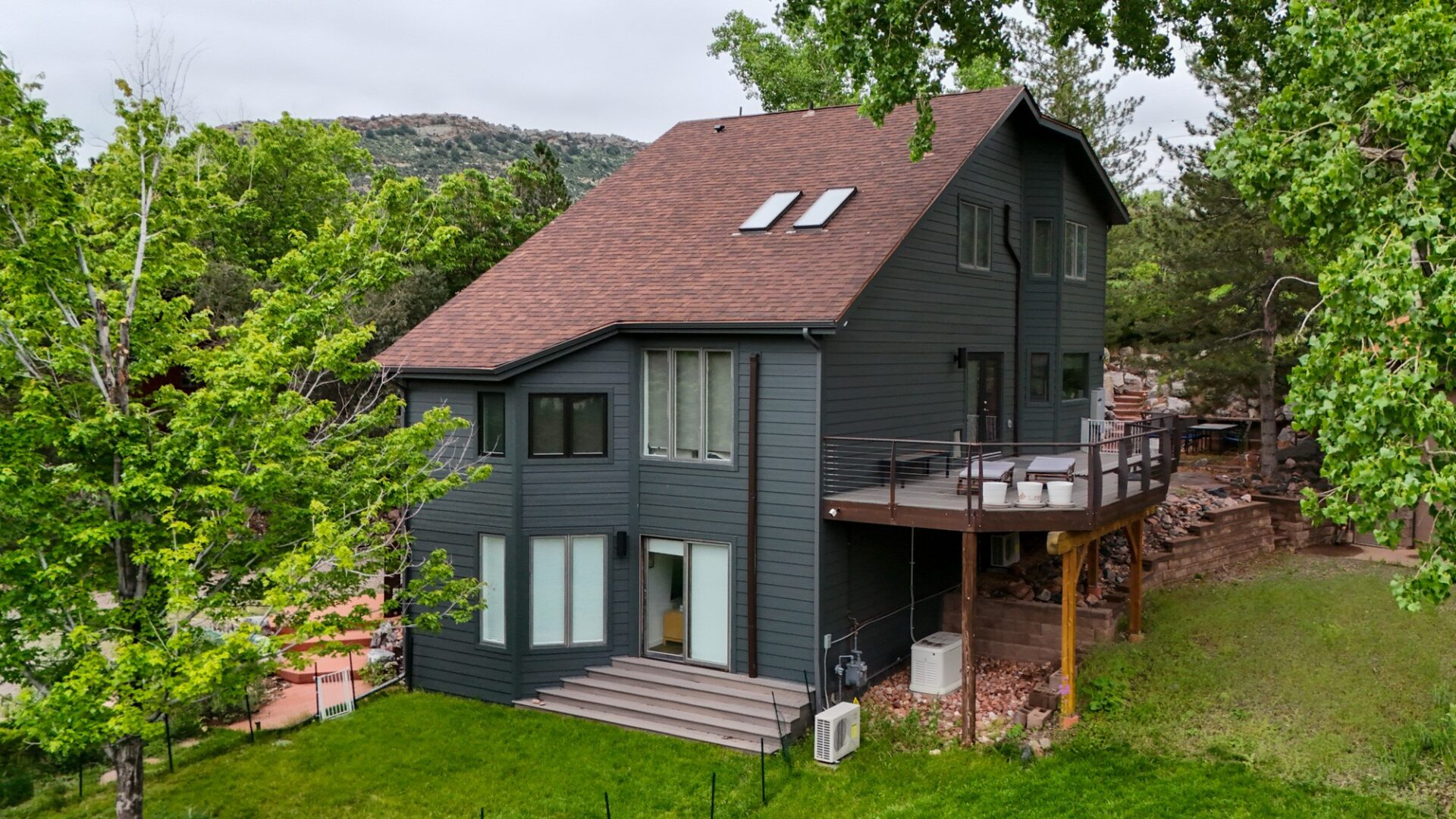
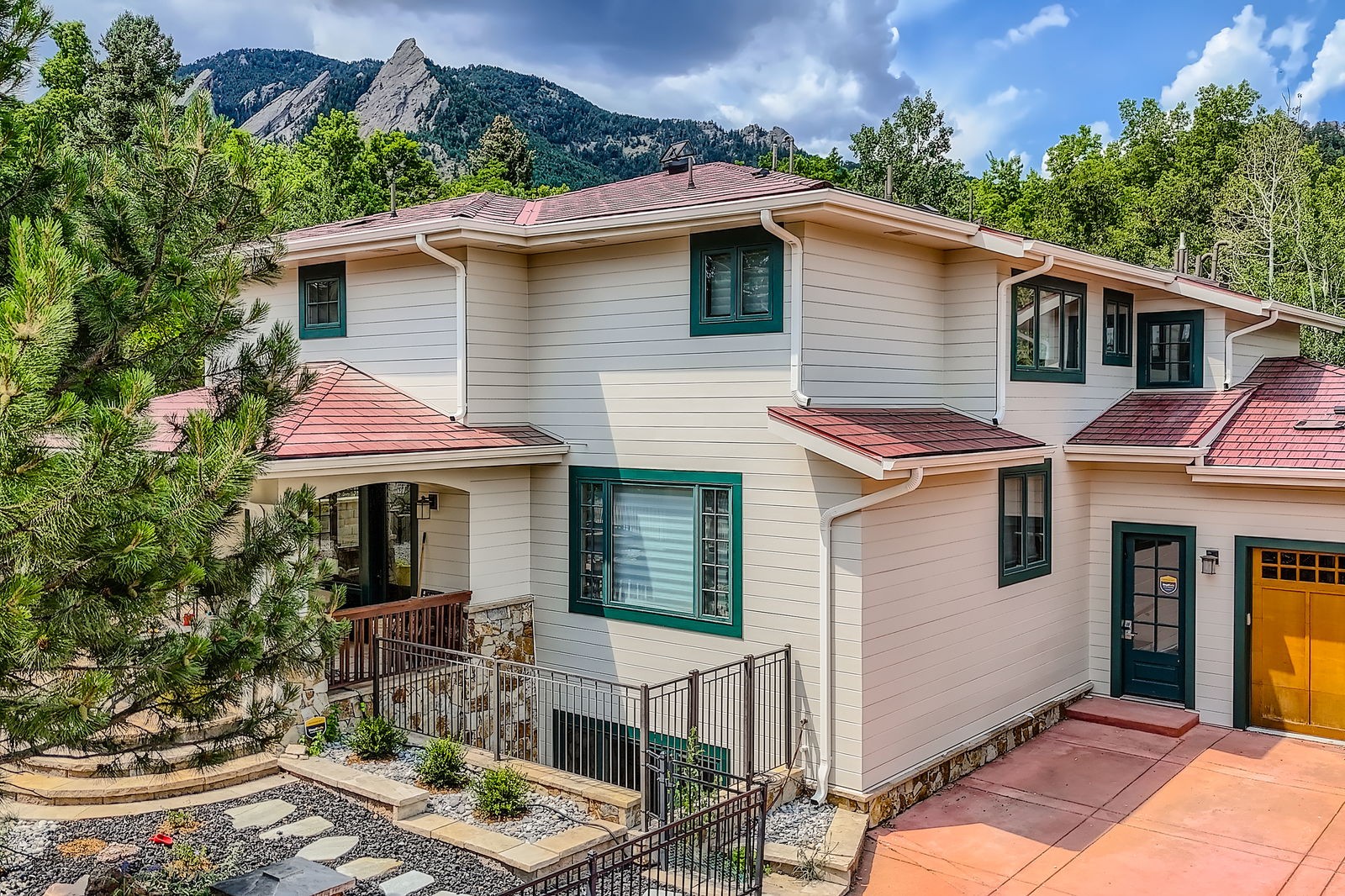
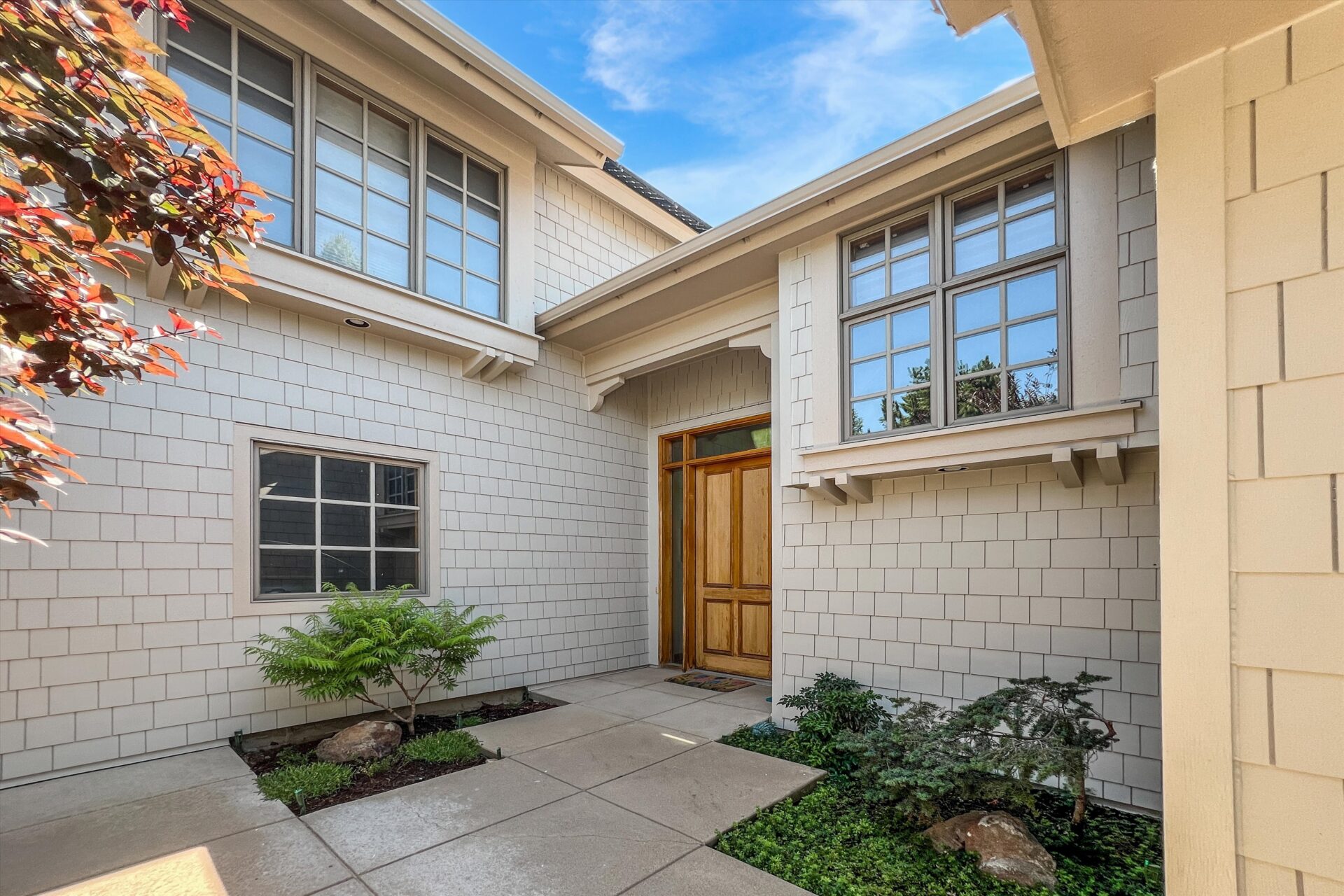
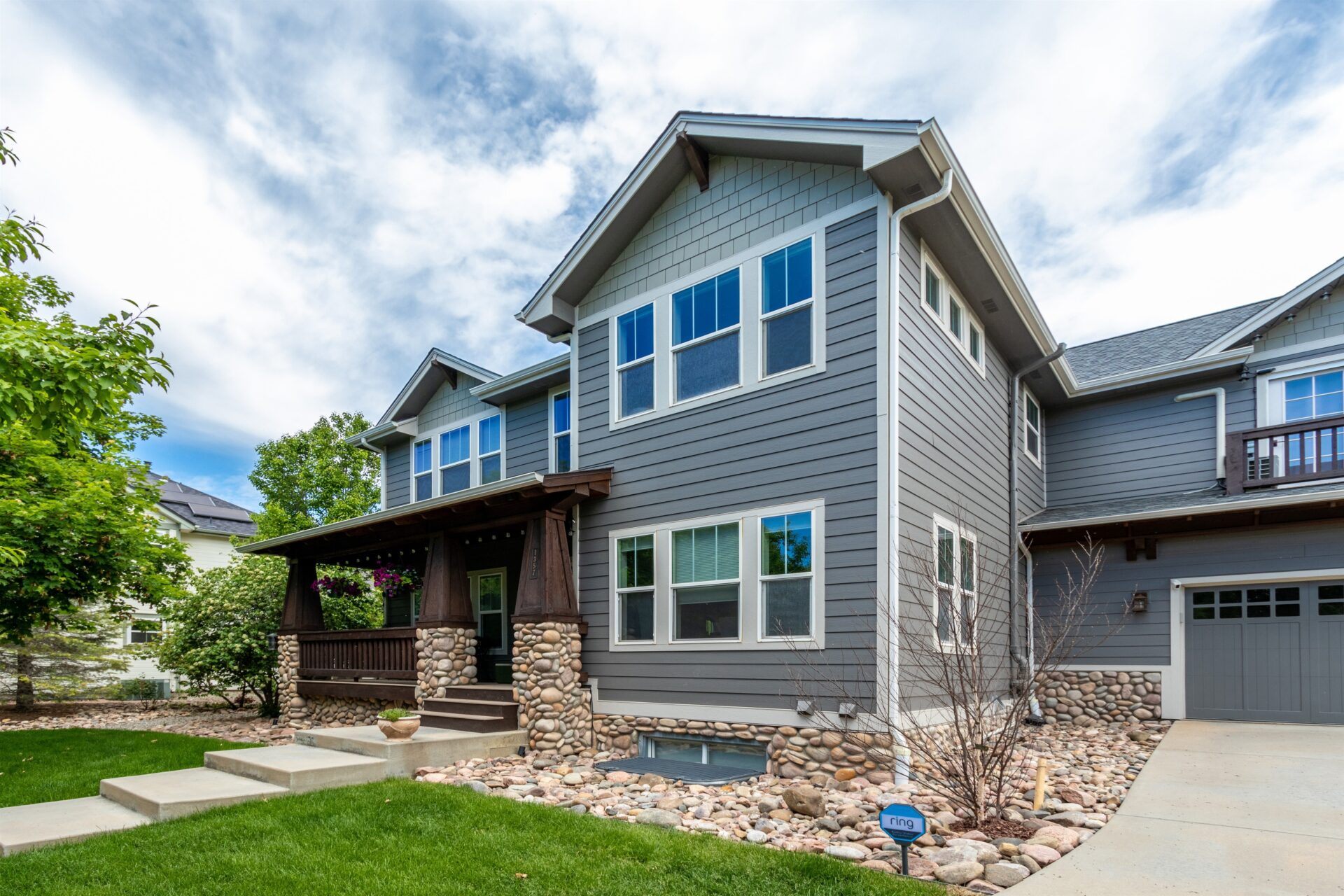
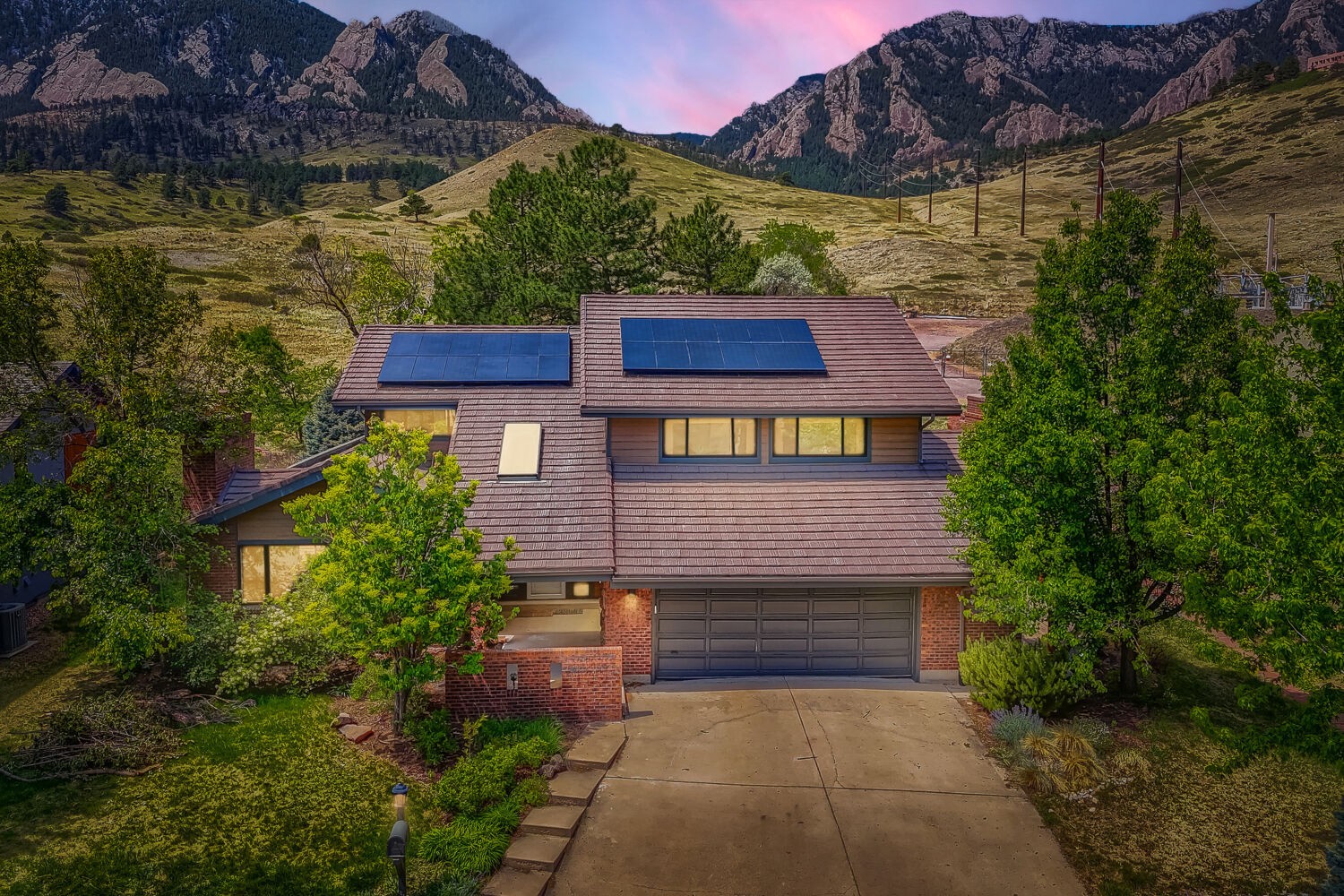
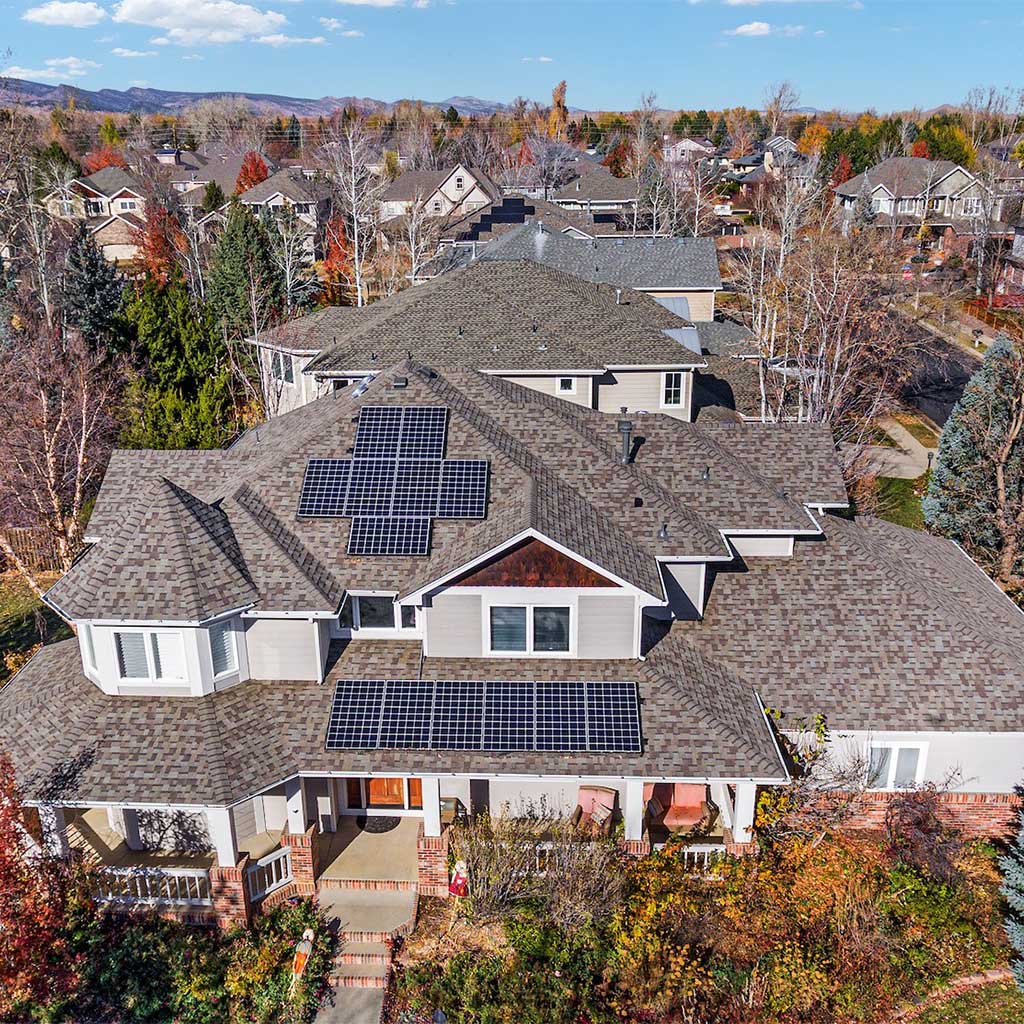
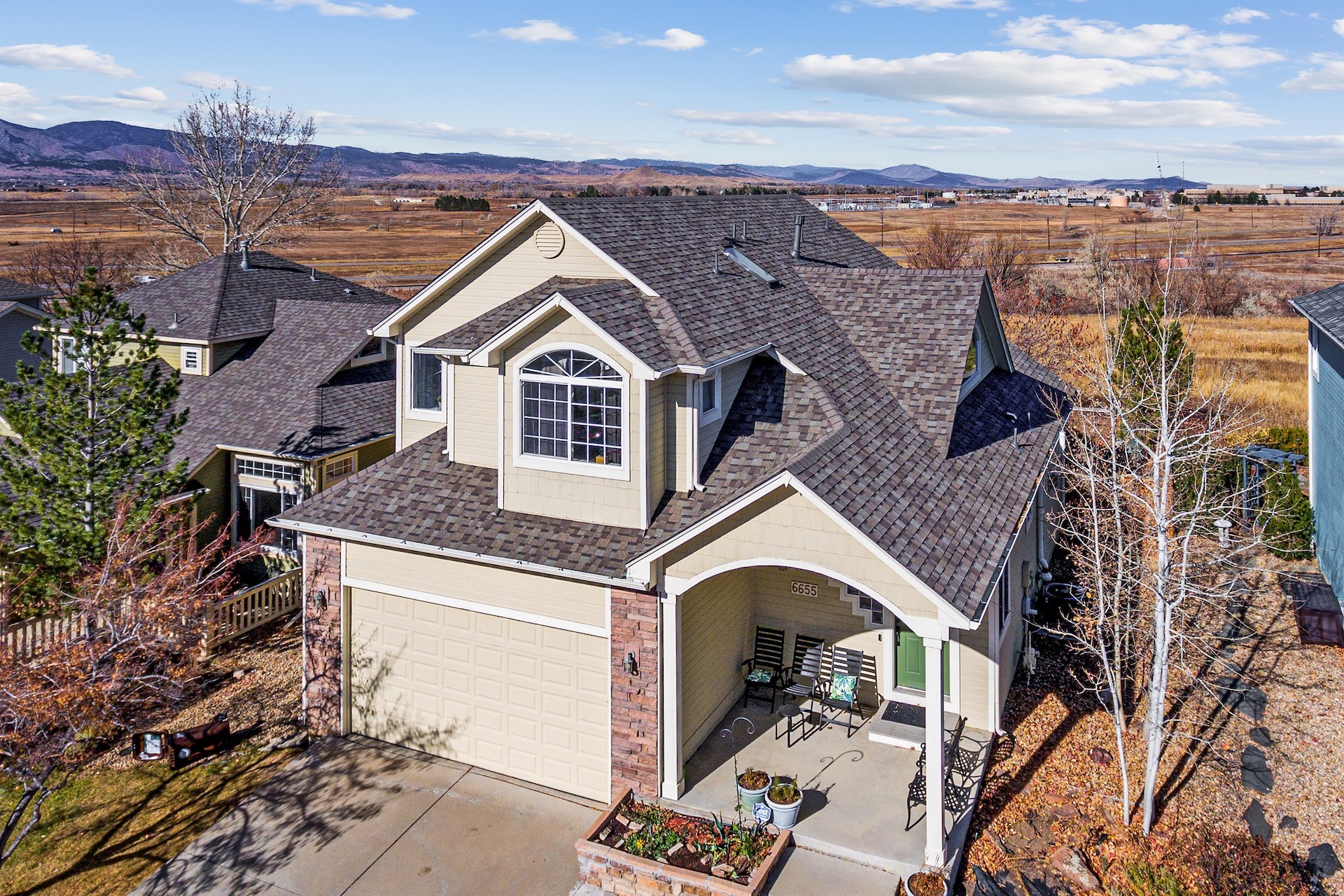
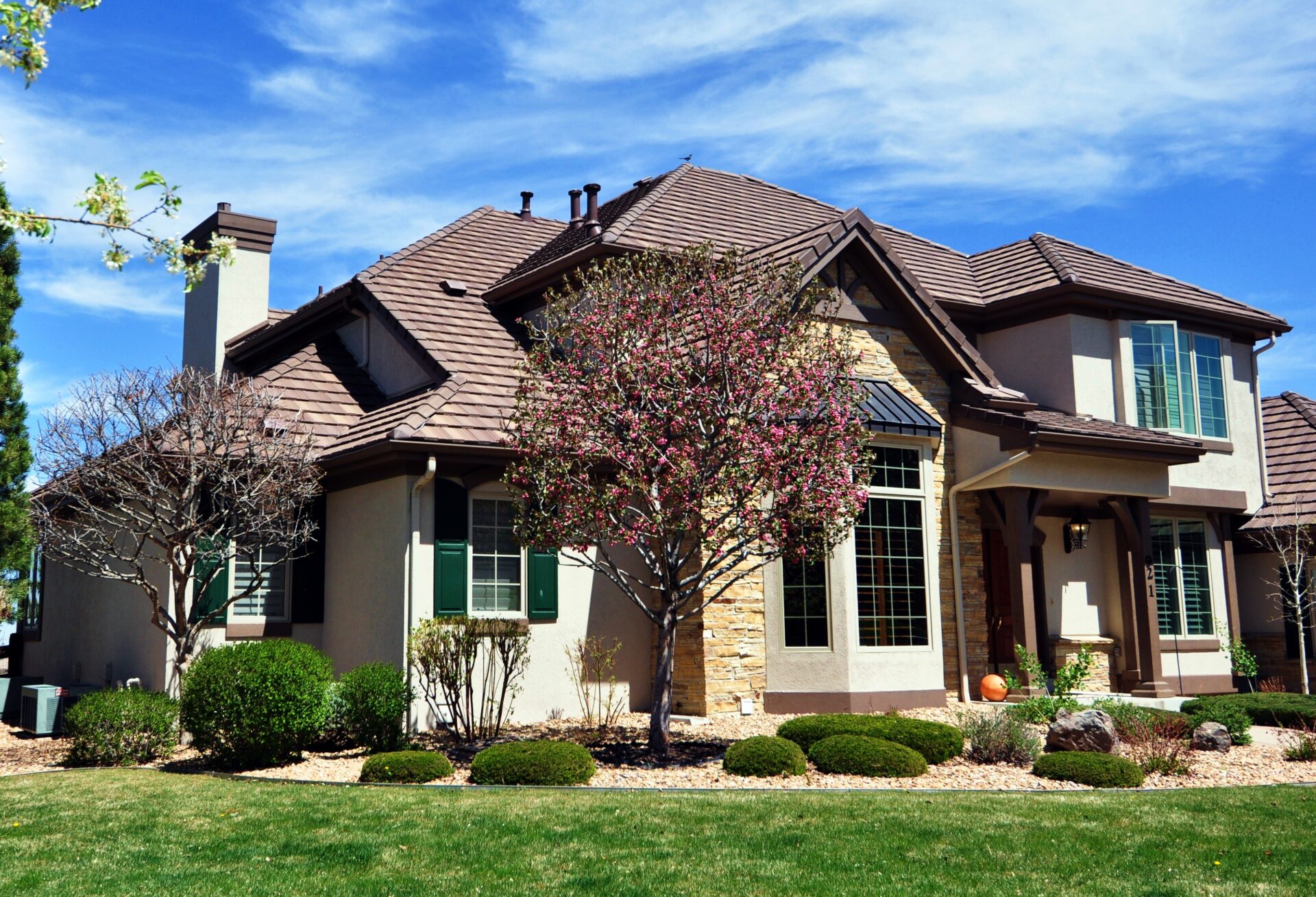
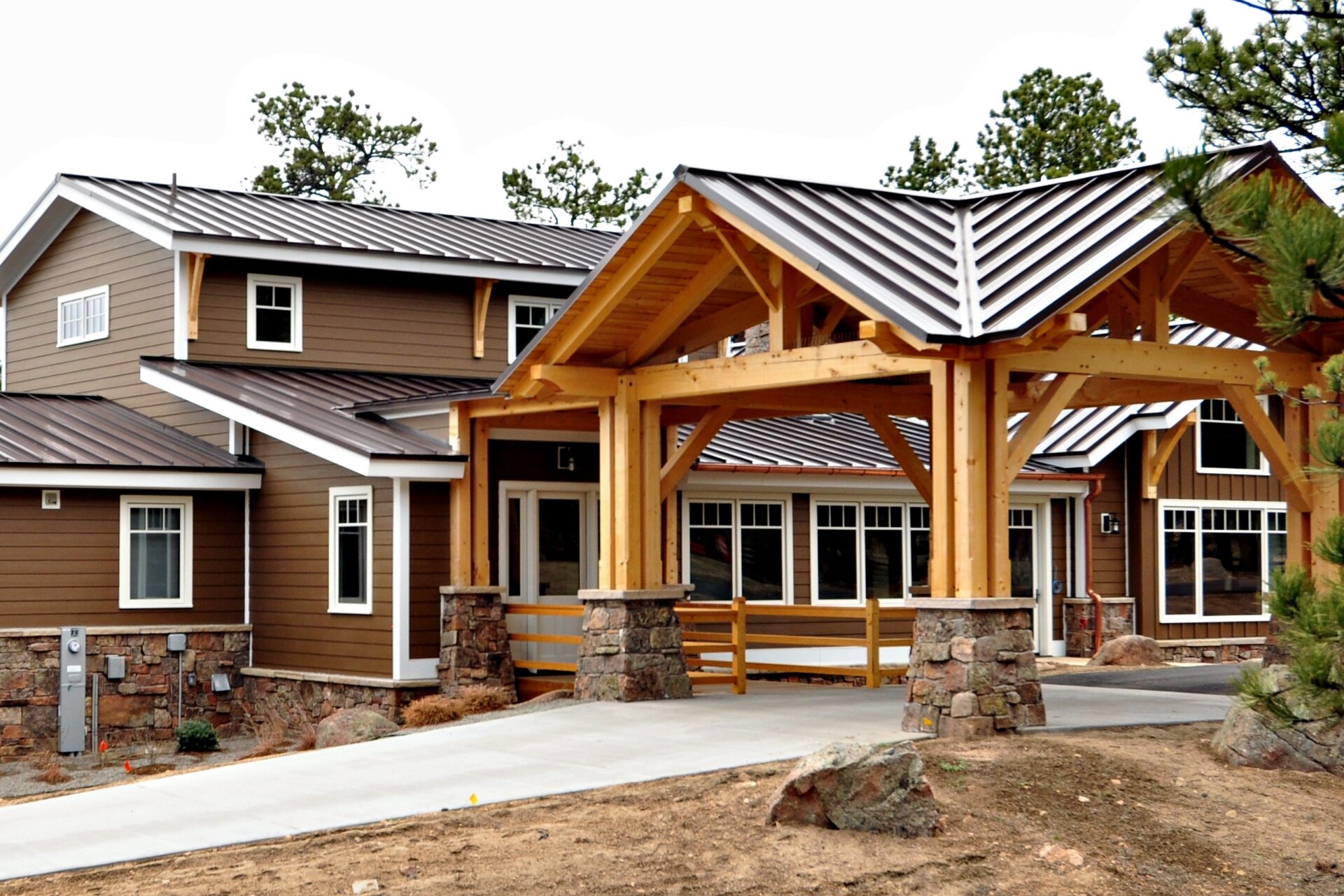
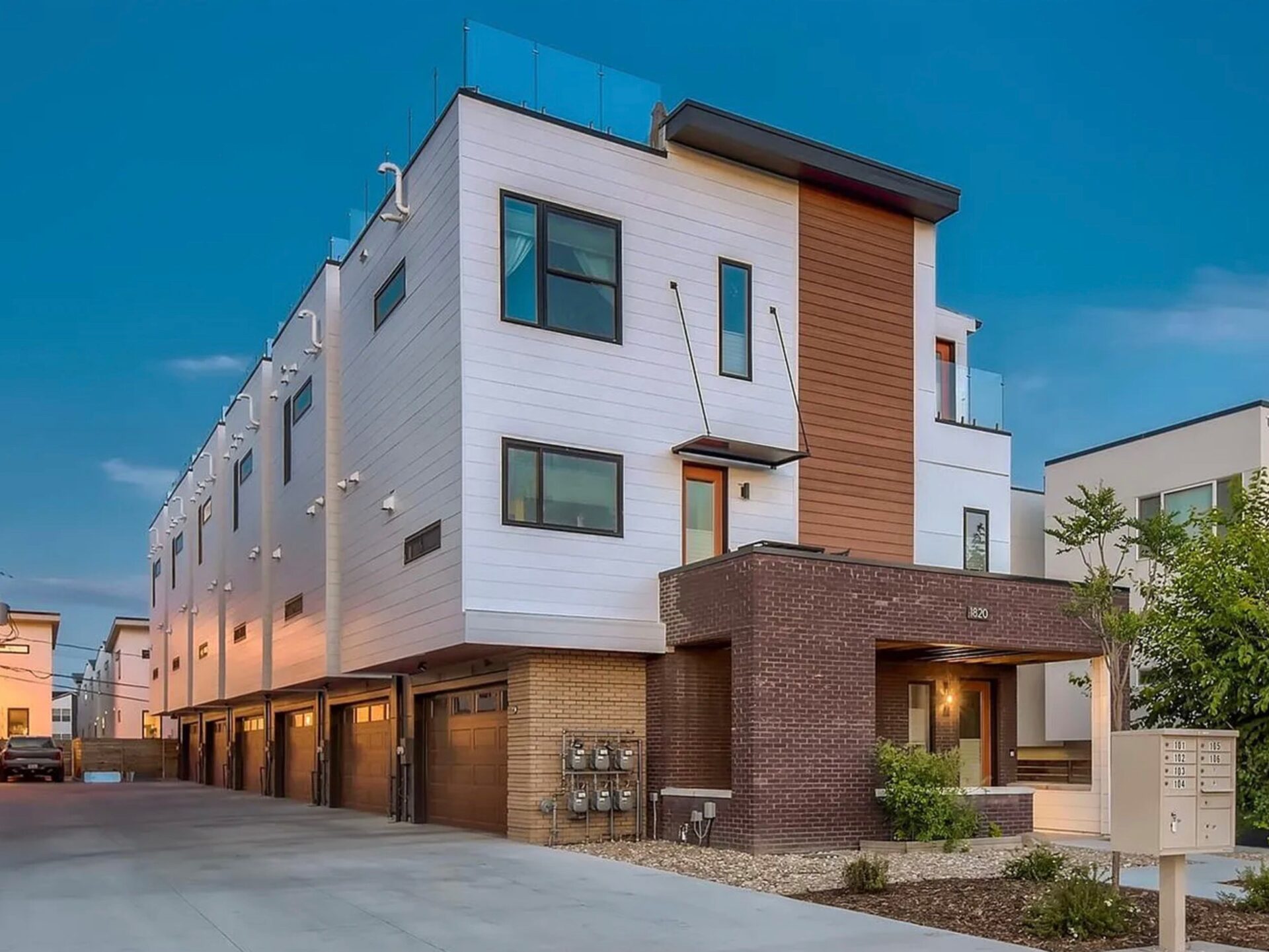
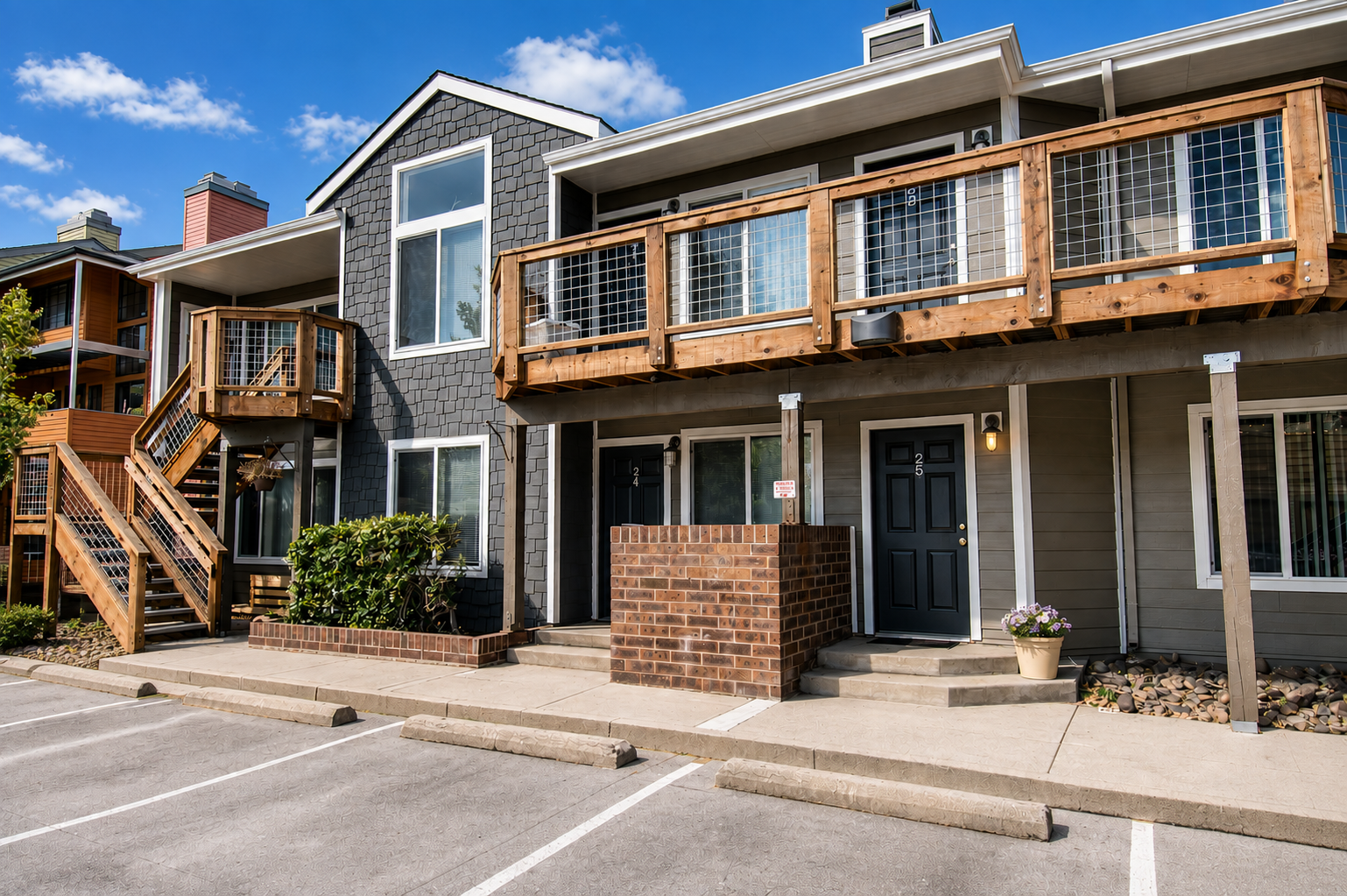
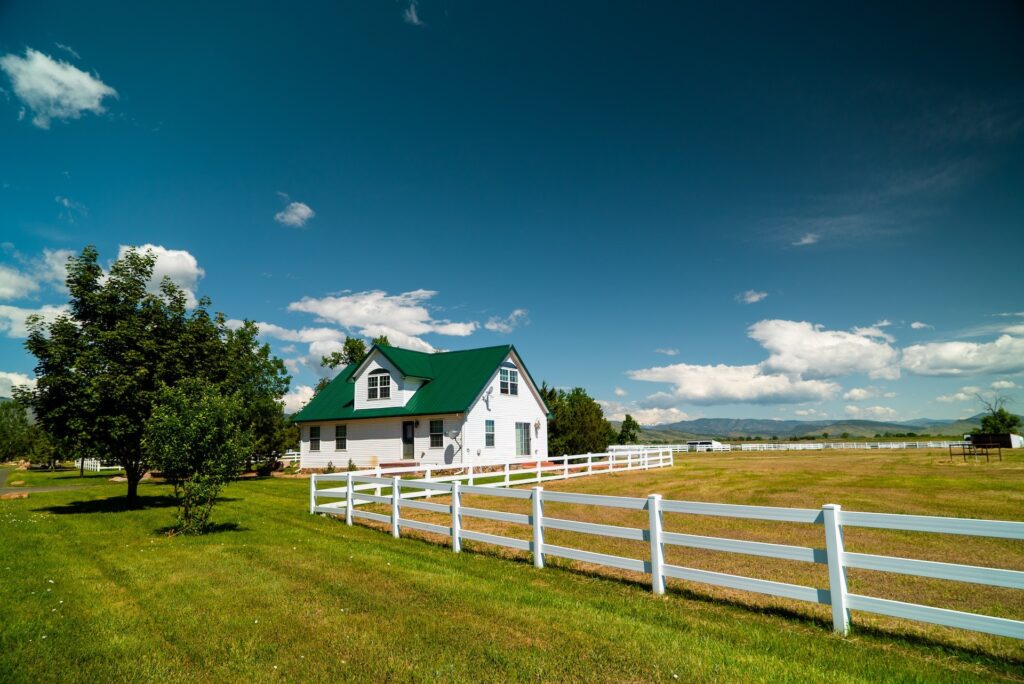
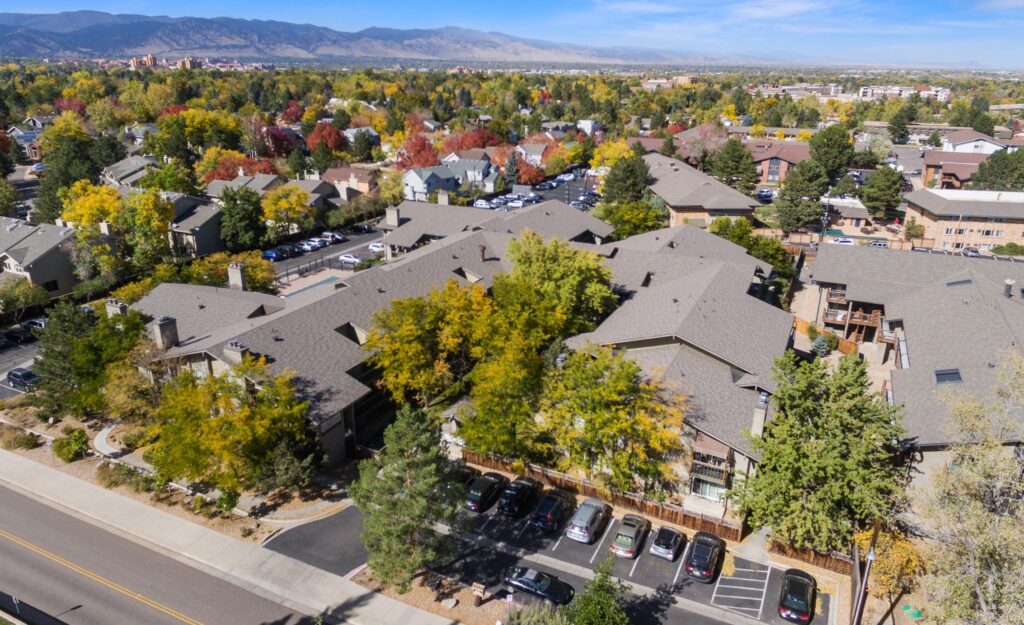
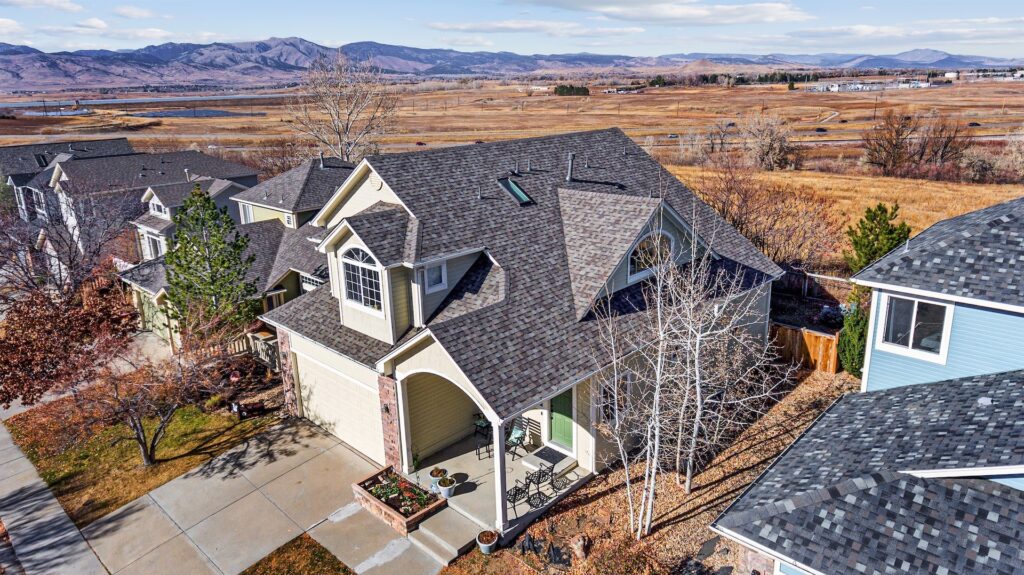
Recent Louisville Roofing Work
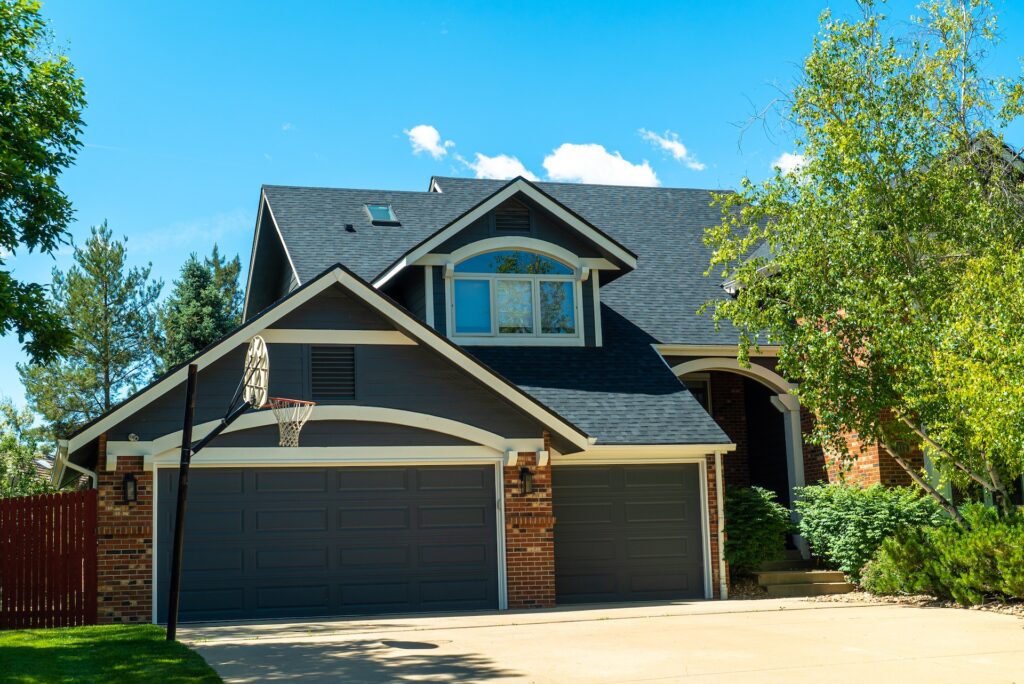
Need a Louisville Roofing Contractor Near You?
Northern Lights Exteriors is a local Louisville roofing company specializing in roof replacement, storm damage roof repair, and insurance claim support. We’re a GAF Master Elite Contractor—so you get manufacturer-backed systems built for hail, high winds, snow loads, and Colorado UV.
If you’re comparing roofing contractors, roof installers, or searching for a “roofer near me” in Louisville, we make it simple with clear options, clean job sites, and a dedicated project team from inspection through final walkthrough.
Roofing Options We Install in Louisville
Choosing the right roofing system means balancing budget, durability, aesthetics, and HOA/code requirements. Here are the options our Louisville roofers most often recommend:
Asphalt Shingles
Asphalt shingles remain the most popular choice across Colorado. We install locally manufactured, impact-resistant shingles designed to perform in hail and high-wind zones. We also work with GAF and Atlas, offering clients multiple Class IV, impact-rated options in a wide range of colors.
Presidential Shake Roofing
Love the timeless look of cedar shakes? CertainTeed Presidential Shake gives you that rustic appeal in a fiberglass-based system that delivers superior durability and Class IV protection.
Stone-Coated Steel
For homeowners seeking longevity and extreme weather performance, stone-coated steel roofing from brands like Decra combines the strength of steel with the texture of shake, tile, or shingle. Available in multiple colors, it’s built for Louisville’s hail and freeze–thaw conditions.
| Material | Best For | Notes |
|---|---|---|
| Class IV Asphalt (Owens Corning, GAF, Atlas) | Hail/wind value, color choices | Impact-rated; high-wind nailing patterns; strong warranties |
| Presidential Shake (CertainTeed) | Cedar-shake look + durability | Multi-layer construction; premium curb appeal |
| Stone-Coated Steel (Decra) | Longevity, hail/snow shedding | Profiles mimic shingle/shake/tile; excellent life cycle |
| Standing-Seam Metal | Modern look, snow shedding | Low maintenance; great for high-wind and UV exposure |
Storm Damage and Insurance Claim Help
After a hail or wind event, it’s stressful to navigate inspections and insurance claims. Our Louisville roofing team handles the full process: documenting damages, meeting with adjusters, and correcting under-scoped estimates. With decades of storm restoration experience, we ensure your home is restored to pre-storm condition—or better.
Why Louisville Homeowners Choose Northern Lights Exteriors
- 25 years of roofing and exterior work along the US-36 corridor
- Manufacturer partnerships: Owens Corning, GAF, Atlas, and Decra
- Licensed, insured, and familiar with HOA & permit processes in Boulder County
- Hundreds of verified 5-star reviews from local homeowners
- Secure online client portal for schedules, documents, and progress tracking
Roofing Details We Recommend in Louisville
- Class IV impact-rated shingles or metal for hail zones
- Ice & water shield at eaves, valleys, penetrations, and low-slope transitions
- High-wind nailing patterns and enhanced ridge/hip caps
- Balanced attic ventilation (intake + ridge) to protect shingles and reduce ice dams
- Upgraded flashings (metal sidewall/headwall, chimney saddles) and sealed fasteners
- Impact-resistant skylights and gutters to match roof performance
Neighborhoods We Serve in Louisville
- Old Town Louisville
- Coal Creek Ranch
- Steel Ranch
- Harper Lake
- Heritage
- North End
- Louisville Heights
- Nearby Superior & Lafayette
Nearby Cities We Also Serve
We work throughout Boulder County and the US-36 corridor, so if you are comparing quotes for a neighbor or a second property, these are the nearby cities we also cover:
FAQs About Roofing in Louisville
Why are you the best Louisville Roofer near me?
Experience. We’ve been in business building Colorado roofs since 2001. We offer price transparency with detailed line item bids that even account for “what if’s” to ensure proper budgeting. We respect your space and do not door-knock or just show up at your property without an appointment. No high-pressure sales techniques to try and get you to SIGN TODAY. We educate and listen in order to make recommendations that fit the unique needs of your property and budget.
Which roofing materials hold up best in Louisville?
Class IV asphalt shingles and metal roofing provide the best protection against hail, wind, and UV. Stone-coated steel offers exceptional longevity for homeowners seeking a premium option.
Do you help with HOA and permit approvals?
Yes. We prepare color samples, product specs, and submittals to streamline HOA approvals and coordinate inspections.
What’s your roofing warranty?
You’ll receive manufacturer warranties (20–50 years depending on the product) plus our installation warranty, all documented in your client portal.
Do you offer financing?
Yes. We provide 0% promotional financing and flexible monthly payment plans.
Get a Free Roofing Estimate in Louisville
Protect your home with a roof built for Colorado’s climate. Request your free estimate today and see why Louisville homeowners trust Northern Lights Exteriors for roof replacement and storm restoration.
The Wind Problem Most Louisville Roofing Quotes Skip
On 30 December 2021 the Marshall Fire burned through Louisville and Superior, destroying roughly 550 homes in Louisville alone and more than a thousand structures across the area. It was not a mountain wildfire. It was a grassland fire pushed by downslope winds gusting past 100 mph, and it moved through ordinary subdivisions on ordinary lots. That distinction matters when you are choosing exterior materials here, because the threat profile is embers and radiant heat at close range on the plains — not tree crowns.
Set the fire aside for a moment and look at the wind itself, because Louisville gets that wind every winter whether or not anything is burning. Downslope windstorms off the foothills regularly put 70–100 mph gusts across this town. That is a wind-uplift problem, and it is where cheap roofs come apart:
- Fastening pattern. Most shingles carry a higher wind rating only when installed with the enhanced nailing pattern — six nails rather than four, correctly placed. Installed to the minimum, the rating on the wrapper does not apply to your roof.
- Edges first. Uplift starts at rakes, eaves and ridges. Properly fastened drip edge and starter course at the rake is the single cheapest thing that keeps a roof on in this town, and it is routinely skimped.
- Ridge vents. A ridge vent is a long opening at the highest-pressure part of the roof. Poorly chosen or poorly fastened ones fail early here.
- Sealing. Shingles rely on a heat-activated sealant strip. Roofs finished late in the season may not fully seal before the first big wind event — worth knowing when scheduling.
Class A Assemblies and Ember-Resistant Detailing
Roofs are the largest ember-catching surface on a house, and in a wind-driven fire the roof and its openings are the primary way homes are lost. Three things matter, in this order:
- A Class A roof assembly. Class A is the highest fire-resistance classification, and it is a property of the assembly — covering plus underlayment plus deck — not just the shingle. Most quality architectural asphalt shingles achieve Class A as installed over a compliant deck; standing-seam metal and concrete tile do too. We specify the assembly, not just the product name.
- The openings. This is where roofs actually fail. Ridge vents, soffit vents, gable vents and dormer vents are ember entry points straight into the attic. Vents with ember-resistant baffling, and mesh at 1/8 inch rather than standard quarter-inch, materially change that. It is an inexpensive upgrade at replacement time and disproportionately expensive to retrofit later.
- The eaves and the roof-to-wall. Open eaves, gaps at the fascia, and sloppy roof-to-wall flashing let embers into the structure. Boxed, non-combustible soffit with proper venting closes that path.
Because roofing, siding and soffit meet at exactly those junctions, this is a case where one contractor holding all three trades is not a sales line — it is how the detail actually gets built correctly. If you are rebuilding, we confirm current requirements against your address with the City of Louisville before specifying.
Hail Damage and Insurance Claims
Louisville sits in the Front Range hail corridor. What we see on Louisville roofs: bruised and fractured mats on asphalt, granule loss concentrated on the storm-facing slopes, dented metal on vents, flashing and gutters, and split ridge caps. Hail damage on a roof is not always visible from the ground and often is not visible to the homeowner at all.
How a claim goes well: get it documented before anything is repaired, map the damage against the gutters, siding and window wraps so the adjuster sees one storm event, and have someone who knows the code meet the adjuster on the roof. Code upgrades triggered by a replacement — ice-and-water coverage, ventilation, fastening — are frequently claimable and frequently missed. We do that walk as part of the process.
Two honest warnings. Do not pay out of pocket for repairs before documentation. And be wary of out-of-area crews that appear the week after a storm offering to cover your deductible — that offer is illegal in Colorado, and those crews are gone long before a warranty matters.
Roof Systems That Make Sense in Louisville
| System | Fire | Hail & wind | Where it fits |
|---|---|---|---|
| Architectural asphalt shingle | Class A as assembled | Good; impact-resistant (Class 4) grades available | The default across Louisville’s subdivisions; best cost-to-performance |
| Class 4 impact-resistant shingle | Class A as assembled | Best-in-class for hail; many insurers discount the premium | Worth pricing anywhere in this hail corridor — ask us to quote both |
| Standing-seam metal | Class A as assembled | Excellent wind performance; dents but rarely fails from hail | Modern elevations, low slopes, long-horizon owners |
| Concrete / composite tile | Class A | Heavy and stable in wind; individual pieces can crack in large hail | Specific architectural styles; needs structural check |
More detail on metal roofing, roof replacement cost in Colorado and hail damage roofs.
Attic Ventilation and Ice Damming — the Quiet Louisville Problem
Two roofs on the same street, same shingle, same installer, and one grows a row of icicles and a stain on the bedroom ceiling every February while the other does not. The difference is almost always attic ventilation and air sealing, not the roof covering.
An ice dam forms when heat escaping into the attic melts snow on the upper roof, the water runs down to the cold eave, and refreezes there. The ridge of ice that builds up backs water up under the shingles — and shingles are designed to shed water running downhill, not to hold it sitting still. That is how a roof with no damage at all leaks.
- Balanced intake and exhaust. Ridge venting without adequate soffit intake does not work; it can pull conditioned air out of the house instead. Intake and exhaust have to be sized against each other.
- Air sealing before insulation. Sealing the attic penetrations — can lights, bath fans, the attic hatch, top plates — does more than adding another layer of insulation over a leaky ceiling.
- Ice-and-water membrane at the eaves and valleys. Current practice, and frequently a claimable code upgrade when a roof is being replaced after a storm.
- Bath and kitchen fans terminating outside, not into the attic. We find this more often than you would think, and it is a moisture problem as much as an ice one.
There is a fire dimension too, and it pulls in the opposite direction: ventilation openings are also ember entry points. The resolution is not fewer vents — that trades an ice and moisture problem for a fire one — it is the right amount of venting with ember-resistant products and 1/8-inch mesh. Getting both right at once is exactly the kind of detail that gets lost when the roofer, the insulator and the siding crew are three different companies.
What a Roof Costs in Louisville
Most roofing pages avoid this. The honest range for a full replacement on a typical Louisville home is roughly $4.50–$8.00 per square foot for architectural asphalt, more for Class 4 impact-resistant, and materially more for standing-seam metal. What moves the number: roof pitch and how walkable it is, how many storys, the number of penetrations and valleys, whether the decking is sound, and whether ventilation or ice-and-water coverage needs bringing up to current code.
If it is an insurance claim the conversation is different again — there the question is what the scope covers and what the code upgrades add, not the sticker price. We quote fixed after inspecting, and we will tell you when a repair is the better call than a replacement.
Where We Work in Louisville, Colorado
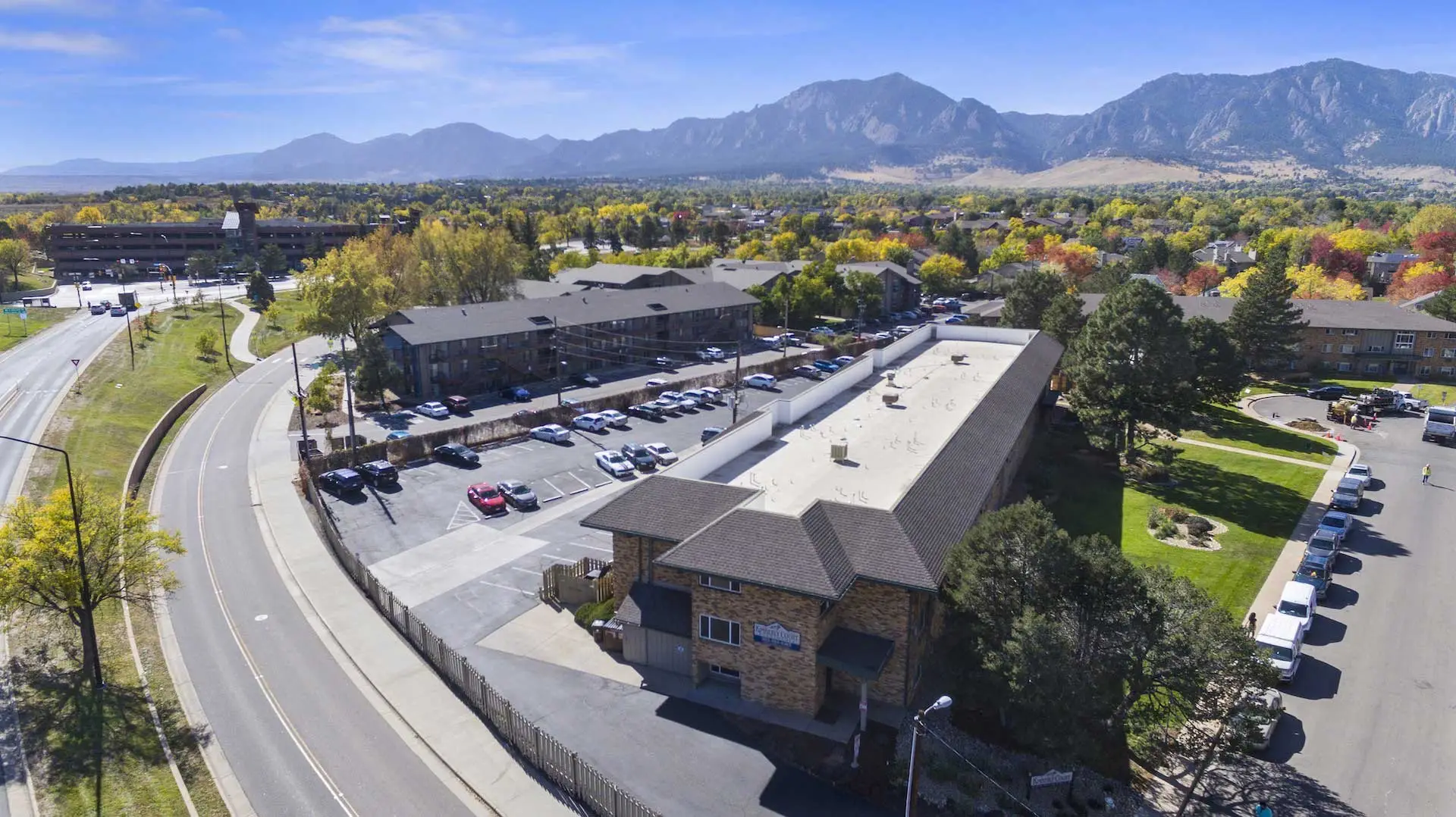
Louisville, Colorado — ZIP 80027, in Boulder County, between Superior and Lafayette off US 36. (If you landed here looking for Louisville, Kentucky, this is not that Louisville — we work only in Colorado’s Front Range.) We cover the whole city for every trade we offer, from the small lots and older cottages of Old Town out to the newer subdivisions north and east.
- 80027
- Old Town Louisville
- Coal Creek Ranch
- Takoda
- Steel Ranch
- North End
- Centennial Valley
- Enclave
We also work next door in Broomfield, Lafayette, Boulder and Erie, plus Superior immediately across McCaslin.
Louisville FAQs
How much does a roof replacement cost in Louisville, CO?
Roughly $4.50–$8.00 per square foot for architectural asphalt on a typical Louisville home, more for Class 4 impact-resistant shingles and materially more for standing-seam metal. Pitch, walkability, storys, valleys and penetrations all move it, and so does what we find when the old roof comes off — soft decking and out-of-code ventilation are the usual surprises. If it is a hail claim, the more useful question is what your scope covers and which code upgrades are claimable. We quote fixed after inspecting.
Is my roof rated for Louisville’s high winds?
It depends far more on how it was installed than on what was installed. Most shingles only achieve their advertised wind rating with the enhanced six-nail pattern, correctly placed, plus properly fastened drip edge and starter course at the rakes and eaves. Louisville sees 70–100 mph downslope gusts most winters, and uplift starts at the edges. If your roof lost shingles at a rake or ridge in a windstorm, that is usually a fastening and edge-detail problem, not bad luck.
What is a Class A roof and does mine need to be one?
Class A is the highest fire-resistance classification, and it belongs to the whole assembly — covering, underlayment and deck together — not to the shingle alone. Most quality architectural asphalt shingles achieve Class A as installed over a compliant deck, as do standing-seam metal and concrete tile. Given what happened here in December 2021 it is worth specifying deliberately rather than assuming. We confirm the current requirement against your specific address with the City of Louisville before specifying, because requirements have changed since 2021 and are not uniform lot to lot.
Can ember-resistant vents be added to an existing roof?
Some of it, yes. Soffit and gable vents can often be retrofitted with 1/8-inch mesh or ember-resistant baffled products fairly easily. Ridge venting realistically wants to be done at replacement, because getting at it means opening the ridge. That is why we raise it during a roof replacement quote — it is inexpensive then and disproportionately expensive as a standalone job later.
Do you handle hail insurance claims in Louisville?
Yes. We document the damage across the roof, gutters, siding and window wraps so the adjuster is looking at one storm event, we meet the adjuster on site, and we identify the code upgrades a replacement triggers, which are frequently claimable and frequently missed. Two warnings: do not pay out of pocket for repairs before the damage is documented, and be wary of out-of-area crews offering to cover your deductible after a storm — that is illegal in Colorado.