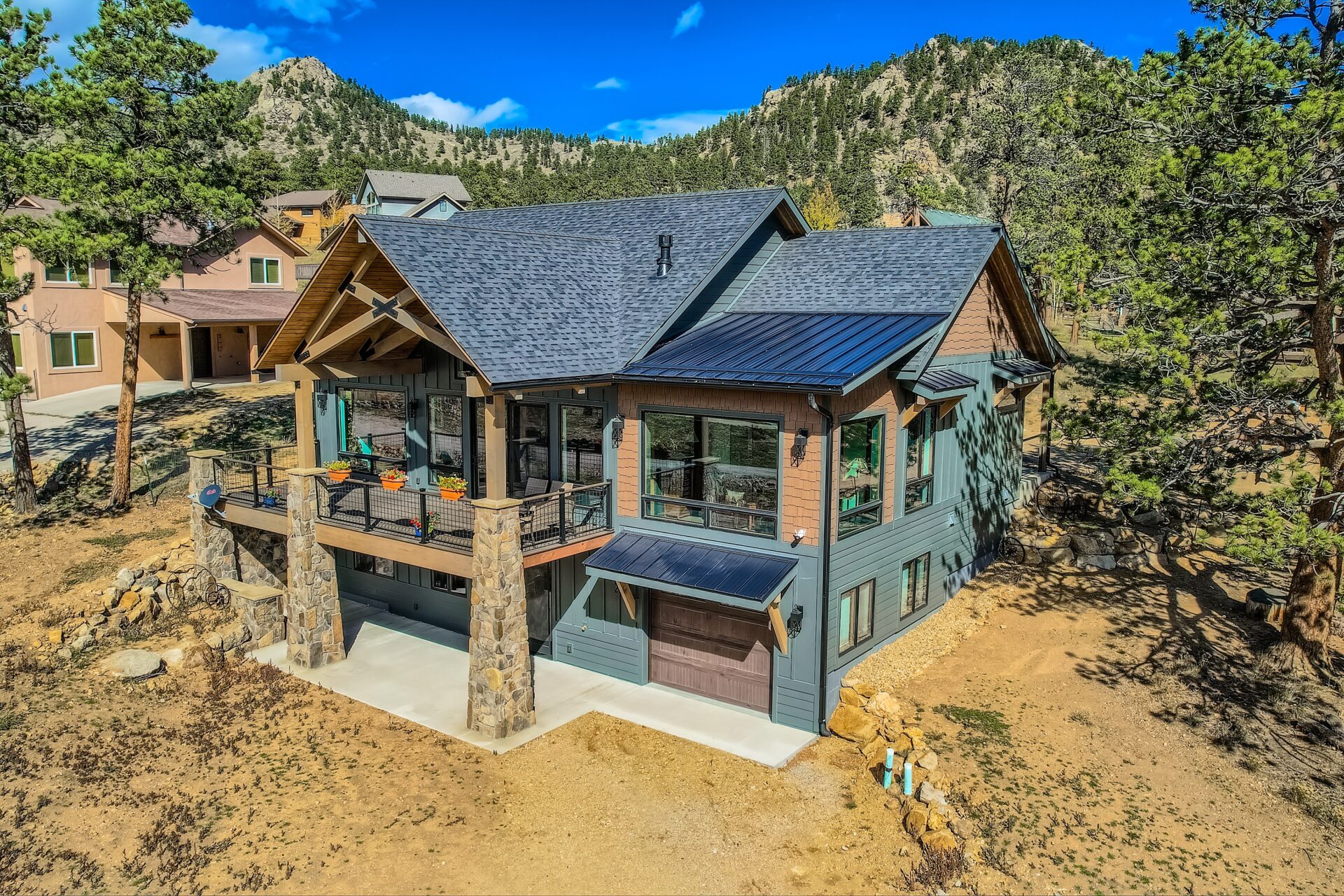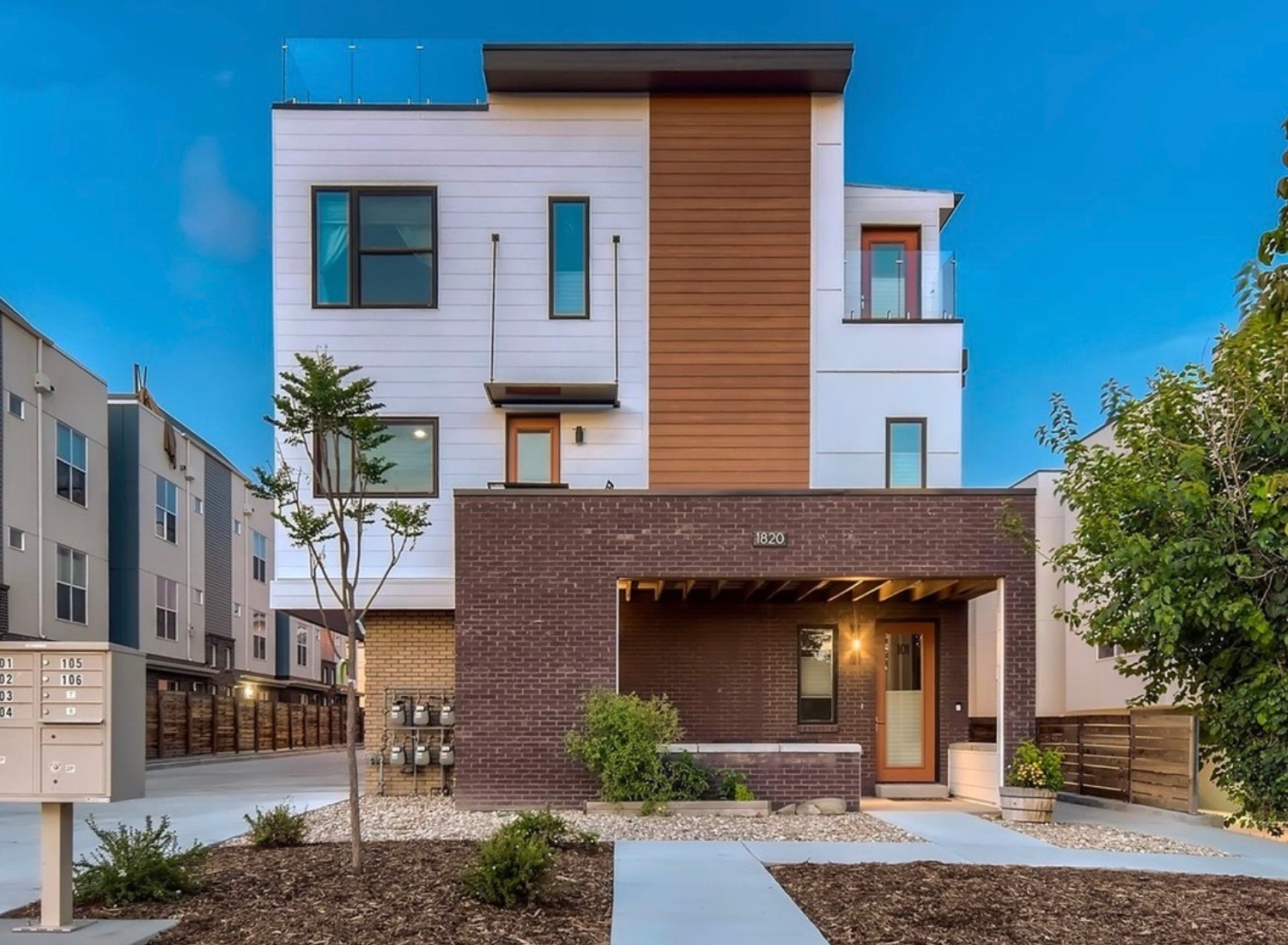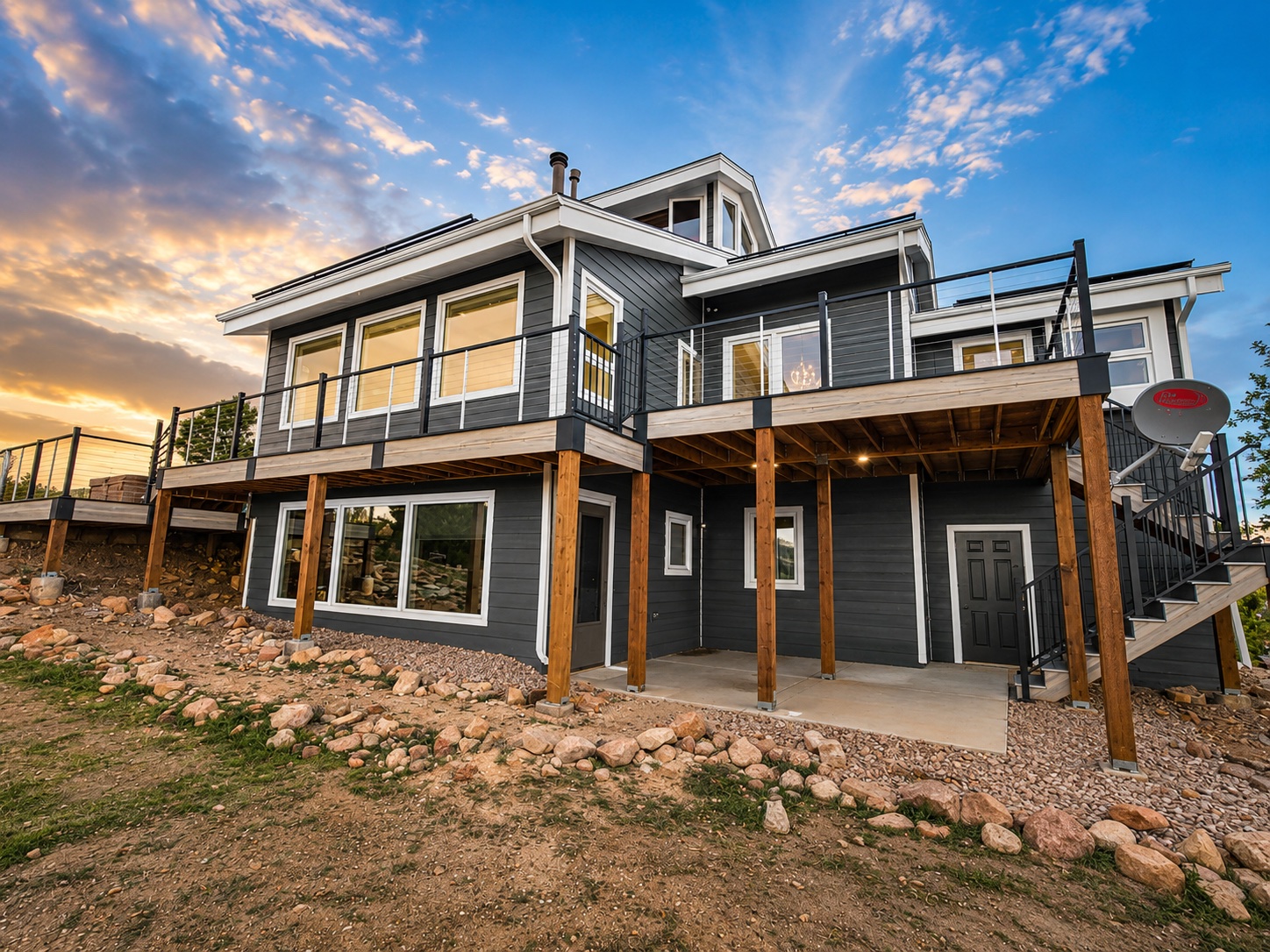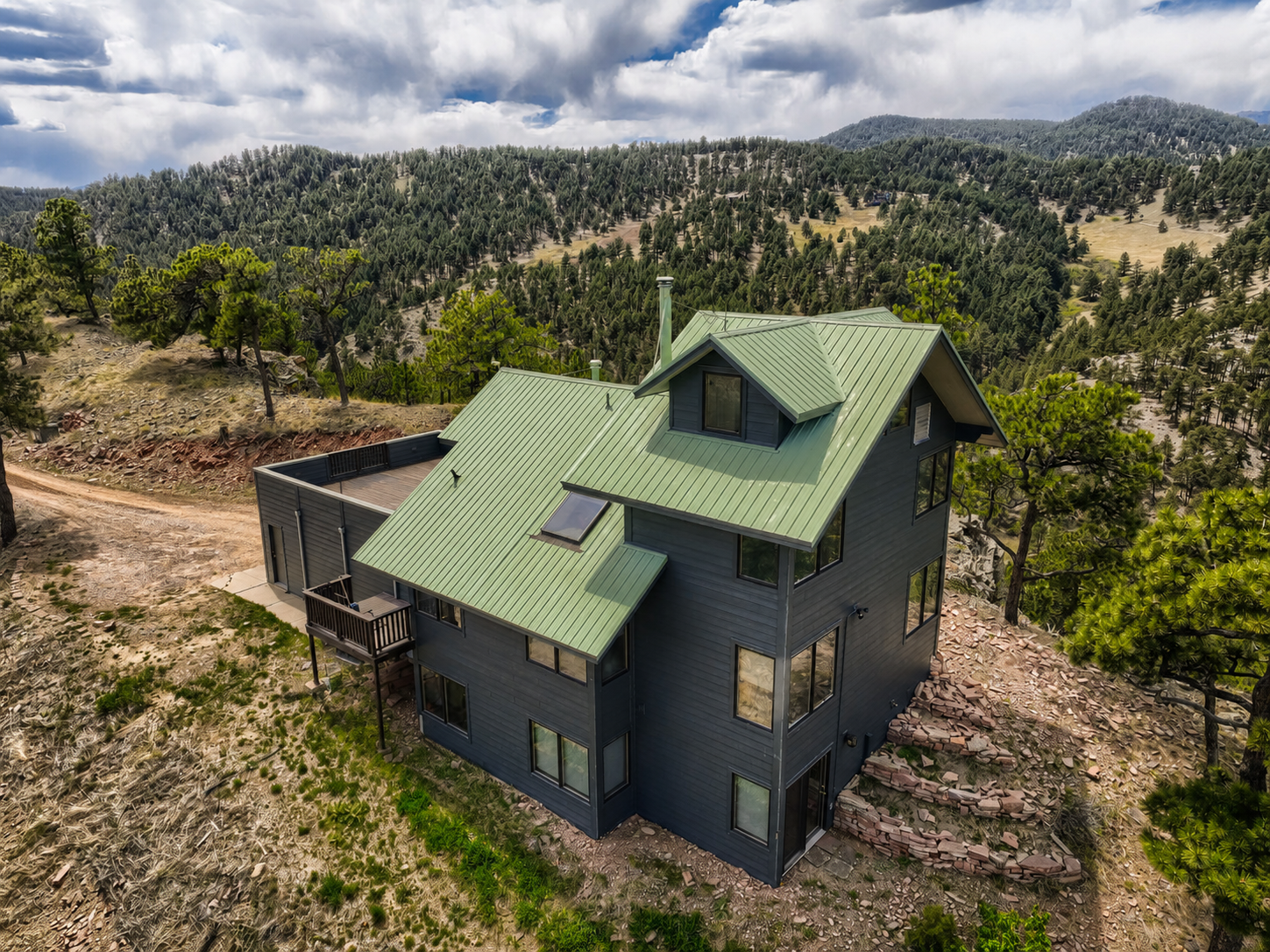
Commercial & HOA Exteriors — Centennial, CO
Centennial Commercial Contractor
Low-slope and steep-slope roofing, facade re-clads and the association-owned buildings Centennial’s subdivisions carry — scoped so a board can vote on it and phased to a reserve study.
Who is the best commercial contractor in Centennial, CO?
Northern Lights Exteriors has worked Colorado’s Front Range since 2001 under a Class C general contractor license, covering commercial roofing, facade re-clads, windows and association-owned exteriors under one contract.
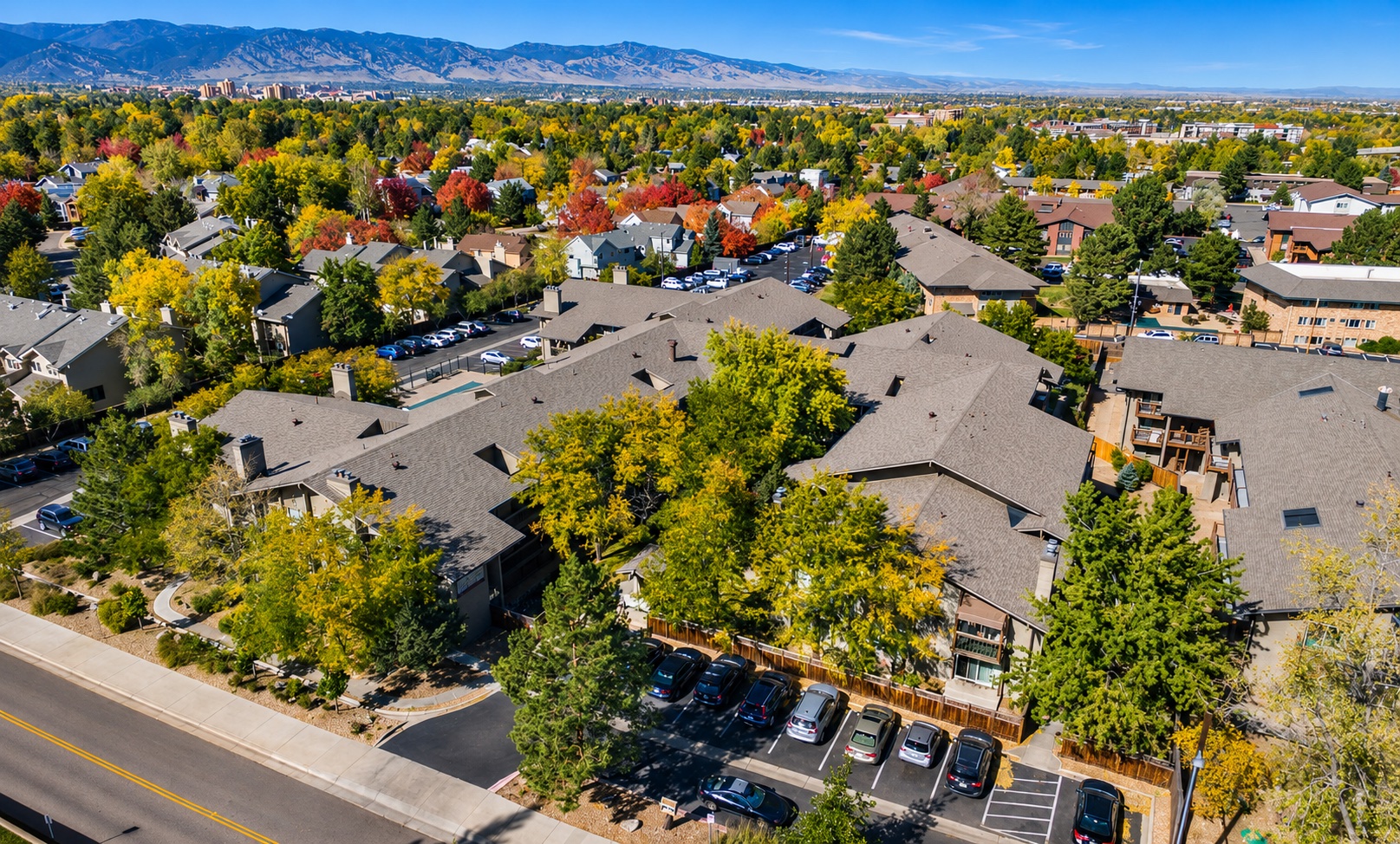
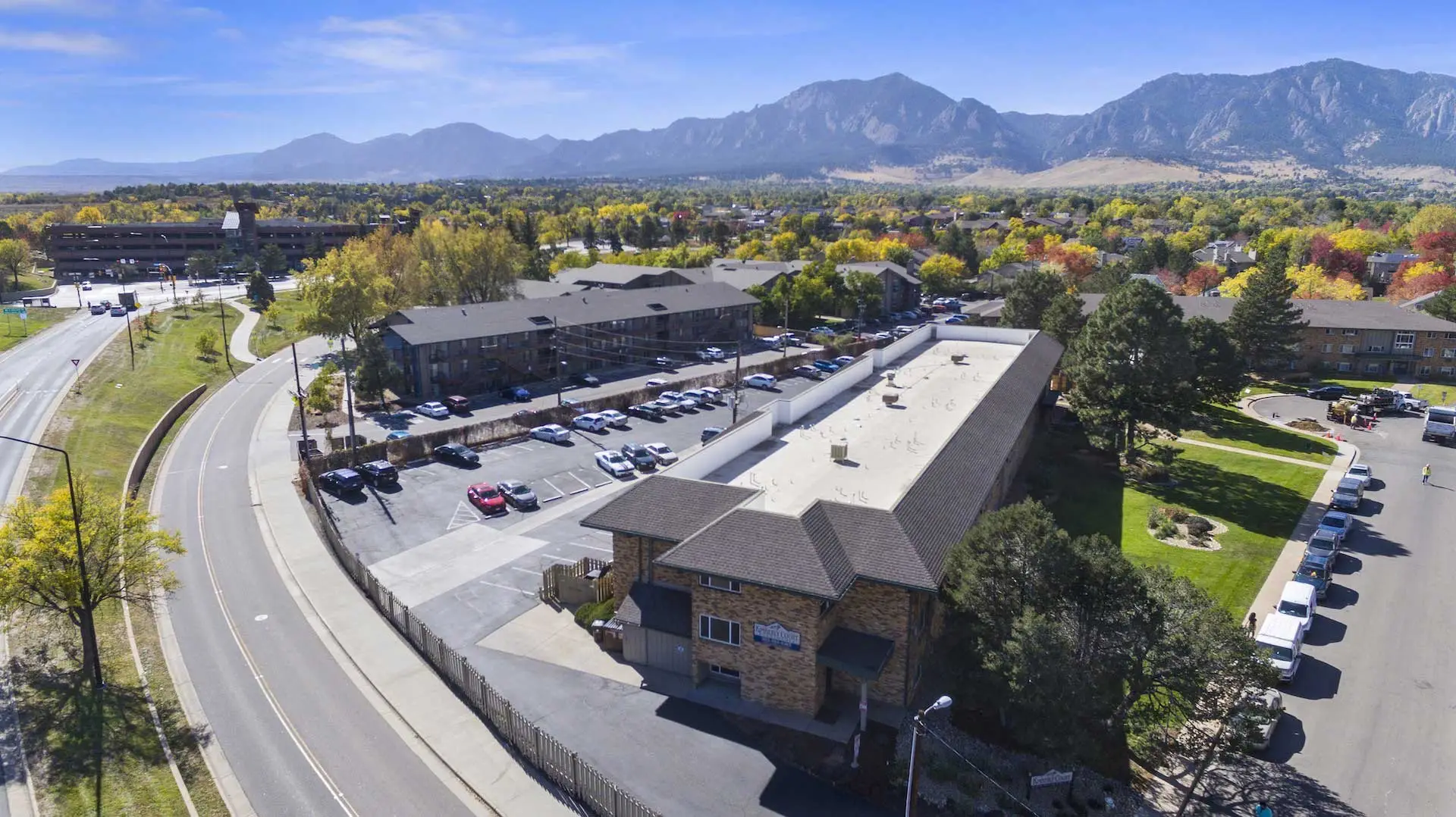
Centennial’s commercial stock is suburban and specific: multi-tenant retail with low-slope roofs behind parapets, office and flex along the corridors that often combine two roof systems on one building, and a great deal of association and metro-district property — clubhouses, maintenance buildings, mail kiosks and entry monuments.
That shared property is the same age as the houses around it and almost always further down the maintenance queue. We scope it so a board can vote on it and phase it to a reserve study. Rated 4.9 out of 5 from 552 verified reviews.
What Commercial Property in Centennial Looks Like
Commercial exterior content is almost always written about downtown towers, which is no use to anyone who owns a building here. Centennial’s commercial stock is suburban and it is specific: retail serving the subdivisions, office and flex along the arterials and the I-25 corridor, and a great deal of association- and district-owned property that most people would not think of as commercial at all.
That last category is the one that gets neglected, and it is worth spelling out. A Centennial subdivision typically carries shared structures that belong to the community rather than to any homeowner — clubhouses and pool buildings, maintenance and storage buildings, covered mail kiosks, shade structures and cabanas, and entry monuments. They are the same age as the houses, they were built to the same standards, and they are almost always further down the maintenance queue.
- Single-story multi-tenant retail. Parapet fronts with low-slope roofs behind them; cladding usually a mix of masonry veneer, EIFS or stucco and metal. Tenants whose customers park directly beneath the work.
- Office and flex along the corridors. One and two-story buildings that frequently combine a low-slope membrane over the office portion with steep-slope roofing over the rest — two systems, one building, and the transition between them is where the leaks are.
- Association and metro-district property. The shared buildings above, governed by a board and funded from reserves rather than by an owner writing a check.
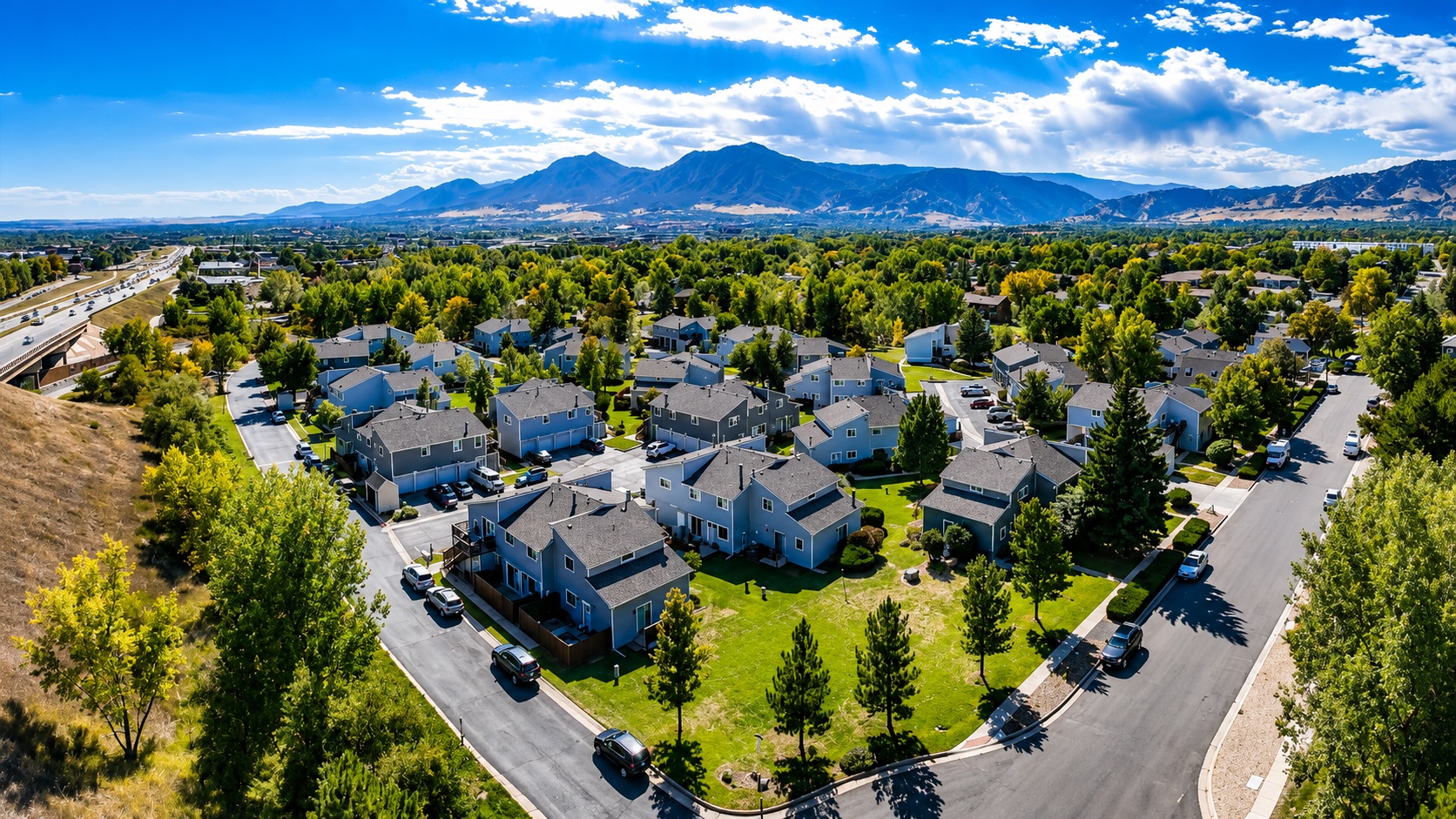
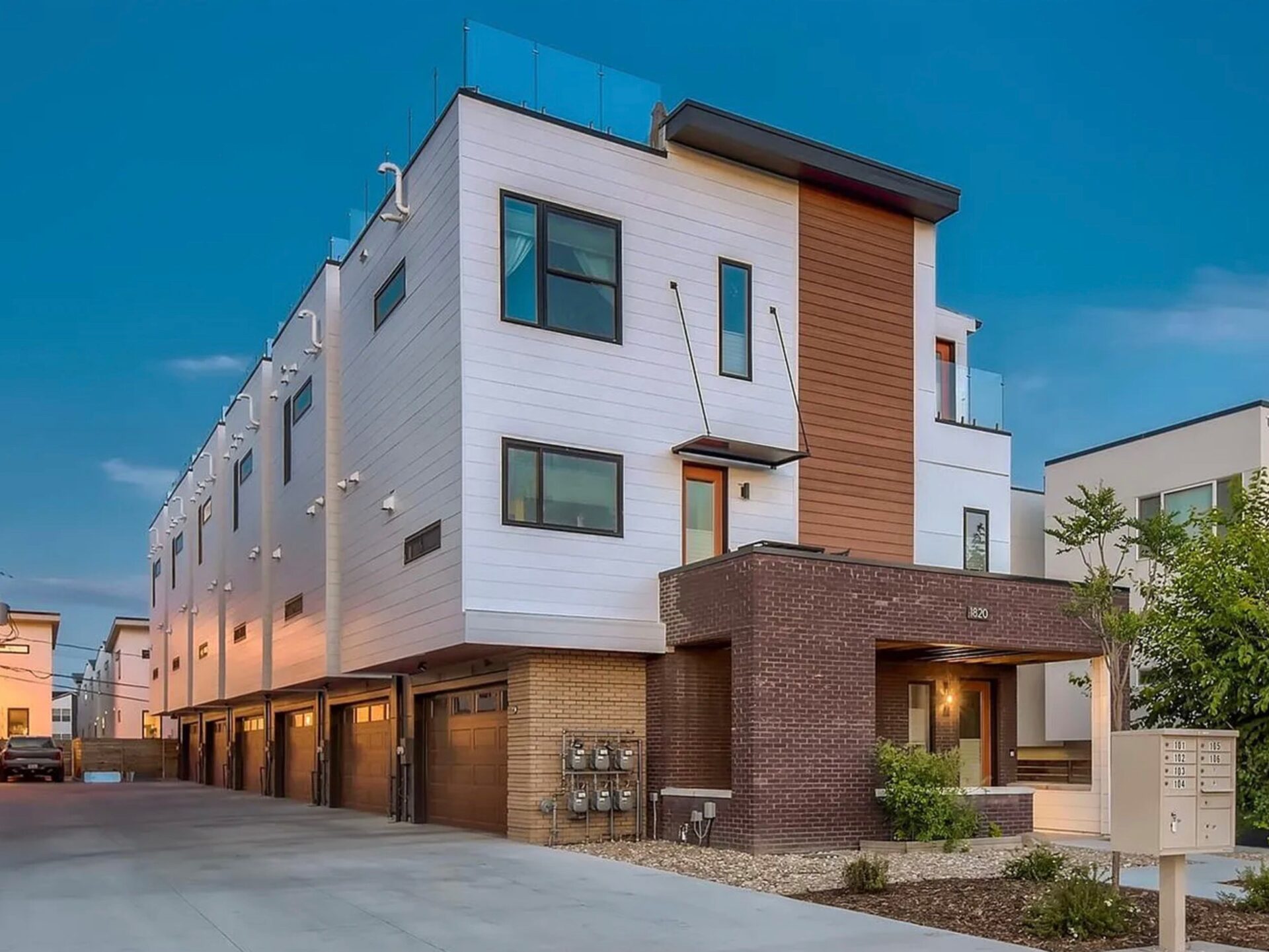
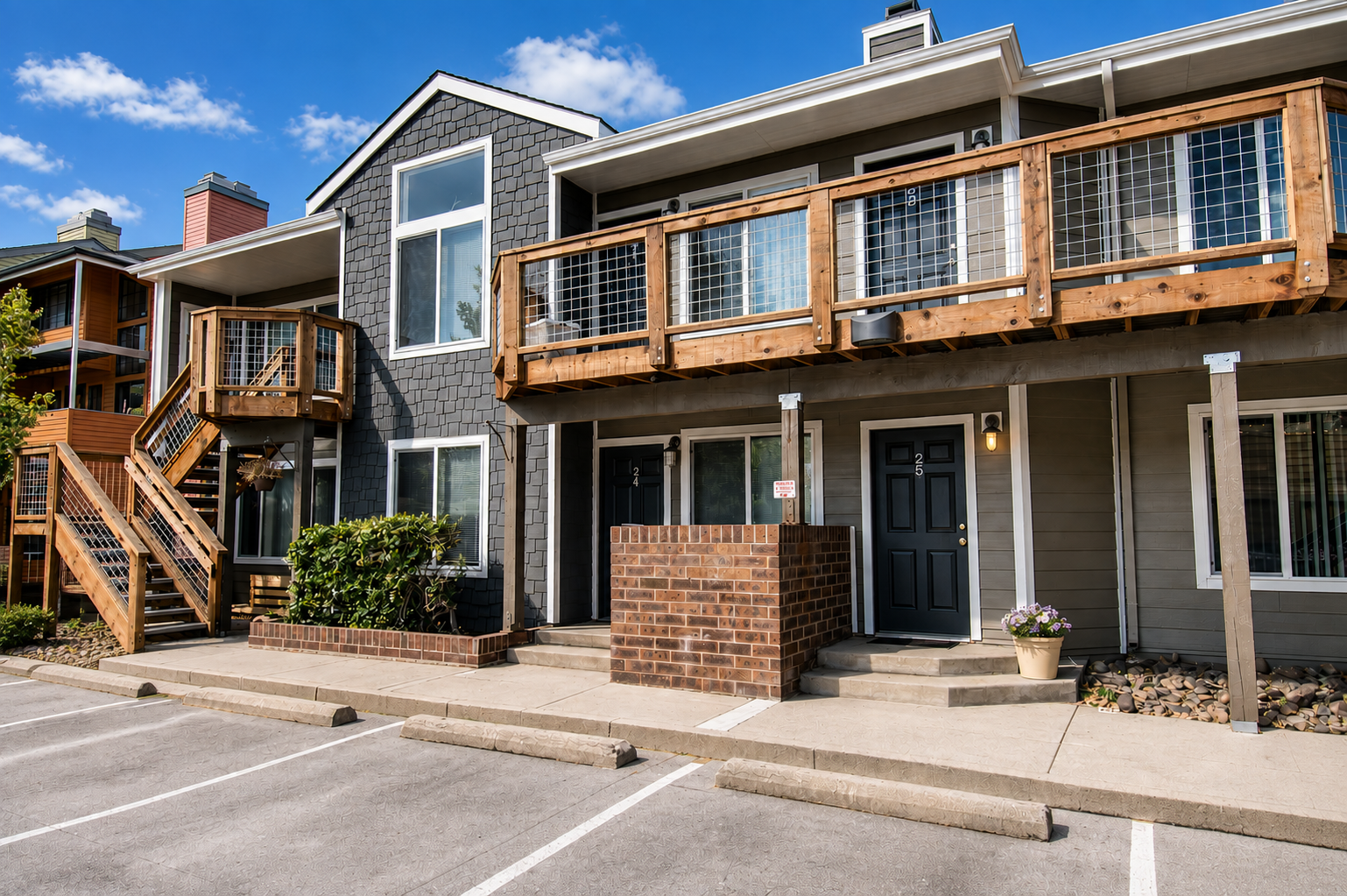
- Multifamily and townhome communities. Association-owned exteriors on attached homes, where a re-clad is a phased program rather than a project.
Systems We Install on Commercial Buildings
| Scope | Systems | Typical Centennial application |
|---|---|---|
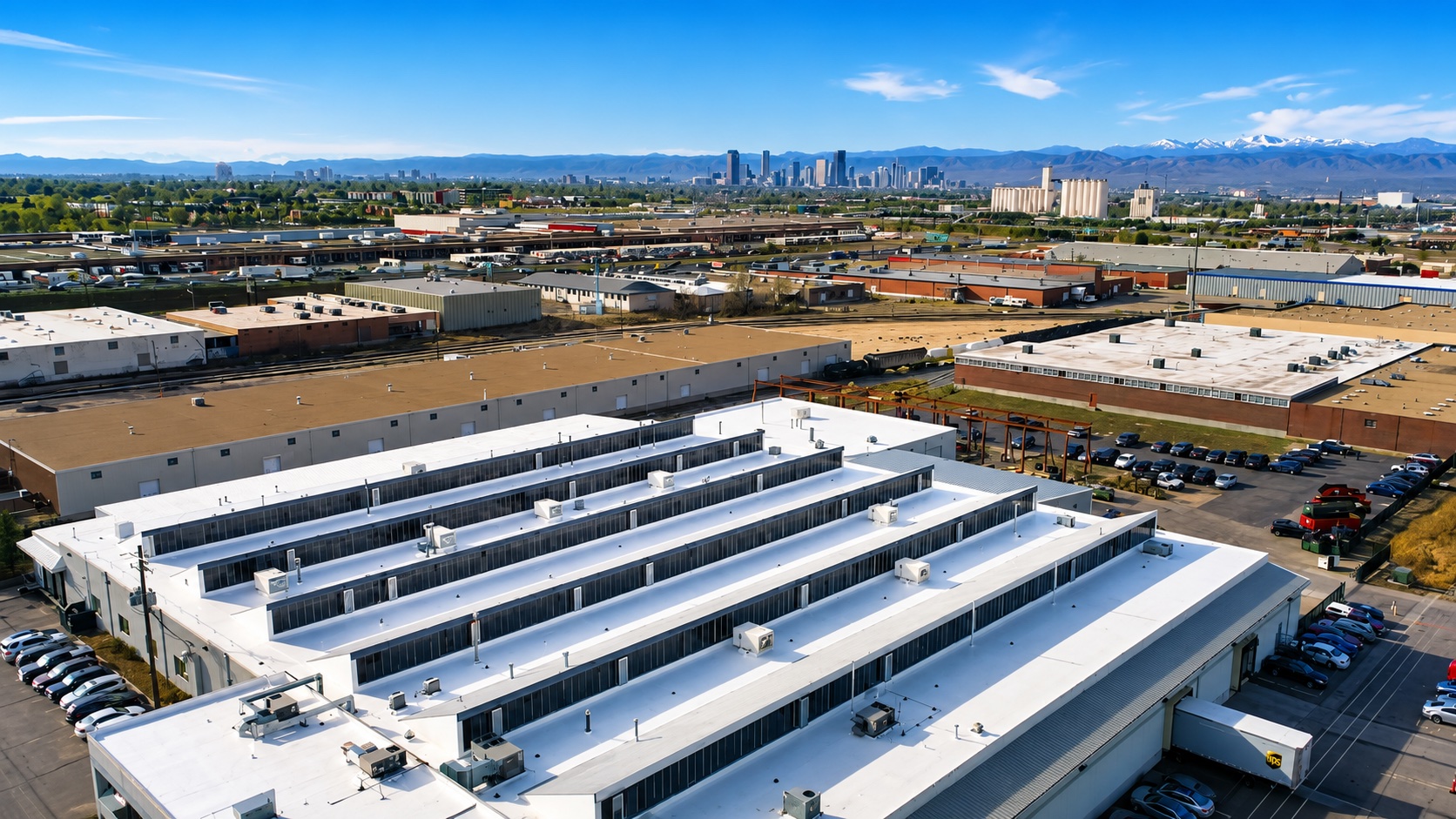
| Low-slope roofing | TPO, EPDM and modified bitumen; tapered insulation; parapet, coping, drain and scupper work. | TPO roofing in Centennial, CO covers the flat sections behind retail parapets and over office portions — the majority of commercial roof area in this city, with EPDM roofing in Centennial, CO the usual alternative on older assemblies. |
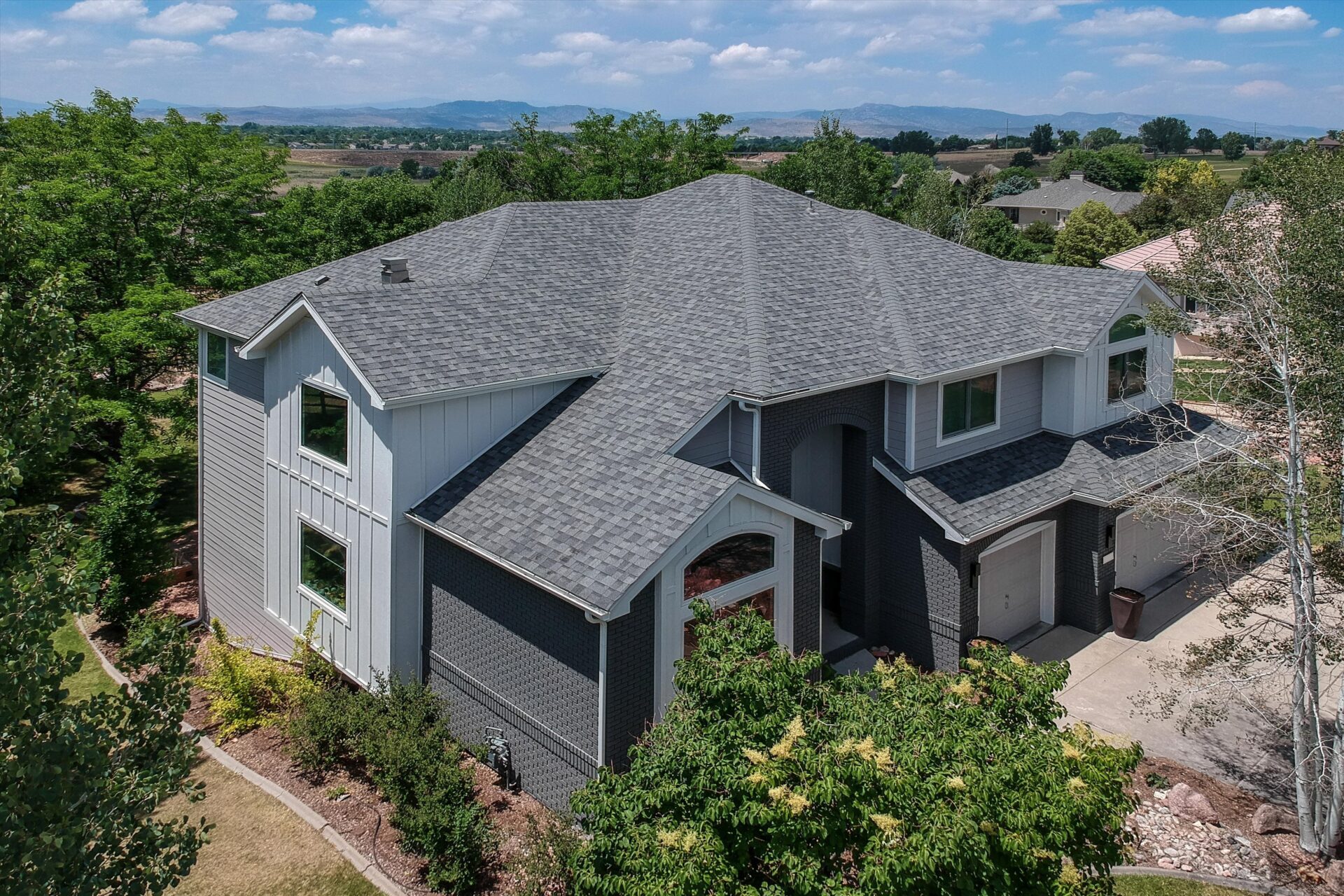
| Steep-slope roofing | Architectural asphalt, Class 4 impact-resistant, standing seam metal. | Clubhouses, townhome communities and the pitched portions of mixed-system buildings. Class 4 matters here for the same hail reasons it does on a house. |
| Commercial siding and cladding | Fiber cement, engineered wood, metal panel, stone veneer; EIFS and stucco repair. | Retail facade renewal and multifamily re-clads. The same hardboard and T-111 that failed on the houses failed on the clubhouse too. |
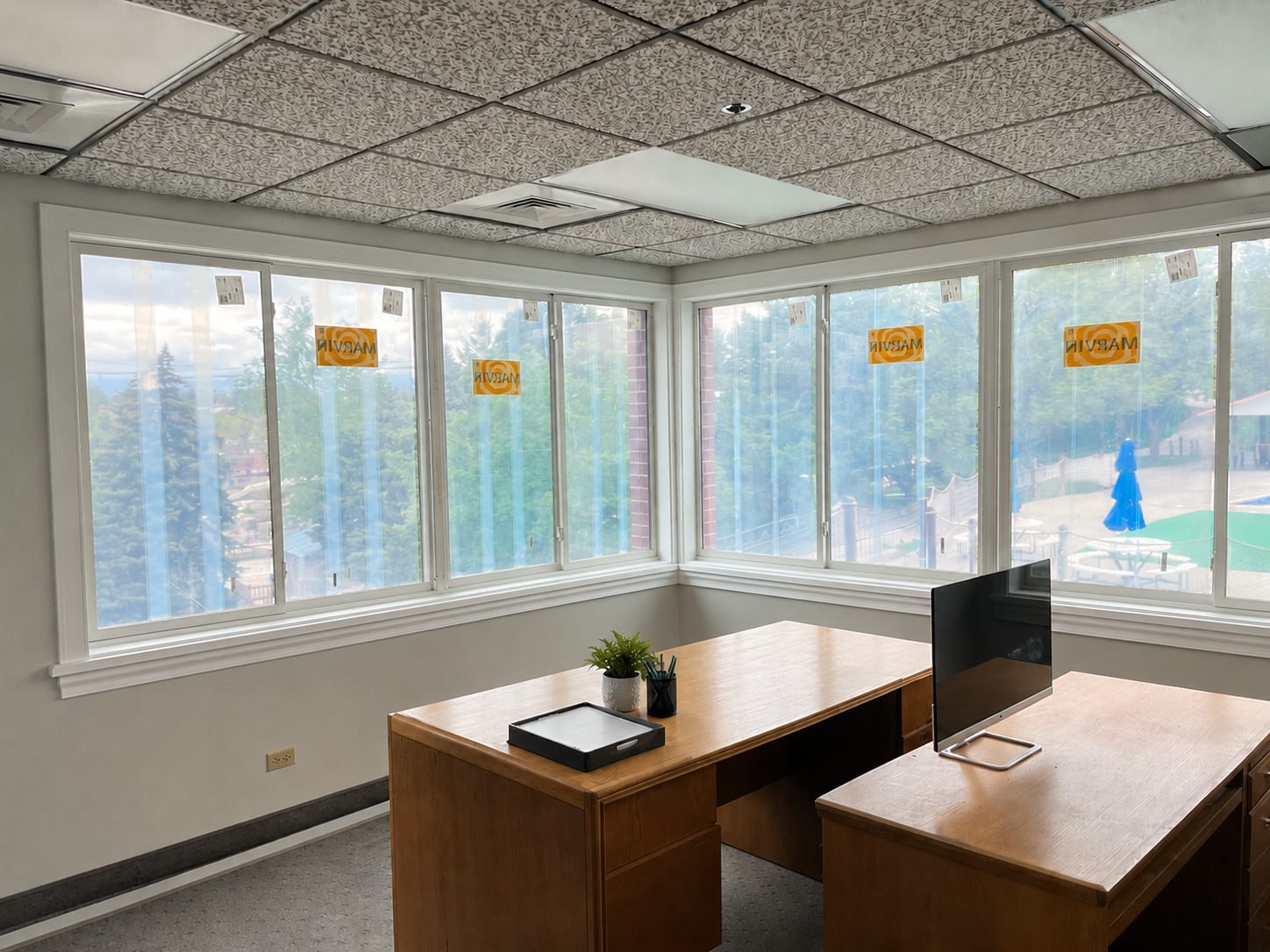
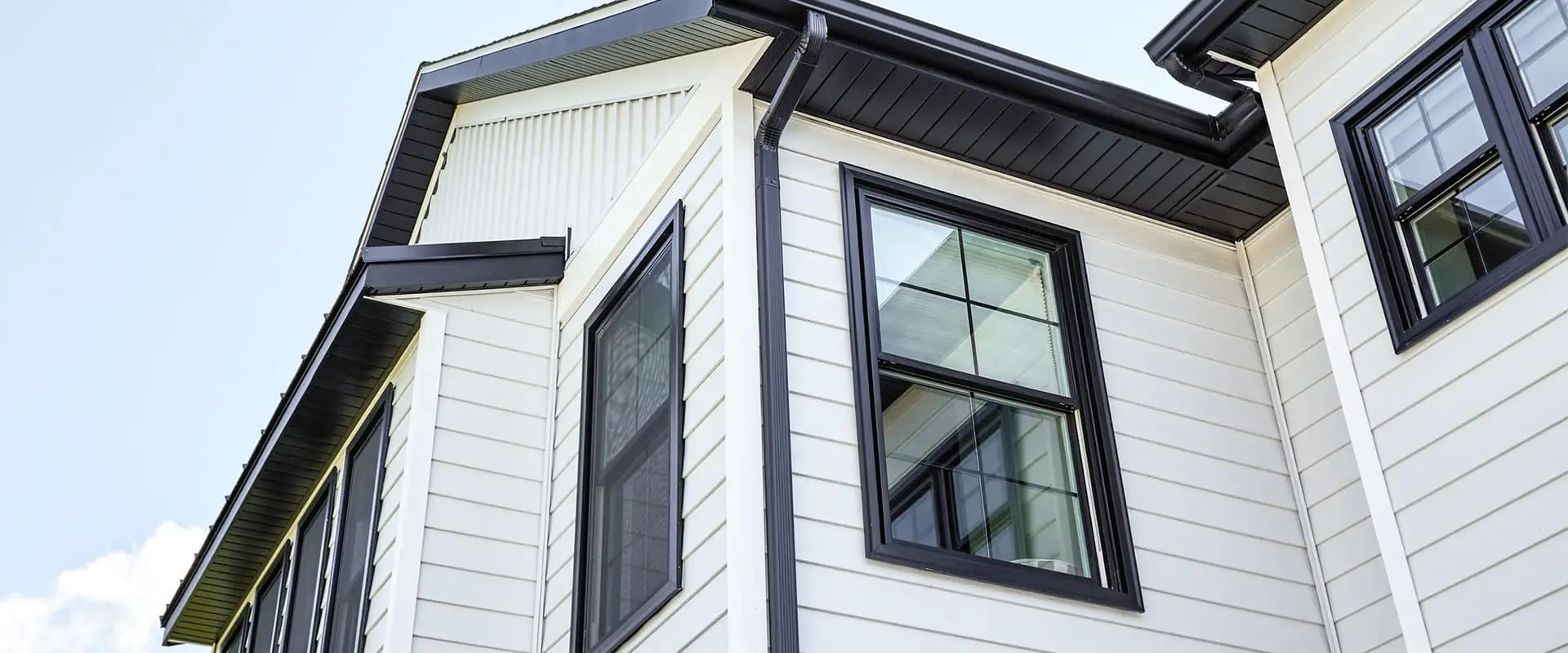
| Windows and doors | Storefront, punched openings, association-owned units on attached homes. | Original units at the end of their sealed-unit life, on the same clock as the residential stock around them. |
| Storm damage and insurance work | Documented inspection, claim support, full replacement. | Arapahoe County hail hits commercial assets exactly as hard as residential ones, and with larger roof areas and business-interruption considerations attached. |
Because we hold a Class C general contractor license, a mixed-system building runs under one contract rather than being split between trades who then disagree about the transition. More on TPO roofing, EPDM, commercial exteriors, multifamily and HOA projects.
Working With Boards, Districts and Tenants
The construction is rarely the hard part of a commercial exterior project here. The hard part is that the decision belongs to a group, the money comes from a reserve study, and the building is full of people who did not choose to have work done.
- Write the scope to be voted on. A board approves options with costs separated far more readily than a single lump sum. We write them that way, and we will come to the meeting and answer questions rather than sending a proposal and waiting.
- Phase to the reserve study, not to our schedule. Most associations cannot do everything in one year. We will tell you which building or elevation to do first based on condition, and we will tell you when the honest answer is that something can wait another cycle.
- Documentation that survives a board turnover. The people asking “what did we do to this roof and when?” in ten years will not be the people who approved it. Everything is photographed and retained.
- Tenants and residents get told, by us. Which days are loud, where the dumpster sits, which parking is lost and for how long. That is our job rather than your property manager’s.
The System Behind the Work
Commercial and association work has more stakeholders than a house and a much longer memory requirement. A tenant wants to know about noise next Tuesday, a board wants the scope and the vote history, and a manager three years from now wants proof of what was installed.
Two things make that possible, and they are the reason to choose us over a cheaper quote.
First, experience and scope. We have been working on Colorado’s Front Range since 2001, and we hold a Class C general contractor license (Colorado license #C120350) rather than a single-trade license. That is not a technicality: it means roofing, siding, windows, decks and outdoor living can run under one contract, with one project manager accountable for the flashings where those trades meet — which is precisely where multi-contractor projects leak, literally and figuratively. James Hardie has recognized us as an Elite Preferred contractor continuously since 2011, and as a President’s Club member — their highest contractor distinction nationwide. Our rating is 4.9 out of 5 from 552 verified reviews.
Second, a proprietary on-demand client portal we built ourselves. Most of what people hate about a remodel is not the construction. It is not knowing — who to call, whether the permit went in, when material arrives, what has been paid, whether it passed inspection. We built a system to remove exactly that, and as far as we know no other exterior contractor in this market offers it:
Every conversation in one place
Messages, decisions and change requests are logged against your project rather than scattered across texts, voicemails and three different crew members’ phones.
Contracts and scope, always retrievable
Your signed contract and itemized scope live in the portal, so you can easily get a refresh on what was agreed — on your own, any time.
Permit status you can see
Where the permit is in the process, and when inspections are scheduled — without having to phone anyone to find out.
Delivery and install schedules
When material lands and when each trade starts, so you can plan around the work instead of waiting for a truck to appear.
Before, during and final photography
Documented condition before we start, progress images through production, and final photography — including the parts of the building you will never see again once it is closed up.
Payments tracked per trade
What is paid and what is outstanding, broken out by trade rather than as one running balance you have to reconcile yourself.
Inspection records
Each inspection and its result, recorded against the project and available when you sell the house and someone asks.
Access is an individual, custom URL issued to you — and you get it when we start talking, at the lead and project meeting, not after you sign something. That is deliberate: you can see how we run a project before you commit to one. It then stays available after the work is finished, which matters more than it sounds, because the documentation, images and inspection records are exactly what a buyer’s agent, an appraiser or an insurer asks for years later.
Request a Commercial or HOA Consultation in Centennial
Tell us what the property is and what is prompting the conversation — a leak, a reserve study, an insurance requirement or a board decision. We will walk it, document condition with photographs you can put in front of a board or a carrier, and put a phased scope in writing that can actually be voted on.
Request Your Free Estimate → 📞 (303) 776-5263
Prefer email? Reach us at office@nlexteriors.com. Ask about financing options when we walk the property.
Nearby Cities We Also Serve
If you are just outside Centennial or weighing up more than one property, we also install replacement windows in:
Centennial Commercial & HOA — Frequently Asked Questions
Do you work on commercial buildings in Centennial?
Yes — retail and multi-tenant buildings, small office and flex along the corridors, institutional and community buildings, and multifamily. We have worked Colorado’s Front Range since 2001 and hold Colorado Class C general contractor license #C120350, which means a building carrying more than one roof system runs under a single contract rather than being split between trades who then disagree about the transition.
Do you work with HOAs and metro districts?
Yes, and in Centennial that is a large share of it. These subdivisions carry shared property most people would not think of as commercial — clubhouses and pool buildings, maintenance and storage buildings, covered mail kiosks, shade structures and entry monuments. They are the same age as the houses, built to the same standards, and almost always further down the maintenance queue. What a board needs beyond the construction is a scope it can vote on and phasing that fits a reserve study.
What roofing systems do you install on Centennial commercial buildings?
For the low-slope roofs behind retail parapets that dominate here, TPO, EPDM and modified bitumen, with tapered insulation, parapet and coping detailing, and drain and scupper work. On steep-slope sections it is architectural asphalt, Class 4 impact-resistant shingles or standing seam metal — and Class 4 is worth pricing on a commercial roof for the same hail reasons it is on a house.
Can you phase work across multiple budget years?
Yes, and for most associations that is the realistic path. We will tell you which building or elevation to do first based on condition rather than on what is easiest to sell, and we will say when something can honestly wait another cycle. A phased scope with the sequence and the reasoning written down also survives a board turnover, which a verbal plan does not.
Do you handle commercial insurance claims for hail damage?
Yes. Arapahoe County hail hits commercial assets exactly as hard as residential ones, with larger roof areas, mixed systems, business-interruption considerations and adjusters who want documentation rather than assertions. We inspect, photograph and document in the detail a claim actually needs, and we support the process — we do not tell you what your adjuster will decide.
Will the work disrupt our tenants or residents?
Some of it is genuinely loud, and pretending otherwise is how contractors lose tenants for their clients. What we can do is name the noisy days in advance, tell tenants and residents ourselves rather than leaving your property manager to field the calls, and plan crew parking, material drops and dumpster placement before mobilization rather than during it.