Summit County, Colorado
Exterior Remodeling in Summit County
Roofing, siding, windows and decks for mountain properties — built for snow, ice and wildfire exposure, and documented so an owner who is not in the valley can still see exactly what is happening.
Who handles exterior remodeling in Summit County?
Northern Lights Exteriors is a Colorado Class C general contractor working throughout Summit County — Silverthorne, Dillon, Frisco, Breckenridge, Keystone and Copper Mountain — on roofing, siding, windows, decks and commercial exteriors.
Because most of our Summit County clients are not in the valley day to day, every project runs through our client portal: scope, permits, schedule, payments and before, during and final photography, all in one place.
Owning a Building You Are Not Standing In Front Of
Most of the exterior work we are asked about in Summit County is commissioned by someone who is somewhere else. The property is a second or a third home. It may be earning its keep as a rental for part of the year. The person paying for the roof has very often not seen the roof, and will not see it while the work is happening.
That single fact changes what a good contractor has to do here. Down on the Front Range, a homeowner can walk out and look. Up here, the owner is relying on a property manager, a phone call and a handful of photographs — and on whoever holds the contract being straight with them about what was found once the old material came off.
So the questions worth asking a Summit County contractor are not really about price per square. They are: what will you show me, how will you show it to me, and who is making the judgment calls on the days I am not here?
The System Behind the Work
Every Northern Lights Exteriors project runs through our own client portal, and on a mountain property it is doing far more work than it does on a house the owner can walk around. It is the difference between trusting a summary and seeing the job.
Two things make that possible, and they are the reason to choose us over a cheaper quote.
First, experience and scope. We have been working on Colorado’s Front Range since 2001, and we hold a Class C general contractor license (Colorado license #C120350) rather than a single-trade license. That is not a technicality: it means roofing, siding, windows, decks and outdoor living can run under one contract, with one project manager accountable for the flashings where those trades meet — which is precisely where multi-contractor projects leak, literally and figuratively. James Hardie has recognized us as an Elite Preferred contractor continuously since 2011, and as a President’s Club member — their highest contractor distinction nationwide. Our rating is 4.9 out of 5 from 552 verified reviews.
Second, a proprietary on-demand client portal we built ourselves. Most of what people hate about a remodel is not the construction. It is not knowing — who to call, whether the permit went in, when material arrives, what has been paid, whether it passed inspection. We built a system to remove exactly that, and as far as we know no other exterior contractor in this market offers it:
Every conversation in one place
Messages, decisions and change requests are logged against your project rather than scattered across texts, voicemails and three different crew members’ phones.
Contracts and scope, always retrievable
Your signed contract and itemized scope live in the portal, so “what did we actually agree to?” is a thing you look up rather than a thing you argue about.
Permit status you can see
Where the permit is in the process, and when inspections are scheduled — without having to phone anyone to find out.
Delivery and install schedules
When material lands and when each trade starts, so you can plan around the work instead of waiting for a truck to appear.
Before, during and final photography
Documented condition before we start, progress images through production, and final photography — including the parts of the building you will never see again once it is closed up.
Payments tracked per trade
What is paid and what is outstanding, broken out by trade rather than as one running balance you have to reconcile yourself.
Inspection records
Each inspection and its result, recorded against the project and available when you sell the house and someone asks.
Access is an individual, custom URL issued to you — and you get it when we start talking, at the lead and project meeting, not after you sign something. That is deliberate: you can see how we run a project before you commit to one. It then stays available after the work is finished, which matters more than it sounds, because the documentation, images and inspection records are exactly what a buyer’s agent, an appraiser or an insurer asks for years later.
The Order to Do Things In
When a mountain property needs several things at once — and it usually does, because the exterior ages as one system up here — sequence matters more than it does at altitude 5,000. Getting it wrong means paying twice for the same scaffolding, or cutting into new siding to flash a roof that should have gone on first.
Roof first, nearly always
The roof protects everything under it, and its edge details interrupt the wall. Siding installed before a re-roof gets cut into at the eave and the rake. If both are due within a couple of seasons of each other, do the roof first or do them together.
Windows with the siding, not after
Window flashing is a siding detail. Replacing windows into existing siding means disturbing the wall anyway, so if both are on the horizon, combining them removes an entire set of cut lines and one full mobilization.
Decks last, or on their own
Deck work is the one piece that genuinely stands alone. It also tends to be the piece owners most want finished before a specific weekend, which makes it the easiest to schedule independently.
Gutters and edge metal ride along
Gutters, fascia and edge metal are cheap while a crew is already up there and expensive as a return trip. They are also where most ice problems on a mountain building either start or get solved.
None of that is a rule we impose. It is the order that costs an owner the least, and we will say so even where it means recommending you do less this year than you asked about.
Choosing Materials That Belong Up Here
A mountain building asks more of its exterior than a Front Range house does, and it also has to look like it belongs on the hillside. Those two things pull in the same direction more often than people expect — the materials that survive a Summit County winter tend also to be the ones that read as mountain architecture rather than suburban.
What we are usually balancing on a property here:
Snow, and where it goes
Roof pitch, snow retention and where a roof sheds are aesthetic decisions as much as structural ones. Snow coming off the wrong plane lands on a deck, a walkway, a meter or the neighboring property, and the fix is usually visible from the driveway.
Ice at the edge
Ice is the mountain building’s real adversary. It forms at the eave, works back under the covering and shows up as a stain on a ceiling two winters later. How the eave is detailed matters more than the brand on the shingle.
Fire exposure
Summit County sits in the wildland-urban interface, and it is one of the places in Colorado where that is not an abstraction. Noncombustible and ember-resistant detailing is now simply part of building well here.
Ultraviolet at altitude
Color fades faster at 9,000 feet than it does in Denver. That is a material-selection question, and it is the reason we steer owners toward finishes that hold rather than finishes that look best on the day they go on.
Custom work is genuinely common here, and we are comfortable with it — mixed material elevations, stone bases, timber-look accents, standing seam on one plane and shingle on another. What we will not do is let a detail through because it looks good in a rendering if it will not survive the way water and snow actually move on that building. Getting an owner to a choice that is right on all three counts — how it looks, how it performs and what it has to comply with — is most of the job.
One Valley, Two Sets of Rules
Something worth knowing early, because it catches people out and it is invisible from a mailing address: the requirements for your building depend on which side of a town line it sits on.
Properties inside the Town of Silverthorne are permitted and inspected by the town, on the town’s adopted codes. Properties in unincorporated Summit County — which includes a great deal of what people think of as Silverthorne, Wildernest among them — are permitted by the county, on a newer code cycle, and follow the state’s Colorado Wildfire Resiliency Code for wildfire requirements.
They are not wildly different, but they are different enough to matter: the fire-related wall, roof and vent requirements do not line up, and the point at which a roof repair stops being a repair and becomes a full replacement is written differently on each side of the line. An owner with two properties in the valley may genuinely be working under two rulebooks.
You do not need to work any of this out. We establish which authority governs the address before we scope anything, and it is on us to be right about it. It is worth knowing it exists, though, if only so that a quote which ignores the question looks as odd to you as it does to us.
What We Do in Summit County
We are a Class C general contractor rather than a single-trade shop, which on a mountain property mostly means one contract, one point of responsibility, and nobody standing in your driveway explaining that the leak is the other trade’s fault.
- Roofing — asphalt, standing seam metal and synthetic shake, specified for snow load and ice.
- Siding and James Hardie fiber cement — including mixed-material elevations with stone and metal.
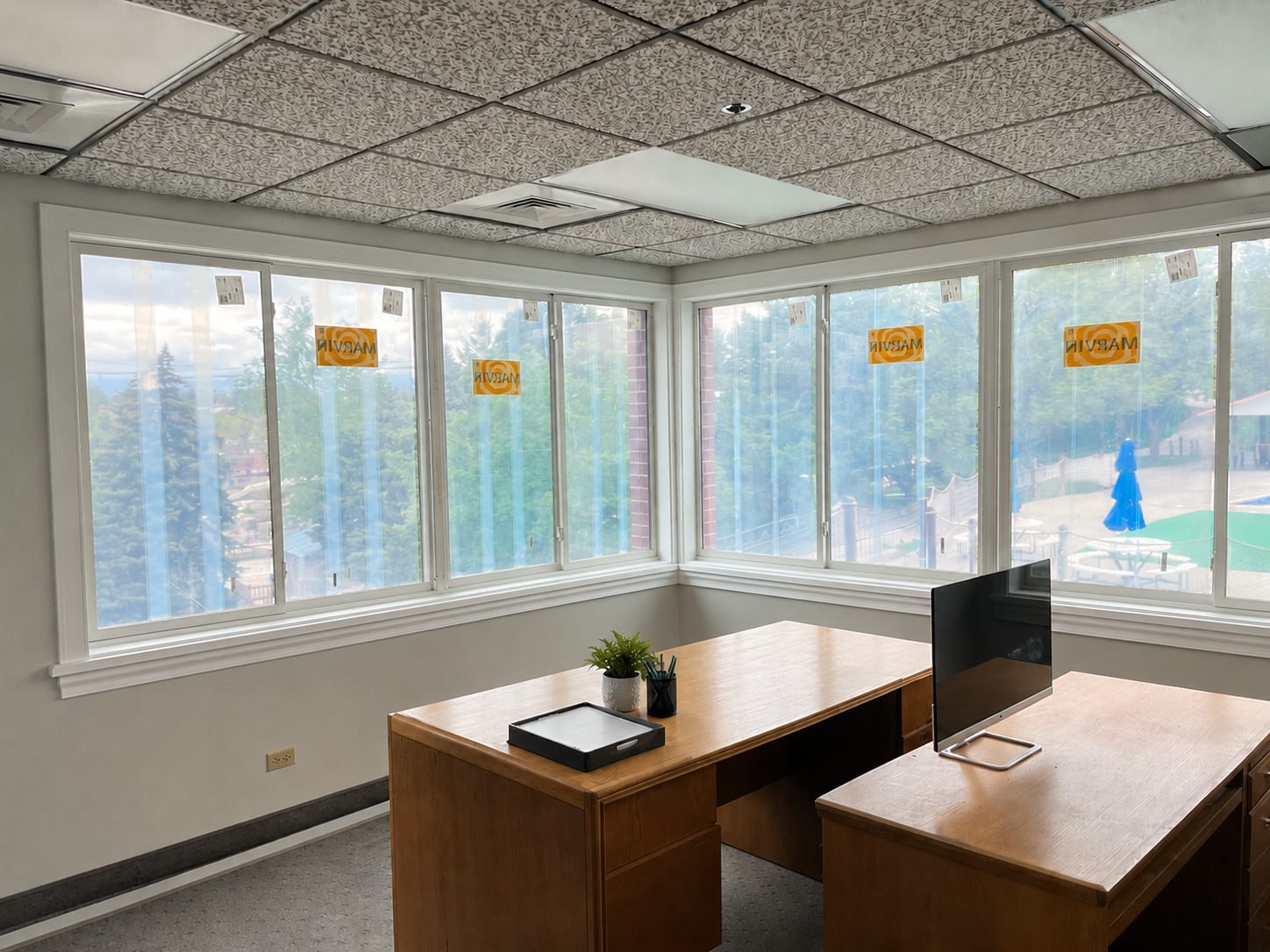
- Replacement windows — glass sized for the view and specified for the exposure.
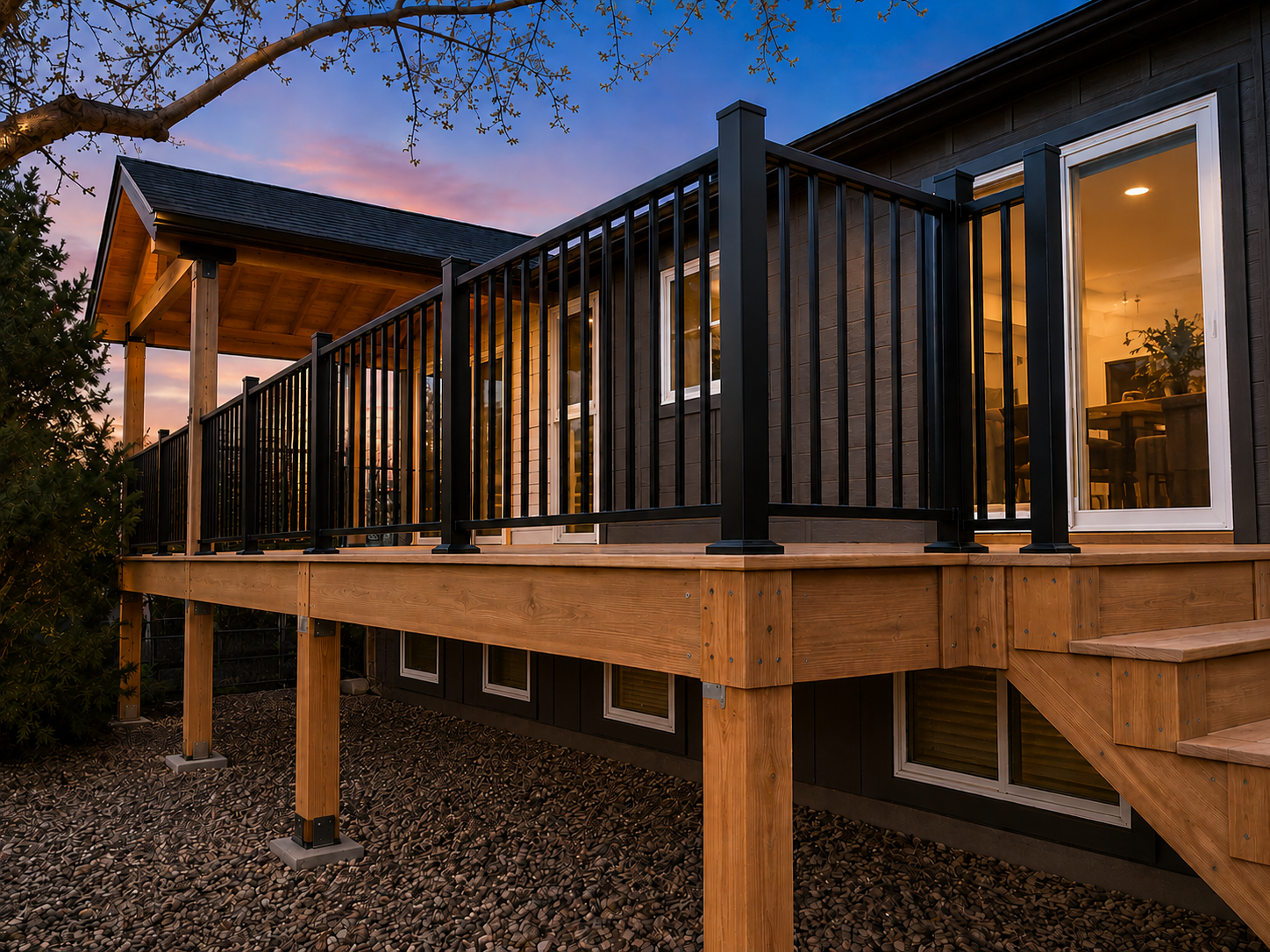
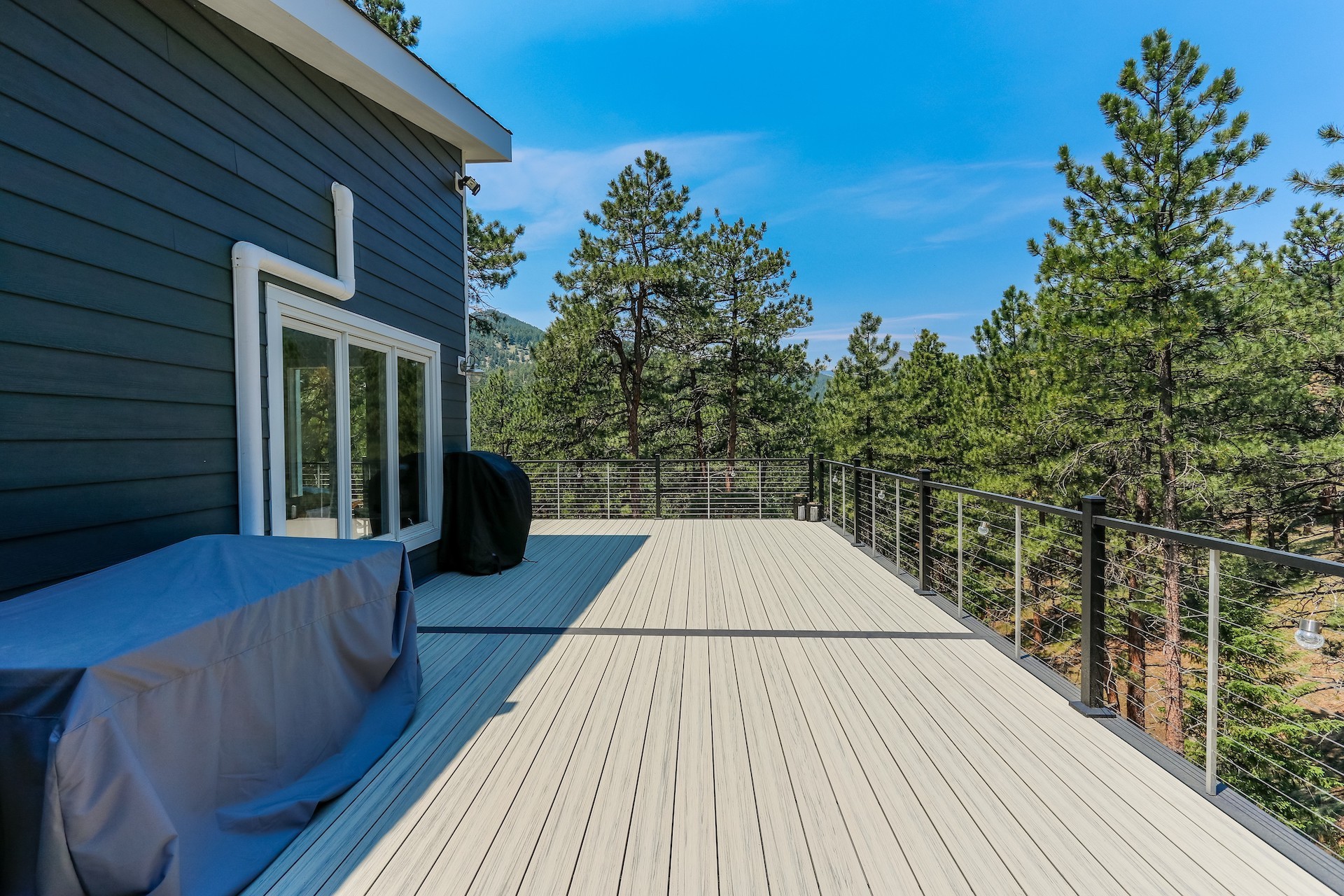
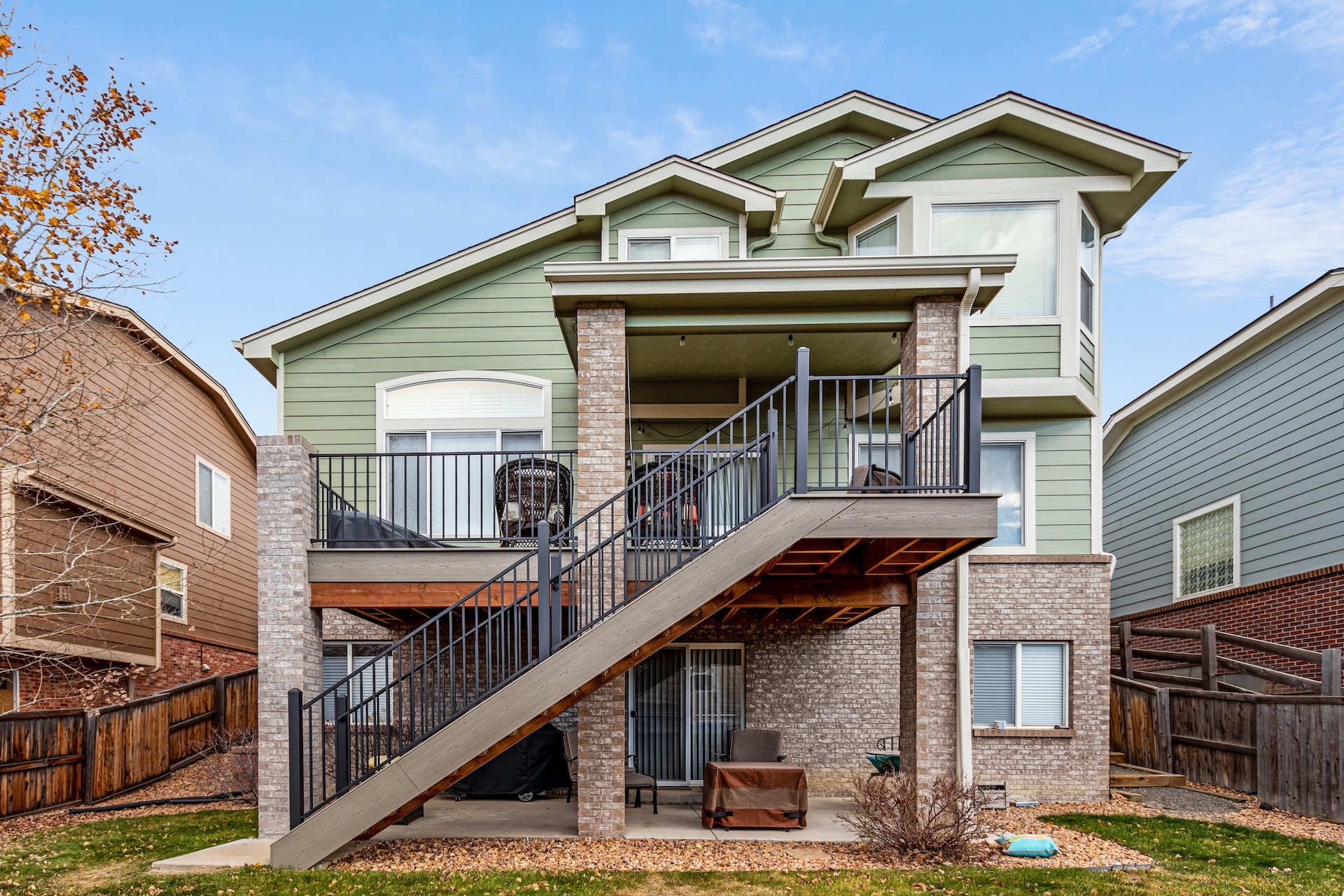
- Composite decks, plus patio covers and pergolas.
- Commercial, lodging and HOA exteriors — work that has to fit between seasons.
- Gutters, fascia and edge metal, generally alongside the roof.
We work the neighborhoods individually rather than treating the county as one market — Silverthorne, Dillon, Frisco, Breckenridge, Keystone, Copper Mountain and the unincorporated areas above them, Wildernest included.
Working in the Valley
Northern Lights Exteriors has been working on Colorado exteriors since 2001, and we joined the Summit Chamber of Commerce in September 2026 as we have grown our work in the valley. That is a membership, not a credential — we mention it because we would rather be accountable to the local business community than be a name that appears on a quote and then disappears over the pass.
We are honest about the travel, too. That shapes what we take on: we are the right call for a full re-roof, a full re-side, a deck build or a multi-building HOA project, and we will tell you plainly when something is small enough that a contractor in the valley will serve you better. Saying that costs us a job occasionally and it has never once cost us a client.
Talk to Us About Your Summit County Property
Tell us the address and what you are thinking about. We will confirm which authority governs it, walk the property, and give you a scope you can actually read — whether you are in the valley that week or not.
Request Your Free Estimate → 📞 (303) 776-5263
Prefer email? Reach us at office@nlexteriors.com. Ask about financing options when we walk the property.
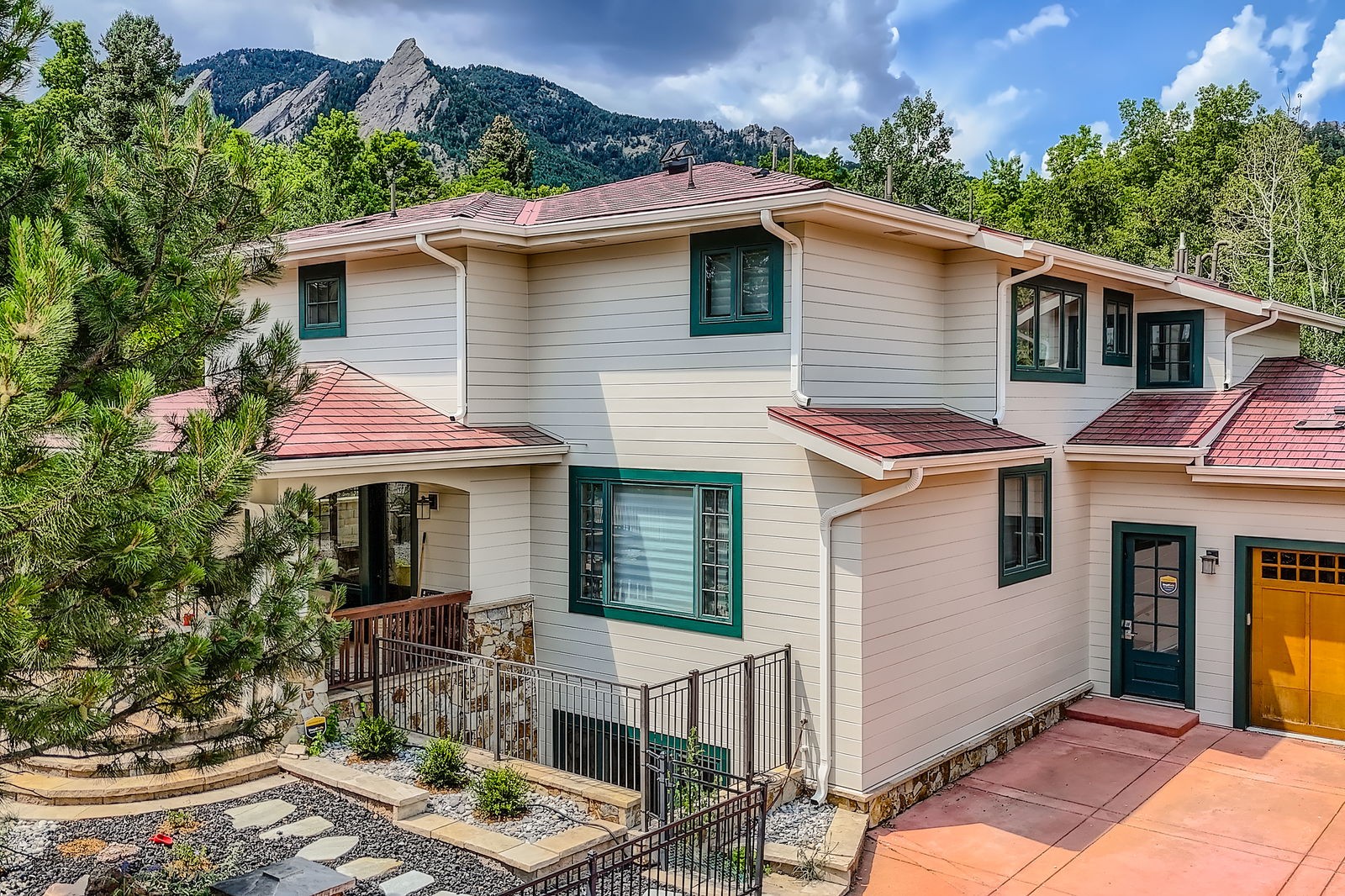
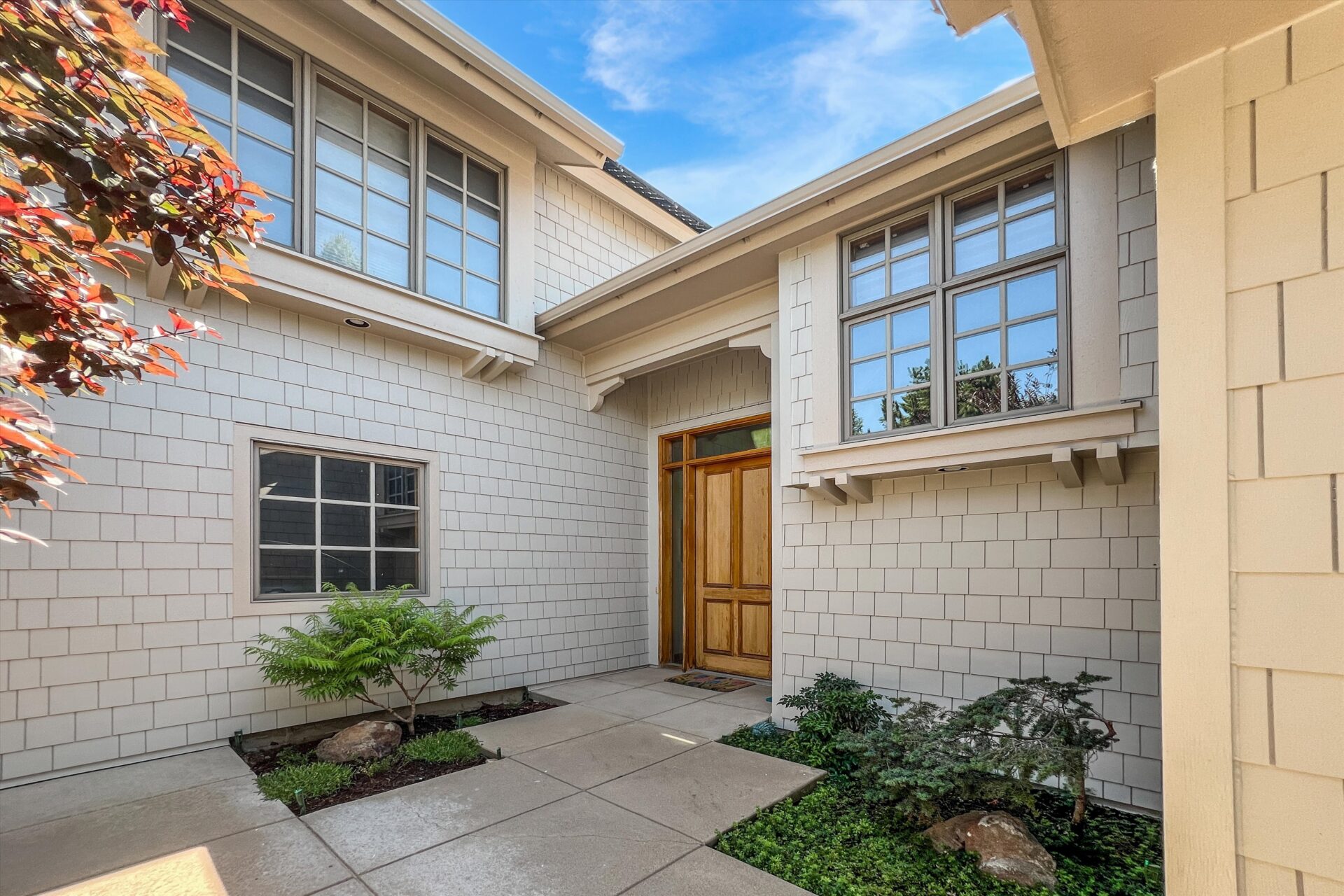
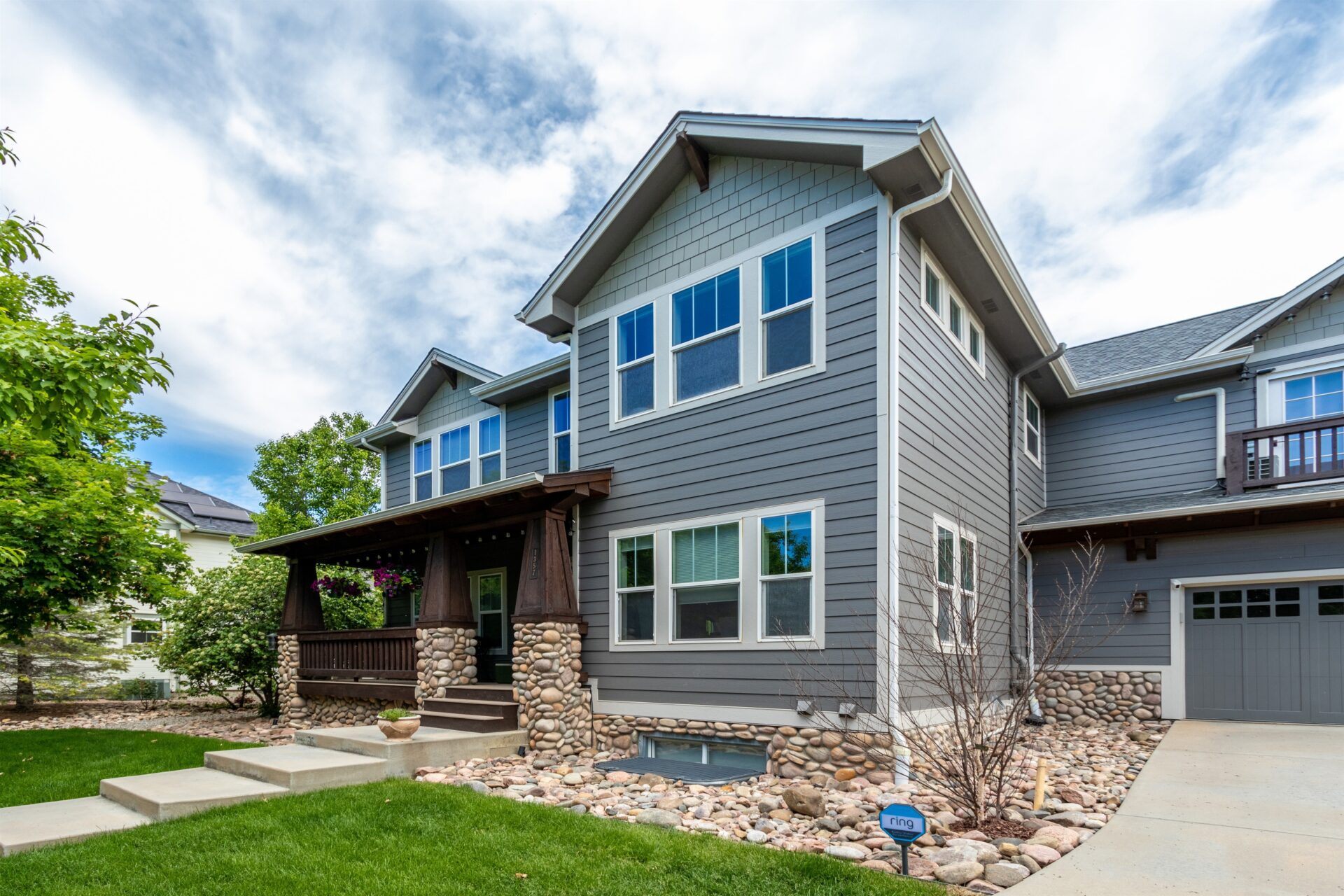
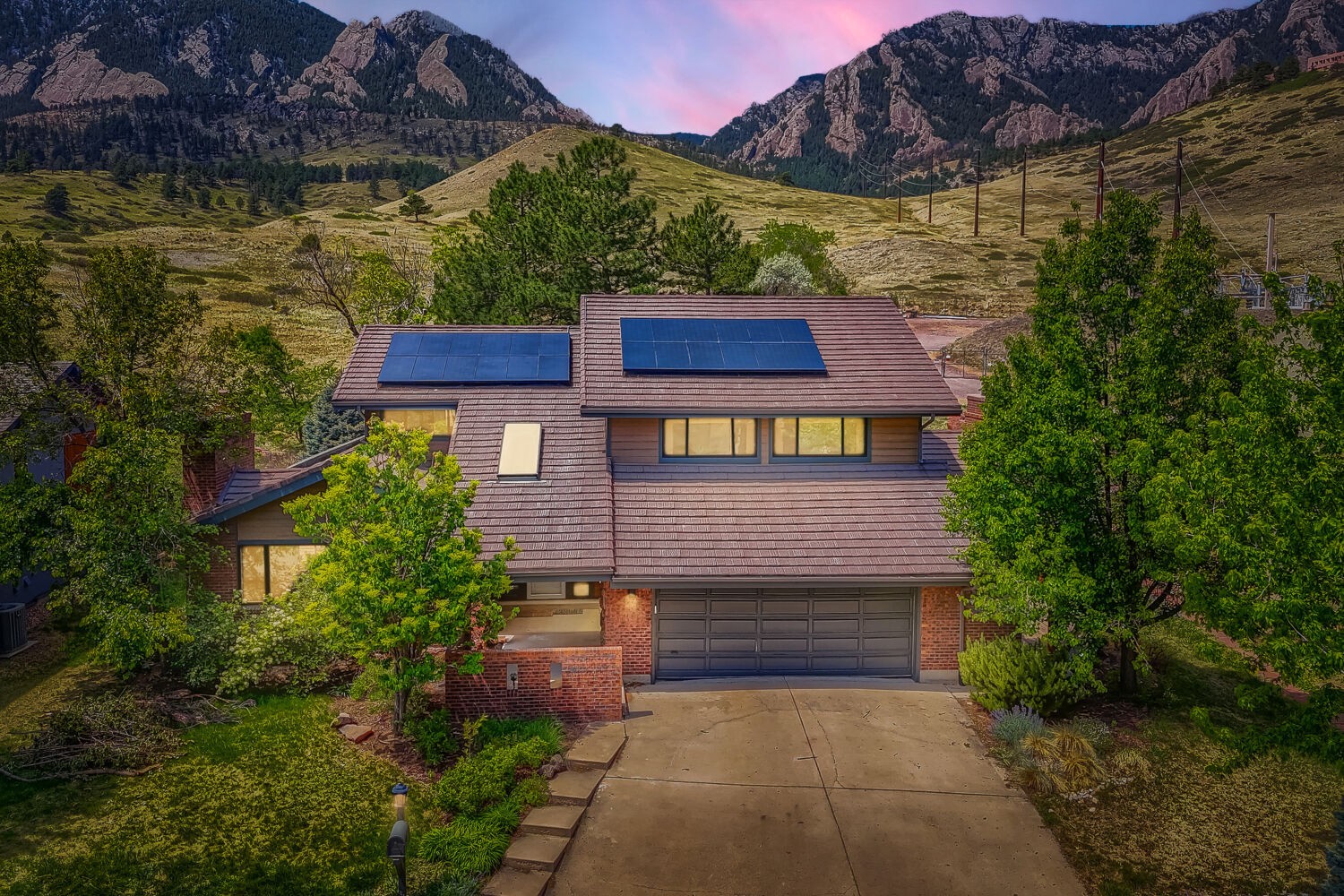
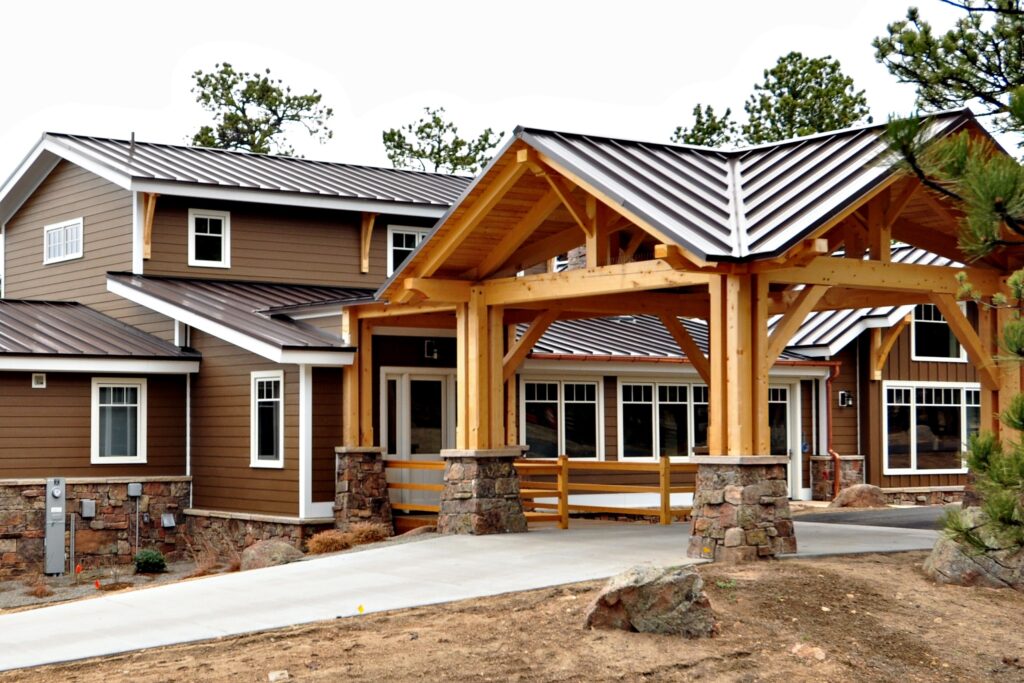
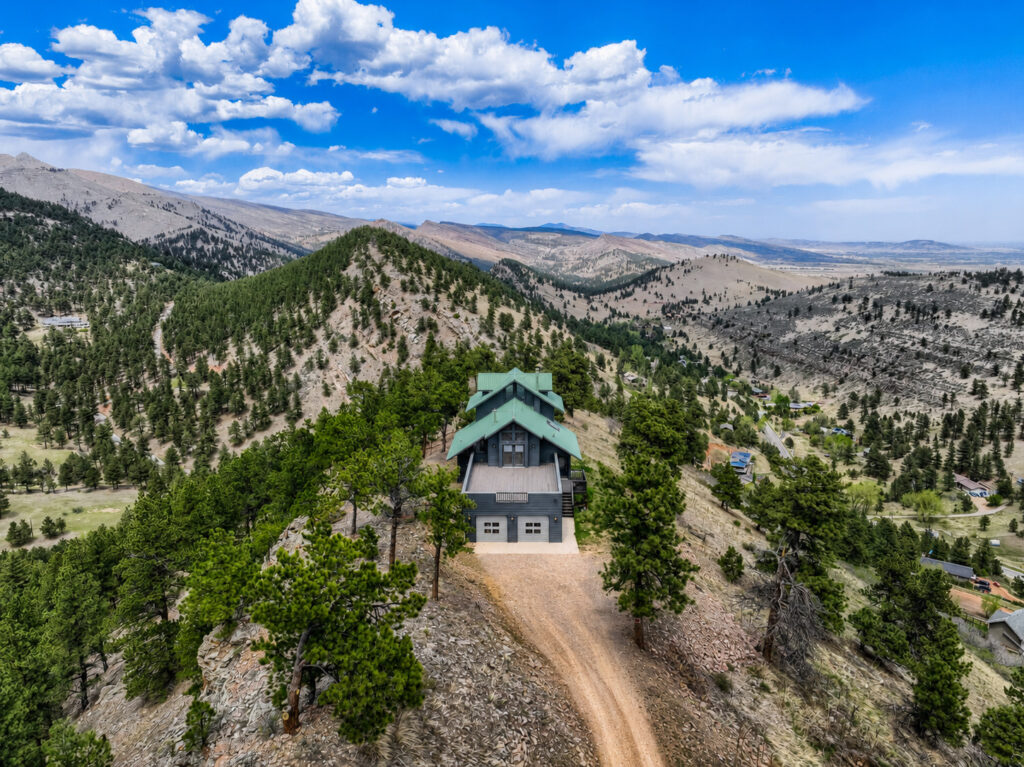
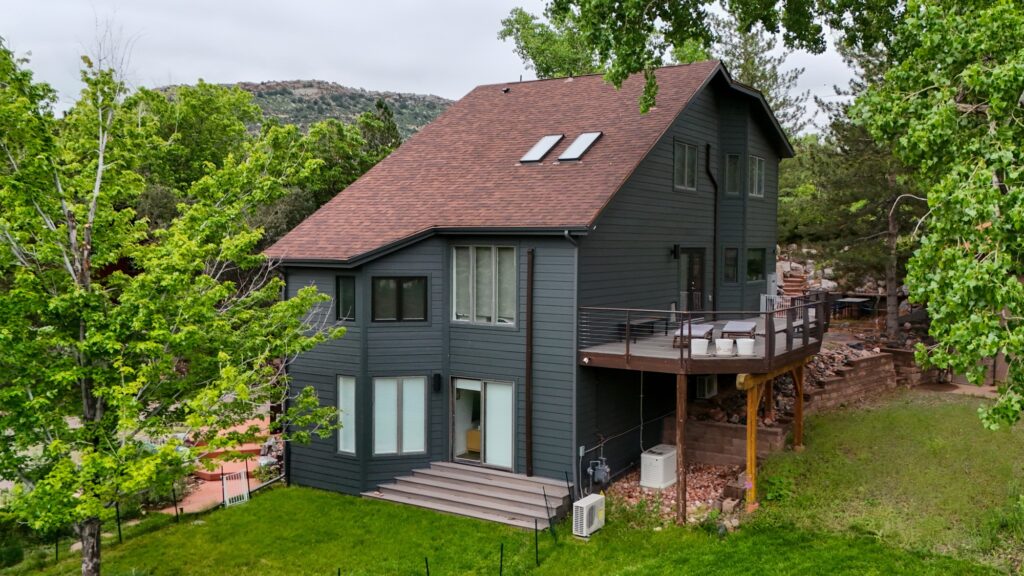
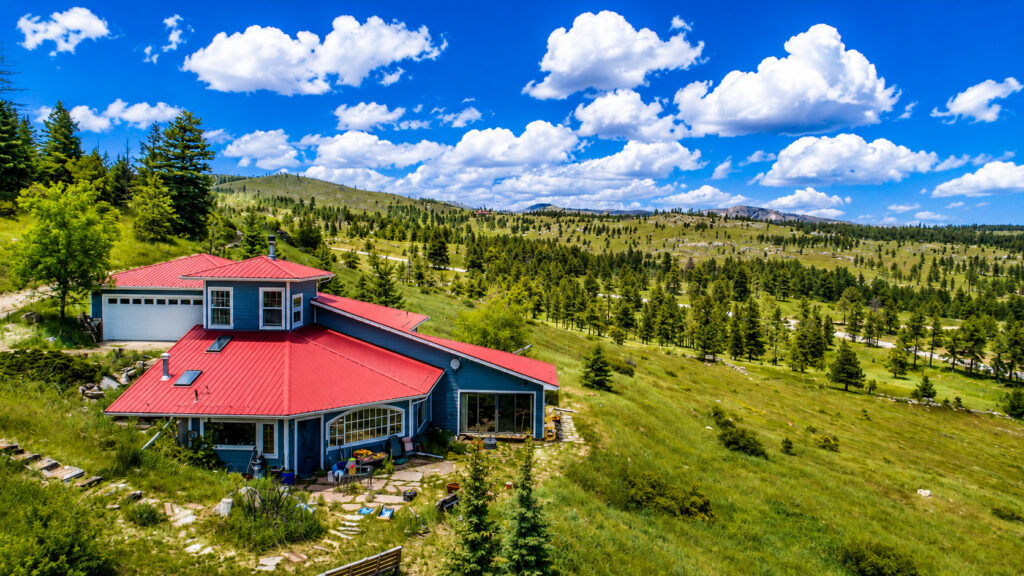
Mountain Exteriors We Have Built in Colorado
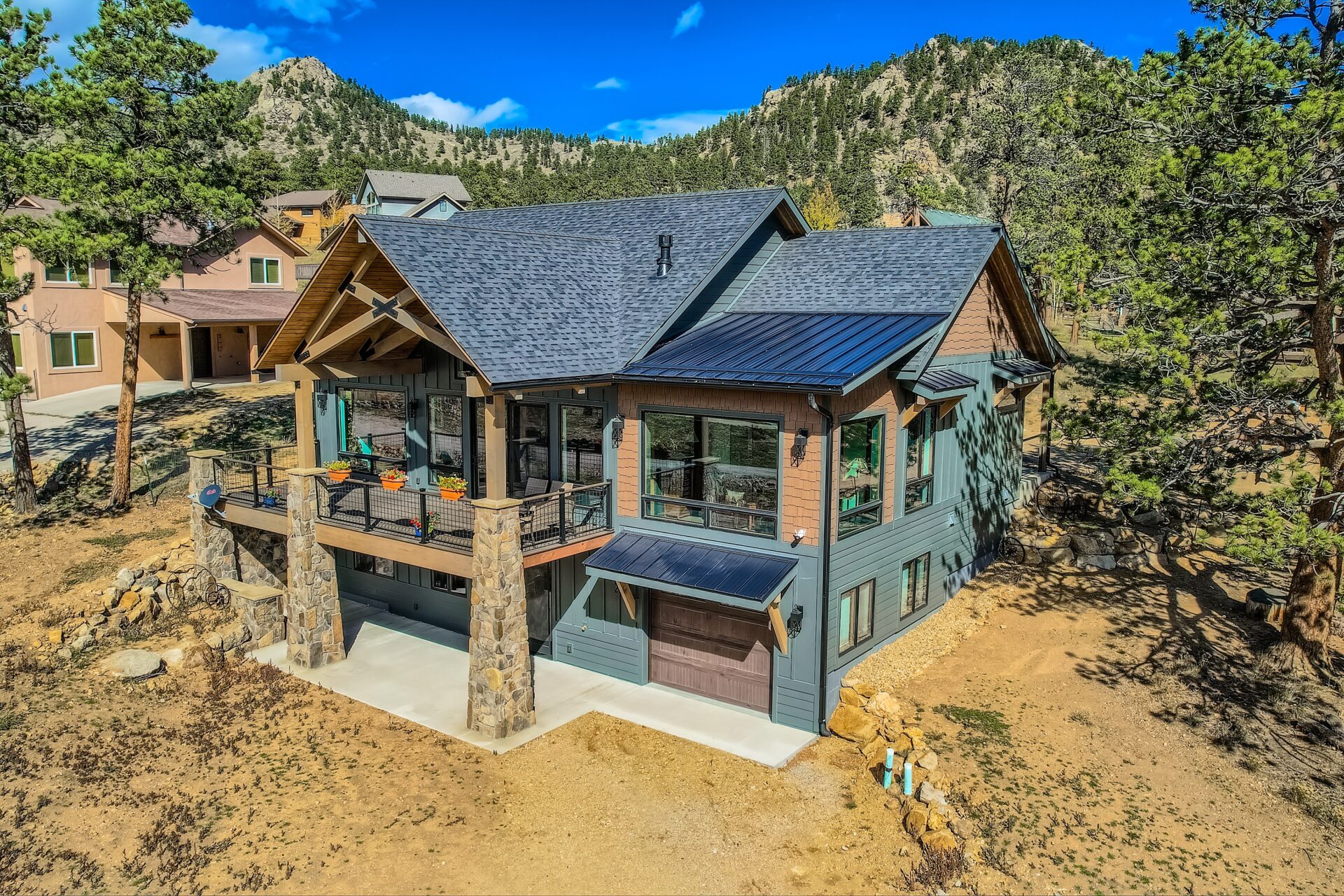
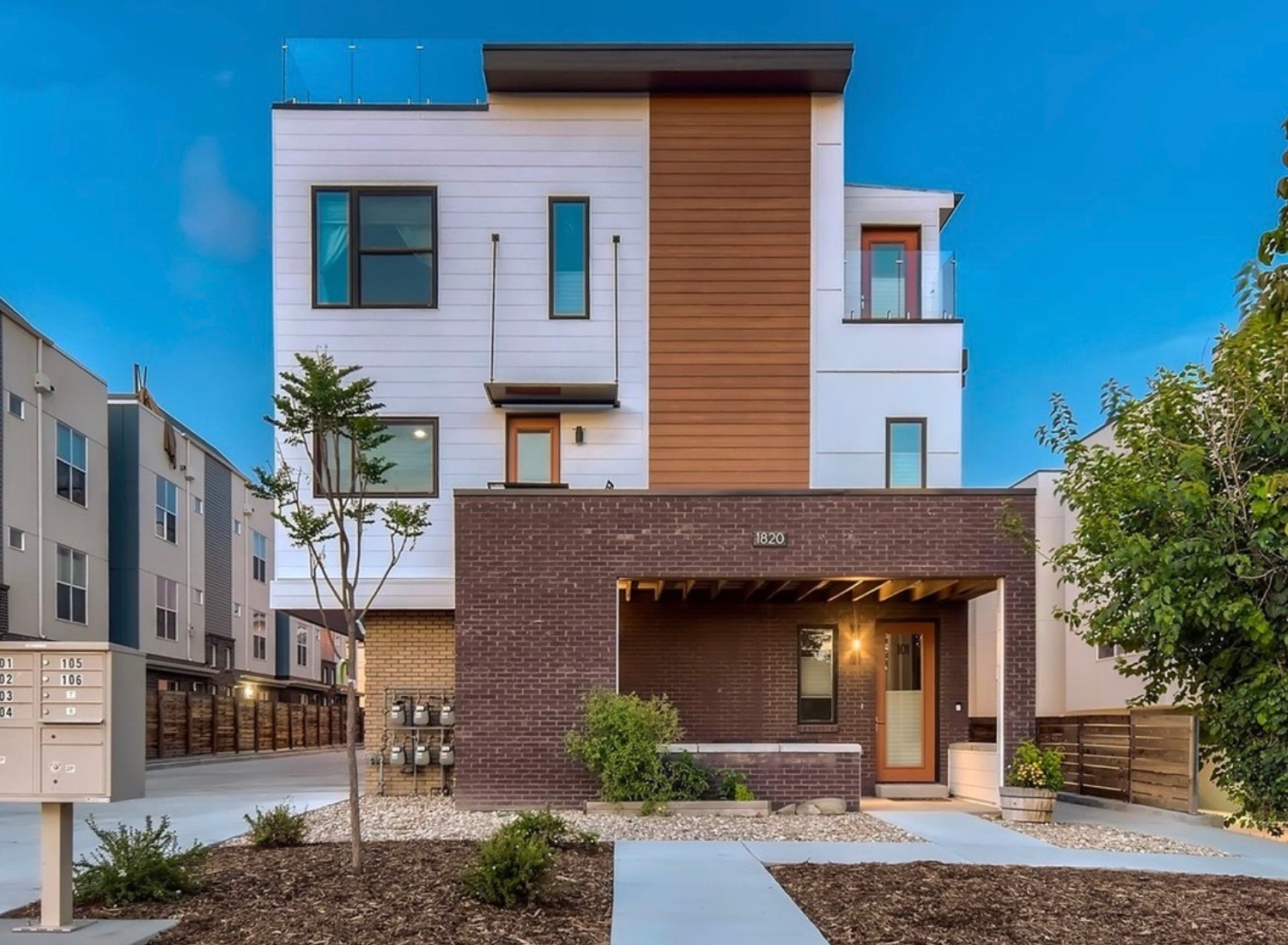
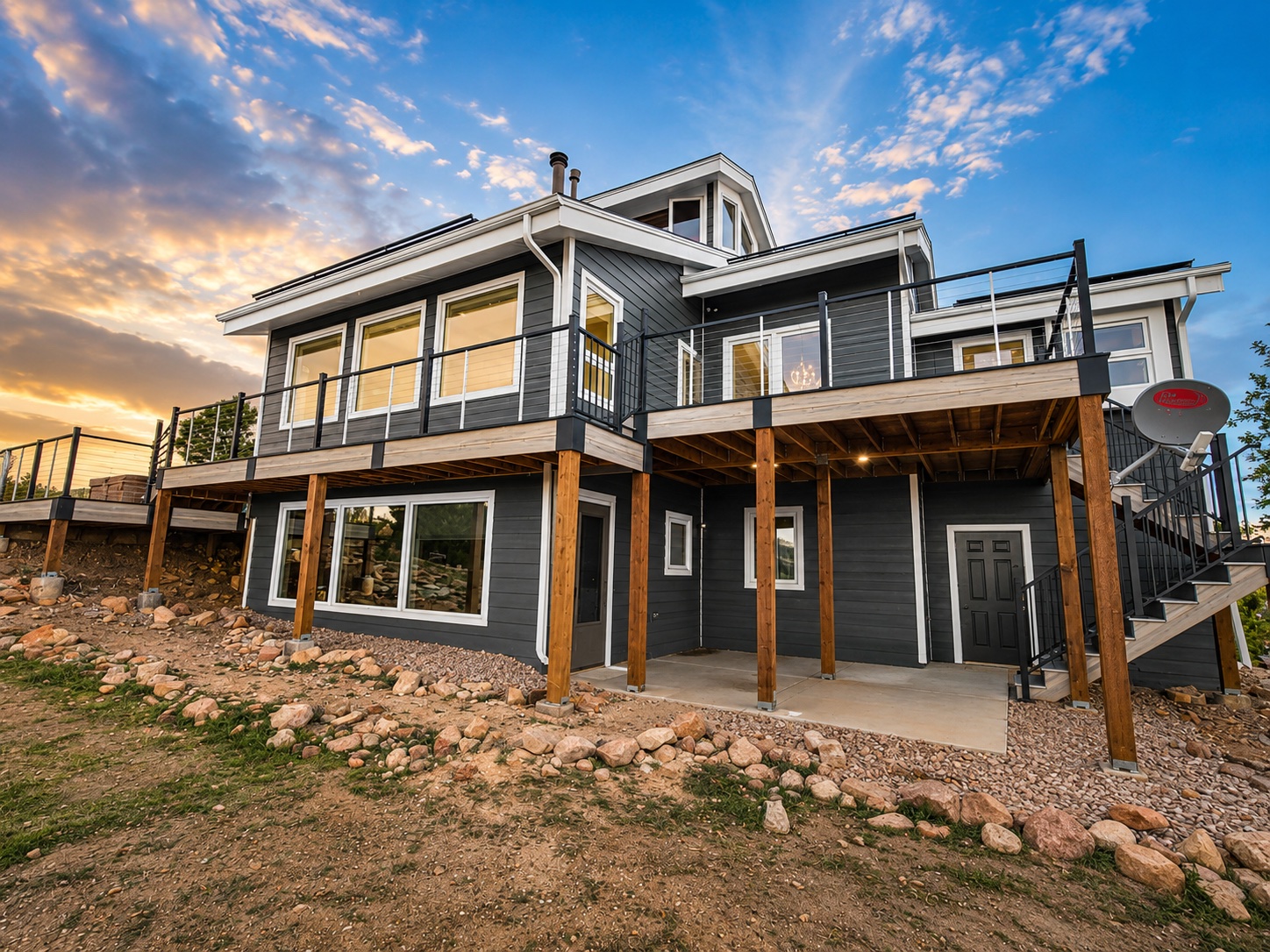
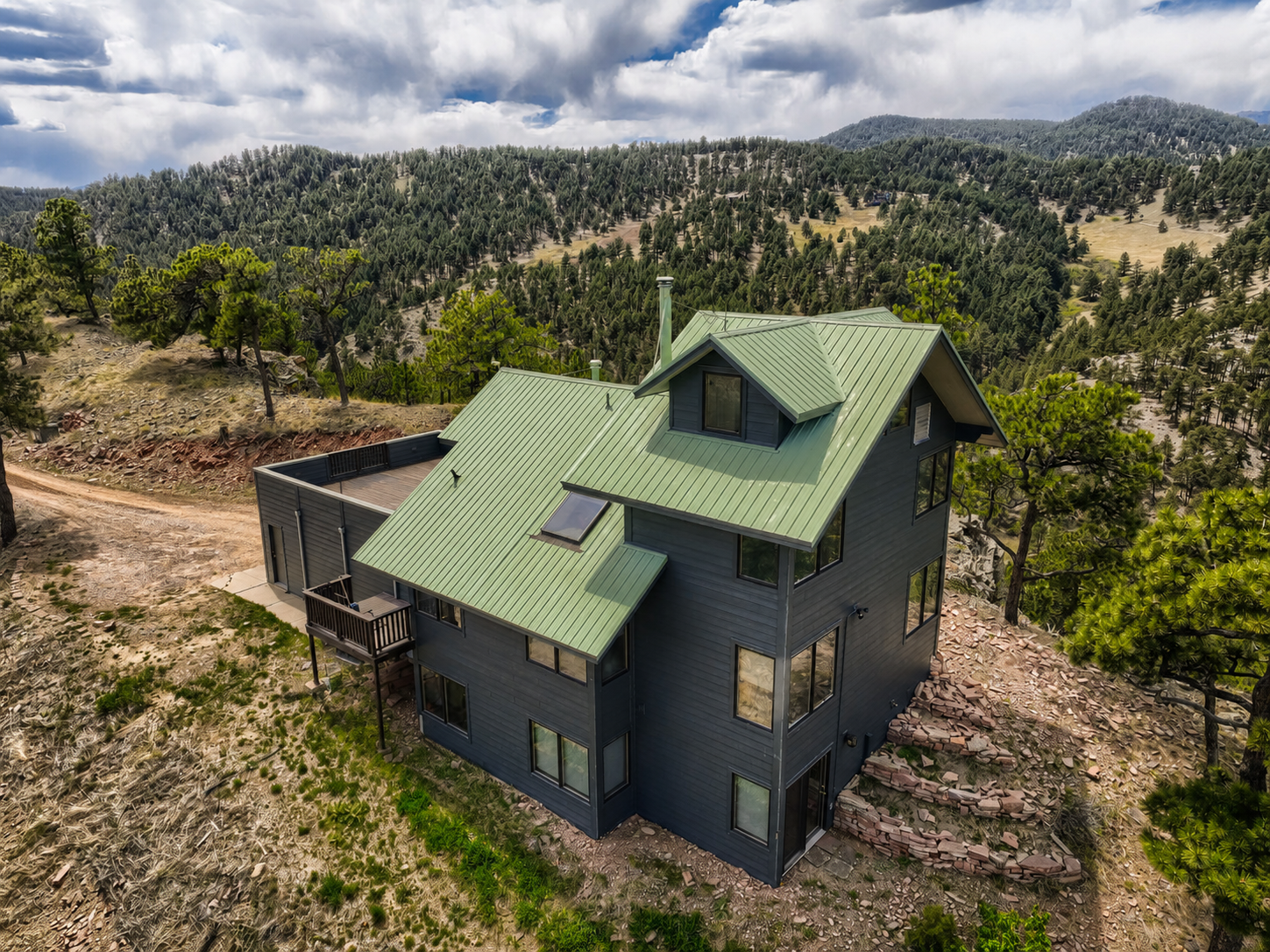
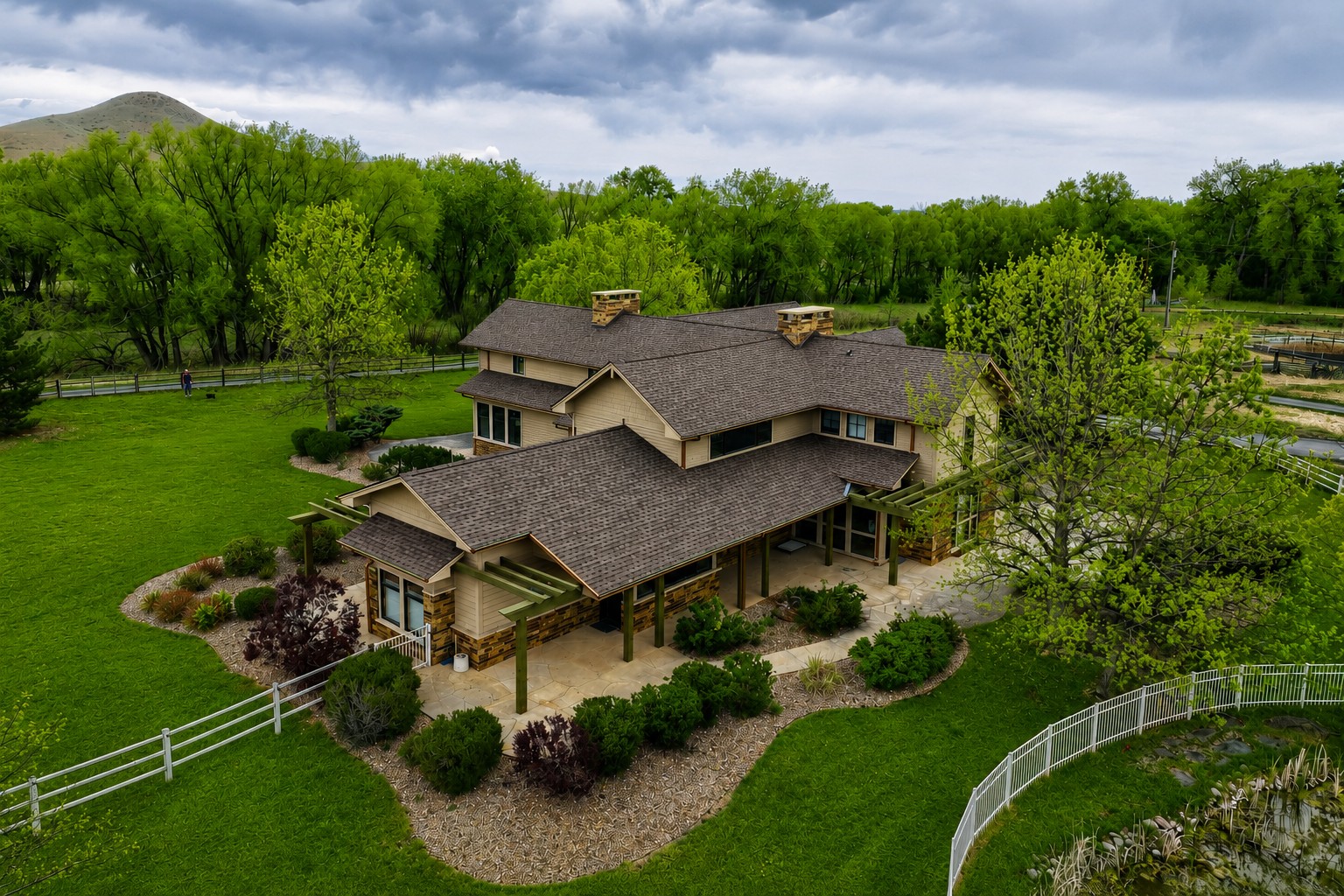
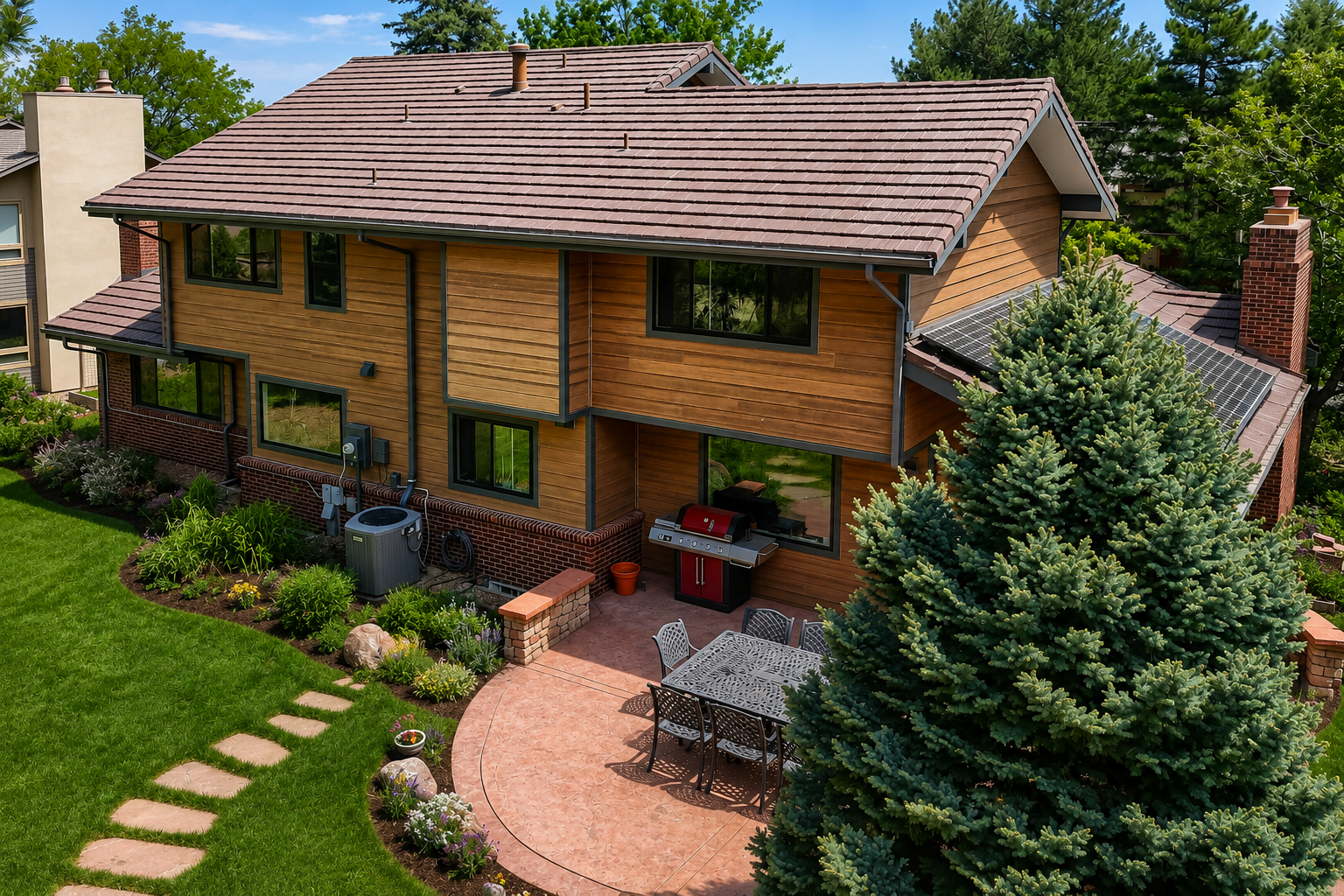
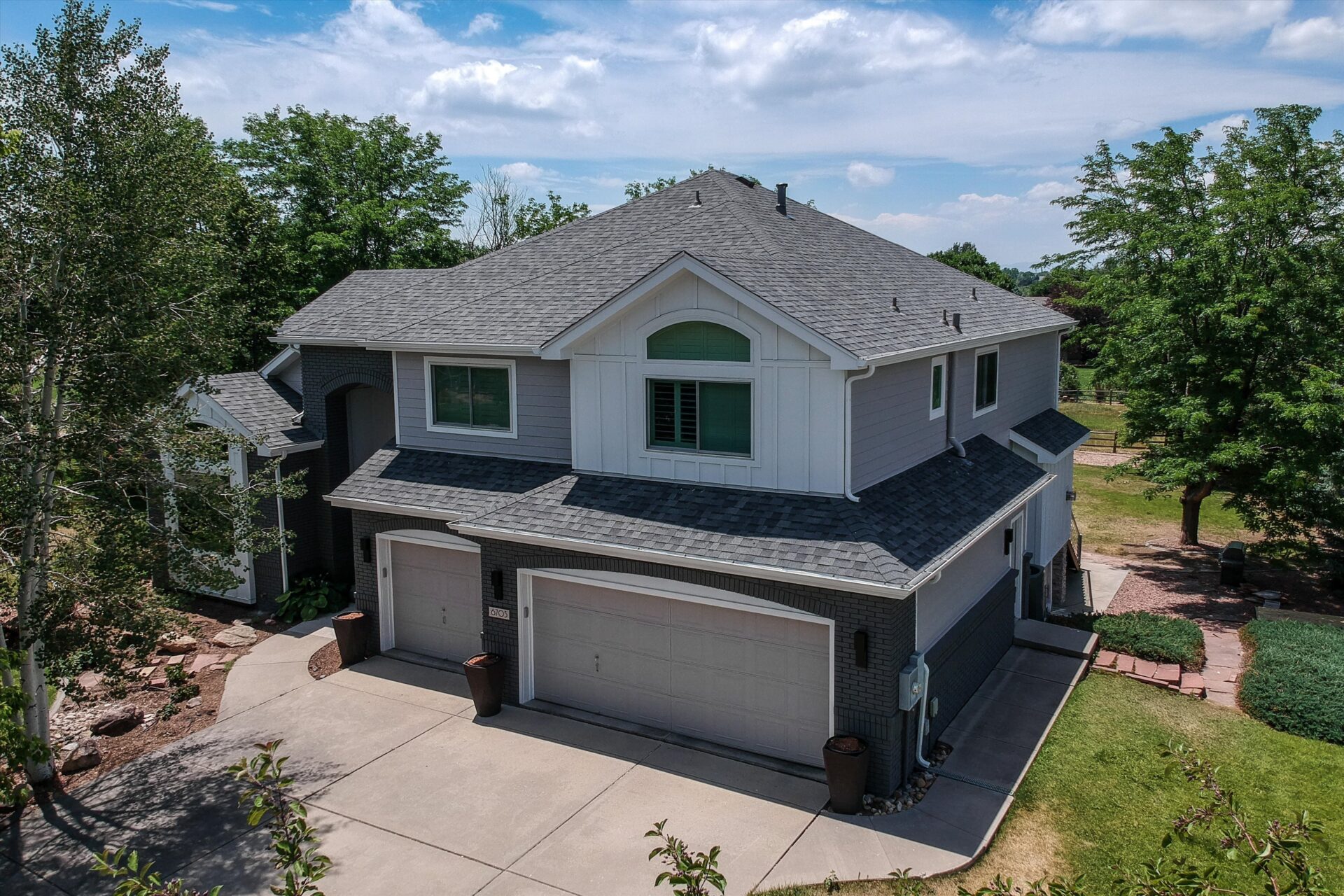
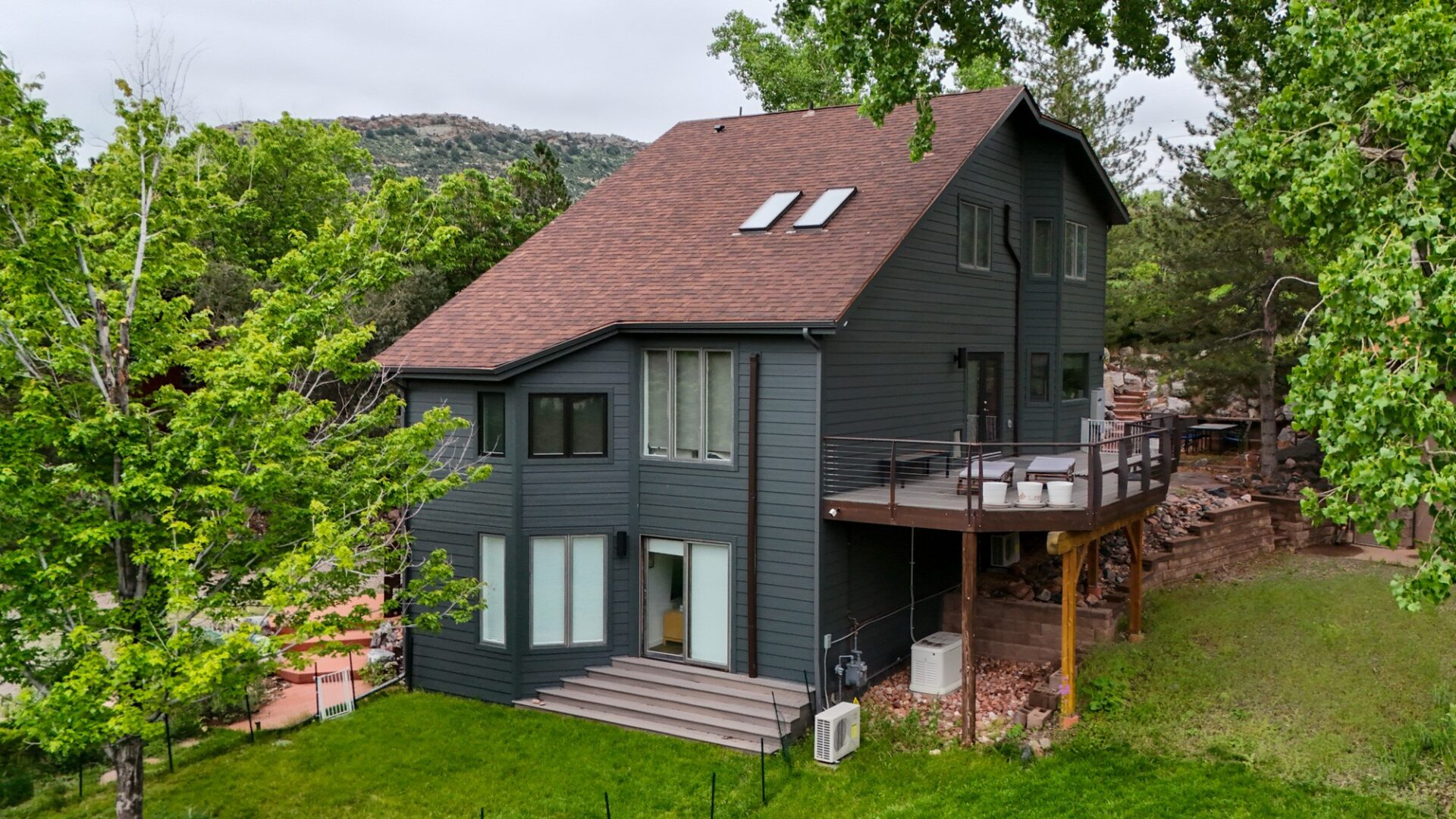
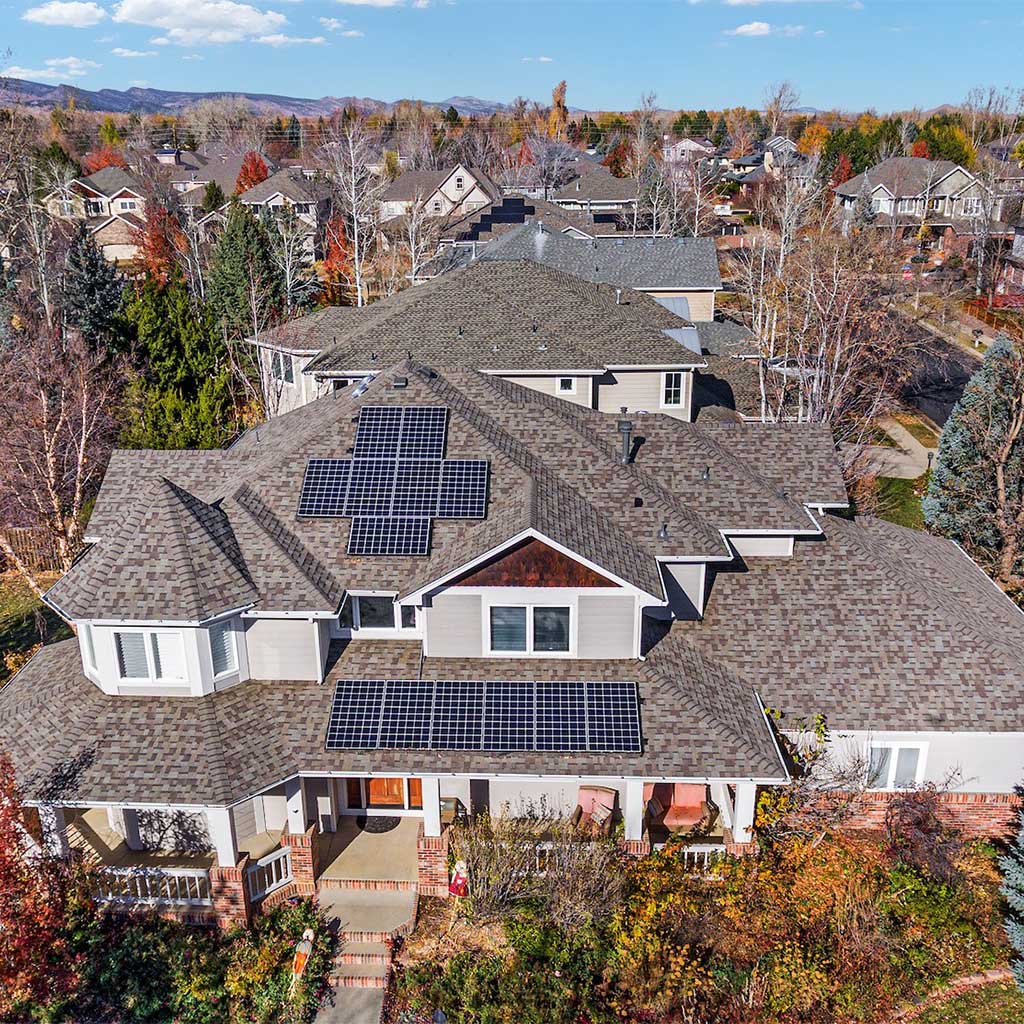
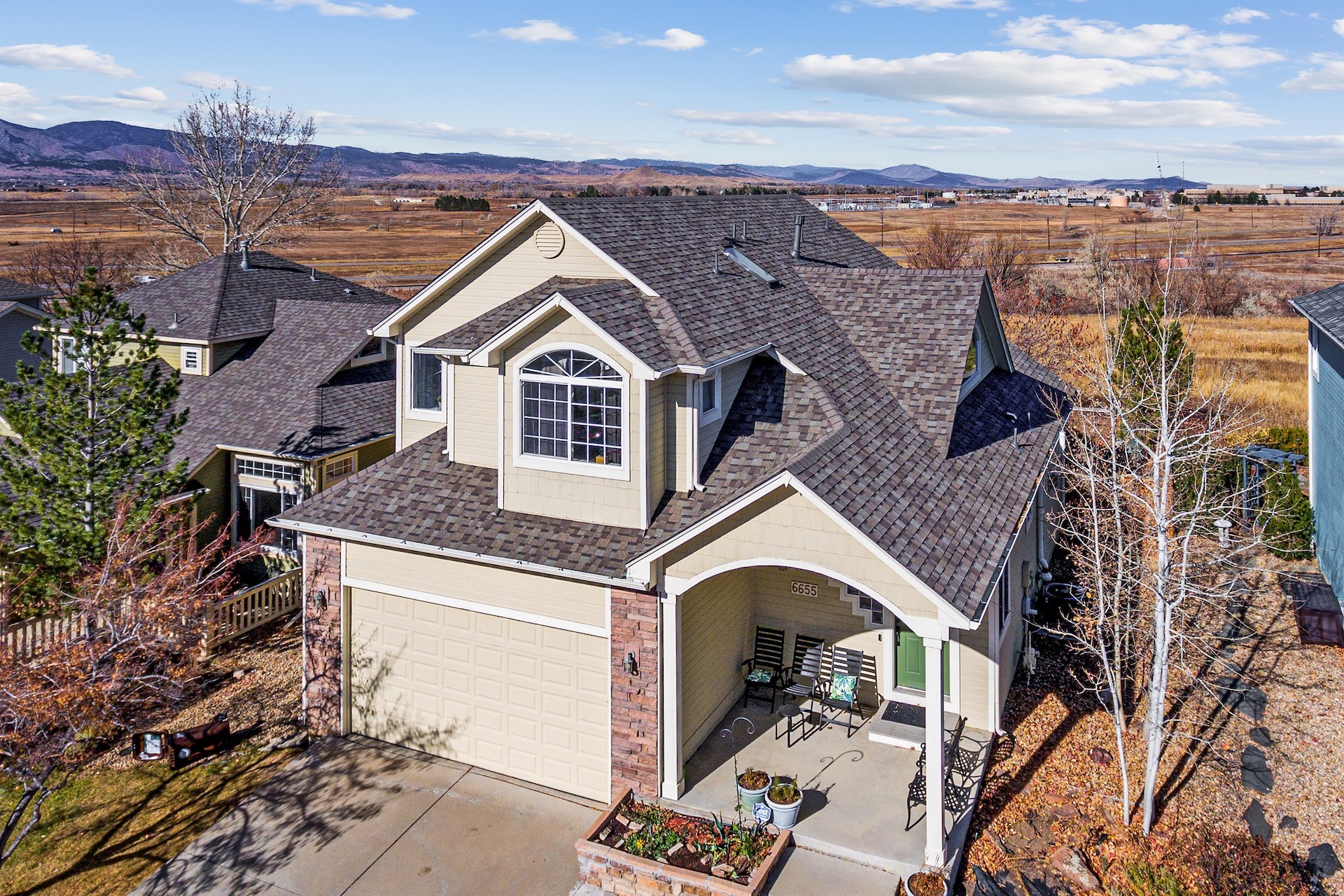
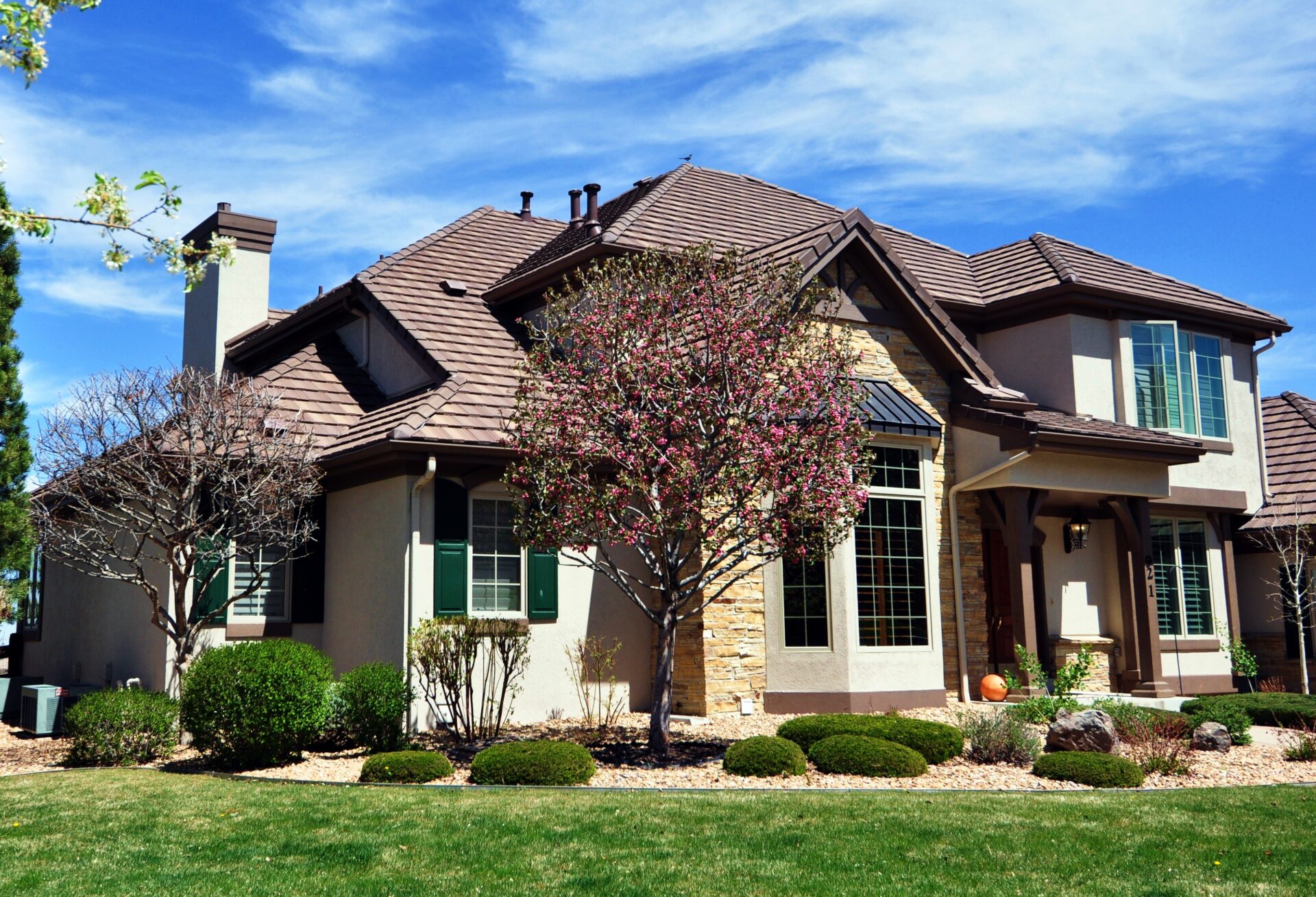
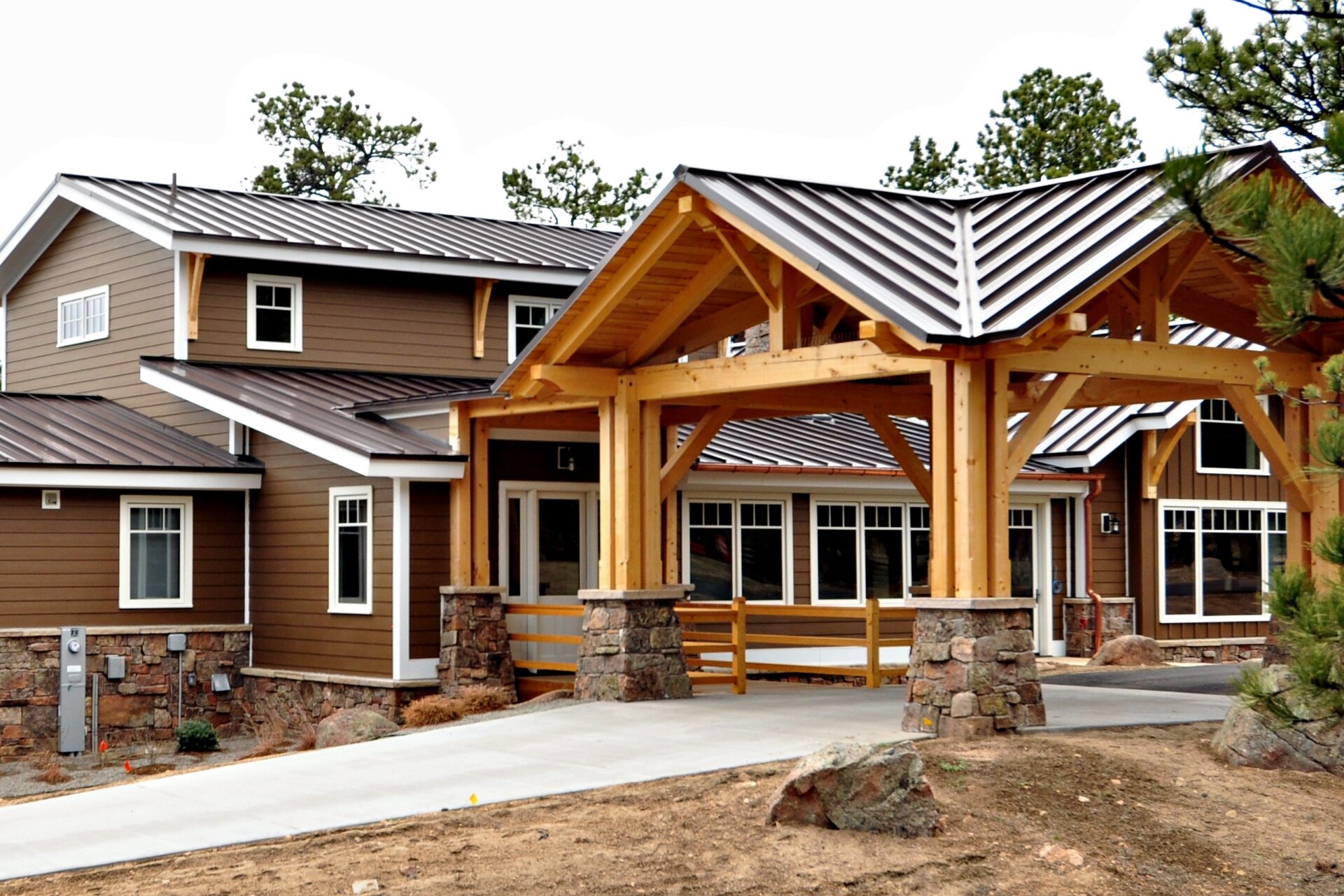
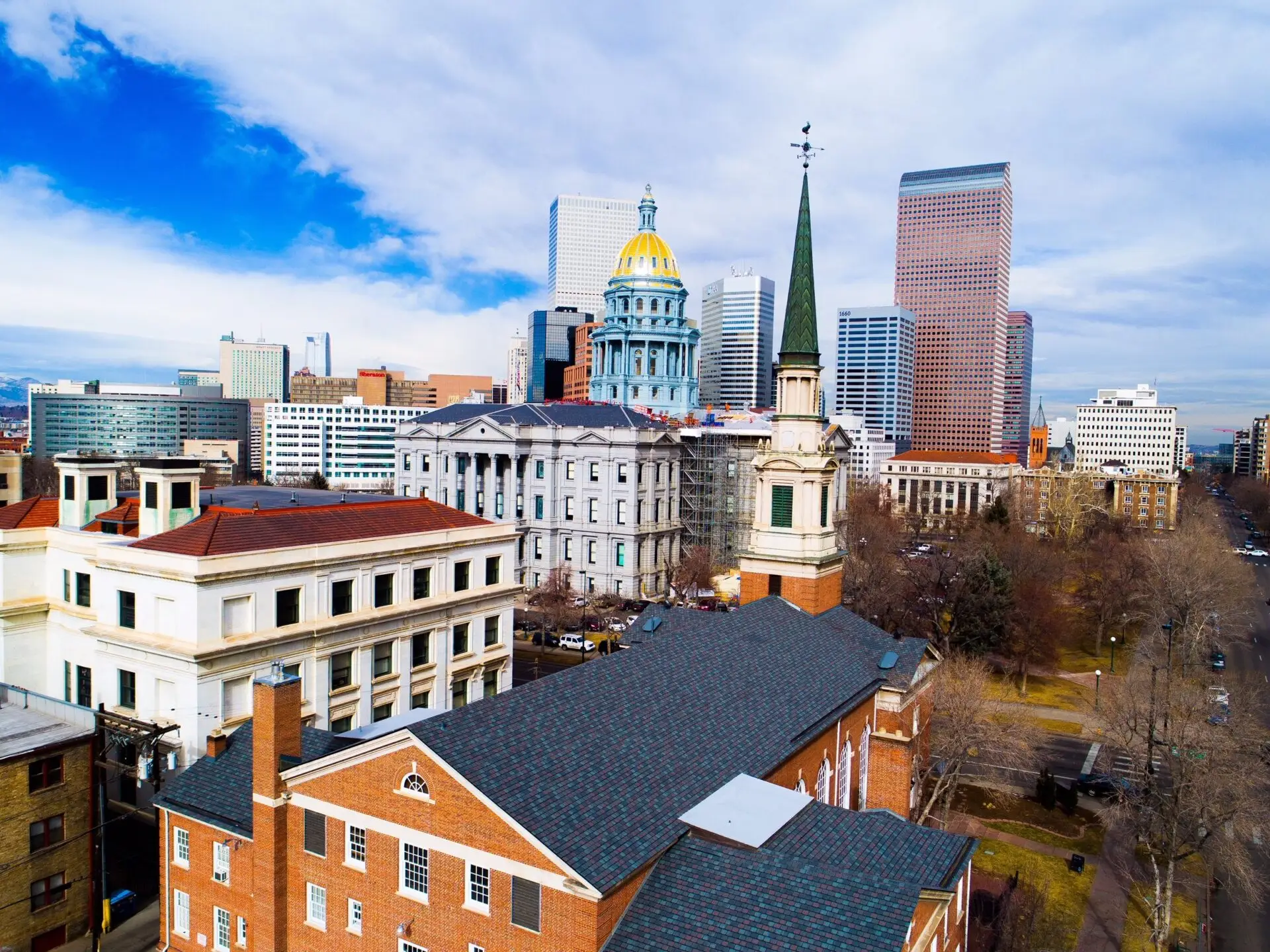
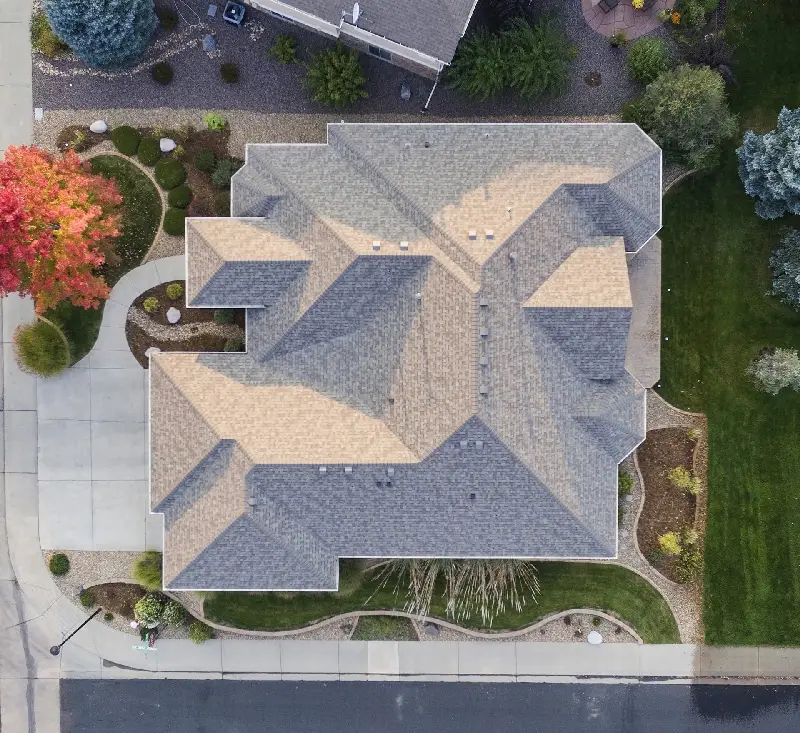
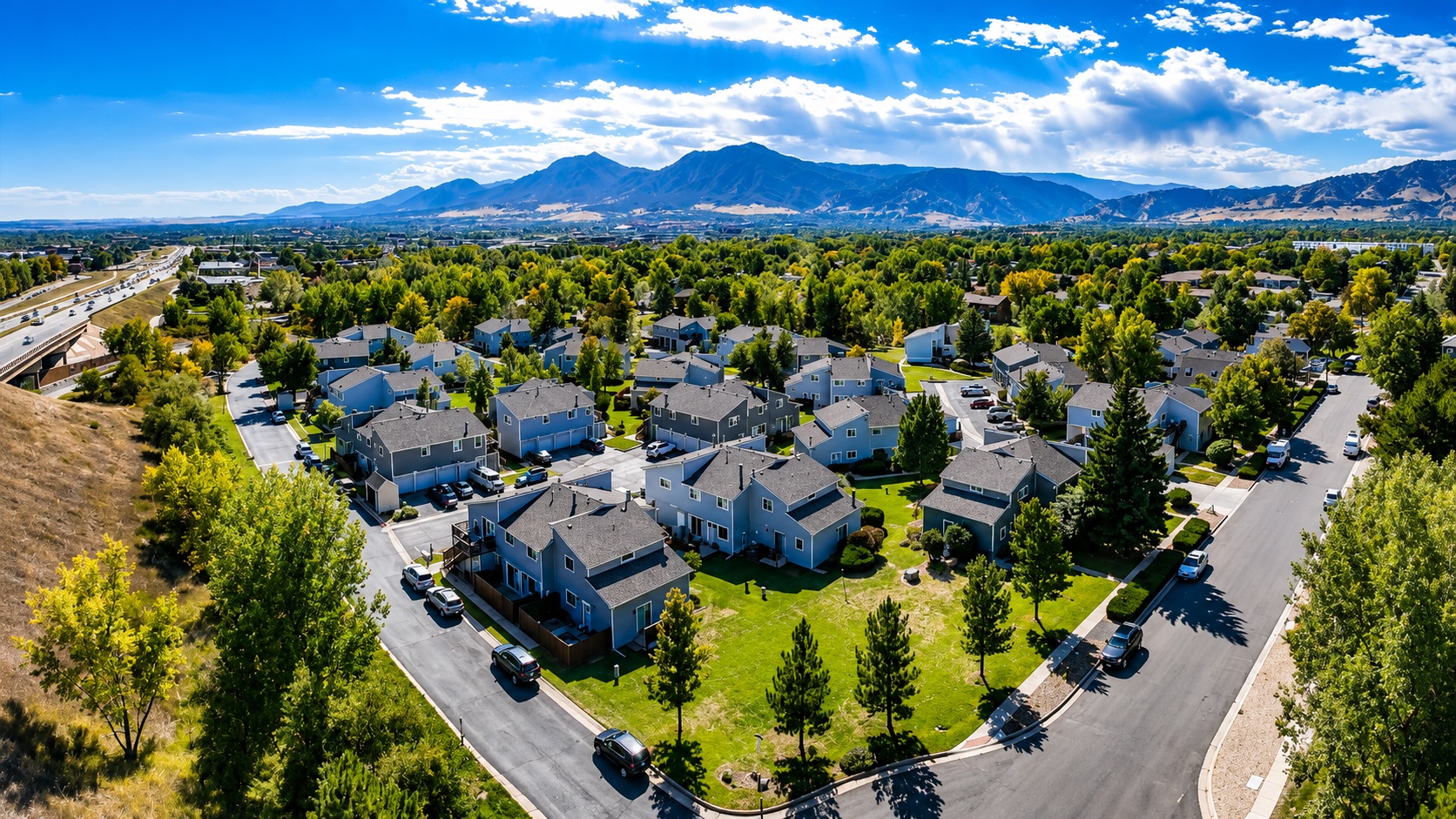
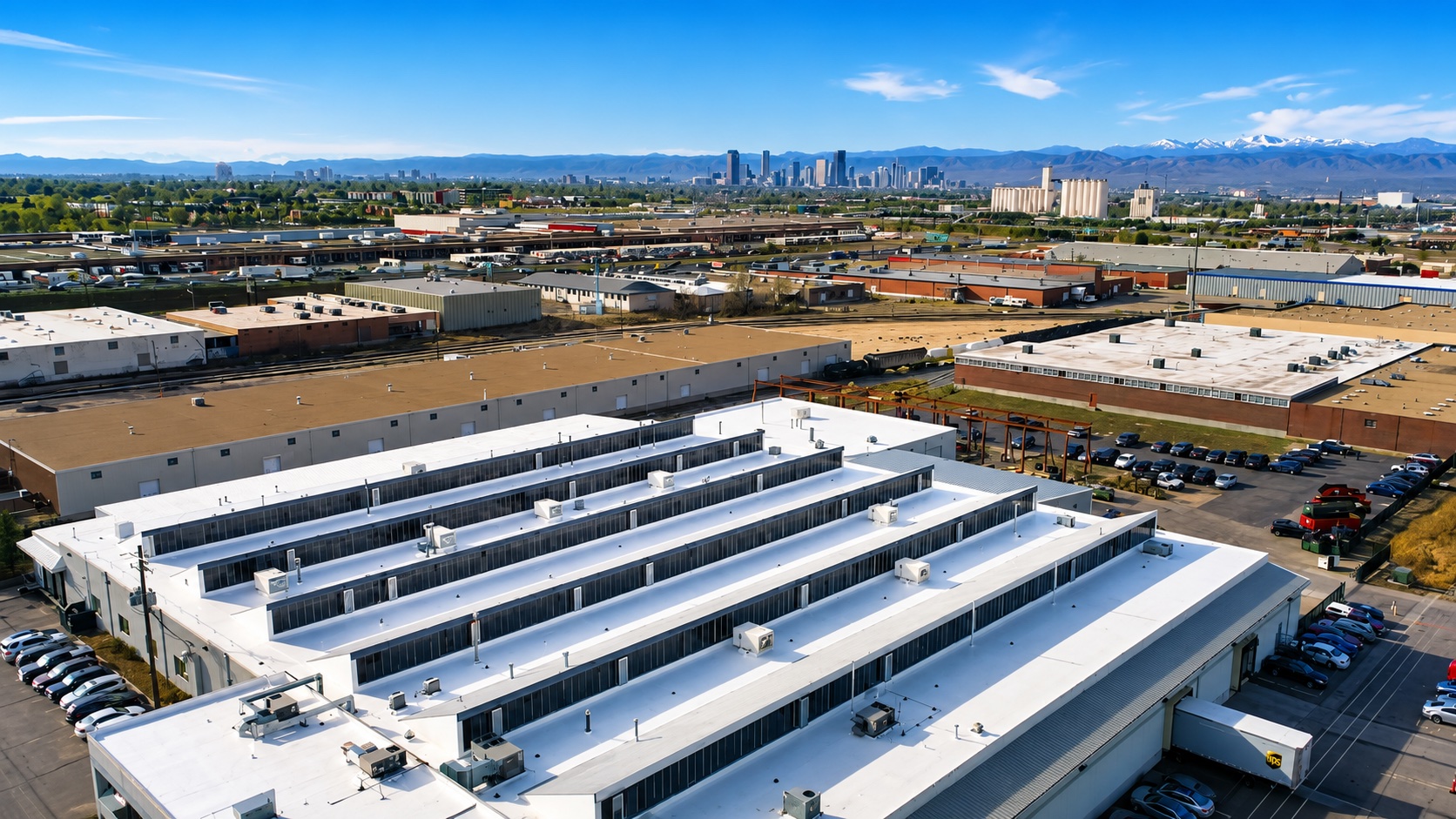
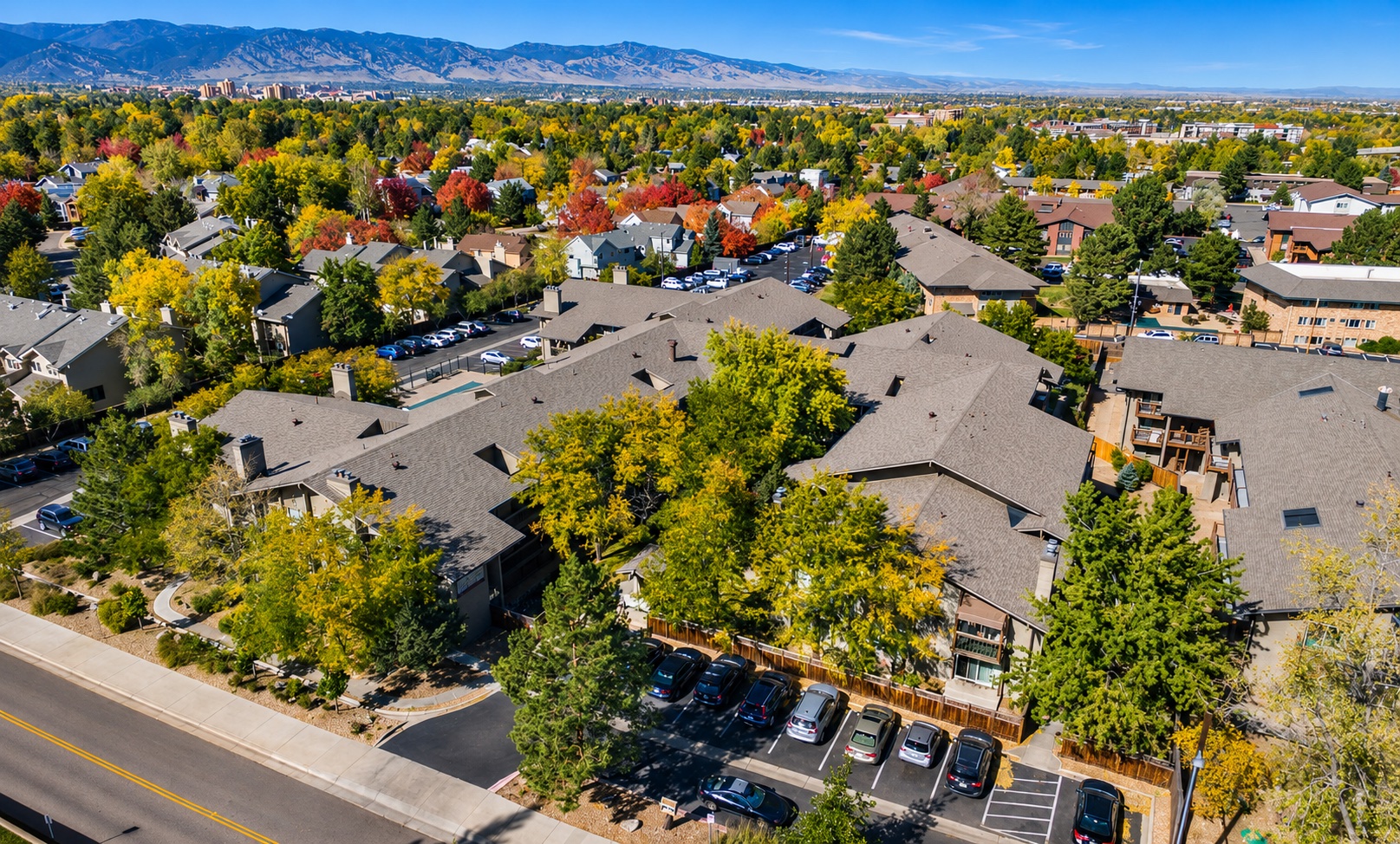
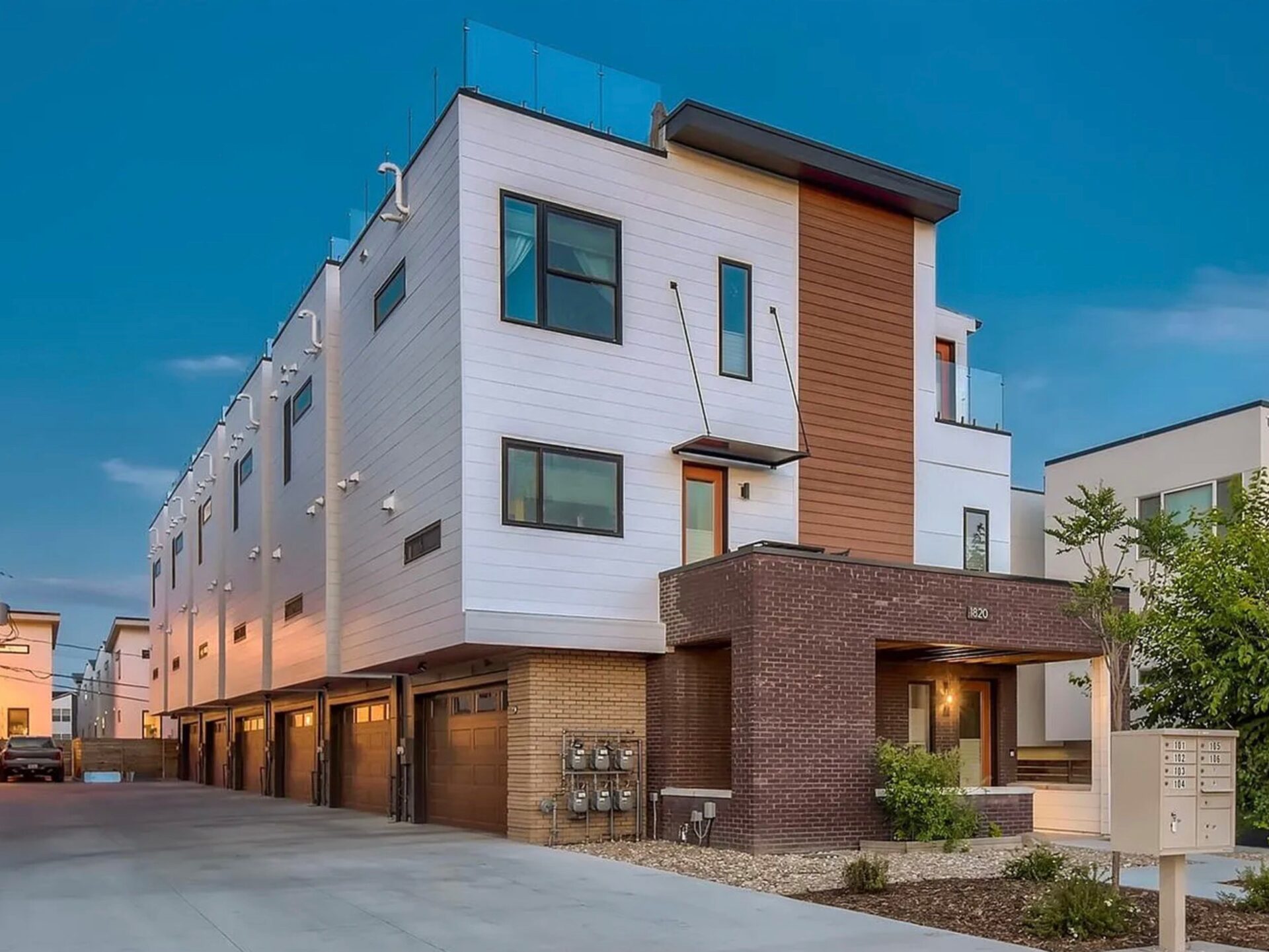
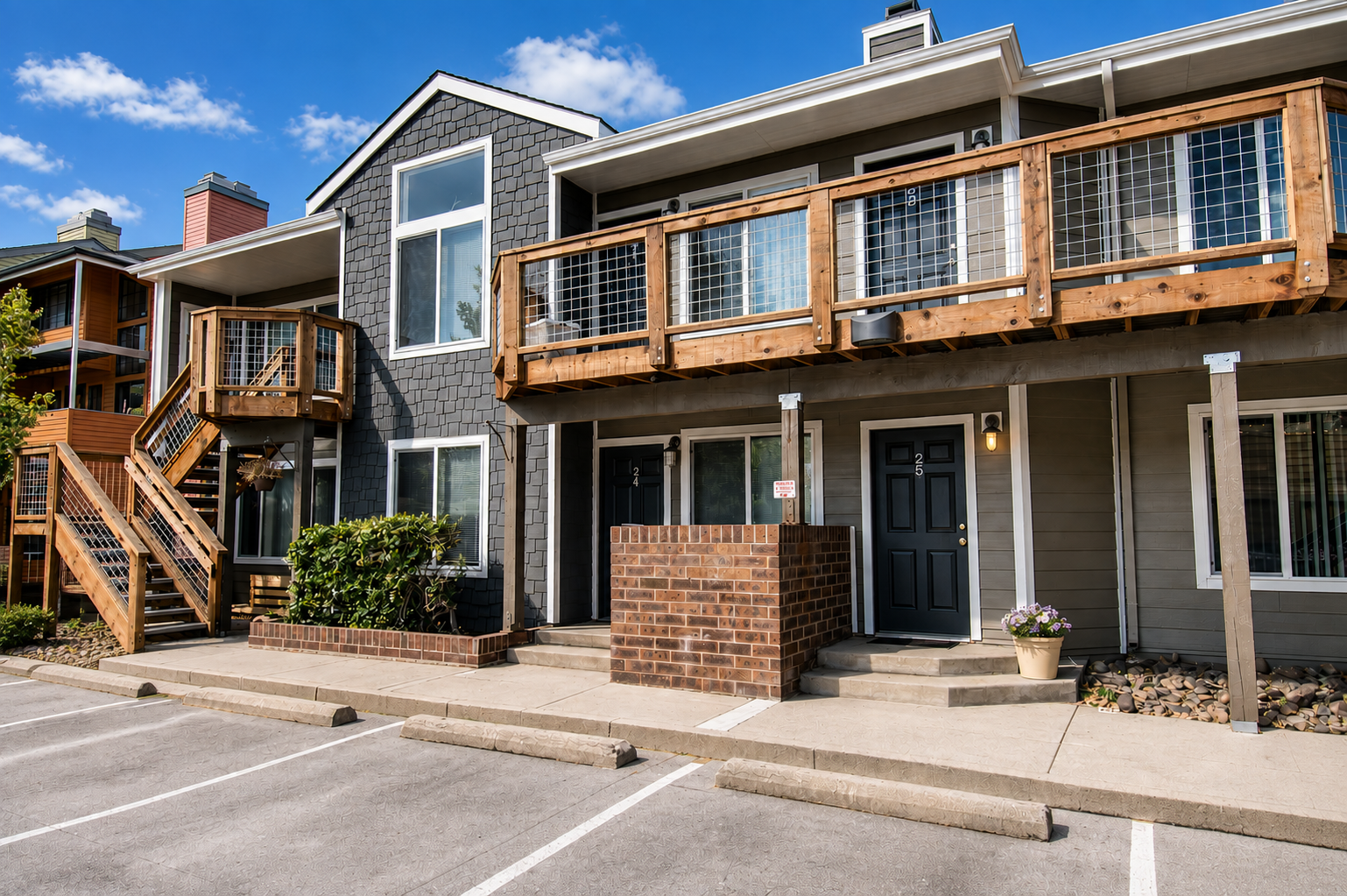
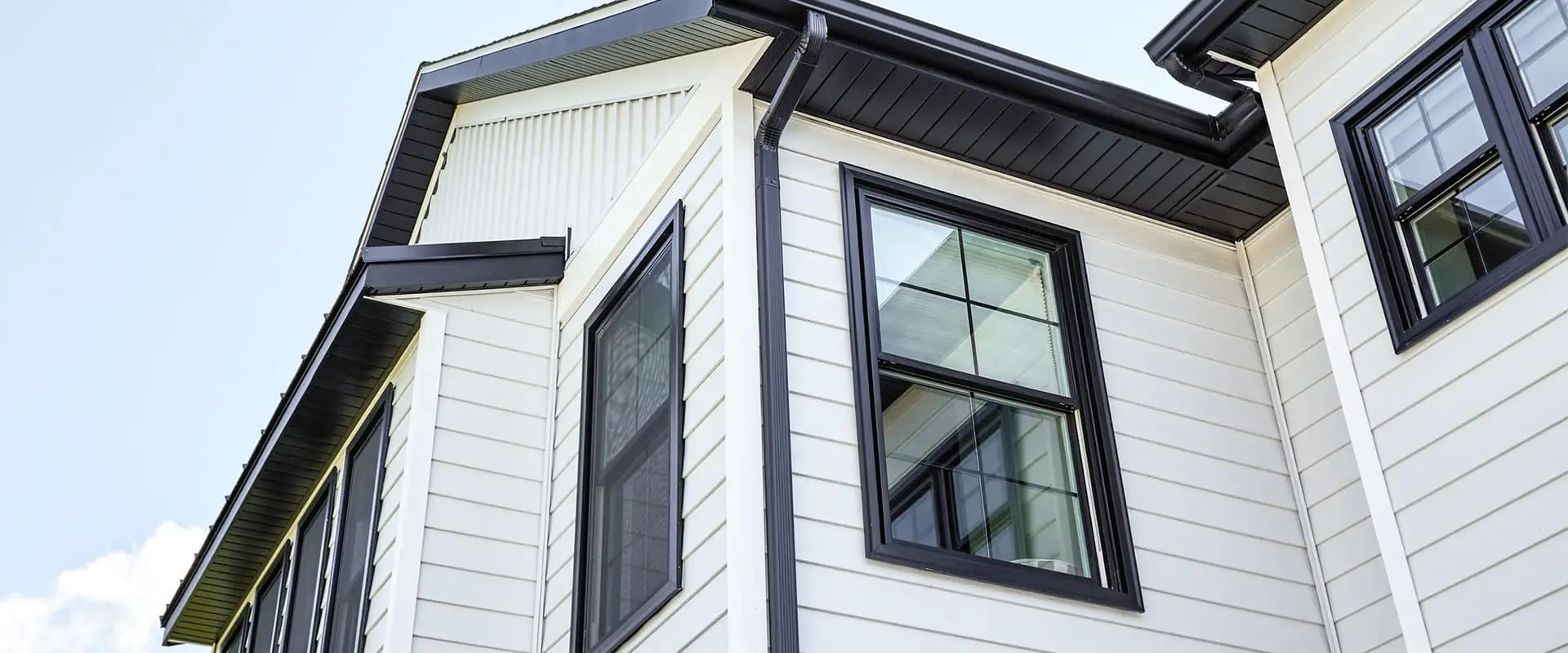
We are new to Summit County and would rather show you real work than a stock photo. These are our own Colorado foothills and mountain projects, and each caption says exactly where it is.
Summit County Exterior Remodeling — Common Questions
Do you work with property managers rather than directly with owners?
Yes, and it is how a good share of our Summit County work runs. We are comfortable taking day-to-day direction from a property manager while the owner keeps approval authority over scope and change orders. Both parties get portal access, so neither is relying on the other to relay what happened.
I am not in Colorado. How do I know what was actually done?
Before, during and final photography is documented to the project, including the parts of the building that are closed up and never seen again — decking, underlayment, flashing, sheathing repairs. That record is the point. It is also what you want on hand the day you sell.
Does the rule book really change between Silverthorne and Wildernest?
Yes. The Town of Silverthorne permits and inspects on its own adopted codes; Wildernest is unincorporated Summit County and is permitted by the county on a newer code cycle, following the Colorado Wildfire Resiliency Code. A Silverthorne mailing address does not settle the question. We confirm the governing authority before scoping.
When can work actually happen up here?
The working season is shorter and it is weather-led, not calendar-led. Roofing and siding run from late spring into autumn; exact dates move year to year with snowpack and temperature. For rental properties we schedule around your booking calendar wherever the weather allows it, and we would rather tell you in March that a date is unrealistic than discover it in October.
Can you match what is already on the building?
Usually, and where an exact match is no longer manufactured we will show you the closest options and be honest about how the difference will read from the street. On a complex where several buildings are being phased, matching across phases is something to plan for at the start rather than discover at building three.
Do you handle custom work, or only standard products?
Custom is normal here. Mixed-material elevations, stone bases, timber-look accents, standing seam on one plane and shingle on another — all fine. The only thing we push back on is a detail that will not survive how water and snow actually move on that building, and we will show you why rather than simply refusing.
Are you insured for work at this elevation and pitch?
Yes. We are licensed and insured, and steep-pitch mountain roofs are specified and staged differently from a Front Range walkable roof. That is reflected in how the work is scheduled and priced.
What does an estimate cost?
Nothing. We will walk the property, confirm the governing authority, and give you an itemized scope. If we think the job is better served by a contractor based in the valley, we will say so.