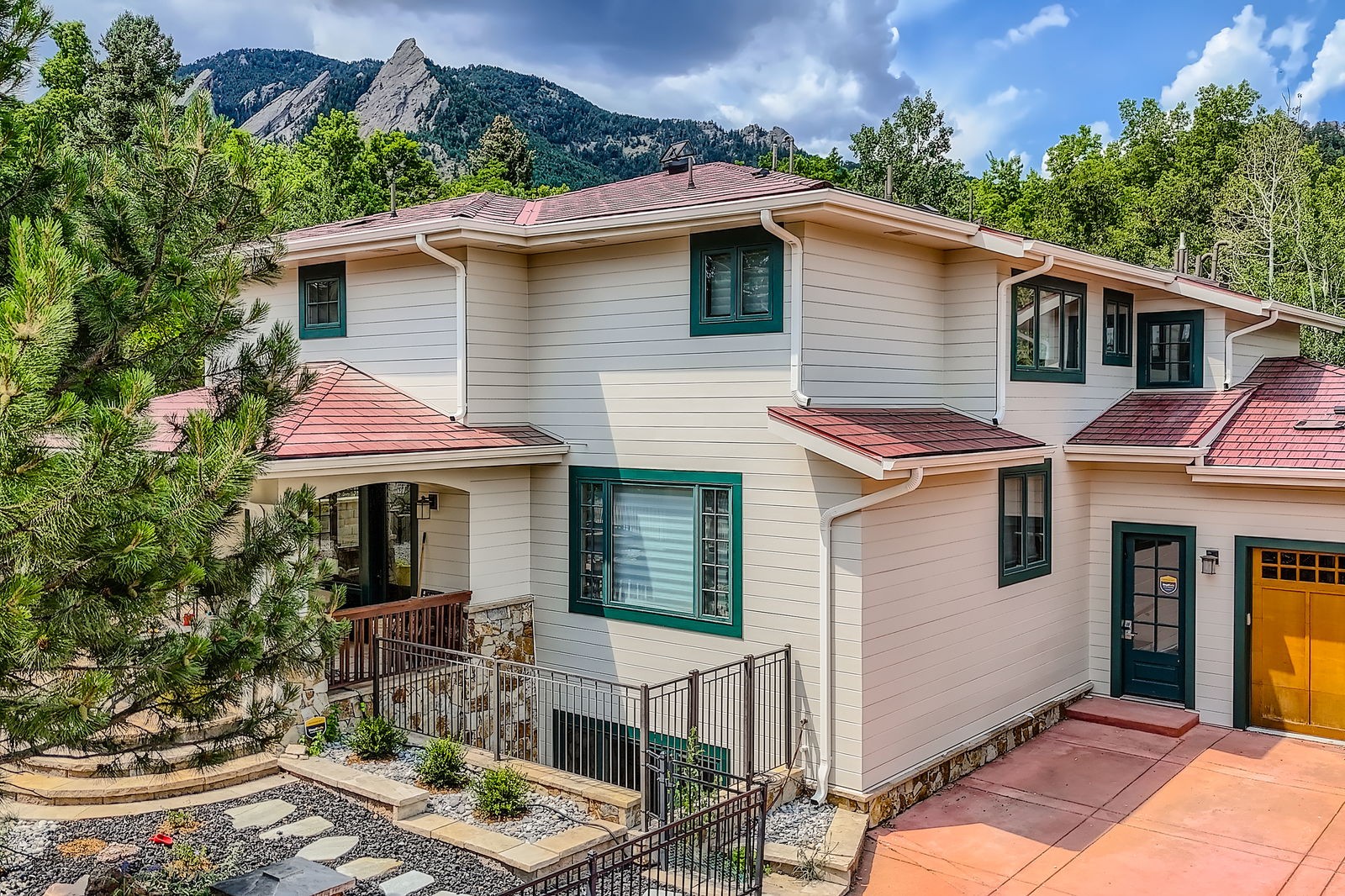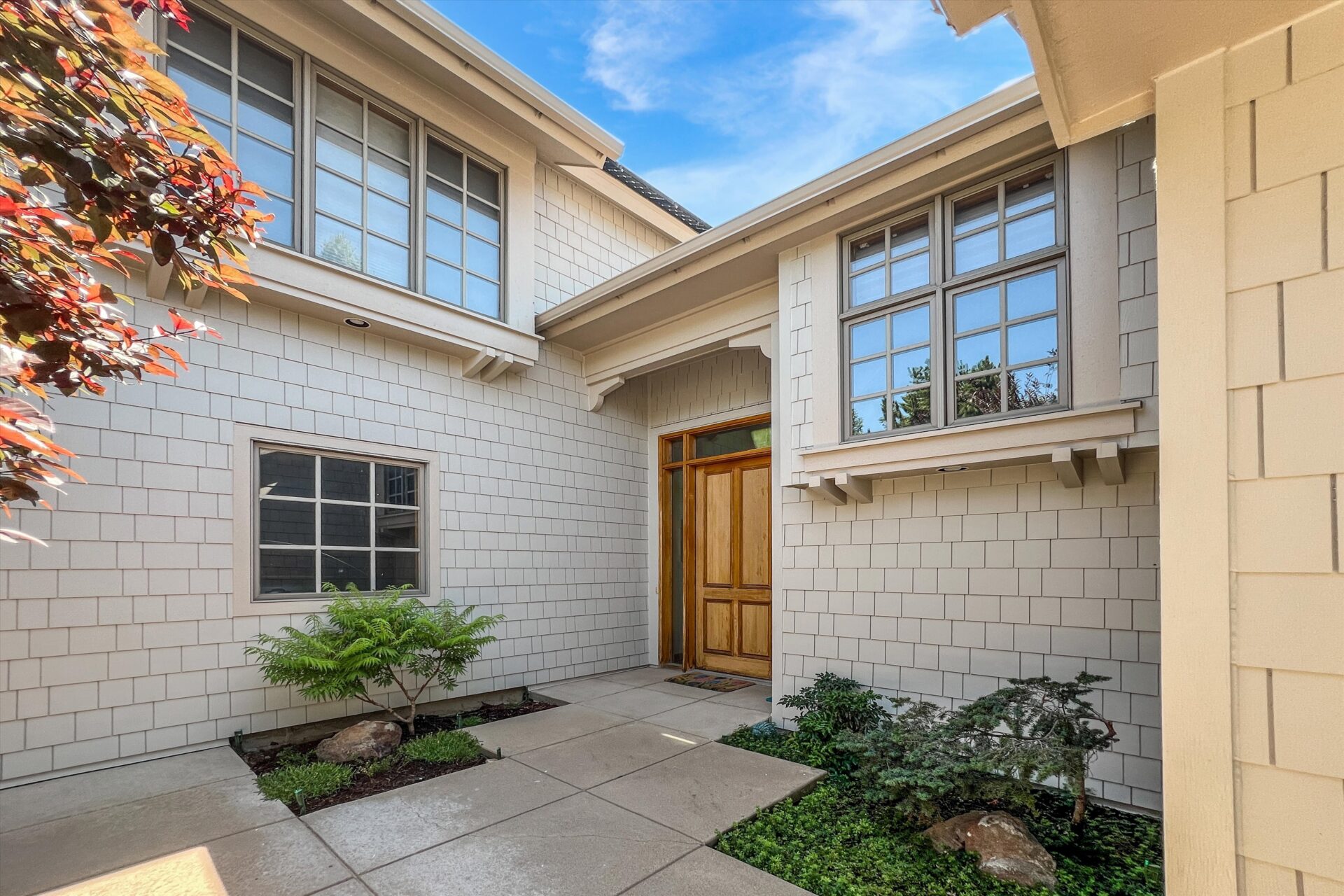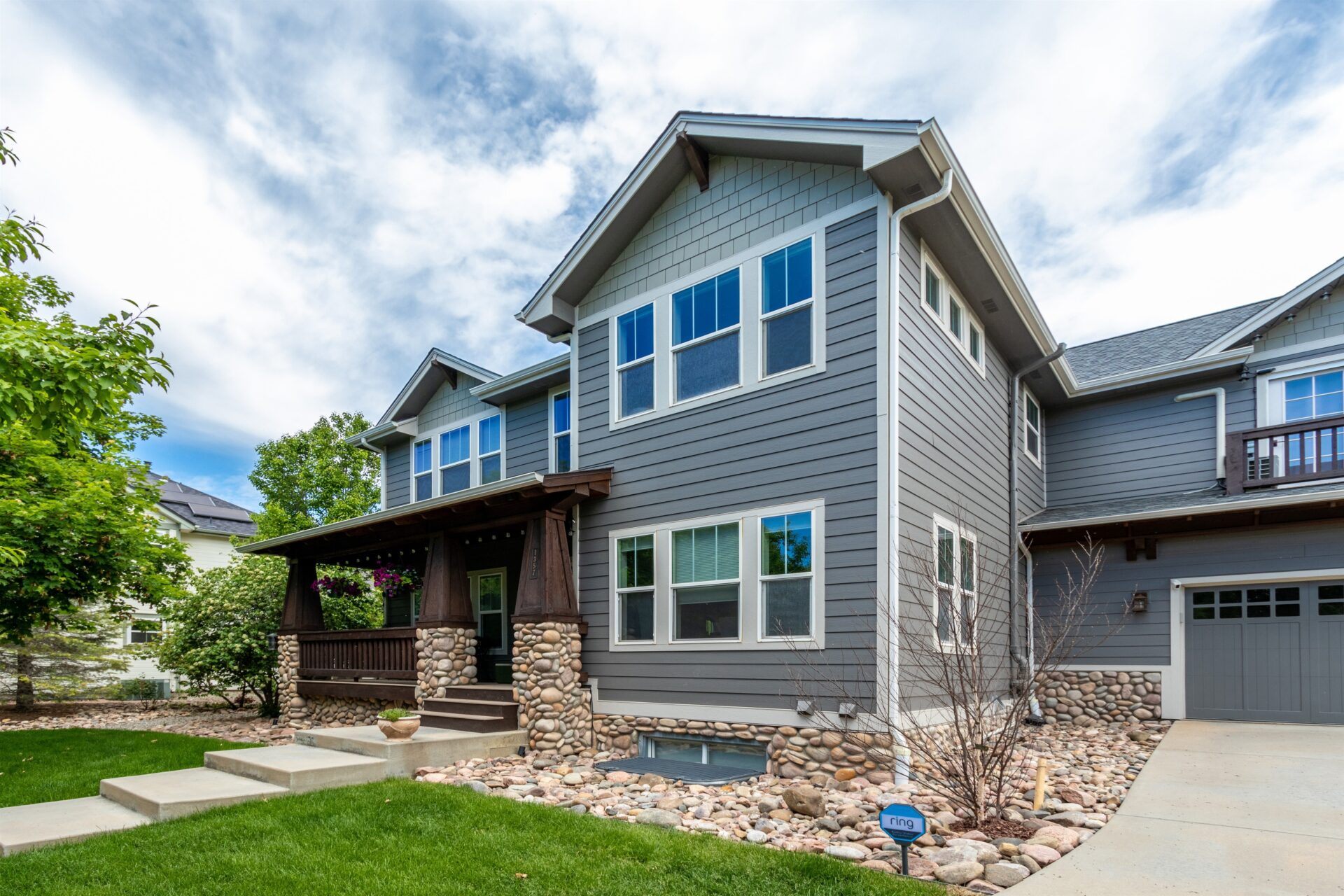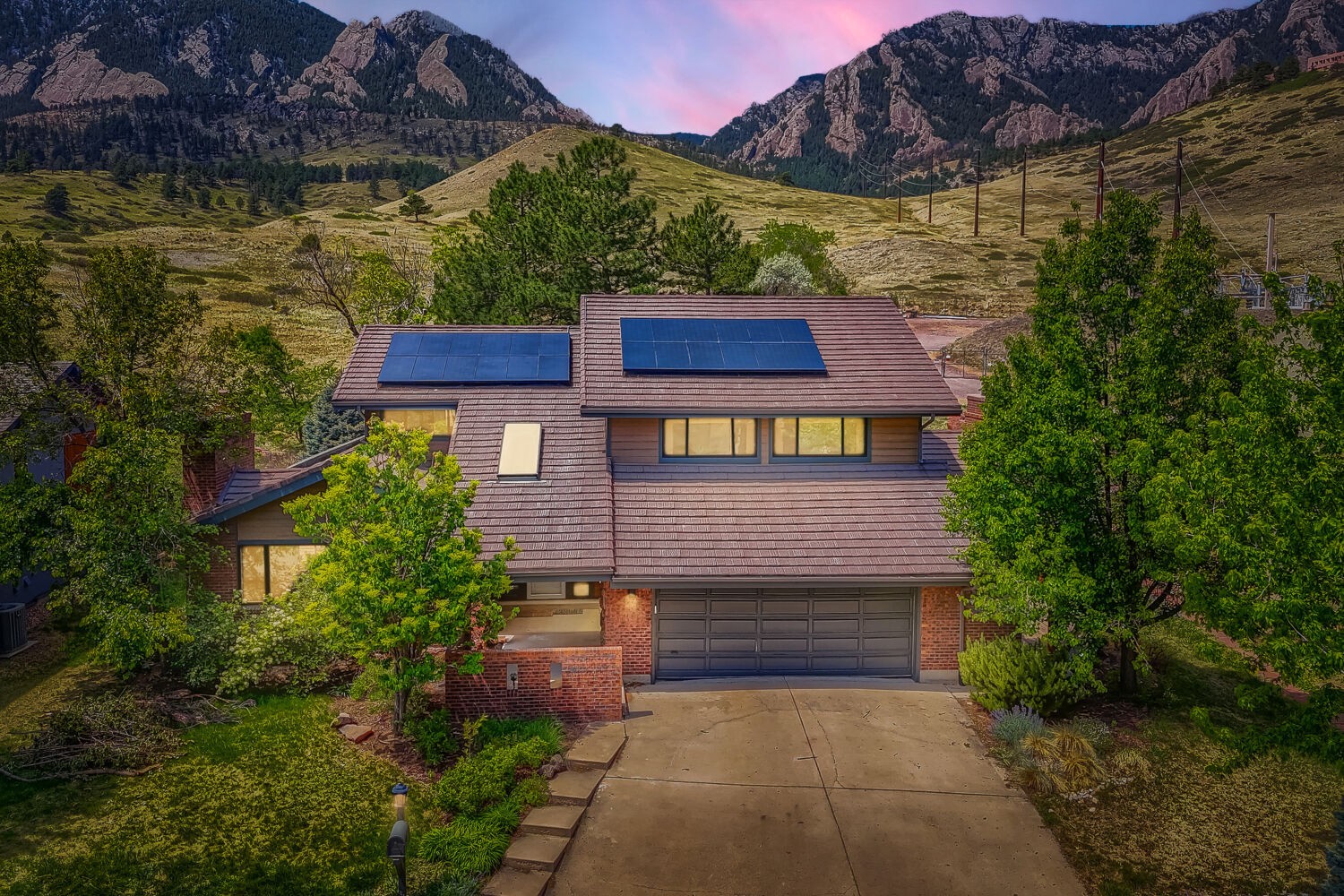
Replacement Windows — Centennial, CO
Centennial Replacement Windows
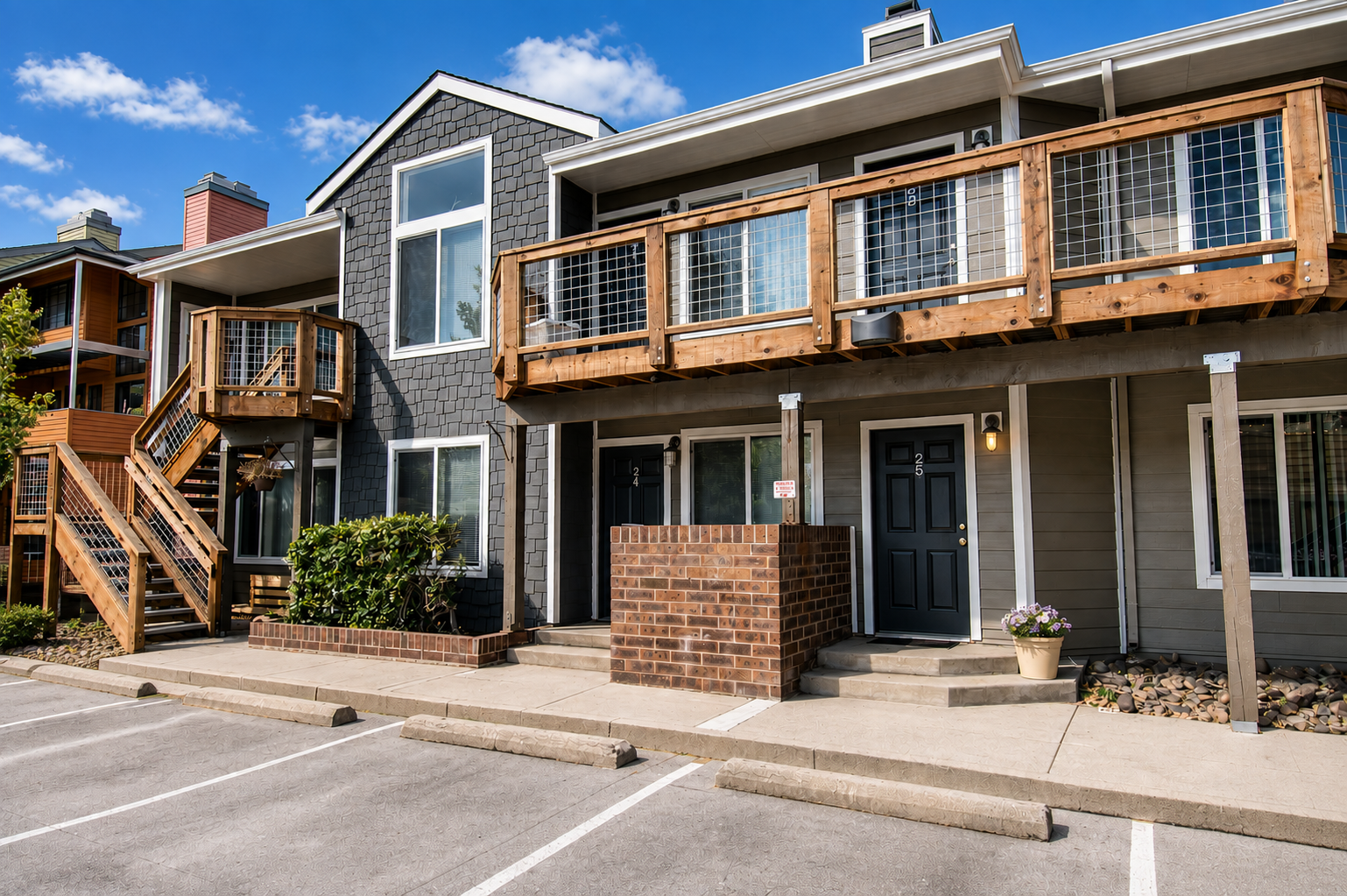
The original builder windows in a Centennial subdivision all went in the same month, and they are failing the same way — specified by elevation, quoted per opening, with egress and HOA sorted before the order.
Who installs replacement windows in Centennial, CO?
Northern Lights Exteriors has worked Colorado since 2001 under a Class C general contractor license, and installs Pella, Andersen, Marvin and Anlin among others — deliberately brand-agnostic.
A fogged pane is a failed seal and cannot be repaired. On these streets the original builder units went in within months of each other, so they fail within months of each other too — which is why the conversation arrives in waves here.
We spec by elevation and exposure rather than ordering one unit for the whole house, quote per opening with frame, glass and labor separated, and raise egress and HOA questions at the measurement. Rated 4.9 out of 5 from 552 verified reviews.
Every Window on the Street Was Installed the Same Month
An insulated glass unit has a service life. The seal around the edge of the sealed cavity holds for a few decades and then it does not, and when it goes the gas fill leaves, moisture gets in, and the pane fogs permanently. It cannot be cleaned and it cannot be repaired.
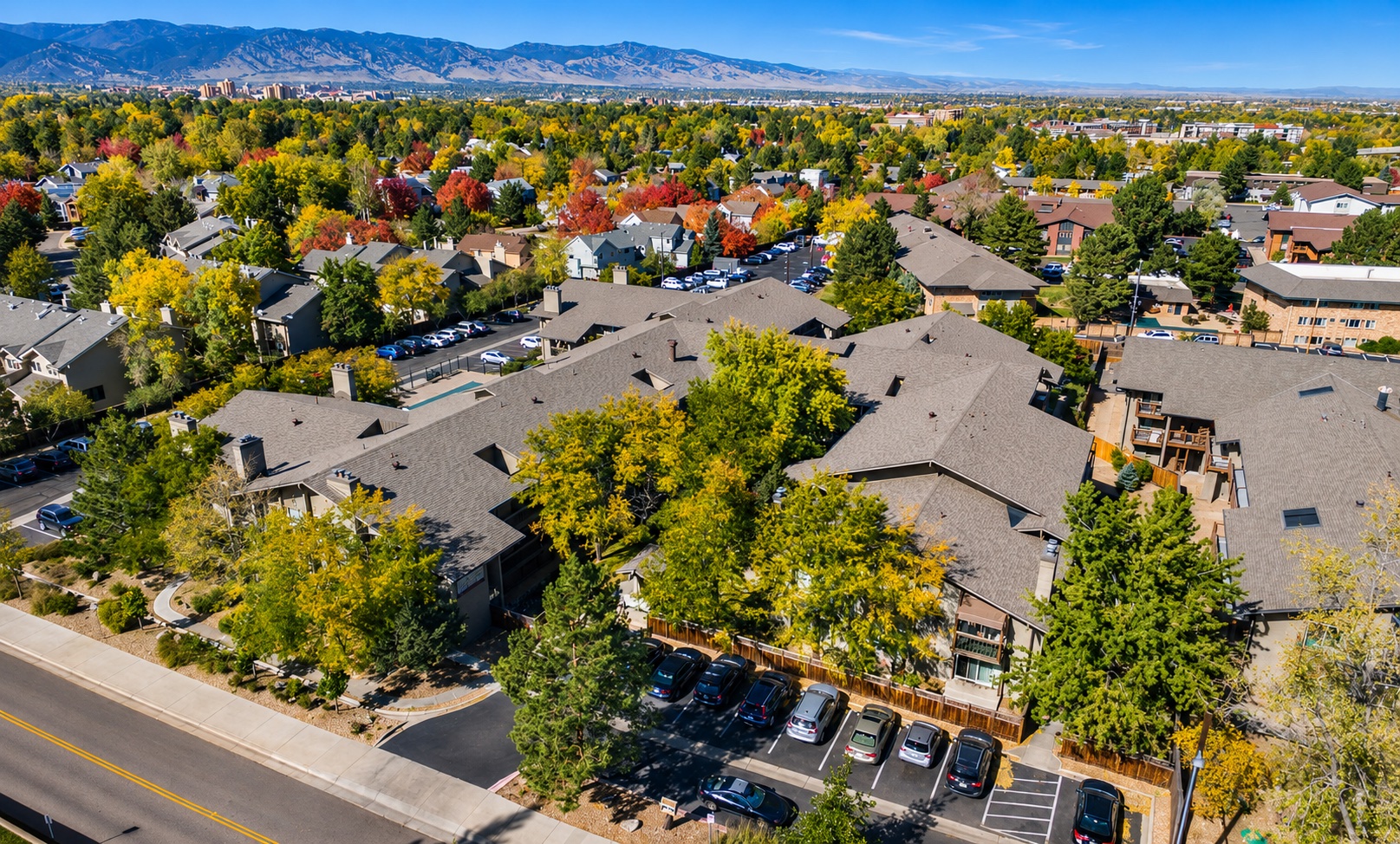
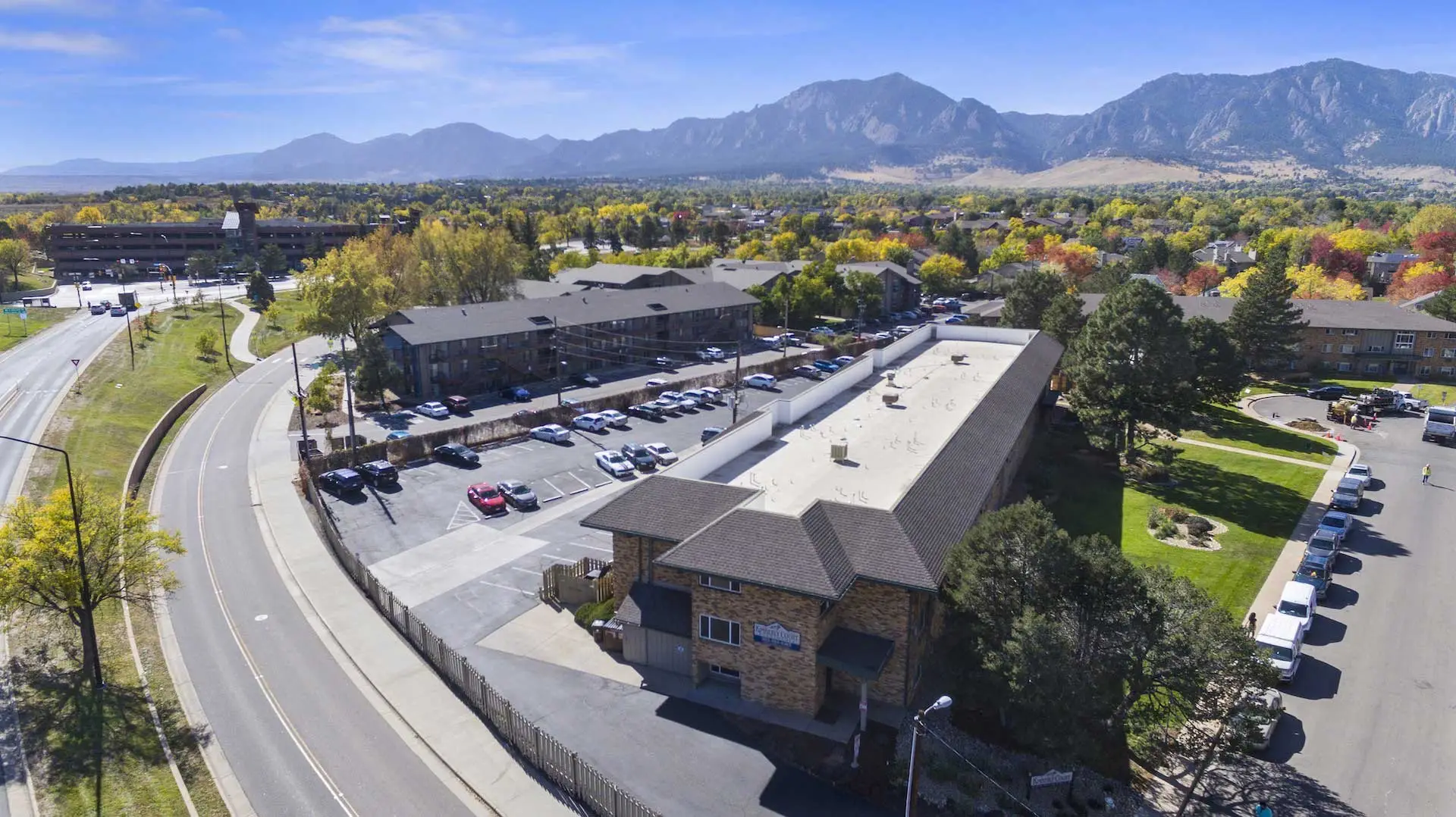
On a Centennial street that matters more than it would elsewhere, because the original builder-grade windows in a subdivision all went in within months of each other. They are therefore failing within months of each other too — which is why the foggy-pane conversation arrives here in waves, and why a neighbor’s window project is genuinely information about your own house.
What you are seeing, in plain terms:
- Fog or haze between the panes. A failed seal. The unit or the window gets replaced; there is no third option worth paying for.
- Drafts near the frame on a cold morning. Usually the weatherstrip and the sash fit rather than the glass, and on a thirty-year-old vinyl unit both have typically gone brittle.
- Sashes that no longer lock or stay up. Balance and hardware failure. Sometimes repairable, often the point at which replacement makes more sense.
- Rooms that are unusable in the afternoon. A glazing question. The original units on these homes generally have no meaningful solar control, and at this elevation the UV load is doing real work on floors and fabrics as well.
Specified by Elevation, Not by the Catalog
The most common shortcut in this trade is ordering the same unit for the whole house. It is faster to quote and it is wrong, because a north elevation under a soffit and a west wall taking full afternoon sun are two different problems.
| Frame material | Where it earns its cost | The honest trade-off |
|---|---|---|
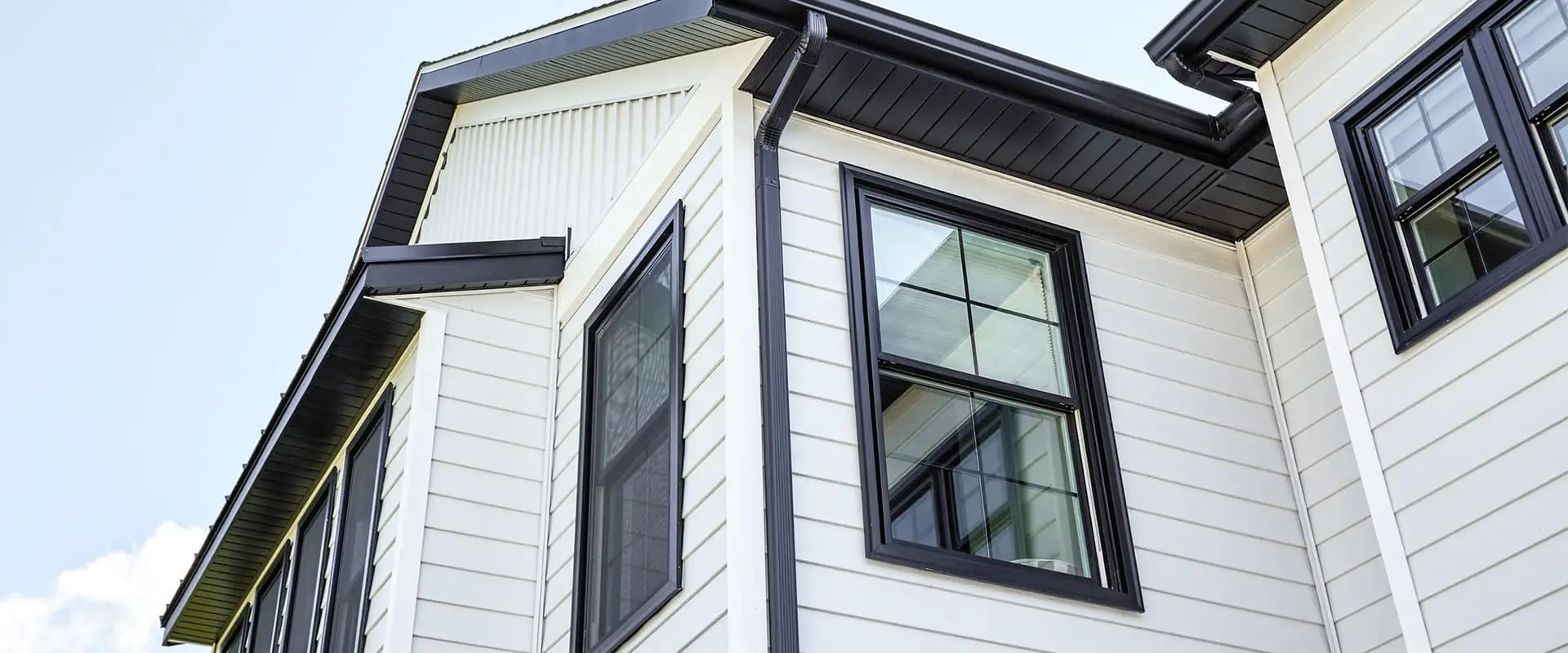
| Vinyl | Vinyl window replacement in Centennial suits most of the house, most of the time. The strongest efficiency per dollar and the reason it is the default replacement on these homes. | Wider frames eat a little glass area on small openings, and it is the material least happy under sustained heat, which matters on a hard west elevation. |
| Fiberglass | Fiberglass windows in Centennial earn their cost on large openings, west and south elevations, and anywhere the frame is doing structural work. Dimensionally stable and slim-sightlined. | Costs more per opening. On a shaded north wall the argument for it is much weaker. |
| Composite | Fiberglass-like performance with a warmer interior finish. | Fewer line and color options than vinyl. |
| Clad wood | Where the interior joinery matters and the budget allows it. | Best interior appearance, highest cost, and the exterior cladding is the part that has to be detailed correctly. |
The glass package usually decides how the house actually feels afterwards more than the frame does. Low-E coatings and gas fill are doing the work against the UV and the day-to-night swing; laminated or sound-control packages are what quiet a room on a busy corridor. Our window types guide and fiberglass and vinyl pages go further, and our Colorado window work is here.
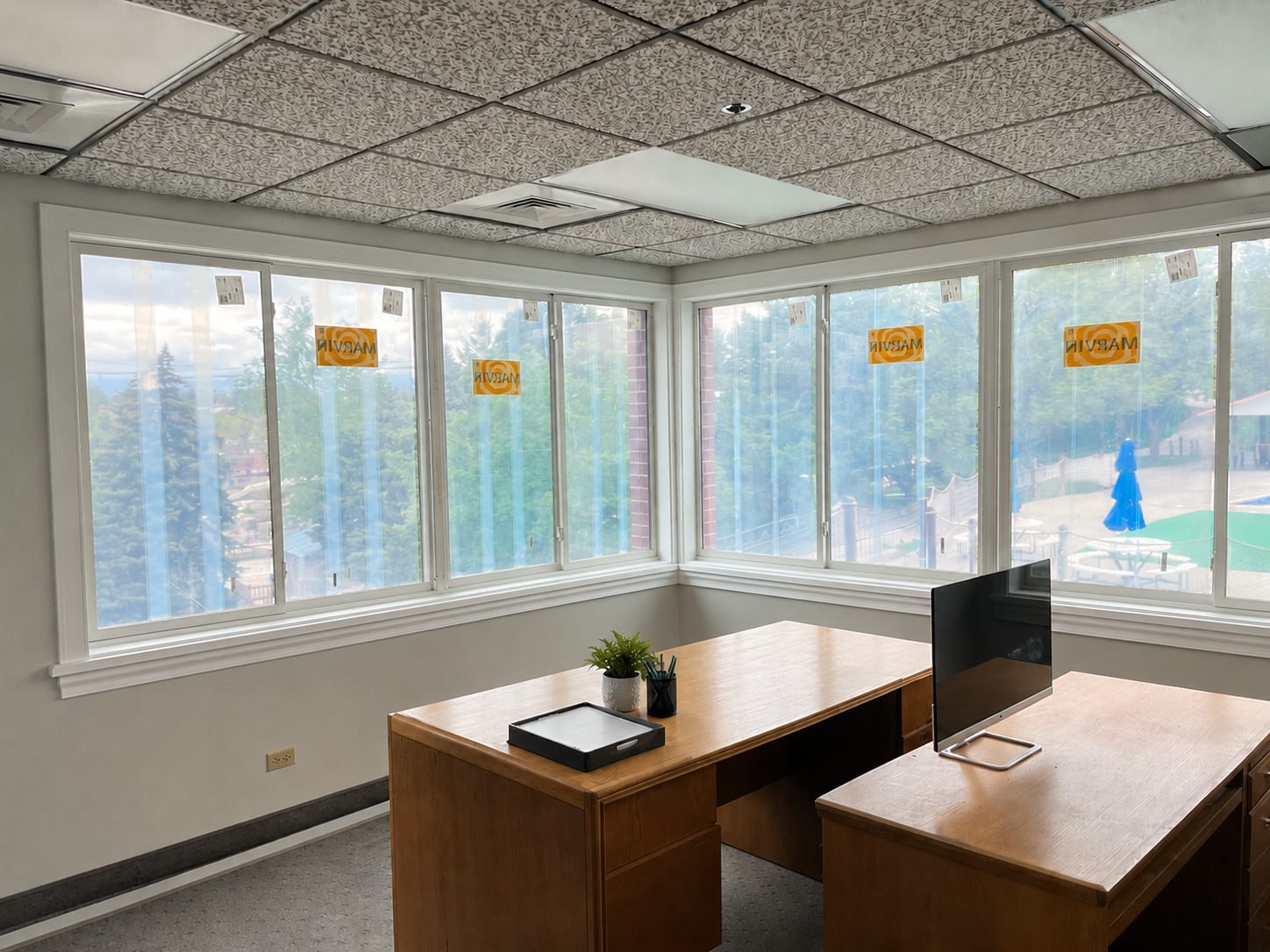
We install Pella, Andersen, Marvin and Anlin among others, and we are deliberately brand-agnostic — a company that sells one manufacturer will always find a reason that manufacturer suits your house.
Two Things Worth Sorting While the Openings Are Open
Egress. Bedroom windows in homes of this era frequently do not meet current egress dimensions, particularly in basements that were finished later. A replacement is the natural moment to correct it — it usually means enlarging the opening rather than swapping a unit, which is real work but far cheaper now than as a separate project. Left alone it tends to surface in a buyer’s inspection, at a worse time and with less negotiating room.
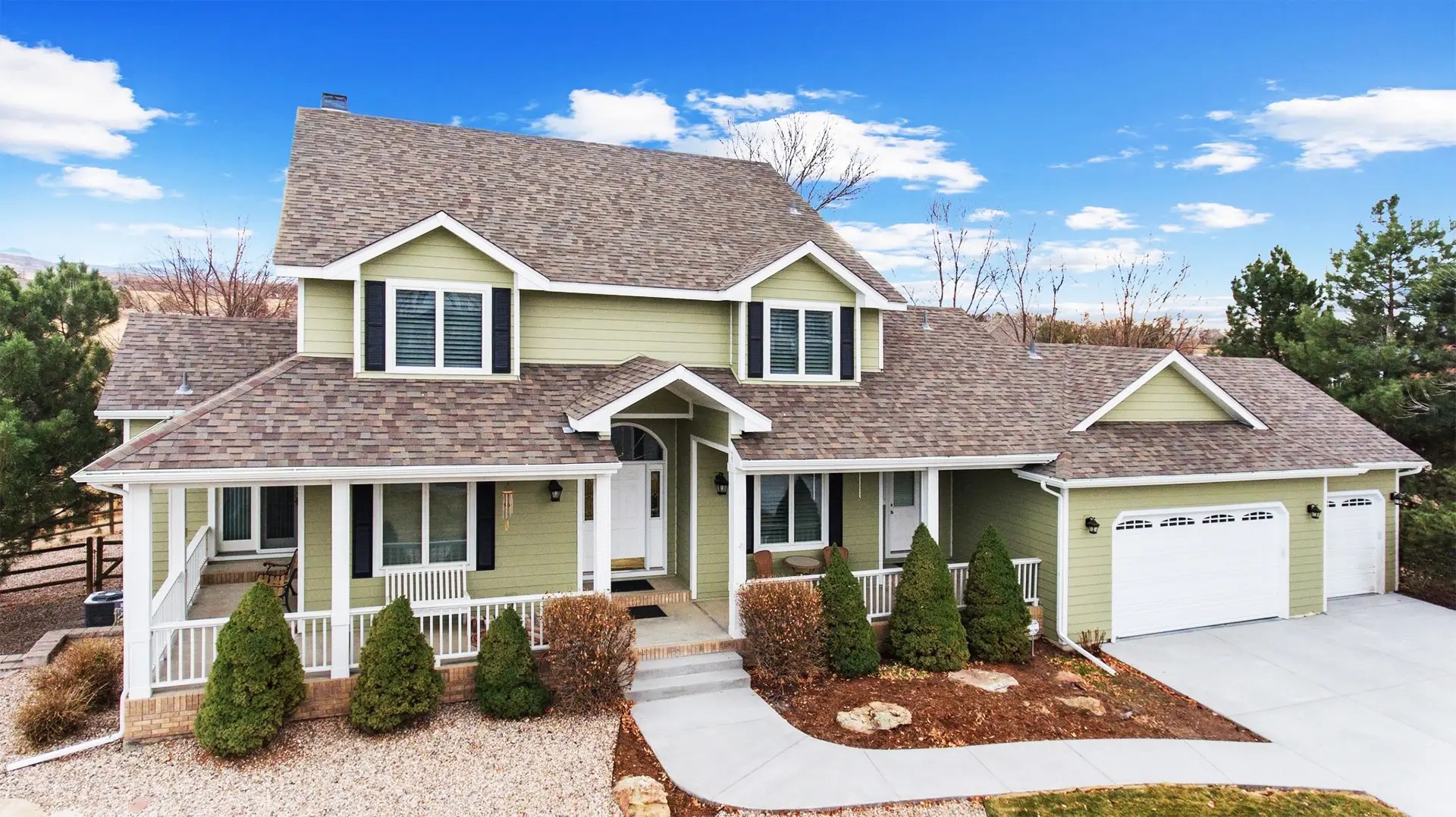
The HOA. Windows are a visible change, and many Centennial covenants speak to grid pattern, frame color and sometimes material. Grids in particular catch people out: taking them off a house whose street still has them is the kind of thing a committee notices. We prepare the submittal, and we would rather raise it at the measurement than after the order.
And because we hold a Class C general contractor license, if an opening comes out and the sheathing behind it is wet — which happens on houses with failing siding — we are licensed to repair it inside the same project rather than handing you a change order and a second contractor.
The System Behind the Work
Windows have the longest gap between the deposit and the delivery truck of anything we do, and custom sizes for an older subdivision home make that gap longer rather than shorter. “Where is my order?” is the question that goes unanswered longest in this trade.
Two things make that possible, and they are the reason to choose us over a cheaper quote.
First, experience and scope. We have been working on Colorado’s Front Range since 2001, and we hold a Class C general contractor license (Colorado license #C120350) rather than a single-trade license. That is not a technicality: it means roofing, siding, windows, decks and outdoor living can run under one contract, with one project manager accountable for the flashings where those trades meet — which is precisely where multi-contractor projects leak, literally and figuratively. James Hardie has recognized us as an Elite Preferred contractor continuously since 2011, and as a President’s Club member — their highest contractor distinction nationwide. Our rating is 4.9 out of 5 from 552 verified reviews.
Second, a proprietary on-demand client portal we built ourselves. Most of what people hate about a remodel is not the construction. It is not knowing — who to call, whether the permit went in, when material arrives, what has been paid, whether it passed inspection. We built a system to remove exactly that, and as far as we know no other exterior contractor in this market offers it:
Every conversation in one place
Messages, decisions and change requests are logged against your project rather than scattered across texts, voicemails and three different crew members’ phones.
Contracts and scope, always retrievable
Your signed contract and itemized scope live in the portal, so you can easily get a refresh on what was agreed — on your own, any time.
Permit status you can see
Where the permit is in the process, and when inspections are scheduled — without having to phone anyone to find out.
Delivery and install schedules
When material lands and when each trade starts, so you can plan around the work instead of waiting for a truck to appear.
Before, during and final photography
Documented condition before we start, progress images through production, and final photography — including the parts of the building you will never see again once it is closed up.
Payments tracked per trade
What is paid and what is outstanding, broken out by trade rather than as one running balance you have to reconcile yourself.
Inspection records
Each inspection and its result, recorded against the project and available when you sell the house and someone asks.
Access is an individual, custom URL issued to you — and you get it when we start talking, at the lead and project meeting, not after you sign something. That is deliberate: you can see how we run a project before you commit to one. It then stays available after the work is finished, which matters more than it sounds, because the documentation, images and inspection records are exactly what a buyer’s agent, an appraiser or an insurer asks for years later.
Get a Window Estimate in Centennial
We measure every opening, note the elevation and exposure each one faces, and quote per opening with the frame, the glass package and the labor separated so you can compare our number against anyone else’s line by line. Egress and HOA questions get raised at the measurement rather than after the order.
Request Your Free Estimate → 📞 (303) 776-5263
Prefer email? Reach us at office@nlexteriors.com. Ask about financing options when we walk the property.
Nearby Cities We Also Serve
If you are just outside Centennial or weighing up more than one property, we also install replacement windows in:
Centennial Windows — Frequently Asked Questions
My windows are foggy between the panes. Can they be repaired?
No. A fogged pane is a failed insulated glass unit — the seal has gone, the gas fill has left and moisture is inside the sealed cavity. It cannot be cleaned out and the insulating value is largely gone with it. The unit or the whole window gets replaced. On a Centennial street this tends to happen to several houses at once, because the original builder windows all went in within months of each other.
Do I have to replace all my windows at once?
No, and often you should not. Start with the failed units and the elevation taking the worst exposure — usually west and south — and do the rest when it suits. What we would avoid is ordering the same unit for the whole house in one go to save money, because a north wall under a soffit and a west wall in full afternoon sun genuinely want different specifications.
Are vinyl or fiberglass windows better for a Centennial home?
Vinyl gives the strongest efficiency per dollar and suits most of the house. Fiberglass is worth the step up on large openings and on west and south elevations, where it holds its shape better under sustained heat and gives slimmer sightlines on a big unit. That is why we specify by elevation rather than picking one material for the whole job.
What window brands do you install?
Pella, Andersen, Marvin and Anlin among others. We are deliberately brand-agnostic, because a company that only sells one manufacturer will always find a reason that manufacturer suits your house. Which one is right depends far less on the badge than on the opening — exposure, size, whether it is an egress bedroom, and what the wall around it is doing.
Will new windows meet egress requirements?
They can, and it is worth raising at the measurement. Bedroom windows in homes of this era often fall short of current egress dimensions, especially in basements finished after the house was built. Correcting it usually means enlarging the opening rather than swapping the unit — real work, but far cheaper while we are already there than as its own project, and it otherwise surfaces in a buyer’s inspection later.
Does my HOA care about windows?
Often, yes — more than people expect. Many Centennial covenants speak to grid pattern, frame color and sometimes material, and grids catch people out in particular: removing them from a house on a street that still has them is exactly what a committee notices. We prepare the submittal and raise it at the measurement rather than after the order has gone in.
Can you replace windows and siding at the same time?
Yes, and it is the sequence we recommend when both are due — which on a house with failing hardboard they usually are. The window opening is a flashing detail in the wall, and head flashing is the single most common defect we find behind old siding. Doing both under one contract means the opening is flashed once, correctly, and it means one HOA submittal instead of two.