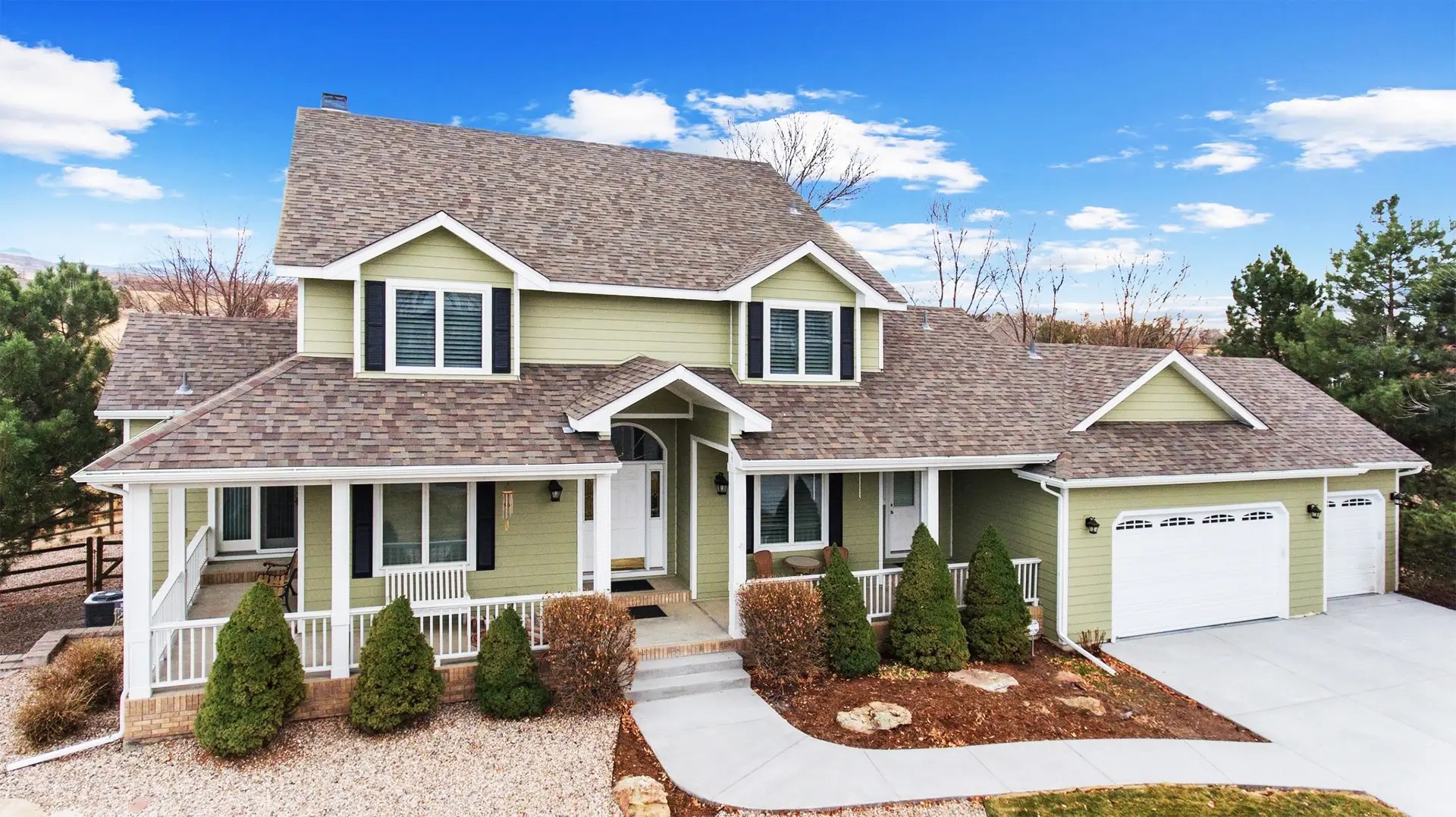
Greenwood Village, Colorado
Exterior Remodeling in Greenwood Village, CO
Siding, roofing, windows, decks and outdoor living for Arapahoe County’s large-lot custom homes — from Cherry Creek Village to the Denver Tech Center.
Who handles exterior remodeling in Greenwood Village, CO?
Northern Lights Exteriors is a licensed Class C general contractor working across Greenwood Village and the south metro on siding, roofing, replacement windows, decks, pergolas, patio covers and commercial exteriors. Because we hold the general contractor license rather than a single trade license, one contract and one project manager can cover a whole-exterior project instead of coordinating four separate companies.
Greenwood Village’s housing stock is custom, the lots are large and the tree canopy is mature — so estimates here are built from a measured walk of the actual building, and scheduling accounts for architectural review as well as the City permit.
What Makes a Greenwood Village Exterior Different
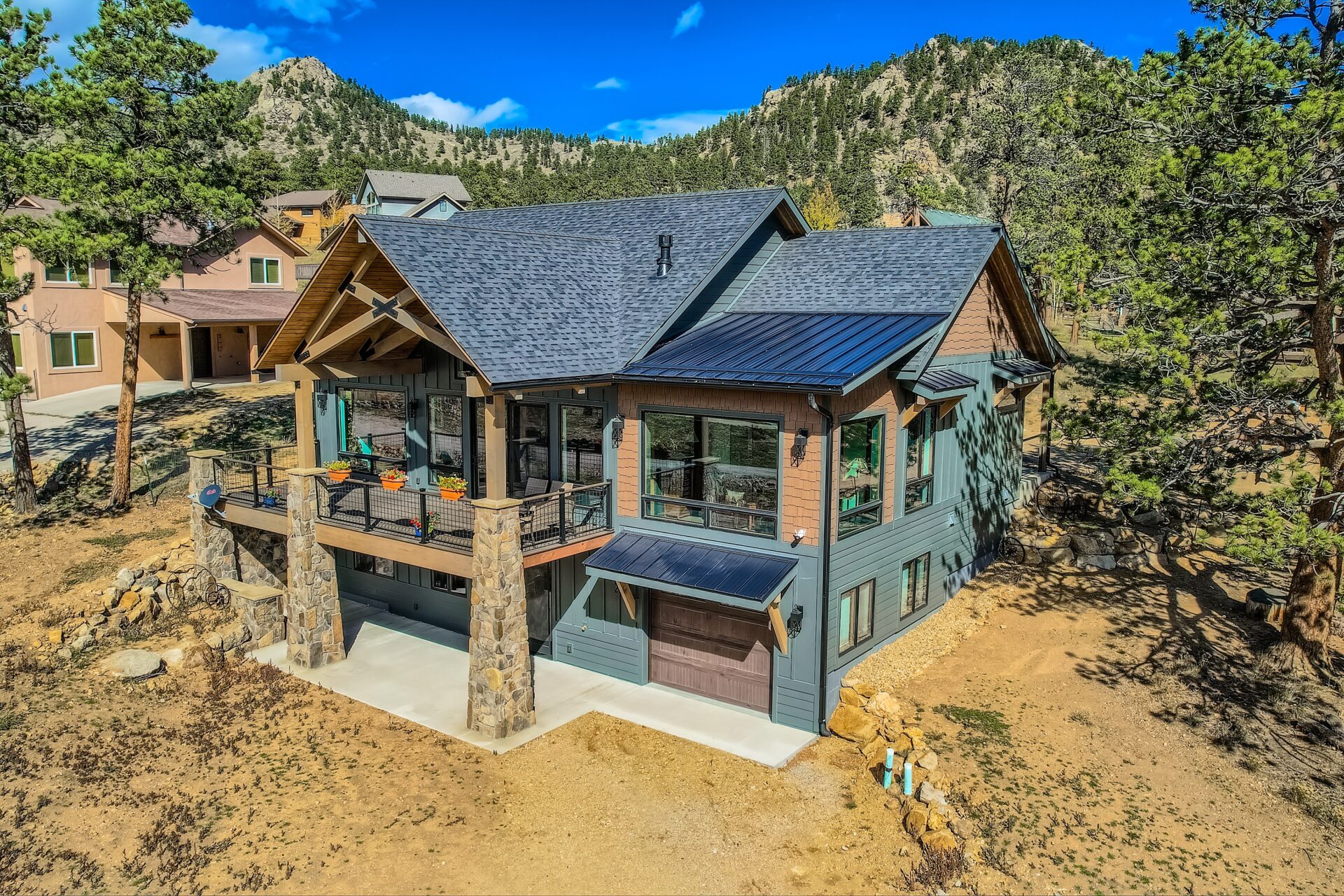
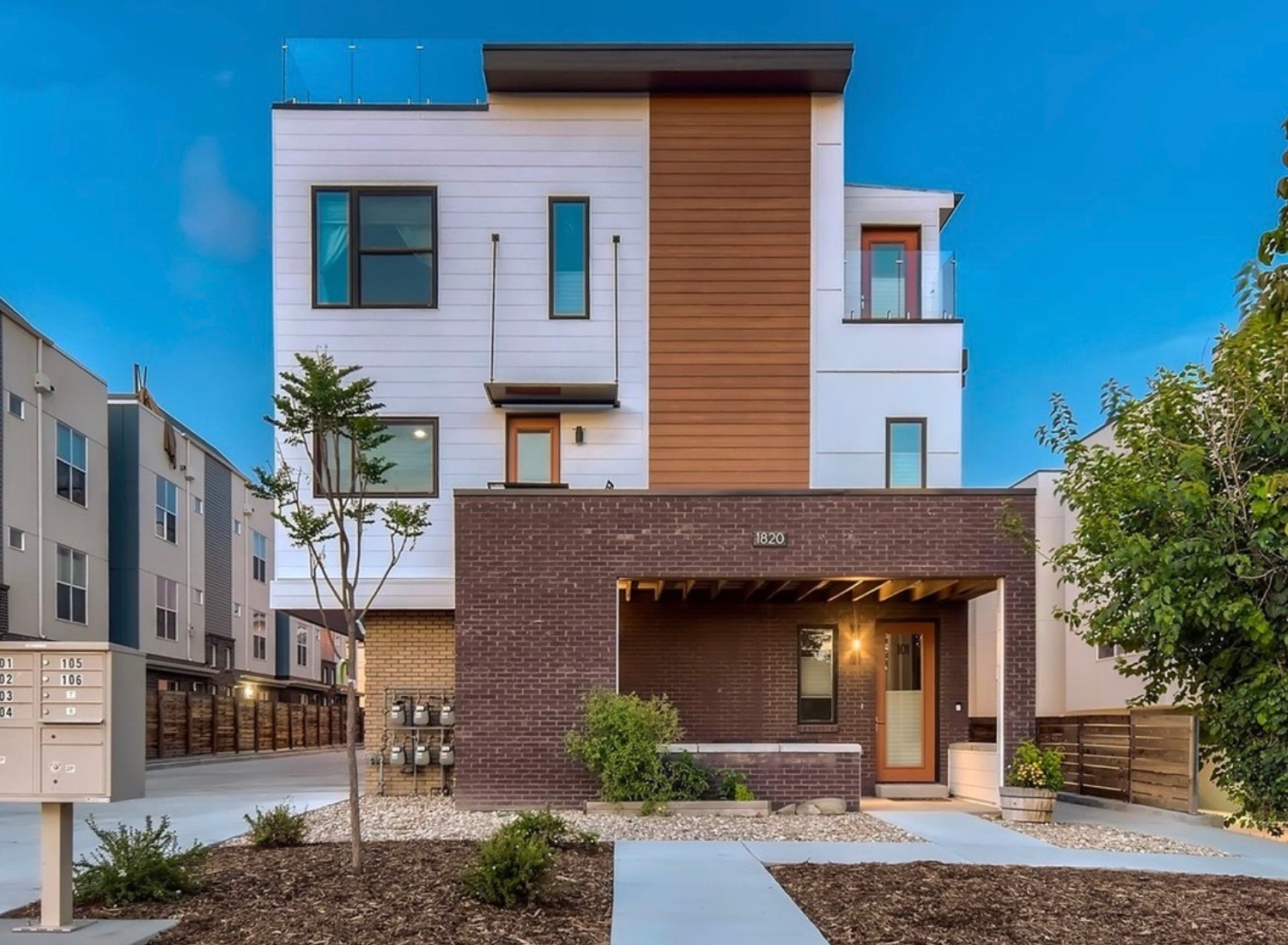
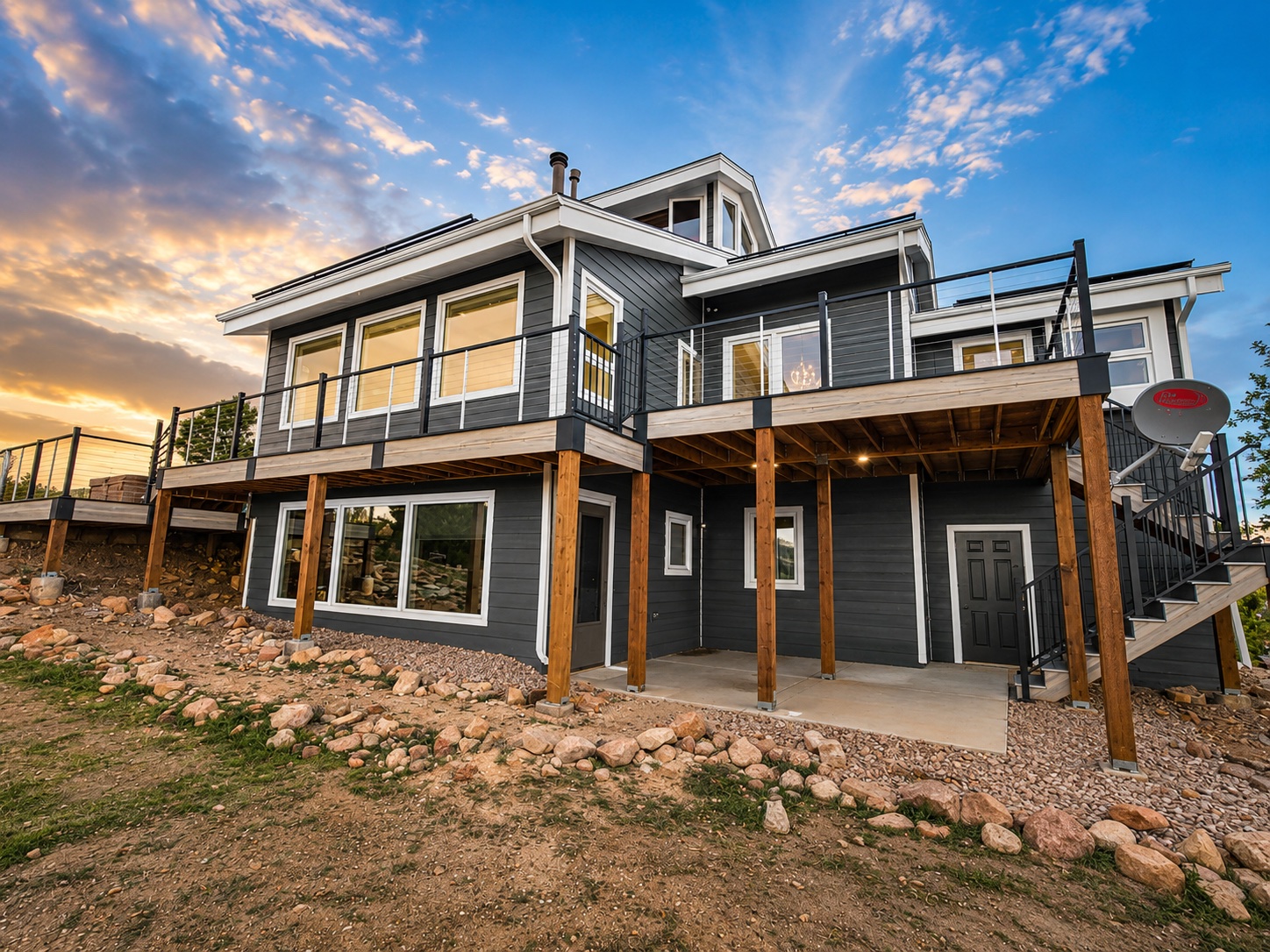
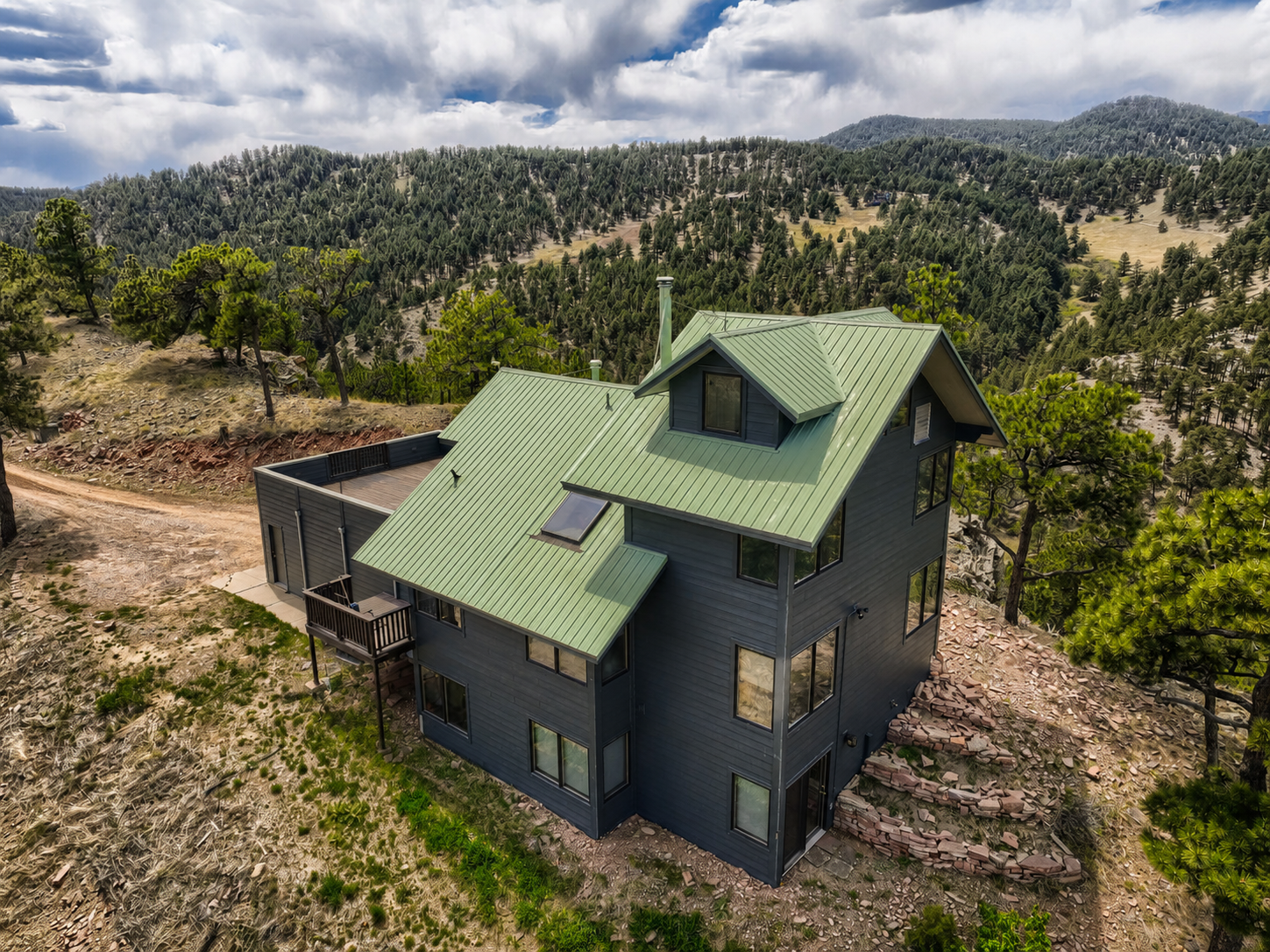
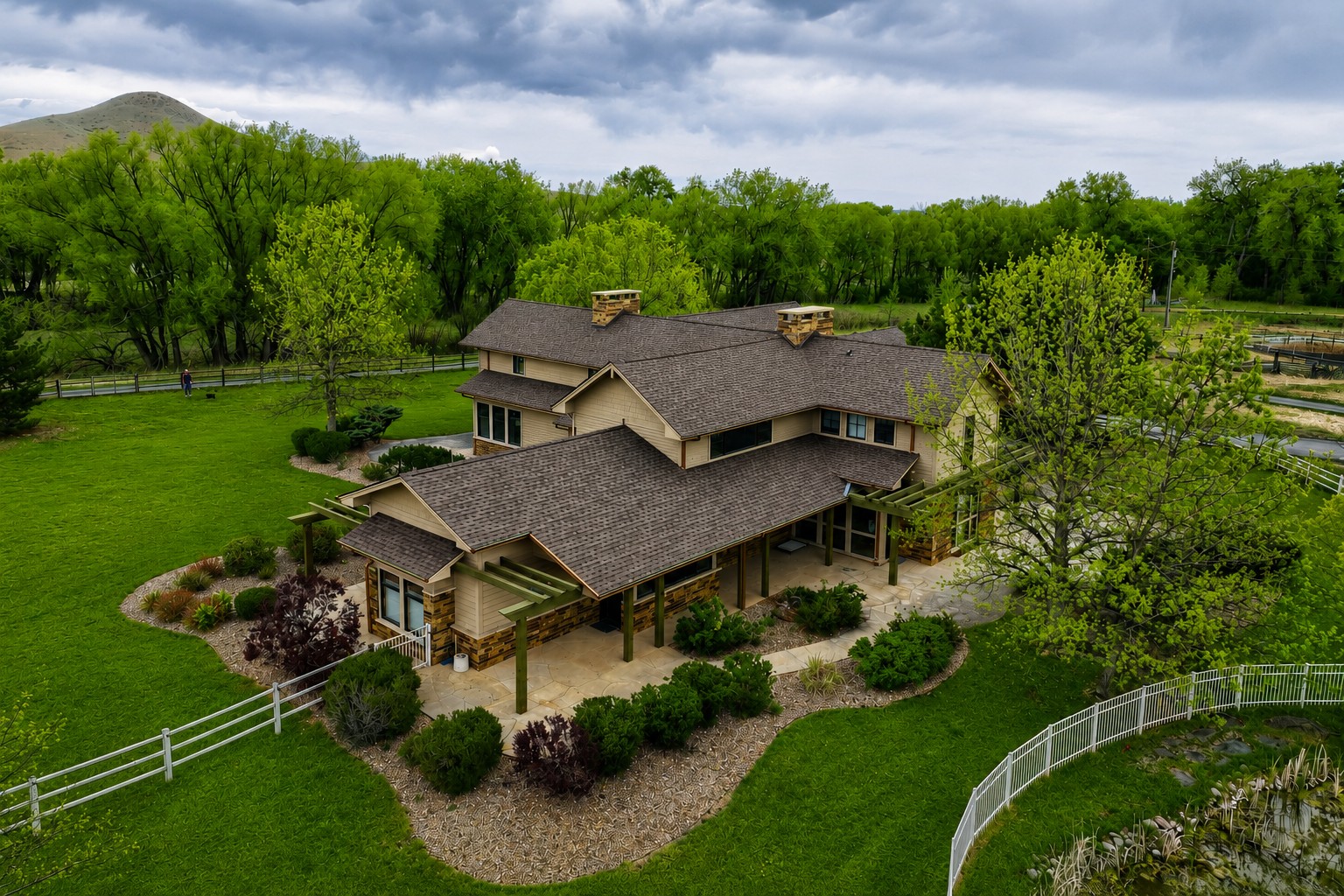
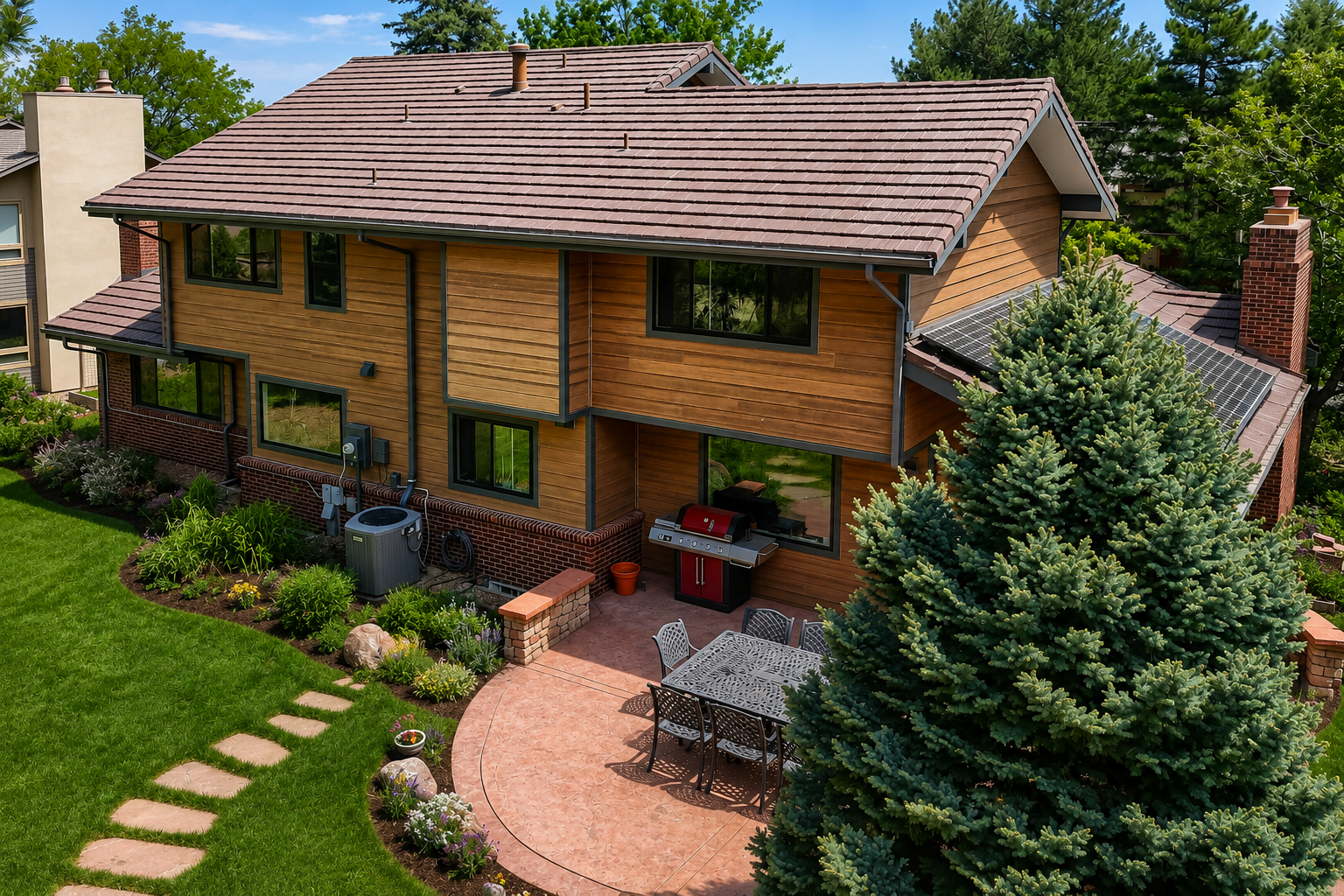
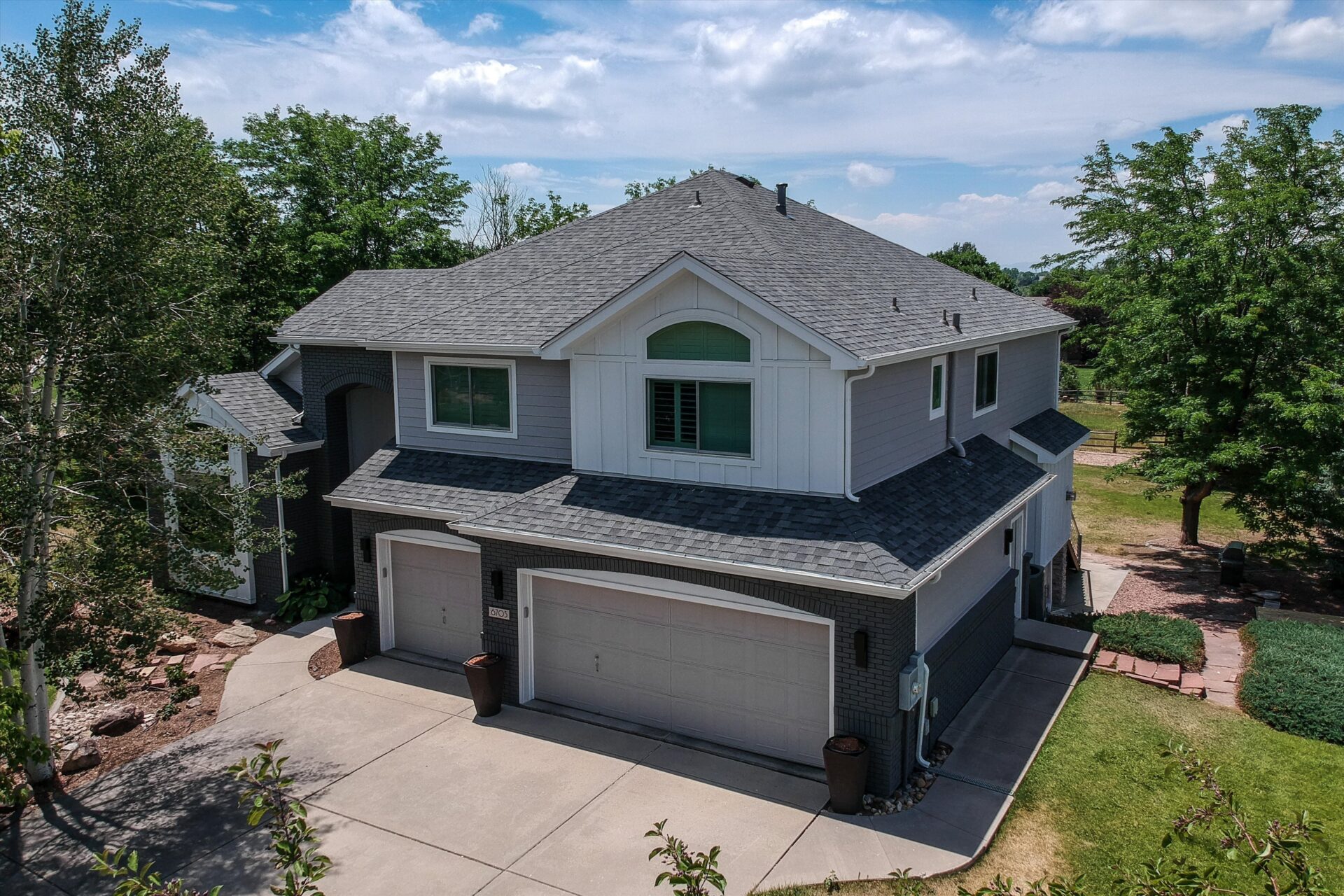
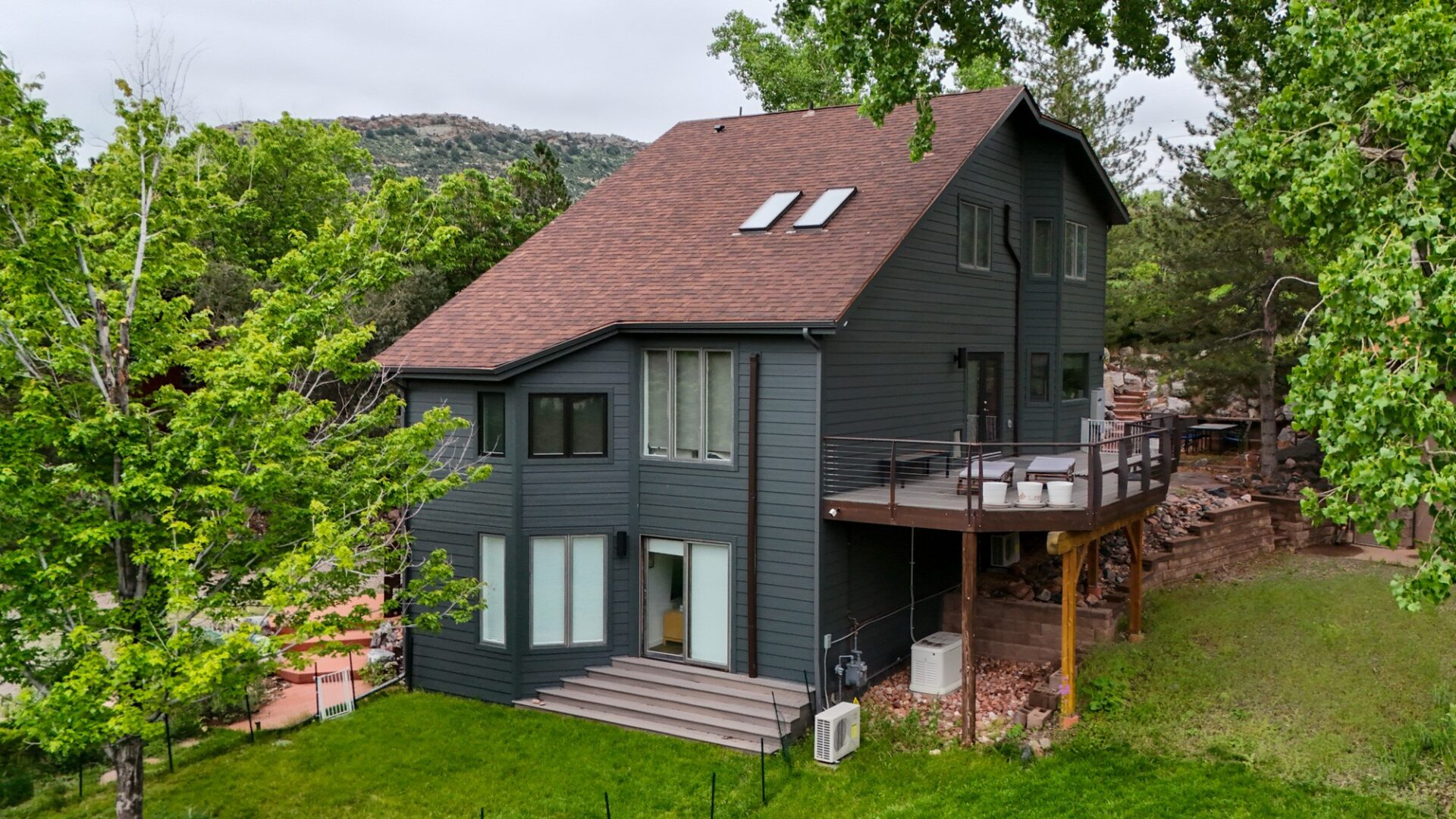
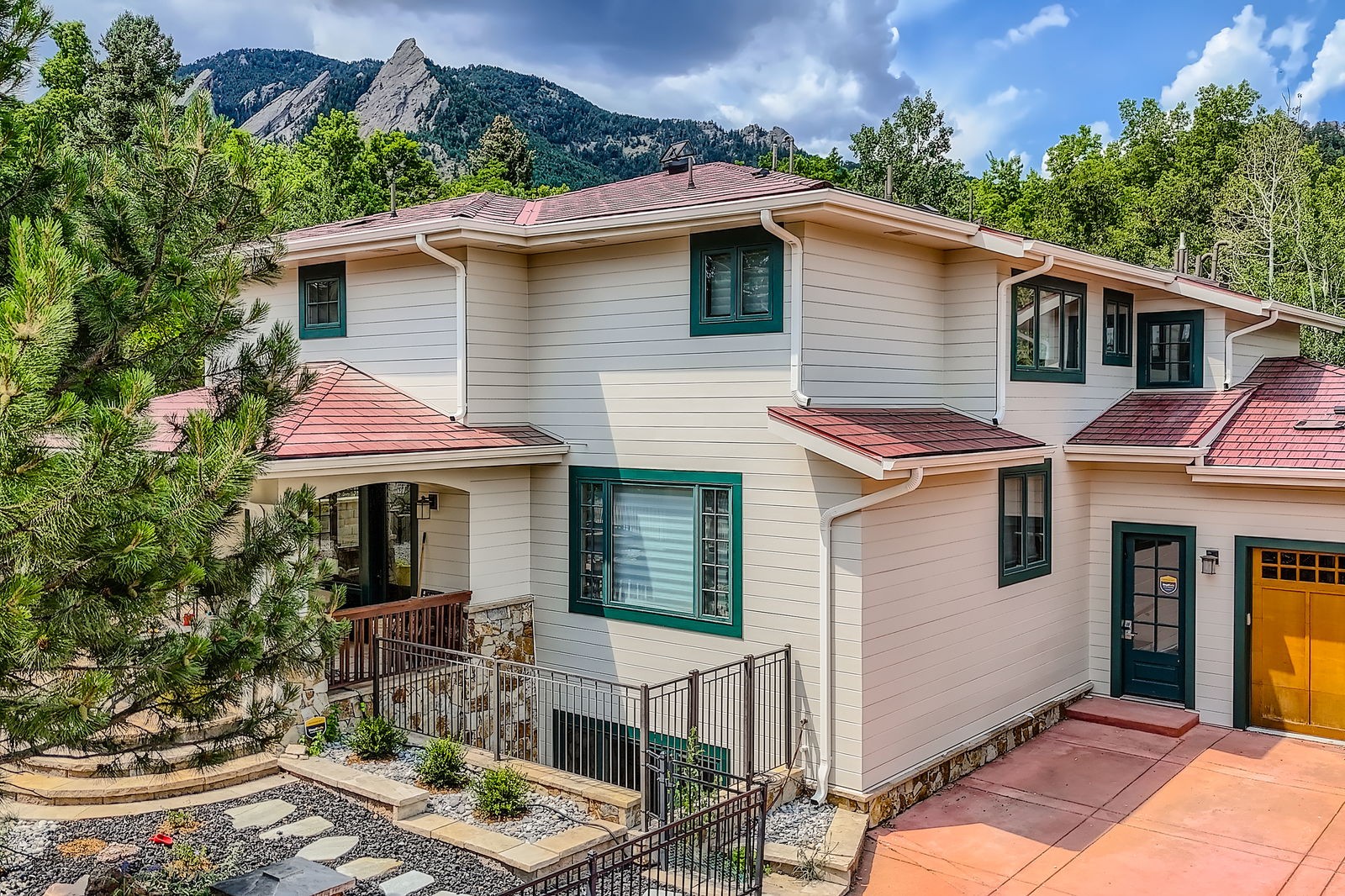
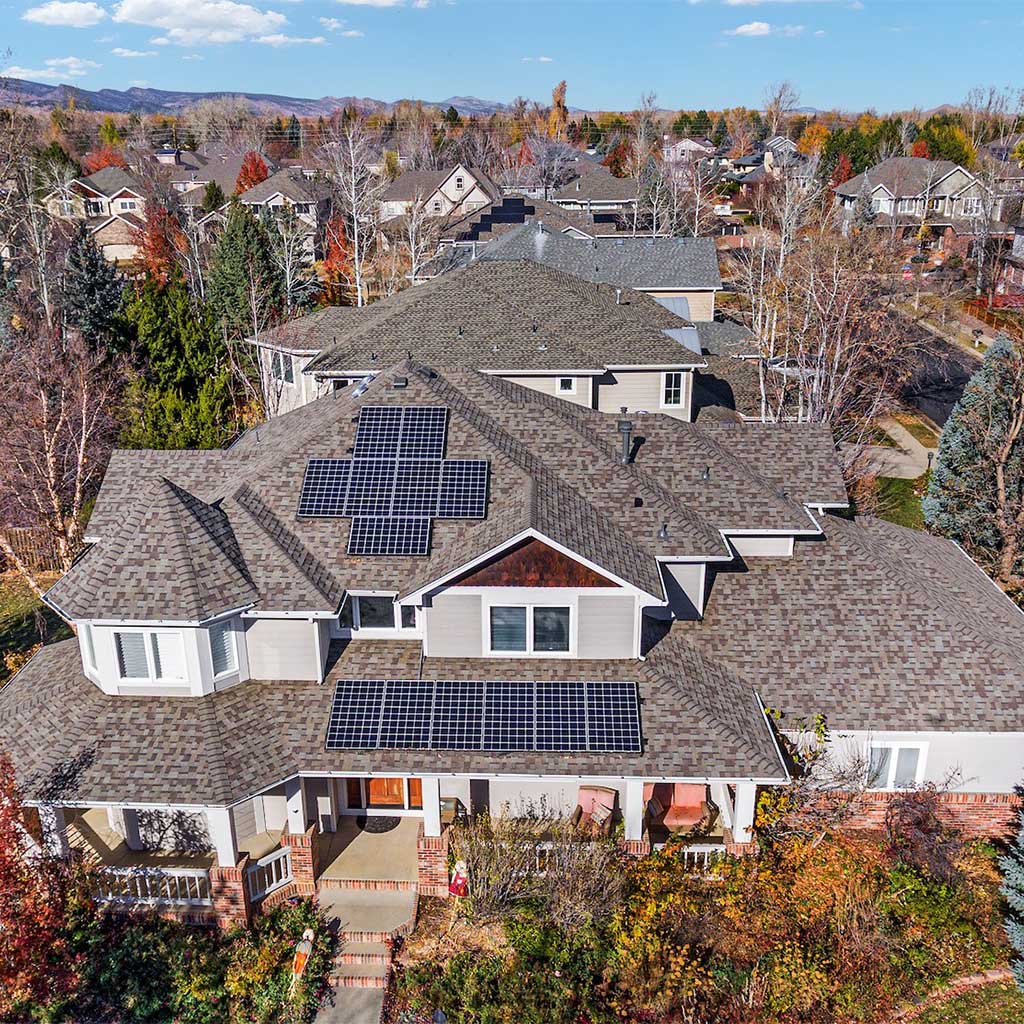
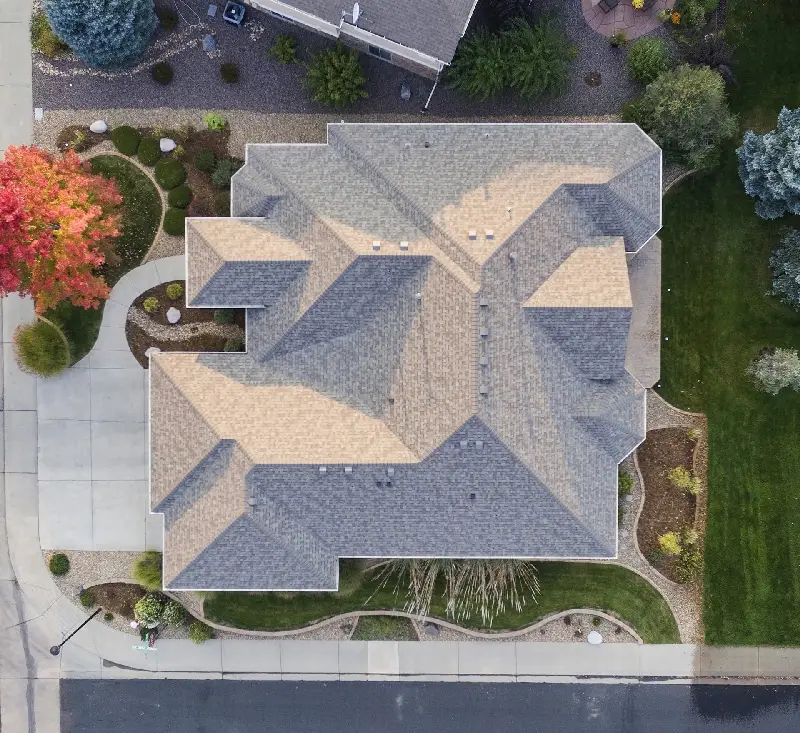
Greenwood Village is not a production-home market, and exterior work here does not price or sequence like one. The city incorporated in 1950 and most of its housing stock is custom — one-off elevations built between the 1960s and the 1990s on lots that are frequently a third of an acre to well over an acre. Two houses on the same street rarely share a siding profile, a roof pitch or a window schedule. That means an accurate estimate here starts with a measured walk of the actual building, not a square-footage assumption off a plan type.
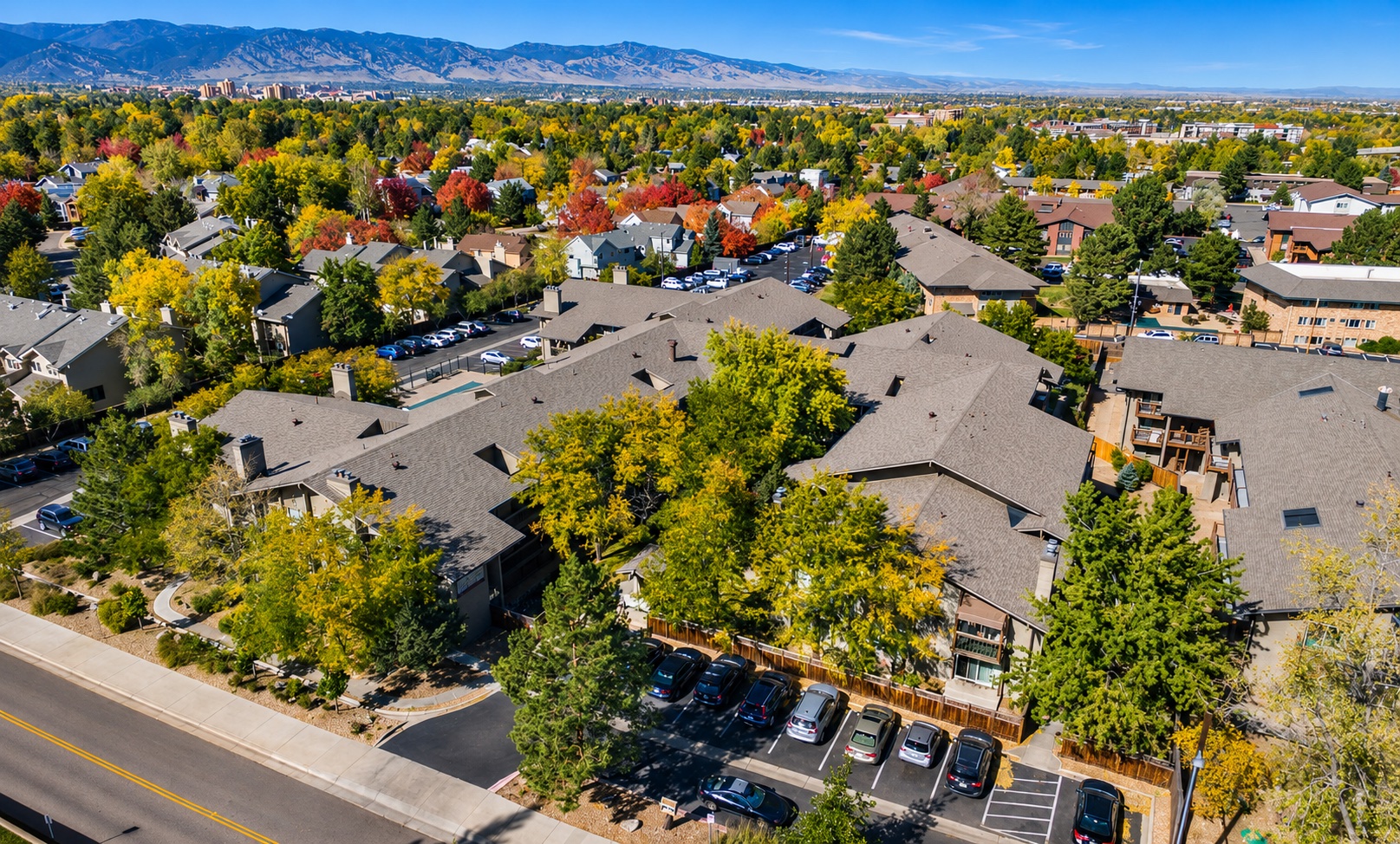
Greenwood Village carries an unusually heavy mature tree canopy for the Denver metro. Large lots that were planted out in the 1960s and 1970s now have forty- and fifty-foot deciduous trees close to the house. That canopy is the defining physical condition of the whole city, and it drives more exterior decisions than the weather does:
- North and east elevations stay damp. Shade plus retained moisture is what rots wood trim, lifts paint early and grows algae on siding. It is the single most common reason a Greenwood Village elevation fails years before the sunny side does.
- Roofs carry a debris load. Leaf and seed litter holds water in valleys and behind chimney crickets, blocks gutters, and feeds the dark algae streaking you see on north-facing slopes across the city.
- Limb impact is a real damage source, separate from hail. Overhanging branches score shingles and dent gutters and fascia in every wind event.
- Access is genuinely tighter than the lot size suggests. Mature landscaping, irrigation, circular drives and specimen trees decide where a dumpster, a lift or a materials drop can actually go, and that belongs in the plan before day one, not on the morning of.
On top of that, the weather at roughly 5,400 feet is hard on exteriors in four specific ways: hail in the Front Range corridor, downslope wind, UV intense enough to chalk south and west elevations early, and freeze–thaw that works on any joint water can sit in. Every material recommendation on the pages below is made against those four, not against a generic national spec sheet.
Greenwood Village Exterior Services by Trade
Each trade has its own Greenwood Village page with the detail, materials and pricing factors specific to it. Start with whichever one matches the problem you actually have.
Decks, Pergolas & Patio Covers
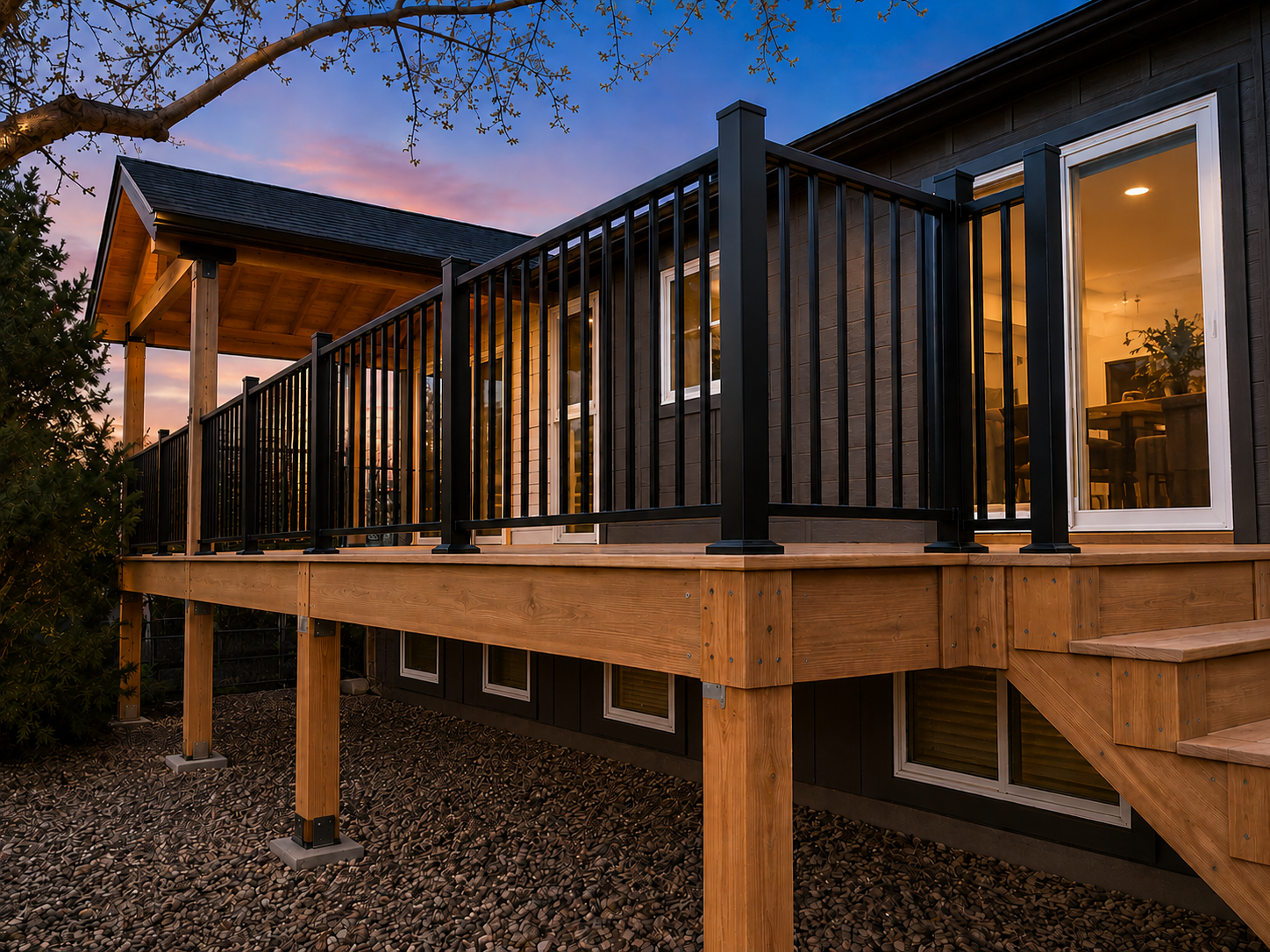
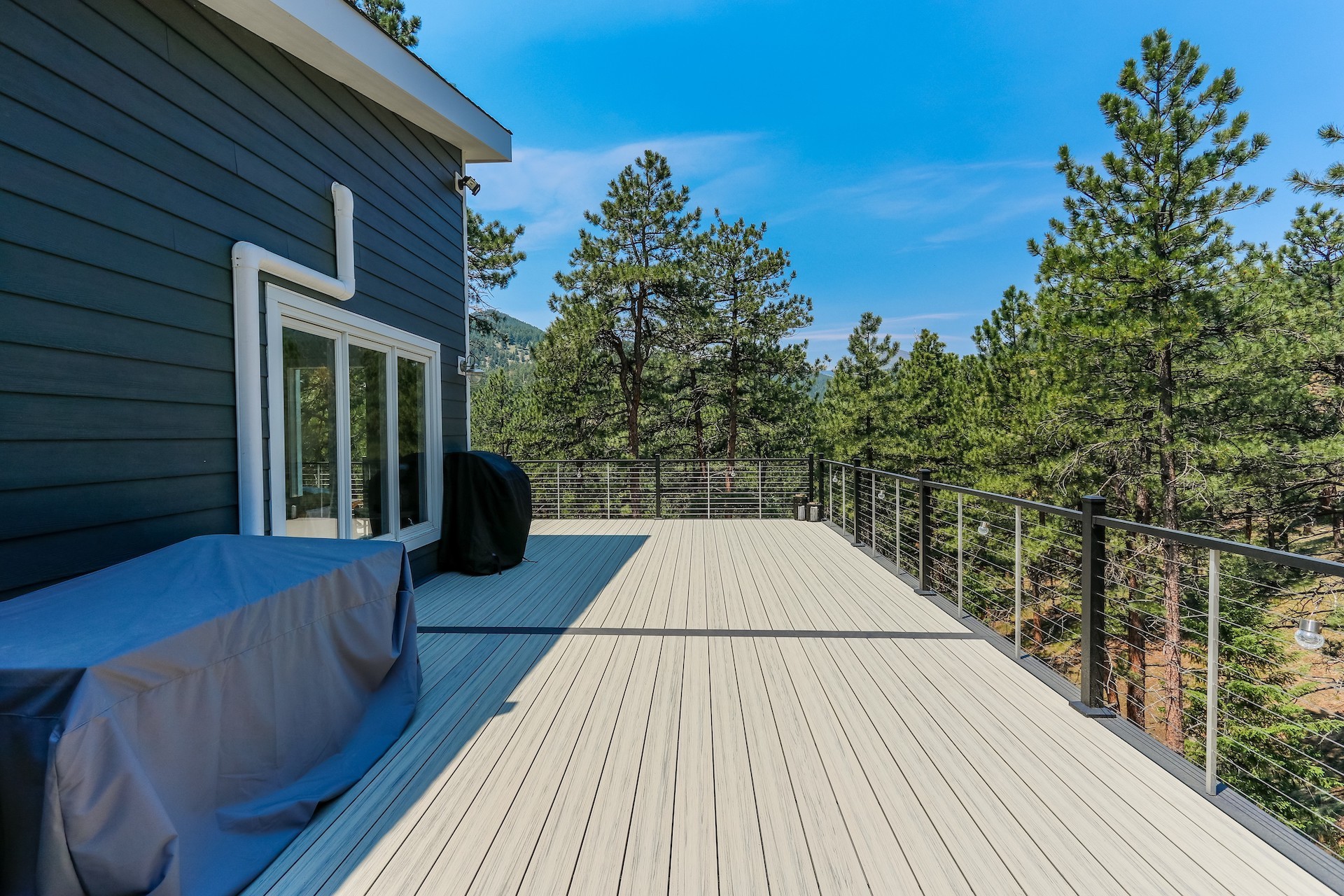
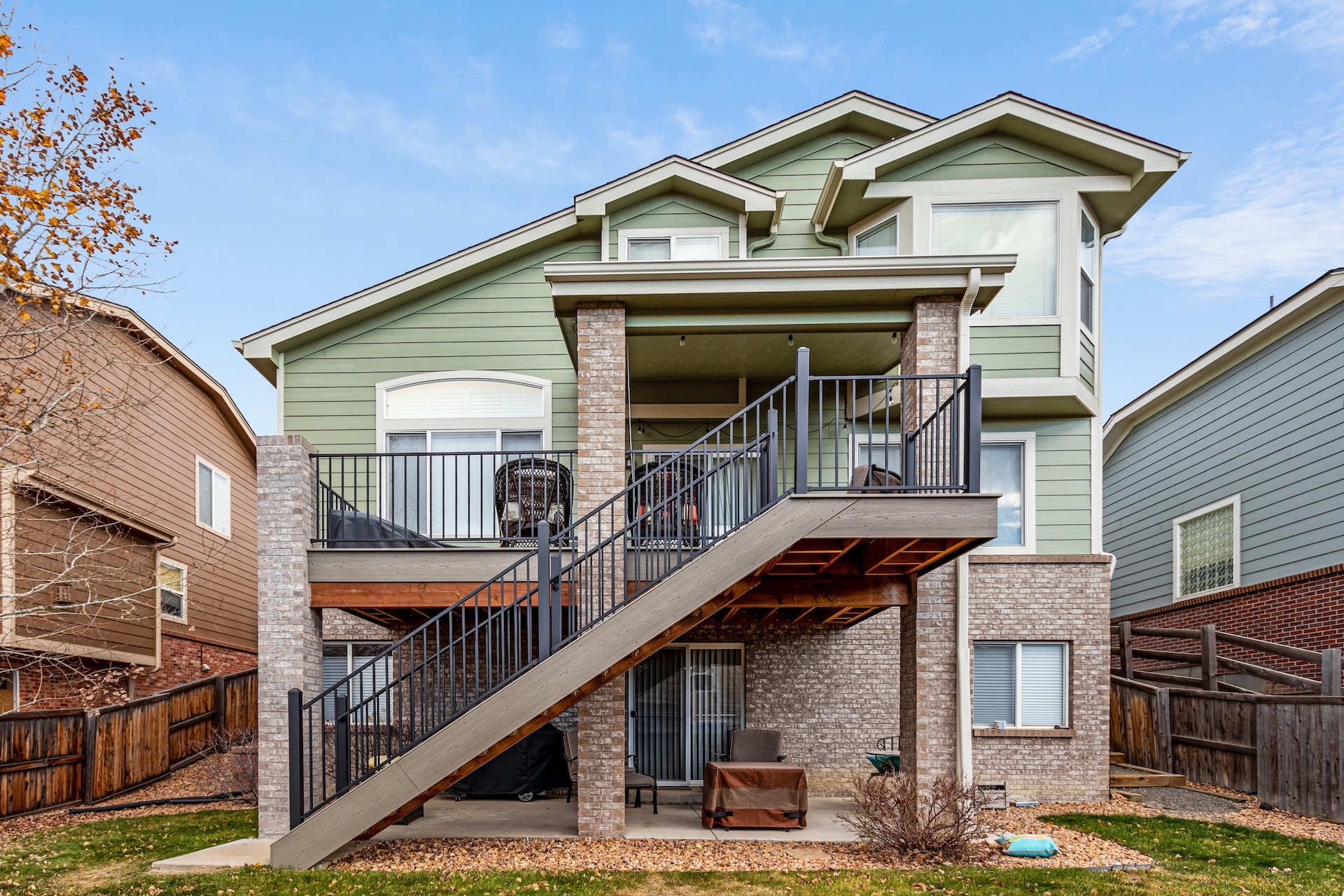
Composite and PVC decks, covered outdoor rooms, pergolas and patio covers built for big south-metro lots — and engineered for the wind uplift a roofed structure has to take here.
James Hardie Siding
Fiber cement as the replacement for the cedar, T1-11, masonite and stucco that clad most custom homes in this city. Elite Preferred contractor, including the Artisan and Aspyre lines.
Roofing & Hail Damage
Complex multi-plane custom roofs, impact-resistant Class 4 options, canopy debris and ventilation, and full support through an insurance claim.
Replacement Windows
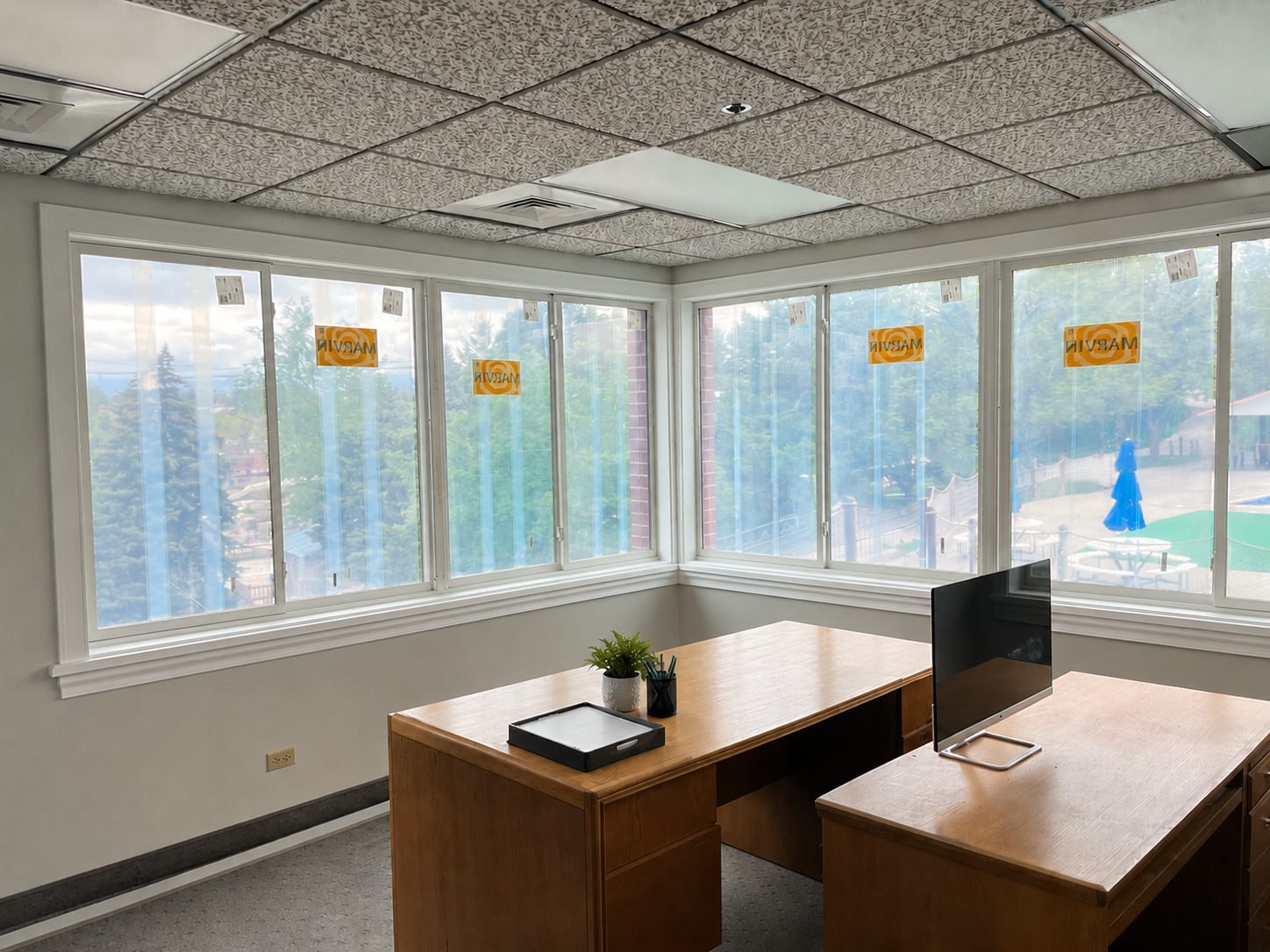
Wood-clad and fiberglass replacements that keep the sightlines on large fixed glass and window walls, plus failed insulated-glass units in 1980s and 1990s homes.
Siding Contractors
Brand-agnostic material advice for mixed-material elevations — stone base, horizontal field, board-and-batten gables — and the stucco repair-versus-reclad decision.
Commercial & HOA
Denver Tech Center offices and flex buildings, plus HOA and multifamily exteriors phased around occupancy and parking.
Looking specifically at Cherry Creek Village? That neighborhood has its own page covering the premium material tier and the design-led process those homes usually call for.
Sequencing a Whole-Exterior Project (and Why Order Saves Money)
Most Greenwood Village properties that call us need more than one trade. Doing them in the right order is worth real money, because several of these trades touch the same flashings, and redoing a flashing is pure waste. This is the order we recommend and why.
- Roof first, if it is within a few years of replacement. Roofing sets step flashing, kick-out flashing and the drip edge that siding has to tie into. Siding first means cutting into finished cladding later.
- Windows next. Window flanges and head flashing live behind the siding weather barrier. Replacing windows after new siding means opening that barrier again at every opening — the most common source of a leak that appears two years later.
- Siding and trim third, so it laps correctly over everything already installed and integrates the housewrap in one continuous plane.
- Decks, pergolas and patio covers last. Anything that ledgers into the house should attach through finished, properly flashed cladding — and it keeps the heaviest site traffic off a brand-new surface.
- Gutters and exterior paint to finish, once every penetration is final.
Where a budget will not stretch to all of it at once, we will tell you which items are protecting the building and which are cosmetic, and phase accordingly. We would rather sequence two seasons correctly than sell one oversized season.
Permits, HOA Review and What Actually Slows Projects Down Here
Greenwood Village runs its own building division, and roofing, siding, window and deck work is permitted through the City — not through Arapahoe County. We pull the permits and we schedule and meet the inspections; you should not be the one calling for them.
The bigger schedule risk in this city is usually not the permit. It is architectural review. Many Greenwood Village neighborhoods run an HOA or architectural control committee with real authority over color, material and profile, and review cycles can be measured in weeks rather than days. We prepare submittal packages — product data, color selections, elevation notes and physical samples where the committee wants them — and we start that process at contract signing rather than after material is ordered. If your committee only meets monthly, that one habit is often the difference between finishing this season and finishing next.
Two other Greenwood Village specifics worth knowing early: tree protection matters on these lots, so we agree access, staging and drip-line protection before mobilising; and large-lot setbacks mean detached structures and some deck configurations have more room to work with here than in a typical subdivision, which occasionally opens up a better design than the one you came in asking for.
The System Behind the Work
A whole-exterior project on a large Greenwood Village property touches several trades over several weeks, and the thing homeowners tell us they dread is not the noise or the mess — it is losing track of what is happening and who is responsible for it.
Two things make that possible, and they are the reason to choose us over a cheaper quote.
First, experience and scope. We have been working on Colorado’s Front Range since 2001, and we hold a Class C general contractor license (Colorado license #C120350) rather than a single-trade license. That is not a technicality: it means roofing, siding, windows, decks and outdoor living can run under one contract, with one project manager accountable for the flashings where those trades meet — which is precisely where multi-contractor projects leak, literally and figuratively. James Hardie recognizes us as an Elite Preferred contractor and a President’s Club winner, their highest contractor distinction. Our rating is 4.9 out of 5 from 552 verified reviews. Alongside that license we hold manufacturer certifications from James Hardie (Elite Preferred since 2011), GAF (Master Elite), Pella, TimberTech and Deckorators, and we have been named a Qualified Remodeler Top 500 contractor three years running — all of it listed, with the issuing body for each, on our awards and credentials page.
Second, a proprietary on-demand client portal we built ourselves. Most of what people hate about a remodel is not the construction. It is not knowing — who to call, whether the permit went in, when material arrives, what has been paid, whether it passed inspection. We built a system to remove exactly that, and as far as we know no other exterior contractor in this market offers it:
Every conversation in one place
Messages, decisions and change requests are logged against your project rather than scattered across texts, voicemails and three different crew members’ phones.
Contracts and scope, always retrievable
Your signed contract and itemized scope live in the portal, so “what did we actually agree to?” is a thing you look up rather than a thing you argue about.
Permit status you can see
Where the permit is in the process, and when inspections are scheduled — without having to phone anyone to find out.
Delivery and install schedules
When material lands and when each trade starts, so you can plan around the work instead of waiting for a truck to appear.
Before, during and final photography
Documented condition before we start, progress images through production, and final photography — including the parts of the building you will never see again once it is closed up.
Payments tracked per trade
What is paid and what is outstanding, broken out by trade rather than as one running balance you have to reconcile yourself.
Inspection records
Each inspection and its result, recorded against the project and available when you sell the house and someone asks.
Access is an individual, custom URL issued to you — and you get it when we start talking, at the lead and project meeting, not after you sign something. That is deliberate: you can see how we run a project before you commit to one. It then stays available after the work is finished, which matters more than it sounds, because the documentation, images and inspection records are exactly what a buyer’s agent, an appraiser or an insurer asks for years later. If you have high expectations of how a project should be run, this is the part of our offer worth judging us on.
Where We Work in Greenwood Village, Colorado
Greenwood Village sits in Arapahoe County in Denver’s south metro, between Cherry Hills Village to the north-west, Englewood to the west, Centennial to the south and Cherry Creek State Park to the east, with I-25 and Arapahoe Road running through it. We cover the whole city for every trade we offer — the large-lot custom homes west of I‑25, the newer pockets east of Yosemite, and the Denver Tech Center offices in between.
- 80111
- 80121
- 80112
- Cherry Creek Village
- Greenwood Hills
- Sundance Hills
- Orchard Hills
- The Preserve
- Belleview Village
- Denver Tech Center
We also work across the rest of the south metro — Cherry Hills Village, Centennial, Englewood, Littleton, Glendale and the City of Denver.
One thing worth clearing up, because it confuses almost everybody: three separate places here carry a similar name. Cherry Creek Village is a neighborhood inside Greenwood Village. Cherry Hills Village is its own incorporated town next door. And Cherry Creek is a neighborhood of the City of Denver. We serve all three. The reason to know which one you are in is purely practical — each has its own permit authority, so it changes who issues your permit and how long review takes.
We also work next door in Denver and across the south metro in Centennial, Englewood, Littleton, Glendale and Cherry Hills Village.
Talk to a Greenwood Village Exterior Contractor
We will walk the property, look at the elevations that are actually failing rather than the ones that are easy to see from the street, and give you a written scope with real numbers. No pressure, and no obligation to bundle trades you do not need yet.
Request Your Free Estimate → 📞 (303) 776-5263
Prefer email? Reach us at office@nlexteriors.com. Ask about financing options when we walk the property.
Not looking for Greenwood Village specifically? If you want the whole exterior handled across the Front Range, see our exterior remodeling company overview — every trade, one company, one warranty.
Greenwood Village Exterior Remodeling FAQs
Do you actually work in Greenwood Village, or just Denver?
We work in Greenwood Village directly, along with Cherry Hills Village, Centennial, Englewood, Littleton, Glendale and Denver. Greenwood Village has its own building division, so permits for your project are pulled through the City of Greenwood Village rather than through Arapahoe County or Denver.
Is Cherry Creek Village in Greenwood Village or in Denver?
Cherry Creek Village — both the North and South sections — is a neighborhood within the municipality of Greenwood Village, in Arapahoe County. Two nearby places have similar names: Cherry Hills Village is its own incorporated town, and Cherry Creek is a neighborhood of Denver. We serve all three. Knowing which one you are in matters only because each has its own permit authority.
Can you handle siding, roofing and windows on one contract?
Yes, and on a large-lot custom home it is usually the cheaper way to do it. Roofing, windows and siding all terminate into the same flashings, so running them under one contract in the right order means those details get built once. Separate contractors means somebody cuts into somebody else’s finished work.
What order should I do a whole-exterior project in?
Roof first if it is near end of life, then windows, then siding and trim, then decks and outdoor living, then gutters and paint. That order means every flashing is installed once and lapped correctly. If the budget needs phasing, we will tell you which items are protecting the building and which are cosmetic.
How long does HOA architectural review take in Greenwood Village?
It varies by neighborhood, and some committees meet only monthly, so plan on weeks rather than days. We prepare the submittal package — product data, color selections, elevation notes and physical samples — and start it at contract signing rather than after materials are ordered, which is usually what keeps a project in the current season.
Do the mature trees on my lot affect the work?
They affect access and they affect material choice. Access first: mature landscaping, irrigation and specimen trees decide where a dumpster, lift or material drop can go, so we agree staging and drip-line protection before we mobilize. Material second: shaded, damp north and east elevations are where wood trim rots and paint fails early, which is the main argument for fiber cement and for composite rather than wood outdoors.
Are you licensed and insured?
Yes — we carry a Colorado Class C general contractor license plus liability and workers’ compensation coverage, and we can send current certificates before work starts. Many Greenwood Village HOAs ask for them as part of architectural approval, so we normally include them in the submittal package.
What does exterior work cost in Greenwood Village?
There is no honest per-square-foot answer for this city, because the homes are custom and the elevations vary enormously — the number of stories, the complexity of the roof, the amount of trim and the access on the lot move a price far more than the floor area does. We give written, itemized numbers after walking the property, and we offer financing if you want to phase the cost.